
There’s just something magical about St Michael’s Mount that keeps pulling me back. This small tidal island in Cornwall lets you walk across a cobbled causeway at low tide or hop on a boat when the water rises. Every visit turns into an adventure.
As I approach the castle, perched high above the sea, it feels straight out of a storybook.
With ancient stone paths, a legendary castle, and a peaceful village below, every step reveals a view that sticks with you. I always look forward to the walk—timing the tides, feeling the ocean breeze, and watching the island get closer with each step.
Whether I’m crossing the causeway or gliding over the water by boat, getting to St Michael’s Mount never loses its magic. History sits in the stones, and there’s a sense of discovery around every corner. I can’t think of anywhere else in Cornwall quite like it.

Getting to St Michael’s Mount: Planning Your Adventure
Visiting St Michael’s Mount means you’ll want to check Cornwall’s famous tides, choose your travel option, and decide how you want to arrive—on foot over the causeway or by boat. Planning ahead makes the journey just as exciting as the destination.
Where Is St Michael’s Mount?
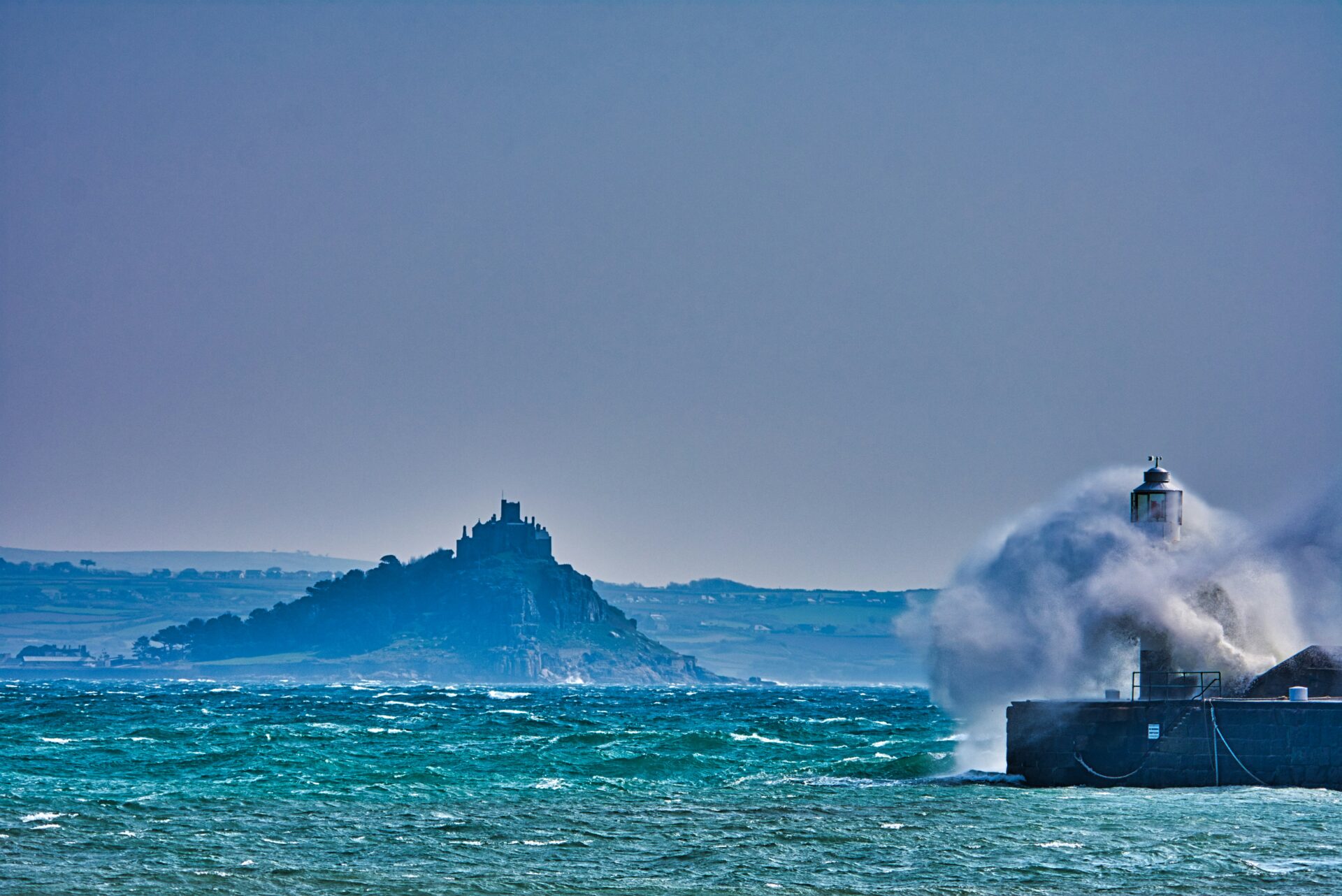
St Michael’s Mount sits just off Cornwall’s southern coast, in Mount’s Bay. The island is about 400 meters from the mainland, right near the town of Marazion.
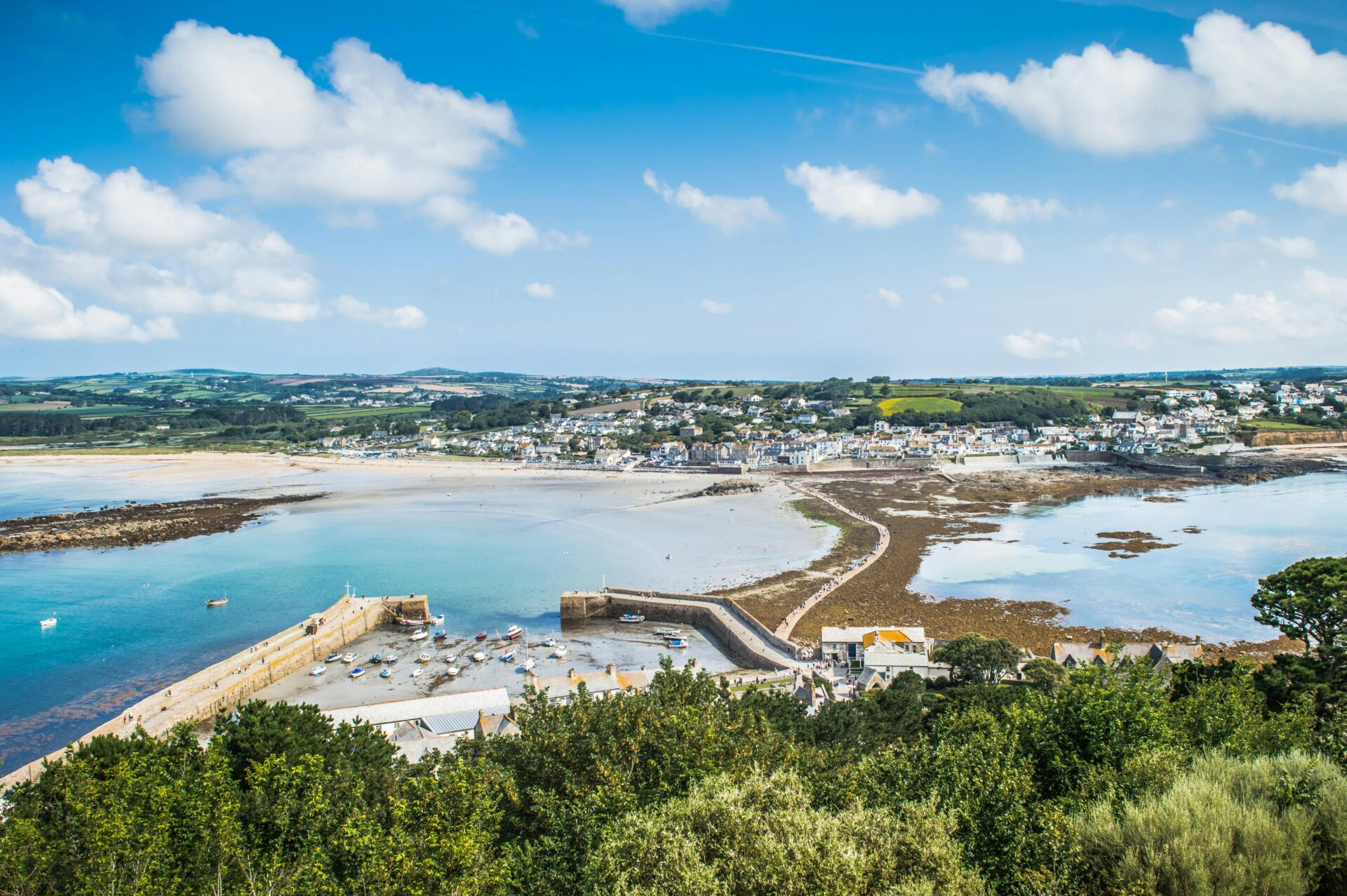
I always love how close it feels to the shore, yet it’s like its own little world. When the tide’s out, a stone causeway links Marazion to the island, so you can basically walk “on water” up to the castle gates.
From the beach, the castle rises above the harbor—a sight that instantly fires up your imagination. Marazion is a friendly Cornish town with cozy cafés and shops, perfect for exploring before or after your Mount adventure.
How to Reach Marazion
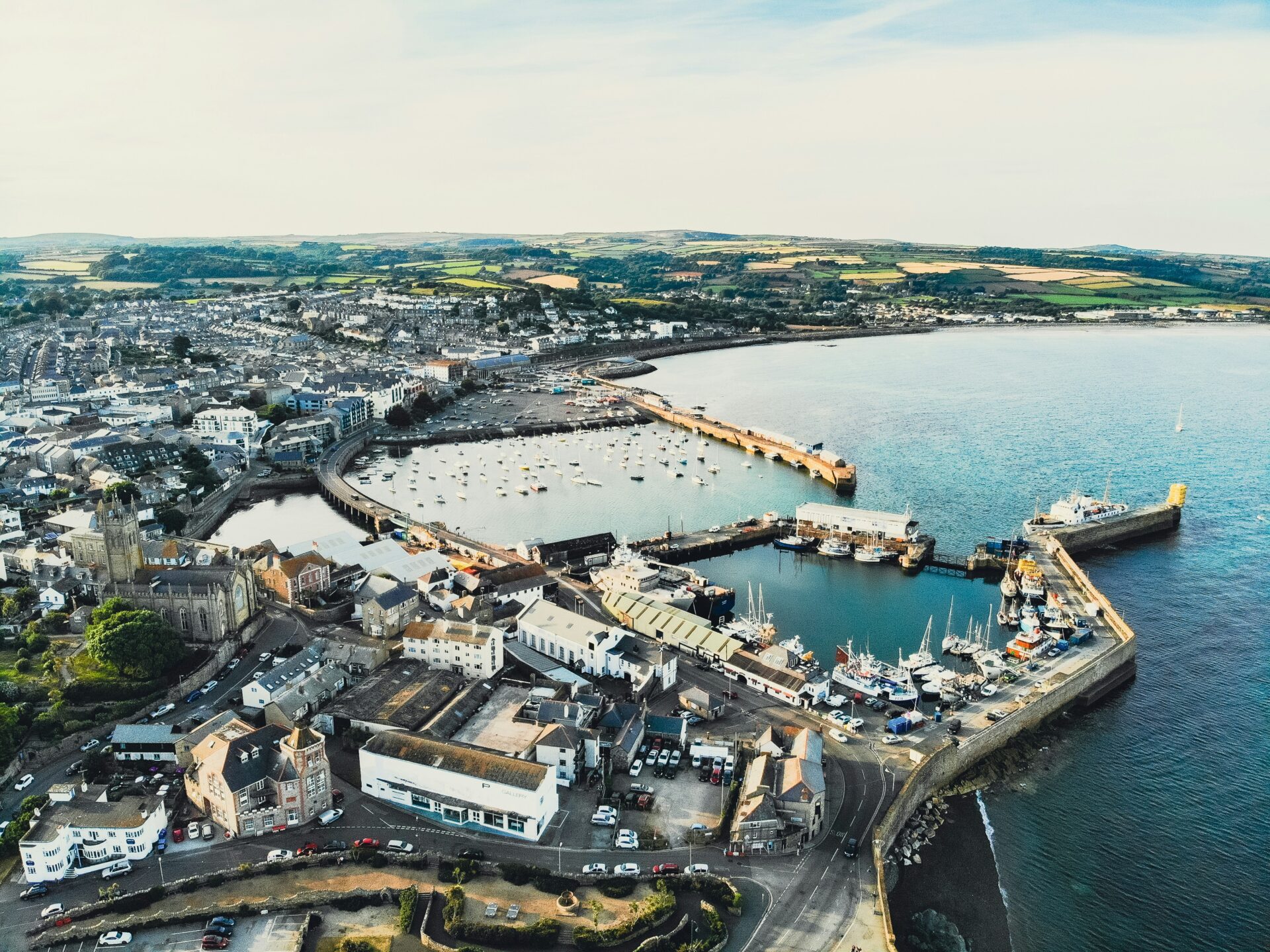
Getting to Marazion is easy, with a few options whether you’re coming from Cornwall, Penzance, or farther away.
From Penzance, you can drive there in ten minutes or catch a quick bus. If you’re coming from Truro or elsewhere in Cornwall, the A30 takes you straight to Marazion. I drove along the coast and honestly, the views alone made the trip worth it.
If you’re arriving by train, Penzance is the nearest main station. From there, buses (like the 2 and U4) run often to Marazion and it takes about 15 minutes. I found the connection simple, and the scenery is gorgeous the whole way.

Parking and Arriving by Car
Parking in Marazion is pretty straightforward, though in summer it fills up fast. Large car parks sit near the waterfront, including the Marazion Beach Car Park and Folleyfield Long Stay Car Park.
Both are just a short walk from the causeway. I got there early and snagged a spot without trouble. Parking costs a few pounds for the day, and pay-and-display machines take both cash and cards.
Most lots sit right by the water, so it’s only a quick stroll before you’re at the causeway or boat boarding point.
Here’s a quick look:
| Car Park Name | Location | Distance to Causeway | Payment Options |
|---|---|---|---|
| Marazion Beach Car Park | Beachfront west | 2 min walk | Cash & Card |
| Folleyfield Long Stay | Edge of town | 5 min walk | Cash & Card |
If you arrive early in peak season, you’ll avoid hassle. I always pause to enjoy the view from the car park—it’s that good.
Public Transport and The South West Coast Path
Buses from Penzance and other Cornish towns will drop you right in Marazion’s center. I took the local bus and found it reliable and quick. Routes are clear, and timetables are posted at each stop.
Even with luggage, it’s manageable, and you don’t have to worry about parking.
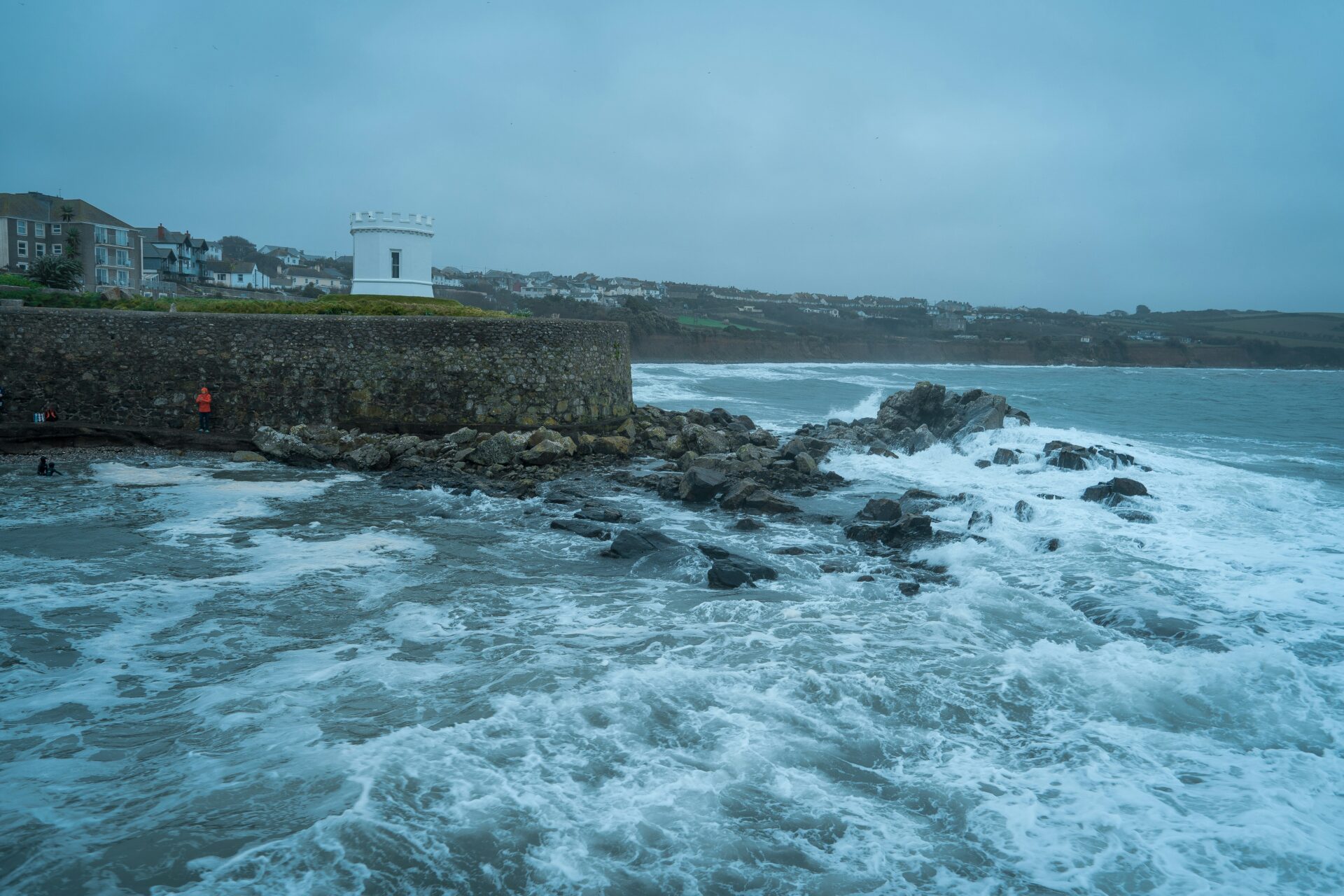
If you’re into walking, the South West Coast Path runs straight through Marazion. I tried a stretch and got treated to beautiful views of Mount’s Bay, wildflowers, and birds along the sea wall.
Many hikers use this as their entry point to the Mount, or just to start their visit with a bit of scenery.
Traveling this way adds some adventure, whether you’re catching the bus or hiking the scenic path. The anticipation builds as you round the last corner and spot St Michael’s Mount across the water.
Tidal Walk or Boat Trip: Crossing to the Island
Getting to St Michael’s Mount isn’t just about reaching a castle—the way you cross is part of the experience. Depending on the tide, you’ll either walk the ancient stone causeway or hop on a ferry for a scenic ride.
Walking the Causeway at Low Tide
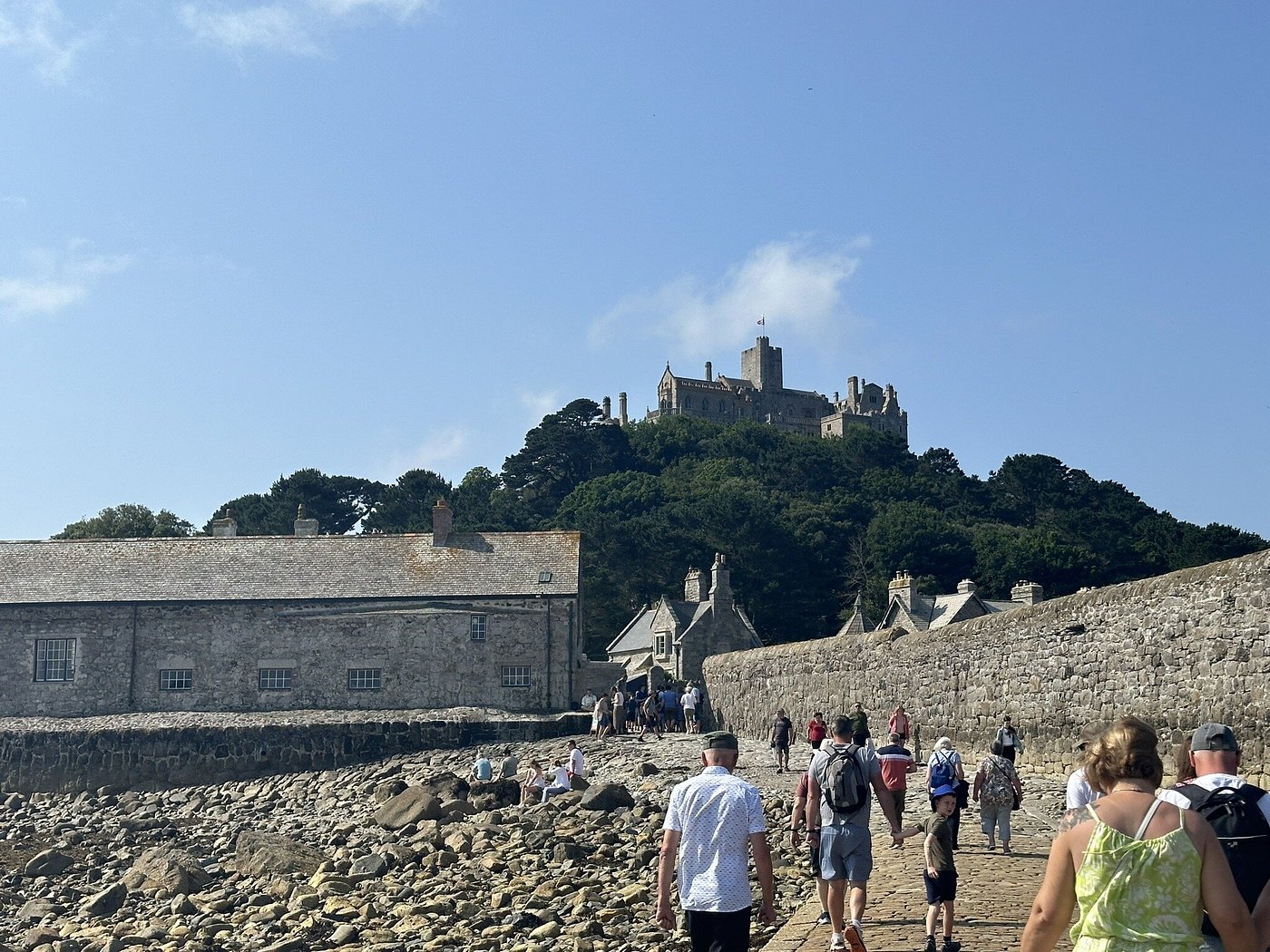
When the sea pulls back at low tide, a stone causeway appears, stretching from Marazion right to the island.
Walking the causeway feels like stepping into another world. Every step brings me closer to the castle, rising above the little village below.
The path is uneven and can get slippery, so I recommend sturdy shoes.
It takes about ten minutes to cross. Watching the water creep in on both sides adds some excitement.
I like to pause halfway, breathe the sea air, and take in the Cornish coastline.
This route is only open for a few hours each day when the tide is right. If you miss the window, you’ll wait for the next low tide or catch a ferry instead.

Catching the Ferry at High Tide
When the tide covers the causeway, small passenger boats shuttle visitors back and forth every few minutes.
The ferry landing sits right by the start of the causeway, so it’s easy to switch from walking to boarding if the tide comes in unexpectedly.
Staff are always there to help, guiding passengers and making sure everyone gets on safely—even families with strollers or travelers who need extra help.
You usually buy boat tickets at the dock or online with your entry. The trip is short—five to ten minutes—but gives you a totally different angle on St Michael’s Mount.
During busy days or special events, extra boats run so lines move quickly. Boats keep going until the last visitor leaves.

Checking Tide Times and the Tidal Clock
Timing is everything here. The causeway is open for about four hours at each low tide, and boats run the rest of the time.
I always check the official tide times before I set out. The island’s website has a tidal clock and daily schedule, so planning is pretty simple.
Arriving fifteen minutes early helps me make sure I can walk across and not miss out.
Here’s a sample table I use:
| Time of Day | Access Method |
|---|---|
| 8:00 AM – 12:00 PM | Walk causeway |
| 12:01 PM – 4:00 PM | Ferry only |
| 4:01 PM – 8:00 PM | Walk causeway |
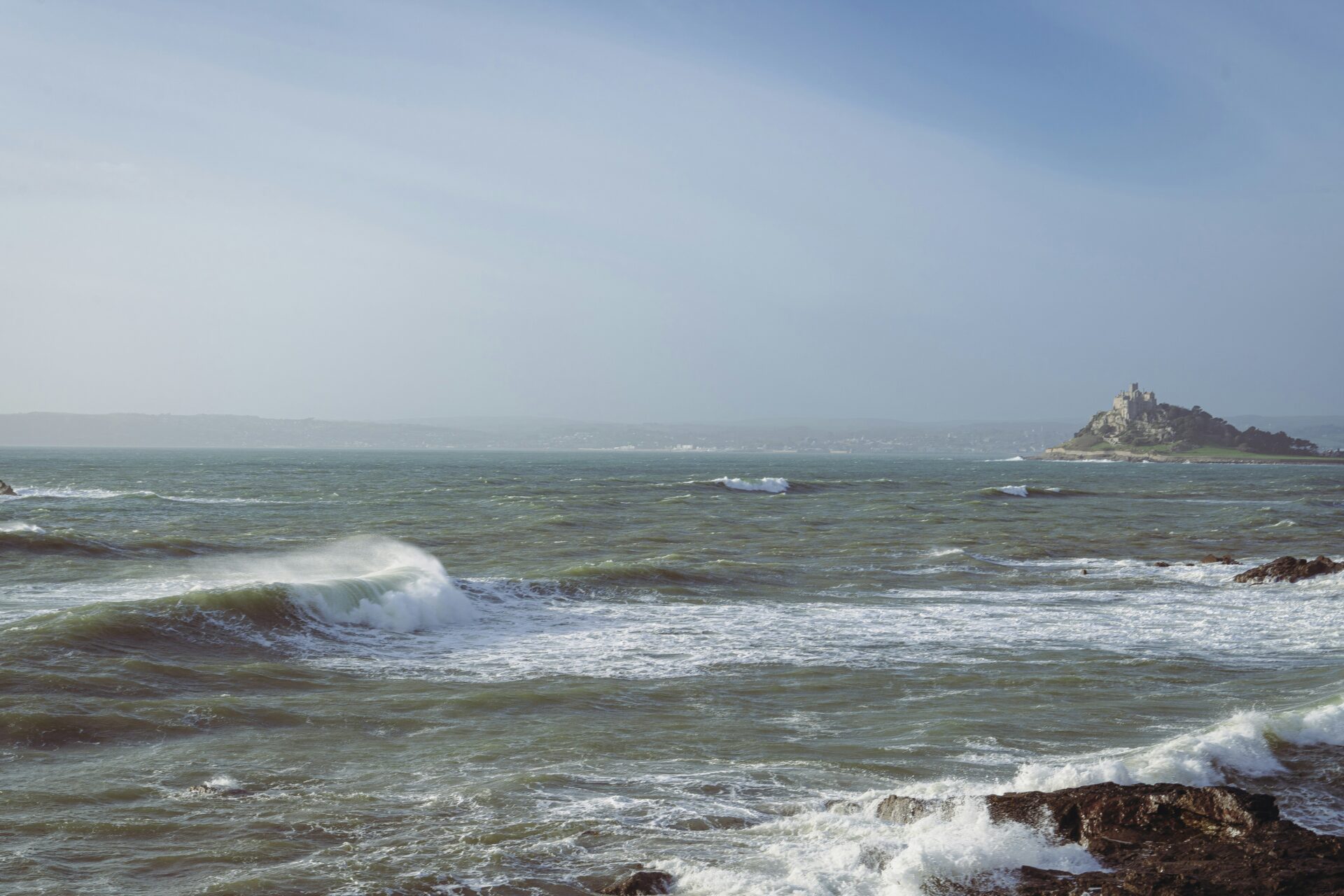
Weather can throw off the timings. Sudden winds, high swells, or storms might slow down the boats or cancel crossings, so I always check for updates online.

What to Expect From the Boat Ride
Boarding the ferry is quick and pretty relaxed. There’s an open deck, so you can soak up the sea breeze and take in views back to Marazion.
As the boat glides over the tidal waters, the castle rises above the shore—perfect for photos. I usually spot seabirds darting along the water and sometimes kayakers out for a paddle.
The crossing is smooth, though it can get a bit bouncy if it’s windy. Staff give a quick safety rundown before you set off.
All ages are welcome, and small pets usually ride free if they’re on a lead.
Once you step off at the island jetty, you’re just a few steps from the harbor village and ready to explore. The boat ride adds a sense of arrival and adventure that’s a little different from walking the causeway.
Exploring the Castle: History, Architecture & Hidden Gems
Walking into St Michael’s Mount castle feels like stepping back in time. Each room tells its own story, from ancient stone walls to little family secrets tucked away.
I always find surprises behind every door—sometimes it’s a piece of history, sometimes just an incredible view out to sea.
The Medieval Castle and Abbey
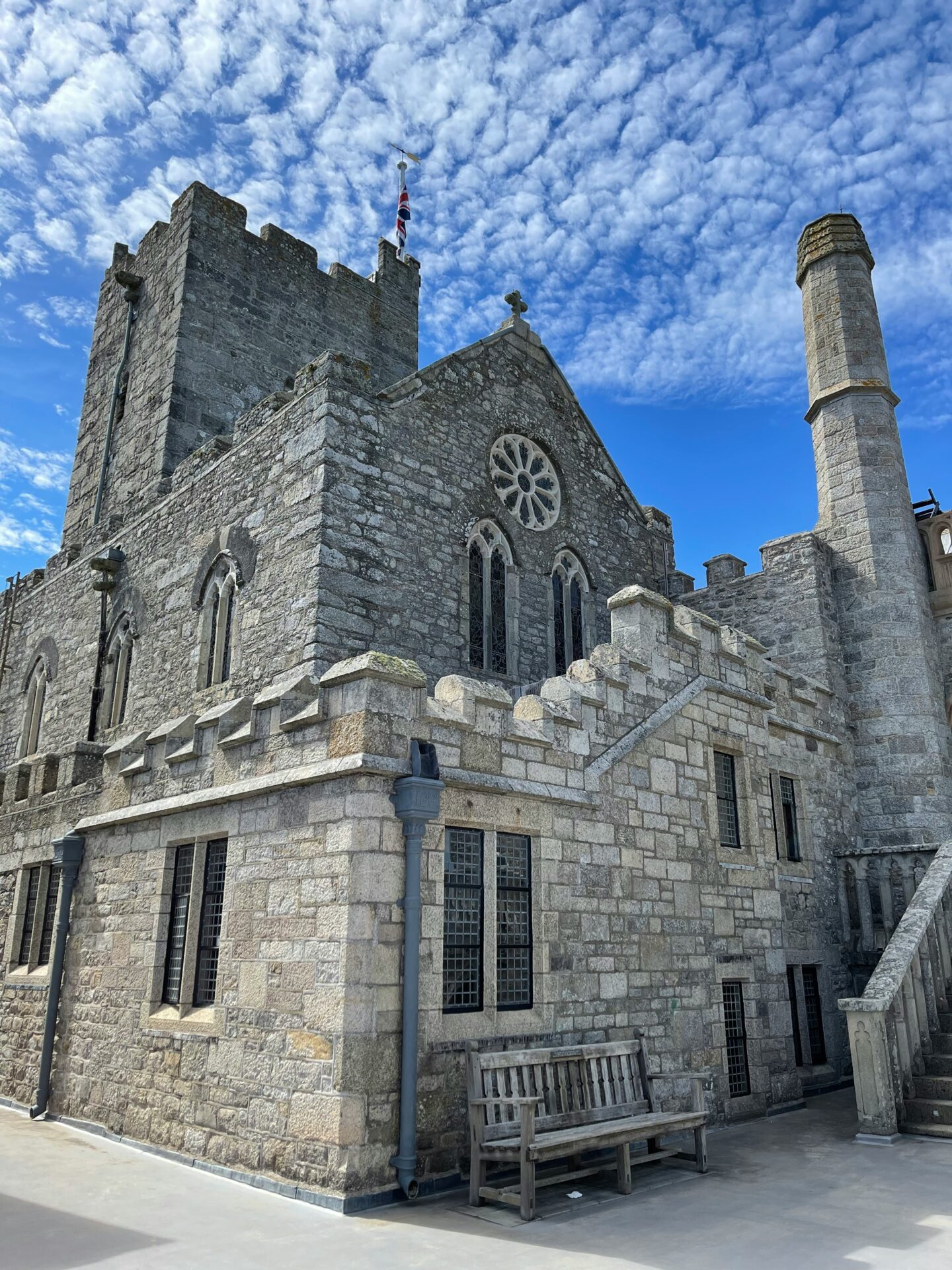
The heart of St Michael’s Mount is its medieval castle, rising dramatically above the island. The castle’s roots stretch back to the 12th century, when Benedictine monks from Mont-Saint-Michel in France built their abbey here.
When I walk through the arched gateways, I can almost hear the echo of prayers and the quiet shuffle of monks from centuries ago.
The granite structure has survived storms, sieges, and centuries of change. Thick, weathered walls and narrow windows show off classic medieval architecture.
One of my favorite things is how old towers blend with later additions—each stone layer revealing something about Cornwall’s history.
Inside, you’ll find tapestries, religious relics, and armor that keep the past alive. Information signs help you see how the island’s role shifted from a place of worship to a fortress during times of conflict.
Restoration and The St Aubyn Family
Colonel John St Aubyn and his family led the restoration work in the 17th and 18th centuries. They transformed the old religious site into a stately family home.
The St Aubyn family still lives here, which makes St Michael’s Mount different from most historic castles.
I always notice the family’s touch—from portraits in the hallways to the careful upkeep of gardens and towers. The National Trust and the St Aubyn family now manage the island together, making sure its layered history stays alive for visitors.
Restoration has saved so many features. Through plaques and photos, I learned about the different phases, including how the castle was adapted after damage in the English Civil War.
Unique Rooms: Chevy Chase and Garrison Room
You shouldn’t miss the standout rooms. The Chevy Chase Room is famous for its hand-carved wooden frieze, telling the story of the old English hunting ballad “Chevy Chase.”
When I step inside, the dark timber and carvings feel both grand and strangely cozy. The storytelling here isn’t just heard—it’s carved into the walls.
The Garrison Room, once used by soldiers who defended the Mount, has a totally different air. Its thick walls and old weapons remind me this wasn’t always a peaceful place.
Looking out from its windows, I picture watchmen scanning the sea for invaders. These rooms really bring history close.

Historical Treasures: The Library and More
The castle’s library is a smaller, quieter spot, but it’s easy to imagine hours spent reading old maps and books by the window.
I found shelves filled with ancient volumes, family records, and maritime charts. The view from the library is another highlight, with a panorama across Mount’s Bay to Marazion.
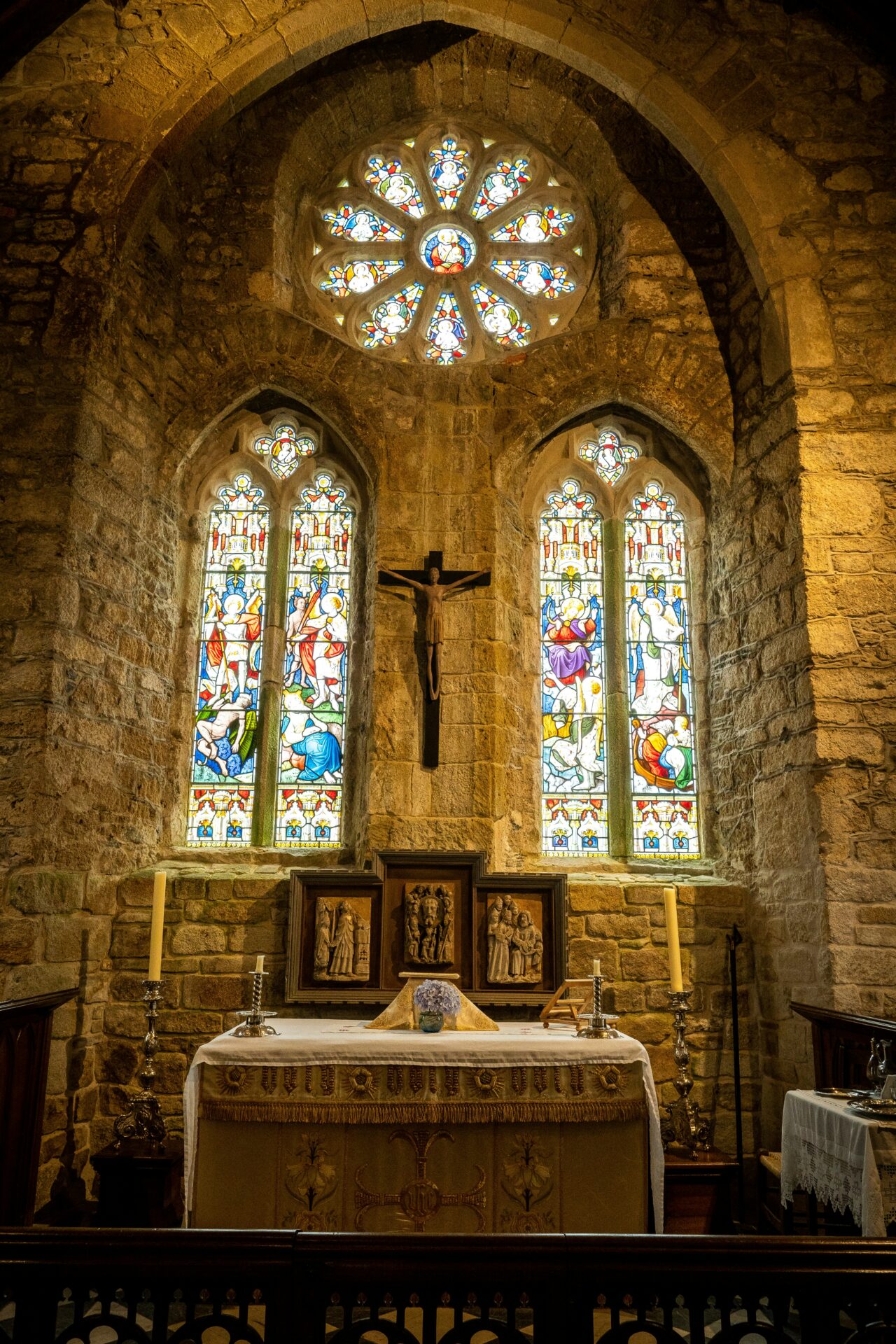
Other treasures include armor, antique furniture, and displays of silverware used for royal visits. I notice little details, like worn stone steps and original stained glass, showing how the castle has changed with each generation.
Here’s a quick sample of historical features:
| Feature | Description |
|---|---|
| The Library | Rare books, family archives, sea views |
| Chevy Chase Room | Historic hunting frieze and woodwork |
| Garrison Room | Military artifacts, thick stone walls |
| Ancient Chapel | Small, with colorful stained glass |
Every detail brings the Mount’s past to life as I wander, always curious about what’s behind the next doorway.
Wandering the Gardens and Savouring the Views
Surrounded by the lush, terraced gardens of St Michael’s Mount, I found myself caught up in the vibrant colors, creative plantings, and sweeping sea views in every direction.
Exploring this living masterpiece meant discovering rare plants, chatting with friendly gardeners, stumbling across artistic surprises, and finding picnic spots with unforgettable scenery.
Famous Succulents and Subtropical Planting
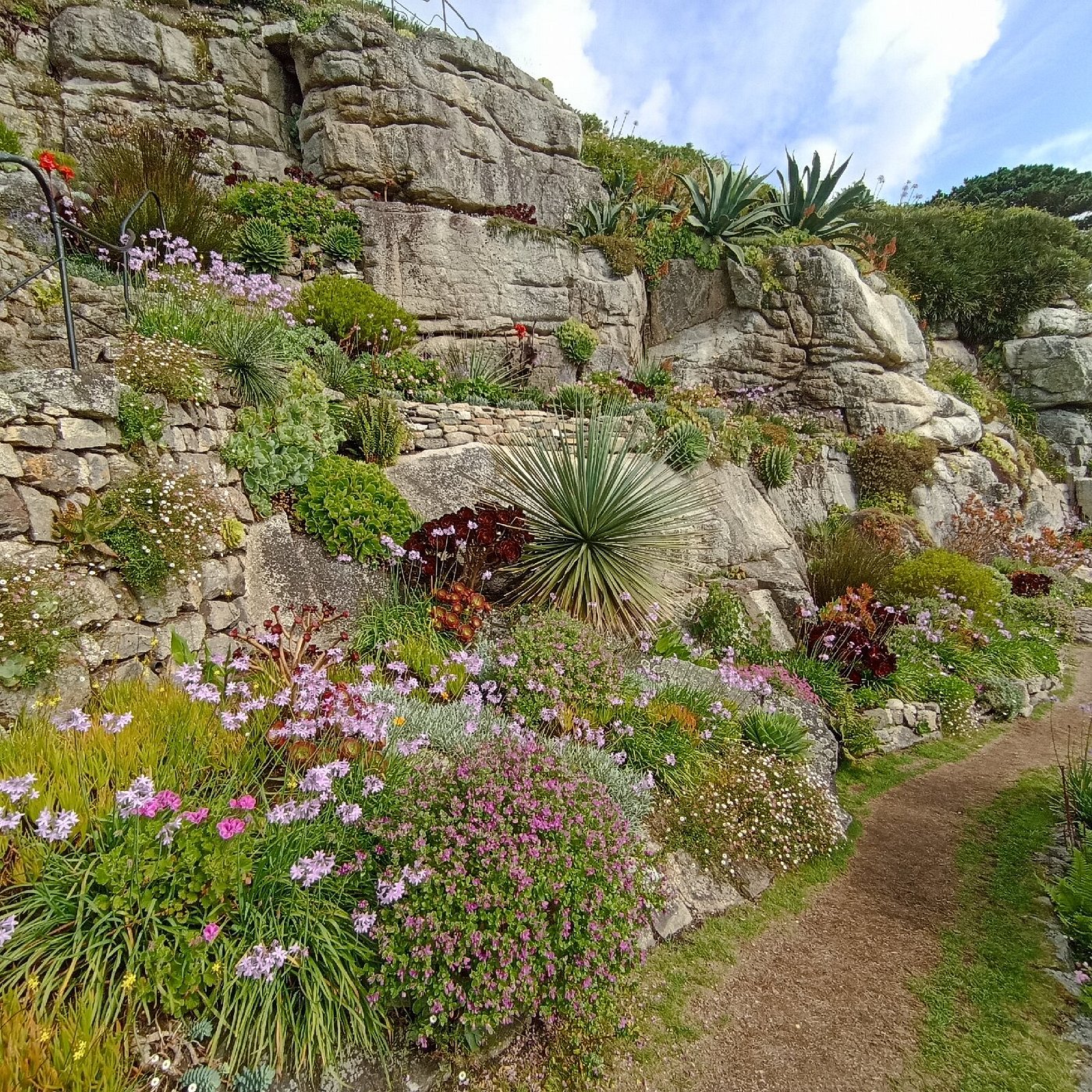
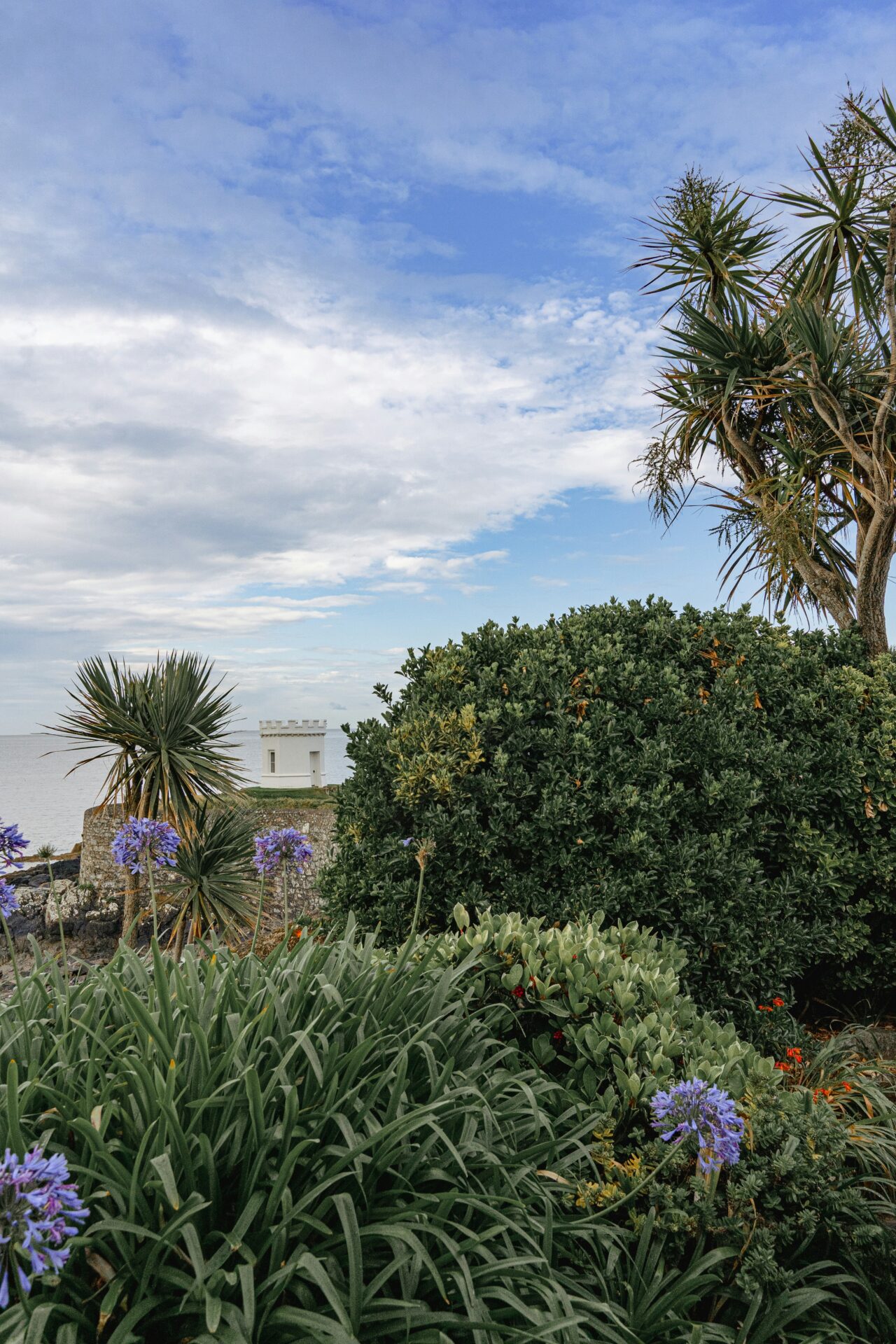
St Michael’s Mount’s gardens are famous for their succulents and exotic subtropical plants. The island’s mild coastal climate and shelter from harsh winds help these special gardens thrive.
I saw aloe, agave, and echium growing bigger than I’d ever seen, their leaves and spires soaking up the Cornish sunshine. Even on cooler days, bright flowers and unusual shapes made every turn exciting.
Some of the paths twist through rocky slopes where drought-tolerant succulents cling to granite. Honestly, it felt like wandering into a secret world.
Spotting spiky-leaved agaves with the ocean as a backdrop was a highlight. The mix of bold plants and bright blooms created amazing photo opportunities.
If you love gardens, these plantings are a standout reason to visit.
Meet the Gardeners
During my visit, I chatted with a few head gardeners. They were eager to share their tips for growing subtropical plants in Cornwall’s unique conditions.
A lot of them experiment with new varieties and protect rare specimens when the wind picks up. Most of the gardening team works by hand, tending every corner of the estate.
Seeing them up close, I gained a new appreciation for the years of effort that shaped these steep terraces into living art. Gardeners here enjoy sharing stories or answering questions from curious visitors.
If you time your walk right, you might catch them working near the paths—happy to offer advice or point out rare floral treasures you’d otherwise miss.
Picnic Spots With Stunning Views
Tucked among the terraces, you’ll find several lovely spots for a picnic. I found a quiet bench surrounded by bright echiums, overlooking the sparkling bay.
The sound of the tide below and the fresh sea air made it an unforgettable lunch break.
- Best places for a picnic:
- Near the high terraces with sea views
- Next to secret garden nooks with shade and shelter
- Benches facing the castle or the coast
Bringing your own food is allowed, but I picked up some tasty local treats from the on-island café. Biting into a Cornish pasty while gazing across Mount’s Bay turned a simple meal into something special.
Garden Art and Local Creations
As I explored, I came across striking sculptures and local artwork tucked throughout the gardens. Some pieces blended into the planting—metal forms shaped like birds or waves, and mosaics hidden beside winding paths.
These touches brought moments of surprise and showed how art and nature mix on the island. A small gallery showcases art made by residents and Cornish makers.
I saw painted tiles, small sculptures, and even a few pieces inspired by the history and myths of St Michael’s Mount. Local artists often draw inspiration from the views and the changing light.
Their work adds a creative layer to the garden, and honestly, I left tempted to take home something to remember the visit by. If you like discovering unique art in unexpected places, these gardens won’t disappoint.

Making the Most of Your Visit: Tips, Experiences, and Nearby Highlights
Planning a trip to St Michael’s Mount is about more than just seeing the castle. Knowing when to go, how to save money, and what else to explore nearby can really turn a good visit into something memorable.
Best Times to Visit and Weather Considerations
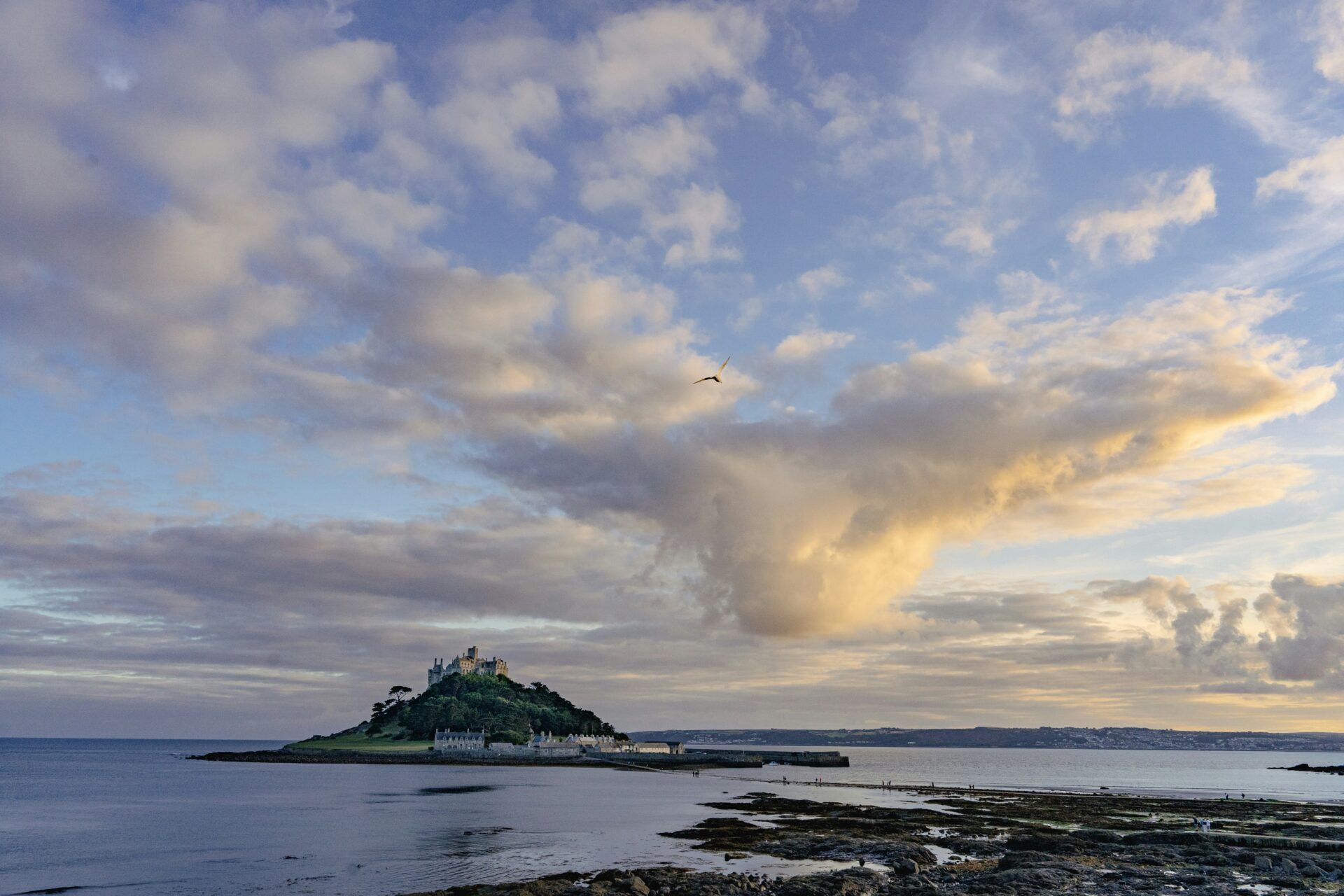
I think the Mount looks its best on clear, sunny days, especially in spring or early autumn. That’s when the gardens are colorful, the sea sparkles, and the path across the tidal causeway is easy to walk.
If you visit during high summer, expect crowds—especially on weekends and school holidays. Cornish weather is unpredictable.
I always bring a light raincoat and check tide times in advance, because getting stranded or soaked is never fun. The wind picks up around the seaport and on the causeway, so I dress in layers and keep a hat handy.
Early mornings or later afternoons usually feel quieter, with more peaceful moments to take in the views.
National Trust Membership and Tickets
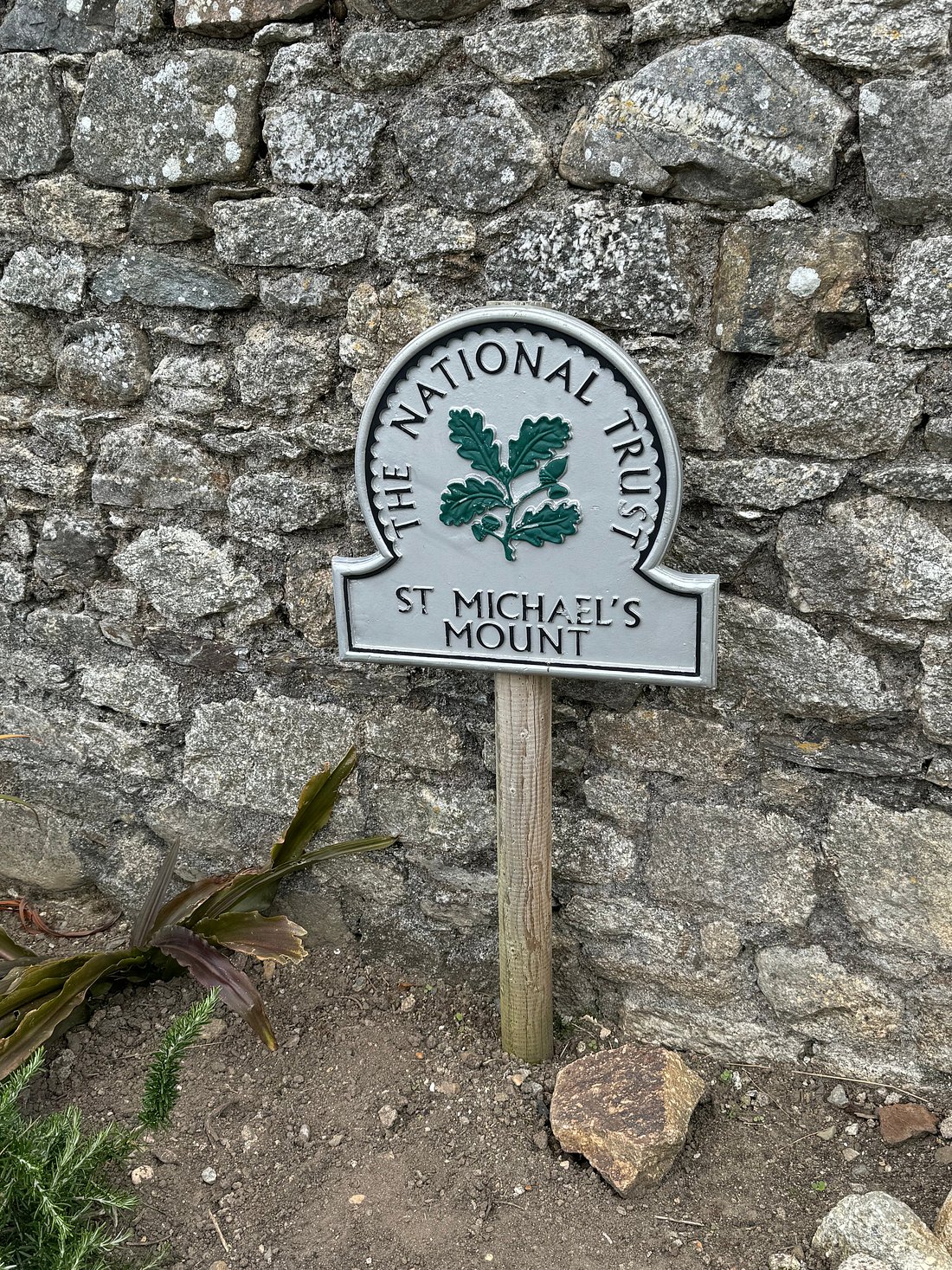
The National Trust manages St Michael’s Mount. I quickly learned that having a membership pays off, especially if you want to avoid high ticket prices at the gate.
As a member, I get free entry to the castle and gardens, which adds up if I’m traveling with family. Non-members can buy tickets online, and honestly, that’s the way to go during busy seasons.
I like to book ahead to guarantee my spot and avoid waiting in long lines. Sometimes special events affect ticket prices or opening hours, so I always check the official website before planning my day.
| Ticket Type | National Trust Member | Non-Member |
|---|---|---|
| Castle & Gardens | Free Entry | Required |
| Gardens Only | Free Entry | Required |
Reviews and Traveler Experiences
Reading other visitors’ reviews helped me shape my own trip. Many people say the walk up to the castle is steep but manageable with sturdy shoes.
Families say kids love spotting fish and crabs in the tidal pools as they cross. The boat ride during high tide feels like a little adventure by itself.
A common tip: give yourself at least 30 minutes to cross the causeway—longer if you want to linger or take photos. Reviews also praise the helpful staff and the sweeping views from the ramparts.
I made a list of what travelers recommend packing: comfortable shoes, windbreakers, and, of course, a camera.
Nearby Sights: Beaches, Seaports, and Cornish Coastline
Exploring beyond the Mount is absolutely worth it. Marazion Beach, right next to the causeway, is a great spot to relax or have a quick picnic with a view of the castle.
I often walk along the shoreline, enjoying the salty breeze and watching sailboats come and go from the nearby seaport. The Cornish coastline is dotted with small coves.
Within a short drive, I’ve discovered Penzance with its historic harbor, and charming fishing villages like Mousehole. These local gems offer fresh seafood, local art galleries, and postcard-perfect sea views.
Walking the coastal paths, I see why this part of England keeps calling me back.
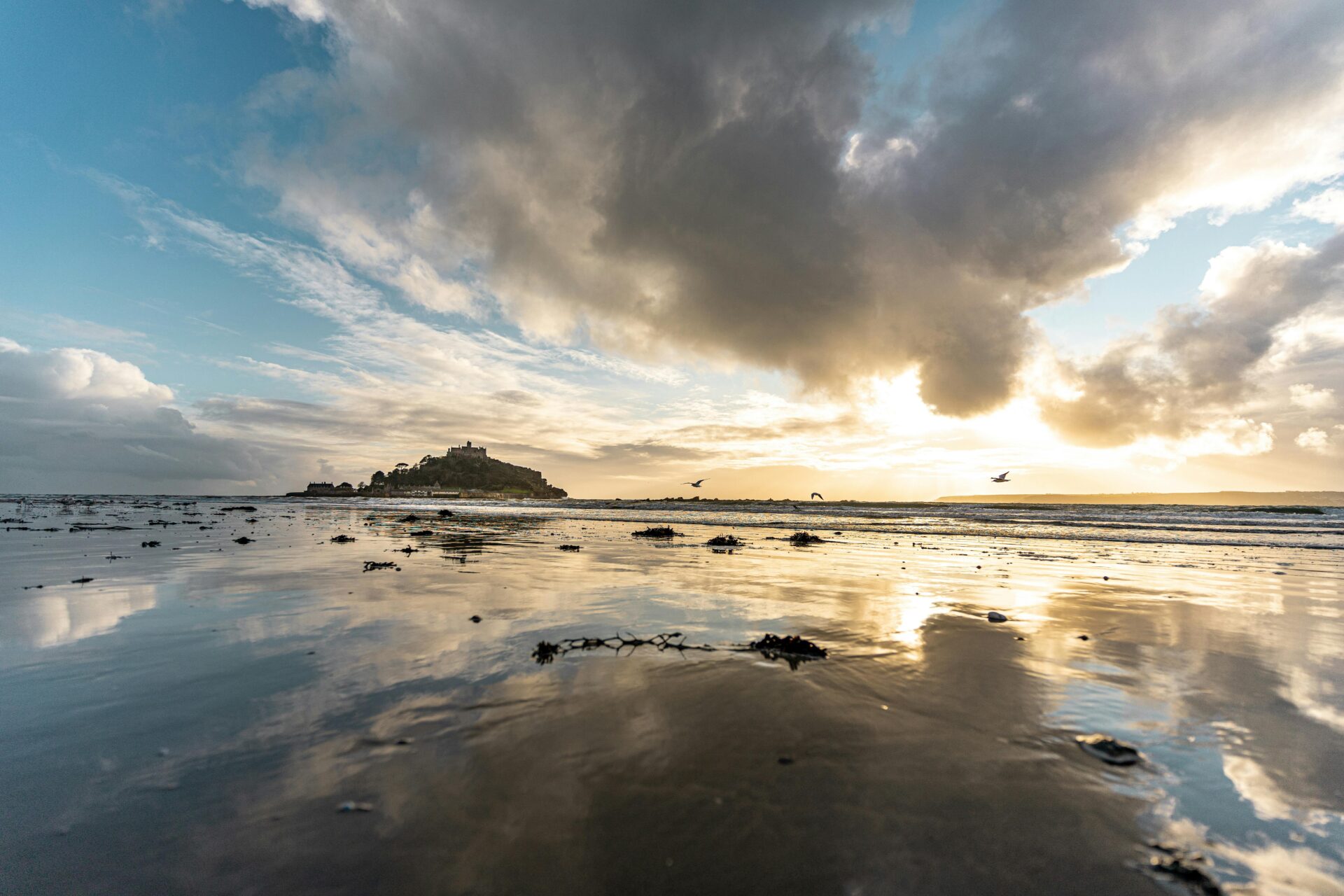
St Michael’s Mount in Context: Connections and Legends
Standing on St Michael’s Mount, you can feel how this tidal island connects to more than just Cornwall’s coast. Its stories, history, and ties to other landmarks make every visit part adventure, part exploration of deeper roots.
Links to Mont-Saint-Michel and Normandy
As I walked the causeway, I couldn’t help but think of Mont-Saint-Michel in Normandy. St Michael’s Mount and that French island are “sister sites,” both dedicated to the archangel Michael.
Mont-Saint-Michel is larger but feels magically similar, rising out of the sea in the same way. Both islands have striking medieval abbeys, and each served as an important religious center for hundreds of years.
The tradition of building sacred places on rocky islands came from France to Cornwall, and the name “St Michael’s Mount” was even inspired by its Norman counterpart. Centuries ago, monks traveled from Normandy to set up a monastery here, so the cultural exchange runs deep.
Their connection isn’t just in location but also in legend. Stories tell of visions of St Michael appearing on both islands, making them sites of spiritual pilgrimage.
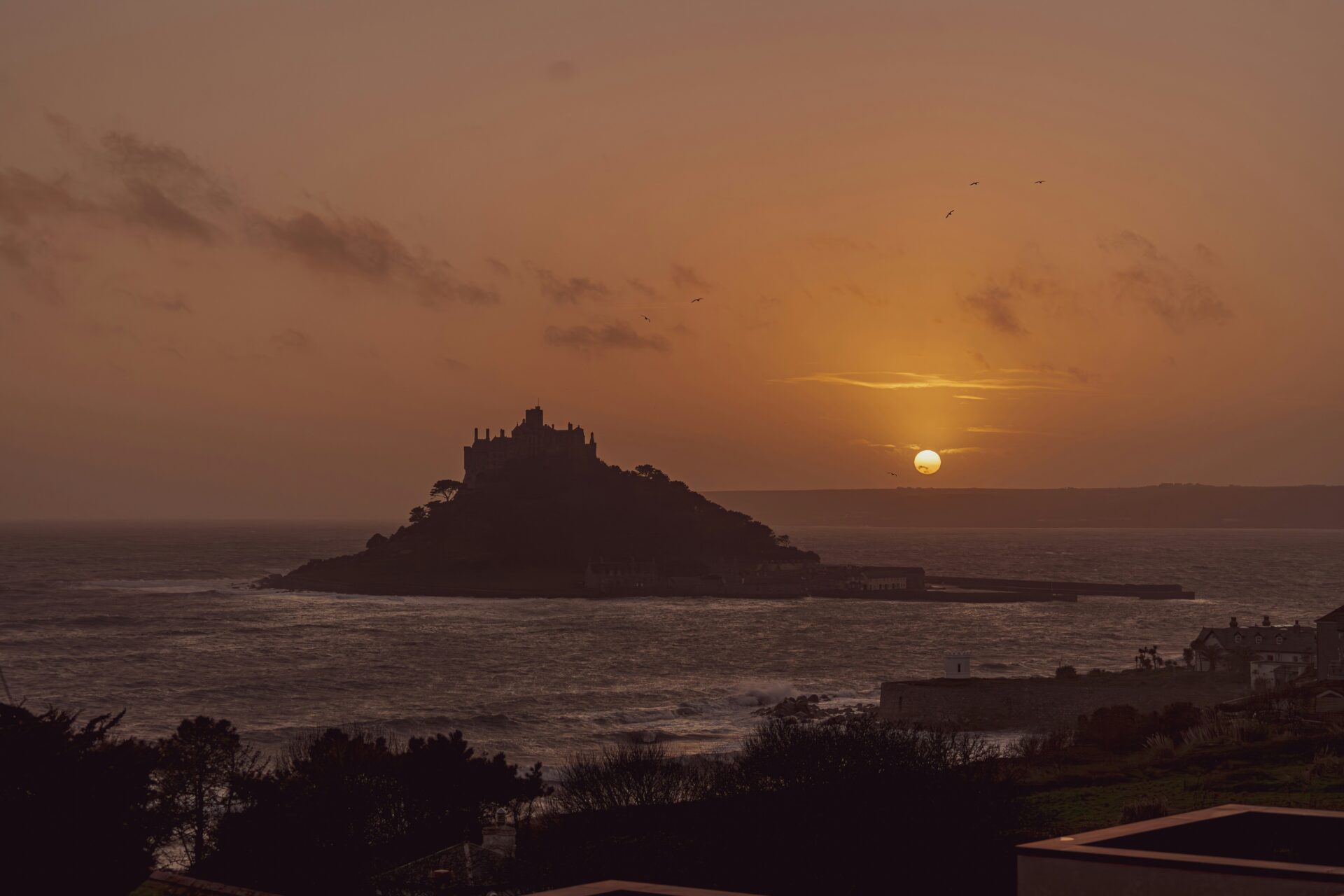
Monastic Heritage and Welsh Connections
St Michael’s Mount has strong monastic roots. The site was a priory, home to Benedictine monks who came from the community at Mont-Saint-Michel.
When I explored the ancient church and climbing paths, I could imagine daily life centuries ago: prayer, farming, and writing in quiet rooms overlooking the tide. There are also ties to Wales.
Early Christian stories link the mount to Welsh saints and pilgrims crossing the sea, stopping here on their way to Ireland. Welsh fishermen and traders used the island as a stopover, and local folklore hints at shared heritage.
The Mount’s religious influence stretched far beyond Cornwall, reaching into Wales and Ireland.
Key Facts Table
| Heritage | Connection |
|---|---|
| Monastery | Benedictines from Normandy |
| Pilgrimage | Welsh & Irish traditions |
| Legends | St Michael’s appearances |
Inspirations from St Ives to Padstow and Newquay
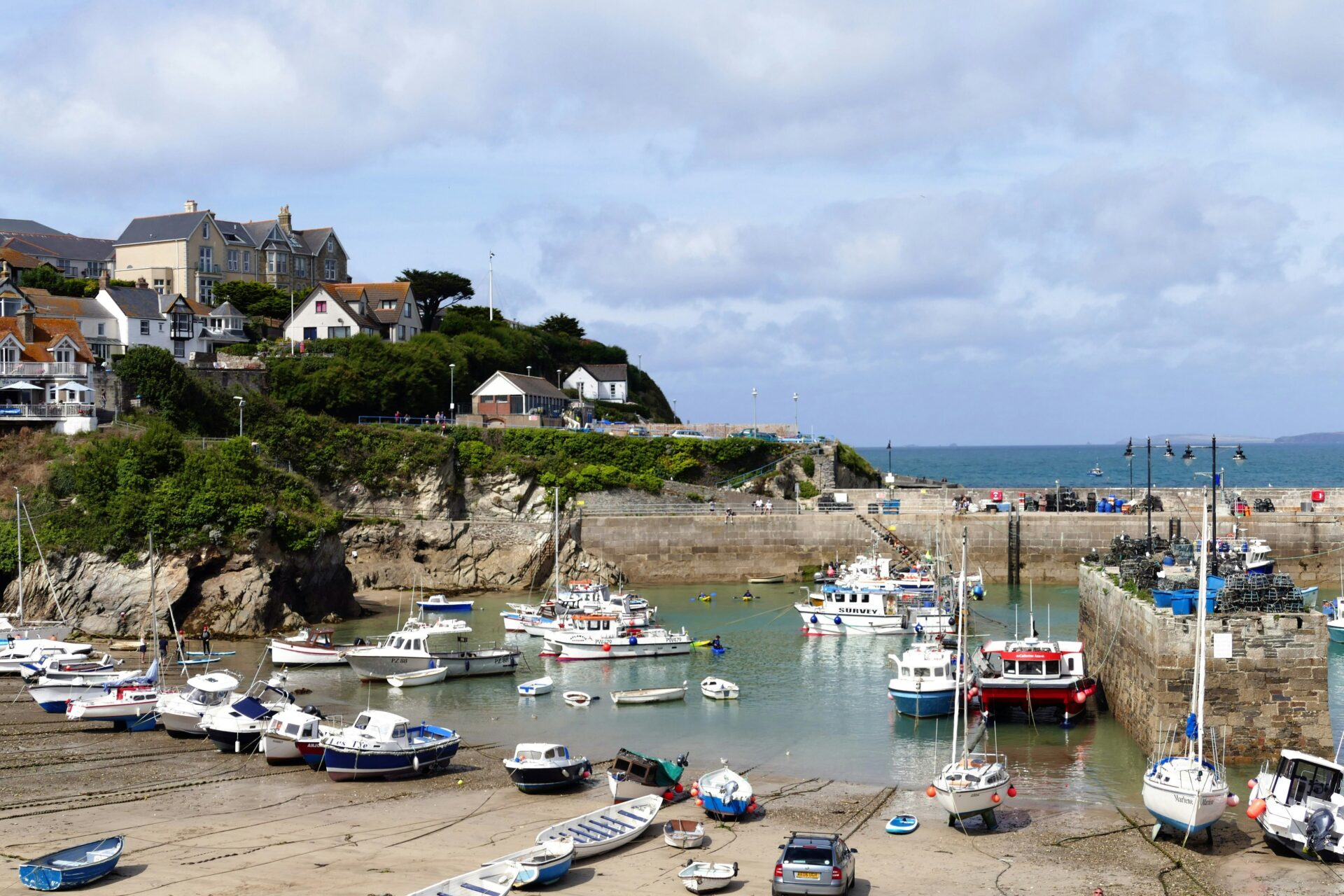
You don’t have to be on the Mount to feel its influence. I saw echoes of the island’s legends and traditions in coastal towns like St Ives, Padstow, and Newquay.
Churches and chapels around Cornwall are dedicated to St Michael, inspired by the mount’s stories. Several local legends, like that of Cormoran the Giant, stretch all the way from Marazion to St Ives.
Padstow and Newquay celebrate their own saints and sea myths, but St Michael’s Mount often takes center stage during festivals. The way the island stands out at high tide gave rise to tales told in pubs and on fishing boats all along this stretch of coast.
Fishermen in Newquay sometimes say prayers to St Michael before heading out, hoping for safe passage back to shore. The cultural reach travels up and down the Cornish Riviera.
Role in Modern Cornwall and The Eden Project
These days, St Michael’s Mount isn’t just some dusty relic. Locals and tourists—families, artists, history buffs—wander its paths all the time.
I’ve seen how the gardens, art displays, and castle rooms bring old and new together. The Mount actually teams up with projects like the Eden Project, which digs into sustainability and Cornwall’s place in the wider world.
The Eden Project highlights botanical diversity, and that’s a lot like what’s going on in the Mount’s exotic gardens. Both spots nudge you to consider nature and heritage. Why do these places still matter? It’s a good question.
St Michael’s Mount jumps in to support local events, art shows, and environmental projects. That helps tie Cornwall’s past to where it’s headed.
Whether it’s school trips or community picnics, the Mount weaves itself into daily Cornish life. It connects coast, culture, and conservation in a way that just feels natural.
