
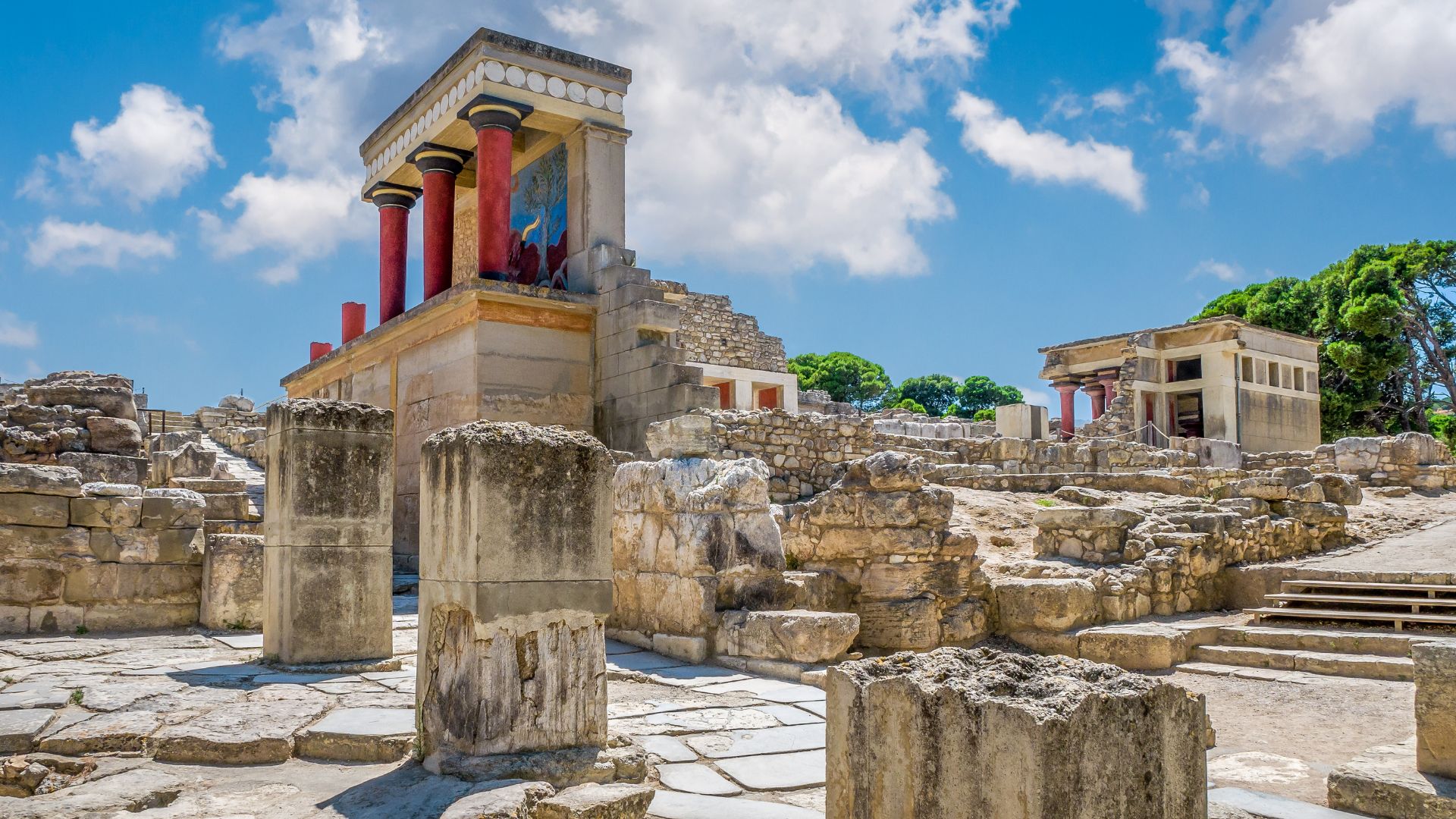
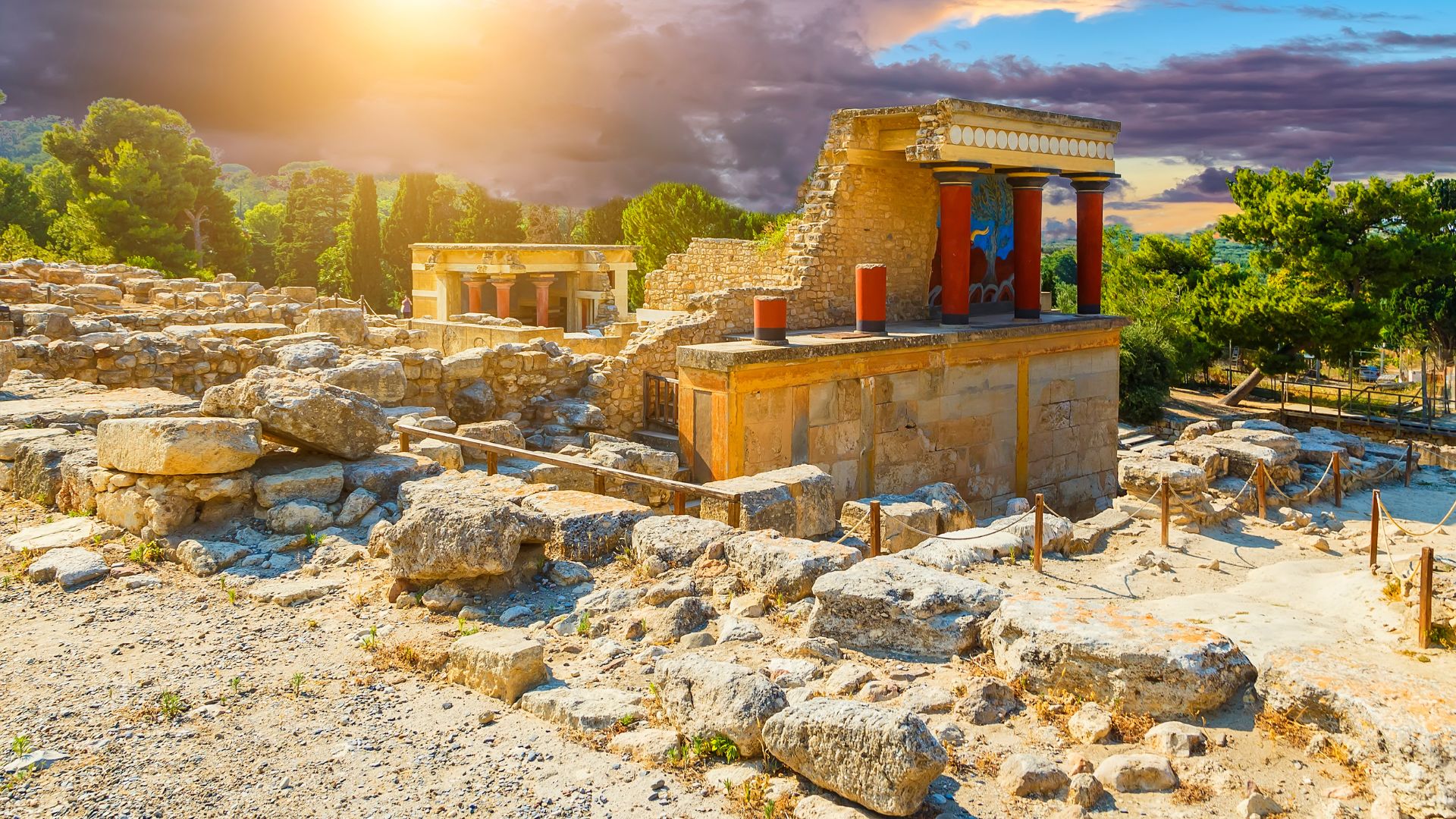
Standing on Crete’s ancient soil, I honestly felt like I’d wandered into another reality. The ruins of Knossos, with their bold red pillars and weathered stones, surrounded me and whispered stories from thousands of years back.
When you visit Knossos, it’s about as close as you’ll get to the center of the Minoan civilization, where legends like King Minos and the Minotaur kicked off.
As I walked through those twisting halls, I tried to picture life here during the Bronze Age. The palace must have buzzed with people and excitement.
The oldest throne room in Europe sits hidden in Knossos, quietly reminding you just how ahead of their time the Minoans were. My wanderings uncovered surprising bits about their art, architecture, and daily routines—stuff I’d never picked up from school.
Every step deeper into the ruins showed me more of Crete’s past and helped me get why the legend of the labyrinth still fascinates people. If you’re into history or just want travel ideas, Knossos really does leave a mark.
Tracing the Footsteps of Minoan Civilization
As I explored Knossos, ancient Crete started to feel real. Each broken column, painted wall, and odd symbol gave me a glimpse into the Minoans’ Bronze Age world.
Their culture, beliefs, and art seem woven into every stone and artifact here.
Origins and Bloom of the Minoans
The Minoans kicked off their civilization around 3000 BCE, right here on Crete. They grew for centuries, trading with Egypt, the Near East, and other Aegean islands.
By the height of the Bronze Age, Knossos had become a lively city with multi-story palaces and even working plumbing. I found out the Minoans were incredible builders and skilled sailors.
Their ships carried not just goods, but fresh ideas and skills. Historians call this the Neopalatial period because so many grand palaces popped up or got bigger.
Knossos, as the center of Minoan power, was huge. As I wandered the ruins, I could see the busy courtyards, storerooms packed with grain, and bustling markets in my mind’s eye.
The sheer size hints at a society loaded with resources and organization.

Understanding Minoan Culture and Society
The Minoans didn’t leave behind much evidence of war or strife. They didn’t even bother with tall defensive walls, which makes me think they felt pretty safe.
The palace art usually shows happy scenes—parties, sports, animals. Women show up often in Minoan art, sometimes as leaders or priestesses.
I spotted lively images of people dancing, leaping over bulls, and celebrating together. Judging by their art and artifacts, the Minoans seemed to care about beauty, nature, and harmony.
Their writing, Linear A, still stumps experts. But you can tell there was a clear social structure—everyone from artisans to priests, traders, and rulers had a place.
The palace wasn’t just for royals; it was the center of politics, business, and culture.

Minoan Religion and the Snake Goddess
Inside the small museum nearby, the clay figures of women holding snakes immediately caught my eye—the famous Snake Goddess. She stands for Minoan beliefs about nature, fertility, and renewal.
Rituals often happened in palace shrines or special caves. People left offerings of food, pottery, and little statues.
The Minoans worshipped several deities, but most signs point to a strong mother goddess at the heart of it all. Snakes, in their art, weren’t monsters—they meant renewal and protection.
The Snake Goddess, with her layered skirt and upraised snakes, really captures the spirit of Minoan religion.
Material Culture and Ancient Art
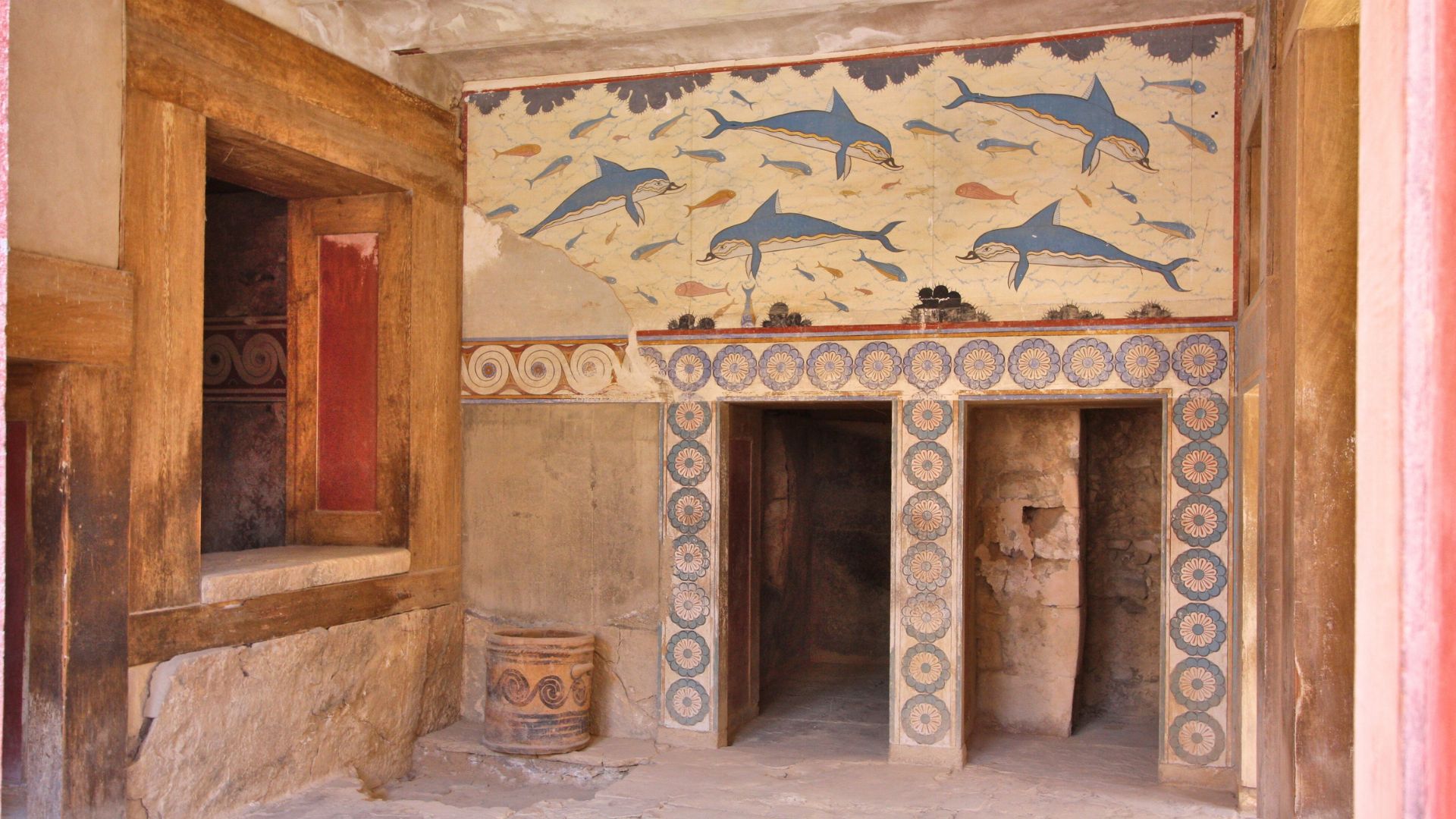
As I moved through Knossos, art and craftsmanship surrounded me. The walls still show off original and restored frescoes—bright blues, reds, and yellows with dolphins, bulls, and flowers.
Minoan potters made beautiful ceramics decorated with spirals and sea creatures. Their metalwork blew me away.
Gold jewelry, bronze tools, and carved seals proved they had access to rich resources. The palaces had wooden columns painted red or black, and mosaic floors.
Here’s a quick peek at Minoan material culture:
| Item | Use | Notable Features |
|---|---|---|
| Frescoes | Wall decoration | Vivid colors, nature scenes |
| Pottery | Storage, daily use | Sea motifs, swirling lines |
| Jewelry | Personal adornment | Gold, faience, gemstones |
| Tools & Weapons | Agriculture, hunting | Bronze, advanced casting |
Standing in these rooms, I really felt the creativity and skill of Minoan artists. Their work wasn’t just for show—it was part of everyday life and tied to their beliefs.
Entering the Labyrinth: The Mysteries of Knossos Palace
Knossos Palace is where history and myth get all tangled up. On my visit, the architecture, art, legends, and traces of daily life all came together to paint a wild picture of ancient Crete.
The Architecture of Labyrinths
People call Knossos the “Labyrinth,” and honestly, I get it. Standing among the maze of corridors, stairways, and rooms, I felt like I’d stepped into a myth.
The palace sprawls over multiple levels, with rooms connected in a way that makes getting lost seem almost too easy. The original builders used big stones and wood, giving the place a sturdy but graceful vibe.
Columns painted deep red still reach up to the sky. The palace’s layout twists and turns, which probably inspired the myth of the labyrinth.
Many archaeologists think the design was for both security and showing off royal power. I grabbed a map at the entrance and wandered at my own pace, imagining the lives of the people who once called this place home.
Throne Room, Frescoes, and Pottery
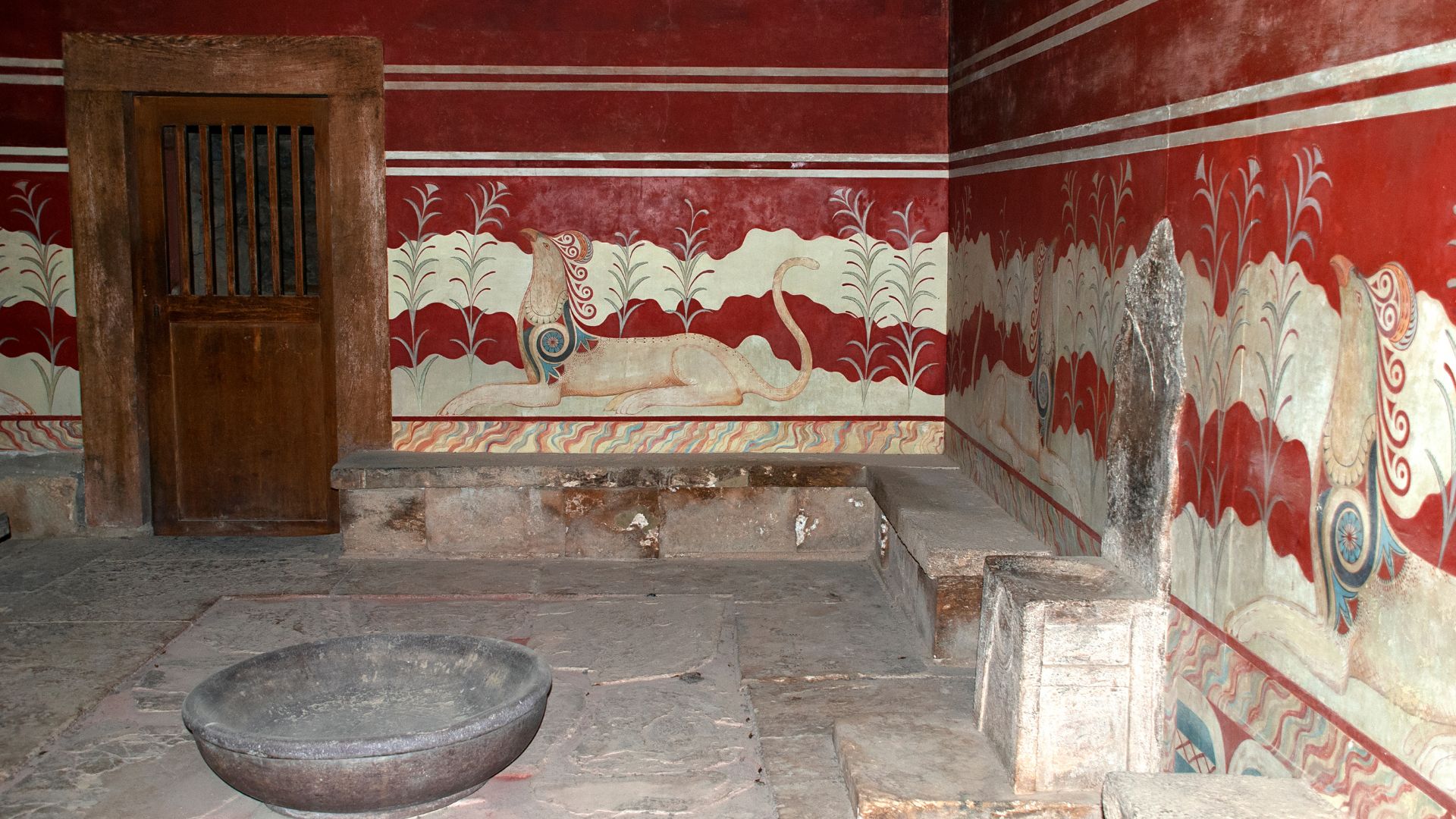
Inside Knossos, the Throne Room really stands out. There’s a stone seat that people think belonged to King Minos.
Faded but colorful frescoes cover the walls. One showed griffins, which gave the room a magical feeling.
The artwork left a big impression on me. I saw dolphins, bull-leaping, and wildflowers painted everywhere.
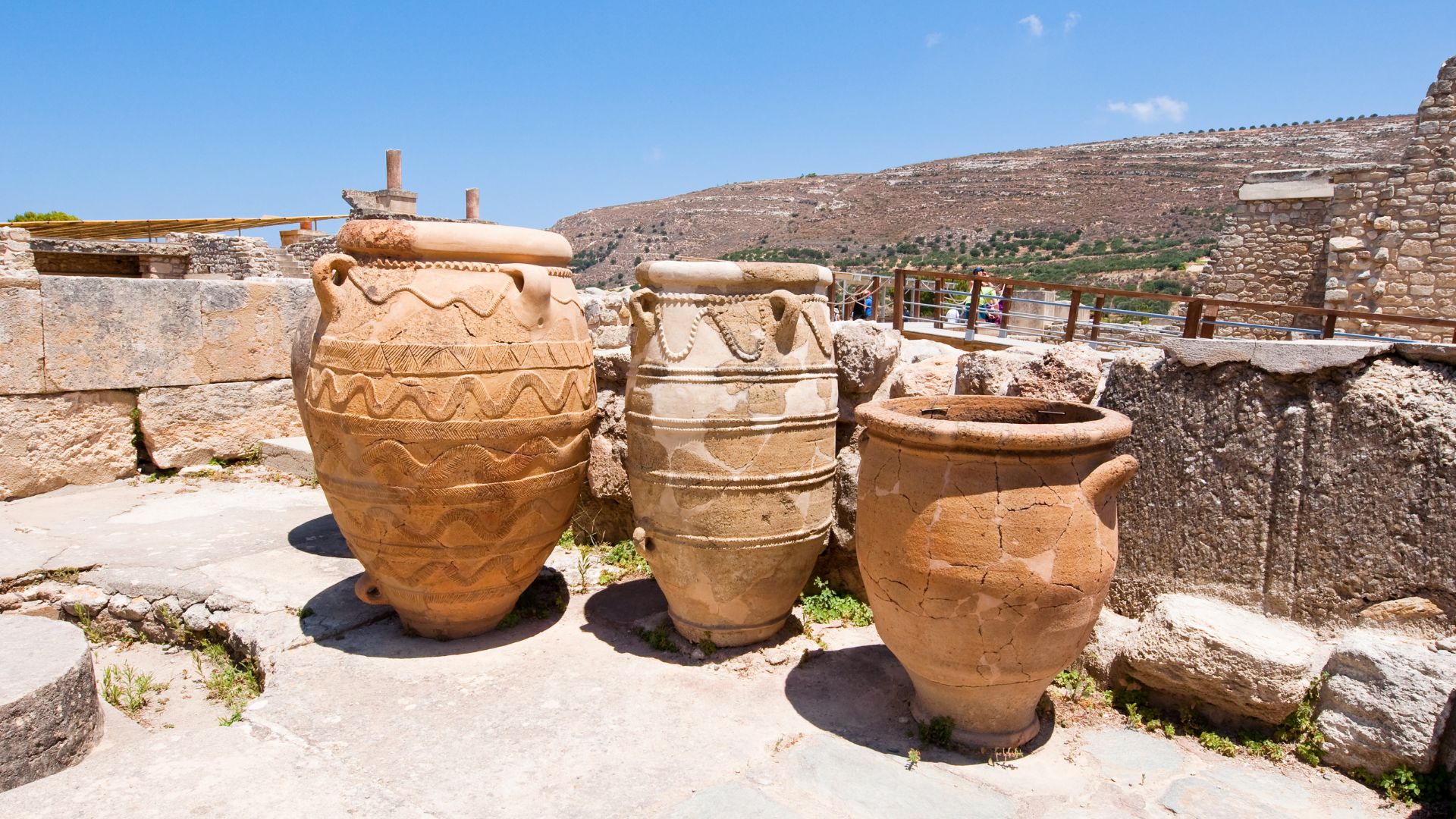
These frescoes aren’t just decorations—they tell us what mattered to the Minoans. I spotted massive clay storage jars, called pithoi, some towering over me.
They stored olive oil, grain, and wine in these. The best pieces now live in the Heraklion Archaeological Museum, but even the bits left on site are worth a look.
If you love ancient art, seriously, take time to soak it all in.
Ariadne, King Minos, and the Minotaur Myth
While I walked here, the old stories just came to life. Greek myths say King Minos ruled from Knossos.
The most famous legend here is about the Minotaur, a half-bull, half-man monster in the labyrinth. The hero Theseus—with help from King Minos’s daughter Ariadne—used a red thread to find his way in and out.
Knowing the myth, each step felt like walking through history and legend at the same time. The maze-like ruins make it easy to see why so many stories started here.
I watched families and kids stare wide-eyed at the myth boards scattered around the site. It’s honestly a fantastic way to connect with the past, especially for younger visitors.
Daily Life and Urban Spaces
Knossos was more than a palace—it was basically a mini city. I passed workshops, storerooms, and open courtyards.
The ruins show where people cooked, made pottery, and took care of everyday needs. The advanced urban planning caught me off guard.
There are remains of paved roads, stone drains for water, and even hints of indoor toilets from 3,000 years ago. Small houses cluster around the palace, and markets probably filled the open spaces.
Seeing where bakers worked or where families gathered made Knossos feel real. It wasn’t just for kings or legends—it was home for regular people living their lives.
| Urban Feature | What I Saw |
|---|---|
| Workshops | Pottery shards, tools |
| Courtyards | Gatherings, games |
| Drainage Systems | Stone pipes, channels |
| Storerooms | Huge clay jars |
All these details made Knossos feel alive, connecting me to both history and the people behind the myths.

Stories Unearthed: Archaeological Discoveries and Legends
Minoan ruins and Greek myths collide at Knossos. Every step through the site brings a mix of wonder and curiosity.
Exploring these halls links old legends with real discoveries, showing how facts and stories shape what we know.
Sir Arthur Evans and Modern Excavations
Sir Arthur Evans arrived in Crete in the early 1900s and completely changed how people see ancient Greece.
Before Evans, most knowledge about the Minoans came from legends—like the wild tales of the Labyrinth and the Minotaur. Evans believed he’d uncovered the palace from those myths.
He led massive digs at Knossos, revealing grand buildings, detailed frescoes, and piles of artifacts. As I walked where he once dug, I tried to imagine the thrill when the first colors and carvings came to light after centuries.
Evans sometimes rebuilt ruins based on his own ideas, which still sparks debate among archaeologists. Even so, his discoveries made Knossos world-famous.
The Process of Discovery
Digging at Knossos feels like reading a story in stone, pottery, and faded paint. I watched as modern researchers carefully brushed away dirt, revealing courtyards, storerooms, and winding halls.
Archaeologists sort their finds by era, with tables covered in labeled shards and tools. This helps them piece together how the Minoans lived.
Some areas stay covered for now, waiting for future study. Every new find—whether it’s a pottery handle or a painted wall—offers clues about rulers, daily life, and rituals.
Visitors like me get to see how discovery is slow, detailed work, not just a single big moment.
Speculations and Ongoing Research
Not every mystery here has an answer. Experts still argue about the meaning of strange symbols on clay tablets, like the Linear A script, which no one’s cracked yet.
I even met a few students who’d come to Knossos just to study these marks, hoping to solve the puzzle. The link between the ruins and old myths brings even more questions.
Some researchers say the palace’s confusing layout inspired the Labyrinth story. Others think ancient ceremonies here helped shape the Minotaur legend.
New tech like 3D mapping and non-invasive scans let researchers uncover secrets without harming the site. This mix of old-school digging and modern tools keeps Knossos an ongoing mystery, pulling in both scholars and curious travelers like me.
Encounters Beyond the Labyrinth: My Journey Among Ruins and Myth
After leaving the famous Labyrinth of Knossos, I found a landscape full of ruins and stories that blend myth with real history.
Walking through these places showed me how the Minoan age and the Mycenaean conquest shaped Crete and left a mark that’s still felt today.
Exploring Knossos and Surrounding Sites
I started my trip to Knossos early, before the crowds showed up. The palace ruins stretched out in front of me, with those famous red pillars and fragments of old murals catching the morning sun.
When I stood in the throne room, I tried to picture life during the peak of Minoan civilization. It’s hard not to let your imagination run wild in a place like that.
Knossos isn’t just a single building. You wander through a maze of apartments, storerooms, and open courtyards. The guides talked about how these layers of ruins cover centuries of rulers and builders.
I noticed some sections with Mycenaean influence, especially after their conquest late in the Bronze Age. The mix of styles is pretty obvious once you start looking for it.
I checked out nearby sites like Malia and Phaistos too. Each one had its own vibe and helped me spot differences in layout and decoration. Honestly, pack water and sunscreen—most of these ruins sit out in the open, and the paths can get rough.
To keep things organized, I made a quick list:
| Site | Main Feature | Minoan/Mycenaean Influence |
|---|---|---|
| Knossos | Throne room, Labyrinth | Minoan and Mycenaean |
| Malia | Megaron, storage rooms | Mainly Minoan |
| Phaistos | Grand staircase, storerooms | Minoan |

Legends, Mycenaeans, and the Bronze Age Collapse
The stories of the Minotaur and the labyrinth still echo through these ruins. For ancient Greeks, Knossos stood somewhere between myth and memory.
You can actually see evidence of the Mycenaean conquest here—clay tablets with Linear B script and different pottery styles show how Mycenaean culture moved in. Tour guides often tie the Mycenaean rise to the legendary Trojan War, which puts Crete right in the thick of Late Bronze Age events.
The collapse of these cultures around 1200 BCE still confuses historians. At Knossos, you can spot signs of sudden change—burnt layers and abandoned palaces tell their own story.
As I wandered among the broken columns and quiet courtyards, I felt how myth and archaeology seem to blend together. The reality of life—and collapse—in the Bronze Age felt strangely close.
Waves, Caves, and Cretan Life: Modern-Day Exploration
Crete isn’t just about ancient history. There’s adventure, beauty, and a lively culture waiting around every corner.
My days there mixed up old ruins, bright beaches, wild canyons, and cities that buzzed with both modern energy and Greek tradition.
Practical Tips for Visiting Knossos
Getting to Knossos from Heraklion, the island’s capital, was easy. I hopped on a local bus for a quick ride, though taxis work if you’re in a hurry.
Arriving early let me dodge the crowds and watch the soft morning light spill over the ruins. If you go, wear comfortable shoes—the ground is uneven, with loose stones and some slopes.
Booking tickets online saved me from standing in line. Guided tours are available and honestly worth it if you want deeper stories or help finding your way through the maze-like ruins.
I always carried water and a hat since there’s not much shade, especially in summer.
Here’s a handy table:
| What to Bring | Why |
|---|---|
| Water bottle | Hot and sunny |
| Sunhat/sunscreen | Minimal shade |
| Sturdy shoes | Uneven ground |
| Phone/camera | Incredible photos |
Beyond Knossos: Beaches, Gorges, and Chania
Crete’s coasts called to me with turquoise water and warm sand. I spent afternoons at Elafonissi Beach—the soft pinkish sand and shallow, clear sea felt almost unreal.
Another day, I relaxed at Balos Lagoon. I hiked down a rocky path first, then swam in water that glowed blue-green in the sunlight.
For a taste of wild nature, I took on the Samaria Gorge. The hike challenged me, but deep stone walls, mountain goats, and hidden caves kept things interesting. If you try it, start early—the trek takes hours and the heat creeps up fast.
Chania, over on the west side of the island, quickly became my favorite town. The old harbor, with its cafes and Venetian buildings, looked amazing at sunset. I wandered narrow lanes, picked up Cretan olive oil, and ate fresh seafood right by the water.
Heraklion, Santorini, and Nearby Wonders
Heraklion bursts with life—busy markets, cozy bakeries, and that impressive Heraklion Archaeological Museum. I wandered through, staring at treasures they actually dug up in Knossos.
I walked the fortress walls at dusk and watched the city light up against the Aegean sky. It felt almost unreal, honestly.
From Heraklion’s port, I just hopped on a ferry to Santorini. Those dramatic cliffs and whitewashed villages? They really do look like the photos.
The trip didn’t take long, but standing there and looking out over those cliffs straight down to the deep blue sea—it was absolutely worth it. Santorini’s volcanic beaches surprised me, with black sand and cool pebbles under my feet.
Getting around felt pretty easy. I tried buses, ferries, and even rented a car for a day.
Sometimes I’d ride along the cliff-side roads. Other times, I’d join locals in little cafes or duck into random caves I stumbled across.
Every day, something new pulled me in. The landscape, the culture—together, they made the whole trip feel like an adventure I’m still not quite over.
