
Standing on the ancient stones of Lindos Acropolis, I watched the sun splash the Aegean Sea with wild oranges and pinks. It hit me then—there’s a reason people trek up here year after year.
This citadel, perched 380 feet above Rhodes’ shimmering waters, gives you one of those sunsets you’ll never forget.
It’s the combo of ancient ruins, sweeping sea views, and that honeyed evening light that makes Lindos Acropolis a sunset legend in Greece. I spent nearly an entire afternoon waiting, and honestly, every bit of effort felt completely worth it once the sky started its show.

Along the way, I picked up a few tricks about timing, where to stand, and what to bring. Those details turned a typical tourist photo op into something much more. If you want more than just a pretty picture, Lindos Acropolis delivers.
Why Lindos Acropolis Is the Ultimate Sunset Spot
Lindos Acropolis towers above the town and the Aegean, offering views that just don’t quit. As evening rolls in, the ancient site shifts into a chill, almost sacred hangout, with the sky and sea putting on their best colors.
Position Above Lindos and the Aegean Sea
The Acropolis sits on a rugged hill, about 116 meters above the sea. From up here, I get a clear shot over the whitewashed maze of Lindos below.
The old citadel hugs the cliff’s edge. There’s nothing blocking the view—just a straight drop to the water.
Looking down, I see the tangled streets and sun-bleached houses. The way the ruins meet the modern village is a bit surreal.
Up here, I get open views in every direction. No hills or buildings mess with the sunset view.
Because of the height, the sun’s reflection on the water is crystal clear. The light bounces off the sea, then hits the white walls below.
Unique Views of Rhodes and Surrounding Landscapes
From the Acropolis, I can scan Rhodes for miles—rocky shorelines, tiny bays, green hills rolling away.
The Aegean stretches out in front, endless and blue. On a clear day, you might even spot another Greek island way out there.
Just below, St. Paul’s Bay curves around with its tiny beach and that famous turquoise water. The heart shape of the bay always gets a few gasps.
As the sun drops, the cliffs turn gold and the sea shifts from blue to purple, then pink.
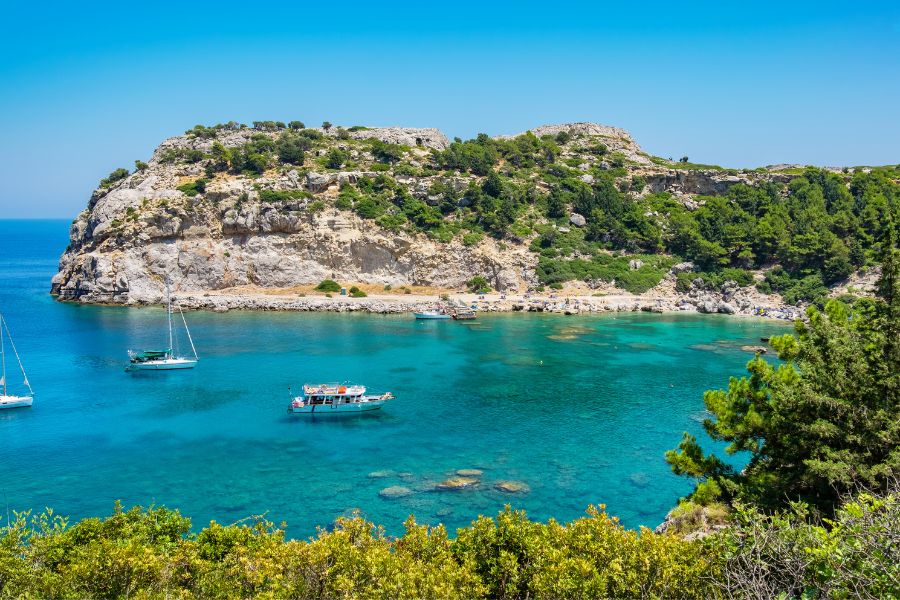
Both the main Lindos beach and secret little coves come into view. The water changes color depending on where you look.
Old theater ruins and temple columns cut shapes against the sky. These 2,000-year-old stones add a serious dose of history to the scene.
Atmosphere as Sunset Approaches
About an hour before sunset, people start trickling in. The crowd grows as the light softens.
That harsh midday glare fades, replaced by a warm, golden wash over everything.
People lower their voices, almost like they’re in a church. Even big groups seem to get quieter.
The air cools off, and a breeze drifts in from the sea. After a hot day, it’s a relief.
Cameras start clicking nonstop as the colors shift. The sky layers itself in orange, pink, and purple.
When the sun finally touches the horizon, the whole place goes silent. Everyone just watches as it slips into the Aegean.
Afterward, tiny lights flicker on in Lindos below. From up here, I watch the village change from day to night.
My Sunset Experience: The Wait, the Anticipation, the Reward
Catching sunset at Lindos Acropolis takes some patience, but wow, those views make every minute count. As the light changes, the ruins and landscape turn into a different world.
Arriving Before Sunset: Timing and Preparation
I got to the Acropolis two hours before sunset, determined to snag a good spot. The climb from the village takes about 15 minutes—steep, but not too bad.
Getting there early paid off. People started pouring in an hour before sunset, and the best spots vanished fast.
Here’s what I brought:
- Water (you’ll need it)
- Grippy shoes
- Camera (with a backup battery)
- Light jacket for after dark

The entrance fee was 12 euros. I splurged on a donkey ride for the steepest part—no regrets, saved my legs for the wait.
I found a perch near the old temple ruins, facing west. Perfect view for the main event.
Capturing the Changing Colors
About half an hour before sunset, the sky started to shift. Pinks and oranges crept across the clouds.
My camera worked overtime, but honestly, nothing matched what I saw with my own eyes. The village below turned gold, then the old stone walls lit up.
When the sun hit the water, the sky exploded with reds and purples. The sea caught every color, almost like a mirror.
I snapped way too many photos—over 200, I think. But the real magic was just standing there, watching the ruins change with every minute.
Columns threw long shadows that crawled across the stones. It felt like the place was breathing with the light.
Personal Reflections on the Moment
Standing among ruins that have seen thousands of sunsets, I felt something shift. No wonder the Greeks built temples here.
As the sun vanished, the crowd hushed. It was like everyone shared the same awe.
This wasn’t just about pretty colors. The mix of history, nature, and that perfect timing made it unforgettable.
I felt lucky I’d arrived early. Some folks rushed in at the last minute and missed the best part.
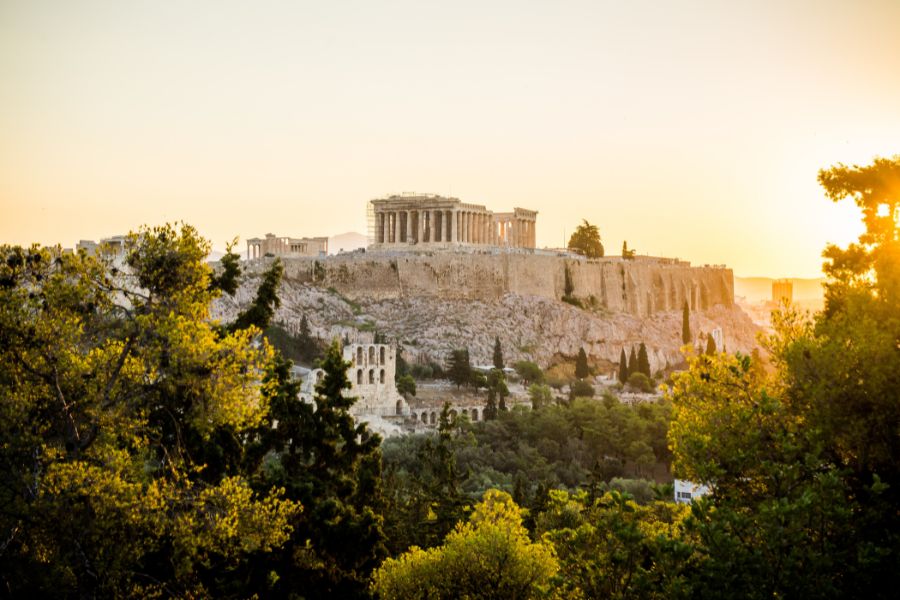
Waiting made the payoff sweeter. Sometimes, anticipation is half the magic.
Panoramic Vistas: What You See from the Acropolis
The view from Lindos Acropolis really is 360 degrees—turquoise water, ancient coastlines, and classic Greek architecture. From this cliff, I could spot St. Paul’s Bay’s famous heart shape, the endless Aegean, and the white village below.
Views of St. Paul’s Bay and the Coastline
St. Paul’s Bay steals the show from up here, with its heart-shaped outline and that unreal turquoise water.
I watched people swimming on the tiny beach. The water faded from deep blue to electric turquoise near the sand.
The coastline stretches out on both sides—rocky cliffs, hidden coves, and a few beaches tucked away.
Fishing boats and yachts bobbed in the bay, safe from the wind.
From above, I spotted people hiking the coastal trail, stopping for photos every few steps.
Glimpses of the Mediterranean and Aegean Seas
The Aegean dominates the eastern view. On a good day, you might catch another island on the horizon.
The water goes on forever, shifting from pale turquoise to deep navy.
Waves crash against the rocky shore below. Even from up here, I could hear the water.
Ferries left white trails as they crossed between islands.

As sunset hit, the sea picked up all the colors from the sky—orange, pink, sometimes even a wild purple.
The Whitewashed Village of Lindos Below
Lindos sprawls below, a jumble of white cubes with flat roofs.
Narrow alleys twist through the houses. I traced the main path from the village center all the way up to the Acropolis.
Flower-filled courtyards and palm trees break up the white. Pockets of green pop out here and there.
The village stretches from the hill’s base down to the beach. Houses shrink as they get closer to the water.
Some newer buildings have red tile roofs, standing out against all that white. You can see the story of Lindos’ growth in the mix of old and new.
Making the Most of Your Visit: Practical Tips for Sunset-Seekers
If you want a stress-free sunset at Lindos Acropolis, planning ahead is a must. The place gets busy, and a little prep goes a long way for comfort while you wait.
Best Times and Seasonal Considerations
Aim to arrive 60-90 minutes before sunset if you want a prime viewing spot. The ruins fill up fast, especially in summer.
June to August brings the latest sunsets—around 8:00 PM—but also the biggest crowds, thanks to cruise ships and tour groups.
Spring (April-May) and fall (September-October) are ideal. Pleasant weather, fewer people, and sunsets between 6:30 and 7:30 PM.
Winter? You’ll need to plan carefully. Sunsets can be as early as 5:00 PM, and the site might close early.
I always check sunset times on my weather app before heading out. The golden hour kicks in about 30 minutes before sunset—don’t miss it.
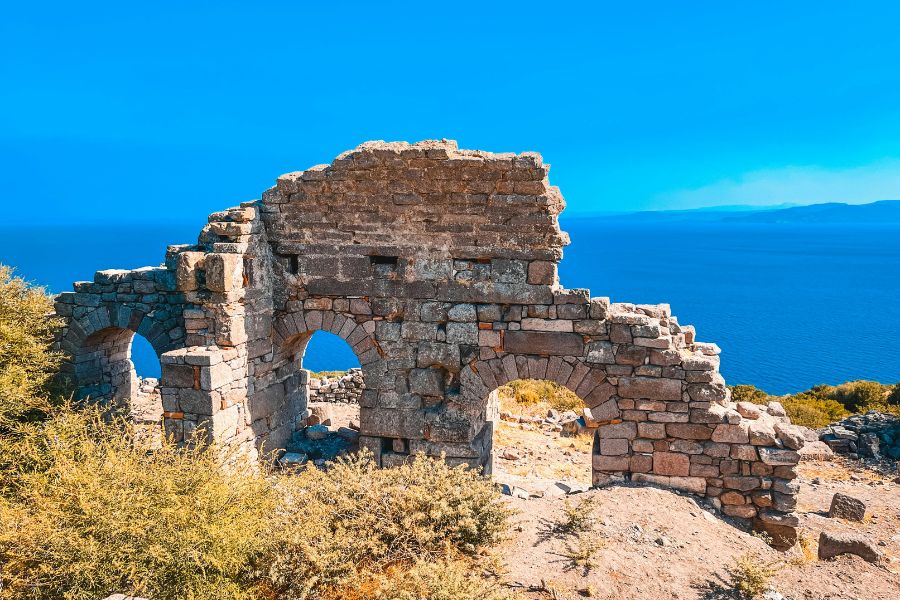
A little cloud cover actually makes for better colors. If it’s totally overcast, though, you might get skunked.
Ticket Info and Acropolis Access
Entry costs €12 for adults (2025 prices). I buy tickets online when it’s busy, just to be safe.
The Acropolis usually opens at 8:00 AM and closes at sunset, but hours change with the seasons. In summer, it stays open till 8:00 PM; in winter, it can close as early as 3:00 PM.
You don’t need a reservation for regular admission, but I always check the Greek Ministry of Culture’s website for updates.
The walk up from Lindos village takes 15-20 minutes. It’s steep and the stones are uneven.
Donkey rides cost about €10-15 if you want to save your legs, but you might have to wait your turn.
Wear sturdy shoes. The marble gets slippery, especially if there’s any moisture.
Preparing for Crowds and Comfort
Sunset brings big crowds. I always head for the western edge of the ruins for the clearest view.
Bring plenty of water—at least a liter per person. No shops or fountains inside, and the heat sneaks up on you.
A blanket or portable chair makes a huge difference. The stones get hot and aren’t exactly comfy.
My sunset essentials:
- Sunscreen and a hat
- Camera (plus extra batteries)
- Snacks
- Light jacket for when it gets chilly
- Flashlight for the walk down
There’s zero shade, so sun protection is non-negotiable. I never skip the hat or sunscreen.
Expect crowds. Summer evenings get wild, but the view is totally worth it.
If you can swing it, go on a weekday. Weekends and Greek holidays pack the place out.
Beyond the Sun: Exploring the Rich Heritage of Lindos Acropolis
The Acropolis of Lindos bursts with treasures that stretch across more than 3,000 years. As I wandered the clifftop, I kept stumbling upon layers of civilization—each one with its own story and a touch of mystery.
The Temple of Athena Lindia and Ancient Structures
The Temple of Athena Lindia really steals the show at Lindos Acropolis. I found myself weaving between its weathered Doric columns, which have stood since the 4th century BC in honor of the goddess of wisdom and warfare.
Those limestone columns still reach for the sky, proud and silent witnesses to centuries of devotion. It’s almost impossible not to imagine ancient worshippers gathering here, the temple dominating the sacred space.
Just beyond the temple, I noticed bits and pieces of other important buildings. The ancient stoa—that covered walkway—runs along the cliff’s edge. Its foundations hint at bustling days when merchants and pilgrims mingled.

The propylaea marked the formal entrance to this sacred zone. I traced its outline in the stones and wondered about all the feet that have crossed that threshold over the centuries.
Archaeologists say the site has hosted buildings since the 12th century BC. The Dorians arrived in the 10th century BC and left their own mark. Each new era added another layer to the acropolis.
Historical Significance Through the Ages
Lindos Acropolis has seen so many civilizations come and go—Greeks, Romans, Byzantines, Ottomans—all between 800 BC and 200 BC. I picked up on little details from each group as I explored.
The ancient Greeks kicked things off with their original temple complex. They picked this clifftop for its power and its spiritual pull, making it a center for Athena worship.
When the Romans showed up, they brought their own building tricks and styles. I spotted their handiwork in the stonework—they loved reinforcing and expanding what was already there.
Later, Byzantine Christians repurposed parts of the old temple into a church. They kept the ancient stones but gave them new meaning, proving the site never lost its sacred vibe.
The Knights of Rhodes surrounded the acropolis with thick defensive walls. Their medieval fortifications still stand in places, and I walked along them, half-expecting to spot a knight in shining armor around the next bend.
Blending Culture and Natural Beauty
Lindos Acropolis sits 116 meters above the Aegean Sea, perched on Rhodes’ eastern shore. Honestly, the natural setting just makes the whole experience feel magical.
Below the ruins, the white buildings of Lindos village sprawl out. Their classic Greek look pops against the ancient stone. Winding cobblestone streets snake through these whitewashed homes, and I lost track of time exploring the maze.
From the clifftop, the Aegean Sea stretches out forever. I watched boats drift across the endless blue, and for a moment, I could see why the ancient Greeks picked this spot for their temple.
Lindos village still clings to its Greek roots. I ducked into narrow alleys, passed by traditional houses, and soaked up the local energy. The place feels alive, even in the shadow of all that history.
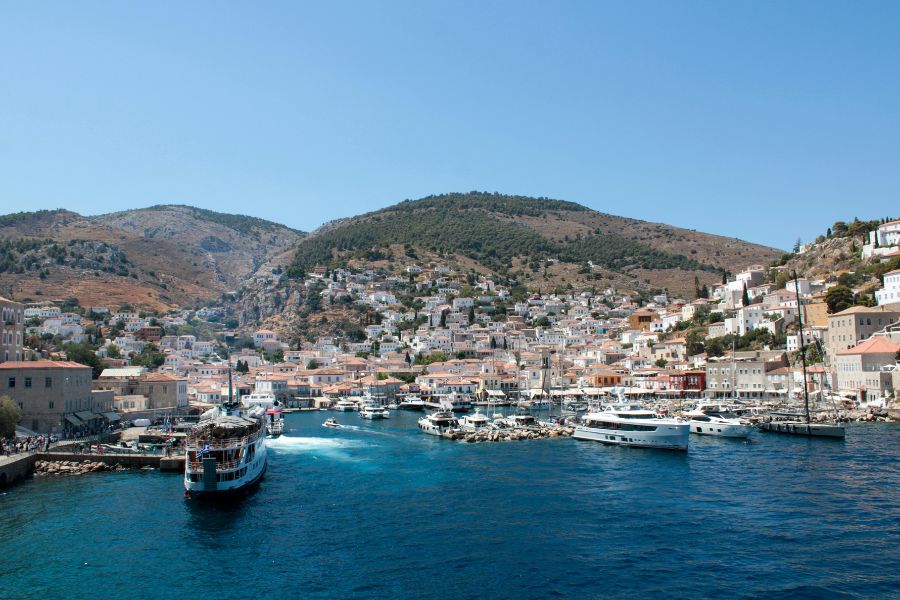
It’s this blend—ancient ruins, living culture, and wild Mediterranean beauty—that makes Lindos Acropolis stand out. I haven’t found anything quite like it elsewhere in Greece.
Frequently Asked Questions (FAQs)
If you’re planning to catch a sunset at Lindos Acropolis, you’ll want to know the best times, how to get there, and what to bring. I’ve pulled together the most common questions I hear from fellow travelers hoping to experience those golden evening views.
What time does the sunset occur at Lindos Acropolis?
Sunset times at Lindos Acropolis change with the seasons. In summer, you’ll usually see the sun dip below the horizon between 7:30 PM and 8:30 PM.
I always check the current sunset time before heading up. It really depends on the date.
Arriving about 30 to 45 minutes early gives you a chance to snag a good spot and see the ruins in the late afternoon light.
Are there guided tours available for the Acropolis in Lindos?
Absolutely, you’ll find several guided tour options for Lindos Acropolis. Most tours run in the morning or afternoon.
Some local companies offer special sunset tours, which are a treat. These usually mix in history with plenty of time to watch the sky change color.
I’ve had luck booking through tour operators in Rhodes town or right in Lindos village. Hotels can often set you up with a guide, too.
What facilities are available near the Lindos Acropolis for tourists?
Lindos village has you covered with restaurants, cafes, and shops close to the Acropolis entrance. Most of these spots cluster in the main part of the village.
You’ll find public restrooms near the entrance to the ruins. There are souvenir shops and little markets, too.
A handful of tavernas and cafes have outdoor seating with awesome views of the Acropolis. Great for grabbing a bite before or after your visit.
Can you recommend the best viewing spots for the sunset in Lindos?
The top of the Acropolis, near the main temple, offers the best sunset views. You get a clear shot of the western horizon from up there.
I loved how the ancient columns framed the sunset—it’s a photographer’s dream. The area by the Temple of Athena Lindia is especially good for pictures.
Some people pick a spot along the cliff edge for unobstructed ocean views. The western side of the platform is your best bet for soaking in the sunset.
What should visitors bring when visiting the Acropolis for the sunset?
Definitely wear comfortable shoes with good grip. The old stone paths get slippery and uneven, especially after a long day in the sun.
Bring water if you’re visiting in summer—it gets hot. I usually pack a light jacket since it cools off quickly after sunset.
Don’t forget your camera or phone for those epic shots. A small flashlight comes in handy when you’re heading back down the hill after dark.
Is prior booking required to visit the Acropolis of Lindos for sunset views?
You don’t need to book in advance to see the Acropolis of Lindos. Just grab your ticket at the entrance when you get there.
They usually close the gates right around sunset, especially during the busy season. I’d recommend showing up well before closing—nobody wants to rush that view.
If you’re visiting in the summer, try to beat the crowds by coming early. Trust me, finding a good spot for sunset is so much easier when you’re not squeezed in with everyone else.
