
December isn’t just about holiday lights and cold weather. For anyone who cares about the planet, it’s a perfect time to travel with purpose. I’ve noticed the crowds thin out, the air gets crisp, and some of the world’s most beautiful places become quieter—almost meditative.
If you’re an eco-conscious traveler, December opens up a world of options. You can chase snow in mountain villages or soak up the sun at warm coastal retreats. Sustainable destinations are popping up everywhere, and honestly, it’s never been easier to find them.
Traveling sustainably in December lets you enjoy memorable experiences while supporting communities and protecting the landscapes you fall in love with. I’ve seen more destinations using renewable energy, offering green places to stay, and running tours that actually help the environment instead of harming it.
You can ski at wind-powered resorts, book eco-certified lodges, or wander protected parks with guides who really know what they’re doing. I’ll share my favorite sustainable destinations for December, plus where to stay and how to travel with a lighter footprint. Whether you crave snowy adventure or tropical warmth, you’ll find tips here to travel in a way that feels good—and does good.
Key Takeaways
- December brings fewer crowds and tons of sustainable travel options
- The best eco spots use renewables, protect nature, and lift up local communities
- You can shrink your impact by choosing green hotels, taking public transport, and shopping/eating local
Why Choose Sustainable Travel in December
Traveling in December can put extra strain on the environment, especially in cold places. But I’ve found that making conscious choices really helps protect winter destinations and the people who live there.
Tourism causes about 8% of global carbon emissions. Winter travel ramps this up with heating and extra energy use.
Reducing Your Carbon Footprint and Environmental Impact
I’ve learned that picking sustainable options in December actually makes a difference. Winter spots use a lot of energy for heating and snowmaking. When I pick eco-friendly accommodations powered by solar or geothermal, I cut my carbon footprint directly.
Getting there matters, too. Trains or buses instead of planes can slash your emissions by up to 90%. I love how many European ski towns are linked by rail, so you don’t even need a car.
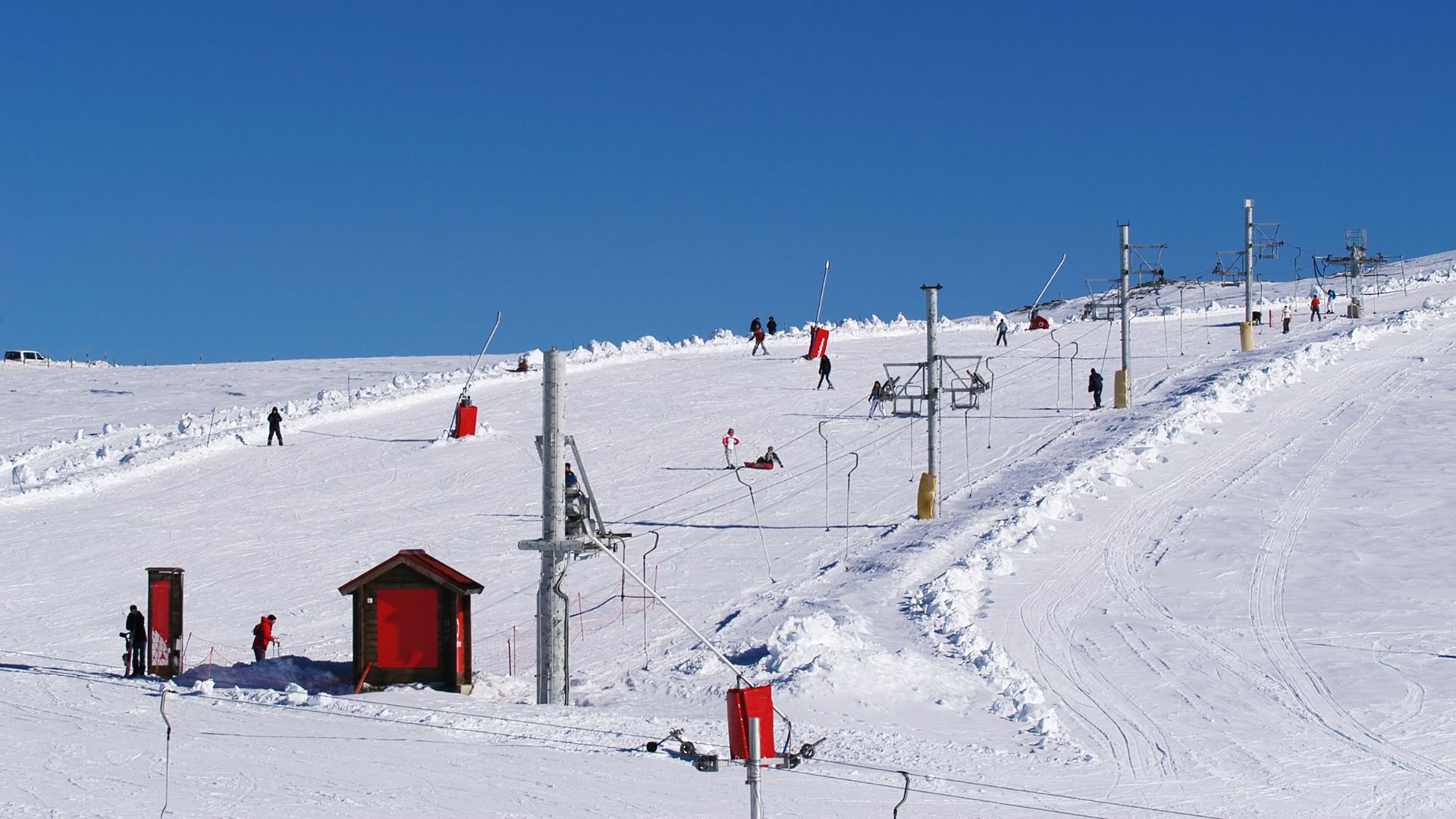
Eco-certified resorts use efficient lifts and cut waste. Some ski areas now run only on wind and solar—proof that winter fun doesn’t have to trash the planet.

The Benefits for Local Communities and Biodiversity
Sustainable tourism keeps money in the community. When I book local tours or stay at family-run lodges, my spending supports real people, not just big chains. That means jobs and a boost for traditional ways of life.
Winter tourism can stress fragile ecosystems. Eco-conscious travel helps protect habitats where animals are barely hanging on through the cold. Picking certified destinations means you’re backing places with real environmental protections.
Eating local is another win. Farm-to-table spots cut food miles and support area farmers. Even in winter, you’ll find places serving up organic, locally sourced meals.
Seasonal Considerations: Winter Sustainability Challenges
December has its own set of challenges. Snowmaking eats up water and energy. I always look for resorts that use efficient tech and only make snow when it’s really needed.
Heating is another biggie. The best eco-lodges use smart insulation and geothermal systems. You stay cozy, but the energy bill (and carbon output) stays low.
Wildlife struggles in winter. Food is scarce, and animals need peace. Responsible tourism means keeping a respectful distance and sticking to marked trails. It’s easy to forget, but even a single step off-path can damage fragile winter habitats.
Top Eco-Friendly December Destinations
December is prime time for sustainable travel, whether you’re craving the northern lights or a rainforest escape. I’ve scouted out some destinations that really walk the talk when it comes to eco-tourism.
Nordic Wonders: Iceland, Sweden, Norway, and Finland
Iceland is a total leader in sustainability. Nearly everything runs on geothermal or hydro power, so you can soak in the Blue Lagoon guilt-free. Eco-friendly northern lights tours keep their impact low, even during the busy season.
Sweden’s Åre resort shows how ski towns can go green. They run on renewables, and everyone—from lift operators to hotel owners—follows strict eco rules. In Finland, Rovaniemi blends festive fun with ethical reindeer herding, respecting Sami culture.
Norway’s love for electric transport and protected fjords makes it easy to travel with a light touch. You can wander snowy landscapes and know you’re supporting communities who care about conservation.

Rainforest and Wildlife Hotspots: Costa Rica, Madagascar, Kenya, and South Africa
Costa Rica’s commitment to eco-tourism is legendary. More than a quarter of the country is protected. I’ve stayed in lodges where you wake up to monkeys and toucans, all run by locals who know every inch of the forest.
Madagascar is wild—literally. December is the dry season, so it’s perfect for spotting rare wildlife in reserves managed by local communities. Kenya and South Africa offer incredible safaris through operators who use solar power and fund anti-poaching work.
Adventure and Nature Havens: New Zealand, Peru, Canada, and Japan
New Zealand’s summer starts in December, and its wild places are fiercely protected. Strict rules keep the scenery pristine, but you still get access to jaw-dropping hikes and wildlife.
Peru’s Machu Picchu limits visitors to protect the ruins. December is quieter and rainier, but that means less impact and fewer crowds. I always look for eco-certified stays in the Sacred Valley.
Canada’s parks, like Banff, put conservation first—even in winter. You’ll find world-class skiing and programs that teach you about the local ecosystem. Japan’s Hokkaido region blends deep powder with traditional ryokans powered by hot springs, showing that old-school hospitality can be totally green.

Eco-Friendly Accommodations and Stays
If you care about sustainability, where you sleep matters. I always look for places that use renewables, cut waste, and give back to the local community.
Defining Sustainable and Eco-Lodges
Sustainable hotels use solar or other renewables and ditch single-use plastics. They clean with eco-friendly products and often have their own gardens for fresh food.
Eco-lodges take it up a notch. I love places built with local materials, designed to blend into nature, and cooled by breezes instead of air-con. Many grow their own veggies and source everything nearby.
Six Senses resorts nail this. They use recycled materials, ban plastic bottles, and even run their own recycling centers.
I always check for third-party certifications—greenwashing is real, and I want proof a place walks the walk.
Noteworthy Green Hotels and Retreats
Lapa Rios in Costa Rica sits deep in rainforest and protects it fiercely. You get wildlife at your doorstep and know your stay helps preserve the land.
Mashpi Lodge in Ecuador is tucked into cloud forest. Guided walks with naturalists mean you’ll spot rare birds and butterflies, and the property funds conservation.
Feynan Ecolodge in Jordan is run by Bedouin hosts inside a biosphere reserve. You can try traditional bread-making or explore ancient copper mines—no plastic, no waste, just great stories.
What links these places? They use renewables, source food locally, and design programs that teach you about the environment. You leave with memories and a sense you’ve helped, not harmed.

Support for Local and Indigenous Communities
I’m always happiest when my travel dollars help local people. Il Ngwesi in Kenya is owned by Maasai warriors. You get an insider’s view of their culture, and your stay funds village projects.
Bulungula in South Africa is co-owned by Xhosa villagers. Solar, wind, and rainwater keep it running, and profits go right back into the community.
Hacienda Santa Rosa in Mexico supports Maya-run businesses. You can visit artisans and try traditional dishes, knowing your money stays local.
Sápmi Nature Camp in Sweden lets you learn about reindeer herding from indigenous guides. It’s a way to keep culture alive and create income for the Sápmi people.
These partnerships make for richer travel. You get real connections, and the places you visit benefit from your stay.

Essential Activities for Sustainable Travelers
December is full of chances to connect with nature and communities—without leaving a mess behind. I always pick activities that protect the environment and support locals.
Hiking and Nature Exploration with a Green Focus
Hiking tops my list for eco-friendly fun. No fuel, no noise, just you and the trail. December means snowy hikes in Banff or the Alps—snowshoeing is a blast, and the landscapes are magical.
I stick to marked trails and pack out all my trash. Guided walks with locals add so much; you’ll learn about plants, animals, and how everything fits together. Fees often go straight to conservation.
Winter hikes lead to frozen waterfalls and silent forests. I bundle up, stay safe, and never wander off-path—it’s tempting, but the snow hides delicate plants.
Ethical Wildlife and Conservation Experiences
Wildlife watching is incredible, but only if it’s ethical. I keep my distance, never feed or touch animals, and skip any place offering rides or photo ops with captive creatures.
Sanctuaries that focus on rescue and education get my vote. In Costa Rica or Kenya, December is prime time for seeing animals in the wild—just make sure your operator supports conservation.
I look for tours with real certifications and a commitment to local projects. You’ll learn about threats to wildlife and what’s being done to help.

Sustainable Cultural and Culinary Experiences
Local markets are goldmines for food and crafts. I love chatting with producers and picking up handmade goods. It’s a direct way to support the community.
Cooking classes are a fun way to dive into regional flavors. December brings festivals and winter traditions—join in, but buy from local vendors, not tourist traps.
Family-run guesthouses are my go-to. You get home-cooked meals, real stories, and your spending helps families, not faceless corporations.
Making Responsible Choices on the Road
Travel is a series of choices, big and small. I try to be mindful every day—what I buy, what I use, and how I move through the world.
Minimizing Waste and Practicing Recycling
I never travel without my reusable water bottle, cloth bags, and metal utensils. It’s a small effort that keeps heaps of plastic out of landfills.
Recycling rules change from place to place, so I check ahead. Good eco-lodges usually provide recycling and composting. If not, I stash recyclables until I find a bin.
My must-have reusables:
- Water bottle with filter
- Cloth napkins
- Reusable containers for snacks
- Fabric toiletry bag
I skip hotel toiletries and bring solid shampoo and soap. It saves space and keeps plastic out of the trash. It’s a tiny change, but it adds up—especially if more travelers do the same.

Reducing Water and Energy Use During Your Stay
When I check into a hotel, I try to treat the resources there just like I do at home. I’ll take quick showers, flip off the lights before heading out, and set the thermostat just high or low enough to stay comfortable.
Most places now encourage guests to reuse towels and linens. I always join in—washing sheets and towels every single day just seems unnecessary. Did you know a single load of hotel laundry can use up to 15 gallons of water? That’s a lot, especially if you multiply it by dozens of rooms.
I like to throw open the curtains for natural light instead of reaching for the lamp. And I unplug chargers and electronics when I’m not using them. If I’m out exploring, I’ll switch off the air conditioning or heat so I’m not wasting energy.
Supporting Environmental Protection Through Responsible Tourism
Whenever I book a tour or hotel, I look for eco-certifications that actually mean something. It feels good knowing my money goes to businesses that protect the environment and keep their carbon footprint in check.
I’ll pay park entrance fees or donate to conservation projects because it directly helps restore habitats and protect wildlife. Many parks use that revenue for real on-the-ground work.
On the trail, I stick to marked paths and keep my distance from wildlife. I never pick up shells or plants—leaving things as they are means future travelers get to enjoy them too.
Booking trips with companies that hire local guides and staff is a win-win. It supports the community and cuts down on emissions from flying in workers.

Eco-Friendly Tips and Planning for Conscious Travelers
Planning a December trip and want to keep it sustainable? I’ve learned a few tricks that make a difference. It really starts before you even leave home—with the gear you pack and the companies you choose.
Packing Green for December Trips
Let’s talk packing. I always reach for reusable items that cut down on single-use plastics. A stainless steel water bottle is a lifesaver for hot drinks in the cold and keeps me from buying bottled water. Instead of travel-sized plastic bottles, I bring biodegradable soap bars and shampoo bars in reusable tins.
For winter clothes, I go for layered basics made from sustainable fabrics like organic cotton or recycled polyester. Packing cubes keep everything organized and help me skip checked bag fees.
Here’s what I never leave home without:
- Reusable shopping bags for local markets
- Cloth napkins and a set of metal utensils
- Refillable toiletry bottles
- Rechargeable batteries and a solar charger
These little things add up, and they work anywhere—city, countryside, or mountains.

Choosing Low-Impact Transportation
Trains are my go-to for December trips in Europe and Asia. They’re comfortable, scenic, and way better for the planet than flying.
If I do need to fly, I pick direct flights since takeoffs and landings burn the most fuel. I always check out local public transit before I arrive—lots of cities offer multi-day passes that save money and reduce your carbon footprint. When possible, I’ll walk or rent a bike; it’s a fun way to see the sights and it’s emissions-free.
For those times when flying is unavoidable, I buy carbon offsets from programs that actually fund renewable energy or plant trees. I stick to economy class, too—more people per plane means fewer emissions per traveler.
If I need a car, I look for hybrids or electric vehicles. Carpooling with other travelers is another great way to share the ride and the impact.

Navigating Certifications and Eco-Labels
I always check for Green Key or LEED certification when booking a place to stay. These labels aren’t just for show—properties have to meet real standards for saving energy, water, and reducing waste.
The Global Sustainable Tourism Council (GSTC) label is another good one for tours and hotels. I don’t just trust any eco-label, though. Some mean more than others, so I do a quick search to see what’s actually required.
Here are a few certifications I look for:
| Certification | What It Means |
|---|---|
| Green Key | Energy efficiency and waste reduction |
| EarthCheck | Scientifically measured sustainability |
| Travelife | Social and environmental standards |
| Rainforest Alliance | Conservation and community support |
I also read recent guest reviews to see if a property keeps up its green promises.
Frequently Asked Questions
Travelers ask a lot of questions about what makes a hotel or lodge truly sustainable. I’ve rounded up some of the most common ones—and shared my best tips for finding eco-friendly places for December trips.
Look for lodges that use solar or wind power. Farm stays with organic gardens and on-site meals are a treat—they cut down on transport emissions and support local farmers.
Some eco-lodges use recycled or local materials for construction. I’ve stayed at places that collect rainwater and use wetlands to treat wastewater.
Yurts and cabins with composting toilets are a smart choice in remote spots. Hotels with green certifications usually offer refillable soap dispensers and use LED lighting to save energy.
If you’re looking for inspiration, here are a few favorites with solid green credentials:
Lakedale Resort on San Juan Island—eco-cabins and yurts in the woods.
The Inn at Ocean’s Edge in Maine—sustainable practices with ocean views.
Omni Grove Park Inn in Asheville—big on local conservation and green certifications.
The Inn at Weathersfield in Vermont—organic, farm-to-table dining.
Glenora Wine Cellars Inn—vineyard views and sustainable operations.
Green Lantern Inn in Carmel-by-the-Sea—charming boutique spot near the California coast.
LEED-certified properties set a high bar for green building. Green Key and EarthCheck hotels work hard to cut waste, save water, and use renewable energy.
Costa Rica’s lodges are famous for rainforest conservation and wildlife protection. In New Zealand, many hotels use geothermal energy and aim for zero waste.
Scandinavian hotels are all about energy efficiency, with smart heating and insulation. Some African safari lodges run entirely on solar and support local conservation with every guest’s stay.
To me, an eco-friendly stay means a place that really tries to lower its environmental impact. That includes using solar or wind power instead of fossil fuels.
Water-saving features like low-flow showers, rainwater collection, and greywater recycling are a must. Composting, recycling, and ditching single-use plastics show a real commitment to waste reduction.
I also look for places that buy food locally. Buildings made with sustainable materials and designed for natural heating and cooling stand out.
A true eco-friendly accommodation supports local people with fair wages and partnerships. The best ones track their carbon footprint and keep finding ways to improve.
A sustainable hotel goes beyond just recycling bins in the lobby. They get their energy from renewables or super-efficient systems.
They compost food scraps, recycle everything possible, and use water-saving fixtures. Landscaping with native plants saves water and supports local wildlife.
Food is local and seasonal whenever possible, and menus often feature more plant-based options. Staff get real training on sustainability, so everyone’s on the same page.
Top resorts invest in the local community—hiring locals, buying from nearby suppliers, and supporting conservation. Many offer bike rentals or EV charging stations for guests, making it easier to travel green.
Costa Rica really stands out when it comes to green travel. About a quarter of the country is protected rainforest, and they’re aiming to become carbon neutral. Most of their electricity? It comes from renewable sources—pretty impressive.
Slovenia made history as the first country to get a Green Destination certification for its entire territory. In Ljubljana, the capital, cars aren’t allowed in the city center, and you’ll find lush green spaces everywhere.
Norway champions wilderness protection and encourages everyone to drive electric vehicles. You’ll notice charging stations almost everywhere, even in the most remote spots.
Iceland heats its homes and powers its cities with geothermal energy. Locals and officials work together to manage tourism so the country’s wild landscapes don’t suffer.
New Zealand sets strict rules for tourism operators, making sure nature stays pristine. The country’s national parks are legendary, and honestly, hiking there feels otherworldly.
Bhutan takes a different approach by measuring success with Gross National Happiness. Tourists pay fees that go directly into conservation efforts, so visiting helps protect the country’s unique environment.
Portugal is putting serious effort into renewable energy and keeping its coastline healthy. If you visit the Azores, you’ll notice strict whale watching rules that protect marine life—there’s a real sense of respect for nature here.