
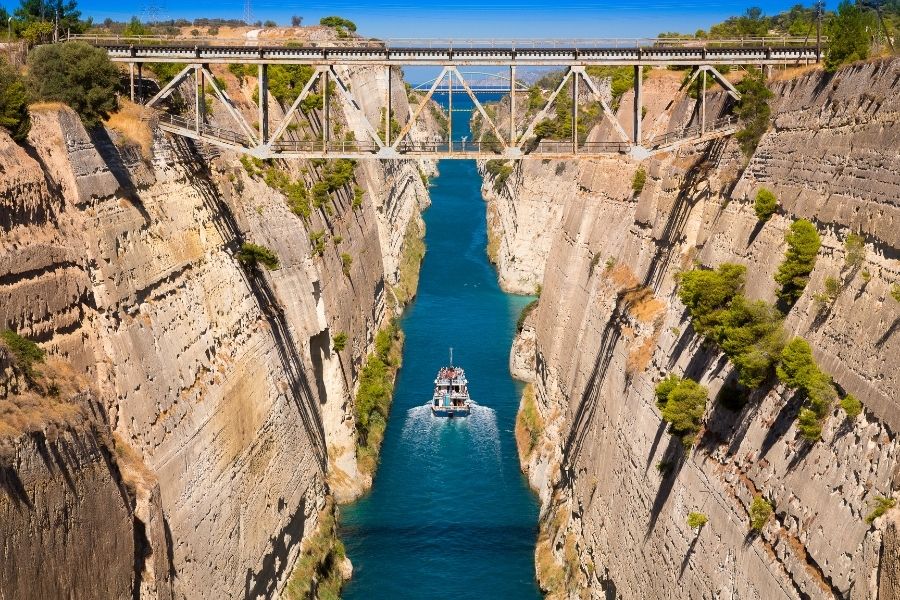
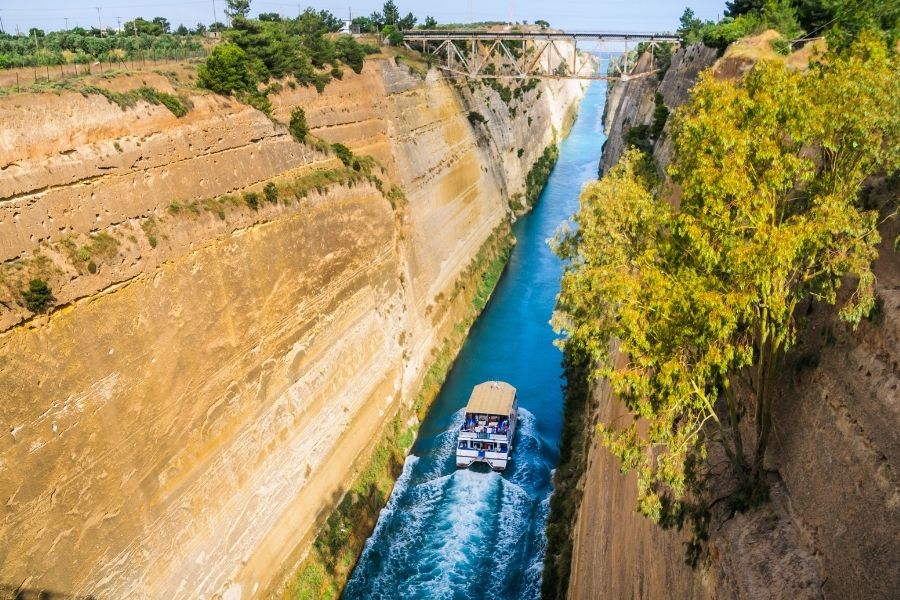
I remember standing at the edge of the Corinth Canal for the first time, and honestly, my breath just caught. This narrow ribbon of turquoise, carved between rock walls that shoot up 79 meters, is simply jaw-dropping.
The Corinth Canal, finished in 1893, is only about 21 meters (69 feet) wide at its narrowest. Ships somehow still manage to squeeze through, making it one of the world’s narrowest navigable waterways.
My day trip from Athens to see this engineering marvel was totally worth it. As I stared down the 6.4-kilometer stretch connecting the Ionian Sea to the Aegean, I couldn’t help but feel amazed at what people can do when they set their minds to it.
The ancient Greeks dreamed about cutting this shortcut through the Isthmus of Corinth for centuries. Of course, they didn’t have the technology, but modern engineers finally pulled it off.
Getting to the canal is actually pretty easy, whether you’re based in Athens or wandering the Peloponnese. I’d suggest stopping at one of the viewing platforms so you can safely peer over those steep walls.
If you’re lucky, you might catch a ship inching through. That’s the moment when the canal’s narrowness really hits you. The nearby town of Corinth has some charming cafés too—perfect for sitting back and soaking in what a remarkable achievement this is over a plate of Greek pastries.
The Awe-Inspiring Corinth Canal: A Glimpse into Human Ingenuity
The Corinth Canal really shows off human determination, connecting the Aegean and Ionian Seas through a thin slice of Greek land.
This waterway turns what used to be a long, winding trip around the Peloponnese Peninsula into a direct passage through the Isthmus of Corinth.
First Impressions: Peering Down the Sheer Walls
The first time I looked down into the Corinth Canal, I just stood there, dumbstruck. The rock walls drop almost 300 feet straight down to the glowing water, and honestly, photos don’t do it justice.
The canal is surprisingly skinny—just under 70 feet at its tightest. It feels more like a crack in the earth than a shipping lane.
When a ship passes through, it looks like it’s barely squeezing by. It’s wild to see scale like that in person.
I’d go early in the morning or late in the afternoon if you can. The sunlight throws dramatic shadows across the walls, and the contrast between natural limestone and the sharp, human-made cut is just unforgettable.
The Visionaries Behind the Dream
This canal isn’t just an engineering marvel. It’s a dream that spanned millennia.
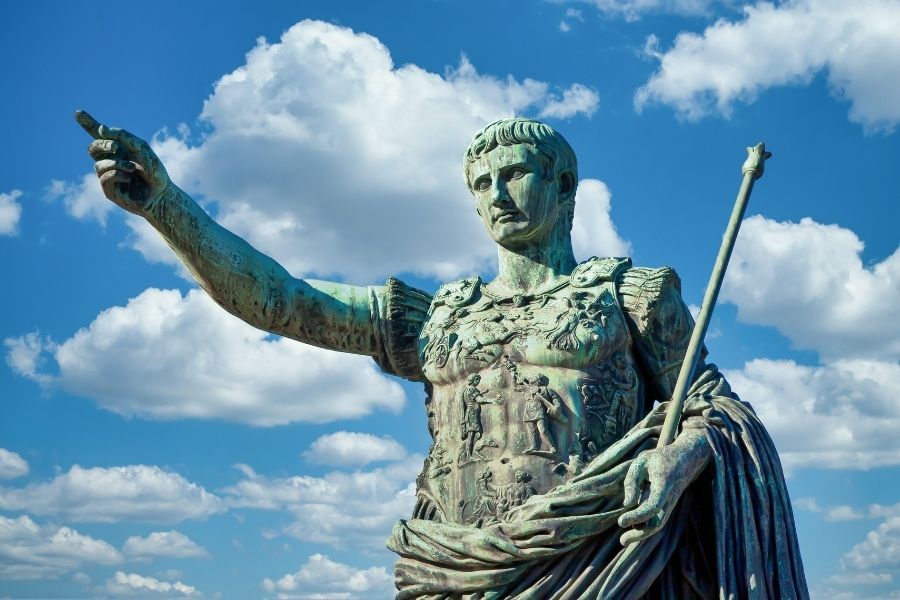
Ancient rulers like Periander and Julius Caesar imagined this shortcut ages ago, but they didn’t have the tools to finish it.
The modern canal finally became reality in the late 1800s. It opened in 1893 after 11 years of tough construction.
French engineers started the project, but when they ran into financial trouble, Greek leadership took over and finished the job.
What really gets me is the persistence behind it all. For over 2,000 years, leaders recognized the value of connecting these seas.
Setbacks and failed attempts didn’t kill the dream. They just kept going.
That kind of stubbornness reminds me that patience—sometimes a lot of it—comes before humanity’s greatest achievements.
Navigating a Narrow Passage: Size Versus Grandeur
These days, the biggest cargo ships can’t fit through the canal. That limits its commercial impact for Mediterranean shipping.
But smaller vessels and tourist boats still make the trip regularly.
I watched a yacht glide through, the captain steering with total focus in the tight space. The passage demands real skill and timing.
A local guide pointed out how winds can whip through the canal and make navigation tricky. Captains have to watch for sudden gusts that could push them too close to the rocks.
Despite its limitations and occasional maintenance closures, the canal’s real value isn’t just practical. It’s a symbol of how people can reshape the world—sometimes not in the biggest ways, but with precision and vision that lasts for generations.
Ancient Roots and Modern Marvels: Uncovering the Canal’s Epic Story
The Corinth Canal’s story stretches back 2,500 years. Ancient rulers and empires kept trying to connect the Aegean and Ionian seas, but only modern engineering finally made it possible.
Engineering Feats from Ancient Times to the Present
Standing at the edge, I can’t help but think how this narrow cut through rock stands for centuries of human ambition.
The canal is just 4 miles long and 70 feet wide, but carving it out of the isthmus was a challenge that stumped people for ages.
The Greeks gave it a shot around 600 BCE. Periander, the tyrant of Corinth, wanted to cut through the land, but they didn’t have the means.
Instead, they built the diolkos—a stone-paved trackway—to haul ships overland.

The canal we see now finally opened in 1893, thanks to technology ancient engineers could barely imagine.
Modern excavators chewed through 260 feet of limestone to create those steep, dramatic walls. It’s honestly breathtaking to see.
Strabo, Polybius, and Cleomedes: Chroniclers of a Dream
Ancient writers kept the canal dream alive. Strabo, the Greek geographer, wrote about Julius Caesar’s plans for a canal in 44 BCE. Their stories passed the vision down through the ages.
Polybius, the historian, described how the narrow isthmus shaped military strategy. Navies either had to sail all the way around the Peloponnese or drag ships across land.
Cleomedes and other scholars saw the isthmus’s strategic value. Their writing shows how this tiny strip of land shaped Mediterranean politics and trade.
Their words kept the idea alive until engineers could finally make it happen.
Empires of Influence: From Hellene Ambition to Roman Resolve
The Athenians saw the military importance of the isthmus. They built defensive walls to protect the Peloponnese.
For the Hellenes, holding this land bridge meant controlling movement between eastern and western Greece.
Later, Roman emperors took up the challenge. Nero even broke ground on a canal project in 67 CE, using thousands of Jewish prisoners to dig.
It’s kind of wild to imagine Nero himself starting the dig with a golden shovel.
The Romans gave up after Nero’s death, but their engineering plans were surprisingly close to what we see today.
For centuries, military powers fought over this chokepoint. The narrow isthmus shaped naval strategies and trade routes until 1893, when the canal finally bridged the seas.
Corinth’s Place in the Heart of Greece
Corinth sits at a crossroads where ancient history and modern geography collide. This spot has shaped its importance as a connector for centuries.
A Vital Bridge Between Athens and the Peloponnese
When I visited Corinth, I couldn’t miss how perfectly it links mainland Greece to the Peloponnese peninsula.
Before the canal, travelers had to sail all the way around or drag ships across the isthmus. That must have been exhausting.
The city acts as a gateway between Athens (just 78 km away) and the Peloponnese. This strategic spot made Corinth wealthy in ancient times, as merchants paid to move goods across.
Now, you can drive from Athens to Corinth in about an hour. Most tourists stop here first before heading deeper into the Peloponnese.
The old diolkos (that stone trackway) is still there—a reminder of how important this route was, even before the canal.
Historic Neighbors: Mycenae, Tiryns, and Arcadia
The area around Corinth is packed with archaeological treasures. I spent days wandering Mycenae, marveling at the Lion Gate and the tomb of Agamemnon.
Tiryns, another UNESCO site, sits just 20 km away. Its Cyclopean walls—so massive people said only giants could build them—still stand tall.
Further inland, Arcadia’s mountains offer a different vibe. While Corinth hugs the sea, Arcadia is all rolling hills and ancient legends.
These neighboring regions created a web of trade and culture. Corinthians sometimes allied with, sometimes rivaled, their powerful neighbors.
From Olive Groves to Bustling Vineyards
The land around Corinth has always been generous. Olive trees thrive here, their silvery leaves shimmering on the hills.
I tasted local olive oil that’s made pretty much the same way it was thousands of years ago. The ancient Corinthians exported this “liquid gold” all over the Mediterranean.
Nemea’s vineyards, just southwest of Corinth, produce some of Greece’s best wines. The Agiorgitiko grape loves the sunny climate and clay soil.
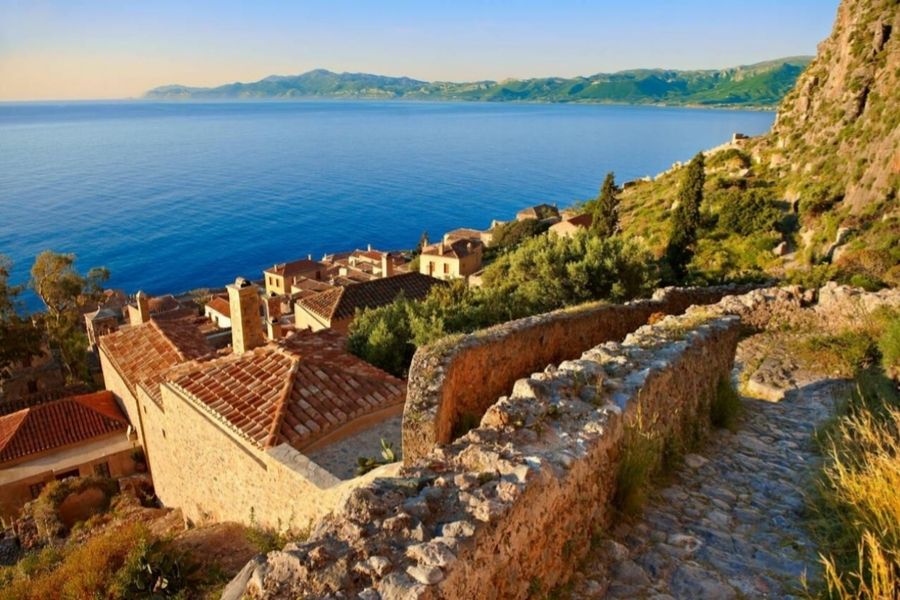
Driving through the countryside, you can see how farming shapes the region. Little villages dot the fields, looking much like they did centuries ago.
The mix of sea access and fertile land gave Corinth a leg up, both as an ancient power and as a modern destination.
Wonders Nearby: Exploring Legendary Sites Beyond the Canal
The Corinth Canal opens the door to some of Greece’s most incredible historic sites. Within reach, you’ll find ancient ruins, coastal gems, and spiritual wonders that rival the canal itself.
Day Trips: Delphi, Acropolis, and the Parthenon
If you’re planning a trip, put Delphi at the top of your list. This sacred site once held the famous Oracle and sits high on Mount Parnassus.
Walking the Sacred Way, I felt like I’d slipped back in time, surrounded by pilgrims looking for answers from the gods.
In Athens, just a 90-minute drive from Corinth, the Acropolis rises above everything. Get there early if you can—the Parthenon’s columns still stand after 2,500 years.
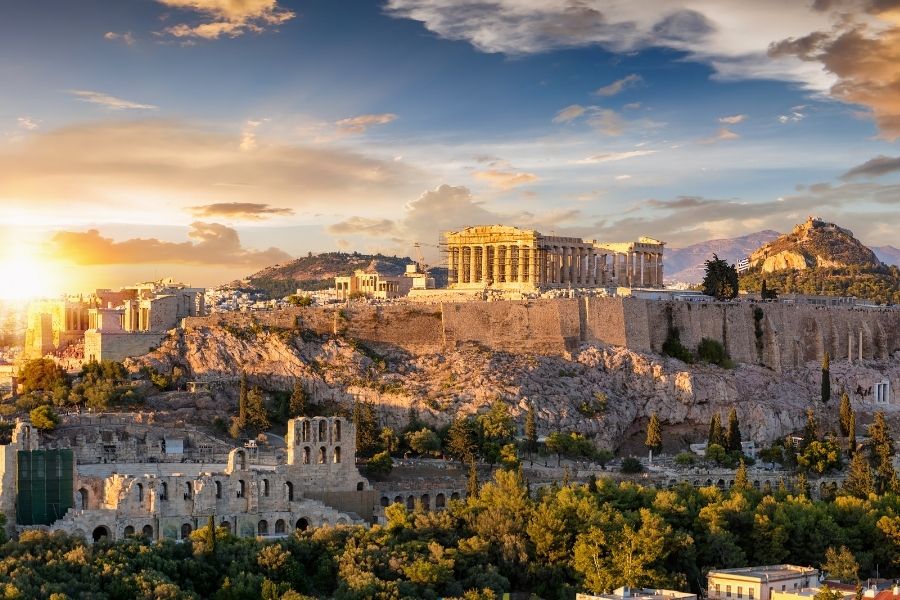
Down in the Plaka district, you can wander narrow streets lined with cafés and shops.
The Temple of Athena Nike may be smaller than the Parthenon, but its detailed sculptures and friezes are worth a look.
Coastal Paradises: Sailing to Corfu, Andros, and Tinos
After seeing the Corinth Canal, I love heading out to nearby islands. Corfu wowed me with its Venetian buildings and green hills. Paleokastritsa Beach has crystal water and dramatic cliffs.
Andros surprised me. It’s less touristy, with neoclassical mansions and rugged hiking trails. You get a real taste of Greece without the crowds.
Tinos is a major pilgrimage spot. The Church of Panagia Evangelistria draws thousands every year. The marble work all over the island, especially in Pyrgos, is just stunning.
These islands offer a nice contrast to the mainland’s ancient ruins.
Off the Beaten Path: Meteora, Pelion, and Thessaly
My most jaw-dropping moment beyond the canal was seeing Meteora’s monasteries perched on towering rocks. Built in the 14th century, they seem to float between earth and sky.
The frescoes inside tell biblical stories in bright colors.
The Pelion peninsula mixes mountain villages with seaside towns. I spent days hiking to hidden waterfalls, then relaxing on quiet beaches.
Thessaly’s plains show another side of Greece. This farming region has cool archaeological sites like Ancient Dion near Mount Olympus.
The local food, made with farm-fresh ingredients, gave me some of my best meals in Greece.
These lesser-known spots reward travelers who wander off the beaten path.
A Portal to the Wider Mediterranean: Culture, Commerce, and Beyond
The Corinth Canal doesn’t just connect two seas—it links civilizations, trade, and cultural exchanges that have shaped Mediterranean history for centuries.
Sailing Routes: From Sicily and Italy to the Barbary Coast
When I sailed through the Corinth Canal, I realized I was following a route that links some of the Mediterranean’s most strategic points.
Ships from Sicily and Italy could skip the risky southern loop around the Peloponnese. That shortcut saved days and let them dodge dangerous waters.
Venetian galleys once ruled these routes, hauling spices, silks, and all sorts of luxuries between East and West.
The canal made trips to the Barbary Coast and the lively ports of North Africa way shorter.
I’ve noticed that modern yachts still stick to these old pathways.
The blue waters that tie together Genoa, Pisa, and the Greek islands have created a network for cultural exchange for thousands of years.
Popular Historic Mediterranean Routes:
- Venice to Cyprus (spice trade)
- Genoa to Alexandria (luxury goods)
- Sicily to Athens (grain and olive oil)
- Pisa to Jerusalem (pilgrim routes)
Greeks, Venetians, and Other Colonizers: An Ever-Changing Tapestry
The waters near the Corinth Canal have seen endless shifts in power.
Greek city-states set up colonies all over the Mediterranean, spreading their culture and trade.
Later, I found out how Venice built a trading empire stretching from the Adriatic to Cyprus.
The Venetians grabbed key ports in Dalmatia and built a commercial network that could compete with any in the world back then.
Merchants from Parma and Milan sent their goods south to ports, where crews loaded them onto ships heading for eastern markets.
The canal area turned into a crossroads—Greek, Italian, and Ottoman influences all tangled together.
When I wander through coastal towns near the canal, I still spot Venetian lions carved into old stone walls.
They stand as quiet reminders of this complicated colonial history.
Modern Journeys: Travel Tips and Unexpected Adventures
If you want to really feel the canal’s cultural significance, stay in Corinth for at least two nights. I found the modern city surprisingly rich with insights into this crossroads of civilizations.
Try taking a day trip to Nemea—it’s just a quick 25-minute drive. The region’s wines have been famous since ancient times, and several vineyards actually open their doors for tastings.
Are you into adventure? Bungee jumping from the canal bridge will give you a wild new perspective on this engineering marvel. I gave it a shot once. Absolutely terrifying, but honestly, I’ll never forget it.

Canal Experience Checklist:
- ✓ Canal-side dining at sunset
- ✓ Local museum visit (artifacts from Venice to Vienna)
- ✓ Small boat tour through the canal
- ✓ Historic walking tour of ancient Corinth
The canal isn’t just a shipping shortcut. It really stands as a symbol of our persistent urge to connect cultures and continents.