
Netflix’s “Bridgerton” did more than just stir up a love for Regency-era drama. It brought those dreamy, flower-filled gardens into the spotlight. Suddenly, everyone wanted to wander under climbing wisteria and stroll past manicured hedges bursting with spring blooms.
Honestly, you don’t even need a passport for that. There are plenty of European-style gardens right here in the US.
Some of the grandest American estates have authentic English-style gardens that make you feel like you’ve stepped onto a “Bridgerton” set. Think formal terraces, rows of spring bulbs, and those perfectly trimmed topiaries.
Back in the 19th and early 20th centuries, wealthy Americans decided to recreate the magic of English estates on their own land. These gardens, scattered from California to Florida, still offer a chance to escape into a world of classic design and romance.
I’ve pulled together five American gardens that truly capture that Regency-era vibe in spring. Each one puts its own twist on the European style—wisteria-draped pergolas, symmetrical layouts, and thousands of spring-blooming flowers that make you wonder if Lady Whistledown is lurking nearby.
Key Takeaways
- You can find American gardens with English Regency design from coast to coast—no flight to Europe required.
- Spring is when these gardens really shine, with wisteria, tulips, daffodils, and all those period-perfect blooms.
- Expect authentic touches: formal terraces, clipped hedges, fountains, and those “garden rooms” straight out of “Bridgerton.”
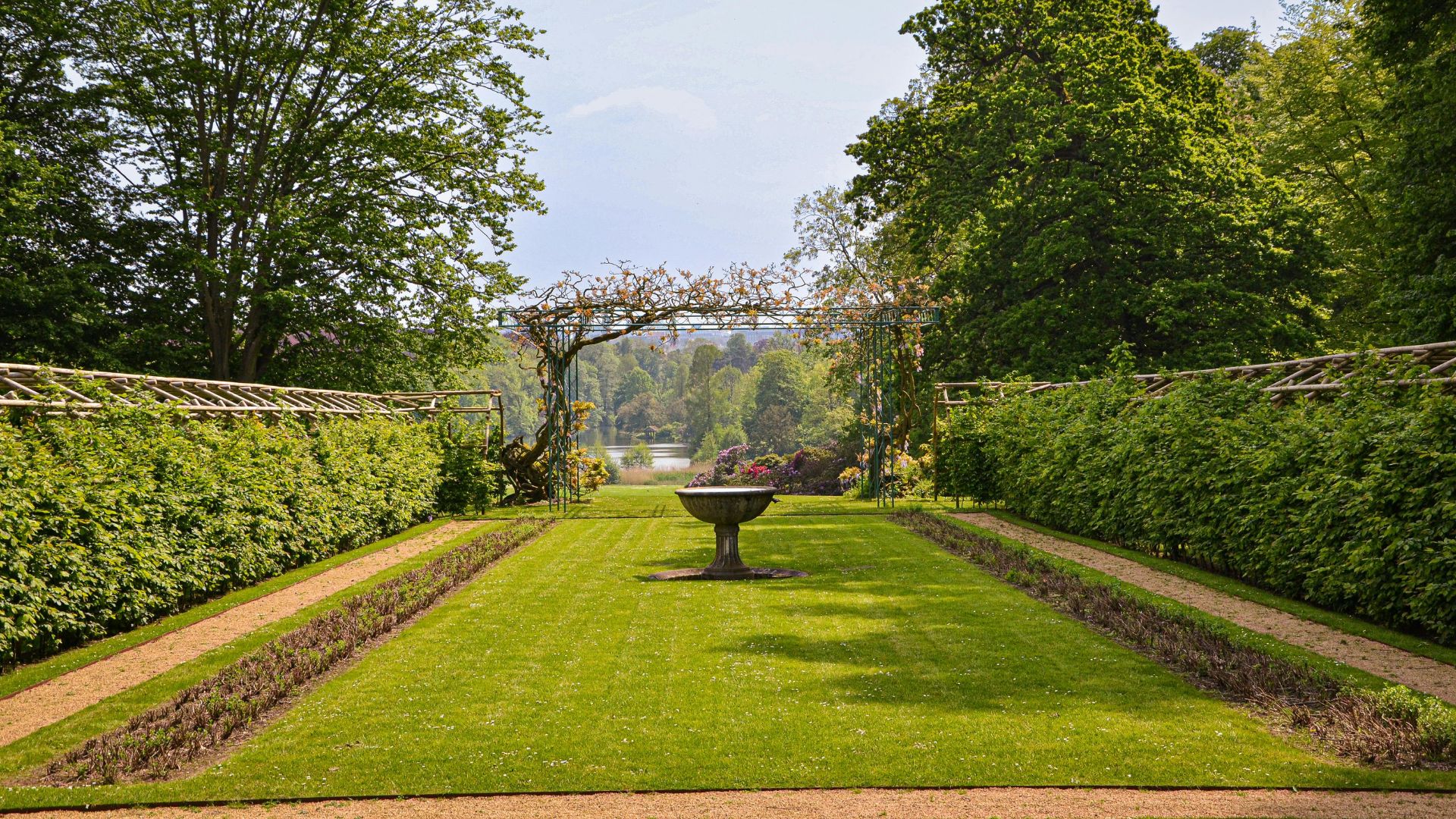
Understanding the ‘Bridgerton’ Effect in Garden Design
“Bridgerton” changed how people see their outdoor spaces. Folks started craving that blend of actual Regency-era design and the dreamy visuals from the show.
Regency Era Inspiration
The Regency period in England ran from 1811 to 1820. Gardens from that era shifted away from stiff, rigid lines and moved toward more natural landscapes.
I love how these gardens use rolling lawns, gentle curves, and trees that look as if they just happened to grow there.
Signature elements:
- Gravel walkways for slow strolls
- Classical statues and urns
- Garden follies—think gazebos and little temples
- Serpentine water features
- Layouts that feel balanced, but not too perfect
Back then, gardens acted as outdoor rooms for socializing. They needed to look good and serve a purpose.
Courting couples wandered the paths. Families enjoyed tea in garden pavilions. Kitchen gardens were tucked away, out of sight. The main goal? Create a peaceful escape that connects people with nature.

Influence of Netflix’s Bridgerton
When “Bridgerton” dropped in 2020, searches for English cottage gardens skyrocketed. The show’s filming locations sent everyone into a frenzy for wisteria and old-fashioned roses.
You can’t miss the cascading wisteria on the Bridgerton mansion. Fun fact: wisteria actually arrived in England a bit later than the show’s timeline, but that hasn’t stopped people from planting it everywhere.
Viewers also fell in love with the climbing roses, the neat garden paths, and those swoon-worthy outdoor settings.
I’ve noticed people adding pergolas, fountains, and pastel flowers to their own yards. The show made historical garden design feel both accessible and totally desirable.
Romantic Aesthetics of the Regency Garden
Regency gardens love soft colors and lush textures. If you’re aiming for this look, stick with purple, blue, white, and pink flowers. Those shades just ooze romance and elegance.
Some favorite plant picks:
| Plant Type | Examples |
|---|---|
| Climbers | Wisteria, climbing roses, clematis, honeysuckle |
| Perennials | Peonies, hydrangeas, hostas |
| Bulbs | Tulips in pink and purple tones |
| Soft textures | Artemisia, gaura, verbena |
Garden structures add a sense of drama and mystery. Arches, arbors, and pavilions create layers and invite you to explore.
Trailing plants soften the edges. Paths wind you through different garden “rooms.” It all comes together to build an atmosphere that’s a little bit magical.
Key Elements of European-Style Spring Gardens
European-style gardens from the Regency era blend careful planning with a riot of flowers. You’ll find formal landscaping, bold blooms, and elegant touches that transform outdoor spaces into romantic retreats.
Signature Spring Flowers: Wisteria, Roses, and Tulips
Wisteria is the showstopper—its purple flowers pour over archways and facades in late spring. I can’t get enough of how it turns any pergola into instant romance.
Roses are everywhere, especially heritage varieties in soft pinks, creams, and reds. Designers plant them in dedicated rose gardens or tuck them into mixed borders.
Tulips add a jolt of color in spring, usually planted in big, bold groups. Daffodils often bloom alongside them for extra cheer.
Hydrangeas and peonies round out the season, offering big, lush flowers that just beg for a photo. Sometimes you’ll spot dahlias or rhododendrons for even more color.

Formal Landscaping and Garden Structures
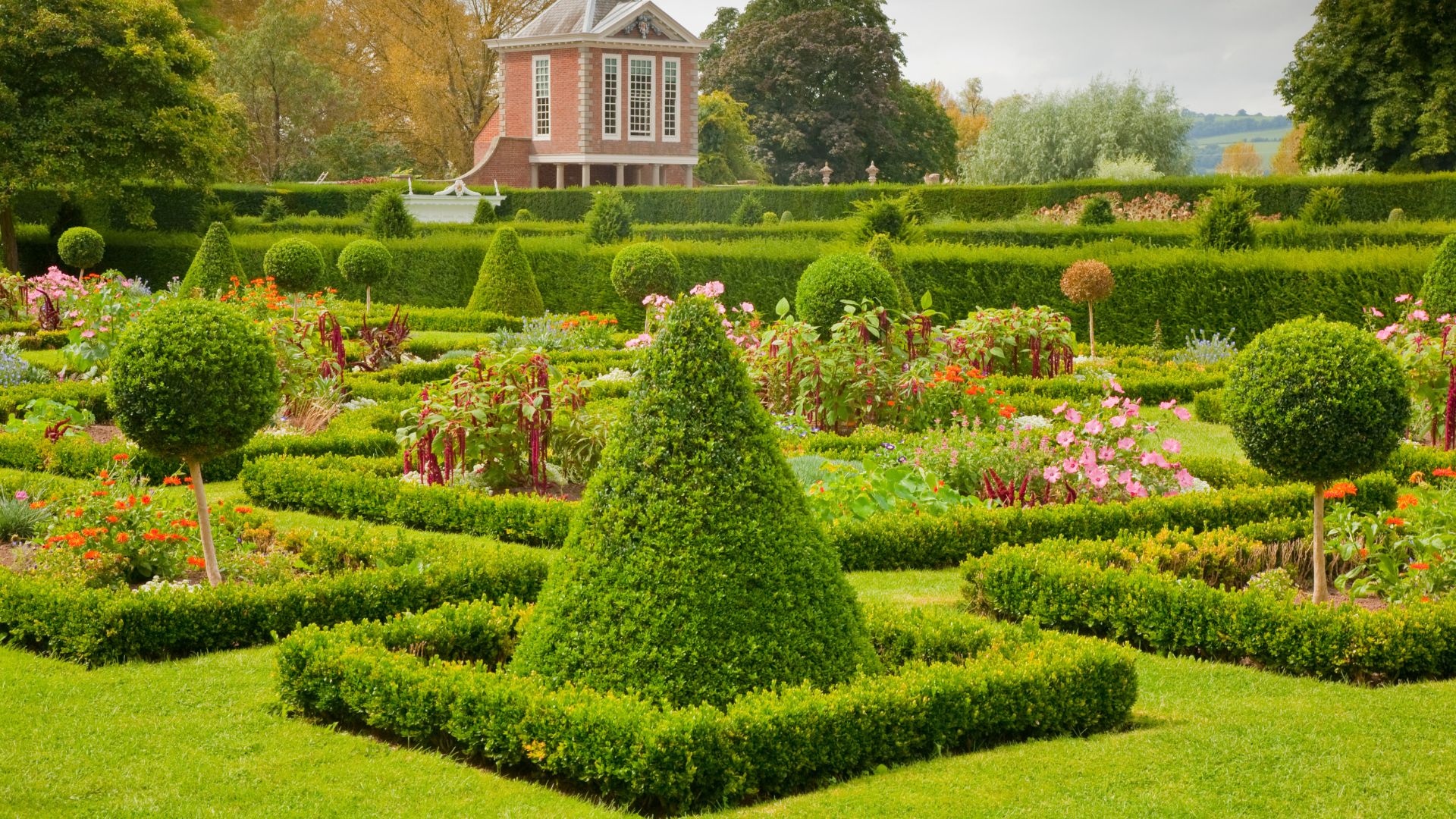
Formal gardens rely on symmetry and geometry. Box hedges outline beds and walkways, but they need frequent trimming to stay sharp.
Terraced landscapes move you through different levels. Wide promenades lined with yews or hornbeams create those grand approaches. Parterre gardens use clipped hedges to make intricate patterns filled with flowers.
Key elements to look for:
- Walled gardens that create cozy outdoor rooms
- Sunken gardens for a bit of drama
- Tree-lined paths—beech and oak are classics
- Manicured lawns for that open, green feel
Pergolas draped in wisteria or ivy offer shade and frame the views. These structures give gardens a vertical boost and help define the space.
Decorative Features: Fountains, Pergolas, and Bird Baths
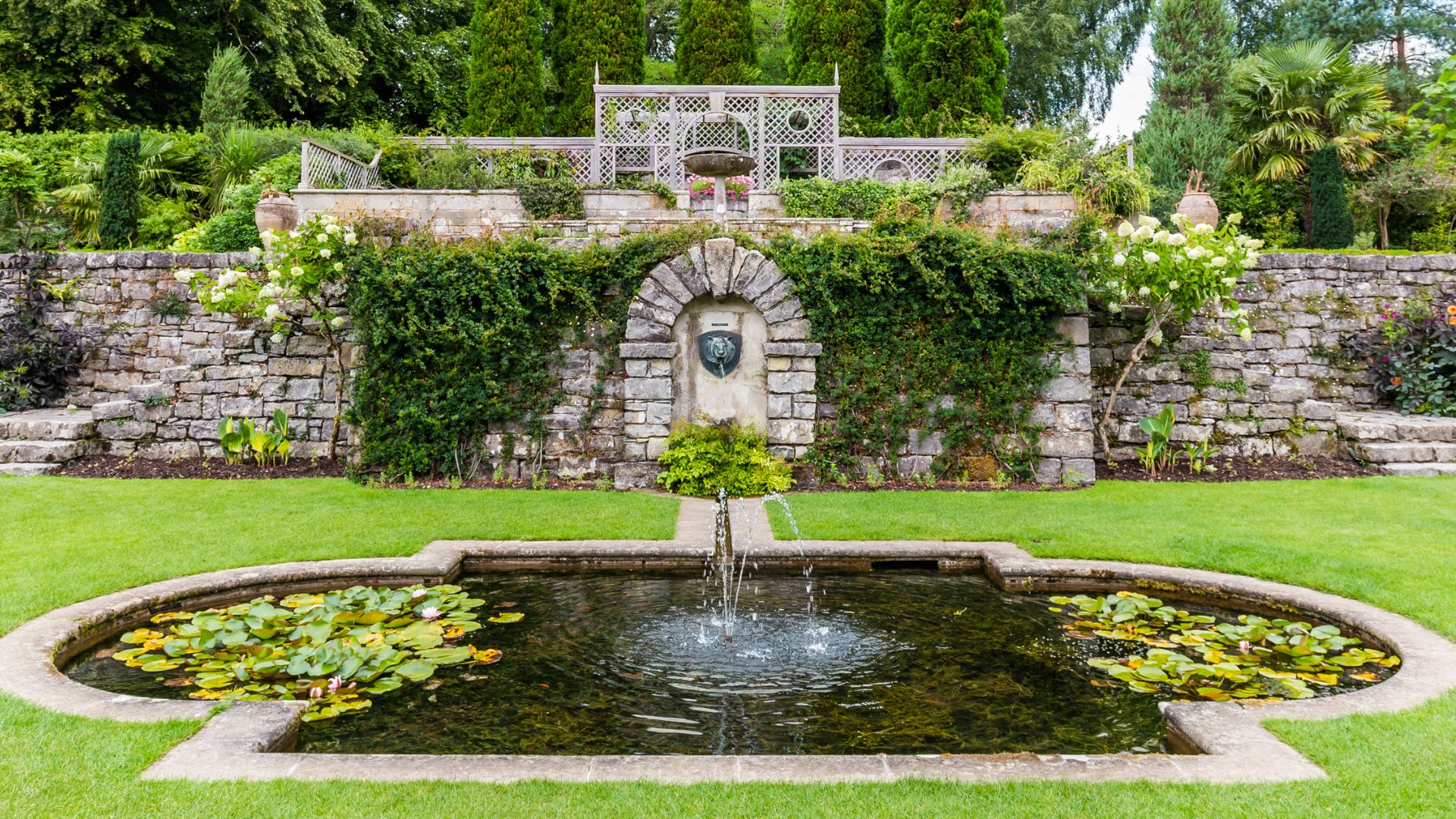
Fountains act as the heart of many gardens, drawing your eye and adding the sound of water. Reflecting pools create calm spots that mirror the sky.
Marble statues and stone urns pop up along paths and in flower beds, giving a nod to European history. Bird baths bring in wildlife and double as charming focal points.
Arbors and pergolas support climbing plants—wisteria, roses, ivy—and turn into living architecture. Benches near the flowers or water features invite you to pause and soak it all in.
Stone balustrades line terraces and staircases, while ornate railings and urns packed with blooms finish off the look. It’s those details that separate a casual garden from a truly grand European-style landscape.
US Gardens That Capture the Regency Aesthetic
A handful of American estates really nail the formal layouts and structured beauty of the Regency period. You’ll spot walled gardens, symmetry, and ornamental plantings that could easily pass for a “Bridgerton” backdrop.
Filoli Gardens, California
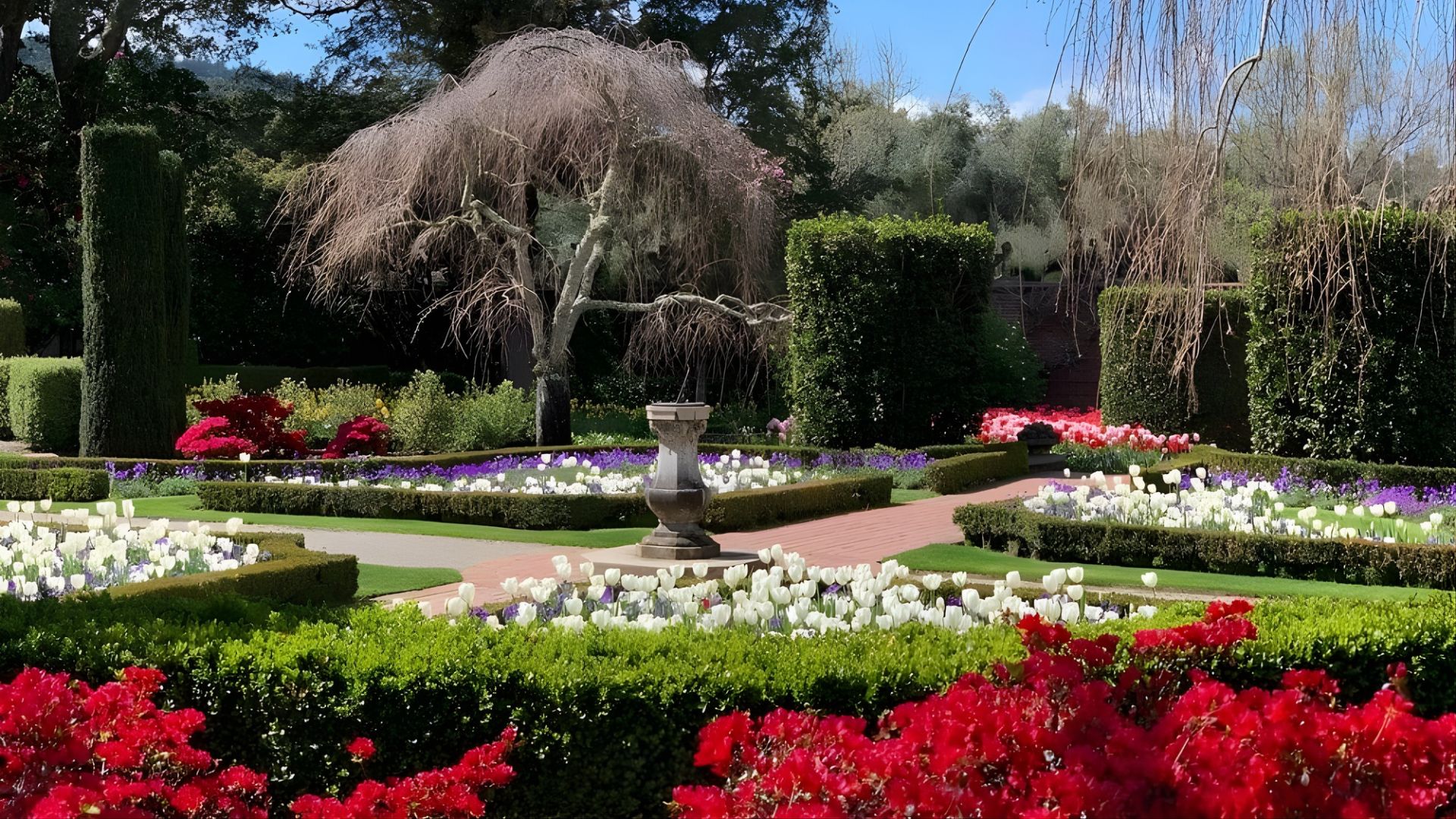
Filoli Gardens sprawls across 16 acres in the Santa Cruz Mountains. You’ll find tall hedges and structured walkways that scream formal garden from the early 1900s.
The walled garden sections remind me of those private spaces where secrets and romance unfold. The sunken garden—with its geometric beds—caught my eye right away. And the rose garden? It could easily belong to any Regency-era estate.
Why visit:
- Wide promenades lined with yew hedges
- Private-feeling walled gardens
- A charming clock tower and gift shop
- Weeping cherry trees and spring daffodils
Terraced lawns break the space into distinct garden rooms, much like English estates did. Visitors wander through pergolas and formal borders that show off that “ordered wilderness” style. Admission runs $25 for adults, $22 for seniors, and $15 for kids.
Vizcaya Museum & Gardens, Florida
Vizcaya keeps a slice of European-style garden tradition alive in Florida. The Main Gardens feature live oak trees shaped into aerial hedges for a dramatic effect.
You’ll find stone statues, reflecting pools, and symmetrical parterre plantings. I love how the Marine Garden uses water features as focal points—just like Regency designers intended. The Garden Mound offers quiet, shady paths under old oaks.
The David A. Klein Orchidarium showcases rare plants. Stone staircases connect the garden’s levels, and the Secret Garden offers a cozy spot with a whimsical seashell chair. If you visit in the evening, the statues glow under the lights—it’s pure magic.
Admission is $25 for adults and $10 for kids ages 6-12.
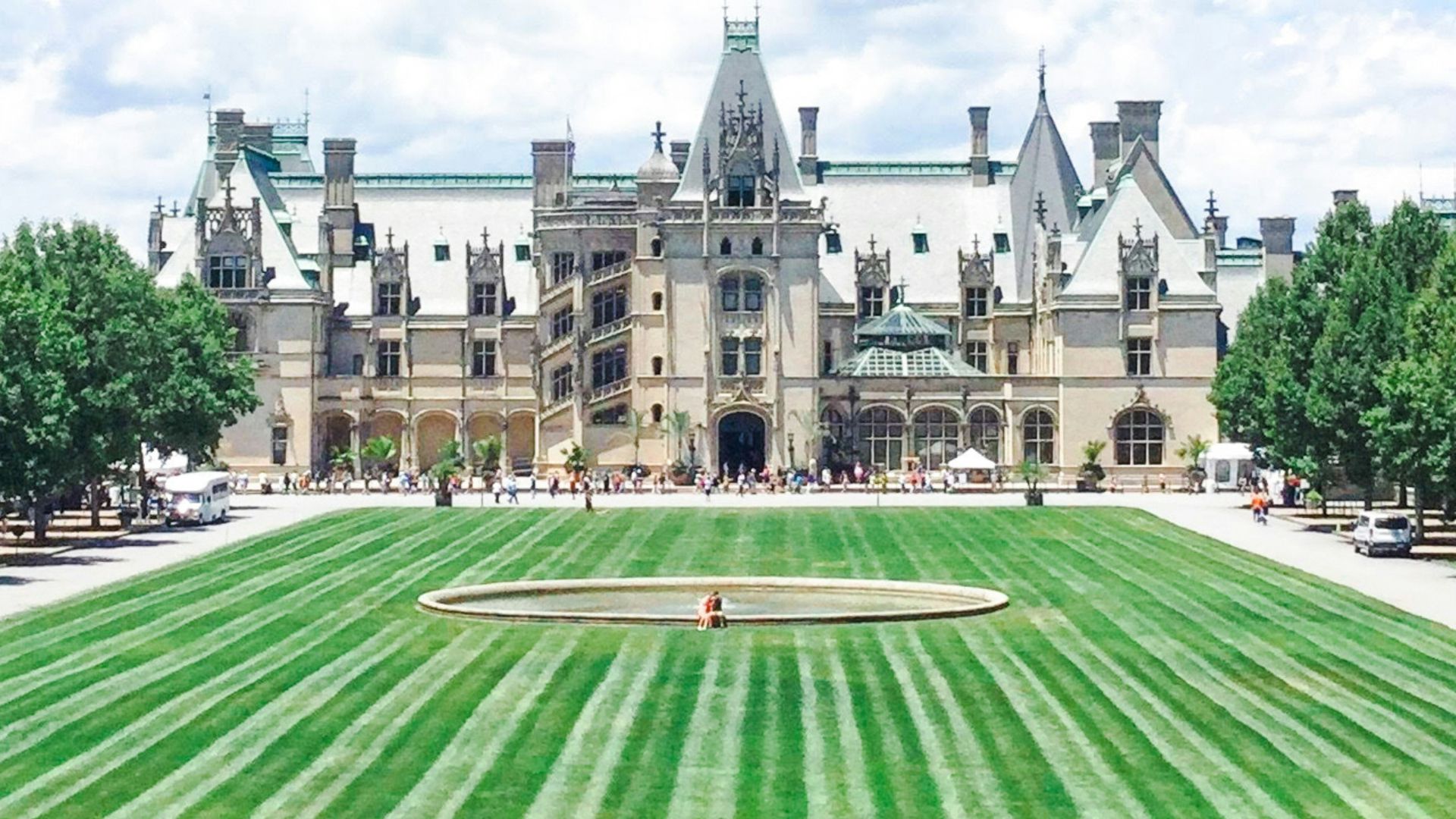
Biltmore Estate Gardens, North Carolina
The Biltmore covers a staggering 8,000 acres, with gardens designed by Frederick Law Olmsted (yep, the Central Park guy). This place shows how American estates went all-in on English garden traditions.
The rose garden features 250 varieties in formal beds. The Walled Garden creates those intimate spaces you see in “Bridgerton,” perfect for private chats. Italian Garden touches blend with American plants in what became the nation’s first managed forest.
Seasonal highlights:
- Spring: Orchids and early blooms
- Summer: Roses at their best
- Fall: Chrysanthemums galore
- Winter: Poinsettias brighten things up
I suggest wandering the terraces and water features to soak up the classical design. The estate also has a winery and Antler Hill Village if you want to make a day of it. Spring tickets start at $86 per person from April through late May.
More Iconic US Gardens Evoking European Spring
A couple more estates—one in New York and one in Tennessee—bring that grand European garden vibe to life. Both feature meticulously planned flower beds and structured landscapes that feel straight out of an aristocrat’s dream.
Old Westbury Gardens, New York
Old Westbury Gardens covers 200 acres on Long Island’s Gold Coast. The formal gardens channel English traditions, with symmetrical layouts and perfectly planned views.
The Walled Garden steals the show in spring. Tulips and daffodils pack the beds with color, and the brick walls create cozy microclimates for early blooms.
Spring favorites:
- Allée of European linden trees
- Boxwood-edged parterres
- A rose garden with 2,000+ plants
- Primrose Path lined with woodland flowers
Westbury House overlooks terraced gardens that step down to a lake. The whole setup mirrors classic English country houses, where the landscape and architecture work together in total harmony.
Cheekwood Estate & Gardens, Tennessee
Cheekwood sprawls across 55 acres in Nashville, blending American and European garden styles in a way that feels both grand and welcoming. Each spring, thousands of bulbs burst into bloom, transforming the grounds into a riot of color.
Regency-style gardens set the tone here, with structured layouts and ornamental touches that invite you to slow down. Stone paths meander through beds packed with flowers—sometimes it feels like stepping into a painting. Flowering trees pop up everywhere, framing gorgeous views at every turn.
Tulips, daffodils, and cherry trees steal the show in spring. Early on, you’ll spot yellows and whites, but soon, purples and pinks take over. There’s even a sculpture trail, which adds a creative twist and makes the place feel a bit like a European estate—perfect for wandering and daydreaming.
Transforming Your Own Garden: Regencycore Tips
Want your garden to channel Bridgerton vibes? It’s all about picking romantic plants, adding a few architectural flourishes, and designing paths that beg for lazy strolls. Creating little hideaways and intimate spaces brings the whole look together.
Selecting and Arranging Spring Flowers
If you’re aiming for that Regency palette, stick with purple, pink, white, and blue blooms. Wisteria is a classic—those cascading purple flowers make a statement, though they do require a bit of patience to mature.
Masses of tulips deliver instant spring drama. Back in the 1800s, tulips were a luxury, and honestly, they still feel fancy when you plant them in big groups. Peonies, with their soft pink and white petals, bring a dreamy, romantic vibe.
For longer-lasting color, layer in hydrangeas—their big, fluffy heads really fill out a border. Climbing roses add fragrance and height, especially the old-fashioned varieties. Hostas and heuchera work wonders for ground-level texture, breaking up all the blooms with lush leaves.
Key Planting Combinations:
- Purple wisteria tangled with pink climbing roses
- Tulip beds in white and pink, edged in ivy
- Peonies nestled beside blue hydrangeas
- Artemisia for a silvery, almost magical look
Go big with your planting—don’t be shy. The Regency look thrives on abundance and a little bit of wildness.
Incorporating Period Features and Structures
Fountains really anchor a Regencycore garden. I always look for ones with mythological figures or classic tiered shapes. Place your fountain where it catches the eye and where you can actually hear the water while you relax nearby.
Pergolas and arbors give your garden structure—think of them as follies, little destinations just for the sake of beauty. Training wisteria or roses over them? That’s the magic. They turn into living tunnels in spring.
Bird baths add a touch of elegance without breaking the bank. I usually choose ornate stone or weathered metal designs. Wind chimes and sundials are small details, but they add a sense of history.
Structure Placement Tips:
- Frame your best views with pergolas
- Use arbors as gateways between different sections
- Put fountains close enough that you can enjoy the sound from your favorite seat
- Let ivy soften up those sharp architectural lines
Creating Romantic Walkways and Spaces
Paths shouldn’t be straight lines—let them curve gently, almost inviting you to wander. Use gravel, stone, or brick in classic patterns. Four feet wide is ideal, so you can stroll side by side.
Low hedges or repeated plantings along the edges add formality and keep things tidy. I like to tuck benches or seating at path intersections, perfect for a quiet pause.
Trellises along the paths break up the space and support climbing flowers. I space mine every 8 to 10 feet—enough for rhythm, but not so much it feels crowded.
Lantern-style lights along the walkways make evenings feel magical. Keep branches trimmed at head height, but let some plants spill over the path for that lived-in, old-garden feel.
Frequently Asked Questions
Some historic gardens across the US really do capture that European elegance—formal layouts, walled gardens, and spring blooms that rival the best in Europe. From California to the Southeast, each spot has its own twist on this timeless style.
Filoli Gardens in Woodside, California, is a personal favorite. It’s tucked in the Santa Cruz Mountains and features towering yew hedges, walled gardens, and weeping cherry trees that look magical in spring.
Sarah P. Duke Gardens at Duke University in North Carolina covers 55 acres. In spring, tulips and daffodils pop up everywhere, and wisteria drapes over the pergolas.
The Biltmore in Asheville, North Carolina, sits on a jaw-dropping 8,000-acre estate. Frederick Law Olmsted designed the landscape, and the rose garden alone has 250 varieties.
Missouri Botanical Garden in St. Louis gets rave reviews—five stars on Tripadvisor. You’ll find limestone terraces, formal hedges, and pools overflowing with water lilies.
Duke Gardens also boasts a five-star rating. Wisteria-covered pergolas, fountains, and terraced landscapes—plus, there’s no admission fee.
Phipps Conservatory in Pittsburgh houses one of the country’s oldest Victorian greenhouses. The sunken garden and glasshouse architecture date back to 1893, and it feels like stepping into another era.
Middleton Place in Charleston, South Carolina, delivers with its grand, terraced landscapes from the early 1800s. Marble statues, reflecting pools, and formal pathways give it that classic feel.
Green Animals Topiary Garden in Portsmouth, Rhode Island, has over 80 whimsical topiaries and formal gardens. Every spring, 19,000 daffodils bloom in 58 varieties—talk about a show.
Vizcaya Museum and Gardens in Miami is pure European fantasy. Trimmed live oak hedges, a reflecting pool, and secret garden corners make it easy to imagine you’re in another century.
Filoli Gardens explodes with daffodils and cherry blossoms every spring. The sunken garden and yew-lined promenades are perfect for slow strolls.
The Biltmore’s gardens change with the seasons, but spring brings out orchids and a rainbow of blooms in the walled and Italian gardens.
Middleton Place claims to be the first spot in America to grow camellias, thanks to André Michaux. You’ll also find tea olives and crepe myrtles adding fragrance and color.
Phipps Conservatory really nails the Victorian greenhouse vibe. Opened in 1893, it stays true to period garden design and feels utterly transportive.
The Owens-Thomas House in Savannah comes with a parterre garden laid out in English Regency style. Formal plantings and a central fountain connect the main house to the carriage house.
Vizcaya Museum’s gardens feature towering live oak hedges and a formal orchidarium. The design borrows heavily from 18th and 19th-century European traditions.
Filoli Gardens really channels those classic English garden vibes. Walk through the 16-acre property and you’ll spot walls, neat little formal spaces, and those structured plantings you’d expect from a grand old British estate.
Middleton Place brings the drama of classical European landscape design straight out of the colonial era. Back in the early 1800s, Henry Middleton actually designed the terraced gardens himself, aiming for that grand, sweeping style you might see in Europe.
Green Animals Topiary Garden is a quirky nod to European topiary traditions. You’ll find imported beech trees, crisp geometric shapes, and of course, those whimsical animal-shaped topiaries scattered throughout.
