
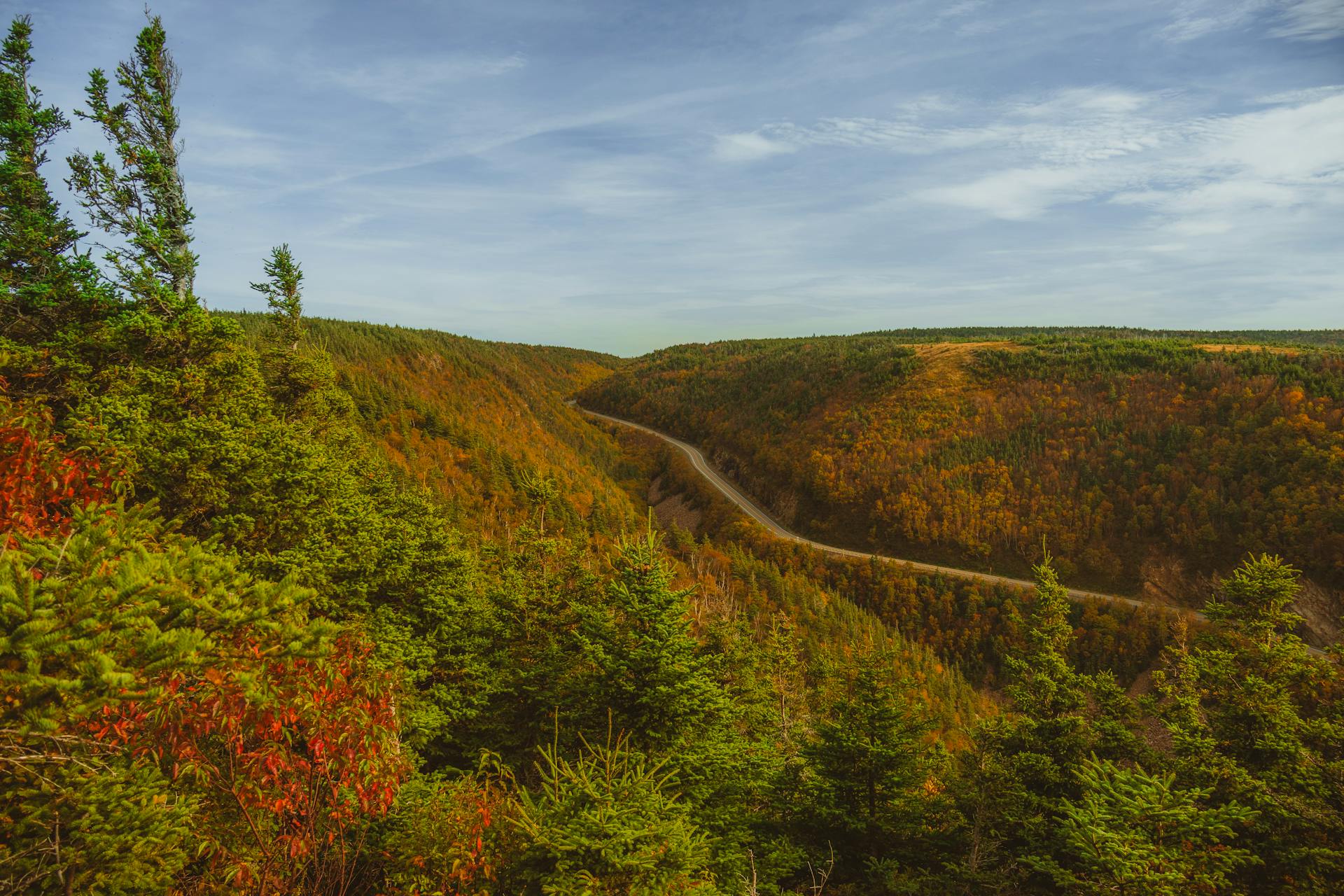
The Cabot Trail isn’t just a road—it’s one of the most jaw-dropping coastal drives you’ll ever find in Canada. It snakes for 298 kilometers across Nova Scotia’s Cape Breton Island, where rugged cliffs crash into the wild Atlantic. Travelers get stunning ocean views, untouched wilderness, and a taste of Celtic culture, all in one epic journey.
I’ve lost count of the coastal roads I’ve driven, but honestly, very few come close to the raw, wild beauty you stumble upon here. Cape Breton Highlands National Park? Unreal. One minute you’re gazing over clifftop lookouts, the next you’re rolling into a sleepy fishing village. There’s a reason people call this one of the world’s most beautiful road trips—it’s just got that magic.
So, whether you’re planning a quick weekend getaway or plotting out a week-long wander, let me walk you through the can’t-miss stops and the little surprises along the way. I’ll share where you can hike until your legs ache, taste the freshest seafood, and connect with the island’s deep Maritime roots.
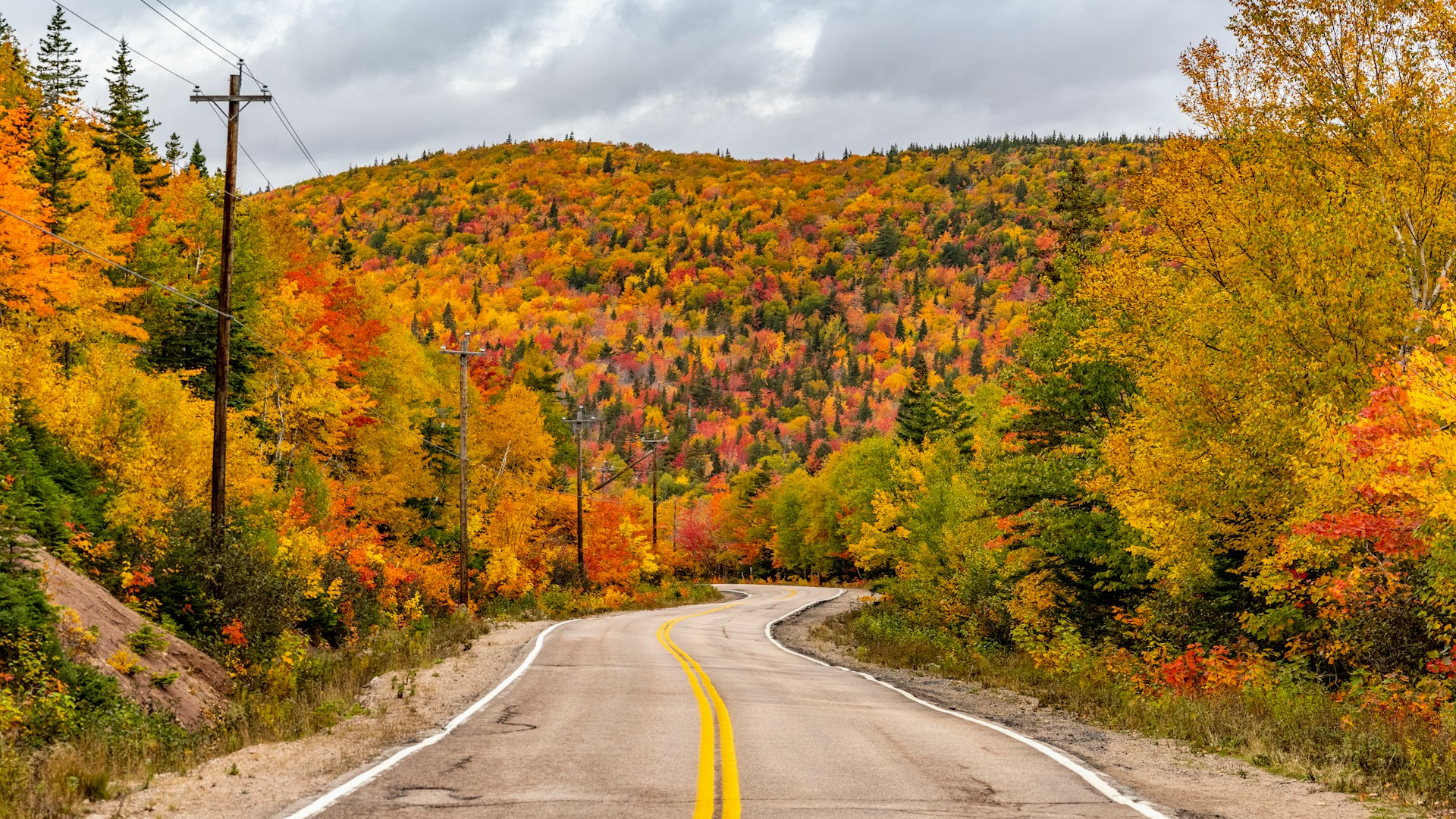
Essential Guide to the Cabot Trail
The Cabot Trail loops for 298 kilometers around Cape Breton Island’s northern tip. If you want the best experience, aim for summer or fall. Trust me, a bit of planning goes a long way on this Atlantic Canada classic.
Route Overview and Driving Directions
The Cabot Trail makes a full circle around northern Cape Breton Island. I usually start in Baddeck—it’s the perfect jumping-off point.
The entire drive covers 298 kilometers (185 miles) and the scenery changes constantly. You can go either way, but I prefer going clockwise from Baddeck to Cheticamp, then on to Ingonish.
Driving clockwise keeps your car on the inside lane during the steepest stretches. About two-thirds of the route runs through Cape Breton Highlands National Park.
Key access points:
- Baddeck (the main gateway)
- Trans-Canada Highway connections
- Sydney (the closest major airport)
You’ll wind through fishing villages, mountain plateaus, and some seriously dramatic cliffs. Be ready for twisty mountain roads and a few steep grades.
Cell service drops out in the remote bits. I always download offline maps before I hit the road.
Best Times to Visit and Weather Considerations
Summer (June-August) brings the warmest weather and the longest days. Temperatures usually sit between 15-25°C (59-77°F).
This is also when the crowds show up. Popular spots like Skyline Trail get busy, and you might wait a bit for a table at restaurants.
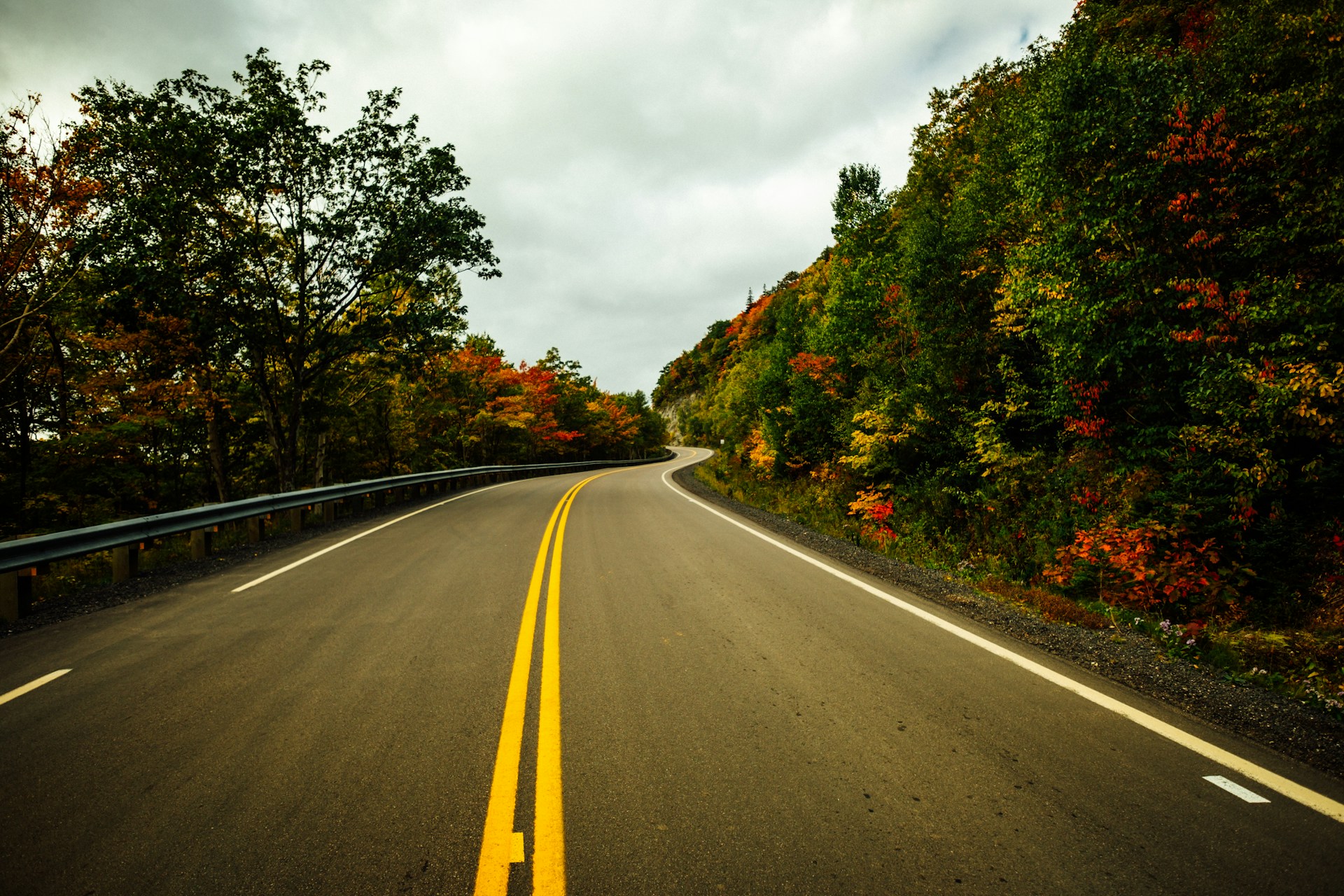
Fall (September-October) is my favorite. The foliage here is next-level. Colors peak from late September into early October.
It cools off, but it’s still great for driving—expect 10-18°C (50-64°F).
Winter on the trail? Honestly, it’s tough going. Snow, ice, and wind make things dicey, and most places shut down from November to April.
Spring (May-June) means fewer tourists, but the weather’s a gamble. Some trails still have snow or turn to mud.
Always check the forecast before you go. Weather here can flip fast, especially up in the highlands.

Planning Your Cabot Trail Itinerary
To really soak it all in, give yourself at least 2-3 days. Rushing through in a day doesn’t do it justice.
One-day trip? You can drive it with a couple of quick stops. Start early from Baddeck and stick to the big viewpoints.
Two days lets you squeeze in a short hike and poke around a village or two. Spend the night in Cheticamp or Ingonish to break up the drive.
Three days is the sweet spot. That way, you can tackle longer hikes, try whale watching in Pleasant Bay, and dive into the local culture.
Must-see stops:
- Skyline Trail (Cape Breton Highlands National Park)
- Whale watching in Pleasant Bay
- Celtic Shores Coastal Trail
- Local seafood restaurants
Book your stays ahead of time if you’re coming in peak season. There aren’t many places to sleep between June and October.
Plan your gas stops—stations get rare in the highlands.
Bring snacks and water, too. There are long stretches with nothing but wilderness.
Iconic Destinations and Scenic Stops
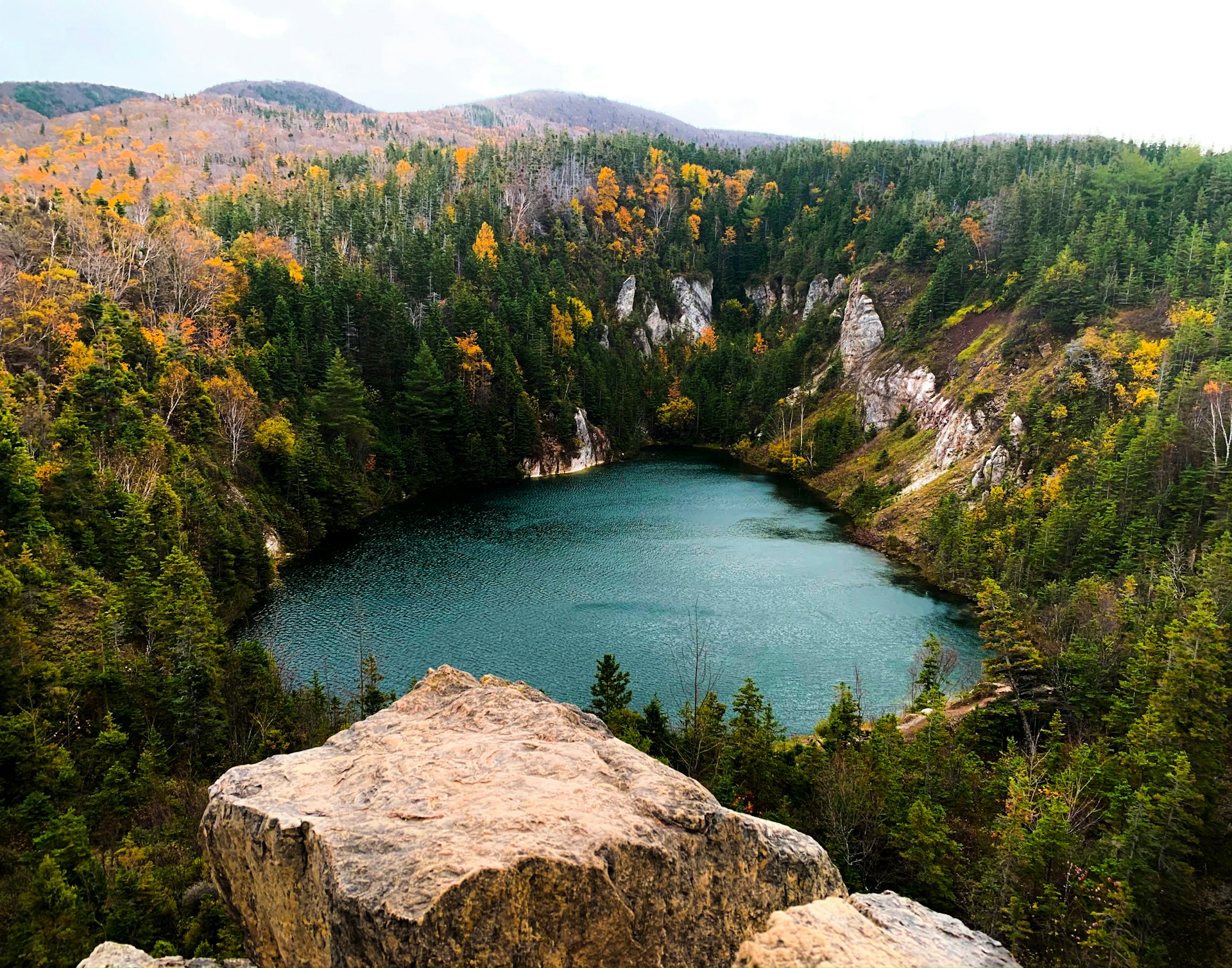
The Cabot Trail links up wild national park views with charming coastal towns and legendary lookouts. From rugged highlands to picture-perfect villages, every stop brings something new.
Cape Breton Highlands National Park Highlights
Cape Breton Highlands National Park is the heart and soul of the Cabot Trail. It stretches across the northern chunk of the drive and dishes up some of Canada’s most dramatic ocean scenery.
Skyline Trail is the park’s superstar hike. This 7.5-kilometer loop hugs the cliffs with killer views of the Gulf of St. Lawrence. Try it at sunset—the crowds thin out, and the light is unreal.
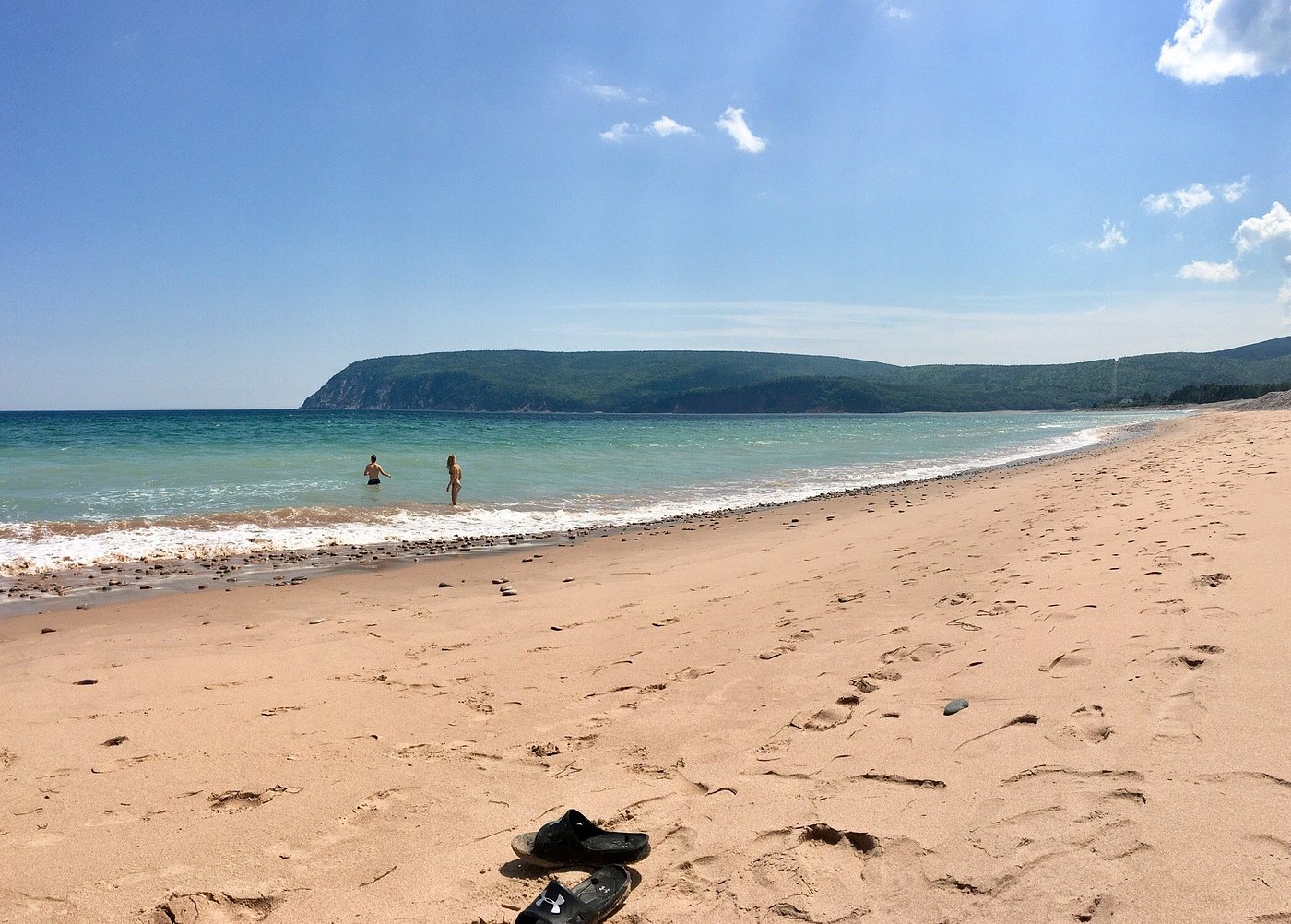
Ingonish Beach is your go-to for the park’s eastern side. A long sandy stretch, tucked behind headlands, makes it a sweet spot for swimming and chilling out.
The Franey Trail is a tougher hike, but the panoramas make the climb worth it. It’s 7.4 kilometers up through forests to lookouts over Ingonish Bay.
Chéticamp sits at the park’s western entrance and brings French Acadian flavor. You’ll find whale tours and traditional food here.

Must-See Lookouts and Photo Opportunities
The Cabot Trail is packed with scenic viewpoints—honestly, your camera never gets a break.
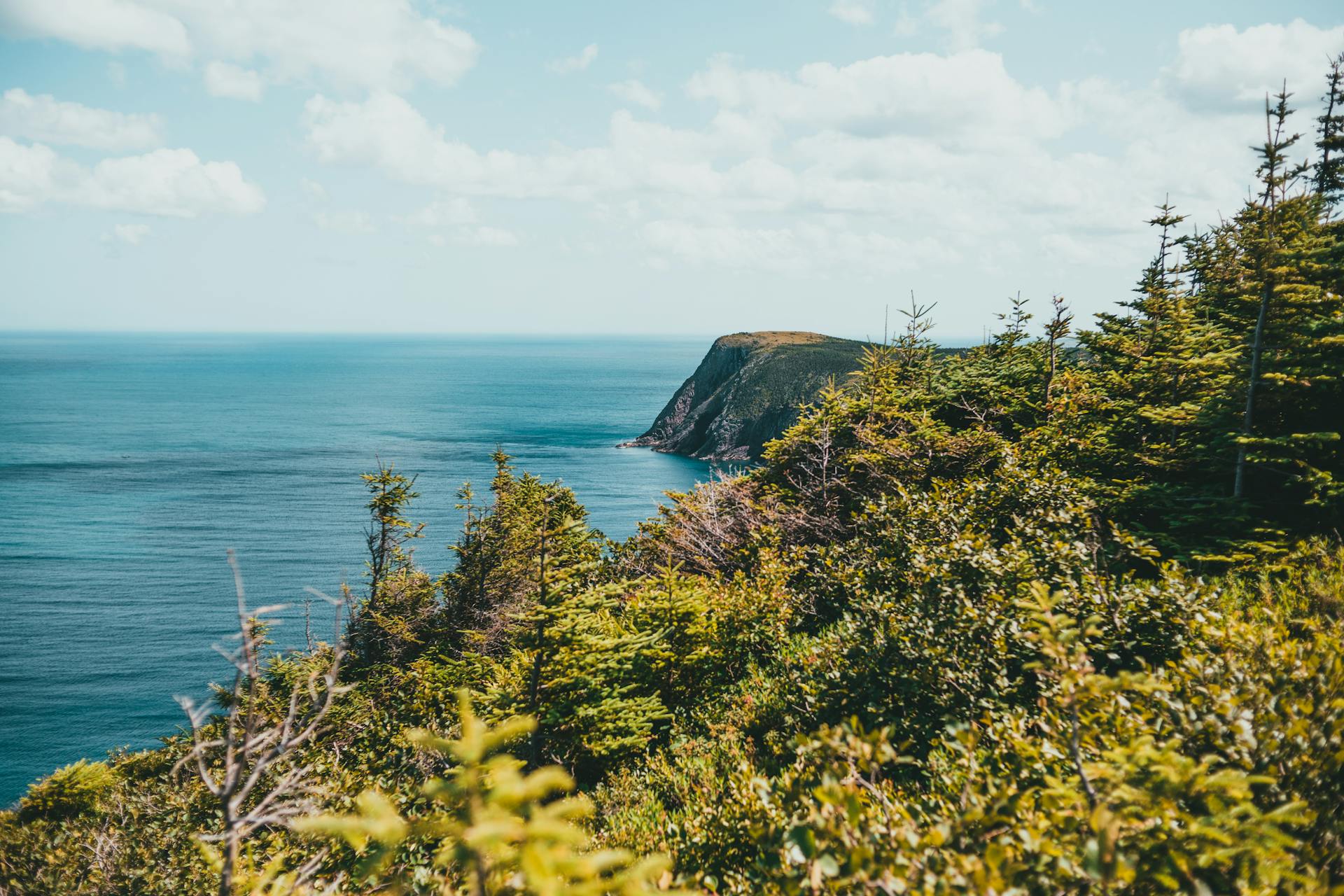
MacKenzie Mountain Lookout gives you sweeping views over Pleasant Bay and the west coast. It’s also a great spot for whale watching during migration.
North Mountain Look-Off near Pleasant Bay is a jaw-dropper. The climb up the winding road builds the suspense, and the view at the top is worth every hairpin turn.
Cape Smokey has Eastern Canada’s only gondola. It lifts you 300 meters above sea level. From up there, you spot Ingonish, the Keltic Lodge, and fishing boats bobbing in the harbor.
French Mountain is the classic Cabot Trail photo op. The Veterans Monument halfway down is the best place to snap that iconic winding-road shot.
White Point near Neil’s Harbour has rugged cliffs and endless ocean views. The short hike leads to a cemetery for sailors lost at sea—quiet, moving, and beautiful.
Charming Towns and Villages to Explore
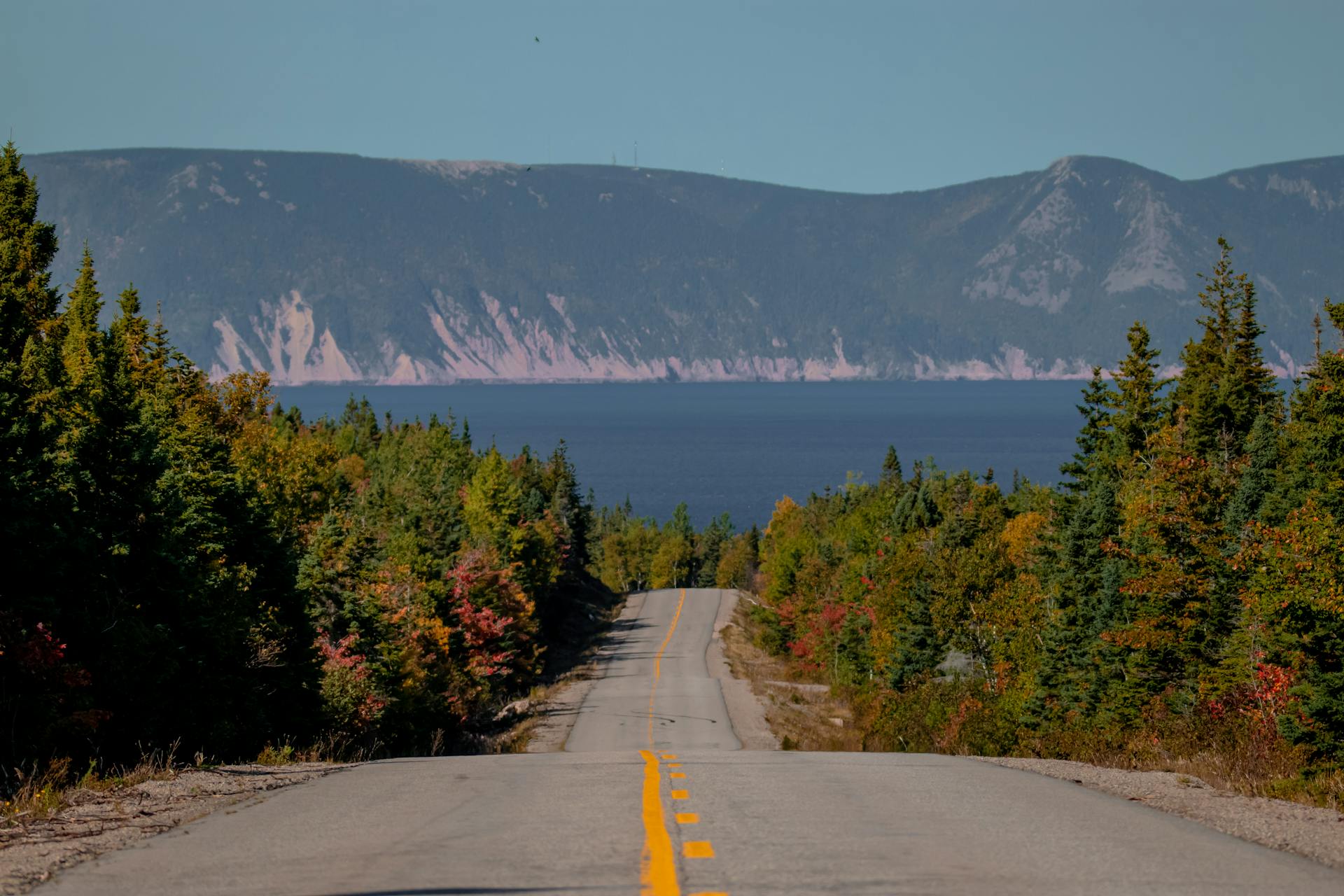
The Cabot Trail weaves through coastal communities that keep Maritime traditions alive.
Baddeck is the southern gateway and tips its hat to Alexander Graham Bell. You can visit the National Historic Site and find plenty of spots to eat and stay.
Pleasant Bay is the real deal—a fishing village where locals still work the harbor. Whale tours run from here, and life feels refreshingly old-school.
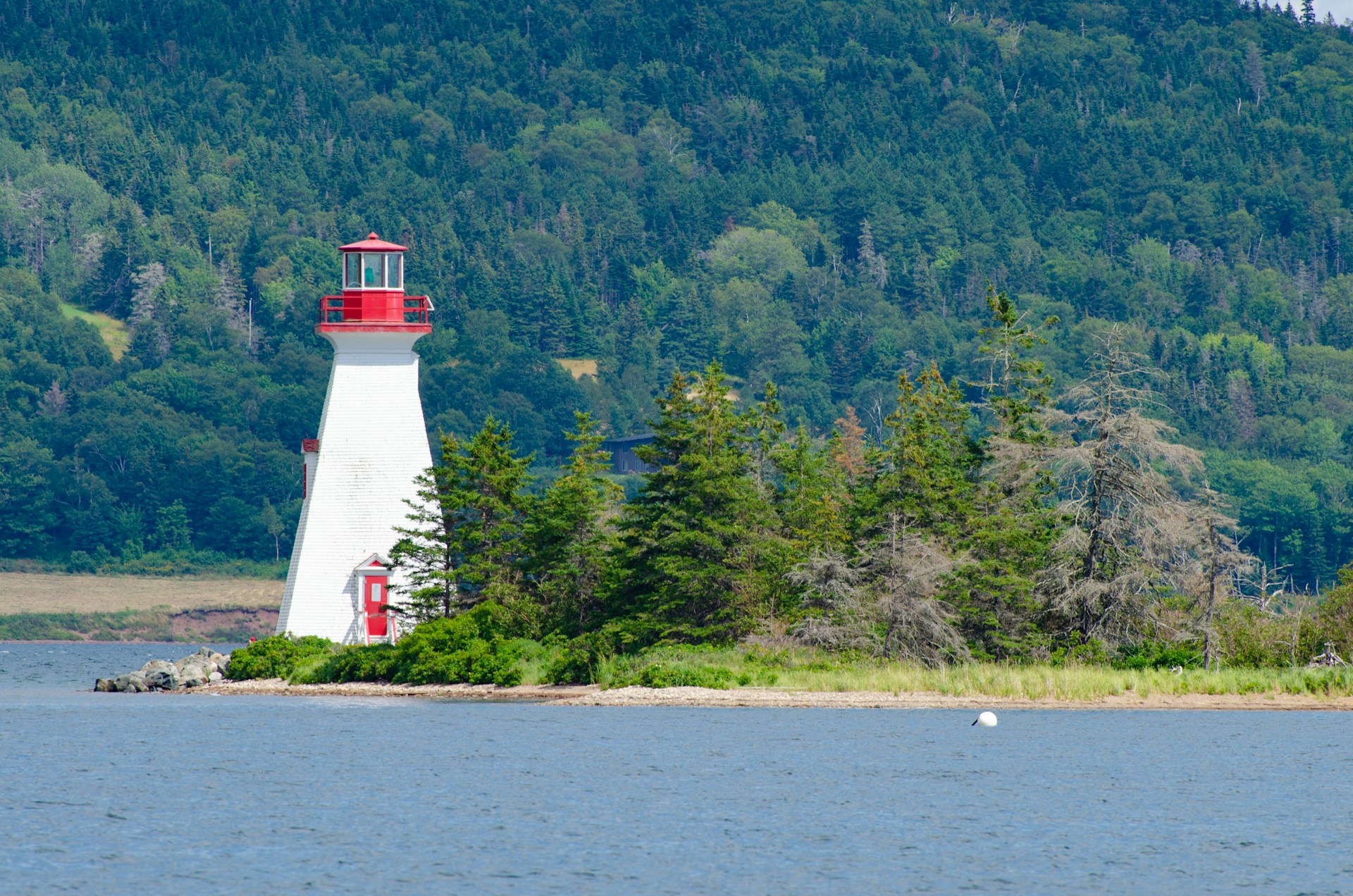
Neil’s Harbour is tiny (about 300 residents), but it buzzes in summer. Think colorful boats, a historic lighthouse, and the Periwinkle Café for a snack.
Margaree Forks and the Margaree River valley show off the area’s Scottish roots. Salmon fishing is big here, and you might catch some traditional music.
Englishtown offers a little ferry across St. Anns Bay. It’s a handy shortcut and a peek into rural Cape Breton life.
Unforgettable Outdoor Adventures
The Cabot Trail is a playground for outdoor lovers. You’ve got epic hikes like Skyline and Franey Trails, whale watching out of Pleasant Bay, and kayaking around Ingonish Beach.
Hiking Trails Not to Miss
The Skyline Trail is hands-down the most popular hike. It’s a 5.1-mile loop and takes about 2-3 hours.
I like to start early—less crowded, and you might spot wildlife. The lookoff at the end? Breathtaking. You could see bald eagles, moose, or even black bears if you’re lucky. Boardwalks make it easy in parts.
Franey Trail is more of a workout. It’s a 4.5-mile round trip with a solid climb, but the ocean and beach views from the top? Worth every step.
You’ll gain about 1,200 feet, so bring water and take your time. The photo ops here are some of the best on the whole trail.
Want something simple? Try the Bog Trail. It’s a short 0.3-mile boardwalk loop where you get up close with pitcher plants and dragonflies.
Whale Watching and Marine Tours
Pleasant Bay claims the title for whale watching on Cape Breton. I’ve had my best luck spotting whales from this tiny port.
Pilot whales and minke whales show up most often, but humpbacks swing by in summer.
Several boats run tours straight from the harbor. Trips last 2-3 hours and run May through October.
You get close enough to see whales surface and spout. Sometimes you spot seals and dolphins, too.
Book a morning tour for calmer seas. And don’t forget a jacket—it gets chilly out there.

Kayaking and Water Activities
Ingonish Beach is the spot for kayaking, especially if you’re new to paddling. The bay is calm and safe, with mountain views all around.
You can rent kayaks right on the beach during summer. It’s an easy way to get out on the water.
Bras d’Or Lake connects to the trail and is perfect for exploring by kayak. Quiet coves, gentle waves, and lots of birds.
Guided tours are available, and they usually include all the gear and a bit of local lore.
Swimming at Ingonish Beach is best in July and August when the water warms up. The Cape Smokey Gondola nearby gives you a bird’s-eye view of the bay and kayakers below.
Accommodations and Unique Stays
The Cabot Trail has everything from plush oceanfront resorts to wilderness camping. Where you stay can totally shape your Cape Breton adventure.
Hotels, Inns, and Resorts
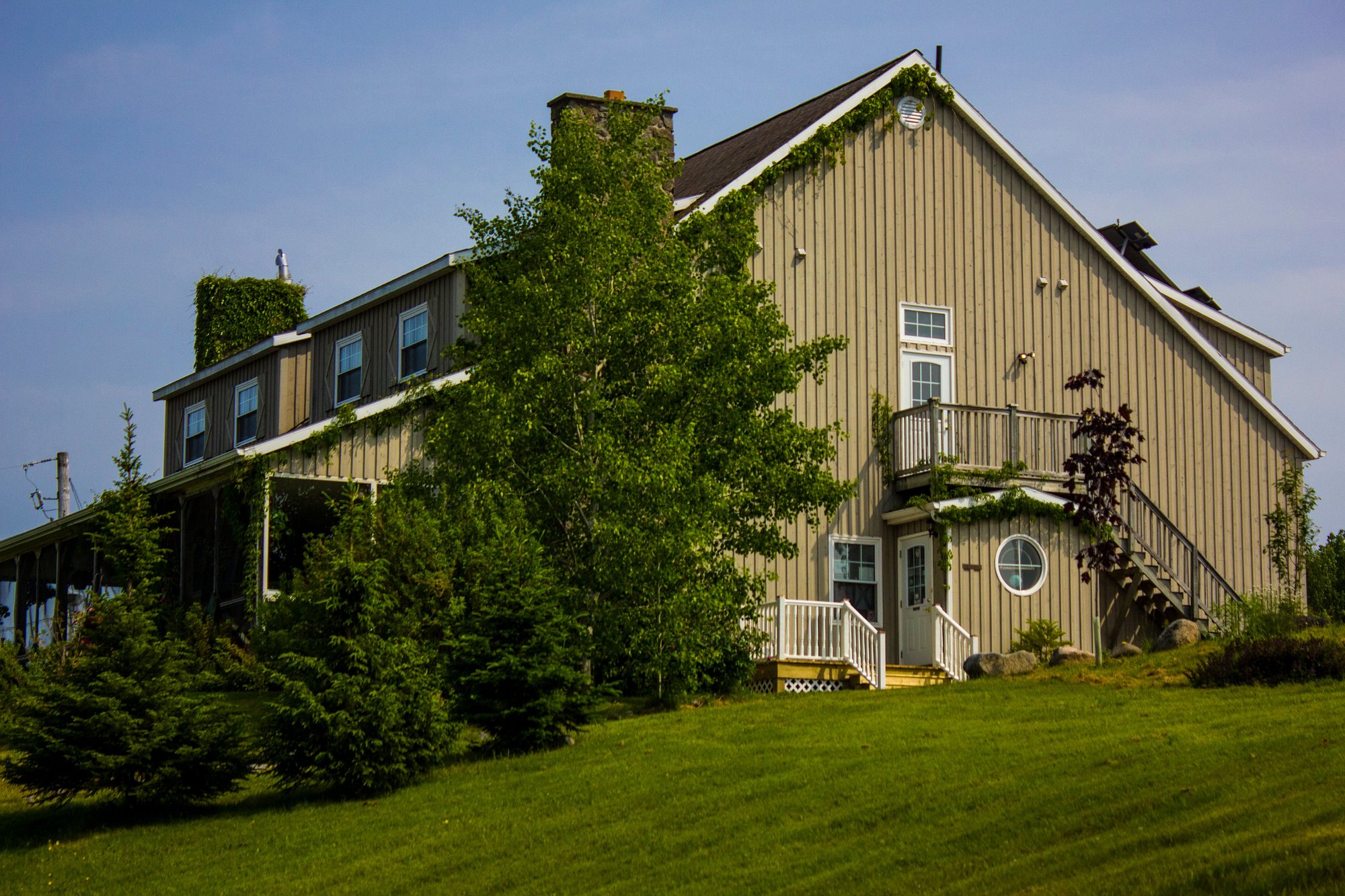
Keltic Lodge Resort is the legend here. I’ve stayed twice, and honestly, the ocean views from your room are hard to beat.
It’s inside Cape Breton Highlands National Park and has a golf course, spa, and great food. You can pick from standard rooms to luxury suites.
Castle Rock Country Inn in Ingonish Beach is cozier, with mountain and sea views and tasty local dishes.
In Baddeck, Silver Dart Lodge sits right on the lake. It’s a great base for both the Cabot Trail and nearby sights like the Bell Museum.
Chéticamp’s Auberge Bay Wind Suites gives you views of the Gulf of St. Lawrence. The private balconies are perfect for whale watching or catching the sunset.
Camping and Alternative Lodging
Cape Breton Highlands National Park has classic campgrounds. If you want something between a tent and a cabin, try the Otentiks—they’re comfy, furnished, and tent-like.
Cabot Shores Wilderness Resort near Indian Brook is all about eco-friendly stays. Their yurts and domes are a fun twist, and you can join in on kayaking or meditation sessions.
Glamping is a thing here, too. Some spots offer seaside cabins with all the comforts but still keep you close to nature.
Private cottages and Airbnbs make sense for longer trips or if you’re coming with family. You get more space and a kitchen to whip up your own meals.
Flavorful Experiences and Local Cuisine
The Cabot Trail is a treat for foodies. You’ll find fresh Atlantic seafood—lobster, chowder, mussels—plus classic Maritime bites like oat cakes and porridge bread. Local cafés, bakeries, and craft breweries round out the food scene.
Seafood Specialties and Regional Eats
The seafood here really is something else. Lobster’s the big star, but don’t skip the chowder.
Lots of restaurants serve up steaming bowls packed with the day’s catch. Grab a lobster roll or fish and chips at a waterfront joint—you won’t regret it.
Classic Maritime favorites:
- Oat cakes
- Porridge bread
- Fresh mussels
- Local oysters
Many places use ingredients from nearby farms and waters. The Chanterelle Country Inn & Cottages is all about that farm-to-table vibe.
For a splurge, Keltic Lodge Resort and Silver Dart Lodge both serve up local flavors with a fancy twist.
What I love most is the blend of Scottish and Acadian traditions in the cooking. You can really taste the island’s history in every bite.
Notable Cafés, Bakeries, and Breweries
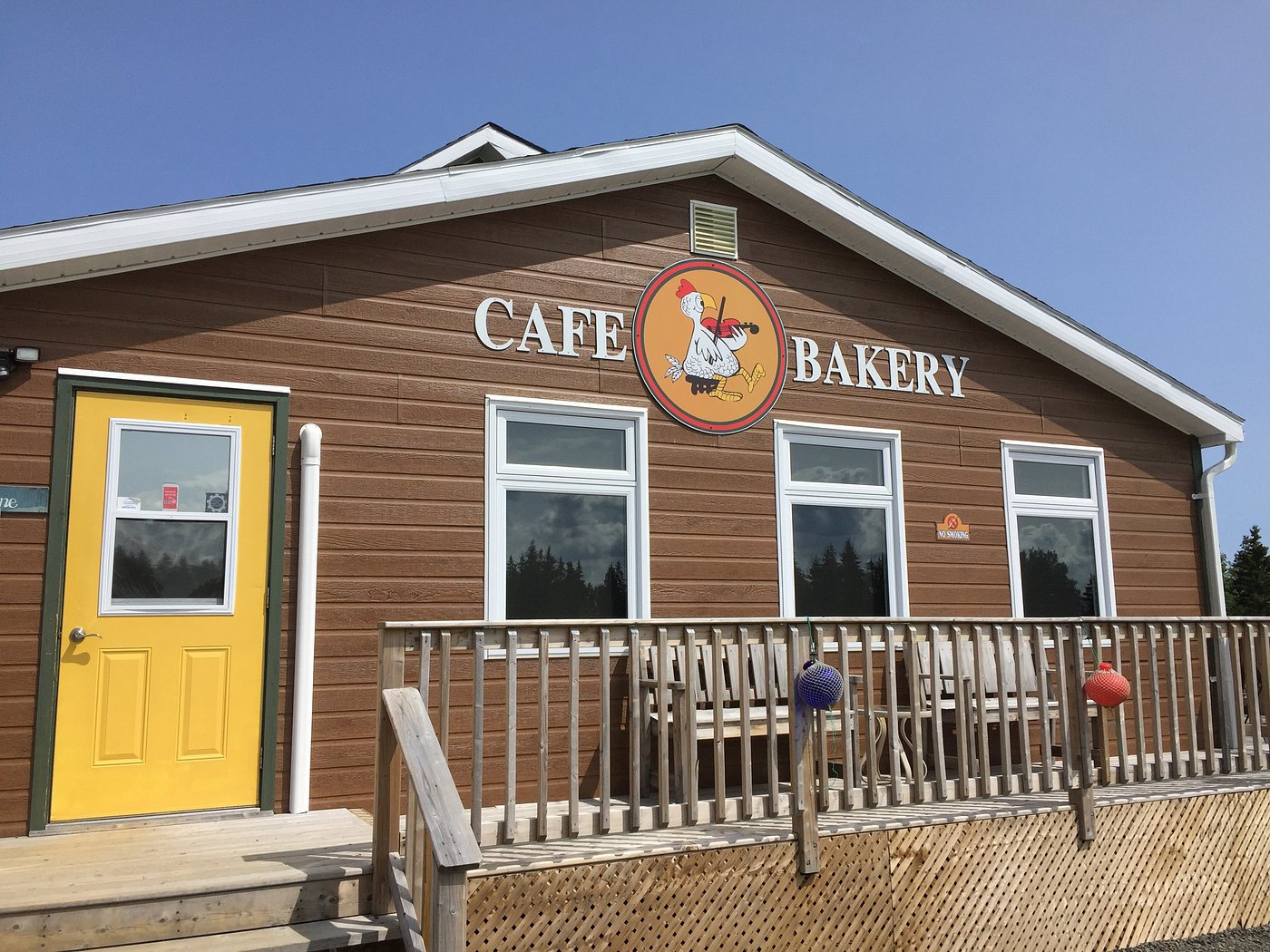
The Clucking Hen Cafe dishes up hearty breakfasts and bakes everything fresh, right there. I swear, those local ingredients really do punch up the flavor—there’s just something about them.
The Rusty Anchor leans into that laid-back, maritime vibe. Their seafood? Always the freshest catch of the day.
You’ll spot bakeries along the trail that focus on classic breads and pastries. Some bakers still use old family recipes from Scottish and Acadian roots, and you can taste the tradition in every bite.
Craft brewery options you’ll want to try:
- Local beer varieties
- Seasonal small-batch brews
- Tasting flights (highly recommend if you’re curious!)
I stumbled across a few cozy breweries that experiment with regional ingredients. Often, they’ll pair their beers with local snacks or full-on meals, which makes for a great afternoon.
Coffee shops pop up all along the trail. Most serve locally roasted beans and tempt you with homemade pastries or light bites—ideal for a quick road trip pause.
Cultural Heritage and Celtic Traditions
The Cabot Trail bursts with a blend of Scottish Gaelic and French Acadian culture. You’ll run into historic spots, music venues, and festivals that draw people from all over. If you’re lucky, you might catch a ceilidh or stumble into the Celtic Colours International Festival.
Acadian and Gaelic Cultural Sites
Kick off your cultural dive at the Gaelic College in St. Ann’s. It’s the only place in North America dedicated to Celtic arts and culture. I watched a weaving demo and learned a bit about Highland dancing—honestly, it’s more fun than it sounds.
The college sits close to the Alexander Graham Bell National Historic Site in Baddeck. This spot shares stories about Bell and his ties to Cape Breton’s Scottish community.
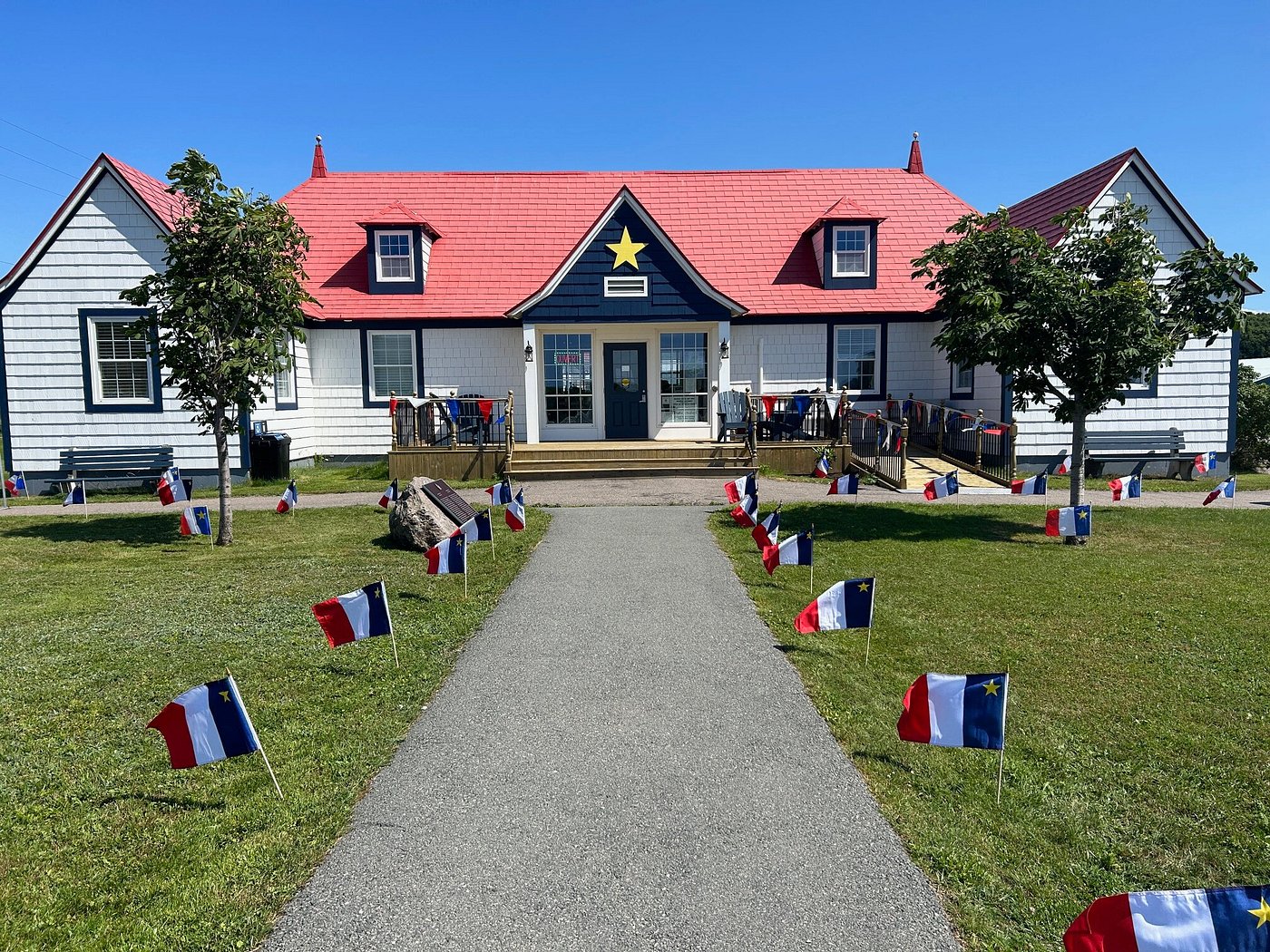
Head to the western side of the trail for a taste of Acadian culture in Cheticamp. The village keeps French traditions alive through its food, craft shops, and lively festivals.
Don’t miss the Les Trois Pignons cultural center in Cheticamp. Inside, you’ll find Acadian history and some seriously impressive rug hooking art. The center walks you through the journey of Acadian settlers from the 1700s.
All these places show just how much 18th and 19th-century Scottish and French settlers shaped the region. Their families still keep crafts, language, and traditions alive—it’s woven right into daily life here.
Celtic Music and Festivals
Celtic Colours International Festival totally takes over the island every October, filling nine days with music and dance. You’ll find over 200 artists lighting up stages all over Cape Breton—it feels like the whole island’s in on the party.
What’s really special? The traditional ceilidhs. Musicians just show up and play together, no big deal, keeping that old Scottish sense of community alive. Settlers brought this tradition centuries ago, and honestly, it’s still the heartbeat of the place.
If you’re into live music, you can hit the Ceilidh Trail pretty much any time of year. There are always pubs and community halls with fiddles, step dancers, and the sound of Gaelic songs drifting out the door.
Cape Breton’s music scene? It’s all about that wild, unmistakable fiddle style—a mix of Scottish roots and Cape Breton’s own twist. Some of the world’s best Celtic musicians actually call this place home, which is kind of amazing when you think about it.
During Celtic Colours, musicians crash at the Gaelic College, and that’s when the magic really happens. Jam sessions just sort of erupt and go on until the sun comes up. Those late-night moments? That’s where you’ll catch the real Cape Breton musical soul in action.
