
Every year, Naousa in Greece bursts into life with color, music, and masked dancers. The Carnival of Naousa, or “Genitsari kai Boules,” brings centuries-old customs right to the streets, giving travelers a rare peek into Greek culture that’s hard to find elsewhere.
When I stood among the crowds, bells rang out and costumes swirled around me. It felt like I’d stepped into another era. The rituals aren’t just for show—locals use dance and symbolic masks to tell their story and celebrate their identity.
If you’re hoping to see a side of Greece beyond the famous islands, this carnival is a real gem.

Origins of the Carnival of Naousa
During my visit to Naousa, I discovered that the Carnival’s story goes back centuries. Old customs, folk legends, and rituals rooted in ancient Greece all blend together here.
Each tradition feels like a piece of the city’s soul.
Historical Background and Evolution
Locals started the Carnival of Naousa, “Genitsari kai Boules,” hundreds of years ago. Historians think it began during Ottoman rule, when people used these celebrations to express freedom.
They held the earliest gatherings in private, mostly among neighbors and friends, to avoid trouble with authorities. Later, the Carnival became a public event, woven into the community’s life.
When I joined the crowd, I could sense the pride everyone took in keeping this tradition alive.
Costumes evolved from simple disguises to the detailed masks and outfits seen today. Music, dance, and storytelling always stayed at the heart of it, turning the Carnival into a blend of performance and ritual.
The Legends Behind Genitsari and Boules
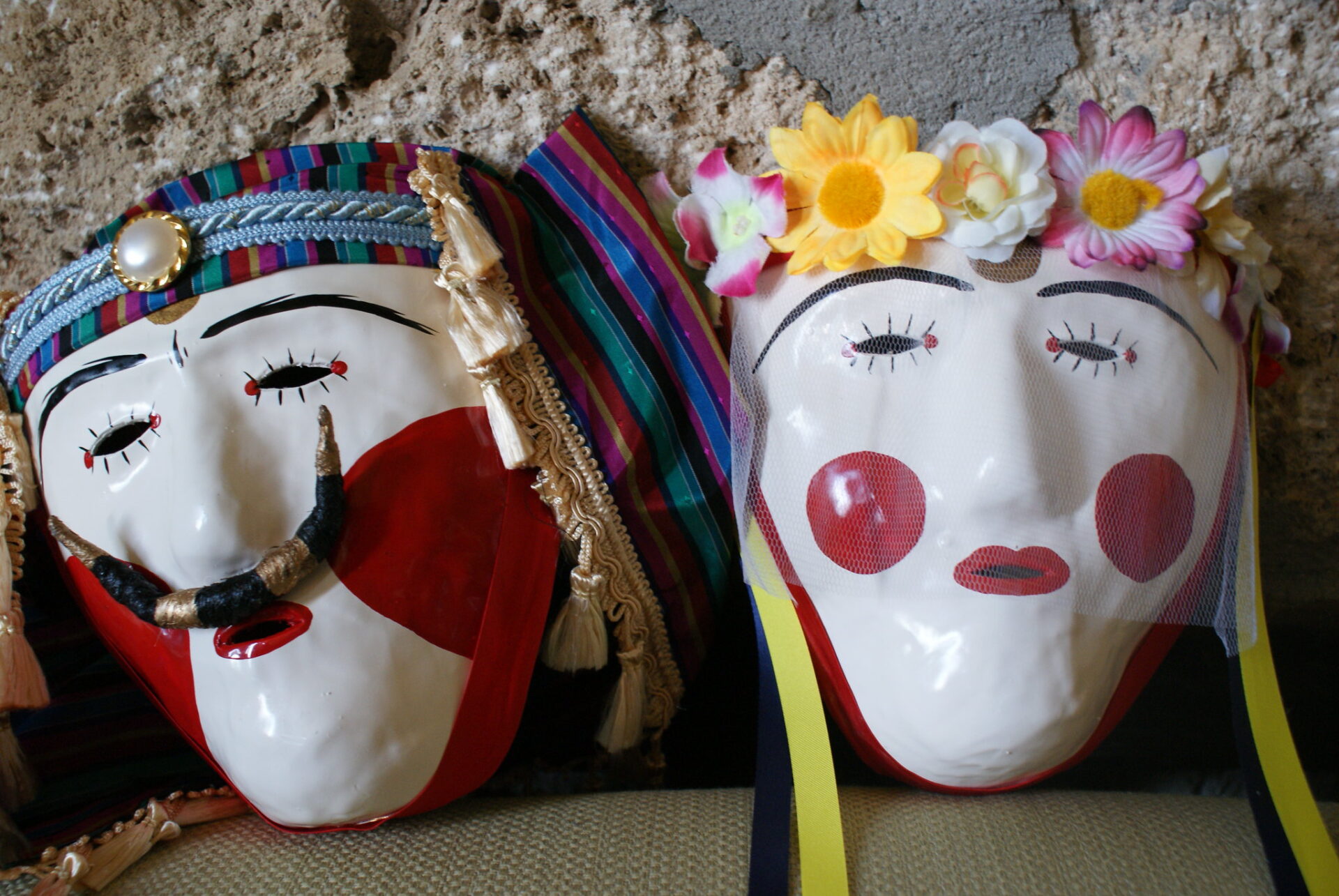
Local stories give the Genitsari (young men) and Boules (men in women’s dress) their meaning. Folks say the Genitsari are brave warriors, while the Boules stand for purity and protection.
Villagers believe these roles bring good luck and mark the cycles of life and marriage.
Someone told me a story about a hero who returned home in disguise to outwit invaders—a tale that means a lot here. By acting out these roles, people hope to invite blessings and keep bad spirits away before spring.
Each mask and dance step has a purpose. Wax-sealed masks hide the dancer’s identity, adding a sense of magic and mystery. Watching, I felt the pull of something old and powerful.
Connection to Ancient Greek Traditions
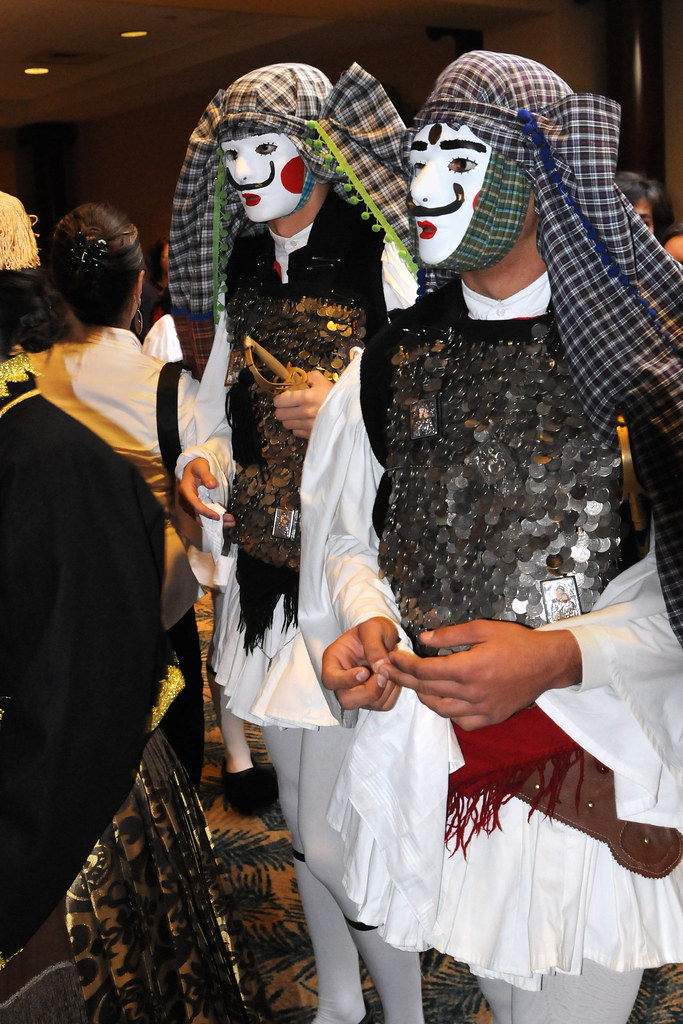
A lot of the Carnival’s rituals tie back to ancient Greece. I noticed echoes of Dionysian rituals, honoring Dionysus, the god of wine and festivity. Back then, people also mixed music, dance, and masks to welcome spring.
Some dances look like old fertility rites, celebrating new growth and nature’s renewal. Even now, the entire town comes together—just like they did ages ago.
Here’s a quick table showing some ancient Greek links:
| Carnival Element | Ancient Greek Link |
|---|---|
| Masked dances | Dionysian celebrations |
| Role of Genitsari | Local warriors/heroes |
| Spring rituals | Fertility ceremonies |
With every step and song, I felt the past reaching into the present. The connection between ancient Greece and modern Naousa was impossible to miss.
Symbolism and Rituals of Genitsari kai Boules
Naousa’s culture shines brightest during the festival. The streets turn into a living celebration of history and identity.
Every mask and dance hints at secrets from the town’s past and its deep pride.
The Meaning Behind the Masks and Costumes
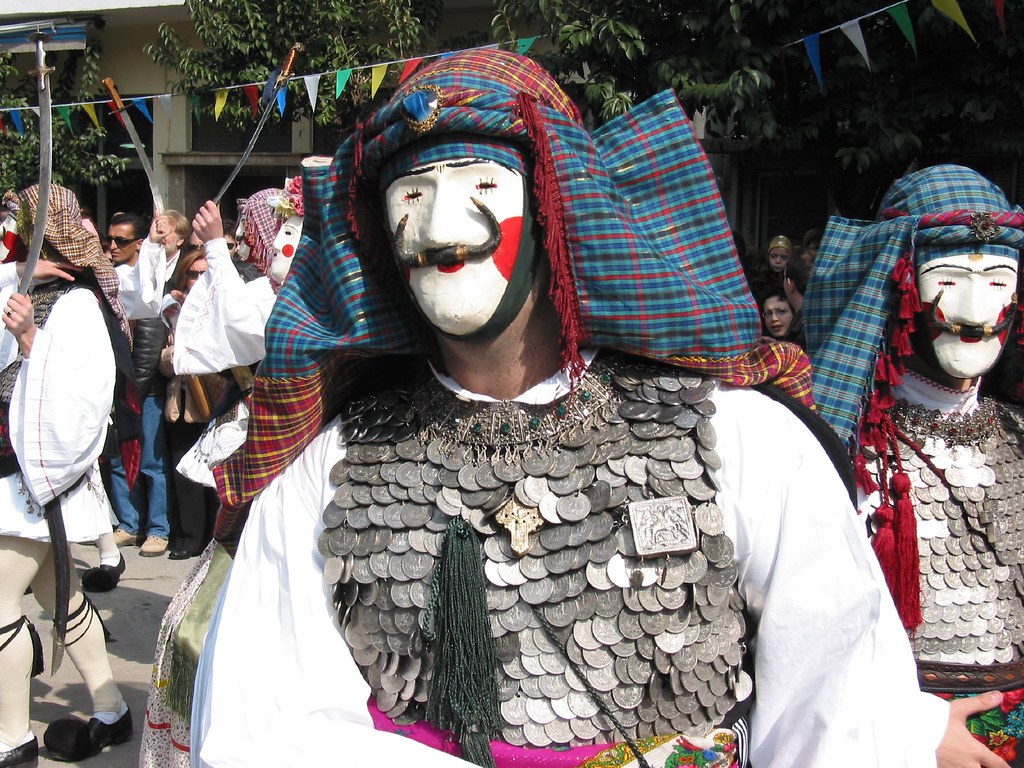
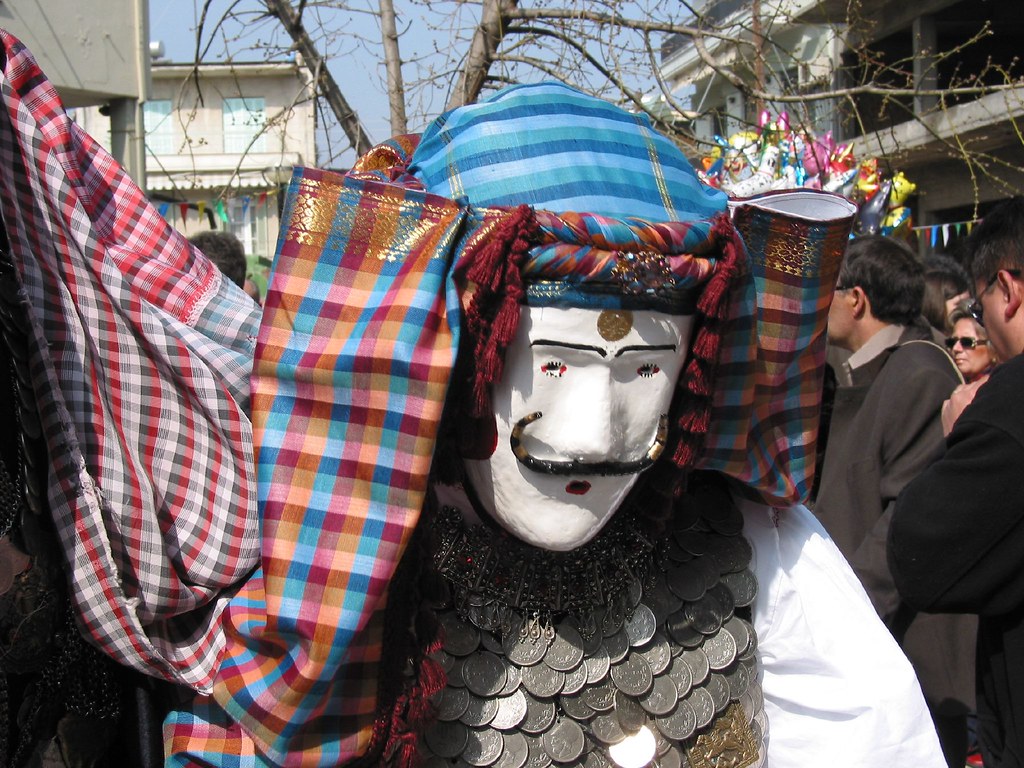
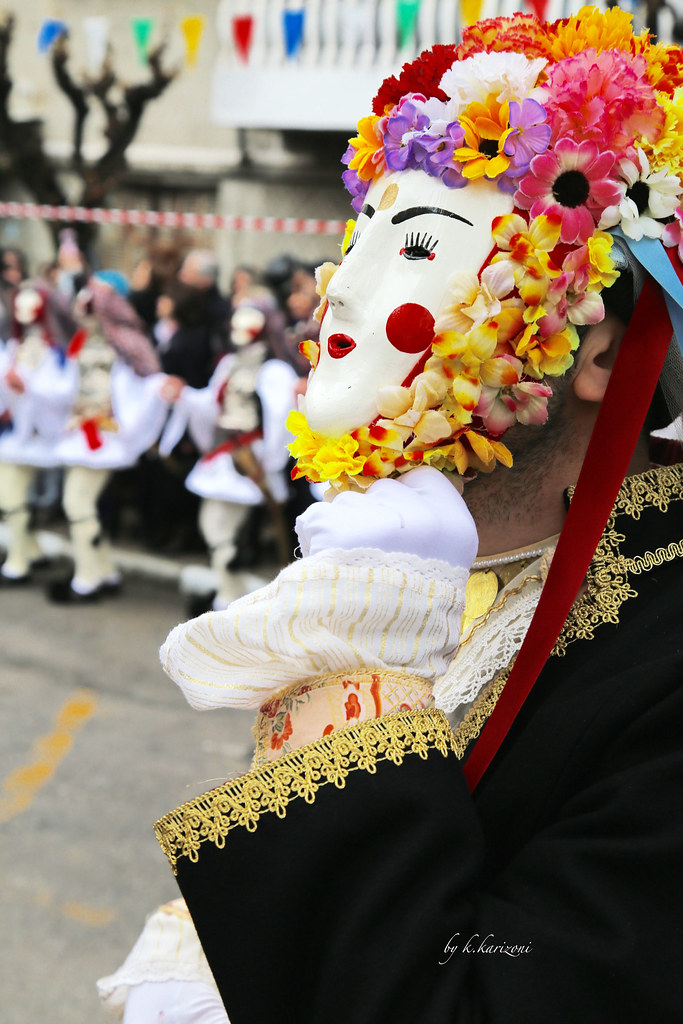
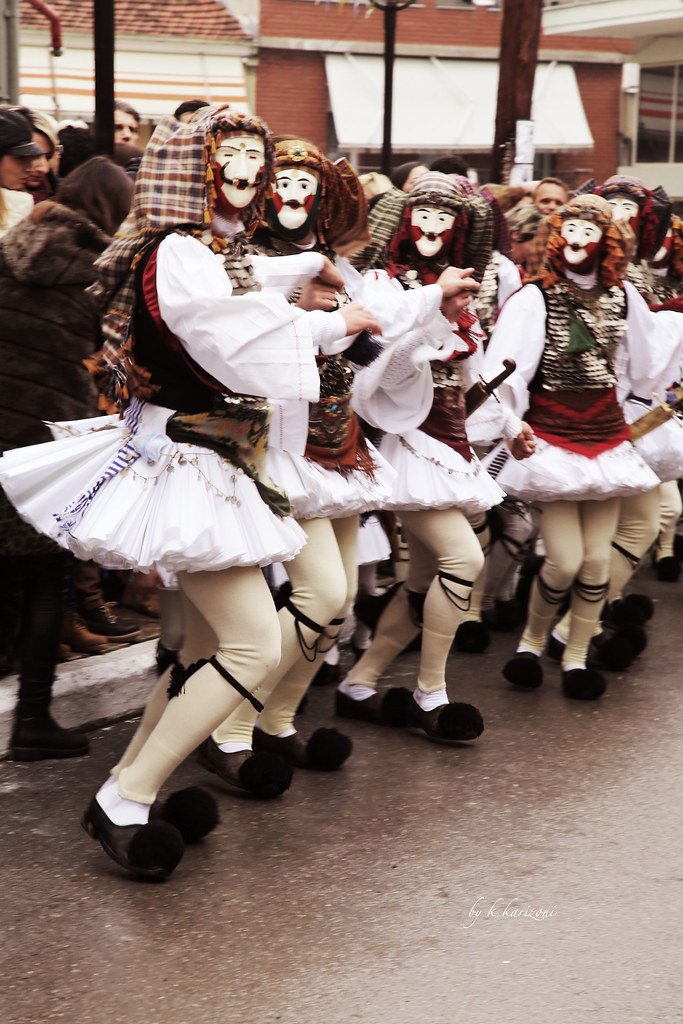
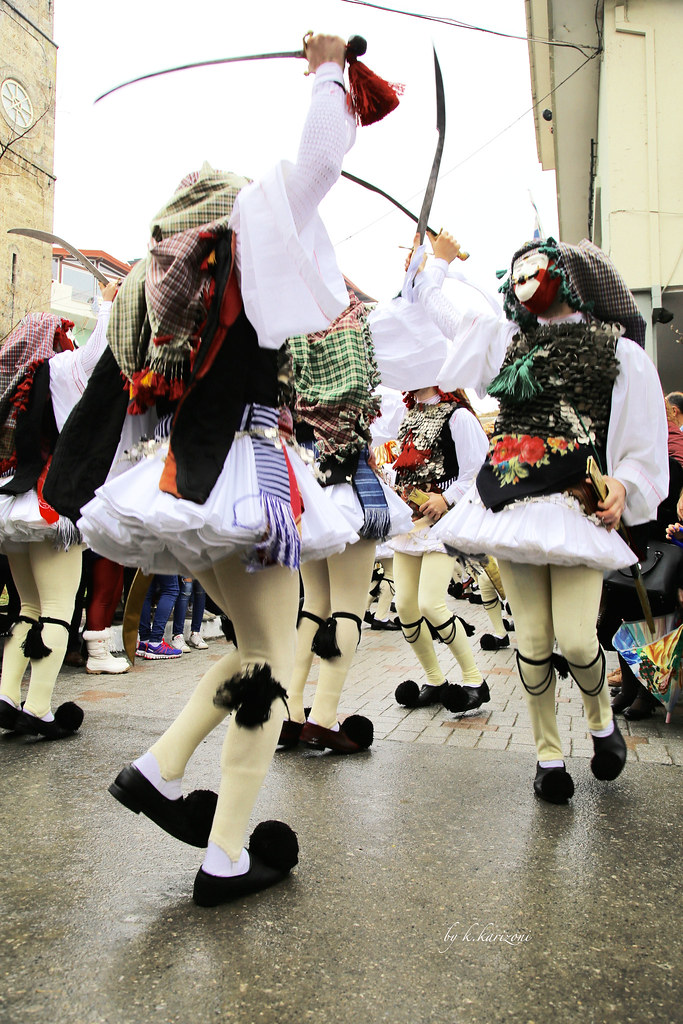
The Genitsari’s masks really caught my eye. They’re white, waxed, with red lips and black mustaches. These masks help the wearer become someone else for a day.
The costumes are heavy wool, with bright coins sewn onto vests. Each coin, a “florio,” gets passed down in families. The jingle means good luck and wealth. Handmade belts and kilts show the tight bond between tradition and family.
Boules—the “brides”—have their own meaning. Their floral headscarves and colorful dresses invite hope for spring. Dressing men as brides is both playful and a nod to stories about disguise and survival.
Traditional Dances and Movements
The parade starts with slow, careful steps. I followed as locals moved in circles, always linked together.
The leader set the rhythm, and every turn matched the beat of drums and zournas (Greek pipes).
Each stomp and twirl felt powerful. These dances retell legends from Naousa’s past, like resisting invaders. Every movement is more than art—it’s a living memory connecting past and present.
Some steps are soft, others strong. If you pay attention, you’ll see every gesture means something—warding off evil, celebrating love, or honoring ancestors.

Unique Rituals and Ceremonial Acts
The “lifting of the veil” was the most thrilling moment for me. When the Genitsari lifts the Boula’s veil in the main square, everyone holds their breath. This act ends a long silence and opens the way for singing and laughter.
Before the Genitsari march through town, they gather at dawn for a “permission ritual.” They ask priests and elders for their blessing. This moment reminds everyone—even visitors like me—that the festival is a sacred promise to keep Naousa’s spirit strong.
During the procession, stopping in front of homes brings the celebration right into people’s lives. Townsfolk toss flowers or treats from balconies. It’s a small act, but it connects performers and residents, making guests feel welcome.
Tradition here is alive, shared, and woven into daily life.
Experiencing the Carnival in Naousa
Walking through the crowds, I got swept up in the bright costumes, pounding music, and the smells of street food. The festival welcomes everyone—locals and travelers alike—to join this living tradition.
Walking Through the Festive Streets
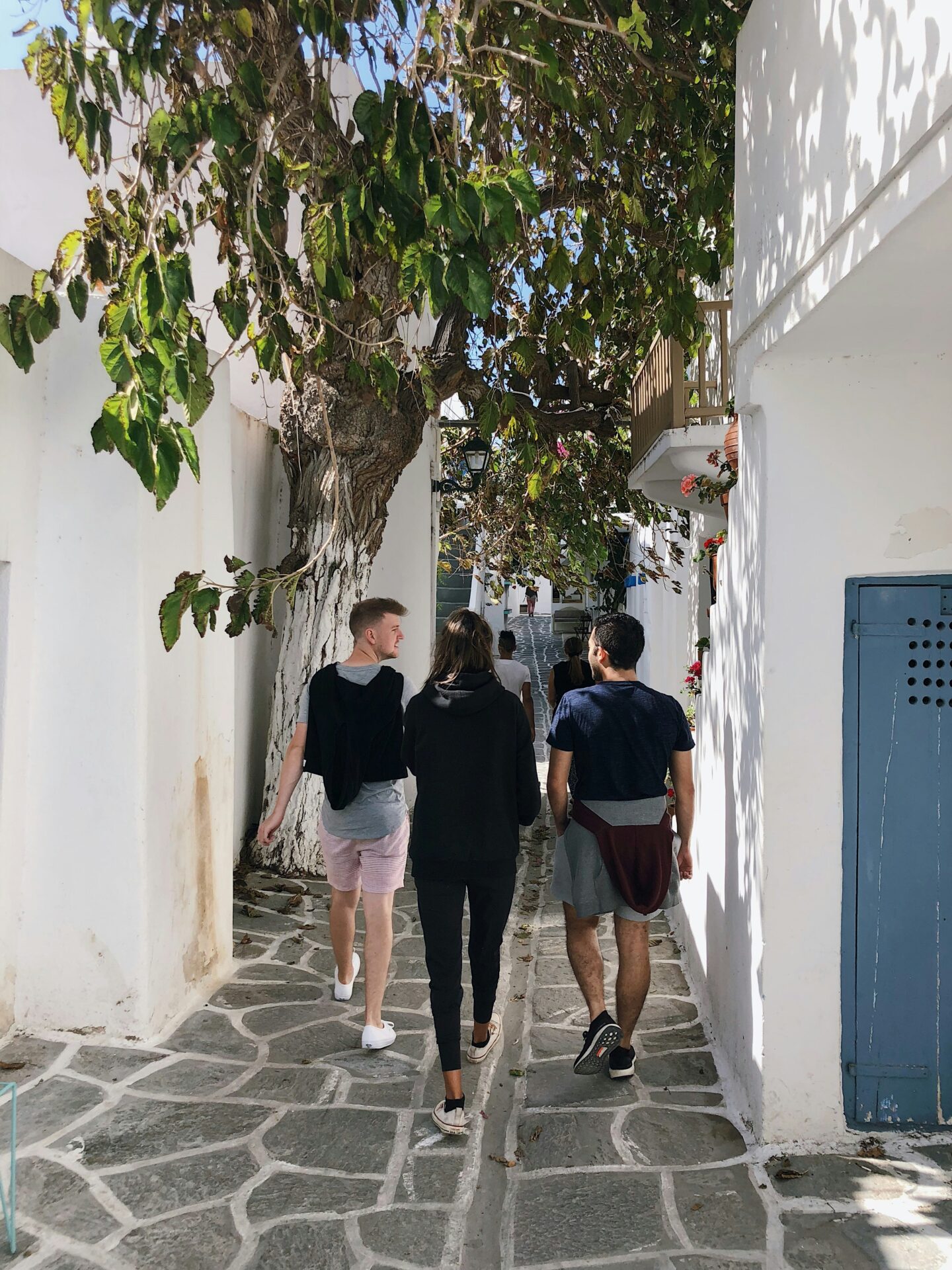
Wandering down the main avenue, I saw Genitsari and Boules parading by, their bells jingling. The cobblestone streets brimmed with colorful flags and banners. Music bounced off the walls, pulling people closer.
Families lined the sidewalks, kids craning their necks for a better view. Food stalls tempted with loukoumades (Greek honey pastries), hot chestnuts, and fresh bread. The real magic was in the spontaneous performances popping up in the open squares.
Just being there, I felt part of this joyful crowd. Sometimes, dancers paused to hand out flowers or greet onlookers. It was easy to lose track of time, moving from one lively spot to another.
Interactive Opportunities for Visitors
One thing I loved was how visitors could join in. Instead of just watching, I found several ways to participate.
Some organizers set up corners where I could try on costume pieces, like the famous white fustanella or embroidered sashes.
Locals offered quick dance lessons right in the square. Watching was fun, but dancing with everyone else was unforgettable. People encouraged me to clap along or join in folk singing circles. Walking tours explained the Carnival’s history and rituals.
Workshops on making traditional masks or bells gave a hands-on feel. Even snapping photos felt welcome—the spirit here is all about sharing the experience.

Local Community Involvement
The Carnival gets its energy from Naousa’s tight-knit community. Nearly every family joins in, whether by dancing, sewing costumes, or cooking for neighbors and guests.
A local once invited me in for a home-cooked meal, sharing how families pass traditions down. Kids learn the dances young, while elders tell stories about past festivals. This passing down is what keeps the celebration real.
Volunteers help run events and guide visitors. Shops decorate their windows, and schools even shift schedules for the festivities. Spending time here, I felt how proud residents are to welcome outsiders into their unique world.
Travel Tips for Attending the Carnival
I’ve picked up a few travel tips from my trips to Naousa. Planning ahead, knowing when to go, and packing smart can make the whole experience a lot smoother.
Best Time to Visit Naousa
Timing is key for the Carnival of Naousa. Main events happen during Greek Orthodox Carnival season, usually February or March, depending on Easter.
I like to arrive a day or two early to settle in and get the lay of the land. Naousa gets packed during Carnival, especially on parade days and weekends.
Booking travel in advance, checking the festival schedule online, and keeping an eye out for local updates helps avoid surprises. Sometimes, special ceremonies fall on weekdays, which are less crowded and feel more personal.
Navigating Accommodations and Transport
Finding a place to stay during Carnival isn’t always easy. Hotels and guesthouses fill up fast. I always book my room a few months ahead, especially if I want to be in the center of town.
Here’s how I get around:
- Buses: Naousa connects to Thessaloniki and nearby cities by intercity buses, but they get busy during holidays.
- Train: There’s a train station not far away, but schedules are limited.
- Car rentals: Renting a car gives me flexibility, but I always check for parking ahead of time.
Staying in town means I can walk to most events. If I need a taxi, I book it early. For newcomers, a local map app is a lifesaver.
Essential Packing Advice
I always pack layers. Naousa gets chilly in winter, especially at night. A warm jacket, hat, and gloves are essential. Comfortable shoes are a must—those cobblestones can be brutal on your feet.
For the festival, I bring:
- A small backpack for snacks, water, and my camera
- An umbrella or raincoat, just in case
- Some cash, since not all stalls or cafés take cards
You don’t need to dress in costume, but I like to wear something festive or colorful to blend in. The most important things to bring? Curiosity and a sense of wonder—those make any Carnival better.

Cultural Impact and Lasting Legacy
Walking through Naousa’s cobblestone streets during Carnival, I feel connected to centuries of living tradition. The festival isn’t just a party; it’s a reminder of identity that shapes people in Greece and far beyond.
Why the Carnival Endures Today
I’ve noticed the Carnival of Naousa sticks around because folks here genuinely want to share their heritage. Families hand down costumes and actually show kids the special dances themselves.
When I asked locals why they join, they told me it keeps them connected to their roots. Most people seemed proud of that.
The festival changes a bit with the times. Younger generations snap photos and post videos online, but the main rituals? They don’t really change.
Everyone joins in—kids, parents, even grandparents. That makes it more than just an expensive tourist event.
Here’s what keeps the carnival alive:
- Strong family ties
- A sense of community pride
- Support from local schools and cultural groups
In February’s chill, I watched teenagers and elders crowd the square. There’s this feeling of belonging that just seems to light up the whole town every year.
Influence on Modern Greek Festivals
The tradition in Naousa really sparked new ideas for other Greek festivals. As I traveled across Greece, I kept spotting echoes of “Genitsari kai Boules” in smaller towns—masked dances, lively music, and those handmade costumes with bells.
Many modern festivals highlight their own customs, but you can see how they draw inspiration from Naousa’s focus on history and local identity. The public dances and parades I’ve joined in Athens and Thessaloniki often borrow similar music or choreography.
Ways the carnival inspires modern festivals:
- Masked Processions: People use masks to connect with history
- Live music: Traditional instruments and old songs
- Community involvement: Everyone’s welcome to join in
Naousa’s approach shows that folk celebrations can still feel relevant today. Whenever I spot those familiar masks or hear those melodies somewhere else, I can’t help but think about how one tradition from a single town has shaped Greek culture more broadly.
