
Screen time just keeps creeping up, doesn’t it? Most of us feel that constant online tug—phones buzzing, laptops pinging, even on vacation. Sometimes, it feels like you can’t escape the digital noise. But honestly, a true digital detox—one with absolutely no WiFi—might be the only way to really step away and breathe. If you’re craving a real break from tech, these spots force the choice for you.
I’ve learned that the only way I actually rest is by going somewhere my phone simply doesn’t work. When there’s no WiFi, you stop mindlessly checking notifications. Suddenly, you notice the way the wind sounds in the trees. Sleep comes easier. Conversations get deeper. The six places on this list? They’ve all given me that freedom at least once. Some are wild islands, others are tucked-away valleys or desert parks. Each one gives you space to reset.
Don’t worry—you won’t be bored. These destinations offer hiking, stunning scenery, local flavors, and peaceful surroundings. You’ll actually meet people face-to-face, maybe even make a new friend. By the end, you’ll feel rested in a way you probably haven’t in years. Ready to find your unplugged escape for 2026? Here’s where to go.
Key Takeaways
- Digital detox spots with zero WiFi give you a real break from endless screen time
- These six picks include remote gems in Europe and the US, where tech just can’t reach you
- Expect outdoor adventures, natural beauty, and wellness moments—no devices required

Why Unplug: The Value of a Digital Detox
Stepping away from screens—even for a week—can work wonders for your mind and body. Studies say that just seven days without tech can cut anxiety, lift your mood, and help you sleep.
Health and Wellness Benefits
Your body reacts to all that screen time in sneaky ways. Blue light from devices messes with melatonin, so falling asleep becomes a struggle.
Sitting glued to a screen for hours? Yeah, it’s not great. That sedentary routine brings health risks, and your posture takes a hit from all the hunching.
Your brain gets hit, too. Looking at stressful stuff online? Your brain doesn’t always know it’s not real, so it triggers stress and pumps out cortisol. All those social media pings give you quick dopamine hits, but over time, your mental energy just drains away.
Physical perks of unplugging:
- Sleep comes easier, and it actually feels restful
- Eyestrain and headaches fade
- You move more—no excuses
- Stress hormones drop
Reducing Stress and Burnout
Every notification splits your attention. You try to work or relax, but pings keep dragging you back. That constant distraction leaves you exhausted.
Social media doesn’t help. You see picture-perfect lives, and suddenly yours feels lacking. The internet warps your self-image and cranks up anxiety.
Matt Lawson, a therapist at Vail Health, says we just aren’t built for this much digital input. Your brain treats all this as urgent—even when it’s not.
It’s like building up a tolerance to a drug. You keep scrolling for that hit, but mostly, you just feel worse. Most people admit they feel bored while scrolling, always hoping for something better.

Mindfulness and Being Present
Unplugging opens up space for real, in-person experiences. Your attention span grows when you’re not bouncing between apps. Mindfulness comes naturally when the digital static fades.
Dr. Charles Raison from Vail Health points out that we lose out on deep conversations and actual connection when we’re always online. The brain needs time to focus—really focus—on one thing.
A Danish study found that cutting phone use to just three hours a day lowered anxiety and boosted well-being. When you’re present, you use your phone as a tool, not a leash. You get to call the shots.
How to Choose the Right Place to Disconnect
Picking a no-WiFi getaway means matching your comfort zone with the kind of escape you actually want. I ask myself: How off-the-grid do I want to go? What will keep me busy without screens? Do I need total isolation, or just a little less connectivity?
Essential Features of a True No-WiFi Escape
I search for places where cell service just doesn’t exist, not just hotels that politely ask you to unplug. If tech can’t reach you, you don’t have to resist temptation.
Remote islands, deep valleys, and wild forests create the best screen-free zones. I always check if WiFi is spotty or truly absent. Some spots claim to be digital detox havens but sneak in internet in the lobby.
Natural barriers—mountains, thick woods, remote coastlines—block signals best. I skip places near big cities, since it’s just too easy to reconnect.
The best places give you something to do besides miss your phone. Hiking, swimming, wildlife watching, or learning about local culture keeps your hands and brain busy.
And honestly, I check if other guests will be unplugged, too. Nothing ruins the vibe like someone scrolling Instagram next to you. I look for retreats that ban devices or draw like-minded travelers.

Preparing for a Screen-Free Retreat
Before I lose service, I download offline maps, travel details, and playlists. My phone turns into a camera and music player—nothing more.
I let friends and family know my unplugged dates and leave emergency contacts. That way, I don’t stress about being unreachable.
Practicing helps. I try a few evenings or weekends without my phone at home first. Those mini-detoxes make the real thing way less intimidating.
I also pack for downtime. Physical books, a journal, maybe some art supplies. No screens means planning ahead for how you’ll relax.
Packing Essentials for Off-the-Grid Destinations
I always bring a watch—checking the time on my phone isn’t an option. A headlamp or flashlight is a must when you can’t rely on your phone’s light.
Don’t forget these analog essentials:
- Paper maps and printed directions
- Real books or magazines
- Journal and pens (waterproof if you’re adventurous)
- Analog camera with extra film or batteries
- Printed emergency contacts
- Cash (because ATMs might be a fantasy)
If I bring anything electronic, I pack extra batteries. Solar chargers help in sunny spots.
Hands-on activities help, too. A deck of cards, small crafts, or a sketchbook keep boredom away. The goal isn’t to suffer—it’s to stay curious and engaged.

Top 6 Digital Detox Destinations With No WiFi for 2026
Ready for a real escape? These six spots—split between the American West and Europe—make it nearly impossible to stay plugged in. Each delivers a different flavor of adventure, but all promise one thing: you’ll remember the views, not your notifications.
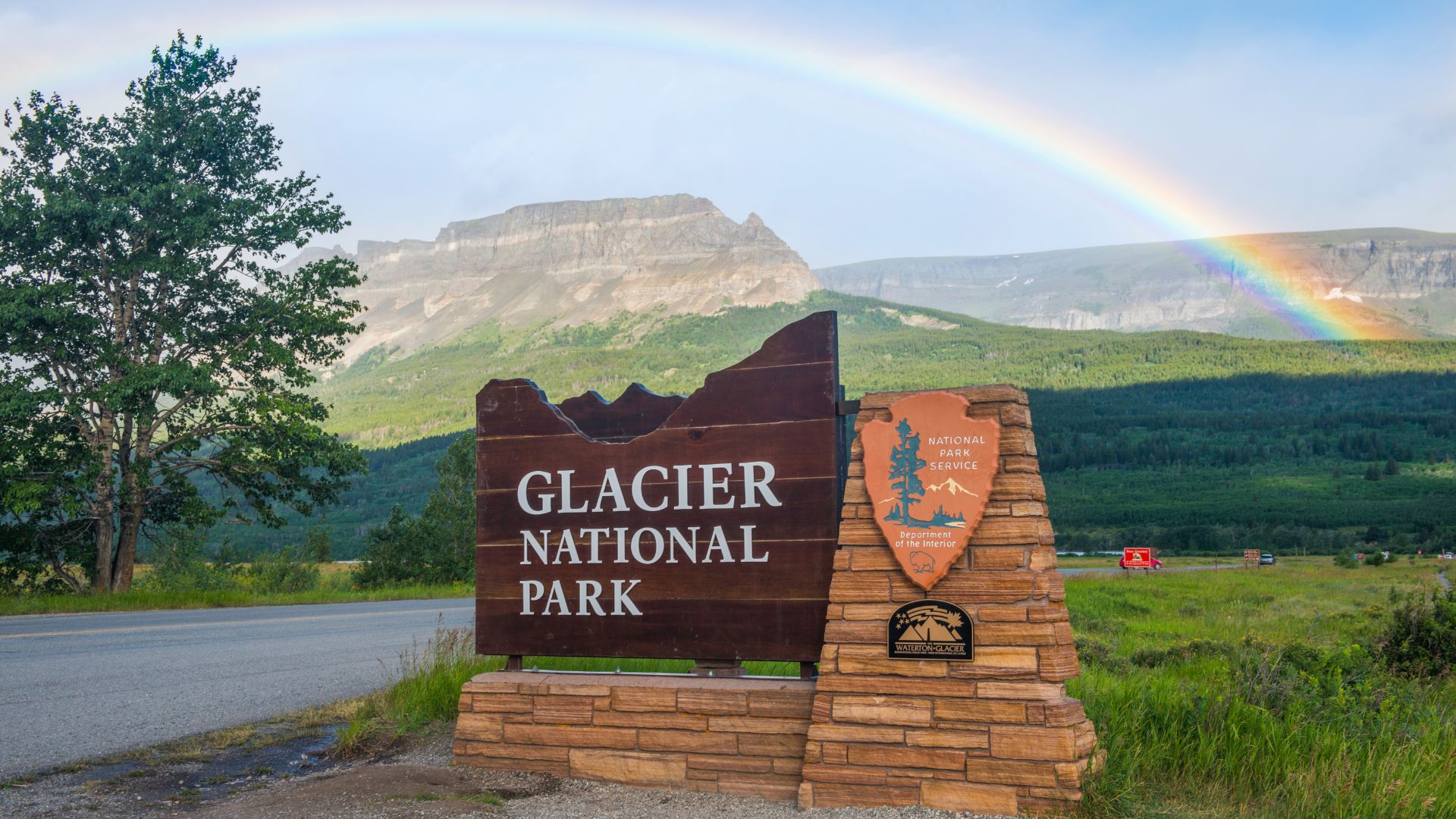
Glacier National Park, Montana
Glacier National Park tops my list for true wilderness isolation. Once you leave the visitor centers, your phone becomes a brick.
Over a million acres of wild mountains, meadows, and lakes stretch out in every direction. The Going-to-the-Sun Road is jaw-dropping, but the real magic hides on backcountry trails where tech just doesn’t work.
My favorite unplugged moments:
- Hiking to Grinnell Glacier or Iceberg Lake
- Spotting mountain goats and maybe even a grizzly
- Stargazing at Logan Pass (the skies here are next-level)
The clean mountain air and total disconnect make you feel lighter. After a few days, you remember what it’s like to be fully present.
Big Sur, California
If you crave ocean vibes, Big Sur is the answer. Cell service is practically a rumor along this wild stretch of Highway 1.
Many lodges and camps go out of their way to keep WiFi out. The cliffs drop into the Pacific, and the views demand your attention. The sound of the waves? It drowns out everything else.
Why Big Sur works:
- Sparse infrastructure means barely any connectivity
- State parks like Julia Pfeiffer Burns are true dead zones
- Most places here embrace the unplugged lifestyle
You can lose yourself among redwoods, soak in hot springs at Esalen, or watch sea otters play. Even short hikes like McWay Falls leave a lasting impression.
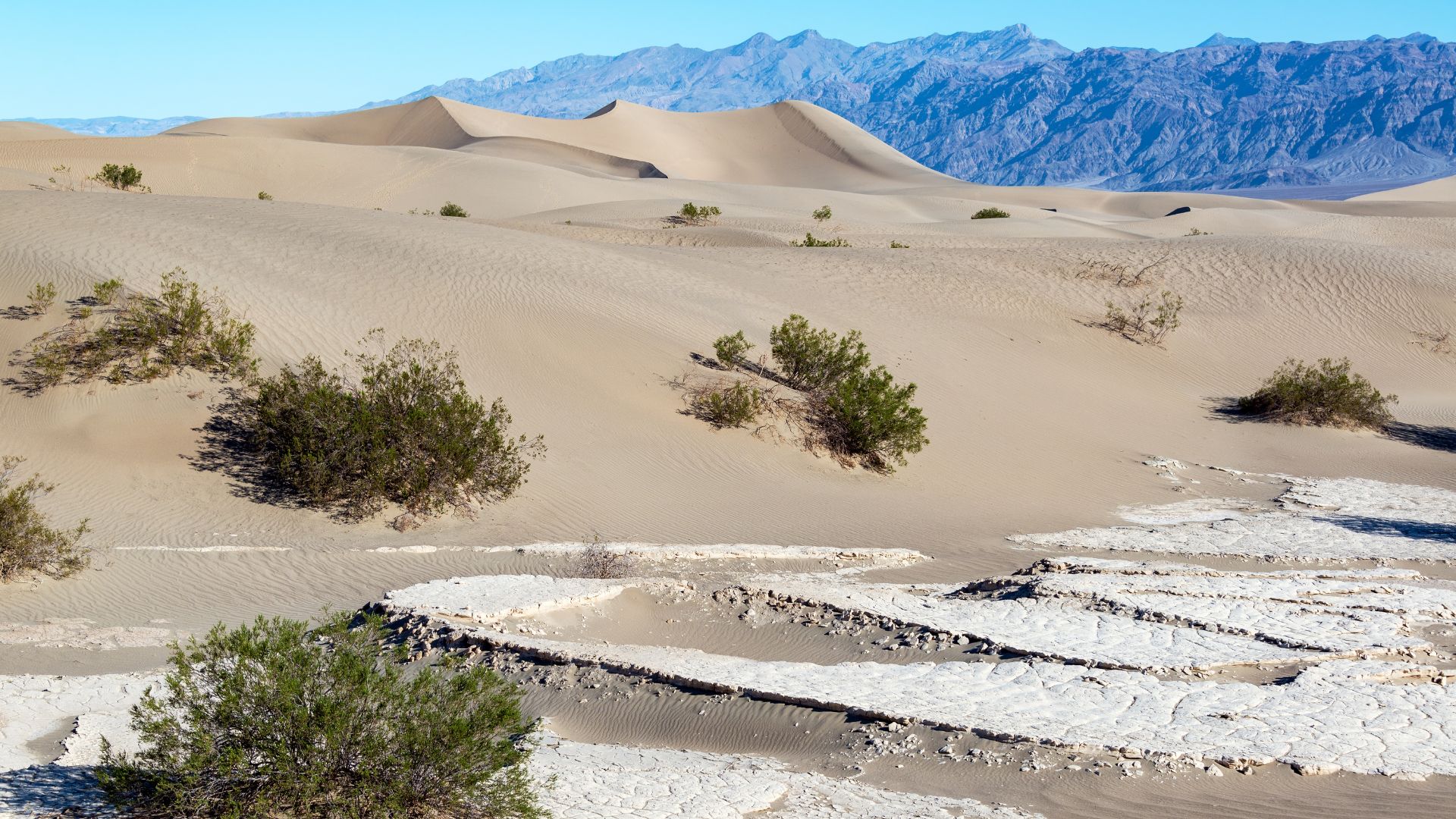
Death Valley National Park, California
Death Valley might be the ultimate unplug spot. It’s one of the most remote places in the lower 48—cell towers just don’t reach most of it.
The desert heat is legendary, but visit from November to March for mild days. The isolation makes for unreal stargazing—Death Valley is an International Dark Sky Park, after all.
What sets it apart:
- 3.4 million acres, barely touched by development
- Pitch-black skies, perfect for stargazers
- Cell service only exists near Furnace Creek
Hiking the Badwater Basin or Mesquite Flat Sand Dunes, you might not see another soul. The silence is almost startling. At night, the Milky Way stretches overhead and puts life back in perspective.
Off-the-Grid Escapes in Europe
Europe’s wild corners can be just as unplugged as the American West. The Dolomites serve up mountain solitude, wellness retreats craft intentional digital-free zones, and eco-lodges use sustainability as an excuse to ditch devices.
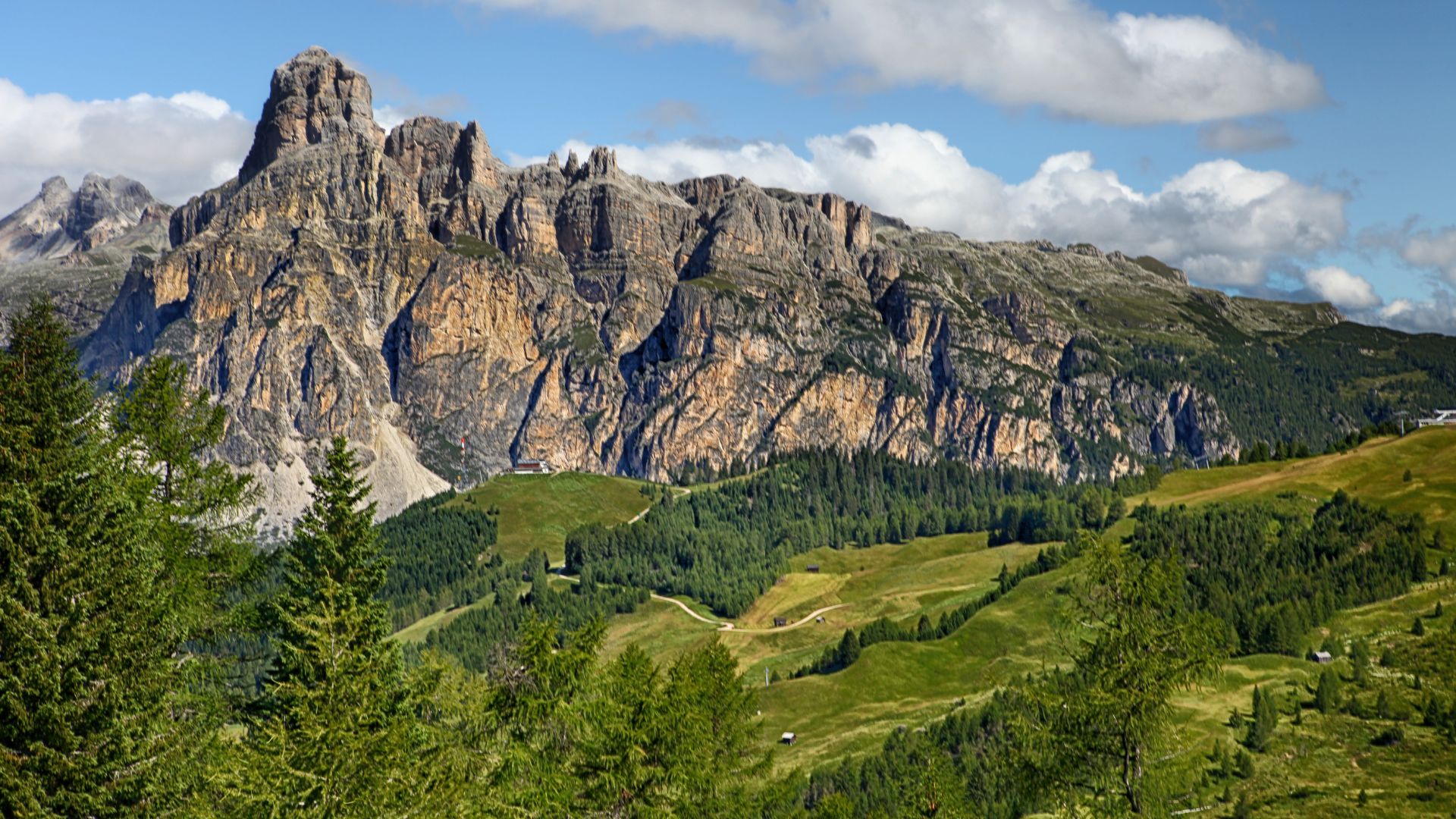
Dolomites, Northern Italy
The Dolomites might be Europe’s best natural tech-blocker. Mountain refuges perch above 2,000 meters, and cell service just disappears. Trekking between these huts, you’re forced to unplug—there’s simply no infrastructure.
Traditional rifugios keep things basic—think minimal electricity and rarely any WiFi. The rugged terrain keeps your mind on the trail, not your notifications. Multi-day hikes like the Alta Via 1 take you deep into valleys where the nearest signal is hours away.
Villages like San Cassiano and Cortina d’Ampezzo are your launching points, but climb just a bit higher and you’ll be off the grid. Winter brings even deeper isolation as snow closes roads.
Wellness Retreats in Remote Regions
Across Europe, wellness retreats are getting serious about digital detox. Some ban devices outright or give you a lockbox at check-in.
The Carpathian Mountains in Romania have retreat centers with no-phone policies, forest bathing, and meditation. In the Scottish Highlands, remoteness becomes part of the therapy—no WiFi, no problem.
Look for retreats that spell out “WiFi-free” or “digital detox” in their descriptions. Some places even have switches in the room to cut all power. Others simply exist where tech never arrived.
Ready to unplug? These destinations make it easy—and honestly, you might not want to come back online.
Eco-Lodges and Glamping Spots
Eco-lodges put the environment first, not WiFi. Many use solar power, which means charging your phone can be a challenge, and streaming movies? Forget it.
Glamping in forests or by the coast usually means spotty electricity, so you won’t find reliable internet out there.
Key features to look for:
- Solar-powered accommodations
- No electrical outlets in sleeping areas
- “Off-grid” labels on booking sites
- Properties at least 10 km from the nearest town
I’ve found that places in Portugal’s countryside, rural Sweden, and Albania’s mountains really walk the talk when it comes to unplugging. Out here, you swap screens for campfires, outdoor meals, and those wild, star-filled skies.
When you can’t check your notifications, you start to notice the crackle of the fire and the sound of the wind in the trees. Suddenly, “reconnecting with nature” isn’t just a slogan—it’s what you’re actually doing.
Deepening Your Digital Detox: Activities and Retreats
Filling your time with real experiences makes it easier to forget about your phone. Meditation, hot springs, and yoga all help you stay present and give your mind a genuine break from digital chatter.
Meditation and Mindfulness Experiences
Meditation fits perfectly with a digital detox. It trains your brain to focus, even when you’re not distracted by pings and notifications.
Wellness retreats often include guided meditation, where you learn to breathe deeply and pay attention to your body. I always find meditation feels easier when I’m unplugged—my mind doesn’t wander as much.
Some places offer walking meditation in the woods or silent sessions that last for hours. If you’ve never tried mindful eating, it’s an experience: you put your phone away and really taste each bite.
Art therapy, journaling, and just watching birds count as mindfulness too. These activities give you tools to stay calm, even after you’re back in your tech-filled daily life.

Hot Springs and Nature-Based Wellness
Hot springs offer natural healing that melts away the stress of screen time. The mineral water eases your muscles, and the outdoor setting helps you feel grounded.
Many hot springs ban phones in the pools, which I love. It creates a quiet, shared space where everyone actually unwinds together.
Nature-based wellness goes beyond soaking. Forest bathing, hiking, and outdoor yoga all help you relax without any gadgets. Mountain air and ocean sounds beat the buzz of notifications any day.
I like to mix things up—hike in the morning, soak in the afternoon. This kind of rhythm helps your body slow down naturally.
Yoga and Spiritual Retreats
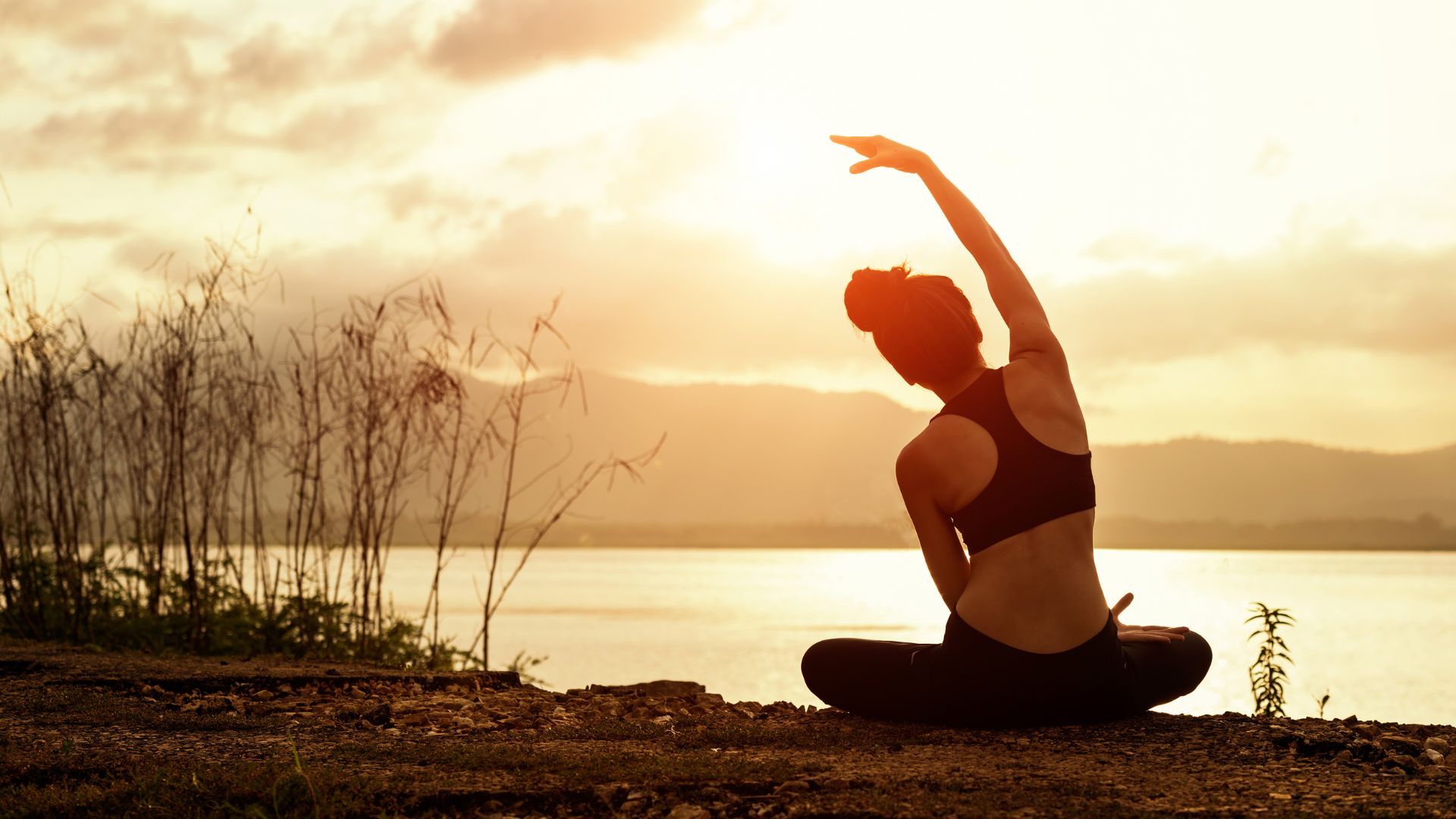
Yoga retreats blend movement with stillness, which is just what you need after too much screen time. Daily classes stretch your body and clear your mind.
Most retreats offer several yoga sessions a day, plus time for meditation. Spiritual retreats can go beyond yoga, with energy healing, shamanic practices, or even contemplative prayer.
I’ve found that the structure of spiritual retreats helps you stay off your phone. You follow a schedule, join group activities, and still have solo time to reflect.
Many wellness retreats mix in spa treatments, healthy food, and workshops. This all-around approach makes the detox stick, not just for your body, but for your mind and spirit too.
Unexpected Tech-Free Getaways in the US
Texas has some off-the-radar retreats, and there are unique nature lodges across the country that make it surprisingly easy to unplug.
Hidden Retreats in Texas
Texas probably isn’t the first place you’d think of for a digital detox, but it’s full of hidden spots for unplugging. WestGate River Ranch in Lake Wales, for example, sits on 1,700 acres by the Kissimmee River. Here, you can try luxury glamping in teepees, go horseback riding, and even catch a Saturday night rodeo.
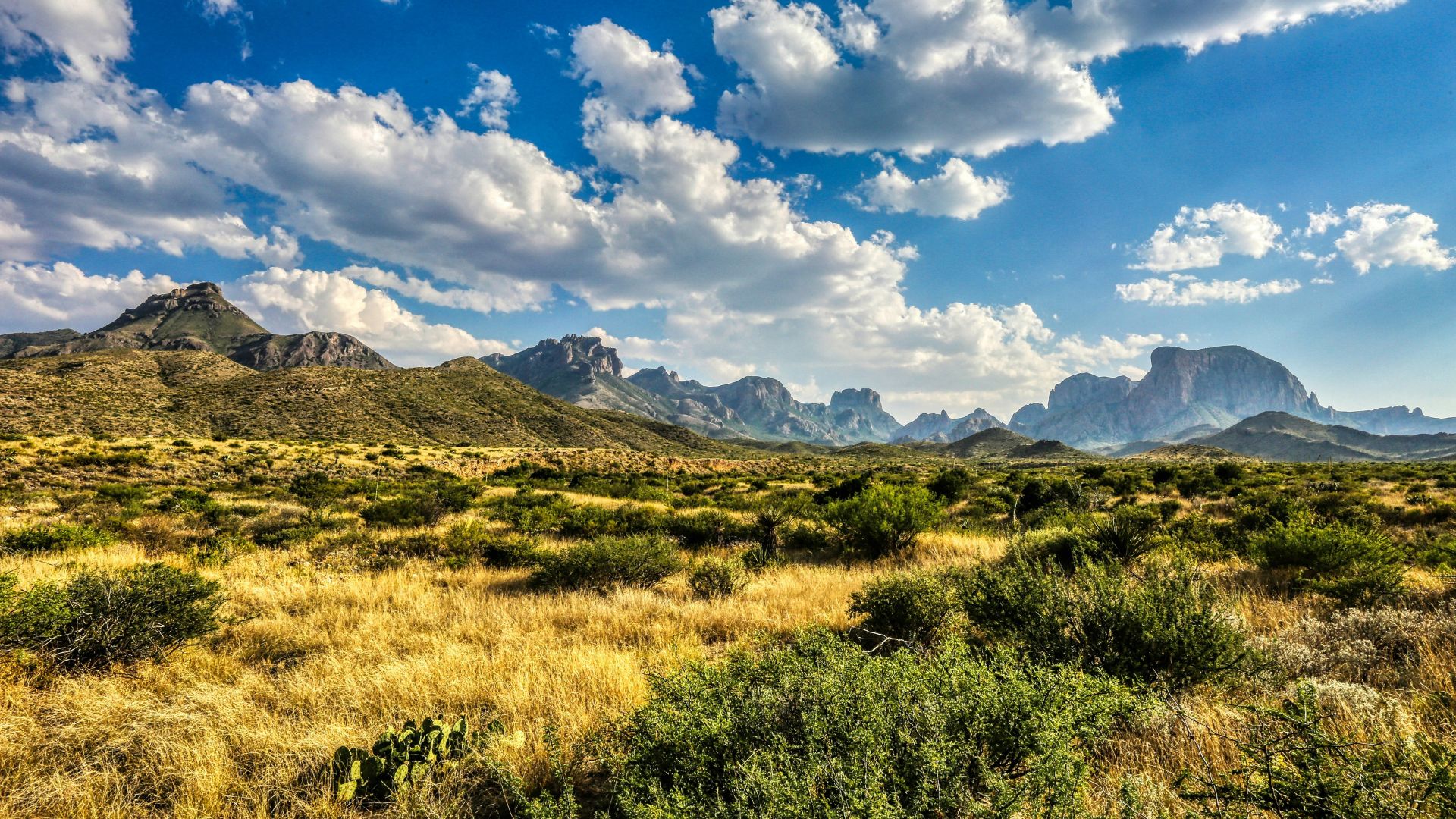
West Texas is famous for its wild, remote landscapes—cell service just disappears out there. Ranch stays around Big Bend let you live like a cowboy: think cattle drives and campfire cooking.
In the Texas Hill Country, I’ve noticed more and more properties embracing the digital detox lifestyle. Vineyard tours, fishing, and nature walks make it easy to forget your phone exists.
Unique Nature Lodges
To reach the Len Foote Hike Inn in Georgia, you have to hike five miles through the Appalachian foothills. This nonprofit lodge made National Geographic’s “Stay List,” and once you’re there, you’re truly off the grid.
Treebones Resort in Big Sur is totally off-grid, with zero cell service. I love their quirky yurts, tiny houses, and even a twig hut. The place sits right on California’s rugged coastline. Yoga and massage are on offer, but the real treat is just being blissfully disconnected.
Sheldon Chalet in Alaska’s Denali National Park takes isolation to the next level. The only way in is by helicopter, and you’re surrounded by glaciers. Guests get to try glacier spelunking, skiing, and snowshoeing, then feast on gourmet meals from a private chef.
Frequently Asked Questions
Taking a break from your phone can boost your mental health, deepen relationships, and help you sleep better. Here are some questions I get about digital detox trips.
A digital detox lowers stress and anxiety by cutting out the pressure to constantly check notifications. I’ve noticed my mood improves and I feel less frazzled when I step away from screens.
Screen breaks help you sleep better. Without blue light late at night, your body makes melatonin naturally, so you fall asleep faster and stay asleep longer.
You’ll also notice your focus improves. Without constant device interruptions, it’s easier to get lost in a book or a conversation. That leads to deeper, more meaningful experiences on your trip.
Let friends, family, and coworkers know about your plans a couple of weeks before you go. Set up auto-replies for email and social media so people know not to expect a quick response.
Download offline maps, books, and music ahead of time. That way, you’ve got entertainment and directions without needing the internet.
Pack some analog fun—journals, real books, playing cards, and a camera that isn’t your phone. I always bring a watch, so I don’t have to check my phone just to see the time.
Some places make unplugging easy. Lake Clark National Park in Alaska has no cell service or internet. You’ll see glaciers, volcanoes, and wildlife with zero digital distractions.
Bhutan in the Himalayas is another favorite. The country values happiness and culture, and many areas don’t have cell service.
Wayasewa Island in Fiji is WiFi-free and has no electricity. You spend your days swimming, snorkeling, and relaxing on the beach—no digital temptations.
Get outside and move—hiking or walking in nature clears your mind and gives you a workout. Trails help you notice things you’d miss if you were staring at a screen.
Reading real books and writing in a journal keep your mind engaged, but in a gentler way. I find both help me process my thoughts and spark creativity.
Learning local skills like cooking, weaving, or fishing connects you with the community. Group activities like yoga, meditation, and swimming are great for wellness and real-world friendships.
Putting away screens means you actually pay attention during conversations. I’ve seen eye contact and real listening improve when phones stay out of sight.
Face-to-face time builds stronger bonds than texting ever could. You notice body language and tone—things that just don’t come through in messages.
Doing things together without devices—cooking, playing games, exploring—makes memories that stick. It’s these shared moments that really strengthen relationships.
Honestly, I find that taking a short digital detox—let’s say 24 to 48 hours—once a month works wonders. You don’t need to plan some grand escape; just unplug for a weekend and let your mind breathe a little.
Every now and then, I go for a longer break. Once or twice a year, I’ll step away from screens for a week or two. It’s not always easy, but by the end, my brain feels lighter and I notice I’m not reaching for my phone out of habit.
I’ve also started building in mini-detoxes every day. For example, I put my phone down during dinner, or I avoid screens for an hour before bed. It’s a small change, but it helps me draw a line between my digital world and real life.
If you’re curious, just try one of these ideas and see how you feel. You might be surprised by how much your mind thanks you.
