
Every year, from mid-May to mid-October, travelers flock to the Eagle’s Nest (Kehlsteinhaus), a mountaintop retreat perched above the Bavarian Alps. The place, built for Adolf Hitler, packs sweeping views, a dramatic alpine setting, and a ton of historical significance.
Honestly, the Eagle’s Nest delivers a travel experience that’s both fascinating and pretty unique.
My trip started with a winding 20-minute bus ride up the steep mountain road. Every twist and turn made the anticipation build.
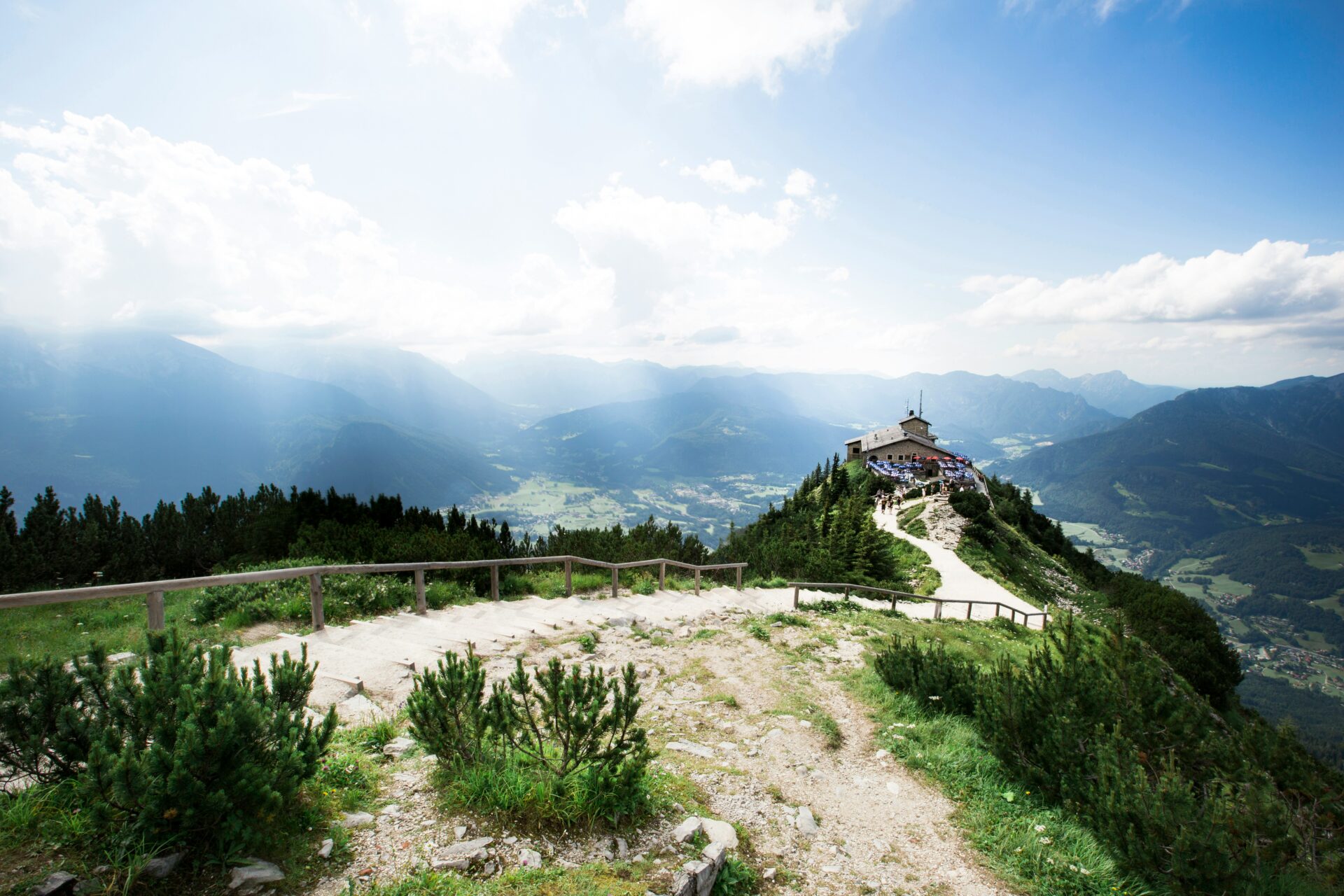
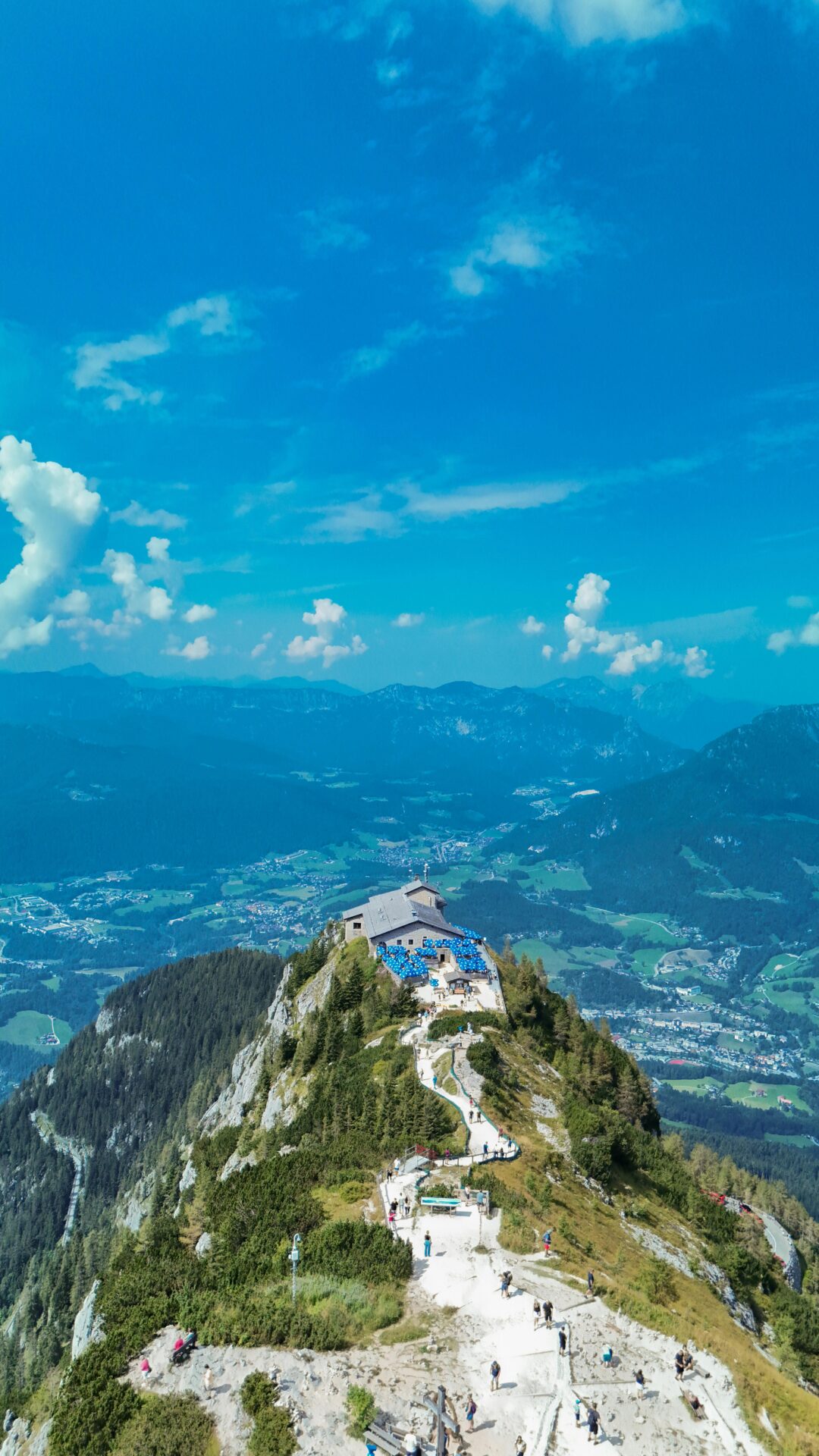
At the top, I stepped out into crisp air and took in scenery that seemed to go on forever from 1,834 meters above sea level.
If you’re heading to Germany and crave breathtaking views with a side of history, this spot is tough to beat. The Eagle’s Nest has gone from diplomatic retreat to scenic restaurant and viewpoint, and it stands out for so many reasons.
Planning Your Visit to The Eagle’s Nest
Visiting the Kehlsteinhaus, or Eagle’s Nest, takes a bit more than just hopping on a bus from Berchtesgaden. I found that planning ahead—thinking about the season, tickets, weather, and responsible tourism—made everything smoother and more rewarding.
Seasonal Access and Opening Months
The Eagle’s Nest only opens to the public from mid-May to mid-October. That’s because the mountain road gets downright dangerous in winter, with snow and ice making things tricky.
In June, the weather usually feels mild, and wildflowers start popping up all over the Alps. That makes for some seriously stunning views.
I first visited in early June. The air felt sharp and fresh, and while a few patches of snow lingered, the path stayed safe and easy to walk.
Trying to visit outside the open months? You’ll just find closed gates and a lot of disappointment. Always double-check the official Eagle’s Nest website for the latest info, especially if the weather’s acting up in spring or autumn.

Getting Tickets and Entry Information
Booking tickets in advance turned out to be a lifesaver. Access to the Kehlsteinhaus works only through special buses that leave from the Dokumentation Obersalzberg parking area.
I bought my ticket online and skipped the long lines at the ticket office. Ticket prices cover both the bus ride up that wild mountain road and the famous brass elevator that zips you 124 meters straight into the Eagle’s Nest.
There’s no extra charge for the building itself, just for the transportation. Arriving early helps a ton, especially in peak summer when tickets can sell out fast.
Here’s what I brought for tickets and entry:
- Printed ticket or QR code on my phone
- Passport (sometimes they ask for ID)
- Good walking shoes—the ground can be a bit uneven, even though it’s paved
Weather Considerations and What to Pack
Bavarian Alps weather changes its mind fast, even in summer. I packed a light waterproof jacket, and I’m glad I did.
By noon, the sun felt warm. An hour later, chilly winds and clouds rolled in.
Essential items for the Eagle’s Nest:
- Layered clothing—it’s much cooler at the summit than down in Berchtesgaden
- Sturdy walking shoes or light hiking boots
- Sunglasses and sunscreen—the sun is strong up high, even when it’s cloudy
- A refillable water bottle
- Camera or phone for those panoramic shots
Crowds tend to gather on the narrow paths and terraces. I found a small backpack way easier to manage than a bulky daypack. And don’t forget a jacket—rain happens a lot up there.
Sustainability Tips for Visitors
I try to travel responsibly, and honestly, Kehlsteinhaus really needs that kind of care. The mountain’s fragile, and all those visitors can wear it down.
I always stick to marked trails and never pick the alpine flowers, tempting as it is.
A few simple steps help me lower my impact:
- Use public transport like the Eagle’s Nest bus instead of driving up.
- Pack out all trash—there aren’t many bins at the summit.
- Bring a reusable water bottle and skip single-use plastics.
- Pick locally made souvenirs over mass-produced stuff.
Respecting the silence and landscape just makes the visit feel more special. I want to help keep this place beautiful for everyone who comes after.

How to Reach The Eagle’s Nest
Getting to the Eagle’s Nest is half the fun. Whether you take the scenic bus, drive to the base, or hike up, each option has its perks and challenges.
By Eagle’s Nest Bus: Schedules and Departure Points
The Eagle’s Nest bus is definitely the most popular way up. I made my way to the Eagle’s Nest Bus Terminal in Obersalzberg, just a short drive or bus ride from Berchtesgaden.
You need to buy tickets in advance at the ticket center next to the parking area. These buses fill up quickly, especially from May to October.
The ride on Bus 849 twists up the mountain, cutting through thick forests and rocky stretches for about 20 minutes. The windows offer views I would’ve totally missed if I’d driven or hiked.
Buses leave pretty often, but schedules change with weather or demand. The last part, a brass elevator cut deep into the rock, blew my mind—it’s an engineering marvel that drops you right into the famous retreat.
Bus Details
| Bus Number | Departure Location | Duration | Ticket Required | Frequency |
|---|---|---|---|---|
| 849 | Obersalzberg Terminal | ~20 min | Yes | Approx. every 25 min |
Tip: Get there at least 30 minutes before your bus during peak months. And yeah, bring a jacket—it’s chilly up top!

Driving and Parking at the Base
Driving all the way up? Nope, not an option. You can only drive to the Obersalzberg parking lot.
I followed signs from Berchtesgaden (about 6 km away) and found a big paid parking area. There are bathrooms, a ticket office, and even a café for a quick snack.
After parking, it’s just a short walk to the bus terminal. Private cars can’t go up the mountain road—it’s too steep and narrow, and only official buses and service vehicles can use it.
If you’re with family or have luggage, plan to unload at the main lot and keep an eye on your stuff.
Parking Details
- Location: Obersalzberg Parking Area
- Payment: Automated machines (cash or card)
- Facilities: Bathrooms, ticket office, small café
- Note: No overnight parking allowed
Hiking Routes for Adventurous Travelers
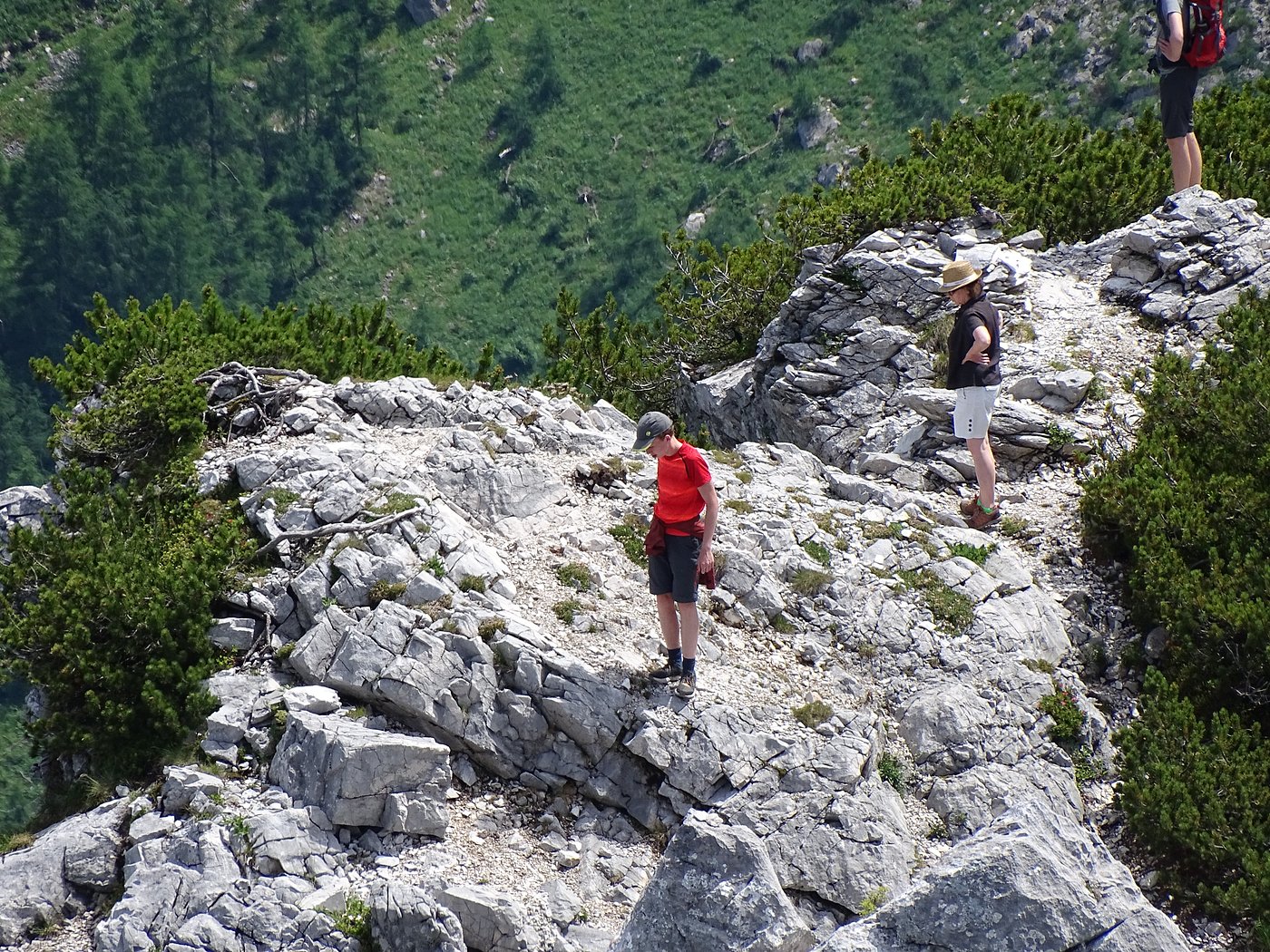
Hiking to the Eagle’s Nest? I found it rewarding—and a bit tough, to be honest! The main trail starts right at the Obersalzberg bus parking area.
It’s about 4.5 kilometers long, with almost 800 meters of elevation gain. The path is steady but can feel steep in places.
Usually, the hike takes 2 to 3 hours, depending on your pace and the weather. I brought water, snacks, wore sturdy shoes, and started early to dodge afternoon crowds.
The trail winds through shady forest and then opens up to epic views. Signage is good, so getting lost isn’t really an issue.
Hiking Highlights:
- Distance: ~4.5 km (one way)
- Elevation Gain: ~800 meters
- Time Required: 2–3 hours up
- Trail Type: Well-marked, no technical climbing needed
- Tips: Bring water, snacks, and layers; weather can turn fast
Making it to the top on foot gave me a real sense of accomplishment. The landscape around Berchtesgaden is just unreal, and hiking up lets you appreciate it on a whole other level.
Experience atop the Historic Mountaintop
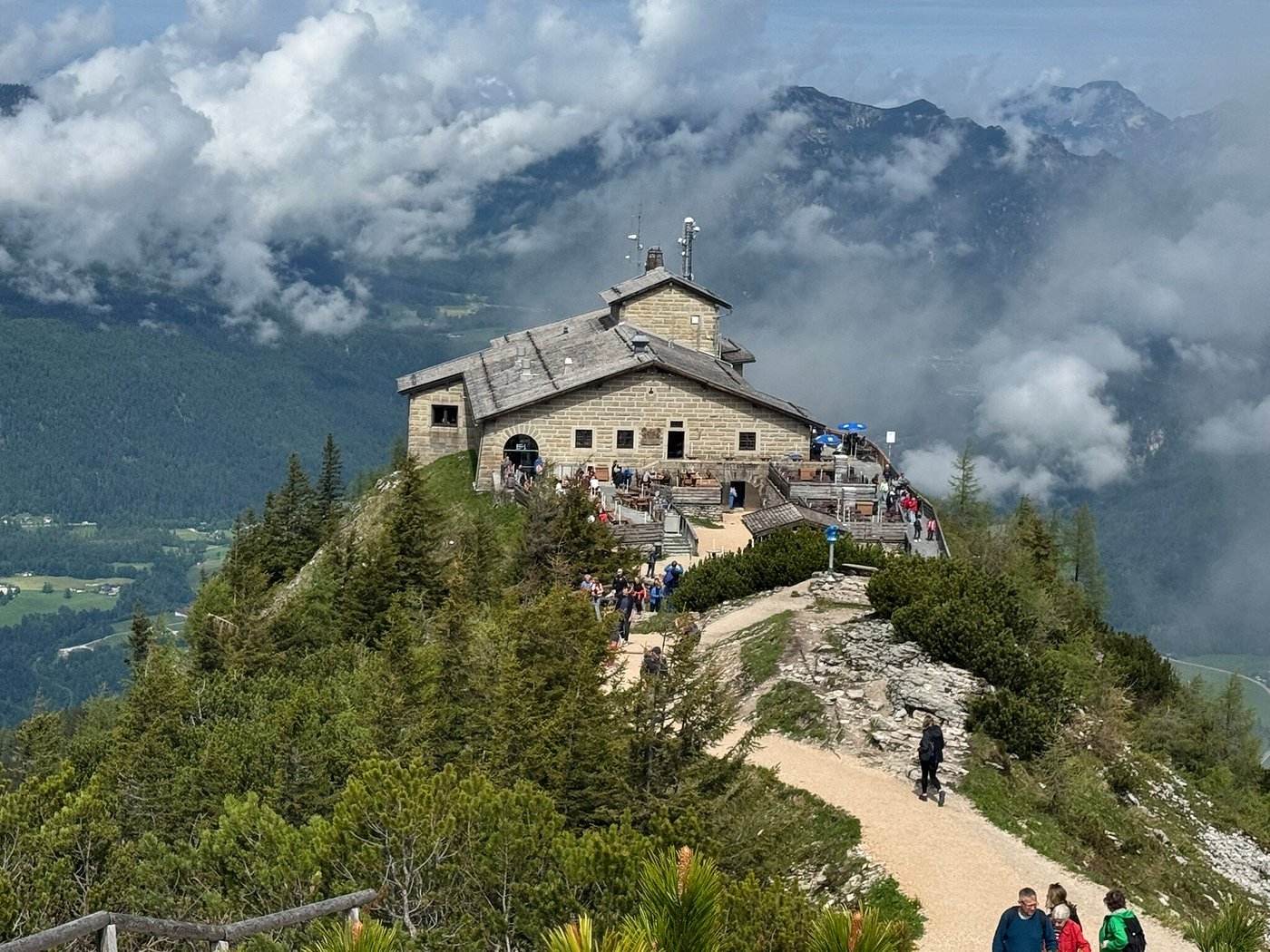
As I stepped out onto the Kehlsteinhaus plateau, cool mountain air rushed over me. The elevation hit me right away and set the stage for what followed.
The Eagle’s Nest, perched above Berchtesgaden, mixes stunning alpine views, a heavy historical background, and a dining experience you just don’t forget.
Awe-Inspiring Bavarian Alp Views
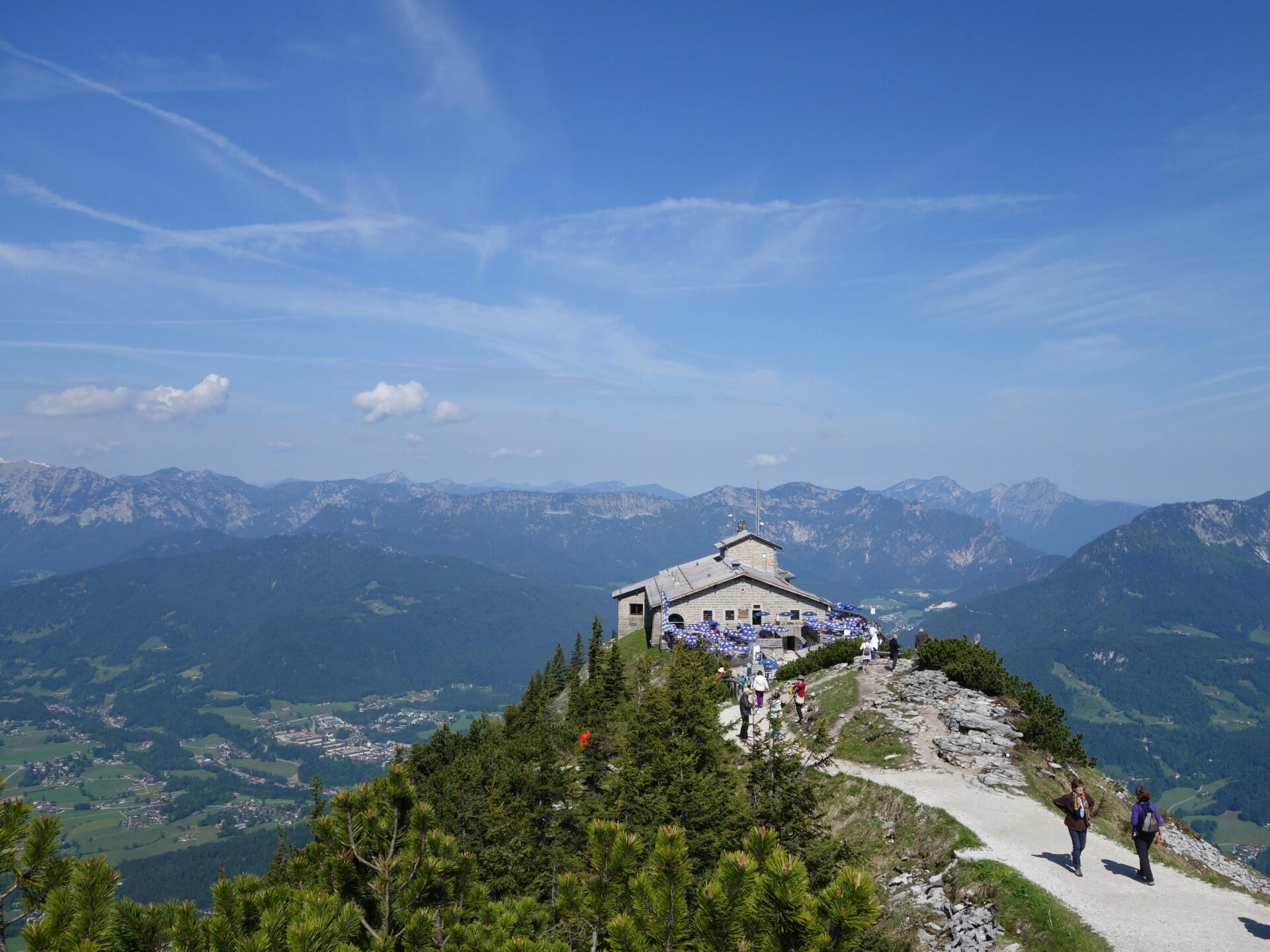
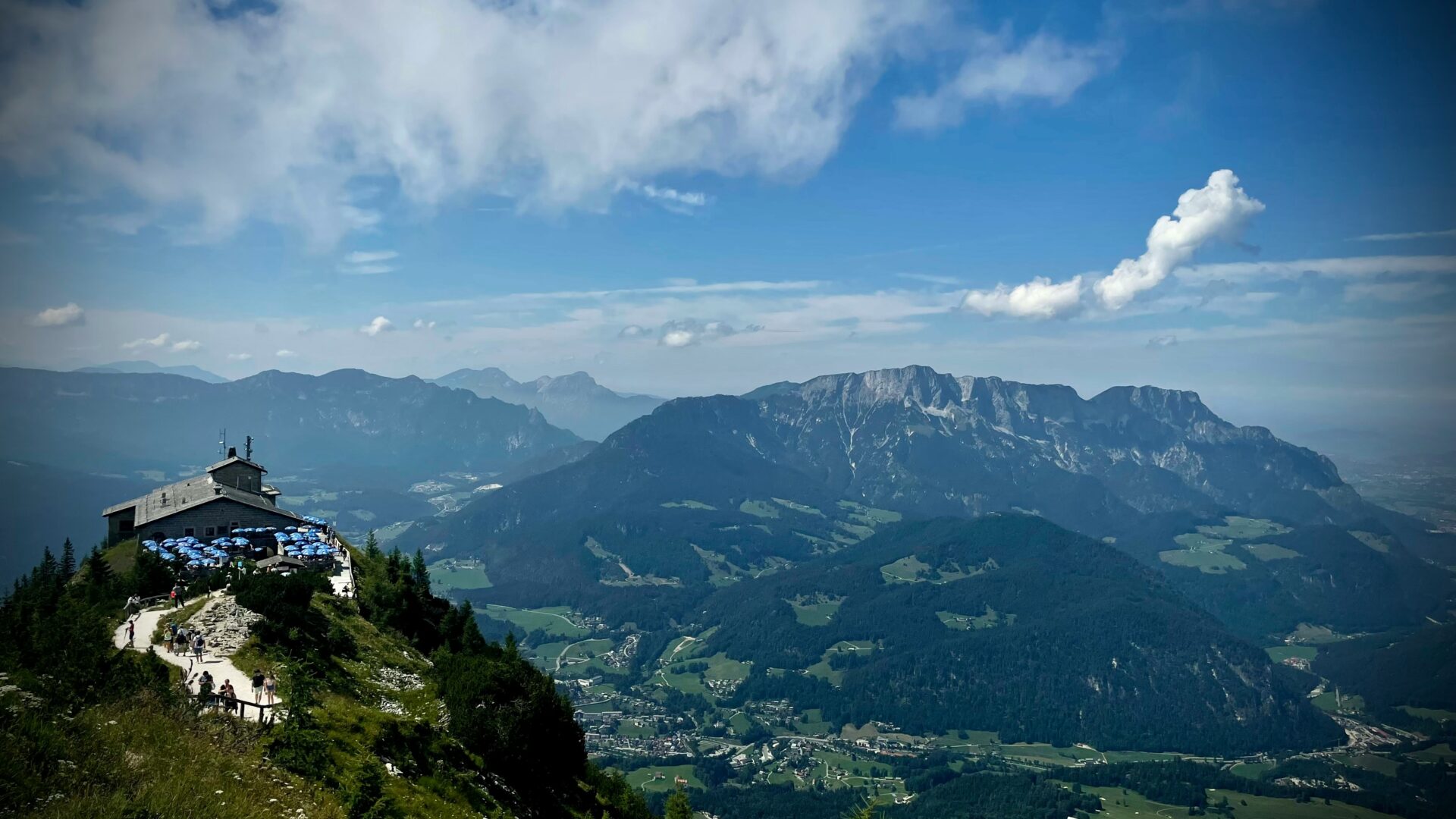
The views from the Eagle’s Nest? Absolutely wild. Mountains stretch out in every direction.
Snow-dusted peaks slice into the sky, and on a clear day, you see both the Bavarian and Austrian Alps.
Everywhere I looked, something new caught my eye. Valleys rolled out below, deep green and dotted with tiny villages that looked like toy towns from up high.
Even the biggest lake, the Königssee, shrank into a blue patch far below.
Visitors crowd the terrace and trails, cameras always ready. I grabbed a stone bench for a picnic and just sat there, soaking it all in.
If you go, bring a light jacket. Even in summer, the air can turn cold fast.

The Story Behind Kehlsteinhaus’s Construction
Kehlsteinhaus wasn’t just plopped on a mountain for fun. Martin Bormann commissioned it in 1937, finishing it by 1938 as a showpiece retreat for Nazi leaders.
A lot of people think it was a birthday gift for Hitler’s 50th, but really, it was meant for diplomatic meetings and tea with top Nazi officials.
Getting there is an adventure too—the bus snakes up a narrow, winding road carved into the mountain. The building itself is impressive for its time, considering the brutal weather and steep slopes.
Inside, you’ll still find original stonework and fireplaces. They’re stark reminders of that era.
Today, the site acts as a memorial and a place to think about history. Museum displays and historical panels are scattered throughout, helping visitors learn and reflect while also taking in the scenery outside.
Restaurant Delights: Dining with Panoramas
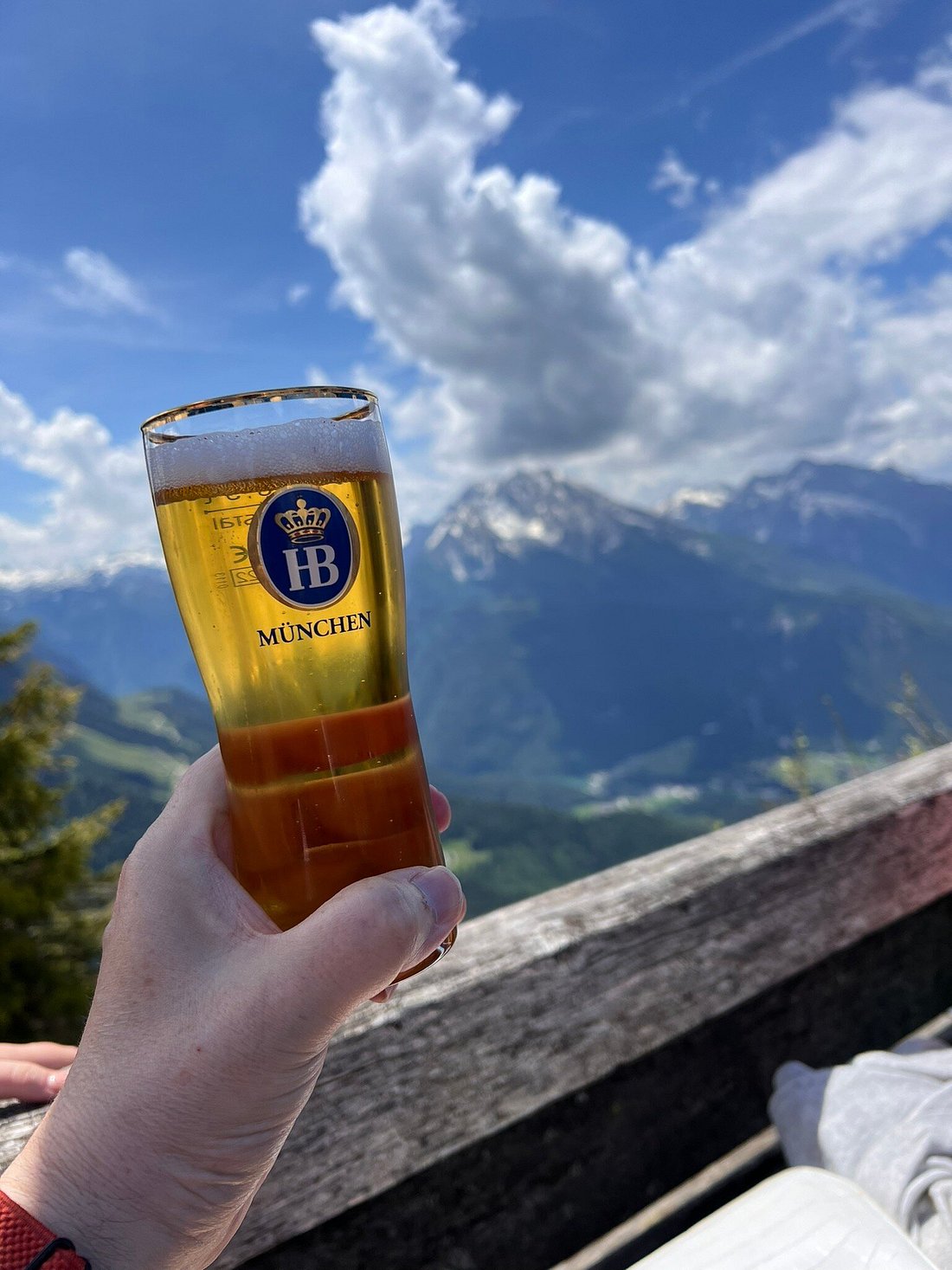
Sitting at a table in the Kehlsteinhaus restaurant, I realized this was way more than just another mountaintop café. Huge windows line the dining room, making sure everyone gets a killer view with their meal.
The menu features classic Bavarian dishes: pretzels, sausages, hearty stews, and apple strudel. I went for a bowl of goulash and a local beer—simple, but somehow it tasted better surrounded by those peaks and sunlight pouring in.
Staff were friendly and happy to suggest both food and local hiking trails.
Pro tip: Try for an early lunch or a late snack to skip the busiest times. Take your time—sip something warm, watch the world spread out below, and just enjoy. There aren’t many places where history, flavor, and scenery blend quite like this.
Historical Significance of The Eagle’s Nest
The Eagle’s Nest sits high on Kehlstein mountain, where deep history and jaw-dropping nature come together. Its past is packed with stories of power, wartime strategy, and change—stuff that still shapes what visitors feel today.
Connections to Hitler and WWII
Martin Bormann ordered the Eagle’s Nest built in 1937 for Adolf Hitler and other top Nazi officials. A lot of folks think it was a birthday present for Hitler, but it was really meant as a retreat and a spot to host diplomats.
Strangely, Hitler barely used it. He didn’t like heights or the thin mountain air, so he only visited a handful of times.
Still, the dramatic Bavarian Alps location turned the Eagle’s Nest into a symbol of the Nazi regime during World War II. Standing there now, it’s wild to think about how history happened in such a majestic place.
Quick Facts Table
| Purpose | Built as diplomatic and private retreat for Nazi leadership |
|---|---|
| Main architect | Martin Bormann |
| Hitler’s visits | Rare; disliked heights and altitude |
Transformation from Political Symbol to Tourist Attraction
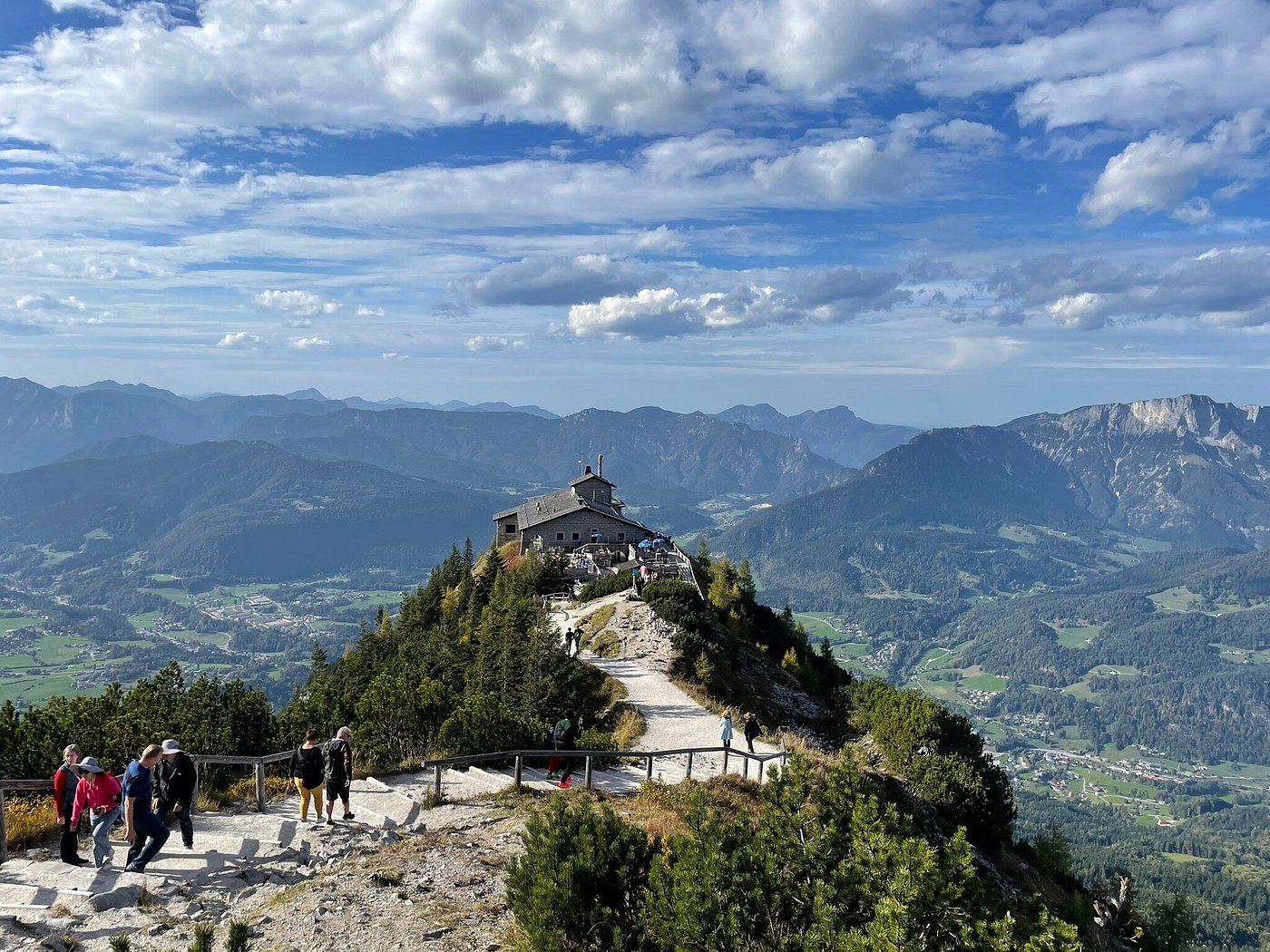
After the war, the Eagle’s Nest shifted from a Nazi stronghold into a place for memory and tourism. The building survived, even as many nearby Nazi structures fell to destruction or damage.
Today, it’s got a different vibe entirely. From May to October, buses wind their way up the Kehlstein road, bringing thousands of visitors to the site.
A brass elevator, once reserved for Hitler, now whisks tourists straight through the mountain’s heart. Instead of secretive political talks, you’ll find travelers enjoying Bavarian food or just soaking in the views.
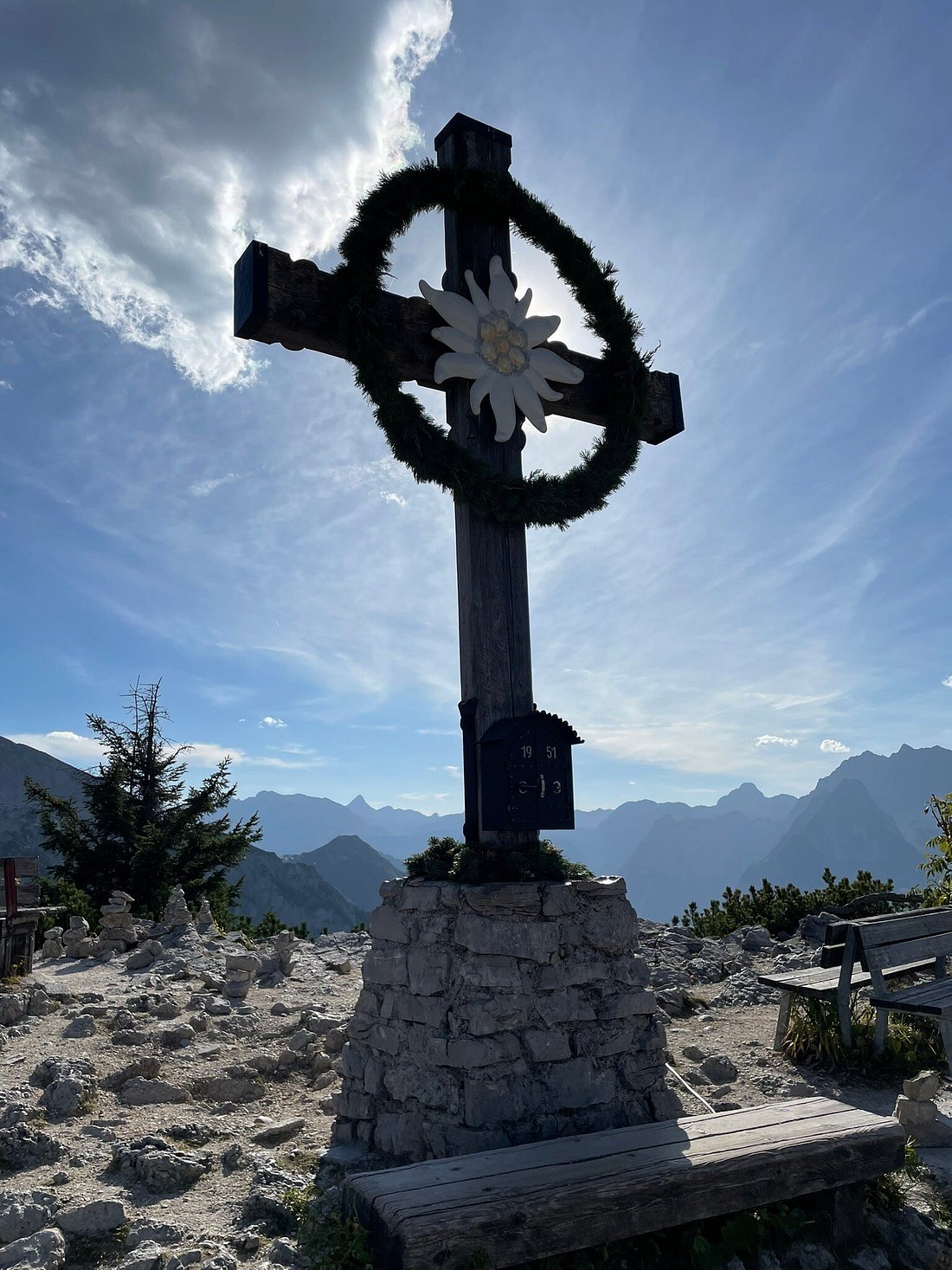
Looking out over the Alps, I can’t help but find it striking—how this place with such a dark past now stands as a teaching space and a reminder of peace. The Eagle’s Nest somehow balances history with the thrill of an alpine adventure.
Nearby Destinations and Return Journey Insights
After I left the Eagle’s Nest, a handful of unique places nearby caught my attention. Between historic towns, international cities, and even underground adventures, this area offers a lot more than just mountain scenery.
Planning a smooth return to Munich made the whole journey feel even more rewarding.
Berchtesgaden: Charm and Attractions
Berchtesgaden sits tucked into the foothills of the Alps, and honestly, its cozy atmosphere and scenery surprised me. The town center overflows with traditional Bavarian buildings, lively cafes, and little artisan shops selling handmade crafts.
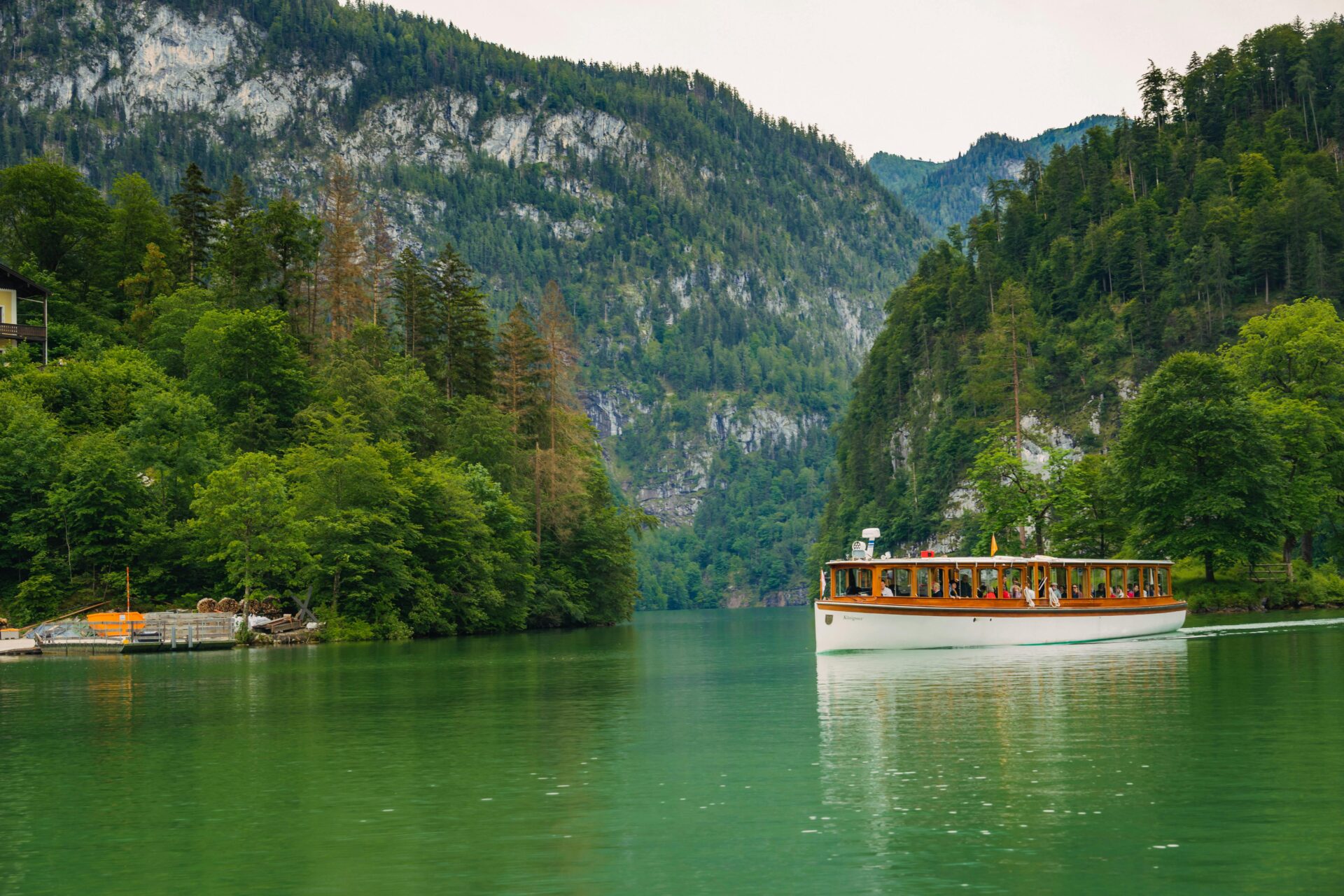
One of my favorite moments? Wandering beside the crystal-clear Königssee, a lake famous for its emerald color and dramatic mountain backdrop.
A few hours here gave me a real sense of local life and culture. The Marktplatz is the perfect spot for a coffee break or just some people-watching.
Must-see in Berchtesgaden:
- Königssee boat tour
- St. Bartholomew’s Church
- Local bakeries with pretzels and strudel
Salzburg: Day Trips Across the Austrian Border
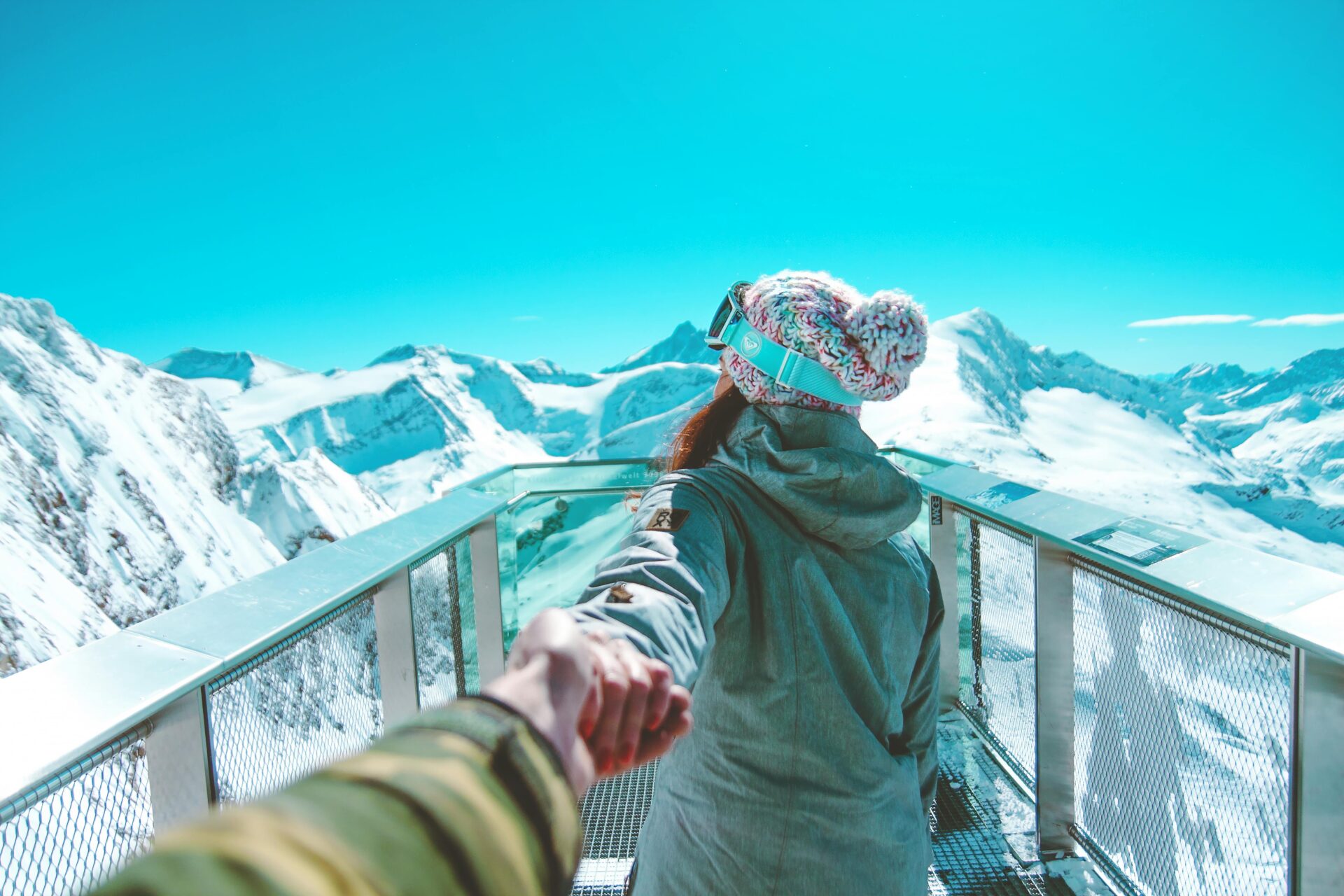
One of the best perks of being so close to Austria? The quick trip to Salzburg. The ride only takes about 30 minutes by bus or train, so a cross-border adventure couldn’t be easier.
Salzburg’s baroque old town, Mirabell Gardens, and the towering Hohensalzburg Fortress kept me busy. I loved wandering those cobbled streets where Mozart once lived, and catching live music in the open squares.
Travel tip: Sometimes they don’t check passports at the border, but I’d still carry one just in case.
Salzburg’s mix of chocolate shops, history, and music made the day fly by. Getting back to Germany was just as easy, with regular trains heading to Berchtesgaden and Munich.
Berchtesgaden Salt Mine Adventure
Before heading back, I just had to check out the Berchtesgaden Salt Mine. This underground site offers guided tours that are both fascinating and honestly pretty fun.
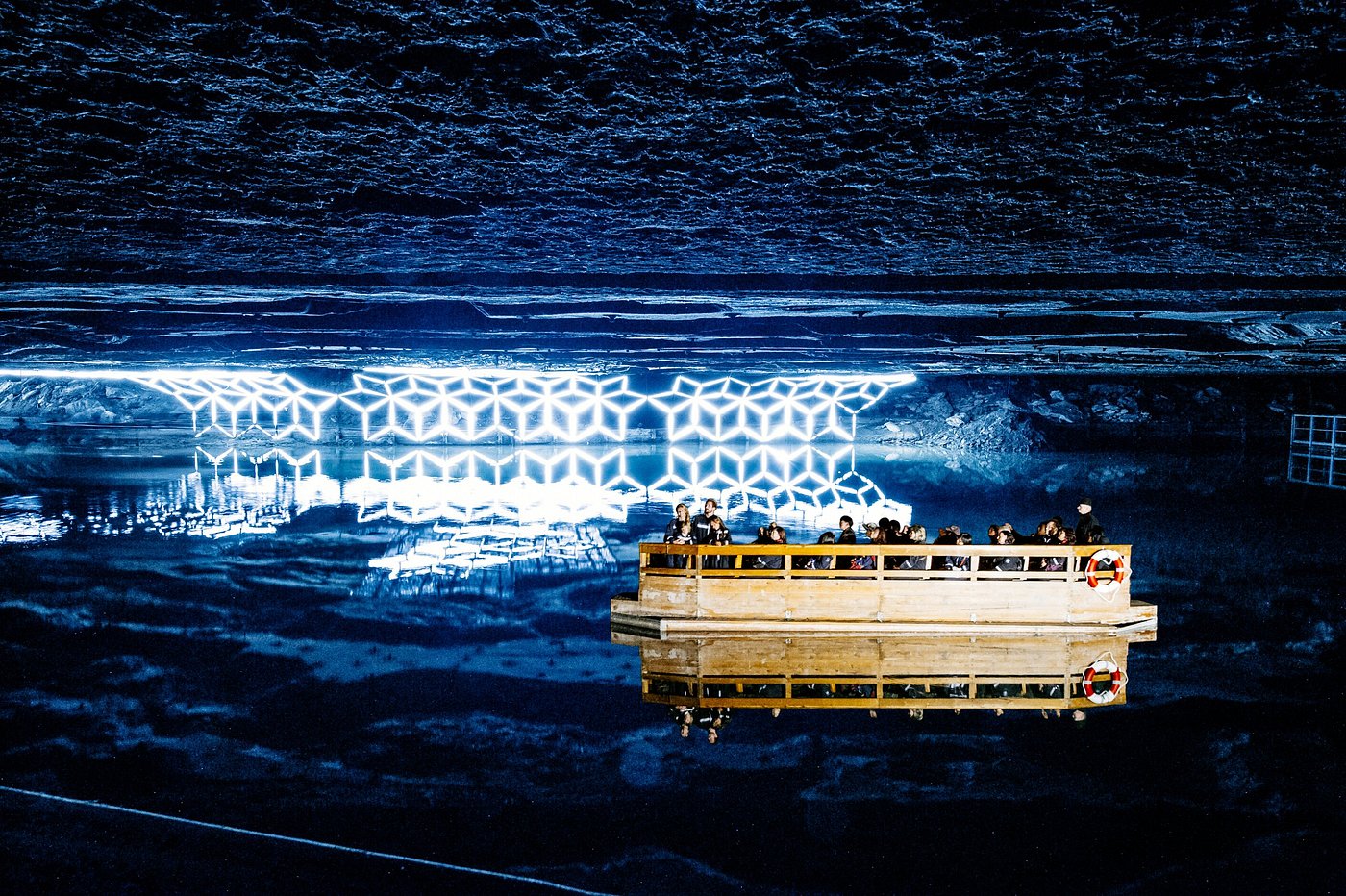
Wearing a miner’s outfit, I slid down wooden chutes and floated on an underground salt lake, picking up stories about how salt shaped this region.
Highlights of the tour:
- Riding the little train into the mine
- Exploring the tunnels
- The light shows on the subterranean lake
Kids and adults seemed to love the interactive displays. Tickets are easy to grab online or at the entrance, but tours fill up fast—especially in summer.
Returning to Munich: Practical Advice
After a long day, I headed back to Munich. Getting home felt straightforward since there are a few transport options.
I hopped on the regional train to Munich Hauptbahnhof. Those trains run about once an hour, and the ride usually takes around two and a half hours.
If you’re thinking about stopping in Salzburg or checking out the Salt Mine, you might want to look into a Bavarian regional day pass. It’s honestly a good deal for families or small groups.
I double-checked the last bus and train times—connections in rural Bavaria tend to wrap up earlier than you’d expect in a big city.
I brought some snacks and a book for the ride. Watching the Alpine peaks slowly disappear through the window felt a little bittersweet.
