
Last month, I stepped into Daphni Monastery just outside Athens and honestly, it felt like I’d walked into a time capsule from the 11th century. The golden mosaics covering the walls and dome of this UNESCO World Heritage site instantly transported me to the peak of Byzantine artistry.
These mosaics are breathtaking—some of the best examples of middle Byzantine art you’ll find anywhere. The gold backgrounds create this warm, otherworldly glow that changes the entire feel of the church.
I just stood there, neck aching, staring up at the detailed scenes of Christ, saints, and biblical stories. What’s wild is that the artists made these works specifically for the monastery, not recycled from older buildings.
They used tiny cubes of colored glass and stone, pressing them into plaster. This technique lets the mosaics catch the light in ways that are honestly mesmerizing.
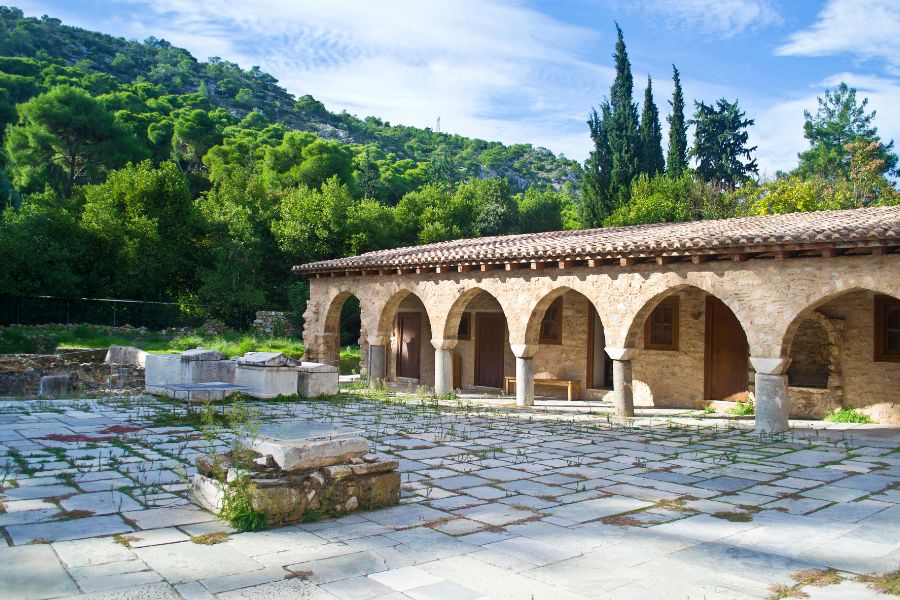
The monastery sits quietly, just a short drive from the chaos of Athens, but it feels like a whole different world. Alongside Hosios Loukas and Nea Moni, Daphni marks the height of Byzantine monastery architecture and decoration.
If you’re heading to Greece, I’d say you should absolutely carve out a few hours for this golden masterpiece. The sense of awe? Totally worth it.
Discovering Daphni Monastery: Setting the Scene
Only 11 kilometers from Athens’ busy center, there’s this peaceful Byzantine treasure that genuinely took my breath away. Daphni Monastery stands as a prime example of middle Byzantine architecture with golden mosaics that look like they could have been made yesterday, not a thousand years ago.
A Journey to the Sacred Grove
The drive from Athens to Daphni Monastery took me less than 30 minutes. Still, it really did feel like stepping back in time. The monastery gets its name from the ancient laurel grove (“daphni” in Greek) that once surrounded the area.
When I arrived, the peacefulness hit me right away. The stone walls almost whispered stories of the monks who’d lived here since the 11th century.
Nestled against a hillside and surrounded by cypress trees and Mediterranean plants, the monastery just feels secluded.
What really stands out is the contrast between bustling Athens and this quiet hideaway. The sacred grove is long gone, but there’s still something magical about approaching this stone fortress of faith.
A UNESCO World Heritage Gem
UNESCO recognized Daphni Monastery in 1990, placing it among a select group of Byzantine monasteries like Hosios Loukas and Nea Moni of Chios. That status highlights its cultural importance.
Inside, the gold-ground mosaics steal the show. They’re not just beautiful—they’re true masterpieces of Byzantine craftsmanship.
During my visit, I found out that every mosaic cube here was made fresh for the monastery’s construction. Each tiny piece fits together to create religious scenes that still seem to glow with life.
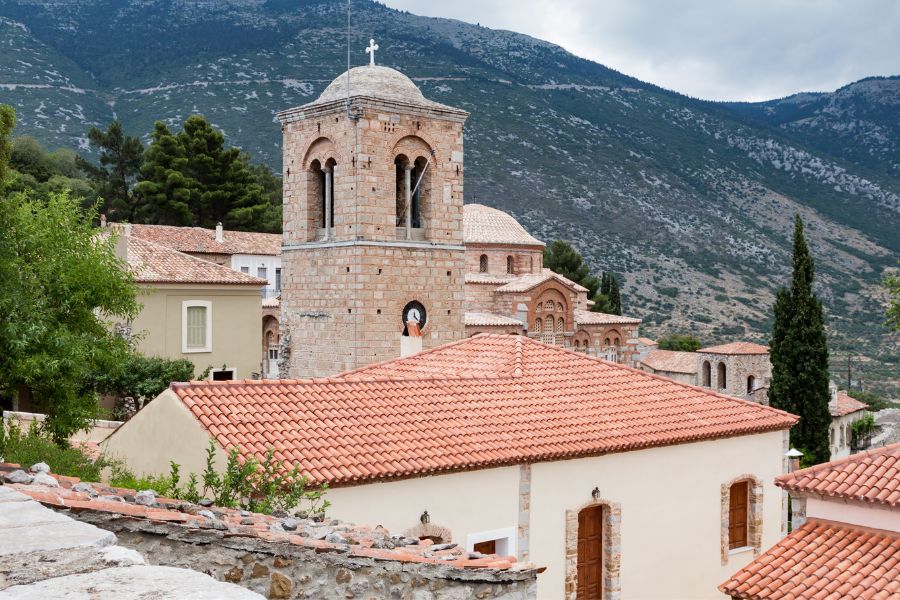
The architecture follows the classic Byzantine cross-in-square plan. A huge dome floats above the sacred space, anchoring the whole structure.
Historic Athens and Its Environs
Athens usually gets all the attention for its classical ruins. But the Byzantine heritage around the city tells its own important story. Daphni Monastery stands as a key chapter in Greece’s medieval history.
The 11th century really was a golden age for Byzantine art and architecture. This monastery proves that the empire’s artistic brilliance reached far beyond Constantinople.
Over the centuries, Daphni has taken some hits from earthquakes and wars. Restoration teams have worked hard to preserve it for the future. They’ve cleaned and stabilized the mosaics.
If you go, maybe plan to see Daphni alongside other historic sites along the ancient Sacred Way, which once connected Athens to Eleusis. That road was used for religious processions in ancient Greece, so the whole area feels layered with history.
Byzantine Brilliance: The Artistry of the Golden Mosaics
The gold-ground mosaics at Daphni Monastery truly shine as masterpieces of middle Byzantine art. They showcase both technical skill and deep spirituality. When I walked into the church, sunlight flickered across thousands of tiny tesserae, and the place felt both timeless and sacred.
The Dome of Christ Pantokrator
The central dome features Christ Pantokrator, or “Ruler of All,” staring down with a look that’s both stern and compassionate. His eyes follow you around the space, making the whole thing feel strangely personal.
This 11th-century mosaic shows Christ holding a gospel in one hand, blessing with the other. The artists paid serious attention to his facial features—those intense eyes and that mix of judgment and mercy.
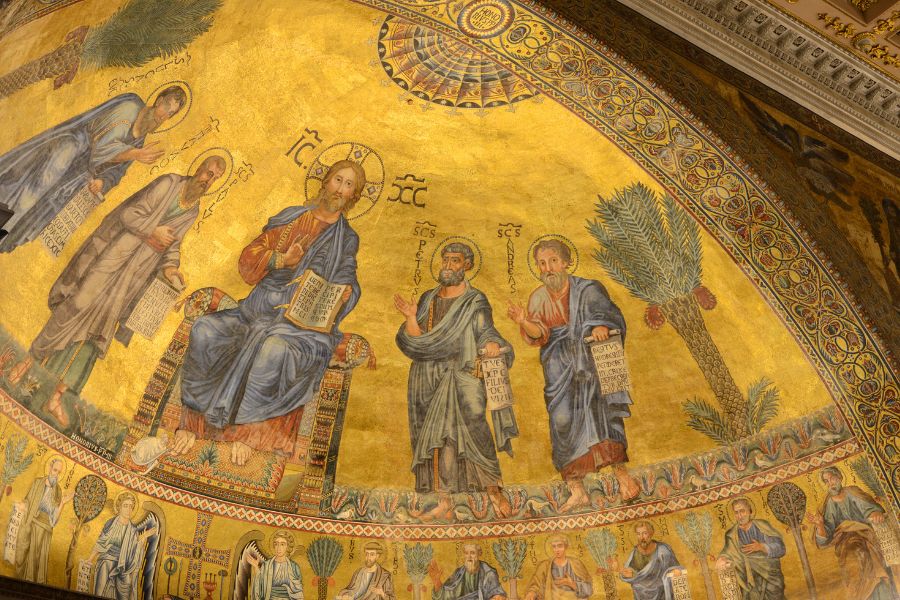
The gold background isn’t just for show. It stands for divine light, turning the physical space into a glimpse of heaven. Standing there, I felt tiny, but also somehow part of the cosmic order the artists wanted to express.
Scenes from the Life of Christ
The walls tell a sequence of biblical stories, almost like a visual sermon. You’ll see the Annunciation, the Nativity, the Baptism, and the Crucifixion, all painted with a consistent style and color palette.
What really got me was how these scenes mix formality with emotion. The figures stick to the usual Byzantine stiffness, but their faces hint at feelings that cross centuries.
The artists arranged the scenes so that the most important figures get the spotlight, with their size reflecting spiritual, not physical, importance. This hierarchy makes the theology clear, even if you’re not an expert.
Each scene keeps the background simple, so your attention stays on the story. There’s a timeless vibe that still resonates, even now.
Glittering Gold Tesserae: Methods and Materials
Thousands of tiny glass tesserae make up the mosaics, many coated with gold leaf and sealed under clear glass. This special technique creates that shimmering effect, which changes as the light shifts through the day.
Artisans used glass for the brightest colors, stone for earthier tones, and precious metals for the divine elements. What blew my mind was learning that every mosaic cube at Daphni was made new for the monastery.
They pressed each tiny piece into fresh plaster, angling them just so, to catch the light. That intentional unevenness gives the mosaics a dynamic, living quality that’s still mesmerizing after almost a thousand years.
The level of detail is wild—some spots use up to 150 tesserae per square inch!
Symbolism and Storytelling in Mosaic Art
Byzantine mosaics aren’t just pretty—they speak a visual language loaded with meaning. Gold backgrounds stand for divine light and heaven. Blue means the sky, and red often signals divinity or martyrdom.
Gestures and positions tell stories, too. Christ’s hand signs, the way apostles are grouped, even the buildings in the scenes—all of it layers on extra meaning for those who know what to look for.
I noticed that figures usually face forward, almost as if inviting you into a spiritual conversation.
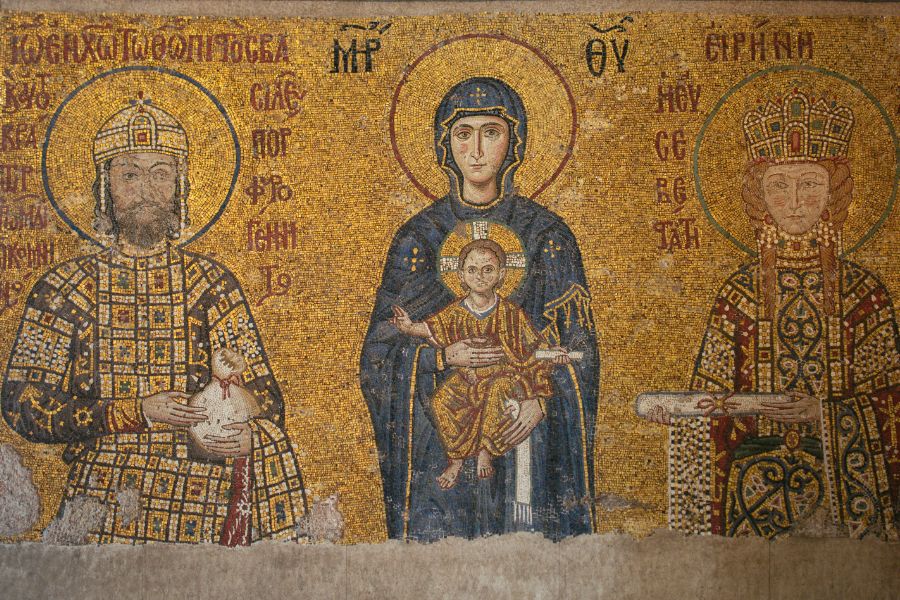
These mosaics aren’t just art—they’re teaching tools, making complex theology accessible for everyone who entered the church. Even now, I could feel their power to connect me with generations of pilgrims who stood in the same spot.
A Moment of Awe: Personal Reflections on Standing Beneath the Mosaics
Standing under the golden mosaics at Daphni Monastery was one of those rare travel moments that honestly changed something inside me. The artistry and spiritual weight of these 11th-century works created an experience that felt way deeper than just sightseeing.
First Impressions: Stepping Inside the Sanctuary
Nothing really prepared me for that first flash of gold overhead. I paused at the entrance, letting my eyes adjust to the dimmer light inside those ancient walls. The shift from bright Greek sun to the cool, sacred interior made me stop and take a breath.
“Take your time,” our guide whispered, probably seeing my stunned face. The golden Christ Pantokrator stared down from the dome, his eyes tracking my every move.
What hit hardest was the sense of connection across a thousand years. These same images watched over Byzantine worshippers long ago. Now, here I was with my camera and guidebook, just as captivated by their timeless beauty.
Light, Space, and Sacred Atmosphere
Light from the monastery’s windows danced across the mosaics, changing them throughout the day. In the morning, sunbeams made the gold tesserae flicker, almost animating the figures. By afternoon, other scenes took on a warm, glowing emphasis.
The acoustics surprised me, too. Even whispers echoed. When a small group started softly singing an Orthodox hymn, the space turned their voices into something almost magical.
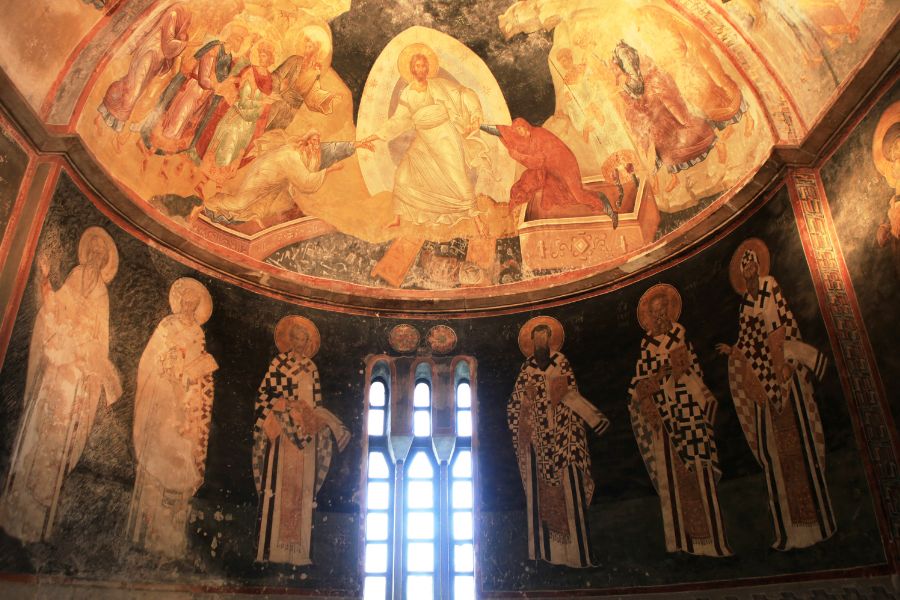
I ended up sitting on a simple wooden bench for nearly an hour, just soaking it all in. Being there, it’s obvious why UNESCO recognized this place. The Byzantine artists really understood how to use architecture, light, and sacred imagery to create deep emotional impact.
Historical Context: The Rise and Resilience of Daphni Monastery
Daphni Monastery stands as a testament to centuries of faith, artistry, and perseverance just outside Athens. Its golden mosaics tell a story stretching from ancient Greek worship to Byzantine glory.
From Ancient Shrine to Byzantine Masterpiece
Daphni’s story began long before its famous mosaics drew in people like me. Originally, the site held a temple dedicated to Apollo Daphnaios. When I visited, I learned that monks founded the monastery in the 6th century AD, building right on top of those ancient foundations.
Its true golden age came in the 11th century. That’s when the current church rose, during the height of Byzantine power. Craftsmen transformed the space into a masterpiece of middle Byzantine architecture.
The monks here managed large lands and enjoyed real prosperity. What amazed me most was how Byzantine monasticism shaped not just religion, but art across the empire. The monastery became a center of spiritual and cultural life.
Surviving Through the Ages
Walking Daphni’s grounds, I really felt the weight of its long and sometimes turbulent history. Despite its fame and wealth, the monastery went through periods of abandonment. The building has weathered countless threats over nearly two thousand years.
When the Ottomans ruled Greece, the monastery faced tough times. Yet the mosaics and stonework survived, keeping Byzantine art alive through centuries of change.
More recently, Daphni has had its share of trouble—earthquakes and structural issues have meant almost constant repairs. UNESCO gave it World Heritage status, grouping it with Hosios Loukas and Nea Moni as outstanding examples of middle Byzantine art.
The monastery keeps rising from the ashes, just as it always has.
Practical Tips for Visiting Daphni Monastery Today
If you’re planning a visit to this UNESCO World Heritage site, you’ll want to prepare a bit. The Byzantine treasures inside make every bit of effort worthwhile. Those golden mosaics have survived centuries and somehow still welcome visitors from all over the world.
Getting There and Navigating the Area
Getting to Daphni Monastery from central Athens is pretty straightforward, though you’ll want to plan ahead. The monastery sits about 11 kilometers northwest of the city center, so it’s perfect for a half-day trip.
I found public transportation the easiest way to get there. Take the blue metro line to Agia Marina station, then hop on bus 851 heading toward Peristeri.
The bus ride takes around 20 minutes. If you’d rather drive, you can rent a car in Athens without much trouble.
You’ll follow the old Sacred Way (Iera Odos), which once connected Athens to Eleusis. There’s parking near the entrance, so you won’t have to walk far.
Taxis work too, especially if you’re in a hurry or just don’t want to deal with public transit. Expect to pay about €15-20 one way from central Athens, though traffic can nudge that price up.
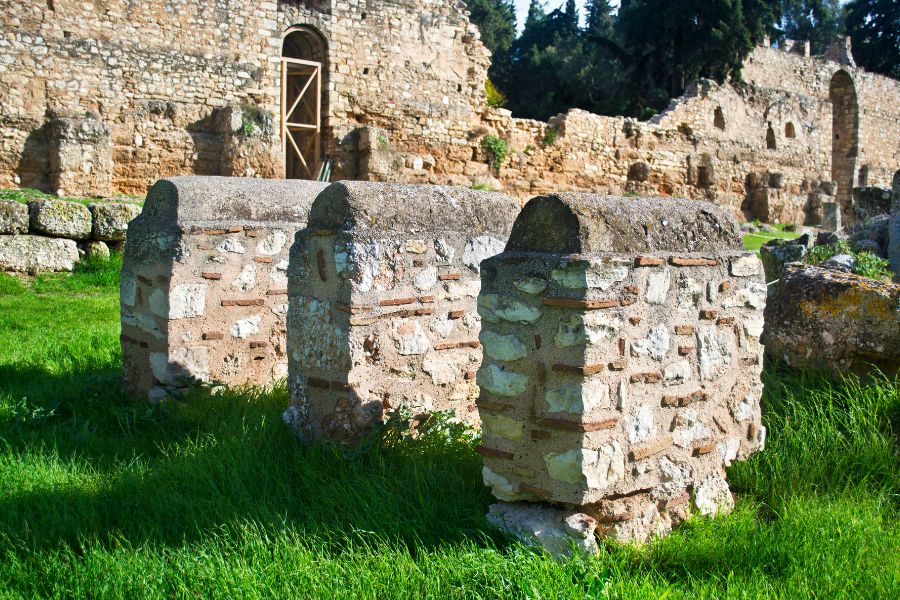
Once you arrive, you’ll notice the monastery grounds are compact and easy to walk around. Just bring comfortable shoes and you’re set.
Best Times to Visit
Honestly, weekday mornings are the sweet spot for visiting Daphni Monastery. The gates open at 8:30 AM, and if you get there early, you’ll beat both the crowds and the heat.
Opening Hours:
- Tuesday to Sunday: 8:30 AM to 3:30 PM
- Closed on Mondays and major Greek holidays
Spring (April-May) and fall (September-October) feel the nicest weather-wise. Summer can get brutally hot, so if you go then, bring water and something for shade.
Sometimes the monastery closes for restoration work. I’d check the official Hellenic Ministry of Culture website before you head out, just to be sure.
Religious holidays—especially Easter and Christmas—sometimes change opening hours. But honestly, those days can be fascinating if you want to see special liturgical services.
What to Expect During Your Visit
When I walked into Daphni Monastery, the calm atmosphere hit me right away. The gold-ground mosaics are jaw-dropping, especially the Christ Pantocrator in the dome.
What to See:
- Christ Pantocrator in the central dome
- Life of Christ mosaic sequence
- Saints and biblical scenes scattered through the church
- Architectural elements from different eras
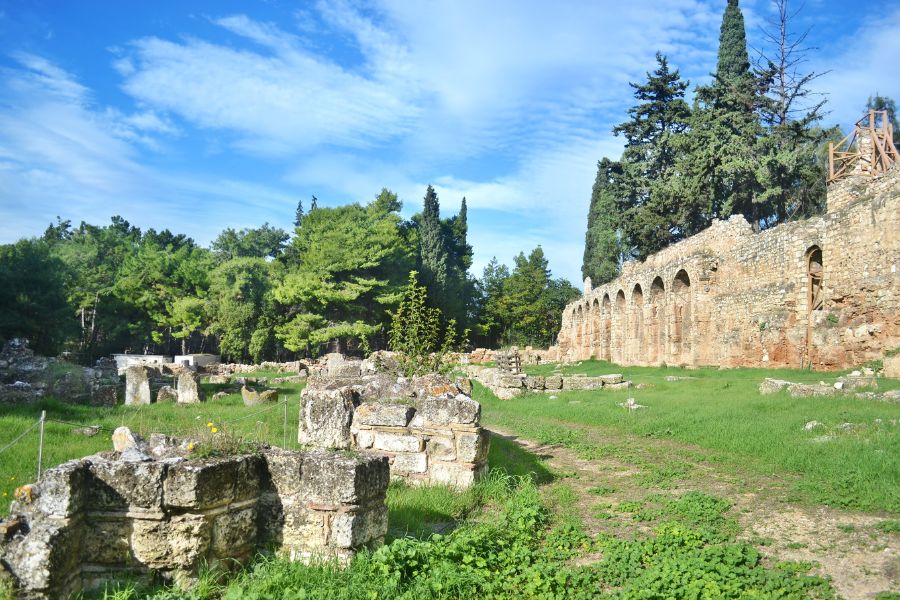
Most people spend about 1-2 hours here, depending on how much you want to see. There aren’t any official guided tours, so I’d suggest bringing a guidebook or downloading info ahead of time.
You can take photos in most spots, just don’t use flash—it can damage the mosaics. The lighting inside is pretty dim to protect the art, so you might need to tinker with your camera settings.
Staff members are usually friendly, and a few speak English. Still, there aren’t many detailed info panels, so doing a bit of research on the mosaics before you go really helps.
Nearby Attractions and Local Gems
After I marveled at Daphni’s mosaics, I found a handful of nearby spots that really add something extra to the whole Byzantine vibe.
The ancient site of Eleusis sits just 10 kilometers farther west. It feels like a natural next stop after Daphni.
Eleusis draws visitors with its mysterious cult history. You get a pretty fascinating peek into Greek religious life before Christianity took over.
When lunchtime rolled around, I wandered into a few tavernas scattered along Iera Odos. “To Steki,” a tiny family-run spot, ended up being my top pick.
They serve classic Greek dishes, and honestly, the prices don’t break the bank.
If you love nature, Daphni’s spot near Mount Aigaleo is a treat. A bunch of hiking trails start close to the monastery.
You’ll get some amazing views of Athens and the countryside if you head out on foot.
If you want to dive even deeper into the Byzantine monastery scene, you might want to check out Hosios Loukas and Nea Moni of Chios. They’re not exactly around the corner from Athens, but both places highlight the same stunning artistic tradition.
