
I stood in the quiet hills of Epirus at the Grand Theatre of Dodona, a spot where ancient voices once bounced off the old stone seats. Dodona isn’t like the packed sites in Athens—it feels like you’ve stumbled on a secret piece of Ancient Greece. The Grand Theatre of Dodona ranks among the oldest and best-preserved theaters anywhere, giving you a rare shot at imagining ancient dramas far from the crowds of modern tourism.
Ambitious rulers like King Pyrrhus drew massive crowds here, building the theater to match the sanctuary’s importance. As I wandered through Dodona’s ruins, I felt the old stories and rituals come alive. If you want a quieter, more genuine peek at ancient drama and culture, Dodona’s impressive sanctuary in Epirus is absolutely worth the trek.
The Setting: Epirus and the Sanctuary of Dodona
Epirus hides one of Greece’s oldest treasures in its rugged northwest mountains. If you’re after myths, peaceful scenery, and ruins that don’t draw huge crowds, Dodona sticks in your memory.
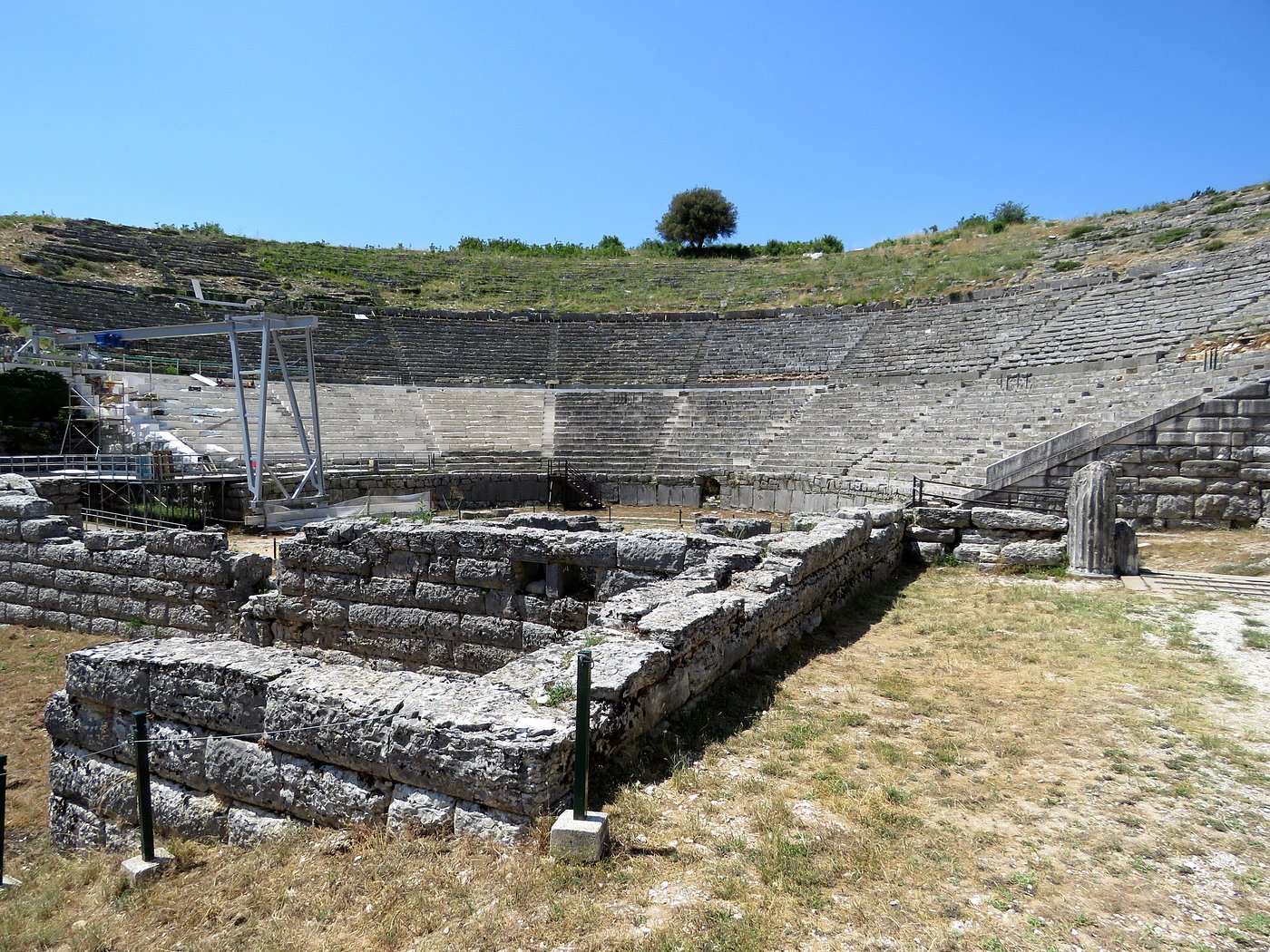
Sacred Landscapes and Myths
Epirus feels wild and almost untouched. Thick forests, rocky slopes, and silent valleys stretch across the land. As I walked the trails around Dodona, I kept thinking about ancient stories. Legends say Zeus himself favored these hills.
Dodona sits near places like Thebes, Acarnania, Aetolia, and even Ithaca—pilgrims once came from all corners of Greece. It wasn’t just a theater; it was a spiritual center where nature and the divine seemed to blend. The air feels different here, almost untouched by time.
The mountains and groves kept the sanctuary mysterious and sacred for the ancient Greeks. Sometimes, I’d just listen to the wind in the oaks and wonder if it once carried messages from the gods.
The Oracle’s Grove
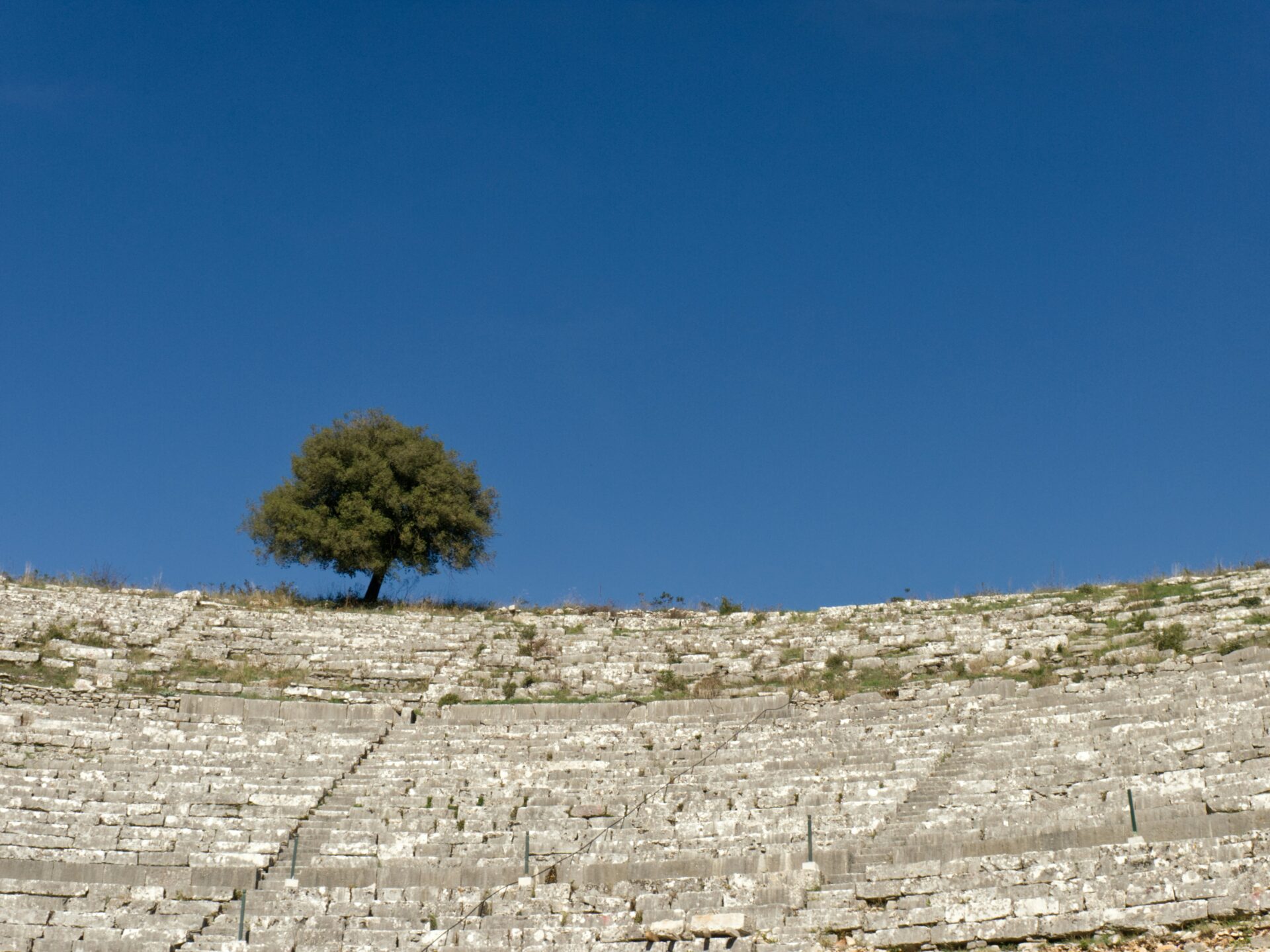
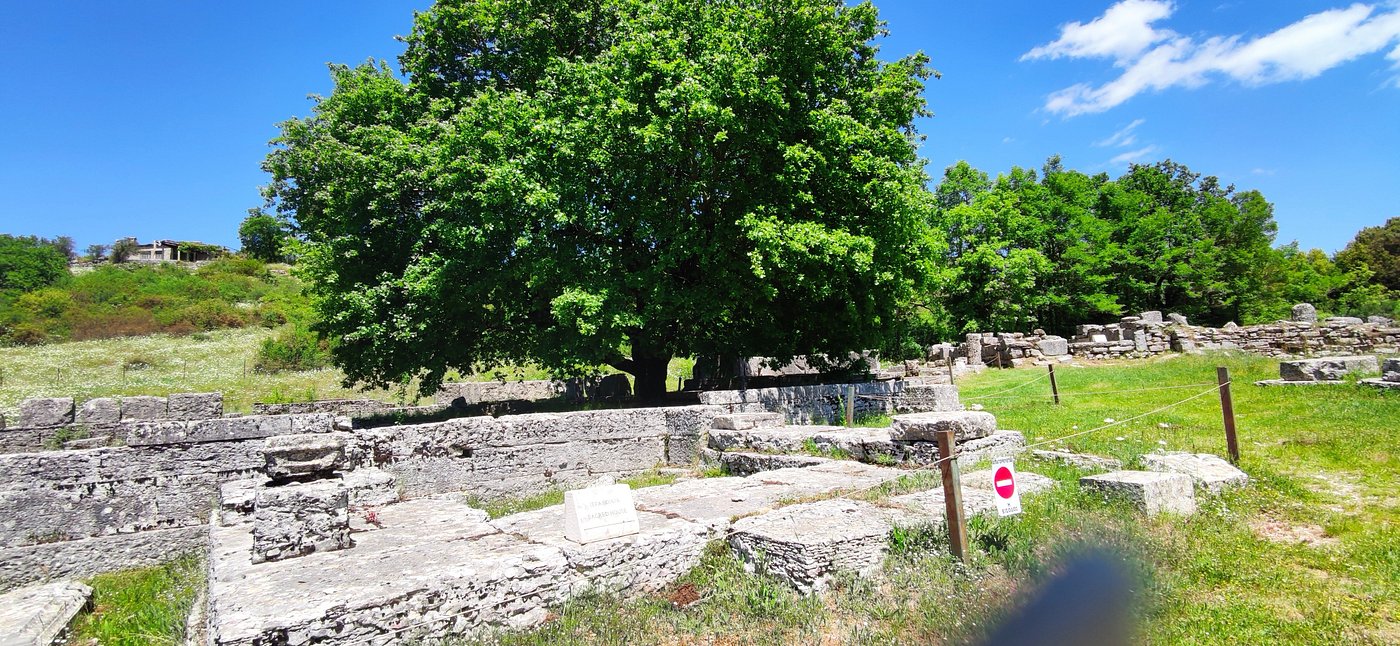
At Dodona’s heart stands the holy oak grove, considered the oldest oracle in Greece—even before Delphi took the spotlight. Visitors didn’t just come for entertainment but to seek advice from priests and priestesses who listened to the wind in the sacred trees.
Priests watched the leaves, listened to doves, and even paid attention to the clanging of bronze cauldrons. These sounds were messages from Zeus, the main god worshipped at Dodona. People from places like Thebes and Acarnania trekked miles for guidance.
Walking through the site, I could almost picture crowds hoping for wisdom beneath the ancient oaks. The quiet is real—even now, you mostly hear your own footsteps and the birds.
Less Crowded Than Delphi: A Unique Escape
Dodona feels calm compared to places like Delphi. No big crowds, no noisy tour groups. When I visited, I crossed paths with just a few other travelers wandering the theater and ruins.
This peace gives you time to explore, sit on the ancient stone seats, and imagine the drummers, actors, and priests from centuries ago. With no distractions, it’s easy to see how locals from Epirus, Ithaca, or even further away gathered here for drama, worship, and festivals.
Travel tip: Plan for a half-day visit and take water with you. The site is sunny and open, and the views over Epirus’ hills are beautiful from the theater’s top row. For history fans and anyone craving quiet, Dodona gives you a glimpse of ancient Greece that feels personal, not packaged.
The Grand Theatre: Architectural Marvels and Atmosphere
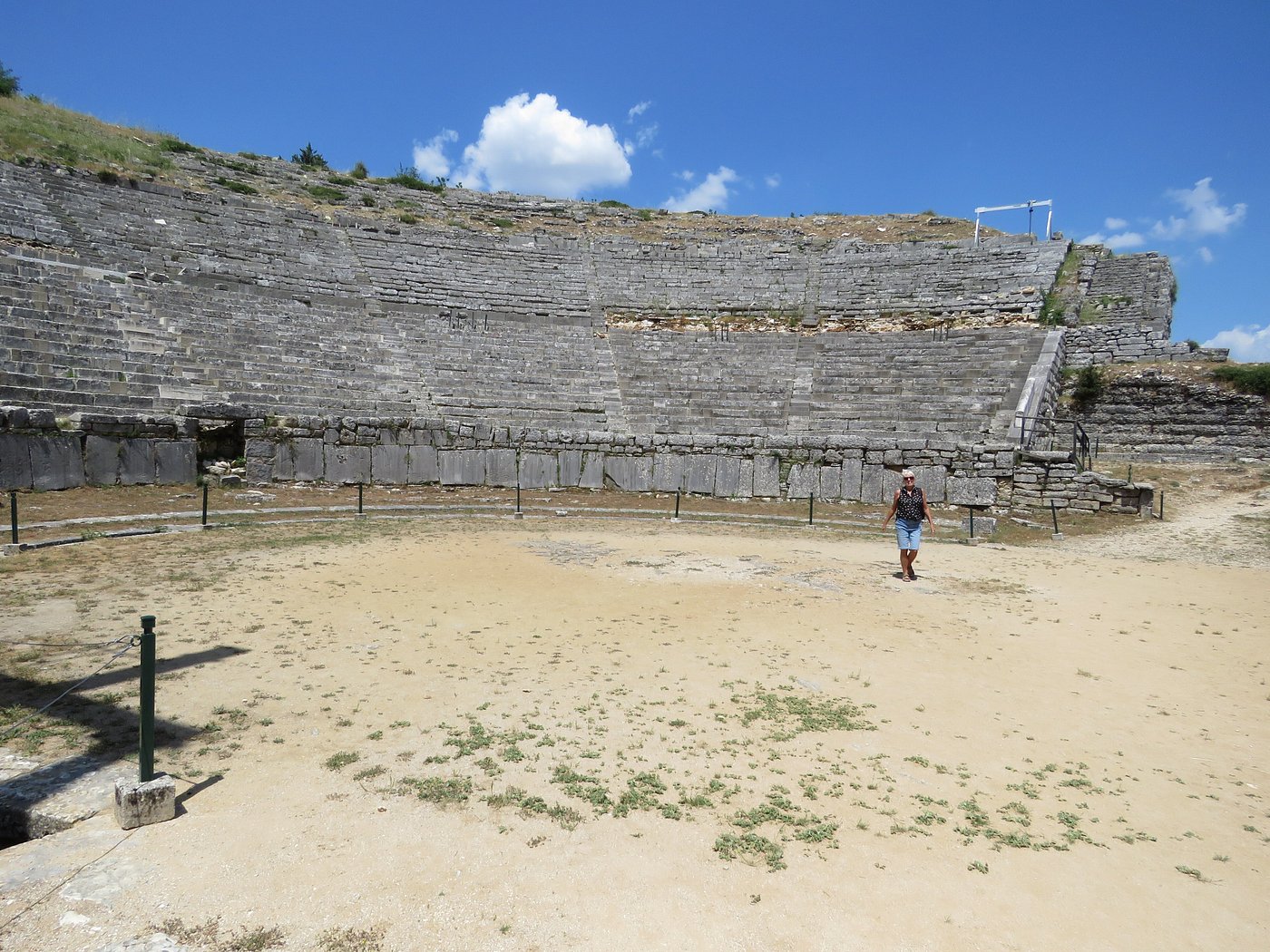
As I wandered through the Grand Theatre of Dodona, the centuries felt close. The vast stone seats, clever layout, and peaceful surroundings show how much the ancient Greeks valued drama, gatherings, and coming together.
Design and Scale
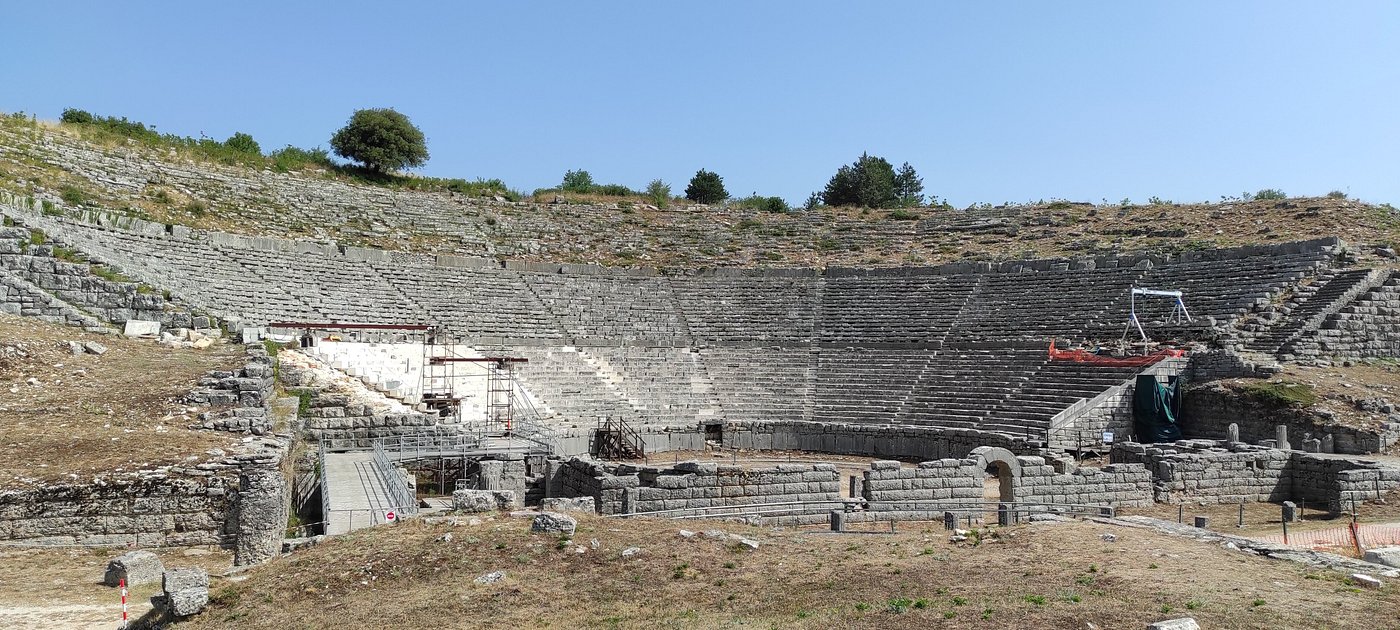
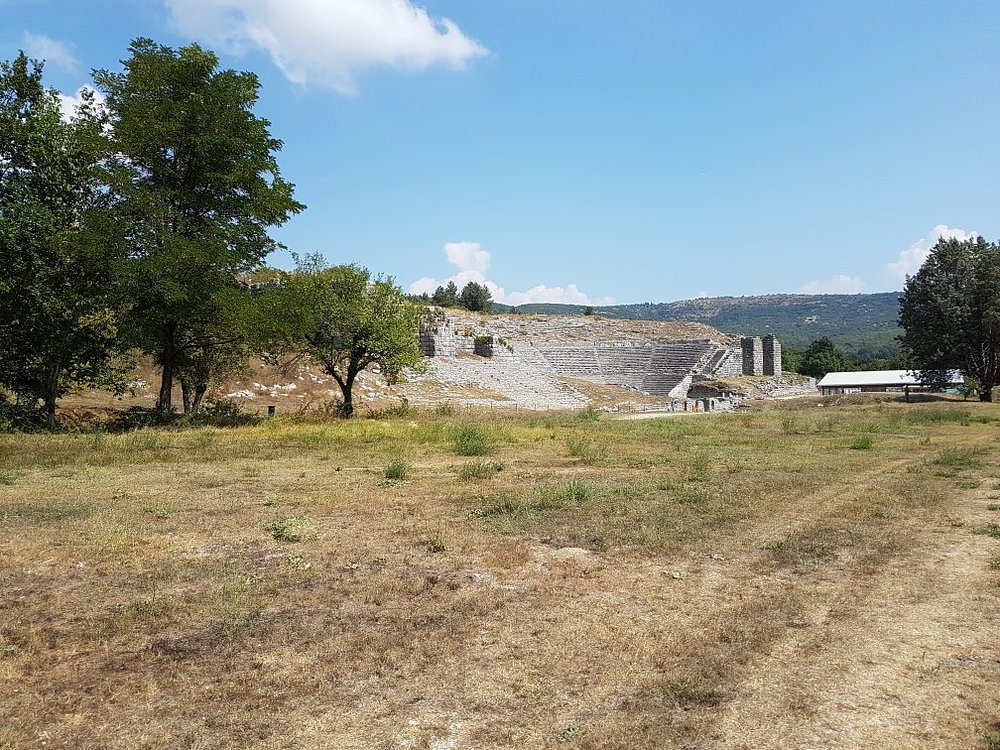
The Grand Theatre of Dodona impresses with its size and smart design. King Pyrrhus built it in the 3rd century BCE, making room for up to 18,000 people. Sitting on those rows, I could picture crowds packing the seats during festivals like the Naia.
Huge stone benches curve around the stage in a gentle arc. The theater uses the classic Greek semi-circular layout. Statues and bas-reliefs might have decorated it once, but most have vanished. Still, you can spot traces of their beauty in the carvings and temple ruins. Every line feels made for both comfort and a sense of grandeur.
Acoustics and Aesthetics
What really got me was the sound. The ancient builders shaped every row and angle for near-perfect acoustics. Even a whisper from the stage can reach the top seats—something that still surprises visitors like me.
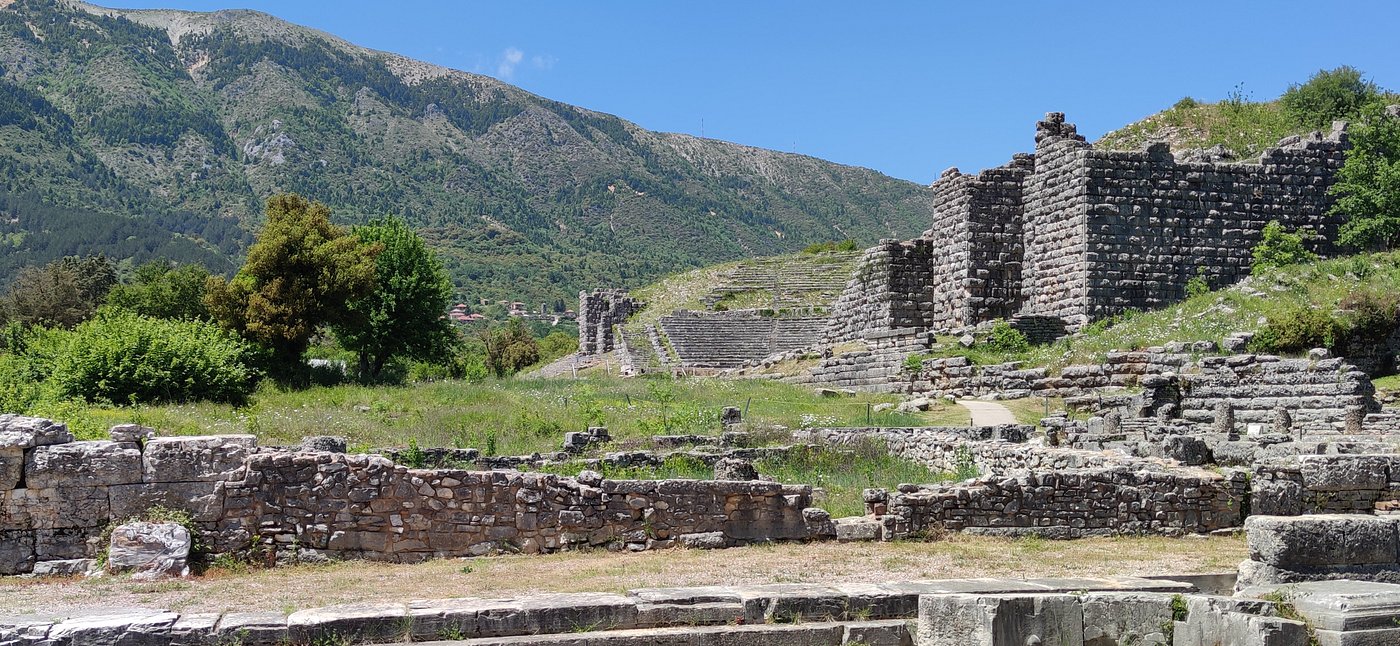
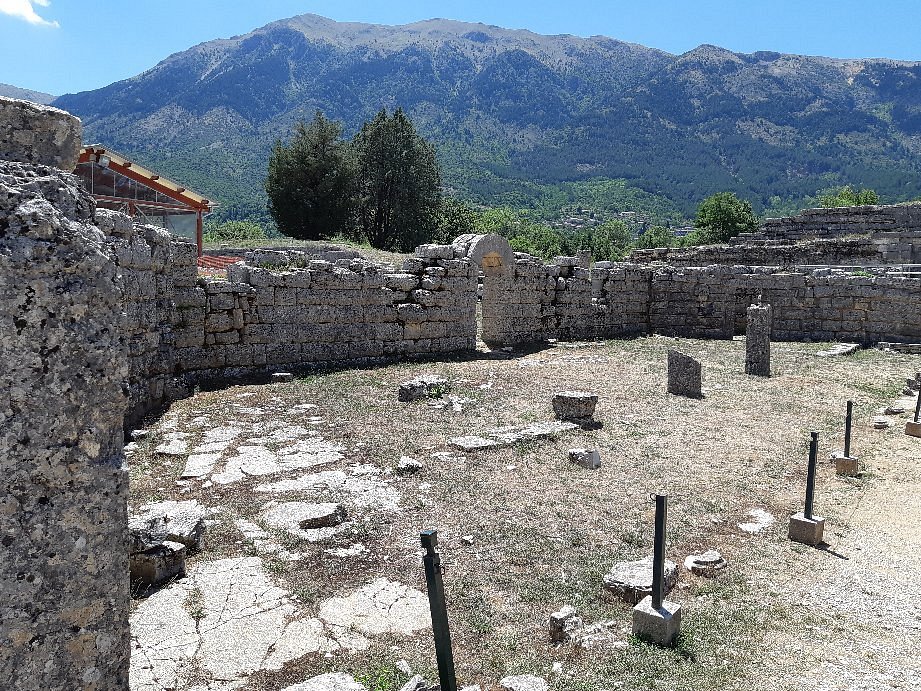
The view’s not bad either. Mt. Tomaros rises behind, mixing natural beauty with human skill. Sometimes I’d pause just to sketch the columns or watch the shadows grow as the sun dropped. The way architecture blends with the landscape makes this place a dream for anyone into drawing or photography.
Restoration and Modern Visits
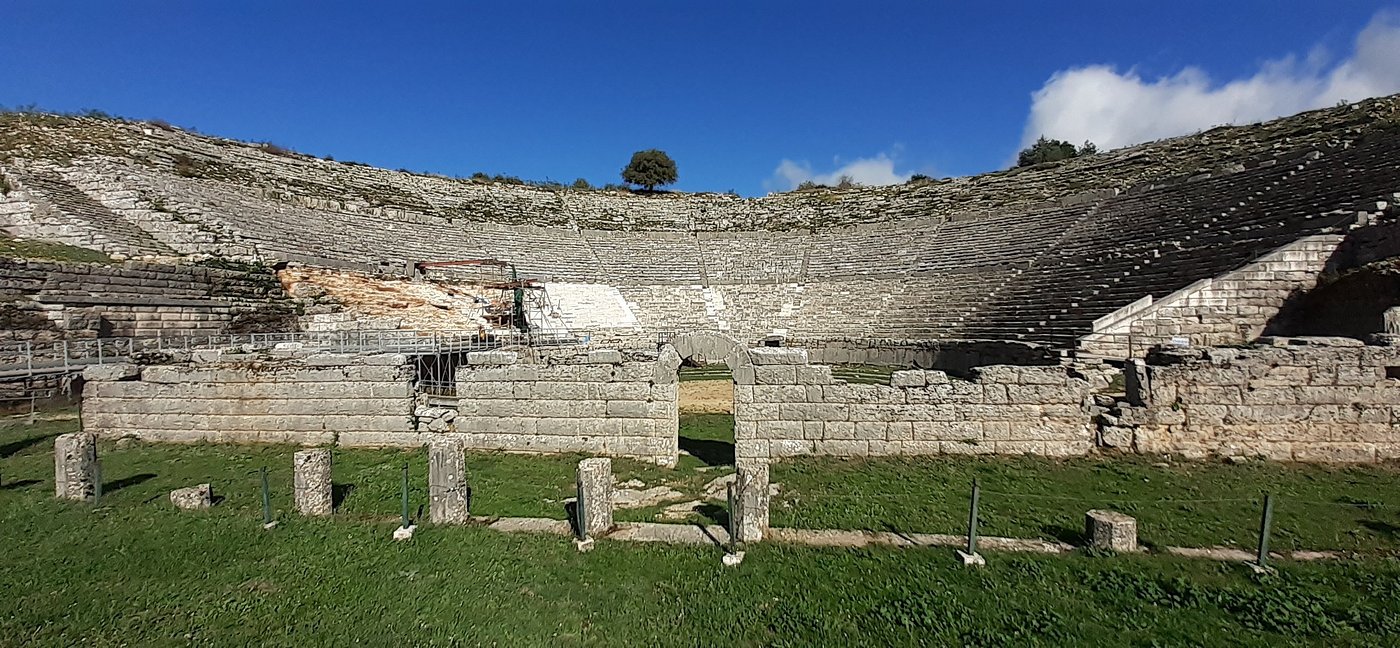
When I arrived at Dodona, I saw the careful work that’s gone into preserving its quiet beauty. Recent restoration projects let you walk safely among the seats and stage, without messing up the ancient stonework.
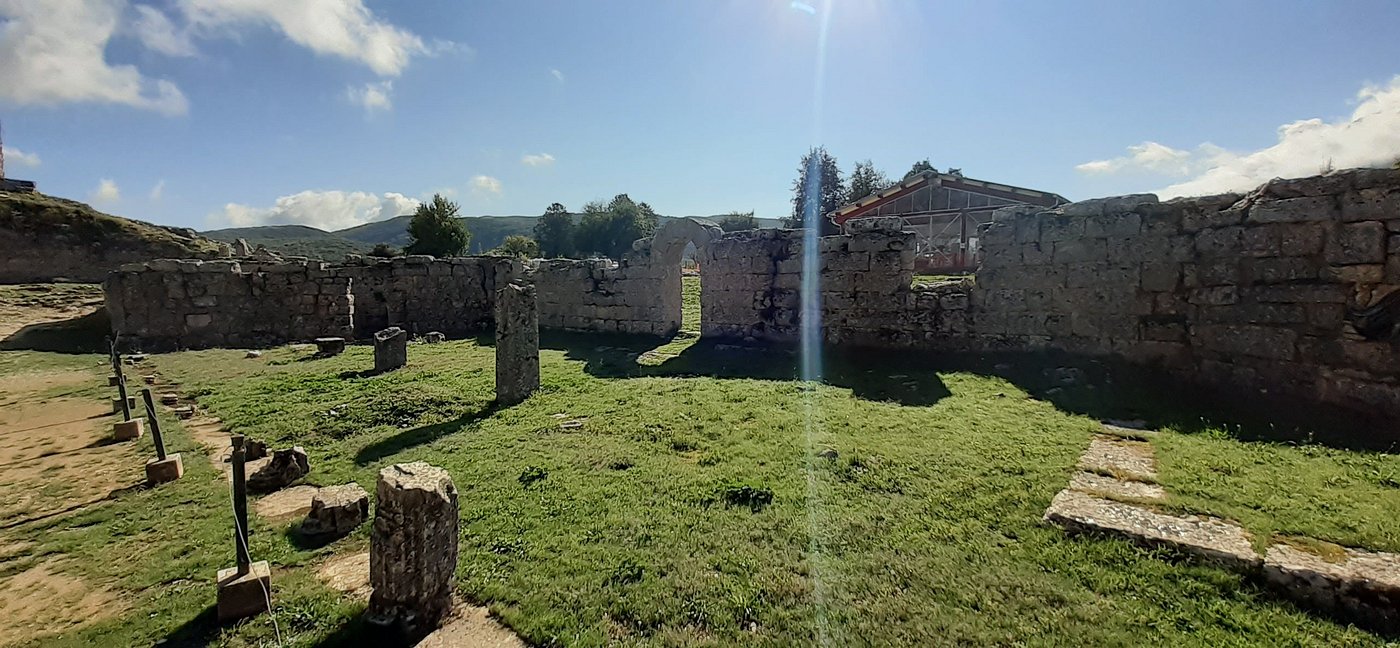
You can spot where new materials support the old, but nothing looks rushed or out of place. The info signs give you what you need without blocking the view. For anyone who loves art, statues, and temples, Dodona offers a less crowded vibe than Greece’s more famous sites. It’s pretty easy to imagine actors, musicians, and priests once filling the sanctuary with life—a unique blend of history, beauty, and calm.

Imagining Ancient Dramas: Performance and Experience
There’s something magical about picturing crowds under the open sky at Dodona. Actors, musicians, and poets gathered here to bring old stories—full of gods and heroes—to life for thousands.
Poets and Playwrights at Dodona
Walking those ancient rows, I couldn’t help but imagine the words of Sophocles, Euripides, and Aristophanes echoing across the stage. These poets shaped Greek drama, mixing tragedy, comedy, and sharp takes on daily life and myth. Their scripts weren’t just for reading—they were blueprints for performances that rang out in the stone amphitheater.
Stories like Oedipus or Medea, packed with metaphor and emotion, played out in grand stanzas—sometimes tragic, sometimes funny. Performances leaned on Greek mythology, retelling tales everyone knew. Poetry and prose worked together, making each show a living lesson in ancient literature.
It’s easy to forget these plays weren’t just for the elite. In a theater as big as Dodona, everyday folks got swept up in the drama, laughing and crying as the story unfolded.
Choral Dancing and Music
Music and dance pulsed at the heart of Dodona’s theater. The chorus didn’t just sing—they moved, setting the mood and matching the action. When the chorus entered, you could feel the whole energy shift, their steps echoing the rhythm of the play.
I imagine rows of singers and dancers weaving through the orchestra, reacting to the lead actors and the crowd. Ancient instruments like lyres and flutes filled the air, their notes rising above the chatter. Music wasn’t just background—it set the pace, built suspense, and sometimes softened a sharp moment.
Even today, sitting in the ruins, I can almost hear the echoes—voices, footsteps, and the urgent strum of strings, bringing old myths back to life.
Costume, Mood, and Stagecraft
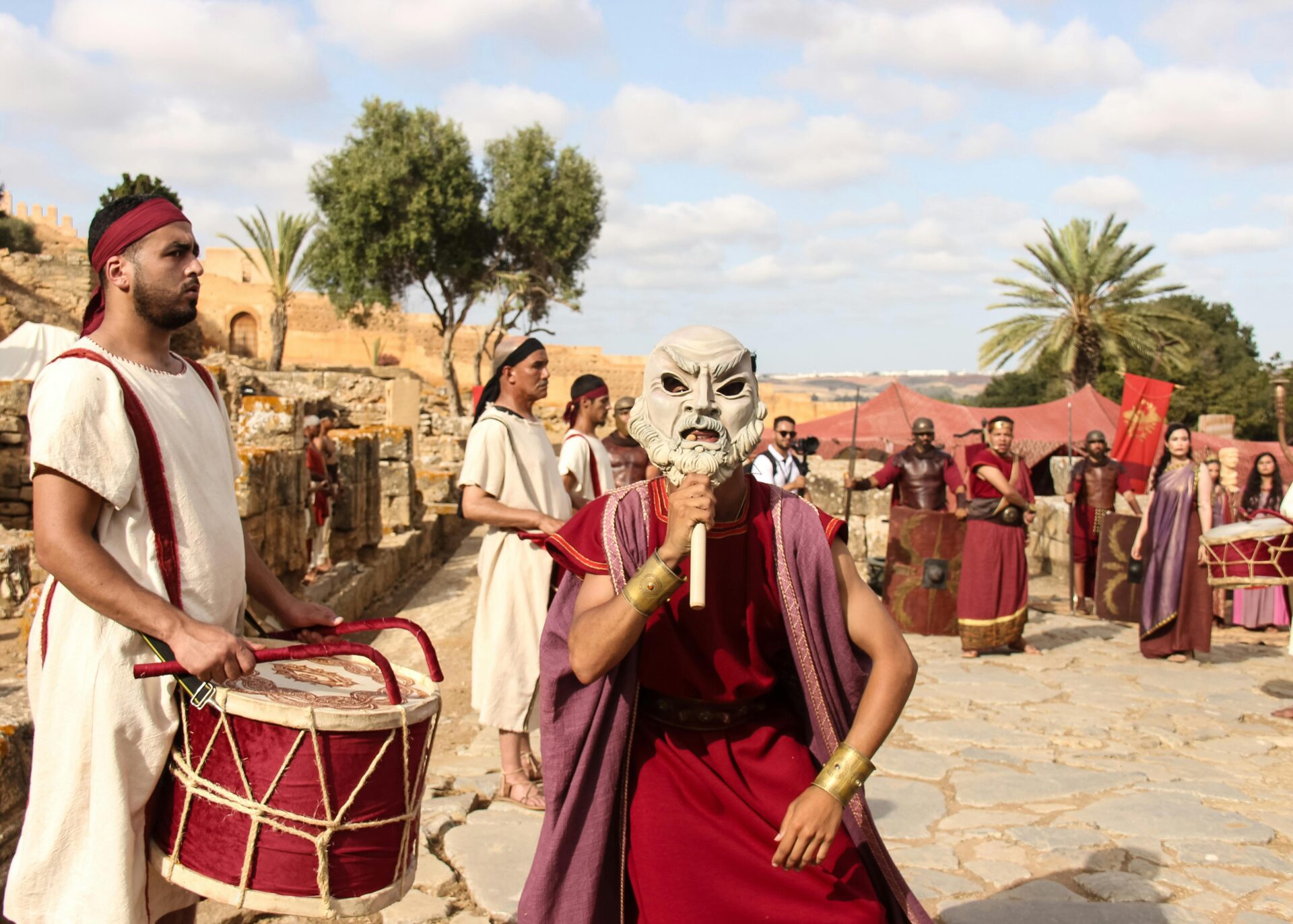
Costume and stagecraft made all the difference in Dodona’s theater. Actors wore masks and flowing robes, switching fast from hero to villain, god to mortal. Each mask exaggerated features so even someone in the highest seat could catch the mood.
Simple props—staffs, crowns, cloaks—helped actors become legendary figures. Painted scenery and clever tricks sparked the imagination. Shifting masks and lighting set the scene for day, night, storms, or calm.
For travelers today, sitting on those stone benches, it’s not hard to see how ancient stage design made every myth feel grand, every tragedy close, and every comedy as sharp as Aristophanes’ wit.
Dodona in Greek History and Culture
Dodona stood out in ancient Greece for more than its scenery—it was a place where people, rulers, and everyday folks shaped their beliefs and decisions. My visit made it clear how Dodona connected religion, public life, and the local community in ways you can still sense.
The Oracle’s Role in Power and Politics
Standing at Dodona, I saw why ancient leaders cared so much about this place. The oracle, dedicated to Zeus, was one of Greece’s oldest—even older than Delphi. Rulers, generals, and city-states sent envoys to consult the priests and priestesses, hoping for advice about war, alliances, or big decisions.
These weren’t just personal choices—they shaped politics across Epirus and much of Greece. The oracle’s answers often guided the next steps in government or influenced how leaders ruled.
As I explored the sanctuary, I could almost feel the anxious excitement of ancient envoys waiting under the sacred oak trees for answers.
Rituals, Worship, and the Gods
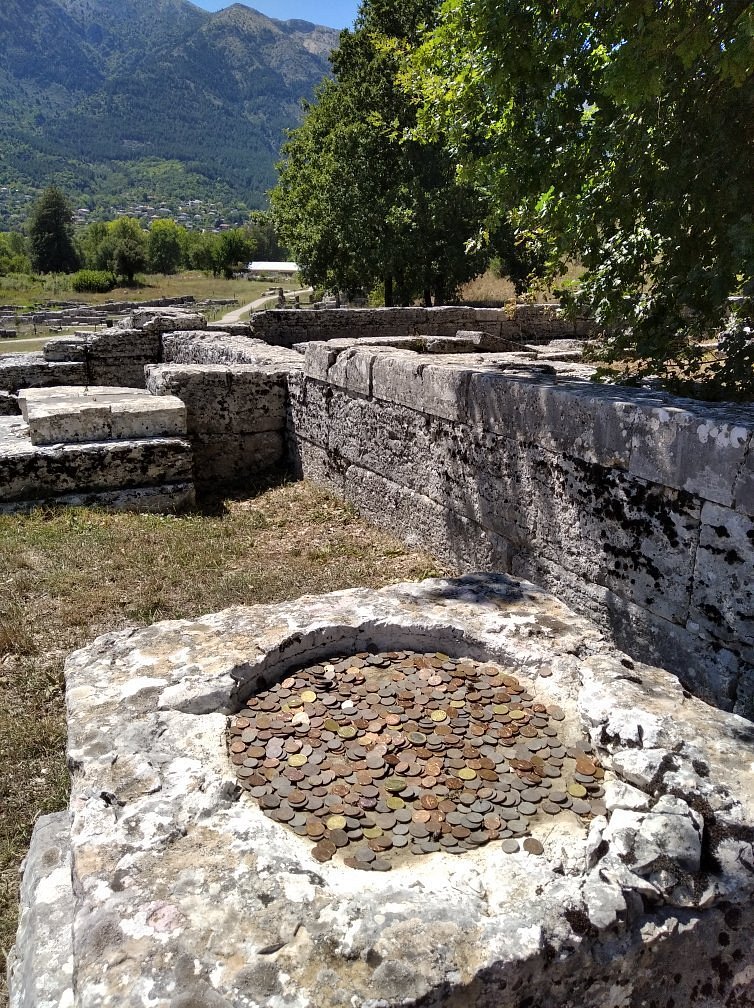
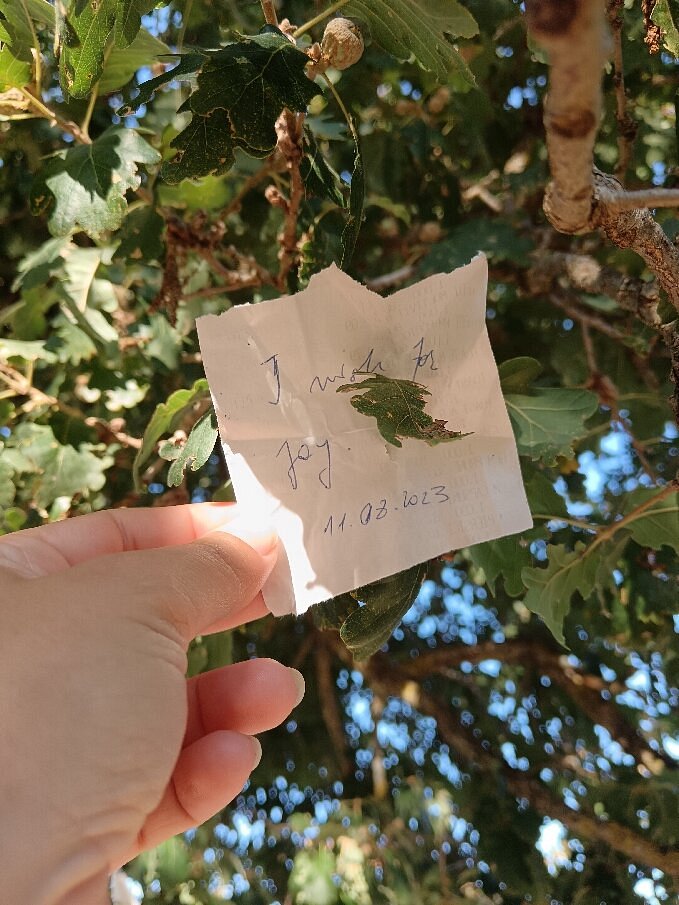
Worship at Dodona was hands-on. Priests and priestesses listened to the leaves of Zeus’s sacred oak to interpret the gods’ will. People brought offerings—sometimes small, sometimes animals—to ask for blessings or guidance.
The whole sanctuary buzzed with ritual. Pilgrims lit fires and sang hymns, creating a link between mortals and gods. Dodona’s role as a center for Zeus (and later, Dione) made it important for both locals and travelers from far-off colonies.
Seeing the theater and temple ruins, I could picture the ceremonies—a mix of reverence, hope, and old tradition. The rituals here helped shape Greek religious life for centuries.
Community Life and Gatherings
Dodona’s theater tells its own story. King Pyrrhus built it in the 3rd century BC, making it one of the largest in Greece. It held thousands for dramas, public meetings, and celebrations. Festivals brought together locals and visitors for contests, plays, and athletic games.
These gatherings weren’t just for fun. They supported local democracy, let the community discuss big issues, and built a sense of shared identity. Walking through the ruins, I realized how these events stitched together worship, politics, and daily life.
Today, Dodona feels quieter than the famous sites, but you can still sense that community spirit and the way ancient Greeks came together here—not just for worship, but to be part of something bigger.
Travel Insights: Visiting Dodona Today
Dodona gives travelers a rare mix of peaceful landscapes and deep ancient history. Unlike the packed sites near Athens or the tourist magnets like Delphi and Olympia, this sanctuary rewards those who make the journey.
Scenic Routes and Surrounding Sites
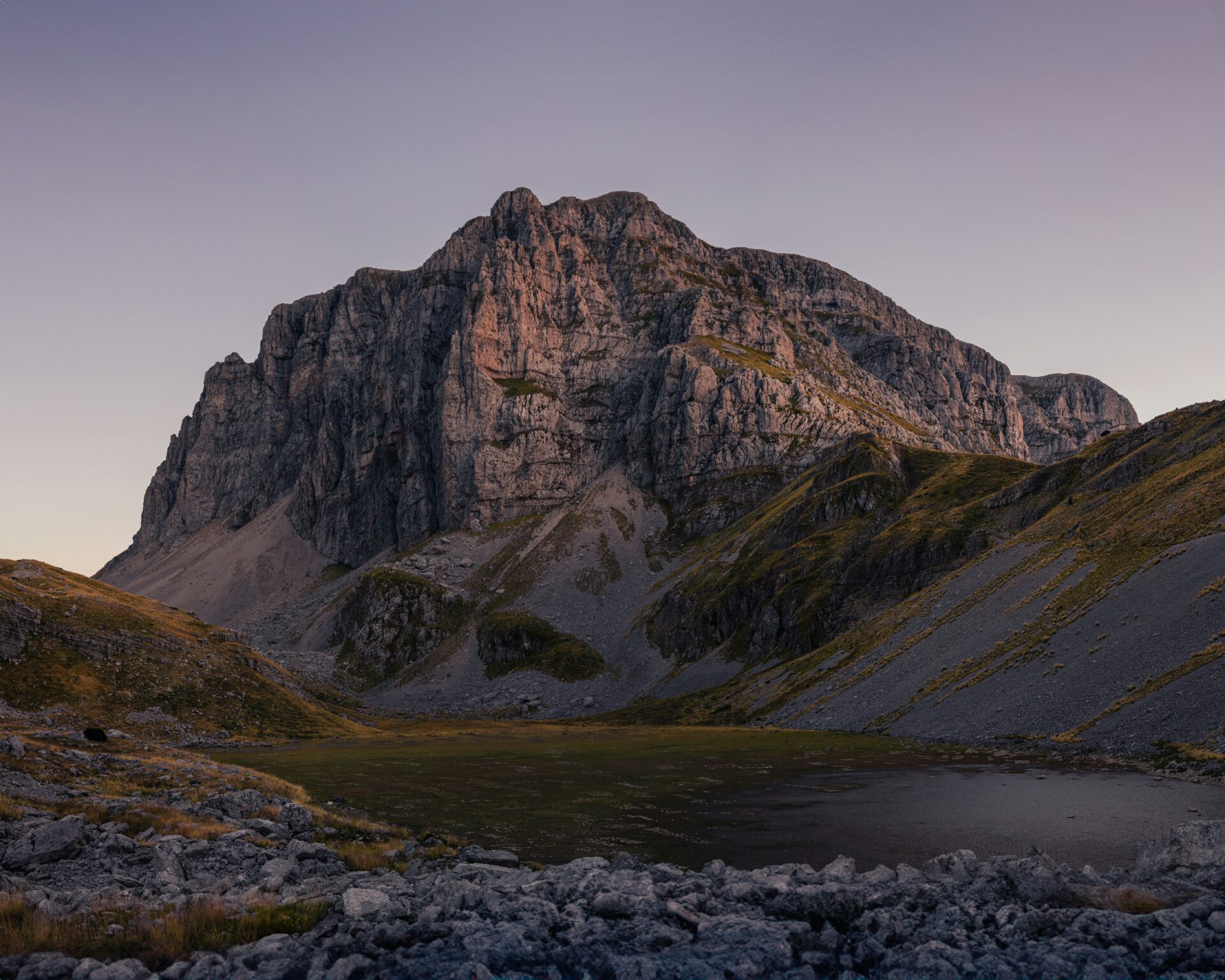
When I drove north from Athens, the road to Epirus twisted through green valleys and the distant shadow of mountains. The route skirts famous battlefields like Thermopylæ and Marathon—quiet, almost haunting reminders of Greece’s wild history.
From Ioannina, which is the closest city, Dodona sits about 22 kilometers south. Local buses reach some of the small villages, but honestly, renting a car let me pull over at old stone bridges and even try wine at family-run vineyards whenever the mood struck.
The oracle of Dodona rests in a peaceful plain, wrapped in olive groves and wildflowers if you catch the right season. I watched shepherds guiding their flocks, and the whole thing felt like a glimpse into ancient daily life.
When I wandered farther, I stumbled on Byzantine monasteries and found mountain streams that made perfect spots for a picnic. Those quiet moments felt like another world compared to the rush of Macedonia or the more crowded ruins in Sparta and Thessaly.
Tips for a Peaceful Experience
I got to Dodona early in the morning and, honestly, I almost had the entire theater to myself. Weekdays tend to be quieter, especially if you avoid school holidays.
Since there aren’t many shops at the site, I packed water and snacks. Sitting by the ancient stones with bread, cheese, and olives felt surprisingly authentic, as if I was sharing a meal with travelers from centuries ago.
You’ll want comfortable shoes—the paths can get pretty rocky. Dodona is much more exposed than places like Salamis or the shaded ruins in Sicily, so don’t forget a hat and sunscreen if the sun’s out.
If you’re into photography, the afternoon light creates these dramatic shadows across the seats. It really shows off the scale that King Pyrrhus aimed for, trying to match the ambitions of Alexander the Great.
Combining Dodona With Other Ancient Destinations
If you’re like me and want to see more than just Dodona, planning a trip that connects several sites feels pretty simple. From Epirus, I drove north and ended up on the wild, dramatic coasts of Albania and Macedonia.
When I headed south, I took the road past Arta—honestly, that old stone bridge is worth a stop—and kept going toward the plains of Thessaly.
Some travelers mix Dodona with a trip to Sparta, or they’ll hop a ferry to Sicily and turn it into a full-on Mediterranean adventure. I actually tried out a two-day itinerary that went something like this:
| Day | Morning | Afternoon | Evening |
|---|---|---|---|
| 1 | Arrive in Ioannina | Visit Dodona, picnic | Stroll by Lake Pamvotis |
| 2 | Arta bridge | Thessaly plain exploration | Return or continue journey |
With a bit of planning, you can wander from ancient theaters to vineyards, then end up in sleepy seaside towns. And honestly, you’ll probably dodge the crowds that swarm the bigger names across Greece.
