
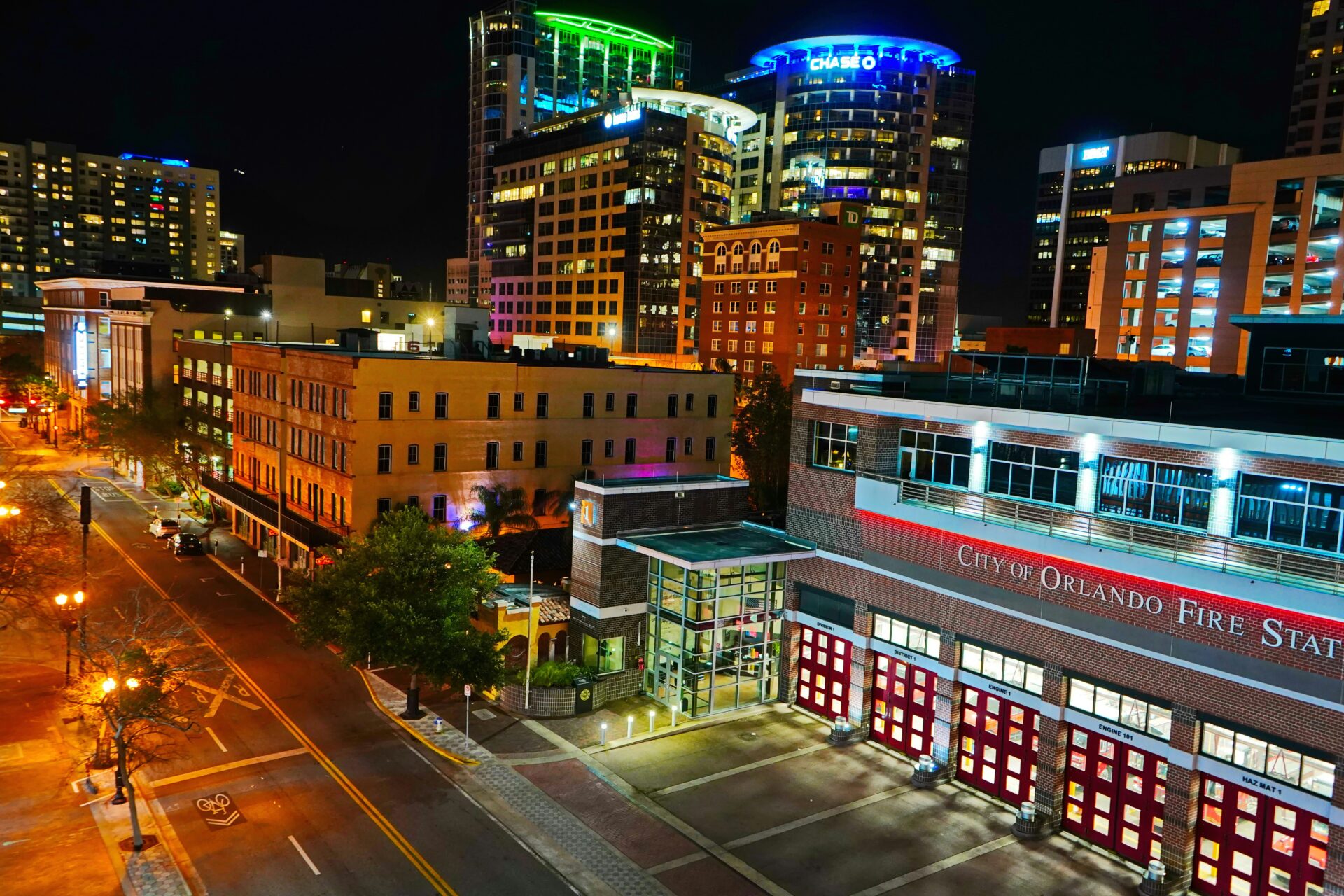
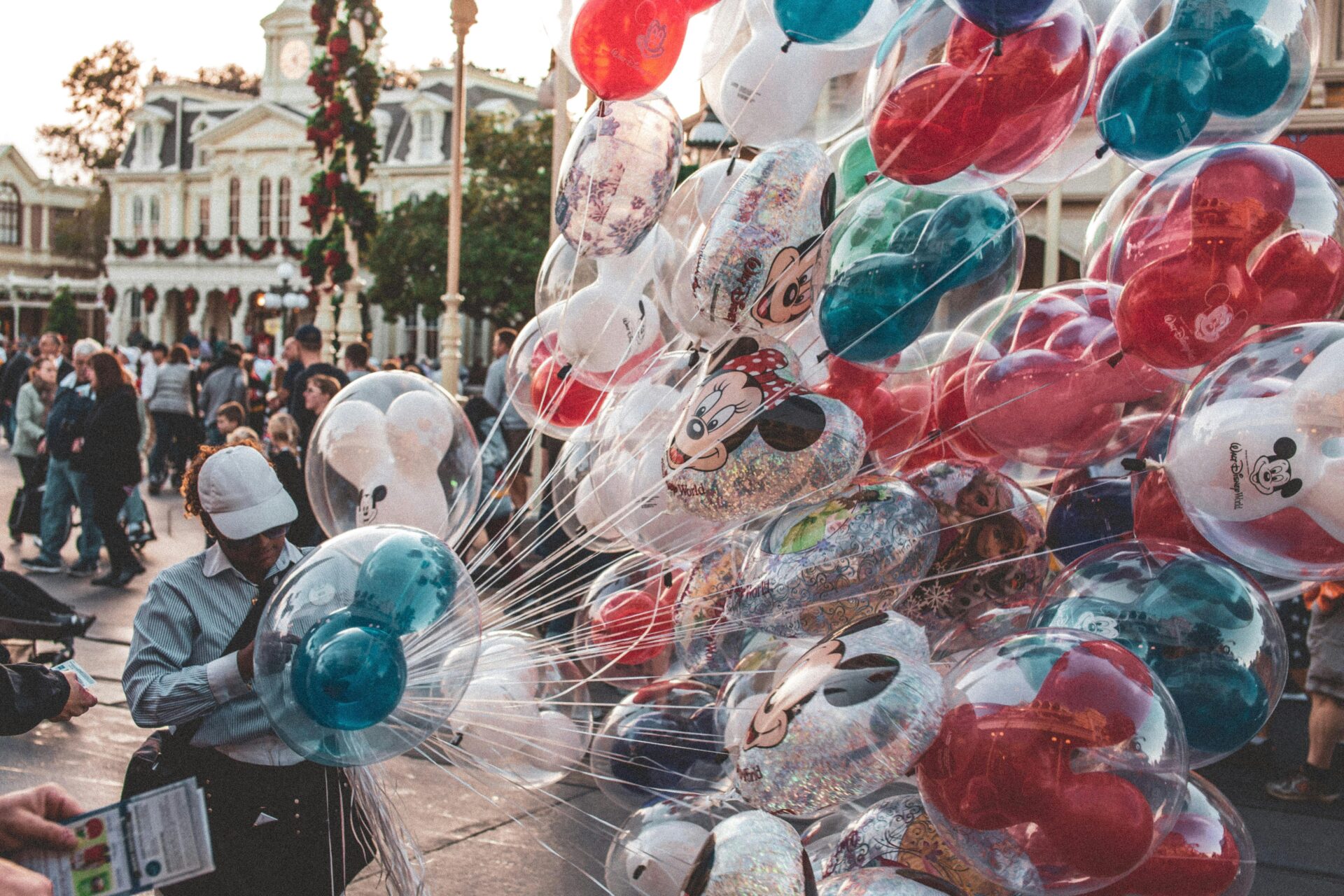
Orlando is more than just famous theme parks and jam-packed highways—it’s a city still figuring out who it wants to be. I walk through neighborhoods where old houses sit next to shiny new condos, and I can feel the city wrestling with itself. Orlando’s growing pains show up in its fast changes, wild mix of people, and a constant search for something that makes it stand out from the rest of Florida.
Everywhere I wander, I see Orlando being tugged in different directions. Some folks call it the ultimate tourist destination, but for locals, it’s about home, history, and a sense of belonging.
The city’s look and feel keep shifting, and honestly, it’s tough to say exactly what makes Orlando, well, Orlando.
As someone who’s always curious about the stories cities tell, I can’t help but wonder where Orlando’s headed. Will it ever land on an identity that feels right for everyone who lives here?
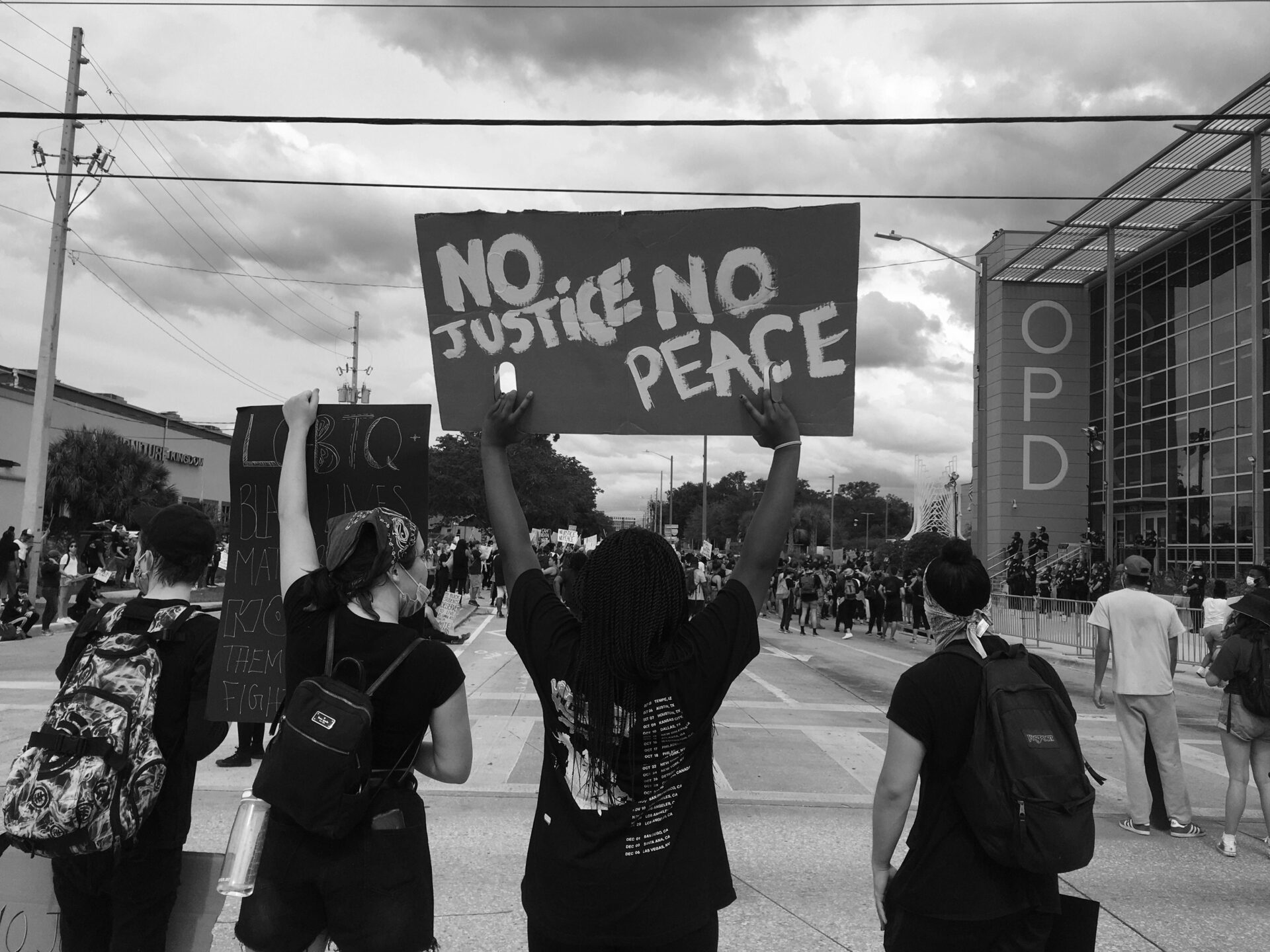
Origins and Historical Transformation
Orlando’s story reaches way back into the 19th century, shaped by settlers, industry, and a swirl of ideas. Both European touches and local twists played their part in how it grew up in Florida.
Elizabethan Influence and Queen Elizabeth I
Digging into Orlando’s roots, I spot traces of European culture that spread far beyond England. The Elizabethan era, with Queen Elizabeth I (1558–1603) at the helm, brought a wild burst of literature, art, and global exploration.
Queen Elizabeth I never made it to Florida, but the ripple effect of her time reached the colonies through cultural exchange. The city’s name, “Orlando,” might even nod to Shakespeare’s character from As You Like It, a play he wrote during that era.
Was this connection intentional? Hard to say for sure, but the timing makes me think the era’s literature probably inspired the name.
Here’s a quick look at how the Elizabethan age left its mark:
| Elizabethan Impact | Relevance to Orlando |
|---|---|
| Age of exploration | Promoted colonial activity |
| Literature and drama | Possible inspiration for name |
| Growth in global trade | Influenced commerce models |
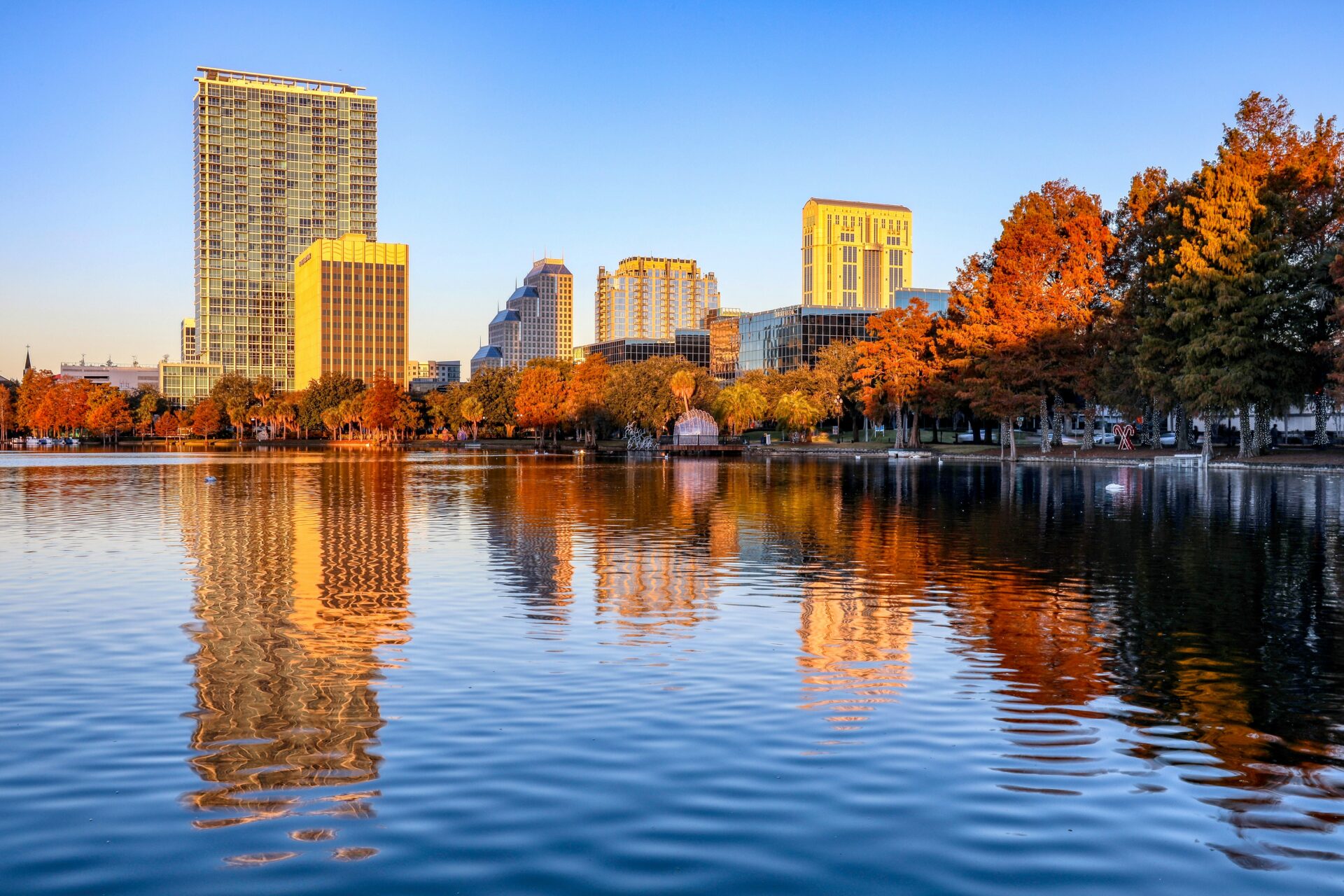
The Shaping of Orlando’s Social Structure
By 1840, settlers started building a community here, mixing cultures and chasing different kinds of work. Many newcomers farmed, raised cattle, or later, grew citrus.
By the late 1800s, Orlando shifted from a rough outpost to a hub for Florida’s citrus industry. Families like the Jernigans led early on, and the area even carried their name at first.
A handful of voters made community decisions, which shows just how small and tight-knit things were. African Americans, Native Americans, and immigrants all contributed, but social and legal barriers meant not everyone got a fair shot.
As the railroads arrived and trade picked up, the city’s population swelled. New customs and social classes popped up everywhere.
In 1875, Orlando officially incorporated, laying the groundwork for the city we see now. That journey from tiny settlement to busy urban center totally changed how folks lived and connected.

Intersections of Gender, Identity, and Memory
Gender roles and identity shifts in Orlando grow out of its history and ever-changing communities. Watching the city evolve, I’ve realized memory is key to understanding both social identity and the bigger city story.
Gender Roles in Orlando’s Cultural Landscape
Orlando isn’t just about theme parks and tourists. Gender roles show up everywhere—in neighborhoods, schools, and public spaces.
Local LGBTQ+ groups bring both traditional and new roles to the forefront. Life here blends Southern expectations with influences from people moving in from all over.
Just walk down Orange Avenue during Pride, and you’ll see how new generations challenge old gender norms.
List of spots where gender roles are changing in Orlando:
- Community centers
- Festivals and parades
- Local schools and youth programs
In these places, people push boundaries and create new ways to express themselves.
Androgyny and Gender Identity in Societal Evolution
More and more Orlando residents now embrace androgynous or non-binary identities. Local artists, musicians, and teens lead the way, breaking out of traditional gender boxes.
Groups like Zebra Coalition work hard to build safe spaces for young people who don’t fit the usual mold. I’ve seen this openness push city institutions to rethink what identity means.
Influences shaping gender identity in Orlando:
| Group/Entity | Impact |
|---|---|
| LGBTQ+ support centers | Safe spaces and advocacy |
| Local media | Positive representation and awareness |
| Schools and libraries | Education on gender diversity |
This shift forces the city to adapt and recognize new ways of being.
Memory and Shifting Urban Narratives
Memory plays a huge role in how Orlando figures out its identity. Past struggles and victories still shape decisions today.
Events like the Pulse nightclub tragedy have become woven into the city’s collective memory. Public murals, annual memorials, and stories from longtime residents keep these moments alive.
Every neighborhood builds its own version of the city’s story, tied to both personal and shared experiences. Walking through Parramore or Thornton Park, I can sense how collective memory shapes attitudes about identity and belonging.
The way Orlando remembers itself really guides its next steps.
Literary and Artistic Legacies Shaping the City
Orlando’s cultural scene draws on deep history, literary inspiration, and the sharp eyes of key figures. Literary works—especially those linked to Virginia Woolf and Vita Sackville-West—still shape how the city evolves.
Orlando: A Biography and Its Cultural Impact
Thinking about “Orlando: A Biography” by Virginia Woolf, I see how history, fiction, and identity blend into something lasting. The novel’s take on gender, memory, and time offers a fresh angle on transformation.
Orlando’s story stretches across centuries, touching on cultural shifts and the struggle to find your place. These themes echo in my own city, where people are constantly shaping and reshaping who they are.
Key elements in Woolf’s portrayal:
| Theme | Description |
|---|---|
| Memory | How memories form and reshape self-understanding |
| Gender | Shifting roles and expectations over generations |
| Time | Historical change and evolving identity |
Woolf’s style gives me a new lens for seeing how places like Orlando grow through layers of culture and experience.
Virginia Woolf, Vita Sackville-West, and Knole
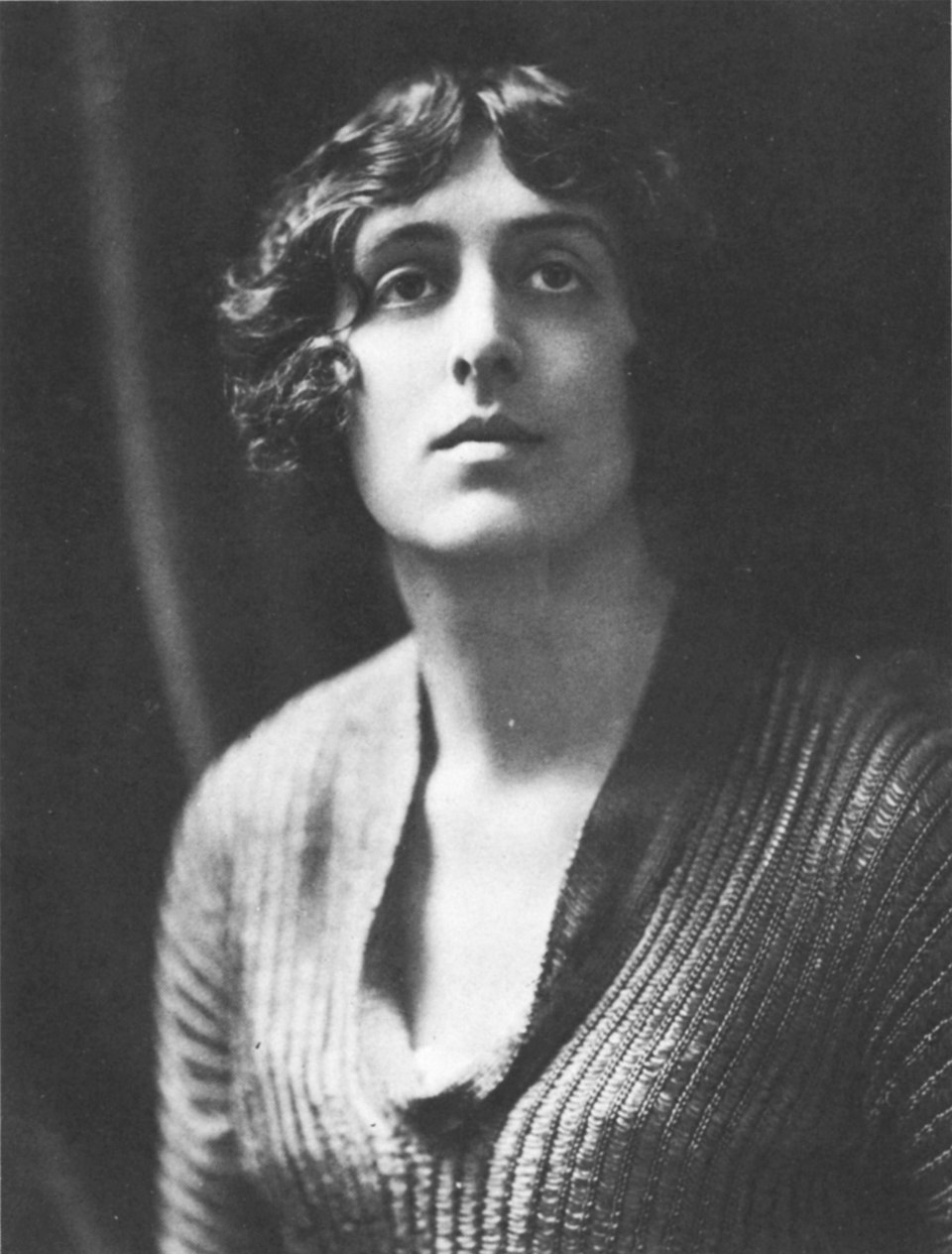
The relationship between Woolf, Vita Sackville-West, and Knole estate adds a rich layer to Orlando’s literary roots. Woolf wrote “Orlando” as a tribute to Vita, using her life as inspiration for the main character.
Knole, Vita’s family home, isn’t just a backdrop—it’s a central symbol of continuity and change. It reminds me of how certain Orlando landmarks anchor community memory and spark creativity.
Their collaboration opened doors for women in literature. Woolf’s modernist style and Vita’s unconventional life showed me how personal history and art can blend, both in fiction and real life.
Nicholas Greene and Literary Critique
Nicholas Greene’s work as a critic helped me see Woolf’s books—and modernism in general—in a new light. Greene took a close look at “Orlando,” focusing on how memory and identity get built in literature.
He showed how Woolf mixes fact and invention, flipping the script on traditional biography. Greene’s clarity made me appreciate how imagination and memory shape both a story and its readers.
Through Greene’s eyes, I realized “Orlando” isn’t just about one person’s journey. It’s about how literature keeps the memory of people and places alive, which keeps the conversation about identity going in the city.
Cinematic Adaptations and Symbolic Representation
Orlando’s story hit the big screen with a bold mix of visuals and deep themes. I’m especially interested in how the film explores identity, sexuality, and self-discovery, thanks to the choices of director, cast, and the way the story unfolds.
Sally Potter’s Vision and Film Adaptation
Sally Potter directed the 1992 film version of Virginia Woolf’s “Orlando.” She took viewers through four centuries, showing how British culture and ideas about gender change.
Potter leaned on visual storytelling and some pretty unusual tricks. She often lets Orlando speak straight to the camera, pulling the audience into the character’s journey.
I notice how Potter boils down big ideas from the novel but keeps its heart intact. Costumes, lighting, and shifting settings all become symbols for different eras and identities.
| Element | Potter’s Approach | Effect on Audience |
|---|---|---|
| Time periods | Visually distinct eras | Highlights change |
| Gender presentation | Fluid costumes, behaviors | Shows androgyny |
| Narrative techniques | Direct address, symbolism | Engages, clarifies |
Tilda Swinton’s Portrayal of Orlando
Tilda Swinton steps into Orlando’s shoes and brings both masculinity and femininity to life with a light touch. She skips the clichés and focuses on how Orlando reacts honestly to changing circumstances.
Swinton’s expressions and mannerisms shift as Orlando moves from man to woman, but she keeps a steady core identity. Gender doesn’t define the whole character, and Swinton makes that clear.
Her unique presence makes Orlando’s journey feel real. She shows androgyny without turning it into a gimmick. Critics often say she moves between genders in a way that just feels natural.
Traits that stand out in Swinton’s Orlando:
- Calm confidence, no matter the gender
- A real curiosity about the world and self
- Flexibility in adapting to changing times and roles
Themes of Sexuality and Self-Discovery
The film treats sexuality as something flexible, not locked into one box. As Orlando’s gender shifts, new relationships and desires come up, showing how love can defy simple labels.
Self-discovery runs at the heart of Orlando’s story. When Orlando becomes a woman, she faces new challenges, especially around personal rights and expectations. I think the film handles this with empathy and a sense of realism.
Androgyny isn’t just about looks—it’s a way of questioning the rules about gender and identity. Potter doesn’t hammer the message; instead, the film leaves you with questions about who you are and how you might change.
Main takeaways:
- Sexuality and love ebb and flow, not fixed
- Self-discovery brings both joy and struggle
- The film nudges you to reflect on your own identity
Geographical and Social Migrations
Migration shapes me—and it shapes cities like Orlando, too. Cities grow and shift as people arrive, bringing new ideas and blending into the local scene.
From Constantinople to London: Shaping Identity
Looking back at history, I see how moves from places like Constantinople to London changed both cities and the people in them. Constantinople thrived as a center of trade and cultural exchange.
Travelers and merchants brought new skills, foods, and stories to London. The city adapted, becoming more global. Each wave of newcomers layered new identities over the old.
I see the same thing happening in Orlando today. People from everywhere settle here, leaving their mark on the city’s culture.
Cultural Encounters with Gypsies
The Romani people, or Gypsies, have wandered through Europe for centuries. Stories about their journeys show how they held onto their language and customs, even as they adapted to new places.
Orlando, always welcoming newcomers, now mirrors those old European cities shaped by Romani migrations. Local communities face the challenge of blending tradition with fresh influences—and sometimes, dealing with misunderstandings.
The Romani have shown that movement doesn’t erase culture. Instead, it keeps traditions alive, even as they evolve alongside new ones.
The Role of Princess Sasha in Cross-Cultural Exchange
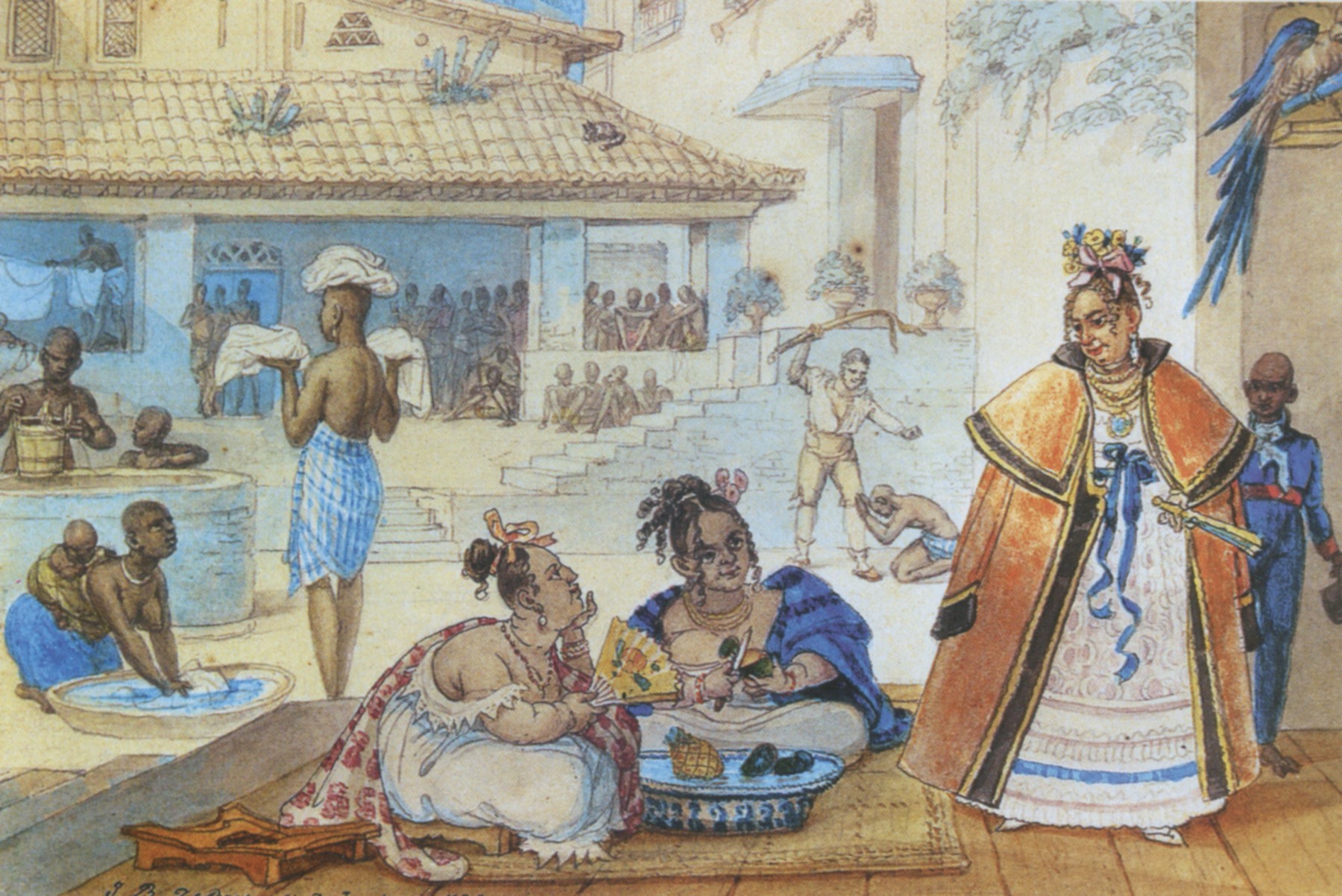
Princess Sasha really stands out as someone who brings cultures together. I often think about characters like her—whether they’re rooted in real history or just stories—showing up in tales of migration or diplomacy, quietly helping communities connect in ways that matter.
Through marriage, leadership, or just sheer advocacy, Princess Sasha shows how much personal relationships can shape successful migration. She builds trust between groups from different backgrounds, smoothing over those awkward misunderstandings that pop up when new faces arrive in places like Orlando.
When I look at these moments of cross-cultural exchange, it honestly feels like cities such as Orlando get a chance to grow stronger. New traditions and old ones start to blend, making the whole place feel more welcoming and resilient.
Key Examples:
| Place/Person | Role in Migration | Impact on Identity |
|---|---|---|
| Constantinople | Historic crossroads | Spread trade and culture |
| London | Urban destination | Adapted to newcomers |
| Gypsies (Romani) | Migrant community | Maintained traditions |
| Princess Sasha | Connector/Leader | Built trust, facilitated change |
Orlando’s Modern Growth and Challenges
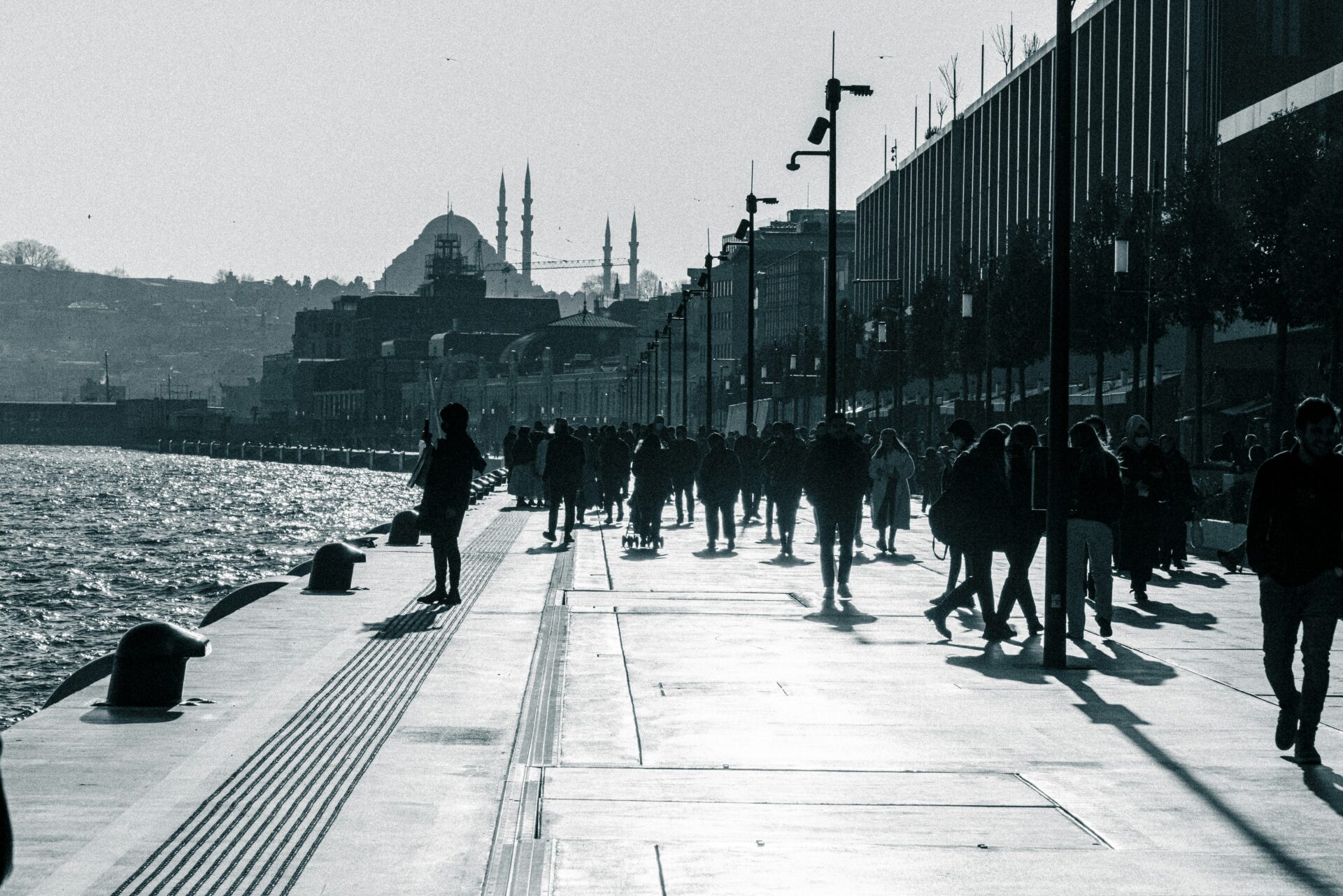
Orlando’s been changing fast lately. You can see it in the skyline, the neighborhoods, even the energy downtown.
With more people moving in and industries shifting, the city feels both full of opportunity and, honestly, a bit stretched. The identity here keeps evolving, but so do the challenges.
Florida’s Appeal and Urban Expansion
Living here, I notice new faces every week. Orlando welcomes about 208 new residents a day—which is wild when you think about it.
People keep coming for the lack of state income tax, tons of jobs in tech, healthcare, and especially tourism, plus housing that’s still more affordable than in cities like Miami or New York.
This constant demand pushes neighborhoods to sprawl out and build up. Downtown keeps changing, with new condos, shops, and transit options popping up—LYNX buses and SunRail are everywhere now.
But growth doesn’t come easy. Roads like Interstate 4 get packed during rush hour, and commutes can drag on. The city keeps trying to keep up, but infrastructure sometimes lags behind.
Developers and city leaders juggle the needs of tourists and locals. Orlando’s updating its Growth Management Plan for 2025, hoping to get ahead of the curve instead of just reacting.
Here’s a quick look at what’s driving growth—and where things feel the pinch:
| Growth Driver | Stress Point |
|---|---|
| Influx of residents | Infrastructure congestion |
| Tourism industry | Rising housing demand |
| Diverse economy | Pressure on public utilities |
Societal Shifts Amidst Growing Diversity
Orlando’s growth isn’t just about numbers. There’s this real shift in who actually calls the city home.
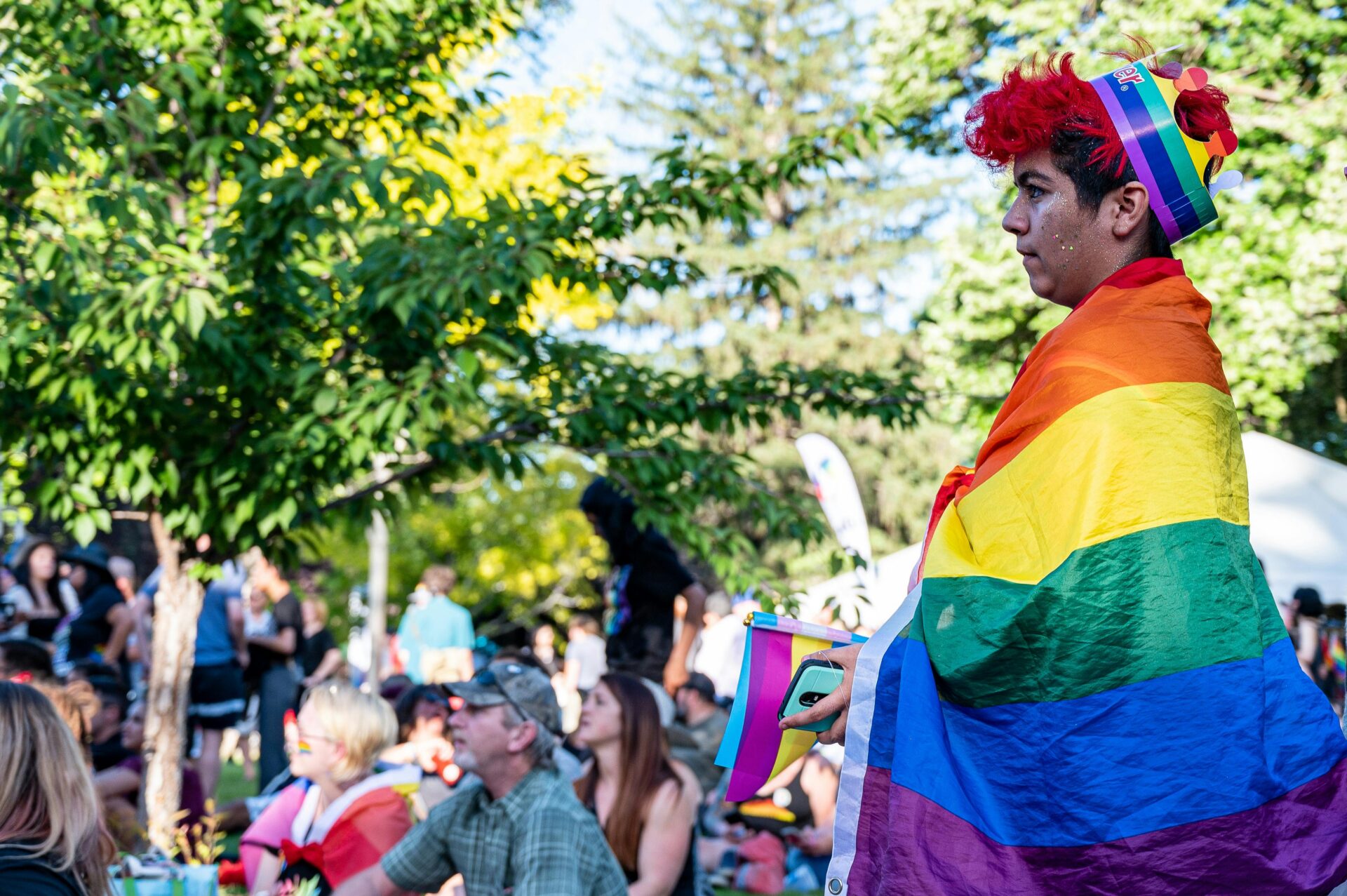
People moving in? They’re younger, more diverse, and they bring all sorts of cultures and expectations with them. I notice neighborhoods changing, and suddenly schools, businesses, and city services have to adjust.
The city now has almost 3 million residents, plus over 75 million visitors every year. That’s a wild mix, and honestly, Orlando’s whole vibe keeps evolving.
New arts venues are popping up. Cultural festivals and food districts like Mills50? They’re buzzing with life. It’s exciting, but I can’t ignore how these changes spark conversations—sometimes heated—about things like housing costs and school quality.
Education stands out as a huge focus. The University of Central Florida draws students from all over the country and the world. Meanwhile, public school districts in Orange and Seminole counties keep investing in programs for their increasingly international student bodies.
Honestly, I think embracing this diversity is the only way Orlando can keep its identity strong for everyone—whether you just arrived or you’ve lived here for decades.



