
Nestled just an hour south of Rome lies Fiuggi, a charming Italian town that has drawn visitors for centuries. I first heard about this hidden gem from a friend who swore by its famous water for curing his kidney issues.
For over 600 years, Fiuggi’s special mineral water has been celebrated for its healing powers.
The Romans knew about these special waters, but Fiuggi’s reputation truly blossomed in the 14th century. Walking through the old town, with its winding streets overlooking the renowned Palazzo Fiuggi wellness retreat, I could feel the town’s rich healing heritage all around me.
What makes Fiuggi truly special is how it has preserved its historical character while evolving into a modern wellness destination. The water remains at the heart of everything here, flowing through elegant spas and drinking fountains alike.
During my stay, locals proudly called it “the water of wellbeing,” and after just a few days of drinking and bathing in these mineral-rich waters, I began to understand why this place has drawn health-seekers for generations.

The Rich History of Fiuggi
Fiuggi’s story is deeply intertwined with its famous healing waters, which have attracted visitors for centuries. The town’s rich history spans from medieval times to its modern identity as a wellness destination.
The Origins of Fiuggi’s Healing Waters
The therapeutic properties of Fiuggi’s waters were first documented in the 14th century. Pope Boniface VIII was among the earliest notable figures to benefit from these waters, using them to treat his kidney stones. This led to the naming of one of the town’s main springs as “Fonte Bonifacio” in his honor.
I’ve walked along the same paths where popes and nobility once came seeking cures. The water itself has a distinctive mineral composition that flows through the volcanic rocks of the Ernici Mountains. This unique geological feature gives the water its famous healing properties.
Local legends tell of miraculous cures, but what’s certain is that by the Renaissance, word of Fiuggi’s waters had spread throughout Italy and beyond.

Fiuggi through the Ages
During the Middle Ages, Fiuggi was known as Anticoli di Campagna before adopting its current name in 1911. The town gained prominence when Michelangelo praised the water’s effects on his kidney stones.
I’ve discovered that numerous popes and Italian royalty made regular pilgrimages to Fiuggi, establishing it as an elite health destination. By the 19th century, formal spa facilities began to develop, transforming the humble town into a sophisticated retreat.
The nearby town of Anagni, often called the “City of Popes,” shares historical connections with Fiuggi, as many papal visitors would travel between the two locations.
The 20th century saw Fiuggi evolve into a modern spa town while carefully preserving its historical character and healing traditions.

Historical Centre and Ancient Churches
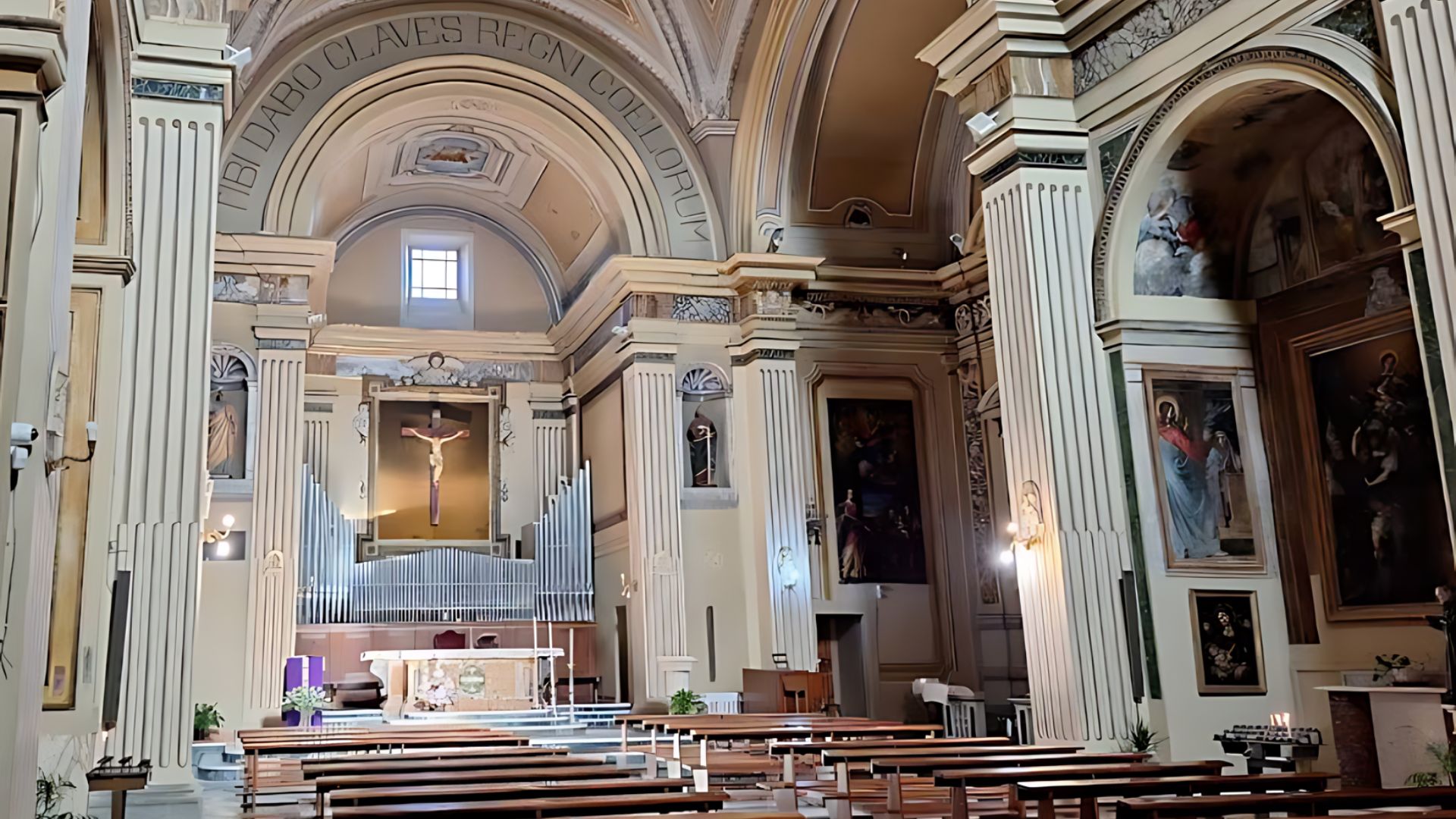
Wandering through Fiuggi’s medieval upper town is like stepping back in time. The narrow cobblestone streets wind between stone buildings and open into charming piazzas. This area maintains its Medieval charm, nearly untouched by modern development.
The Church of San Pietro stands as one of the town’s oldest religious buildings, featuring remarkable frescoes that date back centuries. I was particularly moved by the detailed artwork depicting biblical scenes.
The Church of Santa Maria del Colle represents another architectural treasure, with its impressive bell tower overlooking the town. Inside, you’ll find religious artifacts and artwork that tell the story of Fiuggi’s spiritual heritage.
The historical centre also features ancient city gates and defensive walls that once protected the town from invaders. These structures offer fascinating glimpses into Fiuggi’s strategic importance throughout Italian history.
Exploring Fiuggi’s Natural Springs
Fiuggi’s legendary springs have drawn visitors for centuries with their remarkable healing properties. These natural waters emerge from the Monti Ernici mountains carrying unique minerals that have made this small Italian town a wellness destination.
The Source of Wellness: Fiuggi’s Mineral Waters
I discovered that Fiuggi water comes from springs nestled in the Apennine mountain range in central Italy. The water filters naturally through layers of volcanic rock, absorbing minerals along its journey. This creates the distinctive composition that has earned it the nickname “the water of wellbeing.”
What makes Fiuggi water special is its low mineral content combined with specific therapeutic elements. During my visit, locals explained that the Fonte Anticolana is one of the most renowned springs in the area.
The water has been celebrated for over 600 years for its healing powers. Even Renaissance popes and nobility traveled to Fiuggi to benefit from these waters!
The Curation of Thermal Waters
Walking through Fiuggi Terme, I was amazed by how carefully the town preserves and manages its natural resources. The thermal establishments offer various ways to experience the healing waters.
The curation process maintains the water’s natural properties while making it accessible for treatments. Modern spa facilities blend seamlessly with historic thermal baths.
Each treatment center has its own approach to utilizing the thermal waters. Some focus on drinking therapies, while others offer immersive bathing experiences.
The local experts I met emphasized that timing matters when consuming Fiuggi water. For maximum benefit, they recommend drinking it at specific times of day, usually between meals.
Healing Experiences in Fiuggi
Fiuggi offers an incredible blend of traditional healing practices and cutting-edge wellness innovations. The town’s renowned mineral waters form the foundation for a variety of therapeutic treatments that have attracted visitors for centuries.
Traditional Spa Treatments and Therapies
I’ve discovered that the heart of Fiuggi’s healing tradition revolves around its famous water treatments. The Terme di Fiuggi, the town’s historic thermal baths, provide classic hydrotherapy sessions that have remained largely unchanged for generations.
During my visit, I experienced the traditional “water cure,” which involves drinking specific amounts of Fiuggi water at scheduled times throughout the day. Local doctors often prescribe this regimen to help cleanse the kidneys and flush toxins from the body.
The thermal baths offer mineral-rich soaks that locals claim help with:
- Joint and muscle pain relief
- Improved circulation
- Skin rejuvenation
- Stress reduction
I was particularly impressed by the mud treatments, where mineral-rich clay is applied warm to problem areas. These treatments felt both deeply relaxing and therapeutic.
Modern Wellness Programs and Retreats
Palazzo Fiuggi stands as the crown jewel of modern wellness experiences in the region. This luxury medical retreat combines traditional water therapies with state-of-the-art medical approaches.
I enrolled in one of their comprehensive wellness programs that included personalized health assessments, nutritional counseling, and targeted therapies. The retreat’s medical team created a custom plan addressing my specific health concerns.
The facilities at Palazzo Fiuggi amazed me with their blend of historic architecture and cutting-edge equipment. Indoor and outdoor pools filled with the healing Fiuggi water form the centerpiece of the spa area.
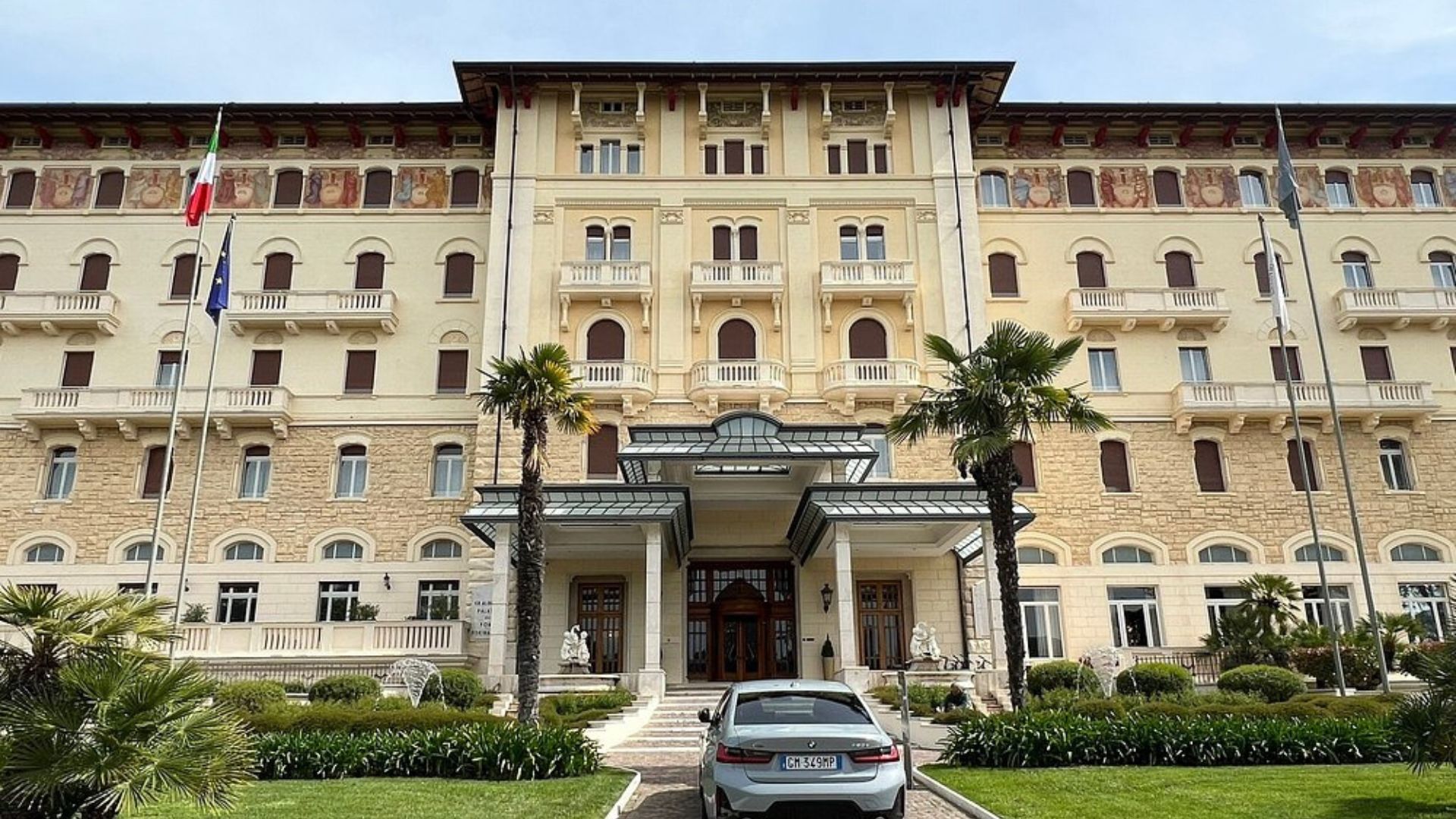

Image source: Tripadvisor. Palazzo Fiuggi
My daily routine included:
- Morning diagnostics and consultations
- Specialized treatments like cryotherapy and hydrotherapy
- Guided movement sessions
- Nutritional education with world-class chefs
What sets today’s Fiuggi experience apart is the holistic approach. My program addressed physical health alongside mental and emotional well-being through meditation, stress management, and sleep optimization.
Leisure and Recreation Beyond the Spas
While Fiuggi’s healing waters are its main attraction, the town offers numerous recreational activities that complement the wellness experience. I discovered a perfect blend of active pursuits and peaceful retreats during my stay.
Golf Courses with a View
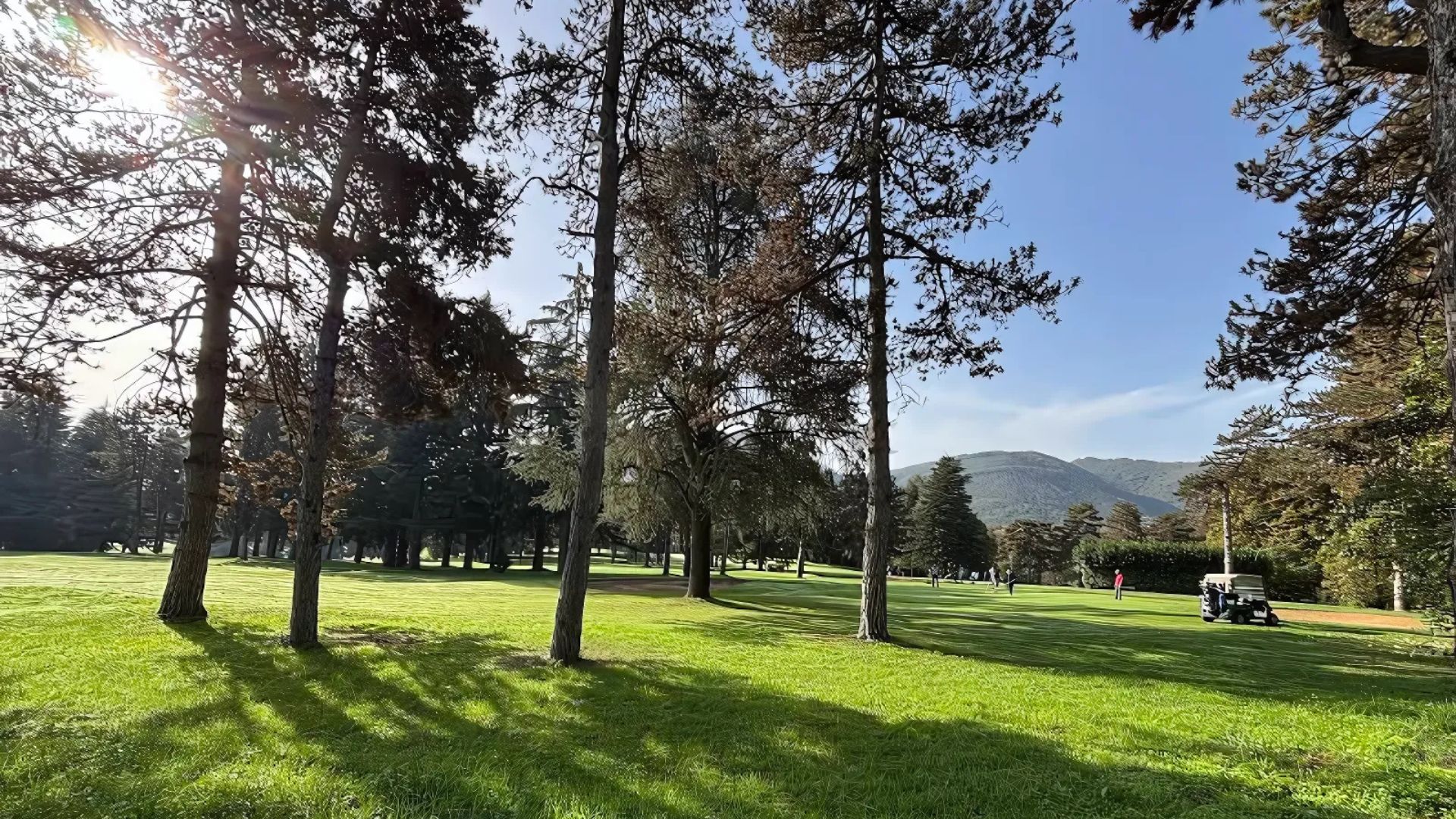
The Fiuggi Golf Club is truly a hidden gem nestled in the rolling hills of Lazio. I was amazed by the 18-hole course that offers both technical challenges and breathtaking panoramic views of the Ernici Mountains.
The course is beautifully maintained with lush fairways that wind through ancient olive groves. What makes golfing here special is the crisp, clean mountain air that adds an extra dimension to your game.
Even as a casual golfer, I appreciated the club’s welcoming atmosphere. They offer equipment rentals and lessons for beginners like me who want to improve their swing while on vacation.
The Ernici Mountains surrounding Fiuggi provide some of the most scenic hiking trails I’ve experienced in Italy. Well-marked paths range from easy walks to challenging treks, accommodating all fitness levels.
I particularly enjoyed the trail leading to Monte Viglio, the highest peak in the range. The 360-degree views at the summit showcase the lush valleys below and, on clear days, even Rome in the distance.
Spring brings vibrant wildflowers, while autumn paints the landscape in warm hues. Local guides are available to lead excursions and share insights about the region’s unique flora and fauna.
For adventure seekers, mountain biking routes and rock climbing spots offer additional ways to experience the natural beauty of the Apennines.
Fiuggi Terme and the Gardens
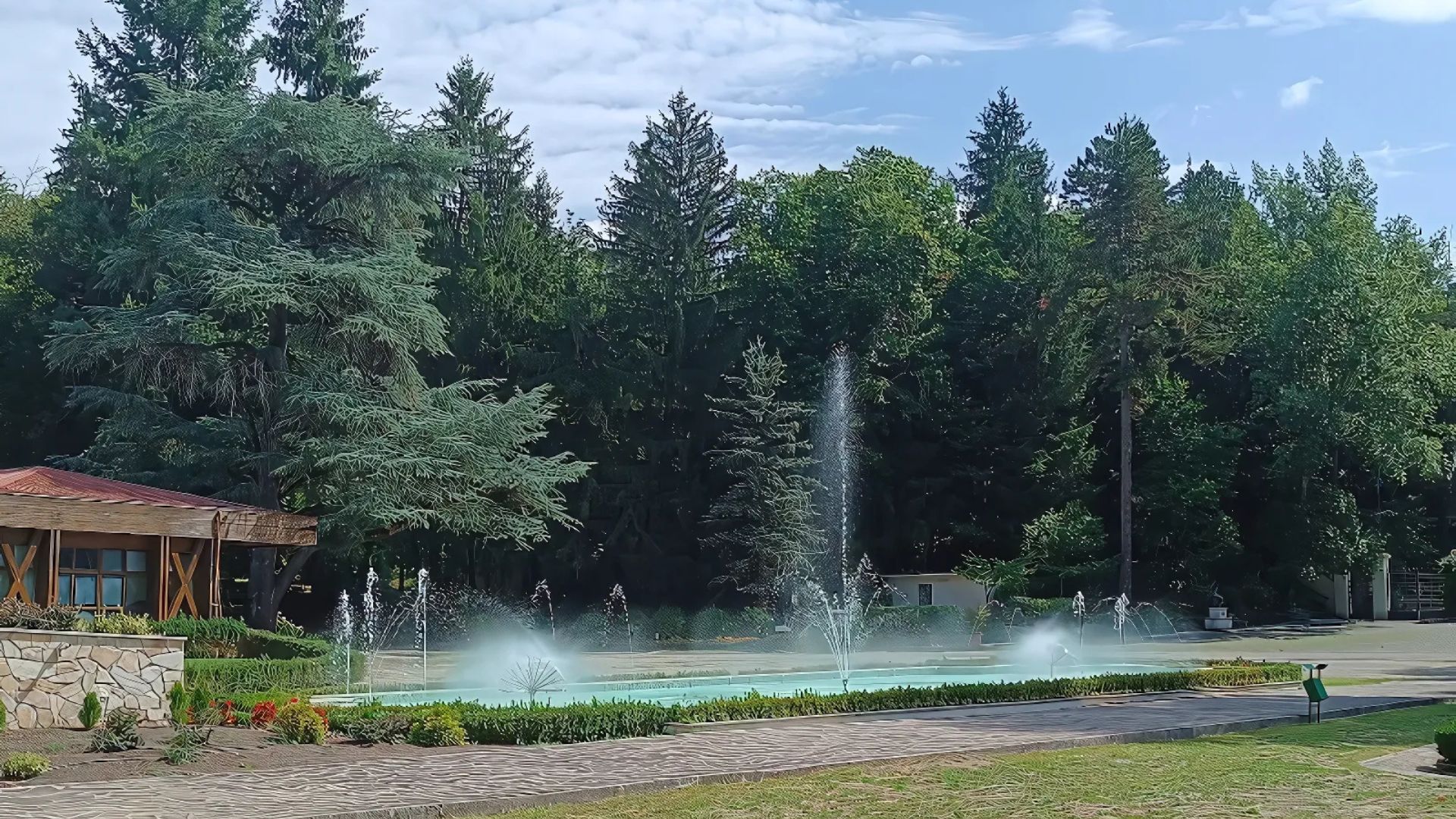
Fiuggi Terme Park surrounds the main spa buildings and offers a peaceful retreat for visitors seeking relaxation. I spent hours wandering through its manicured gardens filled with Mediterranean plants and shaded sitting areas.
The park features well-maintained walking paths ideal for gentle exercise between spa treatments. Seasonal flowers create an ever-changing tapestry of colors and scents throughout the year.
What I found most charming were the hidden benches tucked away in quiet corners—perfect spots for reading or meditation. The central fountain area becomes a social hub where visitors gather to enjoy the fresh mountain air.
During summer months, the park hosts outdoor concerts and cultural events under the stars, adding an enriching dimension to Fiuggi’s wellness offerings.
Savoring the Essence of Lazio
The Lazio region offers a culinary journey as rejuvenating as Fiuggi’s famous waters. Local specialties and regional wines provide the perfect complement to any wellness retreat in this historic area.
Local Cuisine and Exquisite Wines
During my visit to Fiuggi, I discovered that the local cuisine is a celebration of simple yet flavorful ingredients. The traditional dishes often feature fresh produce from nearby farms and forests.
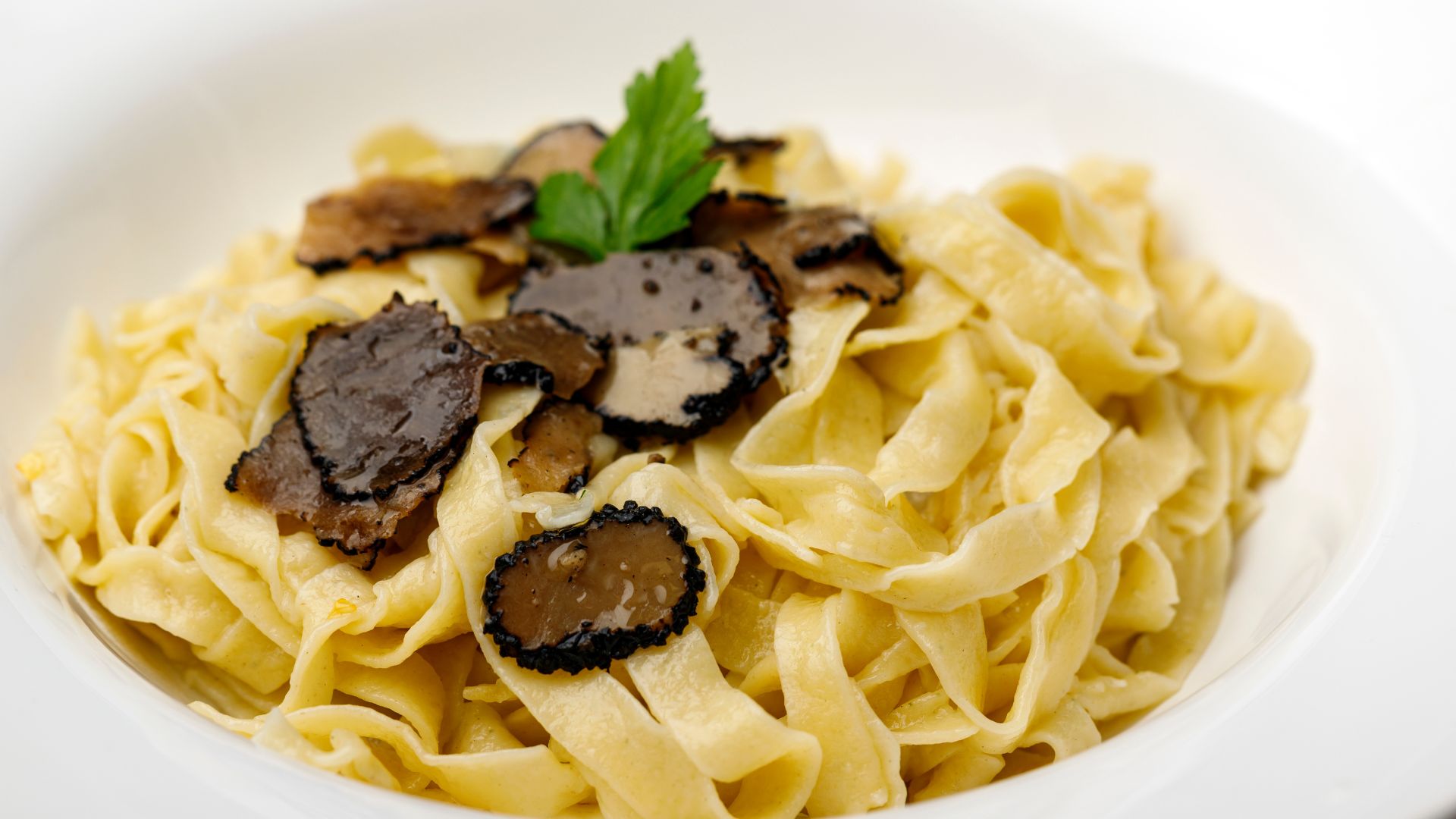
Pasta is a staple here, with regional specialties like fettuccine al tartufo (pasta with truffle) showcasing the area’s prized black truffles. The mountains surrounding Fiuggi provide an abundance of wild mushrooms that find their way into risottos and hearty stews.
The wines of Lazio perfectly complement these dishes. I particularly enjoyed Cesanese del Piglio, a robust red wine produced in the hills around Fiuggi. The region also produces excellent white wines like Passerina and Malvasia.
Many restaurants in Fiuggi offer farm-to-table dining experiences, where you can taste authentic flavors while enjoying views of the medieval town.
The Provincial Delights of Frosinone
Fiuggi belongs to the Province of Frosinone, an area rich with culinary treasures often overlooked by mainstream tourism. This region maintains food traditions that date back centuries.
One morning, I visited a local market. Farmers sold homemade cheeses like pecorino and ricotta. These artisanal products reflect generations of cheesemaking knowledge passed down through families.
The province is also known for porchetta. It’s succulent roasted pork seasoned with herbs and slow-cooked to perfection. You’ll find this delicacy at many street food vendors and local festivals throughout the area.
Sweet treats in Frosinone include ciambelle, ring-shaped cookies often enjoyed with the region’s dessert wines. Many bakeries also offer amaretti – almond cookies that pair wonderfully with an afternoon espresso after a spa treatment.

