
For almost thirty years, Croatia’s kuna made traveling in Europe feel like you’d stumbled onto a secret deal. While other Mediterranean hotspots stretched your wallet, Croatia delivered those dreamy experiences—without the sticker shock.
The kuna’s exchange rate and Croatia’s lower costs let travelers enjoy the Mediterranean life without emptying their savings. That wasn’t just luck. The Croatian National Bank steered the kuna with careful policy and kept it strategically pegged against the euro and dollar.
Croatia switched to the euro in 2023, but the kuna’s influence lingers. Let’s dig into how this quirky currency built Croatia’s budget-friendly reputation and why that legacy still matters. From its roots in medieval marten pelts to its starring role in Croatia’s tourism boom, the kuna’s story proves that currency choices can shape a nation’s destiny.
The Kuna Advantage Explained
The Croatian kuna brought some real economic perks to the table. From 1994 to 2023, it made life more affordable for locals and gave travelers a reason to put Croatia on their bucket list.
Thanks to good exchange rates and a lower cost of living, Croatia stood out from its pricier neighbors.
Role of the Kuna in Everyday Croatian Life
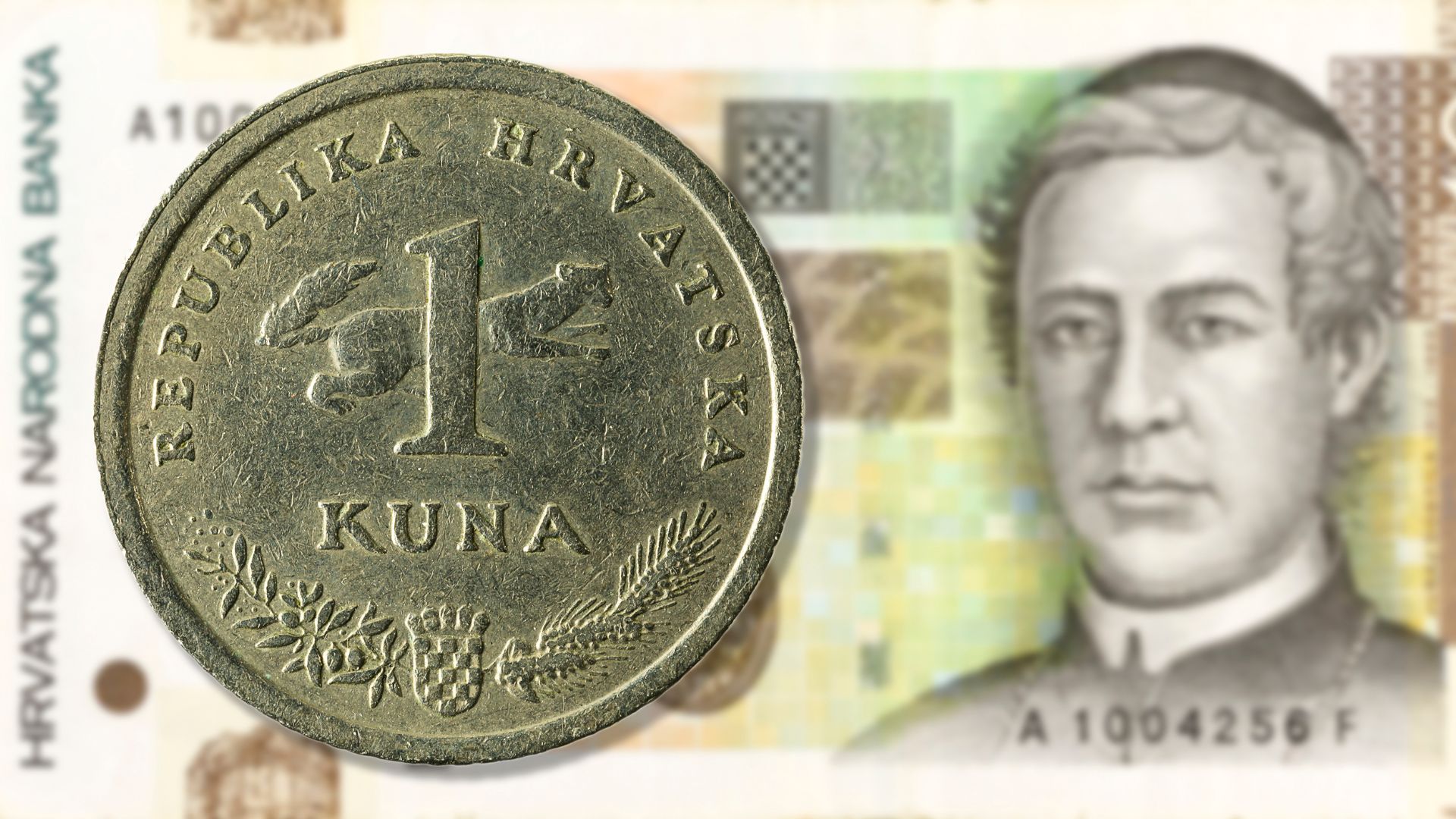
I saw firsthand that the kuna was more than just pocket change for Croatians. It symbolized national pride and independence after breaking away from the Yugoslav dinar in 1994.
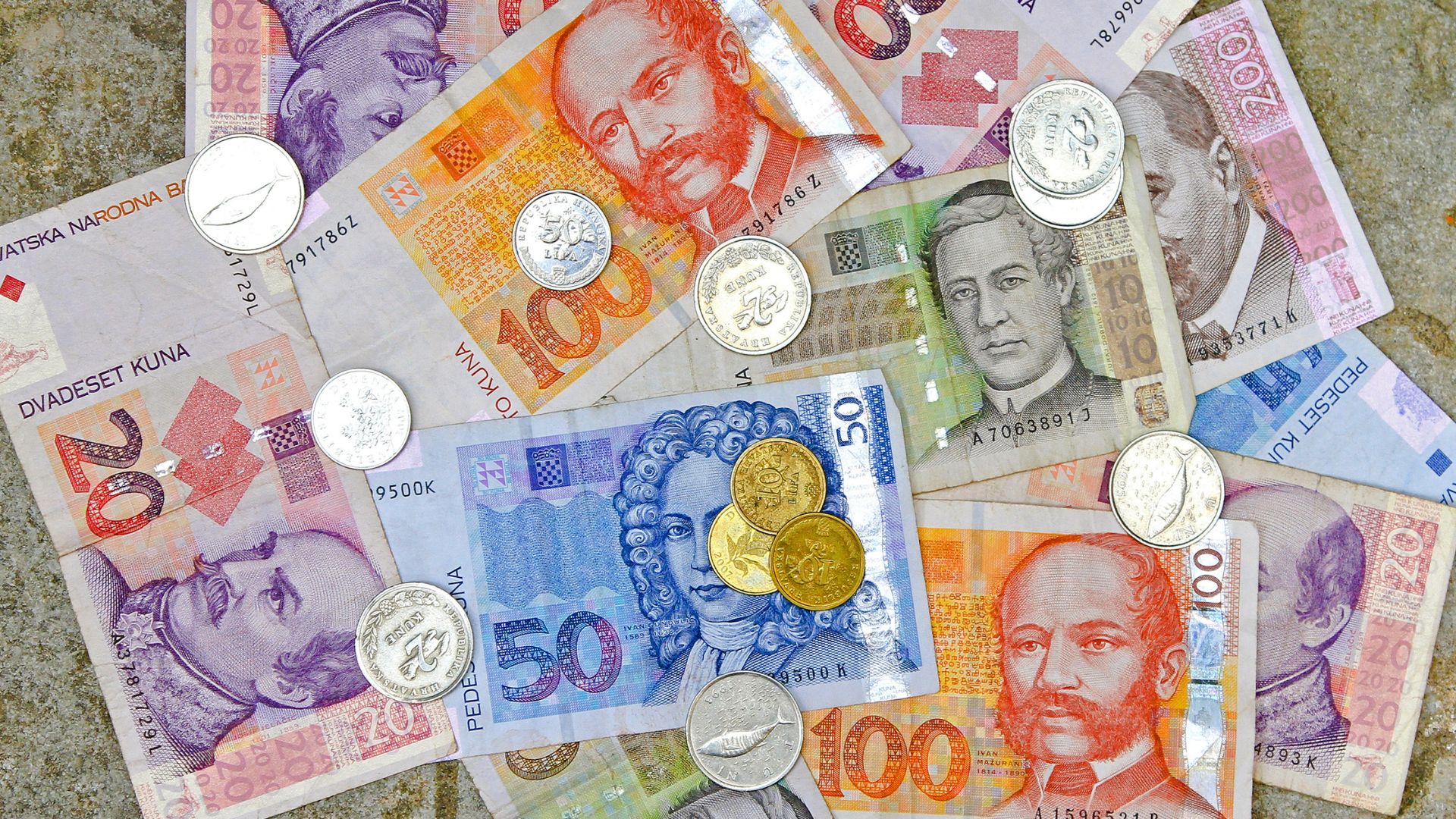
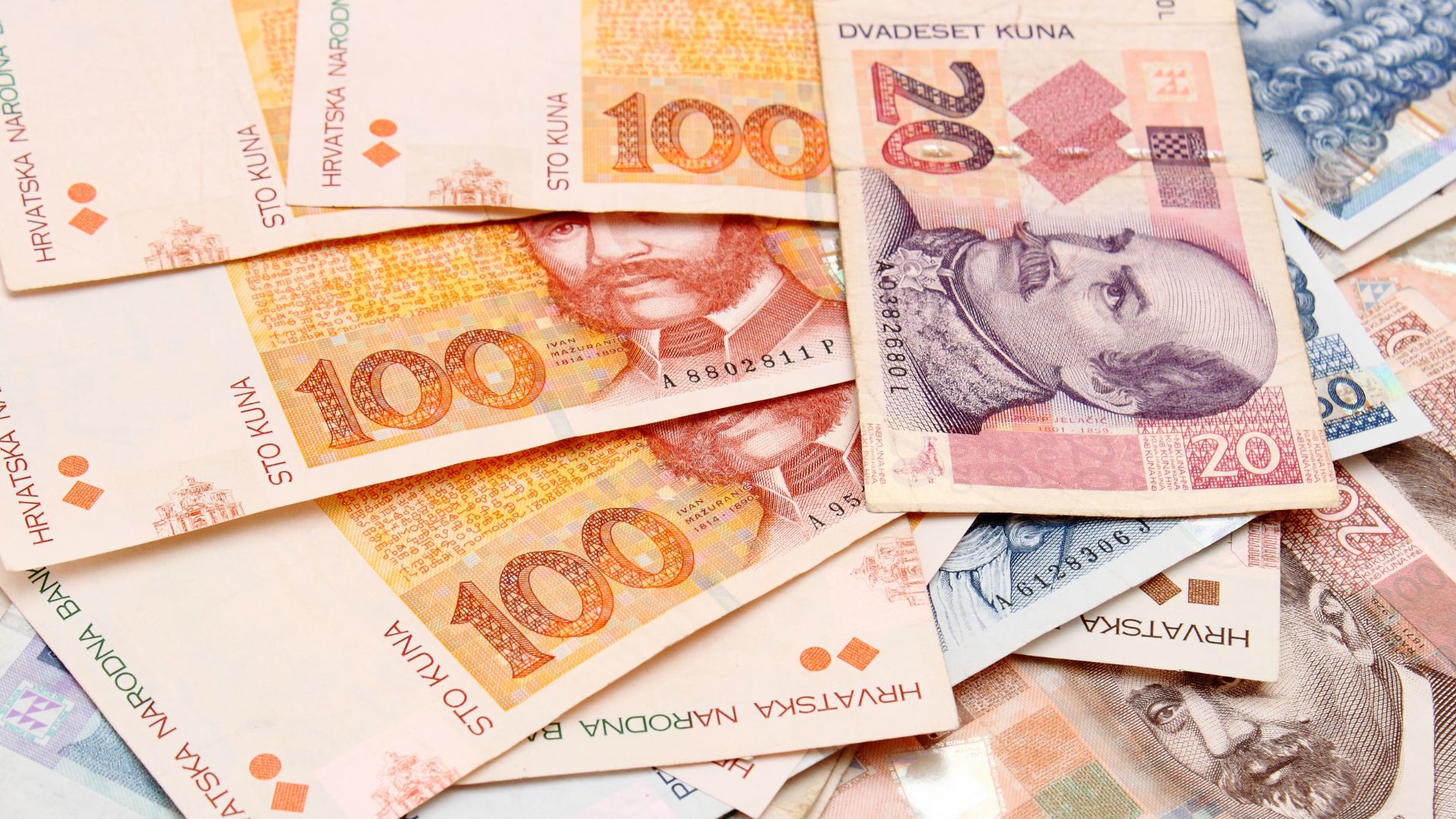
People used kuna coins and notes every day—at seaside markets, city cafés, and countryside shops. Historical figures like Ban Josip Jelačić and Ivan Gundulić appeared on the bills, giving the currency a sense of identity.
Small businesses thrived in the kuna era. Restaurant owners and shopkeepers could set fair prices, and the 100-lipa subdivision let them get precise with costs.
Kuna denominations looked like this:
- Coins: 1, 2, 5 kuna and 1-50 lipa
- Banknotes: 10, 20, 50, 100, 200, 500, 1000 kuna
“Kuna” means marten—yes, the animal. In medieval times, folks actually paid with marten pelts, so the name is a nod to that history.
Economic Benefits for Locals and Travelers
The kuna really worked in everyone’s favor. For locals, the lower cost of living made daily essentials affordable.
Travelers got a bonus too. Changing money from stronger currencies meant your euros or dollars stretched further. A classic meal at a konoba might set you back 50 kuna—about 7 euros. Not bad for a seaside dinner.
Biggest perks:
- Cheaper places to stay
- Affordable meals and fun nights out
- Budget-friendly transport
- Fair prices for tours and services
Tourism pumped foreign currency into the economy, helping businesses flourish. Hotels, restaurants, and tour guides all benefited from that steady stream of visitors.
The kuna’s stability meant businesses could plan ahead. No wild swings in prices or panic over currency drops.
How the Kuna Compared to the Euro
The kuna and euro never played by the same rules. At about 7.5 kuna to 1 euro, the difference was clear.
Prices reflected that gap. Something that cost 1 euro in Germany might only cost 5-6 kuna in Croatia. Suddenly, your vacation felt a whole lot more affordable.
Croatia could set its own economic course while using the kuna. That flexibility let the country make choices tailored to its needs.
Exchange rate effects:
- Tourism got a major boost
- Exports stayed competitive
- Imports didn’t break the bank
- Croatia kept some economic independence
Croatia’s services and products felt like bargains compared to eurozone options.
When Croatia adopted the euro in 2023, those currency perks faded. The switch brought new benefits, but the days of “kuna value” were over.
Origins and Evolution of Croatian Currency
Croatia’s money story is pretty wild. It goes from the chaotic dinar days in the early ’90s to the beloved kuna, which stuck around for nearly three decades. The kuna’s name? That’s a throwback to medieval times when marten pelts were as good as coins.
From the Croatian Dinar to the Kuna
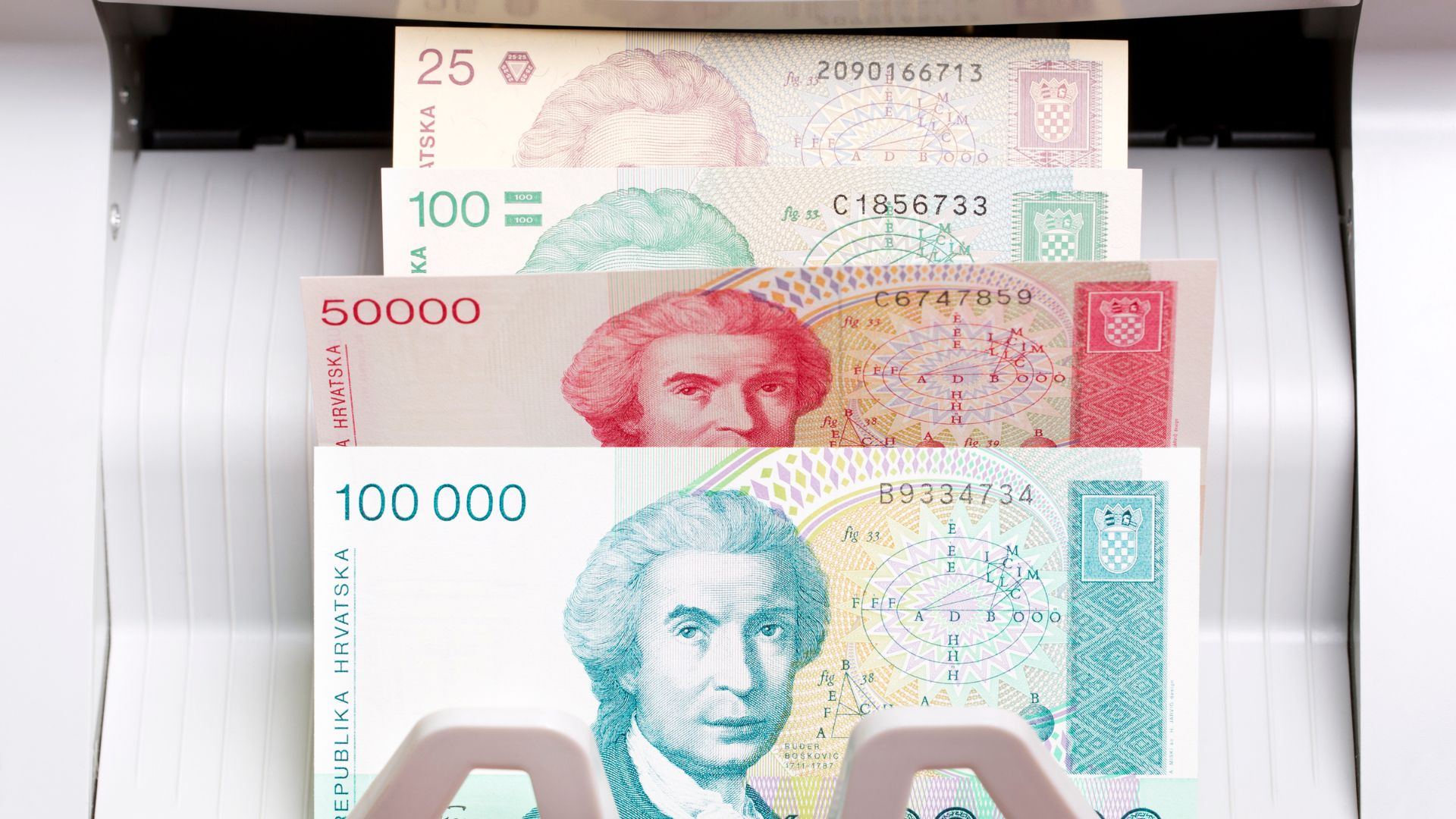
After independence in 1991, Croatia rolled out the Croatian dinar. It was a quick fix—meant to be temporary—while the country got its bearings.
The dinar didn’t last long. Hyperinflation and instability made a new currency a must.
On May 30, 1994, the kuna arrived. The conversion rate was set at 1 kuna = 1,000 dinars—a serious reset.
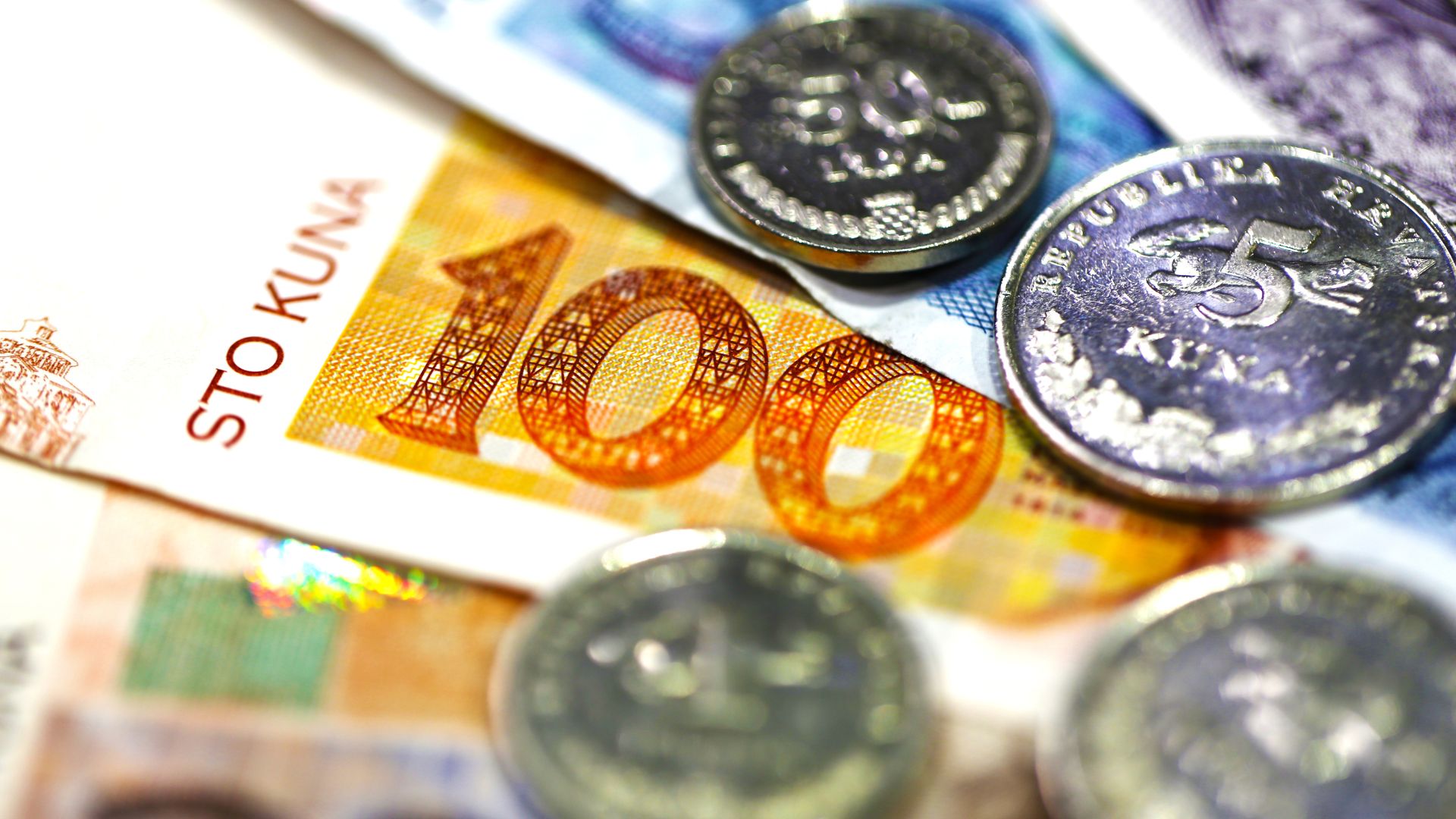
The kuna system included:
- Coins: 1, 2, 5, 10, 20, and 50 lipa
- Banknotes: 5, 10, 20, 50, 100, 200, 500, and 1,000 kuna
This setup stayed solid as Croatia worked toward joining the European Union.
Historical Influences on Currency Design
Croatian history left its mark on the kuna. Back in 1018, Dalmatian city-states paid tribute to Venice with marten pelts, fox pelts, and silk.
An Arabic traveler in 1154 wrote about Slavic lands using marten pelts with royal stamps as money. That’s how important the marten was in trade.
During the Arpad dynasty, Croatian rulers minted “banovac” silver coins with running marten designs. These medieval coins also had stars, crescents, and two-barred crosses to show Hungarian influence.
The first mint in Pakrac ran from 1256 to 1260, then moved to Zagreb until 1384.
Meaning and Symbolism Behind ‘Kuna’
“Kuna” literally means “marten.” That’s not just a fun fact—it’s a nod to centuries of Croatian trade.
Medieval Croats used marten pelts as standard payment. They were valuable, easy to recognize, and perfect for barter.
When it came time to name the new currency, officials chose “kuna” to honor that tradition and signal independence.
It’s a rare thing—most currencies aren’t named after animals. The kuna stood out from the crowd of pounds, dollars, and dinars.
This connection gave Croatians a sense of pride right up until the euro took over on January 1, 2023.
Croatian National Bank’s Role in Stability
The Croatian National Bank kept the kuna steady with smart policies and high-tech security features. That stability lasted until Croatia joined the eurozone in 2023.
Monetary Policy and Exchange Rate Management
I noticed how the Croatian National Bank used a “managed float” system to keep prices in check. They’d step in on the foreign exchange market when needed to keep the kuna from drifting too far from the euro.
Main tools included:
- Buying or selling currency reserves
- Tweaking interest rates
- Setting bank reserve requirements
- Keeping an eye on the banking system
The bank gathered data and supervised credit institutions to avoid financial hiccups.
Before 2023, the main goal was to keep the kuna’s value steady. The bank held foreign reserves as backup.
Exchange rate strategy:
- Managed float with interventions
- Focused on kuna/euro stability
- Price stability as the top goal
Since joining the eurozone, the bank has shifted gears and now helps carry out eurozone policies.

Security Features and Anti-Counterfeiting Innovations
The Croatian National Bank didn’t mess around with security. They packed kuna banknotes with features to stop counterfeiters and keep public trust high.
Security features included:
- Watermarks and security threads
- Color-shifting inks
- Raised printing
- Tiny microprinting
They updated these regularly to stay ahead of the game. Every new series had extra layers of protection.
Workshops and guides taught people how to spot real notes. The bank made sure businesses and citizens knew what to look for.
Anti-counterfeiting moves:
- Frequent security upgrades
- Public info campaigns
- Teamwork with police
- Using global best practices
These efforts paid off. Counterfeiting stayed rare, and people trusted the kuna right up until the euro came in.
Kuna’s Impact on Affordability and Tourism
The kuna gave Croatia a real pricing edge, turning it into one of Europe’s best-value travel spots. That low-cost vibe pulled in millions and made Croatia a budget-friendly favorite.
How the Kuna Made Croatia Budget-Friendly
The kuna’s exchange rate almost always worked in the traveler’s favor, especially if you came from a country with a strong currency. Day-to-day costs stayed much lower than in neighboring EU countries.
Why it was so affordable:
- Eating out cost 30-50% less than in eurozone hotspots
- Hotels and apartments stayed competitively priced
- Getting around and having fun didn’t cost a fortune
Because the kuna was stable, businesses could keep prices low and still make a profit.
Travelers from the US, UK, and eurozone got the best of both worlds—quality and value. I loved seeing people realize they could splurge a little without guilt.
Influence on Tourism Growth
Tourism absolutely exploded during the kuna years. Visitor numbers shot from 2.5 million in 1995 to over 20 million by 2019. The favorable currency played a starring role.
Budget travelers realized they could stay longer and upgrade their experience. Suddenly, a European vacation wasn’t just for the wealthy.
Tourism highlights:
- Visitors increased by 700% during the kuna era
- Tourists spent more, thanks to lower prices
- People kept coming back for the value
Word spread fast. Friends told friends, and Croatia became the place to go for a Mediterranean escape that didn’t drain your bank account.
Cost Advantages Compared to Eurozone Countries
Throughout the kuna era, Croatia stayed cheaper than its eurozone neighbors. I kept an eye on the numbers, and the savings were real.
| Expense Category | Croatia (Kuna) | Eurozone Average | Savings |
|---|---|---|---|
| Hotel nights | €45-65 | €80-120 | 40-45% |
| Restaurant meals | €8-15 | €20-30 | 50-60% |
| Local transport | €1-3 | €3-5 | 40-60% |
These differences tempted travelers who might’ve stuck closer to home. You got Mediterranean flair at Central European prices.
The exchange rate meant your money went further. A €100 daily budget in Croatia got you experiences that would cost double in Spain or Italy.
Transition to the Eurozone and Lasting Legacy
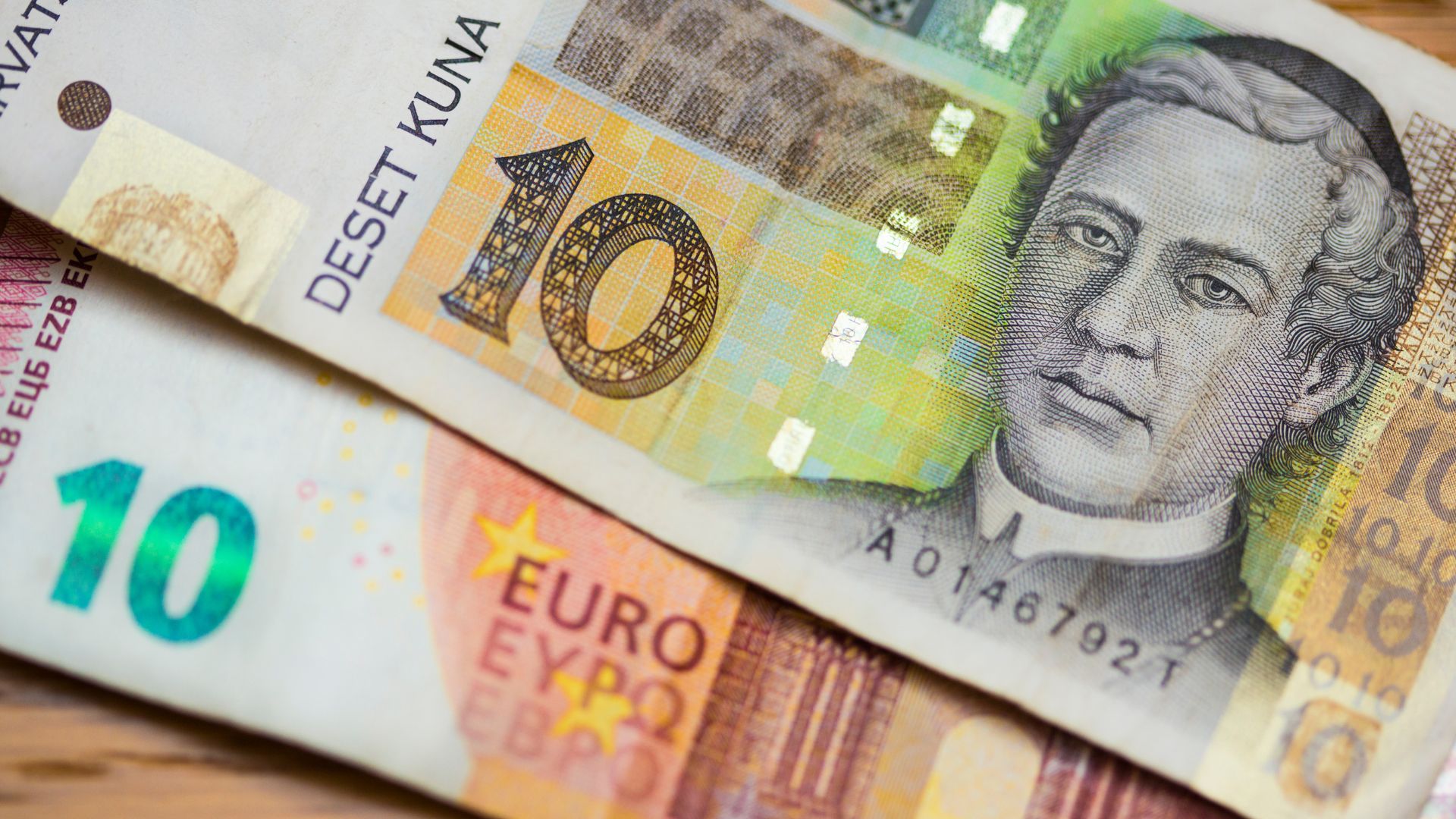
On January 1, 2023, Croatia wrapped up its journey from independence to full EU membership by adopting the euro at a fixed rate of 7.5 kuna to 1 euro. The kuna era ended, but its legacy of affordability, identity, and smart policy still shapes how people remember Croatia’s golden years for travelers.
Process of Switching from Kuna to Euro
Croatia’s journey to the eurozone didn’t happen overnight. I remember noticing the signs years before they officially joined the EU in 2013.
It was pretty common for Croatians to use euros in everyday life. People saved in euros, and if you wanted to buy a house or a car, prices were already listed in euros.
In 2020, Croatia hopped into the ERM II mechanism with Bulgaria. Think of ERM II as the eurozone’s “waiting room”—you have to hit some strict economic targets before you’re allowed in. Here’s more on euro adoption.
The Croatian National Bank didn’t wait around either. They pegged the kuna to the German mark, and later to the euro, which kept things steady long before the official change.
Croatia managed to check all the eurozone boxes in just two years. Pretty impressive, right? They even started minting shiny new euro coins with national symbols to get ready.
By January 1, 2023, Croatia officially became the 20th eurozone member. The switch cost about 266 million euros—most of it covered by banks, not the public.
The first half-year? Let’s be honest, it was a bit of a mess. People kept trying to convert kuna prices in their heads, and it took a while for things to settle down.
Commemorative Coins and Cultural Continuity
Croatia’s euro coins aren’t just money—they’re little pieces of national pride. Each coin shows off a symbol or motif that means something to the country’s history and identity.
You’ll spot traditional Croatian designs and national emblems on every denomination. It’s a clever way to keep the culture alive, even as the currency changes.
I love how these coins quietly remind everyone—locals and visitors alike—of Croatia’s unique heritage. Every time you get change, there’s a bit of storytelling in your pocket.
The Croatian National Bank teamed up with European authorities to design these coins. They made sure to tick all the EU boxes while still showcasing what makes Croatia special.
Now, these coins travel across all 20 eurozone countries. So, Croatian culture gets a little boost of visibility wherever the euro goes.

Long-Term Economic Effects for Croatia
Switching to the euro really gave Croatia’s economy a boost. I’ve noticed that 76% of Croatians surveyed actually say the currency change made things better.
Foreign investors started pouring in, drawn by the euro’s stability. They see Croatia as a safer bet now, since there’s no more hassle with currency exchanges.
Price stability? That surprised a lot of people. Around 65% of product prices didn’t move at all, and honestly, about 25% even dropped.
Sure, some prices went up—about 10%—but that’s not a huge chunk. The European Central Bank even pointed out that inflation barely budged.
After the switch, Croatia’s GDP climbed. That lines up with what usually happens when countries join the eurozone.
Now that Croatia’s in the eurozone, local businesses don’t have to stress about exchange rates. It’s just so much easier for them to trade with other Europeans.
Tourism? That’s been a game changer too. European travelers love not having to swap currencies when they visit Croatia.