
Montreal is honestly one of North America’s most fascinating bilingual cities. English and French live side by side here, blending into something you won’t find anywhere else. When I explored this vibrant metropolis, I realized you can totally get by as an English speaker—almost 60% of locals speak both languages well.
The city greets English speakers with open arms. You’ll find English-friendly neighborhoods, bilingual services on public transit, and major attractions that make life easier. Whether you’re just visiting or thinking of moving, learning how to navigate this multicultural environment really makes your experience richer.
Let me walk you through the practical side of living and traveling in Montreal if your French isn’t great. I’ll point out the most English-friendly areas and share some language resources that help you connect with Quebec’s unique culture. Montreal’s bilingual vibe actually opens doors for English speakers—it doesn’t shut them.
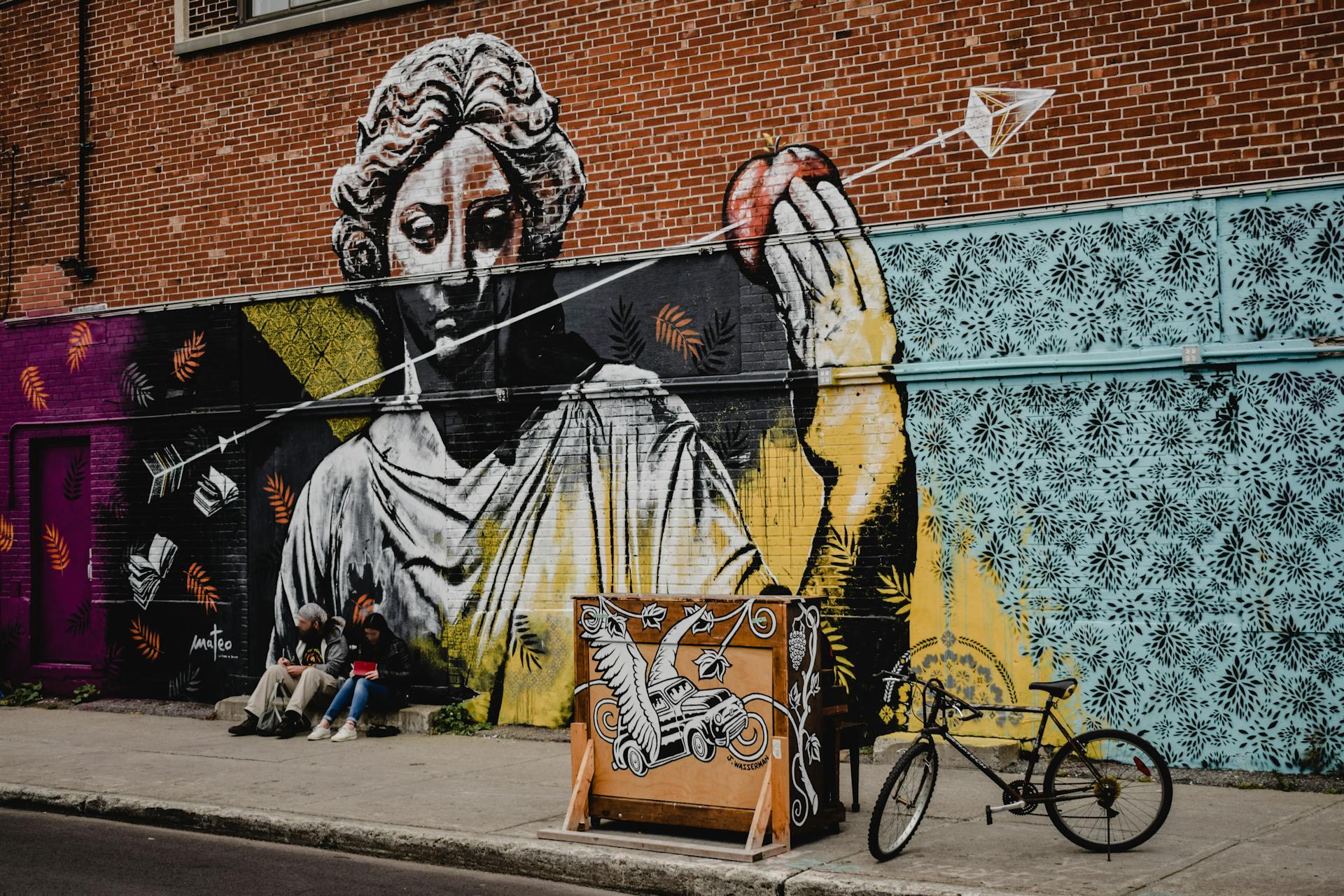
Understanding Montreal’s Bilingual Identity
Montreal is Canada’s most bilingual big city. French dominates daily life, but English thrives in certain neighborhoods and industries. This mix gives Montreal a vibe you won’t find anywhere else in North America.
The Prevalence of the French Language
French is Quebec’s official language, and it shapes Montreal’s daily life. Around 57% of residents speak French at home, so you’ll hear it everywhere.
Every time I visit, I notice French on street signs, in government offices, and at most local businesses. The provincial government makes sure French appears first on all public signage, though English sometimes sneaks in underneath.
Most people start service interactions in French. Store clerks, restaurant servers, and transit workers usually greet you with “Bonjour.” That’s just how things go here.
Montrealers speak a version of French that’s a bit different from what you’ll hear in France. Their dialect uses unique expressions and vocabulary, mixing old traditions with a North American twist.

English in Montreal: Where and How It’s Spoken
English speakers make up about 18% of the city’s population—so that’s a big community, over 700,000 people. Some neighborhoods really lean English.
Westmount is the classic English-dominant area. Shops, services, and community centers operate in English here. Downtown also rolls out the red carpet for English speakers.
Tech companies like Ubisoft and big employers like Bombardier use English all the time. Tourism and hospitality jobs often seek out folks who speak English or are bilingual.
Nearly 60% of Montrealers can flip between French and English without missing a beat. It’s wild to hear people switch mid-sentence—this “Franglais” is just part of the city’s charm.
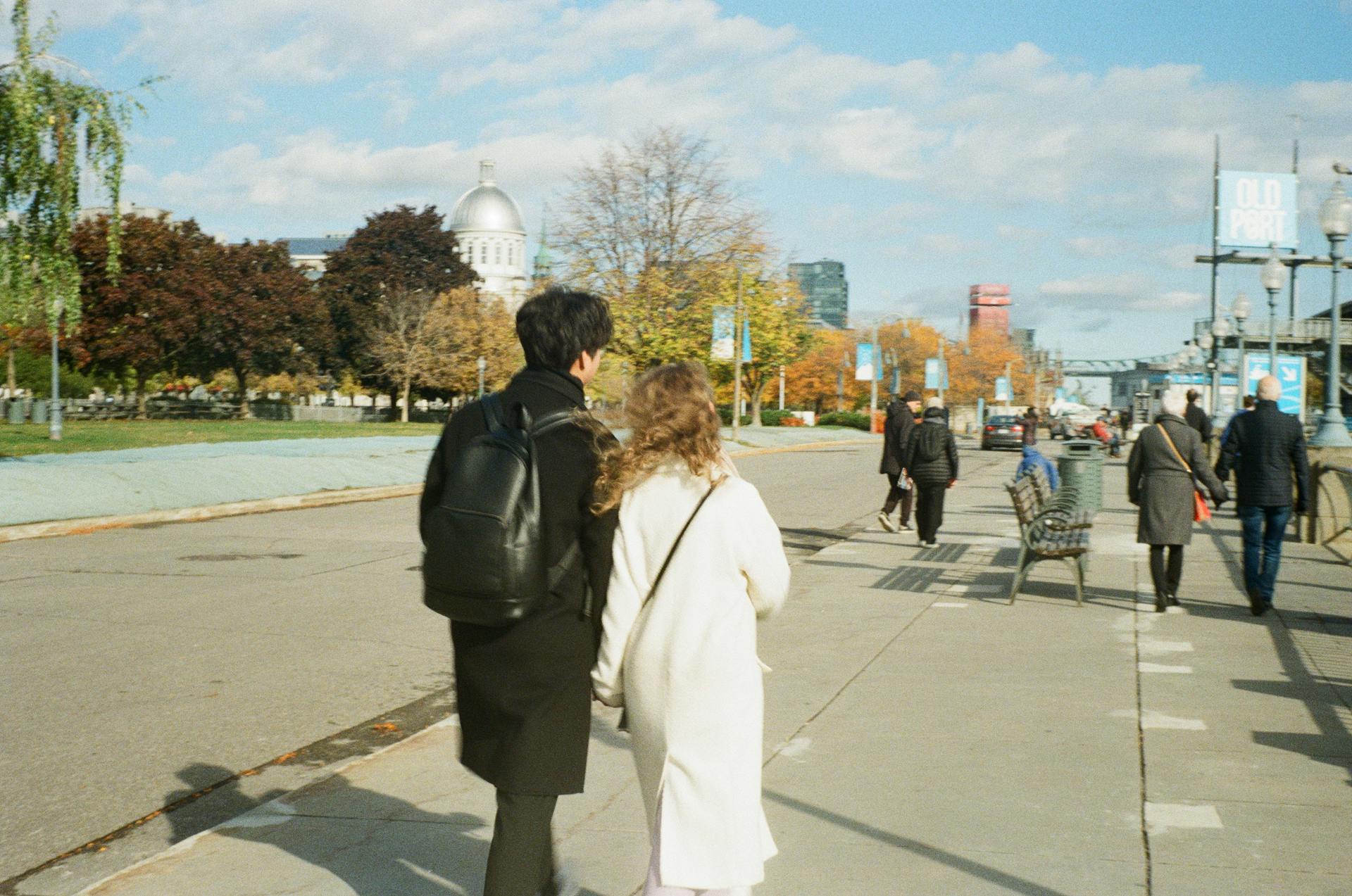
Why Montreal Is Unique Among Canadian Cities
No other Canadian city really balances French and English like Montreal does. Ottawa offers bilingual services, but Montreal’s French-English mix shapes the whole city.
Montreal is North America’s second-largest English-speaking city after New York, but it still holds onto its French roots. That combo lets you live truly bilingually, which is rare in Canada.
Multicultural institutions here embrace both languages. Universities offer courses in French and English. Hospitals see patients in either language, no fuss.
Unlike other Quebec cities where French pretty much rules, Montreal’s international ties and diverse population keep English strong. The city acts as a bridge between French and English North America.
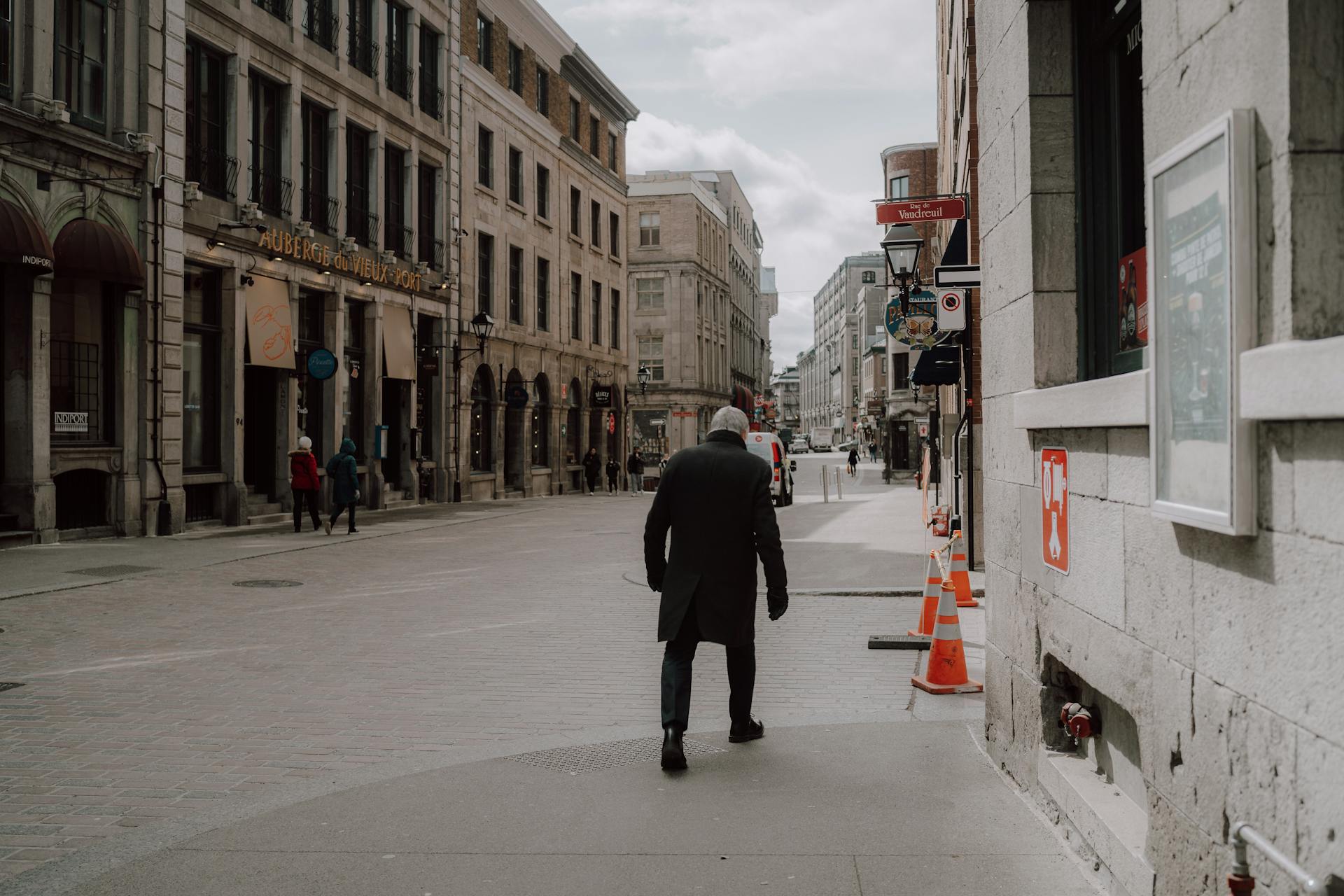
Getting Around Montreal Without Speaking French
Montreal is surprisingly easy for English speakers. Most people speak both languages, and services usually offer English options. The transport system, signs, and friendly locals all help make travel smoother for anyone who doesn’t speak French.
Navigating Public Transport as an English Speaker
Montreal’s metro and buses are a breeze for English speakers. Metro announcements come in both French and English. The electronic signs make it super clear where you are.
The STM mobile app has an English setting. You can plan your route and buy tickets without a word of French. Metro maps usually show station names in English too.
Bus drivers often know enough English, especially on routes tourists use. If you get lost, just show them your destination on your phone—they’ll help you out.
Quick transit tips:
- Download the STM app and set it to English
- Save your destination’s address on your phone
- Watch for the blue metro signs with white arrows
- Buy an OPUS card at any station—the machines have English instructions

Using Signs and Menus in Two Languages
Most signs in Montreal use both French and English. Street signs usually show French first, but you’ll spot English versions in touristy areas.
Restaurant menus often come in both languages. If not, just ask for an English menu—most places downtown have them ready.
Shopping centers and big stores use bilingual signs. Staff at major shops speak English well. Canadian law makes sure grocery stores label products in both languages.
What you’ll notice:
- Government buildings always show English signs
- Tourist spots provide English info
- Major shopping areas offer bilingual service
- Food labels list both languages
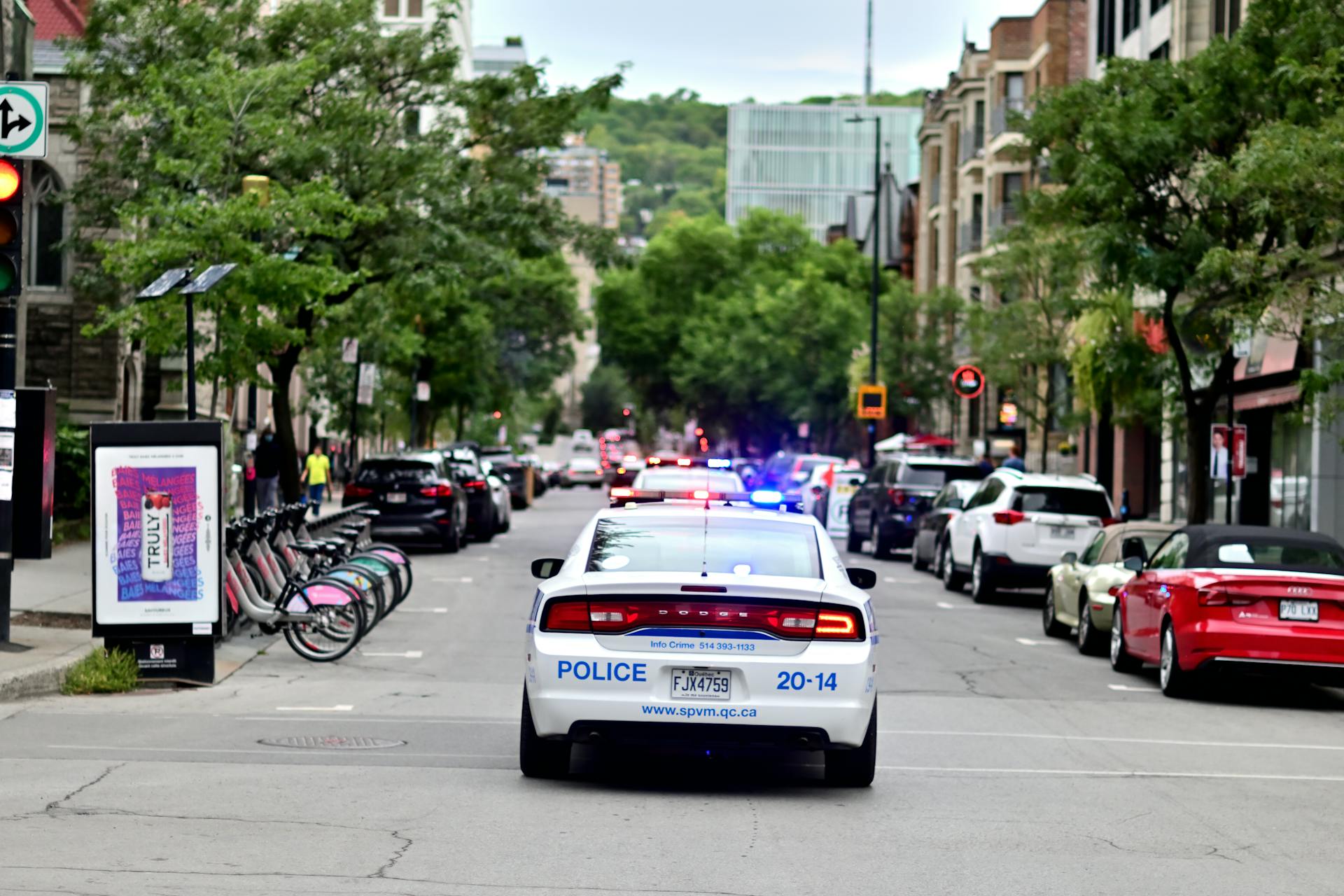
How Locals Respond to Non-French Speakers
Most Montrealers speak both French and English, and about 60% can switch easily. They usually help visitors who struggle with French.
Start by asking “Do you speak English?” or “Parlez-vous anglais?”—it shows respect and gets a better response than just launching into English.
Younger folks and people working in service jobs almost always speak good English. Older residents might not, but they still try to help. In tourist areas, everyone expects to hear English.
Phrases that help:
- “Excuse me, do you speak English?”
- “Could you please help me?”
- “Thank you” = “Merci”
- “Please” = “S’il vous plaît”
Locals stay patient if you try a few French words. Even just “bonjour” and “merci” go a long way.

Key Neighborhoods and English-Friendly Areas
Montreal has neighborhoods where English speakers feel right at home. About 17% of the region speaks English at home. Downtown, the West Island, and a few bilingual districts are the best bets for English-friendly living.
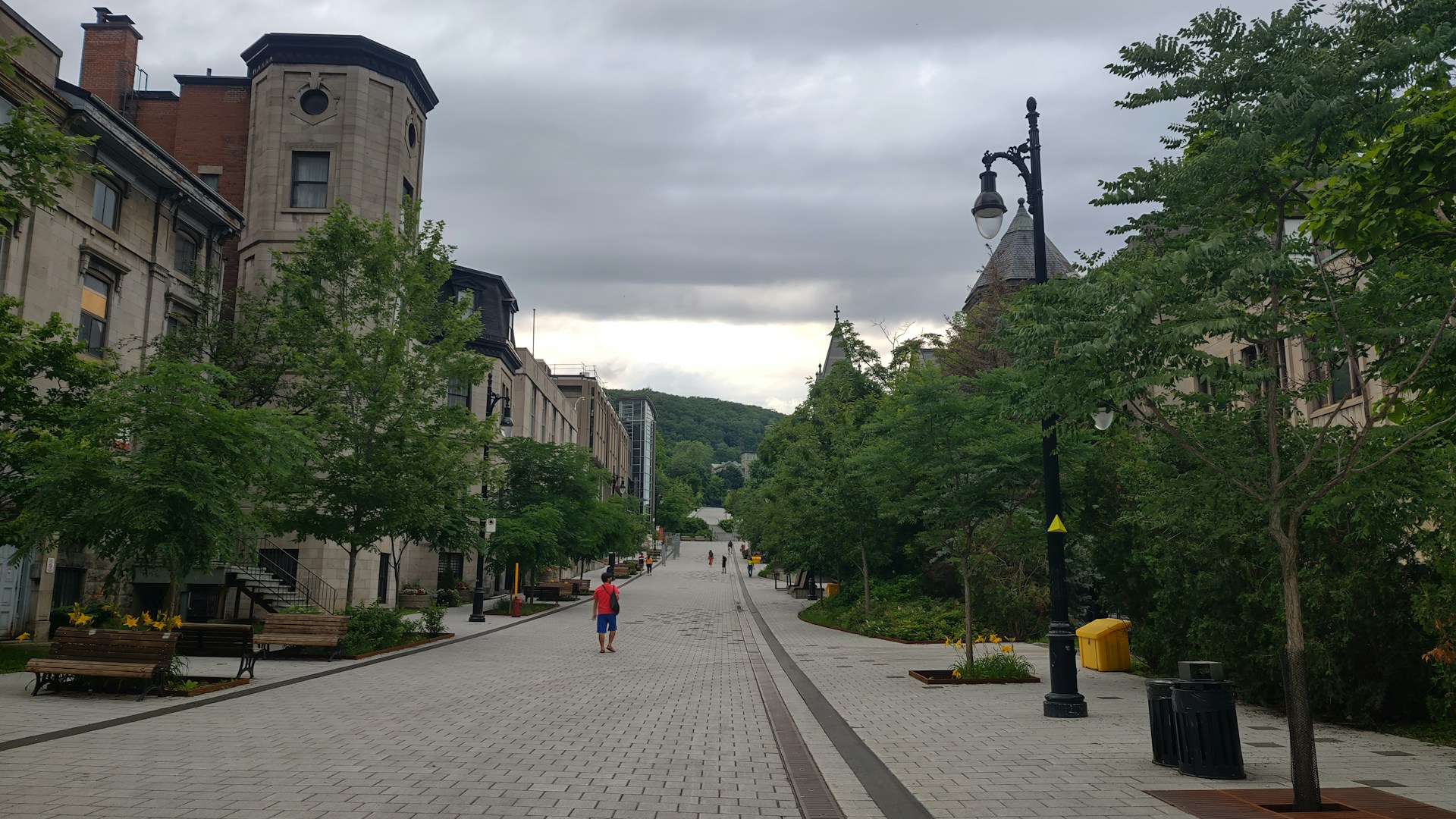
Downtown and the McGill University Area
Downtown is probably the easiest spot for newcomers. Most businesses here understand English, even though French is still the law of the land.
McGill University brings a big English-speaking crowd. Thousands of students and staff use English every day.
I always find downtown welcoming because:
- Tourist areas use both languages all the time
- International businesses set up shop here
- Public services usually have English options
The area around McGill buzzes with English conversations. Students and professors create a little community where English just feels normal.
Restaurants, shops, and services near campus serve English speakers all day. The student population keeps the demand for English high.
West Island: An English-Speaking Hub
The West Island is the heart of English-speaking Montreal. Places like Montreal West, Westmount, and nearby areas have deep English roots.
About two-thirds of Montreal West residents speak English first. Three-quarters of families use English at home.
Westmount stands out as a wealthy, English-speaking neighborhood. It’s been the center of Montreal’s English community for ages.
What you’ll find in West Island areas:
- High concentration of English speakers
- Protestant churches reflecting English heritage
- Lots of established English-speaking families
- Higher housing costs
These communities keep their English identity strong, but still respect Quebec’s French character. The West Island just feels right for English speakers who want something familiar.
Spotlight on Bilingual Districts
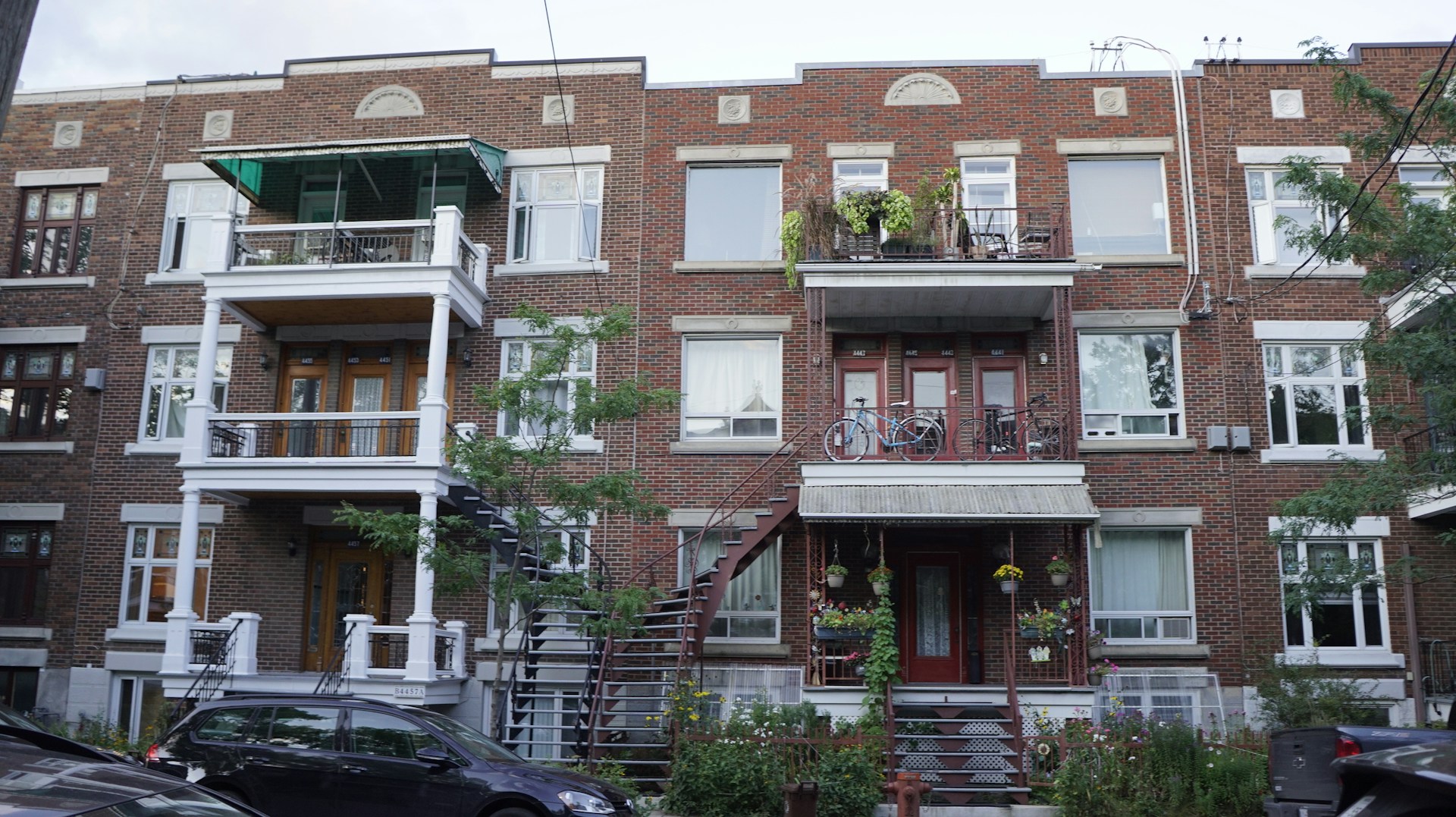
Some neighborhoods blend French and English in a way that’s pure Montreal. Le Plateau and other central districts have mixed language populations. French and English speakers live side by side.
Bilingual districts are great because:
- You get real cultural diversity every day
- There’s a chance to practice both languages
- Businesses and services mix things up
- The population skews younger and more international
If you want a little English support but also want to pick up French, these areas are perfect. You can find English speakers when you need them, but still soak up the French culture.
The bilingual neighborhoods really show off Montreal’s character. Both language groups share space and make it work.
Discovering Montreal’s Top Sights in English
Montreal’s major tourist attractions roll out the red carpet for English speakers. The city’s cultural scene is rich and accessible. Most restaurants and shops run bilingually, so exploring feels easy.
Tourist Attractions with English Services
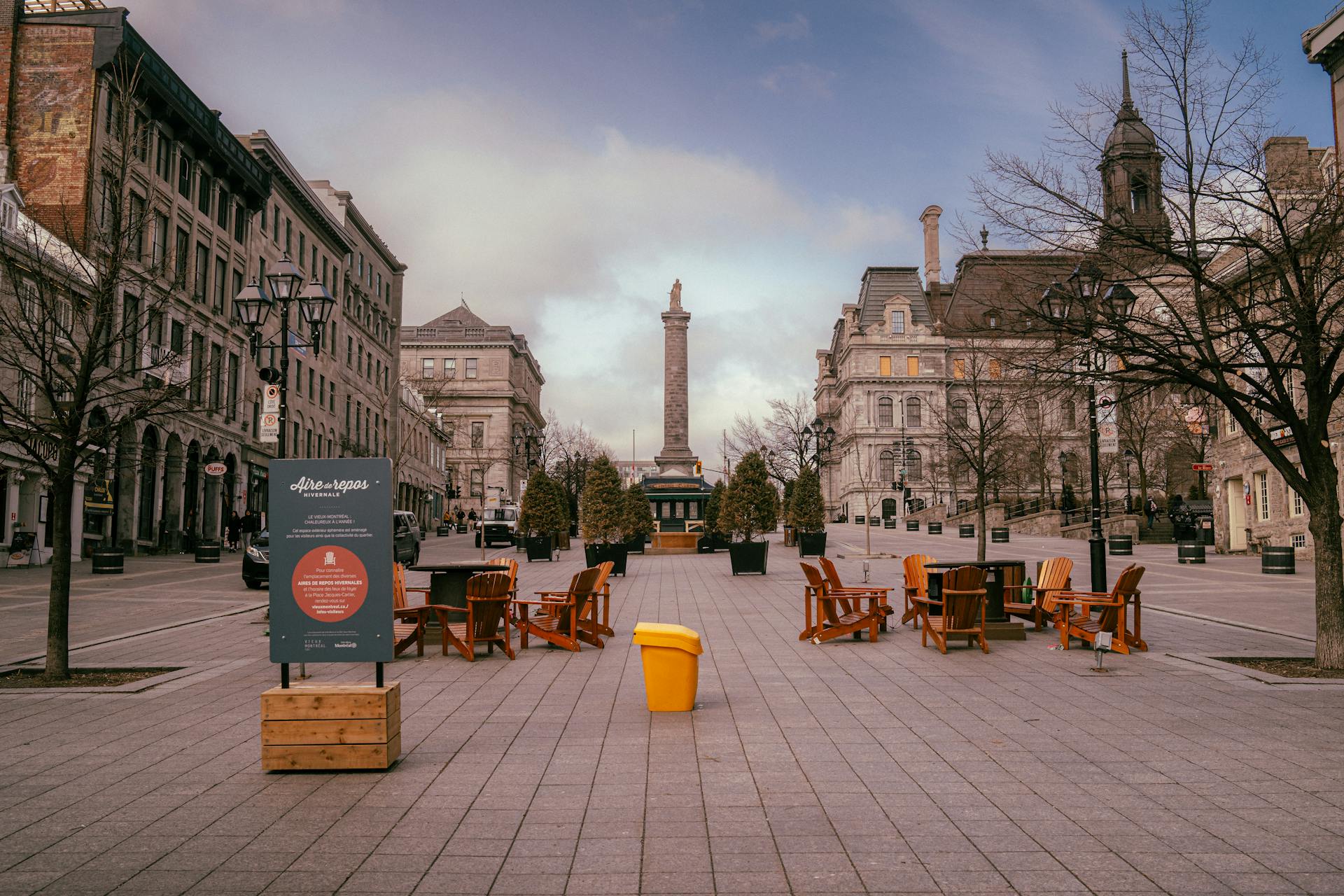
Montreal’s main tourist sights really cater to English speakers. Old Montreal offers guided tours in English, and most historic sites have multilingual staff.
The Notre-Dame Basilica runs English-language tours all day. You can grab audio guides in English too.
Mount Royal Park posts English signs on the main trails. The lookout points have info boards in both languages.
Big attractions with full English service:
- Olympic Park—English tours of the stadium and tower
- Biodôme—Exhibits labeled in both languages
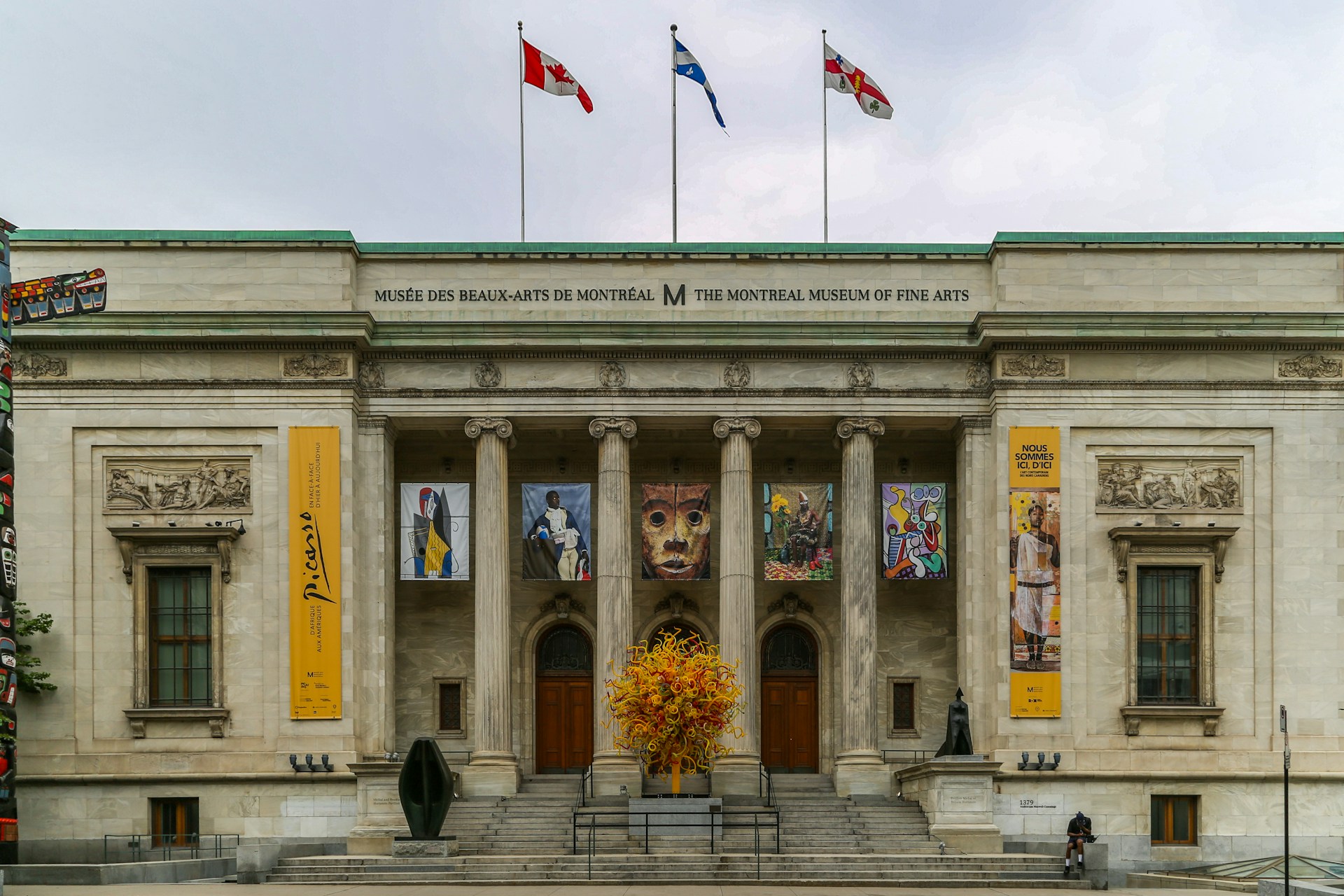
- Montreal Museum of Fine Arts—English audio guides and tours
- McGill University campus—Mostly English-speaking
Transit announcements come in both languages. Metro maps and bus schedules always include English.
At major attractions, ticket counters usually have bilingual staff. I rarely hit any language barriers at popular spots.
Cultural Experiences for English Speakers
Montreal throws some great English-language festivals every year. The Montreal International Jazz Festival features English-speaking artists and event info.
Just for Laughs comedy festival runs mostly in English. Most shows target English-speaking crowds.
The Montreal Fringe Festival puts on a bunch of English-language theater productions. Many venues operate in English.
Some neighborhoods offer rich Anglophone culture:
| Neighborhood | English Cultural Features |
|---|---|
| Westmount | English bookstores, galleries |
| Notre-Dame-de-Grace | English community centers |
| Downtown | English museums, theaters |
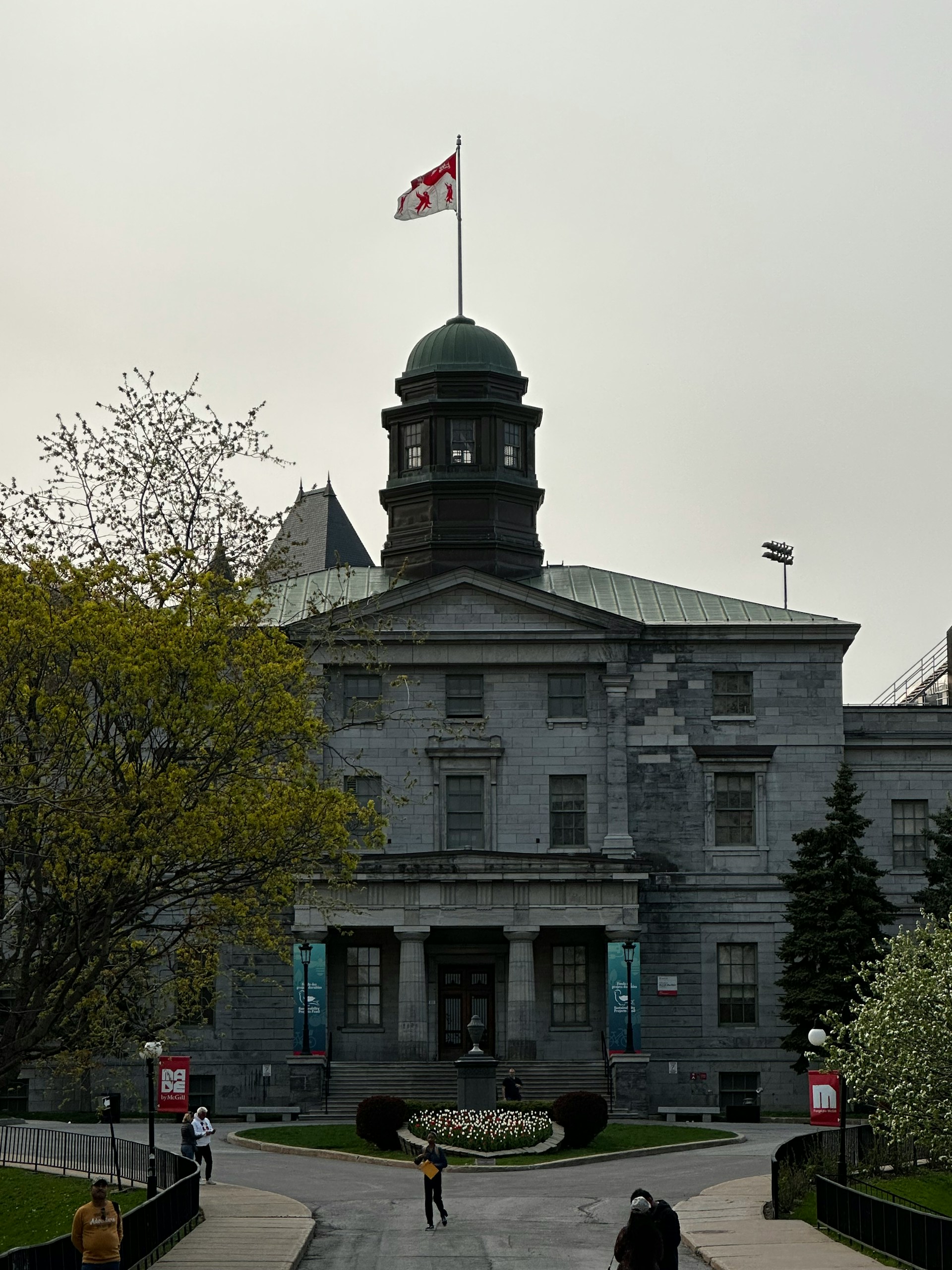
The McGill University area is a real English-speaking cultural hub. The campus and nearby streets host English events all year.
Museums like the McCord Museum offer English exhibits on Montreal’s history.
Dining and Shopping Without Language Barriers
Most restaurants in tourist areas hand out English menus. Downtown and Old Montreal usually have bilingual servers.
Popular spots for English speakers:
- Crescent Street—Staff mostly speak English
- St. Laurent Boulevard—A mix, but they accommodate English
- Plateau Mont-Royal—Plenty of bilingual places
Major shopping centers work in both languages. The Underground City shops post bilingual signs and hire English-speaking staff.
Department stores like Hudson’s Bay and Simons provide full English service. Sales associates switch languages without missing a beat.
Local markets such as Jean-Talon Market have lots of English-speaking vendors. Food stalls often put up English descriptions.
Credit cards are accepted everywhere, so you don’t need to worry about complicated transactions. Most payment machines let you choose English.
You can make restaurant reservations in English at most places. Online booking sites show info in both languages.
Practical Language Tips for English Speakers
Learning a few French phrases and using the right tools makes your Montreal trip so much smoother. Knowing basic language etiquette shows respect and helps you handle daily interactions with confidence.
Essential French Phrases to Know
I always suggest memorizing a few French basics before you go. They’ll get you through most situations.
Basic Greetings:
- Bonjour (BON-zhoor) – Hello/Good morning
- Bonsoir (BON-swahr) – Good evening
- Merci (mer-SEE) – Thank you
- Excusez-moi (eks-koo-zay-MWAH) – Excuse me
Essential Questions:
- Parlez-vous anglais? (par-lay-voo ahn-GLAY) – Do you speak English?
- Où est…? (OO eh) – Where is…?
- Combien ça coûte? (kom-bee-ahn sah KOOT) – How much does it cost?
Polite Responses:
- Je ne parle pas français (zhuh nuh parl pah frahn-SAY) – I don’t speak French
- Pouvez-vous répéter? (poo-vay-voo ray-pay-TAY) – Can you repeat that?
Practice these before you arrive. Even a small effort in French usually gets you a friendlier, more patient response.

Helpful Apps and Translation Resources
Tech makes language barriers way less scary. I always download these apps before heading to Montreal.
Google Translate is a lifesaver for quick translations. The camera feature lets you scan signs or menus. Conversation mode helps when you’re talking to someone face-to-face.
Duolingo is a fun way to pick up some French basics. Just a few lessons help with pronunciation and common words.
Montreal transit apps like STM show info in both languages, so figuring out the metro is a breeze.
Keep your phone charged and download offline translation tools just in case. Most restaurants and shops have English menus, but having backup gives you the confidence to try more local spots.

Language Etiquette and Respectful Communication
Kicking off a conversation in French? It’s a sign of respect, even if you end up switching to English. Montrealers usually notice and appreciate when you at least try.
I always start with a “Bonjour” when I walk into shops or restaurants. It just feels right. If I need to, I’ll follow up with “Parlez-vous anglais?” before slipping into English.
Don’t just assume everyone here speaks English. Lots do, but some don’t. I usually wait and see if they switch on their own, instead of jumping straight into English.
Keep things friendly and don’t rush. Some folks are more at ease in French, others in English. Conversations tend to flow naturally between the two, and that’s part of Montreal’s charm.
I always say merci at the end, no matter which language we used. It’s a tiny thing, but people notice. It shows you’re making an effort to respect the local culture.

Studying and Living in Montreal as an Anglophone
McGill University gives you a fantastic English-language education. Still, if you want to thrive long-term, you’ll need to pick up some French and connect with both language communities.
Academic Life at McGill University
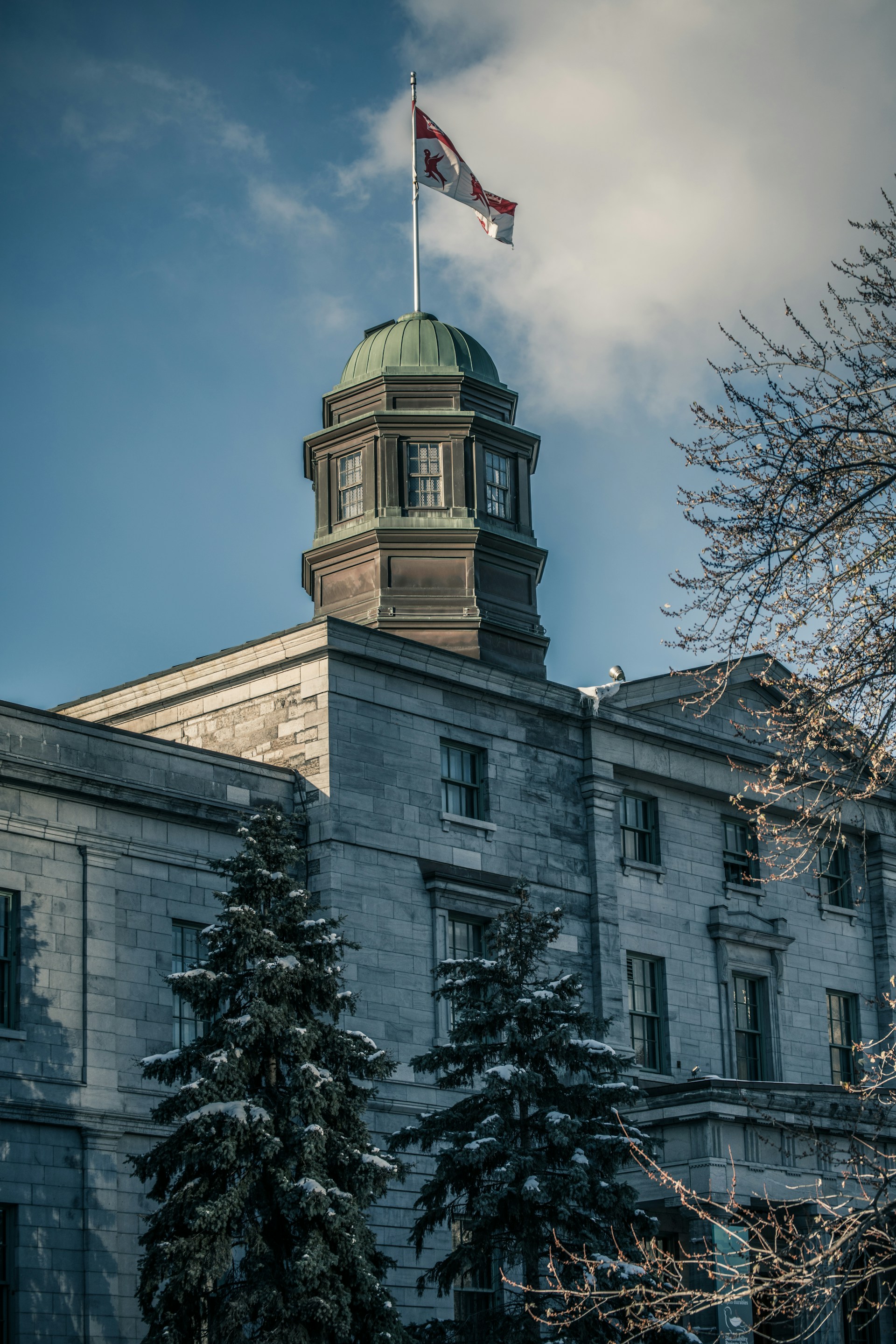
McGill runs everything in English—classes, assignments, campus life, you name it.
The student body? Super international. Around 30% come from outside Canada, so you’ll hear a lot of English on campus.
A few perks stand out:
- Lectures and materials are all in English
- You’ll find a big anglophone student community
- There are tons of international research opportunities
- The alumni network stretches all over the globe
Student services like housing, health care, and academic advising work in both languages. Staff can help out in English whenever you need it.
The downtown campus is right in Montreal’s most bilingual area. Day-to-day life around McGill is pretty easy for English speakers.
Many professors dive into research in English, which means you’ll have the chance to join projects as an undergrad or grad student.
Long-Term Adjustment and Learning French
Sticking around Montreal for a while? Speaking French makes life here so much smoother. You’ll need it for government offices, healthcare, and a lot of jobs.
- Free government classes through OQLF
- McGill’s continuing education courses
- Programs at community centers
- Apps and private tutors online
Even a few basics help right away. Phrases for shopping, transit, or chatting with neighbors go a long way.
Job options really open up when you know French. Most employers want bilingual staff—especially in customer service or healthcare.
Quebec’s Bill 96 has made French requirements even stricter. It touches everything from rental agreements to doctor’s appointments.
Honestly, I’d suggest starting French classes in your first year. The sooner you begin, the easier it gets—and you won’t feel left out down the road.

Building a Social Network in Both Languages
Montreal’s social scene really brings together both French and English speakers. Making friends in both communities? It’s honestly one of the best ways to dive into the city.
I’ve found English-speaking groups everywhere—university clubs, sports leagues, and all sorts of professional associations. The Montreal Gazette always seems to have a fresh list of anglophone events, so I check it pretty often.
Bilingual social opportunities:
- Language exchange meetups (these are fun and a bit unpredictable)
- Mixed sports teams
- Cultural festivals that spill out into the streets
- Neighborhood associations where you’ll hear both languages
Dating here? It almost always crosses language lines. Lots of Montrealers just slip between English and French without missing a beat.
At work, friendships usually involve at least a bit of French. Even in offices that use English, lunchtime and after-work chats tend to swirl with both languages.
I’ve stumbled into some great connections through religious communities, hobby groups, and volunteering. Most of these groups switch between languages depending on who shows up.
Honestly, staying open to both language groups makes all the difference. If you stick to just English circles, you’ll miss out on so much that Montreal has to offer.
