
Bali’s been the classic spot for budget travelers chasing tropical warmth during the winter. But honestly, with prices climbing and the crowds multiplying, I’ve started to wonder—is there a better alternative?
Turns out, Vietnam nails it for winter getaways. The value is wild: you get affordable prices, jaw-dropping scenery, and a culture that’s just as rich as pricier places. Whether you’re after islands, buzzing cities, or misty highlands, Vietnam keeps things interesting—and easy on your wallet.
I’ve watched Vietnam’s travel scene evolve fast. Exploring the country solo feels way simpler now than it did even a few years ago. Winter? It’s prime time: the weather’s good, the crowds are thinner, and you can actually relax.

1) Cheap flights and accommodations in the winter lull
Vietnam’s a steal during the winter months. Flights drop in price from December to February. Airlines love running deals to Southeast Asia then, so I always keep an eye out.
Hotels and guesthouses slash their rates in winter. I can snag a private room for $15-25 a night, even in the bigger cities. Beachfront spots in Da Nang or Nha Trang? Less than half what they charge in peak season.
The weather’s another bonus. North Vietnam stays cool and dry; down south, it’s warm but not sticky. Planning activities gets easier when you’re not dodging storms.
I’ve noticed booking feels less stressful too. Last-minute deals pop up everywhere, and you don’t have to lock in a room months ahead. If you’re sticking around for a week or more, a lot of places toss in extra discounts.

2) One country, three climates: pick your vibe
Vietnam stretches over 1,000 miles top to bottom, so you get a buffet of climates. That’s a lifesaver if you’re picky about weather.
Up north, places like Hanoi feel crisp in winter—think 60-70°F during the day. Sapa in the mountains? It can dip to 40°F or even lower, which is perfect if you want to escape tropical heat.
Down south, Ho Chi Minh City and the Mekong Delta stay warm all year, with winter temps hovering around 85-90°F. Phu Quoc and Nha Trang beaches are basically summer in December.
Central Vietnam, like Da Nang and Hoi An, lands right in the middle—mild and ideal for exploring. You can jump from mountains to city to beach, all in one trip. Why settle for one climate?

3) Street food that’s cheap, fresh, and everywhere
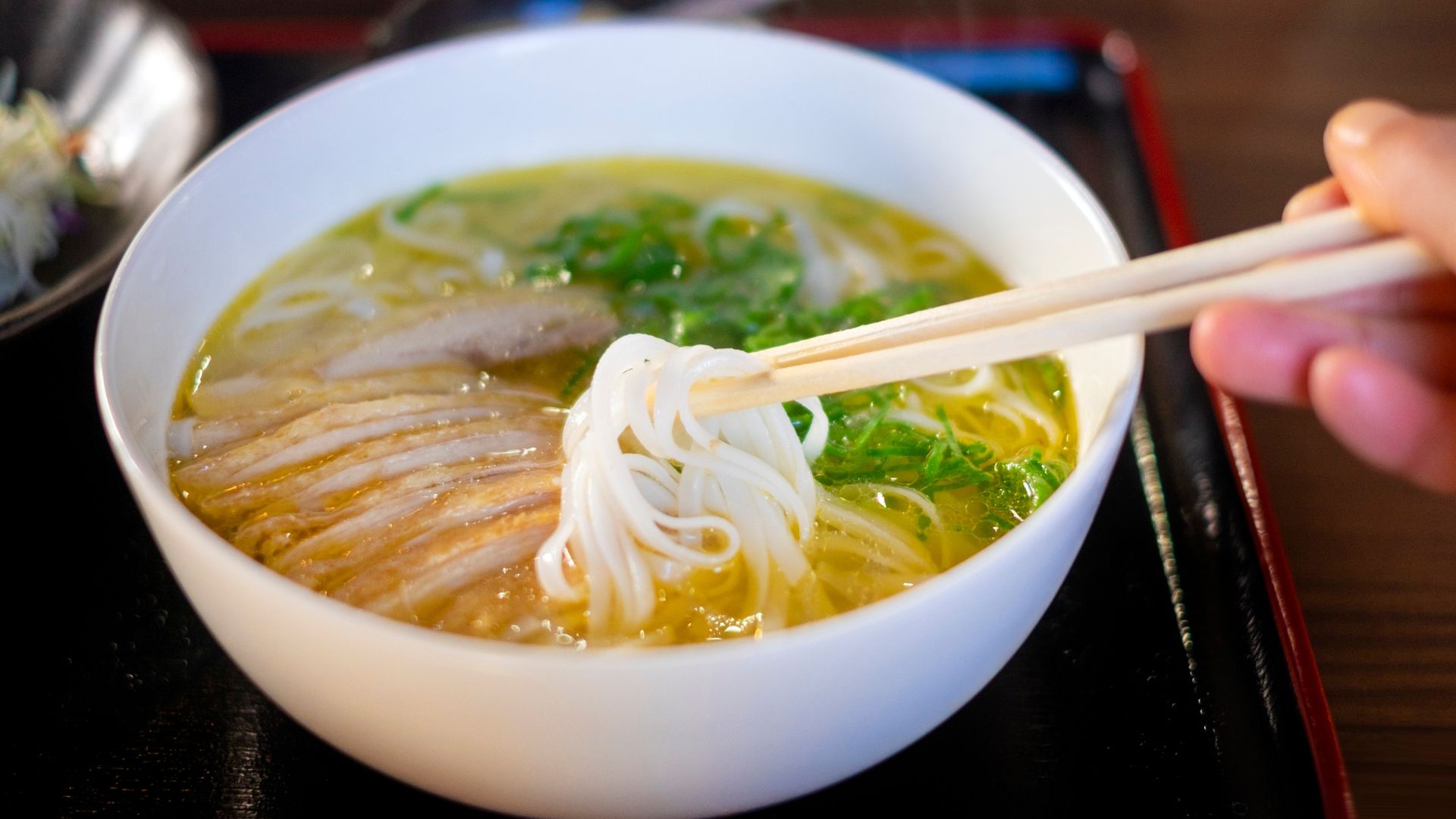
Vietnam’s street food scene blew me away. It’s affordable and so accessible. A bowl of pho? Usually $1-2. Banh mi? About a buck.
The variety keeps things fun. Every corner seems to offer something new—spring rolls, skewers, pancakes. Eating three meals a day for under $10 is totally doable, and you’re not sacrificing flavor.
Night markets became my go-to. I’d grab crispy banh xeo for 50 cents or a full plate of bun cha in Hanoi for $2. The prices barely change between cities and small towns.
What really stands out? The food’s always fresh and made right in front of you. I never felt like I was getting some watered-down tourist version. If I tried something and didn’t love it, who cares? I was only out a dollar.

4) Hanoi and Ho Chi Minh City—two different worlds, both worth it
Vietnam’s big cities each have their own vibe. Hanoi, with its 1,000-year-old history, lets you wander narrow streets packed with craft shops, street eats, and ancient temples. It’s got that old-world charm.
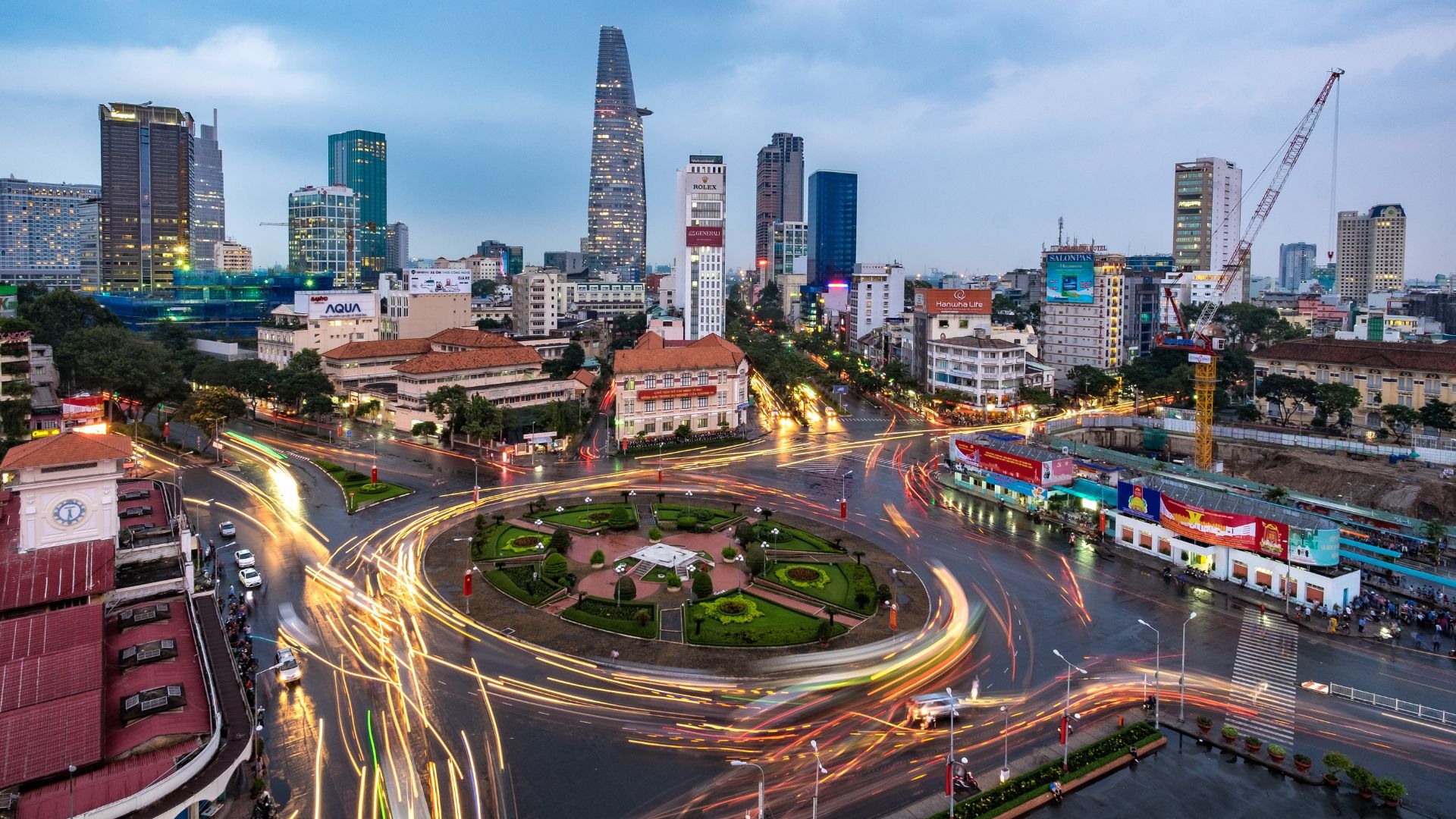
Ho Chi Minh City, on the other hand, buzzes with energy. It’s the business hub, mixing modern skyscrapers with French colonial buildings and fascinating history. Food markets, museums, and daily street life all feel genuinely Vietnamese.
I love how both cities make it easy to dive into culture without draining your bank account. Street food is cheap, and most temples or museums charge little or nothing. Honestly, that’s a rare combo.

5) Beaches that feel like a secret (especially Phu Quoc)
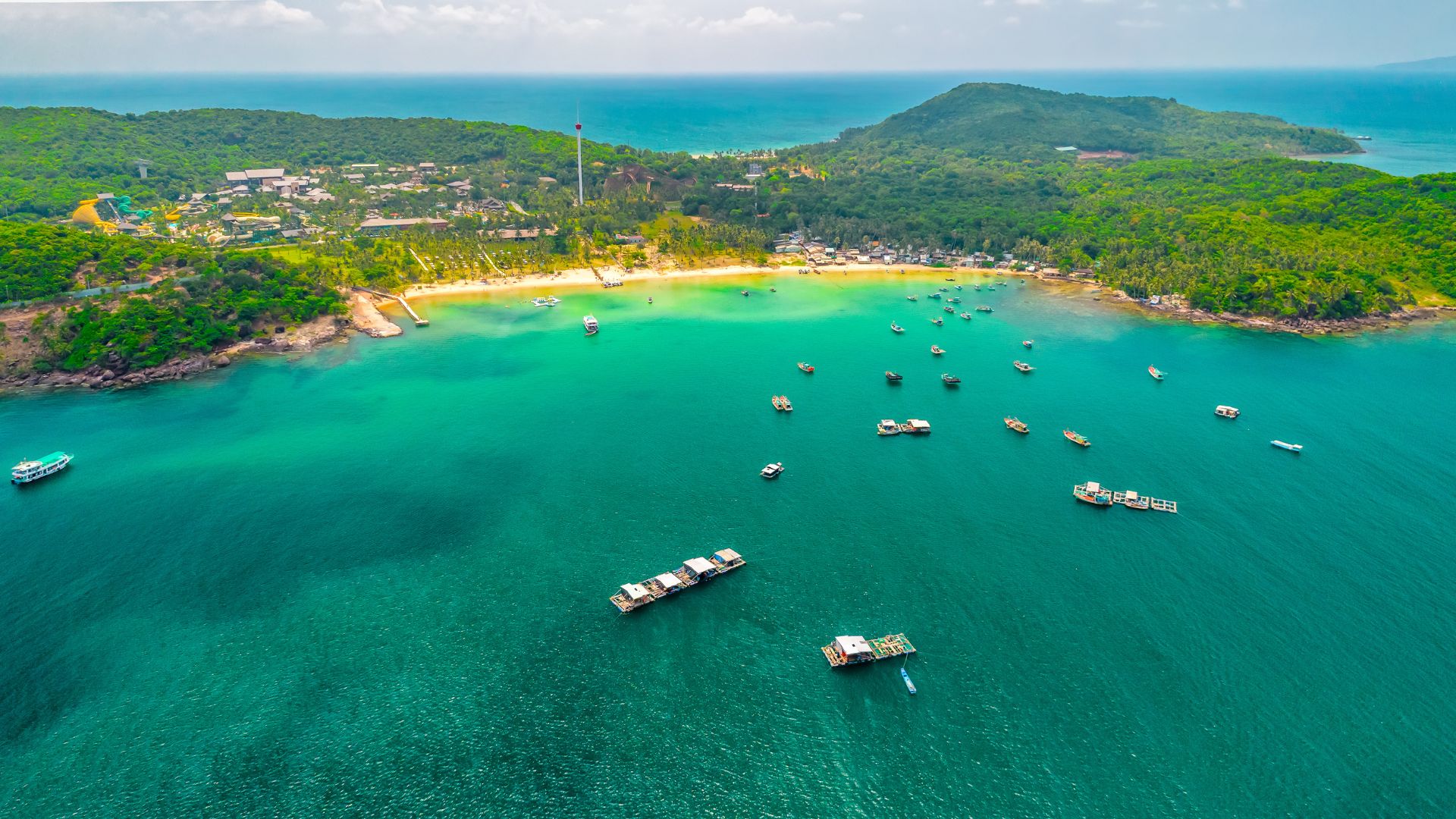
Vietnam’s beaches are a breath of fresh air compared to Bali’s packed shores. Phu Quoc, the country’s biggest island, is my personal favorite.
Getting there’s a breeze now, thanks to the new airport and better roads. The beaches? Still quiet and clean, despite the growth. You can actually hear the waves.
What really hooks me is the price. Beachfront hotels on Phu Quoc are way cheaper than Bali. I get white sand, clear water, and fresh seafood without blowing my budget.
The island strikes a nice balance between comfort and authenticity. Forbes Italia even called it an emerging paradise. Beyond Phu Quoc, places like Nha Trang and Da Nang offer their own unique beach scenes—again, for way less.
6) Getting around is easier (and cheaper) than you’d think
Vietnam’s travel infrastructure surprised me. Roads, airports, and public transport have all gotten a major upgrade. Hopping between Hanoi, Da Nang, and Ho Chi Minh City? Fast and affordable.
Over the past decade, the country’s poured money into tourism. Modern airports connect you to hotspots, and new coastal roads make beach towns accessible. Even smaller places have solid bus connections and reliable taxis.
You can pick your price point—sleeper buses for under $20, domestic flights for less than $50, or scenic trains along the coast. Booking online is a breeze now, and English signage helps a ton.
7) Fewer crowds, more genuine experiences
Vietnam gives you space to breathe. While Bali groans under mass tourism, Vietnam’s still got plenty of spots that feel undiscovered.
Lots of beach towns and cultural sites aren’t swamped with tourists. I can explore temples, markets, and beaches without elbowing my way through crowds.
Tourism’s spread out across the country, so you’re not stuck in one packed area. Places like Phong Nha, Ninh Binh, and Con Dao stay blissfully uncrowded.
Winter makes this even better—perfect weather, but without the tourist surge you see elsewhere in Southeast Asia. I can actually take a photo without a dozen strangers in the frame.
When destinations aren’t overrun, everything feels more real. You can chat with locals, linger at markets, and just soak up the vibe at your own pace.
8) Snorkeling and island-hopping that won’t empty your wallet
Vietnam’s coastline is a playground for budget-friendly adventures. Snorkeling and island hopping tours in Nha Trang and Phu Quoc start as low as $15-30 for a full day.
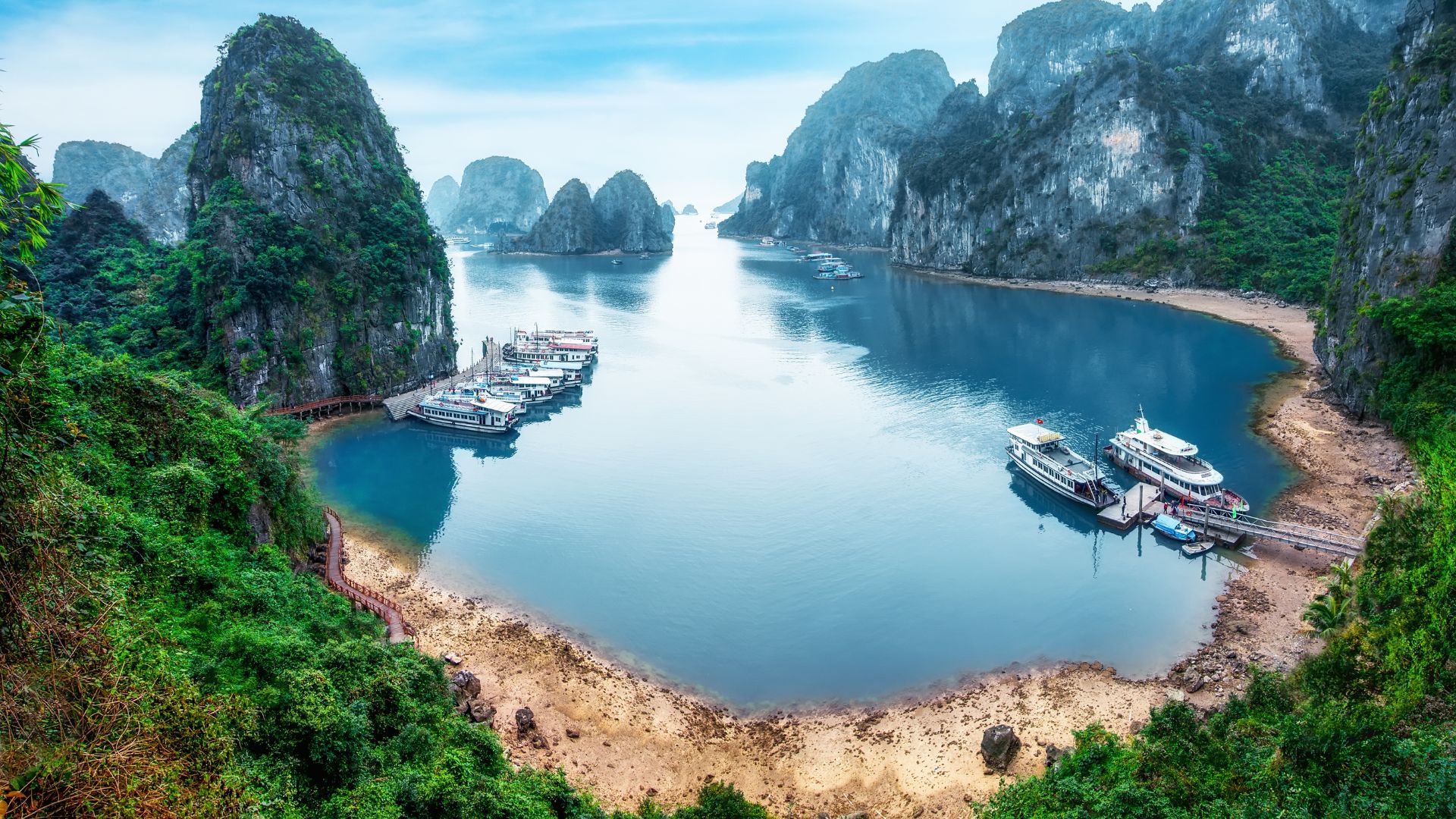
Ha Long Bay offers a different take—think limestone caves and secret beaches. Tours usually include lunch, gear, and multiple stops, all for $25-50.
Con Dao and the Cham Islands near Hoi An are snorkeling hotspots too. I spotted sea turtles and coral reefs without paying Bali prices. Most group tours include boat rides, equipment, and a meal—no sneaky extras.
With prices this low, you can go on a few trips and not feel guilty. I love that.

9) Night markets and local shopping for next to nothing
Vietnam’s markets are some of the best I’ve ever wandered. Prices are shockingly low, especially compared to Bali’s tourist stalls.
Night bazaars pop up everywhere. Vendors sell handmade crafts, clothes, and street food for a fraction of what you’d expect. Haggling’s half the fun.
Ben Thanh Market in Ho Chi Minh City turns into a party after dark. Hanoi’s Old Quarter has weekend night markets with endless stalls—silk scarves, wooden art, you name it.
The finds go way beyond the usual souvenirs. I picked up local ceramics, Vietnamese coffee, and hand-embroidered textiles. Plus, you can eat dinner for a couple bucks while you shop.
Dalat’s market is famous for flowers and fresh produce. Hoi An’s riverside market is the place for lanterns and tailor-made clothes. Shopping here feels like a true cultural experience, not just a transaction.

10) Landscapes that change with every mile
Vietnam packs a crazy variety of landscapes into one country. You get towering mountains, pristine coastlines, and lush highlands—all in one trip.
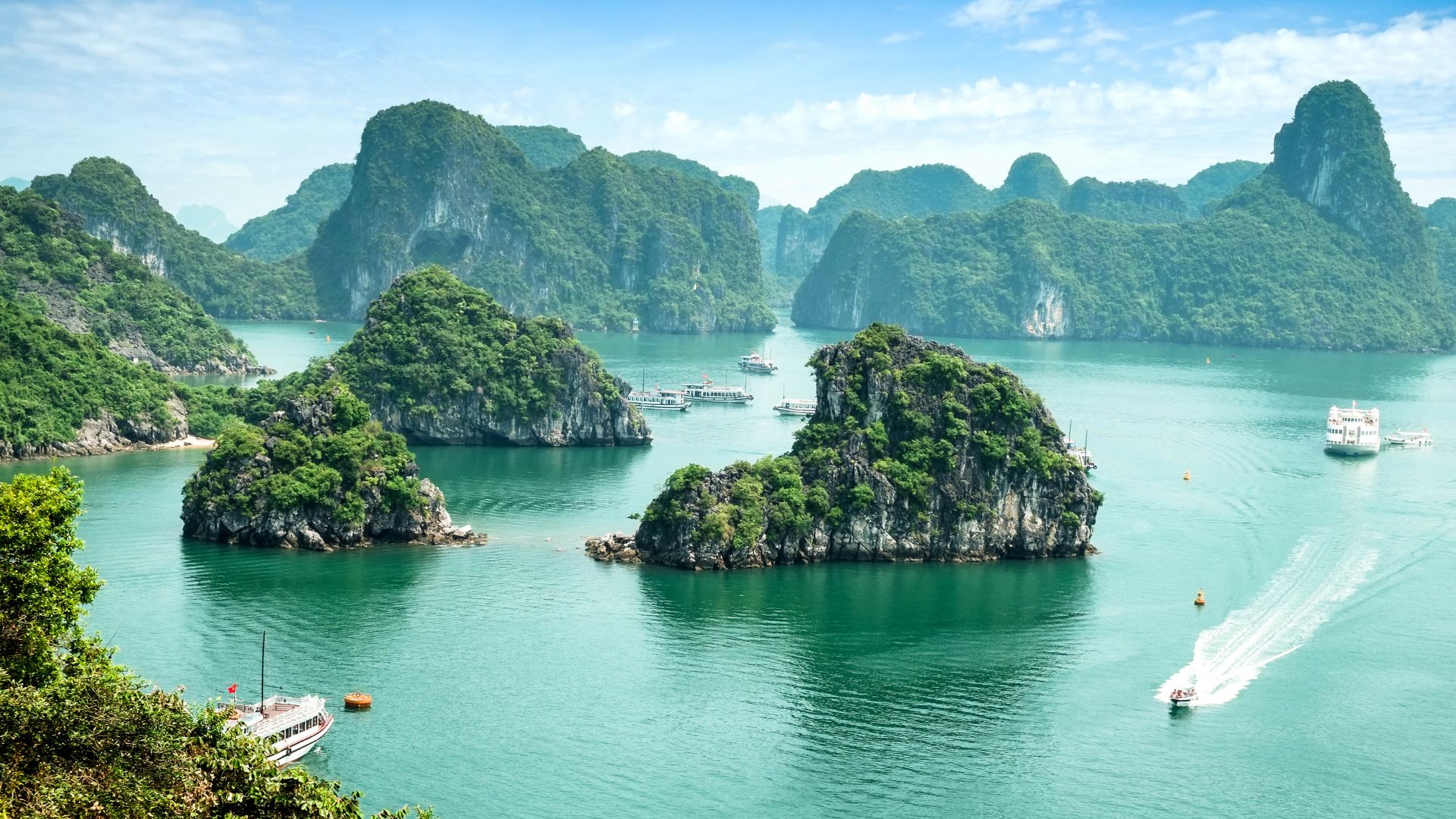
Up north, Ha Long Bay and Ninh Binh are dotted with limestone karsts, making every photo look epic. No crowds ruining the view, either.
Central Vietnam brings miles of coastline. Da Nang and Nha Trang have white sand and clear water, and you’ll pay way less than in Bali.
The Central Highlands around Da Lat are cool and green, with rolling hills and coffee farms. It’s a great escape from the heat. Waterfalls, pine forests, and terraced farms fill the landscape.
Sapa’s rice terraces climb up the mountainsides, and the cooler temperatures give you a whole different feel. You can fit mountain hikes, beach days, and highland drives into one vacation—no need to choose.
Vietnam’s a winter dream for budget travelers. You get lower costs, great weather, and a mix of experiences that honestly outshine most of Southeast Asia. If you’re looking for a new adventure, this might just be it.
Affordable Accommodations and Travel
Vietnam keeps surprising me with how budget-friendly it is, especially when it comes to places to stay. In cities like Da Nang and Ho Chi Minh City, I usually find solid mid-range hotels for $20-40 a night. If you don’t mind keeping it simple, hostels often go for just $5-8 per night.
Getting around the country doesn’t break the bank either. Domestic flights usually run $30-60, and honestly, the train system is even better value. I’ve hopped on sleeper trains from Hanoi to Da Nang for just $25-35. Local cabs rarely cost more than $2-5 for short trips, and renting a motorbike for the day sets me back only $5-7.
Food is where Vietnam really shines. Grabbing street food often costs just $1-3, and even if I sit down at a restaurant, I hardly ever spend more than $5-10 per meal. A cold beer at a neighborhood spot? Less than a buck.
Distinctive Local Experiences
Vietnam stands out for experiences I just can’t find anywhere else in Southeast Asia. The country’s colonial history weaves French and Asian influences into the architecture, food, and everyday life.
Ha Long Bay has these incredible limestone karsts jutting out of green waters—pictures don’t do it justice. Hoi An feels magical with its old buildings and lantern-lit streets. The Mekong Delta? Locals still run their markets from boats, which feels like stepping into another world.
Vietnamese food is something I never get tired of. Each region has its own specialties—northern pho, central banh mi, southern spring rolls. The fresh herbs and balanced flavors make every meal memorable.
Seasonal Climate and Best Times to Visit
If you’re trying to avoid sticky heat, winter in Vietnam is perfect. From December to February, the north (think Hanoi) cools down to a comfortable 60-70°F, while the south stays warm and dry at 75-85°F.
Central Vietnam, especially Da Nang and Hoi An, hits its weather sweet spot from February to April. I usually suggest coming a bit later in the season—January can still get some rain.
The dry season brings lower humidity and blue skies, ideal for exploring. Nha Trang and Phu Quoc are beachy paradises during these months, with great swimming conditions.
Cultural Considerations for Travelers
Vietnam has its own set of cultural expectations, and getting a handle on local etiquette can really make your trip smoother. The food scene is amazing and cheap, but knowing how to navigate it helps a lot.
Etiquette and Respectful Behavior
Every time I visit someone’s home or a temple, I make sure to take off my shoes—it’s a must here, no exceptions.
Visiting pagodas or religious spots? Covering shoulders and knees is important. Some sacred places offer sarongs if you forget. I keep my voice down and make sure not to point my feet at anyone or at Buddha statues.
Key gestures to remember:
- Always use both hands when handing things to elders
- Never touch someone’s head—it’s considered sacred
- Pointing directly at people with your finger is a no-go
Bargaining is part of the fun at markets, but I skip it in fixed-price shops and restaurants. I usually start my offer at about half the asking price and see where it goes. Public displays of affection aren’t really accepted, so I keep things low-key. Vietnamese culture values harmony—raising your voice or causing a scene won’t get you far.

Local Cuisine and Dining Tips
Street food is where I find Vietnam’s best bites, sometimes for just $1-3. If I see a busy stall packed with locals, I know the food’s fresh.
Carrying small bills (10,000-50,000 dong) saves me headaches since street vendors rarely have change. I like to watch how locals order and eat—pho comes with herbs, lime, and chili that you add yourself.
Essential dining practices:
- Lay chopsticks across your bowl—never stick them upright in rice
- Slurping noodles? Totally fine, and even a compliment to the chef
- Tipping isn’t expected at local joints, but 5-10% is nice at touristy places
I’ve learned to drink my beer with ice, just like everyone else. Tap water is off-limits, so I stick to bottled water, which costs about 30 cents. If you want your food less spicy, try saying “không cay” (kohng kai).
Frequently Asked Questions
Vietnam is a dream for winter travelers—think under $30 a day, a mix of cool mountains and sunny beaches, and a culture that’s totally its own.
Hanoi is a favorite of mine in the north, with comfy places to stay from $10 a night and street eats for less than $2. Ho Chi Minh City is just as affordable, plus it’s got a modern vibe and plenty of cheap tours.
Phu Quoc brings island life without the high price tag. Da Nang’s low living costs and gorgeous coastline make it popular with travelers. Hoi An is all about culture, and you can find cozy guesthouses for $15-20 a night.
Vietnam usually comes in 20-30% cheaper than Bali. I can grab a meal for $2-4 at a local spot, while in Bali it’s more like $4-6.
Hostels in Vietnam start at $8-12, and mid-range hotels are around $20-30. In Bali, you’re looking at $15 for a basic hostel and $35-45 for a decent hotel. Transportation is cheaper too—buses cost less than a dollar, and motorbikes rent for $5 a day, compared to $7-10 in Bali.
Vietnam’s got amazing variety. I can hang out in the cool mountains of Sapa and then fly south for beach weather, all in one trip. The country stretches over 1,000 miles, so the climate changes as you travel.
Street food is everywhere and way cheaper than Bali’s restaurant scene. I love grabbing pho, banh mi, or spring rolls from street vendors for just a couple bucks. Coffee culture is huge too—local cafes serve up strong Vietnamese coffee for less than a dollar.
History buffs will find plenty to explore, from ancient temples in Hanoi to the Cu Chi Tunnels near Ho Chi Minh City. The vibe is different from Bali’s Hindu temples and beach clubs.
December to February is the sweet spot for weather and prices. I think January is especially great—after the December crowds and before the Lunar New Year rush.
The north is cool and dry, perfect for city wandering. Down south, it’s all sunshine and beach days. Prices usually drop after Christmas, so early to mid-January is extra kind to your wallet.
Absolutely. With $1000, I can easily spend two weeks in Vietnam if I plan smart. I usually budget $50-60 a day for a mix of mid-range hotels, tasty meals, getting around, and a few activities.
Here’s how I break it down: $15-20 per night for a comfy room, $10-15 for food, $10-15 for transport and fun, and $5-10 for extras. That leaves a couple hundred bucks for city flights or a splurge.
If I stick to hostels and street food, daily costs drop to $30-35, freeing up cash for tours or the occasional treat.
Let’s be honest—Vietnam in winter is a dream for budget travelers. You can hop on a Ha Long Bay cruise for about $80-120, and that usually covers your meals and even some kayaking.
If you’re more into rivers than the sea, you can grab a Mekong Delta day tour from Ho Chi Minh City for just $20-30. You’ll get to check out the floating markets and wander through traditional villages.
Craving local flavors? City food tours in Hanoi or Ho Chi Minh City cost around $15-25, and you’ll stop at several street food spots. There’s nothing quite like slurping pho shoulder-to-shoulder with locals.
For anyone who wants to see more, multi-day packages that link up different cities with transportation start at about $400-600 for a week. These packages take care of the logistics, and group rates help keep things affordable.
Honestly, I’ve saved 30-40% just by booking tours after arriving in Vietnam instead of using international agencies. It’s worth the extra effort—and you’ll probably stumble into some unexpected adventures along the way.
