
So, you’re planning a winter trip and dreading lugging around a giant suitcase? Trust me, you don’t have to check a bag just because it’s cold out. I’ve traveled in some frigid places with nothing but a carry-on, and it’s totally doable if you know what to bring.
The real trick is picking clothes and gear that layer well, pack down small, and do double duty. Focus on things that work in a bunch of situations, and look for materials that keep you warm without hogging all your bag space.
Let’s get into the nitty-gritty. Here’s my go-to list for winter carry-on travel—clothes, accessories, gear, and a few packing hacks that actually work. If you’re tired of overpacking, this is for you.
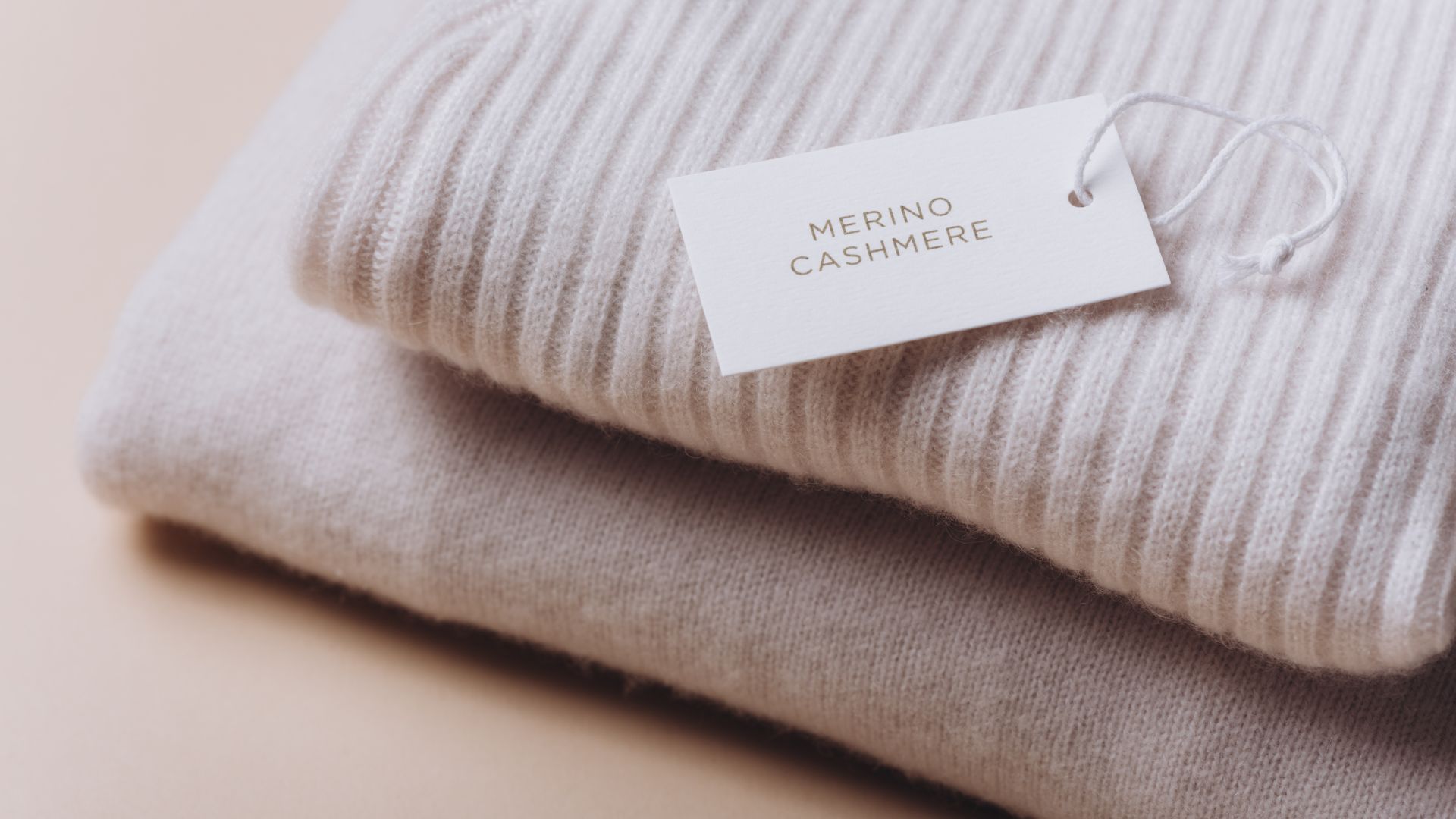
1) Thermal base layers for moisture-wicking and warmth
Base layers are your secret weapon for winter travel. I always start with a good pair, top and bottom. They sit right against your skin, trapping heat and pulling away sweat so you stay dry.
Merino wool is my favorite—keeps you warm, doesn’t get smelly, and feels soft. Synthetics like polyester dry fast and cost less, so those are good too. Sometimes you’ll find blends that mix the best of both worlds.
I usually pack one set. They’re perfect for layering during the day or sleeping in a chilly room at night.
Pick the weight that matches your trip. Lightweight for milder days or if you’ll be moving a lot, midweight for regular cold, and heavyweight if you’re heading somewhere truly icy.
You want them snug but not suffocating. Too loose, and they won’t wick moisture or keep you warm.
2) Insulated packable down jacket
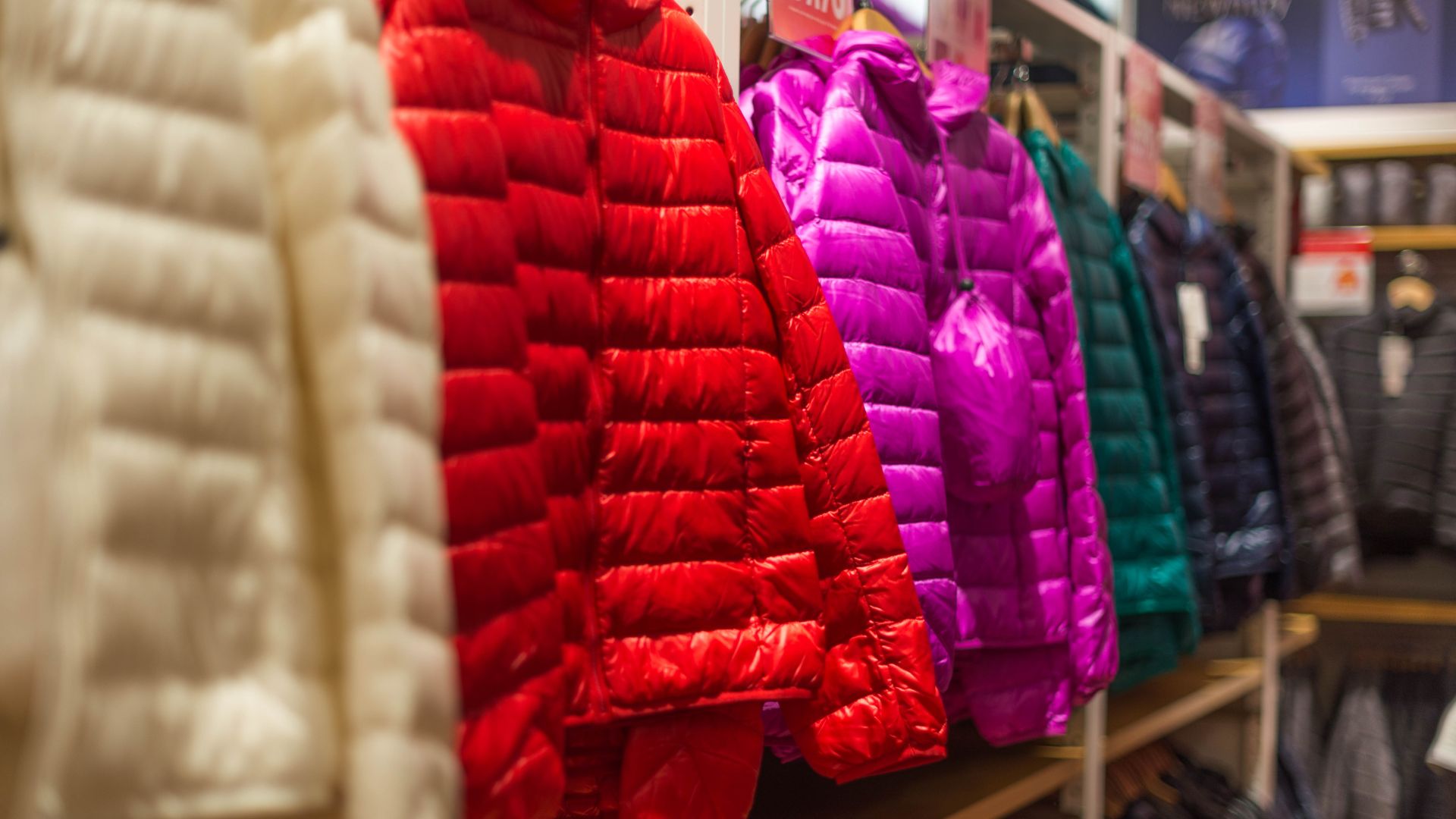
A packable down jacket is a total game changer. I’ve stuffed mine into a backpack side pocket, and it still kept me warm walking through snowy cities.
Down insulation gives you serious warmth without bulk. Plus, you can wear it on the plane to save space. Most come with their own stuff sack, which is super handy.
Look for jackets that keep you cozy down to around 30°F. If it’s colder, just add a layer underneath. I like having a water-resistant shell for surprise flurries or drizzle.
You don’t have to drop $300 to get a good one. Plenty of budget-friendly options work just fine.
I always choose a jacket with a hood. It covers my head and neck, so I don’t have to pack a separate hat. Make sure there’s enough room for a sweater or base layer underneath.
3) Waterproof and breathable shell jacket
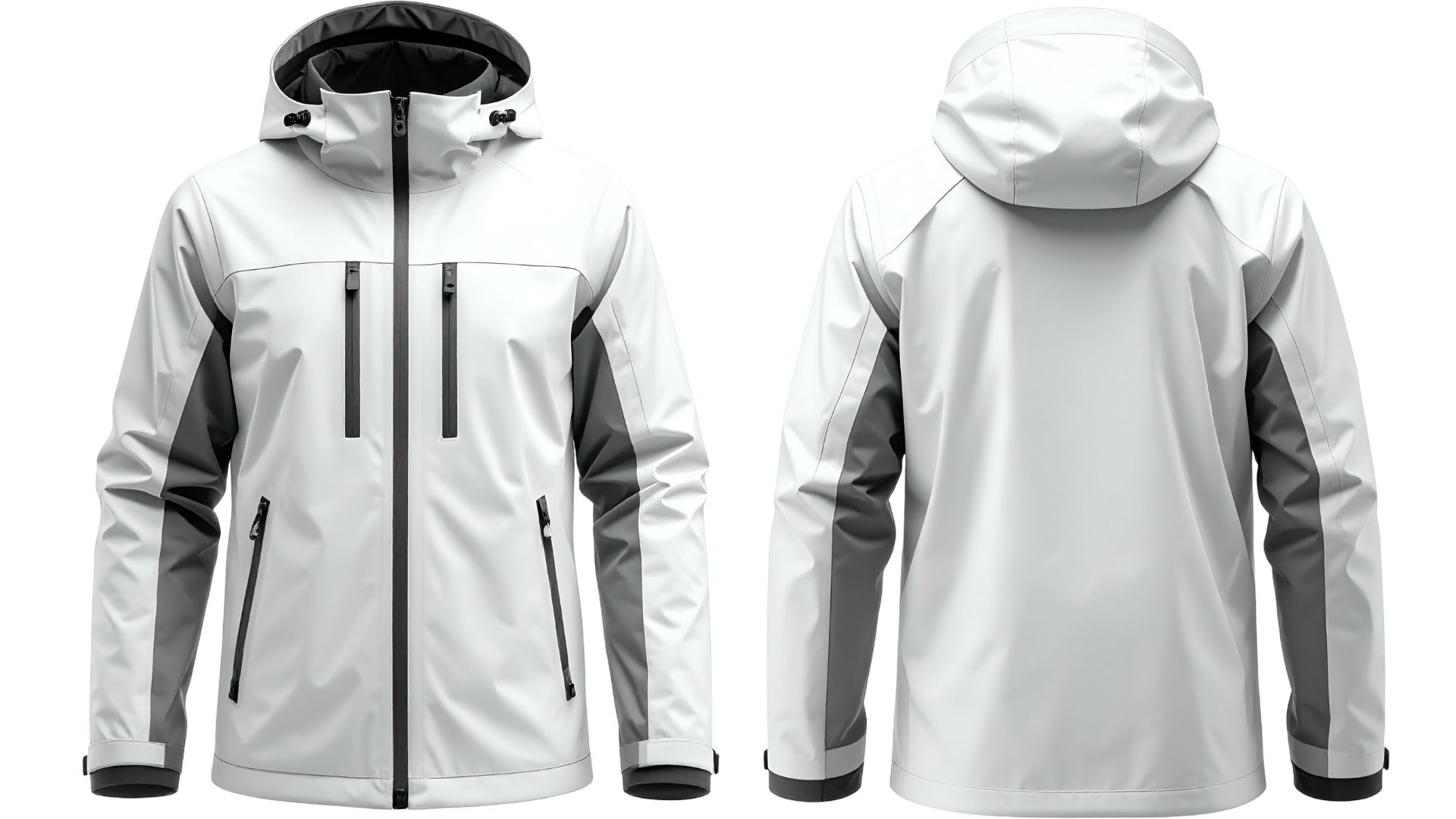
You need a shell jacket that blocks rain and snow but doesn’t make you sweat buckets. I’ve learned the hard way that breathability matters when you’re running for a train or lugging your bag up stairs.
Hard shell jackets handle winter best. They’re thicker than your average raincoat and usually have adjustable hoods and cuffs. Pockets—lots of pockets—are a plus for stashing gloves or snacks.
Seam-sealed construction is a must. It keeps water from sneaking in at the stitches. Pit zips or vents help you cool down if you’re moving a lot.
Packable shells are awesome. I fold mine into its own pocket, and it barely takes up any space. Even the lightest ones can handle serious weather.
Try on your shell over a sweater or fleece before you go. You’ll want sleeves that actually cover your wrists and a hem that doesn’t ride up.
4) Merino wool socks for odor control and insulation
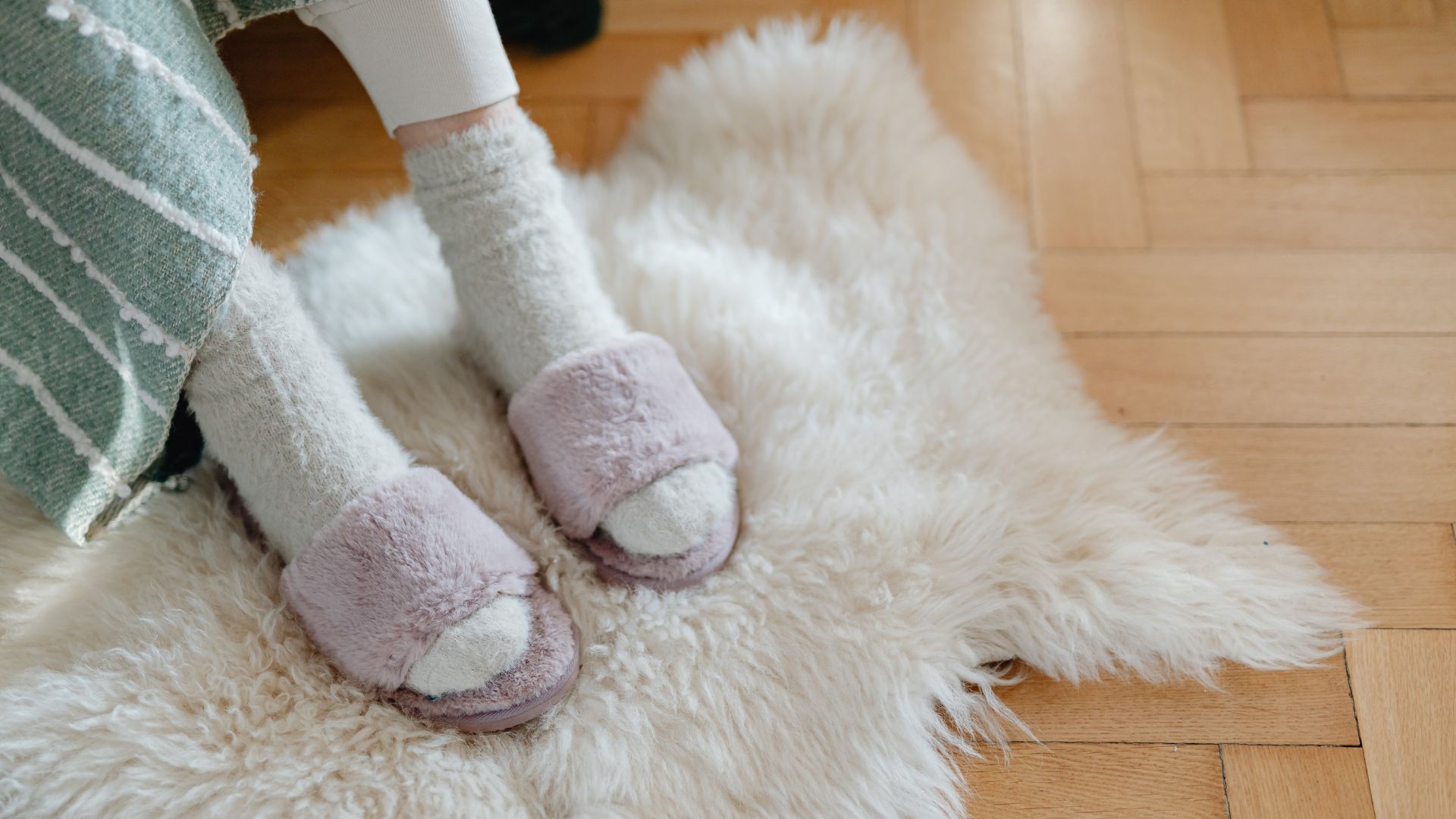
Merino wool socks are a lifesaver for winter trips. They keep your feet warm and somehow never stink, even after a long day of walking.
Most regular socks get gross after a day, but merino wool seems to work magic. The fibers stop bacteria from building up, so you can wear them for a couple days if you need to.
They’re also way better at trapping heat and letting your feet breathe. No more sweaty, cold toes.
I usually pack two or three pairs. That’s plenty because you can re-wear them, saving valuable space in your bag.
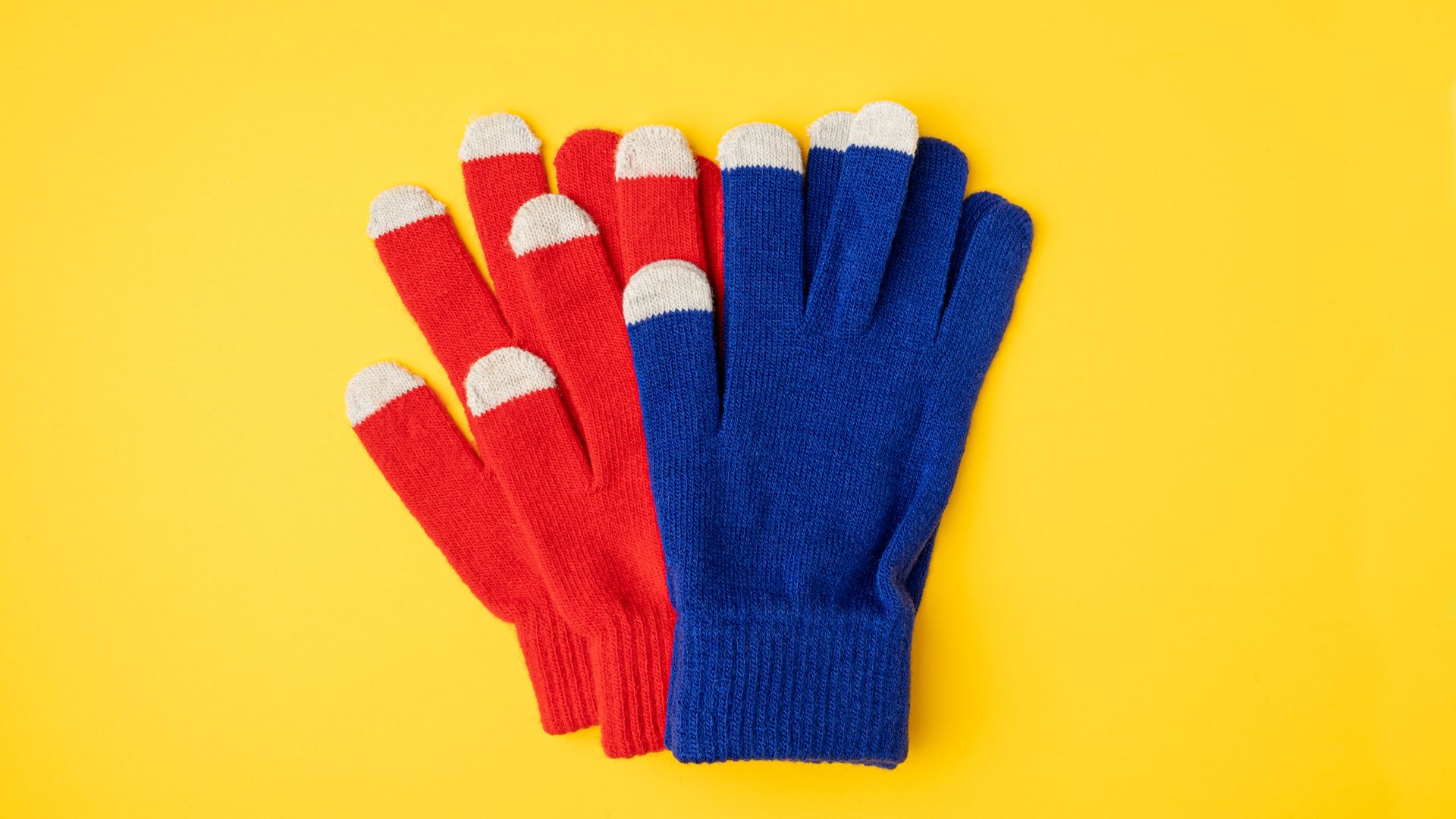
5) Compact insulated gloves with touchscreen capability
Touchscreen gloves are a must if you don’t want to freeze your fingers every time you check your phone. I can’t count how many times I’ve fumbled with regular gloves at the airport.
Look for ones with insulation and those special fingertips that actually work on your screen. I’ve tried a few, and not all are created equal—test them with your phone before you leave.
The best gloves balance warmth, touchscreen function, and a slim fit. Bulky gloves just eat up space in your bag.
Go for windproof and water-resistant materials. That way, your hands stay warm whether you’re dodging snowflakes or waiting for a late bus.
6) Warm beanie or insulated hat
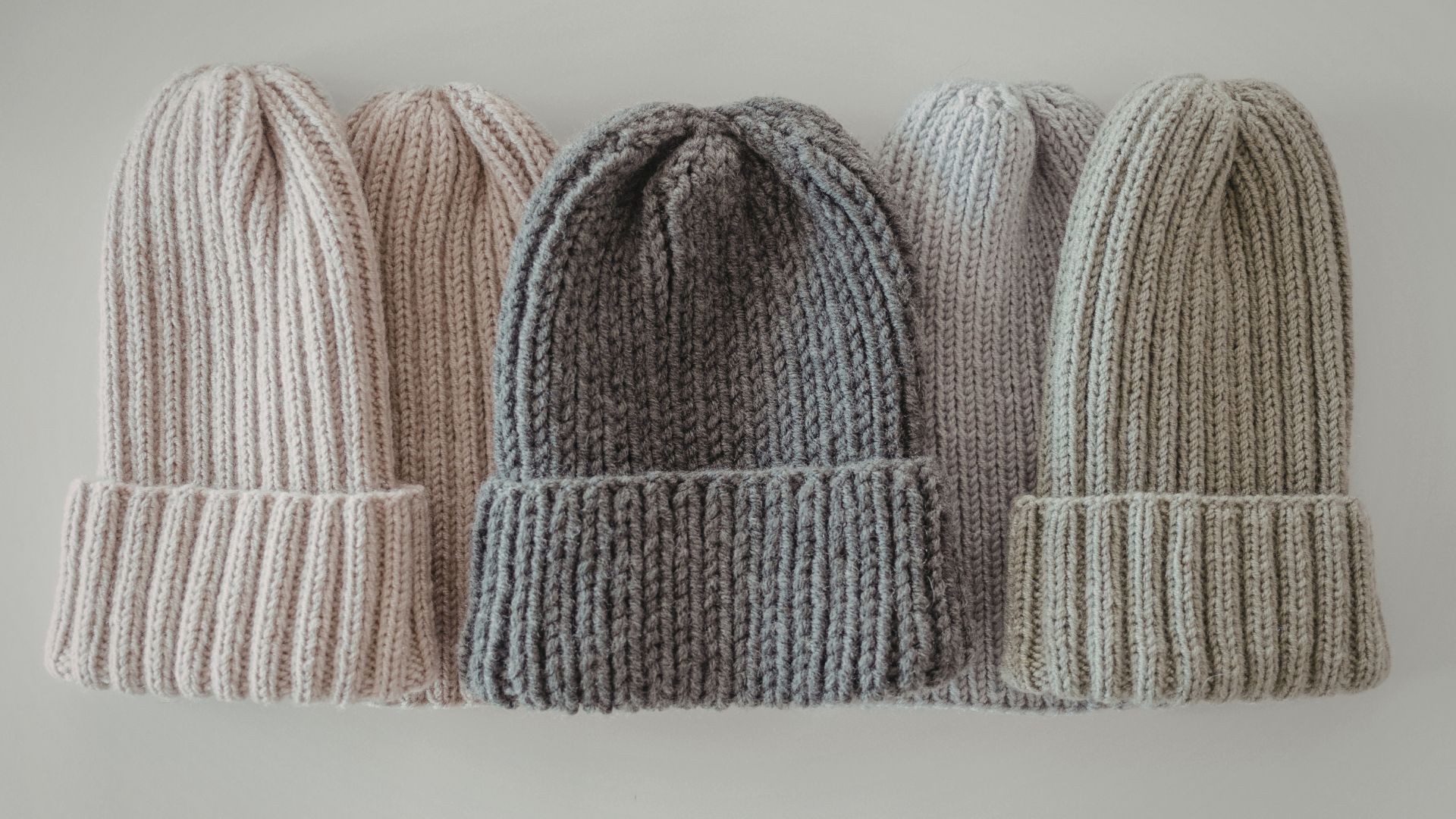
Don’t skip a good hat. I used to think I could tough it out, but covering your head really does make you feel warmer.
Pack one solid beanie or insulated hat that covers your ears. Merino wool or fleece both work great and squish down to nothing in your bag.
No need for more than one. Just pick something versatile.
I like hats that bounce back after being stuffed in a pocket. Avoid big pom-poms or chunky details—they’re cute but take up space.
If your bag’s full, wear your hat on the plane. Dark colors hide dirt and match everything.
7) Lightweight scarf or neck gaiter
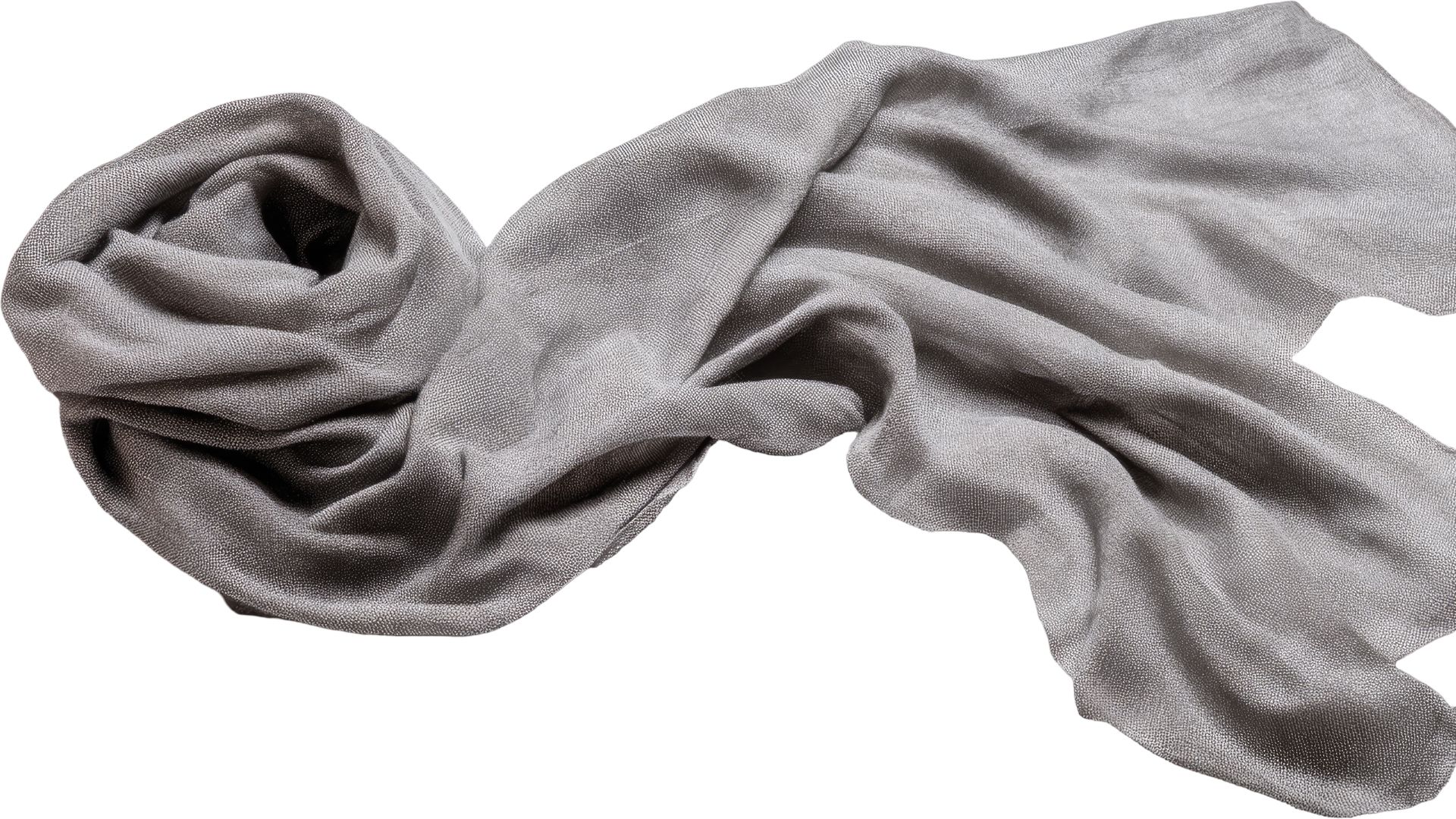
A lightweight scarf or neck gaiter is a tiny item that makes a huge difference. I always bring one—sometimes two if I’m feeling fancy.
Neck gaiters are super versatile. You can pull them over your face when the wind picks up or just wear them around your neck. They’re handy for city strolls or hiking.
Merino wool is my top pick. It’s warm but not bulky, and you can layer it under a jacket or heavier scarf if needed.
Skip the super thick ones meant for mountaineering. A regular lightweight gaiter will do the trick for most trips.
Neutral colors work best. You’ll match more outfits and need to pack less.
8) Versatile layering sweaters or fleeces
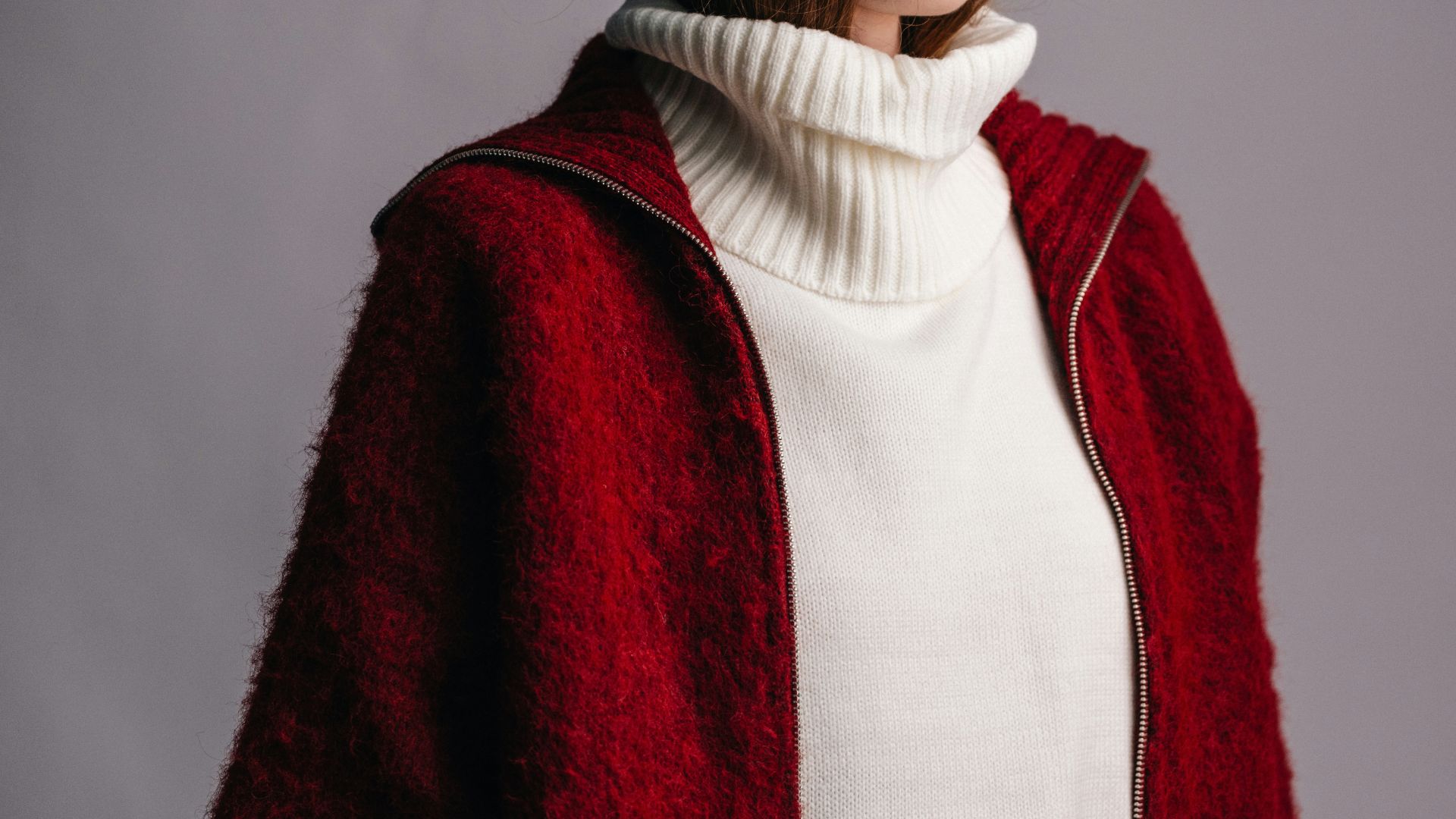
A good layering sweater bridges the gap between your base layer and jacket. I usually pack a fleece pullover or a slim merino wool sweater.
Fleece is lightweight, dries fast, and packs down easily. Quarter-zips are nice for venting heat without stripping down completely.
Merino wool sweaters don’t hold onto odors, so you can wear them a few times. That means you can pack less and still feel fresh.
Stick with black, gray, or navy. They go with everything and don’t show travel grime.
One or two layering pieces is enough. Rotate them with your base layers and jackets for different looks. Slim fits are better for layering and take up less space.
9) Weather-resistant carry-on luggage
Winter means wet, slushy conditions, so your carry-on needs to protect your stuff. I’ve had bags soaked by surprise snow, and it’s not fun.
Look for bags made from water-resistant nylon or polyester. Hard-shell polycarbonate works well too.
Weatherproof zippers are a game changer. They keep water out, especially if you’re caught outside waiting for a ride.
Smooth-rolling wheels matter more than you’d think. They glide over wet floors and slushy sidewalks without getting stuck.
Make sure your bag can handle cold temps without cracking. Some cheap plastics get brittle in the cold.
Double-check airline size limits—usually 22 x 14 x 9 inches, but always verify before you go.

10) Packable waterproof boots or insulated shoes
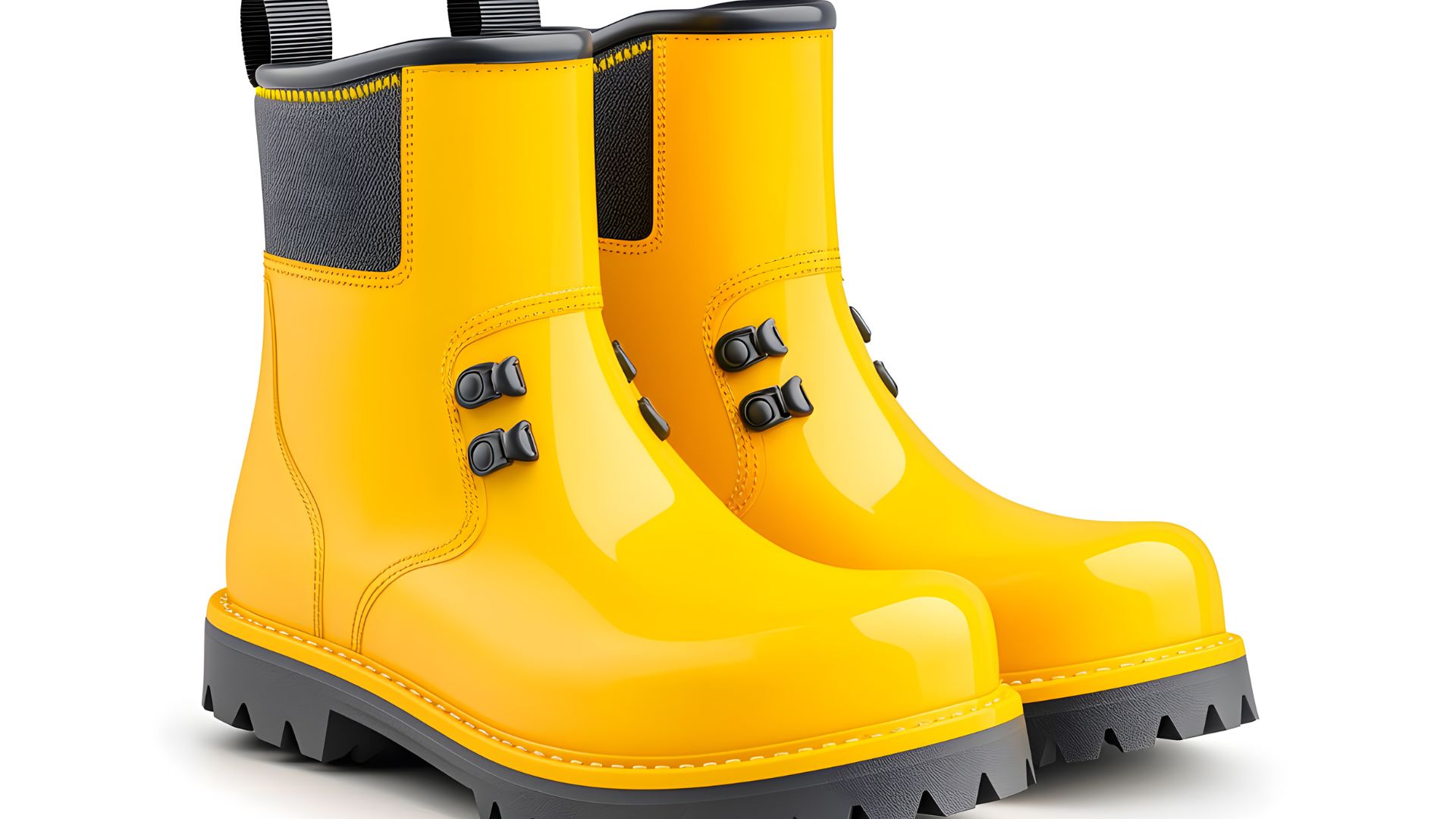
Winter boots can eat up half your bag, but packable ones save the day. I’ve found boots that fold or roll flat—so much easier to pack.
Flexible rubber or synthetic materials let you squish them into side pockets. Removable insoles are a bonus for packing and comfort.
Waterproofing is non-negotiable. You don’t want wet feet after a day in snow or slush.
Insulation keeps your toes happy. Lightweight fill or faux fur lining works without adding bulk.
Good traction is a must. I’ve slipped on icy sidewalks before, and it’s not something I want to repeat.
Packable boots aren’t as tough as heavy-duty ones, but they’re perfect for city trips and moderate winter weather. If you’re heading into the wild, you might need something sturdier.
Key Principles for Efficient Winter Packing
I know winter clothes seem to eat up suitcase space, but with a few tricks, you can still pack everything you need in a carry-on. Smart layering and packing methods really do make all the difference.
Layering Strategies for Cold Weather
Layering? It’s a lifesaver. Instead of packing a separate outfit for every possible temperature, I rely on layers to keep warm and flexible.
I start with a thin base—merino wool or synthetic fabrics that wick away sweat. Then I toss on a fleece or a lightweight sweater for insulation.
For the final touch, I grab a waterproof jacket that blocks wind and snow. Honestly, this three-layer setup beats a single thick coat since I can peel off or add layers as needed.
Essential layers to pack:
- 2-3 long-sleeve base layer tops
- 1-2 mid-layer pieces
- 1 waterproof outer jacket
- 2 pairs of base layer bottoms
I always choose base layers I can re-wear between washes. Merino wool is great because it resists odors, so you don’t need a ton of pieces. Neutral colors like black, gray, or navy? They make mixing and matching a breeze.
Maximizing Space and Minimizing Bulk
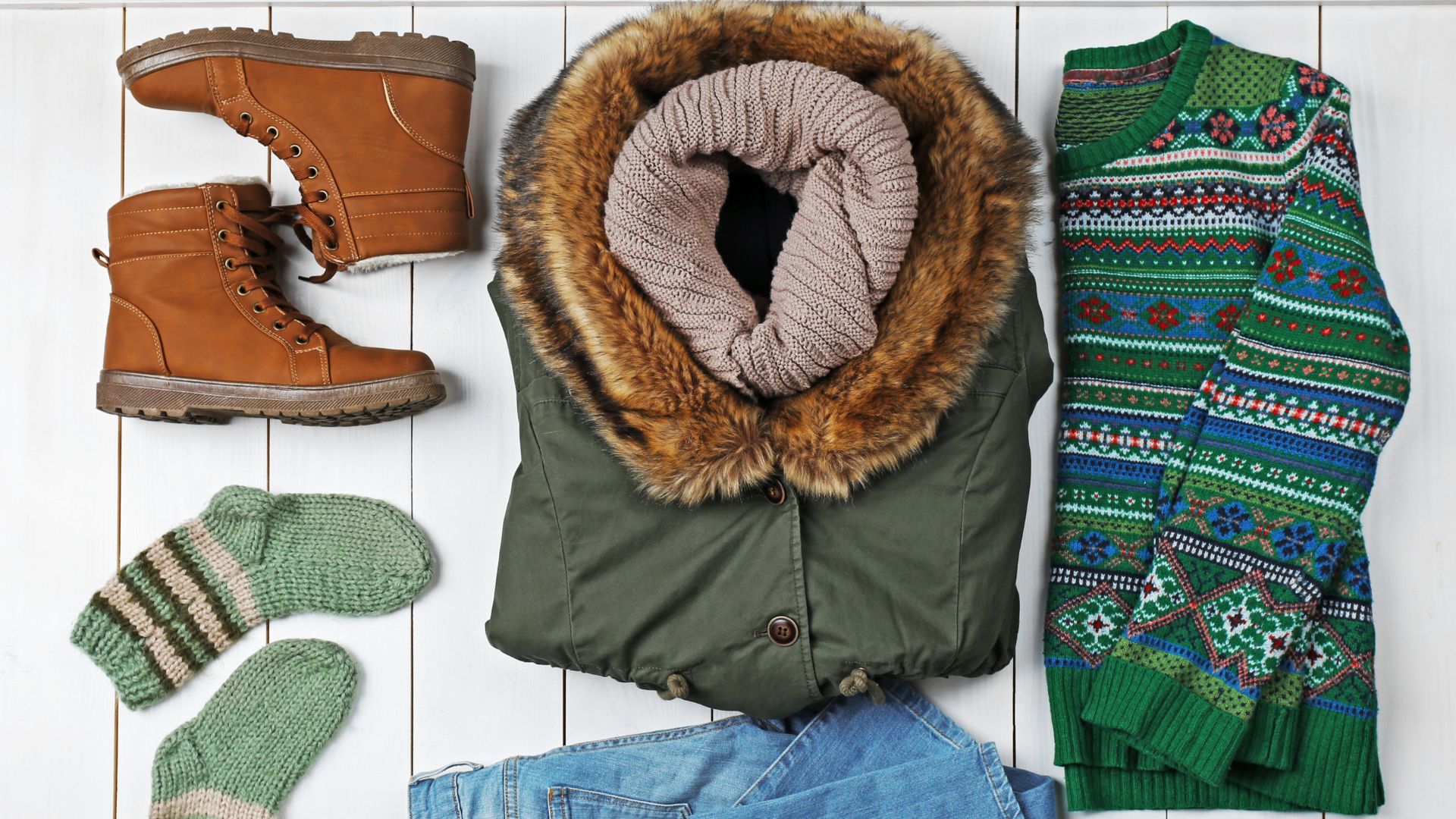
I always wear my bulkiest stuff on the plane. That means my winter coat, heavy shoes, and thickest sweater come with me to my seat.
Soft things like base layers and t-shirts get rolled up tight. Jeans and sweaters? I use the flat-pack method for those. Packing cubes help compress everything and keep my bag from turning into chaos.
I stuff socks, underwear, and gloves right into my shoes. Small spaces? I fill them with rolled belts or charging cables. Heavier items go at the bottom of my bag, close to the wheels.
Thin, packable winter gear is a game changer. My down jacket squishes down to the size of a water bottle, and a puffer vest adds warmth without hogging space.
Essential Tips for Winter Travel with a Carry-On
Winter packing doesn’t have to mean overstuffed bags. I focus on smart clothing choices that work for different situations, a plan for quick laundry, and a little flexibility for shifting temps—icy sidewalks outside, toasty indoors.
Choosing Versatile Winter Clothing
I swear by pieces that pull double (or triple) duty. I stick with a basic palette—black, navy, or gray—so everything matches. That way, I can mix and match for different looks with fewer items.
Key versatile items:
- A mid-weight jacket to layer under a heavier coat
- Two pairs of pants for both daytime exploring and dinners
- Three to four tops that dress up or down
- One pair of shoes that works for walking and nicer outings
Merino wool? It’s a miracle fabric. It keeps me comfy, doesn’t stink, and packs down small. I’ll wear one merino sweater three or four times before washing.
I hunt for items that multitask. A scarf turns into a blanket on the plane. Leggings double as a base layer or pants. My warmest coat always has deep pockets for gloves, a hat, or whatever else I need to stash quickly at security.
One warm coat, one hat, one scarf, one pair of gloves. Bulky stuff goes on my body during travel days, not in my bag.
Managing Laundry While Traveling
I’ve learned to keep clothes fresh by planning a laundry day every three or four days. That way, I only pack a week’s worth of clothes, even for longer trips.
I bring a tiny bottle of travel laundry detergent or some detergent sheets. Hotel bathrooms work fine for hand-washing base layers, underwear, and socks. I hang them on the shower rod or over chairs to dry overnight.
Laundromats in most cities let me wash and dry everything in a couple of hours. Some hotels even offer same-day laundry for a fee. When I can, I book places with a washer and dryer.
Quick-dry fabrics are so worth it. Merino wool and synthetics dry in six to eight hours. I skip heavy cottons—they take forever to dry.
Adapting to Varying Climates
Winter weather can flip fast, especially between outdoor adventures and overheated indoor spaces. Layering helps me stay comfortable all day.
I stick to three layers: a moisture-wicking base, an insulating mid-layer, and a weatherproof shell. I add or remove layers as I bounce from cold streets to warm cafes.
I always pack one lightweight long-sleeve shirt for milder days or for indoor activities. Places like museums and trains crank up the heat, so heavy sweaters get uncomfortable fast.
Before I leave, I check weather forecasts for every stop. If temps swing by more than 20 degrees, I tweak my packing list. A packable down vest adds warmth without eating up space.
I tailor my clothes to my plans. A city walking tour calls for different gear than a day at a ski resort. I focus on what I’ll actually do, not every possible scenario.

Frequently Asked Questions
Winter carry-on packing can feel like a puzzle, but a little strategy with layers, compression, and the right cold-weather gear keeps you warm without breaking airline rules.
A week-long winter trip? I always start with thermal base layers. These pieces keep me dry and warm right next to my skin.
I pack one insulated, packable down jacket—it’s warm but squishes down small. A waterproof, breathable shell jacket keeps out wind and rain.
Three pairs of merino wool socks do the trick since I can re-wear them without worry. Touchscreen gloves mean I can use my phone without freezing my fingers.
I bring 2-3 versatile bottoms and 3-4 tops for mixing and matching. One pair of winter shoes plus the boots I wear on travel days cover my footwear needs.
I always wear my bulkiest stuff—boots, jacket, sweater—on the plane. That leaves more room in my bag for everything else.
Rolling my clothes instead of folding helps save space and cuts down on wrinkles.
Packing cubes keep things compressed and organized. I pick a down jacket that squishes down to nothing.
I lay my base layers flat at the bottom of my bag. Socks and chargers get stuffed inside my shoes to use every inch of space.
Thermal base layers are non-negotiable for me. They trap heat and wick away sweat.
A packable down jacket gives me big warmth for little space. I never travel without it.
Merino wool socks keep my feet warm and dry. Cold feet can ruin a trip faster than you’d think.
Compact insulated gloves protect my hands, and I make sure they work with my phone.
A waterproof, breathable shell jacket shields me from wind and snow so my warm layers stay dry.
Here’s my go-to list:
Two sets of thermal base layers (tops and bottoms)
One insulated down jacket
One waterproof shell jacket
Three pairs of merino wool socks
Two pairs of thermal underwear
One warm hat, one scarf or neck warmer, and compact gloves
2-3 bottoms (jeans or insulated pants)
3-4 tops for layering
One sweater or fleece
I toss my toiletries into travel-size bottles, grab any meds, chargers, and a small first-aid kit. I never forget my travel documents.
I pick clothes I can wash easily during my trip. Merino wool base layers and socks dry quickly and don’t hold odors.
I pack enough for a week and plan to do laundry twice during the three weeks. Most places have laundromats or hotel laundry service.
A simple color scheme means every piece works together, so I can mix and match more outfits.
Bulky items—boots, jacket, sweater—always get worn on travel days.
Compression packing cubes help me squeeze everything in. I roll soft stuff and pack it around structured items.
Versatile layers win over single-use pieces. A thermal base layer doubles as sleepwear and extra warmth for cold days.
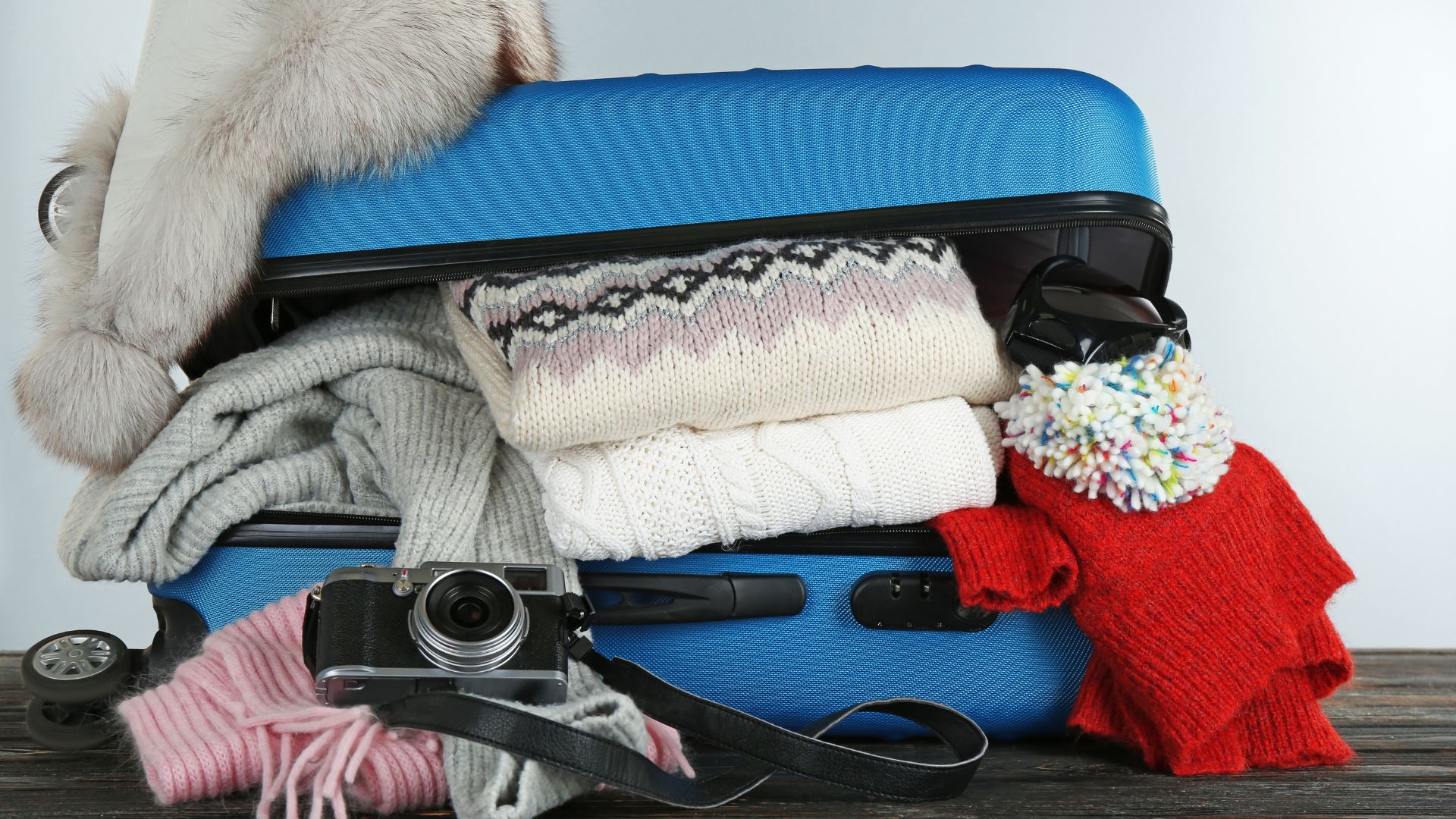
Start with a carry-on that actually fits those airline size rules, but don’t leave any space unused. I usually grab a 22-inch rolling suitcase or sometimes a big backpack—both can handle most winter trips without much fuss.
Compression straps? Total game-changer. They let you squash down all those bulky sweaters and puffy jackets, so you can actually zip your bag shut.
Multiple compartments are a must. I like having separate spots for shoes, dirty socks, or toiletries. Trust me, keeping muddy boots away from clean shirts feels like a small victory.
Go for water-resistant or, even better, waterproof material. Snow and slush love to sneak in and ruin your stuff if you’re not careful.
And don’t forget about the wheels. I always look for luggage with tough, reliable wheels that can survive icy sidewalks and salty, gritty streets. Nothing ruins a trip faster than dragging a busted suitcase through the snow.