
Italy just might have it all—iconic landmarks, mouthwatering food, and a history that grabs you at every turn. Planning your first trip can feel a bit wild. There are so many cities, so many must-sees. Ten days? That’s actually a sweet spot. You’ll soak up all the highlights without sprinting from one thing to the next.
Let’s dive into Italy’s three big stars—Rome, Florence, and Venice—and figure out how to really enjoy each city. I’ll share what you shouldn’t miss, where to eat (because, obviously), and how to get around without losing your mind. I’ll also toss in some practical tips about Italian culture and answer a few questions I had before my own first visit.
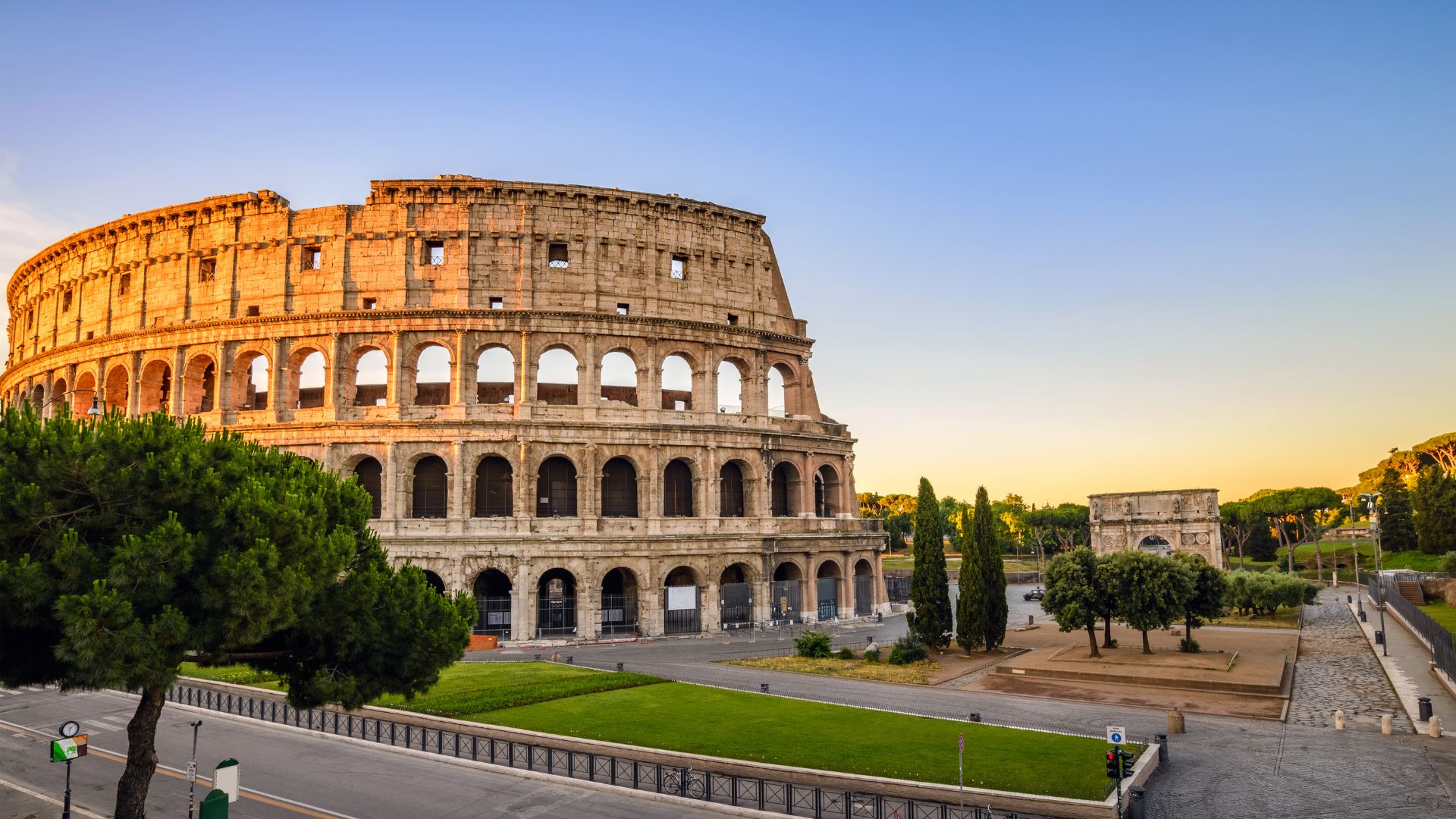
1) Morning exploration of the Colosseum and Roman Forum
Kick off your first full day in Rome at the Colosseum. If you show up right when they open, you’ll dodge the worst crowds and the midday heat.
Grab a skip-the-line tour—trust me, waiting in those lines is a rookie mistake. Some tours even let you walk onto the arena floor, where gladiators once fought for their lives.
Guides really bring the place to life. They’ll tell you how the Romans packed 50,000 people into this massive amphitheater for wild games and public events.
Give yourself about 90 minutes to explore the Colosseum. The architecture is honestly mind-blowing.
Next, wander over to the nearby Roman Forum. This was the beating heart of ancient Rome—think government, temples, markets, all crammed together in one valley.
Most morning tours cover both sites in three to four hours. That leaves your afternoon wide open for more adventures or a much-needed nap.
Don’t forget comfortable shoes. Those ancient stone paths are no joke.
2) Stroll through Trastevere neighborhood
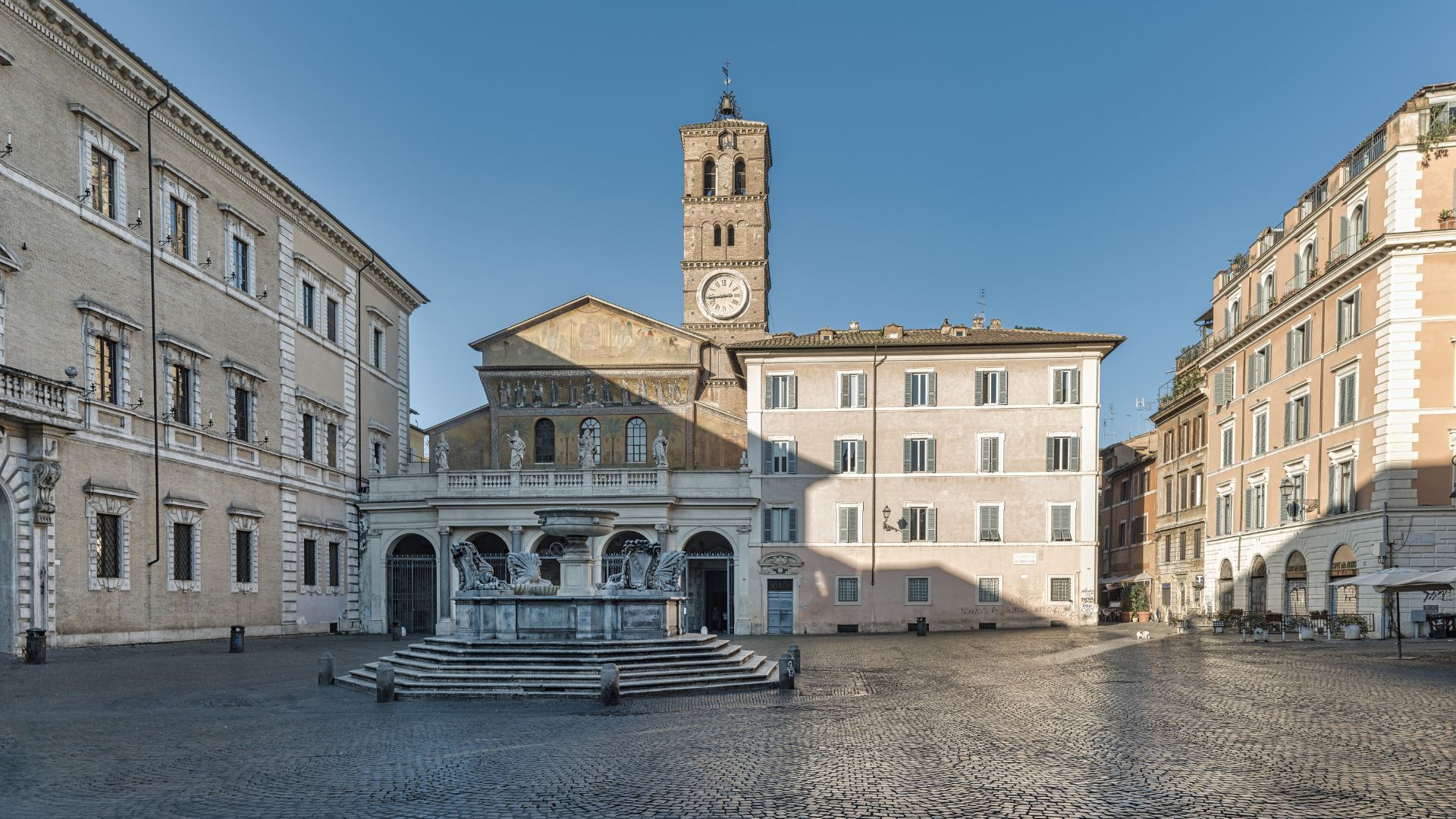
Trastevere sits across the Tiber from central Rome, and it feels like a different world. The cobblestone streets wind around old buildings covered in ivy, and the vibe is way more chill than the touristy areas.
Start at Piazza Trilussa, which gets lively in the evenings. From there, just let yourself get lost in the little alleys.
You’ll stumble across tiny shops, cozy cafes, and restaurants tucked into corners where you’d least expect them.
Pop into Santa Maria in Trastevere, one of the city’s oldest churches. The mosaics on the facade and inside are stunning. In the evenings, the piazza outside fills up with people chatting on the fountain steps.
If you’re up for a short climb, head up Gianicolo Hill. Takes about 15 minutes, and the view of Rome is totally worth it.
Try to visit in the late afternoon or early evening. As the sun sets, Trastevere really comes alive, and dinner at a local trattoria is the perfect ending. Three hours here honestly fly by.
3) Visit Vatican Museums and St. Peter’s Basilica
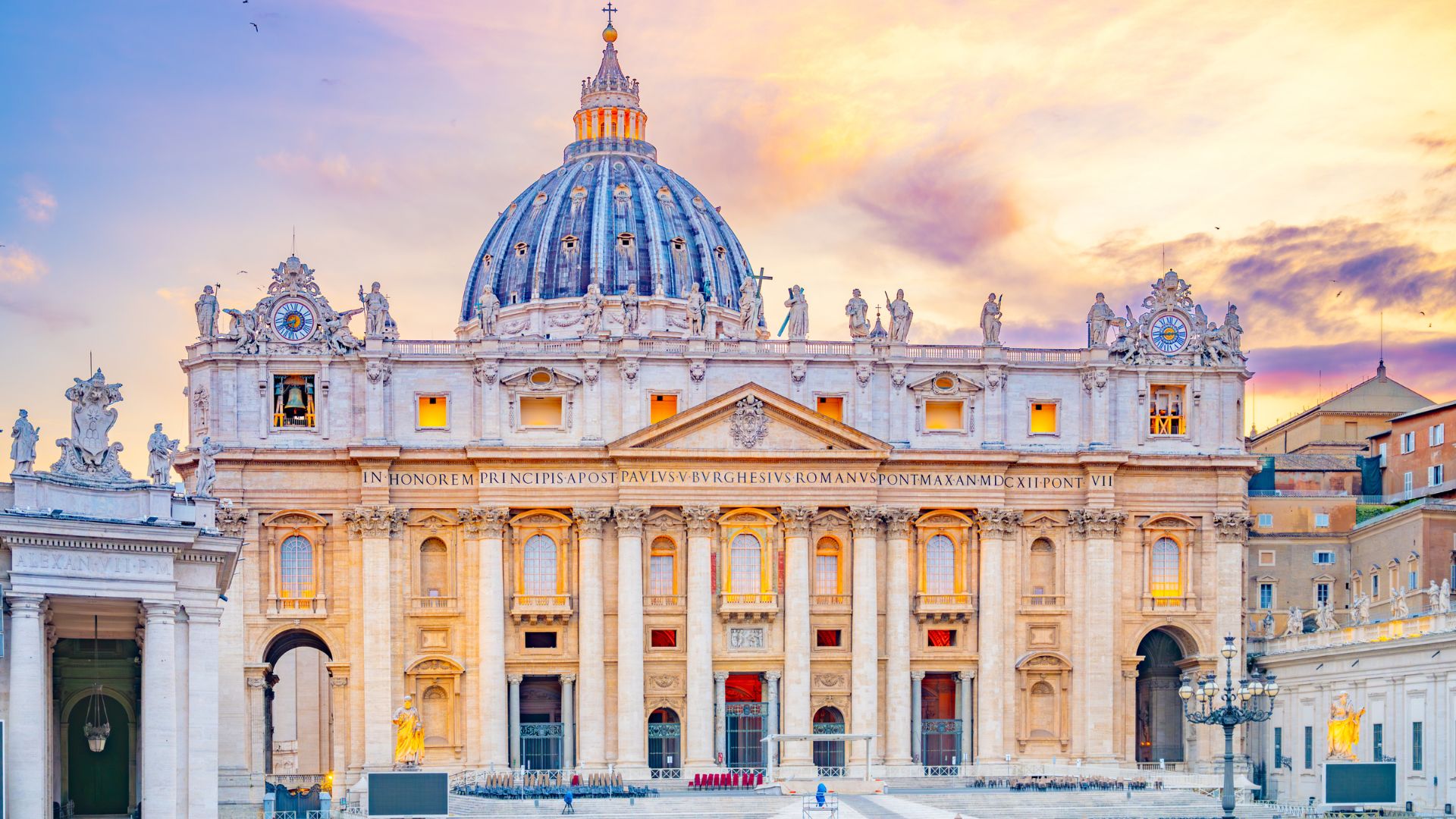
The Vatican is a must-see, but wow, it can get crowded. Set aside at least half a day for both the Vatican Museums and St. Peter’s Basilica.
Inside the museums, you’ll wander through endless galleries packed with art collected by popes over centuries. The Sistine Chapel is the big draw—Michelangelo’s ceiling is just as incredible as everyone says.
St. Peter’s Basilica? It’s massive. The art and architecture inside, especially Michelangelo’s Pietà, will stop you in your tracks.
Lines can get ridiculous, especially in peak season. Do yourself a favor and book skip-the-line tickets. Guided tours usually last about three hours and hit all the highlights.
Dress code is strict—shoulders and knees covered, no exceptions. The Vatican Museums close on Sundays, and St. Peter’s shuts down during certain religious events.
Arrive as early as you can. The peace and quiet before the crowds arrive is magical.
4) Lunch at a traditional Roman trattoria
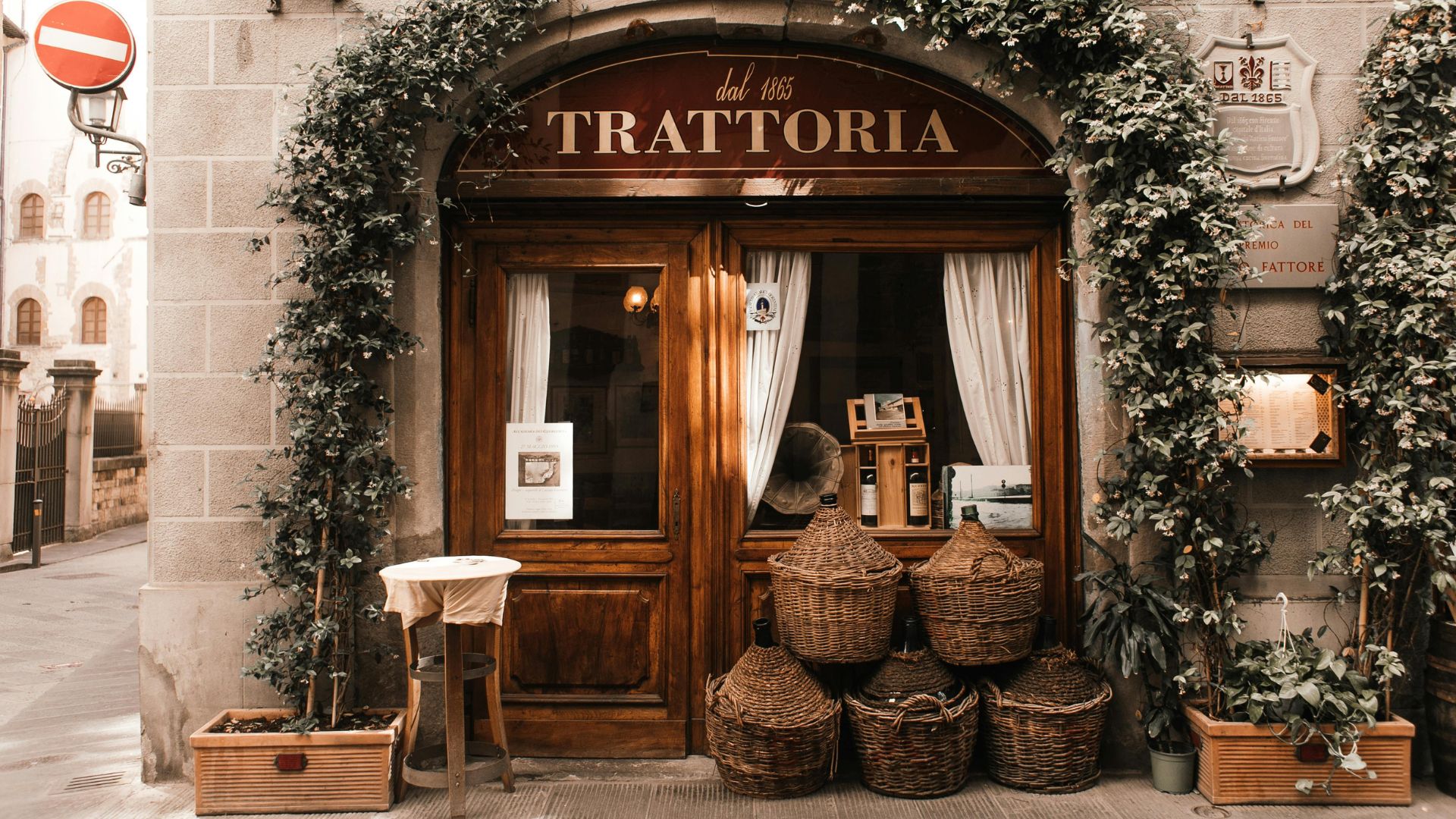
After a morning of sightseeing, you’ve earned a real Roman lunch. Head to a local trattoria, not one of those tourist traps near the big sights.
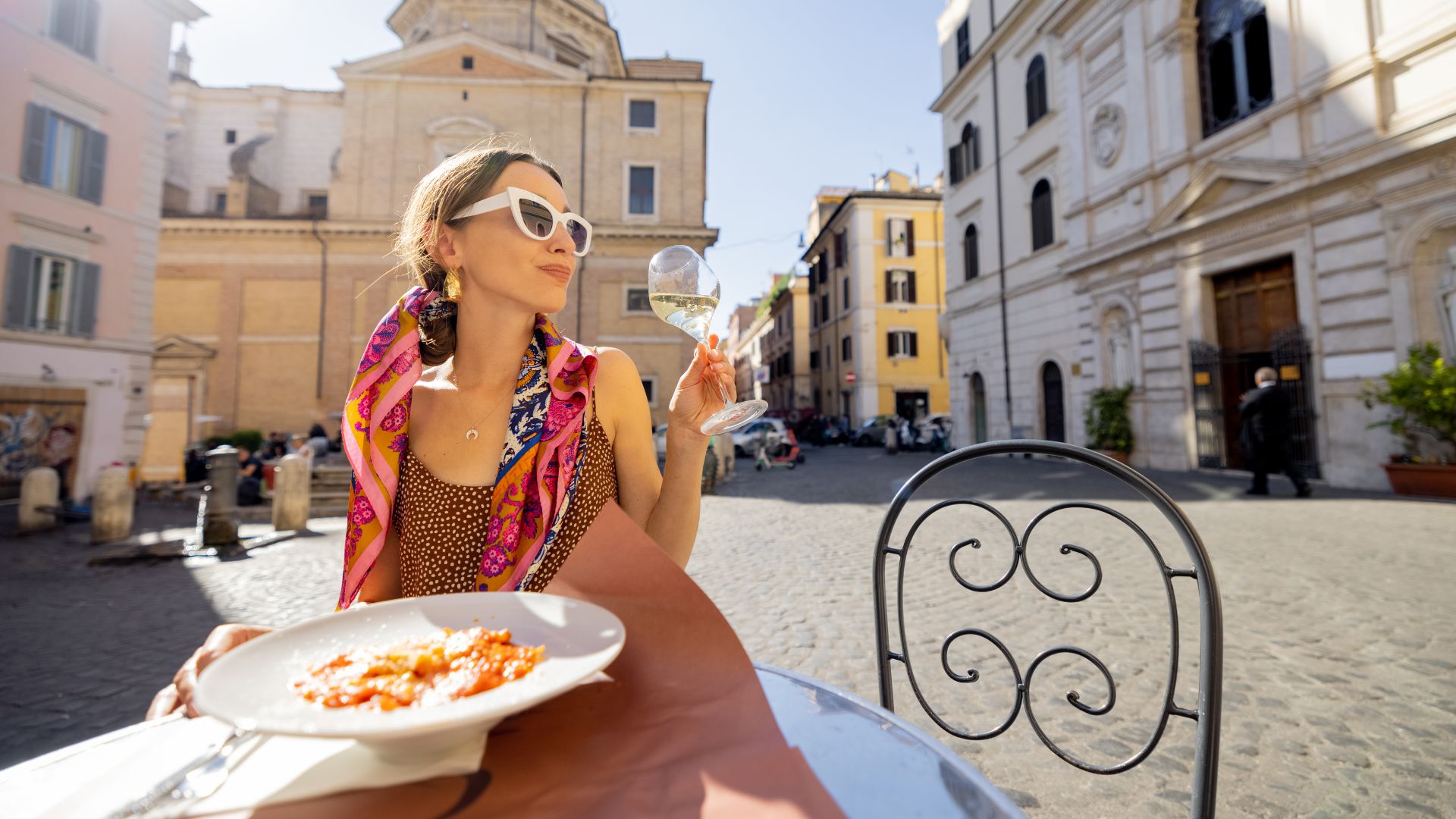
Look for paper tablecloths and locals at the tables—that’s your sign the food is legit. Menus are usually short and sweet, focusing on a handful of classic dishes.
Order one of Rome’s famous pastas. Cacio e pepe is just cheese and black pepper, but somehow it’s perfect. Carbonara brings eggs, guanciale, and pecorino together in the best way. Amatriciana adds tomato sauce and guanciale. Gricia is like carbonara, but without eggs.
Most trattorias serve lunch from noon to 3 PM. Show up by 1 PM to beat the rush. Expect a small cover charge and service fee on your bill.
Take your time. Romans linger over lunch, and honestly, why not? You’ll need the break for more exploring later.
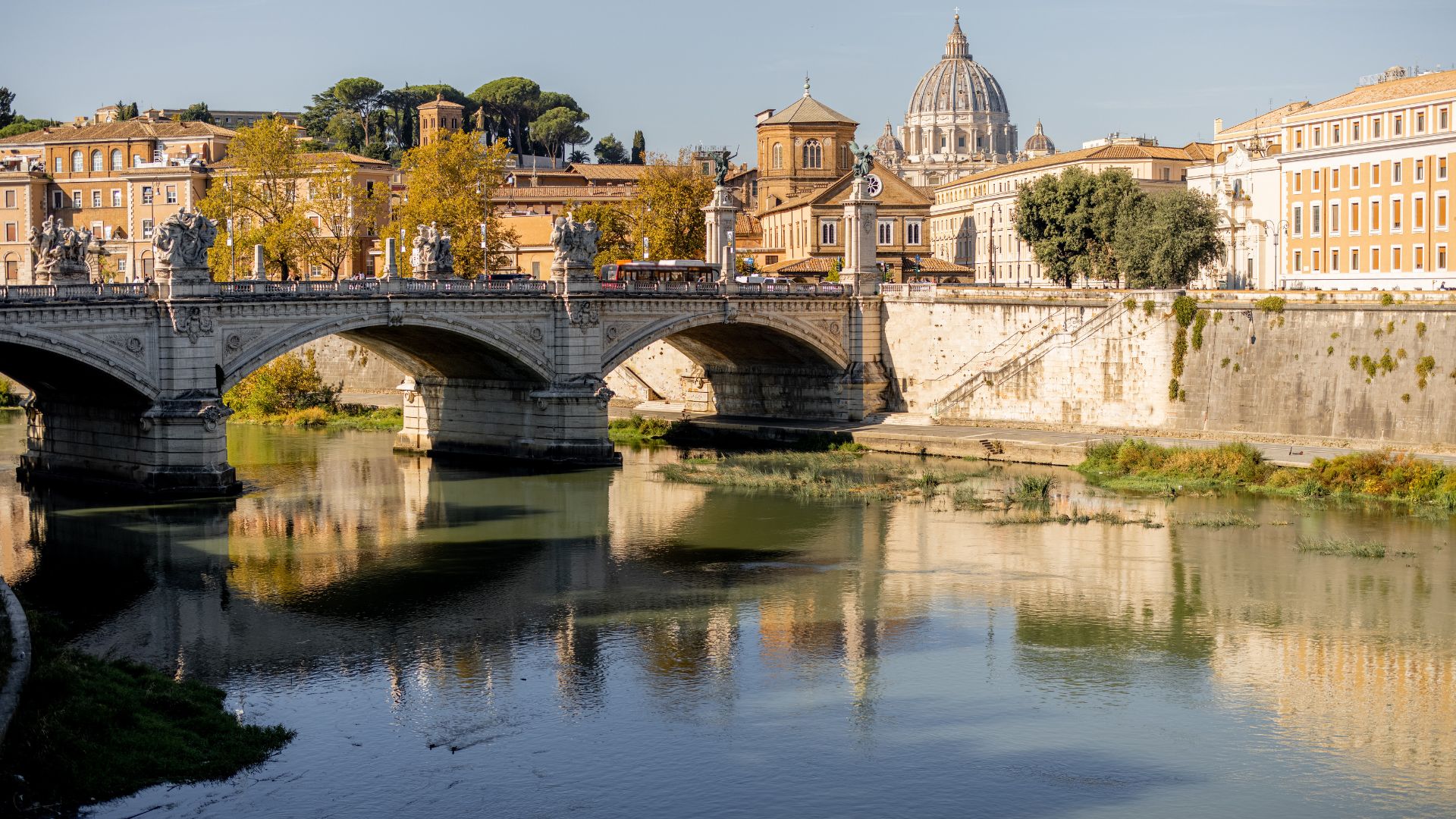
5) Afternoon walk along the Tiber River
If you want a breather from the crowds, stroll along the Tiber. The river slices through Rome and offers peaceful paths on both sides.
Start near Castel Sant’Angelo and head south. Along the way, you’ll pass under old bridges and see locals jogging, cycling, or just hanging out by the water. The tree-lined paths are a lifesaver when the sun’s beating down.
Make a quick stop at Tiber Island. It’s tiny, shaped like a boat, and connected to both banks by ancient bridges. The Ponte Fabricio has been around since 62 BC—kind of wild to think about.
Keep walking toward Trastevere. This stretch of river has little outdoor cafes and street vendors. Grab a gelato or a coffee and watch the sunset shimmer on the water.
The walk takes about an hour if you’re just meandering. Wear comfy shoes—the paths are mostly paved, but they’re not exactly smooth everywhere.
6) Evening aperitivo in Piazza Navona
Piazza Navona is the spot for evening aperitivo. The tradition is simple: a drink and some snacks before dinner, usually between 6 and 9 PM.
The square itself is gorgeous, with three fountains and grand old buildings. Outdoor cafes ring the piazza, perfect for people-watching. As the sun goes down, the whole place buzzes with energy.
Order a Spritz, Negroni, or just a glass of Prosecco. Most places throw in free snacks—olives, chips, little sandwiches. It’s pricier here than in other neighborhoods, but the atmosphere is worth it.
Arrive before sunset if you want a good table outside. The light makes the buildings glow, and street musicians add to the vibe.
If you’re on a budget, wander a few blocks away from the square. The side streets have similar aperitivo options for less.

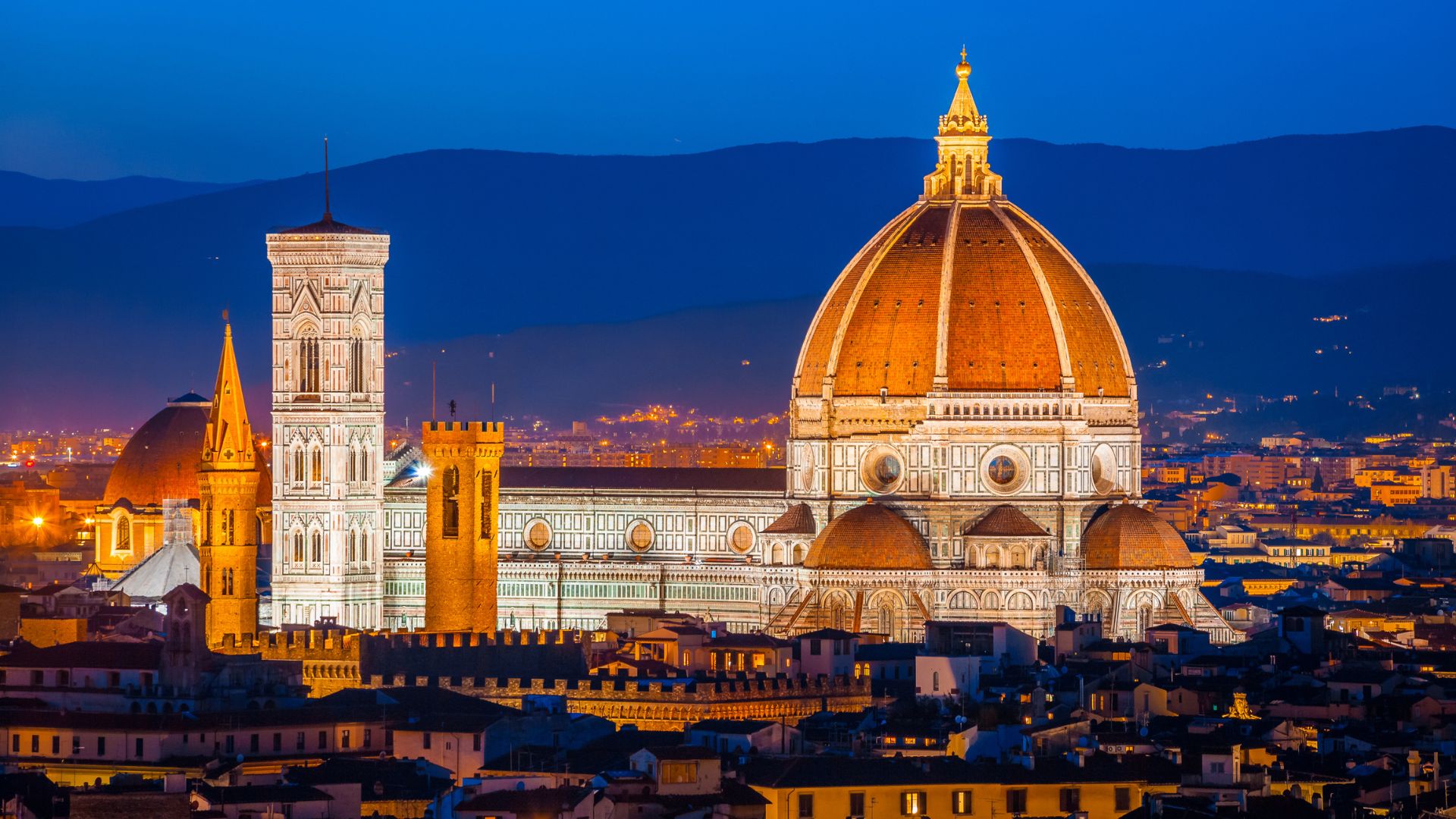
7) Sunrise visit to Florence’s Duomo and Baptistery
Florence’s Duomo complex is magical at sunrise. The crowds haven’t shown up yet, so you get the place almost to yourself.
The complex includes six sites, but the Cathedral of Santa Maria del Fiore and the Baptistery of San Giovanni are the main draws. The Baptistery is ancient—dating from 1059 to 1128—and feels like stepping back in time.
Book your tickets ahead of time. The system can be confusing, and spots go fast. Some tours offer early access, letting you watch the key master unlock the doors and step inside before anyone else.
Don’t skip the Baptistery. A lot of people rush past it, but the bronze doors and mosaics inside are stunning.
Give yourself two or three hours to see everything. Rushing through just doesn’t do it justice.
8) Explore Uffizi Gallery masterpieces
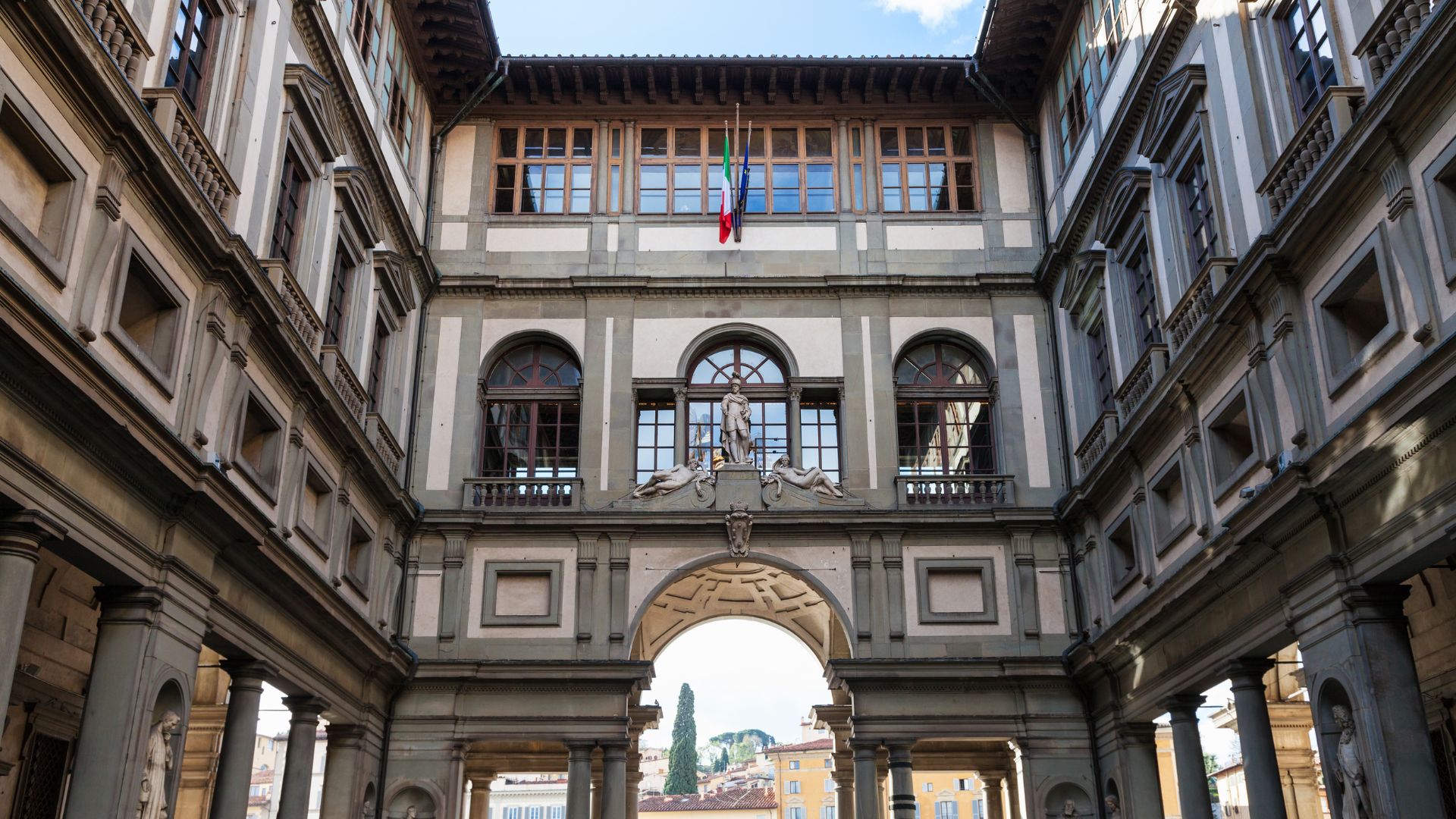
The Uffizi Gallery is a treasure trove of Renaissance art. You’ll see works by Leonardo da Vinci, Botticelli, and Giotto, all under one roof.
Originally built in 1560 for Cosimo I de’ Medici as offices, the place now stands as one of the world’s oldest and biggest art museums.
Book your tickets in advance. The lines get long, especially in summer.
A guided tour really helps. Guides explain the stories behind the masterpieces and point out details you’d never notice on your own.
The museum’s layout is a bit of a maze. Focus on the top rooms and don’t stress about seeing every single thing. You’ll enjoy it more if you spend real time with a few pieces instead of racing through.
Plan for at least two or three hours here. That’s enough to see the highlights without feeling rushed or overwhelmed.
9) Dinner at a Tuscan wine cellar in Florence
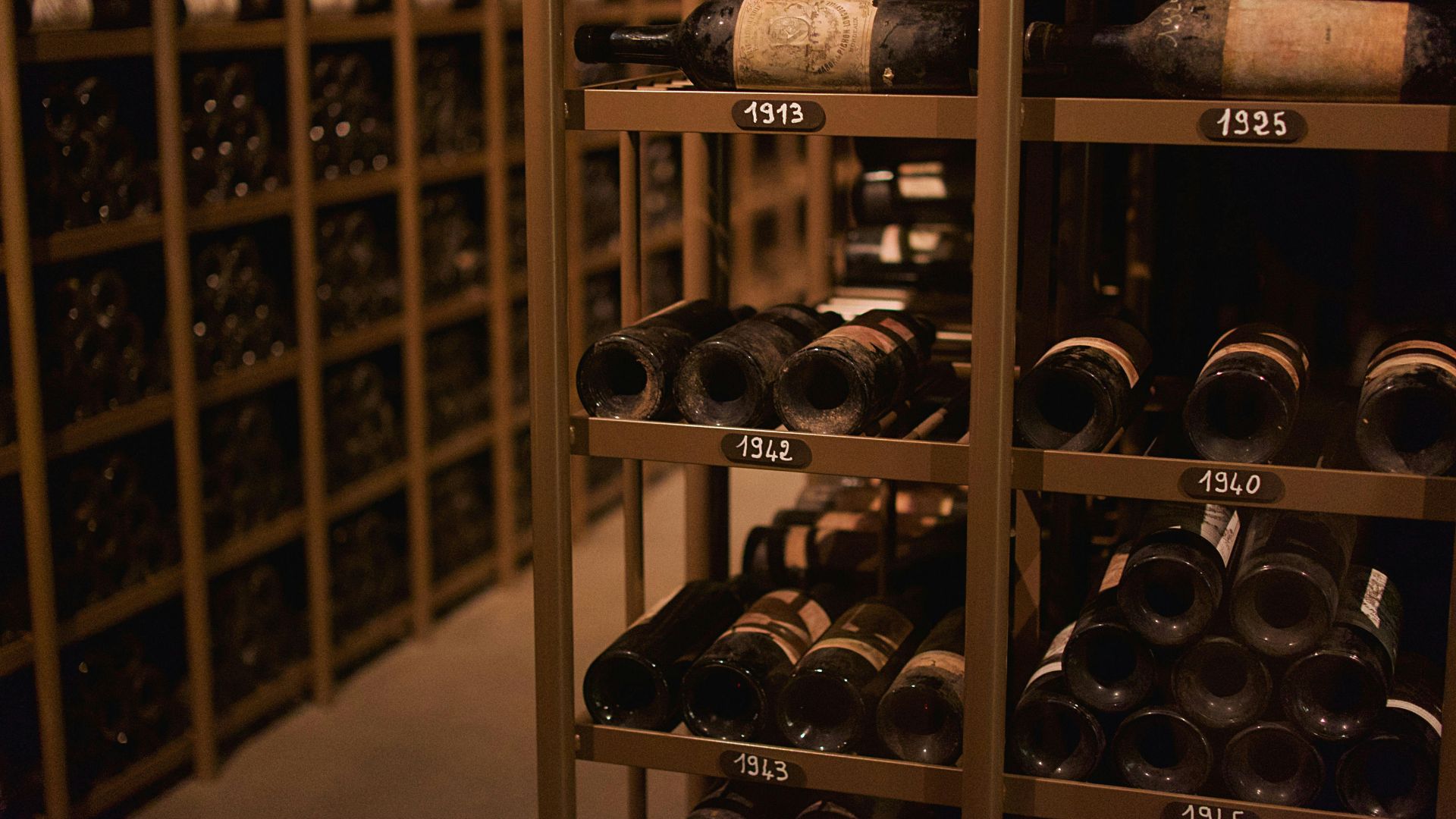
Florence’s wine cellars are something special. Imagine eating traditional Tuscan dishes surrounded by ancient stone walls and thousands of bottles of wine.
Many of these cellars now serve dinner, and the atmosphere is cozy and unique. You’re literally dining where people have stored wine for centuries.
Usually, you’ll get a short tour before dinner. The staff explains how they make and store wine, and you might even spot bottles from France and all over Italy.
The food focuses on local recipes—handmade pasta, cheeses, cured meats. Each course pairs with a different Tuscan wine.
Book ahead, because seating is limited. The whole experience, including the tour and dinner, takes about two or three hours. If you want a real taste of Florence’s culture and history, this is the way to do it.
10) Morning gondola ride in Venice’s Grand Canal
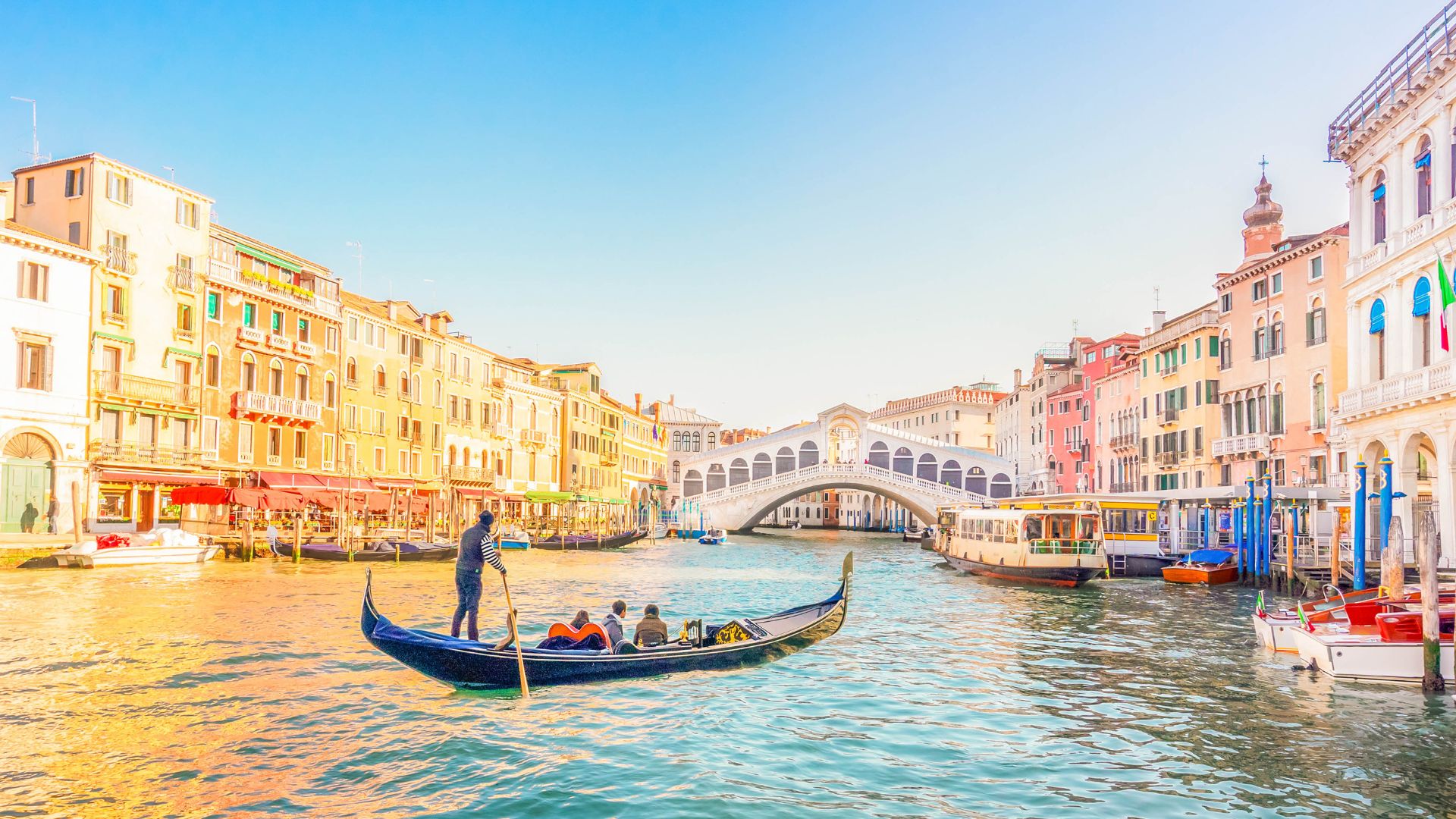
Is there a better way to wake up in Venice than gliding along the Grand Canal in a gondola? I doubt it. The canal curves through the city for over two miles, winding past palaces, churches, and those faded, pastel buildings that make every photo look like a painting.
Most gondola rides last 30 to 50 minutes. You can hop on with a group for around €35 per person, or splurge on a private trip if you want to pick your own route.
I always recommend going in the morning. The air feels cooler, and the crowds haven’t quite woken up yet. Your gondolier steers you through tiny side canals before popping out onto the Grand Canal itself.
You’ll float by icons like La Fenice Theatre and pass right under historic homes. It’s wild seeing Venice from this angle—everything looks different from the water.
If you want a specific time, book ahead. Some tours include stories about Venice’s history and architecture. Others add music or extra time if you’re feeling fancy.
Honestly, don’t skip this. You’ll see corners of the city most people miss just wandering the streets.
Essential Travel Tips for Visiting Italy
Italy draws travelers from everywhere, but a little preparation goes a long way. Timing, entry rules, and knowing how to get around can make your trip so much smoother.
Spring and fall? Absolutely the best seasons. Most folks don’t need a visa for short stays, and trains are hands-down the easiest way to hop between cities.
Best Time to Visit Italy
If you ask me, April through June and September through October are prime months. The weather’s mild, crowds thin out, and you’ll snag better deals on hotels and flights.
July and August? Be ready for heat and crowds, especially in Rome or Florence where temps can hit 90°F. Plus, a lot of Italians go on vacation in August, so you might find smaller shops and restaurants closed.
Winter’s got its perks—cheaper prices and fewer tourists. Some coastal spots shut down, but cities like Rome, Florence, and Venice keep humming. December brings Christmas markets and twinkling lights, which I personally love, even if it’s chilly.
Weather by season:
- Spring: 50-70°F, sometimes rainy
- Summer: 75-90°F, mostly hot and dry
- Fall: 55-75°F, mild, occasional rain
- Winter: 35-55°F, cool and damp

Visa and Entry Requirements
If you’re from the US, Canada, Australia, or the UK, you get 90 days in Italy without a visa. Just make sure your passport won’t expire within six months of your trip.
Many other countries have the same deal, thanks to the Schengen agreement. Still, double-check with the Italian embassy just in case.
I always travel with insurance that covers medical emergencies. Italian healthcare is excellent, but it’s pricey for visitors. Keep copies of your passport and important docs somewhere separate from the originals.
No special vaccinations required. And yes, the tap water’s totally safe.
Local Transportation Options
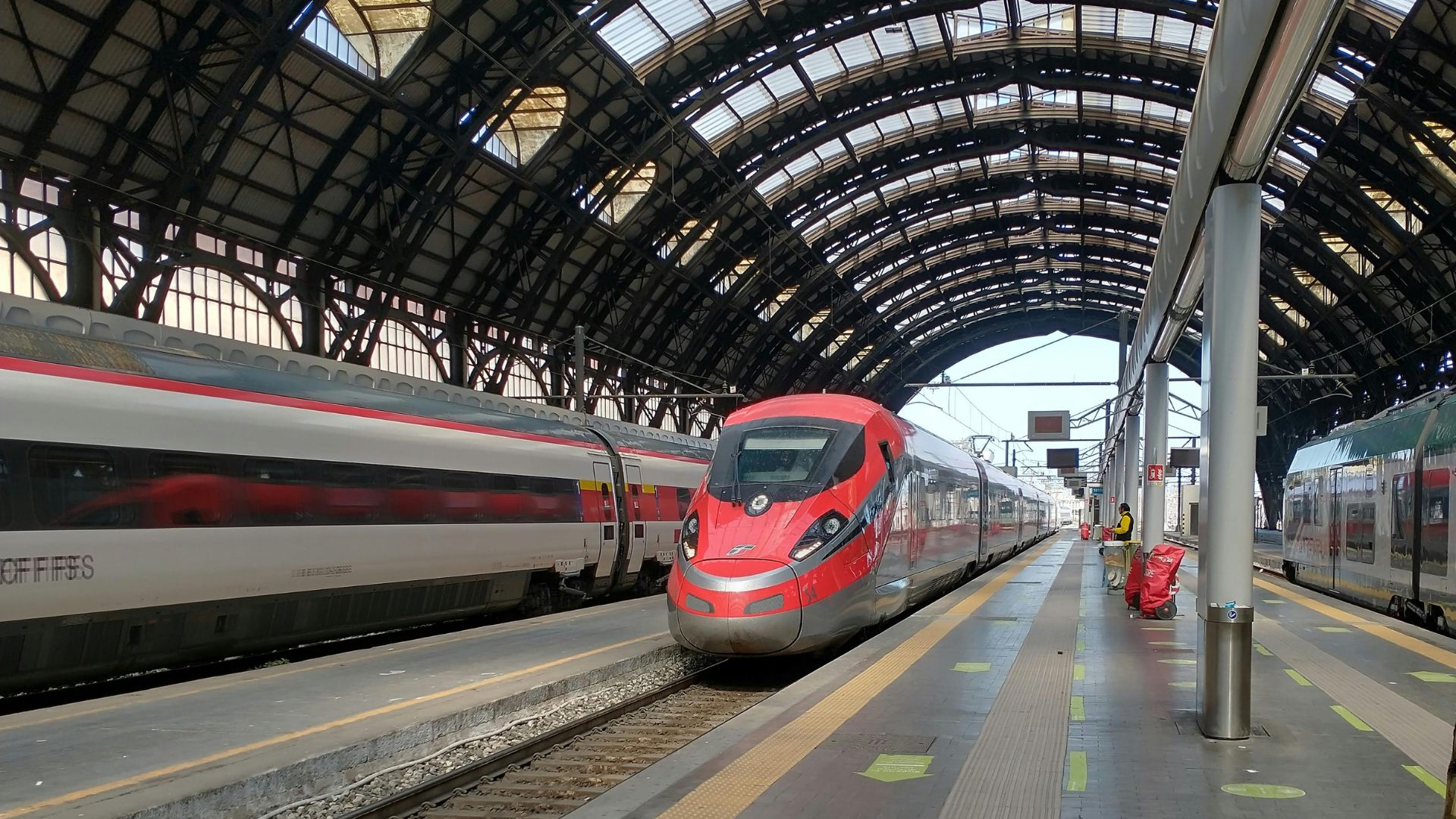
Trains are your best friend for getting between cities in Italy. Trenitalia and Italo run fast, frequent routes—Rome to Florence in 90 minutes, Florence to Venice in about two hours.
Booking online ahead of time usually gets you a better price. For short hops, regional trains work well and don’t need advance tickets.
Inside cities, walking is usually the way to go. Historic centers often ban cars anyway. Rome, Milan, and Naples have metro systems if you need to go farther. Florence and Venice are so compact, you can stroll everywhere.
Taxis use meters, but they’re not cheap. I use apps like FreeNow or ItTaxi for peace of mind. In Venice, water taxis exist but cost way more than the vaporetti (public water buses).
Honestly, skip renting a car unless you’re exploring the countryside. Driving in cities is stressful—think strict traffic zones, scarce parking, and, well, aggressive drivers.
Cultural Insights and Etiquette
Italy’s got its own rhythm, especially when it comes to eating, dressing, and just interacting. Picking up a few customs helps you blend in—and keeps you from sticking out like a sore thumb.
Dining Customs and Tipping
Lunch usually happens between 1:00 and 2:30 PM. Dinner rarely starts before 8:00 PM. Lots of places close between 3:00 and 7:00 PM, so plan accordingly.
Don’t expect lightning-fast service. Italians linger over meals. It’s about conversation as much as food.
A few dining rules:
- Wait for someone to seat you—don’t just grab a table.
- Bread’s for eating with your meal, not for dipping in olive oil or butter.
- Skip the cappuccino after 11:00 AM. That’s strictly a breakfast thing.
- You’ll need to ask for the check—servers won’t bring it unless you do.
Tipping’s not a big deal here. Most bills include a coperto (service charge) of €2-4 per person. If you’re happy with the service, leave an extra euro or two at casual spots or round up to 10% at fancier places. Totally optional.
Dress Code and Practical Attire
Italians dress up more than you might expect. Athletic wear, flip-flops, super casual clothes—they all stand out in city centers.
Churches require covered shoulders and knees. I always keep a light scarf handy for this. Shorts should reach your knees.
Walking is unavoidable, and cobblestones are everywhere. Go for comfy, dark shoes (leather is a safe bet) instead of white sneakers.
Italian Language Basics for Travelers
In touristy spots, most folks speak basic English. Still, a few Italian phrases go a long way.
Handy phrases:
- Buongiorno (bwon-JOR-no) – Good morning/hello
- Grazie (GRAH-tsee-eh) – Thank you
- Per favore (pehr fah-VOH-reh) – Please
- Scusi (SKOO-zee) – Excuse me
- Il conto, per favore – The check, please
- Parla inglese? – Do you speak English?
Always start with a greeting—buongiorno or buonasera. Jumping right in feels rude here. Use formal lei instead of tu with strangers or staff.
Frequently Asked Questions
Italy’s a dream, but first-timers always have a few burning questions. What’s the best route? How do you squeeze in the Amalfi Coast? Which cultural missteps should you avoid? Here are some answers from my own adventures and lots of trial and error.
If you’ve got 10 days, stick with the classics: Rome, Florence, Venice.
Spend three days in Rome. Hit the Colosseum, Roman Forum, Vatican Museums, and wander Trastevere. That’s enough time to see the big stuff without feeling rushed.
Head to Florence for two or three days. Climb the Duomo, browse the Uffizi Gallery, and stroll the Ponte Vecchio. The city’s small—you can see a lot on foot.
Wrap up with two or three days in Venice. St. Mark’s Basilica is a must, and don’t skip the gondola ride. If you’ve got time, hop over to Murano or Burano for colorful houses and glass-blowing demos.
If you’re craving the Amalfi Coast, just trim a day or two from Rome, Florence, or Venice.
Try two days in Rome, two in Florence, and three or four soaking up the Amalfi Coast. That leaves a day or two for Venice if you really want it.
Getting there takes a bit of effort. Take a train to Naples or Salerno, then catch a bus or ferry to Positano, Amalfi, or Ravello.
If you want to slow down, skip Venice altogether and spend more time seaside. It’s a tough call, but worth it if you love beaches and dramatic cliffs.
Rome tops the list. You can’t miss the Colosseum, Roman Forum, Vatican Museums, and St. Peter’s Basilica. Three days gives you a solid overview.
Florence is next for art and architecture. The Uffizi overflows with Renaissance masterpieces, and the Duomo’s dome dominates the skyline. Two days lets you hit the highlights and sample local trattorias.
Venice rounds out the trio. The canals, St. Mark’s Basilica, and endless bridges are unforgettable. Plan for two or three days here.
Here’s how I’d do it: three days in Rome for the Colosseum, Roman Forum, Vatican Museums, and a stroll through Trastevere. Grab lunch at a classic trattoria and relax by the Tiber.
Next, spend four days in Tuscany. Base yourself in Florence for two days, then head out to the countryside—Siena, San Gimignano, or Montepulciano are all fantastic. Don’t miss a vineyard tour in Chianti.
Finish up with three days in Venice. You’ll get a good mix of city life and rural charm, and you won’t feel like you’re constantly on the move.
Never order a cappuccino after 11 AM. Italians only drink milk-based coffee in the morning. Go for espresso or regular coffee in the afternoon.
Don’t ask for substitutions at restaurants. Chefs take pride in their dishes, and changing them is considered rude. If something’s not your thing, just pick another dish.
Skip the big tips. Service charges are usually included. Rounding up or leaving small change is fine—no need for 15-20%.
Keep your voice down in public. Loud conversations turn heads for the wrong reasons. And remember to cover up when visiting churches—shoulders and knees need to be hidden.
Let’s start in Rome. You really can’t skip the Colosseum and Roman Forum. These ancient ruins put you right at the heart of the old Roman Empire.
I’d suggest booking your tickets ahead of time—trust me, those lines can get ridiculous.
Next up: St. Peter’s Basilica and the Vatican Museums. The Sistine Chapel ceiling? Absolutely breathtaking. I remember spending hours just wandering, and I barely scratched the surface.
Florence calls with its Duomo and the Uffizi Gallery. Climbing the Duomo gives you a killer view of the city—worth every step. Inside the Uffizi, you’ll find masterpieces by Botticelli and Leonardo da Vinci. It’s a bit overwhelming, honestly, but in the best way.
Venice feels like another world. St. Mark’s Basilica stands out with its golden mosaics and those intricate marble floors. If you get there early in the morning, you’ll beat most of the crowds and really get to soak it all in.
