
A new year always sparks that itch to travel, doesn’t it? And honestly, 2026 looks like it’s going to be an epic one for adventurers. With the FIFA World Cup, shiny new airline routes, and a wave of hotel openings, even those “impossible” spots suddenly feel within reach.
Think Taipei’s buzzing food markets, Philadelphia’s rising culinary scene, Umbria’s truffle-dotted hills, or the electric sports energy in Melbourne. I’ve been digging into expert tips and the latest travel news to round up the places that should be on your radar.
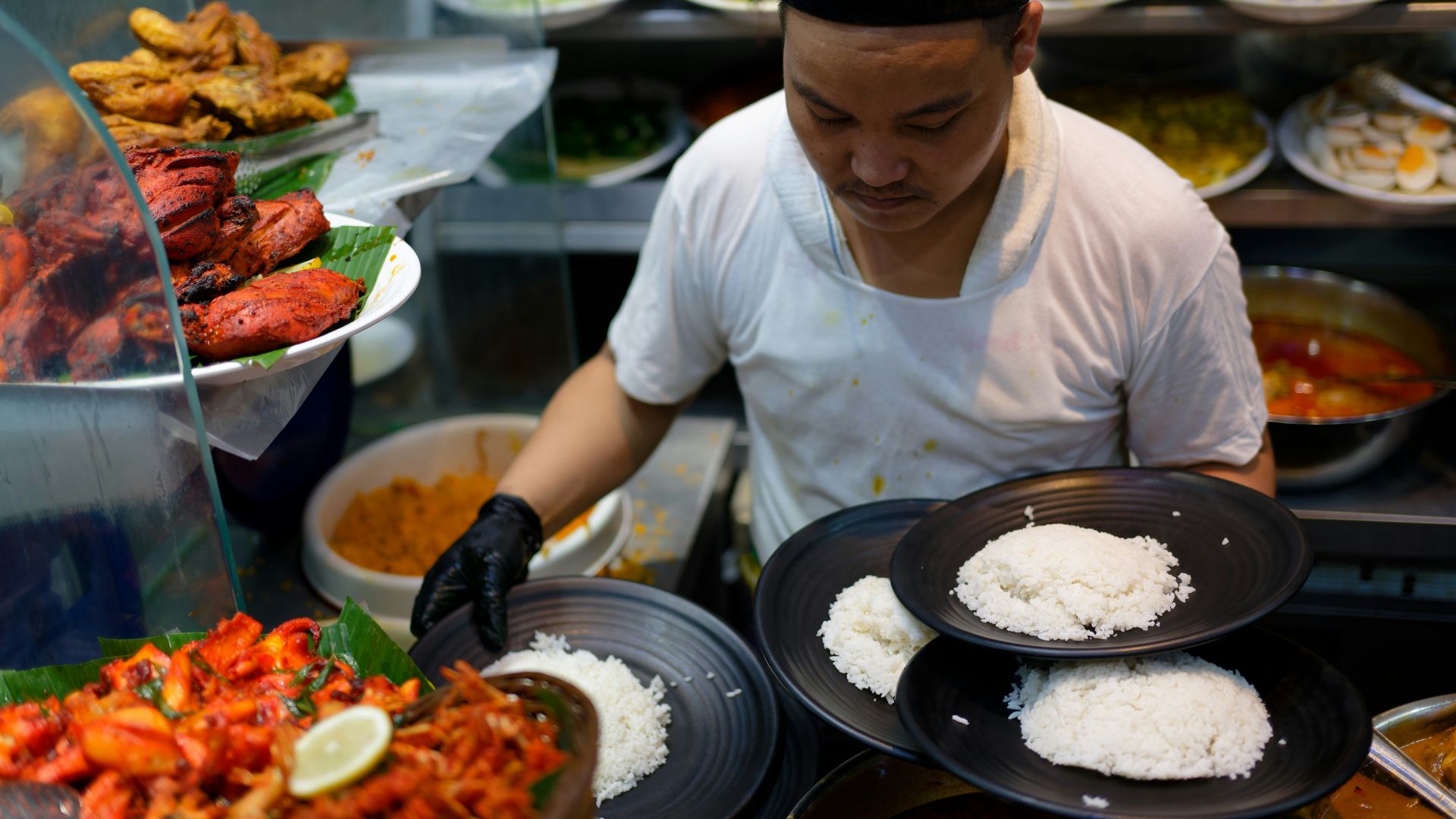
Maybe you’re hungry for Michelin-starred bites along California’s coast. Or you want to catch a match in Mexico City. Or perhaps a morning wandering Malaysia’s UNESCO-awarded breakfast stalls calls to you. Either way, these are the spots I’d recommend if you want to kick off 2026 with a bang.
Key Takeaways
- 2026 brings massive events (hi, FIFA World Cup) and easier flights, opening up new adventures.
- Foodies should check out Carlsbad, Malaysia, and Philadelphia—each has something delicious (and sometimes award-winning) going on.
- If you love culture or the outdoors, Umbria, Taipei, and Melbourne will keep you busy with everything from truffles to night markets to sports.
Iconic Bucket-List Destinations for 2026
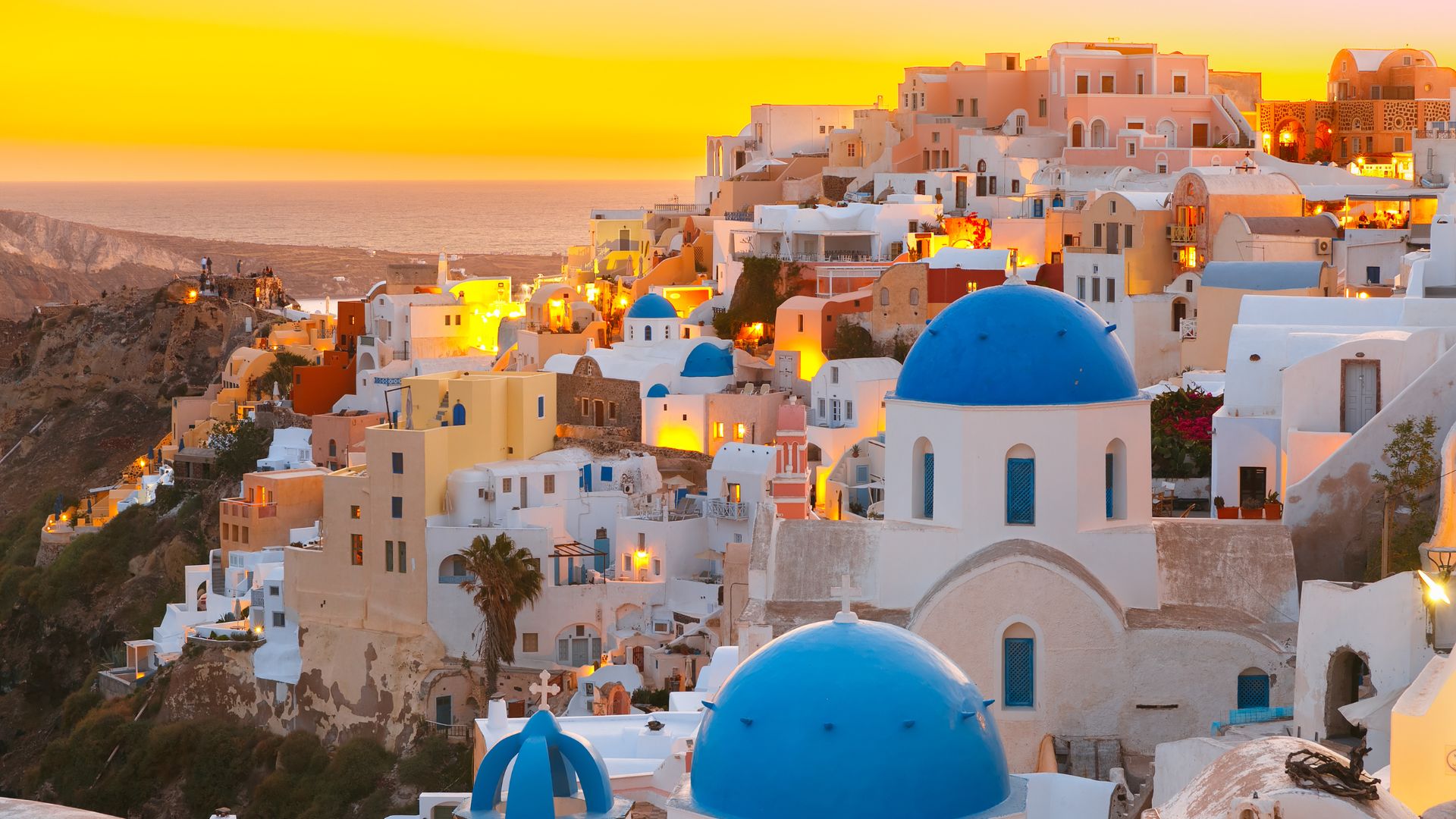
Some places just have that magic, right? They blend jaw-dropping nature, deep culture, and “wow, I’m really here” moments. Santorini’s white villages perch on volcanic cliffs above the Aegean. Machu Picchu rises out of the clouds in the Andes. And the northern lights swirl across the Arctic sky in wild colors.
Santorini’s Sunset Magic
Santorini always tops those “must-see” lists, and honestly, it deserves the hype. Oia and Fira spill down the cliffs in a tumble of blue domes and whitewashed homes. When sunset hits, everyone stops to watch—the sky turns gold, and it feels like a celebration.
I’d go in late spring or early fall if you can swing it. The crowds thin, the heat calms down, and the views? Still unreal.
Santorini’s volcanic beaches break the mold. Red Beach glows from iron-rich lava, while Perissa Beach is all black sand and cool beach bars. If you love wine, the local Assyrtiko grapes thrive in volcanic soil and make for a crisp, unforgettable glass.
Santorini highlights:
- Catch the sunset from Oia’s old castle ruins.
- Sip wine at Santo Wines with that caldera view.
- Wander the ancient site of Akrotiri.
- Take a boat around the caldera at dusk.
Machu Picchu’s Lost City Wonders
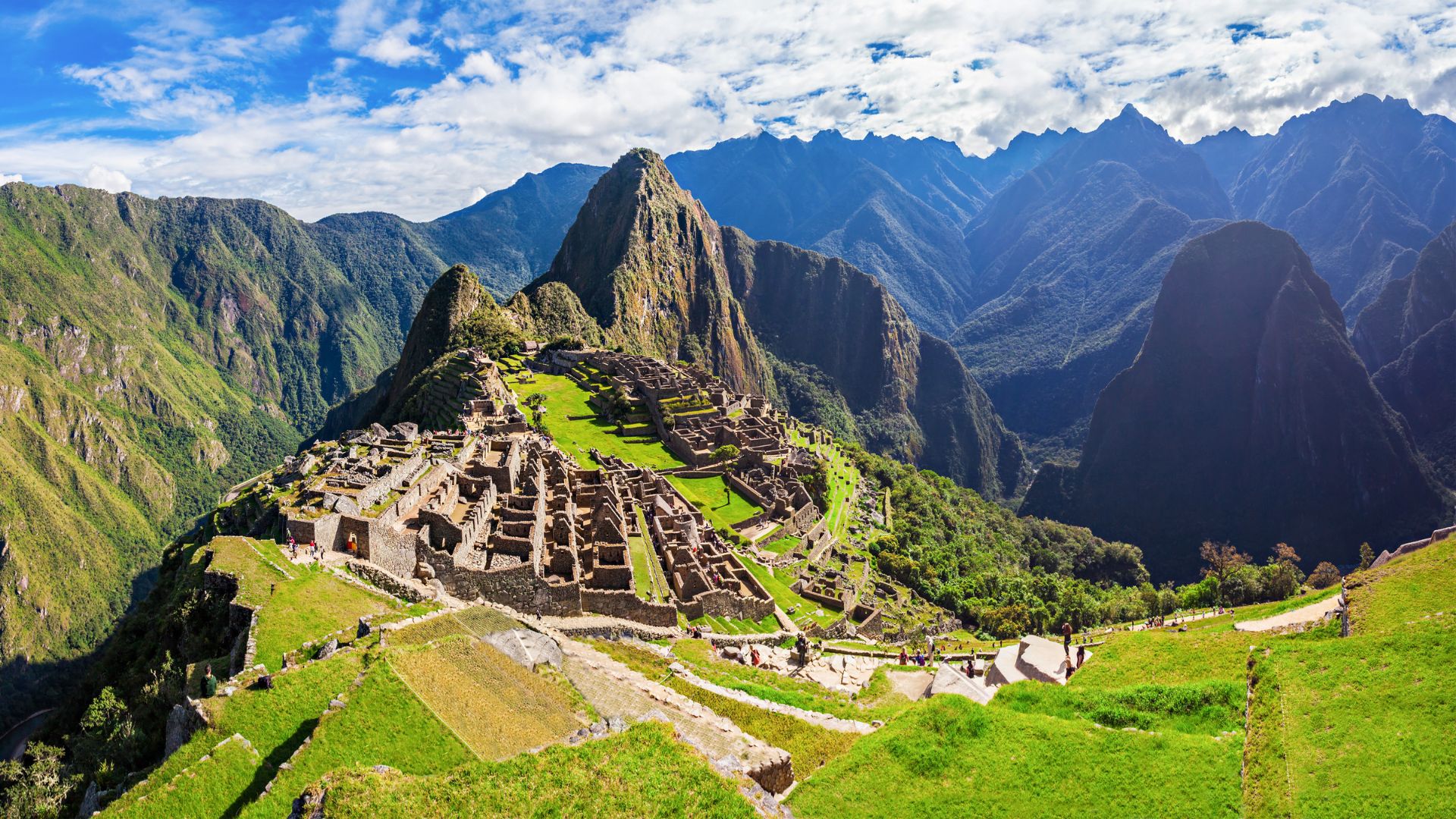
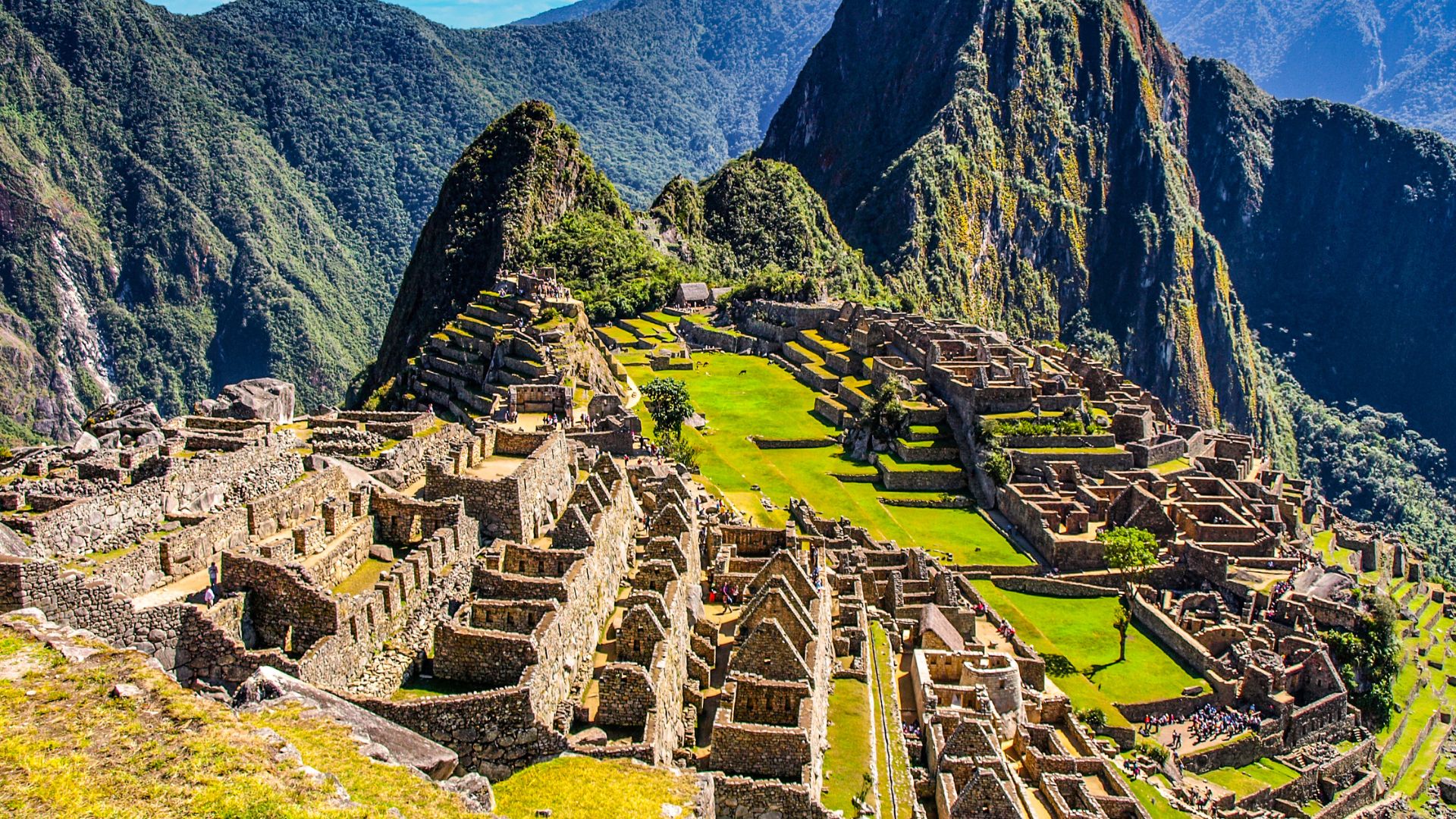
Machu Picchu always feels a bit like a dream. This Inca city sits nearly 8,000 feet up, surrounded by green peaks and mist. The architecture stuns me every time—massive stones, no mortar, yet it all fits perfectly.
The site holds over 150 structures, including temples and terraces. The Intihuatana stone worked as a kind of sun clock, and the Temple of the Sun shows off some wild stonework skills.
Getting here takes some planning. Most people hop a train from Cusco to Aguas Calientes, then ride a bus up the winding road. The classic Inca Trail trek is four days of adventure and requires booking well ahead. Visit between May and September for clear skies.
Peru caps daily visitors at 4,500 now, so you’ll want to snag those tickets early. Pick a morning or afternoon slot and plan accordingly.
Auroras Above: The Northern Lights Experience
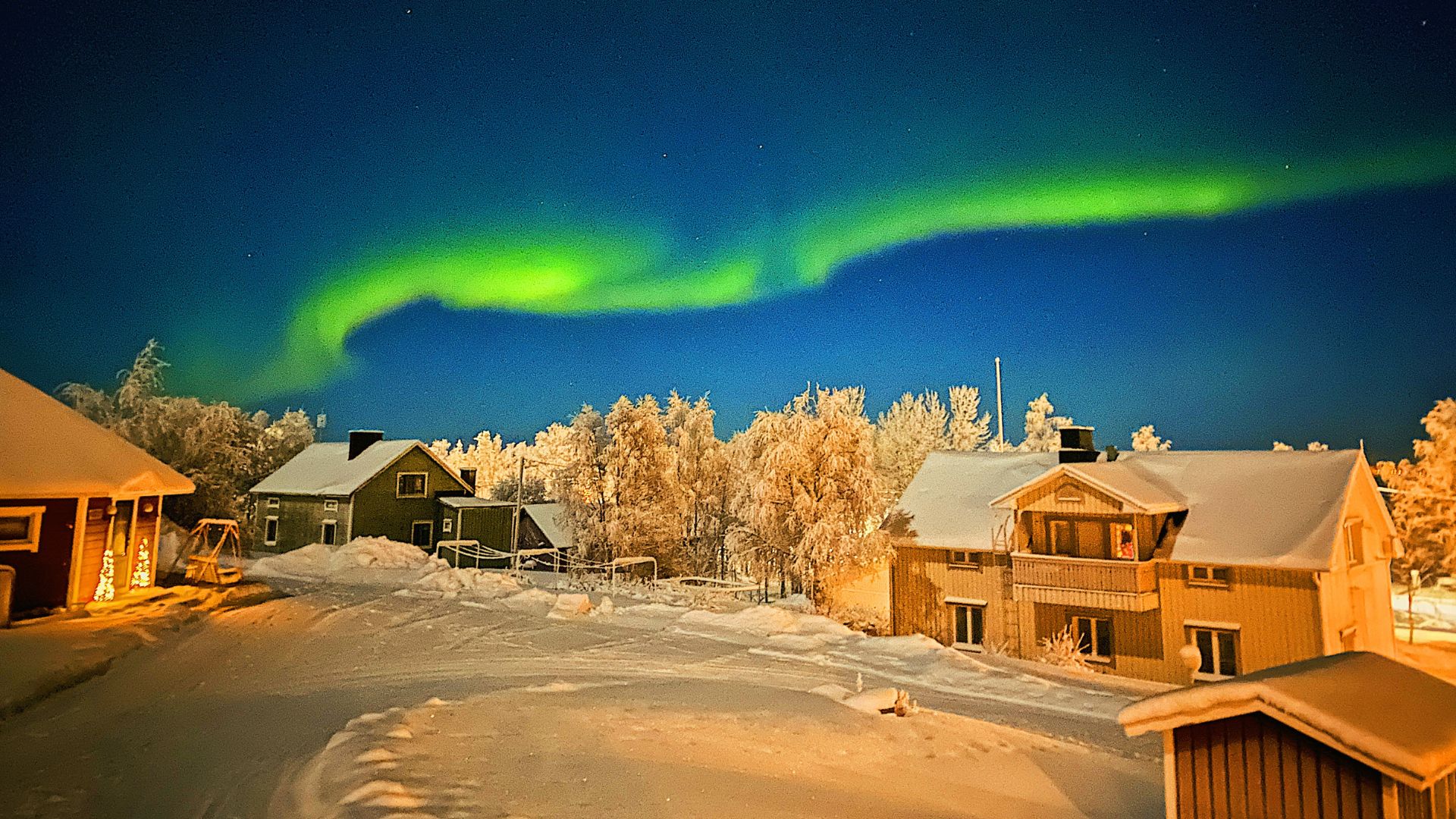
Nothing really prepares you for the northern lights. Charged solar particles hit our atmosphere, and suddenly the sky dances in green, pink, and violet.
Best spots for aurora chasing:
- Tromsø, Norway—easy access and loads of tours.
- Reykjavik, Iceland—culture plus auroras.
- Abisko, Sweden—famous for clear skies.
- Fairbanks, Alaska—prime viewing from September to April.
The season runs from late September through March. And here’s the kicker: 2026 lines up with a solar maximum, so the odds of a big show are extra good.
I’d book at least three nights in your chosen spot. Weather and solar activity can be fickle, but more nights = better chances. Many places offer wake-up calls if the auroras appear, so you can actually get some sleep!
Cultural Gems: Immersive and Authentic Experiences
Japan always stands out for me when it comes to cultural immersion. Kyoto and Tokyo mix centuries-old traditions with modern buzz, and you can feel that blend everywhere you go.
Traditional Tea Ceremony in Kyoto
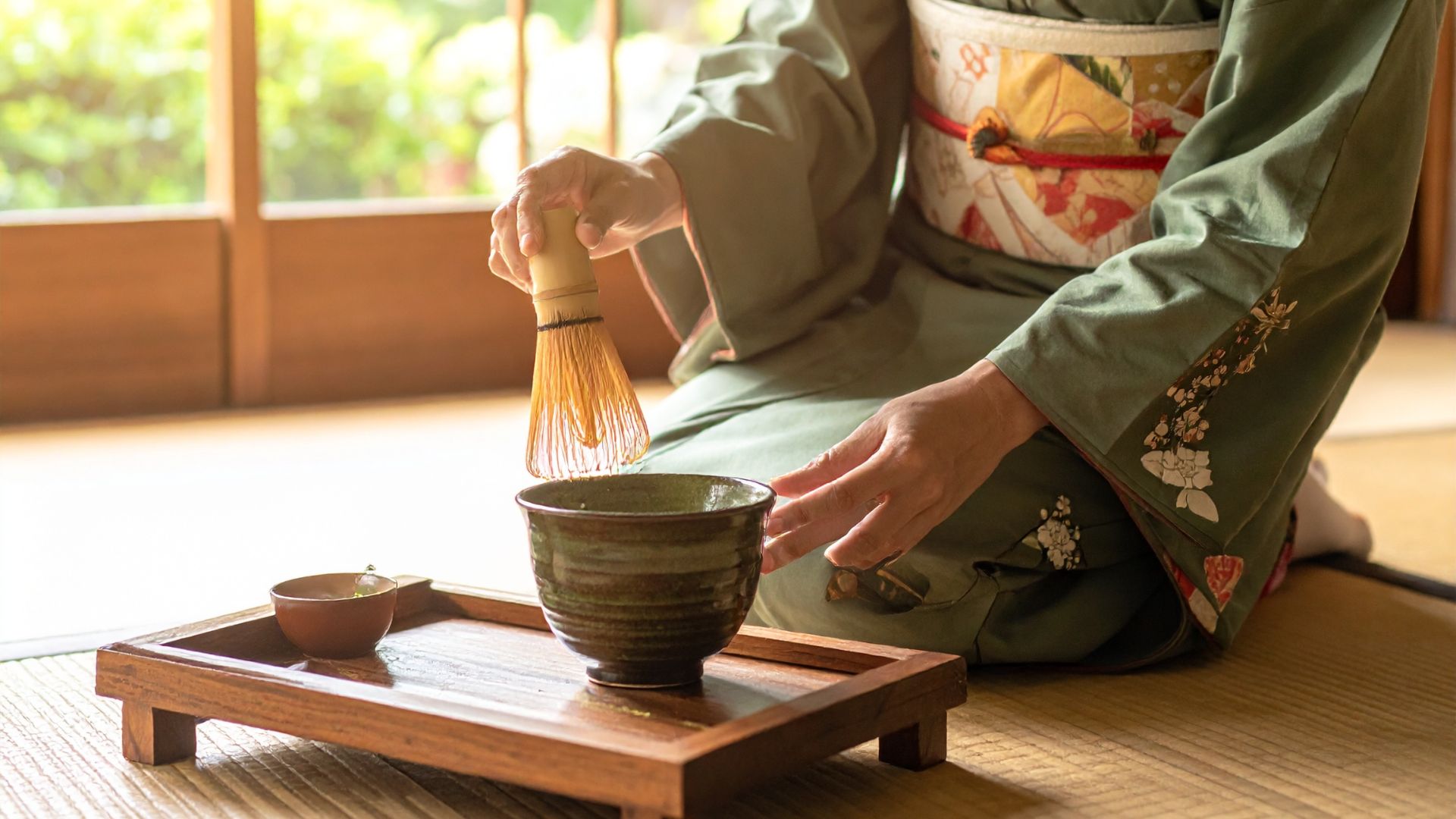
There’s something about a Japanese tea ceremony in Kyoto that just slows you down. “Chanoyu” isn’t just about sipping tea—it’s a ritual of harmony, respect, and quiet beauty.
You’ll find ceremonies in historic teahouses, old wooden machiya, or temple gardens. Most last about an hour and include seasonal sweets, matcha prepared with care, and a gentle intro to etiquette.
Expect during a tea ceremony:
- Sweets to start things off.
- Watching matcha whisked to frothy perfection.
- Tips on sipping and holding the bowl.
- A bit about the ceremony’s deeper meaning.
Some hosts speak English and walk you through each step. Book ahead, especially if you’re visiting during cherry blossom or autumn color season.
Kyoto’s UNESCO World Heritage Sites
Kyoto packs in 17 UNESCO World Heritage Sites—pretty wild for one city. These places survived wars, fires, and time itself, holding over a thousand years of history.
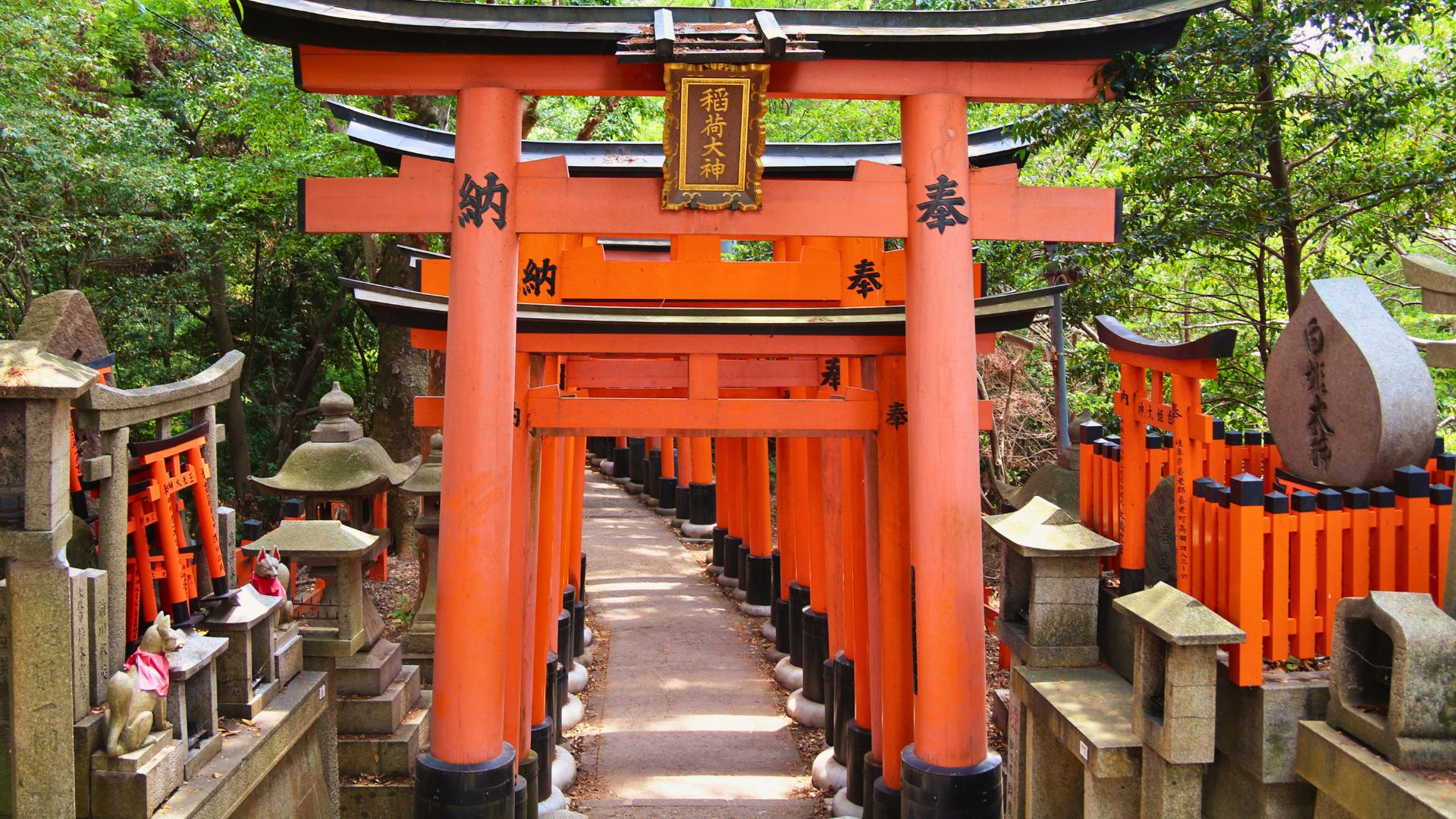
Fushimi Inari Shrine draws photographers for its endless tunnels of red torii gates. The hike to the top takes a couple of hours, but the views are worth it.
Kinkaku-ji (Golden Pavilion) shimmers with gold leaf, reflecting perfectly in its pond. Early mornings are best if you want a quieter visit.
Don’t miss:
- Kiyomizu-dera: A wooden temple with a huge veranda and city views.
- Ryoan-ji: Home to Japan’s famous Zen rock garden.
- Nijo Castle: Once home to the Tokugawa shoguns, with creaky “nightingale” floors.
Spring (late March–early April) brings cherry blossoms, and mid-November lights up with fall leaves. Both seasons fill up fast, so lock in your stay early.
Tokyo’s Timeless and Trendy Attractions
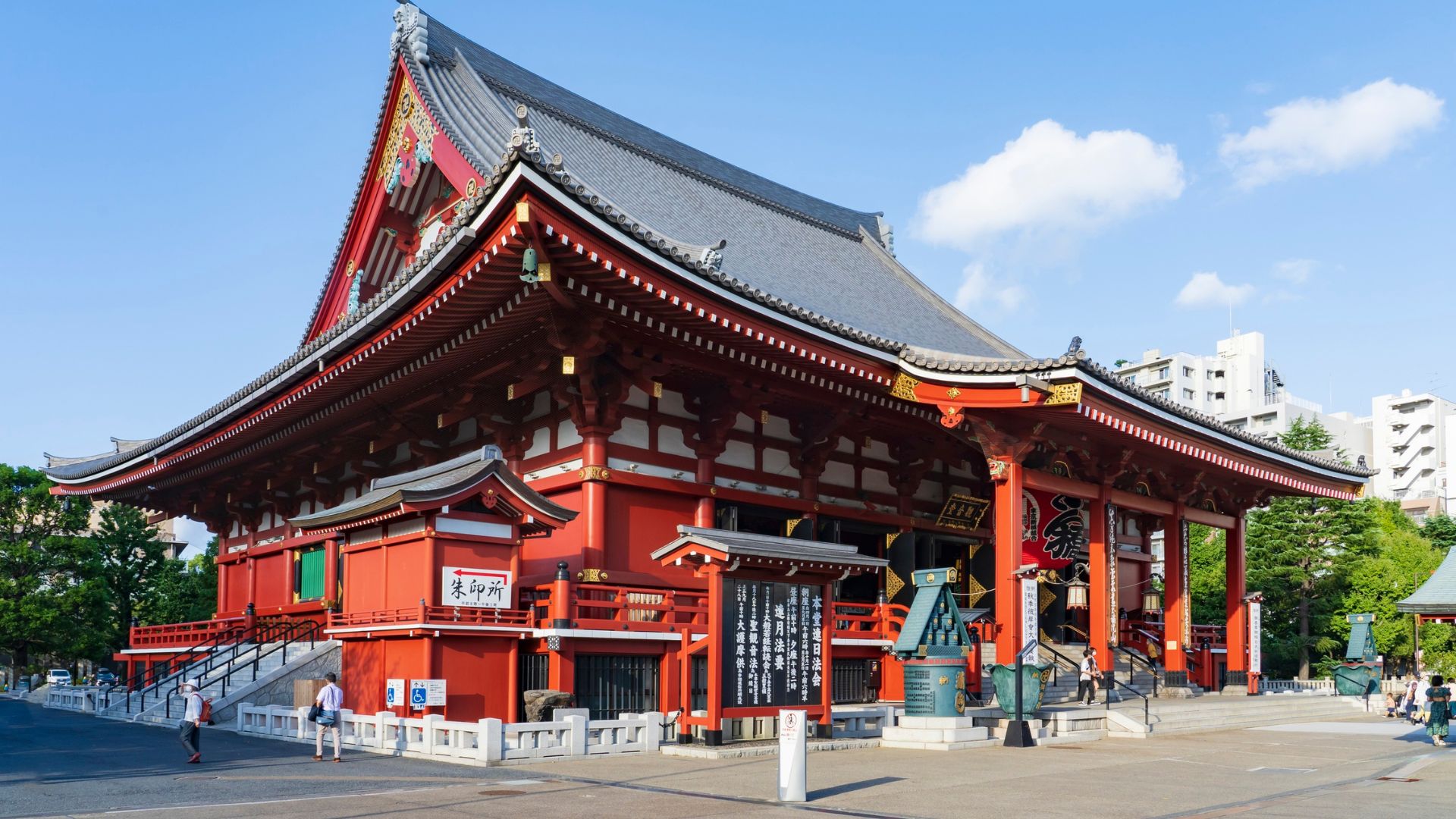
Tokyo is a city of contrasts—old shrines next to neon-lit skyscrapers. I love wandering Asakusa’s Senso-ji, with its bustling Nakamise street full of snacks and souvenirs. It feels like stepping into old Tokyo, even as the city hums around you.
Meiji Shrine hides in a forest near Harajuku’s chaos. On weekends, you might catch a traditional wedding procession.
Modern must-dos:
- Lose yourself in Teamlab Borderless digital art.
- Grab breakfast at Tsukiji Outer Market.
- Watch sumo tournaments (six times a year!).
- Experience the Robot Restaurant for a wild night out.
Tokyo’s subway whisks you everywhere. Grab a multi-day pass and just explore.
Stunning Natural Landscapes and Adventure Retreats
Some places just knock you out with their wild beauty. Whether it’s African savannas, Arctic snowfields, or turquoise lagoons, these are the spots that stick with you long after you return home.
Kruger National Park’s Safari Splendor
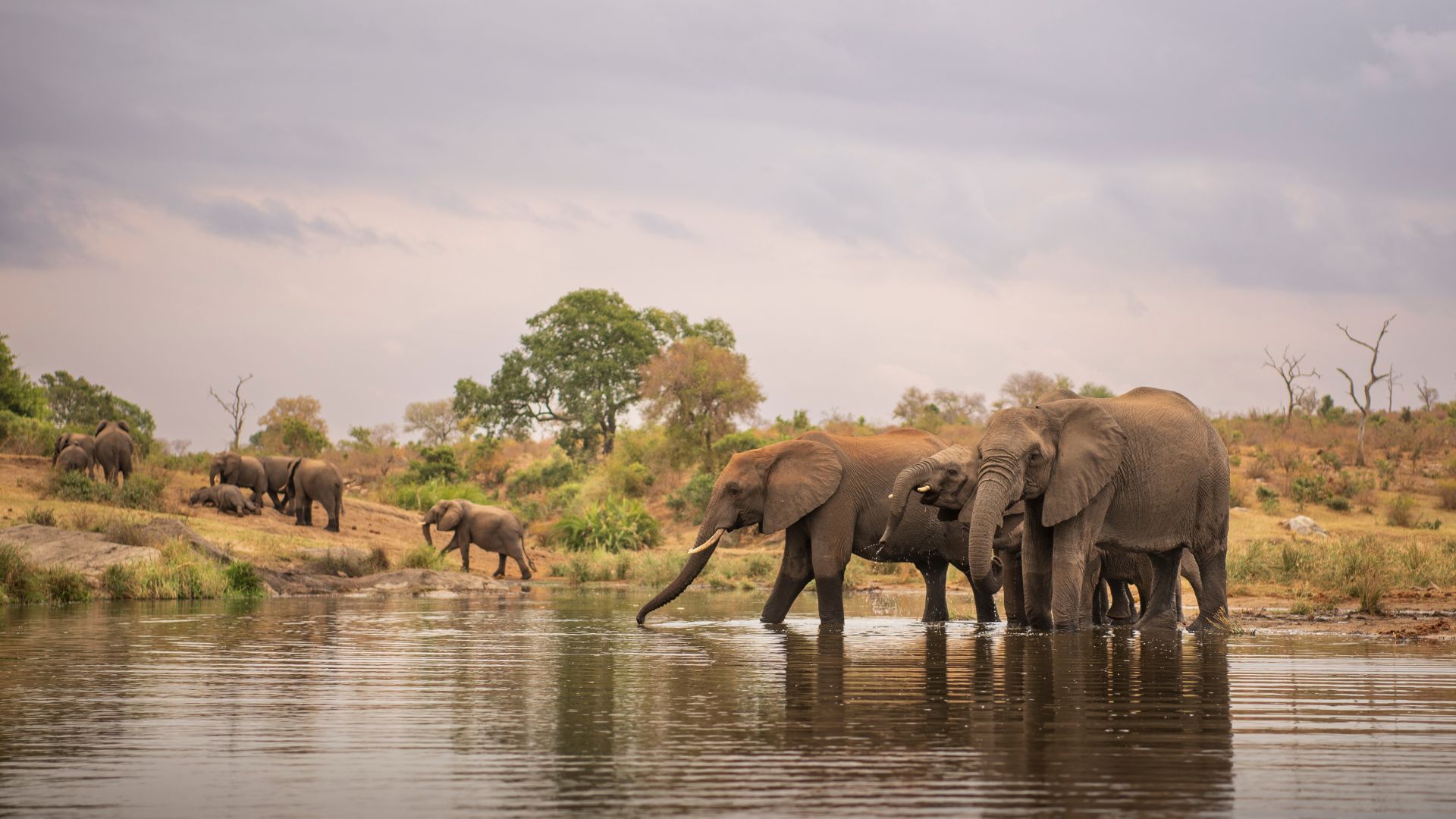
Kruger National Park is a safari dream come true. Stretching across northeastern South Africa, it’s home to the Big Five—lions, leopards, rhinos, elephants, and buffalo.
Visit between May and September. Dry weather brings animals to watering holes, making them easier to spot. You’ll find everything from simple campsites to luxury lodges with private game drives.
Wildlife highlights:
- Over 140 mammal species.
- 500+ bird species.
- Predators like wild dogs and cheetahs.
You can drive yourself or join guided tours. Guides know the land and animal habits, but there’s a thrill in going at your own pace. Early mornings and late afternoons are prime time for sightings.
Alaskan Wilderness and Midnight Sun
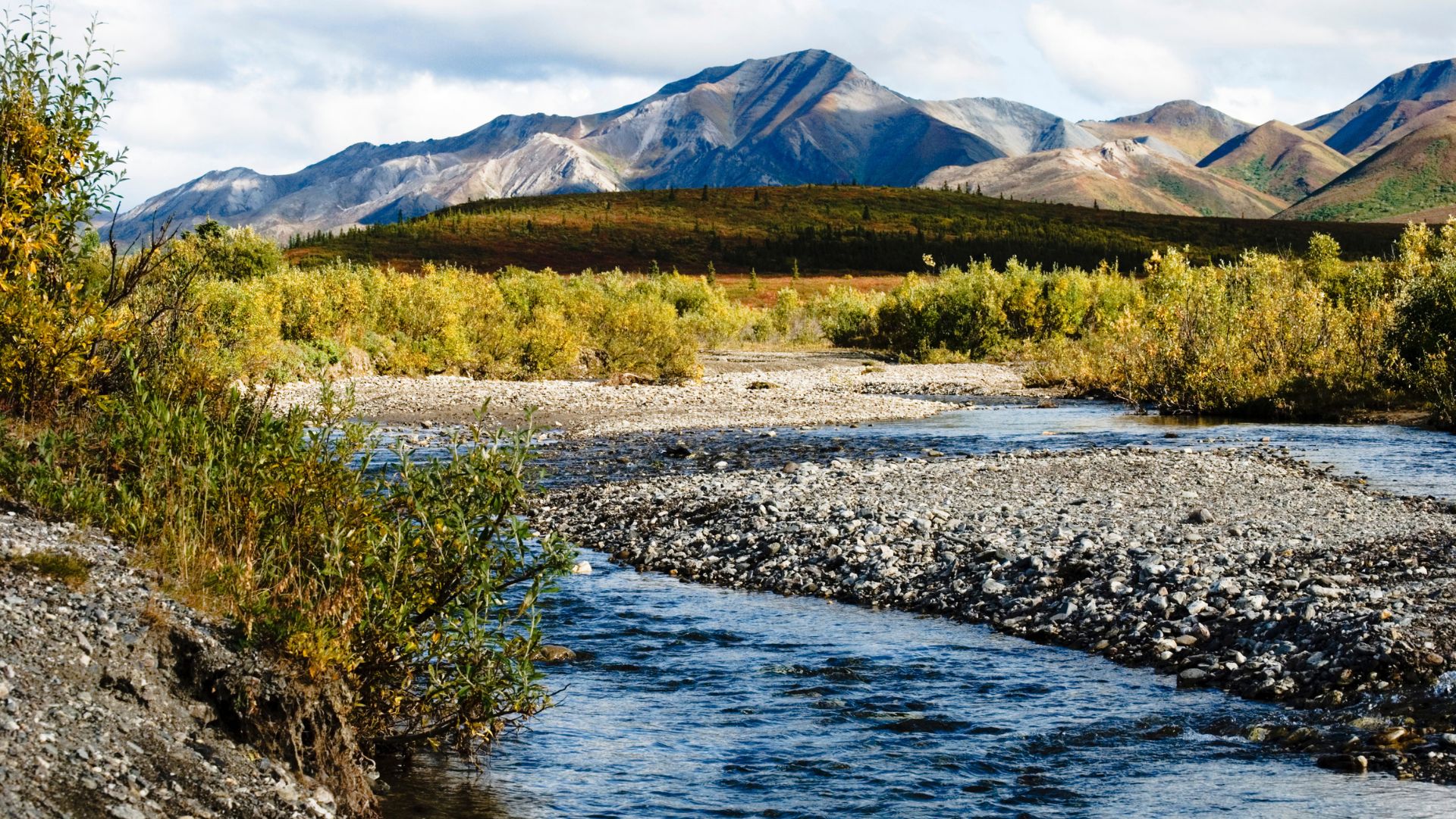
Alaska feels untouched and wild. Denali National Park towers with North America’s tallest peak. From May to July, the sun barely sets, so you get endless daylight for exploring.
The northern lights show up from September through April, especially around Fairbanks.
Summer means glacier hikes, whale watching, and bear spotting. Katmai National Park is famous for brown bears fishing for salmon. Kenai Fjords offers boat trips past crashing glaciers.
Winter brings dog sledding, ice fishing, and snowmobiling. The cold is real, but the rewards? Totally worth it.
Bora Bora’s Lagoon Paradise
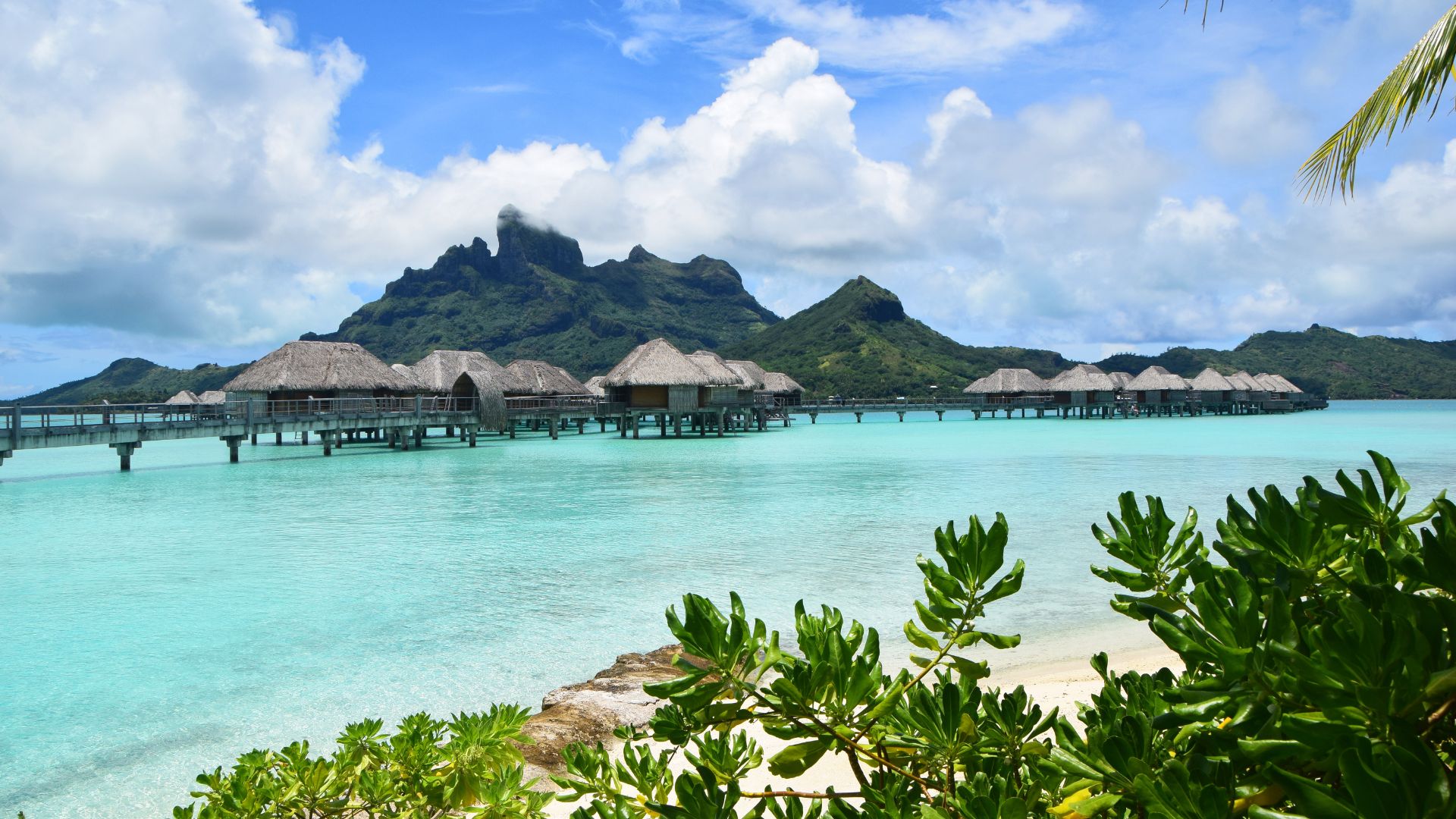
Bora Bora is what you picture when you dream of paradise. A volcanic peak rises above a blue lagoon, ringed by coral reefs. Overwater bungalows let you slip straight into warm, clear water.
The lagoon is perfect for snorkeling and diving. You’ll spot tropical fish, rays, and even small sharks. Mount Otemanu gives every photo that iconic backdrop.
Top picks:
- Snorkel with manta rays and reef sharks.
- Paddleboard across glassy water.
- Sail on a sunset catamaran.
- Dive the outer reef walls.
Go from May to October for the best weather. The water stays warm all year. Most places are high-end, but the service and scenery are next-level.
Picturesque Coastal Escapes for 2026
Italy’s coastline and mountain villages are pure eye candy. The Amalfi Coast’s pastel towns, Cortina d’Ampezzo’s alpine drama, and boat rides to Capri all serve up that “la dolce vita” vibe.
Amalfi Coast’s Colorful Villages
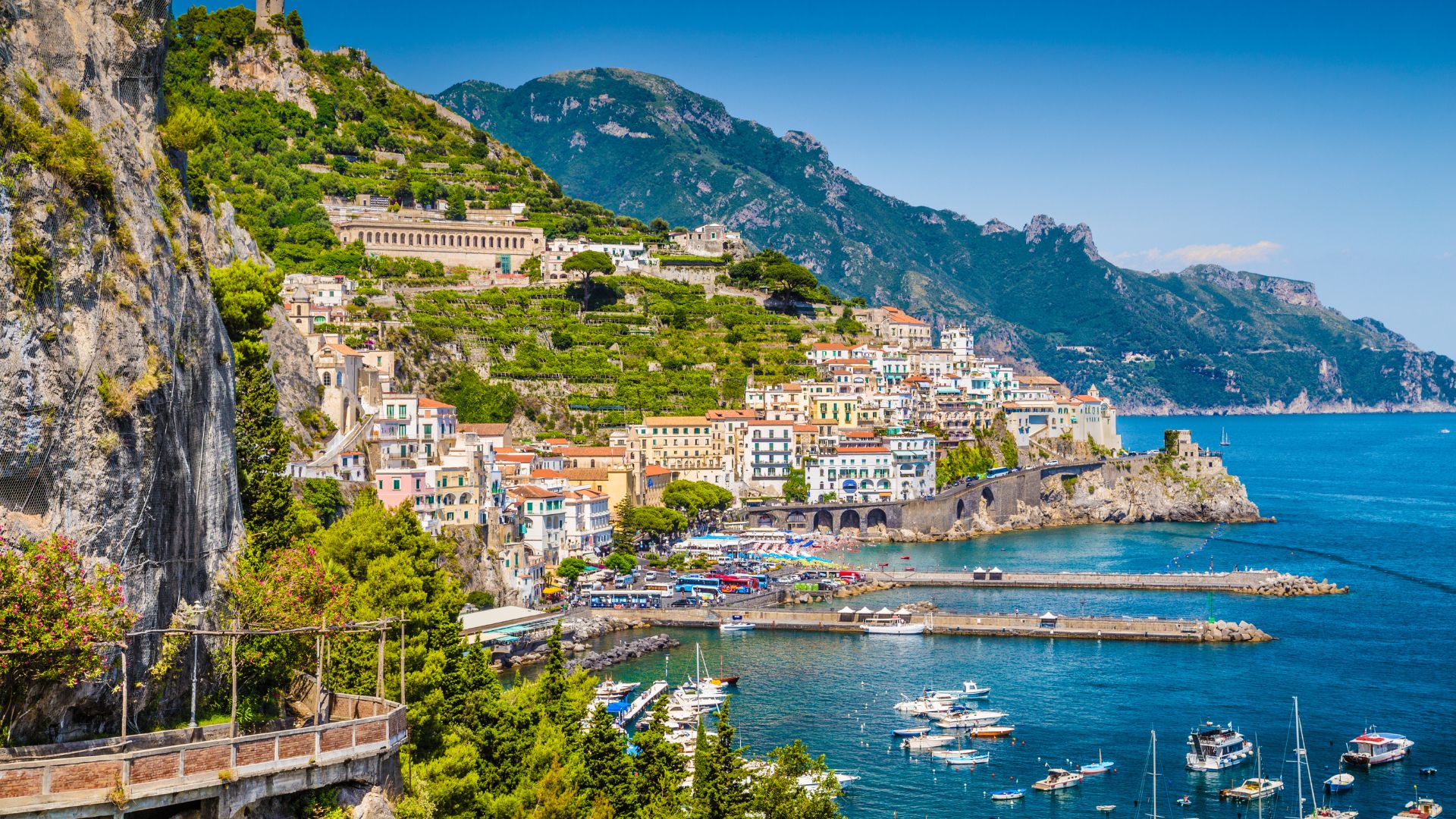
The Amalfi Coast winds along steep cliffs, dotted with villages painted in pinks, yellows, and terracotta. Positano is a favorite—houses tumble down to pebble beaches, and the whole place feels like a postcard.
Amalfi itself is named for the coast and boasts a stunning 9th-century cathedral at its heart. Driving the coastal road is half the adventure—hairpin turns, lemon groves, and sparkling sea views at every bend.
Ravello sits high above with dreamy gardens at Villa Cimbrone. The Terrace of Infinity lives up to its name, with sweeping views over the Gulf of Salerno. Flowers bloom from spring to fall, adding pops of color everywhere you look.
Try to visit in April-June or September-October. Summer brings crowds and heat, and those winding roads can be a bit much if you get carsick. Local buses connect the towns, making it easy to hop around without a car.
Cortina d’Ampezzo: Alpine Beauty and Adventure
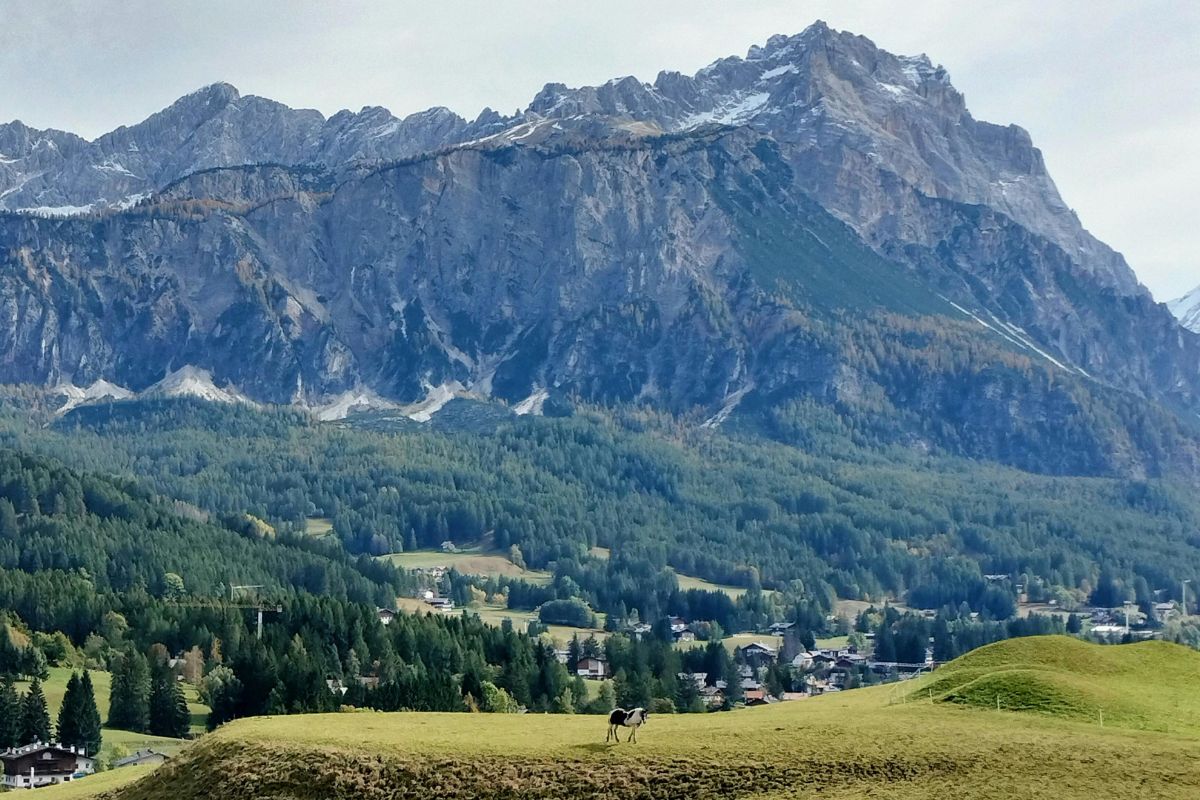
Cortina d’Ampezzo sits tucked away in the Dolomites of northeastern Italy, surrounded by jagged limestone peaks. This mountain town hosted the 1956 Winter Olympics, and it’ll join Milan as a co-host for the 2026 Winter Olympics.
To the west, the Tofane mountain group looms with those iconic vertical rock faces. I love hopping on the cable cars—they run all year, so you can reach high-altitude viewpoints even if you’ve never hiked a day in your life.
When summer rolls in, the snow melts to reveal a web of walking trails winding through wildflower-filled meadows. There’s something about that blend of adventure and comfort here.
Cortina’s pedestrian Corso Italia feels lively, lined with boutiques and cozy mountain restaurants. You can try local dishes like casunziei pasta. The town keeps its Italian soul, but it’s still super welcoming to travelers from all over.
In winter, the area transforms again. You’ll find skiing across 75 miles of slopes and cross-country trails that weave through the valleys. If you’re into climbing, the Dolomites’ via ferrata routes—those wild cliffside paths with iron rungs—are a must.
Boat Journeys: Capri and Beyond
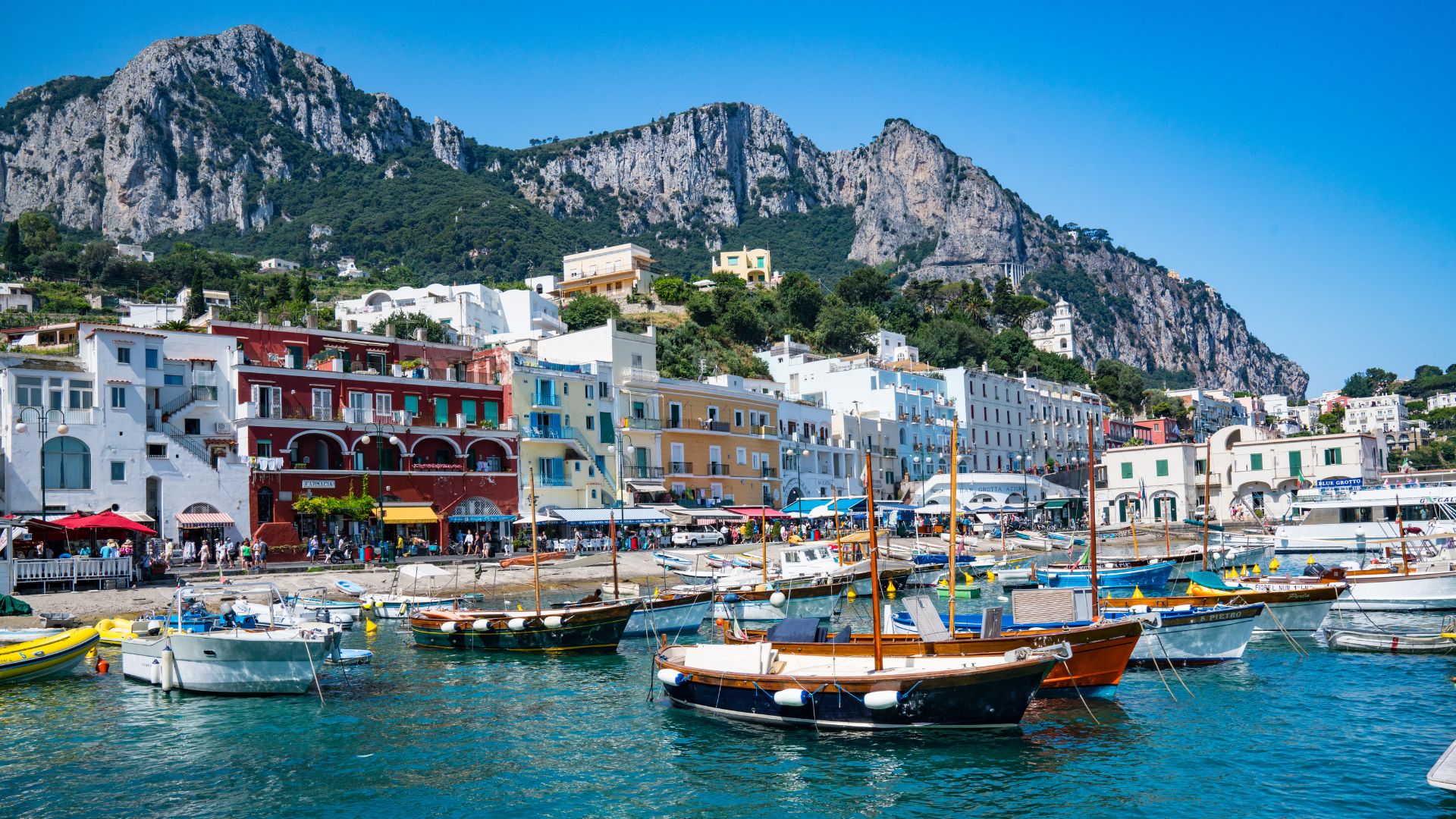
From the Amalfi Coast, you can hop on a boat and reach Capri in about 40 minutes from Positano. The Blue Grotto on Capri is famous for its surreal electric blue glow—sunlight sneaks through underwater openings, lighting up the cave.
Tiny rowboats squeeze through the low entrance when the sea is calm. It’s a little nerve-wracking, but the payoff is pure magic.
Capri town sits on the island’s eastern side, and the Piazzetta buzzes with life. The Gardens of Augustus give you terraced views down to Marina Piccola beach and those dramatic Faraglioni rocks popping out of the sea.
If you’re up for it, take the chairlift to Monte Solaro. The 360-degree views across the Bay of Naples are honestly breathtaking.
Private boat charters let you discover hidden coves and secret grottoes along the Amalfi Coast. Most of these trips include swimming stops in crystal-clear water and visits to fishing villages like Praiano.
Sunset cruises are a thing here too—set out from the main ports, sip prosecco, and snack on local treats while the sky turns orange.
Expert Planning Tips for Your 2026 Bucket List Journey
Planning a bucket list adventure is more than just picking a spot on the map. I’ve found it’s all about timing, striking a balance, and making choices that won’t harm the places I love.
Best Times to Visit Top Destinations
I always check the weather and crowd patterns before booking. Costa Rica is at its best during the dry season from December to April, but if you don’t mind a little rain, the green season from May to November brings lush landscapes and fewer crowds.
New Zealand is a dream from December to February—think warm weather and endless adventures. If you’re eyeing the Himalayas, October and November usually deliver clear mountain views and steady trekking conditions.
Japan shines in spring (March to May) with cherry blossoms, or in autumn (September to November) for those fiery leaves. I steer clear of Tokyo during Golden Week in early May; the crowds can get wild.
Mongolia’s Naadam Festival happens in July, so summer is the time to catch nomadic culture in action. Greenland’s midnight sun from June to August is perfect for Arctic explorers.
I always peek at local events and holidays before I set my dates. Edinburgh’s Fringe Festival lights up August, while Rio’s Carnival bursts into life in February or March.

Balancing Culture, Nature, and Adventure
I try to mix things up on my bucket list trips. In Peru, for example, I’ll explore Incan ruins at Machu Picchu one day, hike through Amazon rainforest the next, and squeeze in some local eats in Lima.
When I visited Georgia, I spent mornings wandering Tbilisi’s historic streets, afternoons hiking to Gergeti Trinity Church, and evenings sampling khachapuri and local wine.
Seoul is another spot where you get the best of everything—traditional palaces, mountain trails at Bukhansan, and buzzing street markets. I usually plan at least three days per city, just to soak it all in.
On islands like Koh Samui, I like to balance lazy beach time with temple visits and night market strolls. And honestly, leaving a buffer day or two between big adventures saves me from total burnout.
Sustainable Travel Choices for 2026
I’m getting more intentional about where I go and how I travel. Costa Rica stands out for its strict conservation efforts, so I look for eco-lodges that actually walk the talk.
In places like Slovenia and Montenegro, the small size means I can travel by train or bus and keep my carbon footprint down. I skip flights when I can and pick locally-owned places to stay.
Wildlife is a big draw for me, but I always follow viewing rules—like in Sri Lanka or Yellowstone, staying at the right distance and skipping any attractions that exploit animals.
I bring a reusable water bottle, a tote bag, and my own utensils to cut down on single-use plastics. Tourist taxes are popping up in more places, and I don’t mind paying if it helps protect the environment.
When I book tours, I look for operators who hire local guides and give back to the community. In Kyrgyzstan, staying in family-run guesthouses means my money goes straight to nomadic families.
Frequently Asked Questions
A lot of travelers planning their 2026 adventures have the same questions—what’s hot, what’s new, and where’s worth the hype? I’ve rounded up the answers to the most common bucket-list questions for 2026.
Experts and travel insiders are buzzing about Carlsbad, California, thanks to its booming food scene. Malaysia is making waves for its UNESCO-listed breakfast culture. Philadelphia is on the map as a FIFA World Cup host city.
Melbourne is turning heads with major sporting events, including the first NFL game in Australia. Taipei is a food lover’s dream—over 30 night markets and 53 Michelin-star restaurants? Yes, please.
Umbria, Italy is drawing truffle hunters and luxury travelers with new boutique hotels. Mexico City is hosting both Formula 1 and FIFA World Cup matches.
Santa Barbara and Sancerre in France’s Loire Valley are also getting attention. Each spot offers something special, from food adventures to big cultural events.
I wish I had National Geographic’s official ‘Best of the World’ list for 2026, but it hasn’t dropped yet. They usually spotlight places for culture, nature, and sustainability.
Travel publications all release their lists at different times, so it’s worth checking National Geographic’s website or Travel + Leisure’s list of 50 best places to travel in 2026 for the latest picks.
No official word from National Geographic yet on their 2026 recommendations. Still, most big travel magazines agree on a few trends.
Destinations hosting major events—like FIFA World Cup cities and America250 celebrations—are getting lots of buzz. Places that focus on sustainability and keeping their culture alive also tend to show up on these lists.
Absolutely! Carlsbad, California is a must if you’re into fine dining. It now boasts Michelin-starred spots like Jeune et Jolie and Lilo.
Malaysia is an incredible culinary destination, especially with its breakfast culture now recognized by UNESCO.
Sports fans should check out Philadelphia for six FIFA World Cup matches at Lincoln Financial Field. Melbourne nails the mix of sports, arts, and culture, especially in its revamped Arts Precinct.
Sancerre, France is a treat for wine lovers, with a newly reopened 14th-century tower and fresh boutique hotels. Up-and-coming chefs there are bringing new life to Loire Valley cuisine.
Mexico City is high on the list—it’s a FIFA World Cup host, and new direct flights from Denver, Chicago, and Philadelphia make getting there a breeze. The city’s luxury hotel scene is booming, with the Pendry and Park Hyatt opening soon.
Taipei is a food paradise, where you can wander from bustling street markets to fancy restaurants in just a few blocks. Starlux Airlines now flies nonstop from Phoenix to Taipei, which is a game-changer.
Umbria, Italy is now a go-to for truffle lovers, with big festivals and new luxury hotels. Six Senses Antognolla and Relais San Clemente offer high-end stays in historic settings.
Honestly, I wish I could hand you National Geographic’s official top 25 destinations for 2026, but I just don’t have that list. Every year, Nat Geo tends to surprise us with a blend of hidden gems and classic spots that suddenly feel fresh again.
I’ve noticed that travel magazines like Travel + Leisure have already put out their own lists—sometimes with 50 places for 2026. You’ll often spot a few overlaps with Nat Geo’s picks, especially in places buzzing with new hotels, big festivals, or a food scene that’s just starting to make headlines.
If you’re planning ahead, keep an eye on those destinations with new infrastructure or a cultural twist. That’s usually where the magic happens.