
When most people think of Italy’s Alpine region, they picture snow-covered peaks and ski slopes stretching across the horizon. But when the snow melts and summer arrives, these same mountains transform into a vibrant playground for outdoor enthusiasts like me.
Italy’s Alpine areas, especially the Dolomites and Trentino region, offer over 300 stunning lakes, countless hiking trails, and natural wonders that rival their winter appeal.
Last summer, I ventured beyond the familiar ski resorts of northern Italy to discover what the warmer months had to offer. The Aosta Valley captured my heart with its hiking paths and mountain passes, while the emerald waters of Soča and Lake Predil provided perfect spots for swimming and paddleboarding.
Each morning, I woke to breathtaking mountain views that felt completely different from their winter counterparts.
The beauty of summer in Italy’s Alps lies in the diversity of experiences.
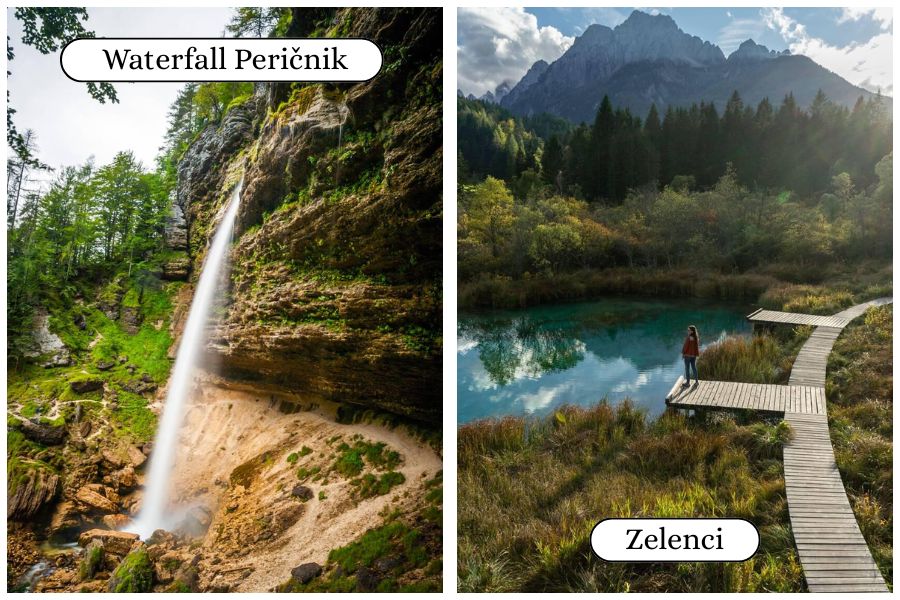
One day I hiked to Waterfall Peričnik, feeling the mist on my face as I stood behind the cascading water. The next, I explored Zelenci nature reserve, where crystal-clear waters reflect the surrounding peaks.
The best part? Many summer activities use the same infrastructure as winter sports, with ski lifts transforming into easy transport to high-altitude hiking trails and mountain restaurants serving hearty meals on sunny terraces.
Embracing the Italian Alps Beyond the Slopes
The Italian Alps transform magnificently between seasons, offering adventures that extend far beyond winter’s ski runs. These majestic mountains reveal entirely new personalities when the snow melts away.
From Snow to Greenery: The Changing Faces of the Mountains
I’ve always been amazed by how the Italian Alps completely transform after winter ends. The Dolomites, with their distinctive pale limestone peaks, stand against vibrant green meadows dotted with colorful wildflowers.
Where skiers once carved through snow, summer reveals networks of hiking trails. The same cable cars that carried winter sports enthusiasts now transport hikers and mountain bikers to spectacular viewpoints.
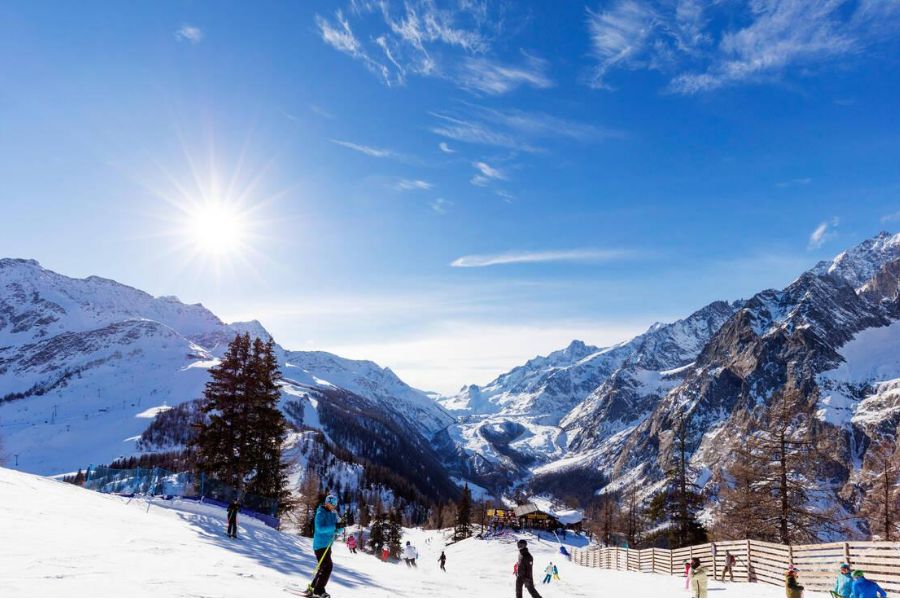
Many ski resorts in the Alps, including those in the Dolomiti Superski region, operate year-round. I’ve found that visiting in late spring offers the best of both worlds – snow still caps the highest peaks while valleys bloom with life.
The transformation creates perfect conditions for wildlife watching too. I’ve spotted chamois, marmots, and golden eagles during summer hikes where I’d only seen snow-covered terrain months before.
Sella Ronda: A Summer Cycling and Hiking Dream
The Sella Ronda, famous as a ski circuit in winter, becomes an incredible cycling and hiking route during summer. I pedaled this 33-kilometer loop around the Sella massif last July and was blown away by the scenery.
Unlike winter’s one-way ski route, summer allows you to tackle the four Dolomite passes – Gardena, Campolongo, Pordoi, and Sella – in either direction. The roads wind through picturesque villages and alpine meadows.
For mountain biking enthusiasts, dedicated trails branch off from the main route. Some follow former ski runs, creating exhilarating downhill sections with breathtaking views.
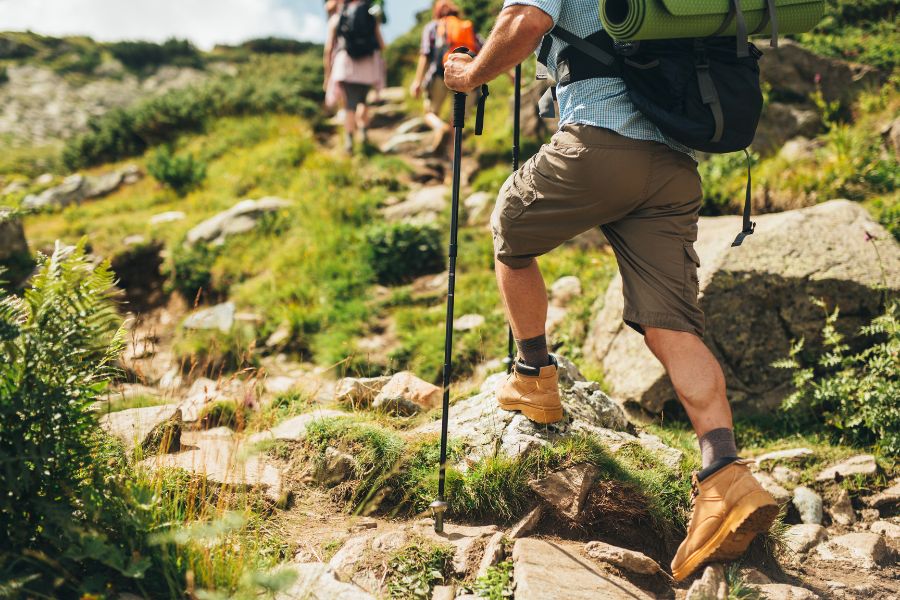
What I love most about summer in the Sella Ronda is how accessible it makes the mountains. Families, casual cyclists, and serious athletes all share these paths. Mountain huts (rifugi) offer perfect rest stops with authentic Italian cuisine and stunning panoramas.
Adventure Awaits in the Dolomites
The Dolomites transform into a summer playground once the snow melts, revealing breathtaking landscapes perfect for outdoor enthusiasts. I’ve found this UNESCO World Heritage site offers some of the most thrilling summer adventures in all of Europe.
Rock Climbing the Majestic Dolomites
The vertical limestone walls of the Dolomites create a rock climber’s paradise. I’ve tackled several routes here and can confirm there’s something for everyone, from beginners to expert climbers.
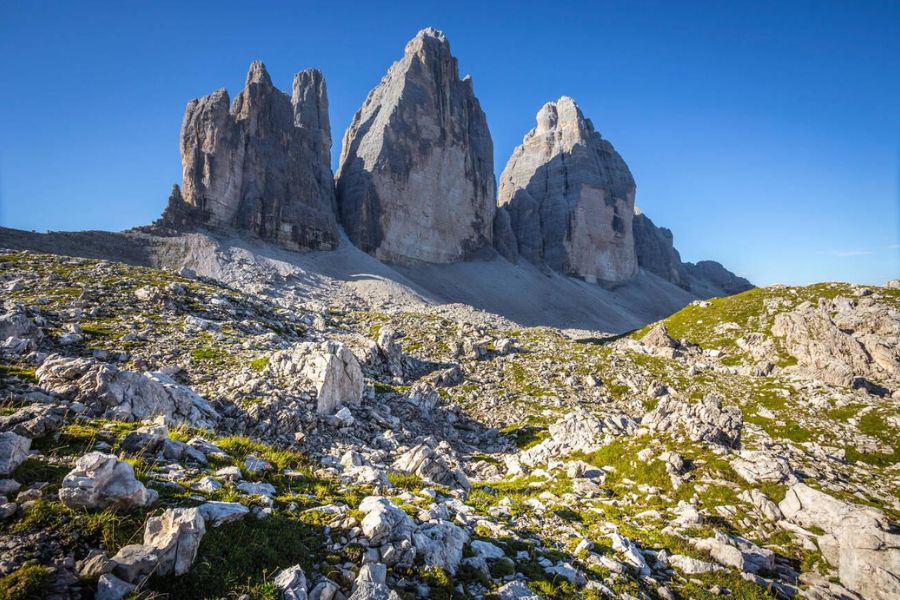
The Tre Cime di Lavaredo (Three Peaks) offers iconic climbing routes with jaw-dropping views. When I first climbed here, I was stunned by the pale mountains glowing at sunset.
For beginners, the Cinque Torri area provides excellent shorter routes with established climbing schools nearby. Most climbing centers offer equipment rental and guided experiences if you’re new to the sport.
The best climbing season runs from June through September. I recommend booking a local guide who knows the safest routes and can tailor the experience to your skill level.
Exploring the Via Ferrata: A Journey on Iron Paths
Via Ferrata, meaning “iron path” in Italian, combines hiking with rock climbing using fixed cables and ladders. These protected climbing routes were originally built during WWI to move troops.
My favorite route is the Via Ferrata Brigata Tridentina near Corvara. The climb features dramatic scenery, including the breathtaking waterfalls of the Pisciadù.
Essential Via Ferrata Gear:
- Climbing harness
- Via Ferrata set with energy absorber
- Helmet
- Gloves
- Proper hiking boots
I suggest starting with an easier route like Via Ferrata Col Rodella if you’re a beginner. The views across Val di Fassa are spectacular but the route isn’t too technical.
Family Fun at Adventure Parks
The Dolomites region boasts numerous adventure parks perfect for families seeking thrills together. My nephews couldn’t get enough of these during our last summer visit.
Adrenaline Park in Cortina d’Ampezzo features ziplines, rope bridges, and climbing walls suitable for different ages. The views of the surrounding mountains while whizzing along the zipline are unforgettable.
Adventure Park Colfosco offers courses ranging from easy green routes for small children to challenging black routes for teenagers and adults. The staff ensures everyone is properly secured and instructed before starting.
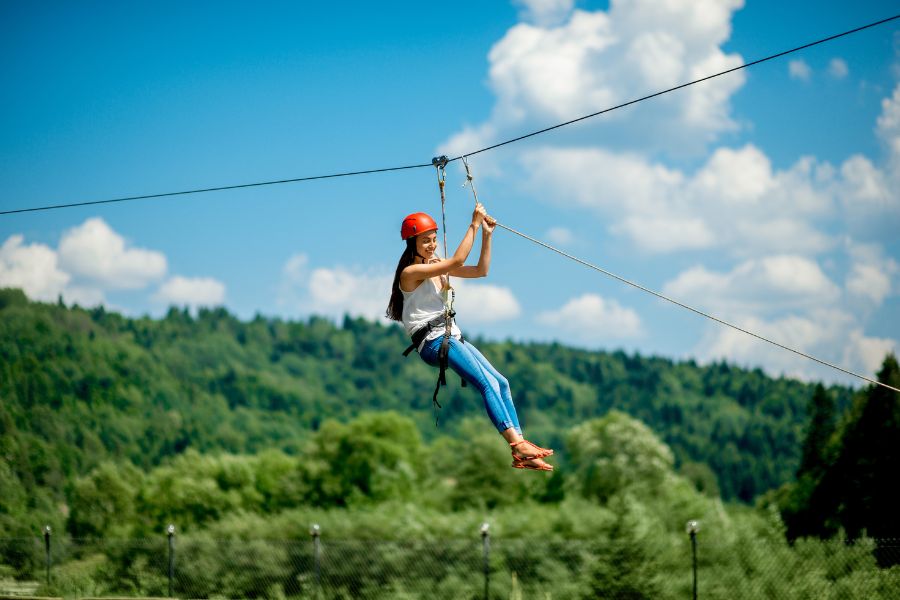
Many parks include unique features like tubing slides and gold panning activities. I’ve found that spending a half-day at these parks provides a perfect break between hiking days and keeps kids thoroughly entertained.
Trekking through Nature’s Masterpiece
Italy’s Alpine region transforms into a trekker’s paradise during summer months. The Dolomites and surrounding areas offer some of the most spectacular hiking trails in Europe, with dramatic peaks and breathtaking scenery at every turn.
Guided Hikes to UNESCO World Heritage Sites
I discovered that the Italian Dolomites aren’t just beautiful—they’re officially recognized as a UNESCO World Heritage site for their unique limestone formations and extraordinary natural beauty. During my summer visit, I joined a guided hike through Val Gardena, where expert local guides shared fascinating insights about the region’s geology and flora.
These guided treks range from beginner-friendly paths to challenging routes for experienced hikers. What impressed me most was how the guides customized our experience based on our fitness levels while ensuring we witnessed the most stunning vistas.
The trails wind through Alpine villages, verdant meadows, and rugged cliffs. Many tours include stops at traditional mountain huts where I sampled authentic Alpine cuisine—the perfect reward after a morning of hiking!
Seceda and Seiser Alm: Panoramic Beauty and Alpine Trails
Seceda ridge took my breath away with its jagged peaks and panoramic views. I recommend taking the cable car up and then hiking along the ridgeline for unforgettable photo opportunities. The dramatic rock formations create an almost otherworldly landscape that changes with the shifting light throughout the day.

Nearby, Seiser Alm (Alpe di Siusi) offers Europe’s largest high-altitude Alpine meadow. I spent a full day exploring its gentle, rolling trails that contrast beautifully with the dramatic peaks surrounding the plateau. The area is particularly family-friendly with well-marked paths suitable for all ability levels.
Summer wildflowers carpet the meadows in vibrant colors, creating a stunning backdrop for my trek. Several mountain restaurants dot the landscape, providing perfect rest stops with outdoor seating and spectacular mountain views.
The Flavors of the Mountains
Italy’s Alpine region offers a culinary journey as breathtaking as its landscapes. The mountain cuisine blends traditions from Italian, Austrian, and indigenous cultures to create unique flavors you won’t find elsewhere.
Indulging in Ladin Culture and Cuisine
I discovered the Ladin culture during my summer trek through the Dolomites. This ancient mountain people have preserved their unique language, customs, and of course, incredible food traditions.
In small villages like Val Gardena and Alta Badia, I found family-run restaurants serving dishes passed down through generations. The flavors are hearty and designed to fuel mountain activities.
Try tutres (fried pastries filled with spinach or sauerkraut) or cajincì (ravioli with poppy seeds). Many restaurants proudly display their Ladin heritage with traditional décor and multilingual menus.

During summer festivals, you can sample authentic dishes while enjoying folk music and seeing locals in traditional dress. It’s a cultural immersion that goes beyond just eating.
Speck, Canederli, and Polenta: Tastes of Trentino-Alto Adige
The Trentino-Alto Adige region showcases the perfect blend of Italian and Alpine cuisines. Speck, a smoky cured ham, appears everywhere from breakfast to dinner. I love it thinly sliced with fresh mountain bread and local cheese.
Canederli (bread dumplings) come served in broth or with butter and cheese. They’re perfect after a day of hiking! Many restaurants offer variations with spinach, cheese, or speck mixed in.
Polenta forms the base of many meals here, often topped with rich game stews or mountain mushrooms. In summer, it’s sometimes grilled and topped with fresh cheeses.
Don’t miss trying:
- Strangolapreti: Spinach and bread gnocchi
- Apfelstrudel: The region’s take on apple strudel
- Local cheeses: Especially mountain varieties like Puzzone di Moena
Dining High: Michelin-Starred Experiences
I was surprised to find such sophisticated dining at high altitudes. The Dolomites region boasts several Michelin-starred restaurants where chefs transform local ingredients into artistic masterpieces.
In Cortina d’Ampezzo, I splurged on a meal at a restaurant with panoramic mountain views. The chef used foraged herbs and locally-sourced game in innovative ways while respecting traditional techniques.

St. Hubertus in San Cassiano, with three Michelin stars, offers a “Cook the Mountain” philosophy that celebrates local ingredients. Reservations are essential, especially during summer when tourists flock to these exclusive dining spots.
Many high-end restaurants offer summer tasting menus that showcase the best seasonal produce. Even their simpler lunch options provide an affordable way to experience gourmet Alpine cuisine.
Choosing the Perfect Alpine Retreat
Finding the right home base for your Italian Alps adventure makes all the difference. The perfect retreat balances comfort, location, and access to summer activities while capturing that special mountain atmosphere that makes the Alps so magical.
Accommodations with Alpine Charm
When I visit the Italian Alps in summer, I look for places that blend traditional charm with modern comfort. Family-run chalets offer the most authentic experience, with wood-paneled rooms and balconies overlooking meadows and mountains.
Many historic hotels in the region have been beautifully renovated. They maintain their stone and timber exteriors while adding luxury touches inside.
For budget travelers, rifugios (mountain huts) provide simple but cozy accommodations with stunning views. Some require a hike to reach, making them perfect for true adventure seekers.
Farm stays are another option I love. These agriturismo properties let you experience rural life while enjoying homemade meals from local ingredients.
Bolzano to Courmayeur: Selecting Your Adventure Base
Bolzano makes an excellent starting point for exploring the Dolomites. The city blends Italian and German influences. It also has easy access to hiking trails and cable cars.
I often recommend staying in Val Gardena if you want to be surrounded by dramatic peaks. The villages of Ortisei, Santa Cristina, and Selva offer plenty of summer activities and cultural events.
Heading west, the Aosta Valley provides incredible views of Mont Blanc. Courmayeur sits at the foot of this massive mountain. It offers world-class hiking and a charming pedestrian center.
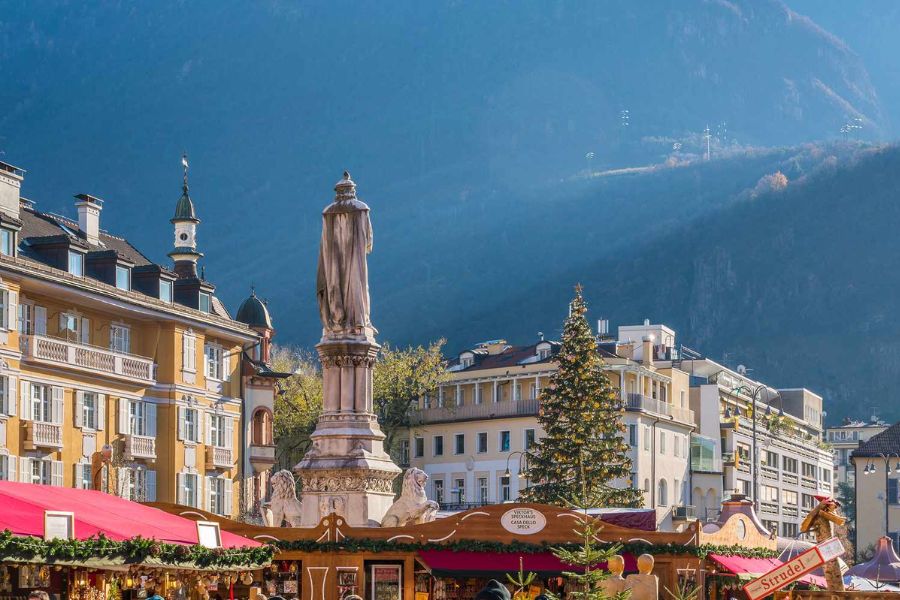
La Thuile is less crowded than Courmayeur but equally beautiful. I found its quiet trails and wildflower meadows perfect for peaceful summer exploration.
Consider your main activities when choosing. Mountain bikers might prefer Livigno. Meanwhile, those seeking thermal spas would enjoy Bormio or Merano.
