
As I wound through Ostuni’s narrow alleyways, I felt like I’d wandered into a sun-bleached stone maze. The streets twist in unexpected directions, revealing hidden corners, bursts of color from flowerpots, and stairways that suddenly open up to sweeping countryside views.
Exploring Ostuni’s labyrinthine core feels like an adventure for the spirit. Every visitor gets the chance to wander through history and get delightfully lost in the beauty of the White City on the hill.
What drew me here was the sense that every turn brought something new—tiny piazzas, ancient arches, whitewashed homes, and a pace of life that just seems to slow down within these old walls.
It’s not hard to see why travelers fall for Ostuni’s charm. If you’re after a place that mixes the thrill of exploration with the vibe of a living postcard, this city is a must.
Ostuni’s Whitewashed Heart: Origins and Cultural Significance
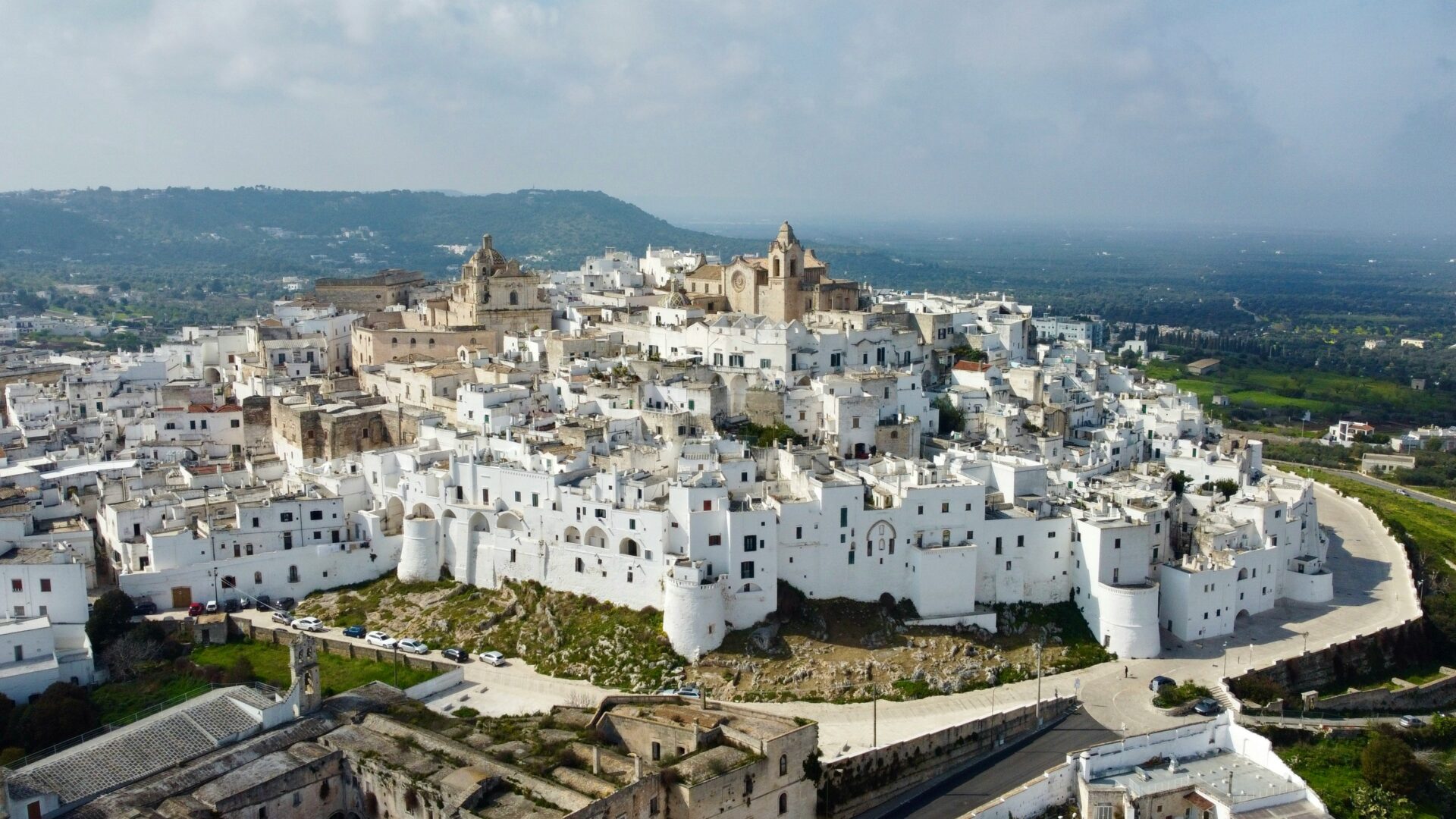
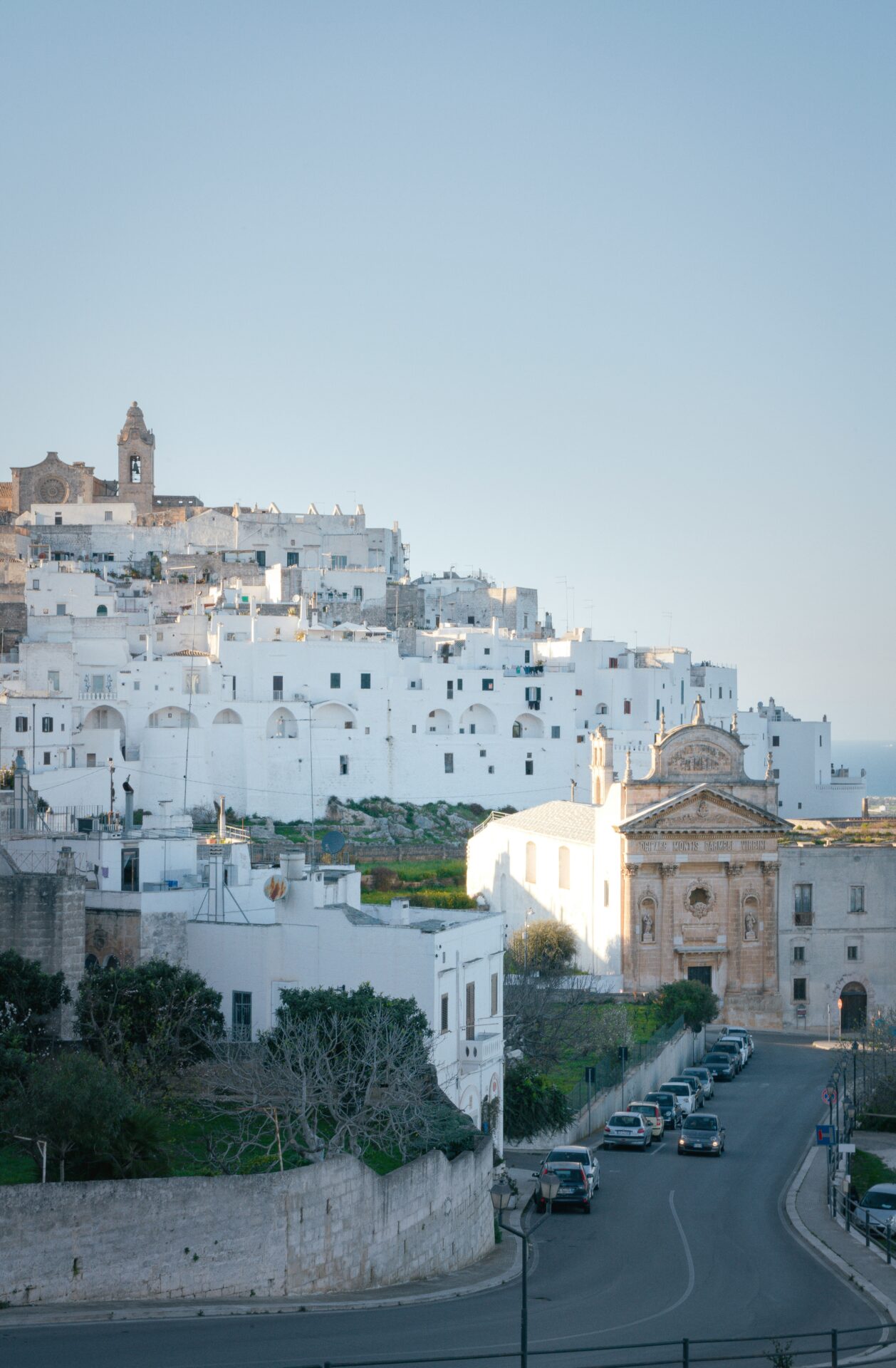
Ostuni stands out in Puglia with its dazzling white facades and winding stone streets. Walking through those bright alleyways, I can feel how the city’s look and layout are woven into stories, tradition, and a blend of influences from the ancient world.
The Mythos of the White City
The first thing I notice is that nearly every building in Ostuni glows with a striking white color. These whitewashed walls aren’t just for show.
For centuries, locals have lime-washed their homes for practical reasons—lime reflects sunlight, keeping houses cool in the hot southern summers. It also acts as a natural disinfectant, which helped stop the spread of disease in medieval times.
Locals say the gleaming white stands for purity and hope. I love hearing guides and shopkeepers share stories about the city’s beginnings.
Some legends claim the Greeks or Messapians founded Ostuni, and that it’s always been a shining guardian on its hilltop. When the white buildings catch the sun, the myth feels almost real—maybe even a little magical—as I look out from the city walls across the olive groves.
Layers of Cultural History
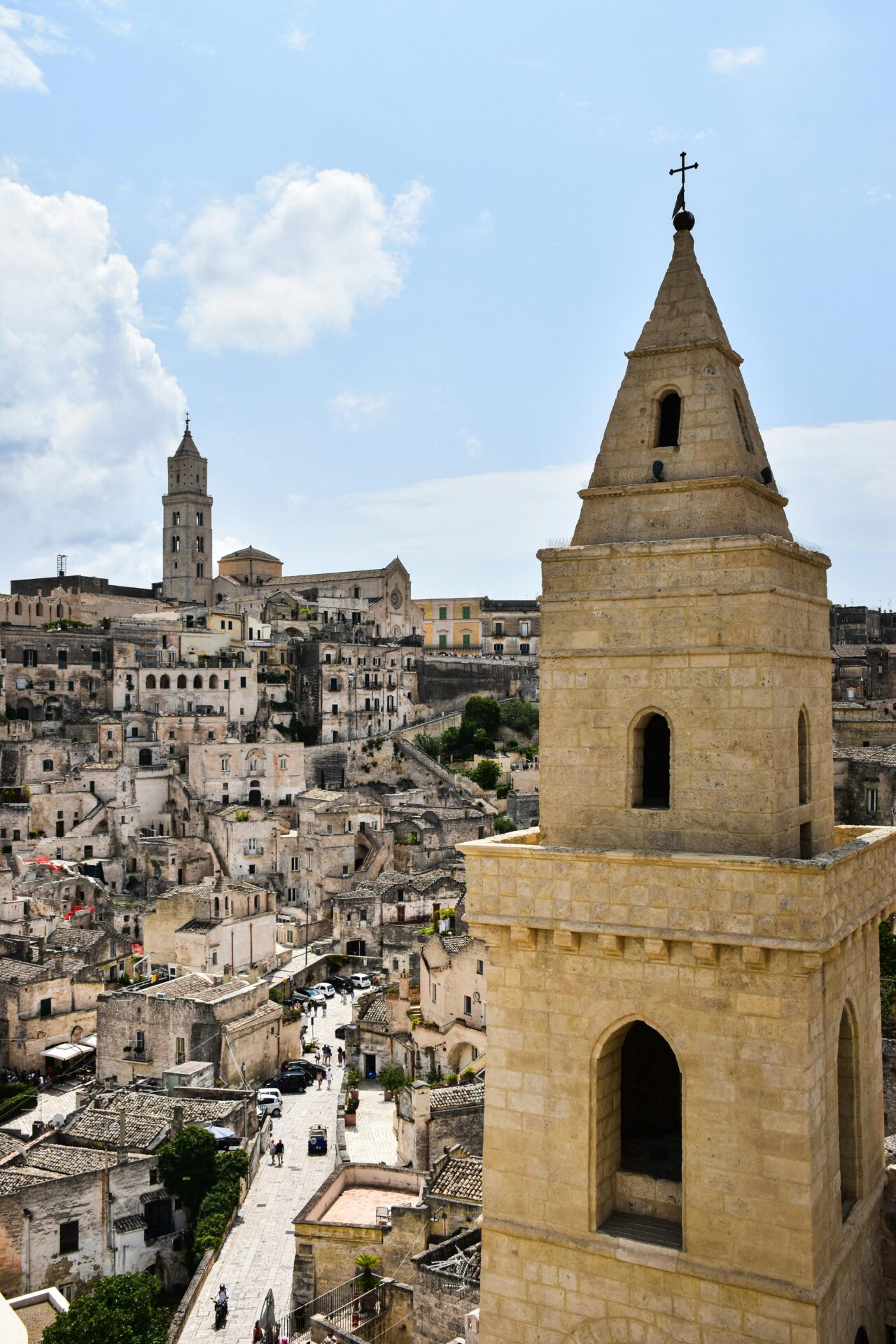
History pops up everywhere in Ostuni’s old town. Each twist in the cobblestone streets brings traces from different eras.
I like to linger by the arched gateways and stairways dating back to medieval times. The city layout follows a classic fortified design, with narrow passages built to protect and, honestly, confuse invaders.
Ostuni’s core works as a living museum. Ancient Messapian walls blend with later Roman and Norman touches.
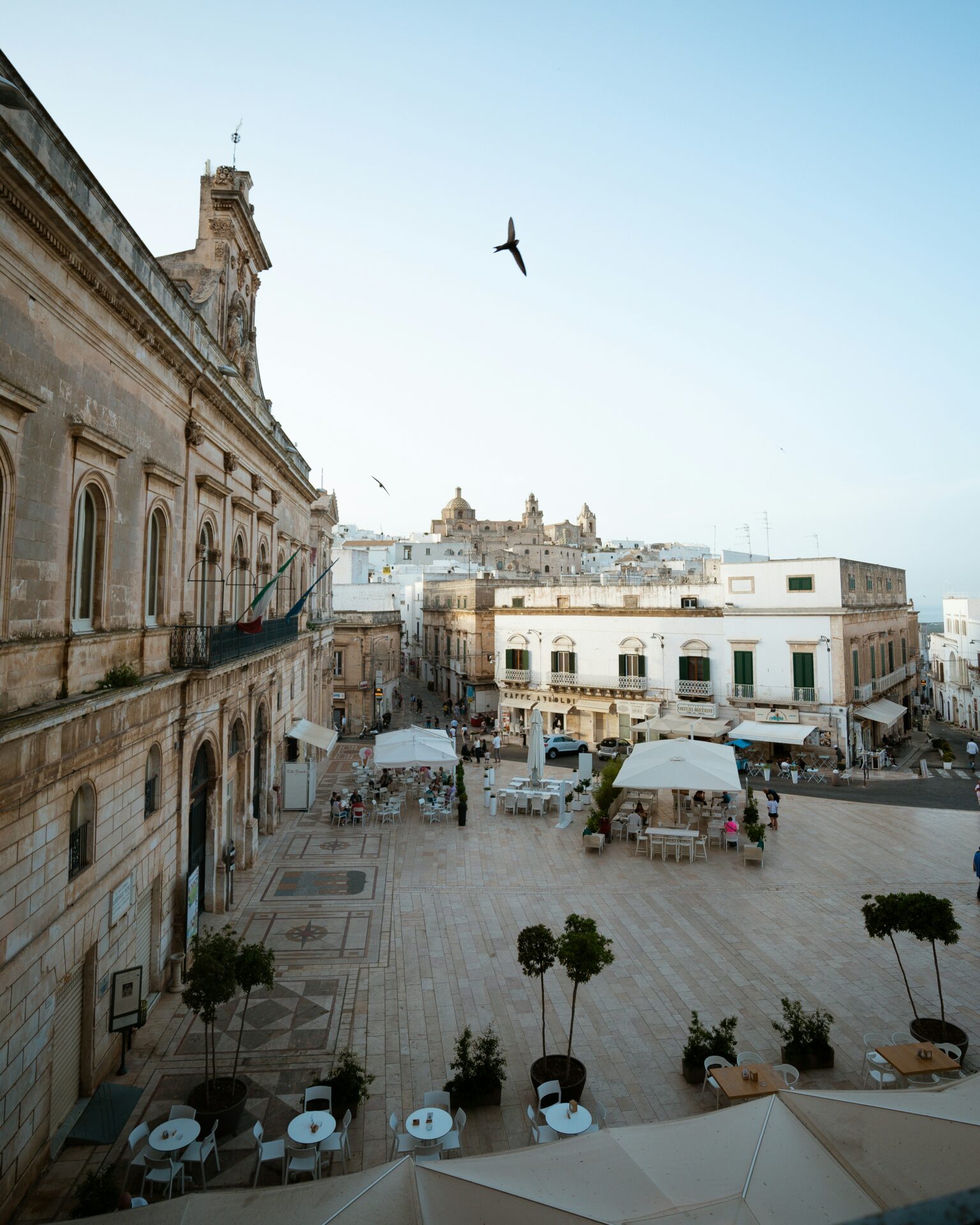
Above it all, Ostuni Cathedral sits with its intricate rose window, carved centuries ago. Walking from the busy Piazza della Libertà to the quieter lanes, I can’t help but notice just how many cultures left their mark—including Spaniards and Byzantines.
The city’s labyrinth feels like a true reflection of its layered soul.

The City as Soul and Mirror
When I lose myself in Ostuni’s backstreets, I see how the city feels like a mirror. The daily rhythms—grandmothers sweeping stoops, kids chasing balls—echo a spirit that’s somehow both old and young.
I spot the city’s spirit in bright doorways and flower pots, but also in the way residents greet each other or welcome travelers like me.
The whitewashed surfaces reflect not just sunlight, but also the cultural history of resilience and community. For anyone exploring these mazy streets, Ostuni isn’t just a place.
It feels like a living soul, inviting us to see both its story and, maybe, a bit of our own.

Navigating the Labyrinth: Spatial Dynamics and Urban Fabric
Ostuni’s old town really does feel like a maze. Space shifts constantly, and the city wraps around you in bright white volumes.
Twisting alleys, sun-bleached facades, and sudden open courtyards create a unique urban puzzle on this hilltop.
Maze-Like Alleys and Spatial Dynamics
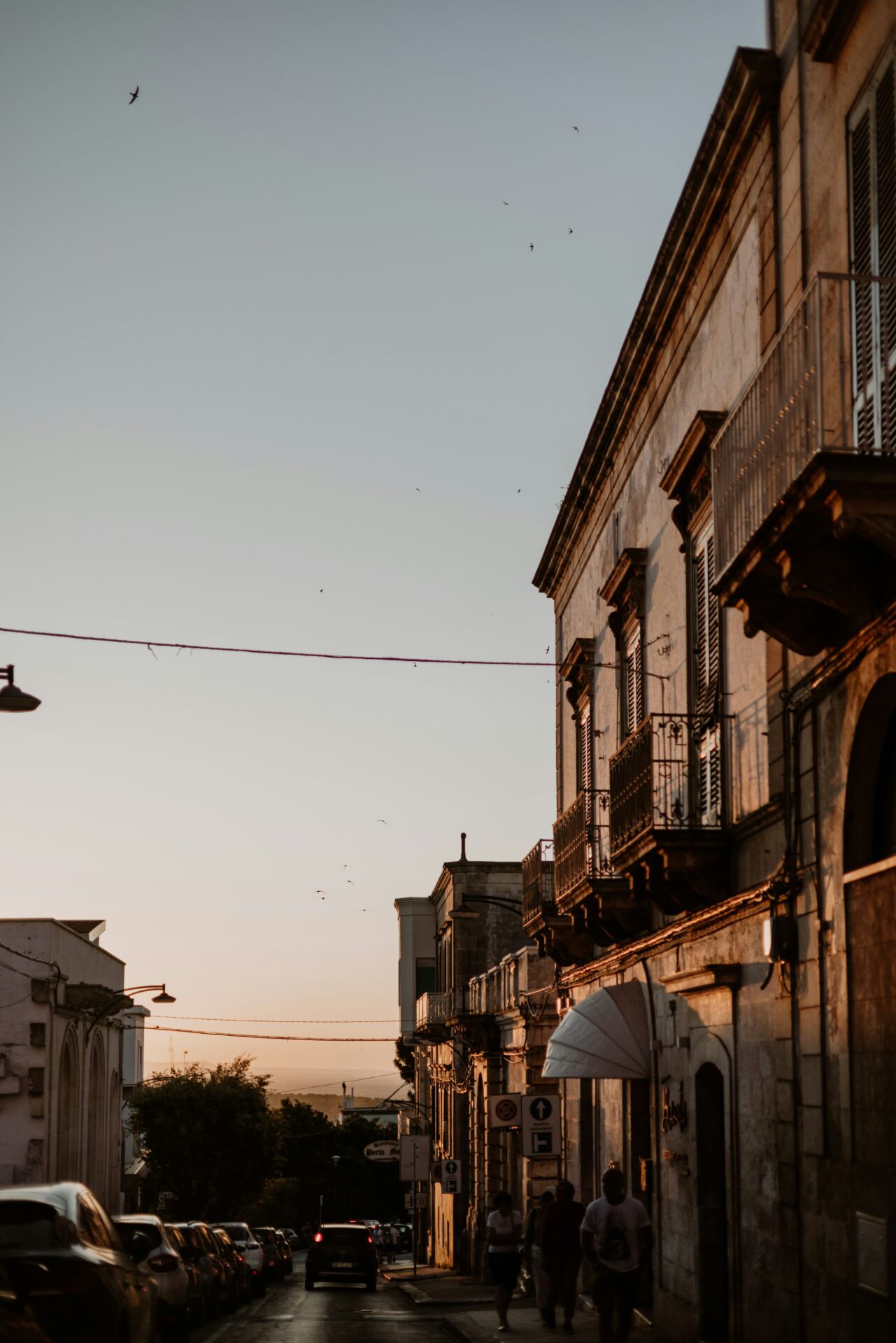
As I walk through Ostuni’s center, the alleys seem to turn and fork without warning. Narrow walkways hug stone walls, sometimes barely wide enough for two people.
Stairs climb and drop, so every step feels a little unpredictable.
I lose track of north and south all the time—navigation here isn’t about compass points, but about following the flow. Locals use landmarks, like a church dome or a splash of ceramic tiles, to find their way.
The city’s organic growth has created a patchwork of routes, where dead ends and arches make moving around feel like a little adventure.
At night, shadows deepen the labyrinth. It almost feels like dark matter fills the gaps between the whitewashed houses.
Exploring after sunset, the atmosphere shifts—spaces that felt open in daylight now seem secretive and close, and the sense of mystery only grows.
Volumes and Spaces in Ostuni’s Core
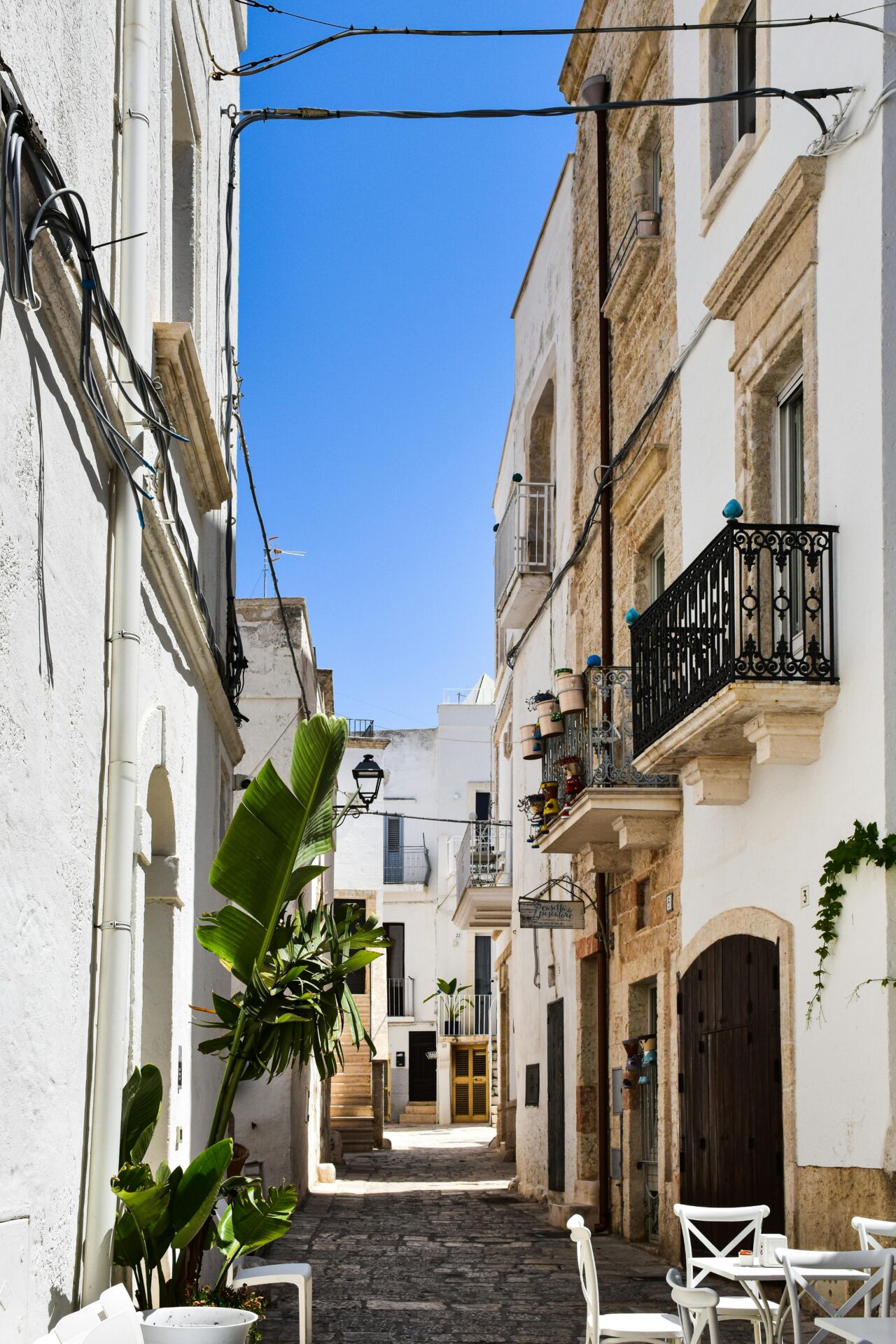
What grabs me most are the sudden changes in volume within the old city. Sometimes I step from a tight alley into a tiny piazza, surrounded by tall facades.
Other times, low barrel vaults press overhead before opening into sunlit squares.
These shifting spaces change the way sound and light move. In bigger spaces, voices echo and the light feels almost blinding against the white stone.
In narrow corridors, sounds hush and shadows cool the walkways. It’s this back-and-forth—moving from tightness to openness—that keeps wandering here so interesting.
Here’s a quick list of the spaces I keep finding:
- Narrow, winding lanes
- Small hidden courtyards
- Steep staircases
- Wide overlook terraces
This mix keeps me on my toes, and I never feel like two corners are quite the same.
Hidden Corners and Ruins
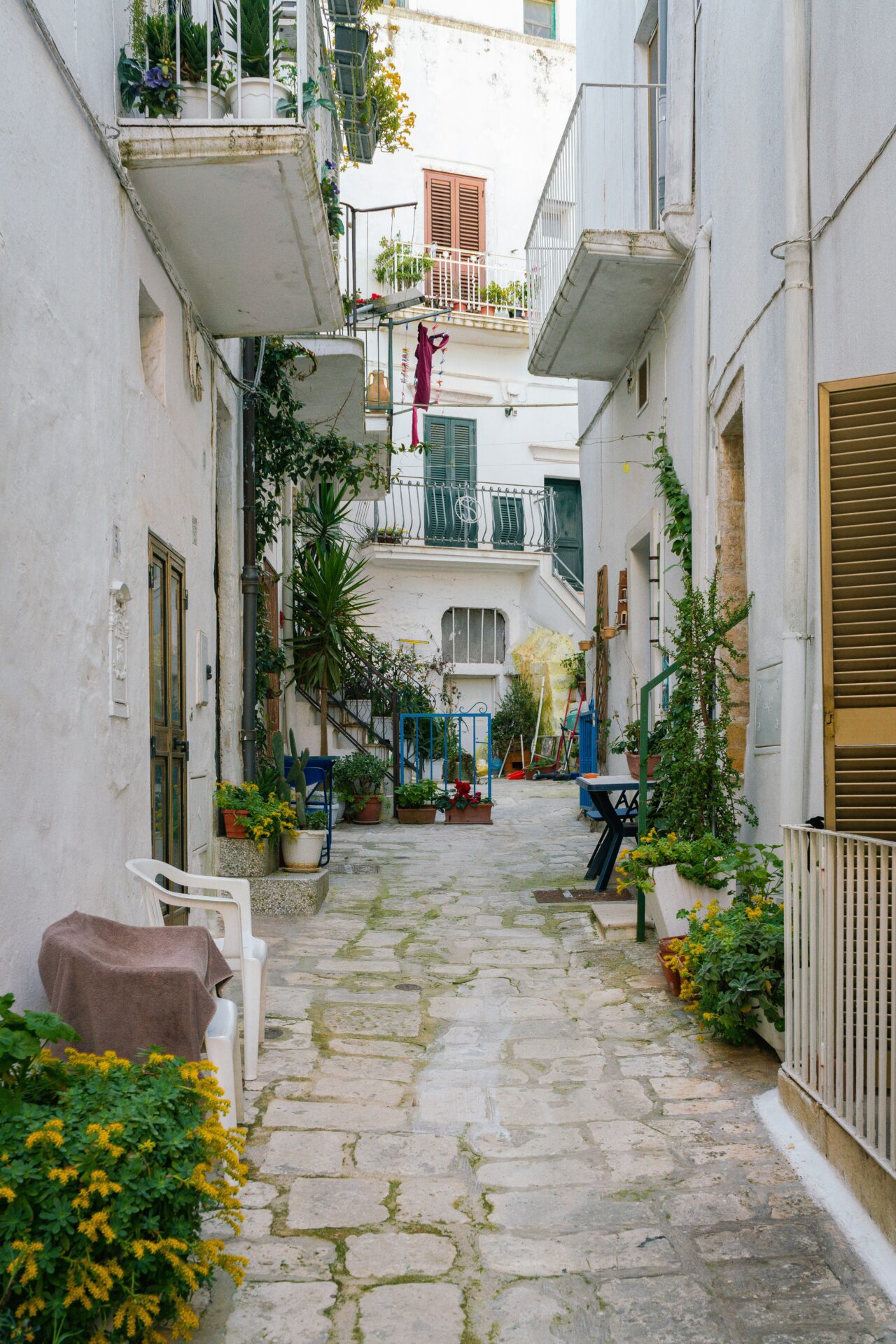
I always set aside time to explore the back streets away from the main piazzas. Here, ruins of collapsed roofs and broken archways peek out from tangled ivy.
Sometimes I stumble on chunks of ancient wall, their stones smoothed by centuries of weather.
These forgotten spots have their own stories. Ruins sit right next to homes full of life, showing how the city’s fabric is a layering of past and present.
History isn’t hidden away—it’s part of daily life.
I’d suggest taking a slow walk with no plan. Watch for faded frescos and doorways that lead to overgrown gardens.
Even the “dark matter” of Ostuni—the quiet, unused spaces between buildings—seems packed with secrets, just waiting for someone to notice.

Traditions, Customs, and Local Attitude in the White City
As I stroll through Ostuni, I see that old traditions still shape daily life. Locals greet each other not just out of habit, but from a real sense of community.
Each custom gives the city its mood and lets visitors taste authentic southern Italy.
Customs That Color the City
Most mornings in Ostuni start with the smell of fresh bread. Bakeries open early, and neighbors line up for warm focaccia or panzerotti.
I joined them once and quickly learned that food here is more than a meal—it’s a daily ritual.
Religious festivals fill the calendar. I watched vibrant processions wind through the alleys during the Feast of Sant’Oronzo in August.
The streets light up with decorations, locals put on their best clothes, and music echoes late into the night.
On market days, usually Saturdays, the main piazza turns into a lively hub. I recommend coming early to find the best produce and maybe overhear some friendly gossip from stall owners.
Family matters a lot here. Lunches often bring several generations together, especially on Sundays.
Even as a visitor, I felt the warmth and welcome everywhere I went.
Attitudes and Everyday Life
Ostuni moves at a relaxed, steady pace. Residents greet each other with a smile and always seem to make time for a chat, whether at the café or on a street corner.
I found it refreshing, especially coming from busier cities.
Politeness and friendliness really stand out. When I got lost in those maze-like alleys, someone always offered help or pointed me in the right direction.
The city’s attitude feels open but grounded, with a respect for tradition that shows up in daily routines.
People here take pride in their whitewashed homes and tidy streets. Community events and even everyday chores seem to happen with real joy and togetherness.
This welcoming vibe makes even the most hidden corners of the city feel safe and inviting.
Tip:
Spend some time at a local bar or café. Order a coffee, watch the daily routine, and you’ll see how much the people and their attitude shape the “White City.”

Ostuni Through the Lens: Cinema, Fiction, and World Influence
Ostuni’s unique look and dazzling white walls have inspired filmmakers and writers from all over. I think the city’s maze-like alleys, broad vistas, and timeless beauty make it a perfect backdrop for stories that blur the line between reality and mystery.
A Requiem for Ostuni: World Cinema and Fiction Film Inspiration
When I walk Ostuni’s winding streets, the place feels almost cinematic—like I’m wandering through a movie set made by a master director.
The city has inspired world cinema, drawing directors who want a dramatic, sun-bleached landscape for their films.
Some visitors might not realize that fiction films have borrowed Ostuni’s look and mood. Modern filmmakers often mention the city’s maze of stone passageways and panoramic terraces as influences for creating film settings that feel both ancient and futuristic.
The play of shadow and light on Ostuni’s white facades gives filmmakers a rich palette for visual storytelling, making it a “requiem” for lost worlds and imagined futures.

Influential Works: Stalker, Solaris, and the Trilogy
When I think of films and fiction that capture Ostuni’s spirit, two titles pop up: Stalker and Solaris by Andrei Tarkovsky.
Neither was shot here, but the directors and writers behind these films and related trilogies have pointed to southern Italian hill towns like Ostuni for visual and thematic inspiration.
Stalker’s forbidden zones with winding paths remind me of getting lost in Ostuni’s old quarter.
Solaris, with its haunting sense of space and time, echoes the feeling of wandering Ostuni alone at sunset.
These works connect Ostuni to world cinema and speculative fiction, since their creators drew from places that seem suspended between worlds—just like this city does to me.

The City in the Entertainment Industry
Ostuni’s ties to the entertainment industry keep growing. The city’s striking visuals make it a favorite for Italian and international productions.
TV crews often film commercials and music videos among the iconic white streets, cafés, and wide viewpoints.
I’ve spotted documentary filmmakers capturing craftspeople and daily life, using Ostuni’s light and landscape to set the mood.
For tourists, seeing film crews adds a bit of excitement and lets you glimpse how entertainment shapes the city.
With every new appearance in fiction films or world cinema, Ostuni’s reputation as an artistic muse keeps rising.

Stories of Sacrifice, Sickness, and Revival: Ostuni’s Less-Told Histories
Ostuni may shine like a white jewel today, but its past holds darker stories of hardship that shaped its resilience.
Exploring these lesser-known tales adds a deeper layer to the city’s winding streets and ancient walls.
Waves of Disease and Historical Impact
When I wander through Ostuni’s tangled alleyways, I can’t help but wonder about those thick walls and battered old doors. Historians say these architectural features grew out of repeated outbreaks of plague and other diseases in southern Italy.
In the 17th century, cholera and plague swept through this region. Locals responded by sealing themselves inside their homes, hoping to survive.
Monasteries and public wells tried to offer some relief, but sickness still spread quickly. The city’s high perch gave a bit of protection to some, keeping them away from the worst outbreaks below.
Local stories still talk about families who survived by building sealed corridors and tiny courtyards. These places have turned into some of Ostuni’s most charming corners—if you look closely, you’ll spot old symbols carved into doorways, meant to keep sickness and bad luck at bay.
Death and Sacrifice in the City’s Past
Epidemics forced ordinary people and city leaders to make huge sacrifices. I’ve heard stories about priests and healers who risked their lives to care for the sick, and many didn’t make it.
Workers dug mass graves near the old city walls, a heavy loss for whole neighborhoods. During sieges or outbreaks, wealthier citizens sometimes gave away food and medicine, even when it hurt their own families.
The city still holds small annual ceremonies at chapels to remember those sacrifices. If you ever visit, check out the quiet corners near Santa Maria Maddalena. Those walls have soaked up centuries of whispered prayers and stories of survival.

Propaganda, Political Issues, and Ostuni’s Place in Europe
Ostuni’s winding alleys hold more than just beauty—they reveal layers of political influence and shifting power. I notice how stories from the past still shape conversations, from local traditions to heated debates about Europe’s role here.
Political History and Propaganda
Ostuni’s history ties closely to the rise and fall of Italian city-states. Rulers pushed their propaganda by spreading narratives through public art and stories in crowded piazzas.
Sometimes, I catch faint traces of old political slogans painted on whitewashed walls. In the 20th century, propaganda changed as new leaders and global conflicts arrived.
People painted Fascist slogans on city gates, and tales of resistance echoed through the streets. During World War II, Ostuni became a shelter and a symbol, using political imagery in architecture and events to push its messages.
These days, political debates mostly focus on European policies, tourism rules, and saving local culture. The tug-of-war between regional autonomy and European Union rules pops up in local newspapers all the time.
I’ve talked with residents who feel caught between their traditions and new influences from Brussels. It’s a complicated, ongoing conversation—one that probably won’t end anytime soon.
Barcelona, Emily, and Continental Connections
Honestly, I didn’t expect to find links between Ostuni and somewhere as far away as Barcelona. But when you look at the old trade routes and the way people moved around the Mediterranean, it starts to make sense.
Families traveled back and forth, and merchants hauled olive oil from one city to another. That’s how Ostuni ended up connected to other cities in ways I hadn’t really considered before.
Meeting Emily, a young historian from Barcelona, changed how I saw all this. She pointed out the architectural similarities and talked about how ideas spread between cities like hers and Ostuni.
We wandered the labyrinth together, counting up hidden courtyards and spotting tiled mosaics. Each little detail whispered something about Europe’s tangled history.
Here’s a quick comparison I scribbled down with Emily:
| Aspect | Ostuni | Barcelona |
|---|---|---|
| Influence of Propaganda | Found in old frescoes | Seen in public posters |
| Political Issues | Local vs EU, tourism | Independence movements |
| Number of Labyrinths | Dozens in Old Town | Many in Gothic Quarter |
You can really feel these subtle connections, both political and cultural, shaping how Ostuni fits into Europe’s bigger picture. Walking through all this with someone else made the whole experience feel richer. I think I appreciate Ostuni’s odd little place on the continent even more now.
