
December’s all about holiday cheer and family gatherings, but if you’re traveling with your pet, you’ll need to plan ahead—maybe more than you think. Winter weather, packed airports, and traffic jams can turn a simple trip into a real challenge for both you and your furry sidekick.
I’ve been there, scrambling to book a pet-friendly hotel or digging through the glove box for vaccination records. To save you some stress, here’s a guide with everything I wish I’d known before my first December pet adventure.
December pet travel really comes down to three things: preparing early, knowing the rules for your chosen transportation, and keeping your pet cozy when it’s cold. Airlines and hotels fill up fast during the holidays. And the weather? It’ll change on you in a heartbeat, so you’ve got to be ready for anything.
Let’s break down what to pack, how to find the right place to stay, and what to do if something goes sideways. You’ll pick up tips for calming your pet and handling emergencies, too. I hope this helps you travel smarter—and a little less stressed—this December.
Key Takeaways
- Book pet-friendly flights, hotels, or rentals as early as you can—December’s wild and spots vanish fast.
- Pack for winter weather, not just for yourself but for your pet, too.
- Double-check airline and hotel pet policies before you leave so nothing catches you off guard.
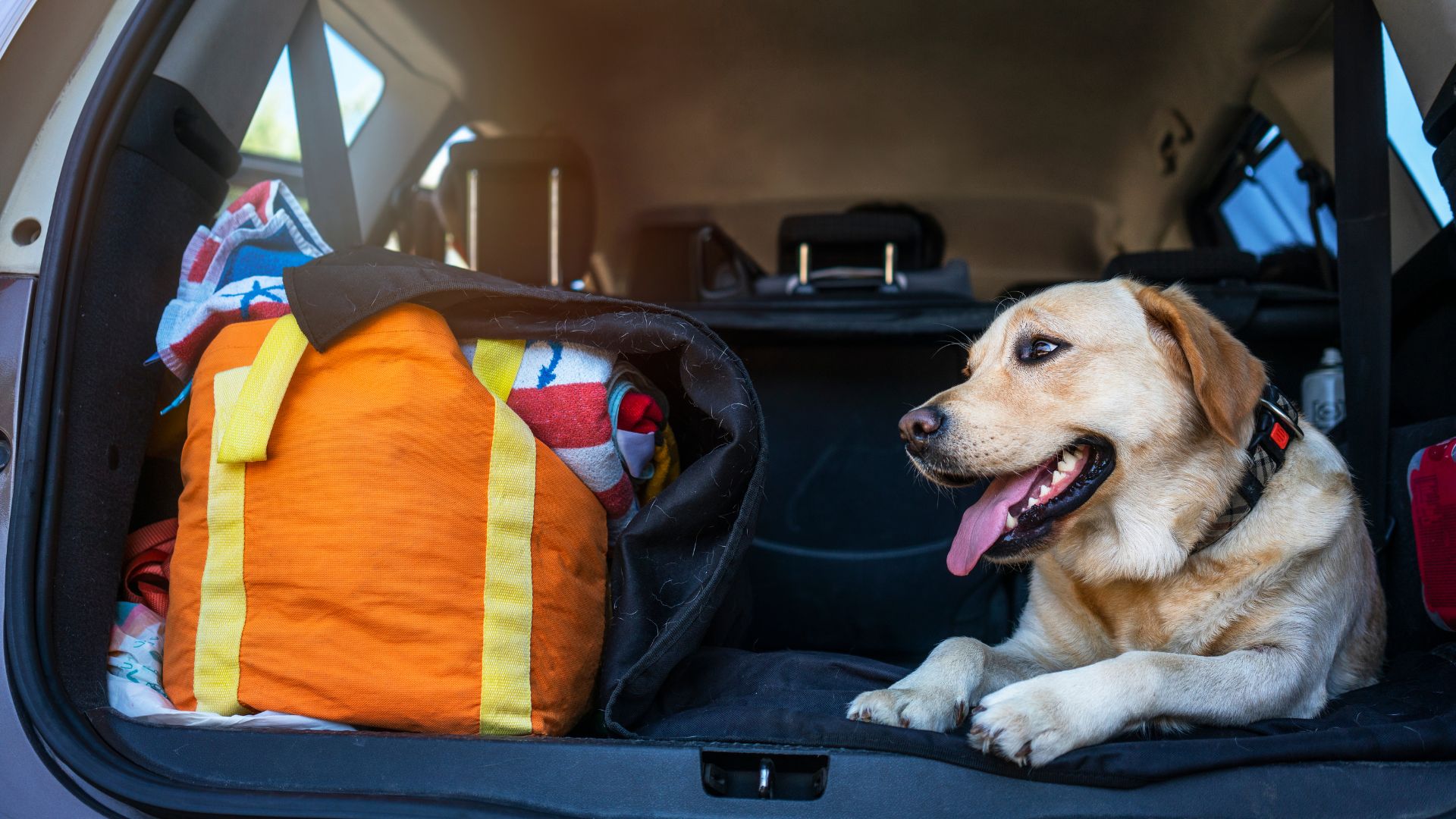
Essential December Pet Travel Preparations
Traveling with pets in December is a different beast, trust me. Cold snaps, holiday crowds, and stricter paperwork mean you can’t just wing it.
I usually focus on three things: making sure my pet’s healthy enough to travel, gathering every document I’ll need, and packing for whatever winter throws at us.
Health Checks and Vaccinations
About two weeks before a trip, I book a vet appointment. That way, my pet has time to recover from any shots and I don’t have to scramble for a health certificate. Most states want a health certificate dated within 10 days of your travel date.
My vet checks for anything that cold weather might aggravate, like arthritis or breathing problems. I ask about any meds my pet takes and whether I should adjust the dosage for winter.
Vaccinations I always check:
- Rabies (non-negotiable for state lines)
- DHPP for dogs / FVRCP for cats
- Bordetella (if there’s any chance of boarding)
- Canine influenza if we’re heading to a high-risk area
I make sure I have both paper and digital copies of all vaccination records. Some airlines and hotels want to see these at check-in. I keep my vet’s number handy and ask for emergency clinic recommendations at our destination.

Documentation and Travel Permits
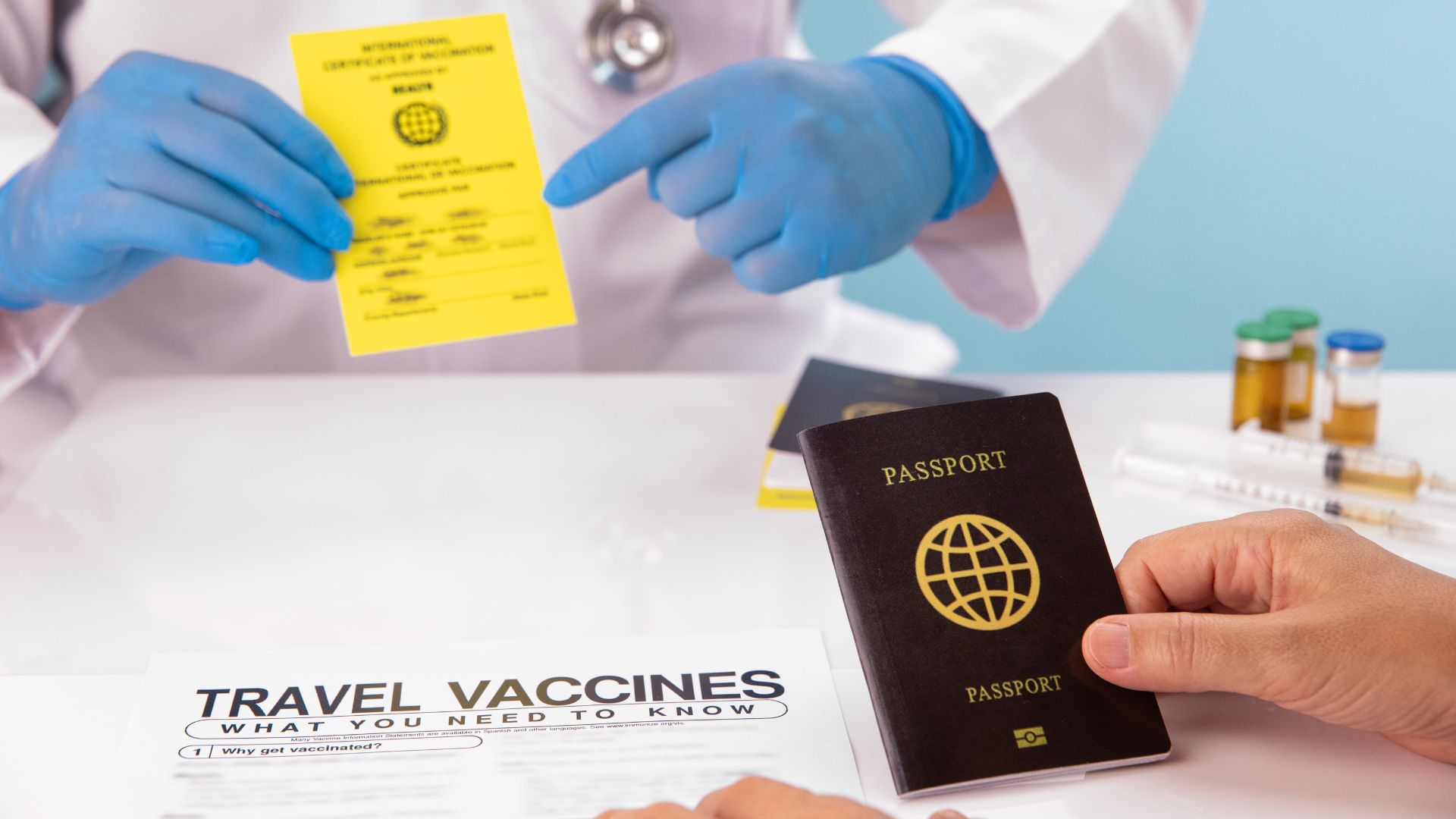
Before I even think about packing, I gather all the paperwork. Air travel and state crossings almost always require a current health certificate. I check the exact window for my destination.
Here’s my usual checklist:
- Health certificate from my vet
- Rabies vaccination proof
- Microchip registration
- Pet passport (if I’m going international)
- Any airline forms and carrier specs
- Hotel confirmation with their pet policy
I make three sets of copies—one for my carry-on, one for checked luggage, and I email myself digital versions. If we’re crossing state lines, I check the state animal health website for any weird requirements.
For international trips, I call the embassy at least two months ahead. Some countries require a quarantine or extra shots, and you don’t want to find that out at the airport.
Packing for Winter Pet Travel
Packing for December travel means prepping for cold, ice, and delays. My pet’s winter kit keeps them warm, safe, and happy, even if we get stuck somewhere.
Winter pet travel essentials:
| Item | Purpose |
|---|---|
| Winter coat/sweater | Keeps short-haired pets warm |
| Paw balm | Protects against salt and ice |
| Extra blankets | Familiar smells, extra warmth |
| Portable water bowl | Hydration in dry winter air |
| LED collar/leash | Visibility when it gets dark early |
I always pack double the food I think we’ll need. Delays are almost a given in December. I stick to the same food brand to avoid any stomach drama on the road.
My first aid kit has booties for ice, towels for wet paws, and petroleum jelly for noses and pads. If my vet prescribed anxiety meds, I pack those too. And I always keep a recent photo of my pet in case we get separated in a busy airport or rest stop.
Choosing Pet-Friendly Accommodations
Finding a place that welcomes your pet isn’t as simple as clicking the “pet-friendly” box. Hotels and rentals have wildly different rules and fees.
Finding Pet-Friendly Hotels
I start by filtering hotel sites for pet-friendly options. It saves me from falling in love with a place that won’t take my dog.
But I never trust the website alone. I call the hotel directly to double-check their current pet policy and ask about size or breed restrictions. You’d be surprised how often the details online are outdated or incomplete.
I look for hotels that go the extra mile—dog beds, bowls, maybe even a treat at check-in. Some places have designated walking areas, which is a lifesaver on a cold morning.
Location is huge. I try to pick spots near parks or trails so my pet can get some real exercise. Ground floor rooms or easy outdoor access make bathroom breaks way easier.
I always read recent reviews from other pet owners. They’ll tell you if the staff genuinely likes animals or just tolerates them.
Understanding Accommodation Pet Policies
Pet policies are all over the place. Most hotels charge a fee—sometimes it’s $25, sometimes it’s $250. Some charge per night, others just once per stay.
Weight limits are common. I’ve seen everything from 25 to 75 pounds, but a few hotels let any size pet stay. Breed restrictions can pop up, too.
I check how many pets are allowed per room. Usually it’s one or two, but sometimes it’s just one. Some hotels only allow pets in certain rooms or on specific floors.
I always ask about off-limits areas. Pools, restaurants, and some public spaces usually don’t allow pets. Some hotels insist your pet stays in a carrier when you’re in common areas.
Damage deposits or credit card holds are standard. If my pet causes any real damage, I expect to pay up.
Traveling by Car with Your Pet
If you’re driving, you control the pace, the pit stops, and the playlist. But you’ve still got to think about safety, rest breaks, and keeping the car comfy in winter.
Securing Pets Safely in Vehicles
I never let my pet roam free in the car. Crash-tested restraints or carriers are a must. An unrestrained pet can become a projectile if you brake suddenly—and nobody wants that.
Restraint options I use:
- Crash-tested harnesses that clip into seat belts for bigger dogs
- Hard-sided carriers secured on the floor behind the front seats
- Vehicle barriers for SUVs and wagons
I keep pets out of the front seat—airbags are dangerous for them. Small dogs and cats travel in sturdy carriers, big enough to stand, turn, and lie down.
For long trips, I pick carriers with lots of ventilation. I always check zippers and latches before hitting the road.
Planning Pet-Friendly Stops
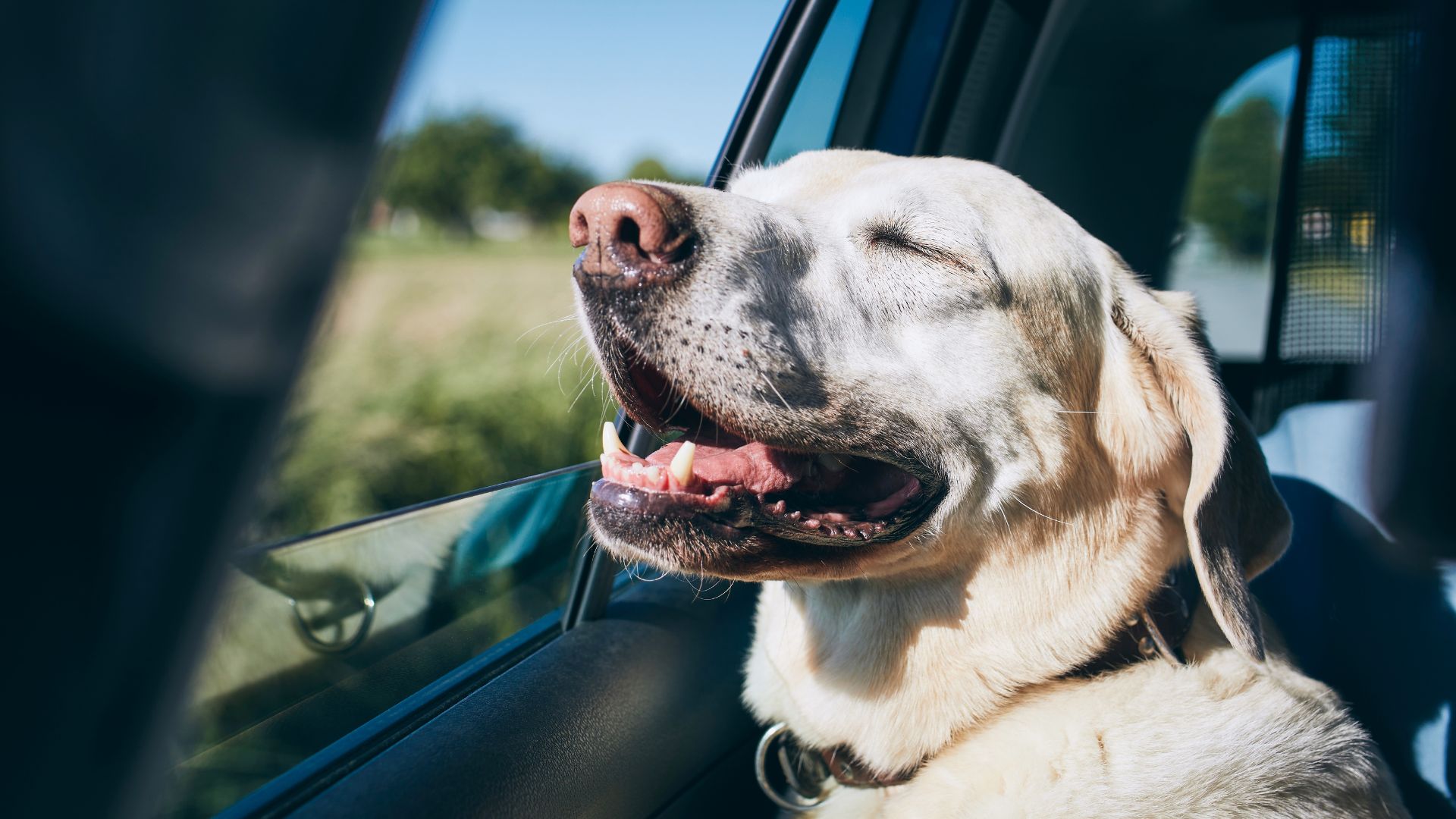
Every 2-3 hours, I pull over so my dog can stretch, drink, and do their business. It keeps everyone happier.
I map out rest stops or parks along the route. Many highway stops have pet relief zones and waste stations. Here’s what I keep handy:
- Leash and collar with ID
- Waste bags
- Portable water bowl
- Fresh water
I never let my pet off-leash in new places, even if they’re usually reliable. New smells and cold weather can make pets unpredictable. I also check for ice or salt in parking lots—those can hurt their paws.
Managing Weather and Vehicle Comfort
I aim for a car temperature between 65-70°F. Cold weather brings its own set of issues, but keeping the car comfortable is key.
I never leave my pet alone in the car in winter. The temperature drops fast when the engine’s off, and it can get dangerous in minutes. If I have to leave the car, my pet comes with me or someone stays behind with the heat running.
Winter car comfort checklist:
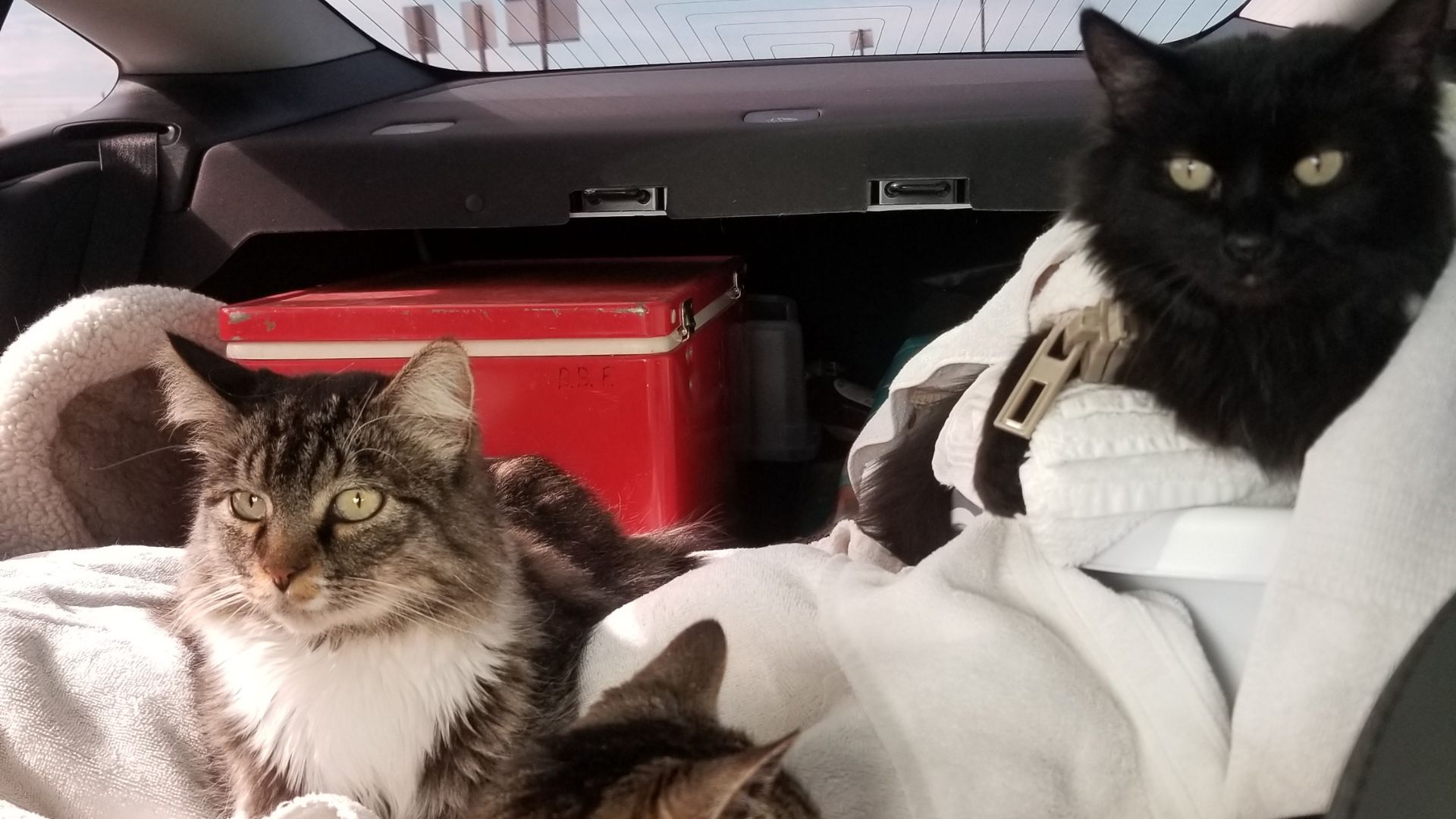
- Warm blankets or a cozy bed for the carrier
- Window shades to keep out drafts
- Paw wipes for salt and ice melt
- Towels for wet fur after snowy walks
I stash extra blankets in case we break down or get delayed. My pet stays buckled in while we’re moving—free-roaming pets can block heat vents and end up shivering.
Air Travel Considerations for Pets
Flying with pets in December is a whole different ballgame. You need to know airline rules, decide if your pet fits in the cabin, and prep them for a potentially stressful journey.
Navigating Airline Regulations
Every airline does things a little differently. I always call before booking because pet spots fill up fast during the holidays.
Most airlines require pets to stay in carriers under the seat in front of you. The carrier has to stay closed the whole flight. You’ll need to reserve a pet spot when you book—there’s usually a limit per flight.
Typical in-cabin pet fees:
- American Airlines: $150
- Delta: $95 (domestic), $200 (international)
- Southwest: $125
- United: $150
Almost all airlines want a health certificate from your vet, dated within a few days of travel. International trips might need extra vaccines or even quarantine. I check these requirements at least a month out.

Cabin vs. Cargo: Deciding Where Your Pet Travels
Most airlines don’t accept pets as cargo anymore unless you’re military. That means your pet needs to fit in the cabin with you.
Cabin travel is less stressful for pets—they get to stay close, and you can keep an eye on them. Your pet has to fit comfortably in a carrier under the seat. Small dogs and cats usually make the cut.
If your pet’s too big for the cabin, options are slim. Alaska Airlines still allows pets in cargo, but you’ll need to plan carefully. Cargo holds have strict temperature rules, and if it’s below 45°F, most airlines won’t take pets for safety reasons.
Pre-Flight Acclimation and Preparation
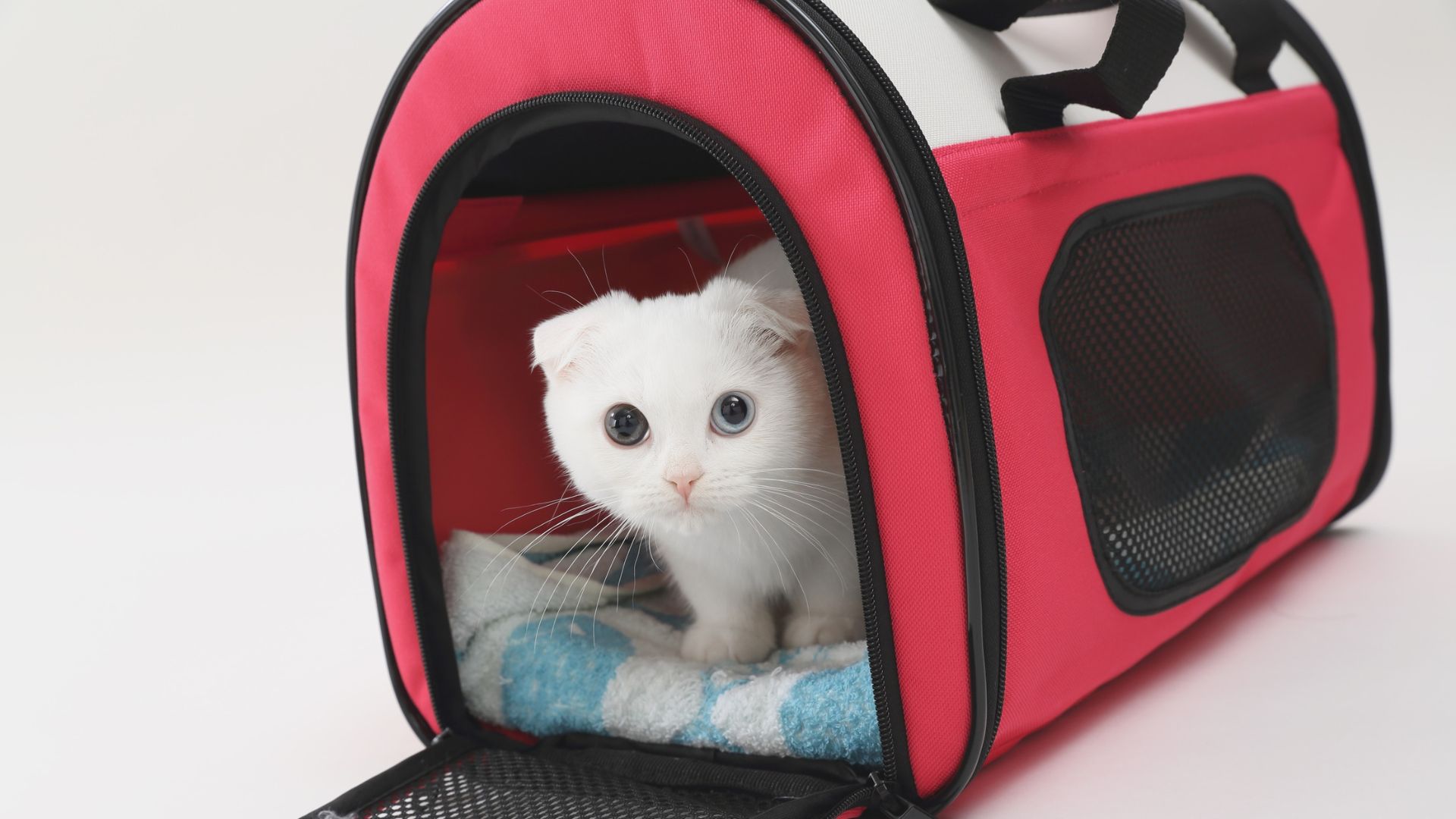
I use a soft-sided carrier with mesh so my pet can see me. I start carrier training weeks before the trip.
Nonstop flights are best, especially early in the morning. Fewer delays, less chaos. I pack the night before and get to the airport early—lines can be brutal in December.
I bring ice cubes for hydration (less mess than water bowls). For cargo travel, I freeze the water bottle so it thaws slowly. I always pack extra blankets and puppy pads for accidents.
I talk to my pet and offer comfort through the carrier mesh during the flight. I skip crowded airport pet relief areas, especially if there are a lot of puppies—germs spread fast.
Managing Stress, Safety, and Wellbeing During Holiday Pet Travel
December travel can overwhelm pets—crowds, cold, and new places mess with their routines. I focus on keeping things as calm and safe as possible.
Reducing Pet Anxiety on the Road
I stick to my pet’s usual feeding and walking times as much as I can. Familiar routines help lower their stress when everything else feels off.
Comfort items from home—like a favorite blanket or toy—work wonders in a strange hotel room. For pets that get really anxious, I talk to my vet weeks before the trip about calming treats, sprays, or medication.
My go-to anxiety helpers:
- ThunderShirt for gentle pressure
- Calming supplements (melatonin or chamomile)
- Practice runs—short drives or overnights before the big trip
- A quiet corner away from holiday chaos
I try to keep my own stress in check. Pets pick up on our moods, so if I’m calm, they usually are too.
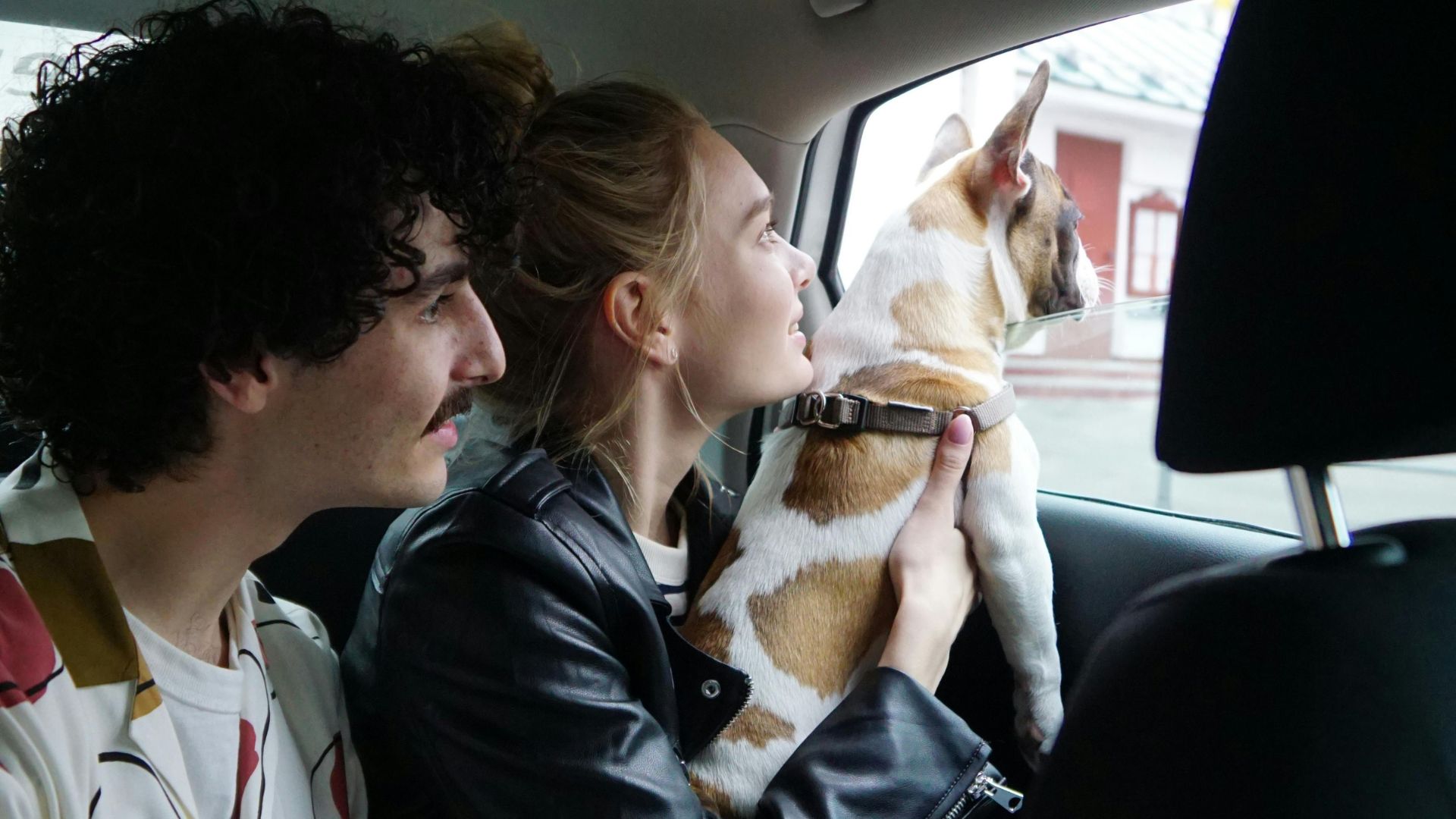
Weather Challenges and Holiday Crowds
Before any trip, I always check the weather forecast. If it’s going to be cold, I toss a pet sweater or coat in my bag—especially for short-haired breeds. You’d be surprised how fast their little bodies lose heat.
Salt and ice melt chemicals can really mess up a pet’s paws, so I pack paw protection. Trust me, those tiny boots might look silly, but they save you a lot of trouble.
Crowded airports? Total chaos for most pets. I make it a point to arrive early, just so I’m not rushing and can scope out quieter corners for bathroom breaks. In busy places, I keep my pet on a short leash. It helps prevent any accidental trampling—or worse, a lost pet.
On road trips, I never leave my pet alone in the car. Winter temps drop fast, and a cold car turns dangerous in minutes. It’s just not worth the risk.
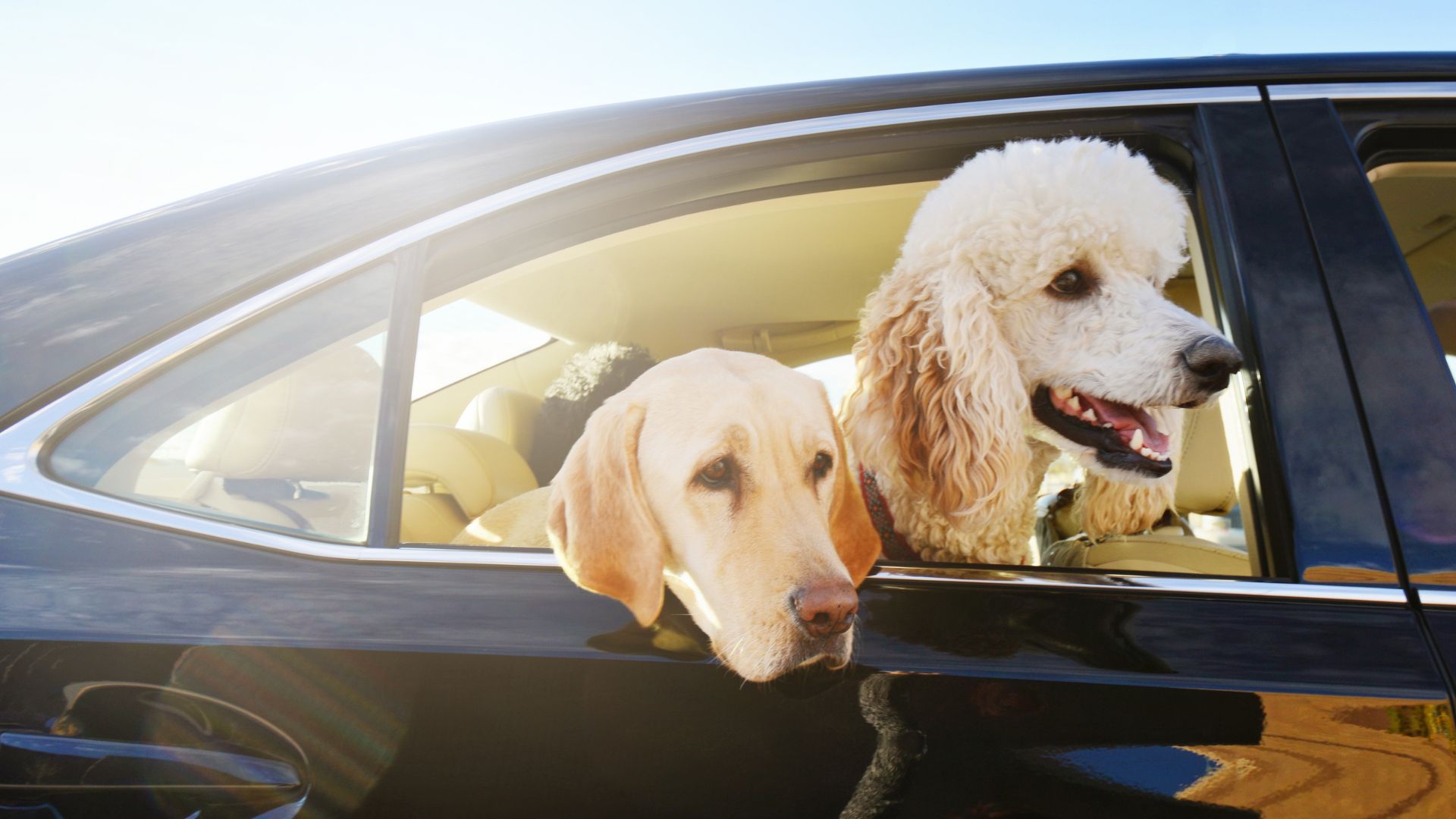
Emergency Planning and Local Veterinary Care
Before I leave home, I look up veterinary clinics near my destination. I save their numbers and addresses in my phone, and I always include at least one 24-hour emergency clinic.
My travel kit for my pet isn’t complete without vaccination records and current prescriptions. If something goes wrong, having those documents handy speeds up treatment. I also bring extra medication in case weather delays my return.
My pet always wears a collar with updated ID tags, including my cell number. I double-check the microchip registration too, just in case.
Frequently Asked Questions
Traveling with pets in December? It’s a whole different ballgame. You’ll need specific paperwork, solid safety measures, and a plan for cold weather. Airlines get strict during the holidays, and keeping your pet calm takes real prep.
I always start by getting a health certificate from a USDA-accredited vet. Most airlines want this within 10 days of your trip.
My vet checks my pet, makes sure all vaccinations are current, and then signs off. I keep copies of the rabies certificate and any other vaccination records.
Some airlines pile on extra forms in December because of the travel rush. I call my airline at least four weeks ahead to figure out exactly what they want.
As soon as I buy my ticket, I book my pet’s spot. December flights fill up in no time, and pet spaces sell out first.
I get to the airport super early to beat the holiday crowds and the longer check-in lines. My pet always wears an ID tag with my phone number and where we’re headed.
In my travel kit, I pack food, water, meds, and a few comfort items my pet knows. I feed my pet a light meal before we leave—nothing heavy within four hours of travel. Upset stomachs are no fun at 30,000 feet.
Every commercial flight I’ve taken has required a health certificate for my pet. It has to come from a licensed vet and be dated within 10 days of travel.
Airlines set their own rules for what the certificate needs to say. I always check with my airline before my vet visit.
My vet gives my pet a full exam and confirms they’re healthy enough to fly. The certificate always lists vaccinations, especially rabies.
I check my airline’s pet policy at least a month before December travel. Every airline has its own quirks—carrier size, weight limits, even breed restrictions.
Some airlines won’t take pets in cargo in December because of the cold and the crowds. I always double-check that my airline still allows pet travel on my dates.
There’s usually a pet fee, anywhere from $100 to $200 each way. I pay when I reserve my pet’s spot—never at the airport.
Most airlines want the carrier to fit under the seat in front of you for cabin travel. I measure mine and compare it to their dimensions before heading out.
I check the weather at both ends of my trip. If it’s below 45°F, my pet needs extra protection.
For short-haired pets, I grab a sweater or coat for the dash between car and airport. I put a blanket inside the carrier for extra warmth while we wait.
I never leave my pet in a cold car, not even for a quick errand. Cars lose heat way faster than you’d think.
Bathroom breaks in winter? I plan those carefully. Short, quick breaks outside are best when it’s freezing.
Sticking to your pet’s usual feeding and walking schedule can work wonders, even on travel days. I try my best not to let the chaos of the holidays throw us off—pets really do find comfort in routine.
Pack something familiar, like that well-loved toy or a favorite blanket. Honestly, nothing calms my furry friend like the scent of home when we’re in a new place.
Set up a quiet spot, tucked away from all the noise and excitement. Trust me, pets appreciate a cozy retreat when the festivities get a bit too much.
Skip the human treats, no matter how tempting it is to share. Holiday foods can be risky for pets, and I’ve seen enough upset stomachs to know it’s just not worth it.
