
Last summer, I wandered through the hills of Greece, chasing a mystery that had fascinated the ancient world for nearly 2,000 years. The Eleusinian Mysteries, held near Athens, weren’t just religious events—they promised a kind of transformation that made people believe in a blessed afterlife.
These sacred rites revolved around Demeter and Persephone, and the secrets were so tightly guarded that initiates risked death if they revealed them.
I started my journey to Eleusis out of curiosity, but it quickly became something deeper. I stood on the same ground where ancient pilgrims once walked in solemn procession from Athens.
I could almost sense the weight of history and spiritual longing in the air. The ruins seemed to murmur stories of kings, philosophers, and regular folks who all came here looking for enlightenment.
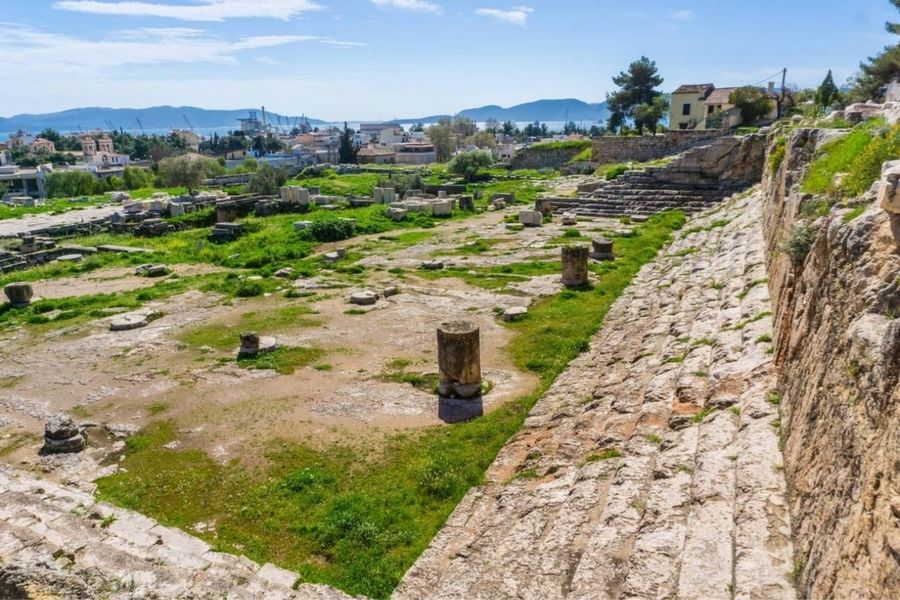
What really grabs me about these mysteries is how they brought together people from every walk of life in ancient Greece. Rich or poor, famous or forgotten—everyone who joined shared an experience that supposedly changed their entire outlook on life and death.
Some researchers think psychedelic substances played a part, while others believe dramatic reenactments of Demeter’s search for Persephone did the trick. Either way, I left with more questions than answers—and a genuine respect for the way ancient Greeks faced life’s biggest unknowns.
Discovering Eleusis: Setting Foot on Sacred Soil
When I stepped onto the ancient grounds of Eleusis, I felt a mix of spiritual awe and a connection to real history.
The Timeless Allure of Eleusis
Walking the Sacred Way from Athens to Eleusis, I retraced the route initiates followed for centuries. This 14-mile road once saw thousands of pilgrims each September, all in search of transformation through Demeter’s mysteries.
The modern town of Elefsina looks pretty industrial at first glance. But underneath, there’s an extraordinary spiritual significance in the ruins and remnants that tell the story of rituals that once gripped the Greek world.
I found it striking that even the most powerful people in ancient society respected this place’s secrets. Emperors and farmers alike made the pilgrimage, all hoping for some kind of divine insight.
First Impressions and Personal Reflections
I arrived at Eleusis after a morning bus ride from Athens. The contrast between bustling modern life and ancient sacredness felt a bit surreal.
The archaeological site hides inside the town, a little pocket of ancient calm in the middle of Greece’s present-day busyness. Entry cost me about 8 euros, and the signs came in several languages.
Standing in the Telesterion, the great hall where initiates drank the mysterious kykeon, I felt unexpectedly moved. The worn marble steps and distant mountains gave me a sense of connection I can’t quite explain.
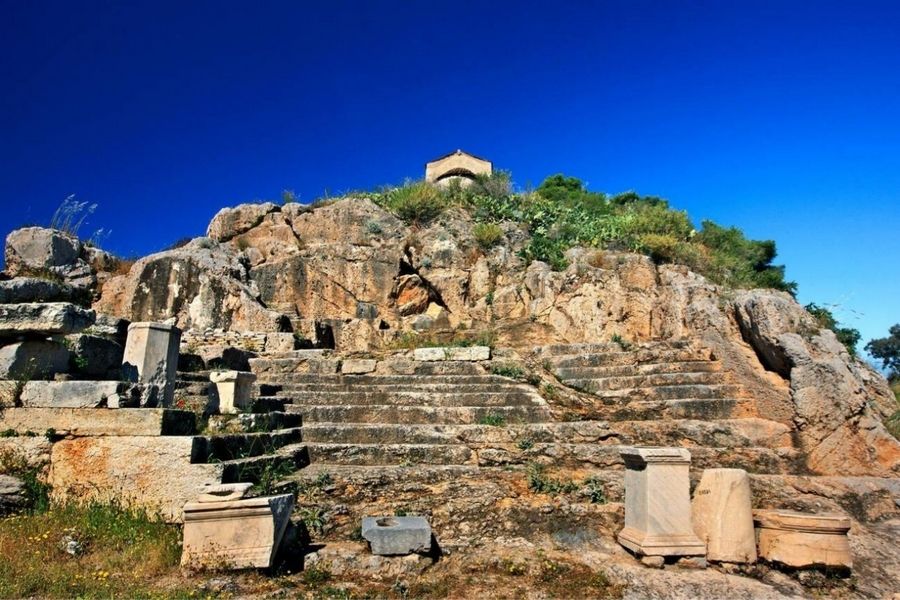
If you go, get there early to dodge the crowds and the heat. There’s almost no shade, so bring water and sunscreen.
Where Mythology Meets Modernity
Eleusis sits at the crossroads of myth and reality. Demeter’s search for Persephone feels oddly present, even with factories humming nearby.
Modern Elefsina has leaned into its heritage. Cafes bear mythological names, and museums display artifacts from the mysteries.
The town earned a spot as a European Capital of Culture, which feels fitting given its unique history. Locals seem quietly proud of their town’s past.
Shopkeepers even shared family stories about growing up among the ancient stones. I stumbled on small rituals that some residents still practice—leaving grain offerings at certain spots, echoing centuries of Demeter worship.
The Mythic Origins: Demeter, Persephone, and Hades
At the core of the Eleusinian Mysteries sits one of mythology’s most powerful stories—a tale of loss, love, and rebirth that struck a deep chord with ancient Greeks.
Demeter’s Despair and Persephone’s Abduction
The story starts with Persephone, Demeter’s daughter, gathering flowers when Hades suddenly appears and carries her off to the underworld.
Demeter, goddess of grain and harvest, roamed the earth in grief, searching for her daughter. As she mourned, crops failed and the earth turned barren.
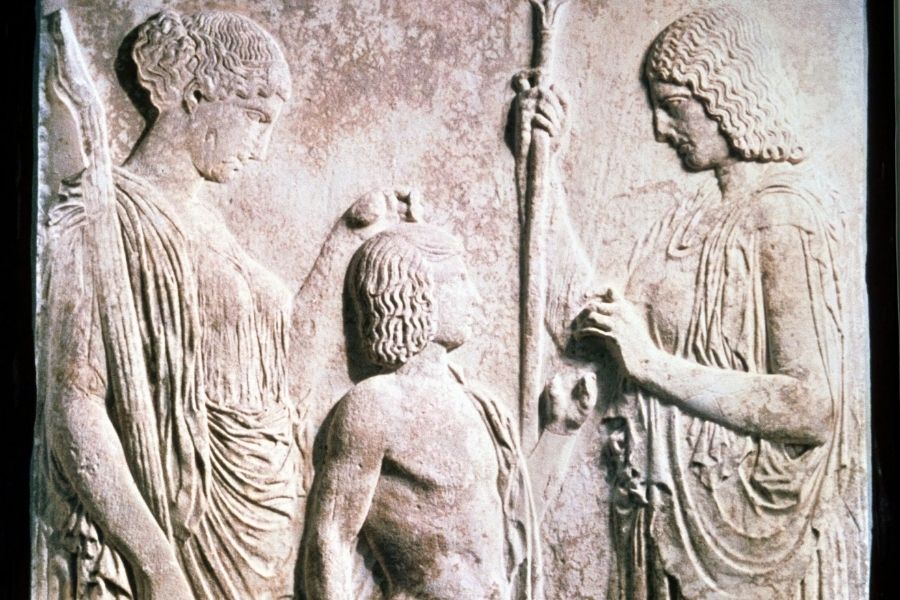
When I visited the fields near Eleusis, I honestly felt like I could hear Demeter’s sorrow echoing across the landscape.
Myth and Meaning: Ancient Beliefs Reimagined
Eventually, Zeus intervened and told Hades to let Persephone go. But since Persephone ate pomegranate seeds in the underworld, she had to return there for part of each year.
That compromise created the seasons: Persephone’s return brings growth, her absence brings winter. Walking through Eleusis’s ruins, I realized this wasn’t just a nature myth. It’s about our own cycles of joy and grief, life and death.
Initiates didn’t just hear the story—they lived it through rituals that aimed to transform them.
Gods, Goddesses, and the Cycle of Rebirth
Persephone’s dual nature fascinated me. She’s Kore, the maiden, above ground, and Queen of the Underworld below. That mirrors the agricultural cycle, but also our hopes for renewal.
The mysteries promised initiates that, just as grain returns from the earth, humans might transcend death. Demeter’s real gift wasn’t just agriculture—it was hope for something beyond.
I found evidence that initiates acted out this divine drama. Standing where pilgrims once gathered, I could almost sense the line between human and divine blurring.
Demeter, Persephone, and Hades formed a mythic triangle of creation, destruction, and renewal.
Symbolism Interwoven in the Landscape
Eleusis’s very landscape weaves in the myth. The Telesterion (initiation hall) stands for both the underworld and the place of change.
Symbols from the story popped up everywhere: wheat sheaves for Demeter, pomegranates for Persephone, and torches for Demeter’s nighttime search.
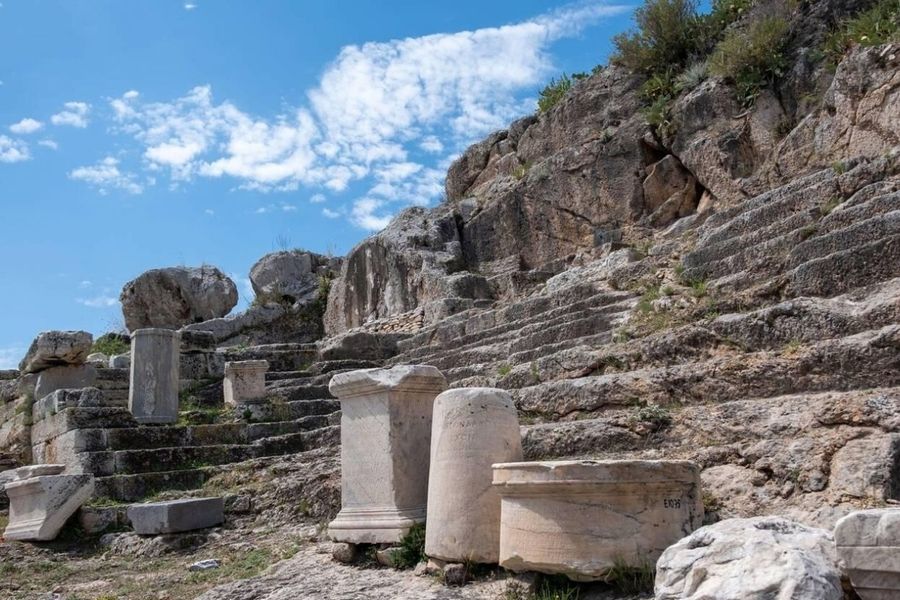
The land itself feels like a character. The fertile plain, the mountains, and the sea all set the stage for this cosmic drama.
Visiting in spring, I watched flowers burst from the ground and thought of Persephone’s return. The symbolism felt immediate, not ancient.
Initiation into Mystery: Rites, Rituals, and Revelations
The Eleusinian Mysteries led ordinary people through a ritual path toward divine knowledge. These ceremonies promised a blessed afterlife for those who completed the journey.
Preparation and Purification: The Road to Becoming an Initiate
Initiation started with preparation. You had to be free of “blood guilt” and speak Greek—surprisingly, even slaves could take part if they met those rules.
The process began with ritual purification in the sea near Athens. Initiates washed away spiritual impurities in the salty water. They called this the “Halade Mystai”—“Initiates to the Sea.”
Fasting came next. I learned that initiates avoided foods like pomegranates, beans, and certain fish. This physical denial helped get their minds ready for whatever revelations awaited.
Unveiling the Greater and Lesser Mysteries
The Mysteries split into two main celebrations. The Lesser Mysteries happened in spring at Agrae and served as a warm-up for the Greater Mysteries.
The Lesser Mysteries focused on purification and early teachings. They got people ready for the deeper stuff to come.
The Greater Mysteries took place in autumn and lasted nine days. As I walked the Sacred Way, I tried to picture thousands of torch-bearing pilgrims searching for meaning, just as Demeter searched for Persephone.
The “epopteia,” or final revelation, was the most sacred part. Initiates witnessed secret objects and performances that no one ever wrote down.
Step Inside the Telesterion: Heart of the Ritual
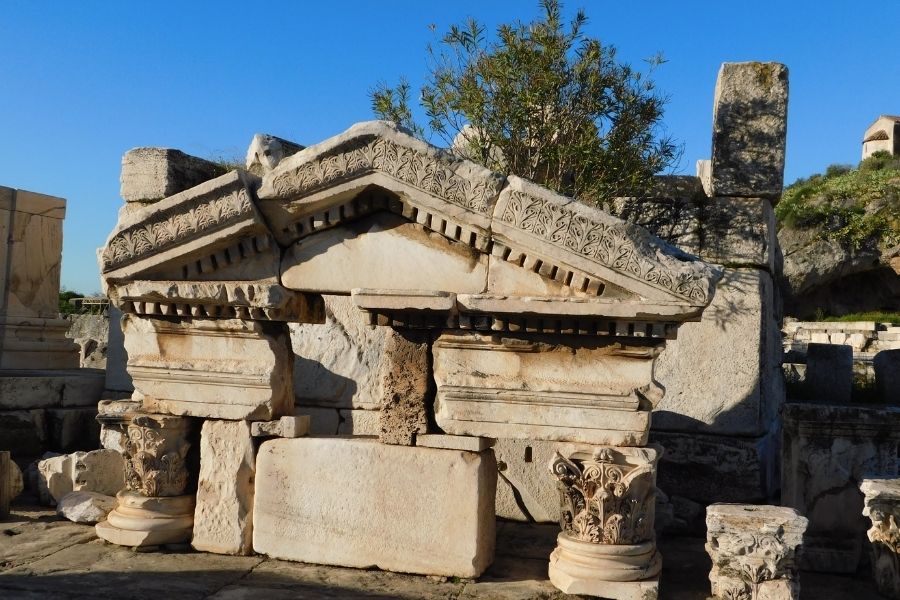
The Telesterion was the giant hall where the secret ceremonies happened. Standing among its ruins, I could almost hear the echoes of ancient rituals.
This building held thousands of initiates. They gathered around the Anaktoron, a small sanctuary only the highest priests could enter.
What really blew me away was the theatrical aspect. The Telesterion used sudden darkness, flashes of light, and dramatic sounds to create an atmosphere that must’ve felt otherworldly.
The hierophant—the chief priest—revealed sacred objects from the Anaktoron. No one knows for sure what they were, but some think they included old agricultural tools, symbolizing Demeter’s gifts.
Drinking Kykeon: Sacred Ritual Drink
The mysterious kykeon drink played a key role in the ceremonies. It was a barley-based brew mixed with mint and maybe other things.
I found all kinds of theories about its ingredients. Some say it had psychoactive substances that brought on visions, while others think its power was symbolic.
Drinking kykeon marked a turning point in the initiation. It tied participants to Demeter’s own story, since she drank kykeon during her search for Persephone.
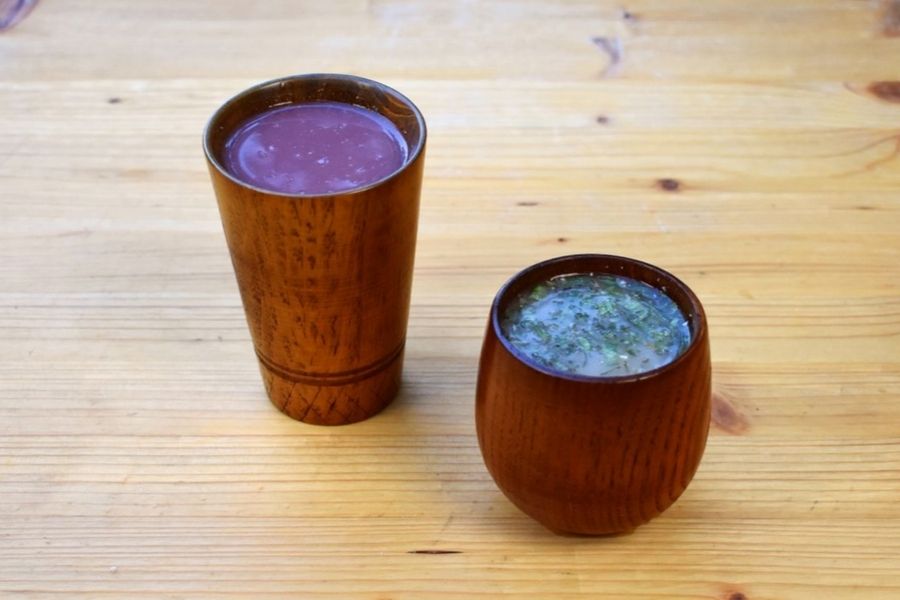
Honestly, it’s wild that such a simple act could trigger such profound experiences. Initiates described life-changing revelations. The recipe for kykeon is still a mystery that modern science hasn’t cracked.
The Festival Experience: Celebrations and Sacred Traditions
The Eleusinian Mysteries built a spiritual journey out of rituals and communal celebration. These sacred traditions blended movement, symbolism, and shared awe, turning regular people into initiates of the divine.
Journey Along the Sacred Way
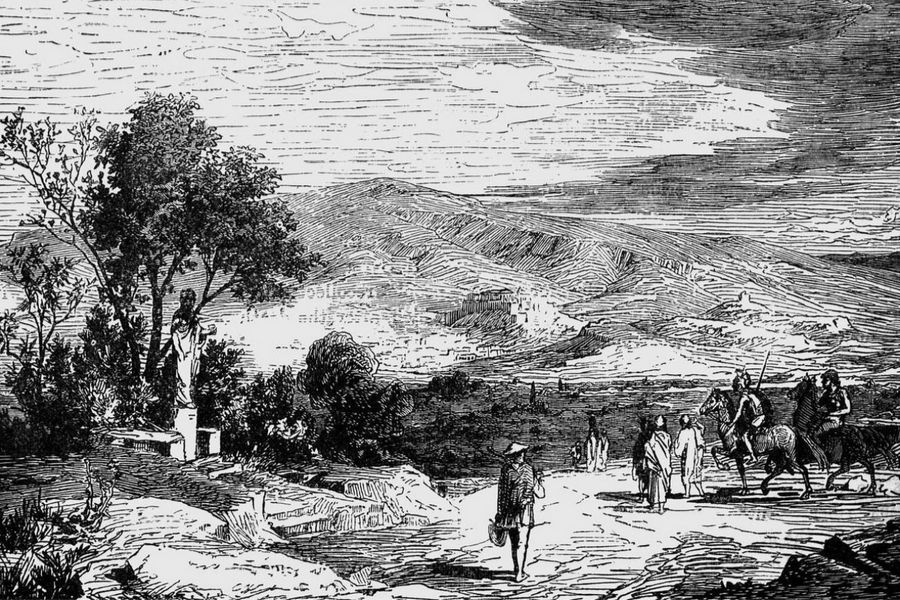
Walking the Sacred Way from Athens to Eleusis gave me my first taste of real pilgrimage. The 14-mile trek followed the same route as the ancients. I felt connected to the thousands who’d walked before, our feet pressing the same ground.
Sacred markers lined the path, each one telling a piece of Demeter’s story. We paused at the Rheitoi lakes, where ancient pilgrims purified themselves. The water still glimmers there today.
The journey felt spiritual as well as physical. As Athens faded behind us, everyday worries seemed to slip away. Conversations drifted toward what awaited us in Eleusis.
By the time Eleusis appeared on the horizon, I understood why this walk mattered. It set our minds up for the mysteries ahead.
Boedromion and the Calendar of Rituals
The festival followed a strict schedule in the month of Boedromion (around September). This timing lined up with autumn planting, reflecting Persephone’s descent to the underworld.
Key Festival Days:
- 15th: Initiates gathered in Athens
- 16th: Purification rituals at the sea
- 19th: Procession to Eleusis
- 20th-22nd: Secret ceremonies inside the Telesterion
Preparation started days in advance with purification. Participants avoided certain foods and washed away miasma in the sea.
Each ritual built on the last, creating a sense of anticipation. The waiting and preparation shaped us before the mysteries even began.
Processions, Dancing, and Community
The grand procession to Eleusis pulled together people from every walk of life. Women, men, even slaves joined in—a rare moment of equality in ancient Greece.
We carried sacred objects called kistai (they’re special baskets) and moved in rhythmic dances along the road. These weren’t just random steps; we followed precise choreography that told Demeter’s story.
Music never left us—flutes, drums, chanting. The sounds made everything feel both ancient and strangely alive. I honestly got swept up in the communal energy; it was nothing like anything I’d known before.
That shared experience forged powerful bonds. Strangers turned into companions through these sacred acts. Even now, I can spot fellow travelers by a certain look in their eyes—we’ve all walked the same path.
We offered sacrifices at key points along the way. Smoke and the scent of offerings drifted upward, calling the gods to witness our devotion.
Guardians of the Mysteries: Priests, Heroines, and Legendary Initiates
Special families and important figures kept the sacred rituals at Eleusis alive for centuries. Their roles made sure the mysteries carried on through generations.
The Hierophant and the Sacred Lineages
The Hierophant stood as the top priest of the Eleusinian Mysteries. In my research, I found that only this high priest could reveal the sacred objects to initiates inside the dramatically lit Telesterion.
The title means “revealer of sacred things.” He wore distinctive robes and a headband during ceremonies. What really fascinated me was learning that Hierophants took a vow of celibacy and changed their birth names when they took office.
Each Hierophant served for life, keeping an unbroken chain of sacred knowledge. Their power was immense, since only they knew certain ritual secrets that couldn’t be shared outside the sanctuary.
Eumolpides, Keryces, and the Basileus
Two main families held the mysteries: the Eumolpides and Keryces. As I dug through historical records, I saw that the Eumolpides supplied the Hierophants and claimed descent from the legendary Eumolpus.
The Keryces family provided the Dadouchos (torch-bearers), who were essential for the night ceremonies. No one challenged their ancestral right to these roles for centuries.
The Athenian Basileus (king-archon) played a key part too. Even though Athens left monarchy behind, this yearly official oversaw religious matters and supervised the mysteries. At the archaeological museum, I spotted artifacts showing how these officials wore special clothing for their sacred duties.
Mythic Heroes as Initiates: Heracles, Theseus, and Orpheus
Some of Greece’s greatest heroes joined the mysteries—at least, that’s what the stories say. Heracles (Hercules) sought initiation to purify himself after his famous labors. He wasn’t Athenian, so they made special arrangements for him. Shows you how flexible the tradition could be when big names were involved.
Theseus, Athens’ legendary founder, supposedly got initiated before his trip to the underworld. That link between the mysteries and preparing for the afterlife really jumped out at me when I read the ancient texts.
Orpheus brought music into the rites after his initiation. A lot of scholars think his famous katabasis (descent to the underworld) echoes parts of the mystery experience.
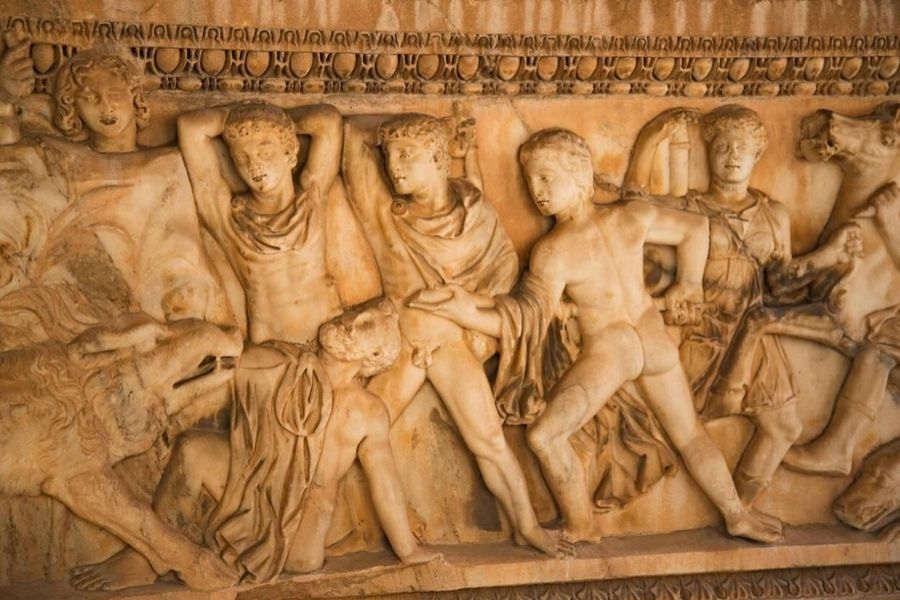
Even Athenian ephebes (young citizen-soldiers) marched in processions to Eleusis. I found it wild that Aeschylus, the playwright, got accused of revealing mystery secrets in his plays!
Enduring Legacy: Cultural Impact and Modern Explorations
The Eleusinian Mysteries still captivate us, even thousands of years after they faded. Their influence stretches far beyond ancient Greece and reaches into modern spiritual and academic circles.
From Ancient Rites to Contemporary Pilgrimages
When I visited modern Eleusis (now Elefsina), I saw how this once-sacred site has become a place for contemporary pilgrimage. The town recently earned the title of European Capital of Culture and hosted the “Mysteries of Transition” screening series, which explored local myths and landscapes.
Walking the same paths as ancient initiates gave me a strange, deep connection to history. Many visitors today look for a spiritual experience like the original mysteries, though, of course, without the sacred kykeon that once played a central role.
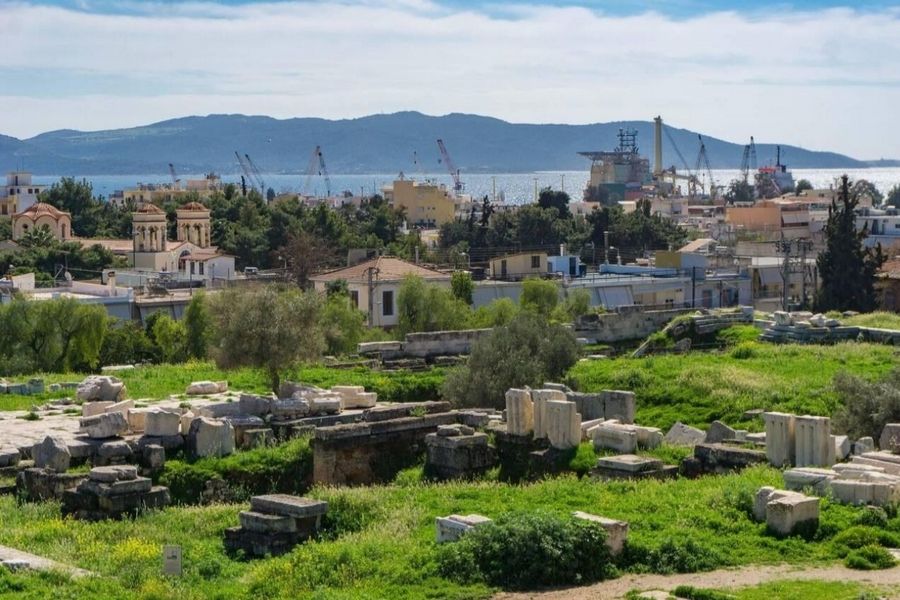
The Eleusinion in Athens draws scholars and tourists alike. I couldn’t help but notice how these old spaces still hold power over our collective imagination, inspiring modern artists and spiritual seekers.
Influence on Mystery Cults and Wider Greek Mysteries
The Eleusinian Mysteries set the template for other mystery cults throughout the ancient world. These groups honored different deities, like Dionysus and Aphrodite, and built a network of secret religious experiences across Greece.
Their promise of divine connection and maybe even immortality made them influential. Unlike public festivals, these secret rites offered personal transformation and protection from divine wrath.
Rituals during Anthesterion (spring) tied into the Lesser Eleusinia and made up part of a complex religious calendar. Diodorus Siculus wrote that these ceremonies reinforced divine law and social order while giving spiritual comfort.
I’ve found that looking at these connections helps us see how Greek religion evolved from official state cults into something much more personal.
Unlocking Eleusinian Secrets Today
Modern scholars keep digging up fresh insights about these ancient mysteries. Books like “The Road to Eleusis” toss out some fascinating theories about the sacred kykeon’s ingredients—maybe it even had natural psychoactive substances in the mix.
While researching, I picked up Dudley Wright’s classic, “The Eleusinian Mysteries and Rites.” He really makes these practices feel both scholarly and pretty approachable.
Academic efforts like these help us connect ancient texts with what archaeologists actually find. It feels like we’re slowly bridging that gap, piece by piece.
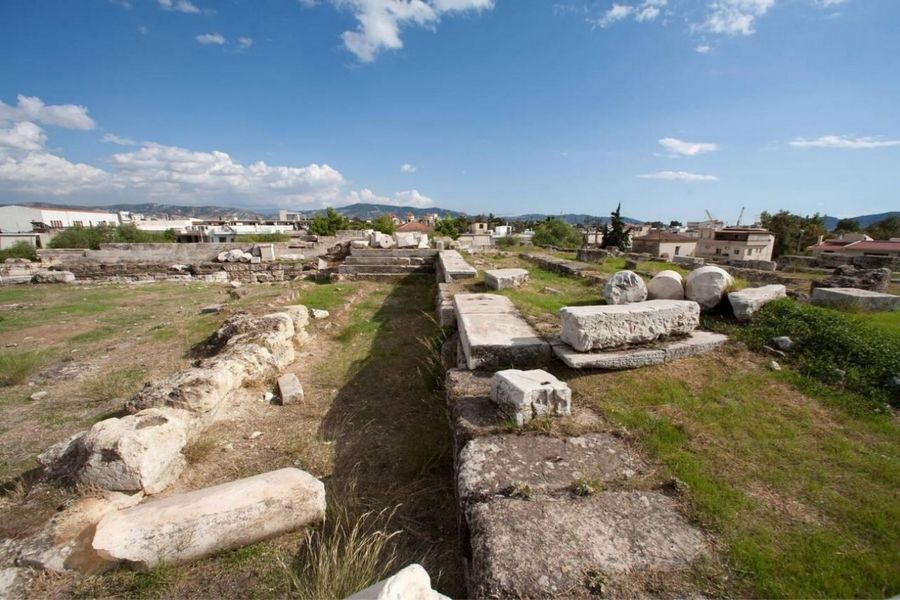
Now, scientists, archaeologists, and religious historians work together to solve this historical puzzle. When I took a guided tour of the sanctuary, our guide mentioned that ground-penetrating radar uncovered structures hiding under the visible ruins.
Honestly, I get why people stay obsessed with these mysteries. There’s something about wanting to connect with the transcendent and unknown—it’s the same pull that brought people to Eleusis all those centuries ago.
