
There’s something magical about walking where emperors once walked. As I wandered through Hadrian’s Villa in Tivoli, just outside Rome, I could almost feel the presence of the Roman Emperor who ruled nearly 2,000 years ago. Unlike Emperor Tiberius who fled to Capri fearing assassination, Hadrian created this magnificent estate as a place of governance, reflection, and beauty.
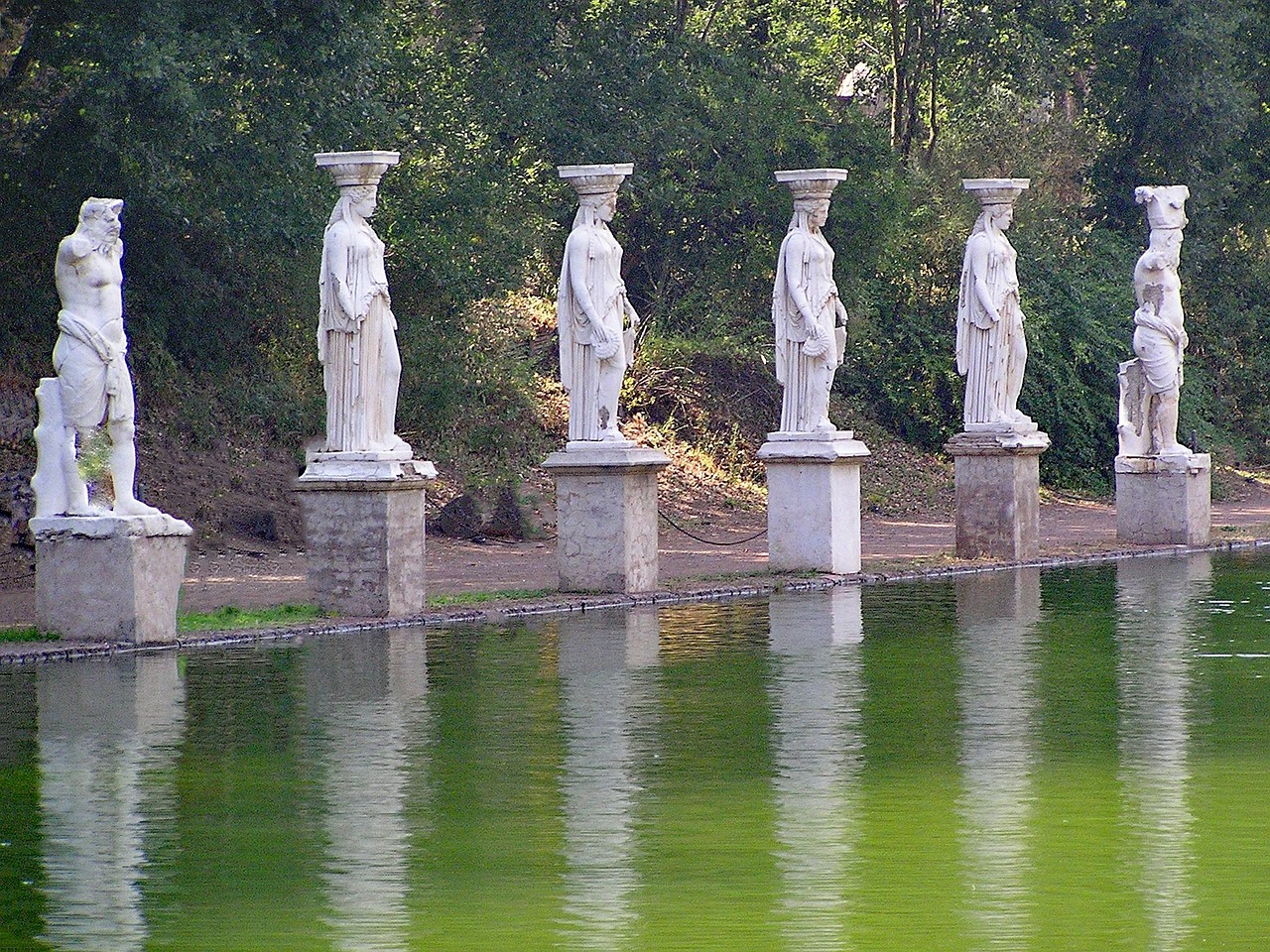
The villa isn’t just stone ruins—it’s where history breathes. Hadrian, known for his intelligence and curiosity, designed this sprawling complex with inspiration from his extensive travels. Each pool, garden, and colonnade tells a story about a ruler who wasn’t just interested in conquest but in culture, philosophy, and architecture.
My journey through Italy has taken me to many ancient sites, but exploring Hadrian’s memories preserved in this UNESCO World Heritage site was different. Here, among cypress trees and reflecting pools, I connected with the human side of an emperor—a man who hunted in Tuscany, judged the character of officials, and loved deeply. The villa reveals not just how emperors lived, but how one particular emperor thought.
The Majesty of Hadrian’s Villa
Standing amid the sprawling ruins of Hadrian’s Villa near Tivoli, I was overwhelmed by the sheer scale and ambition of Emperor Hadrian’s ancient country estate. This UNESCO World Heritage site showcases remarkable Roman engineering and artistic vision across its 250 acres.
Uncovering the History of Villa Adriana
Villa Adriana (Hadrian’s Villa) was built between 118-138 CE as a retreat for Emperor Hadrian when he wanted to escape the chaos of Rome. The emperor personally designed much of the complex, incorporating architectural elements from Egypt, Greece, and other places he visited during his extensive travels.

Hadrian wasn’t just a powerful ruler but also an architectural enthusiast. His villa wasn’t merely a home but a miniature version of the world he had conquered and admired.
Walking these grounds, I could almost picture the emperor strolling through colonnaded walkways, hosting dignitaries, and contemplating life and leadership. The villa served as both his governmental headquarters and personal sanctuary during the later years of his reign.
Exploring the Architectural Grandeur
The architectural diversity at Hadrian’s Villa is truly breathtaking. The Maritime Theater, a circular structure surrounded by a water-filled moat, served as Hadrian’s private retreat within the retreat—a place where he could escape even his own guests!
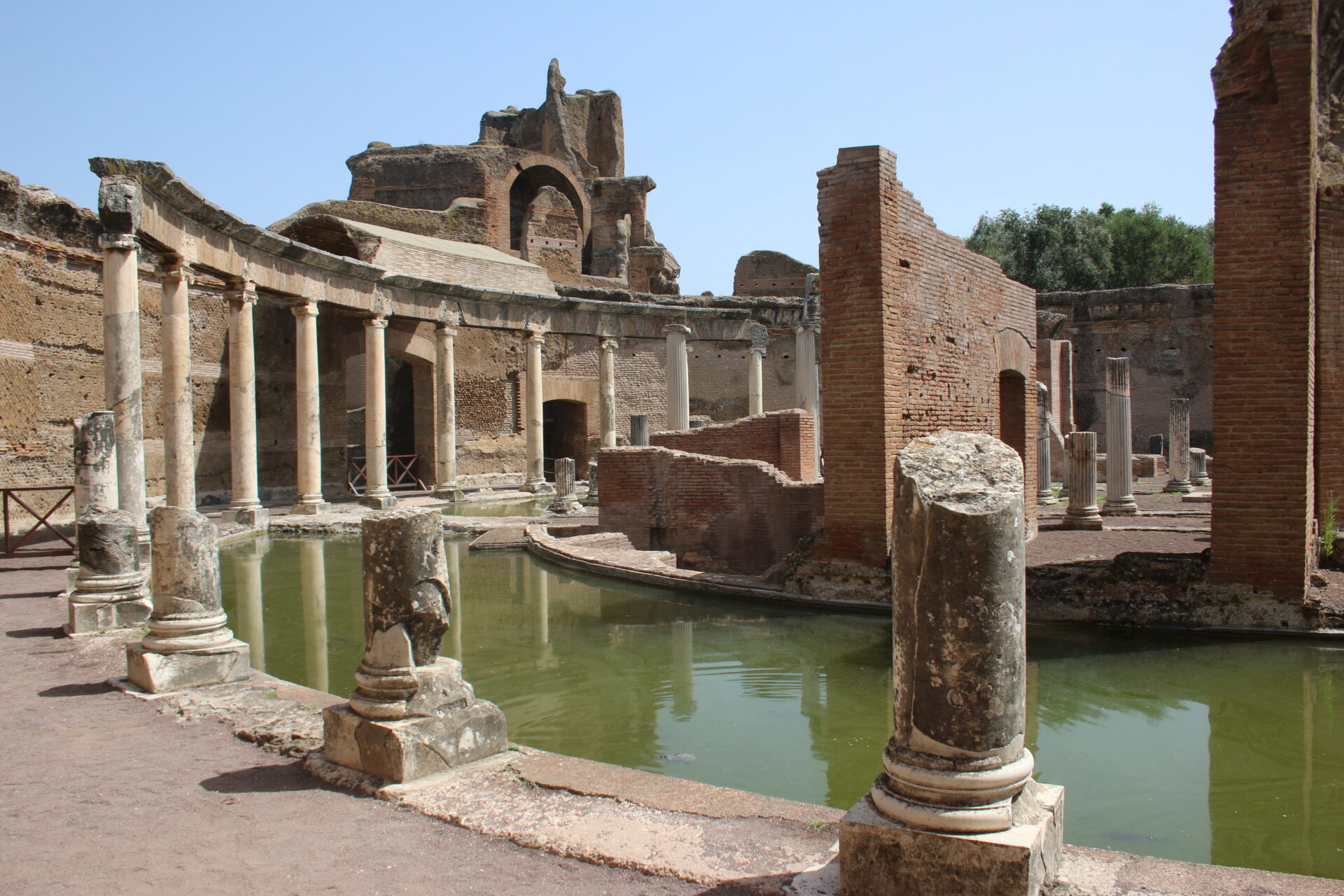
Other remarkable structures include:
- Canopus: A long pool lined with statues and columns, inspired by a canal in Alexandria
- Piazza d’Oro: An elegant formal reception hall with intricate marble floors
- The Pecile: A massive pool surrounded by a portico designed for philosophical walks
The engineering achievements are equally impressive. The Romans created sophisticated water systems throughout the complex, with aqueducts, fountains, and baths demonstrating their mastery of hydraulics.
I marveled at how the ruins still convey the original grandeur despite centuries of neglect and looting.
Strolling Through the Ancient Gardens
The gardens at Villa Adriana were as carefully designed as the buildings. Hadrian created various landscape styles throughout the estate, from formal gardens with geometric patterns to more naturalistic settings.
Water features played a central role in the garden design. Reflecting pools created spectacular mirror images of buildings, while fountains provided soothing sounds and cooling mists during hot Italian summers.

Today, cypress trees and Mediterranean plants help visitors imagine how the gardens might have appeared nearly 2,000 years ago. I found the remains of the ancient plantings—revealed through archaeological work—particularly fascinating.
The gardens weren’t just decorative but served practical purposes too. Some areas grew herbs and fruits, while others created pleasant spaces for philosophical discussions or political meetings.
For the best experience, I recommend visiting early morning when the light is golden and the crowds are thin. This magical time almost lets you hear the echoes of ancient footsteps.
A Journey Through Rome’s Imperial Past
Walking through Rome today is like stepping through pages of history. The ancient emperors left their mark on the city in ways that continue to inspire and amaze visitors centuries later.
Rome’s Pantheon: A Testament to Hadrian’s Vision
The Pantheon stands as my favorite testament to Emperor Hadrian’s architectural genius. When I first walked through its massive bronze doors, I was immediately struck by the perfect dome above me. The oculus, that circular opening at the top, floods the interior with natural light that shifts throughout the day.

Built around 126 CE, this engineering marvel features a dome that remains the world’s largest unreinforced concrete dome. What amazed me most was learning that the dome’s diameter equals the height from floor to oculus—a perfect sphere could fit inside!
Hadrian designed this temple to honor all gods, as its name suggests. The building’s preservation is remarkable compared to other Roman structures. When standing inside, I felt connected to the same space where countless Romans once gathered nearly 2,000 years ago.
The Temples and Baths: Reliving Roman Excellence
The Roman baths offered far more than just cleanliness—they were social centers where citizens gathered daily. Caracalla’s Baths, though built after Hadrian’s time, show how imperial Rome valued public facilities. These massive complexes included hot and cold pools, libraries, and exercise spaces.
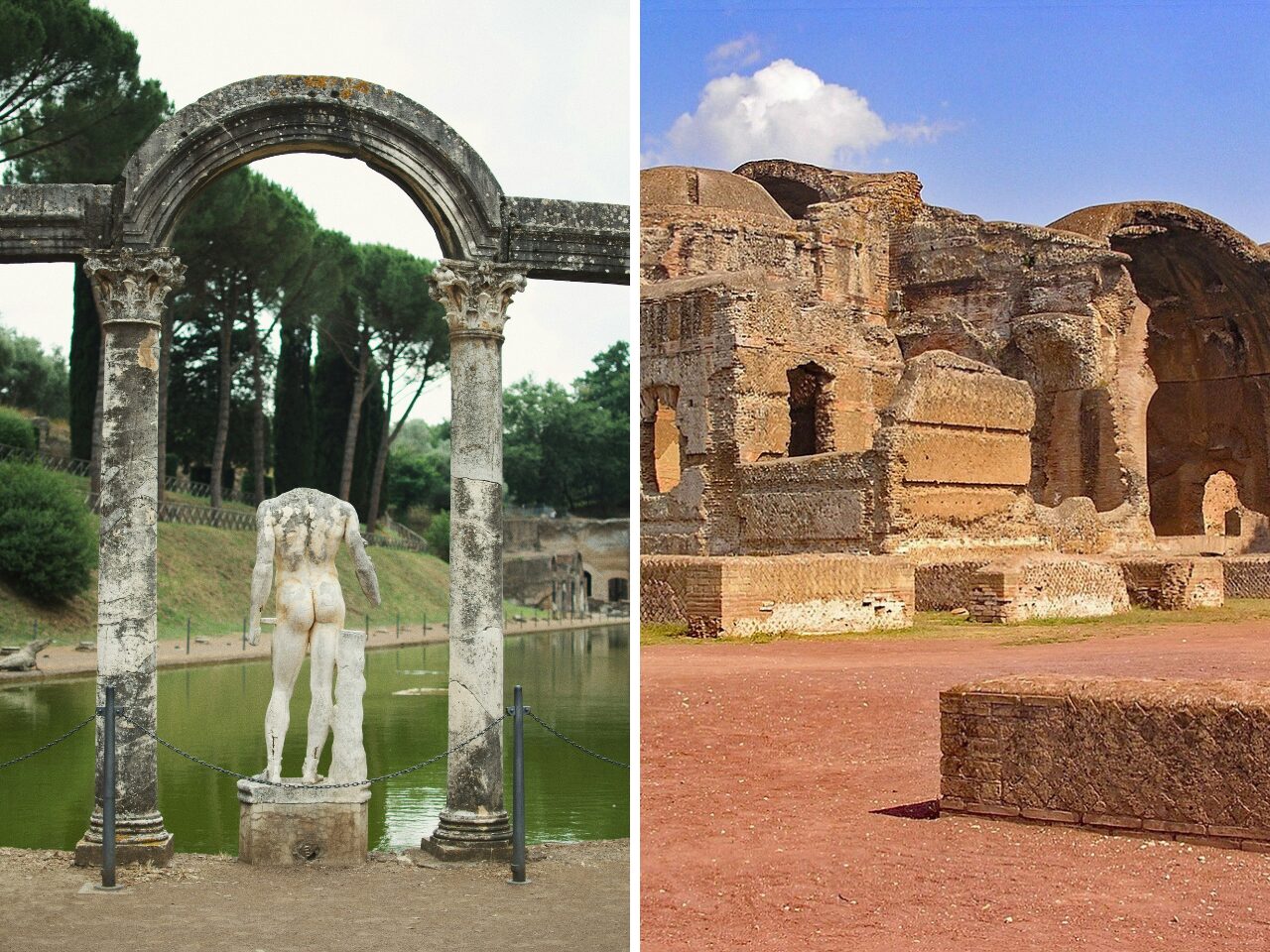
While exploring the remains of the Temple of Venus and Rome, I discovered it was actually Hadrian who designed this once-magnificent structure. The temple stood as one of Rome’s largest, with twin cellae (inner chambers) facing opposite directions.
Roman emperors understood architecture as a display of power. Each tried to outdo predecessors by building grander structures. The remains we see today are just shadows of their former glory, yet they still inspire awe in modern visitors like me.
I recommend visiting early morning to avoid crowds and experience these spaces how they were meant to be—peaceful reminders of Rome’s extraordinary past.
Hadrian’s Legacy Beyond the Empire
Hadrian’s influence reaches far beyond his reign, creating physical and cultural landmarks that continue to captivate travelers like me today.
Hadrian’s Wall: Defense and Dominion
Walking along Hadrian’s Wall in northern England was truly a highlight of my journey. This massive stone barrier stretches 73 miles across the British countryside, marking Rome’s northernmost frontier.
I was struck by how the wall wasn’t just a military structure but a statement of imperial power. Built around 122 CE, it separated the “civilized” Roman world from the “barbarians” beyond.
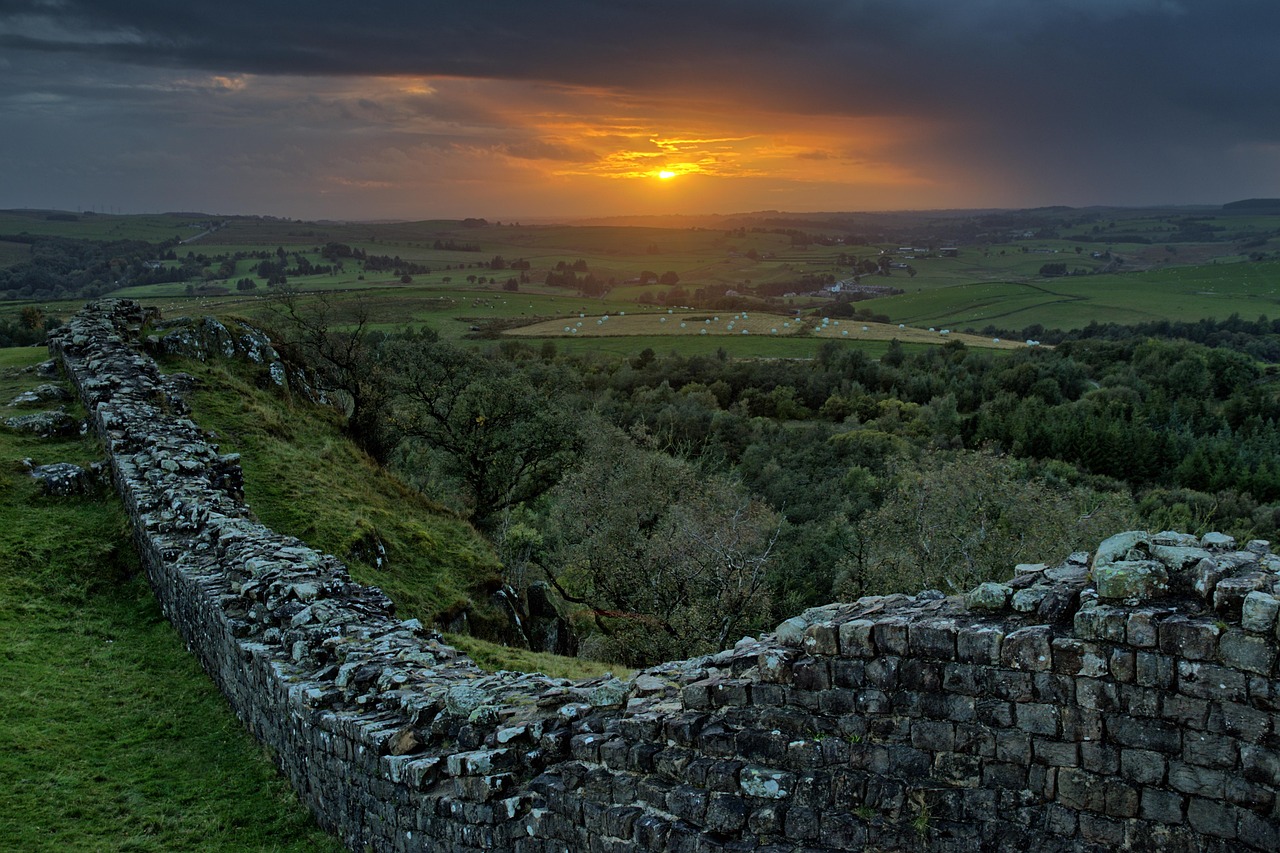
Today, you can hike significant portions of the wall. The best-preserved section at Housesteads Fort offers stunning views of rolling hills and gives you a real sense of what Roman soldiers experienced.
What amazed me most was how this distant emperor’s vision still shapes the landscape nearly 2,000 years later. The wall remains one of Britain’s most important historic sites and a UNESCO World Heritage site.
Ephesus and Beyond: The Emperor’s Influence
In Ephesus, Turkey, I witnessed another dimension of Hadrian’s legacy. The Temple of Hadrian showcases his deep connection to Greek culture and his efforts to revitalize the eastern provinces.
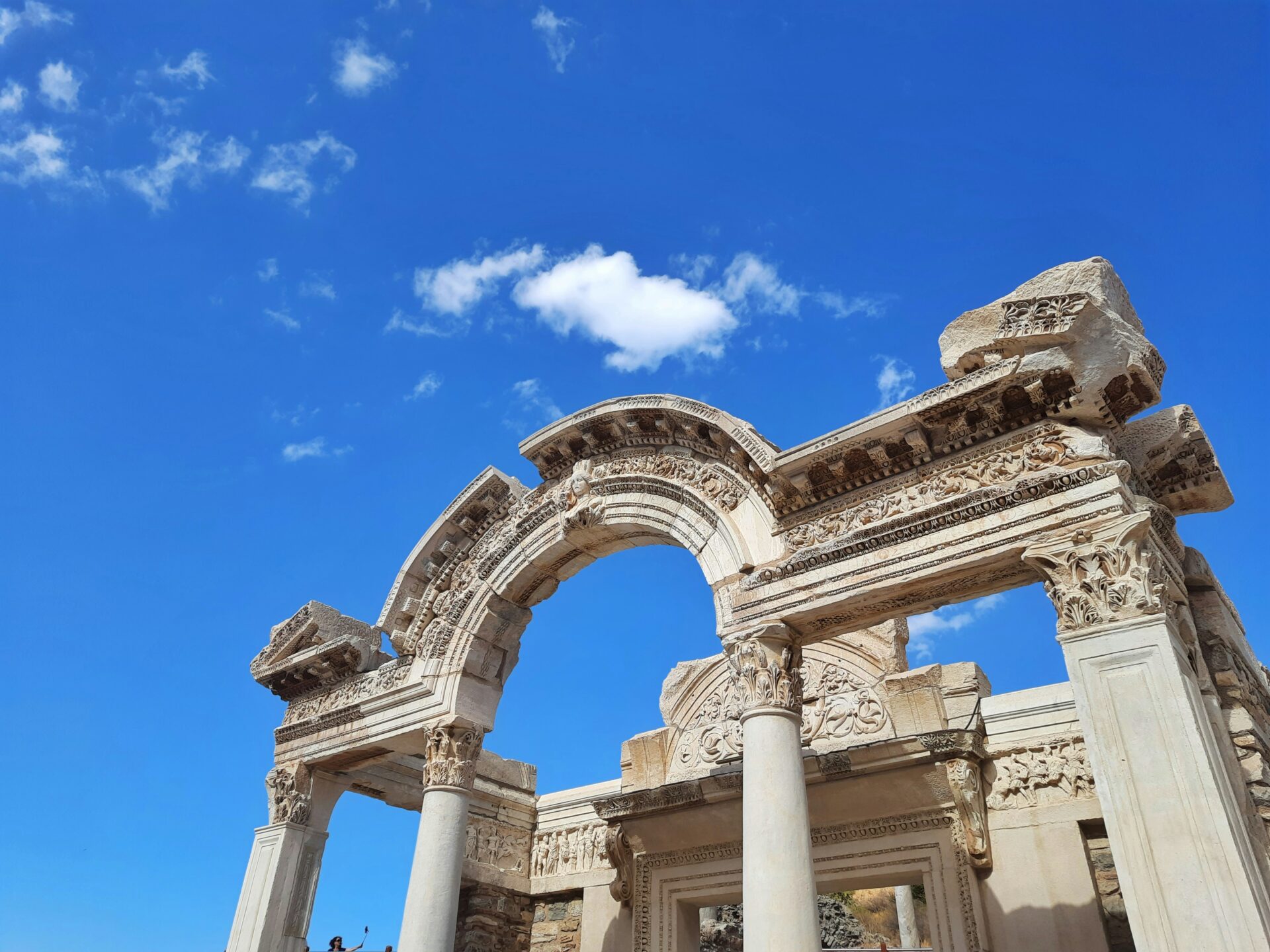
Unlike many emperors focused solely on Rome, Hadrian traveled extensively throughout his realm. His philhellenism (love of Greek culture) led to a renaissance in art and architecture across the empire.
The Pantheon in Rome stands as perhaps his greatest architectural achievement. Its perfect dome and oculus demonstrate Roman engineering at its peak.
His Villa at Tivoli, which I visited last summer, reflects his personal tastes and experiences from his travels. The sprawling complex includes replicas of landmarks from across the empire.
Hadrian’s legacy extends to legal reforms too. He humanized Roman law and improved provincial administration, creating more stability throughout the vast territories under his control.
Art and Culture in Hadrian’s Time
As I wandered through Hadrian’s Villa, I couldn’t help but feel surrounded by the artistic genius of ancient Rome. Hadrian’s reign marked a golden age for Roman culture, where beauty and intellect were celebrated in every carved stone and painted surface.
Immortalizing the Roman Spirit in Art
Hadrian wasn’t just an emperor – he was an art lover with exceptional taste. His personal collection at the villa once housed thousands of sculptures, paintings, and decorative items from across the empire. Walking through what remains of the art gallery today, I tried to imagine the walls adorned with vibrant frescoes and the halls lined with marble statues.

The emperor particularly favored Greek artistic styles, bringing a Hellenic influence to Roman traditions. This fusion created something uniquely “Hadrianic” – a style that balanced grandeur with harmony.
Paintings from this period often portrayed mythological scenes or peaceful landscapes. Artists used techniques like perspective and shadowing that wouldn’t be rediscovered until the Renaissance, over a thousand years later!
Stories Etched in Stone: Temples and Sculptures
The most impressive testament to Hadrian’s cultural vision might be the Temple of Venus and Roma, which he personally designed. Standing before its remains in Rome, I was struck by its innovative dual-cella layout honoring both deities simultaneously.
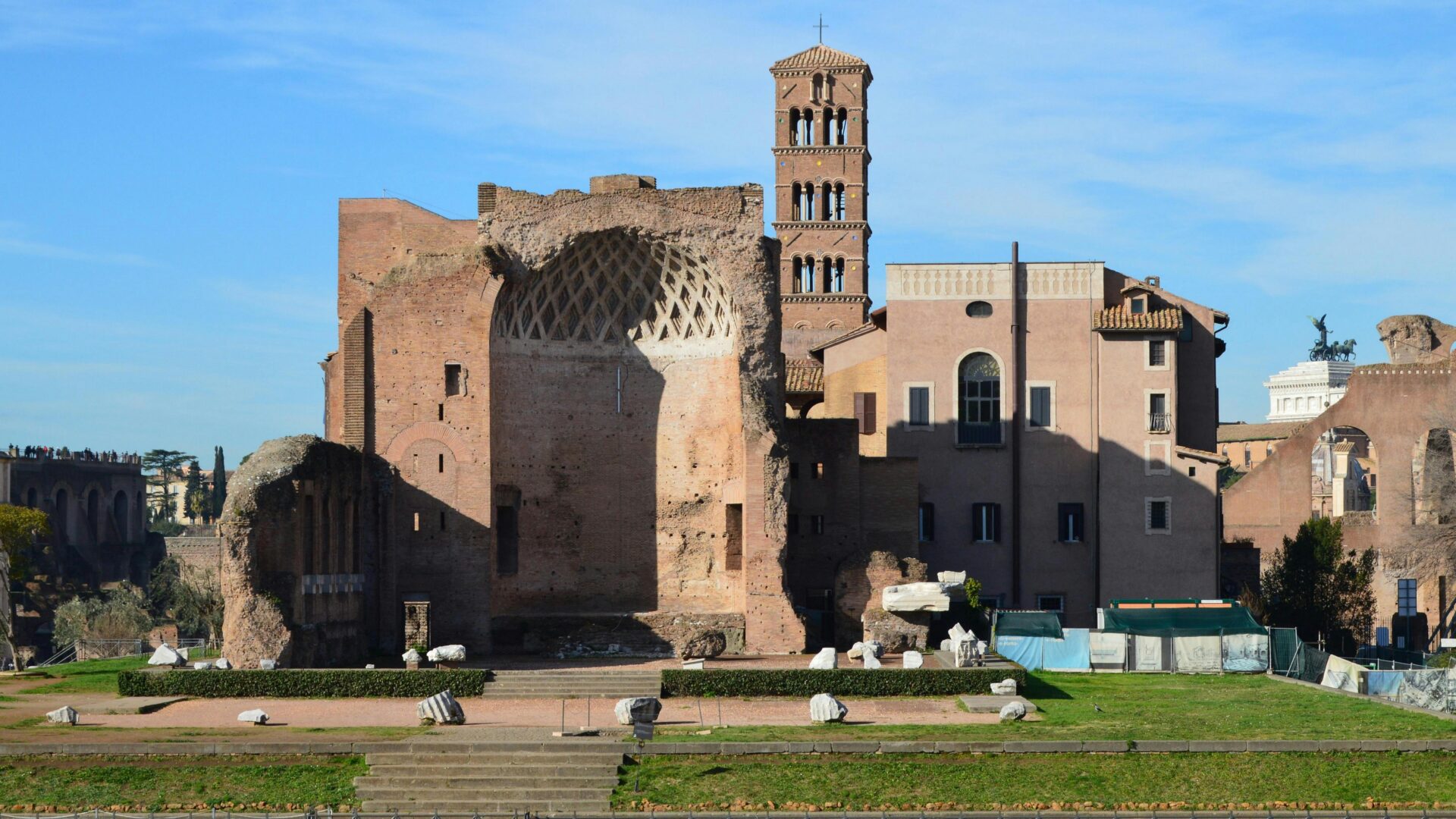
At his villa, the Maritime Theatre showcases his architectural brilliance – a circular island retreat surrounded by water where Hadrian could escape for private contemplation. The symbolism wasn’t lost on me: an emperor creating his own perfect microcosm.
Sculptures from Hadrian’s time display remarkable realism. Unlike earlier rigid figures, these statues captured human emotion and movement. His beloved Antinous was immortalized in dozens of sculptures after his tragic death – a testament to how art served both political and personal purposes.
The level of detail in these works is astonishing – from precisely carved drapery to expressive facial features that seem ready to speak across the centuries.
Reflections on an Emperor’s Life and Death
Walking through Hadrian’s Villa, I found myself captivated by the man behind these magnificent ruins. The emperor’s story, beautifully captured in Yourcenar’s “Memoirs of Hadrian,” reveals a complex ruler who faced mortality with philosophical calm.
From Marcus Aurelius to Augustus: The Lineage of Leaders
Hadrian’s place in Roman leadership fascinates me with its connections to both past and future. As I wandered through columns that once supported his dreams, I contemplated how he bridged two great philosophical emperors. Before him stood Augustus, the empire’s founder, and after would come Marcus Aurelius, the philosopher-king.

Yourcenar’s novel portrays Hadrian writing to young Marcus Aurelius, creating a powerful literary connection between these rulers. This mentorship across time struck me as I touched stones both men might have known.
The emperor’s reign (117-138 CE) marked a period of peace and cultural flowering. Unlike his expansionist predecessors, Hadrian focused on consolidation and stability—a different kind of leadership that strengthened Rome’s foundations.
Contemplating Immortality and the Human Condition
Standing in Hadrian’s private quarters, I felt the weight of his meditations on death. The emperor who built so magnificently still faced the same mortality we all do.
His relationship with Antinous, the young man whose death devastated him, reveals how deeply personal loss affected this powerful ruler.
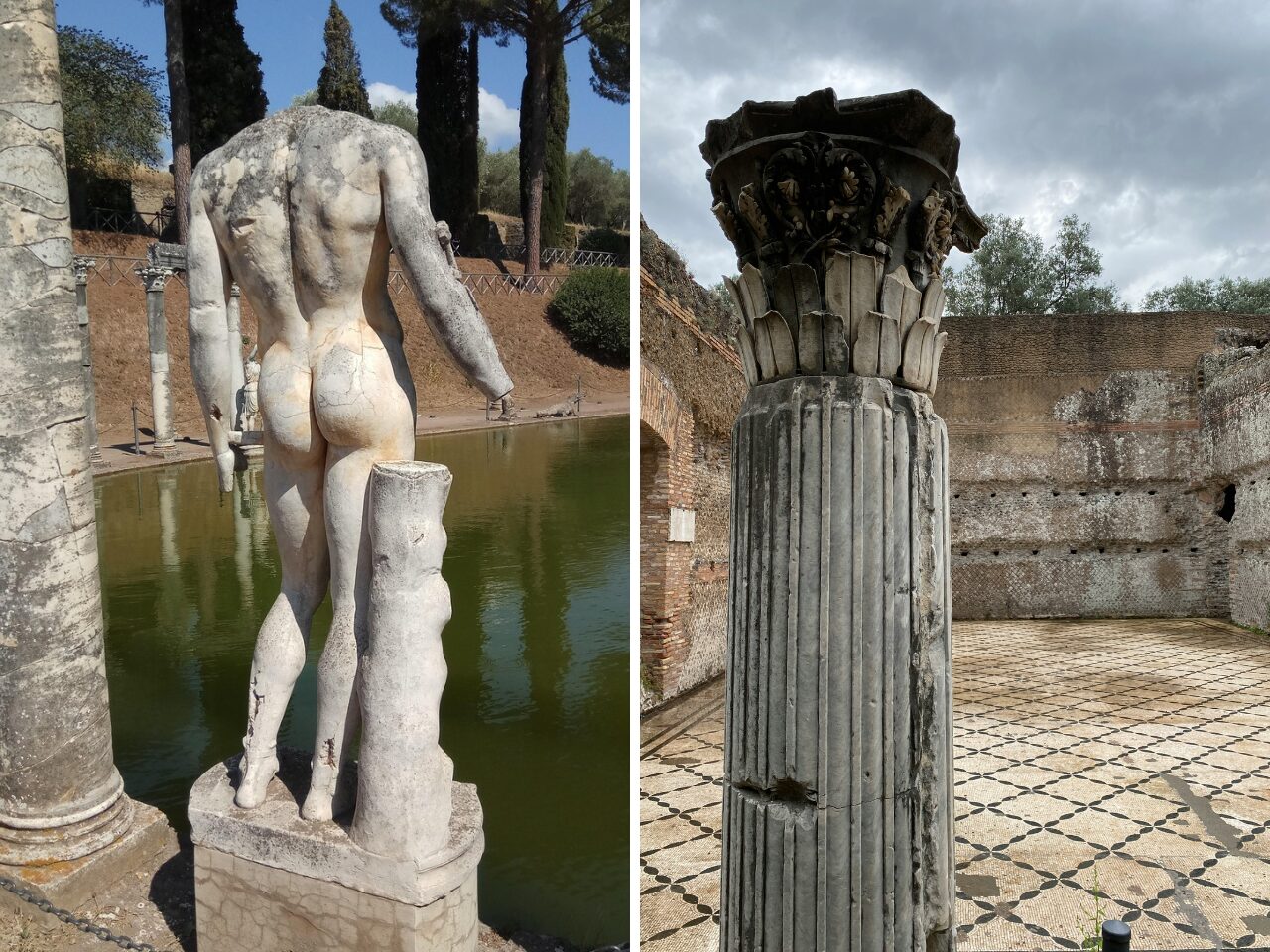
What moves me most is how Hadrian embraced Greek philosophy to face his end. “Learn to die,” he writes in Yourcenar’s account, turning his final illness into a lesson on living well.
His architectural legacy—from his wall in Britain to this sprawling villa—represents his grasp for immortality. These stones still speak his name two millennia later, proving his success in that quest.
I ran my hand along a weathered column and wondered: isn’t travel itself our way of touching immortality?
