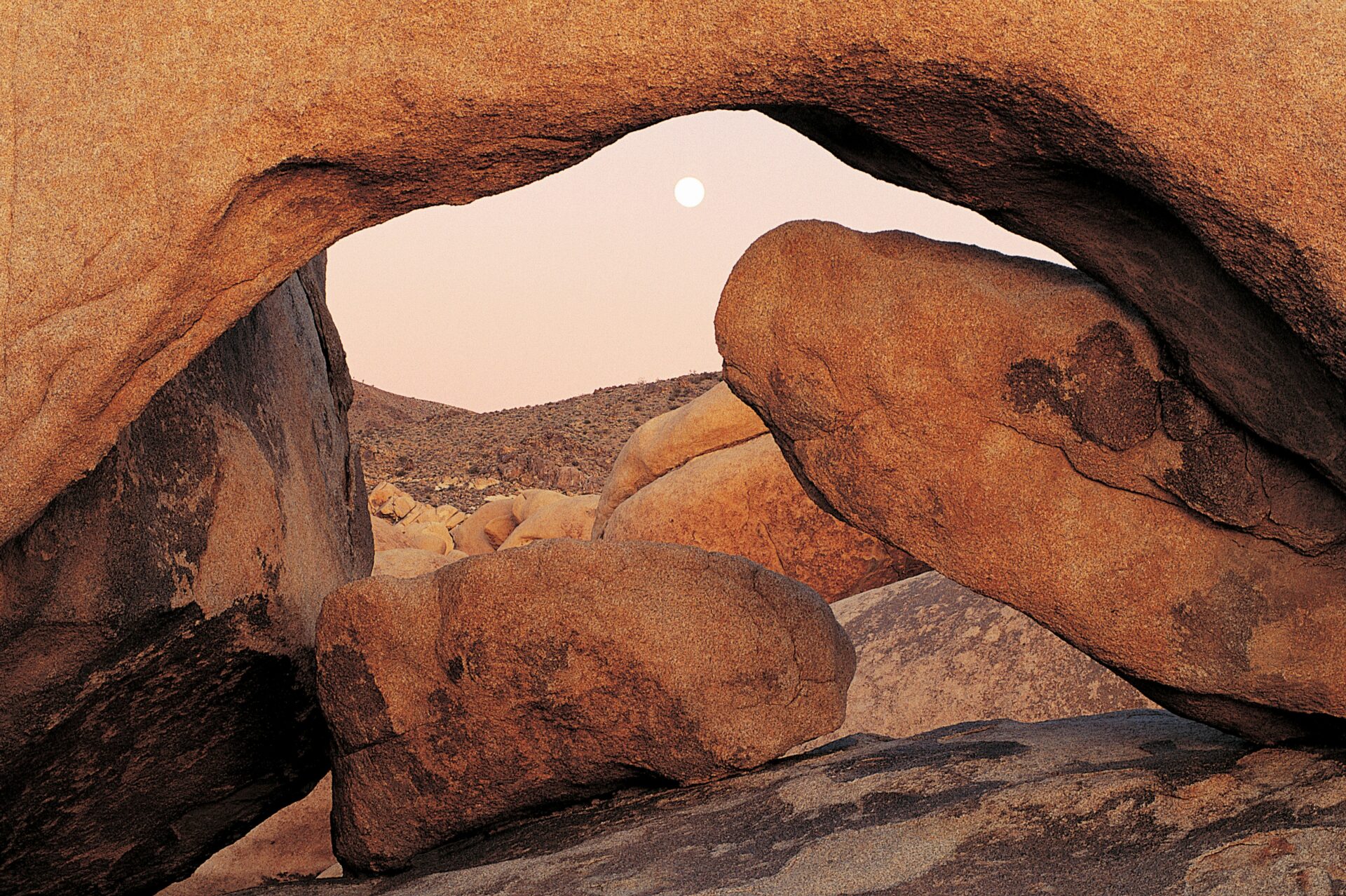
Visiting Joshua Tree National Park in Southern California felt like stepping into another world. The sprawling desert landscape, dotted with the iconic Joshua trees, has a beauty that’s both stark and enchanting. This park truly is magical because it blends unique ecosystems and breathtaking scenery. Visitors get to experience vast open spaces under an endless sky.
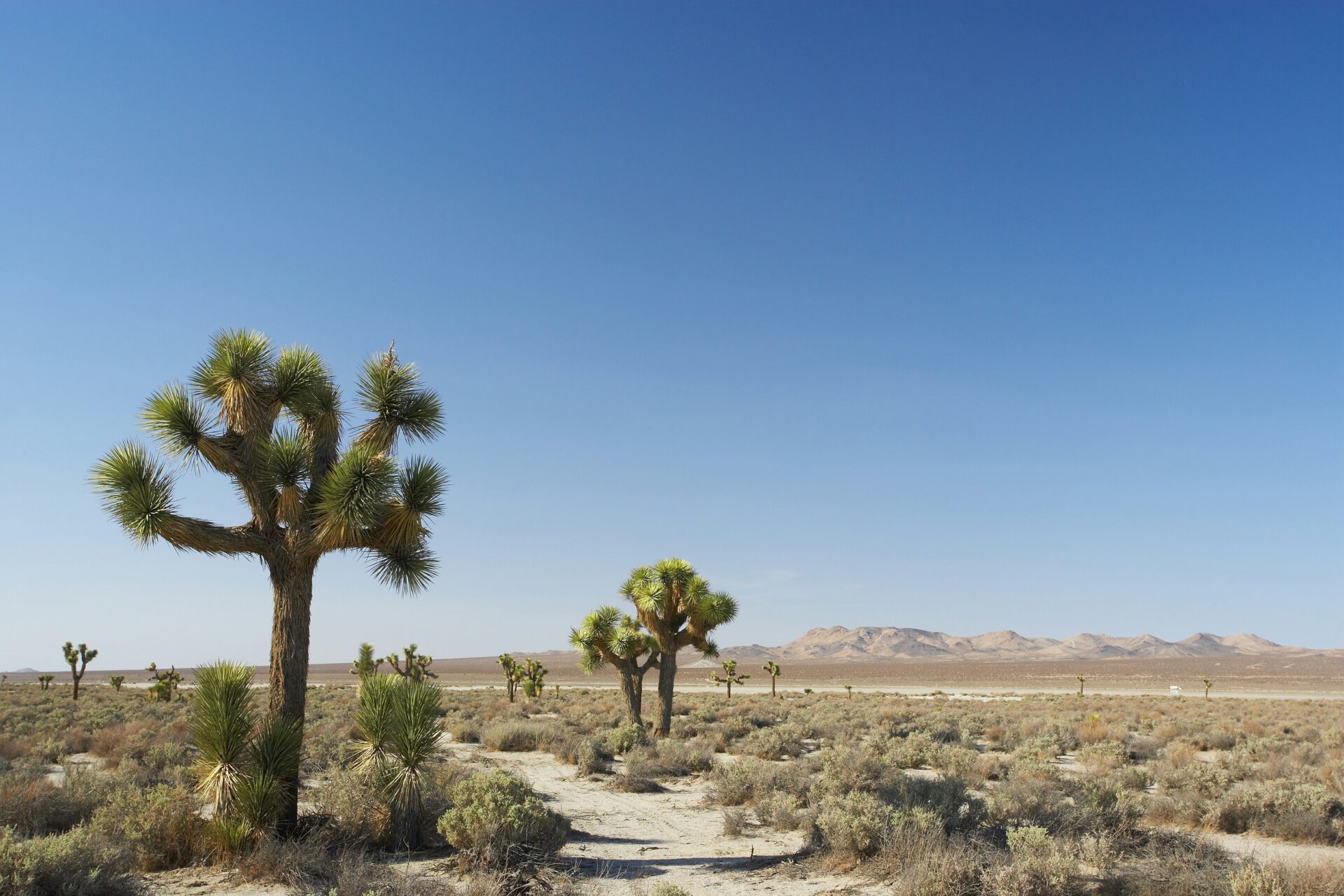
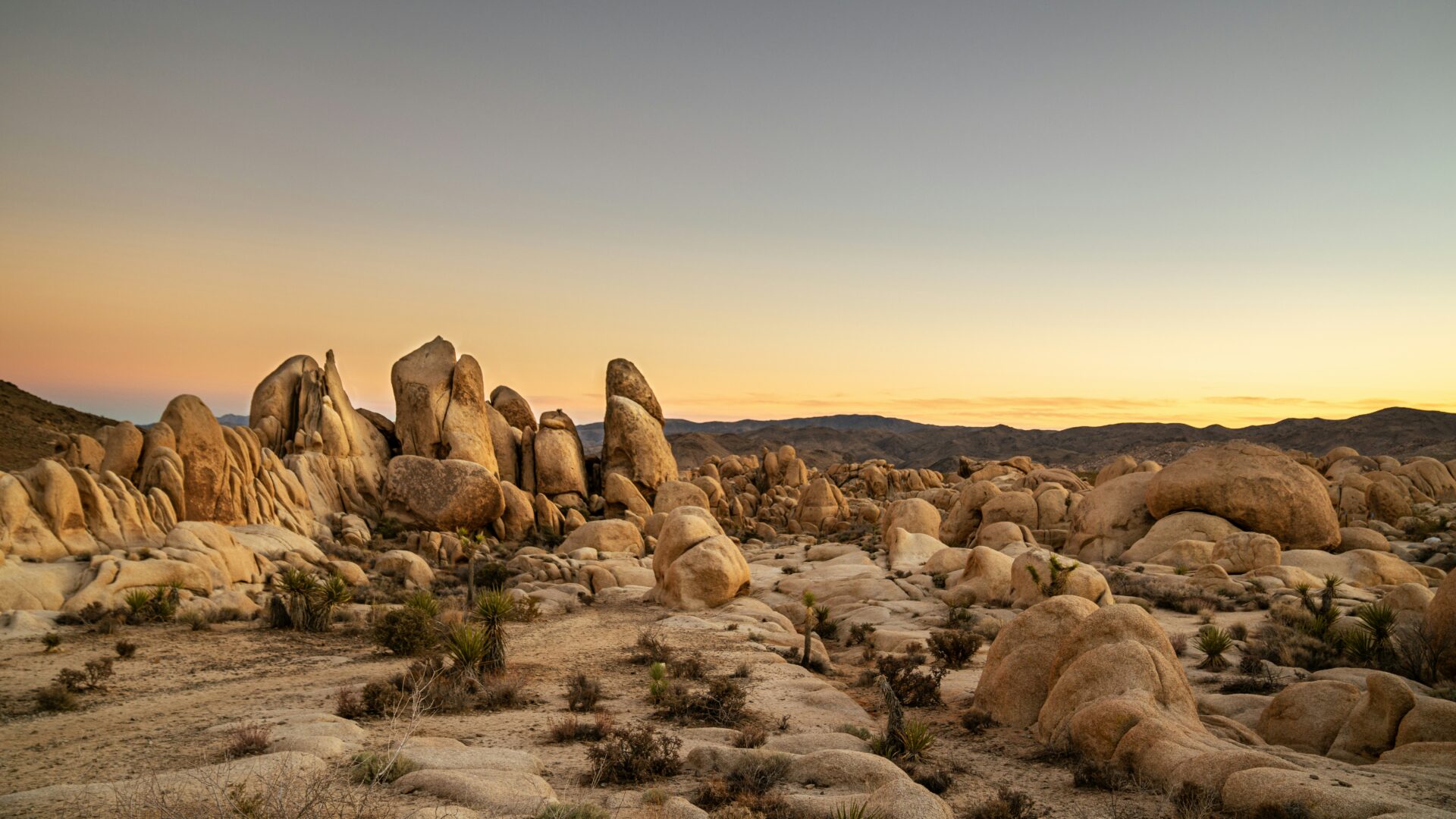
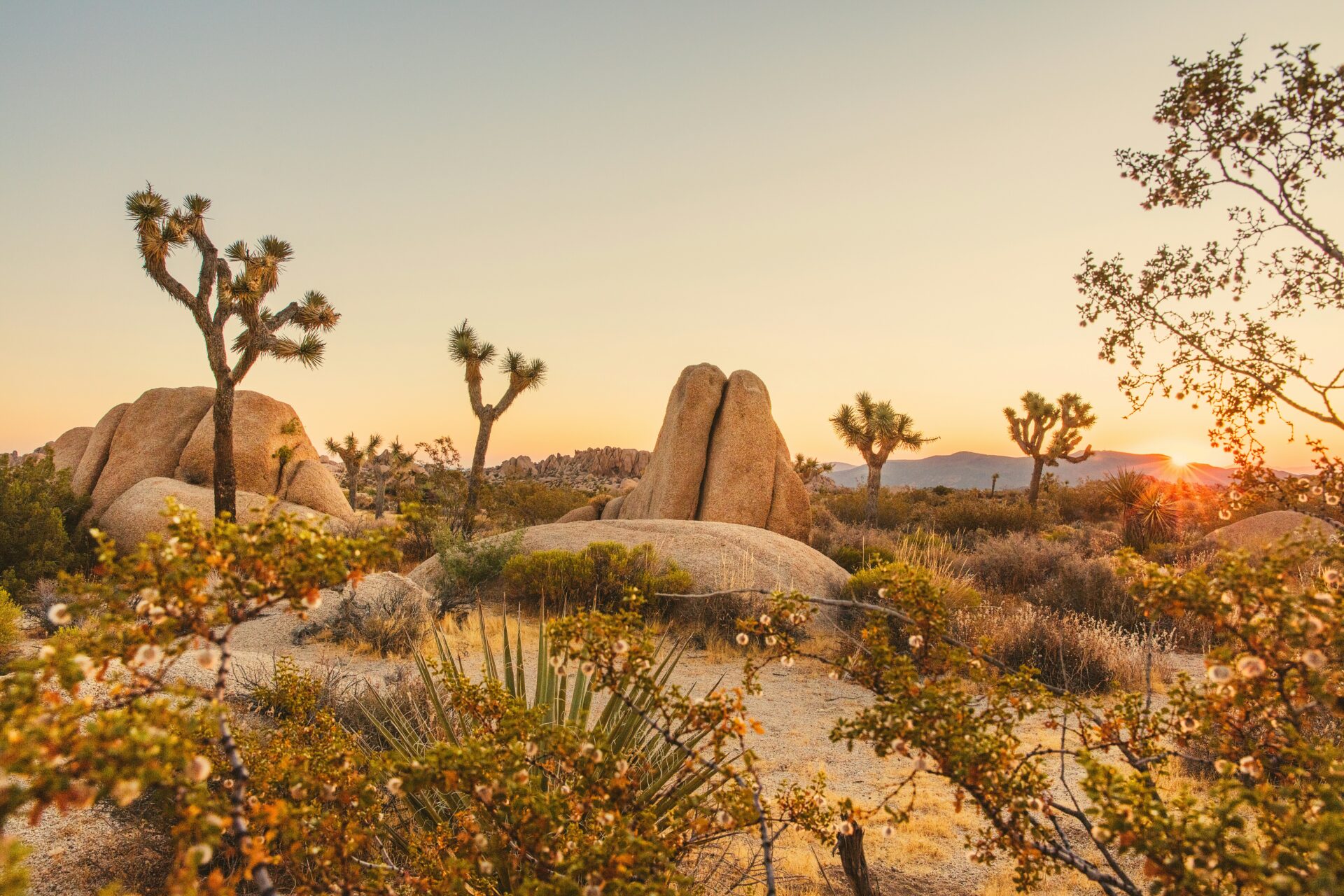
The park’s charm is in its contrasts. Amid the rugged rock formations, I found tranquil oases bursting with vibrant wildlife. Watching a golden sunset paint the sky turned moments at the campground into an unforgettable spectacle. Each visit to Joshua Tree is a reminder of nature’s power and peace.
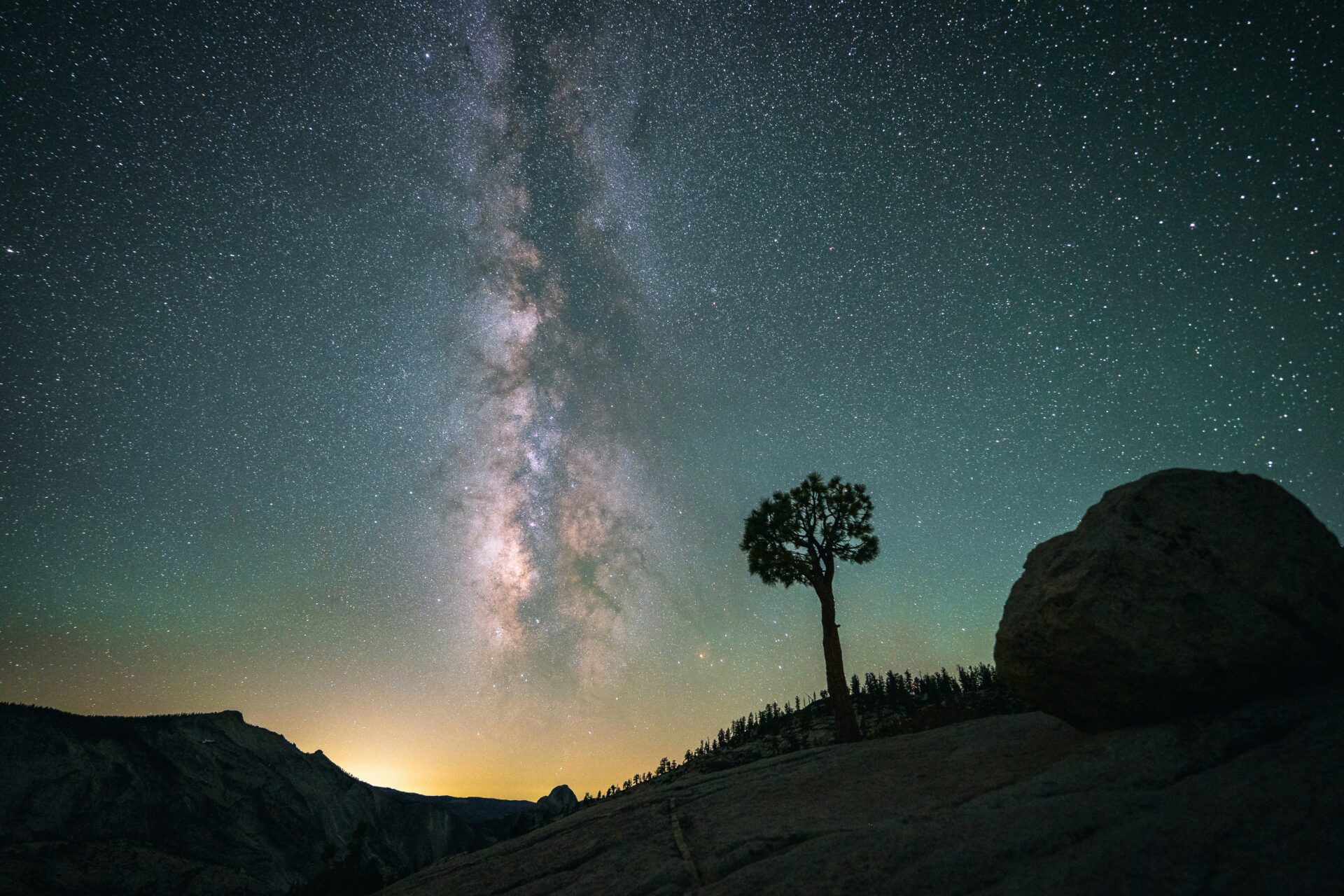
Stargazing under the clear desert sky was perhaps the most magical experience. With little light pollution, the night sky was a dazzling sea of stars. This truly is a place where nature’s wonders are ever-present, making Joshua Tree National Park a must-visit for those seeking adventure, tranquility, and a touch of magic.
Exploring the Mystical Joshua Trees and Diverse Flora
Visiting Joshua Tree National Park, I found that the magical landscape is defined by its fascinating plants. The park is home to the iconic Joshua trees and a wide variety of flora that thrives even in the harshest desert conditions.

The Iconic Joshua Tree
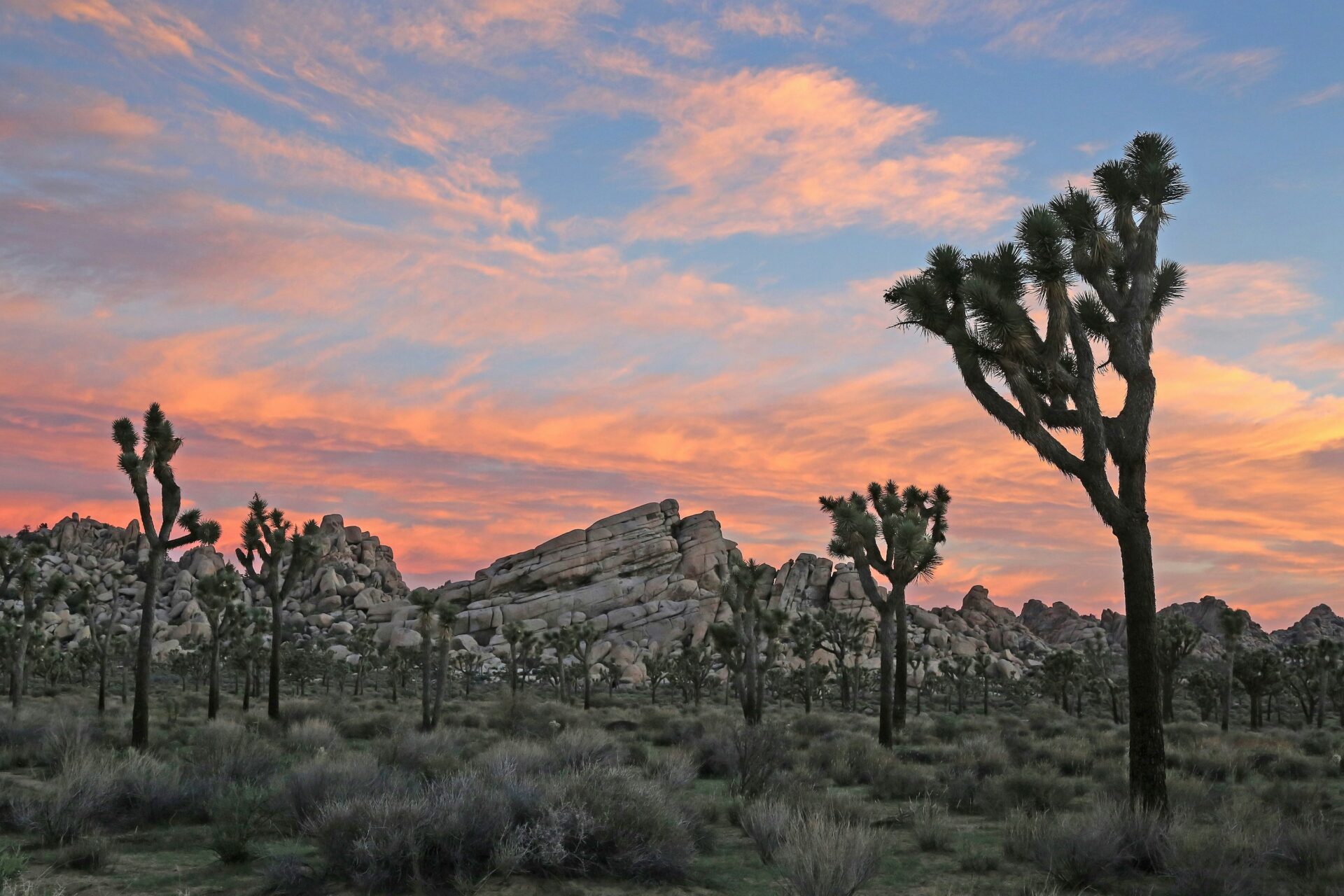
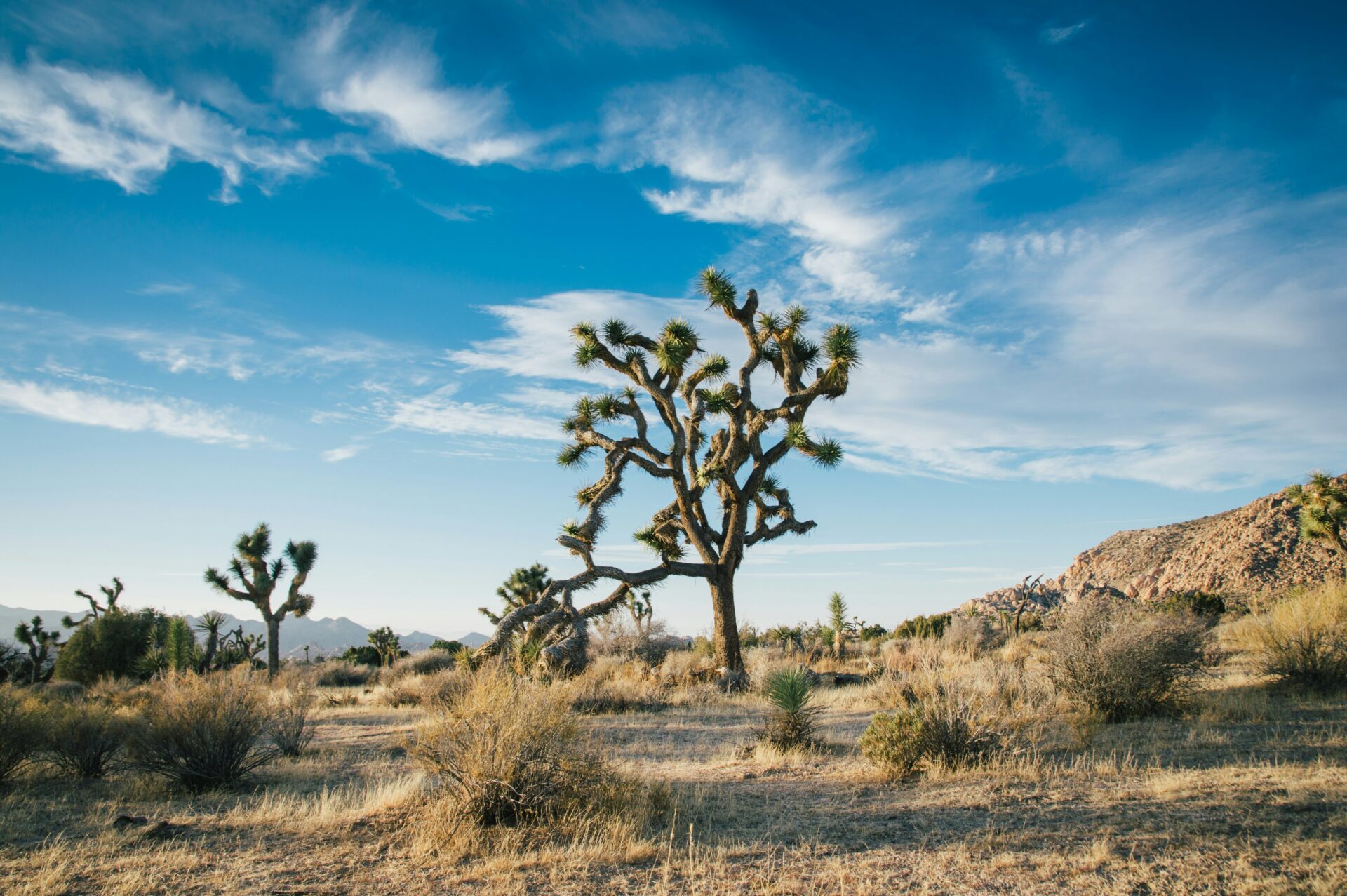
The Joshua tree, scientifically known as Yucca brevifolia, stands as a symbol of resilience. Its twisted, spiky branches stretch toward the sky, creating a unique silhouette against the desert backdrop. When I first saw these trees, I understood why they’re seen as both mystical and emblematic of this park.
These intriguing plants belong to the Agave family, sharing some characteristics of flowering plants like grasses and orchids. Being part of an ancient ecosystem, they provide shelter and food for various creatures, from the cactus wren to small mammals. Witnessing these towering structures up close, I felt a sense of awe at their adaptability and long lifespan. They can live for hundreds of years, eager survivors amidst the elements.
Flourishing Flora in Harsh Conditions
Beyond the famous Joshua trees, the park hosts a diverse array of plant life that has adapted to survive in the desert ecosystem. I was amazed by the ocotillo, with its tall, graceful stems that bloom vibrant red flowers after a rain. This plant, along with various cacti, adds color and life to the arid landscape.
The flora here thrives through extraordinary resilience, each species playing a role in this unique environment. Some offer food to local wildlife, while others help reduce soil erosion. Exploring these aspects, I realized the true biodiversity present in the park’s stark environment. It’s a reminder of nature’s incredible ability to adapt and flourish, despite the challenges.
Adventure and Activities Under the Stars
Joshua Tree National Park transforms as day turns to night, offering unique adventures. The park’s striking rock formations invite climbers and hikers, while its famous clear night skies are perfect for stargazing. Wildlife encounters add an adventurous twist, especially for photographers aiming to capture the magic of the desert under the stars.
Rock Climbing and Hiking Trails
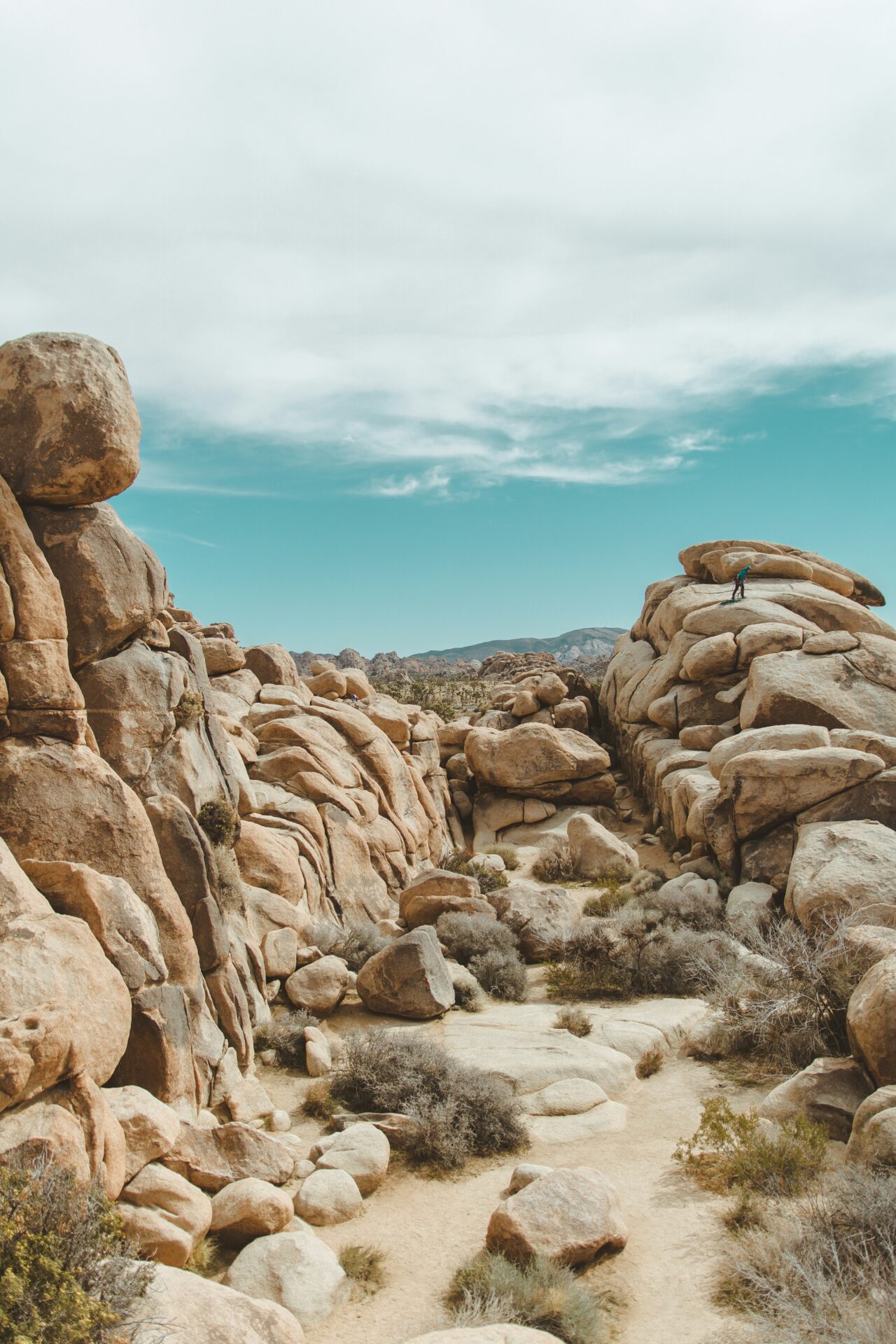
The allure of Joshua Tree’s rock formations is irresistible for climbers and hikers. I’ve spent many evenings scaling these unique formations, with Jumbo Rocks and Hidden Valley being personal favorites. The rocks take on a different character at night, their shadows creating an entirely new landscape. Hiking trails in the park extend for miles, with well-marked paths like the Boy Scout Trail offering breathtaking nighttime views. Between the scrambling up the rocks and exploring trails, there’s a spirit of adventure that engulfs anyone ready to tackle these night-time experiences.
Stargazing and Clear Night Skies
When the sun dips below the horizon, Joshua Tree reveals one of its most magical features: a sky filled with stars. The clear desert air means incredible visibility, making stargazing here truly special. I’ve often found myself at the Star Gazer Viewpoint, watching as the Milky Way arches overhead. Out here, away from city lights, the stars seem endless. Bring a telescope if you can, and look out for meteor showers during certain times of the year. Even without equipment, the naked eye view is spectacular. These nights become memorable tapestries of twinkling stars against the deep, velvety darkness.
Wildlife Encounters and Photography
The nights in Joshua Tree offer more than just stars; they bring a chance to encounter wildlife. Creatures like kangaroo rats and coyotes become active under the quiet of night. With patience, a flashlight, and a good camera, I’ve managed to capture some beautiful photos. Photographing owls perched silently adds to the excitement. The challenge lies in capturing the right balance of light and shadow, a task made more rewarding by the surprising appearances of these creatures. The park’s wildlife, in conjunction with its landscape, provides endless opportunities for those keen to preserve its beauty through photography.
Capturing the Essence of Desert Marvels
An otherworldly atmosphere surrounds Joshua Tree National Park, where expansive horizons stretch across two distinct desert ecosystems: the Mojave and Colorado Deserts. Majestic formations like Ryan Mountain stand as guardians overseeing the incredible landscape. The rich historical and cultural elements add depth to the park’s mystical charm, creating an unforgettable experience.
Majestic Landscapes and Phenomenal Geology
Standing amidst the rugged rock formations, I feel a sense of awe. Hidden Valley presents a perfect blend of towering boulders and narrow passageways, inviting exploration. In areas like Skull Rock and Mastodon Peak, the nature-sculpted terrain forms a surreal backdrop that leaves a lasting impression.
The varied landscapes showcase the remarkable meeting of the Mojave and Colorado Deserts. This unique combination results in diverse flora and fauna, with Joshua Trees adding character to the vast expanse. In the evenings, the vibrant sunsets paint the sky with brilliant hues, a magical sight not to be missed. Starry skies, unhindered by city lights, transform the night into an astronomer’s dream.
Historical Richness and Cultural Tapestry
Walking through the park, I’m reminded of its rich history. The land was once traversed by indigenous peoples who utilized native plants and respected the area as sacred ground. Stories of early settlers add layers to its historical tapestry, with old ranches and mine remnants scattered throughout the park.
Sites like the Keys Ranch tell tales of the early pioneers who braved this harsh environment. The historic cabins and artifacts echo stories from a bygone era. Cultural influence extends beyond history into art and music, drawing creative souls seeking inspiration from the park’s natural beauty. This depth of history and culture enriches every visit, revealing the park’s profound significance in new and unexpected ways.
Beyond the Park: Connecting with Local Vibes
Wandering through Joshua Tree National Park leaves me filled with awe, but the nearby areas also capture my heart with their unique charm. The vibrant arts scene and the importance of ethical tourism offer visitors like me a deeper connection to the desert’s spirit.
Arts, Music, and Creativity in the Desert
The Joshua Tree area sways with creativity, drawing artists and musicians who find inspiration in its landscapes. Just a short drive away in Palm Springs and the Coachella Valley, galleries and music festivals speak to this creative energy. These places often host events showcasing local talent, adding a lively atmosphere that enriches the desert experience.
I’ve often stumbled upon art galleries hidden in the desert, displaying everything from paintings to sculptures crafted from natural materials. Local artists capture the essence of the desert in unique ways, while live performances bring music to the quiet nights. The blend of art and nature here is truly mesmerizing, making every visit feel like a fresh adventure for the soul.
Ethical Tourism and ‘Leave No Trace’ Practices
Inspiring landscapes invite heavy foot traffic, but we must tread lightly. Visitors, including myself, must commit to ‘Leave No Trace’ principles. This means we should carry out all personal trash, not disturb wildlife, and respect marked trails to maintain the park’s pristine condition.
Local communities often stress these practices, ensuring that the magic of Joshua Tree remains unspoiled for future guests. Ethical tourism extends beyond the park, influencing how we engage with and support local businesses and cultural events. Mindful interactions and sustainable choices help preserve the tranquility we come here to seek.