
Kent’s bluebell woods look their most magical in late April and early May, when the flowers reach full bloom and create vibrant purple carpets across the forest floor.
Honestly, this time of year transforms the woods I know so well into something out of a fairytale. Nature lovers and families all seem to get drawn in by the spectacle. The exact timing shifts a little with the weather, but late April to early May is usually the sweet spot.
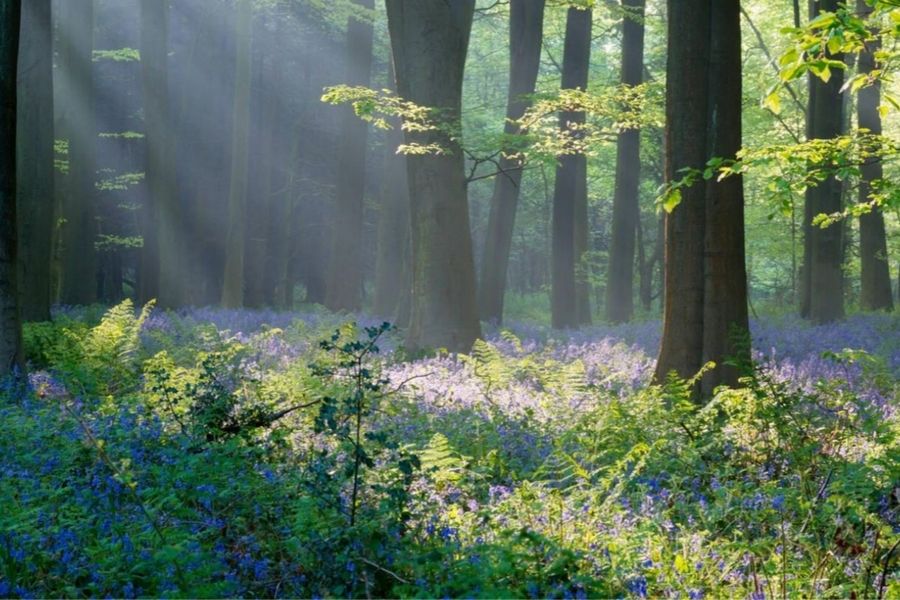
I’ve spent plenty of springs wandering different bluebell spots across Kent, always trying to figure out which woods put on the best show and when. Let me share a few personal tips for catching bluebells at their peak—where to go, what to look out for, and some simple advice to help you make the most of your visit.
When Kent’s Bluebell Woods Reach Their Peak
Kent’s bluebell woods burst into color each spring, carpeting the forest floor in blue. Knowing when the bluebells reach their best helps me plan my visits for those jaw-dropping moments.
Prime Time For Bluebell Carpets
In my experience, bluebells in Kent usually hit their stride from mid-April to early May. During these weeks, most woodlands are thick with that deep blue haze.
Places like Ashenbank Wood and Scathes Wood are local legends for bluebell carpets. The flowers often spill across huge stretches of ancient woodland, and the effect is honestly breathtaking.
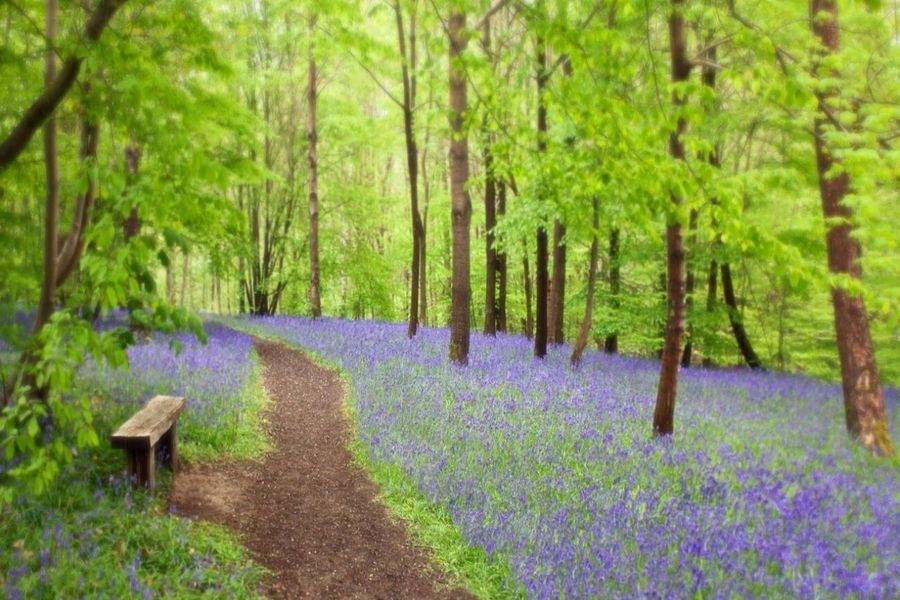
If spring comes early and warm, bluebells might pop as soon as late March. But for the most reliable show, I stick with late April and early May.
Why Timing Matters For Spring Spectacle
Catching bluebells at just the right moment makes all the difference. If I go too early, I just find a few scattered blooms. Too late, and the flowers start to fade or get lost under the leaves.
I’ve learned to check local updates or the “bluebell barometer” before heading out. Bluebells usually shine for two or three weeks. During that window, woodland paths can get busy—so I try to plan ahead and beat the crowds.
Weather Factors Impacting Bloom
Weather in spring really sets the pace for bluebells in Kent. A mild winter can speed things up, bringing blooms as early as late March. If spring stays chilly, bluebells hold off until late April.
A sudden hot spell in April can make the flowers fade faster than you’d expect. I’ve gotten into the habit of checking recent weather and local reports to guess which woods are at their best.
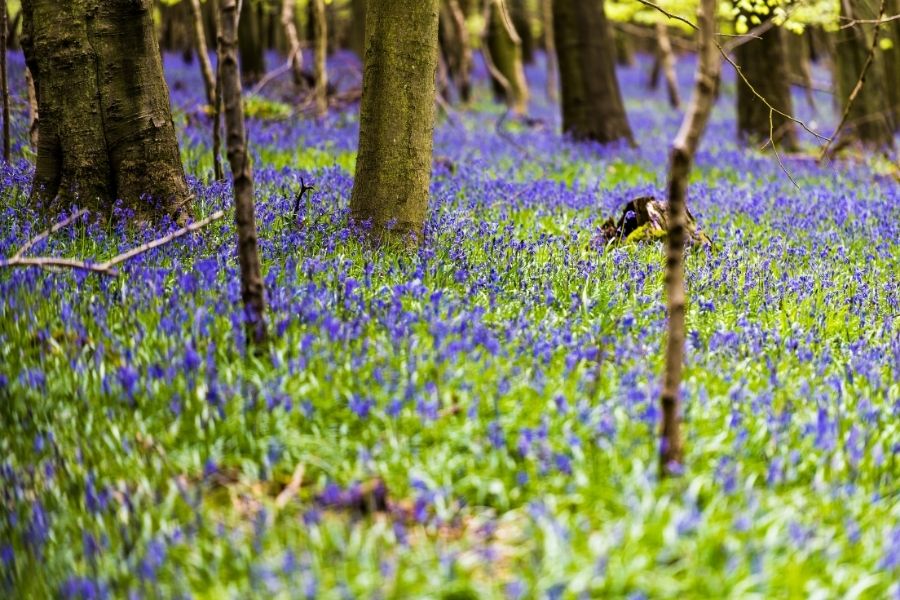
Every year, the weather seems to play tricks with the timing. Staying flexible and watching for local hints helps me catch that perfect bluebell moment.
Where To Find The Most Magical Bluebell Displays In Kent
Kent’s got this amazing mix of ancient woodlands, historic gardens, and hidden spots that come alive with bluebells in spring. From legendary estates to secret corners, each place feels a bit different and usually peaks from late April to mid-May.
Iconic Ancient Woodlands And Nature Reserves
If you want endless bluebells, Hucking Estate and Ashenbank Wood are hard to beat. I love wandering their old trees and soaking up the quiet atmosphere.
Scathes Wood stands out as a Site of Special Scientific Interest (SSSI), drawing plant lovers for its rare species and strong bluebell displays.
Trosley Country Park covers part of the North Downs and has wide trails with sweeping bluebell views. Eliot Woods and One Tree Hill are a bit quieter but just as magical for wildflower walks.
After a couple of warm spring days, these ancient woodlands usually explode with vivid blue. It never gets old.
Gardens, Estates, And Castles For Bluebell Walks
Kent’s grand gardens and castles are bluebell magnets too. Emmetts Garden (National Trust) is famous for its bluebell woods and signposted trails.
Hole Park Gardens near Rolvenden throws a popular bluebell festival and keeps big swathes of land for wildflowers.
Sissinghurst Castle Garden is famous for its formal gardens, but the estate’s woodlands turn blue in spring. Scotney Castle, Chartwell, and Knole are other National Trust gems where bluebells put on a show.
You might also want to check out Penshurst Place, Riverhill Himalayan Gardens, and Walmer Castle. Each has its own bluebell hotspots, though entry fees and opening times can change—so I always double-check before heading out.
Hidden Gems And Off-The-Beaten-Path Locations
Some of the best bluebell woods aren’t crowded at all. Oare Gunpowder Works in Faversham has peaceful wetland paths lined with bluebells—perfect for a quiet stroll or snapping photos.
Bedgebury Pinetum is mostly known for its giant conifers, but it hides shady glades where bluebells thrive every spring.
I’ve stumbled on deep blue carpets in small village woods or tucked-away corners of the Kent Downs, especially off the main trails. Look for signs to lesser-known spots in the Area of Outstanding Natural Beauty (AONB), especially around the North Downs.

Go early in the morning or later in the day, and you’ll likely have the flowers all to yourself.
Protected Sites And Conservation Areas
Many of Kent’s bluebell woods are protected to keep them safe for the future. Hucking Estate and Scathes Wood are both recognized for their biodiversity.
Places like the wild areas at Sissinghurst Castle Garden and parts of the North Downs are managed for nature conservation. Marked paths help protect the delicate flowers from being trampled.
Forestry England and National Trust sites often share info about why bluebell protection matters. When I visit, I always stick to the trails and never pick the flowers—British bluebells are protected by law.
Respecting these places means bluebell woods can stay magical for everyone.
Essential Tips For Experiencing Bluebell Season
Exploring Kent’s bluebell woods takes a little planning, especially if you want to catch those incredible carpets before they vanish. Timing, picking the right trails, and being ready with a camera all help make the most of these spring landscapes.
How To Plan The Perfect Bluebell Walk
I always check local updates before heading out—bluebell timing changes every year. Usually, late April to early May is best, but a cold or warm spring can shift things.
Setting out early in the morning or later in the afternoon gives you quieter woods and gorgeous, soft light filtering through the trees. Weekends in early spring can get busy, especially at places like National Trust estates.
Good shoes are a must, since woodland paths can get muddy. I dress in layers because Kent’s spring weather is unpredictable. A small backpack for water, snacks, and a camera keeps my hands free as I wander.
Best Trails And Footpaths To Explore
Kent’s got plenty of trails for bluebell walks, from easy strolls to longer adventures. My favorites are Emmetts Garden, Hucking Estate (Forestry England), and Dering Wood—each is known for thick carpets of native bluebells.
Emmetts Garden has gentle paths and sweeping garden views. Hucking Estate offers a variety of footpaths, including circular walks through shimmering bluebell displays beneath ancient trees.
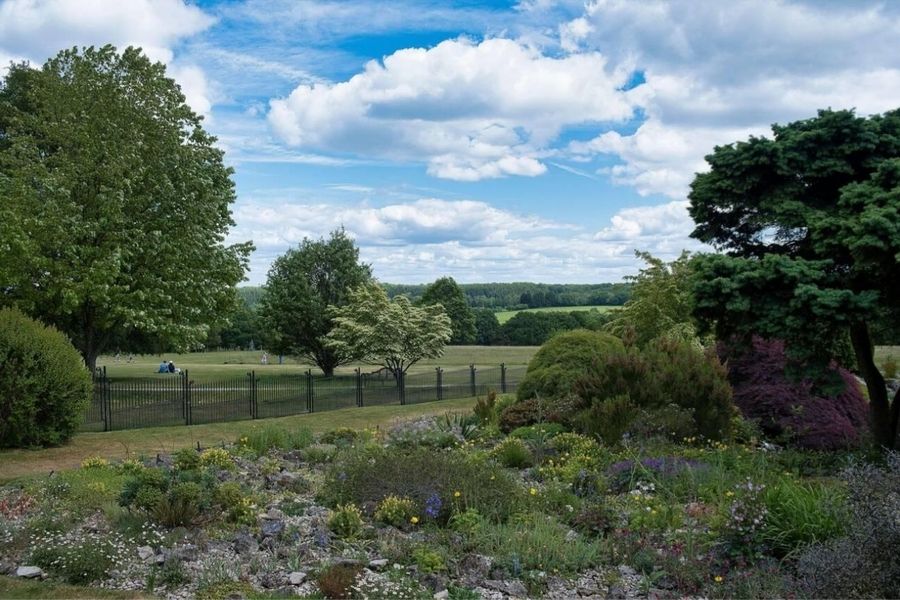
Dering Wood is quieter and perfect for spotting both flowers and woodland birds.
Here’s a quick look at some top spots:
| Site | Type | Notable for |
|---|---|---|
| Emmetts Garden | National Trust | Panoramic views, gardens |
| Hucking Estate | Forestry England | Long trails, wild woods |
| Dering Wood | Kent Wildlife Trust | Quiet, circular walks |
Some trails get muddy or uneven, so I check maps ahead of time and always stick to marked paths to protect the flowers.
Getting The Best Photographs of Bluebell Spectacular
Bluebell woods photograph best in soft, filtered light. Early morning or just before sunset gives that dreamy glow.
I like to shoot from low down to capture both the flowers and the tree canopy. It adds a sense of depth and magic to the photos.
I use a phone or a camera with a wide-angle lens if I have one. Look for spots where sunlight highlights a patch of blooms—these always make the best shots.
Trying different angles and focus settings helps me capture the details. And I always stay on the main trails to protect the bluebells.
Wildlife And Wild Flowers To Spot During Bluebell Time
Whenever I visit Kent’s bluebell woods, there’s always more to see than just bluebells. These woods buzz with wild flowers and wildlife, making each spring walk a new adventure.
Common Companions: Wood Anemones, Cuckoo Flower, And More
Besides bluebells, I often spot wood anemones brightening up shady corners. Their white, star-shaped flowers pop up early and sometimes blanket the ground.
Celandines catch my eye too with their shiny yellow petals, usually in sunny patches. Occasionally, I’ll find the delicate pink blooms of cuckoo flower nestled in the grass, especially near damp spots.

Red campion shows up as well, its rosy-pink petals standing out against the green. Each wild flower marks a different moment in spring and often blooms right alongside the bluebells.
| Wild Flower | Appearance | Usual Location |
|---|---|---|
| Wood Anemone | White, star-shaped | Shady woodland floor |
| Celandine | Bright yellow | Sun-lit glades, path edges |
| Cuckoo Flower | Light pink | Damp grassy patches |
| Red Campion | Pink, 5 petals | Woodland margins |
Birdsong, Nightingales, And The Sounds Of Spring
There’s something special about the sounds in these woods. I often hear birds singing from every direction.
If I’m lucky, I’ll catch a nightingale’s song at dawn or dusk—one of the real treats of bluebell season.
Robins, blackcaps, and chiffchaffs all join in, creating a lively soundtrack as I wander. Sometimes I spot butterflies or hear the rustle of wood mice and voles in the undergrowth.
Wild Orchids, Greater Stitchwort, And Wild Flowers
Some of Kent’s ancient woods hide rare plants if you know where to look. Wild orchids pop up in clearings, and finding their spotted leaves or purple-pink blooms always feels like a reward.
Greater stitchwort is common during bluebell time, too. Its small white flowers grow in drifts along the paths or among the bluebells, adding a delicate touch.
Each wild flower brings a new splash of color. Spotting wild orchids or a patch of stitchwort reminds me there’s always something fresh to discover on a spring walk.
Other Spring Spectacles: More Blooms And Garden Highlights
Kent’s gardens don’t just wow with bluebells. In spring, you’ll find all sorts of colorful displays—flowering shrubs, historic backdrops, and classic English designs that make every visit feel special.
Rhododendrons, Azaleas, And Magnolias
Whenever I wander through Kentish gardens in late April or May, I can’t help but notice the massive bursts of rhododendrons and azaleas. These shrubs put on a real show with their bold pinks, reds, and purples.
You’ll often spot them lining woodland paths or clustered along garden borders. Some gardens really go all out, planting huge rhododendron collections that practically turn into tunnels of color—especially magical just after a gentle rain.
Magnolias tend to bloom a bit earlier, usually in April. Their huge, pale pink or white flowers open up before the leaves, so the bare branches look almost otherworldly.
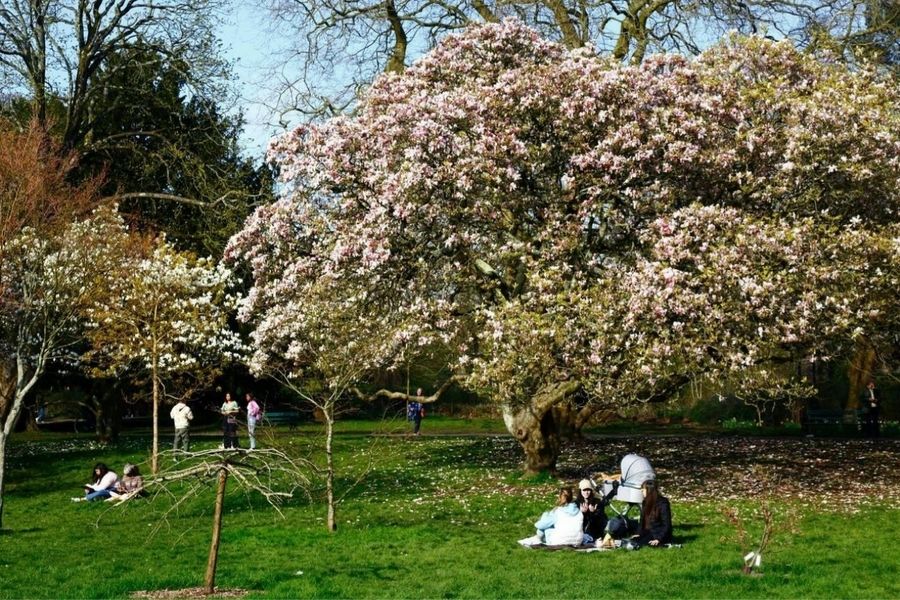
It’s pretty common to find both star-shaped and saucer-shaped magnolia varieties in Kent gardens. Each type brings its own twist on pinks and creams, making every visit feel a little different.
If you’re planning a trip, I’d say check the seasonal highlights that the bigger gardens post online. The blooms vanish fast, and honestly, catching those rhododendrons or azaleas at their best is one of those spring moments I look forward to every year.
Seasonal Highlights In Notable Kentish Gardens
Some of my favorite spring days in Kent unfold in historic gardens and sprawling parklands. At Sissinghurst Castle Garden, for example, over 10,000 daffodils light up the lawns in March and April.
The tulip beds there are no slouch either, bursting with reds, oranges, and yellows that really wake up the place in early spring.
Cherry blossoms at Hever Castle Gardens always steal the show for me, especially toward the end of April. There’s nothing quite like walking under those blooming trees, watching petals float down onto the grass.
Kent’s gardens can be surprisingly big—Hever Castle covers 16 acres, and Chartwell’s woodlands seem to go on forever. There’s space for camellias, wildflower meadows, and carefully planned flower borders, perfect for long, meandering walks or snapping a few photos here and there.
History And Inspiration: Estates And Historic Figures
Kent’s historic estates offer so much more than just a pretty display of flowers. At Sissinghurst Castle, I wander through the garden “rooms” and always feel inspired by the vision of writer and gardener Vita Sackville-West.
You can spot her creative touch everywhere—from the famous White Garden to the borders bursting with spring color. The place just feels alive with her influence.
Hever Castle’s gardens wrap around a Tudor fortress that Anne Boleyn once called home. The history hits you right away, whether you’re crossing the moat or pausing by old stone walls tangled with wisteria and climbing roses.
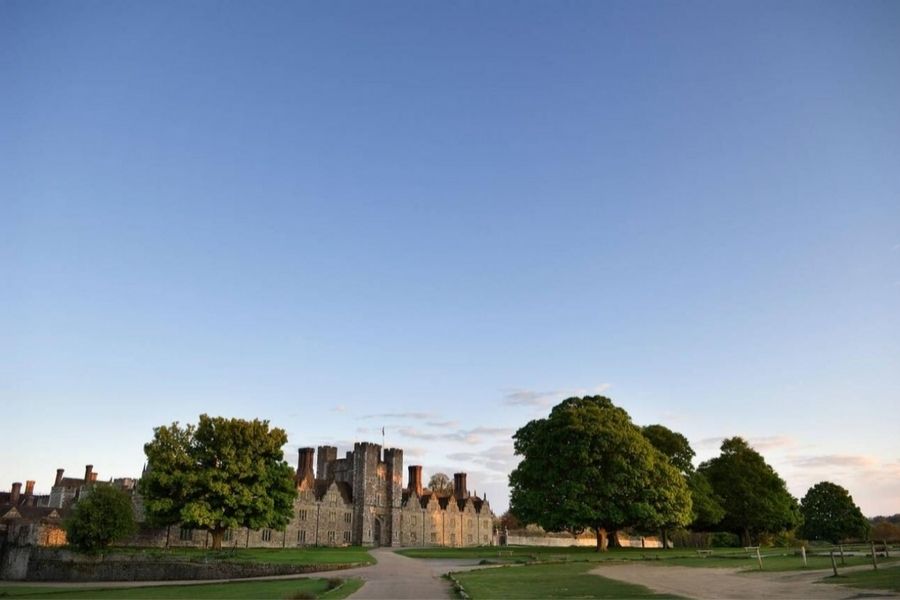
In spring, lots of these gardens host plant fairs, where you might stumble on rare bulbs or heritage plants you won’t find anywhere else. To me, Kent’s gardens are a living link to centuries of gardening tradition—and to the fascinating stories of the people who shaped them.
