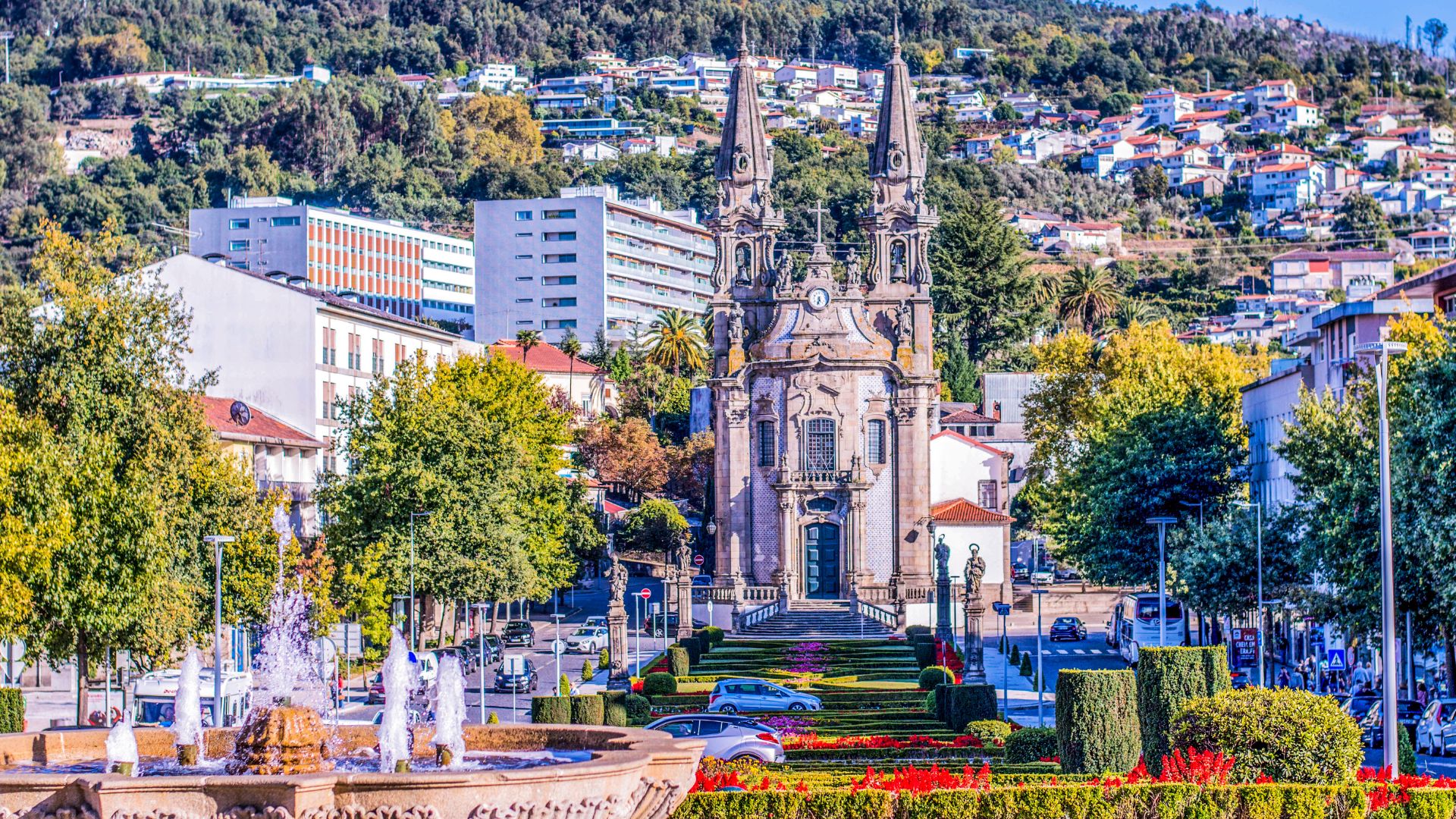
Every time I go back to northern Portugal, Minho manages to surprise me all over again. Sometimes it’s the pastel blossoms in spring, other times the wild summer romarias, or maybe those golden autumn vines—there’s always a new reason to love this place.
Honestly, Minho shines brightest when spring flowers explode across the landscape, summer festivals fill the town squares with laughter, and the vineyards start glowing orange and red as autumn rolls in.
I love wandering through lush valleys or just getting lost in the historic streets of Braga. Minho’s charm and traditions pull me in every time.
Spring means wildflowers everywhere and warm days that beg for a hike. By summer, the whole region goes into party mode with music, parades, and local food around every corner. The coast, meanwhile, offers breezy escapes and endless Atlantic views.
When autumn cools things down, the hillsides turn into a patchwork of color. Wineries open their doors, inviting you to taste fresh Vinho Verde and take in the scenery.
No matter the season, Minho has a new side to show off. Whether you’re after scenic walks, festivals, or just a glass of wine as the sun sets over the hills, you’ll find something here that sticks with you.
Spring in Minho: A Burst of Blooms and Heritage
Spring in Minho smells like fresh flowers and feels like a celebration of everything old and good. The landscapes, ancient towns, and seasonal foods all come alive in ways that always catch me off guard.
Blossoming Countrysides and Historic Towns
Once spring hits, the hills and valleys in Minho explode with color. Wildflowers pop up everywhere—fields near Ponte de Lima go yellow and purple, and the old stone villages around Guimarães get a fresh green coat.
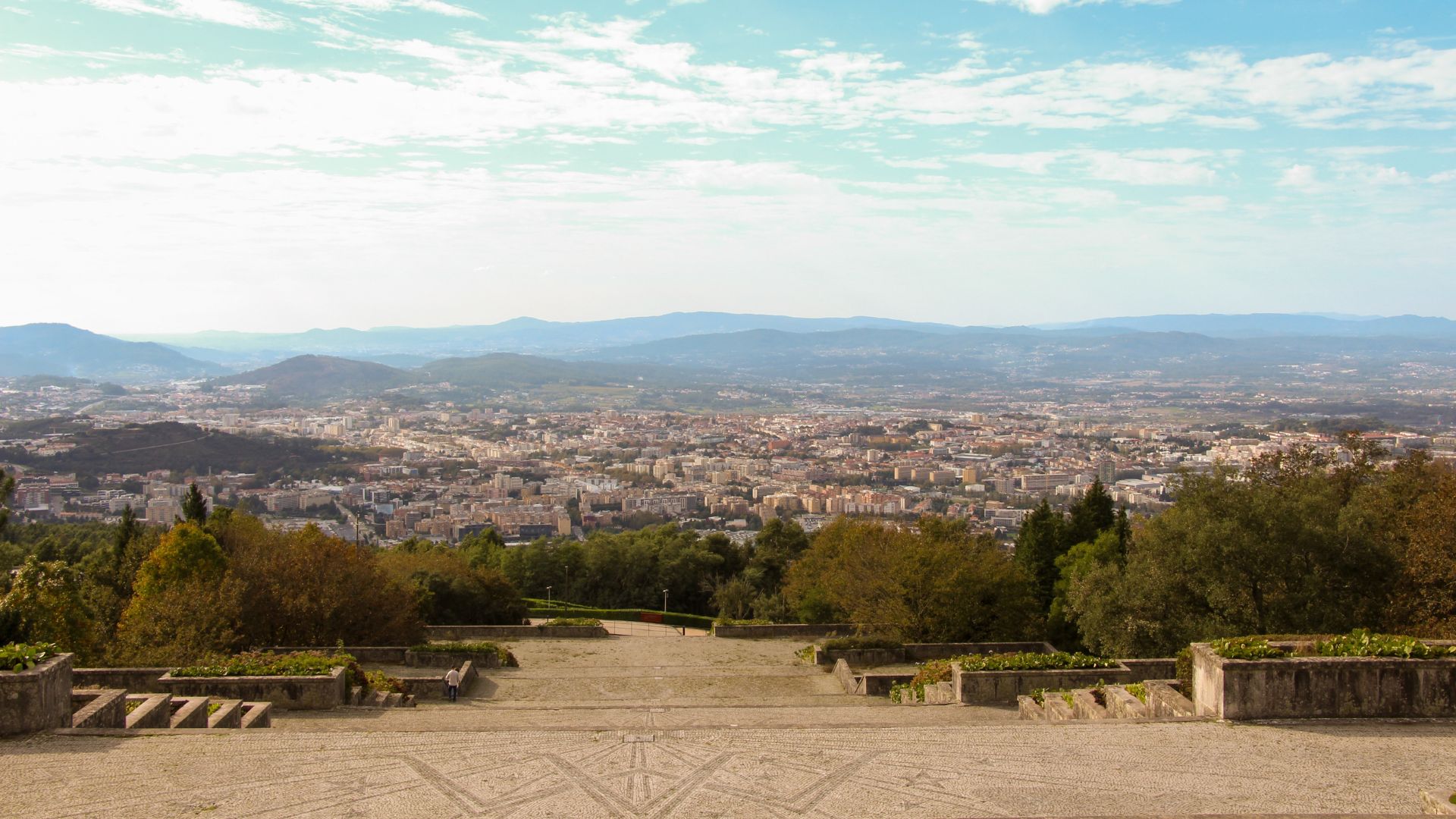
When I walk through Braga, especially near Praça da República, I notice the gardens bursting to life. The Bom Jesus do Monte steps look like something from a postcard, framed by camellias and azaleas.
I love how every corner mixes old stone, green parks, and flowers on balconies. It slows me down—I want to soak it all in.
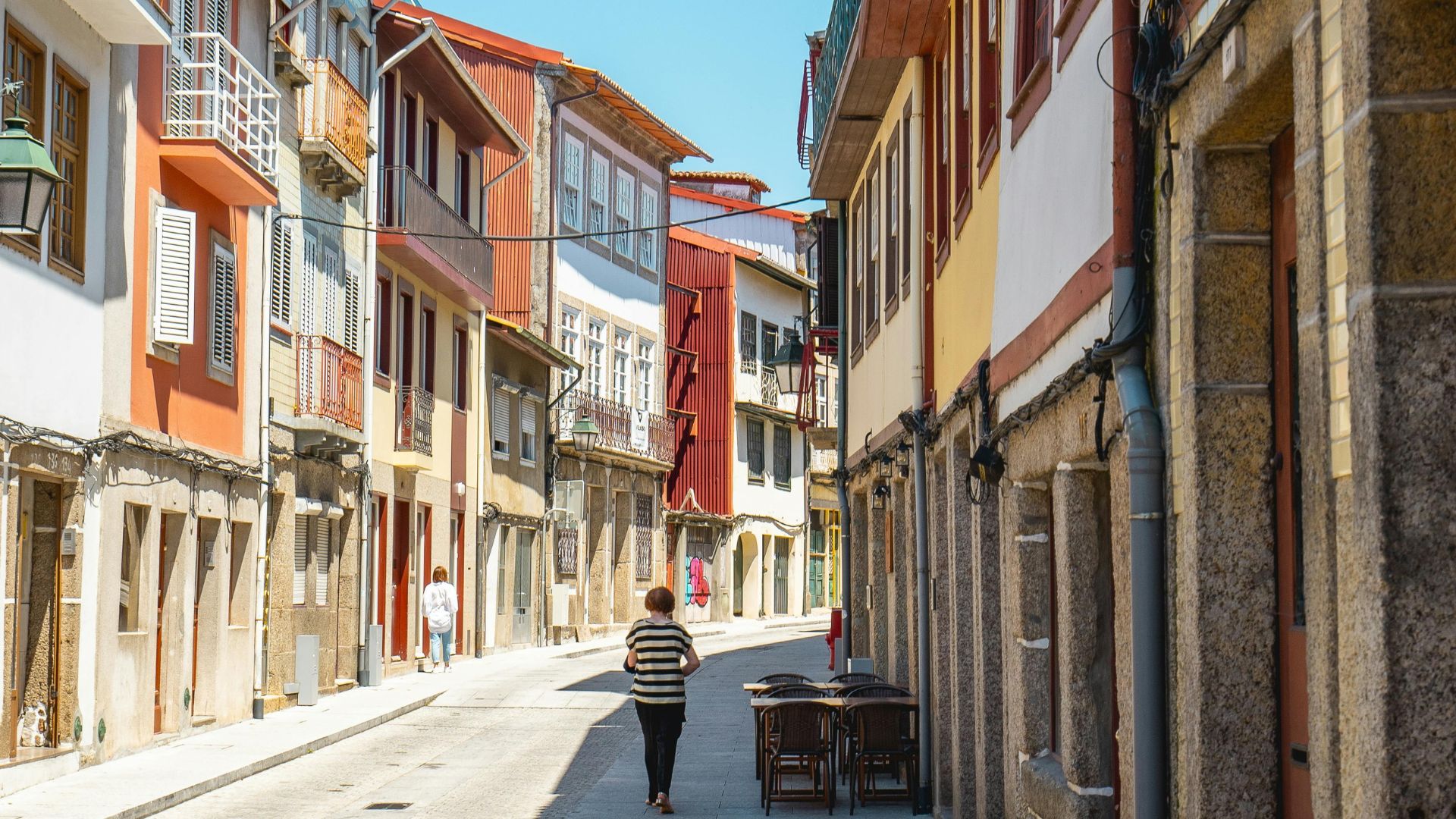
Exploring the medieval streets of Guimarães feels like stepping back in time. The air smells like wisteria, and places like the Museu de Alberto Sampaio seem extra magical when the spring light hits just right.
Exploring Minho’s Gardens and Parks
Spring is when Minho’s gardens and parks really show off. I often start my day at the gardens near Braga Cathedral. Old trees, bright flowerbeds, and winding paths make the busy city melt away for a while.
The gardens at Bom Jesus do Monte are a favorite. I find quiet corners to sit and listen to the birds. After a spring rain, everything looks brighter, and the views stretch across the valleys.
Ponte de Lima’s riverside parks call for slow walks under cherry blossoms and oaks. Locals hang out on benches, chatting or reading, surrounded by a mess of spring flowers. The Lima River mirrors the pink and purple blooms, and even a regular stroll feels special.
Traditional Foods to Savor in Spring
Spring food in Minho is simple and fresh, just the way I like it. Markets in Braga and Guimarães pile up with greens, young onions, and beans. I can’t resist caldo verde—a basic kale soup that’s perfect with local bread.
Vinho Verde is everywhere this time of year. It’s a young, slightly sparkling wine, served cold and just right with cheese or light spring meals. When I visit a winery near Ponte de Lima, I watch the vines push out new leaves, already hinting at the next harvest.
My best spring meals usually happen in small restaurants. Eating grilled fish and salads made from just-picked herbs, right by Praça da República, is hard to beat. The food tastes extra fresh, and the views—often of old churches or squares—make every meal feel like a treat.
Summer Fiestas: Minho’s Romarias and Coastal Escapes
Summer in Minho is a riot of color, music, and sea breezes. I find myself bouncing between charming towns and sandy beaches, with rivers and the Atlantic always close by.
Vibrant Festivals and Cultural Traditions
Every summer, Minho’s towns and villages throw romarias—these wild religious festivals that sit at the heart of local life. In Viana do Castelo, music and dancing spill into the cobbled streets, with people in embroidered costumes and flower-filled parades.
The energy sweeps you up. Locals and travelers gather to watch folklore groups, snack on sweet pastries, and laugh together in markets lit by strings of lights. Street stalls sell hand-painted ceramics, wooden clogs, and festival ribbons. If you’re planning a Portugal road trip, timing it for these weekends gives you a real taste of Minho tradition.
In Esposende, river life and festival spirit mix together. Crowds line the River Cávado to watch colorful boats, and kids snack on sugary filhós cakes between games. Each saint’s day brings its own special twist.
Celestial Fireworks: Senhora da Agonia
August means one thing for me—heading to Viana do Castelo for Senhora da Agonia. This festival is famous all over Portugal and, honestly, it’s a summer highlight.
Women parade through the city in gold filigree jewelry and traditional dresses. Flower carpets cover the streets, and massive religious floats glide past cheering crowds. Drums echo everywhere, and families gather from all over.
When night falls, fireworks burst over the River Lima, lighting up the water and the faces in the crowd. The smell of grilled sardines and sweet rice cakes fills the air, turning the city into one big party.
Beaches, Surfing, and River Adventures
After the festivals, I always crave the coast and rivers of Costa Verde. Minho’s beaches—like Praia de Ofir and Praia da Apúlia near Esposende—are perfect for lazy afternoons after a night of dancing.
The Atlantic brings great surfing, especially in summer. Surf schools pop up everywhere, and I love watching beginners take on their first waves. On the rivers, kayaks glide quietly along the Cávado and Lima. Some days, I just want to swim in the gentle river shallows or poke around for tiny crabs in the rocks.
The mix of party energy and natural beauty makes Minho a fantastic summer escape. Whether I’m dancing in a romaria or floating in blue water, every moment feels like something I’ll remember.
Autumn Vineyard Hues: Wine Country and Harvest Magic
When autumn hits, Minho’s hills turn gold and the air fills with the earthy smell of grape harvests. The vineyards come alive, and the whole region buzzes with wine tasting, scenic walks, and harvest festivals.
Vinho Verde Trails and Tasting Experiences
I look forward to walking the Vinho Verde trails every autumn. The vines around Monção, Melgaço, and Valença do Minho shift to gold and rust, and the crisp air makes every walk feel a bit magical.
Winemakers open their doors for tastings of that year’s vinho verde—light, a bit fizzy, and always refreshing. I get to chat with the folks who make it, and they’re happy to answer questions or just let you linger over a glass. Some vineyards offer guided walks and talks about how the wine is made, with sweeping views over the River Minho.
A few estates serve snacks with the wine—think tangy cheese or slices of smoked sausage. It’s the perfect way to taste what Minho is all about, with vineyards glowing in the background.
Harvest Season Festivals and Gastronomy
As the grapes ripen, villages across Minho throw harvest festivals. In places like Monção and Melgaço, I’ve watched grape picking and even helped press grapes the old way—barefoot, of course. There’s music everywhere, and everyone seems to be in a good mood.
I can’t resist sarrabulho, a rich pork stew that pairs perfectly with the zing of vinho verde. These meals usually happen at long tables, with locals and visitors sharing stories and laughter. The sense of community and the hearty food make it all feel special.
Outside the vineyards, food stalls serve grilled sardines, roast chestnuts, and fresh bread. Everything tastes better in the cool autumn air, especially with a glass of wine straight from the cellar.
Vineyard Views and Scenic Drives
Autumn turns Minho into a painter’s paradise. I’ll jump in the car and drive along the Douro Valley or follow the River Minho, stopping at viewpoints whenever the mood strikes.
Small, family-run vineyards with hand-painted signs are my favorite stops. I step out with my camera to catch the mist on the river or sunlight hitting the vines. The roads between Valença do Minho and Melgaço are especially beautiful late in the day, when the hillsides glow in the warm light.
Sometimes, I just find a quiet café, order a glass of green wine, and watch the world drift by. The slow pace and sweeping views make autumn in Minho feel extra peaceful.
Unforgettable Outdoor Adventures in Minho
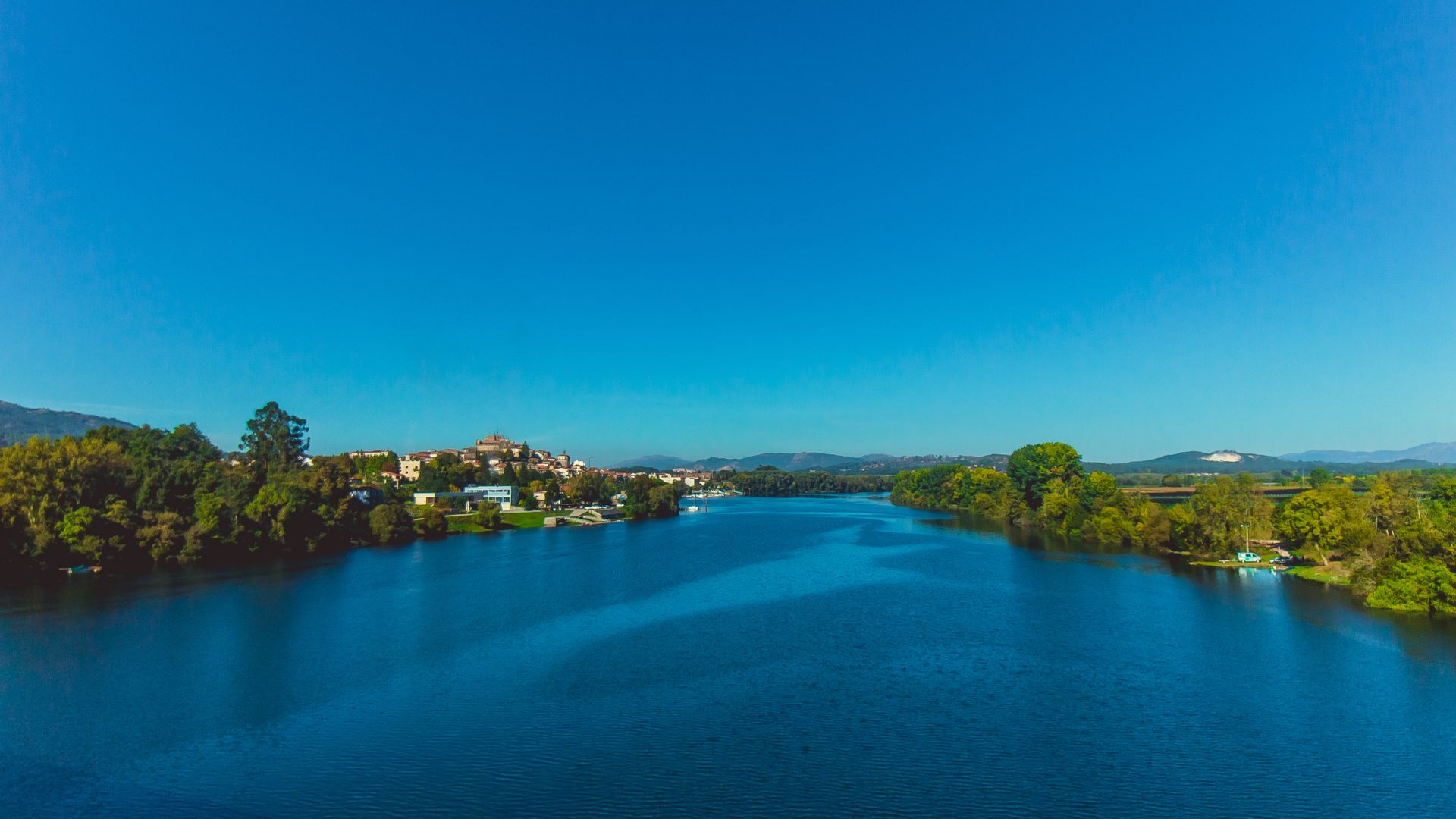
Minho’s countryside feels like a hidden playground for anyone who loves being outside. Its national parks, winding trails, and sleepy stone villages always leave me wanting to stay longer.
Peneda-Gerês National Park: Hiking and Wildlife
Whenever I need a nature fix, Peneda-Gerês National Park is my go-to. It stretches across the border with Spain and, fun fact, it’s Portugal’s only national park. That makes it a special place for locals and curious travelers alike.
Every visit feels different. Sometimes I’m hiking steep mountain paths near Amarela, other times I’m following shaded trails in Gerês.
Wildlife thrives here. If I’m patient, I might spot wild Garrano ponies, eagles soaring overhead, or even a shy roe deer in the early morning. The park has marked hiking routes for everyone—from easy riverside walks near Terras de Bouro to tough climbs that reward me with valley views.
Protected areas keep the air fresh, and the waterfalls—especially near Soajo—are perfect for a quick dip when summer gets hot.
Hidden Villages and Panoramic Routes
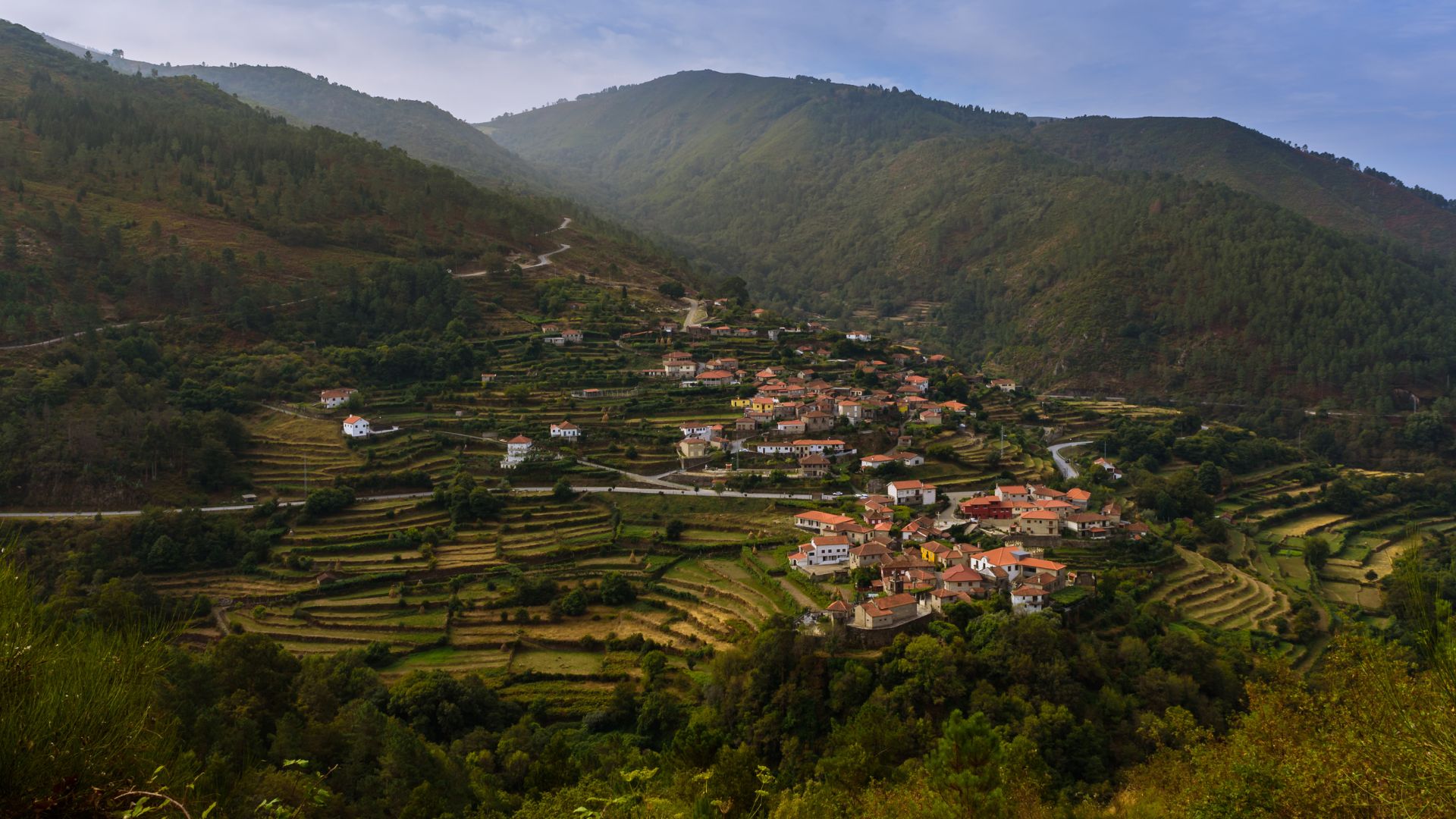
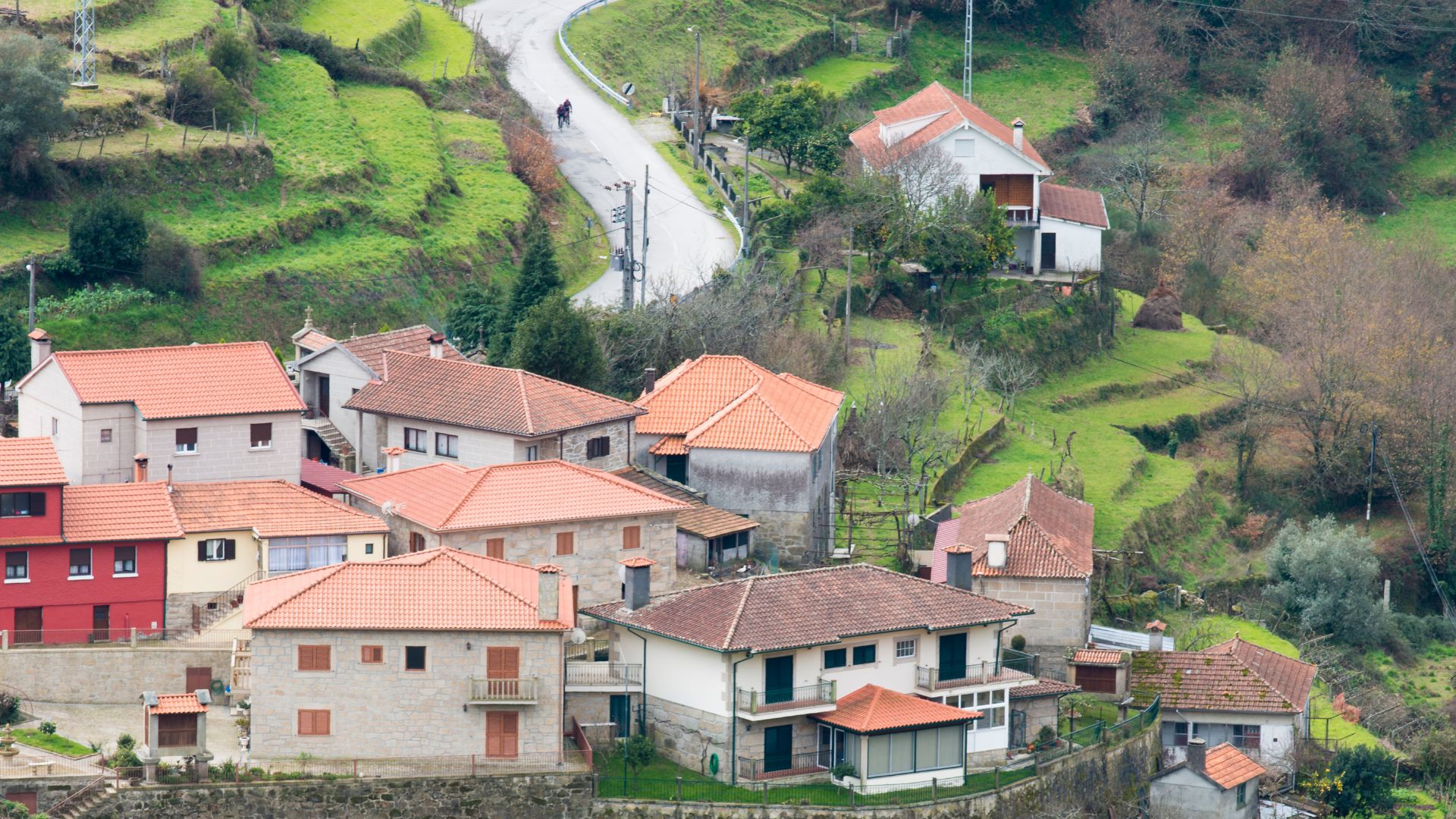
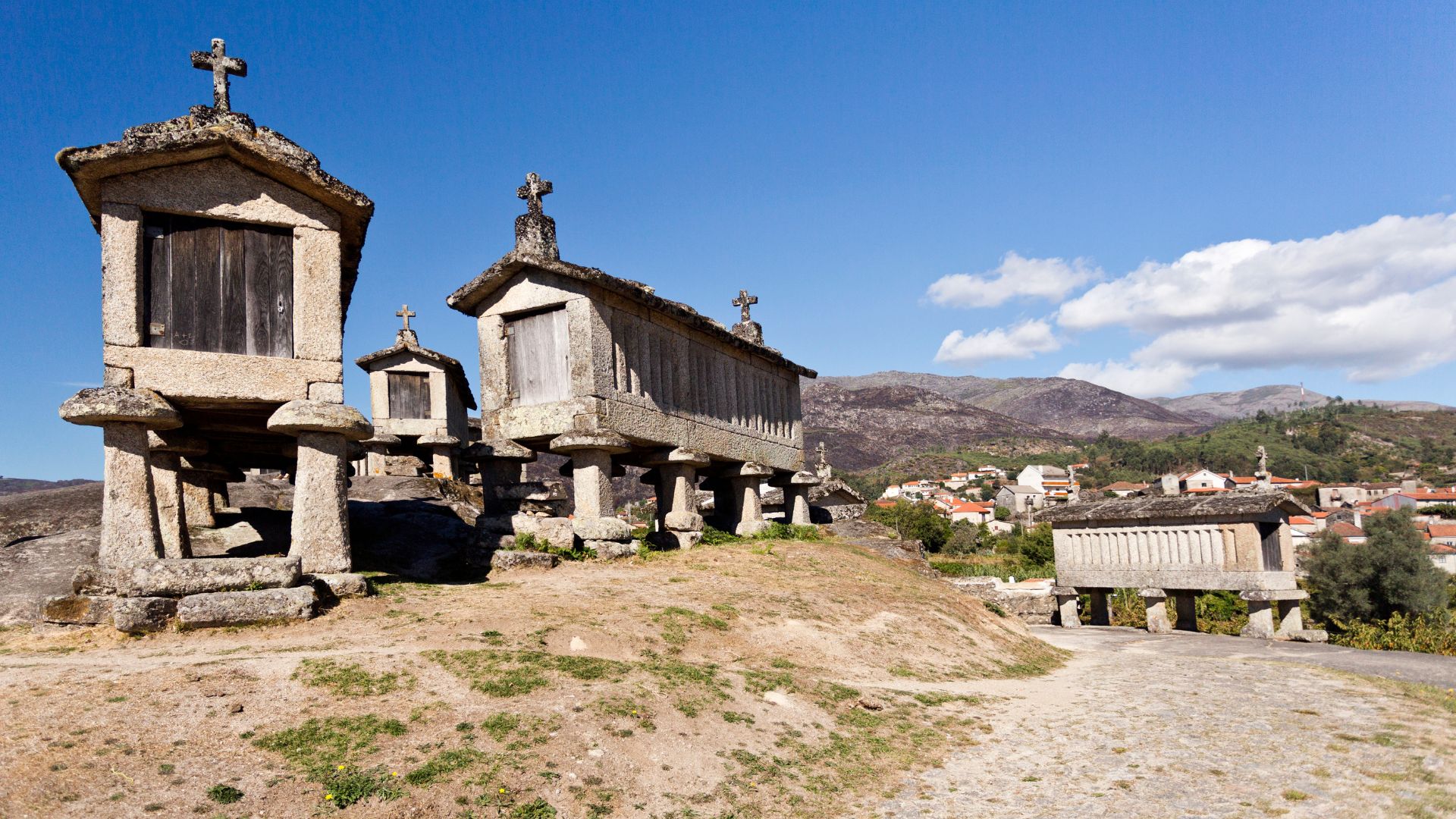
Wandering through the villages tucked in the hills always feels like finding a secret. Soajo, with its granite espigueiros and winding lanes, takes me back in time. Terras de Bouro is another favorite—locals wave from tiny doorways, and everything slows down.
For the best views, I follow the roads along the Lima or into the Amarela mountains. The scenery is jaw-dropping, especially in autumn when vineyards turn gold and red. These backroads lead me to quiet spots far from the crowds, where I can soak in Minho’s wild beauty at my own pace.
Quick tips:
- Wear sturdy shoes—the ground can be rough.
- Village cafés serve simple, tasty meals, just right after a hike.
- Weather in the hills changes fast, so I always keep a light jacket handy.
City Lights and Timeless Charm: Urban Minho’s Best Kept Secrets
I’ve wandered Minho’s winding streets and found cities that just glow with this quiet kind of magic. From ancient churches to lively plazas, the city lights and local legends really fill the air with character.
Exploring these urban gems always gives me a fresh perspective on Portugal’s north.
Braga: Spiritual Heart of Minho
Braga feels like a living timeline. In spring, wisteria spills down from balconies around the old cathedral and fills the air with a sweet scent.
People know the city for the Bom Jesus do Monte sanctuary. I always think it’s worth climbing the zigzagging staircase at dawn—there’s this mix of fog, city lights, and the sound of early church bells that just sticks with me.
When I walk through Braga’s historic center, I tend to lose myself in the narrow streets lined with tiled houses and busy cafes. Street markets pop up throughout the year.
But honestly, I love coming here in summer during the local romarias—a wild blend of festival, food, and centuries-old tradition.
The train from Porto drops me right in the heart of Braga. From there, I can easily explore nearby towns like Barcelos (that painted cockerel is everywhere) or even hop on a ride south to Coimbra.
Don’t skip the local chocolate factory; the aromas alone will pull you right in.
- Must-sees:
- Bom Jesus do Monte
- Braga Cathedral
- Garden of Santa Barbara
- Local markets (especially Saturdays)
Guimarães: The Birthplace of Portugal
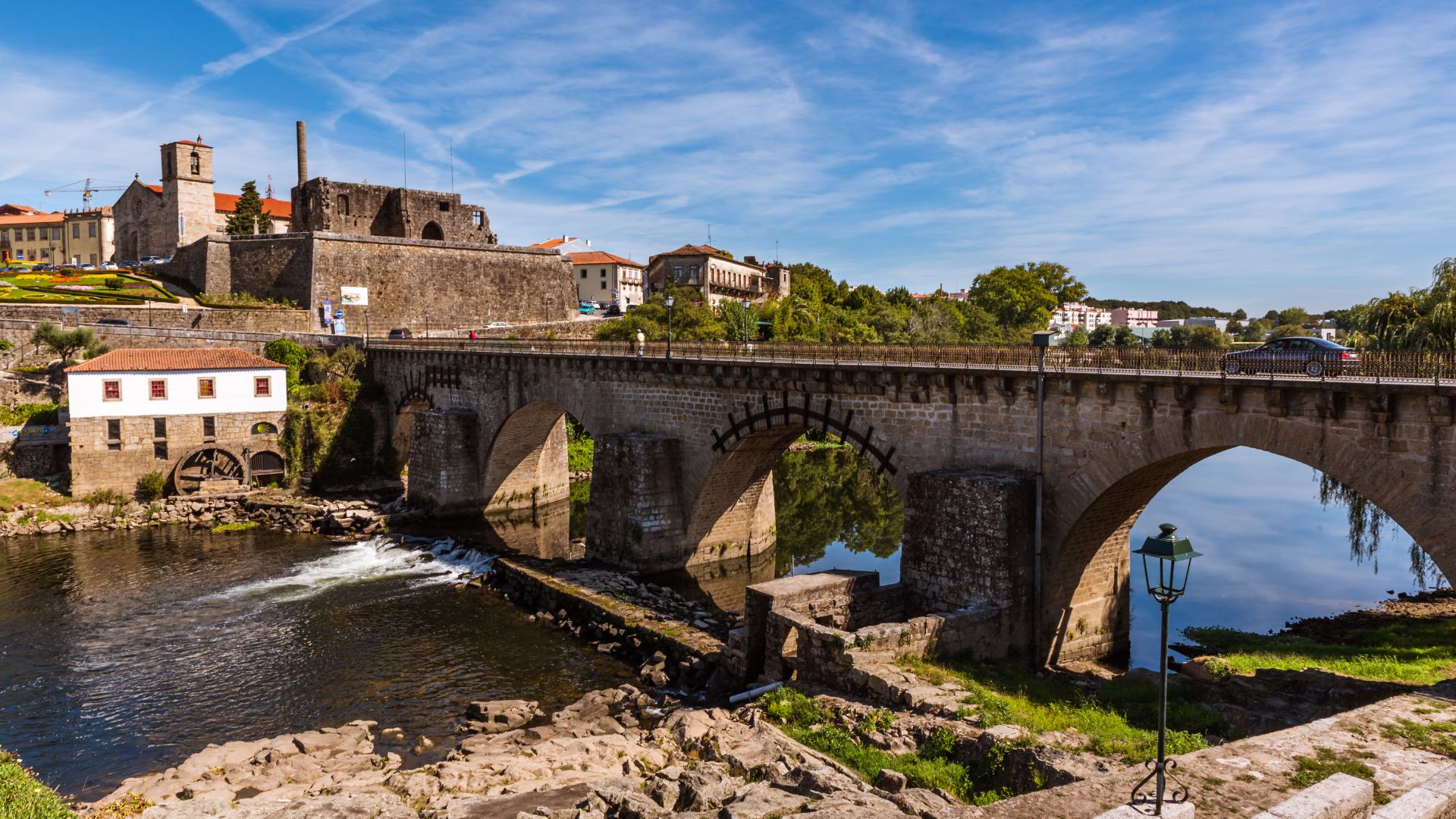
Whenever I step into Guimarães, I can’t help but feel the weight of its history. The city center, a UNESCO World Heritage site, greets you with cobbled squares, stone archways, and old medieval walls.
At night, golden lights spill over the façades. Everything seems to glow in a soft, inviting way that makes you want to linger.
Guimarães Castle marks the spot where Portugal’s first king was born. I love climbing those ancient ramparts just to watch the city lights flicker below.
Right nearby, you’ll spot the Palace of the Dukes of Braganza. It’s a grand old building, famous for its tall brick chimneys.
If you wander away from the main square, you’ll stumble across indie shops and artisan cafés. They’re tucked into houses that have stood for centuries.
Art and music often spill into public spaces, especially when summer festivals roll around. I always tell friends to stroll down Rua de Santa Maria if they want a blend of art galleries and local food.
You can hop on a frequent train to Braga, so seeing both cities in one day is totally doable.
- Places I always visit:
- Guimarães Castle
- Historic center plazas
- Palace of the Dukes
- Artisan chocolate shops