
Honestly, spring or autumn is hands down the best time for a Franconian Switzerland beer hike. When the weather turns mild and the hills burst with color, it all just clicks. In spring, I wander along scenic trails, hopping from one brewery to the next, surrounded by fresh greenery and blooming flowers. There’s this mix of energy and calm—plus, that first sip of cool beer after a walk? Worth it every time.
Autumn, though, brings its own magic. The hills light up with fall colors, and breweries roll out their special seasonal brews. Fewer hikers hit the paths, and the crisp air makes it easy to go the distance. If you want the real Franconian Switzerland vibe—stunning views, top-notch beer, and that fresh, invigorating air—these are the months to aim for.

Overview of the Franconian Switzerland Beer Hike
Franconian Switzerland sits up in northern Bavaria and has this reputation for scenic hiking trails and a crazy number of small breweries. While I wander the rolling hills, I stumble upon beer cellars, family-run breweries, and lively villages that feel like the heartbeat of this unique culture.
What Makes Franconian Switzerland Unique
Tucked within Franconia, Germany, the region charms with its half-timbered towns, limestone cliffs, and endless forests. Dramatic rocks and gentle hills set the scene for some of the best walks you’ll find.
You’ll find more than 300 breweries here—seriously, that’s one of the highest concentrations anywhere. Each tiny village seems to have its own beer style, often brewed according to the Reinheitsgebot, Germany’s famous purity law from 1516. I love how every brewery serves up something you just can’t get anywhere else.
Outdoor adventures and the area’s quirky charm draw travelers in. The blend of rural scenery, old-world architecture, and local beer traditions really sets Franconian Switzerland apart from the usual German hotspots.
History of Beer Hiking in the Region
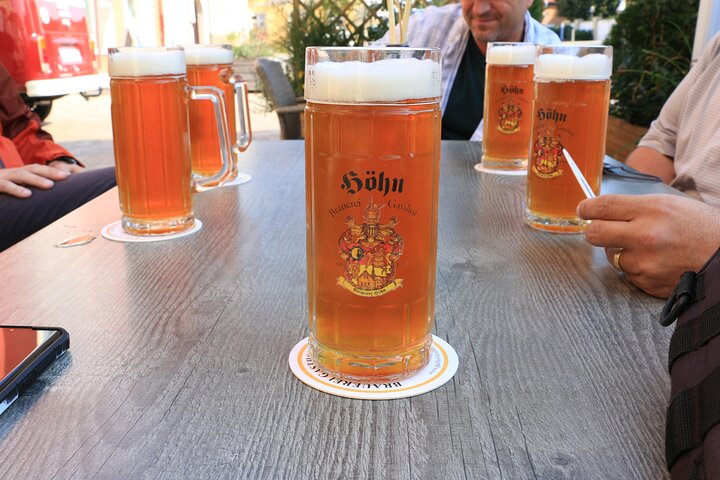
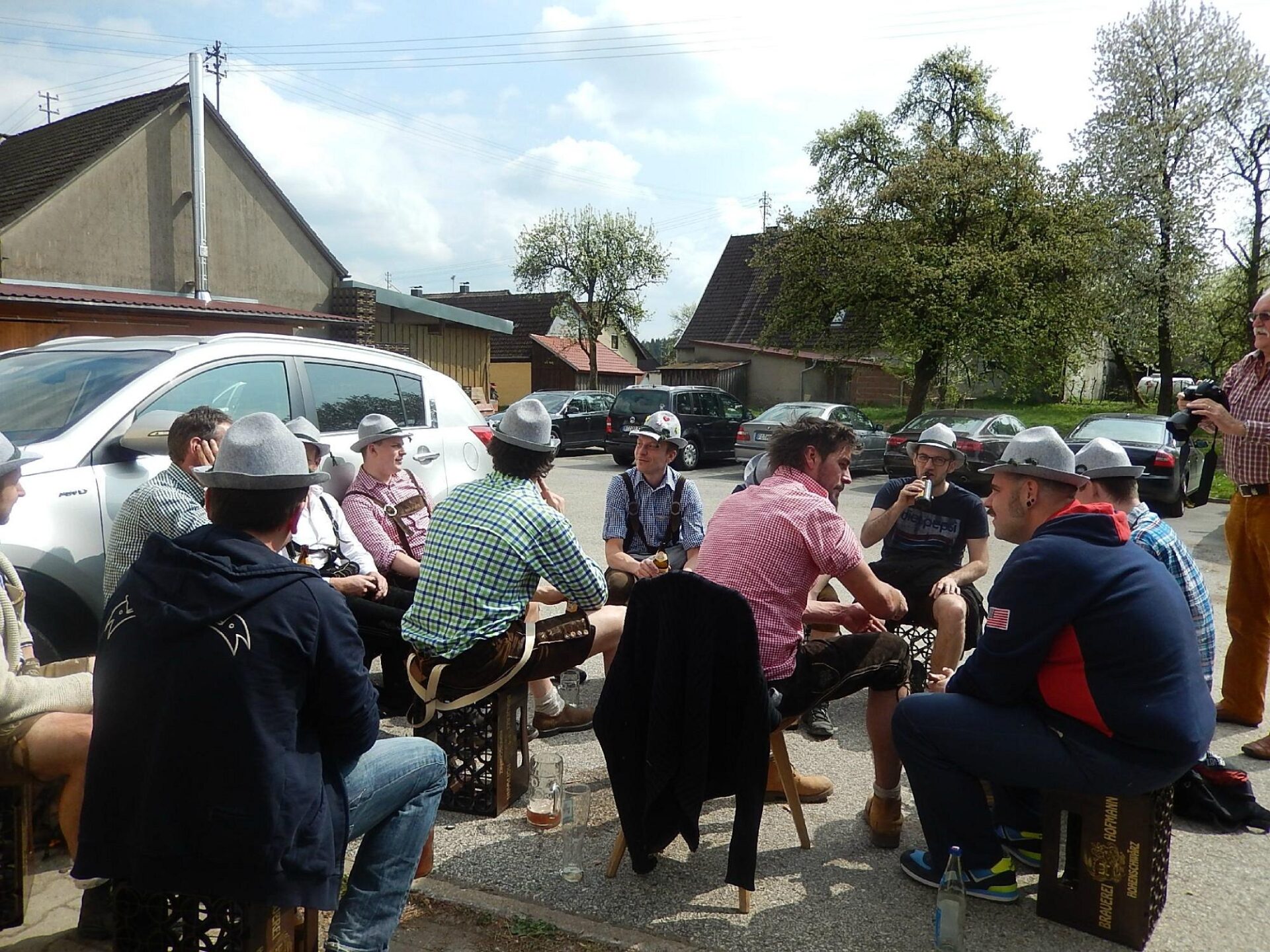
Locals actually started beer hiking as a practical tradition. Way before tourists caught on, people would walk from one village to another, stopping at inns and cellars to try different brews. These routes kept everyone refreshed and brought the communities together.
Trails like the Five-Seidla-Trail (Fünf-Seidla-Steig) have been around for ages. As more folks look for ways to mix exercise with local culture, these beer hikes have gotten a lot more popular. Now, organized routes connect several small breweries along paths that wind through the countryside.
The landscape and beer-making traditions haven’t changed much over the years. I always notice locals joining in, which keeps the spirit of the hikes alive.
Popular Beer Hiking Routes
There are plenty of beer hiking trails crisscrossing Franconian Switzerland, but a few really shine for variety and quality.
The Five-Seidla-Trail is probably the most famous. This well-marked path links five traditional breweries in the villages around Weissenohe and Gräfenberg. I get to walk through forests, meadows, and end up in friendly beer gardens.
Another favorite is the route from Tiefenellern to Strullendorf. It’s about 16 kilometers, with seven breweries along the way—each one with its own rustic inn or cellar. Most trails are planned so you can enjoy the hike and still have plenty of time for food and drink breaks.
Here’s a quick table I like to check when planning:
| Trail Name | Distance | Breweries Visited |
|---|---|---|
| Five-Seidla-Trail | 10 km | 5 |
| Tiefenellern Trail | 16 km | 7 |
Every route brings something different—new beers, new views, new stories. For me, spring and autumn always deliver the best weather and the prettiest scenery.

Spring Blossoms: Hiking Amidst Nature’s Awakening
Spring in Franconian Switzerland comes on fast. Suddenly, wildflowers pop up everywhere, the air feels brand new, and every hillside seems to open up with sweeping views. It’s a fantastic time for hiking and stopping by beer gardens tucked between castle ruins and winding trails.
Best Time to Experience Spring Blossoms
Mid-April to early June is when spring really shows off here. I’ve found that’s the sweet spot for a beer hike—temperatures are comfortable, and you can walk for hours without breaking a sweat.
Early April brings cherry blossoms and fresh greens to the lower valleys. By May, the higher trails open up as the last snow disappears. That’s when you can hop between shady paths and sunny viewpoints.
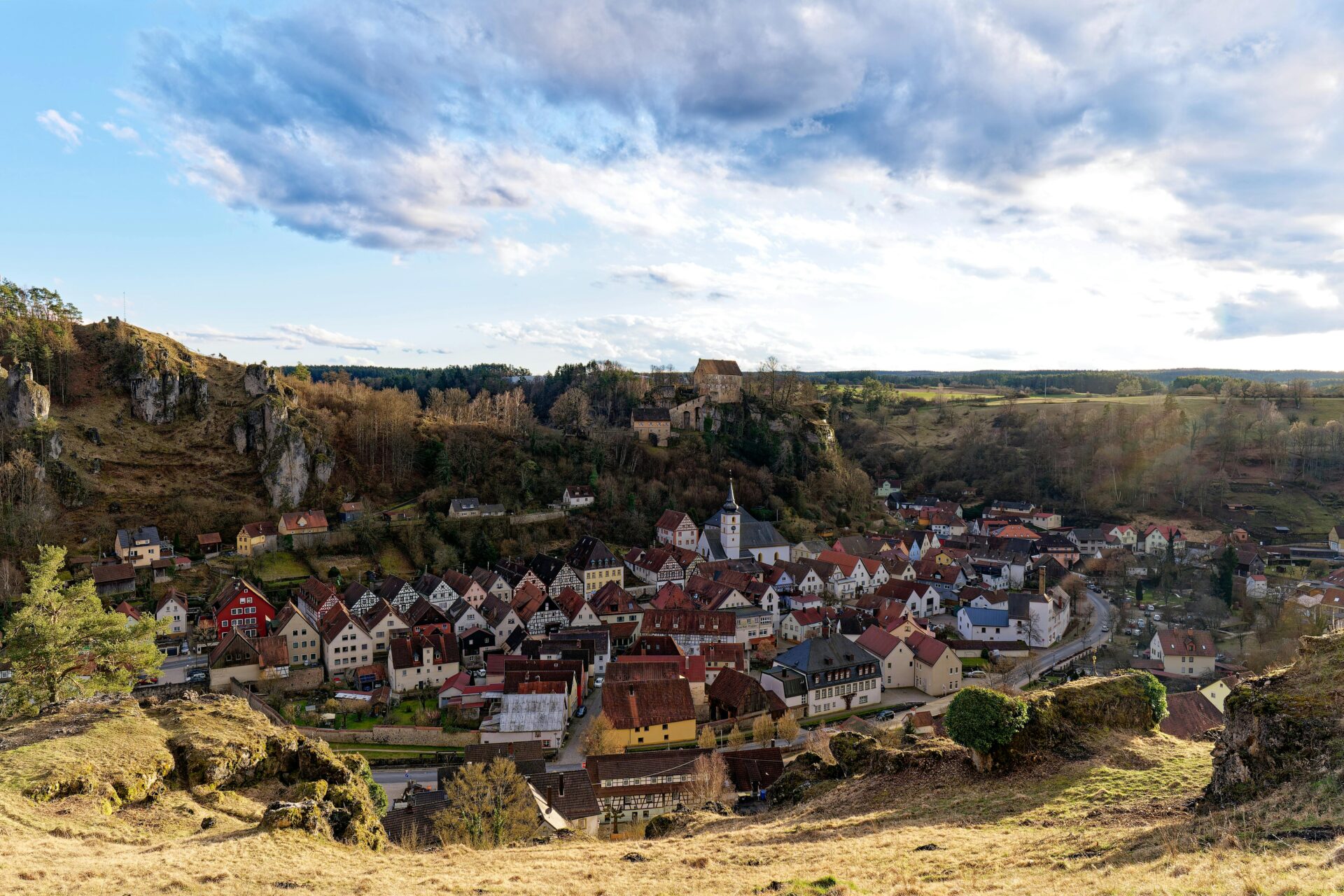
Wildflowers peak in May, lining every trail and brightening up the meadows. Panoramic spots near Gößweinstein or Pottenstein look especially stunning. Around this time, most biergarten and refreshment stops open their doors, welcoming hikers with cold beer and hearty Franconian snacks.
Wildflowers and Scenic Routes
Spring wildflowers are kind of a big deal here. Trails wind through fields of cowslips, primroses, and violets. The hills near Wiesenttal and around Waischenfeld burst with color.
Some routes worth checking out:
- The loop from Streitberg to Muggendorf, where meadows look like something out of a painting.
- Hikes near Tüchersfeld, where rock formations and wildflowers compete for your attention.
- The trail from Ebermannstadt to Burg Neideck, which throws in castle ruins and beer gardens for good measure.
Every path gives you sweeping views of valleys and cliffs. Plus, most trails pass by historical sites and small breweries, so you never have to choose between nature, history, or a good drink.
Spring Events and Festivals
Spring feels festive around here. In late April and May, villages host Frühlingsfeste (spring festivals) that bring together music, local food, and beers brewed just for the season.
A few events to keep on your radar:
- The Annafest in Forchheim sometimes kicks off in late spring, with open-air beer gardens that buzz with energy.
- Smaller Kirchweih festivals in nearby villages, where you can try special spring beers straight from the source.
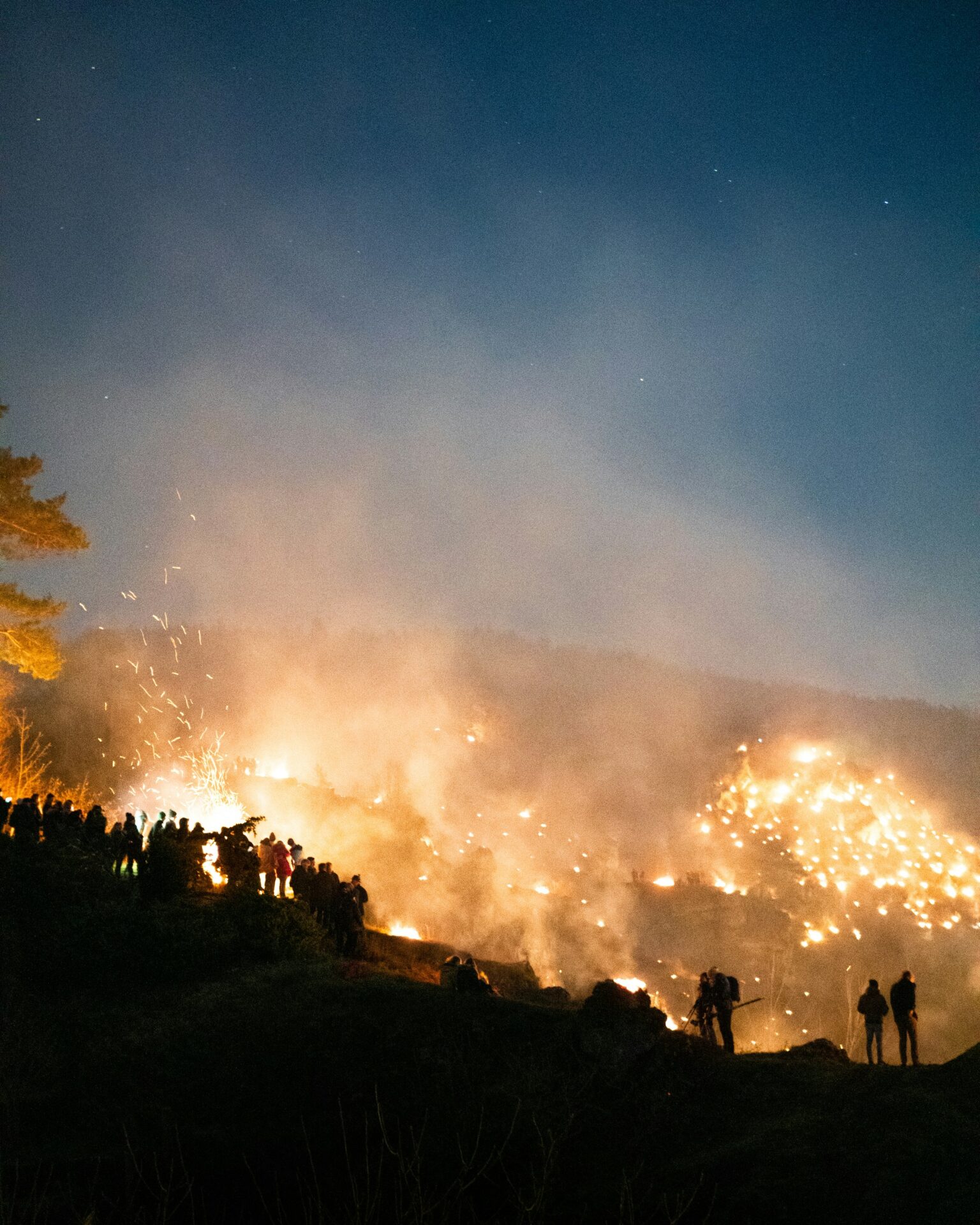
Many of these festivals happen right by hiking trails, so it’s easy to end your walk in a lively village square or a biergarten surrounded by blossoms.
Tips for a Memorable Spring Beer Hike
Start your hike early to catch the freshest air and quieter paths. Dress in layers—spring weather loves to keep you guessing.
Pack a reusable water bottle, a small map, and a camera for those wildflower fields and scenic overlooks.
Check when beer gardens and refreshment stops are open; some only serve on weekends or holidays in spring. Planning your breaks at a biergarten tucked among castle ruins really makes the day.
If you can, time your hike to coincide with a local festival. Those little extras turn a good outing into a great memory.
Autumn Brews: Savor the Best Seasonal Beers
Autumn might just be the best season for beer hikes here. Breweries roll out their malt-forward masterpieces, and the trails explode with gold and red. It’s the time when traditional brewing styles really shine, making every pit stop a treat.
Autumn Beer Traditions
In Franconian Switzerland, autumn signals the arrival of rich, malty brews. Fall kicks off Bockbier and Kellerbier season, and breweries start pouring their boldest, most flavorful beers. Perfect timing for a long hike, if you ask me.
Some classic styles to look for:
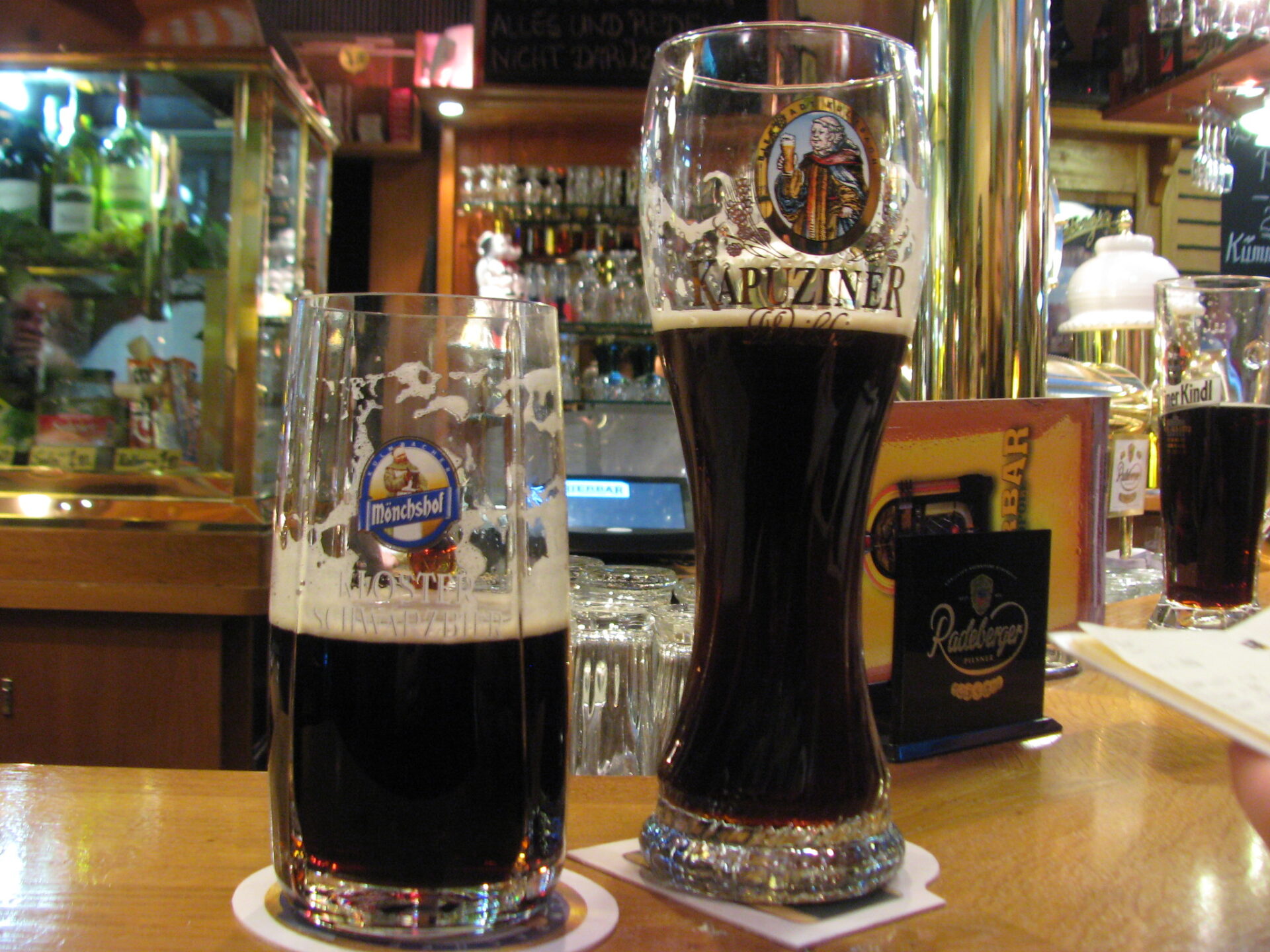
- Dunkel: Dark lager, full of caramel and bread notes.
- Vollbier: A Franconian favorite—full-bodied and malty.
- Kellerbier: Unfiltered, cloudy, and super smooth.
Sure, you’ll still find Pils and Weizen, but autumn is when Märzen and Festbier really hit the spot. Some places even get creative, adding their own twist to classic brews.
Brewery Recommendations for Autumn
A few breweries really stand out when autumn rolls around. I always like starting at Brauerei Greifenklau in Bamberg—their Vollbier goes perfectly with hearty fall food. Brauerei Hübner in Steinfeld pours a Kellerbier that’s just right after a hike.
Here are some more worth seeking out:
| Brewery | Must-Try Autumn Beer | Style |
|---|---|---|
| Brauerei Eichhorn | Dunkel | Dark Lager |
| Brauerei Neder Forchheim | Festbier | Märzen |
| Roppelt Keller | Kellerbier | Unfiltered |
You won’t see much pumpkin beer around here. Instead, most breweries focus on Märzen and richer versions of Pilsner or Weizen. Hefeweizen is still on tap for those who prefer something light and fruity.
Scenic Colors Along the Trails
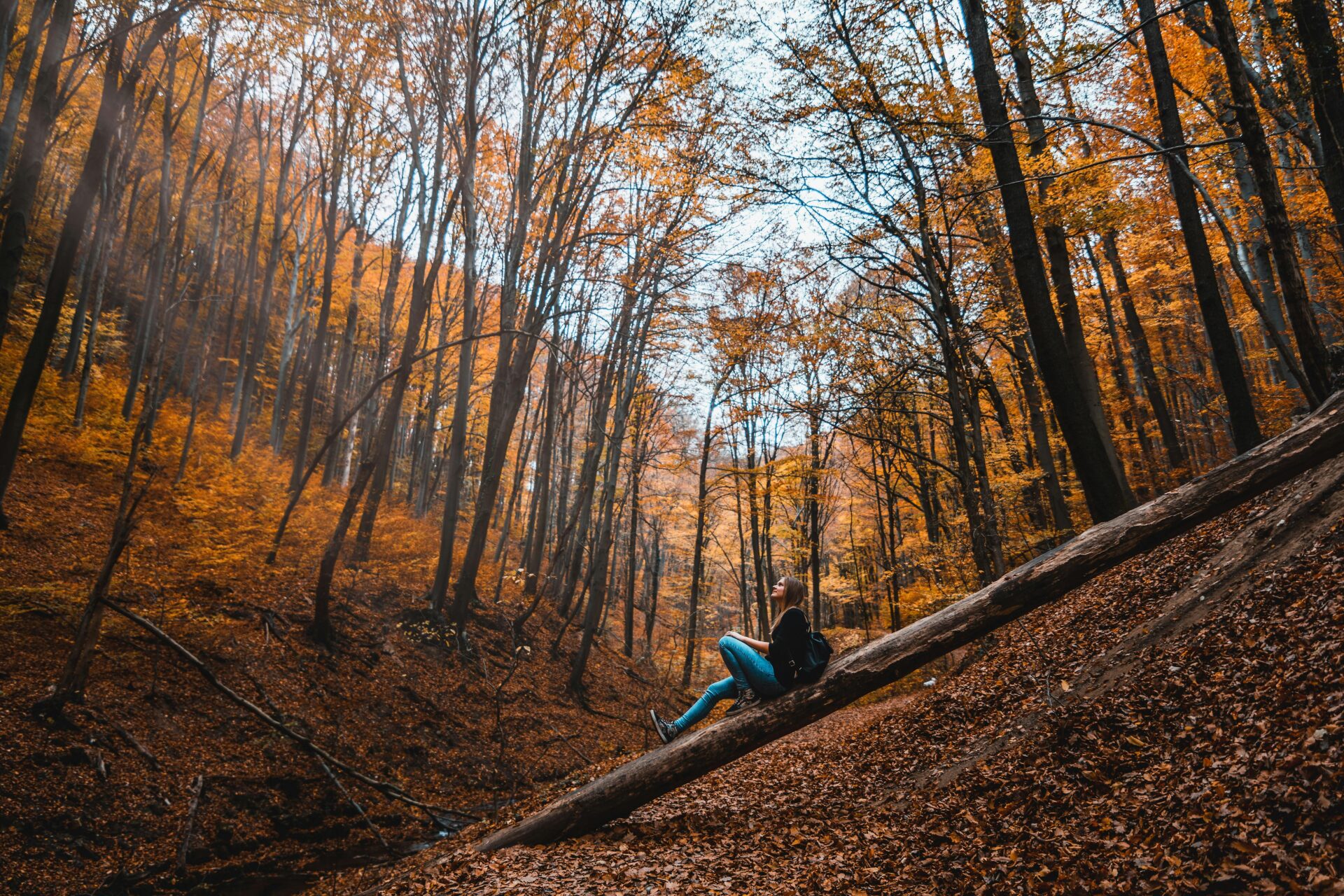
By late September, the trails glow with gold and red. Maples, beeches, and oaks line the way, so every walk between brewery stops feels like a highlight.
Some hikes, like the one from Pottenstein to Spezial-Keller, offer sweeping views over valleys filled with fall color. There’s nothing like sipping a dark lager while you watch the hills light up in the afternoon sun.
I like to plan my hikes for late afternoon, just to catch that golden light filtering through the leaves. It’s the kind of moment that makes you want to linger a little longer.
Must-Visit Breweries and Refreshment Stops
Franconian Switzerland packs in some of Germany’s oldest breweries, cozy beer gardens, and cool cellars. Many spots along the trails serve up unique beers you just can’t find anywhere else.
Traditional Breweries Along the Trails
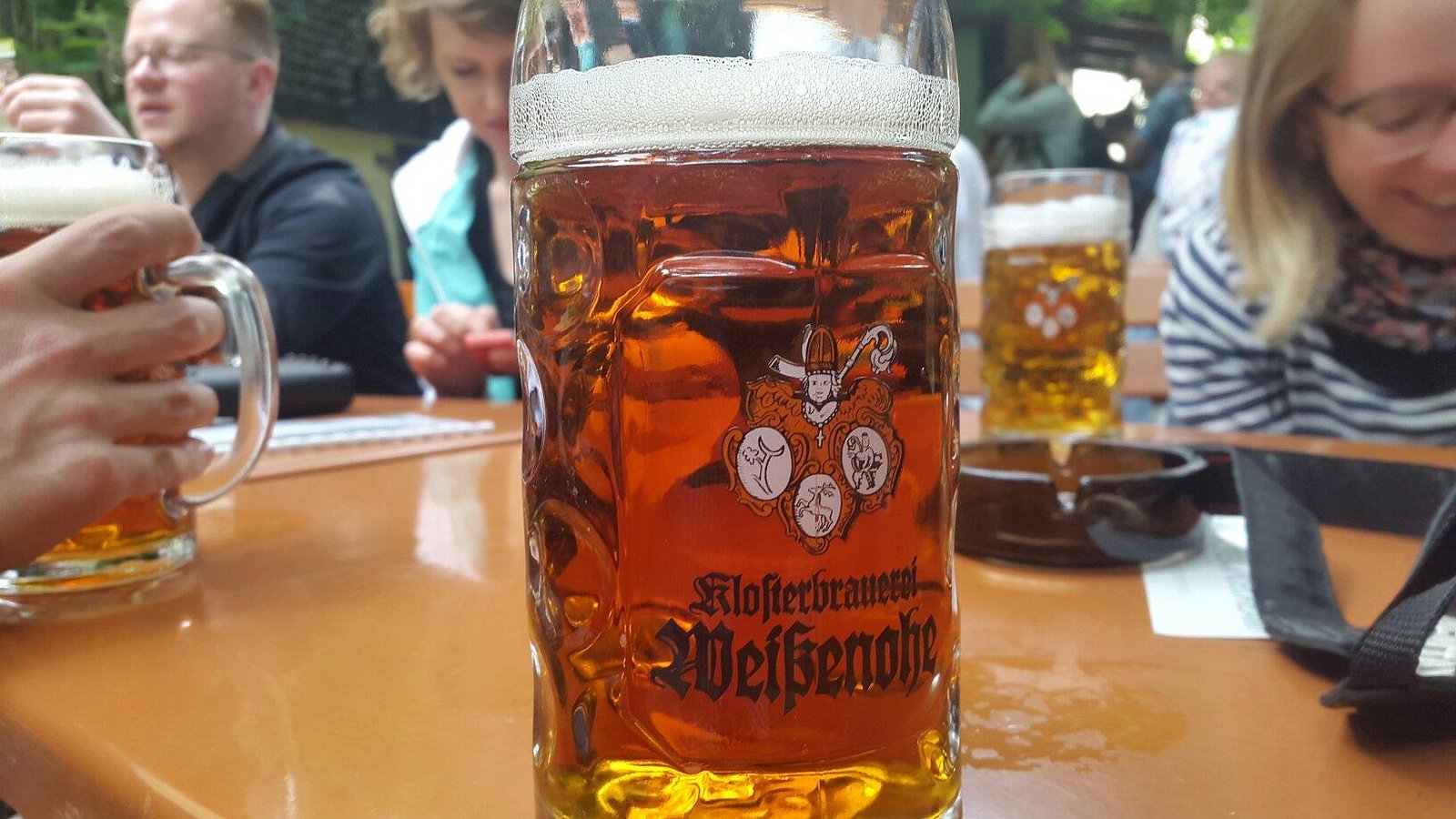
Whenever I hike here, I try to hit a few favorites. Klosterbrauerei Weißenohe is a must for its monastic brewing roots and killer lagers and bocks.
Further along, Lindenbräu Gräfenberg always draws me in with its Vollbier and festive seasonals. In Thuisbrunn, Thuisbrunner Elch-Bräu stands out for its unfiltered, cellar-fresh beers. These breweries stick to traditional methods, and each one has its own specialties.
I also like stopping at Brauerei Hofmann and Brauerei Friedmann—the variety and local vibe never disappoint. Most places welcome hikers, and there’s always a friendly atmosphere that makes you want to stay for another round.
Beer Gardens and Cellars
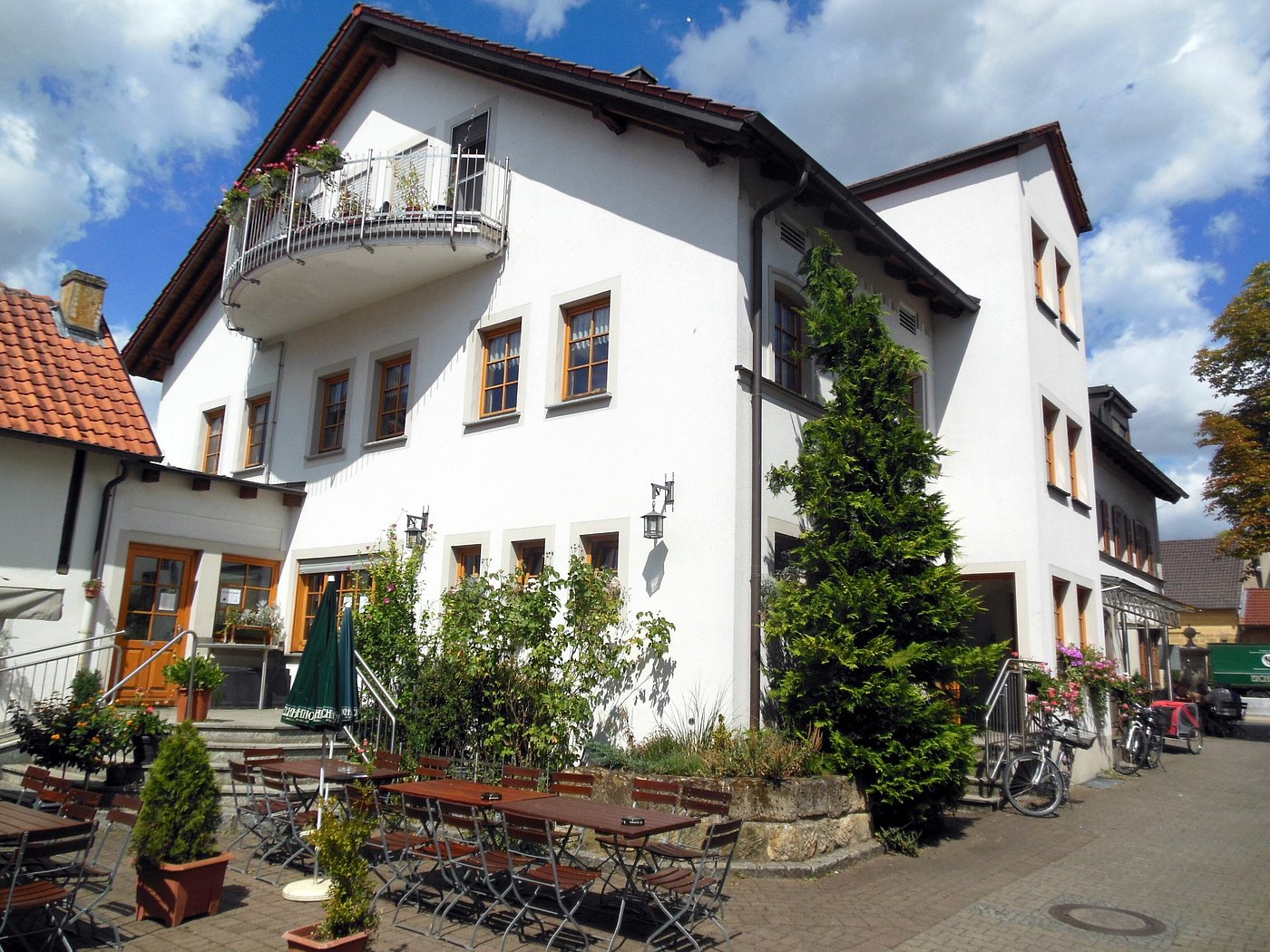
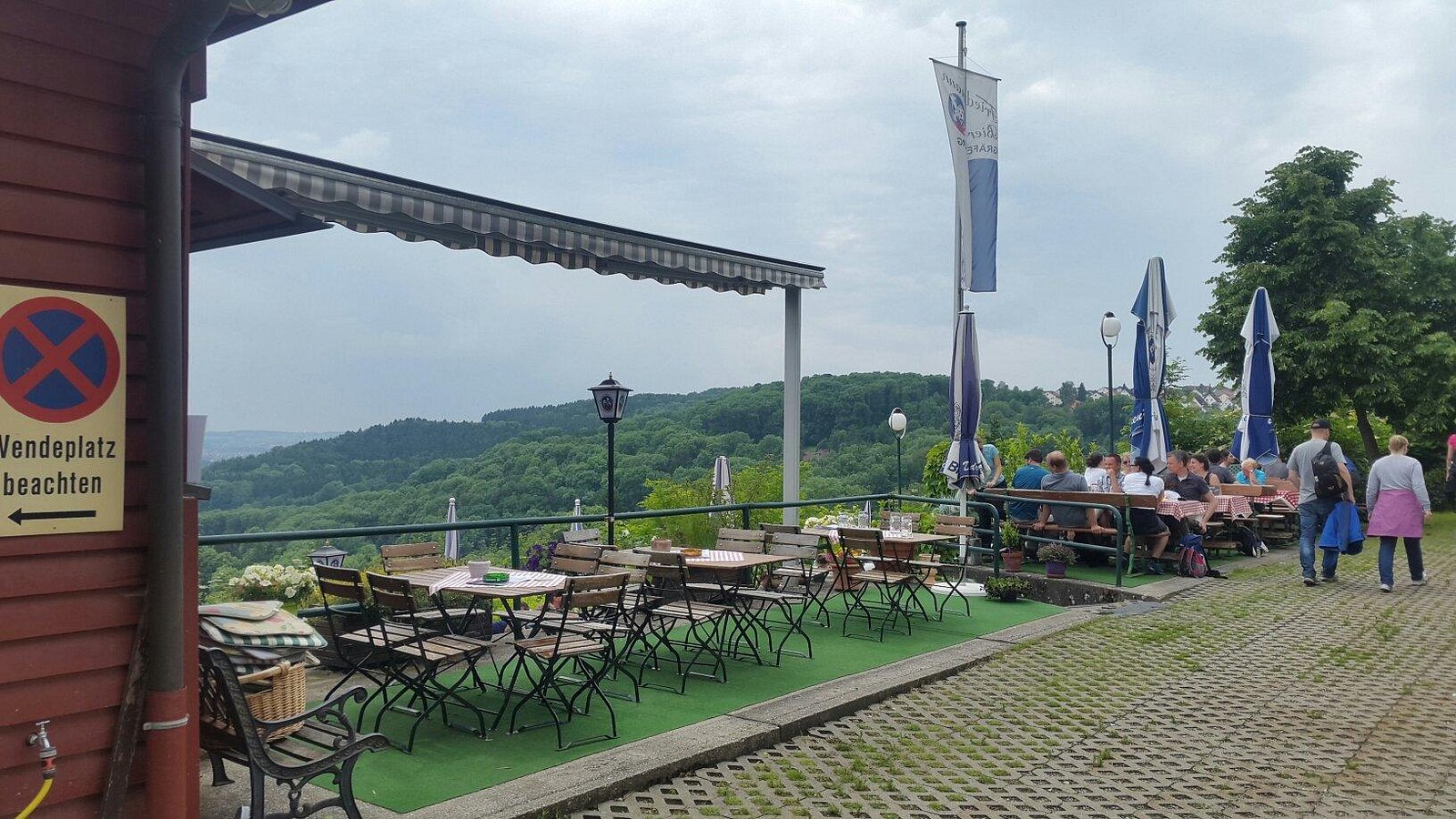
Trails wind past plenty of inviting beer gardens and cellars. The upper biergarten at Brauerei Friedmann is one of my favorites, with its sweeping view over the countryside. Shady chestnut trees and wooden tables make it the perfect spot to relax after a good walk.
When the weather’s nice, outdoor seating fills up fast, especially on weekends. Some beer cellars—locals call them “Keller”—are dug right into the hillsides, keeping things cool even on hot days.
A quick tip: smaller breweries sometimes open their cellars only on certain dates. I always check the hours before planning my hike around them.
Local Specialties and Franconian Cuisine
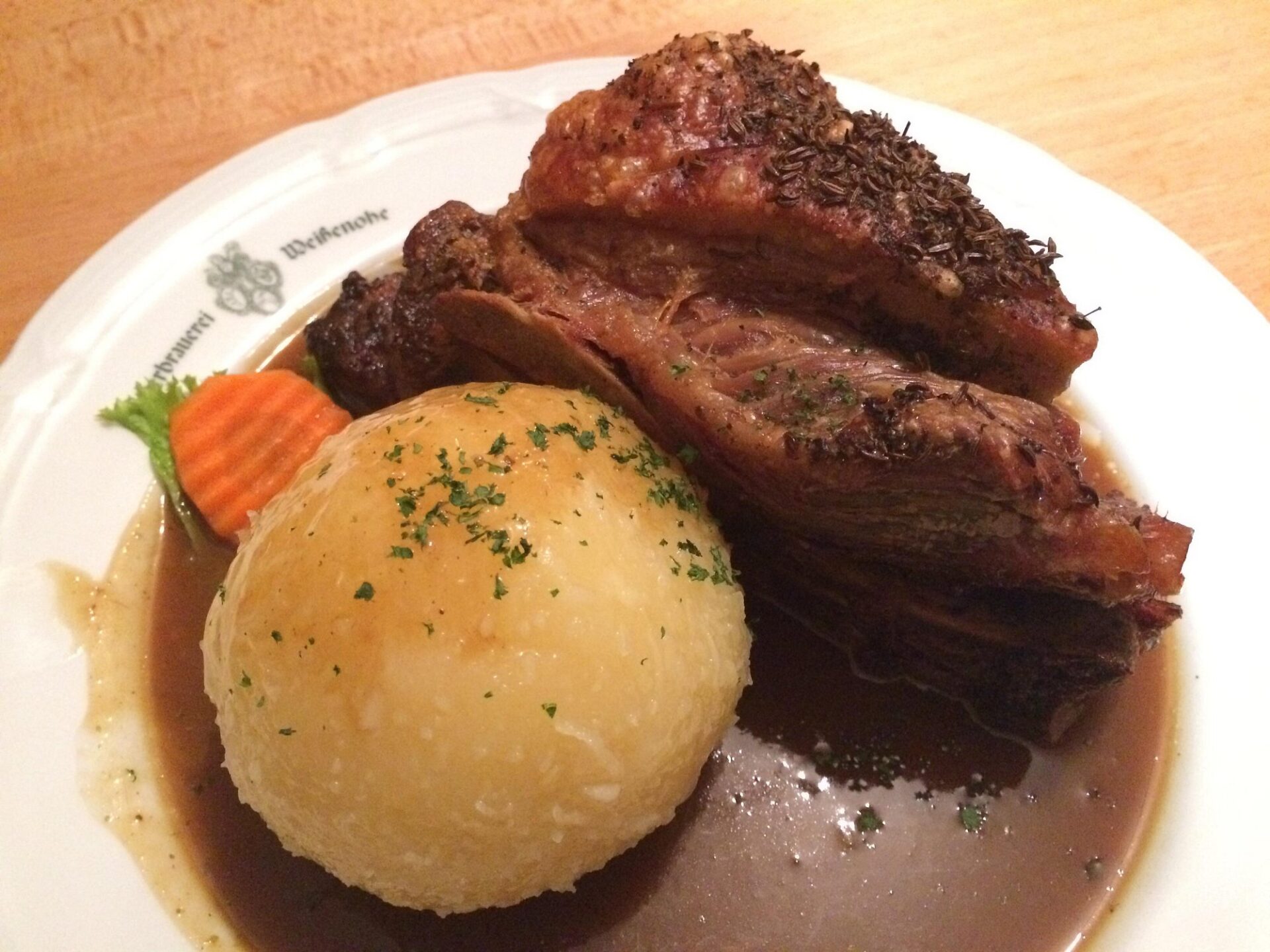
Honestly, trying traditional Franconian food is almost as essential as sampling the beer. The menus? They’re packed with Schäuferla—that’s roast pork shoulder—freshly baked pretzels, and those hearty sausages you can’t really find outside Bavaria.
When spring rolls around, I keep my eyes peeled for dishes with wild garlic or asparagus. There’s something about those fresh, seasonal flavors that just feels right after a long walk.
You’ll find most beer gardens and breweries serving up Obatzda, a spiced cheese spread that’s ridiculously addictive, and Brotzeit platters loaded with local bread, cheese, cold cuts, and pickles. It’s not fancy, but the flavors are honest and bold, really letting local products shine.
Sometimes, if I’m feeling a little indulgent, I’ll grab a slice of regional cake or whatever seasonal treat the local bakery has brought over to the beer garden. The focus always seems to land on fresh, homemade food, and the portions? Well, they’re definitely made for hungry hikers.
Planning Your Beer Hike: Practical Information
Getting ready for a beer hike in Franconian Switzerland isn’t just about lacing up your boots. I always start by picking a good starting point, checking transport, and mapping out a route that hits the best breweries along the way.
A bit of planning can turn a simple day out into something memorable, especially if you want to catch the special trails and regional highlights.
Popular Trailheads and Destinations
Most beer hikes kick off near cities with solid public transport—think Nuremberg or Bamberg. The Fünf Seidla Steig, starting from Weißenohhe, is a big favorite because you can visit several traditional breweries in one go.
Strullendorf and Tiefenellern pop up a lot as starting points too, especially if you’re after a brewery-focused walk.
Trails wind through charming villages dotted with breweries and beer cellars. You’re never far from a spot to grab a beer or snack. I always hunt for routes marked as a VGN Leisure Tip—they’re easy to reach by regional trains and buses, which takes the stress out of getting there.

Getting There and Transport Options
I almost always take the train to Franconian Switzerland. Nuremberg and Bamberg are the main hubs.
From either city, it’s pretty straightforward to reach trailheads like Strullendorf or Weißenohhe with regional trains or buses. The VGN (Verkehrsverbund Großraum Nürnberg) covers most of the area and offers handy leisure day passes.
Most beer hikes are set up so you can easily return to your starting point, whether it’s by train, bus, or even a taxi if you’ve lingered a bit too long. I make it a habit to check the latest transport schedules, especially for evening returns.
Some trails are perfect for a one-way hike, letting you hop on public transport for the trip back. Regional maps and apps make it much easier to avoid those long waits for the next connection.
What to Pack and Safety Tips
I keep my packing simple: sturdy walking shoes, a jacket, water, and a small first aid kit. The paths can get muddy or slick, so shoes with good grip are a must.
Weather changes fast out here, so I always dress in layers. Cash is king—plenty of breweries and snack stops still don’t accept cards.
Mobile coverage drops out in some spots, so I download offline trail maps and save emergency contacts before heading out. Letting someone know your route just feels like common sense.
Since brewery stops are part of the fun, I try to pace myself with the beer and drink water in between. If I get too tired or the weather takes a turn, I don’t hesitate to use local transport to head back early. Better safe than sorry, right?

Recommended Itineraries
Let me tell you about a classic route: the Fünf Seidla Steig. I usually kick things off in Weißenohhe and make my way to Thuisbrunn, popping into five different breweries as I go.
The trail stretches for about 20 kilometers. With all the tasty stops and a few breaks, it pretty much takes up the whole day.
Another favorite? The path from Bamberg to Strullendorf. It winds through smaller villages like Tiefenellern, which gives the hike a cozy, local vibe.
Some days, I just don’t have the energy for a marathon walk, so I’ll cut the trail short for a half-day adventure. I tend to check out VGN leisure tip routes—they’re a lifesaver since public transport gets me there easily, and the signage is usually spot on.
Here’s a quick sample itinerary:
| Start | Route | Breweries Visited | Total Distance |
|---|---|---|---|
| Weißenohhe | Fünf Seidla Steig | 5 | ~20 km |
| Bamberg | To Strullendorf | 2-3 | ~12 km |
I always map out my stops in advance. Picking trails where I can savor local beer, soak up the scenery, and make it back to town without a hitch just makes the whole experience better.
