
The Luberon villages in Provence captured my heart the first time I wandered those quiet stone streets and gazed out over the rolling hills. If you want to catch the famous lavender fields in bloom or just crave a peaceful autumn market without the crowds, timing really matters. For me, the best time to explore the Luberon villages is early July for peak lavender season or in the fall, when the region slows down and local markets pop up amid golden colors.
When I plan trips to Provence, I hunt for those sweet spots—days with sunshine, lively but not swamped villages, and nature doing something spectacular. Early summer bursts with purple lavender fields and more visitors, while September and October slow things down, serving up delicious local food and a relaxed vibe. There’s a special magic in these villages when you actually hear church bells echo across the valley and not just the chatter of tourists.
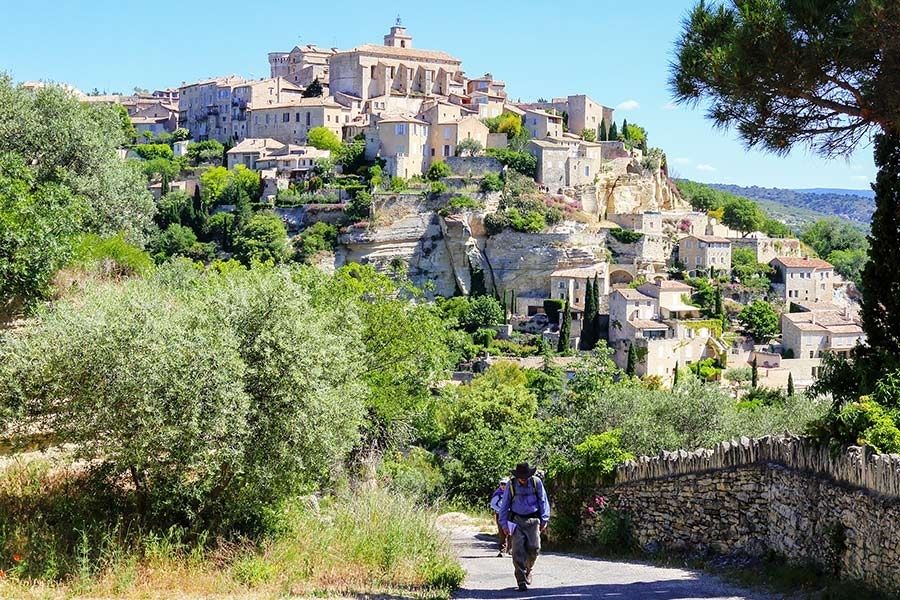
If you’re dreaming of exploring Provence, finding that just-right moment to visit the Luberon is everything. In this guide, I’ll share what I’ve learned on my own travels, from timing the lavender bloom to tracking down market days and secret corners, so your trip feels truly unforgettable.
Timing Your Visit: Seasons in the Luberon
Every season in the Luberon reveals a new side of the region. I’ve watched lavender turn fields purple, wandered through spring wildflowers, shopped at bustling autumn markets, and enjoyed winter’s peaceful, crowd-free villages.
Summer: Lavender Fields in Full Bloom
Honestly, summer feels like the most magical time. The Luberon gets painted in swathes of purple. Lavender fields usually peak from late June to late July, sometimes hanging on into early August if the weather’s right. Farmers harvest fast, so the full bloom never sticks around long.
When I walk through Valensole or Gordes, the scent is just unforgettable. Sunflowers also sway nearby, and towns buzz with markets. Evenings stay warm, with cafés spilling out onto the streets. But, yeah, the crowds show up, and hotel prices shoot up too.
Here’s a tip: Get there early or close to sunset for photos and a bit of quiet.
Spring: Wildflowers and Poppy Fields
April to June feels fresh and calm. First, cherry and almond trees bloom, then wildflowers take over the meadows. In May, poppy fields splash red across the hillsides. I love hiking or biking this time of year—paths are lined with color, and temperatures stay comfortable.

Villages aren’t crowded yet, so you’ll actually meet locals at cafés and markets. Spring means lower prices on places to stay, too. Vineyards start to bud, hinting at grapes to come. Sometimes, a sudden rain sweeps through, leaving everything greener.
Autumn: Colorful Markets and Vineyard Harvests
After summer’s rush, September and October bring a different energy. Markets brim with grapes, figs, pumpkins, and mushrooms. Stalls overflow with olives and eggplants, and the air smells earthy. I always end up tasting cheeses and swapping recipes with growers.
Vineyards buzz with the grape harvest. Some wineries let you join in, or at least watch. Crowds thin out, and the hills turn yellow and red as leaves change. Guesthouses drop their rates, and restaurants roll out seasonal menus.
I always pack a sweater for crisp mornings, but afternoons are perfect for wandering or a picnic.
Winter: Quiet Villages and Local Life
Winter slows everything down in the Luberon. Streets empty out, shops close early, and the air feels still. Tourists pretty much disappear, so I get to know the real rhythms of daily life. Villages like Lourmarin and Bonnieux feel like private discoveries. Sometimes, I catch the scent of woodsmoke from stone chimneys.
Market stalls get smaller but still offer local cheese, honey, and winter veggies. Vineyards rest, but you can often taste last year’s wine with the owner. If I want real Provence, I come now. Long, slow lunches and quiet walks through frosty fields make up for the lack of lavender. The charm is still there, trust me.
Experiencing Lavender Season in Provence
Lavender blooms turn Provence and the Luberon into a purple dream in early summer. The air smells sweet, markets feel lively, and the photo ops are endless.
Best Villages for Viewing Lavender
Every summer, I find the Luberon brightest in late June and early July. Towns like Bonnieux, Lacoste, and Roussillon show off fields that seem to go on forever. I always stop in Sault—this hilltop village overlooks huge lavender fields and usually blooms a bit later.

Here’s a quick rundown of my favorite villages and what they’re known for:
| Village | Lavender Viewing | Other Highlights |
|---|---|---|
| Sault | Vast fields, late bloom | Panoramic views, local honey |
| Gordes | Surrounding fields | Stone houses, art galleries |
| Bonnieux | Rolling hills, views | Traditional markets, bakeries |
If you want the best chance to catch the flowers before harvest, aim for mid-July.
Photographing the Lavender Fields
Standing in a Luberon field, surrounded by fragrant purple rows, is something else. The light just after sunrise or before sunset—what locals call “golden hour”—really brings out the colors and the gentle beauty of the landscape.
I always bring a wide-angle lens for sweeping shots and a macro for close-ups of bees. Some fields are private, though. If you see a sign, admire from the edge or just ask for permission.
Wear closed shoes. The soil can be rocky, and there are definitely bees around—plus, mornings can be chilly even in summer.
Boulangeries and Lavender-Inspired Treats
No visit to Provence’s lavender villages feels complete without a stop at a local boulangerie. I’m always on the lookout for fresh pain au chocolat or a classic baguette in the morning. During lavender season, bakeries roll out special treats.
Lavender honey, madeleines with a hint of flower, and even lavender ice cream show up in shop windows and markets. If you spot a pastry or jam tinged purple, it’s probably got local lavender in it.
I never skip picking up lavender sachets for gifts. They sit right next to the pastries and fill my suitcase with that scent. Even after I’m home, the fragrance takes me right back to those summer mornings in the fields.
Uncovering Luberon’s Autumn Markets and Local Flavors
Autumn in the Luberon pulls me out to winding village streets and quiet hillsides, where seasonal markets brim with local flavors. It’s a season of changing leaves, rustic feasts, and gentle days perfect for tasting everything from artisan cheese to bold reds right where the grapes grow.
Seasonal Produce and Artisan Finds
Most Saturday mornings, you’ll find me weaving through the market in Apt, the Luberon’s oldest and biggest. Baskets overflow with autumn’s best—juicy pears, crisp apples, and mushrooms fresh from the woods. Local farmers offer chestnuts, pumpkins, and sweet figs.
Besides produce, stalls show off handmade soaps, lavender honey, and pottery. I usually fill my tote with Provençal olive oil or a crusty pain de campagne. Every vendor loves to talk about their craft, whether it’s goat cheese aged in caves or jams cooked in tiny batches.

I always check which village hosts its market—most keep going right up to winter. Here’s a quick table of the seasonal treats I never skip:
| Product | When to Find It |
|---|---|
| Wild mushrooms | September – October |
| Chestnuts | October – November |
| Fresh figs | September |
| Goat cheese | Year-round |
| Lavender honey | Autumn |
Wine Tastings and Vineyard Tours
Autumn wakes up the vineyards with harvest energy. I love joining tours, where hosts guide small groups through rows of scarlet vines and explain their process. Many wineries open their cellars for tastings, letting me try local AOC reds or a crisp rosé poured straight from the barrel.
Villages like Bonnieux and Ménerbes have family-run estates that welcome visitors. I usually book ahead, especially on weekends when locals join in. Tasting wines right beside the vines that grew them is something I’ll never get tired of.
Vineyards often serve small bites—charcuterie, olives, slices of cheese. With views over golden hills, it’s hard to leave before sunset.
Picnics Among the Vineyards
There’s nothing more Provençal than a picnic in the Luberon’s vineyards. I grab market finds—fresh bread, creamy cheese, tapenade—and look for a quiet spot between the rows of Syrah or Grenache. Some vineyards offer picnic tables or even baskets to take along the trails.
The air smells like earth and ripe fruit. I lean against an old stone wall or stretch out on a blanket, watching harvest crews or just listening to birds. Picnicking here lets me soak up the season and share food and wine with friends, no rush, just surrounded by autumn colors.
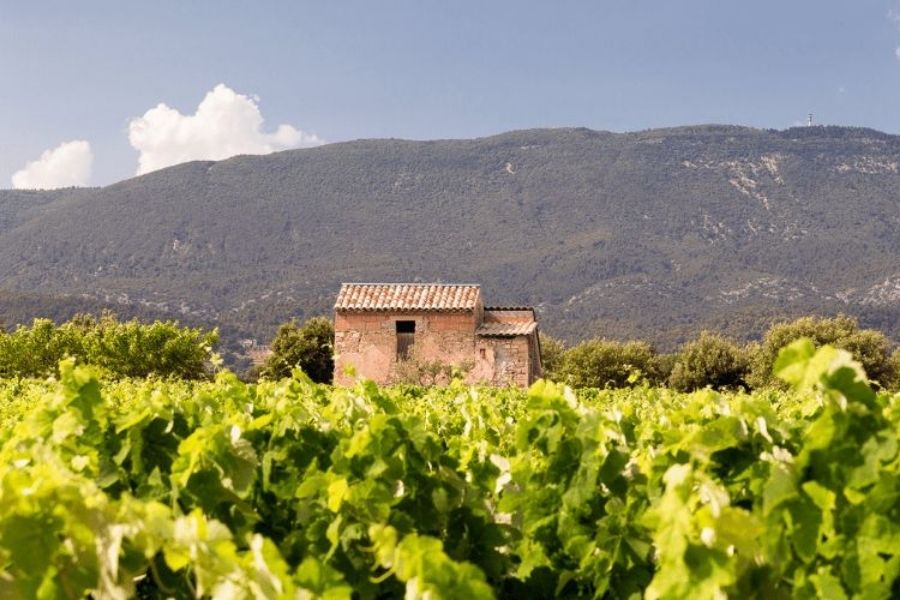
With a bottle from the local vineyard and a few market treats, I end up with a simple meal that tastes just like autumn in Provence.
Beating the Summer Crowds: Insider Tips
Traveling through the Luberon in high season can get overwhelming. I’ve learned that smart planning, a few offbeat stops, and a sense of when local events happen make all the difference in really enjoying the place.
When to Visit to Avoid Peak Tourist Season
I figured out quickly that the thickest crowds turn up in early July, right when lavender is at its peak and the sun is blazing. If I want a quieter trip, I aim for late May, early June, or just after mid-July. Villages like Gordes and Roussillon are less crowded before and after the main lavender rush.
September is my personal favorite. Day trips feel calmer, evenings cool off, and the hilltop villages slow down. Shops and markets stay open, but the streets aren’t jammed with tourists.
One tip: midweek days are usually quieter than weekends. I plan village visits for Tuesdays or Wednesdays and save Saturdays for remote country walks.
Hidden Gems and Less-Traveled Villages
Gordes and Bonnieux might get all the attention, but I’ve found plenty of beautiful places that most tourists miss. Saignon, with its quiet stone lanes and big views, rarely feels crowded, even in summer.
I like stopping by Oppède-le-Vieux. Its old ruins and peaceful cafés show off the old Provence, minus the tour groups. For a picnic, Gignac or Caseneuve are my go-tos—both have sweeping Luberon views and a much slower pace.
Here’s a quick list of lesser-known favorites:
- Saignon: Hilltop charm, fewer crowds
- Oppède-le-Vieux: Ruins, quiet cafés
- Gignac: Great for picnics
- Caseneuve: Exceptional rural views
Local Festivals and Events
I usually plan my trips around smaller village festivals instead of the big, famous ones that draw crowds. In Coustellet, I love the cozy Sunday morning farmer’s market—local cheeses, bread, and crafts, but without the noise of big town fairs.
In September, wine harvest festivals pop up in villages like Ménerbes and Lacoste. These feel lively, but they don’t get swamped like the summer events. Sometimes, if I’m lucky, I catch a lavender distillation demo in Apt after the main harvest. Locals show how it’s done and hand out samples.
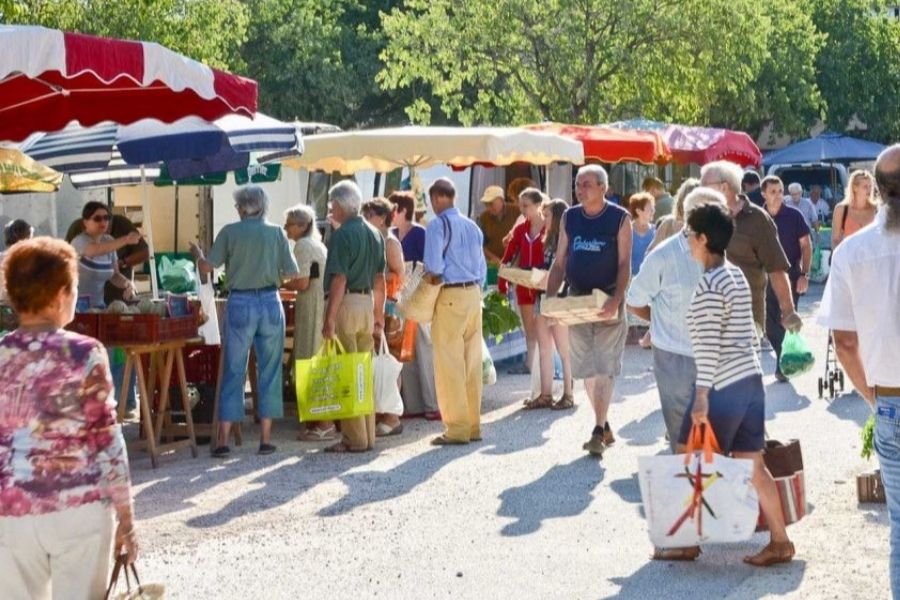
I always check village websites before I go, hoping to find those authentic gatherings. Most festivals focus on local produce, crafts, or music, which keeps things relaxed and friendly.
Planning Your Perfect Luberon Adventure
When I set out to explore the Luberon, I realized that mixing charming villages, unique places to stay, and easy travel routes made everything better. It’s not just about lavender fields or dodging crowds—it’s about soaking up a rich, laid-back vibe.
Best Luberon Villages to Explore
One thing I love about the Luberon is how every village feels different. Bonnieux stands out with winding streets, sweeping hilltop views, and that old 12th-century church. Grabbing coffee here and watching the sunrise over the valley? Unbeatable.
Apt is a must, too. Its Saturday market buzzes with cheeses, olives, and flowers. Gordes, perched on a cliff, gives you those postcard photos and quiet corners to rest. Roussillon pulls me in with its red ochre cliffs—just walking there feels like a colorful adventure.
Here’s a quick look at standout villages:
| Village | Highlight |
|---|---|
| Bonnieux | Panoramic views, historic churches |
| Apt | Vibrant market, authentic shops |
| Gordes | Stone houses, perched setting |
| Roussillon | Ochre cliffs, colorful alleys |
| Lourmarin | Renaissance castle, art galleries |
Everywhere I go, each village surprises me with something new.
Accommodations With Character
For me, staying in the Luberon isn’t about big hotels. I look for small guesthouses, old mas (restored farmhouses), and bed and breakfasts run by locals. These places feel warm and give me a peek into real life here.
In Bonnieux, I found a little inn with lavender right outside my window. Many spots offer homemade breakfasts and tips from owners about hidden hikes or great restaurants. In Apt, I can stay close to town, which is perfect for early morning market runs.
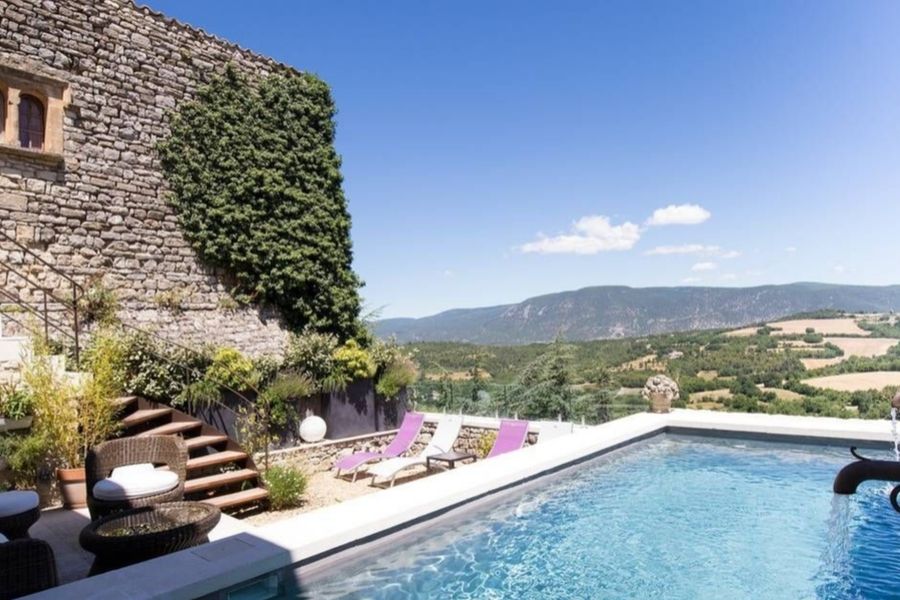
If I want something extra special, I book a “chambre d’hôtes.” The hosts make me feel at home, sharing figs from their garden at breakfast or telling me about secret picnic spots by the river.
Day Trips from Aix-en-Provence and Avignon
Getting to the Luberon from Aix-en-Provence or Avignon is easy. I usually rent a car so I can wander at my own pace, stopping in villages whenever something catches my eye. Aix-en-Provence brings city energy, good cafes, and art museums before I head out to the countryside.
From Avignon, I drive past vineyards and sunflower fields before the hills roll in. I like to plan day trips with three or four villages, leaving time for a picnic or a long lunch under the plane trees. If I’ve got more time, I’ll swing by the lavender fields near Sault in late June or hit the morning market in Apt.
I check bus schedules sometimes, but honestly, a car gives me more freedom—especially if I want to pull over for photos or explore quiet backroads.
Travel Guide Essentials: Getting Around, What to Pack
Getting around the Luberon takes a little planning. I always drive here, since public transport barely reaches the hilltop villages. Parking’s usually fine, but in summer, I try to arrive early.
Packing depends on the season. In late June, the sun gets strong, so I bring sunscreen, a wide-brimmed hat, and light layers for cool mornings. Comfortable shoes are essential for those cobbled streets and markets. In autumn, I throw in a sweater or scarf for chilly evenings and maybe an extra bag for all the local food I end up buying.
I always keep a reusable water bottle and a small map in my bag. With winding roads and hidden trails, it’s way too easy to lose track of time—and honestly, that’s half the fun.
Exploring Beyond: Provençal Road Trips and Cultural Landmarks
When I travel through the Luberon, I can’t help but wander farther, chasing more of Provence’s history, scenery, and local culture. There’s no shortage of ways to spend a day here, from seaside escapes to ancient monuments and cycling routes.
Marseille and the French Riviera
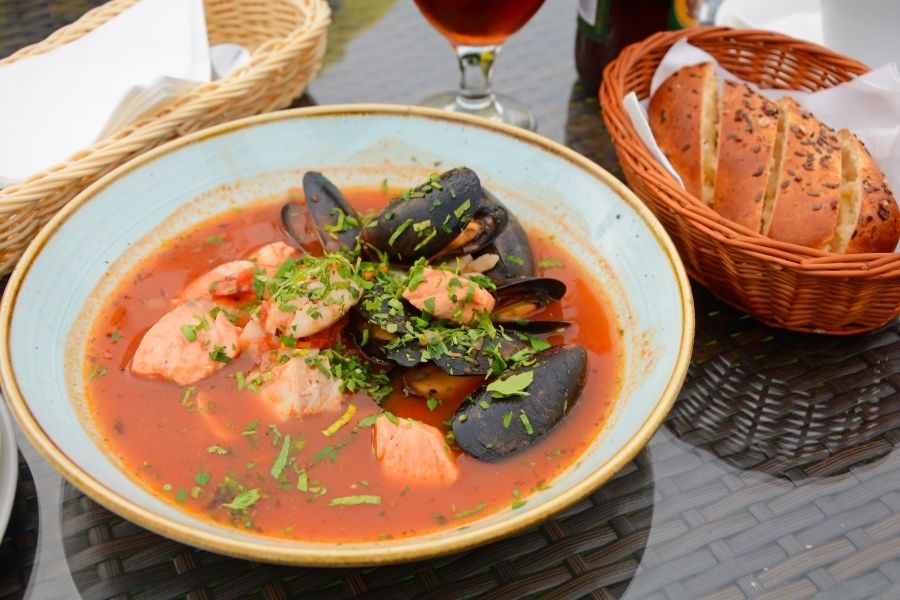
If I drive south from the Luberon, I reach Marseille, France’s oldest city. Its bustling port and the colorful Old Town, Le Panier, make for an exciting day. I love spending mornings at the Vieux-Port, watching fishing boats come in. Don’t skip the fresh seafood stands or a quick taste of bouillabaisse.
If I have extra time, I keep going east along the coast to the French Riviera. Places like Cassis and Nice are all about sunny beaches, pastel houses, and that clear turquoise water. Walking Nice’s Promenade des Anglais is a simple pleasure. If you’re into art, the Matisse Museum in Nice gives a unique look at the region’s creative side.
Travel Tip:
Traveling by car is the way to go if you want flexibility. Trains connect the big cities, but the small beaches and hidden coves? You’ll want a car.
Roman Ruins in Orange and Arles
History comes alive in Provence, and my visits to Orange and Arles always leave an impression. Orange’s Roman Theatre stands out—it’s one of Europe’s best-preserved. The summer opera festival here feels both grand and surprisingly intimate.
In Arles, I wander the Roman amphitheater where gladiators once fought. The city’s narrow streets lead me to Roman baths and the ancient Alyscamps necropolis. At the Place du Forum, I’ll grab a seat at a café and try to picture Arles centuries ago.
Must-See Ruins:
- Roman Theatre of Orange
- Arles Amphitheatre
- The Alyscamps
Bring water and sunscreen. Those stone ruins get seriously hot, especially around midday.
Cycling Routes Around Mont Ventoux
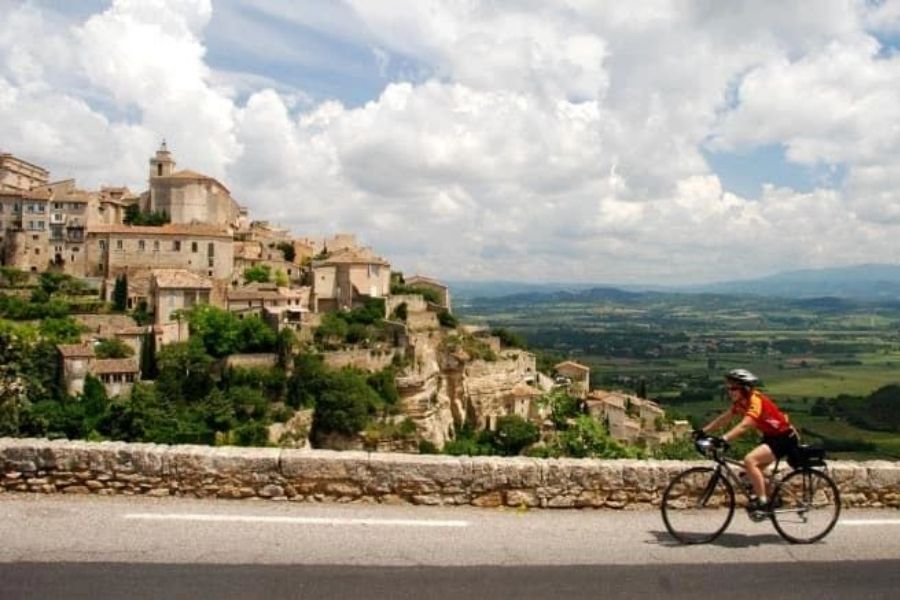
Mont Ventoux, the “Giant of Provence,” draws cyclists from everywhere. When I biked part of it, the lavender fields and vineyards at the base blew me away, and the bare white limestone up near the top felt almost otherworldly.
There’s a route for just about every skill level. The climb from Bédoin is famous for its steep grade and views. If you want something easier, I’d suggest the quiet roads through Malaucène or Sault. Along the way, you’ll find small villages with bakeries—perfect for a snack break.
Cycling Essentials:
| Item | My Tip |
|---|---|
| Water Bottles | Bring extra, it gets hot. |
| Helmet | Required—no exceptions. |
| Layers | The summit can be windy. |
Tour de France Moments in Provence
Every July, the Tour de France rolls into Provence and the excitement is honestly contagious. I’ll never forget standing on Mont Ventoux, watching the peloton grind their way up the mountain—what a rush.
People pack the roadsides, waving flags and cheering in what sounds like a dozen different languages. The energy feels wild and a little chaotic, in the best way.
Towns like Carpentras and Sault absolutely come alive when the tour rides through. Even when it’s not July, you’ll spot painted names and wild encouragements on the roads.
Sometimes, I catch myself pretending I’m in the race too, even if I’m just lazily pedaling along the backroads.
Where to Watch:
- Mont Ventoux summit for the pure drama
- Village of Bédoin for the lively scene
- Quiet rural stretches if you want a calmer vibe
If you’re thinking about going during the Tour, I’d say book your room as early as you can—places fill up before you know it.
