
If you want to see Death Valley National Park at its most beautiful—and, honestly, its safest—you’ve got to go in winter or early spring. Cooler weather makes everything so much more comfortable, and you don’t have to worry about those scary heat risks. The landscape gets this fresh energy: clear skies, wild rock shapes, and sometimes wildflowers pop up to surprise you. That’s when the park truly shines.
I always plan my Death Valley adventures between November and March. The days feel just right—mild, not too hot—and the nights cool off enough for a cozy campfire or stargazing. I can hike for hours without stressing about extreme heat. Wildlife seems more active, too, so there’s always something to watch or photograph.
Seriously, if you’re thinking about a trip, avoid the brutal summer months. Winter or early spring? That’s when you get the best of Death Valley—amazing scenery and a much safer experience.

Why Winter and Spring Are the Only Safe (and Beautiful) Times to Visit
I always focus on winter and spring because Death Valley’s weather calms down, safety risks drop, and the park just feels more alive. Most folks want to know when they can enjoy the park without roasting, so timing really is everything.
Weather and Temperature Extremes
Death Valley holds the record for the hottest place on Earth. In summer, the thermometer shoots past 120°F (49°C) in the shade. Even at night, it barely cools off—sometimes it stays above 90°F (32°C). That’s just wild.
But when winter and spring roll in, the temperature drops to something much more manageable. Days usually hover between 60°F and 80°F (16°C to 27°C). Nights can get chilly, but nothing a light jacket can’t handle.
Here’s a quick peek at average temps by season:
| Season | Avg. High (°F) | Avg. Low (°F) |
|---|---|---|
| Summer | 110-120 | 85-95 |
| Winter | 65-75 | 36-50 |
| Spring | 80-90 | 55-65 |
Looking at those numbers, it’s obvious—winter and spring are the best times to visit.
Safety Concerns During Summer
Death Valley gets dangerously hot from late May through September. That kind of heat isn’t just uncomfortable, it’s risky. The National Park Service sometimes shuts down trails and visitor services because it’s just not safe.
People can get dehydrated or suffer heatstroke way faster than you’d expect. Even a simple car problem, like a flat tire, can turn into a serious emergency if you’re stuck out there. And don’t count on your phone—coverage is spotty at best.
I never suggest visiting in the summer. No matter how prepared you think you are, sometimes the heat just wins.
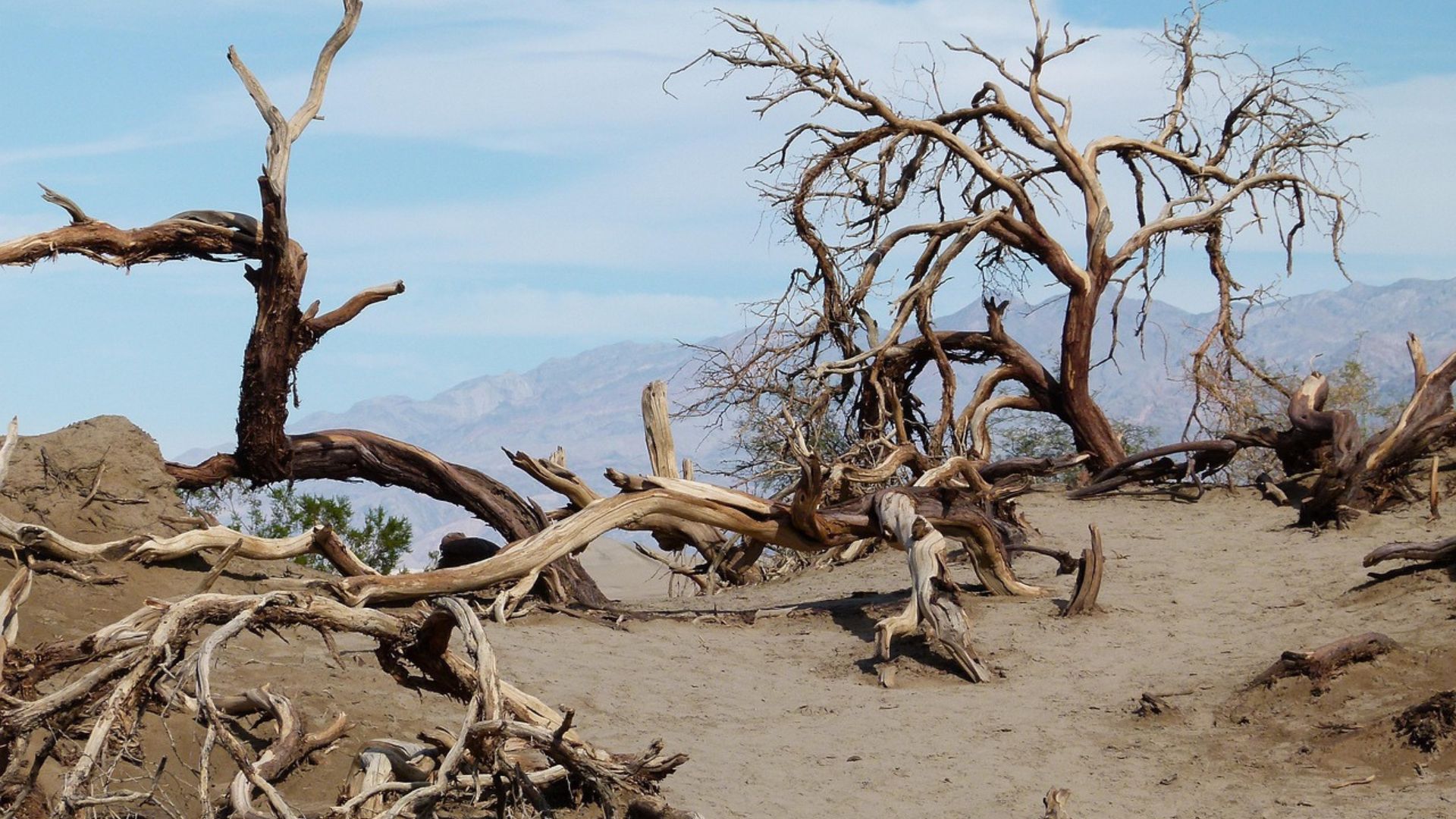
Special Beauty of Death Valley in Cooler Months
Winter and spring bring out a whole different side of Death Valley. Some years, if the winter rains have been good, wildflowers blanket the desert floor. Peak bloom usually hits late March or early April, and the colors—yellows, purples, pinks—feel almost unreal.
Cooler months also mean clearer views at places like Badwater Basin and Zabriskie Point. The light is softer, the air feels crisp, and sometimes you’ll catch snow dusting the mountain tops.
Hiking, sightseeing, or just snapping photos all feel easier and more fun when the heat isn’t trying to melt you. That’s when the park’s true character really comes through.
Must-See Sights and Activities in Winter & Spring
Winter and spring really open up Death Valley’s best outdoor spots. You can walk, hike, take photos, and—if you’re lucky—catch the wildflower show, all without worrying about the heat.
Wildflower Blooms and Wildflower Season
A good wildflower year is something special. I’ve seen the desert floor explode in color from late February to early April. Some of the best places to spot blooms? Try along Badwater Road, near Jubilee Pass, and in the lower-lying areas where water tends to pool. You might catch desert gold, evening primrose, or sand verbena.
Wildflower season depends on winter rain. More rain, more flowers—it’s that simple. Even in so-so years, the contrast of color against the bare desert is something you’ll want to photograph. I always bring my camera, especially around sunrise or sunset when the light is just right.
Top Scenic Spots
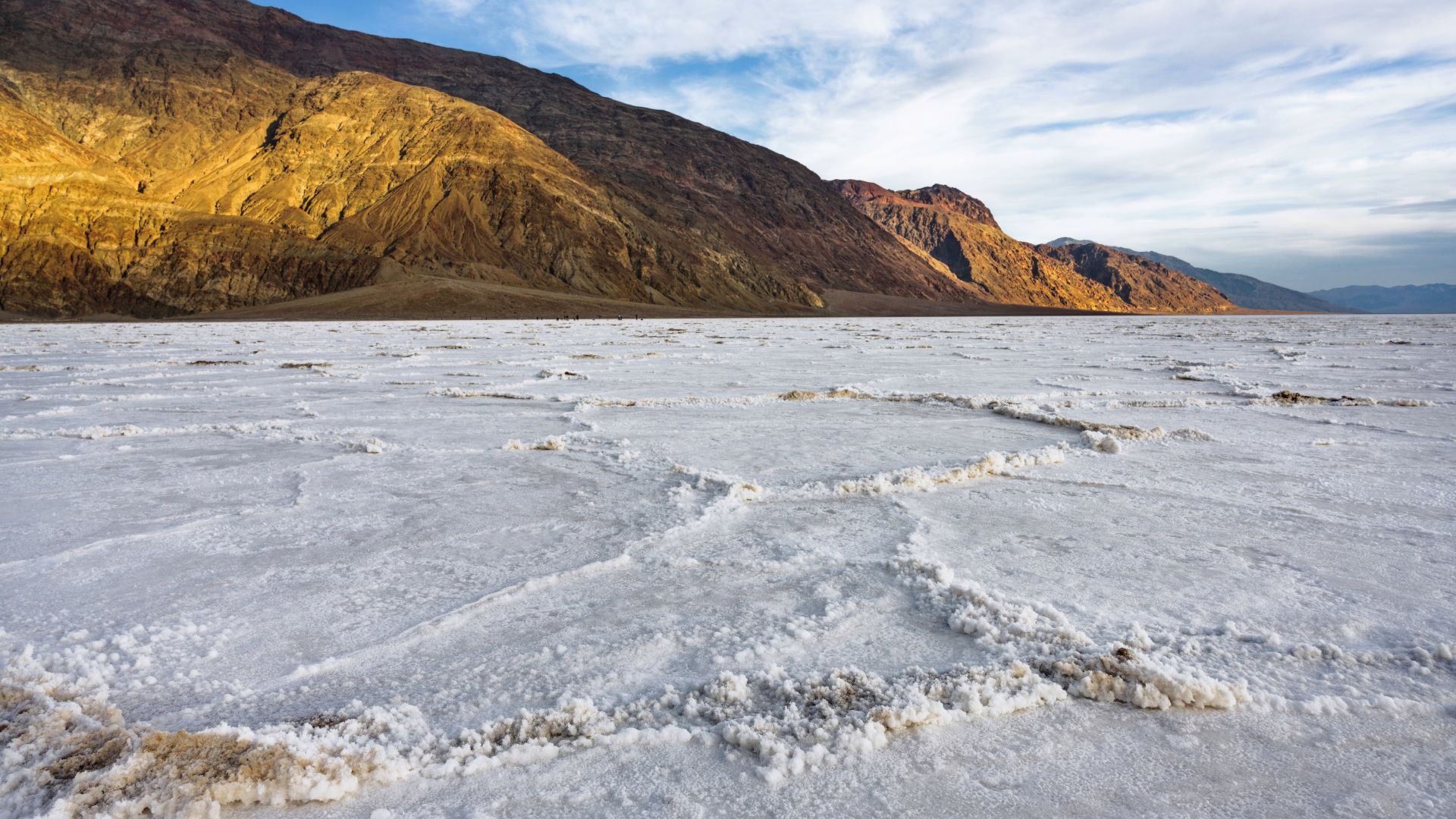
Death Valley has some of the most unique viewpoints I’ve ever seen. Zabriskie Point is a classic—the golden hills light up in the morning, and it’s just magical. Badwater Basin, the lowest spot in North America, stretches out with these wild salt flats. If you’re lucky enough to catch a little rain, the reflections are unreal. Amazing pictures guaranteed.
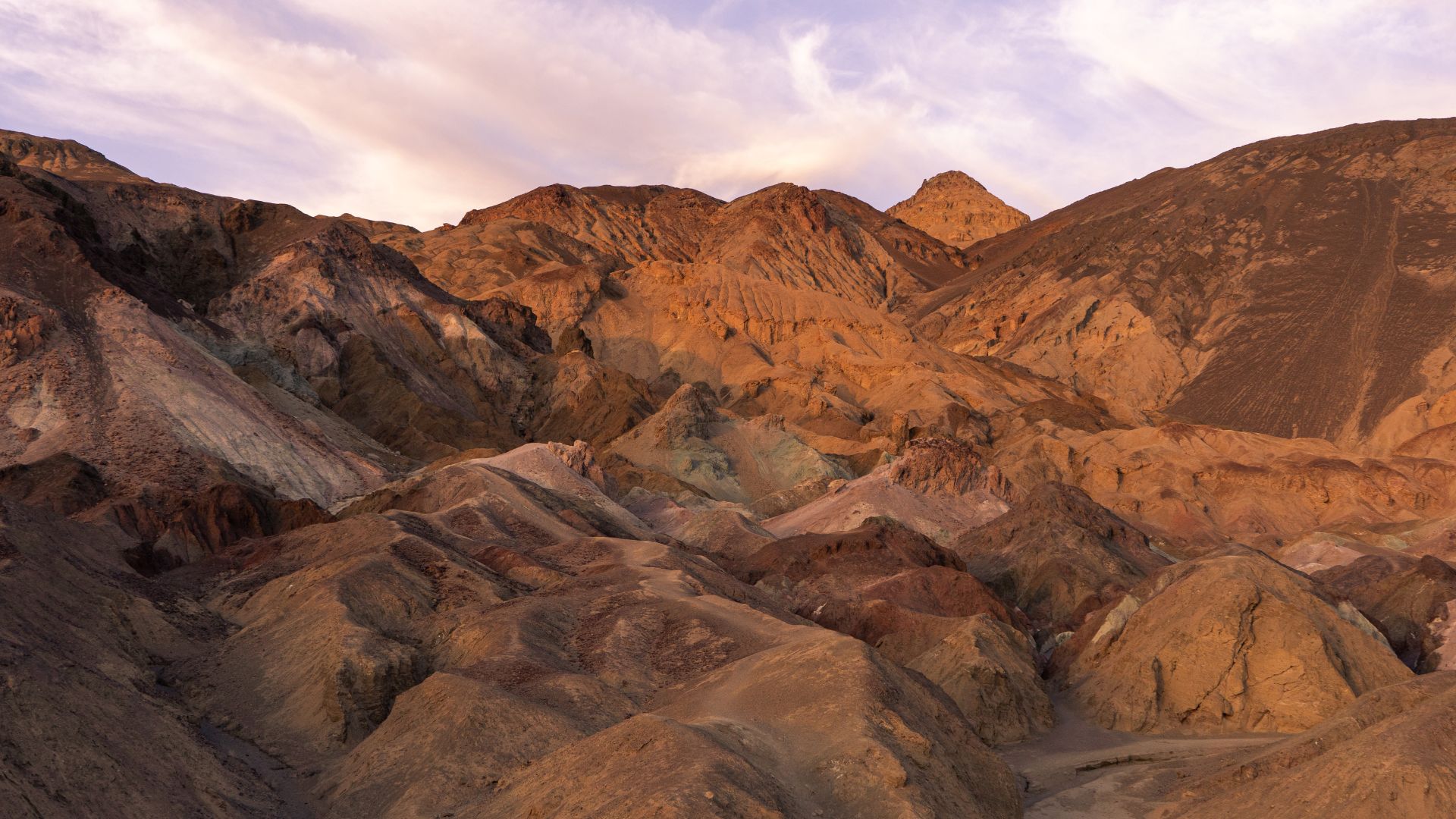
Artist’s Palette is another spot I never skip. Those pastel hills are the result of minerals in the soil, and they look almost painted. I love wandering the Mesquite Flat Sand Dunes or catching a sunset from Dante’s View. In winter and spring, these places are quieter, and you really get to soak in the views.
Best Outdoor Adventures
Cooler seasons let you try hikes and adventures that would be downright dangerous in summer. Golden Canyon is one of my favorites—the trail twists through colorful rocks and opens up to sweeping views. Mosaic Canyon and Natural Bridge offer easy, rewarding hikes with dramatic stone walls.
If you’re up for a challenge, Wildrose Peak or Telescope Peak give you a bird’s-eye view of the whole valley. For something different, I check out Ubehebe Crater or head to the mysterious Racetrack Playa, where those famous moving rocks leave trails behind them.
And when night falls? I always make time for stargazing. Death Valley is a Dark Sky Park, so the stars are next-level—thousands of them, brighter than you’ll see almost anywhere else.
Planning Your Visit: Essential Tips for Winter and Spring
Winter and spring make Death Valley much more welcoming, but you still need to plan ahead. Packing right, knowing how to get around, and dealing with crowds will make your trip way smoother.
Sun Protection and Hydration
Even in the cooler months, Death Valley’s sun is intense. I use high-SPF sunscreen and reapply often.
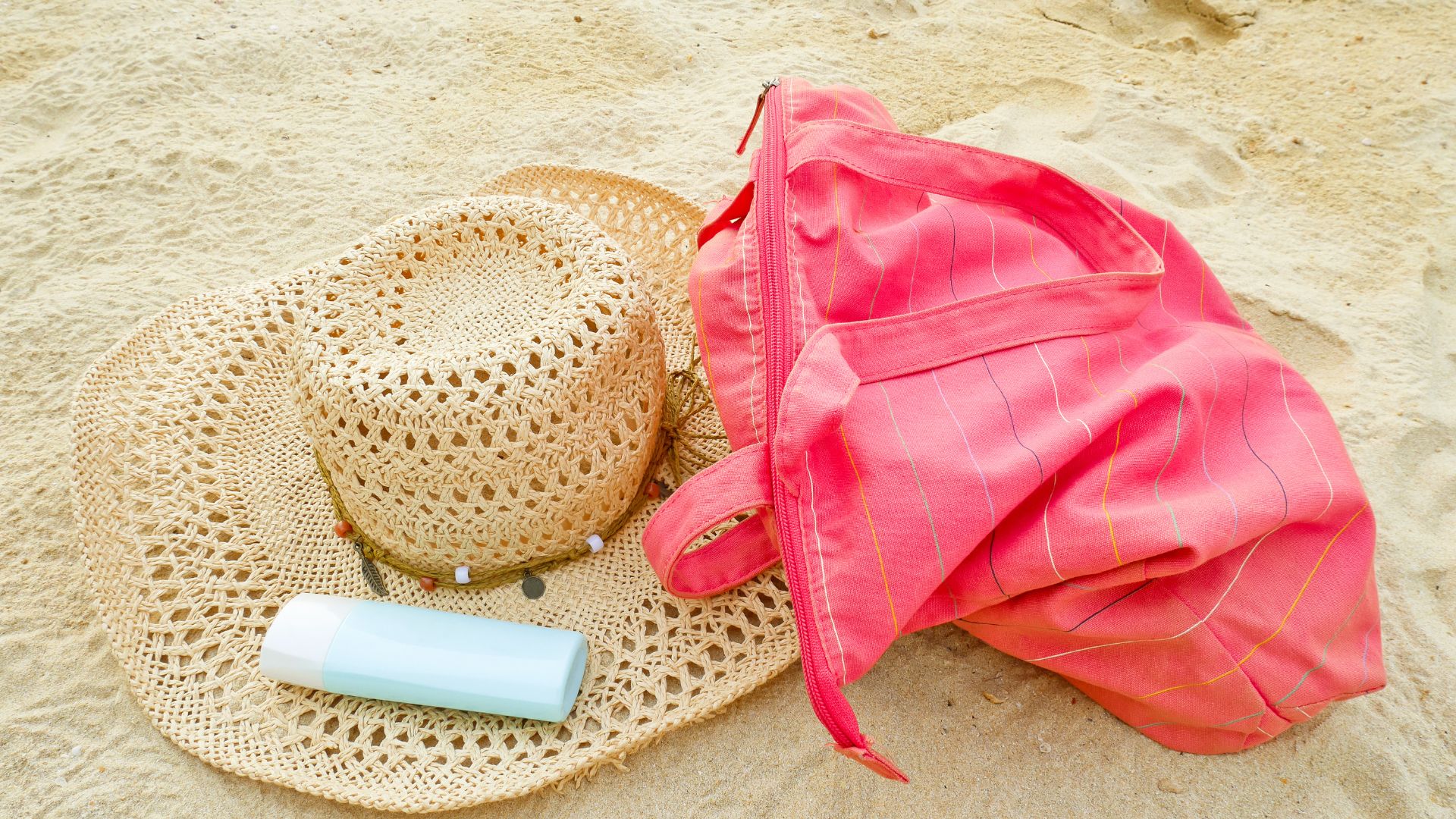
A big hat and UV sunglasses are absolute essentials. Lightweight, light-colored clothes help keep me cool and protected.
Dehydration sneaks up on you out here. I always bring at least a gallon (about 4 liters) of water per person per day. For hikes, I carry extra water and salty snacks. Shade is rare, so I pace myself and rest when I can, especially around midday.
What to Pack for Comfort and Safety
Packing for Death Valley means preparing for big temperature swings. I bring layers—a light jacket for the cold mornings and evenings, and quick-dry shirts for hiking.
Good shoes are non-negotiable; the trails can be rocky or sandy. My backpack always has a map, first aid kit, snacks, and extra water.
If I’m camping, I book my site early—spots fill up fast from fall through spring. I use a sleeping bag that can handle chilly nights and always pack a warm hat. A headlamp or flashlight comes in handy since it gets really dark after sunset.
Navigating and Traveling in the Park
Death Valley’s roads stretch for miles, and services are few and far between. Cell service? Don’t count on it, so I download or bring paper maps before I go.
I fill my gas tank outside the park or right at the entrance—fuel inside is pricey and stations are far apart. If I’m planning to hit dirt roads or remote spots, I always check conditions with park rangers first. I avoid driving at night because of wildlife and the lack of streetlights.
For day hikes, I let someone know my plans and, when possible, register my route at a visitor center. If I want to skip the driving, the park has shuttles and guided tours that can be super helpful.
Seasonal Crowds and High Season Tips
Winter and spring are peak season, especially if wildflowers are blooming or there’s a special event like the Dark Sky Festival. I always book my lodging or campsite in advance.
Popular spots like Badwater Basin, Zabriskie Point, and Dante’s View can get packed by late morning. For a quieter experience, I go early or catch sunset.
Visitor centers are great for trail updates and tips on less crowded spots. If I’m camping, I try for less popular campgrounds or go midweek to dodge the crowds. And I always follow Leave No Trace—this place is fragile, and it deserves respect.
Where to Stay: Accommodation and Camping Options
During winter and spring, Death Valley has plenty of places to stay, from central lodges to budget motels in nearby towns. Some spots put you right in the heart of the action, while others are perfect if you want a quieter, more affordable base.
Furnace Creek: Heart of The Park
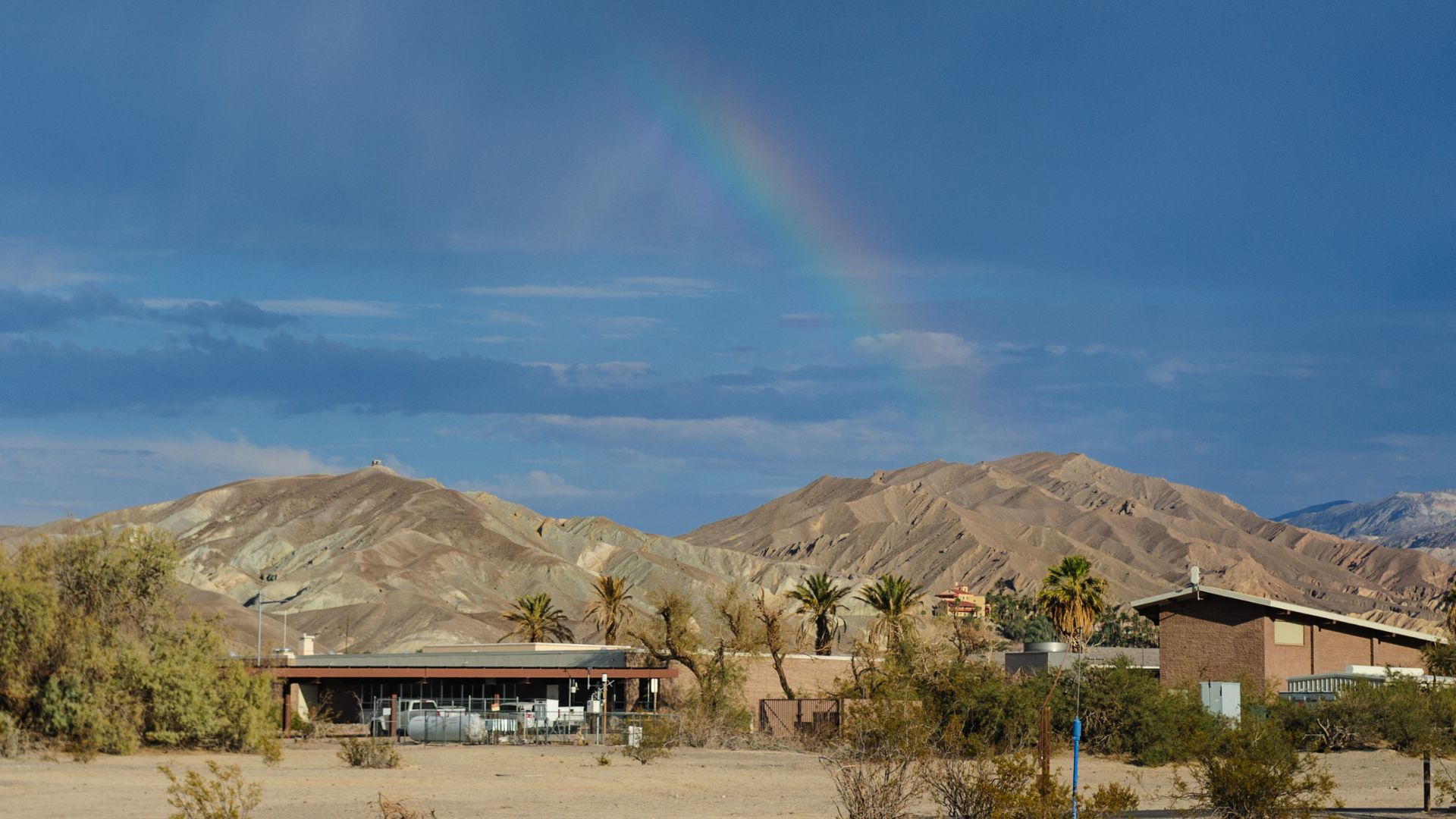
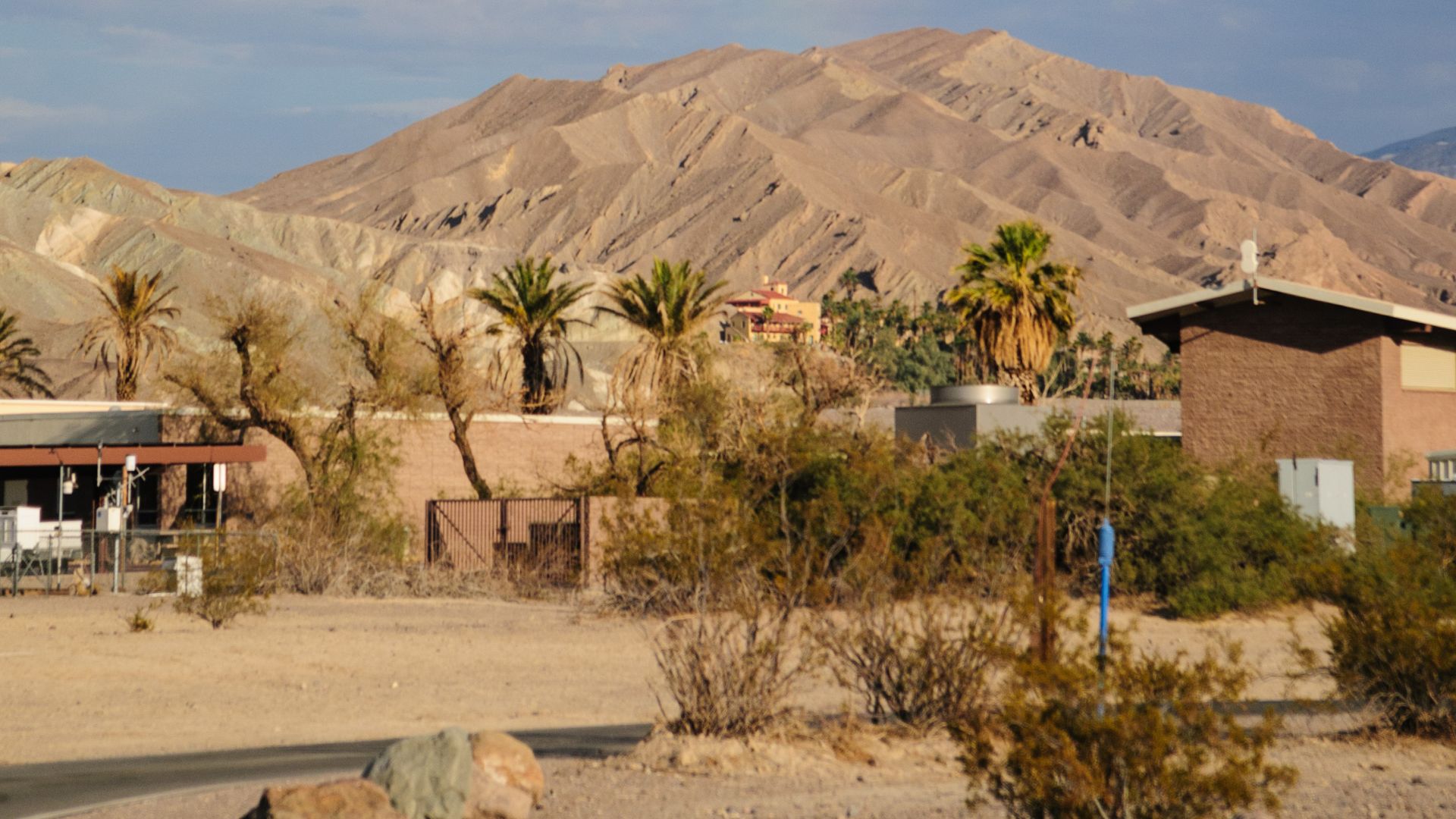
Furnace Creek is the go-to for most people, especially if you want to be close to everything. There are two main hotels here: The Oasis at Death Valley (which includes the historic Inn and the Ranch). They’ve got comfy rooms, restaurants, and even a pool.
I always book ahead in winter and spring—rooms go fast. The best part? Furnace Creek is less than half an hour from Zabriskie Point, Badwater Basin, and Golden Canyon.
You’ll find basics nearby, like a gas station and general store. Sure, prices are higher than outside the park, but you save so much time on driving.
Nearby Towns: Beatty and Pahrump
If I’m looking to save money or need a last-minute spot, I check out the nearby towns. Beatty, Nevada, is about 40 miles away and has motels, a couple of small casinos, and some classic diners. It’s got a relaxed, friendly vibe.
Pahrump is another option, about 60 miles from the park’s east entrance. It’s bigger than Beatty and has chain hotels, grocery stores, and restaurants. Both towns work well if the park’s hotels are booked or out of your price range.
Staying outside the park means more driving, but these towns are less busy and make it easy to restock supplies.
Camping and RV Facilities
Camping is my favorite way to experience Death Valley, especially in winter and spring when the nights are just cool enough. Furnace Creek Campground is the biggest and most popular, with plenty of sites and good amenities for tents and RVs. I always try to reserve ahead.
Other campgrounds like Texas Springs, Sunset, and Stovepipe Wells are first-come, first-served. Some, like Emigrant, Wildrose, Thorndike, and Mahogany Flat, are free but have fewer services.
Most campgrounds have picnic tables, fire rings, and flush toilets. Only Furnace Creek offers full RV hookups. The valley floor campgrounds fill up quickly, but higher-elevation sites stay cooler and are usually quieter.
| Campground | RV Hookups | Reservations | Amenities |
|---|---|---|---|
| Furnace Creek | Yes | Yes | Water, dump, restrooms |
| Texas Springs | No | No | Water, restrooms |
| Stovepipe Wells | No | No | Water, restrooms |
| Emigrant/Wildrose | No | No | Basic, free |
I always check the National Park website for the latest info before heading out.
Hidden Gems: Off-the-Beaten-Path Attractions
Winter and spring are the perfect time to check out Death Valley’s quieter corners. These seasons reveal a more peaceful side of the park, with cool stories and unexpected landscapes.
Ghost Towns and Historical Sites
I’m a sucker for ghost towns, and Death Valley has some gems. Rhyolite is probably the most famous, just outside the park. The crumbling buildings, the old train depot, and even a house made of bottles—there’s something haunting and beautiful about it.
Inside the park, Leadfield is a wild little ghost town with a short, dramatic mining history. Winter’s cooler temps make the drive down Titus Canyon Road much easier. Old mining equipment and empty streets make you feel like you’ve stepped back in time.
Don’t miss the Wildrose Charcoal Kilns. These beehive-shaped stone kilns look almost otherworldly against the desert. Built in the 1870s for nearby silver mines, they’re only accessible by a scenic, partly gravel road—which is way more pleasant to drive when it’s not scorching hot.

Unique Geologic Features
Death Valley hides plenty of strange and beautiful formations, and honestly, most folks never see them. I always tell people to check out Ubehebe Crater. It’s this enormous volcanic pit that exploded into existence ages ago.
You can walk along the rim—just a short hike, nothing too wild—and the views are something else. Layered rocks, the vast sweep of the valley, and that feeling of being somewhere truly bizarre.
Up north, The Racetrack Playa never fails to amaze me. Big rocks seem to glide across the cracked lakebed, leaving these weird trails behind. Nobody really sees them move, but the evidence is right there.
Getting there isn’t easy; the drive is long and pretty rough. Still, if you come in winter or spring, the weather’s kinder and sometimes you’ll catch rare wildflowers blooming, which feels like a small miracle out here.
Mosaic Canyon is another spot I love, and it’s not far from Stovepipe Wells. The smooth marble walls twist and turn, showing off wild rock patterns you won’t find anywhere else.
Cooler temperatures make the narrow passages perfect for exploring. I always find something new when I get up close to those polished rocks.
Death Valley’s got a hidden side, and these places capture that blend of geology and solitude better than anywhere else I’ve traveled.
