
Point Reyes National Seashore really stands out as one of California’s best spots for watching whales and wildflowers, but honestly, the timing of your trip changes everything. Gray whales migrate past the peninsula in winter and spring, while humpback and blue whales show up in summer and fall. Wildflowers? They put on a show from February through August, depending on how much rain we’ve had.
I’ve wandered Point Reyes in all sorts of weather and seasons, and every visit feels different. The peninsula juts out about 10 miles into the Pacific, which means you get these wild, open ocean views where you can sometimes spot whales from shore.
The variety of coastal habitats here also means wildflower displays keep changing as the months roll by. Some years, the color just explodes.
Let’s dive in. I’ll share what I’ve learned about the best times to catch the whales and wildflowers, which trails have the most jaw-dropping views, and a few tips that’ll help you plan around the sometimes-unpredictable weather.
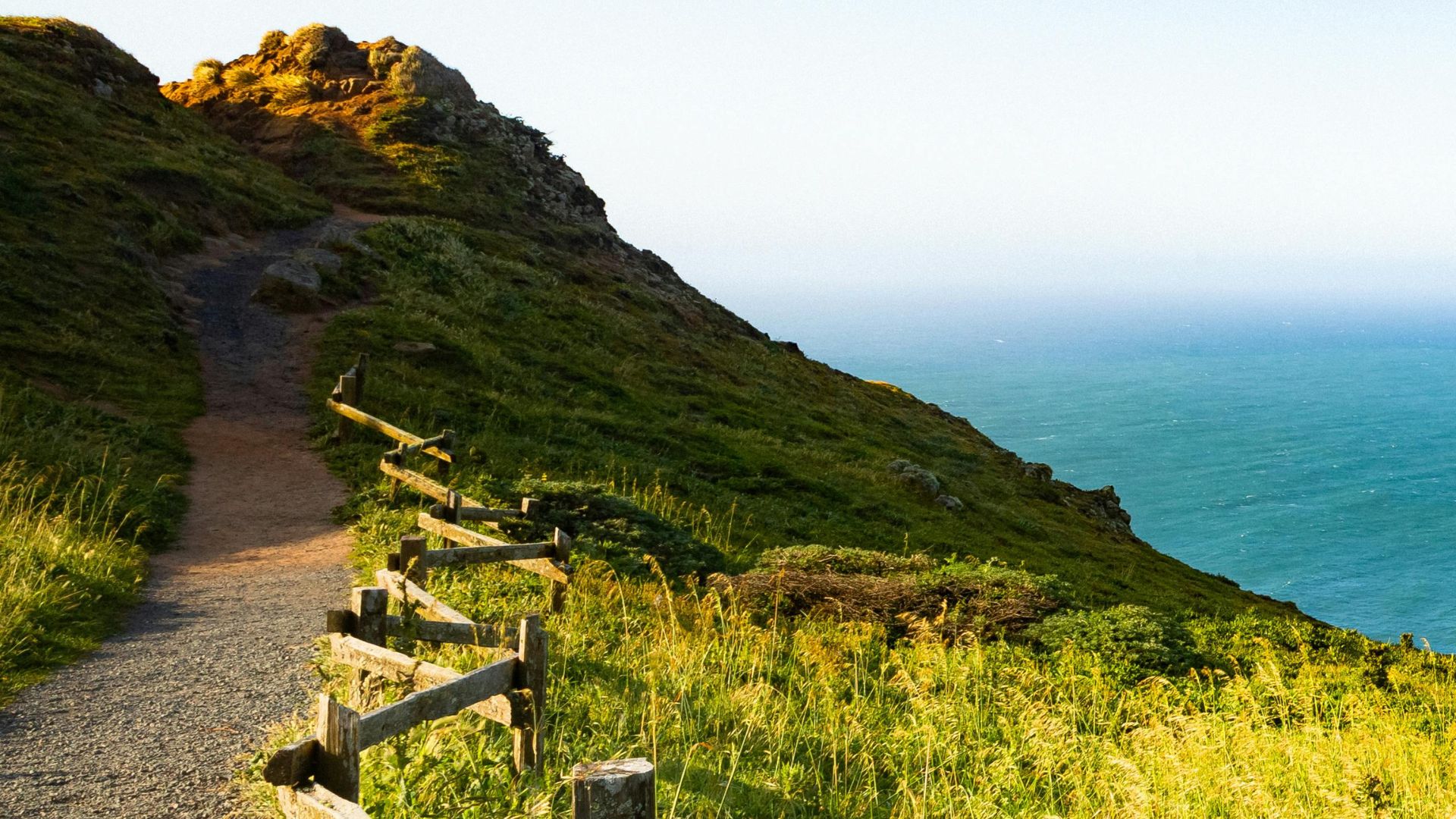
Seasonal Guide to Whale Watching at Point Reyes
I’ve found that Point Reyes offers whale watching all year, but the stars of the show change with the seasons. Gray whales rule the winter and spring migrations, and then humpbacks, blue whales, and fin whales take over in summer and fall.
If you time your visit right, you might catch those thrilling moments—like a whale breaching or a spout just offshore—instead of squinting at distant splashes.
Gray Whale Migration Timing
Gray whales stick to a pretty reliable migration route along the Pacific Coast, and that makes Point Reyes a top spot for seeing them. Their southern journey kicks off in December, as they head from Alaska down to the warm lagoons in Mexico.
Peak viewing times:
- Mid-January: Southern migration peaks
- Mid-March: Northern migration peaks
- Late April to early May: Mothers and calves cruise close to shore
When they’re heading south, gray whales usually move fast. They’re on a mission—no time to dawdle, just heading for the breeding grounds.
Coming back north, things slow down. The whales often swim closer to shore, and mothers with their new calves hug the shallows for safety.
If you can, pick a calm day. Whale spouts stand out much better when the ocean isn’t whipped up by wind.
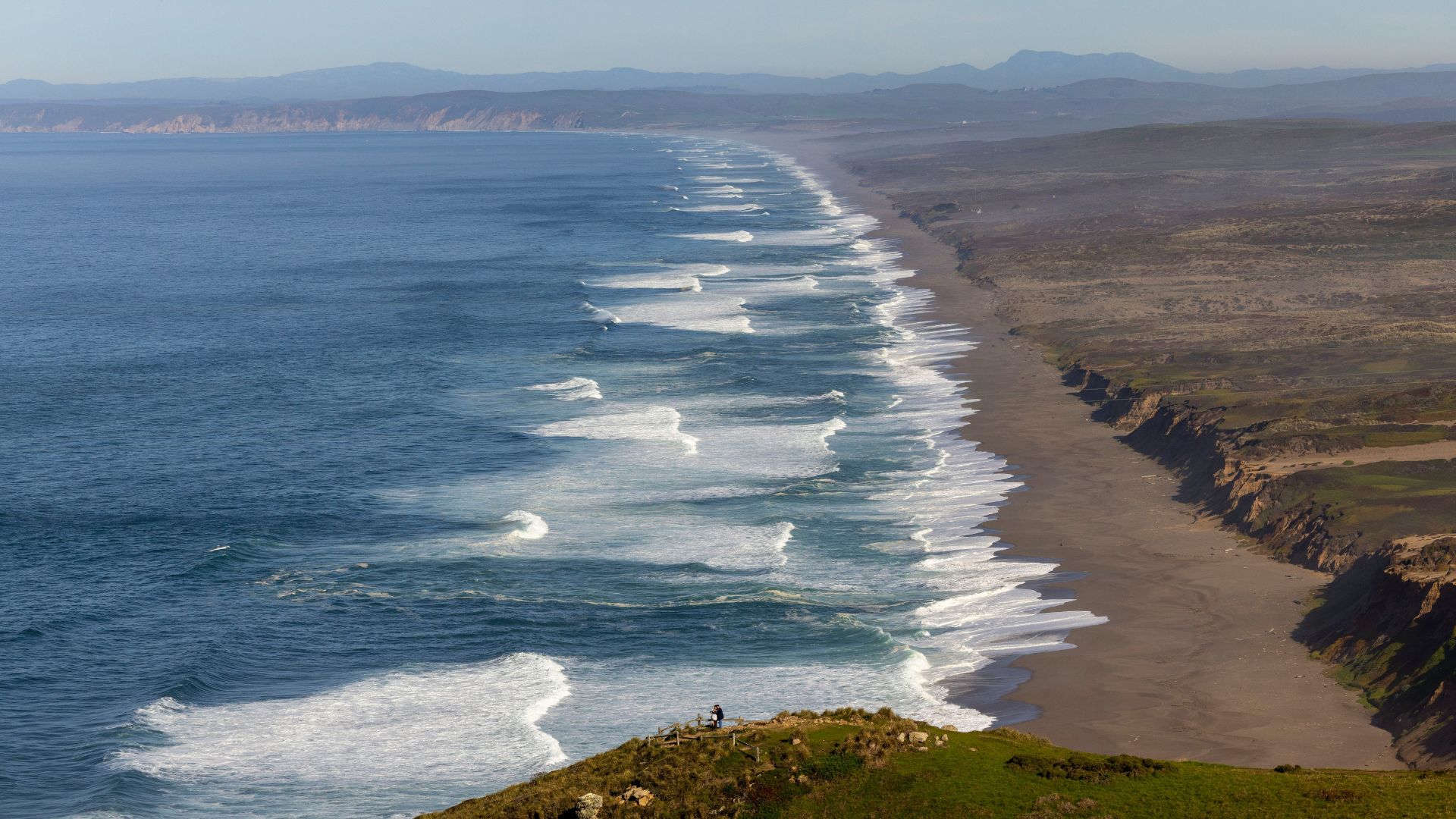
Summer and Fall: Humpbacks, Blues, and More
Once summer hits, Point Reyes turns into a buffet for whales. Humpbacks arrive in June and stick around through November, so they’re the ones you’re most likely to see when it’s warm.
What you might spot:
- Humpback whales: The acrobats—breaching, spy hopping, you name it
- Blue whales: Absolutely massive, with those tall, straight spouts
- Fin whales: Second only to blues in size, often seen feeding together
Blue whales usually show up from July to October. If you’re lucky, you’ll catch sight of their spouts from miles away.
Fin whales often travel in small groups, gobbling up krill near the surface. Their predictable feeding patterns make them easier to spot.
Point Reyes owes its whale bonanza to the nutrient-rich waters offshore. All that upwelling supports a bustling marine food chain.
Year-Round Whale Sightings
Sometimes, minke whales and orcas pop up at Point Reyes, regardless of the season. They don’t really stick to a schedule—they just follow the food.
Possible year-round sightings:
- Minke whales: Small, shy, and usually alone
- Orcas: Actually big dolphins, and they travel in family groups
Minke whales are tough to spot. They’re quick, don’t spout much, and tend to keep to themselves.
Orcas, on the other hand, are dramatic. When a pod’s around, you might see them hunting for hours.
I’ve noticed that calm, clear days make all the difference for these unpredictable sightings. If the sea is glassy, keep your eyes peeled.
Monthly Whale Activity Calendar
| Month | Primary Species | Activity Level | Best Viewing Conditions |
|---|---|---|---|
| December | Gray whales | High | Clear winter days |
| January | Gray whales | Peak | Mid-month peak migration |
| February | Gray whales | High | Continued southern migration |
| March | Gray whales | Peak | Northern migration begins |
| April | Gray whales | Moderate | Mothers with calves |
| May | Gray whales | Low | Late stragglers |
| June | Humpbacks arrive | Moderate | Summer feeding begins |
| July | Humpbacks, Blues | High | Peak summer activity |
| August | Humpbacks, Blues, Fins | Peak | Best feeding conditions |
| September | Humpbacks, Blues | High | Continued feeding |
| October | Humpbacks | Moderate | Migration preparation |
| November | Humpbacks | Low | Southern departure |
I’ve pieced this calendar together after a lot of trial and error out on the trails. Of course, weather and food can nudge things a week or two in either direction.

Best Locations and Trails for Whale and Wildflower Viewing
Point Reyes has a handful of spots where you can get the best of both worlds—whales in the surf and wildflowers underfoot. The lighthouse and a few main trails are always solid bets, but if you like quieter experiences, some hidden beaches and off-the-beaten-path hikes deliver too.
Point Reyes Lighthouse and Overlook Points
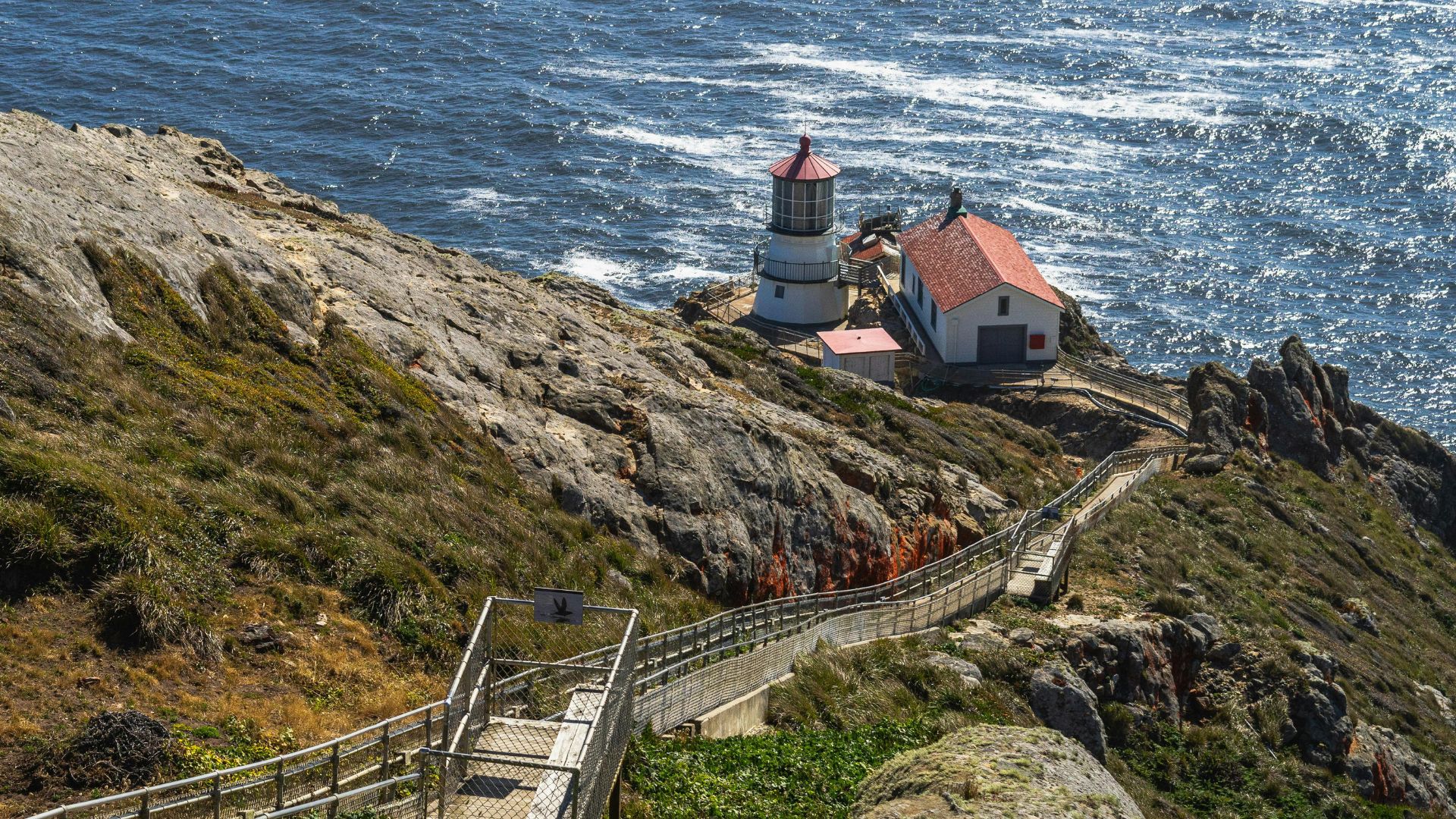
The Point Reyes Lighthouse is my go-to for whale watching. I love heading out to the overlook, especially during the migrations.
Best times to visit: November through January for southbound whales, and March through April for mothers and calves heading north.
The lighthouse sits high above the ocean, so you get sweeping views. I’ve spotted whale spouts from miles away up there.
Wildflowers? The bluffs around the lighthouse bloom with color from March to May. You’ll see lupines, poppies, and coastal daisies lining the paths.
The visitor center usually has up-to-date info on whale activity. I always check their sighting reports before making the trek down.
Heads up: The walk to the lighthouse is steep—about 0.4 miles down, and then you have to climb back up. Give yourself some extra time for that.
Chimney Rock and Tomales Point Trails
I’ve always loved the Chimney Rock Trail for both whales and wildflowers. It’s a short, 1.8-mile round trip, but the cliff views are stunning.
Peak time: March and April, when gray whales are close to shore and the wildflowers are going wild.
The trail winds through different habitats—scrub, grasslands, and bluffs. Each patch seems to have its own set of flowers.
Chimney Rock highlights:
- Whales: Mostly gray whales, sometimes a humpback
- Flowers: Lupines, poppies, paintbrush, sea thrift
- Distance: 1.8 miles round-trip
- Difficulty: Easy to moderate
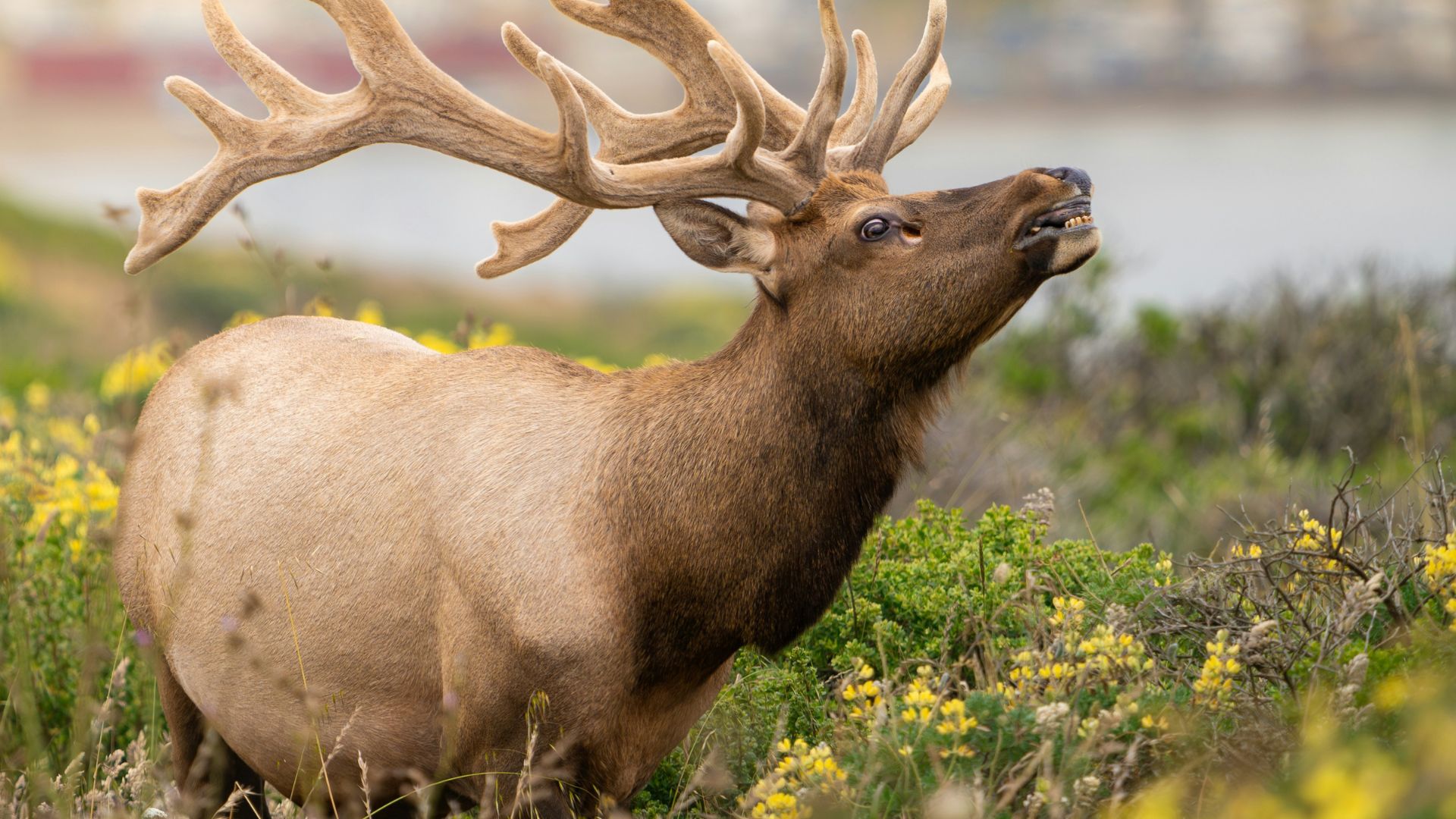
Tomales Point Trail is a longer adventure—9.5 miles round-trip through the Tule Elk Reserve. I usually turn around after a couple miles, and the views are still fantastic.
From up there, you can see both the Pacific and Tomales Bay. It’s a great spot to watch for whales and soak up wildflower meadows.
Hidden Beaches and Scenic Vistas
If you want a more peaceful whale-watching spot, try some of the lesser-known beaches. They require a little hiking, but you’ll likely have them mostly to yourself.
Kehoe Beach: Walk half a mile through dunes to a broad, sandy beach. In spring, wildflowers dot the dunes, and the horizon’s perfect for scanning for whales.
Abbott’s Lagoon: A 1.4-mile trail brings you to a quiet beach. The freshwater lagoon here has different wildflowers than the coast.
McClures Beach: It’s a one-mile hike down, but the cliffs are dramatic. I like watching for whales from the sand or the bluffs.
Wildflower timing: The blooms peak from February to June, with March and April being especially good.
Beaches give you a different angle for whale watching than the cliffs. Sometimes, especially in spring, mothers and calves come in close.
Secluded Coastal Hikes
The Bear Valley Trail network connects to some great, less-crowded spots for seeing both whales and wildflowers. I use these trails when I want a longer, quieter hike.
Bear Valley to Arch Rock: This is an 8.2-mile round trip through forest, ending at coastal cliffs. In spring, woodland wildflowers pop up, and the ocean views are perfect for whale spotting.
The Woodward Valley Trail is another solid choice. It’s less traveled, with a mix of forest and open coast.
Trail highlights:
- Spring: Woodland wildflowers
- Summer: Coastal blooms
- Year-round: Whale sightings at the end points
I always bring binoculars for these hikes. The high points make it easier to spot whales offshore.
Quick tip: Check trail conditions before you go, especially in winter—some can get muddy or even close after storms.
Wildflower Bloom Seasons and Key Habitats
Point Reyes usually puts on a wildflower show from February to August, but the best spots and timing depend on rainfall. I’ve had my best luck on coastal bluffs, in grasslands, and along trails like Chimney Rock and Tomales Point.
Spring Blooms and Iconic Species
Spring is when Point Reyes really shines for wildflowers. The show usually starts in February and can last into May, all depending on how wet the winter was.
California poppies are everywhere—those bright orange patches on hillsides are hard to miss.
Sky lupine adds bold purple spikes along trails and in open fields.
Spring brings a wild mix of flowers in all sorts of places:
- Bluffs and cliffs
- Grasslands and meadows
- Edges of woodlands
- Roadside patches
- Salt marsh edges
Early in the season, places like Abbotts Lagoon, Chimney Rock, and Tomales Point warm up first and get the earliest blooms. The wind stays calmer in these spots, too.
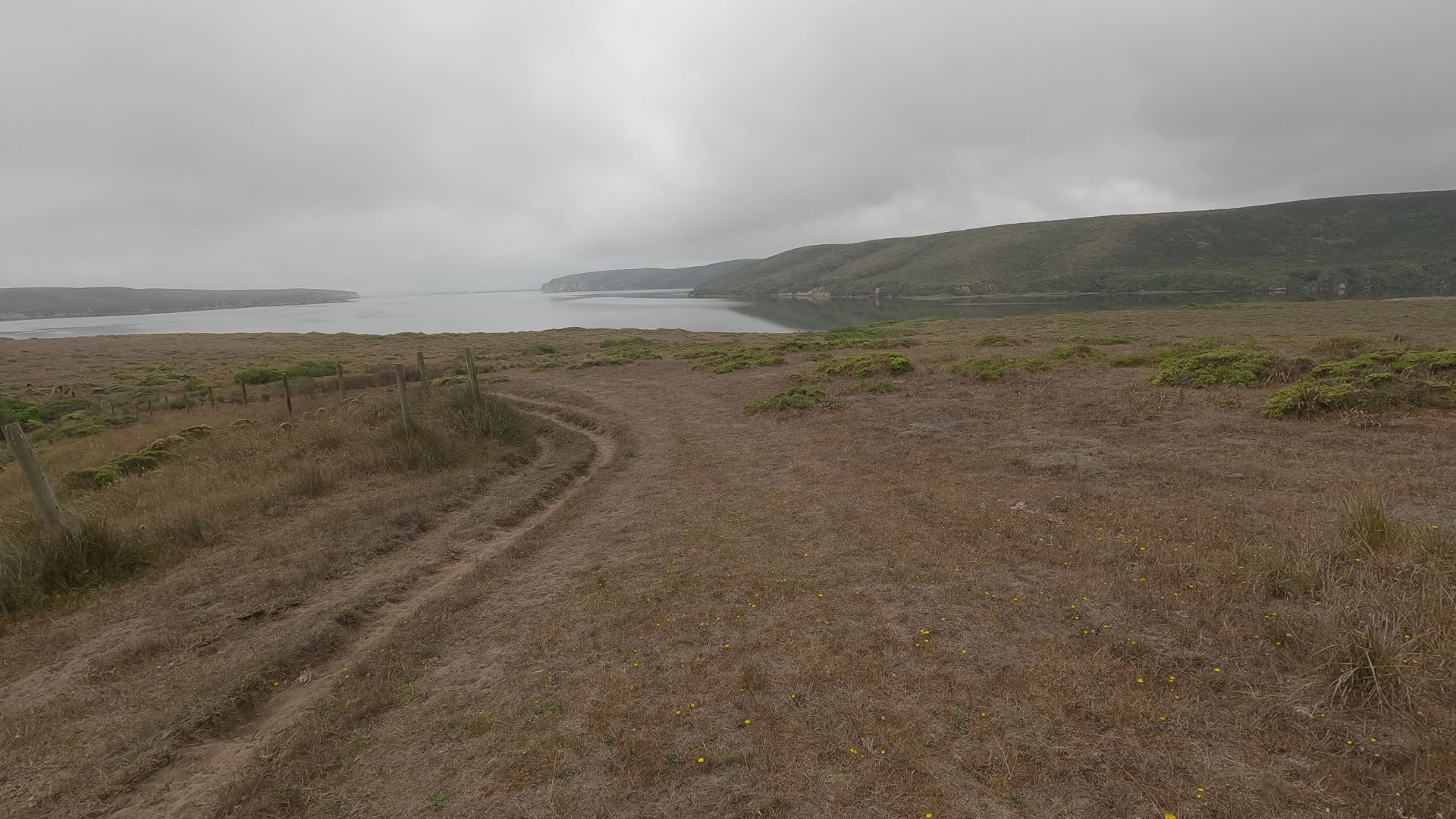
Summer Wildflower Highlights
Summer doesn’t get as much attention, but there’s still plenty to see. Blooms can last into August, especially with the cool, foggy weather.
The fog keeps things hydrated, so flowers stick around longer than they do inland.
Beach and dune wildflowers really come into their own in summer. These tough little plants thrive in sand and salt spray.
Scrubland areas switch over to drought-tolerant species as it heats up. I always notice a shift in what’s blooming as summer rolls in.
Summer flowers are usually smaller and tougher, built to survive the dry months and bright sun.
Point Reyes’ long bloom season—from February into August—makes it a standout compared to other places in California.
Best Wildflower Trails
Chimney Rock Trail is my top pick for wildflowers with a view. It’s a short hike, but you get a mix of habitats and a big ocean backdrop.
You’ll see grassland flowers, bluff plants, and some tucked-away valley blooms, all along one hike.
Tomales Point Trail is a longer trek, but you get wildflowers and tule elk in the same day. The wind up there means only the hardiest flowers thrive.
Abbotts Lagoon Trail is an easy walk and hits lots of different wildflower zones. The lagoon shelters some delicate species that can’t handle the wind.
Bloom Forecast and Calendar
Peak blooms depend on winter rain. Wet years mean earlier and more spectacular flowers.
| Month | Bloom Status | Best Locations |
|---|---|---|
| February | Early blooms | Abbotts Lagoon, Chimney Rock |
| March-April | Peak display | All major trails |
| May | Late spring flowers | Tomales Point, coastal areas |
| June-August | Summer species | Beaches, scrublands |
I’d suggest checking for current bloom reports before you go. The park usually updates them during peak season.
Weather can stretch or shorten the bloom period. If it’s a cool, wet spring, flowers last longer. Hot, dry spells can cut things short.
If you want the best wildflower experience, mid-March through early May is usually the sweet spot.
Understanding Marine Wildlife and Behaviors
Knowing what to look for makes whale watching way more fun. Point Reyes is home to dolphins, seals, and sea lions, too—each with their own quirks and behaviors that are worth a closer look.
Whale Behaviors: Spouting, Breaching, and Spy Hopping
Spouting is probably the thing I see most often when I’m scanning the water from shore. When whales come up for air, that warm breath hits the chilly ocean breeze and—just like that—you get a burst of mist. The spout only lingers for a moment.
I’ve learned to tell different whales apart by their spouts. Gray whales shoot out these short, heart-shaped bursts, while humpbacks send up taller, straighter plumes.
Breaching is a whole different show. Whales launch themselves out of the water, sometimes with most of their body airborne. The splash? It’s massive and impossible to miss, even from far away. Humpbacks seem to love breaching—sometimes I wonder if they’re just showing off or maybe shouting a message across the waves.
Spy hopping is a bit subtler, but it’s always fun to catch. Whales will poke their heads above the surface, almost like they’re curious about what’s happening around them. I imagine them checking for landmarks or maybe just looking out for trouble. They keep themselves upright by flicking their tails and using their fins for balance.
Sometimes spy hopping only lasts a few seconds, but I’ve seen whales hold that pose for minutes. Humpbacks and orcas seem to do this the most, at least from what I’ve spotted.
Lunge Feeding and Other Hunting Techniques
Lunge feeding is wild to watch. Baleen whales swim up from below, mouths wide open, and rocket through schools of fish or krill. Suddenly, you see a whale explode upward, jaws agape, water and prey pouring in.
When whales are feeding, that sudden upward surge and the splash it makes are pretty easy to spot. It’s a clever way to grab a giant mouthful of food in one go.
Not every whale feeds the same way. Some team up, circling and trapping prey together. Others go solo, using bubble nets or their own tricks.
Marine Mammals Beyond Whales
Point Reyes isn’t just about whales. The area teems with marine mammals—common dolphins and bottlenose dolphins zip around in pods, sometimes racing right up to boats. Harbor porpoises are smaller and a bit shy, so I have to look closely to catch a glimpse.
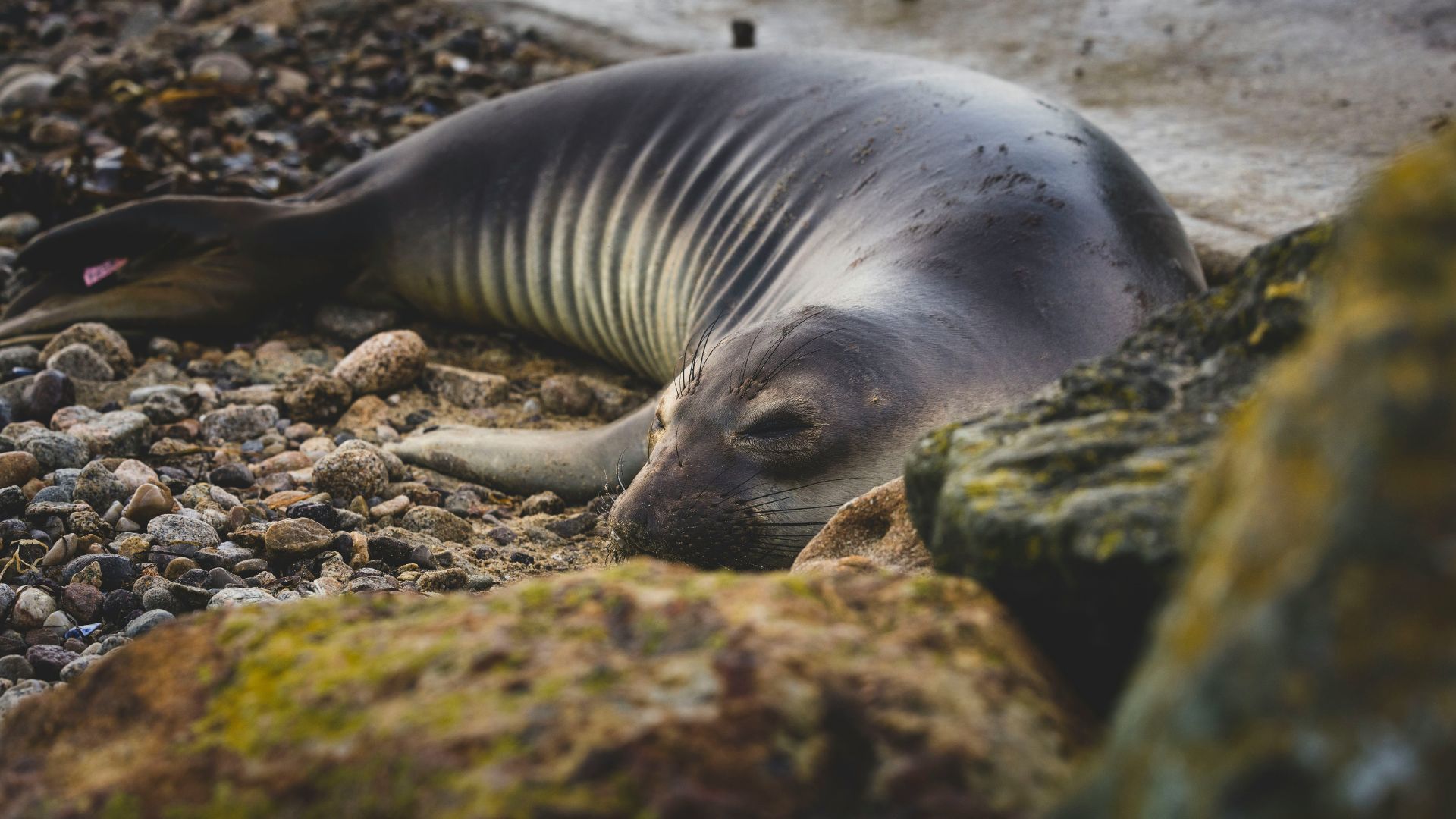
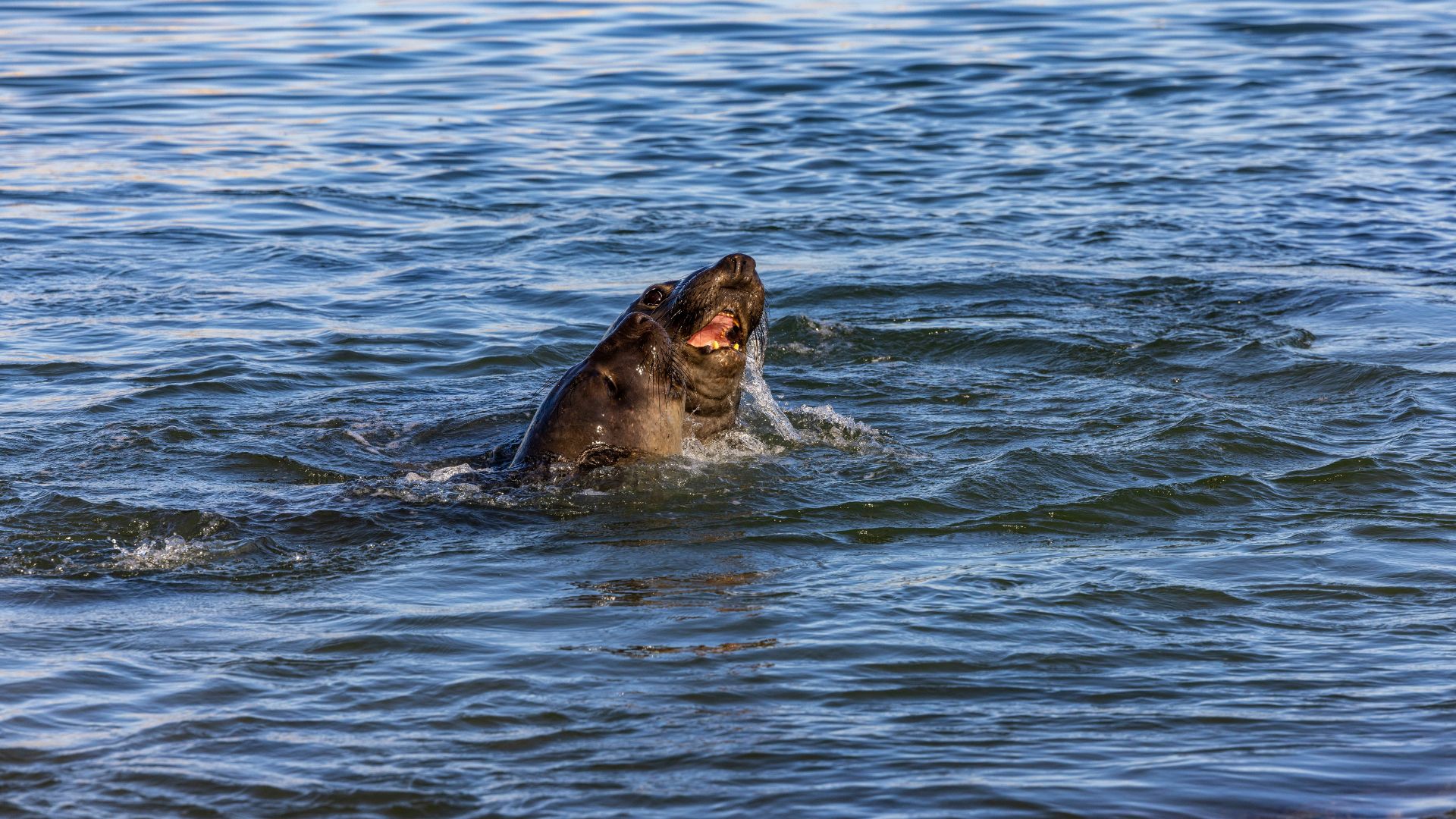
Harbor seals lounge on rocks or sandy beaches throughout the year. Sea lions are bigger and way louder, barking and bickering on the shore. Elephant seals take over entire stretches of beach during breeding season.
Each species has its own quirks. Seals and sea lions haul themselves out to rest and raise pups. Dolphins? They’re always leaping and playing in the surf.
I always keep an eye out for these animals when I’m looking for whales—they often hunt in the same places.
Conservation Efforts and Responsible Wildlife Viewing
The Greater Farallones National Marine Sanctuary protects these waters, supporting a wild mix of marine life. They run research projects, citizen science programs, and even whale monitoring systems to help ships avoid collisions with whales.
Greater Farallones National Marine Sanctuary
The sanctuary wraps around Point Reyes, guarding one of the richest marine ecosystems I’ve ever seen.
I’ve watched everything from tiny invertebrates to big sharks and, of course, whales thrive in these protected waters.
Gray whales, humpbacks, and blue whales all find safe feeding grounds here during their migrations.
Key Species Protected:
- Gray whales during winter/spring migration
- Humpback whales in summer/fall
- Blue whales and fin whales
- Year-round residents like minke whales and orcas
The sanctuary isn’t just for whales—harbor seals, sea lions, and elephant seals also call these waters home, at least for part of the year.
The Whale Trail and Citizen Science
The Whale Trail links up great viewing spots along the Pacific, making shore-based whale watching easier and more meaningful.
Their mission? Inspire people to care about the ocean and its creatures. I think that sense of stewardship really matters.
Point Blue Conservation Science helps keep tabs on what’s happening out there. Volunteers and researchers log daily sightings from the Farallon Islands.
Citizen Science Programs:
- Daily whale observations from Farallon Islands
- Boat-based observations during whale watching trips
- Trained naturalists record whale behavior and counts
The American Cetacean Society’s Gray Whale Census & Behavior Project has been running since 1984 down at the Palos Verdes Peninsula.
Volunteers spend months tracking gray whales during their migration, jotting down everything from behaviors to total numbers.
Whale Alert, Monitoring, and Reporting
Whale Alert – West Coast came together thanks to the Office of National Marine Sanctuaries, Conserve.IO, and Point Blue Conservation Science. IFAW also pitches in.
With the Whale Alert app, anyone can report whale sightings straight from their phone. It’s surprisingly easy to use, and I like knowing my sightings help researchers and fellow whale watchers.
How Whale Alert Works:
- Real-time whale sighting reports
- User-friendly smartphone application
- Publicly available sighting data
- Coordination between multiple conservation groups
The gray whale census gives ship captains the info they need to avoid running into whales.
Accurate, up-to-date reports make a real difference. Safer routes mean fewer collisions during migration.
Impact of Human Activity and Ship Collisions
Ship strikes are a serious problem for whales. The Whale Alert system is one way people are trying to fix that.
Whale watching tours can disturb wildlife if they get too close or make too much noise. Sticking to the guidelines helps keep whales safe and stress-free.
Responsible Viewing Guidelines:
- Maintain proper distances from whales
- Avoid sudden movements or loud noises
- Follow NOAA Fisheries regional regulations
- Report sightings through official channels
Education is a big part of conservation at Point Reyes. Whale watching tours give guides a chance to talk about threats to marine life.
The more people learn about whale behavior and what these animals need, the more likely they are to protect them.
Migration brings whales close to shore, right where human activity picks up. It’s up to us to keep those waters safe.
Planning Your Visit: Tips, Weather, and Accessibility
Point Reyes shines as a whale watching spot from December through May. Spring is my personal favorite—mild weather and wildflowers everywhere. The park is only about 90 minutes north of San Francisco, so it’s perfect for day trips.
Ideal Months and Weather Considerations
December through May is prime time for whale watching. Gray whales migrate during these months, so keep your eyes peeled.
Spring usually means warmer weather and less fog. April is hard to beat if you want wildflowers with your whale sightings.
Summer can get foggy and windy—the marine layer sometimes hides the view.
Fall usually brings clear skies and gentle winds. That’s when you might spot humpbacks, blues, and fin whales.
Windy days make spotting spouts tricky. Calm weather is your friend—whitecaps won’t hide the whales.
No matter when you visit, bring layers. The weather at Point Reyes changes fast.

Getting to Point Reyes from San Francisco
The drive up from San Francisco takes around 90 minutes. Hop on Highway 101 north, then take Sir Francis Drake Boulevard.
By car: Drive west along Sir Francis Drake through San Anselmo and Fairfax, then keep going until you hit Point Reyes Station.
Public transportation: There’s some bus service, but honestly, driving gives you way more freedom.
Swing by the Bear Valley Visitor Center first. Rangers there share the latest whale updates and trail info.
Parking can be a pain during peak season. If you want a good spot, get there early, preferably in the morning.
Whale Watching by Boat vs From Shore
Shore-based viewing from Point Reyes Lighthouse really gives you some of the best whale watching around. The peninsula juts out about 10 miles into the Pacific, so you feel like you’re standing right in the middle of the ocean.
If you want to spot whales from land, you’ll find the higher coastal spots work best. Honestly, I’d always recommend bringing binoculars—seeing a tail flick or a spout in the distance is just so much better up close.
Boat tours leaving from San Francisco Bay or Bodega Bay pull you much closer to these gentle giants. Most of these trips run about three to four hours, which feels just right—not too short, not too long.
Shore watching is basically free, apart from the usual park entrance fee. On the flip side, boat tours can set you back anywhere from $40 to $80 per person.
Weather can really throw a wrench into boat trips. If the seas get rough, tour operators usually cancel for safety.
Heading out to the Farallon Islands from San Francisco? You’re in for a treat, since you’ll see all sorts of marine life out there. These trips are a bit of a commitment though, usually lasting six to eight hours.
Personally, I lean toward shore watching, especially during gray whale migration. There’s just something about seeing those whales glide right past the Point Reyes coastline—it never gets old.
