
Croatia gives you something most European destinations just can’t: a chance to live in a Mediterranean paradise for a fraction of what you’d pay in Western Europe. Average apartment rentals start as low as €295 per month in cities like Osijek and around €500 in those dreamy coastal areas. I spent a ton of time digging into rental markets across the country, and honestly, Croatia’s affordable housing options make it one of Europe’s best-kept secrets for anyone who loves a good deal—travelers and expats alike.
What really stands out? The wild difference in rental prices between seasons and locations. Sure, tourist hotspots like Dubrovnik and Split get pricey in summer, but if you time your move or check out lesser-known cities, you’ll find deals that almost feel like cheating the system.
Let’s break down the real rental costs across Croatia, the legal stuff you need to know, and some tried-and-true strategies for snagging the best deals. Plus, Croatia’s overall low cost of living goes way beyond just rent. Your money simply lasts longer here than almost anywhere else in Europe.
How Apartment Rentals Unlock Croatia’s Affordable Lifestyle
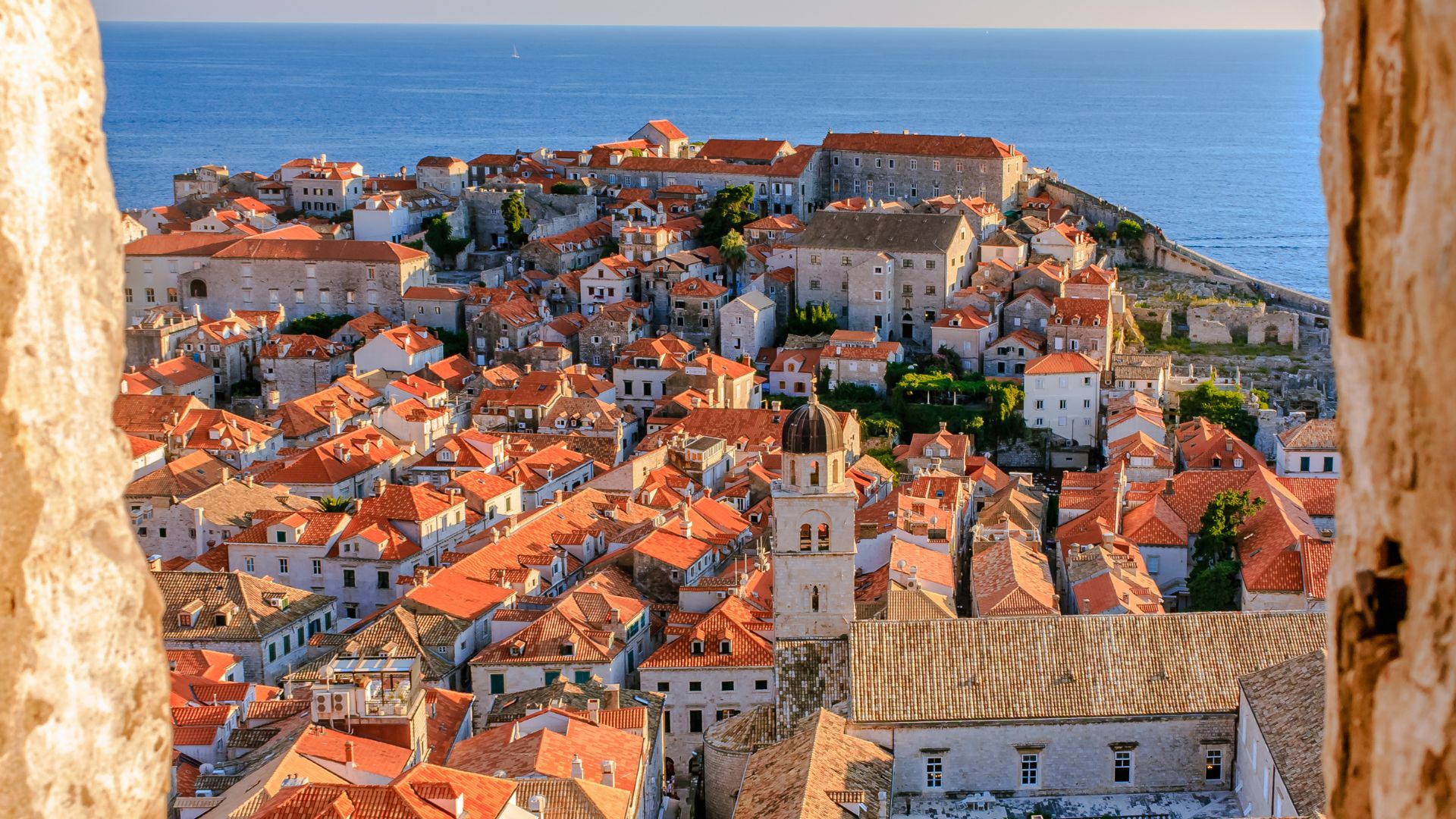
Apartment rentals unlock a side of Croatia that’s surprisingly affordable, especially if you’re planning a longer stay. The country’s tourist seasons actually create unique pricing windows, and having your own place with a kitchen will slash your daily expenses compared to hotels.
Key Price Advantages Over Other Accommodation
Renting an apartment in Croatia costs way less than booking hotels or resorts. Take Split—average monthly rent sits at about €463, which is just €15 a night.
Compare that to hotels charging €80–150 per night in peak season. So, you can rent a whole apartment for a month for what you’d spend on just a few hotel nights.
Cost Comparison:
- Monthly apartment rental: €463
- Hotel stay (30 nights): €2,400–€4,500
- Potential savings: €1,937–€4,037 per month
Most apartments come furnished, so you don’t have to worry about buying beds or kitchen gear. Usually, you’ll get essentials like a fridge and washing machine too.
Groceries, utilities, and local services are 30–50% cheaper than what you’d pay in Germany or France. That’s a big deal if you’re budgeting for the long haul.
Impact of Tourist Seasons on Rental Affordability
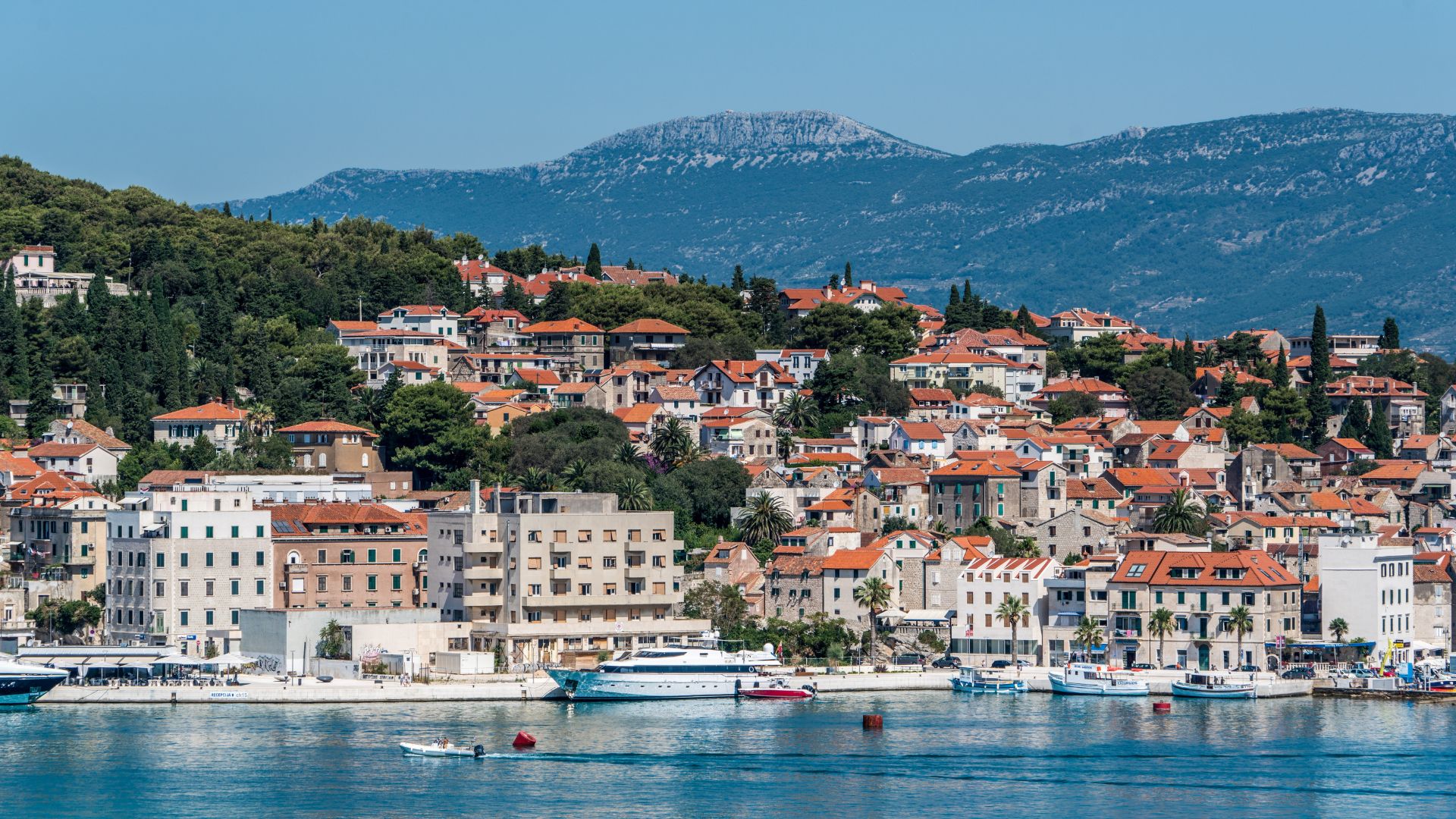
Tourist seasons swing apartment prices in Croatia up and down. If you time your stay right, you can save a lot.
Summer (June–September) brings the highest prices, since many apartments switch to short-term tourist rentals. Landlords often offer long-term rentals only from October to April.
Seasonal Price Patterns:
- Peak Season (June–Sept): Scarce and pricey
- Off-Season (Oct–April): Best deals, more choices
- Shoulder Season (May, Oct): Decent prices, fair availability
In winter and spring, I’ve seen prices drop 40–60% compared to summer. The coast shows the biggest drops.
Some landlords will try to push out long-term tenants by April to cash in on tourists. Always double-check your rental agreement for forced move-out clauses.
University towns like Zagreb also have their own rental cycles. Student demand peaks in the fall and can drive prices up.
Savings Through Apartment Living and Self-Catering
Cooking at home in a Croatian apartment saves a ton. Restaurant meals generally run €10–25 per person, but making the same at home costs just €3–7.
Local markets offer super cheap, fresh produce. A week’s groceries for two people? Usually €30–50. That barely covers two or three restaurant meals.
Weekly Food Budget Comparison:
- Self-catering: €30–50
- Restaurant dining: €140–350
- Weekly savings: €90–300
Supermarkets stock good ingredients at low prices. Local wines? €3–8 a bottle. Fresh seafood from the market is half what you’d pay at a restaurant.
Having your own kitchen means you eat what you want, when you want. I like being able to control what goes into my meals and how much I spend.
You’ll save on other things, too. Doing laundry at home beats paying hotel laundry prices. Plus, you can stock up when there’s a sale because you’ve got the space.
Comparing Rental Costs Across Croatian Destinations
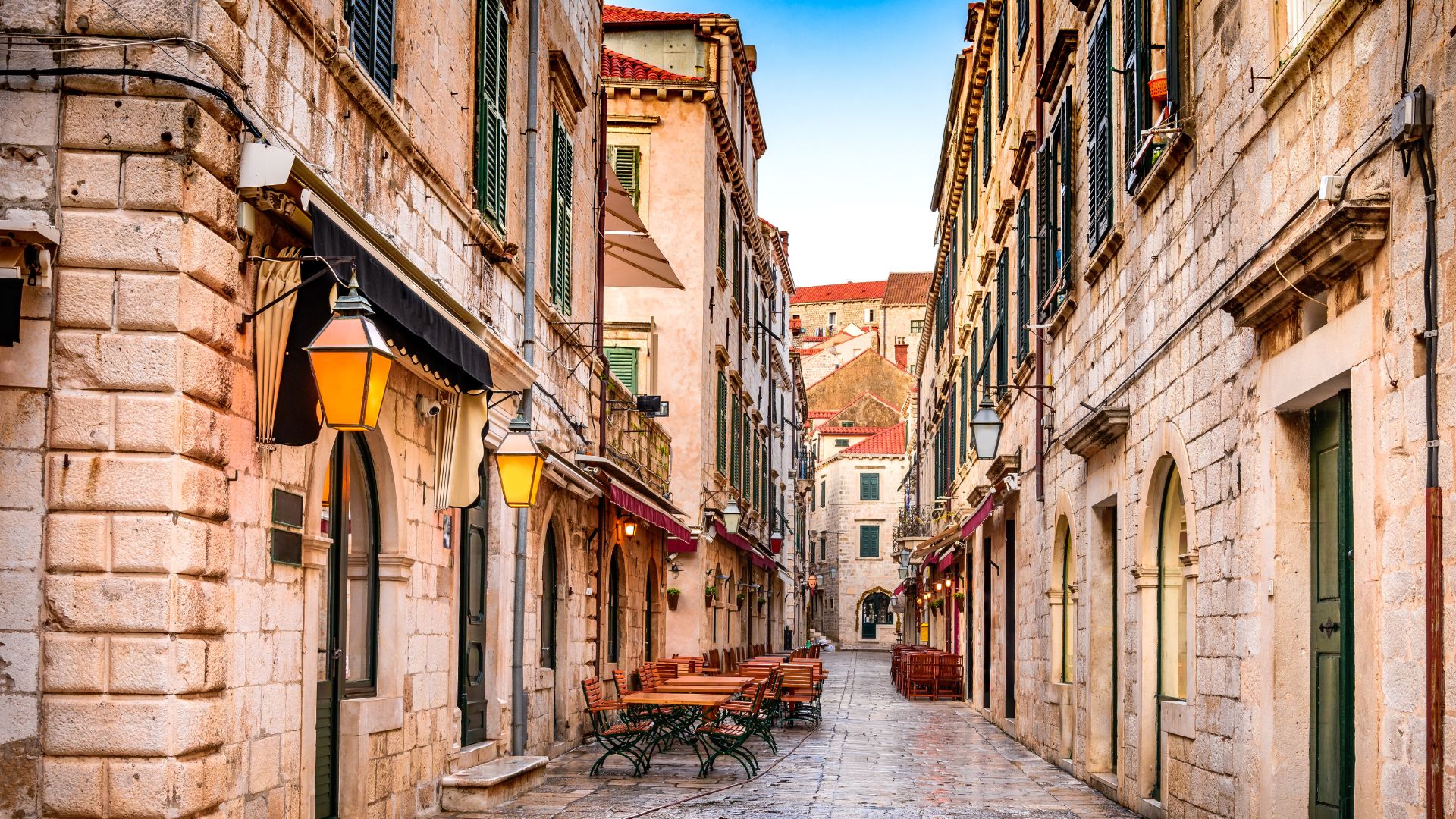
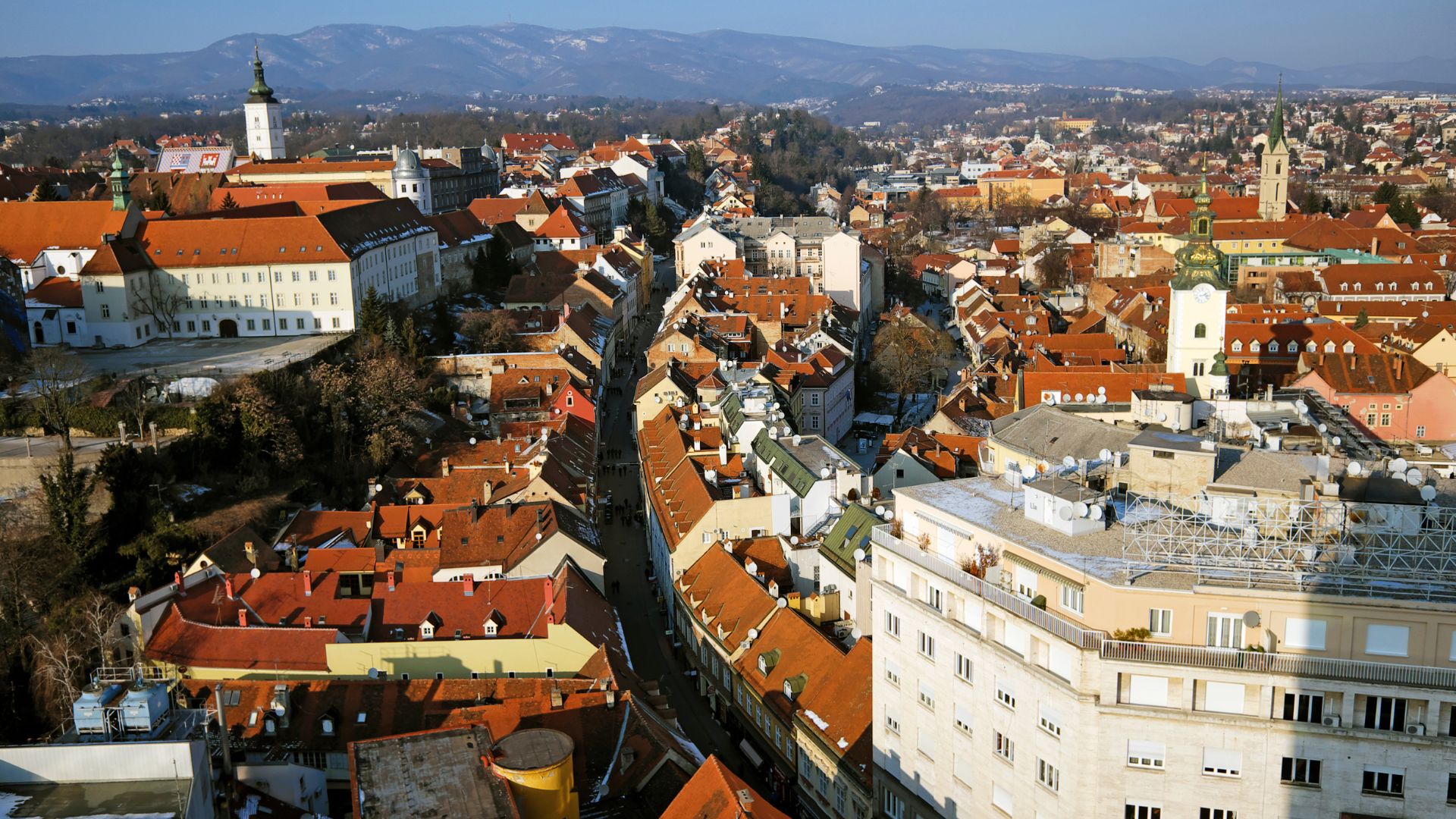
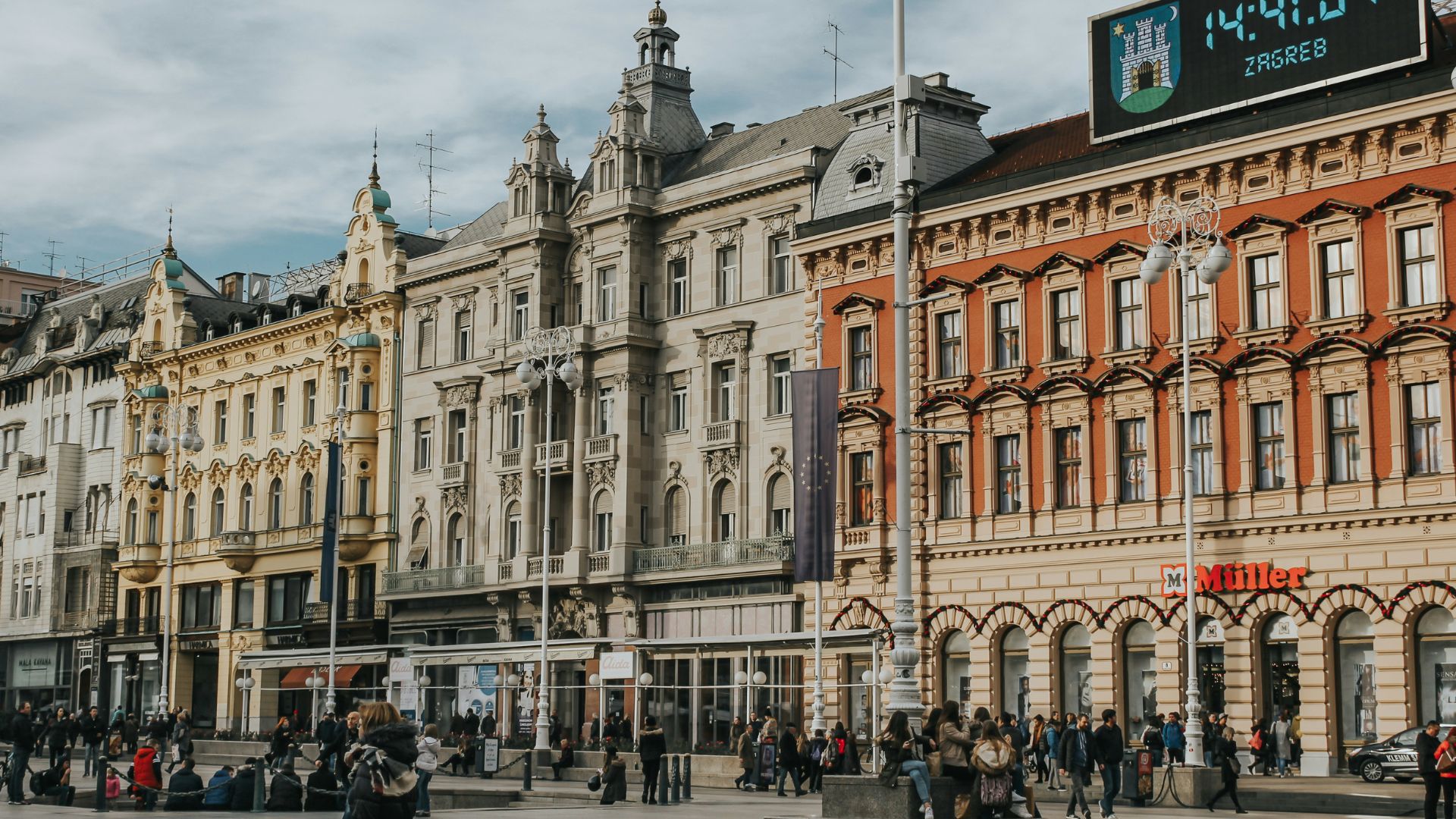
Croatia’s rental market varies a ton by region. Zagreb is the bargain hunter’s dream, with city center apartments around €500 a month. Dubrovnik? That’ll set you back €850 or more. Coastal spots get expensive during tourist season, but inland cities stay affordable all year.
Differences Between Major Cities and Coastal Hotspots
The price gap between major cities and the coast is no joke. Split and Dubrovnik ask a premium thanks to tourist demand.
Major Cities:
- Zagreb: €400–€600 for a one-bedroom
- Rijeka: €350–€500
- Osijek: €250–€400
Coastal Hotspots:
- Split: €500–€700
- Dubrovnik: €700–€850+
- Zadar: €450–€650
Tourism drives those coastal prices. In summer, vacation rentals crowd out long-term listings, pushing rents higher.
Coastal cities also attract digital nomads and foreigners. The draw? Sea views, old-world charm, and all the amenities—hard to resist, honestly.

Rental Prices in Zagreb Versus Dubrovnik
Zagreb and Dubrovnik sit at opposite ends of the price spectrum. Zagreb, the capital, gives you city life without the coastal upcharge.
Zagreb Rental Costs:
- One-bedroom in the center: €500
- Three-bedroom: €800–€1,200
- Suburbs: €300–€450
Dubrovnik Rental Costs:
- One-bedroom in the center: €850+
- Three-bedroom: €1,500–€2,000+
- Outside Old Town: €600–€900
Dubrovnik’s UNESCO status and tourist appeal drive prices way up. The limited housing inside the old walls makes it even more expensive.
If you want value, Zagreb is the place. More rental options, stable pricing, and less competition from vacationers.
Cheapest Places for Apartment Rentals
For the best deals, look to smaller inland cities and lesser-known coastal towns. These places offer authentic Croatian living for a fraction of big city prices.
Most Affordable Options:
- Slavonski Brod: €200–€350
- Karlovac: €250–€400
- Varazdin: €300–€450
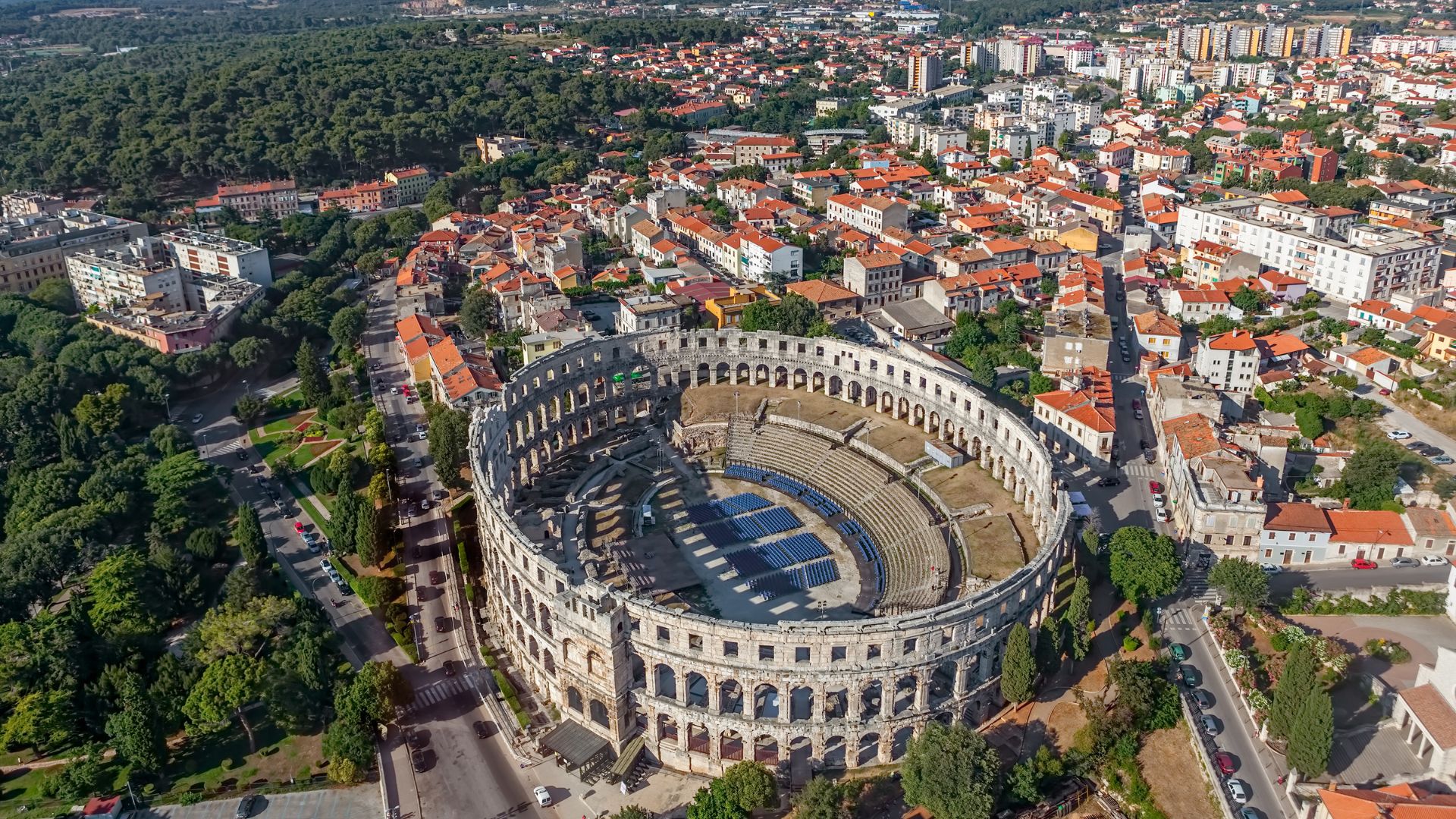
- Pula: €350–€500
Eastern Croatia, especially Osijek and Vukovar, has the lowest rents. You’ll find modern apartments and great value.
Northern coastal towns like Pula let you enjoy the sea without Dubrovnik’s price tag. I love how these spots blend affordability with beach access.
If you’re okay being off the beaten path, smaller Dalmatian towns like Sinj or Imotski give you mountain views and traditional culture on a tight budget.
Understanding Rental Agreements and Legal Requirements
Renting in Croatia means dealing with specific legal rules that protect both sides. Written contracts are a must, and paperwork depends on your residency and how long you plan to stay.
Contract Essentials for Foreigners
Croatian law requires all rental agreements to be in writing, no matter where you’re from. Every lease needs to spell out the rental price and payment schedule—typically, rent’s due on the first of each month.
Contracts must state the security deposit (usually one or two months’ rent) and explain how and when you’ll get it back.
Make sure the property description and maintenance responsibilities are clear. Who fixes what? It should be in writing.
Lease length and how to end it also need to be spelled out. Look for notice periods and any penalties for leaving early.
I always ask for a condition report before moving in. It’s not required by law, but it helps protect your deposit if there’s already damage.
Residency Status and Required Documentation
Your residency status changes what paperwork landlords might ask for.
EU citizens just need a valid passport or national ID. Some landlords ask for proof of income, but it’s not strictly necessary.
Non-EU citizens will need a valid passport and the right visa or residence permit for stays over 90 days.
Most landlords want to see proof of income—bank statements, work contracts, or tax returns usually work.
If you’re staying more than 30 days, you’ll need to register with local authorities. Landlords are supposed to help with this.
Some may ask for Croatian bank account details for rent, but you can usually pay by international transfer or cash if needed.
Seasonal Versus Long-Term Leases
Croatia has two main rental markets, each with its own rules and prices.
Seasonal rentals (April–October) charge more per month but run for just 3–6 months. These usually come fully furnished, utilities included, and are common in tourist hotspots.
Long-term leases (12–24 months) offer better monthly rates and more room to negotiate. These are often unfurnished or only partly furnished, and you’ll usually set up utilities yourself.
There’s no rent control for private rentals in Croatia. Prices are up for negotiation, whether you’re going seasonal or long-term.
Long-term contracts give tenants more protection—longer notice periods and stricter rules on rent hikes.
Maximizing Savings with Strategic Choices
If you play your cards right—timing, location, and understanding hidden costs—you can cut your rental bills in Croatia by a lot. Local know-how and seasonal timing are your best friends here.
Timing Your Move for Optimal Rental Rates
Timing really is everything. The best deals pop up in the off-season—October through March.
In summer, landlords crank up prices thanks to tourist demand, and many apartments flip to short-term rentals.
Best months to search:
- November to February (lowest rates)
- March and October (still some savings)
- Avoid July and August (prices peak)
Start your search 2–3 months before you want to move. It gives you more room to negotiate.
Landlords often drop the price for longer leases. Signing for 12 months can save you 10–20% compared to short-term stays.
Location Tips: Affordable Neighborhoods and Regions
Your choice of city or neighborhood makes a huge difference. Some spots are just better deals.
Most affordable cities for renting:
- Osijek: €390–650
- Rijeka: €500–800
- Zagreb suburbs: €550–750
Split is pricey, mostly because of tourism. Downtown Zagreb costs more than outer neighborhoods like Novi Zagreb.
I like areas like Trešnjevka or Maksimir in Zagreb—they’re well-connected and cheaper than the city center.
Coastal towns like Pula or Zadar give you the sea without the Dubrovnik price tag. Worth a look if you want Mediterranean vibes on a budget.
Utility, Maintenance, and Additional Costs
Don’t forget the extras—utilities and fees can add up. I always factor these into my total budget.
Typical monthly utility costs:
- Electricity: €30–60
- Water: €15–25
- Internet: €20–30
- Heating (winter): €50–100
Most rents don’t include utilities. Sometimes landlords cover basics, but you’ll pay extra if you use a lot.
Apartment buildings charge maintenance fees—usually €20–50 a month—for things like cleaning and repairs.
I’d budget an extra €100–150 a month for all these extras. Better safe than sorry, right?
Leveraging Local Advice and Real Estate Agencies
Local real estate agents know the market inside out. I count on them for tips and to avoid rookie mistakes.
Agents have the scoop on unlisted rentals, help with negotiations, and can even translate contracts.
Why use a local agent:
- Find hidden gems
- Get help negotiating
- Understand the legal side
- Avoid language mix-ups
Expats groups on Facebook and local forums are goldmines for advice. People share honest opinions about landlords, neighborhoods, and what’s a fair price.
Having Croatian friends or colleagues helps, too. They know which neighborhoods are up-and-coming and where you’ll get the most for your money.
Living Affordably in Croatia: Beyond Just Rent
Croatia offers way more than just cheap rent. Utilities rarely break the bank—expect to pay only €20-30 per person each month. Groceries? If you’re cooking at home, you’re looking at €200-400, which is honestly pretty manageable.
Transportation is surprisingly budget-friendly if you plan ahead. I’ve snagged bus tickets for as little as €1.25. High-speed internet clocks in at €34 a month, which makes remote work totally doable here.
Managing Daily Expenses
Whenever I shop at supermarkets instead of the touristy markets, my food costs stay in check. My monthly grocery bill usually falls somewhere between €200 and €400, especially if I stick to home-cooked meals.
Here’s how my basic utilities usually add up:
- Electricity, water, garbage: €20-30 per person monthly
- Internet (60 Mbps): €34.45
- Mobile plan (10GB): €9.99
I’ve noticed these prices don’t really change much, whether I’m in Zagreb or hanging out on the coast in Dubrovnik. That said, running the air conditioning during a hot summer can nudge the electricity bill up.
Restaurants are a mixed bag. Dubrovnik’s tourist spots will drain your wallet fast, but local joints in Zagreb serve up much better deals. I’ve found I spend two to three times less eating out in the off-season.
One thing I love? Tap water here is safe—no need to buy bottled water, which saves both cash and hassle.
Transportation and Connectivity Insights
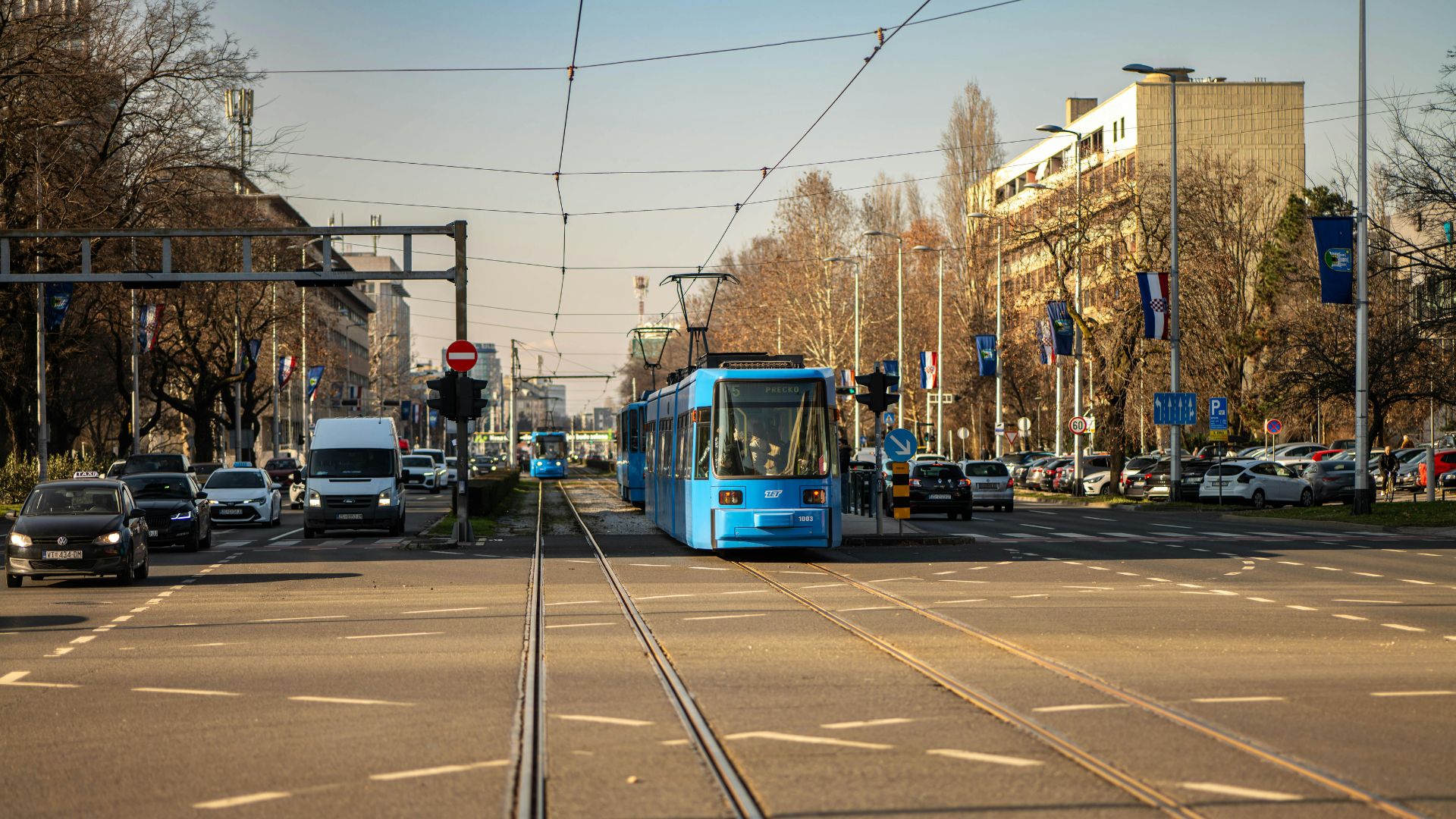
If you’re willing to plan ahead, you’ll save a ton on transportation. I always buy bus tickets through apps, and it’s way cheaper than paying the driver.
What I’ve paid for public transport:
- Split/Zagreb advance tickets: €1.25-2.00
- Buying from drivers: €3.50
- Inter-city buses: €35-45 for longer trips
Uber and Bolt both run in the bigger cities. Typical rides start at around €15. I’ll use them if public transport gets too complicated or I’m in a hurry.
Car rentals are a wild ride price-wise. In winter, I’ve paid €250-400 per month, but in summer, prices can skyrocket to €600-1000. Fuel for occasional drives sets me back €30-50 a month.
Parking is where things get tricky. In city centers, especially Split, you’ll pay €4 an hour. After three hours, daily rates kick in. I learned the hard way—left my car for six hours and got hit with a €45 bill. Ouch.
Lifestyle Amenities that Boost Value
Croatia’s lifestyle perks really stand out compared to what you’d find in Western Europe. You can get solid internet speeds—think 60 Mbps—so working remotely is totally doable, and it won’t drain your wallet like it might in Germany or France.
Entertainment is surprisingly affordable all year. A Netflix subscription sets you back just €9 a month. Local festivals and outdoor adventures? Sometimes they’re free, or close to it.
Seasonal prices make a huge difference here. In winter, I’ve snagged fancy apartments with pools for €1000-3000 a month. Try booking those same places in summer and you’ll pay three times as much.
Healthcare doesn’t break the bank, either. Basic services, dentist visits, and routine checkups cost way less than what you’d pay in most of Western Europe—especially outside Zagreb.
Since Croatia joined the EU in 2013 and became part of the Schengen Area, banking and paperwork have gotten way easier. If you’ve ever dealt with red tape in non-EU countries, you’ll know what a relief that is.
