
Canada’s hotspots usually come with summer price tags that sting. But honestly, some of the country’s most jaw-dropping places seem to come alive when the crowds vanish and the air turns crisp.
Traveling to Canadian destinations during the off-season can save you anywhere from 30% to even 60% on accommodations. Plus, you’ll get to experience the real Canada—quiet, wild, and so much friendlier. Imagine storm watching on Vancouver Island or wandering Quebec City’s snowy, lantern-lit streets. These months reveal a side of the country most travelers just miss.
Let’s dig into mountain escapes out west, secret Ontario and Quebec retreats, and Atlantic coastlines that become affordable playgrounds in the shoulder season. I’ll show you how to stretch your dollar, dodge the crowds, and find adventures that turn chilly months into the best time to see the Great White North.
Why Travel to Canadian Destinations in the Off-Season?
Traveling in Canada’s off-season isn’t just about saving money—though, that’s a huge perk. Lower costs, empty trails, and one-of-a-kind experiences make these months way more appealing than you might guess.
Benefits of Off-Season Travel
Off-season opens doors you’ll never find in peak months. I’ve noticed local businesses slow down and actually have time to chat or give tips.
You’ll stumble onto unique seasonal activities. Spring whale watching in Vancouver? You get front-row seats to migrating greys, without fighting for space. Winter in Ottawa turns the city into a festival, with skating on the Rideau Canal that feels straight out of a fairy tale.
Sometimes, the weather’s actually better outside peak season. Fall brings those crazy colors and comfortable days. Spring means mild temps and fewer bugs.
When crowds thin out, authentic local experiences bubble up. Restaurants roll out seasonal menus. Museums and galleries feel peaceful and personal.
How Off-Season Timing Saves You Money
I’ve seen off-season trips slash costs everywhere. Hotels drop their rates by 30-50% just to fill rooms.
Accommodation savings are huge. That $350 luxury room in July? It might go for $160 in November.
Flights get cheaper when fewer people travel, so airlines drop fares to fill seats.
Activities become more affordable too. Tours, ski passes, even whale watching—operators want your business, so prices dip.
Restaurants often roll out value menus or happy hour deals. Suddenly, fine dining isn’t just for special occasions.

Avoiding Crowds for a Better Experience
Battling crowds is exhausting. Off-season, you can actually breathe and enjoy the place.
You’ll get unhurried access to top attractions. Museums, parks, and historic sites feel like your own private playground.
Photography gets so much easier. No more waiting for people to clear out of your shot. Landscapes look untouched.
Service feels warmer. Restaurant staff chat. Hotel folks remember your name and share their favorite spots.
Traveling off-peak is also a little kinder to the planet. Fewer visitors mean less pressure on local resources.
How to Maximize Savings When Planning Off-Season Trips
If you time it right, you’ll save 30-50% on flights and hotels. A few simple tricks can help you dodge crowds and score the best deals.
Choosing the Right Time to Visit
Shoulder seasons are goldmines for savings. January through March is perfect for cities like Toronto and Vancouver.
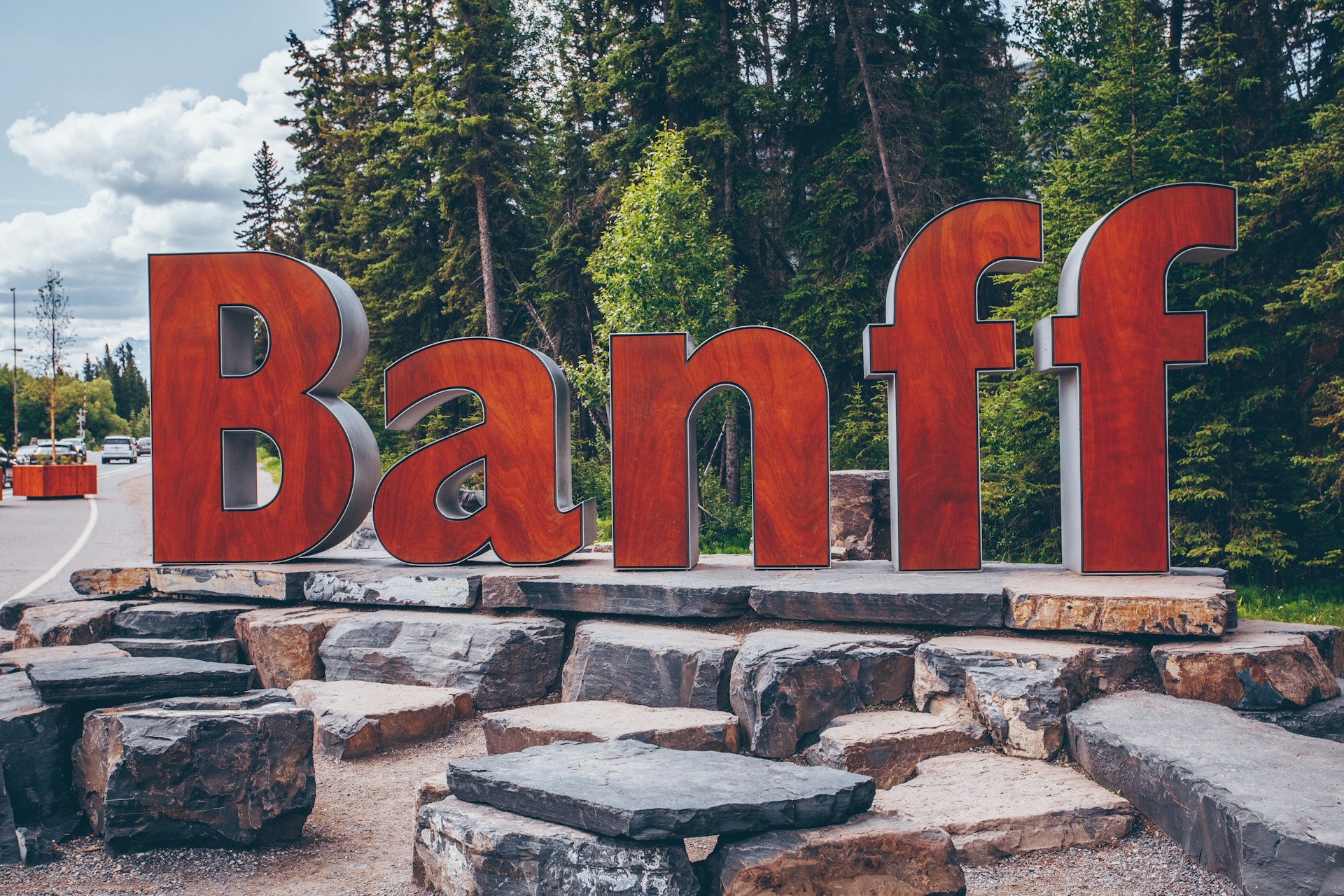
For ski towns, I like late March or early April. The snow’s still good, but prices drop fast. Banff hotels get 40% cheaper after the winter rush.
September to early November is sweet for most provinces. You’ll get lower prices and decent weather.
Skip Canadian holidays and March break. Even off-season, those dates spike prices.
Always check local calendars. Sometimes, a random festival can fill up hotels and send rates soaring.
Booking Tips for Lower Prices
I usually book flights 6-8 weeks ahead for the best deals within Canada.
Flying on Tuesdays or Wednesdays can save you $50-150 per ticket. Weekends just cost more, for no good reason.
After comparing prices online, I call hotels directly. They often match online rates and toss in perks—free breakfast, better rooms, you name it.
Package deals are worth a look, especially for places like Whistler or Quebec City. Bundling flights and hotels can shave off a surprising amount.
Set up price alerts. Off-season flight prices can drop overnight, and you don’t want to miss that window.
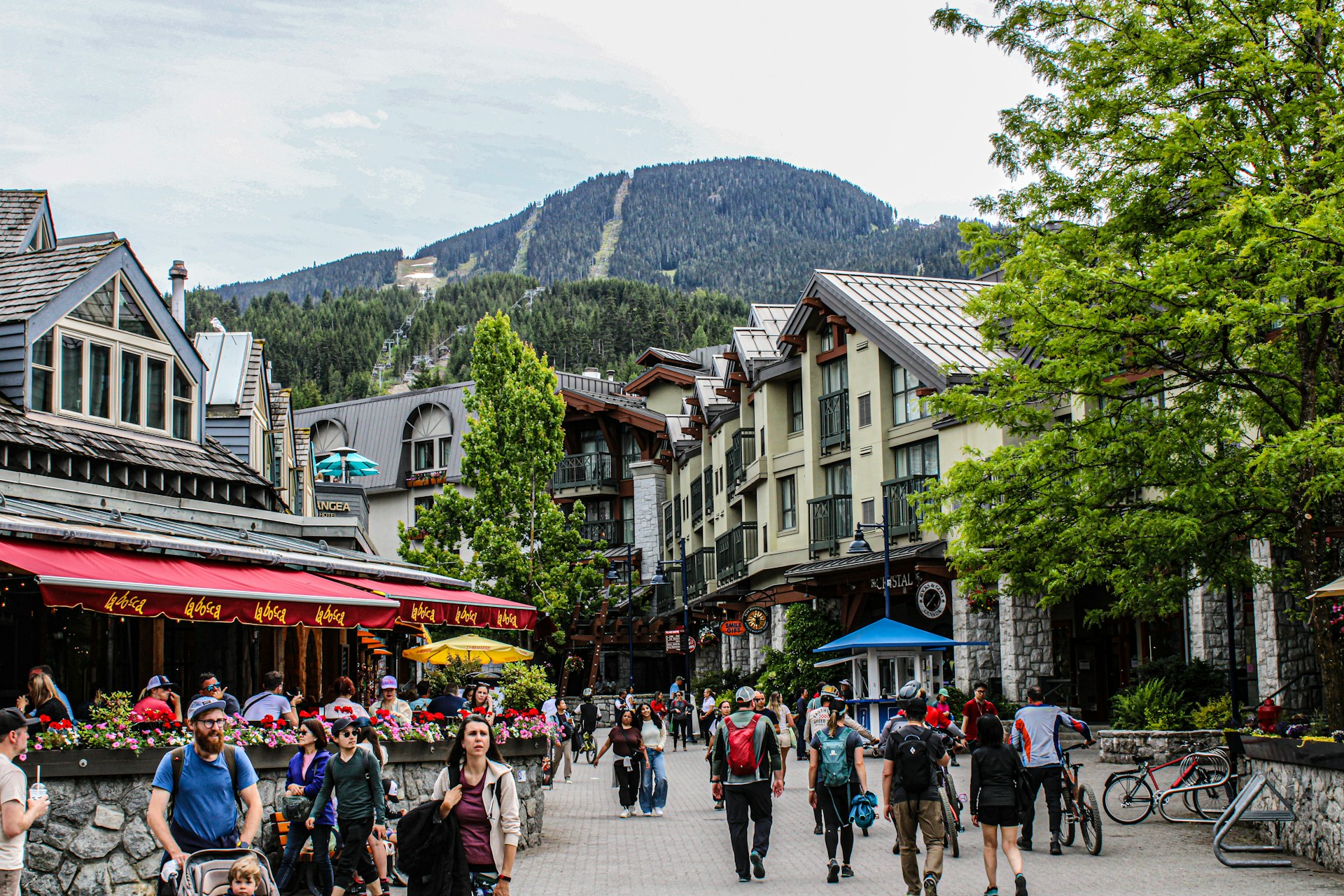
What to Pack for Off-Season Weather
Layering is key. I always pack a warm base, a cozy mid-layer, and a waterproof shell. You never know what Canada’s weather will throw at you.
Waterproof boots are a must. Trails get muddy or icy, and nobody likes wet feet.
A compact umbrella and waterproof bag cover save your stuff from sudden showers. Spring and fall can surprise you.
Don’t forget hats, gloves, and scarves—even in milder spots. Weather can flip in an instant.
And yes, bring sunscreen and sunglasses. Snow glare and high altitudes can burn you, even in winter.
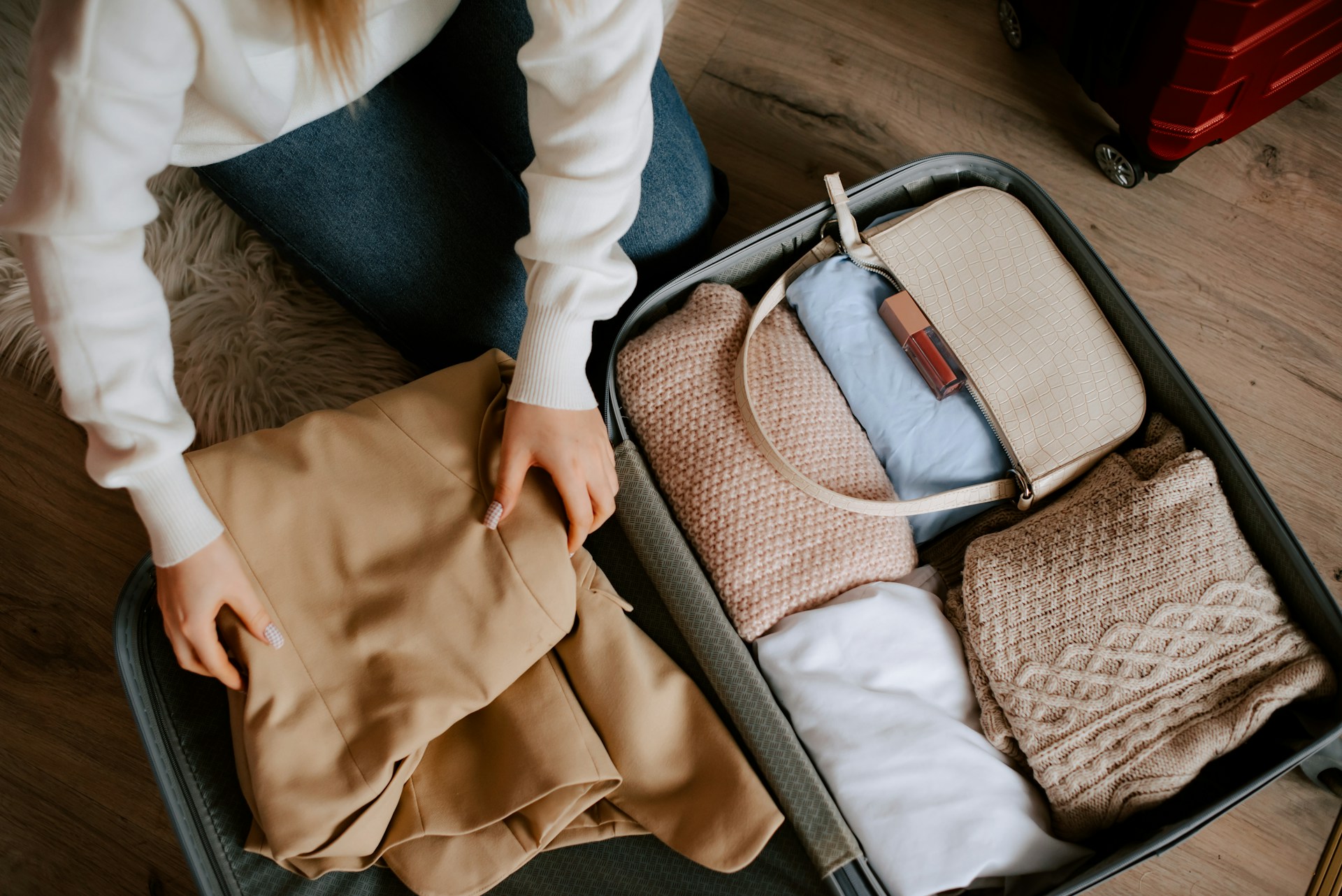
Western Canadian Gems: Off-Season Marvels in Alberta and British Columbia
The Rockies and BC’s coast become affordable and almost empty in the off-season. I’ve found unique experiences and real savings in these classic destinations.
Banff: Stunning Rockies Without the Rush
Late September to early November, or April to mid-May, Banff feels like a different place. Hotels cut rates by up to half.
Fall Perks:
- Aspen trees blaze gold—seriously, bring your camera.
- Wildlife is everywhere, prepping for winter.
- Trails stay open, and the air is crisp and clear.
Spring Wins:
- Snowy peaks with early wildflowers poking through.
- Hardly any tour buses or crowds at viewpoints.
- You can actually get a dinner reservation.
Shops and restaurants get friendlier. Hot springs feel extra cozy. I always pack for unpredictable weather, but it’s totally worth it.
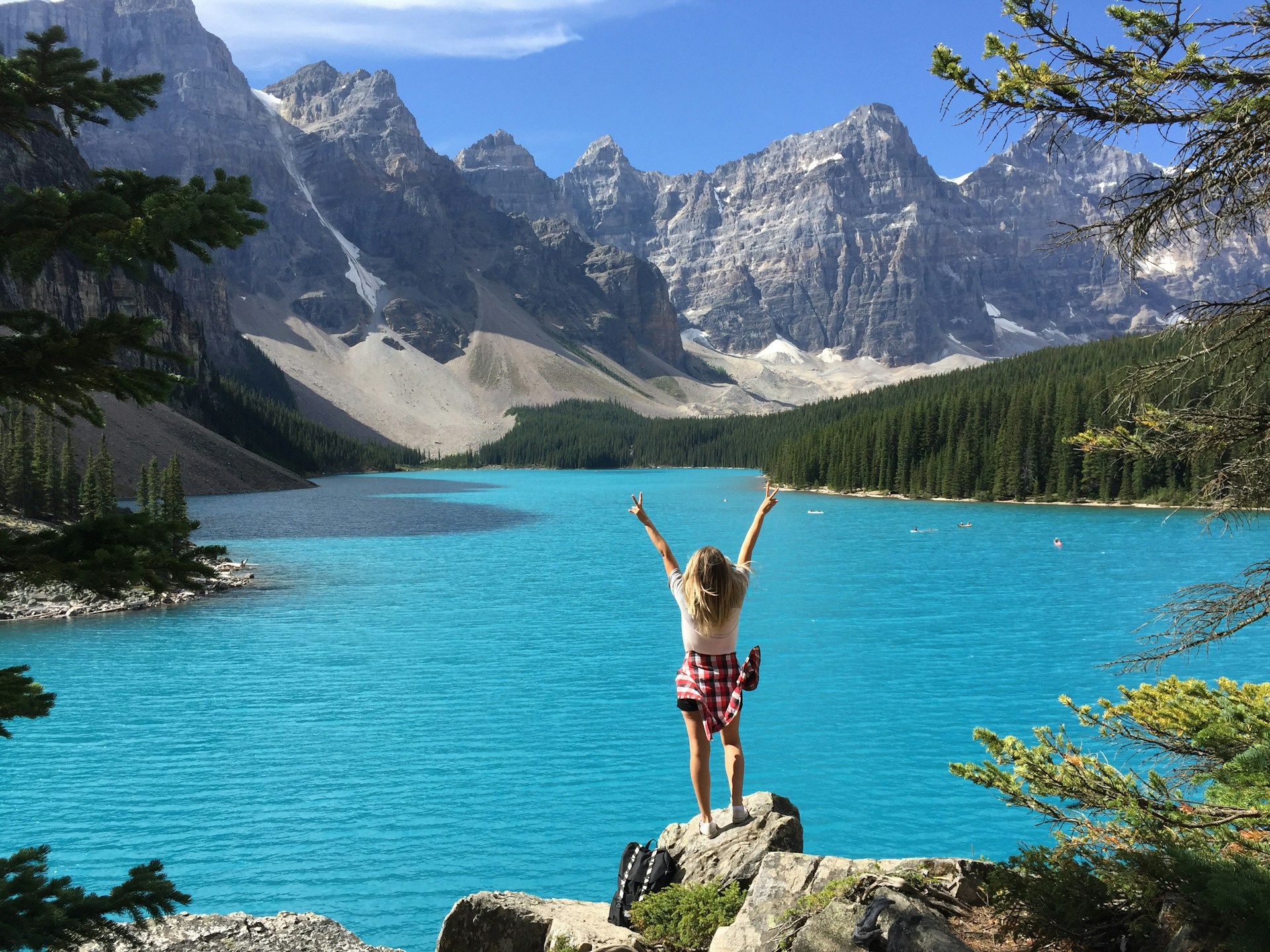
Lake Louise: Tranquility and Value
Lake Louise in May or October? Total game-changer. You’ll get peace, beauty, and lower prices.
October Highlights:
- Larch trees explode in gold.
- The lake’s like a mirror, empty of boats.
- Chateau rates drop enough to make it tempting.
May Features:
- Snowy peaks, but the ice is gone.
- Hiking opens up on lower trails.
- Mornings are quiet—no tour groups in sight.
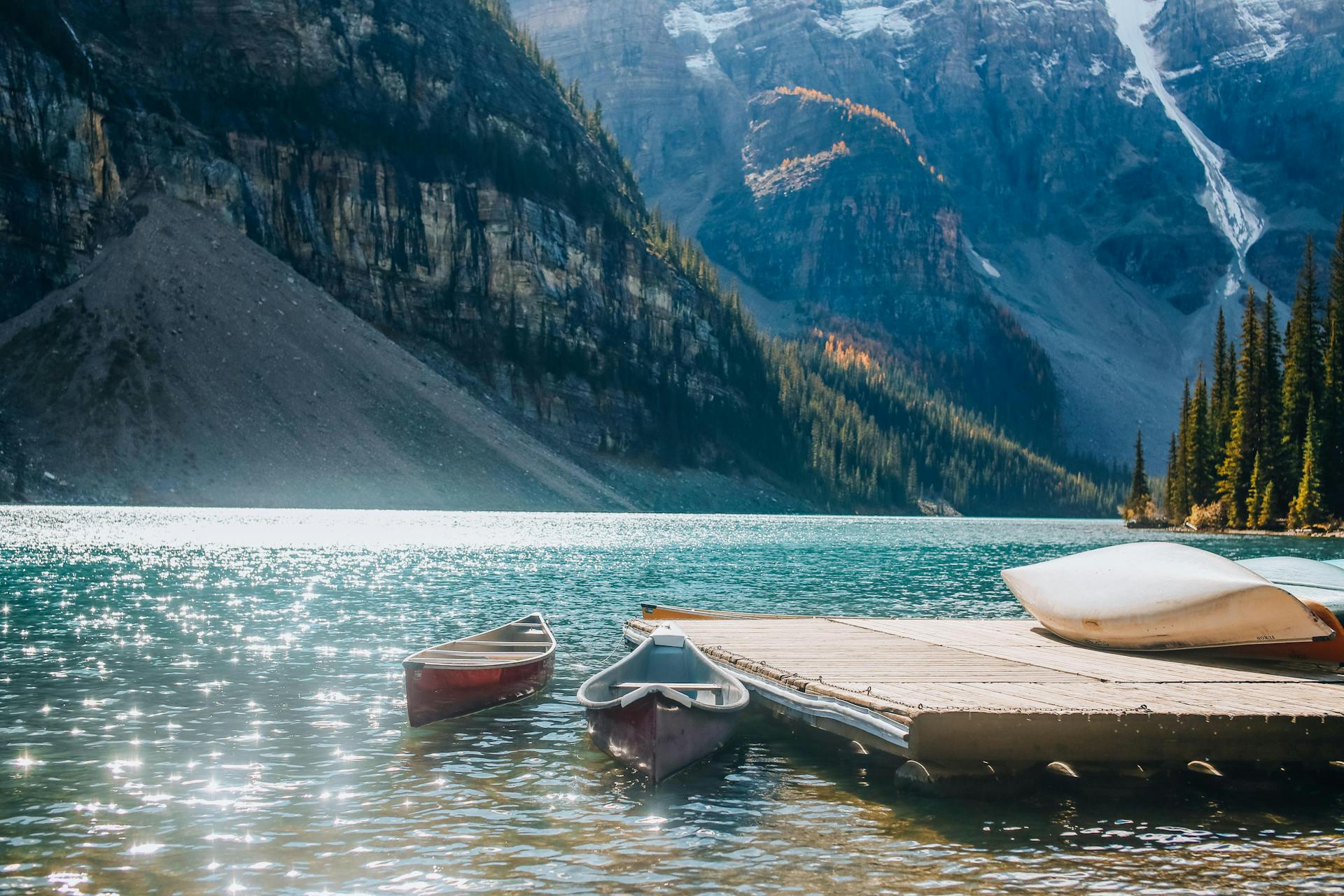
Canoe rentals cost less. Tea house hikes turn into peaceful walks, not crowded conga lines.
Photos look epic, and you can actually find parking. That alone is a miracle in summer.
Victoria: History and Urban Adventures
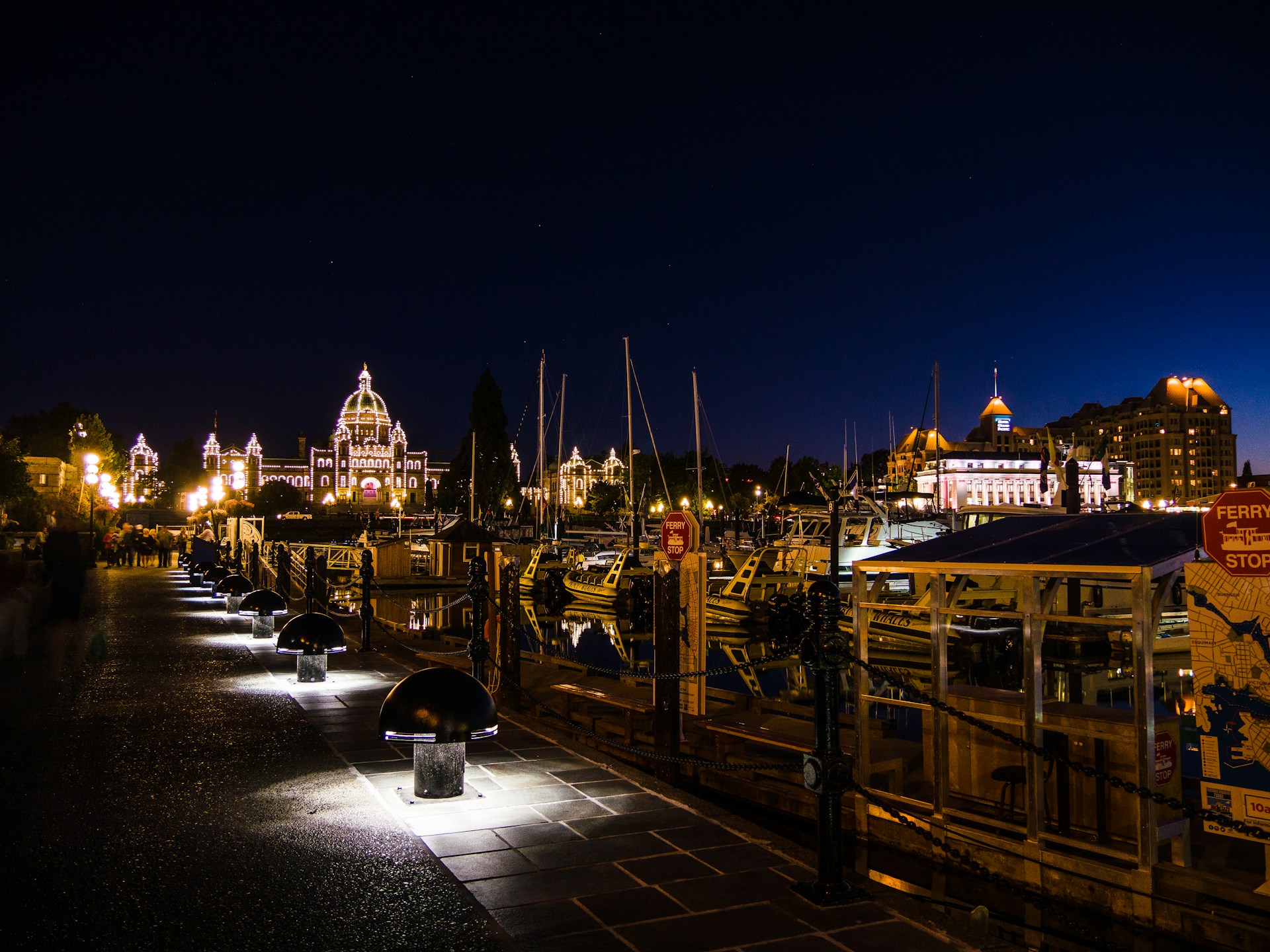
Victoria feels extra special from October to March. I love how the city slows down and locals take over.
Winter Fun:
- Butchart Gardens’ holiday lights, minus the crowds.
- Whale watching and storm watching tours.
- The Inner Harbour gets all cozy and magical.
Fall Treats:
- Perfect walking weather.
- Restaurants serve up seasonal, local dishes.
- Hotels drop prices after Thanksgiving.
Markets, breweries, and artisan shops buzz with local life. The weather’s mild, just pack a raincoat. Ferries stay affordable, and hotel deals get even better.
Hidden Ontario and Quebec Retreats for Year-Round Travelers
Northern Ontario’s wilderness lodges and Quebec’s cozy retreats become affordable escapes in the off-season. Small towns show their heart when the crowds go home.
Northern Ontario Wilderness Escapes
From October to April, northern Ontario’s lodges become a steal. Algonquin Park’s backcountry cabins cut rates by half.
Lake of the Woods stretches across three provinces and thousands of islands. Even in high season, you can find real solitude. In winter, it turns into a snowy playground.
Cabins near Thunder Bay run $80-120 a night in winter, compared to $200+ in summer. Many come with wood stoves and snowshoes.
| Season | Average Savings | Best Activities |
|---|---|---|
| Fall (Oct-Nov) | 35-45% | Hiking, photography |
| Winter (Dec-Mar) | 50-60% | Skiing, ice fishing |
| Spring (Apr-May) | 30-40% | Wildlife viewing |
Muskoka’s wellness retreats focus on yoga and meditation. It’s peaceful, and you get organic meals and time to reset.
Cultural Discoveries in Quebec’s Off-Peak Periods
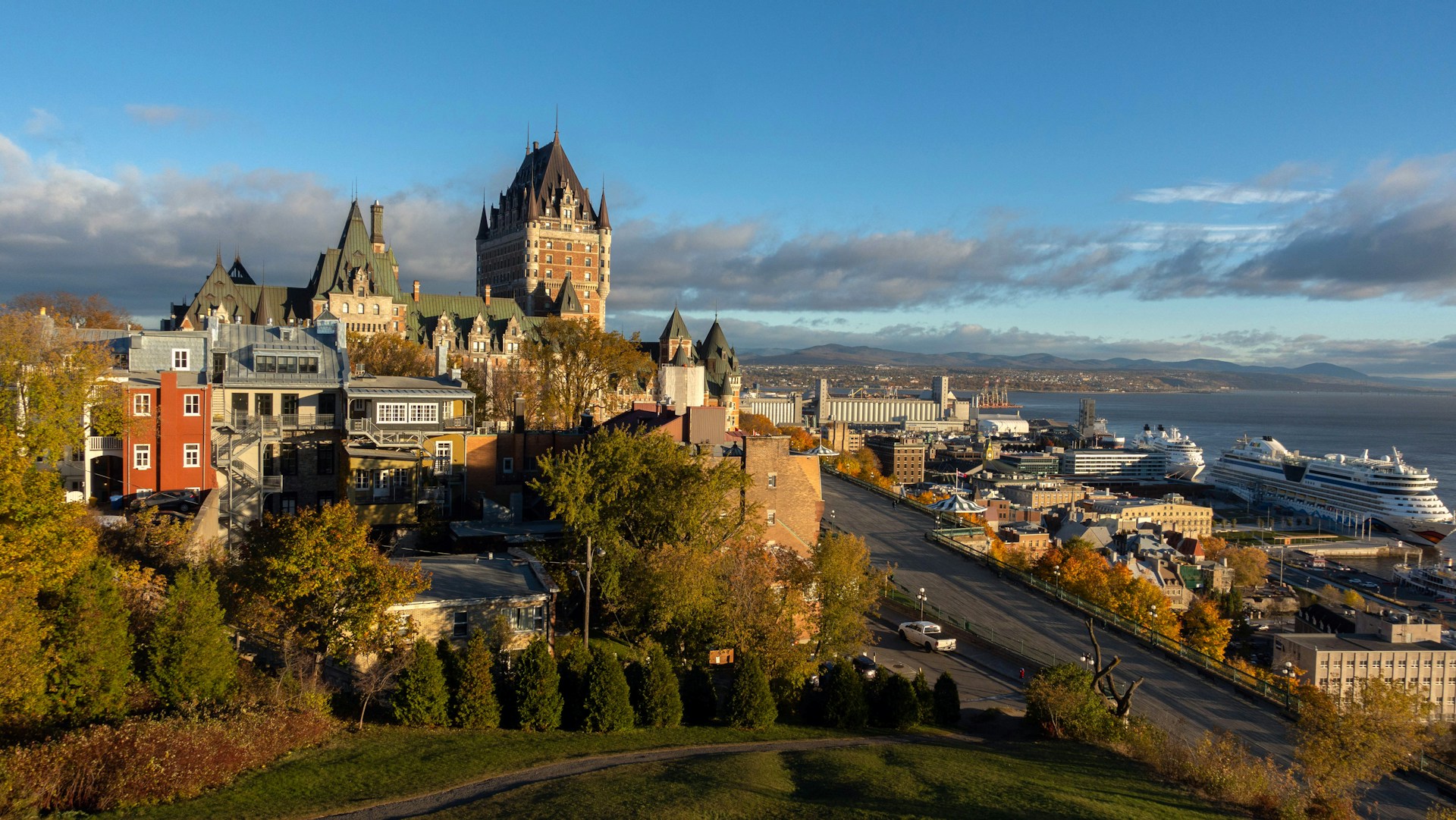
Quebec glows from November to March, when French-Canadian culture takes the spotlight. I’ve stayed in floating yurts and treetop cabins without bumping into crowds.
Eastern Townships offer wine tours and spa days at half the summer price. Maple sugar farms host cozy tastings in late winter.
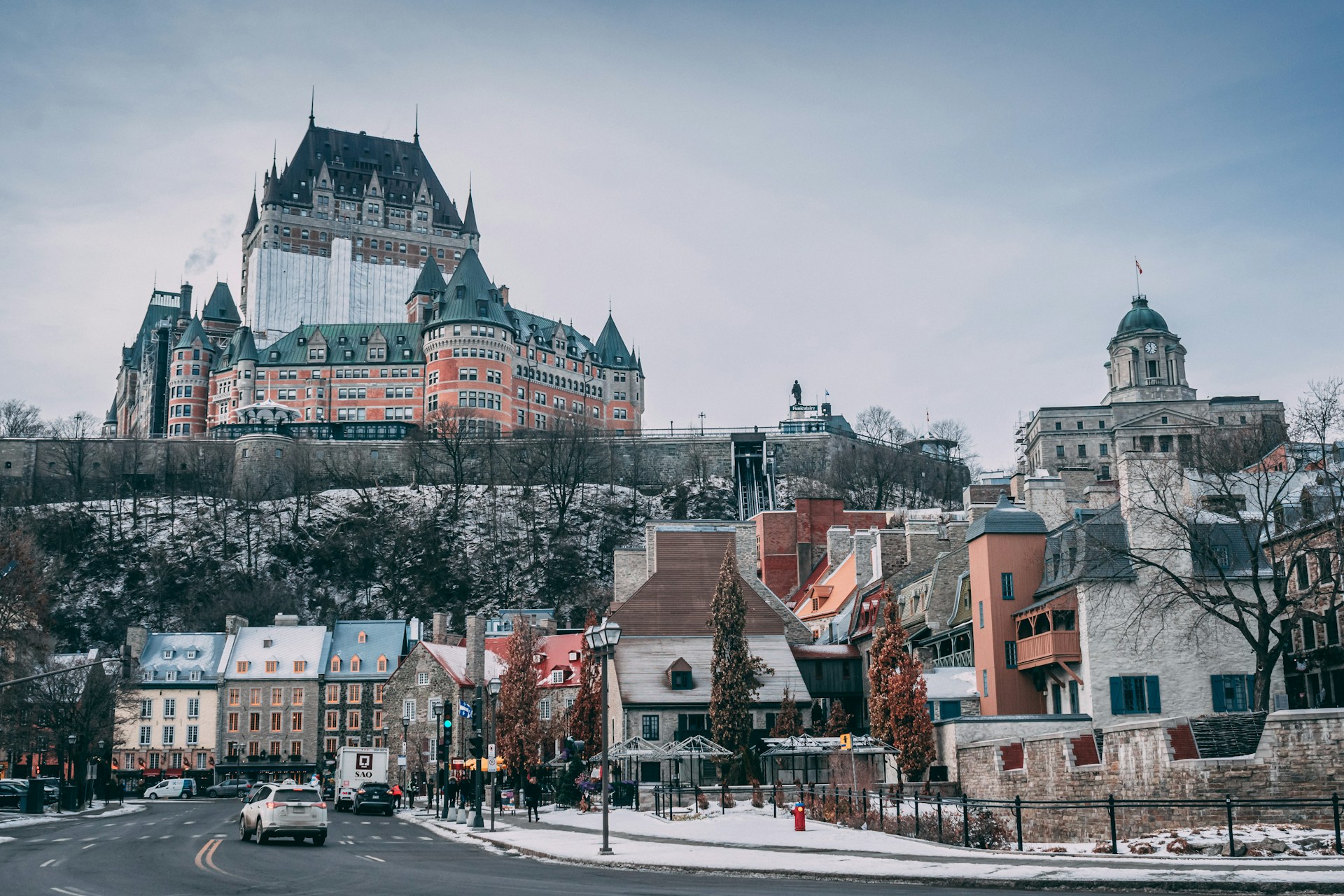
Quebec City’s boutique inns run cooking classes—think tourtière and sugar pie—taught by chefs who finally have time to share their secrets.
Laurentians combine meditation with winter sports. These retreats cost $150-200 a day, way less than summer.
Off-grid Quebec retreats focus on mind and body, with plant-based meals and peaceful settings.
Exploring Lesser-Known Ontario Towns
Small towns in Ontario come alive when the tourists leave. I’ve found gems in places like Prince Edward County and Collingwood.
Muskoka towns offer B&Bs for around $90 a night in winter. Breakfast is homemade, and evenings mean fireside chats with the owners.
Design-forward hotels in Blue Mountain offer boutique stays without the usual markup. Cabins and heritage buildings make for memorable nights.
Local restaurants get creative with winter menus. Staff have time to talk, and you’ll hear stories you’d never get in July.
Thousand Islands goes quiet in the off-season. Ferries run less, but rooms get cheap while staying comfy.
Atlantic Canada’s Secret Off-Season Wonders
Atlantic Canada turns into a wallet-friendly wonderland from October to May. Accommodations drop by 30-50%, and the region’s charm really comes out when the crowds leave.
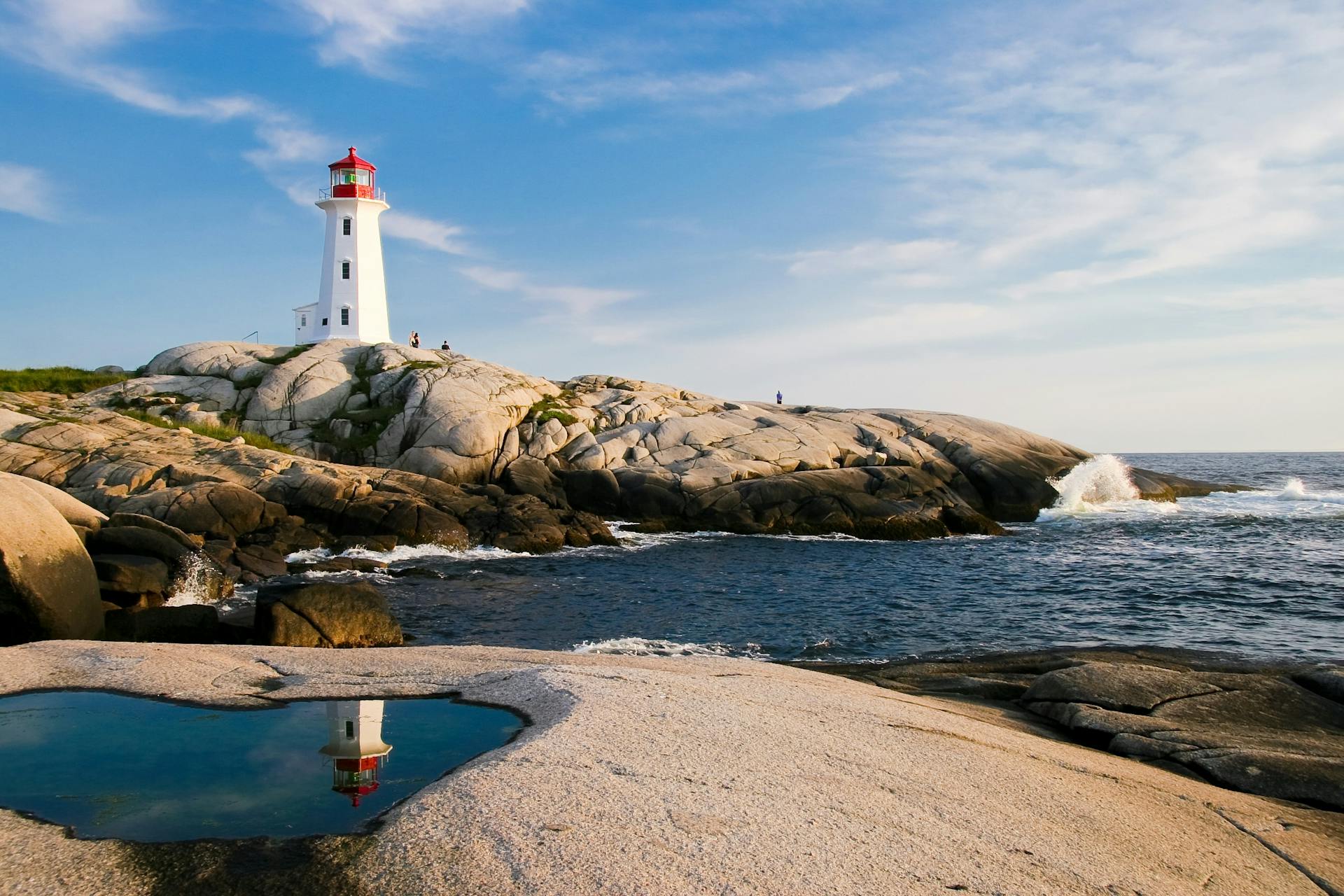
Nova Scotia’s Acadian Shores Beyond Summer
Nova Scotia’s off-season, October through April, is a revelation. Hotel rates drop by 40-60% compared to summer.
The Bay of Fundy’s famous tides roll in year-round. Winter storms make the coast wild and dramatic—something summer visitors totally miss.
Best Off-Season Months:
- October-November: Mild temps, peaceful trails
- January-March: Lowest prices, cozy vibes
- April-May: Wildflowers return, weather’s gentle
Halifax gets more affordable and feels like a real city again. Restaurants roll out special menus, and the arts scene shines.
The Cabot Trail stays open most of the year. Fall colors peak in late September and early October, while winter brings snowy mountain views.
New Brunswick’s Coastal Festivals and Savings
If you haven’t visited New Brunswick between September and May, you’re missing out. The off-season brings unique winter festivals and, honestly, some jaw-dropping savings. I’ve spotted hotel rates dip by as much as 45%—sometimes more.
Winter in New Brunswick isn’t just about cold weather. The province throws some quirky festivals that summer crowds never see. Ever tried ice wine? Local vineyards host tastings in January and February, and it’s a whole different vibe.
Saint John gets especially lively in the shoulder season. The city’s famous reversing falls? They’re even wilder in winter, thanks to the extra river flow.
Key Off-Season Advantages:
- Snagging restaurant reservations is a breeze
- Free parking almost everywhere
- Local guides actually have time to chat and share stories
- Snowshoeing and skiing are in full swing
Fredericton is a gem from November through March. When the wind howls, I duck into museums and galleries for a cozy afternoon. It’s a great way to enjoy winter activities without freezing outside.

Prince Edward Island’s Quiet Charms
Prince Edward Island undergoes a total transformation from October to April. If you’re after authentic island life—minus the summer crowds—this is the sweet spot.
You can score accommodation deals up to 60% off in winter. I’ve seen B&Bs roll out special packages, sometimes throwing in meals or a local tour.
The famous red sand beaches? They’re a whole new kind of beautiful when winter storms roll in and ice starts to form. Walking the coast feels dramatic, almost cinematic.
Seafood doesn’t disappear in the off-season. In fact, you might find it fresher and cheaper. Island restaurants switch to comfort food and hearty seasonal dishes, which just hits differently after a chilly walk.
Winter Activities Include:
- Cross-country skiing on quiet trails
- Ice fishing with locals who know every secret spot
- Craft brewery tours (the stouts taste better in the cold)
- Workshops with local artisans
Charlottetown keeps its magic during the slower months. I love wandering historic sites without dodging tour groups—it makes the confederation story feel more personal.

Adventure-Filled Off-Season Experiences Across Canada
Canada in the off-season? It’s a treasure trove for adventure seekers. Prices drop, crowds vanish, and you get a more genuine slice of local life. I’ve biked in Muskoka’s snow and wandered Halifax’s historic streets in crisp fall air—honestly, it’s the best way to see the country.
Outdoor Activities With Fewer Crowds
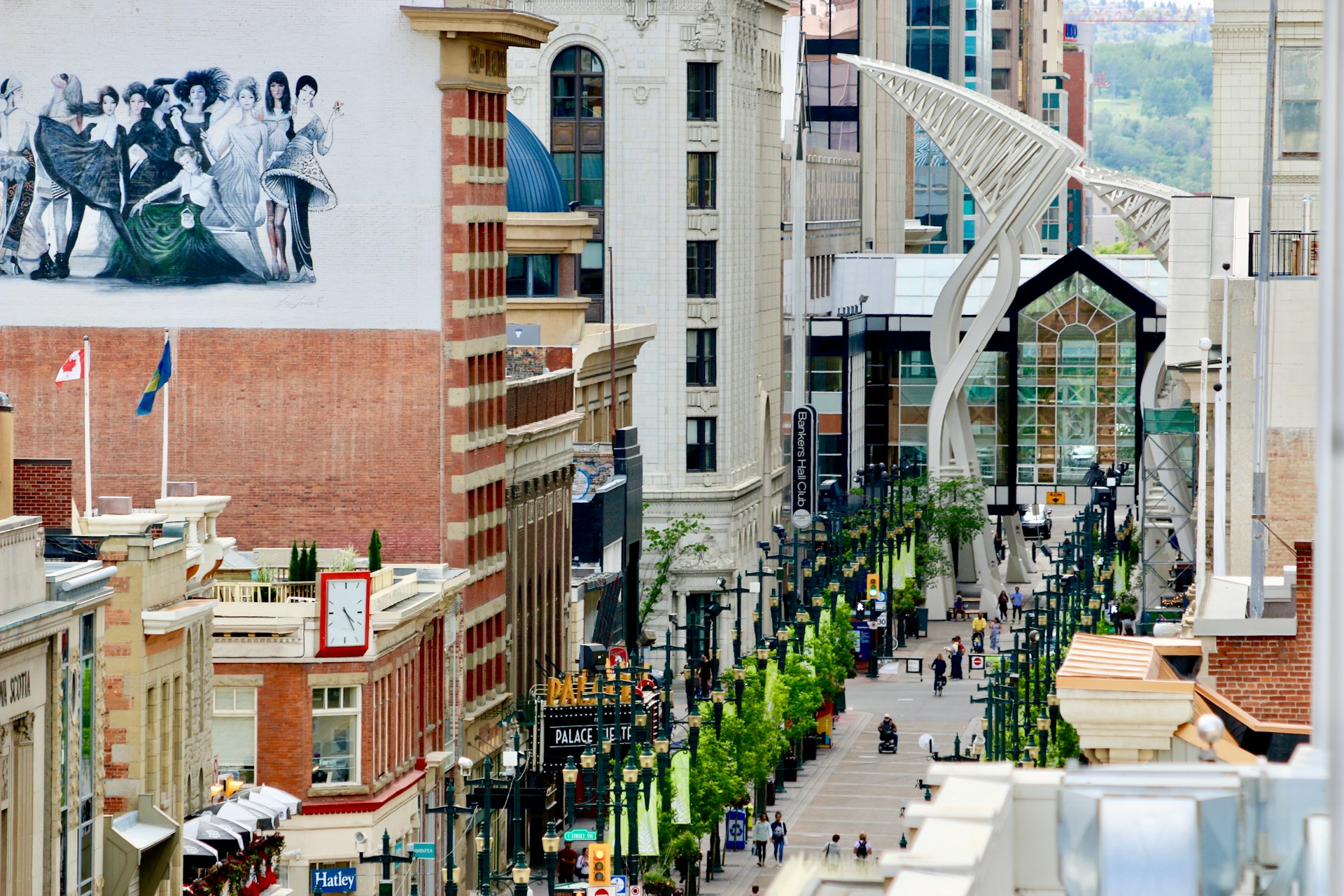
Winter turns Canada into a giant playground. I skate at Calgary’s Barb Scott Park, hot chocolate in hand, and there’s actually room to move. Over at Bowness Park, the frozen lagoon feels almost private.
Mountain Adventures:
- Snowshoeing in Kananaskis, just outside Calgary
- Fat-tire biking at JW Marriott Rosseau Muskoka Resort (super fun, by the way)
- Hiking a bunch of trails—Mont-Tremblant has at least eleven great ones
Mont-Tremblant isn’t just about skiing. Even in the summer off-season, you can hop on an ATV, paddle a canoe on Lac Tremblant, or try zip lining without the chaos of peak season.
Vancouver’s spring is special. The cherry blossoms explode, and I love cycling the Seawall or joining a running tour around Stanley Park. Feels like the city wakes up after a long nap.
Unique Local Eats and Entertainment
Off-season dining? It’s honestly the best time for food lovers. In Kelowna’s Okanagan Valley, I’ve dropped by Mission Hill for a private wine tasting—no crowds, just good cabernet and conversation.
Regional Specialties:
- Italian favorites at Teca in Muskoka (the pasta’s worth the trip)
- Fondue at La Savoie in Mont-Tremblant—cheesy, gooey perfection
- Seafood chowder at Harbourstone Pourhouse in Halifax, especially when it’s blustery outside
Toronto’s culture scene shines in winter. The Hockey Hall of Fame and Royal Ontario Museum are warm escapes when you’ve had enough of the cold.
September in Halifax brings the Atlantic International Film Festival. I’ve nibbled honey-baked brie between indie films and it’s the perfect way to soak up Canadian cinema without the summer madness.

Nature, Wildlife, and Photographic Opportunities
Canada’s natural beauty really shines in the off-season. I love how spring brings tulips to life all over Ottawa—there’s just something peaceful about wandering the city when it’s not packed with political hustle.
The Rideau Canal? It’s a dream for skaters and photographers alike. I’ve snapped some of my favorite winter shots here.
Best Photography Seasons:
- Fall: Shubie Park’s foliage in Halifax absolutely pops with color.
- Winter: The Rocky Mountains near Calgary look magical under a fresh layer of snow.
- Spring: Cherry blossoms take over Vancouver’s Stanley Park, and it’s hard not to stop for a photo.
Muskoka in winter feels like a postcard. I’ll soak in a heated pool, camera in hand, capturing snow-dusted pines and frozen lakes.
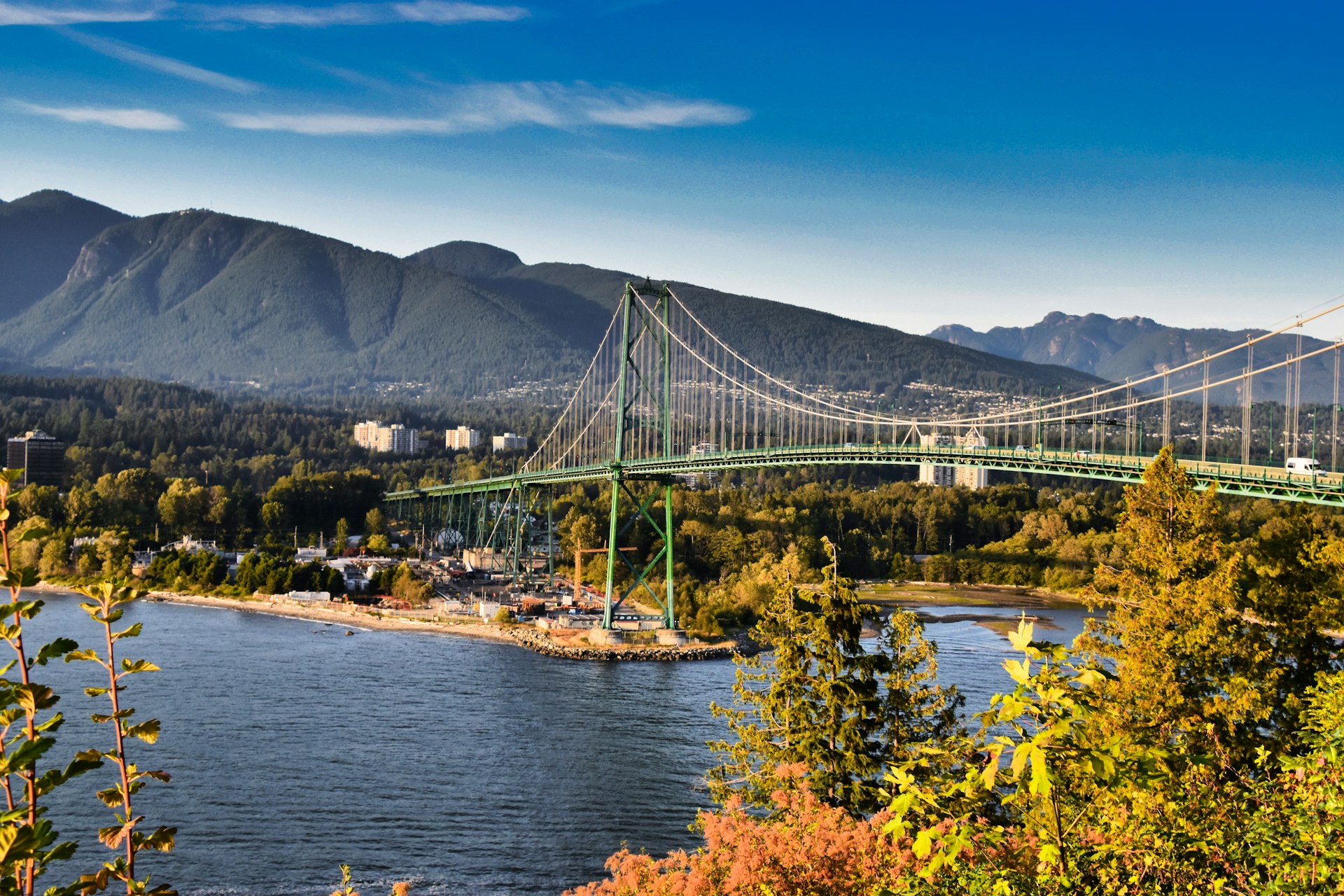
If you’re after dramatic views, Vancouver’s Coal Harbour and the North Shore Mountains never disappoint. Spring skies stay clear, so you can catch those mountain shots without the summer haze getting in the way.
