
December just does something magical to Costa Rica. The dry season kicks off, and suddenly, sunny days stretch across most of the country. Holiday celebrations ramp up, and wildlife seems to come alive everywhere you look. I’ve watched this time of year turn the country into pure paradise—especially if you’re craving beaches or adventure.
Honestly, there’s something for everyone here in December. You can surf along the Pacific, wander rainforests spotting monkeys, or soak in hot springs near a volcano. The weather’s warm, not scorching, and those Costa Rican holiday traditions? They add a whole new layer to your trip.
If you’re planning a December getaway, a little advance work goes a long way. Hotels fill up fast, and the best tours? They book out early. But trust me, the payoff is worth it—perfect weather, active wildlife, and a taste of Costa Rica at its very best.
Key Takeaways
- Dry season starts in December, especially on the Pacific coast, bringing warm temps and hardly any rain.
- It’s prime time for wildlife, beach days, and adventure sports—every ecosystem feels alive.
- Local festivals like Festival de la Luz and Christmas traditions make the experience feel authentic.
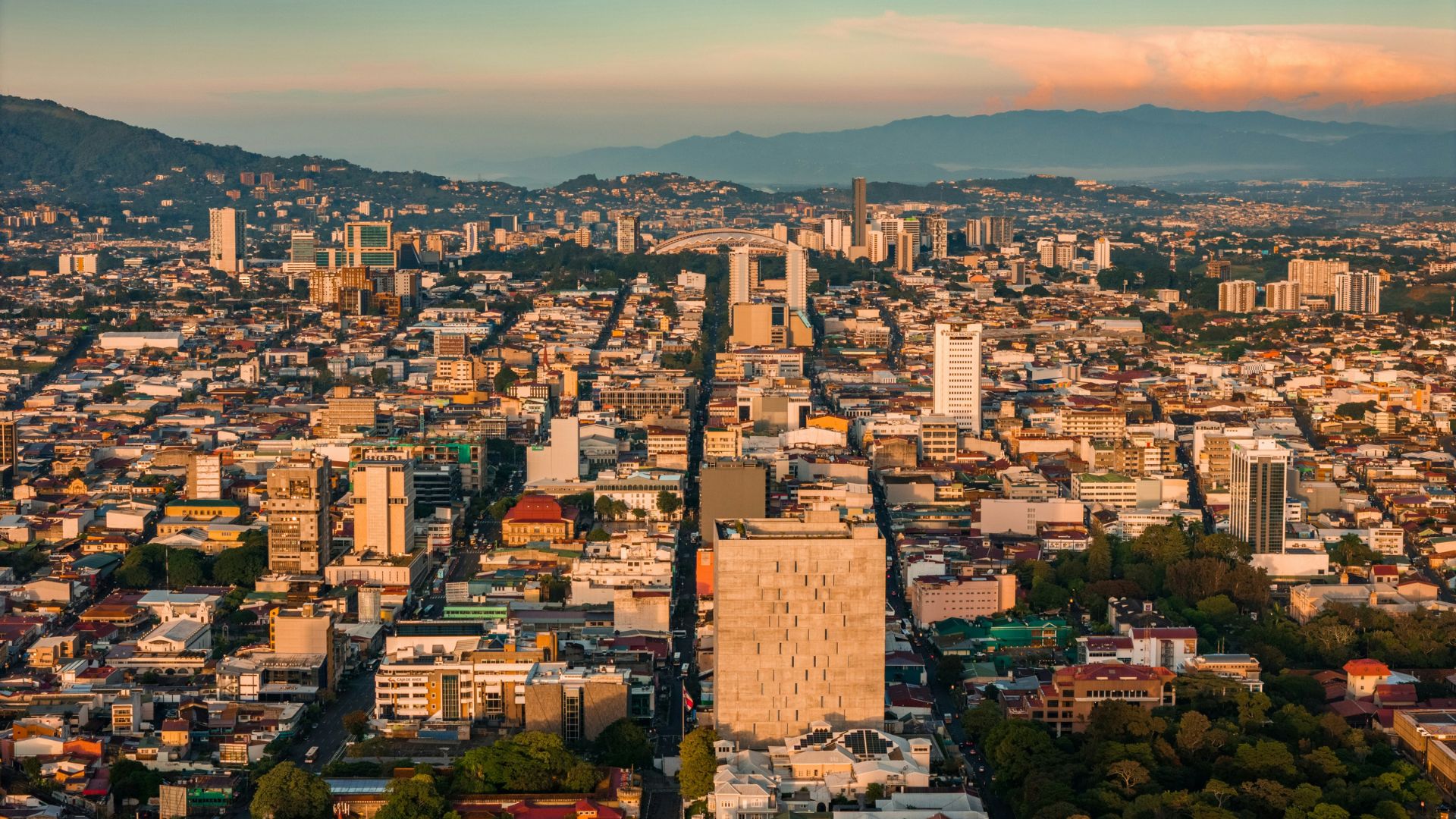
Why Costa Rica Is the Ultimate December Destination
I can’t help but think December brings out the best in Costa Rica. The dry season arrives, wildlife starts showing off, and the streets fill with music, parades, and a contagious festive energy.
Best Time to Visit and Climate Advantages
In my experience, December is the sweet spot for a visit. The sun shines most days, and the landscape stays lush from recent rains.
On the Pacific coast, you’ll get temperatures between 75°F and 90°F, barely any rain. Guanacaste and Manuel Antonio? Beach weather all month. In the Central Valley near San José, it’s a bit cooler—think 60°F to 75°F—perfect for city walks or exploring the highlands.
The Caribbean coast? It gets a bit more rain than the Pacific, but the showers are lighter than earlier in the year. Temps hover between 70°F and 85°F, so it’s still plenty warm. With this kind of climate variety, you can plan your days with confidence.
Pure Paradise for Nature Lovers
December turns Costa Rica into a wildlife wonderland. Corcovado National Park bursts with monkeys, sloths, tapirs, and scarlet macaws. Monteverde Cloud Forest Reserve? The quetzals are out in full color.
Marine life thrives too. I’ve snorkeled the Papagayo Peninsula and spotted sea turtles, rays, and endless tropical fish. The water’s clear, and the conditions are perfect for diving or snorkeling.
Trails dry out in December, so hiking gets a lot easier. Wildlife tends to gather near water sources, so you’ll likely have some unforgettable encounters.
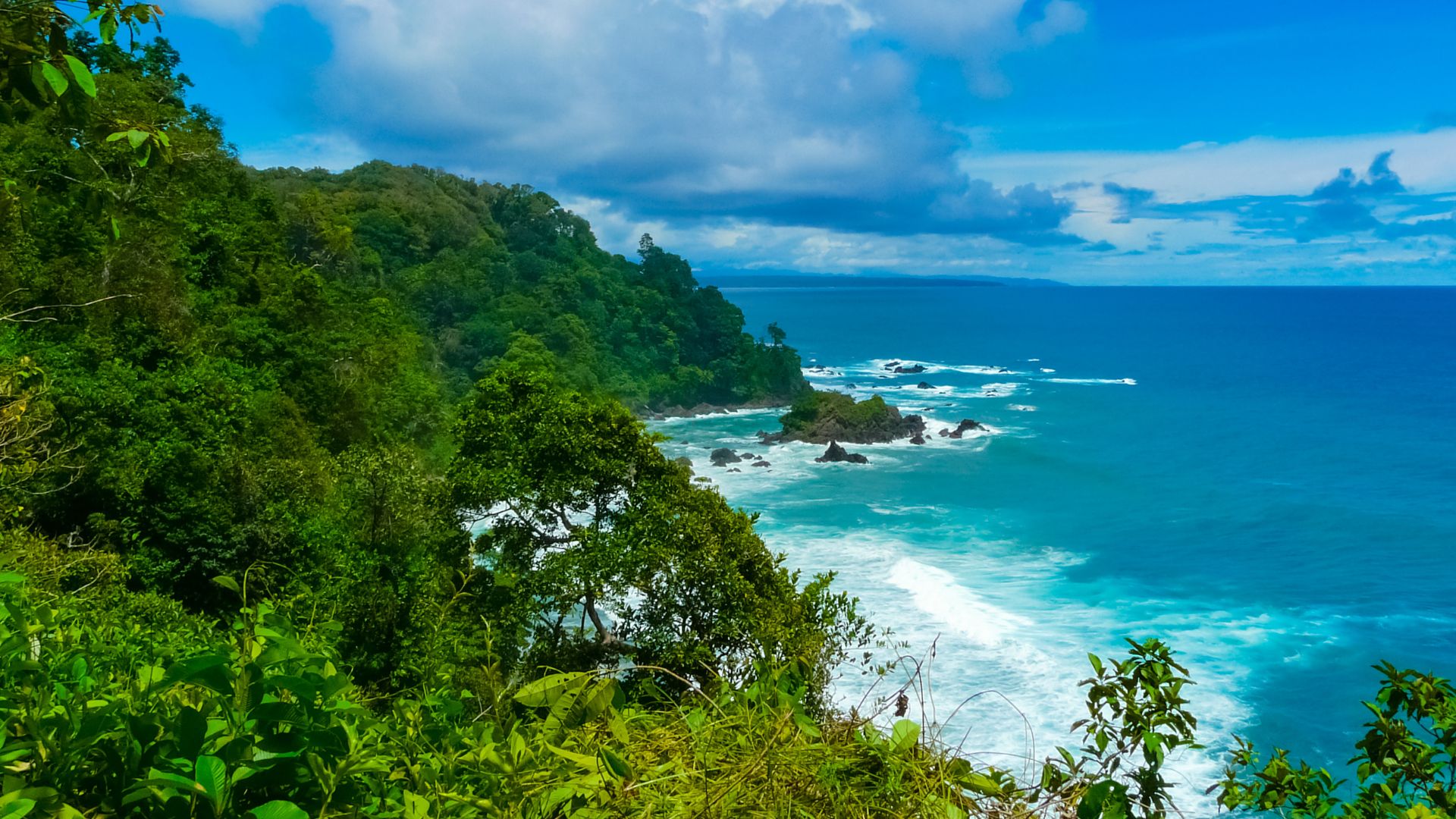
Holiday Festivities and December Events
Costa Ricans really know how to celebrate the holidays. The Festival de la Luz lights up San José with floats, bands, and fireworks—mid-December is pure magic.
Christmas traditions pop up everywhere. Locals walk in “posadas” through neighborhoods, and you’ll find tamales and rompope (Costa Rican eggnog) at every gathering.
New Year’s Eve? It’s pura vida in full swing. Beach towns like Tamarindo throw wild parties right on the sand. In San José, the celebrations blend local customs with a festive buzz, and the warm nights mean the party just keeps going.
Diverse Natural Wonders and Scenic Landscapes
Costa Rica packs more natural variety into its borders than you’d think possible. You get active volcanoes with bubbling hot springs, misty cloud forests filled with orchids, and so much biodiversity it almost feels unreal.
National Parks and Protected Areas
Over a quarter of Costa Rica is protected land. It’s impressive, honestly. Arenal Volcano National Park and Monteverde Cloud Forest Reserve both offer easy access to pristine nature.
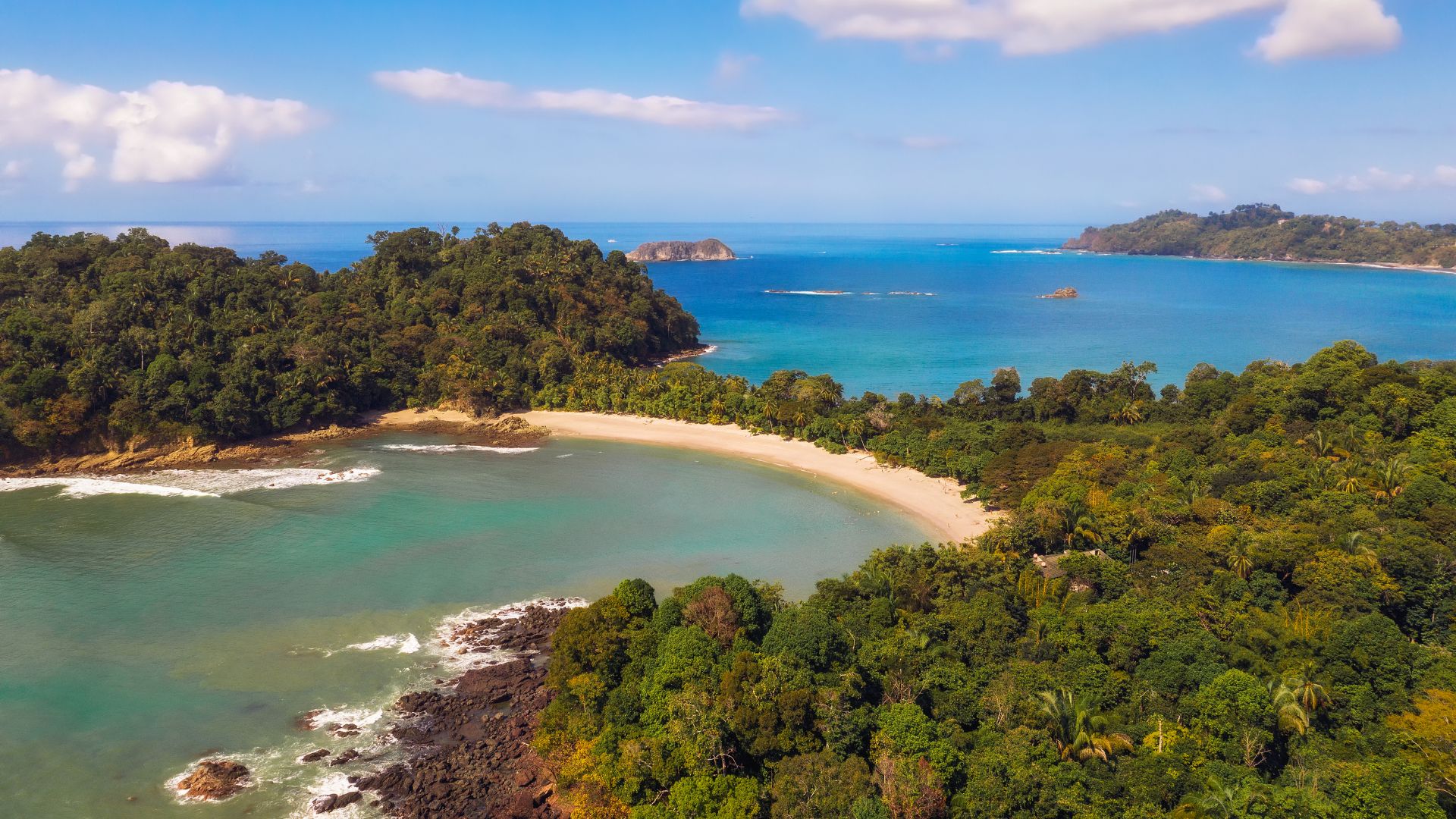
Manuel Antonio National Park blends beaches and rainforest—four monkey species, sloths, and more than 350 types of birds all in one spot. Tortuguero National Park, known as the “Amazon of Costa Rica,” sits on the Caribbean and is a maze of canals.
Corcovado National Park on the Osa Peninsula? It’s wild and remote, packed with jaguars, Baird’s tapirs, and scarlet macaws. They keep visitor numbers low to protect these fragile places.
Volcano Adventures and Hot Springs
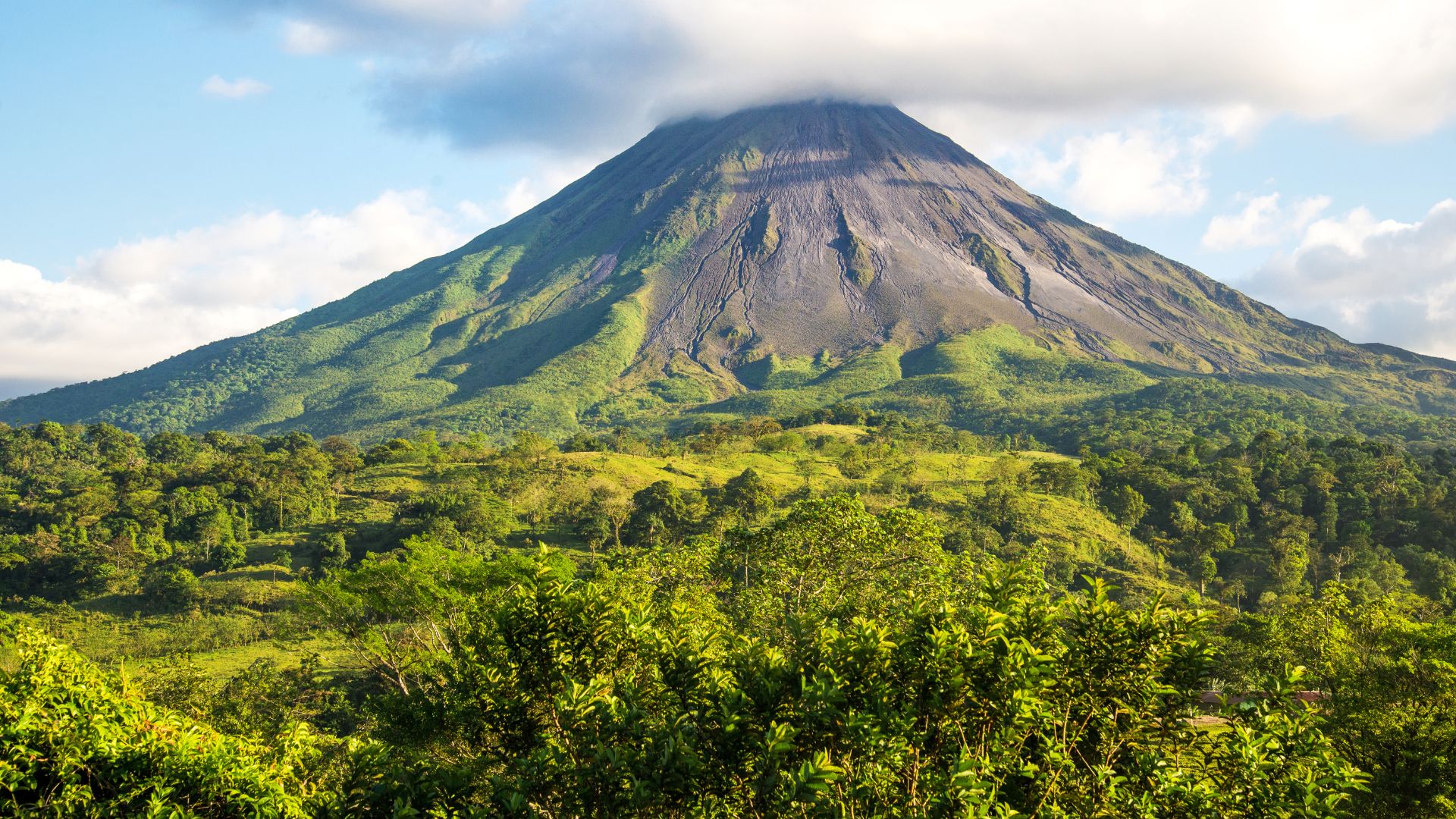
Arenal Volcano dominates the north with its classic cone shape. It’s been resting since 2010, but the area still bubbles with geothermal energy. Hot springs are everywhere.
I always suggest hitting the hot springs in the evening. The air cools, steam rises, and the mineral waters feel amazing. Resorts near Arenal offer everything from public pools to private soaks.
Poás Volcano boasts one of the world’s largest active craters—1.5 kilometers wide. The viewing platforms let you watch steam swirl above the lake. If you want fewer crowds, Tenorio Volcano National Park is a quieter but equally impressive spot.
Enchanting Cloud Forests
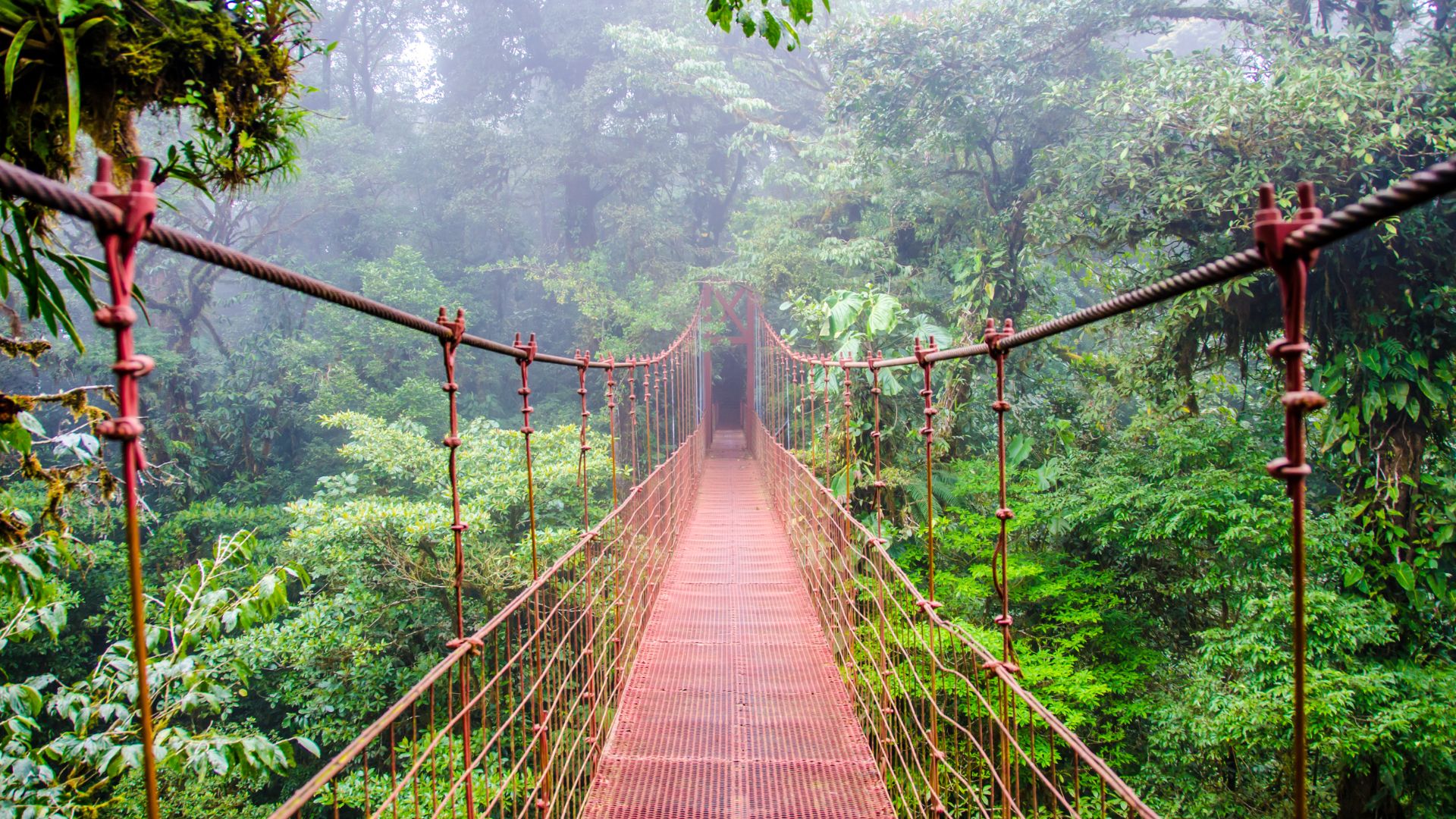
Monteverde sits high in the mist, where moisture creates a one-of-a-kind ecosystem. Over 2,500 plant species grow here, and the orchids are everywhere. More than 400 bird species call this place home.
Hanging bridges let you walk above the treetops. They sway a bit as you cross, and the views—ferns, moss, and those wild epiphytes—are unforgettable. Early mornings are best for spotting the Resplendent Quetzal.
Cloud forests form when trade winds push moist air up the mountains, so it stays cool and humid all year.
Breathtaking Waterfalls
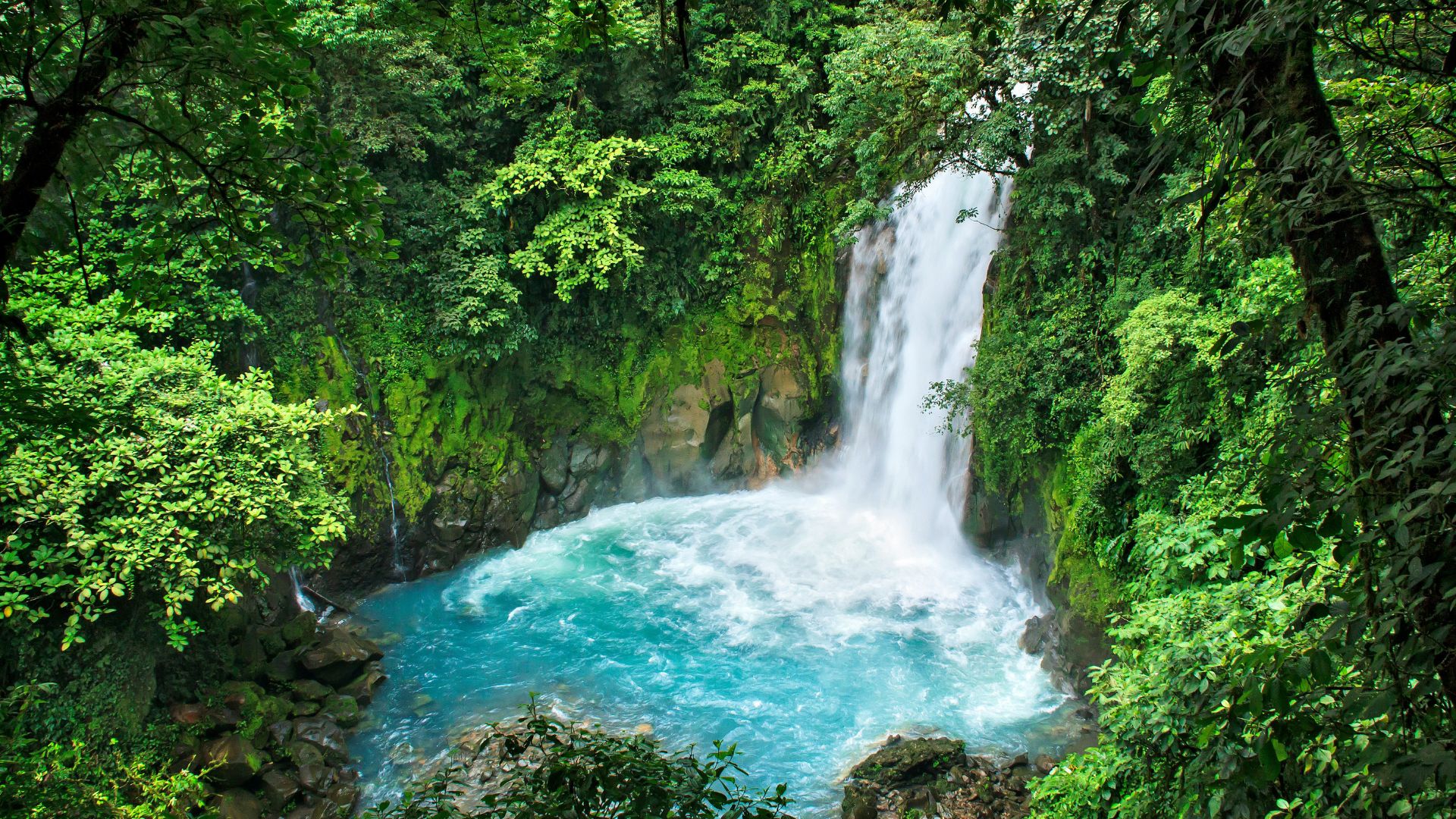
Río Celeste in Tenorio National Park looks almost unreal, with its electric turquoise color. Two mineral-rich streams meet and create this magical blue waterfall surrounded by thick rainforest.
La Fortuna Waterfall near Arenal drops 70 meters into a natural pool. I hiked down 500 steps to reach the base, where the mist is constant. Nauyaca Waterfalls, with their two tiers, are just as impressive.
Most waterfalls require a moderate hike. I always pack a waterproof bag for my camera—spray from the falls travels far. Some spots allow swimming, but others protect the water quality and keep you out.
Beaches, Coasts, and Water Activities
December is when Costa Rica’s 800 miles of coastline really shine. The Pacific coast hits its dry season, and the Caribbean offers calm waters with fewer tourists.
Stunning Pacific and Caribbean Beaches
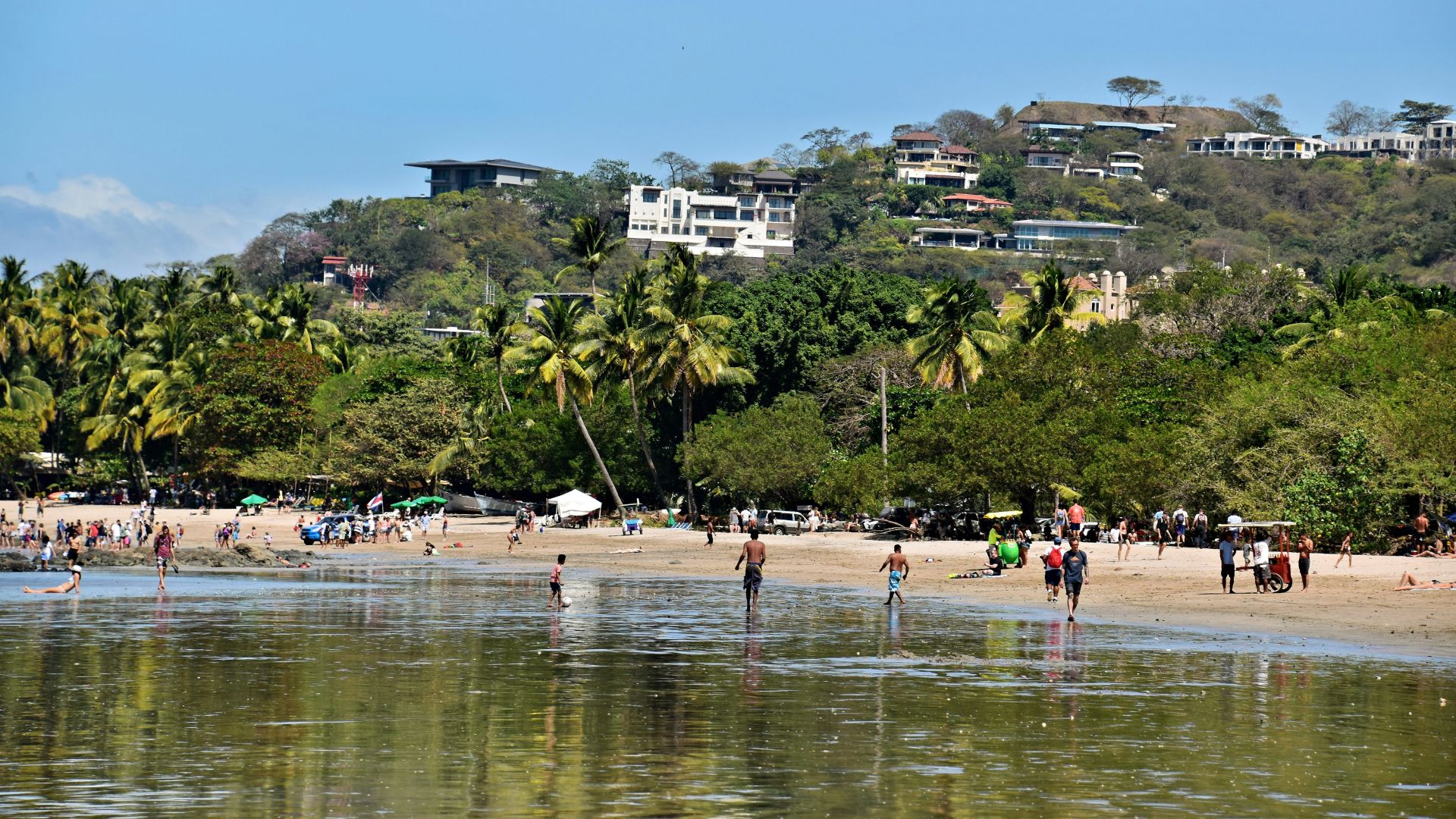
The Pacific coast is home to lively beach towns. Tamarindo stretches on and on, golden sand and perfect surf. Jaco is just a quick drive from San José, so it’s a favorite for weekend escapes.
Manuel Antonio’s beaches are pristine and protected. You’ll spot monkeys and sloths before you even hit the sand. The hike through the rainforest takes about 30 minutes, but it keeps the crowds down and the beach spotless.
On the Caribbean side, Puerto Viejo de Talamanca feels super relaxed and has a strong Afro-Caribbean vibe. Punta Uva’s calm turquoise waters are ideal for swimming. December is drier here than in September or October, so you still get plenty of sun.
Surfing and Water Sports Hotspots
Tamarindo is the go-to for learning to surf. The waves are friendly, breaking over soft sand, and you can rent a board for $20-30 a day or grab a lesson for $50-80.
Santa Teresa draws experienced surfers with its powerful, reliable waves. Early mornings are best—6 to 9 AM, before the wind picks up. Playa Guiones in Nosara is less crowded but just as good.
If surfing isn’t your thing, try stand-up paddleboarding at Flamingo Beach for about $30 an hour or kayak out to remote coves on the Papagayo Peninsula. December’s calm seas make boat tours and sportfishing especially tempting.
Snorkeling and Marine Life Experiences
Conchal Beach is a snorkeler’s dream on the Pacific side. The sand is made of crushed shells, and coral reefs are just a short swim from shore. On a clear morning, visibility can hit 40 feet.
You’ll spot tropical fish, sea turtles, and rays at plenty of sites. Punta Uva on the Caribbean lets you swim straight out to reefs, and the protected waters are great for families.
December is also whale watching season at Costa Ballena. Humpback whales migrate here from Alaska between December and April. Tours usually run $75-95, and mornings are best for calm seas.
Incredible Wildlife Encounters
Costa Rica crams about 5% of the world’s biodiversity into a tiny slice of the planet. December is prime time for wildlife—everything’s active and easy to spot.
Rainforest Wildlife and Biodiversity
The rainforests are buzzing with life. Sloths hang from branches, barely moving, while three kinds of monkeys—howler, spider, and capuchin—swing through the trees.
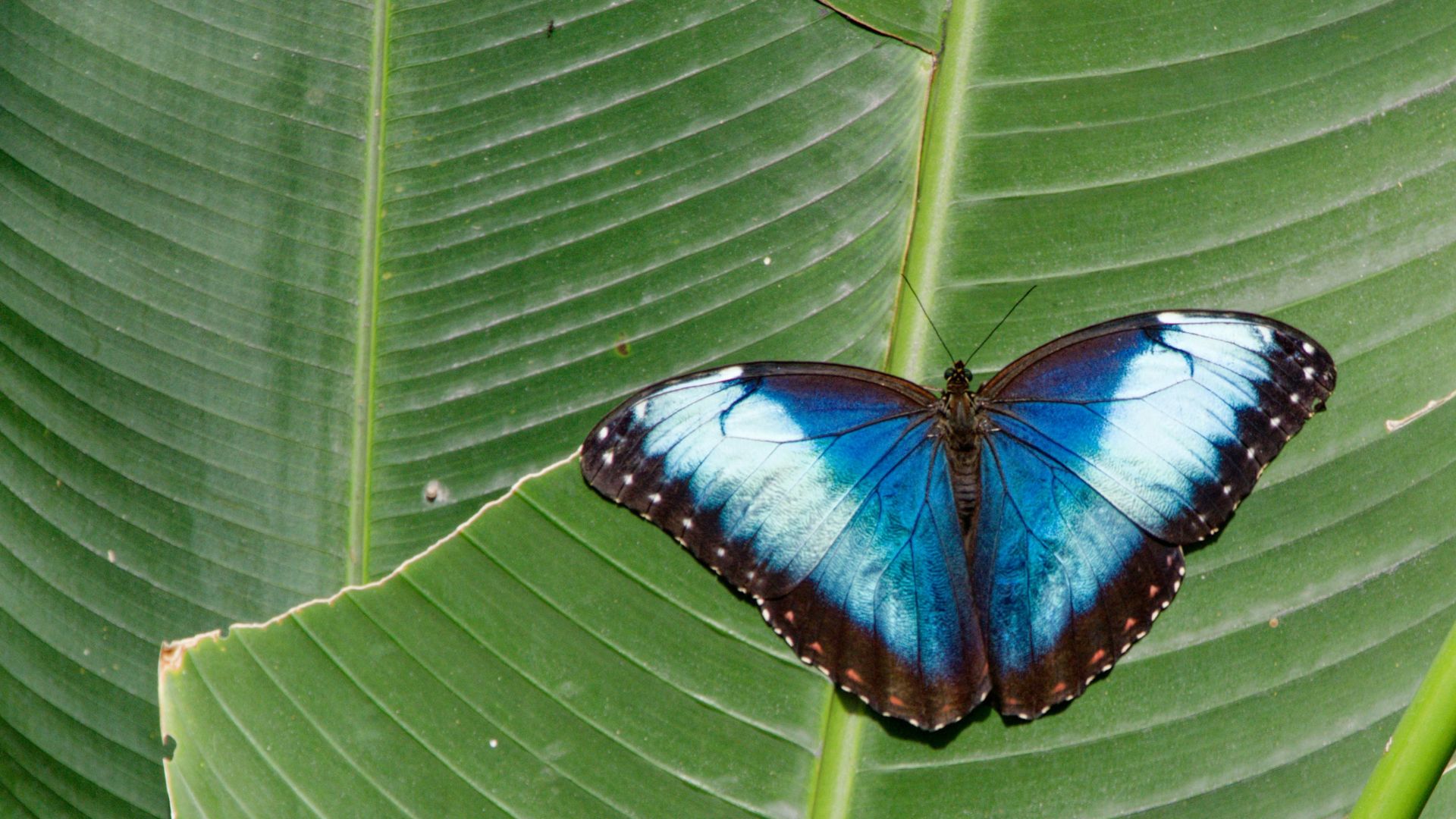
Manuel Antonio is a hotspot. You can walk a single trail and see monkeys, coatis, and those electric-blue morpho butterflies. The country’s strong conservation efforts keep these habitats thriving.
Jaguars still roam the wilder spots, though they’re shy and rarely seen.
Birdwatching and Iconic Species
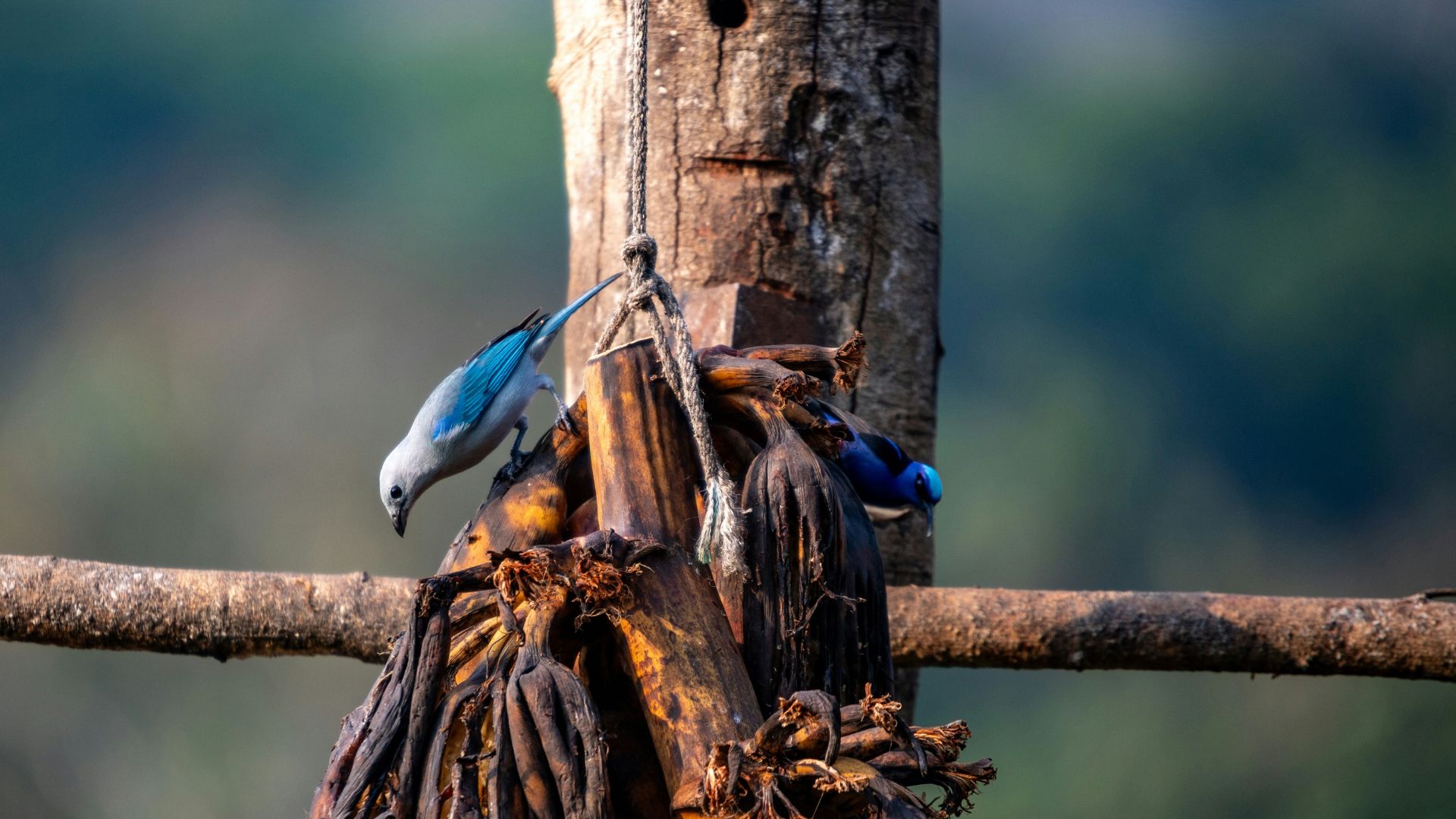
With over 900 bird species, Costa Rica is a birder’s paradise. Toucans pop up in forested areas, their giant beaks making them easy to spot and hear.
Macaws light up the sky with their red, blue, and yellow feathers, often flying in pairs or small flocks. Scarlet macaws are common on both coasts.
Tiny hummingbirds dart from flower to flower, especially in December’s good weather. Each region—cloud forest, rainforest, coast—has its own bird community.
Sea Turtle Nesting Sites
Tortuguero National Park is famous for sea turtles. Green turtles mostly nest earlier in the year, but leatherbacks and hawksbills show up in different seasons.
Even in December, you can learn about turtle conservation at hatcheries and research centers. Pacific beaches also host nesting turtles year-round. It’s inspiring to see how much effort goes into protecting these endangered animals.
Costa Rica’s beaches are crucial for sea turtles, and conservation programs work hard to keep nesting sites safe.
Adventure and Outdoor Activities
If you’re after adventure, December is your month. The Pacific coast’s dry season means perfect weather for everything from zip-lining to volcano hikes.
Thrilling Zip-Lining and Canopy Tours
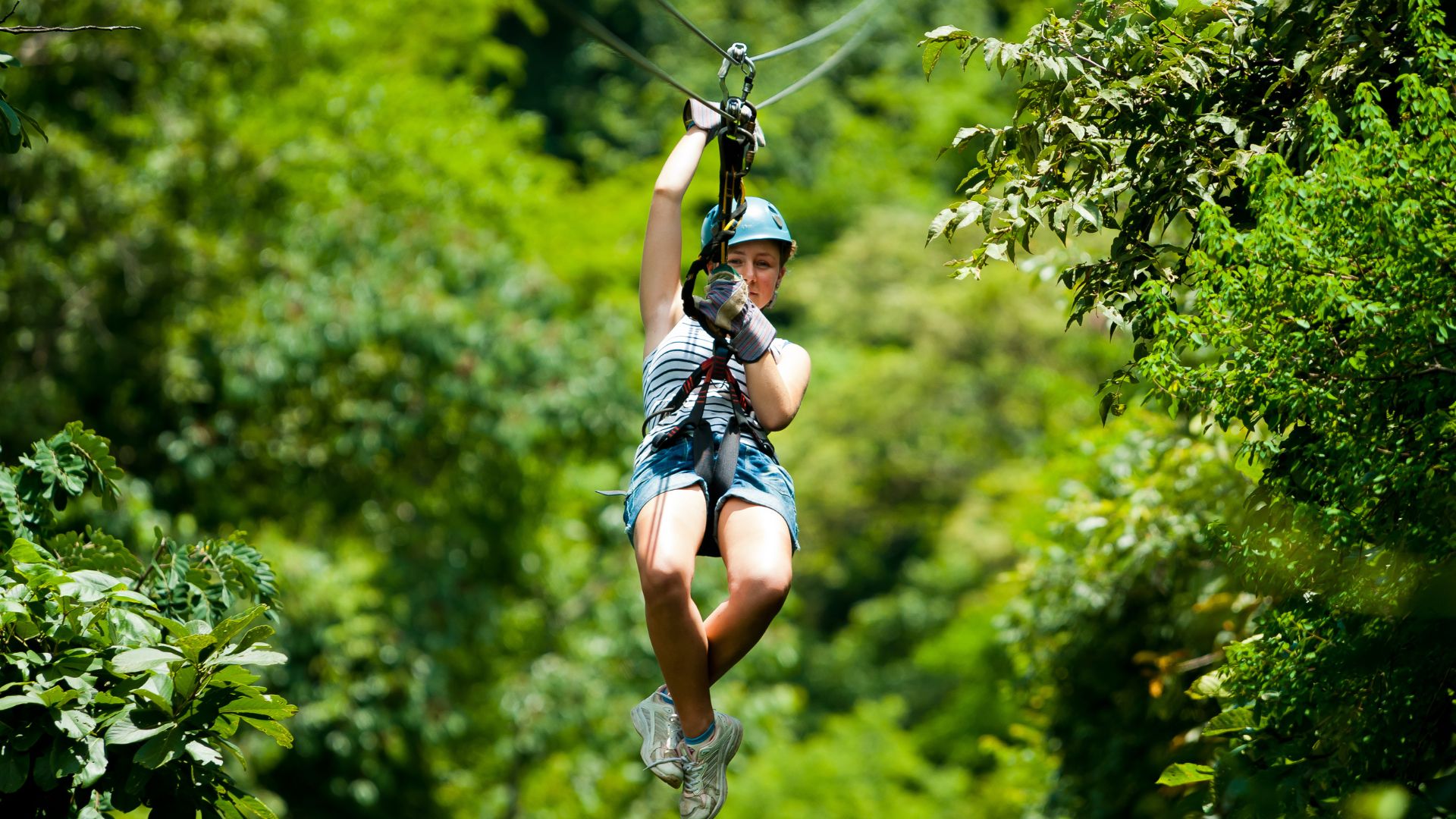
Zip-lining here is next-level, and December’s clear skies mean you get the best views. Monteverde has the longest zipline in Latin America—over a mile long. Hanging bridges let you stroll right through the cloud forest canopy.
La Fortuna offers ziplines with views of volcanoes and rainforest. Dry weather makes December one of the top months for these tours.
Most canopy tours include several ziplines and sometimes extras like rappelling or Tarzan swings. I always book morning slots—wildlife is more active, and it’s cooler before midday.
Hiking and Volcano Exploration
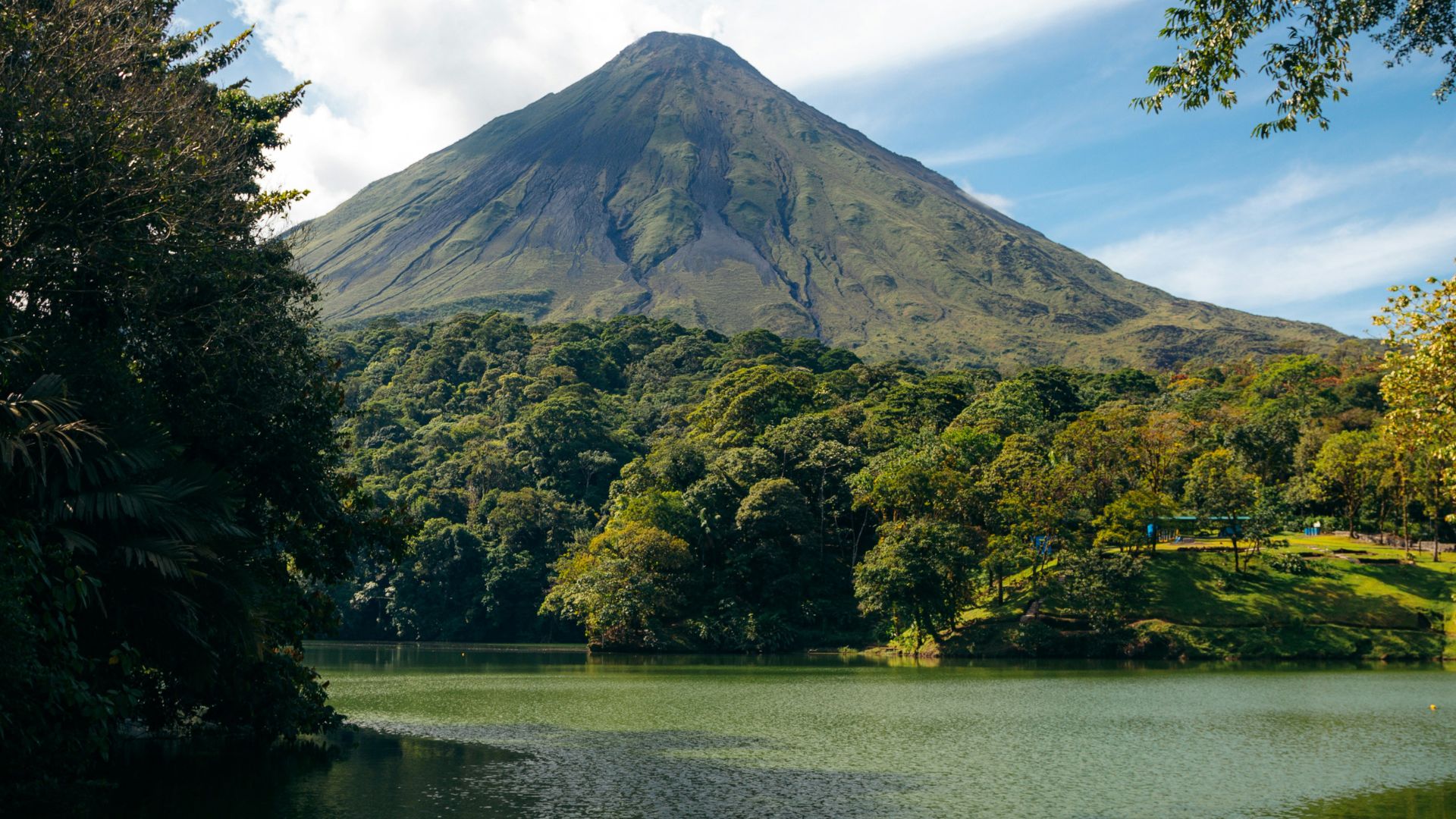
December’s weather turns volcano hikes into something pretty special. Arenal Volcano near La Fortuna stands out with its classic cone shape, and the trails there give you sweeping views of the lake and those famous hot springs.
Over in the Central Valley, Poas Volcano draws visitors with an accessible crater filled with turquoise water. On clear mornings, I’ve stood on Irazu Volcano—Costa Rica’s tallest peak—and caught glimpses of both the Pacific and Caribbean. Not every day, but when it happens, it’s unforgettable.
Rincon de la Vieja brings a different vibe. You’ll find geothermal wonders like bubbling mud pots and steaming fumaroles. Some national parks—think Manuel Antonio, Corcovado, and Cahuita—mix coastal and jungle trails, so you get the best of both worlds.
If you head out early, you’ve got the best shot at seeing wildlife. Sloths, monkeys, and a rainbow of birds show up before the crowds.
Horseback Riding and Nature Trails
Horseback riding opens up places that cars just can’t reach. Near Dominical, you can ride through jungle trails to the stunning two-tiered Nauyaca Waterfalls.
La Fortuna’s rides mix mountain views with secret swimming holes. December’s dry trails make everything easier, and you don’t have to worry about slipping around in the mud.
Most tours work for beginners and seasoned riders. Depending on where you go, you’ll wind through working farms, lush forests, or even along the beach. Some operators offer sunset rides by the Pacific or early morning tours through coffee plantations in the Central Valley.
Embracing Costa Rican Culture and Hospitality
Costa Rica’s culture is rooted in its “Pura Vida” spirit. Every encounter feels touched by warmth and genuine friendliness. The country’s traditions, bold flavors, and open-hearted people turn an ordinary trip into something you carry with you.
Pura Vida and Local Lifestyle
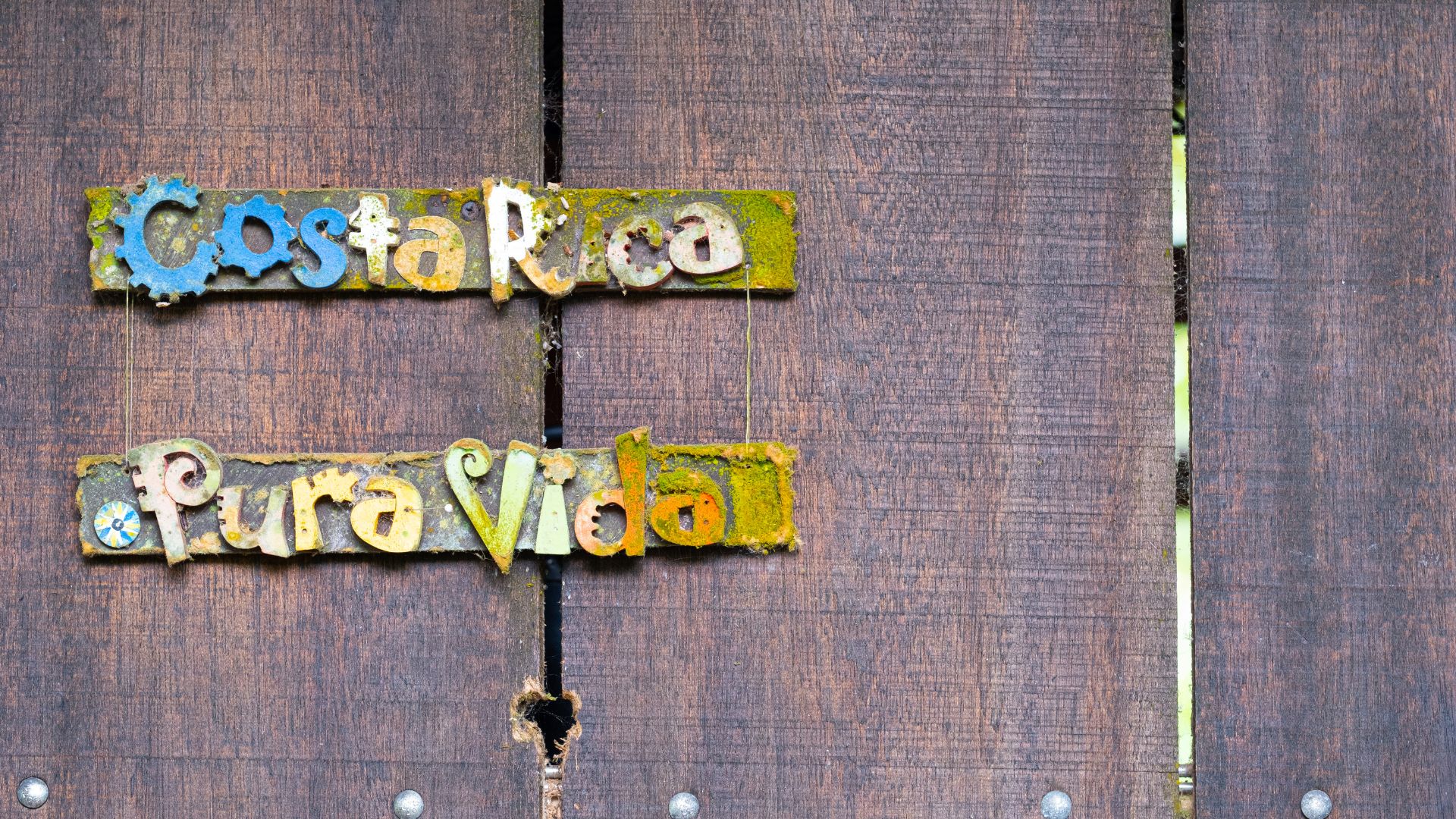
“Pura Vida” literally means “pure life,” but honestly, it’s a whole way of living. Locals use it as a greeting, a goodbye, or just to say they’re happy.
This mindset shapes daily life. People here seem to approach challenges with optimism and a kind of laid-back gratitude. Walking around San José or a tiny village, I always notice how relaxed people are.
Relationships matter more than schedules. Simplicity wins over excess. This attitude encourages you to slow down and really notice the small joys. There’s a deep connection to nature, which explains why Costa Ricans work so hard to protect their wild places.
Embracing “Pura Vida” in December? For me, it means letting go of rushing and being present in every moment.
Traditional Cuisine and Dining Experiences
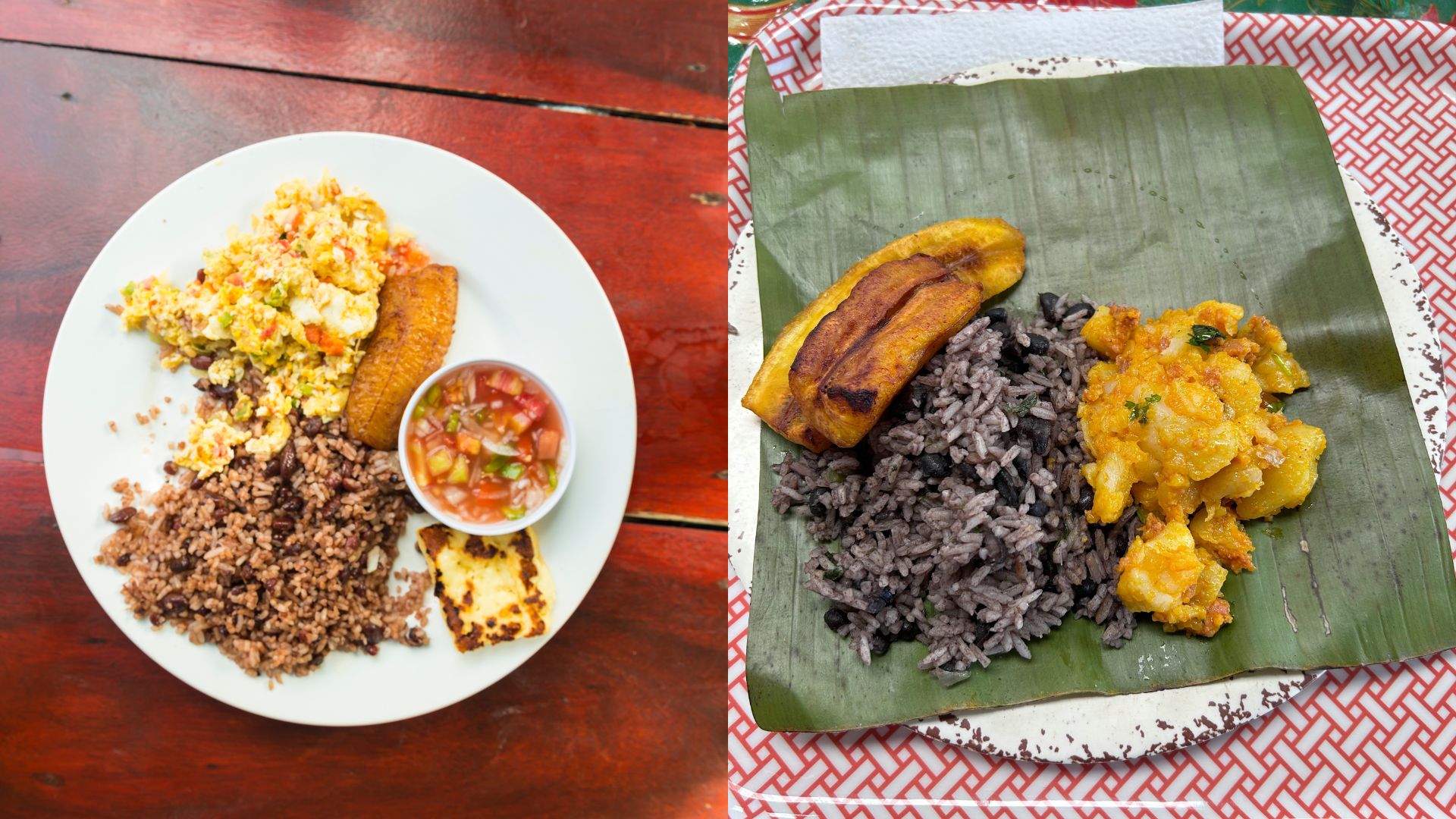
Gallo pinto is the breakfast staple—rice and black beans, usually with eggs and plantains. I’ve had it a hundred different ways, and every family seems to have a secret touch.
Casado is the go-to lunch: rice, beans, plantain, salad, and your choice of chicken, fish, or beef. The name means “married” because it brings everything together on one plate.
| Traditional Dish | Main Ingredients | When Served |
|---|---|---|
| Gallo Pinto | Rice, black beans | Breakfast |
| Casado | Rice, beans, plantain, protein, salad | Lunch/Dinner |
| Ceviche | Fresh fish, lime, cilantro, peppers | Coastal areas |
If you want the real deal, look for local sodas—those family-run restaurants with home cooking at great prices.
Warmth of Friendly Locals
The hospitality here isn’t just for show. Locals strike up conversations at markets, bus stops, and cafes, not because they want something, but just because that’s how they are.
Costa Ricans have this lovely habit of inviting visitors for coffee or a meal, even if you’ve only just met. No wonder the country was named the world’s friendliest destination by Condé Nast Traveler in 2024.
I’ve noticed that friendly locals genuinely love sharing their culture and favorite spots. They’ll offer directions, point out hidden gems, and tell stories about their hometowns. Tour guides often treat you like extended family.
This warmth isn’t just for tourists—it’s woven into daily life everywhere you go.
Frequently Asked Questions
If you’re planning a December trip to Costa Rica, you might be wondering where to go, what to expect, and how to make things run smoothly. Here are some of the most common questions I get, along with tips to help you plan your holiday visit.
Guanacaste on the Pacific coast is a top pick for sunny weather and gorgeous beaches. December brings hardly any rain, and temperatures usually hover between 75°F and 90°F.
Manuel Antonio is a favorite for wildlife lovers and beach time, and it doesn’t get as crowded as later in the season. The national park has easy trails where you might spot monkeys, sloths, and some pretty incredible birds.
Arenal and La Fortuna offer cooler mountain air—perfect for hiking and soaking in hot springs. December’s weather makes the volcano trails comfortable, and those natural pools feel even better after a day outside.
Monteverde Cloud Forest draws birdwatchers hoping to catch a glimpse of the resplendent quetzal. The misty air is cool and refreshing, which is a nice change from the coast.
Christmas starts early here, usually with traditional posadas—processions that reenact Mary and Joseph’s search for shelter. There’s singing, plenty of community spirit, and everyone gets involved.
Homes and businesses set up nativity scenes called “portales.” Some are simple, others get pretty elaborate, but they’re always more important than Christmas trees.
San José comes alive with the Festival de la Luz in mid-December. The parade has glowing floats, marching bands, and fireworks lighting up the city.
You’ll see homes decorated with bright lights and tropical flowers. Poinsettias—native to Central America—pop up everywhere.
Tamales are the big deal for Christmas. Families gather to make them—corn dough with pork, rice, veggies, and spices, all wrapped in banana leaves and steamed. It’s a process, but it’s also a tradition that brings everyone together.
Rompope is Costa Rica’s answer to eggnog. It’s richer and tastier than the North American version, if you ask me—eggs, milk, sugar, and a good splash of rum.
Don’t miss queque navideño, a fruit cake with dried fruits, nuts, and rum. It’s lighter and more moist than the British kind.
Many restaurants serve special holiday plates like roasted pork and arroz con palmito (rice with hearts of palm). These dishes use local ingredients and old family recipes.
December kicks off peak tourist season, so prices jump. Hotels and tours fill up fast, especially around Christmas and New Year’s.
Book your place at least two or three months ahead. If you wait, you’ll find fewer options and prices that can be 30-50% higher than other times of year.
The two weeks around Christmas and New Year’s are the priciest. If you can swing it, travel before December 20th for better deals.
Tours and activities also charge peak rates in December. Sometimes, booking a multi-day package saves a bit compared to separate activities.
Wildlife watching is a hit with kids. In December, Manuel Antonio National Park is perfect for spotting monkeys and sloths.
Zip-lining through the rainforest canopy is a thrill for families with older children. Monteverde, Arenal, and Manuel Antonio all have tours with kid-sized safety gear.
Beach days are always a win. Guanacaste’s calm Pacific waves are great for swimming, snorkeling, and building sandcastles.
Many resorts run kids’ clubs and family programs during the holidays, offering nature walks, crafts, and fun lessons about local wildlife.
Honestly, I’d say travel insurance is a must. Medical emergencies and trip cancellations can sneak up on anyone, and while Costa Rica’s healthcare system is solid, private clinics can really cost a fortune if you’re not a local.
If you’re thinking about renting a car, get ready for some adventure. Rural roads, especially the ones leading to those hidden waterfalls or off-the-beaten-path beaches, can get rough. Four-wheel drive isn’t just a suggestion—sometimes it’s your only way through.
December brings the dry season, but don’t let that fool you. The sun here feels relentless. I always pack SPF 50 sunscreen and reapply every couple of hours. Sun-protective clothing saves the day, too.
Tourist hotspots sometimes attract petty thieves. It’s smart to keep your valuables locked up tight. I usually stash my passport and extra cash in the hotel safe, and I never leave my stuff unattended on the sand.
