
When February rolls around, the Canadian Rockies turn into something almost magical. Thick snow covers the mountains, and suddenly, the whole place feels like a winter playground. Most people think of the Rockies as a summer destination, but honestly, February has its own secret perks that make it one of my favorite times to visit.
February brings a sweet mix of deep powder snow, fewer crowds, and cold (but not bone-chilling) temperatures—perfect for skiing and all kinds of winter fun. This month sits right in the heart of winter, so the snow is reliable, and the weather just works for getting outside without too much worry.
You’ll find world-class skiing at Lake Louise and Banff Sunshine. Ever tried ice walking through frozen canyons? February’s the time. Lakes freeze into dreamy skating rinks, waterfalls turn into icy sculptures, and if you’re lucky, the northern lights might even show off at night. Plus, hotels don’t jack up their rates like they do in summer, and you can actually snap a photo at Lake Louise without a crowd in your way.
The Unique Allure of February in the Canadian Rockies
February takes the Rockies and turns them into a clean, sparkling winter wonderland. The snow feels deeper, the air crisper. It’s just the right time—longer days than December or January, and honestly, the temperatures aren’t as harsh.
Peak Winter Wonderland Atmosphere
February feels like the Rockies’ most magical moment. The mountains wear thick snow caps, and the deep blue sky just makes everything pop.
I always notice how consistent the snow is in February. The powder’s deep and fresh, thanks to months of winter storms. Trees look like they’ve been dipped in frosting, and the whole scene is straight out of a postcard.
Wildlife gets easier to spot this time of year. Elk and deer wander down to lower elevations, leaving tracks in the snow that tell their own stories.
The Rockies feel peaceful in February. The summer crowds have vanished. You can actually breathe at places like Lake Louise and Moraine Lake—no jostling for a selfie.
February holidays add a little extra magic:
- Groundhog Day (February 2)
- Valentine’s Day (February 14)
- Family Day (February 16)
Lodges and hotels often roll out special winter deals around these dates.

Pristine Snow and Longer Days
February snow is as good as it gets. The snowpack is deep and solid, built up over months.
You start getting more daylight—about 10 hours by the end of the month. That’s a big deal for squeezing in more adventures.
The extra daylight helps with photography, too. Golden hour lights up the peaks twice a day, and the snow glows against those blue shadows.
Snow quality stays top-notch all month. It’s cold enough to keep everything light and fluffy, just how skiers and snowshoers like it.
Fresh snow falls often in February. Each new storm makes the landscape look untouched again.
Daytime Temperatures and Winter Light
February days are cold, but not unbearable. Highs usually sit between -5°C and -15°C (23°F to 5°F).
That’s actually perfect for skiing or snowshoeing. The cold air feels sharp and refreshing—not brutal.
Winter light in February has its own vibe. The sun stays lower in the sky, making long shadows and dramatic light on the mountains.
Morning and evening light can be jaw-dropping. The peaks get lit up in pink and orange, especially in February.
Clear air and sunshine mean you can see for miles. The visibility is just incredible, and the details on distant peaks really stand out.
Iconic Winter Destinations and Scenery
Come February, the Canadian Rockies look like a snow globe—peaks covered in white, lakes frozen over, and cozy mountain towns that just beg you to linger. Every spot has its own flavor, and honestly, you can’t go wrong.
Banff: The Heart of the Rockies
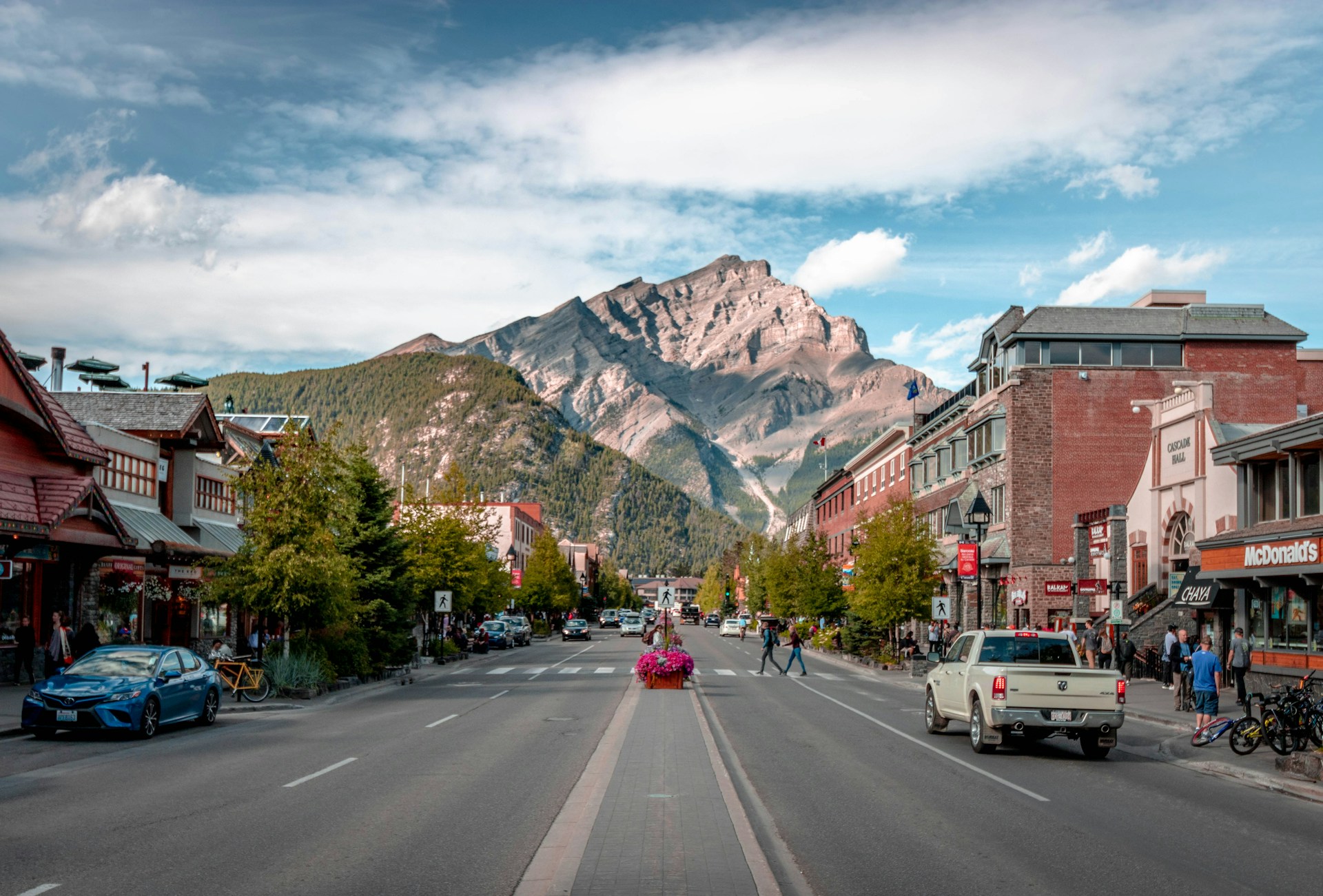
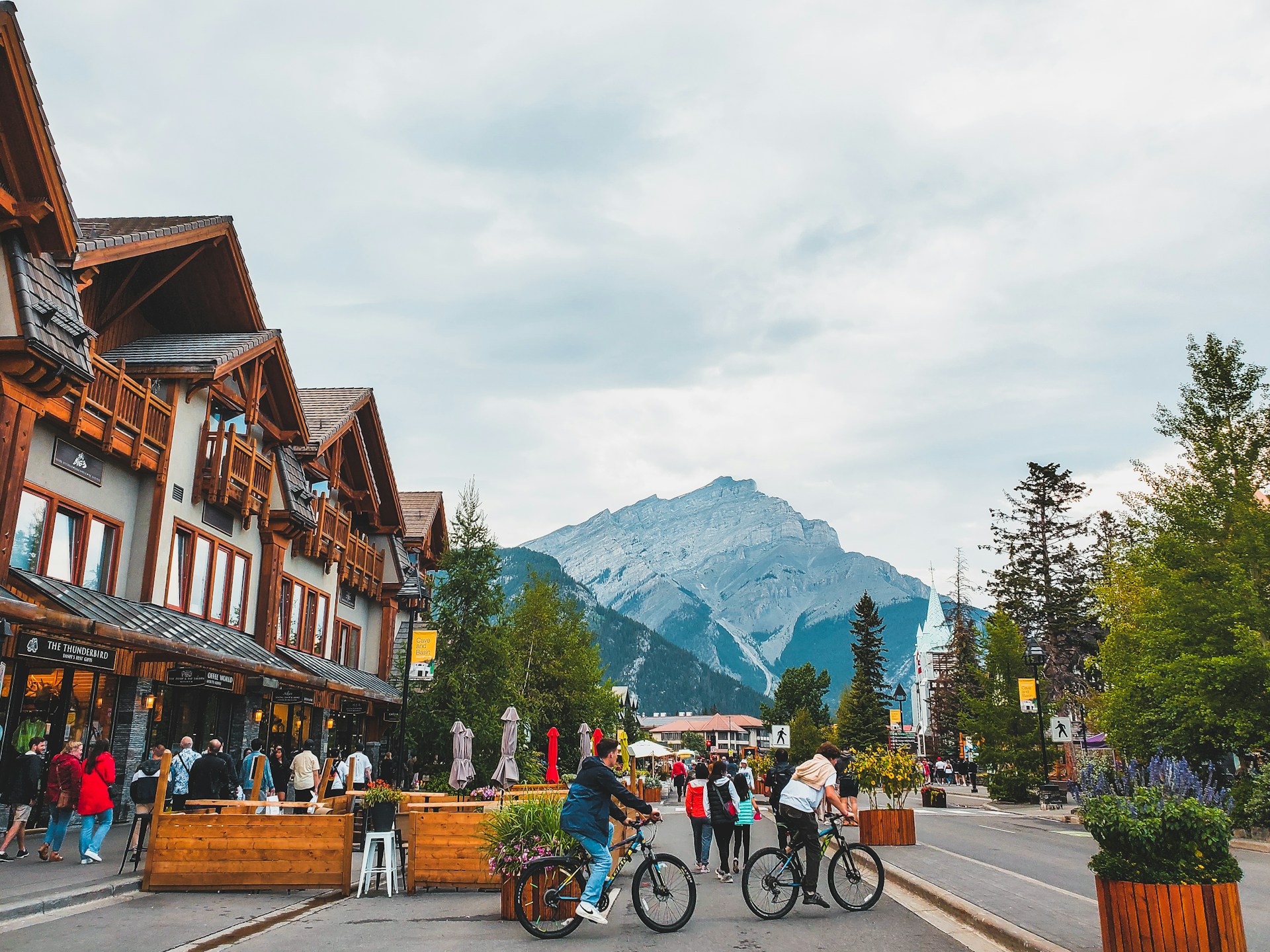
Banff is the classic winter getaway. Nestled in Banff National Park, the town is surrounded by massive peaks draped in snow.
The vibe in Banff during February? Pure magic. Snow lines the streets, and every direction gives you a picture-perfect view. At night, the warm glow from shops and hotels looks stunning against the snow.
February favorites in Banff:
- Snowy downtown streets with epic mountain views
- The Bow River winding through the valley, frozen solid
- Mount Rundle and Cascade Mountain looming in the background
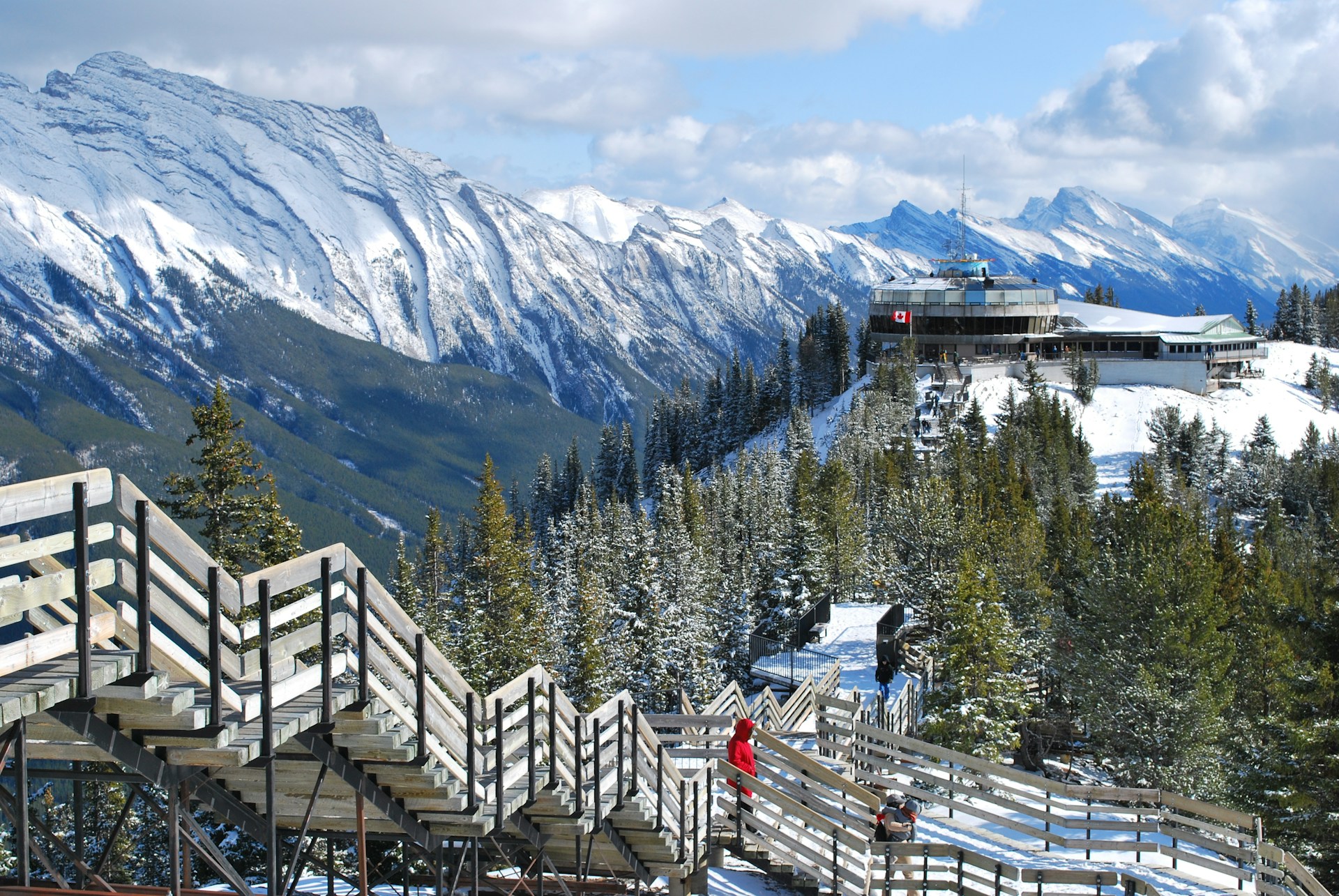
- Sulphur Mountain gondola for panoramic winter scenes
Lake Minnewanka, just a quick drive from town, becomes a frozen playground. The ice is thick, and the mountains wrap around you in a snowy amphitheater. It’s one of the most dramatic winter views you’ll find.
Getting around is easy, too. Banff’s heated sidewalks and winter-ready buildings make exploring a breeze, even when it’s chilly.
Lake Louise’s Frozen Beauty
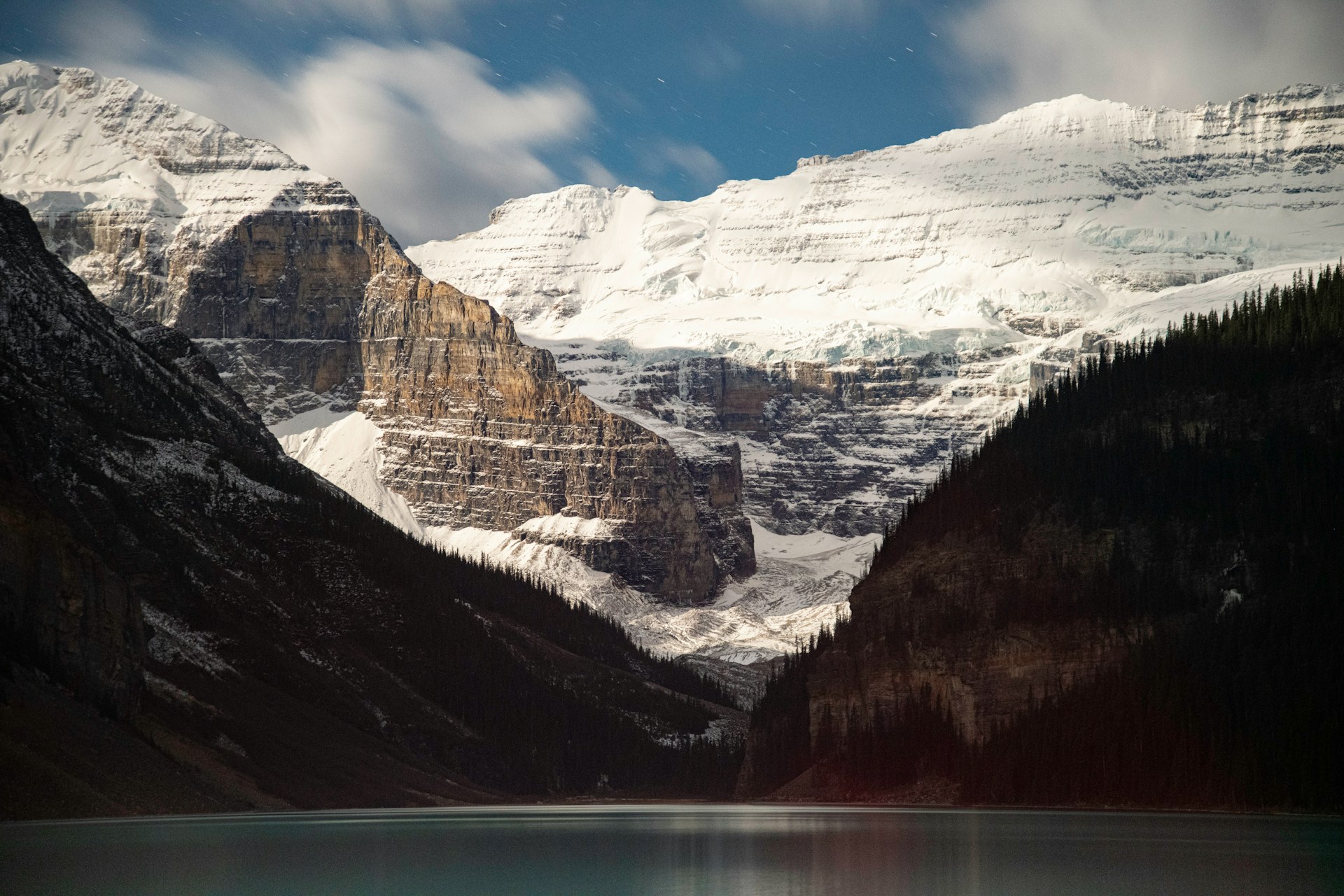
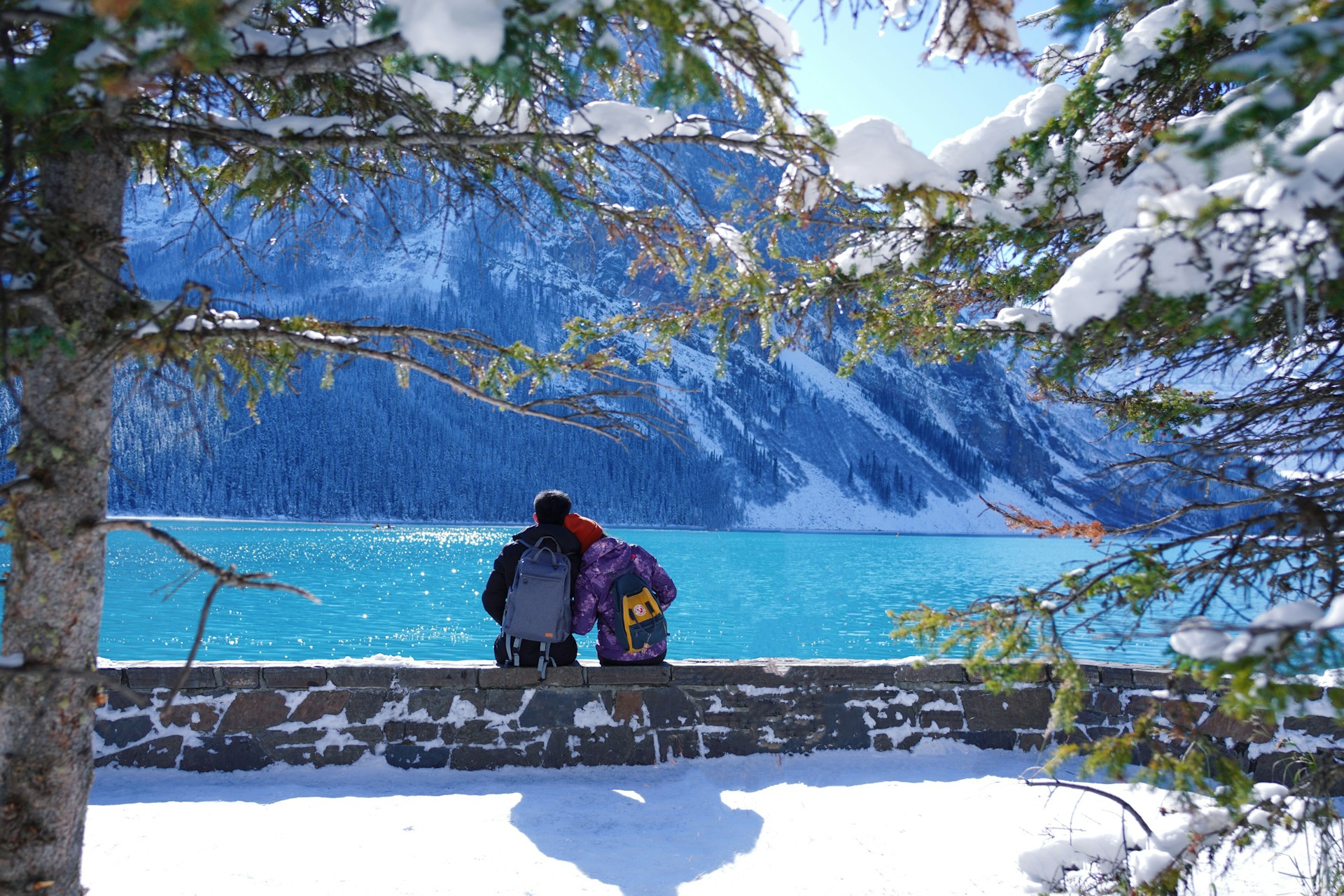
Lake Louise turns into a natural ice rink every February, surrounded by some of the most jaw-dropping mountain scenery in North America. The lake freezes solid, and the surface reflects the peaks all around.
Victoria Glacier steals the show from the lake’s edge. In winter, the glacier looks even bigger and bolder against the snow. The dark rock and bright snow make for dramatic lighting all day.
Watching sunrise from the frozen lake is something I’ll never forget. The mountains turn pink and orange, and the Fairmont Chateau Lake Louise frames the whole scene perfectly.
Why Lake Louise shines in February:
- Solid ice for skating
- Victoria Glacier as the backdrop
- 11,000-foot peaks all around
- Natural ice sculptures along the shore
The walking paths stay clear, so you can wander and catch the changing light on the mountains from different angles.
Picturesque Canmore
Canmore gives you a laid-back mountain town vibe with killer scenery. It sits in the Bow Valley, and the Three Sisters mountains shape the skyline.
I love how Canmore feels less hectic than Banff but still delivers on views. The shops and restaurants have a genuine local feel—no tourist traps here.
The Bow River cuts through town, sometimes freezing into wild ice formations. Walking trails run along the river, letting you see how water and ice play together in the winter.
Canmore’s winter charm:
- Views of the Three Sisters
- Icy formations on the Bow River
- Fewer crowds than Banff
- Authentic, friendly mountain town feel
You can look across the valley to the Fairholme Range, too. Depending on where you stand, the mountains catch the light in totally different ways.

Scenic Drives: The Icefields Parkway
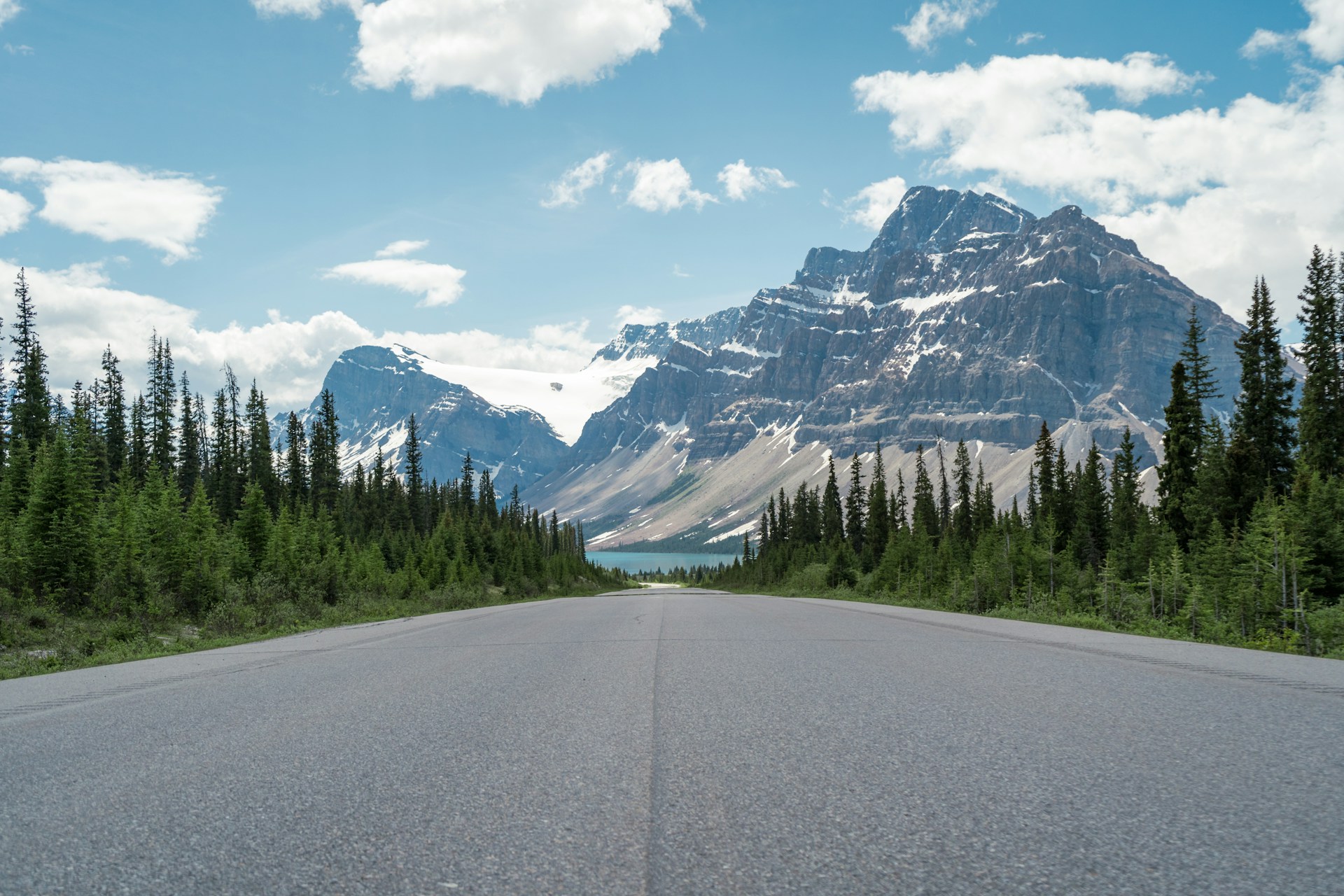
The Icefields Parkway in February? Absolutely stunning. This road links Banff and Jasper, winding through 140 miles of snow-covered mountains.
Driving here in winter takes some planning, but the scenery is out of this world. Glaciers hang from cliffs, waterfalls freeze into blue columns, and the peaks stretch on forever.
I always stop at Bow Lake and Peyto Lake. Both freeze over and give you a whole new perspective on the landscape. The famous turquoise waters get covered in white, but the beauty is still there—just different.
Don’t miss in February:
- Athabasca Glacier views
- Frozen Bow Lake and Peyto Lake
- Ice-covered waterfalls
- Endless mountain vistas
Roads can be slower in winter, so take your time. Most pullouts are plowed, so you can stop for photos or just soak it all in.
World-Class Skiing and Snowboarding
February brings prime powder to the three big ski resorts near Banff. The high elevation and cold air mean the snow stays dry and fluffy—some of the best you’ll find anywhere.
Lake Louise Ski Resort
Lake Louise Ski Resort is hands-down one of the most scenic places to ski in the Rockies. Sitting high up, it keeps its snow in great shape all month.
With over 4,200 acres to explore, there’s something for everyone. I love how you can find easy runs for beginners and steep bowls for experts.
What you get:
- 145 marked runs over four mountain faces
- 3,250 feet of vertical drop
- Base elevation at 5,400 feet
The Back Bowls are a powder lover’s dream. If you’re just starting, stick to the front—lots of mellow, well-groomed runs.
February usually means the best conditions of the season. Cold temps keep the snow perfect, and new storms bring fresh powder regularly.
Sunshine Village’s Legendary Slopes
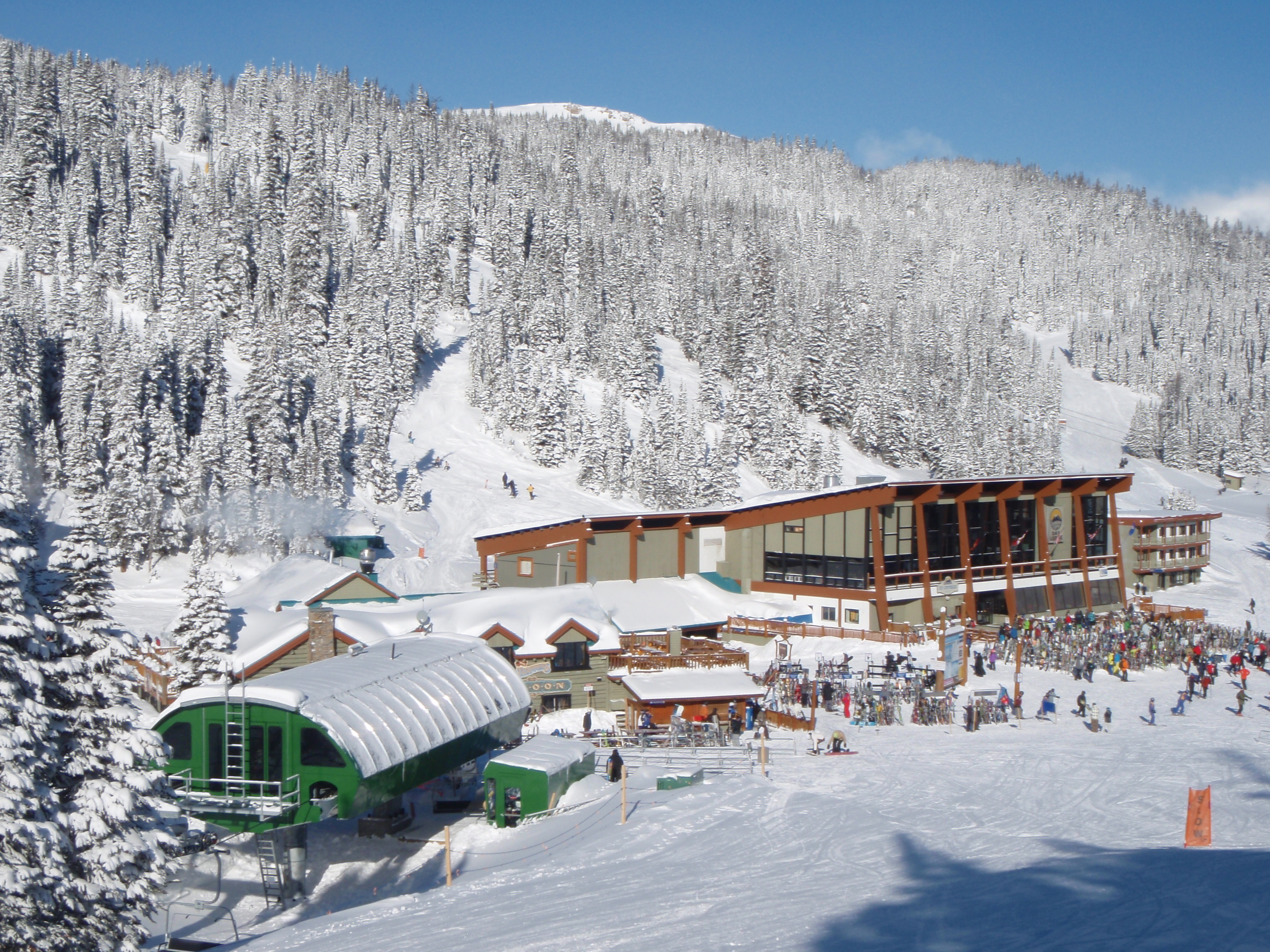
Sunshine Village has a super long season, running from November all the way to late May. Its spot on the Continental Divide keeps the snow coming—especially in February.
I always notice how reliable the snow is here. Powder days are common, and the views are just wild.
Resort details:
- 3,358 acres of terrain
- 137 marked runs
- 30 feet of snow each year, on average
Delirium Dive is for the real thrill-seekers—think avalanche gear and expert skills. Goat’s Eye Mountain serves up steep runs and epic vistas.
February storms can dump up to two feet of snow overnight. It’s hard to beat.
Other Notable Ski Resorts
Mount Norquay sits just outside Banff and gives you a more local vibe. It’s smaller, but you get night skiing and a fun terrain park.
With 60 acres to play on, Norquay is great for families or anyone learning to ski. Snowmaking and regular snowfall keep the runs in top shape.
Norquay perks:
- Night skiing until 9 PM
- Terrain park with jumps and rails
- Tube park for non-skiers
Nakiska, about 90 minutes from Banff, hosted the 1988 Olympic alpine events. It’s reliable, and you’ll find shorter lift lines during the week.
All together, these resorts make the Canadian Rockies a ski destination that’s tough to top.

Signature Winter Activities Beyond the Slopes
Not into skiing? February in the Rockies still has you covered. Think skating on frozen lakes, dog sledding through snowy forests, or even gliding along in a horse-drawn sleigh. These are the kind of adventures that stick with you.
Ice Skating on Natural Lakes
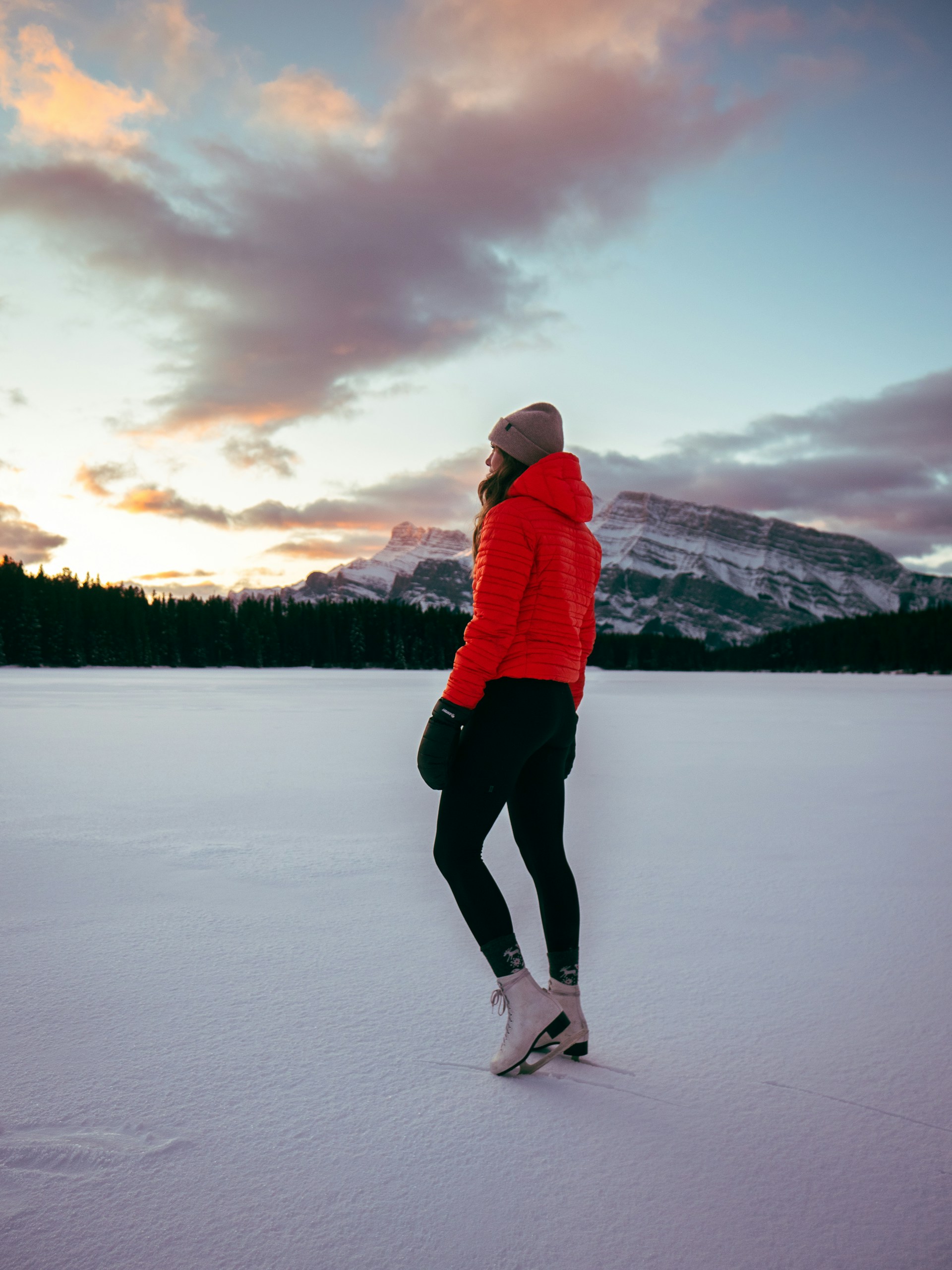
Skating on mountain lakes is nothing like skating indoors. Lake Louise turns into a massive rink by February. The ice is thick, and the views? Unreal.
The lake freezes by mid-December and stays solid through March. Crews clear areas near the Chateau Lake Louise so you can skate safely.
Lake Minnewanka gives you a wilder experience. The ice isn’t groomed, so it feels more rugged and natural.
Johnson Lake in Banff usually freezes by mid-November and is a favorite for families. Smaller, but cozy and fun.
Bring:
- Sharp skates
- Layers you can move in
- A thermos of something hot
- Ice picks, just in case
Always check with park staff before heading out. Mountain weather can change fast.
Dog Sledding Adventures
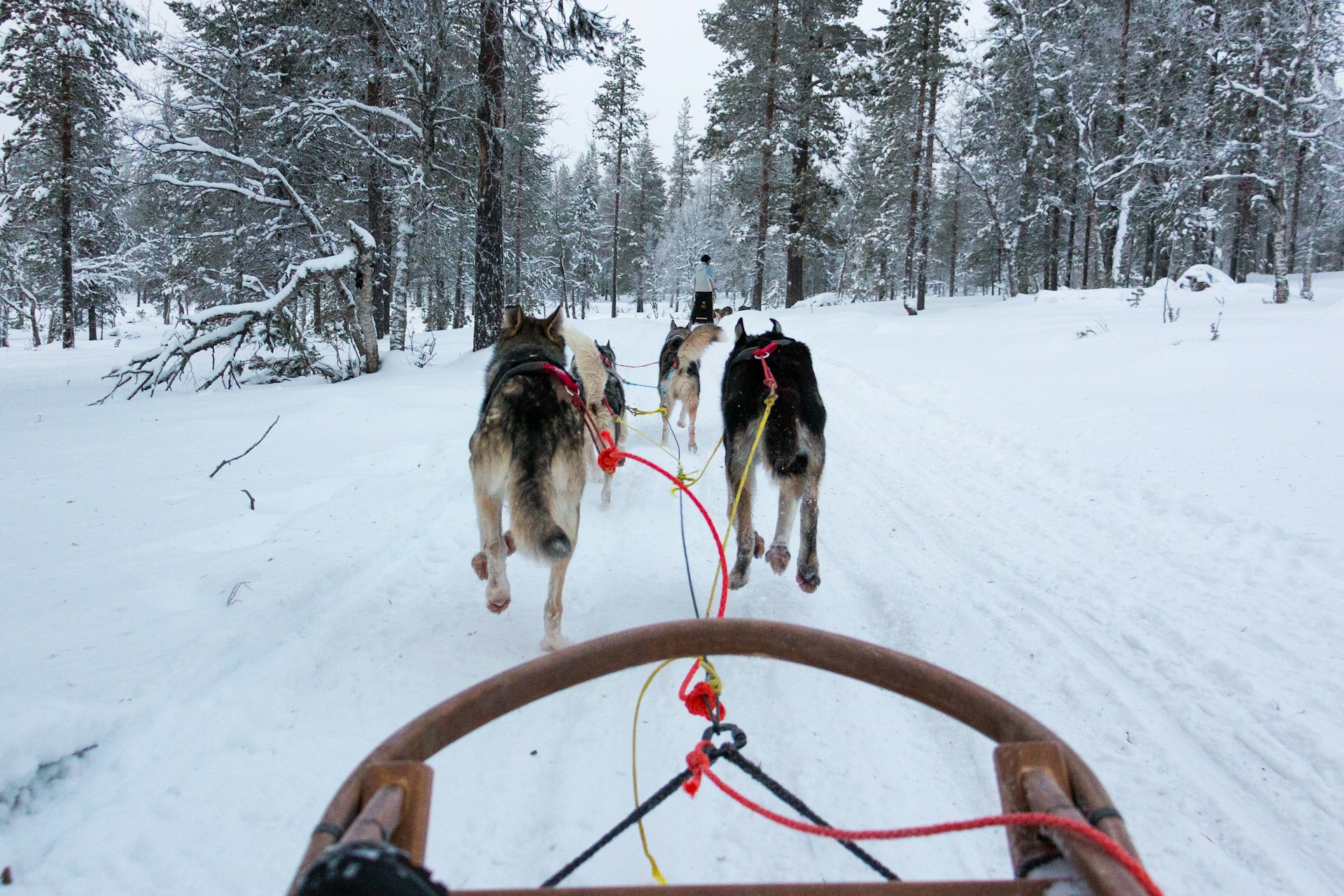
Dog sledding lets you feel like an old-school explorer. Outfitters near Canmore and Banff run trips all February.
You’ll start by meeting the huskies—these dogs are born to run. They’re as excited as you are.
Popular spots:
- Spray Lakes near Canmore
- Bow Valley trails
- Kananaskis backcountry routes
Most tours last 2-4 hours. You’ll learn some commands and maybe even take a turn driving the sled.
The dogs are seriously strong. A team of six can pull two adults up to 15 mph through deep snow.
February is perfect for sledding—plenty of snow, and the dogs stay comfortable in the cold.
Sleigh Rides and Horse-Drawn Experiences
There’s something timeless about gliding through snowy forests on a horse-drawn sleigh. Near Banff and Lake Louise, several companies run these rides all through February.
Warner Guiding & Outfitting takes guests out for evening rides across the Bow Valley. They hand out hot chocolate, and if you’re lucky, you might spot some wildlife along the way.
The horses wear winter shoes with studs, so they don’t slip on icy trails. Thick blankets get passed around, and they really help keep you toasty during the 30- to 60-minute ride.
Evening tours? Honestly, they feel a bit magical. The sound of jingling harnesses and crunching snow, with those mountain views in the background, creates a winter scene that feels straight out of a storybook.
Some outfitters up the ante with dinner sleigh rides. These include stops at heated cabins, where you can warm up with a hot meal. These longer rides usually last about 2-3 hours.
February weather usually cooperates, so rides run pretty regularly. Still, heavy snowstorms or temperatures that drop below -25°C might cancel tours.

Unique Outdoor Adventures and Winter Sports
February turns the Canadian Rockies into a playground for winter lovers. Frozen waterfalls become climbing playgrounds, and snow-covered trails seem to call your name. The air is crisp, the snow is steady, and the whole place feels alive with possibilities.
Snowshoeing Through Pristine Trails
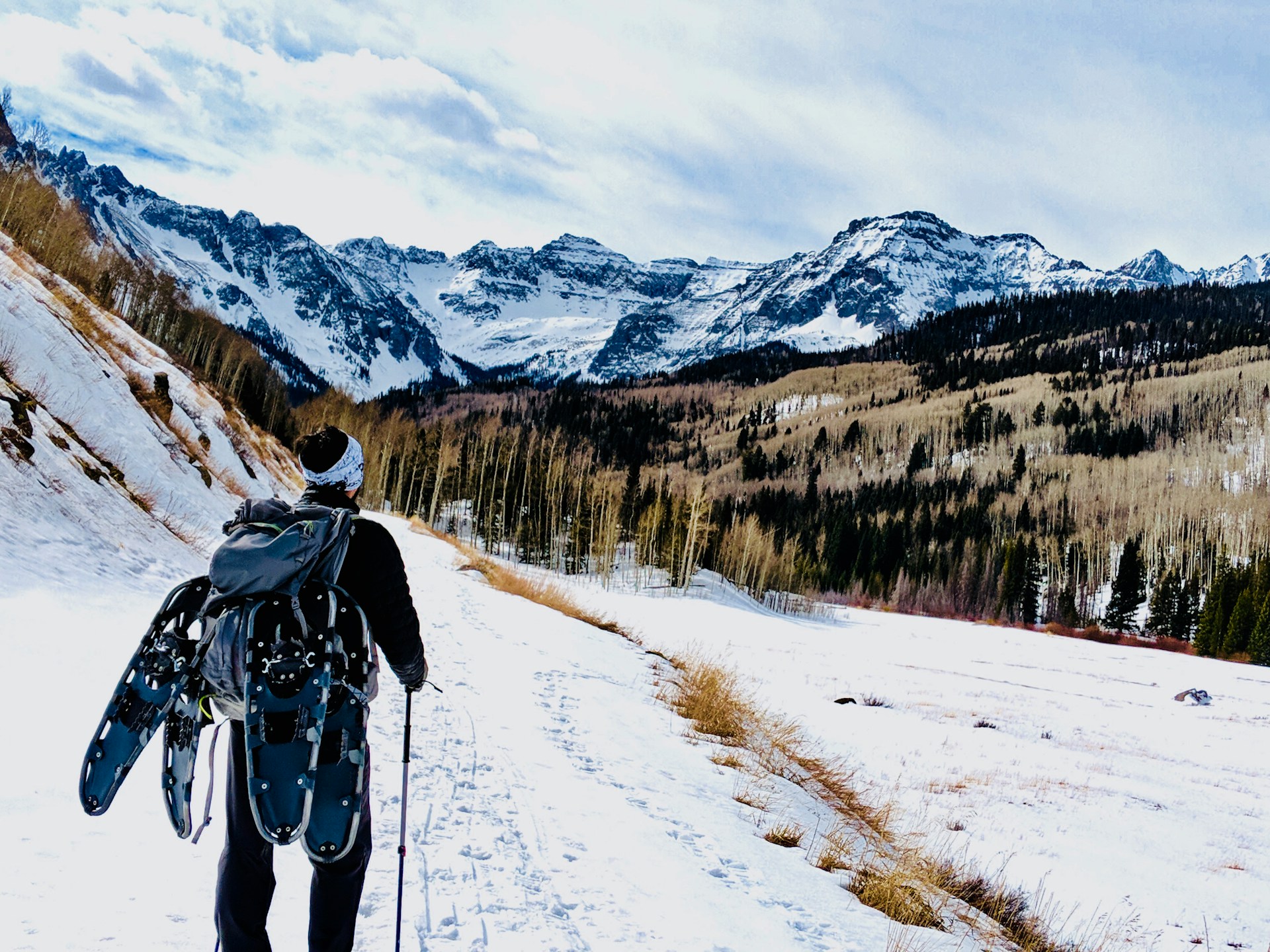
Snowshoeing is hands-down one of the most approachable winter sports out here. No experience? No problem. I love how it lets me reach places you just can’t get to on foot in summer.
The Paint Pots trail is a great place to start. It’s a two-mile walk through fresh snow, with colorful mineral deposits popping against the white. Along the way, you’ll hear stories about First Nations history and the fur trade.
What you’ll need:
- Snowshoes (you can rent them)
- Warm, waterproof boots
- Layers—trust me, they matter
- Trekking poles
Guided tours run from December to mid-April. They cater to everyone, from total beginners to seasoned snowshoers. If you’re reasonably fit, you’ll be just fine.
At the end, there’s often a treat: hot maple taffy poured right onto the snow. It’s a sweet, sticky finish that just feels so Canadian.
Ice Walks at Johnston Canyon
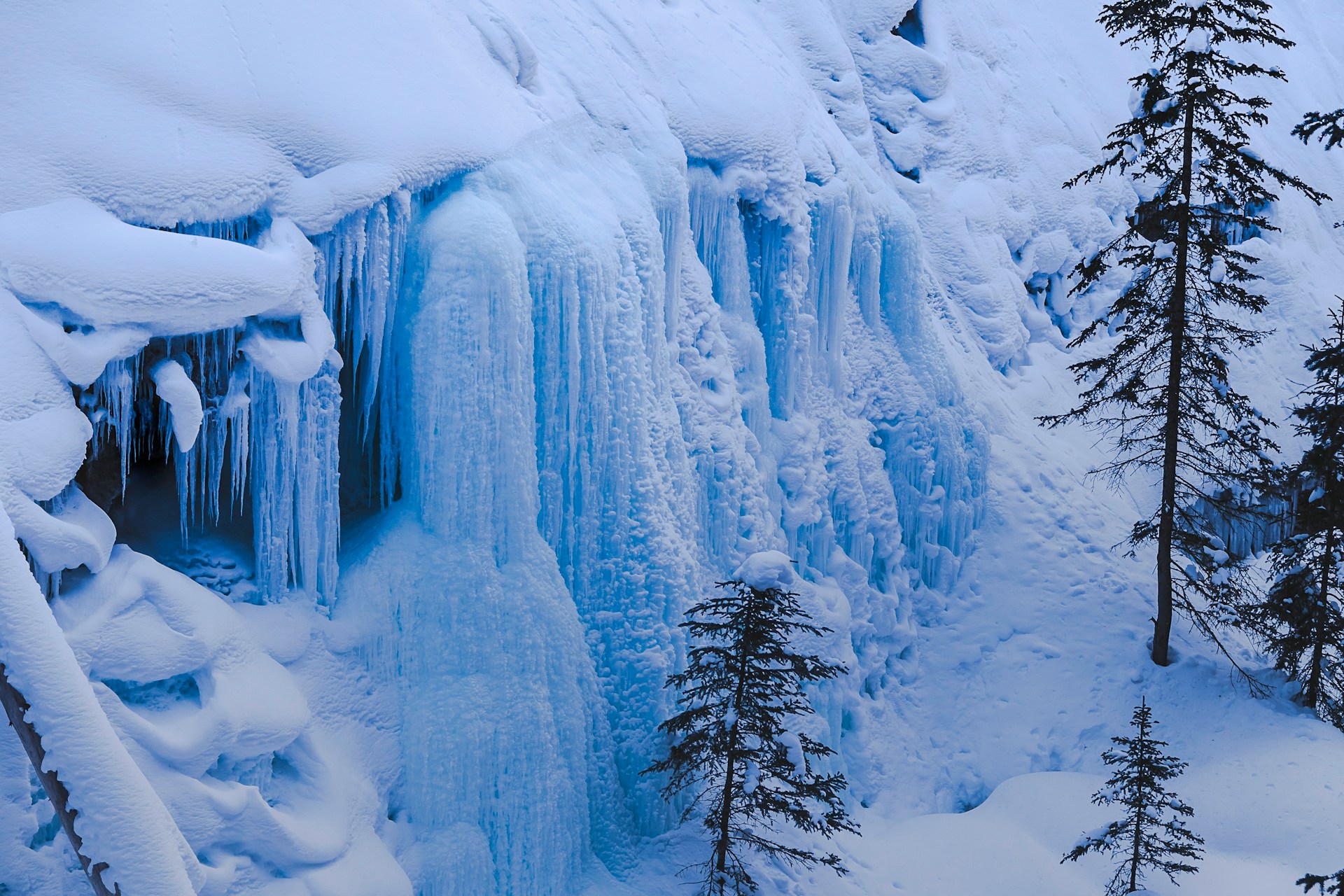
In February, Johnston Canyon transforms into an icy wonderland. The waterfalls freeze into wild blue sculptures, and you can get right up close.
The trek is about three miles along the canyon floor. In summer, water rushes by, but now, it’s all solid ice. I strap ice cleats onto my boots for grip, and the limestone walls create these natural ice galleries.
What’s on the ice walk menu:
- Huge frozen waterfalls (some hit 100 feet)
- Natural ice sculptures everywhere
- Blue ice formations that look almost unreal
- Wildlife tracks crisscrossing the snow
Daytime and nighttime tours run from December through mid-March. Night walks? Totally different vibe. Headlamps light up the ice, making everything glow.
Maligne Canyon is another top spot for ice walks. It’s a two-mile adventure under the frozen Maligne River, with shelves of ice and hidden formations that feel straight out of a fairy tale.
Ice Climbing and Winter Hiking
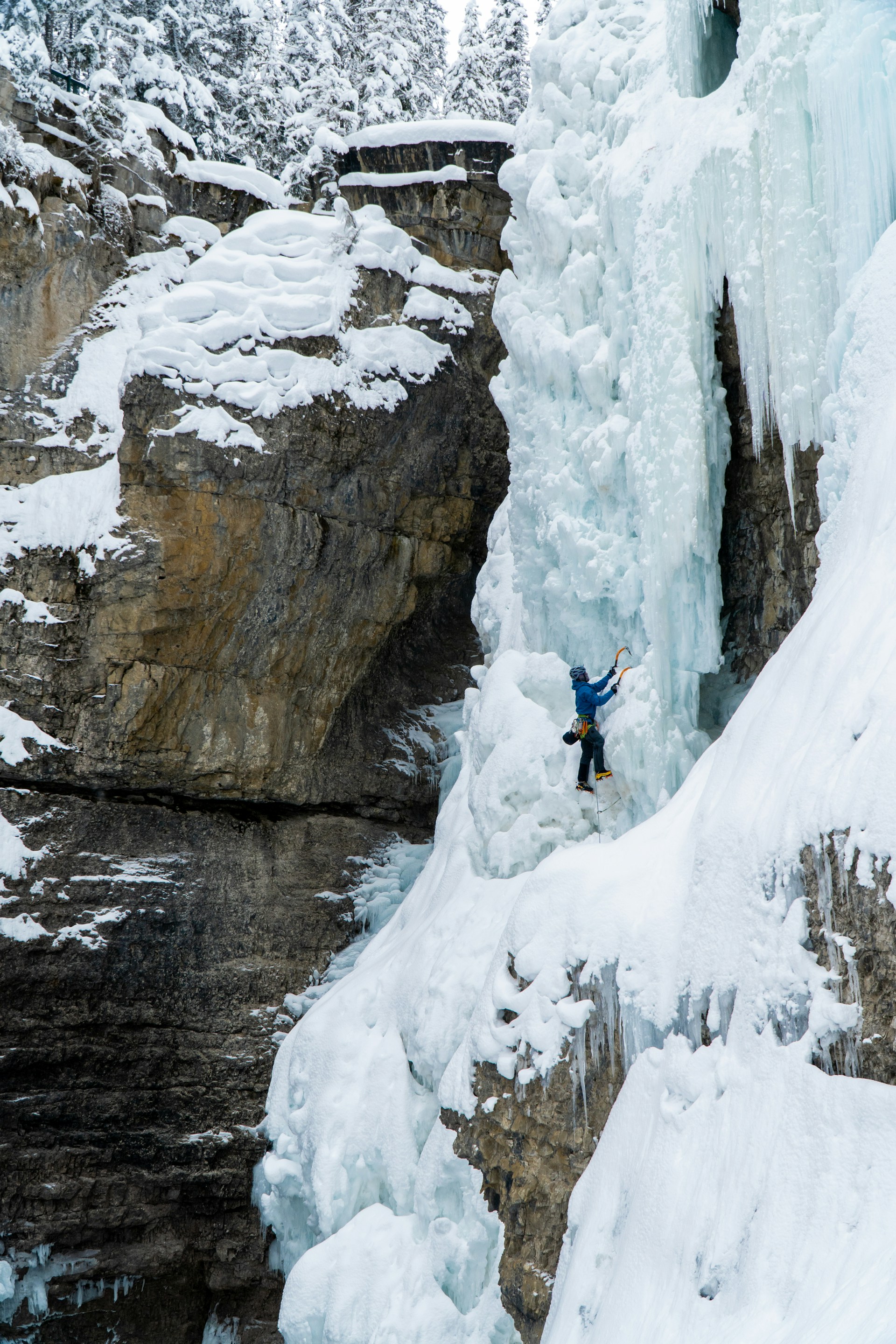
If you’re after a challenge, ice climbing is about as epic as it gets in the Rockies. February’s cold keeps the waterfalls frozen solid, so conditions are perfect.
Guides make it beginner-friendly, even if you’ve never tried it before. They set you up with ice axes, crampons, helmets, and harnesses. It’s a steep learning curve, sure, but the feeling of climbing real ice is unforgettable.
Top spots for ice climbing:
- Johnston Canyon: Multiple routes for all skill levels
- Maligne Canyon: Great for beginners
- Bow Falls: Easy to access, good for a quick climb
- Takkakaw Falls: For those looking for a real challenge
Winter hiking is a whole different ballgame compared to summer. I bring microspikes or snowshoes, depending on the trail. Some summer routes just don’t work in winter, but frozen lakes and snowy forests open up new paths.
Preparation is everything. I always check the weather, pack extra layers, and tell someone my route. Emergency gear isn’t optional out here—it’s a must.
Festivals, Relaxation, and Local Experiences
February brings the Rockies to life with winter festivals, natural hot springs to warm up in, and cozy retreats to recharge after a day in the snow.
Ice Magic Festival and Ice Sculpture Art
The Ice Magic Festival in Lake Louise is a February highlight for me. It runs from mid-January into February and draws ice carvers from all over the world.
Artists compete by turning giant ice blocks into intricate sculptures. Chainsaws buzz, tools fly, and after three days, the lakeshore is lined with dragons, castles, animals, and wild abstract art.
What’s cool about it:
- International carving competition
- Sculptures right along the frozen lake
- Free for everyone to see
- Artists work non-stop for three days
Even after the competition, the sculptures stick around for weeks. Walking past them at sunset is a whole different experience—the mountains in the background make everything more dramatic.
Relaxing at Banff Upper Hot Springs
After a day out in the cold, nothing beats soaking in Banff Upper Hot Springs. The outdoor pool stays at a toasty 104°F, even as snow drifts down all around.
These hot springs perch 5,200 feet up on Sulphur Mountain. I watch steam rise from the mineral water while snowy peaks loom in the distance.
Hot springs at a glance:
- Hours: 10 AM to 10 PM
- Water temp: 104°F (40°C)
- Minerals: Sulfate and calcium
- Facilities: Changing rooms, lockers, swimsuit rentals
I like to visit in the late afternoon when it’s quieter. That blast of hot water against cold air? It’s hard to describe, but it’s amazing.
People say the minerals help sore muscles and boost circulation. Maybe they do, maybe they don’t—but after a long day, it sure feels good.
Après-Ski and Cozy Mountain Retreats
February nights in the Rockies? They beg for warm, inviting spaces after a day out in the cold. Mountain lodges and quirky local pubs just hit different up here.
I love sinking into an old armchair by a crackling stone fireplace, nursing a mug of hot chocolate or maybe a pint of local craft beer. There’s something comforting about hearty Canadian dishes—think poutine, meat pies, and the occasional maple-glazed salmon.
A few après-ski favorites:
- Historic lodge lounges with live music that makes you want to stay all night
- Local breweries where you can stare out at the mountains while sipping something cold
- Cozy cabins with wood-burning stoves, perfect for thawing out
- Hotel bars that pour local whiskey and swap stories with you
These mountain retreats just feel real—no frills, just warmth and good company. I always seem to bump into travelers and locals alike, swapping stories about wipeouts on the slopes or secret trails.
Some lodges roll out special February deals, bundling meals, drinks, and a bit of entertainment. Live acoustic sets or spontaneous storytelling nights pop up often, especially when the snow piles up outside.

