
Arriving in Loutro, I felt like I’d stumbled into a hidden corner of Crete that time just skipped over.
There are no cars, no loud crowds, and no busy streets—just the gentle hush of waves and whitewashed houses tucked beneath steep hills.
Loutro’s simplicity and natural beauty really changed the way I look at exploring the world. I learned that real travel experiences don’t need a packed schedule or a checklist of tourist stops.
What struck me first was the calm, almost lazy pace.
Days drifted by between quiet beaches, rocky walks, and those long meals by the water.
Sometimes, the best memories come from places where you can just breathe, take it all in, and not worry about what’s next.
The more time I spent in Loutro, the more I noticed what made this little village special.
With no distractions, I started to focus on the tiny things—the color of the sea, the taste of fresh food, the way locals smiled at me.
I left with a new appreciation for the simple joys that come from actually being present.
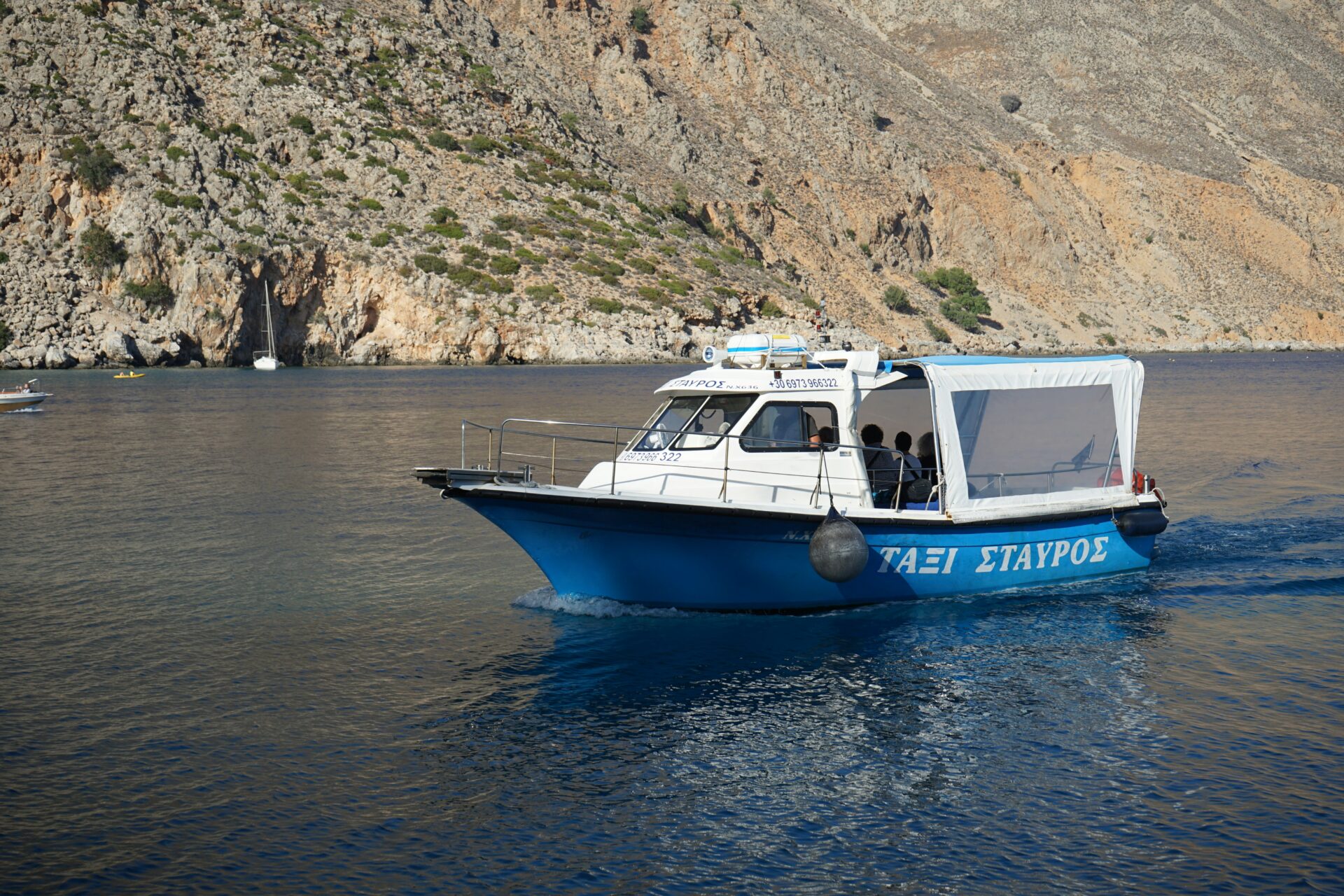
Discovering Loutro: The Allure of Simplicity
Loutro sits tucked away on Crete’s southern coast and offers a different kind of beauty.
Here, slow mornings and endless sea views matter more than anything else.
Time stretches out, letting your mind finally rest.
This place is all about small pleasures, not constant activity.
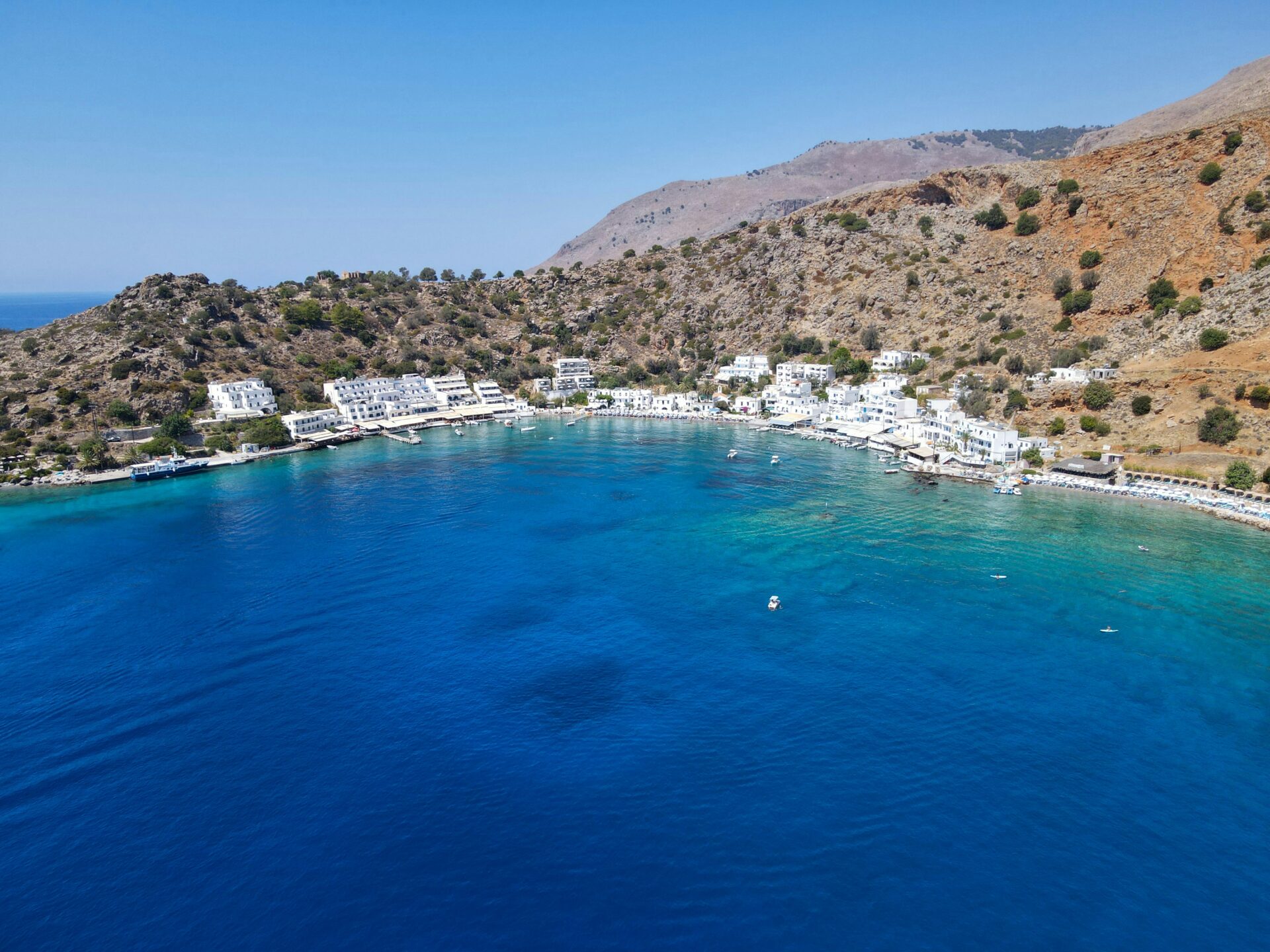
A First Impression of Loutro
When I stepped off the ferry, Loutro felt almost hidden from the modern world.
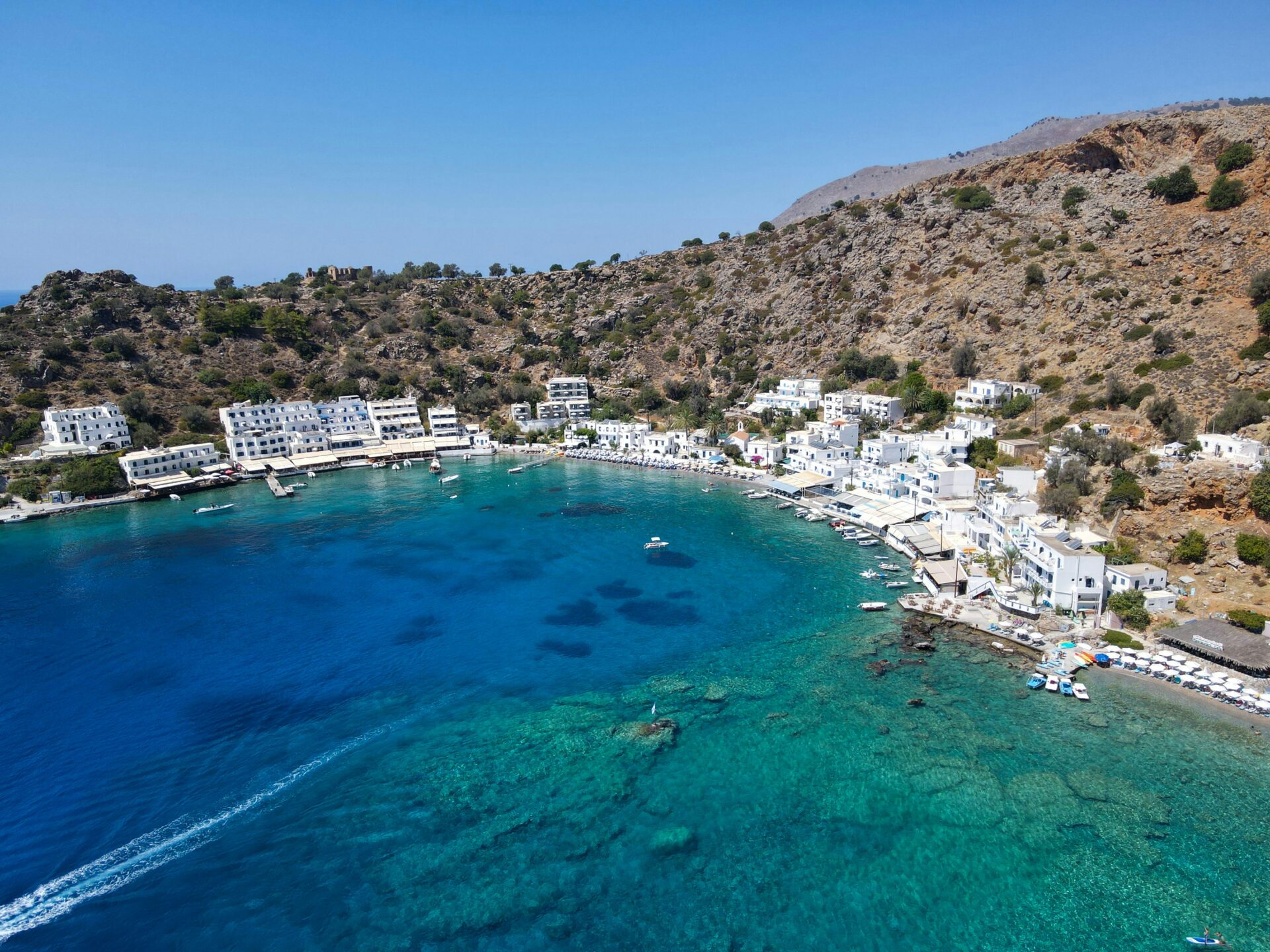
No cars, no busy roads—just whitewashed houses gathered along a clear bay.
Stone paths and boats bobbing in the water made everything feel a bit unreal.
Even with a handful of visitors, the quiet really stood out.
I could hear waves splashing and the faint clink of cups as people enjoyed their coffee.
There aren’t flashy shops or tall hotels here, just small tavernas and guesthouses.
The focus stays on what’s already there: the sea, the sky, and friendly faces.

Embracing a Slower Pace
Loutro’s slow rhythm got to me pretty quickly.
Mornings start with a walk along the shore or maybe a swim before breakfast.
Nobody seems to rush, and schedules basically don’t exist.
Locals chat with visitors like old friends.
Even meals stretch on forever as everyone soaks in the view.
With fewer distractions, I paid attention to small details—a cat napping in the sun, the way light played on the water, or laughter drifting from a nearby café.
Days felt longer, freer, and my mind started to clear.
It was so easy to relax and just enjoy each moment.
Why Less Feels Like More When Traveling
By stripping away the noise and endless entertainment, Loutro gave me space to notice what matters.
There’s no long checklist of must-see sights or crowded attractions.
Instead, I watched the sunrise, tasted fresh seafood right by the water, and listened as the village settled into dusk.
I realized you don’t always need a packed schedule or big adventures.
Sometimes, understanding a place comes from simple things—sharing a homemade meal, walking barefoot on smooth stones, or watching fishermen get their boats ready.
That’s when I started to believe that less really can feel like more.

Unveiling Loutro’s Stunning Beauty
When I walked into Loutro, it honestly looked like a postcard.
The bright colors, calm sea, and peaceful setting set the stage for a slower, more thoughtful kind of travel.
Crystal Clear Waters and Whitewashed Houses
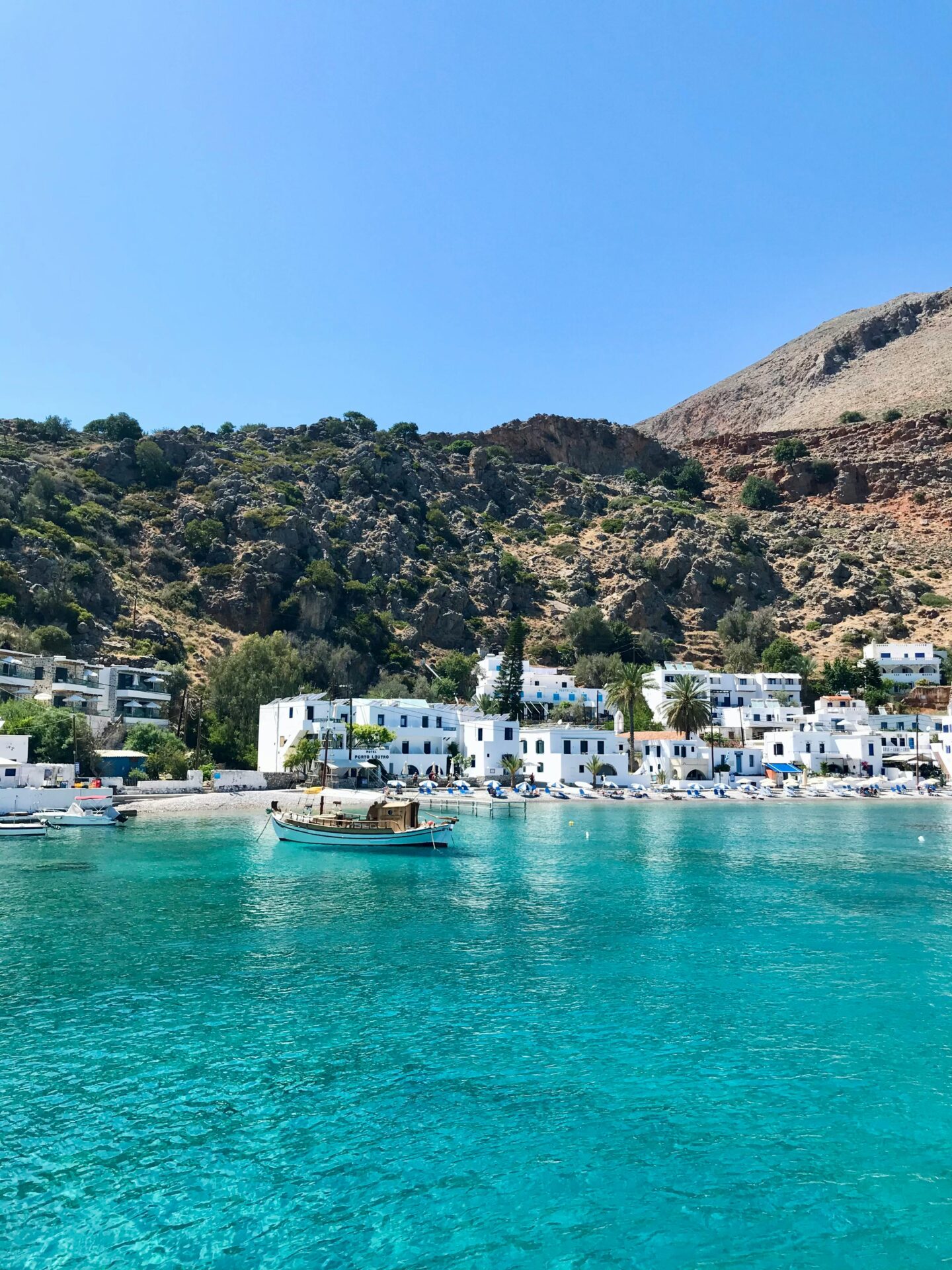
One of the first things I noticed was the turquoise, almost see-through water.
I could see pebbles at the bottom of the sea, even from the shore.
Swimming here felt more like floating in glass than saltwater.
The houses along the water are white with blue doors and windows.
No big hotels, no tall buildings—everything fits together, making the village look organized and calm.
I’d catch myself just staring at the simple lines of the buildings, amazed at how peaceful it all felt.
At night, lanterns and small lights glow across the harbor.
There’s this warm, welcoming feeling.
I spent many evenings just sitting by the water, watching boats gently move.
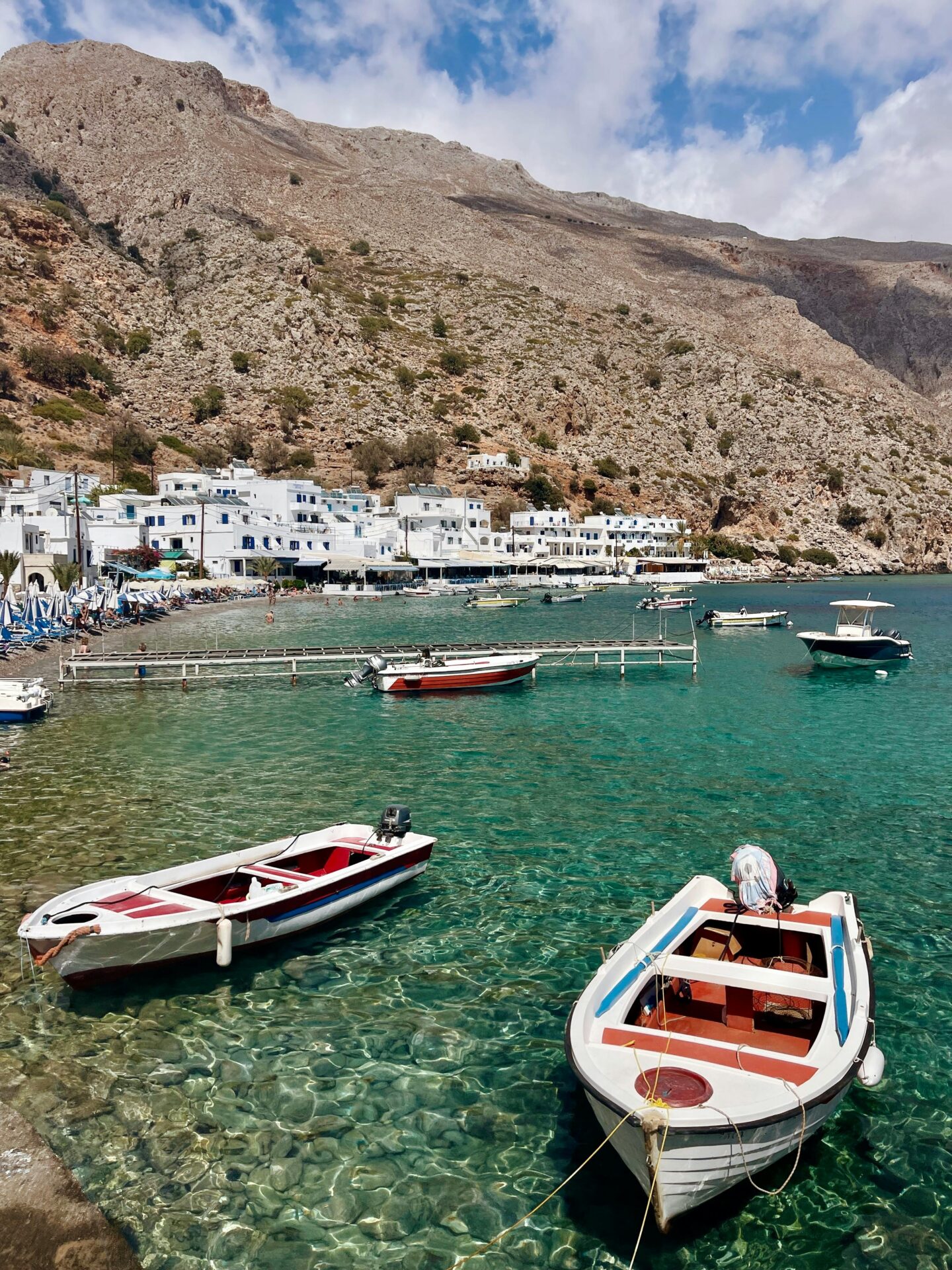
Scenic Coastlines and Mountain Backdrops
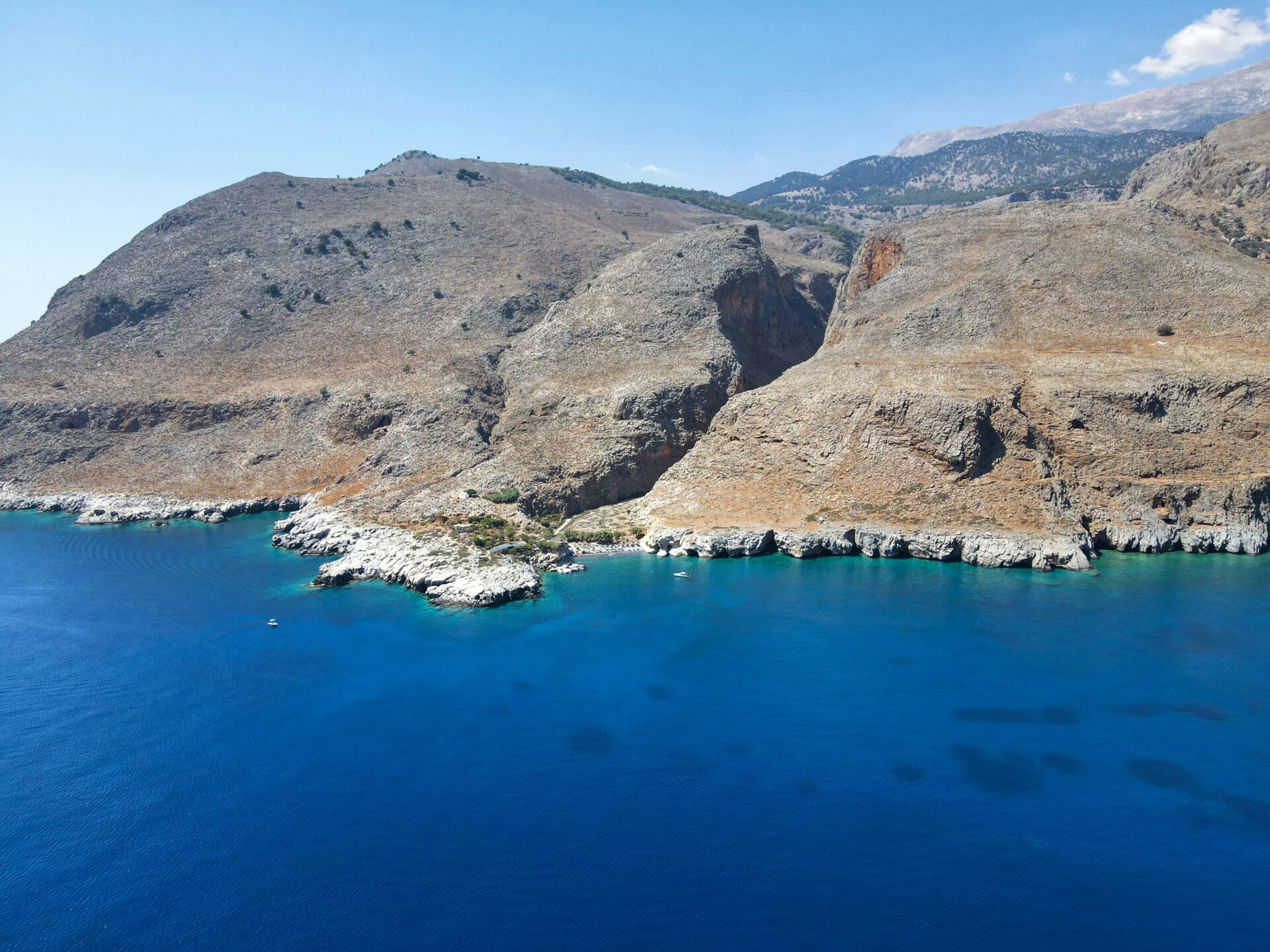
Loutro sits between rugged hills and the wide blue sea.
Mountains rise sharply on one side, covered in green shrubs and rocky outcrops.
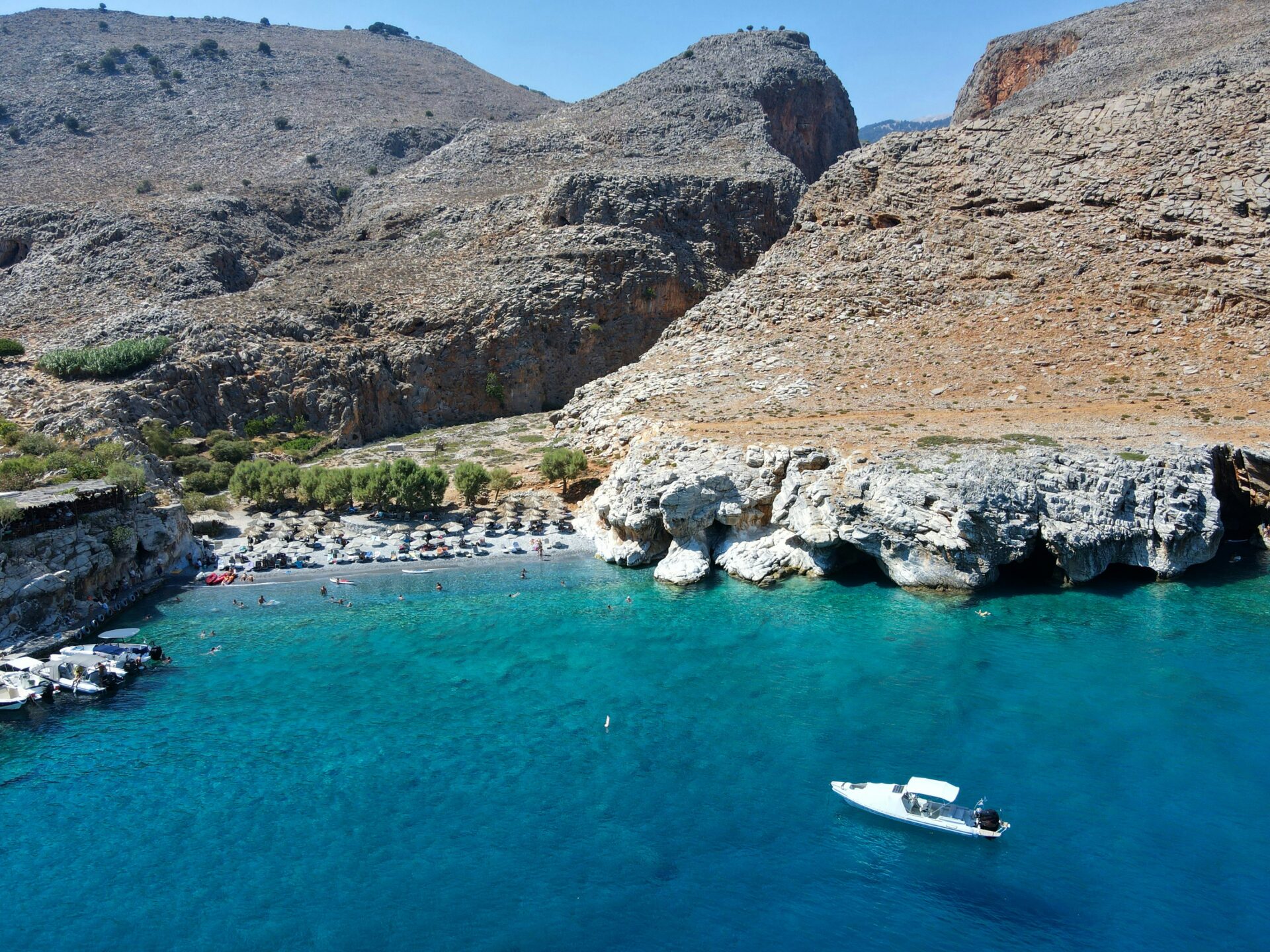
On the other, the coastline curves, forming quiet bays and hidden swimming spots.
Walking along the paths outside the village, I saw cliffs plunging down to the water.
Sometimes, goats wandered across the slopes, adding to the wild feeling.
The mountains behind Loutro made the village feel safe, like it was tucked away from the rest of the world.
Here’s a quick guide for the best views:
| Spot | What You See |
|---|---|
| Village Harbor | Boats, sea, lined houses |
| Coastal Path | Cliffs, coves, wildflowers |
| Mountain Trail | View of sea and village below |

Sunrises, Sunsets, and the Art of Stillness
Loutro’s days kick off with sunrise colors lighting up the water.
I’d wake up early and watch sunlight paint the white houses gold.
The silence in the morning felt almost total, except for the waves.
Later, at sunset, the sky would turn orange and pink.
Each day, I’d find a quiet spot, put my phone away, and just watch.
The peacefulness here isn’t about what you do, but how you sit and let time move slowly.
This quiet gave me room to reflect on my travels in a way I hadn’t before.
I didn’t feel rushed.
There was comfort in these slow moments, with nothing to do except appreciate what was right in front of me.

Moments of Reflection: How Loutro Challenged My Travel Mindset
Loutro’s calm shores basically forced me to slow down.
I started to notice things I’d usually miss if I were rushing from one landmark to another.
I began to value community in a way I hadn’t before.
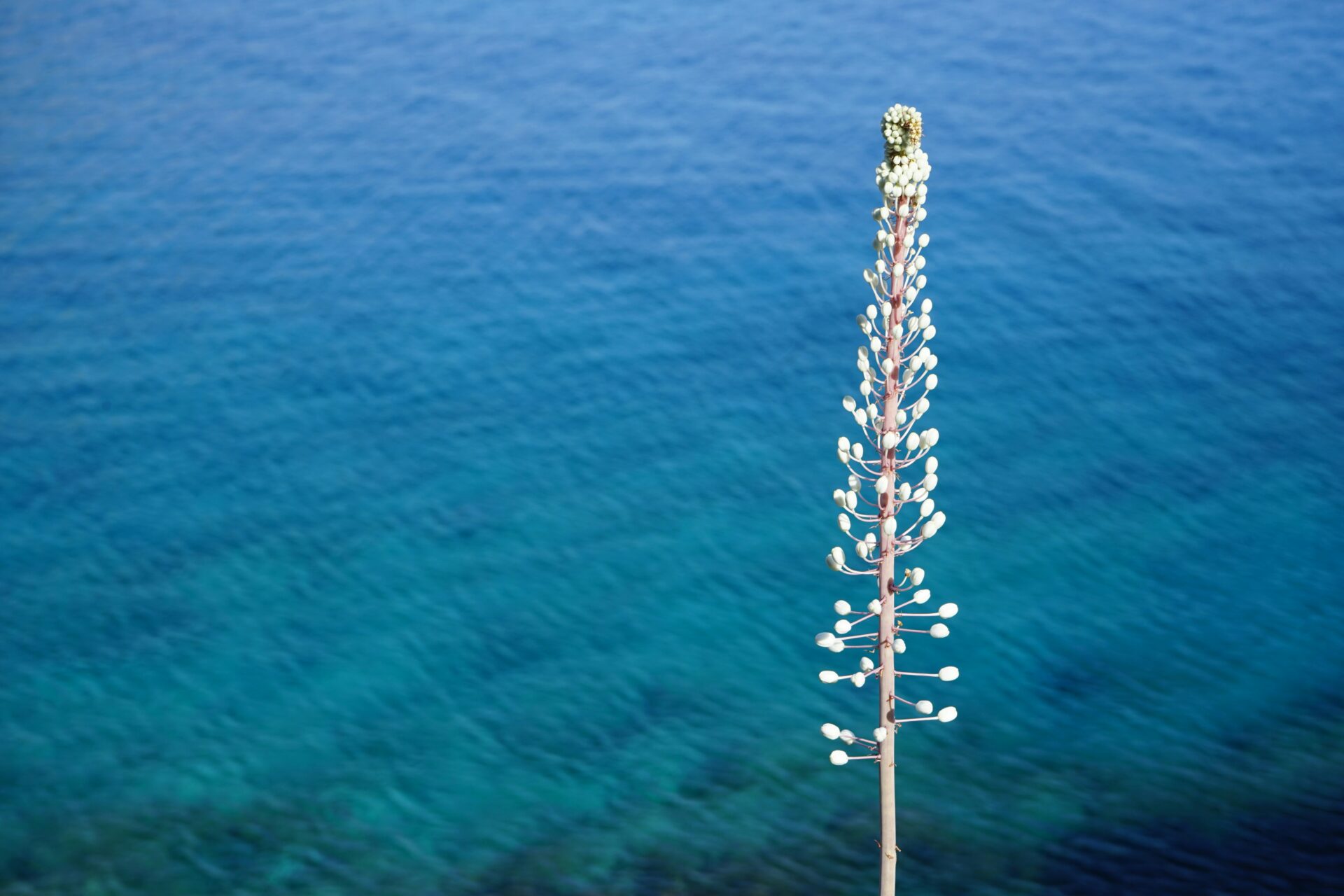
Letting Go of Constant Itineraries
Before Loutro, I built my trips around packed schedules and endless lists.
Museum openings, bus routes—every day felt full.
But Loutro changed that for me.
There isn’t much in Loutro that demands a checklist.
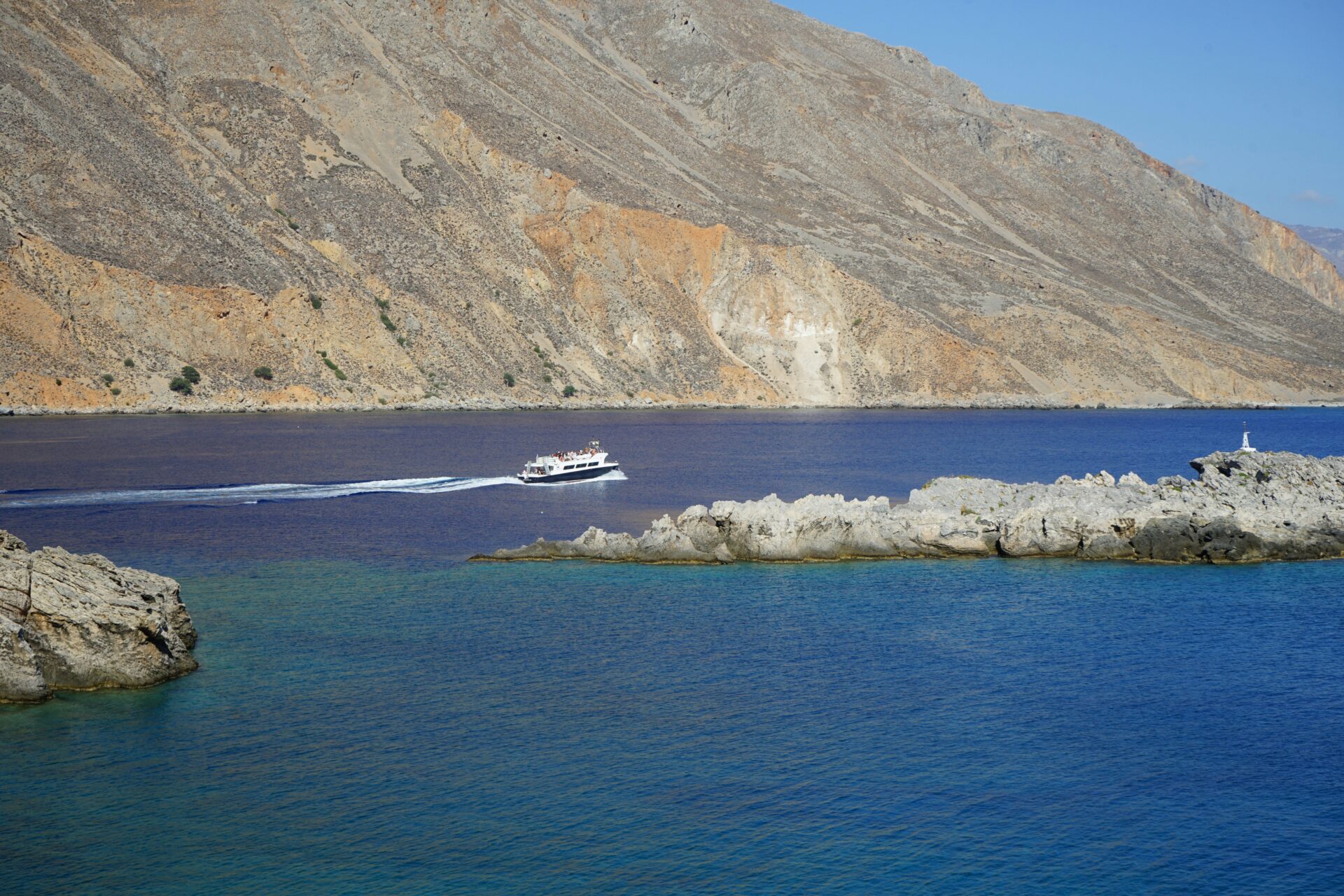
Few roads, no cars, and only a handful of boats come in each day.
Without endless things to do, I spent mornings just watching the sea or sipping coffee at a harborside taverna.
Nobody pushed me to hurry.
The freedom from planning let me relax and actually enjoy where I was, instead of always thinking about the next stop.
I started to see that the best travel memories often come from the space between activities.
In Loutro, slowing down led to real moments of support from locals.
A fisherman waved hello every morning, and the bakery owner remembered my favorite pastry.
This little village showed me that travel can be about being present, not just being busy.
Finding Joy in Small Details
In big cities, I usually walked quickly with my eyes glued to my map or phone.
But in Loutro, the pace of life slowed me down and made me look closer.
One afternoon, I spotted blue paint peeling from a rowboat, bees humming near thyme bushes, and afternoon light turning the white houses golden.
Every path felt special because of these tiny touches.
I realized beauty doesn’t always mean grand or famous sights.
Sometimes it’s in the tiny shells on the beach or the laughter of kids playing by the water’s edge.
Slowing down like this made me feel thankful for the details.
I started drawing in my notebook, trying to capture the way sunlight danced on the waves.
With fewer distractions, I noticed every warm greeting and shared smile.
The details made each day feel full, even if nothing “big” happened.
Appreciating Community and Connection
Loutro is the kind of place where almost everyone knows each other.
Tourists and locals mix at the tavernas, and I found myself chatting with people over lunch.
Everything felt more personal, from the family-run shops to the friendly waiters who remembered my name by the second day.
I realized how much support matters in travel, not just from hotel staff or guides but from the whole community.
A local couple once walked me to a quiet bay they loved, telling stories about the village along the way.
Every conversation felt easy and warm.
When a place is small and welcoming, genuine connections just happen.
In Loutro, I learned that support from a community sticks with you way longer than any attraction or landmark.
Key Community Experiences in Loutro:
| Experience | Support Received | Impact |
|---|---|---|
| Local family taverna | Personal food advice | Discovered regional dishes |
| Beach walk with locals | Shared stories, safety | Built trust, learned more |
| Help with translation | Friendly guidance | Less stress, felt included |

Practical Wisdom for Experiencing Loutro
Loutro doesn’t have big resorts or busy streets, and honestly, that’s what makes it so special.
Small details—like timing my trip and connecting with locals—shaped how I saw and enjoyed every moment on this peaceful coast.
When to Visit for Ultimate Tranquility
Choosing the right time to visit Loutro made a huge difference.
May, early June, and late September really stood out.
The weather was warm but not too hot, and the crowds were almost nonexistent.
Early mornings by the quiet harbor felt unforgettable.
Avoiding July and August meant I dodged the summer rush.
Prices for rooms and meals were more reasonable outside peak season, too.
I loved swimming in the calm bay when the water was clear, often sharing the sea with just a few locals.
If I wanted even more peace, I’d arrive on weekdays instead of weekends—the village felt nearly untouched.
Travel Tips for Embracing the Simplicity
Getting to Loutro felt different since there are no roads or cars.
I arrived by boat, carrying only a small backpack.
Packing light made the journey easy and let me move freely from the harbor to my room.
Wi-Fi was sometimes slow or spotty, but instead of getting frustrated, I took it as a chance to unplug.
I focused on the view, a good book, or a chat with café owners.
Here’s what helped me enjoy life at Loutro’s gentle pace:
- Cash is essential: Many small tavernas or shops don’t take cards.
- Pack for comfort: Walking shoes, a hat, and sunscreen were daily must-haves.
- Try the local food: The fresh seafood and simple salads were always the best.
Letting go of rigid schedules helped me find hidden beaches and greet the same cats lounging by the steps each morning.

Supporting Local Culture Respectfully
One of the best parts of my stay was learning how to support the people who live in Loutro all year.
I made a point to eat at family-run tavernas and buy little souvenirs made by villagers.
I tried to respect traditions, greeting store owners with a “Kalimera” and dressing modestly while exploring or visiting churches.
To give back to the community that made my trip so special, I stuck to a few simple things:
- Never left litter anywhere, even on quiet trails.
- Asked before taking photos of people or private homes.
- Listened patiently when someone wanted to share their story or advice.
Doing these things helped me connect with the spirit of Loutro.
Supporting local life made my trip richer and more personal.
I could really feel the difference in the welcome I got everywhere I went.
Reimagining Travel: Lasting Lessons from Loutro
Loutro left a bigger mark on me than any city guide ever could.
Even after leaving, I noticed how much I valued a slower pace and less clutter in my travels.
Carrying Simplicity into Future Journeys
Loutro’s calm really showed me that less can be so much more. Instead of cramming my days with attractions, I started focusing on just a couple of places that felt meaningful.
I remember simple meals by the water or slow walks along a village path way more than anything from a tourist checklist. Those moments stick with me.
Now, before I travel, I jot down a short list. I pick one or two must-see spots and leave the rest of my time open for wandering or just relaxing.
I look for guesthouses that don’t have TVs or a bunch of scheduled activities. This way, I can enjoy the natural setting, chat with locals, or just sit around and think.
Here’s what I pay attention to when I pick a destination:
| Must-Have Qualities | Why They Matter |
|---|---|
| Quiet surroundings | Easier to relax and think |
| Simple accommodations | Less stress, more charm |
| Walkable locations | Explore more, rush less |
The Ripple Effect of a Slower Escape
After Loutro, I started to see changes in how I approached travel—and honestly, even my daily routines.
Back at home, I stopped packing every weekend with errands. Instead, I’d wander slowly through my neighborhood, just taking it in, or hang out outside for a bit longer than usual.
When I planned trips, I steered clear of places famous for big crowds or loud nightlife. That just didn’t appeal anymore.
Traveling at a slower pace let me notice things I’d usually miss—a bird calling from somewhere up high, the rough feel of old stone walls, or the smell of herbs drifting by on the breeze.
Those little moments stuck with me way more than any jam-packed schedule ever did. Funny how the less I planned, the more I actually got out of it.
On my next trip, I left a lot more empty space in my itinerary. I didn’t bother trying to do everything, and I came home feeling rested, not wiped out.
Now, this slower approach feels like my favorite way to see the world—and honestly, to enjoy regular life too.
