
When Americans are slogging through the last of winter in March, I’ve found that Vancouver feels like a secret getaway just a few hours north. While much of the U.S. still shivers under snow and ice, Vancouver quietly slips into spring—sometimes almost overnight.
March in Vancouver brings mild temperatures, the first cherry blossoms, and the rare chance to ski in the morning and stroll through blooming parks in the afternoon. I’ve actually done both in a single day. The city just offers a kind of seasonal variety that’s tough to find south of the border this time of year.
March visitors get a sweet deal: fewer crowds, more affordable hotels, and weather that actually makes you want to get outside. Vancouver’s unique geography means you can jump from urban adventures to mountain views and coastal walks—all while everyone else is still scraping ice off their windshields.

Vancouver March Weather: A Gateway to Early Spring
Vancouver’s March weather usually hovers between 10-14°C (50-57°F) during the day, and drops to 4-8°C (39-46°F) at night. About 14 rainy days show up in the month, but you’ll still catch 4-5 hours of sunshine most days.
That’s plenty of daylight for exploring, especially when most of North America is still locked in winter.
How Vancouver’s Climate Differs from the U.S. Winter
Chicago and New York are still freezing in March, but Vancouver feels like it’s already in spring mode. I’ve definitely noticed how much warmer it feels compared to most American cities this time of year.
Temperature Comparison:
- Vancouver March: Highs of 10-14°C (50-57°F)
- Most U.S. Cities: Still stuck below freezing or barely above
Thanks to the Pacific Ocean, Vancouver enjoys moderate temperatures all year. I can usually get away with just a light jacket, even in early March.
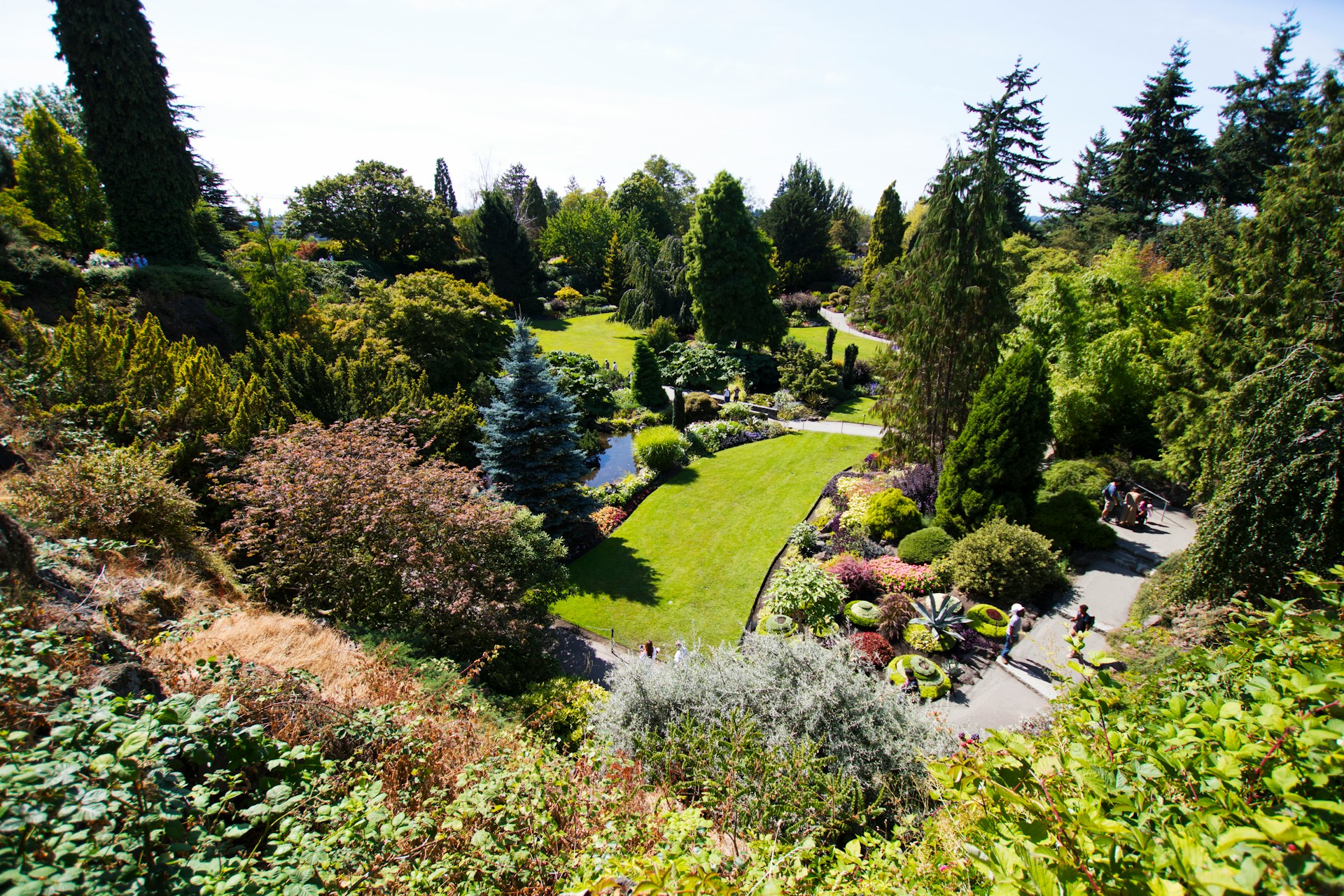
Cherry blossoms already start popping up in parks like VanDusen Gardens and Queen Elizabeth Park. Those pink and white blooms are weeks ahead of anything you’ll see in most U.S. cities.
What to Pack for a March Visit
Layers are your best friend in Vancouver in March. The weather swings, so you’ll want to add or peel off as needed.
Essentials:
- Outerwear: Lightweight, waterproof rain jacket or a light coat
- Tops: Long sleeves, sweaters, maybe a hoodie
- Bottoms: Jeans, comfy pants, or leggings
- Footwear: Waterproof shoes or boots
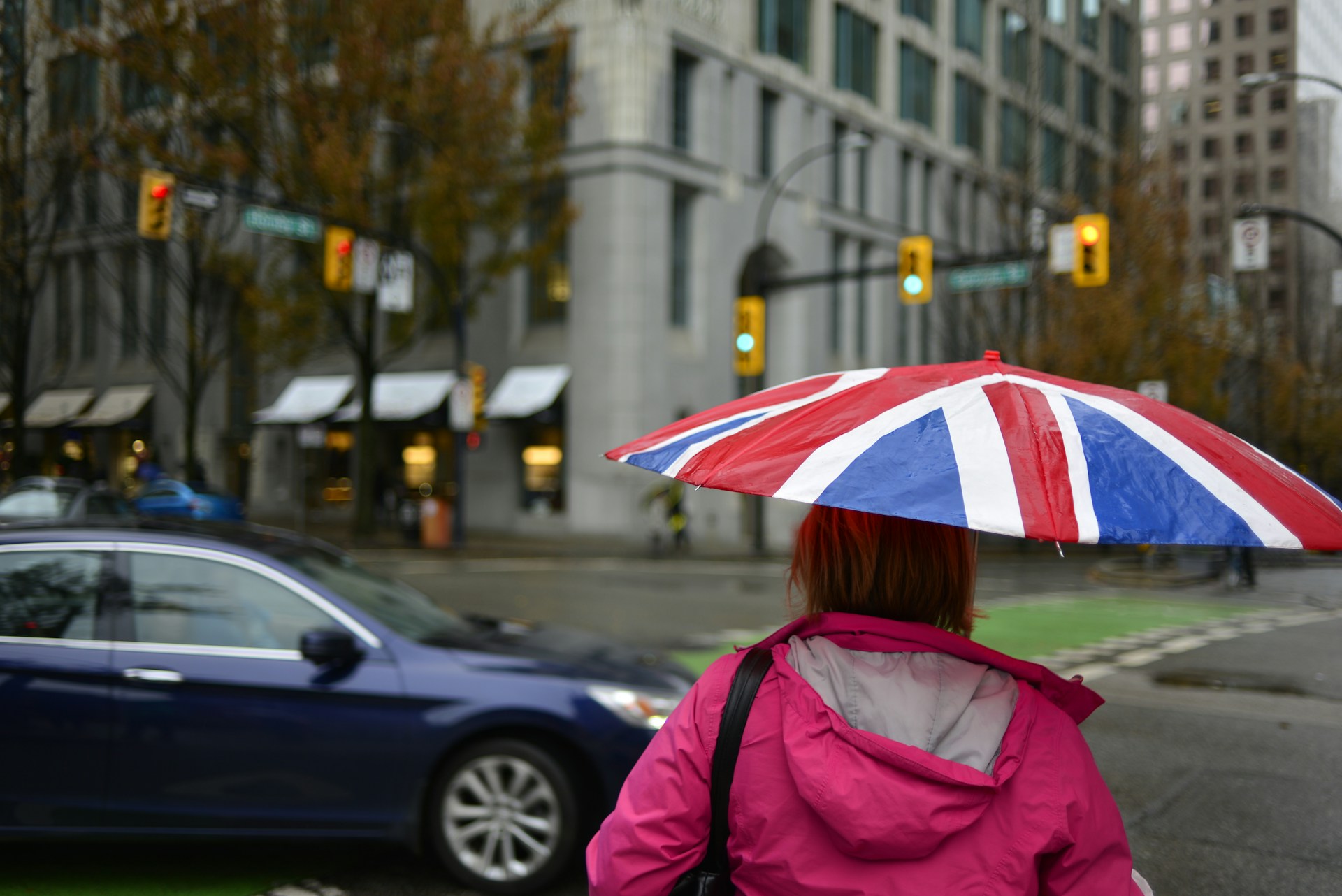
- Accessories: Compact umbrella, scarf, sunglasses
I always throw in one warm layer for chilly mornings and evenings—a fleece or wool sweater does the trick.
Don’t bother with heavy winter coats or thick snow boots. Vancouver’s March just isn’t that cold, even if you’re used to American winters.

Navigating Rain and Sunshine
Vancouver gets about 105mm of rain over 14 days in March, but it’s usually light or moderate, not torrential.
I’ve learned to plan outdoor stuff between showers. Most days, you’ll find a few hours of dry weather for exploring.
Typical Day:
- Morning: Cloudy or a bit drizzly
- Afternoon: Best shot at sunshine
- Evening: Could go either way
I always check the hourly forecast before heading out. If the rain looks heavy, I’ll hit a museum or cozy café for a while.
Sunshine hours start at about 4 in early March and creep up to 5 by the end of the month. That extra daylight really makes a difference—so much better than the dark, dreary days elsewhere.
Cherry Blossoms and Seasonal Scenery
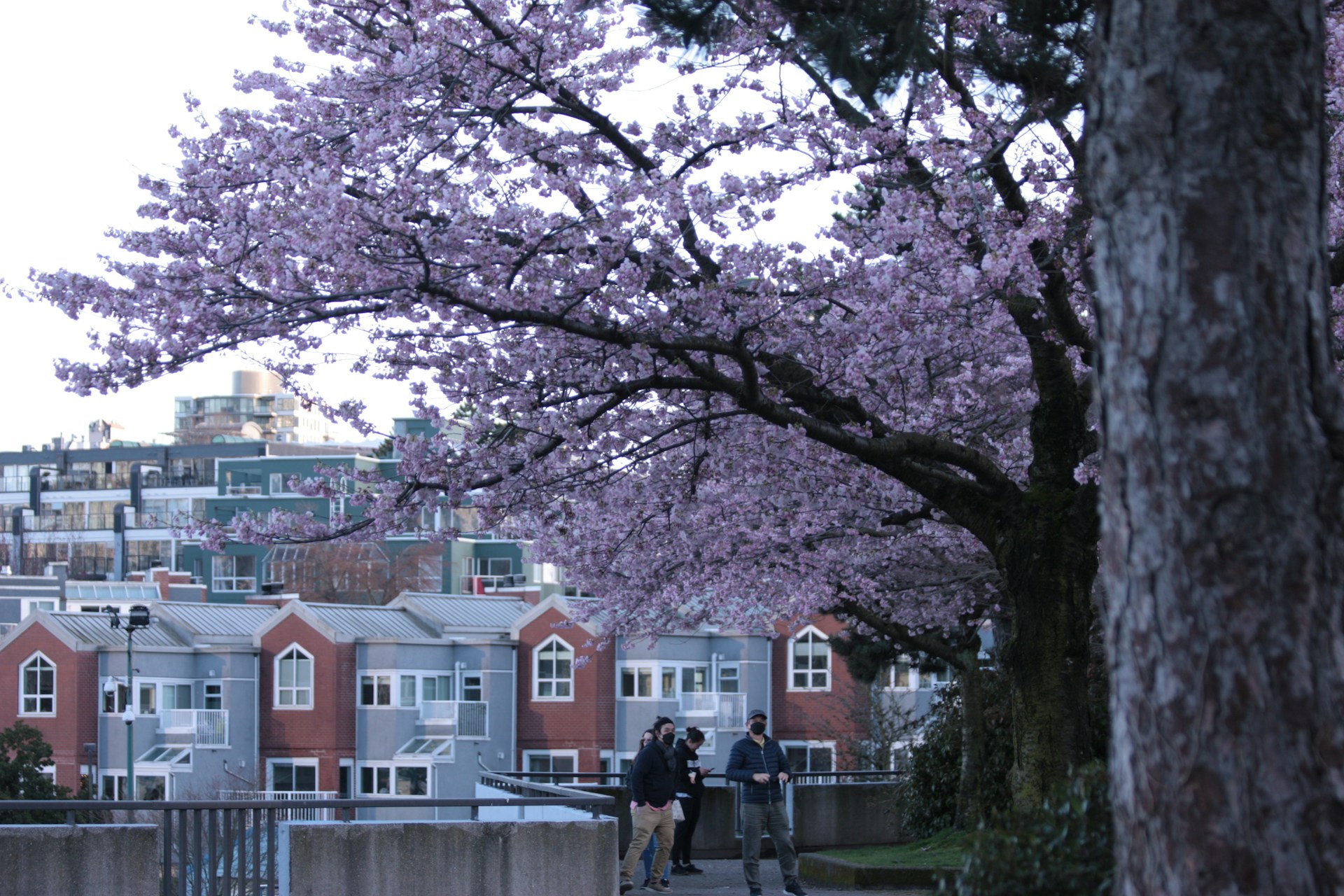
March turns Vancouver into a pink wonderland as over 40,000 cherry trees start their bloom. The peak usually hits late March to early April, with snowy mountains in the background and petals everywhere.
Vancouver Cherry Blossom Festival Highlights
The Vancouver Cherry Blossom Festival runs from February through May, and it’s honestly one of my favorite times to be in the city. The guided walking tours show off the best blossom spots in each neighborhood.
Cultural performances celebrate the trees’ Japanese roots. Vancouver actually received many of these cherry trees as gifts from Japanese mayors back in the 1930s, honoring Japanese Canadians who served in WWI.
Don’t Miss:
- Guided blossom walks
- Japanese music and art events
- Sakura Days Japan Fair at VanDusen Botanical Garden
- Blossom photography workshops
The festival’s website usually posts maps and schedules, so I always check there before planning my route.
Best Locations to View Cherry Blossoms
Stanley Park’s seawall is hard to beat for blossom viewing. Pink petals, ocean views, and mountain backdrops—what’s not to love?
Queen Elizabeth Park gives you a higher vantage point, with cherry trees in front and the city skyline behind.
Top Spots:
- Stanley Park: Seawall path, ocean backdrop
- Queen Elizabeth Park: City views from above
- VanDusen Botanical Garden: Loads of cherry varieties
- Kitsilano: Quiet, blossom-lined residential streets
- West End: Neighborhood strolls under a canopy of pink
Kitsilano’s side streets, especially near 4th Avenue, are some of my favorites for photos. It’s like walking through a pastel tunnel.

Photography Tips for Early Spring Blooms
March light can be tricky—lots of overcast days—but that actually works great for blossom photos. Soft, even lighting beats harsh shadows any day.
Try this:
- Shoot with a wide aperture (f/2.8-f/5.6) for that dreamy, blurred background
- Focus on a single cluster of blossoms
- Use RAW format if you want more editing control
I like to frame blossoms with the mountains or skyline in the background for that classic Vancouver shot.
Rainy days? Perfect for close-ups of water droplets on petals. Overcast skies also help keep the colors rich and shadows soft.
Late-Season Snow Adventures Close to the City
March often brings the best snow of the season to Vancouver’s nearby mountains. There’s more daylight, deeper powder, and you can hit the slopes just minutes from downtown.
Grouse Mountain Winter Activities
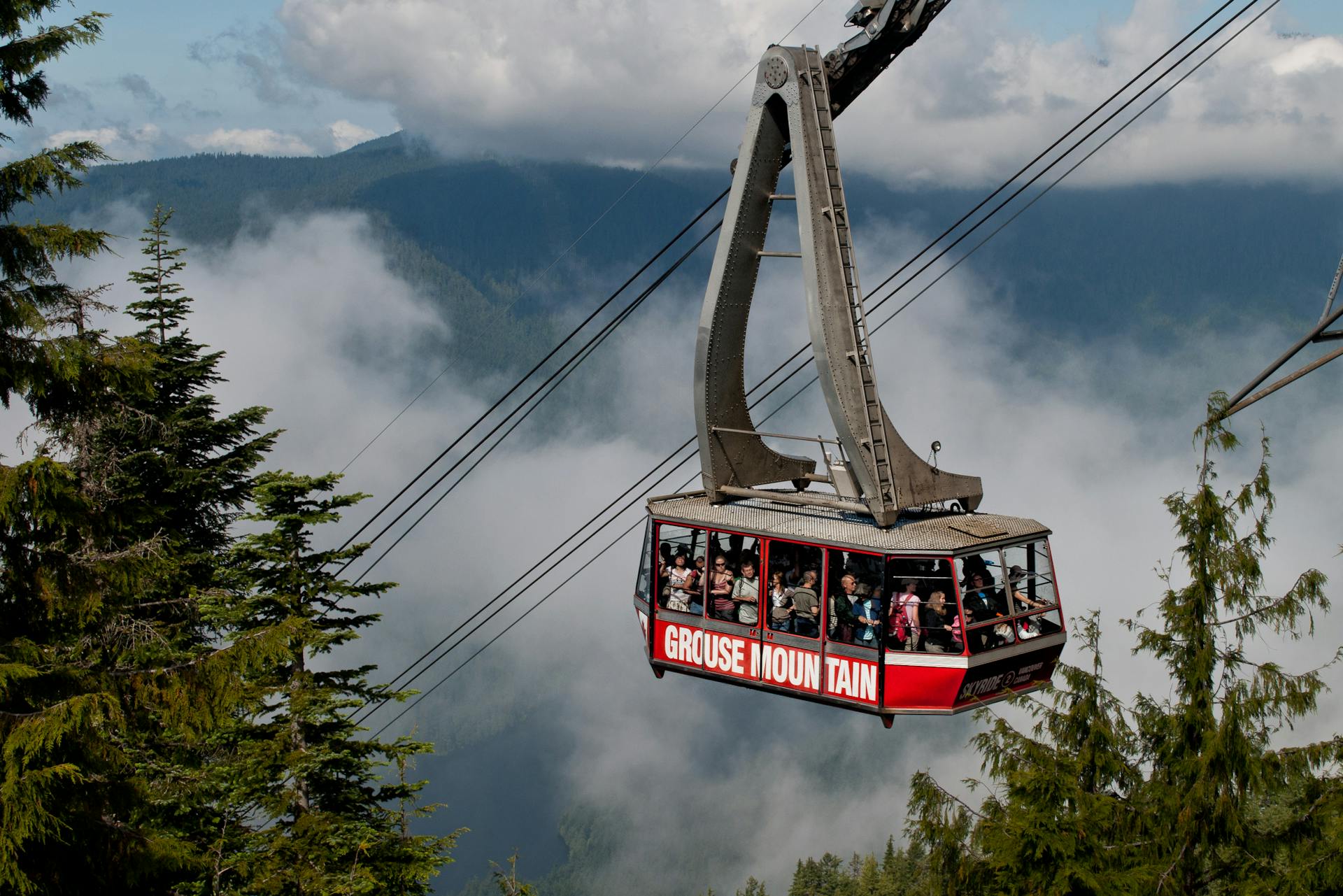
Grouse Mountain is only about 15 minutes from downtown. I usually hop on the Skyride gondola and can be skiing or snowshoeing in no time.
The mountain caters to beginners and intermediates, with deep snow and milder temperatures in March that make learning a lot less intimidating.
What’s on offer:
- Skiing and snowboarding
- Snowshoeing on marked trails
- Ice skating at the mountaintop rink
- Sleigh rides through snowy woods
The Skyride itself gives you killer views of the city and mountains. At night, you can see the city lights twinkling below.
March means lighter layers on the slopes, and the mountain stays open late for après-ski drinks at the chalet.
Whistler and Whistler Blackcomb Day Trips
Whistler is about two hours north along the Sea-to-Sky Highway—a drive that’s a highlight on its own.
Whistler Blackcomb boasts over 8,000 acres of skiable terrain. One lift ticket gets you access to both mountains.
Why Go:
- Two massive mountains, linked by gondola
- Runs for every skill level
- Reliable snow right through March
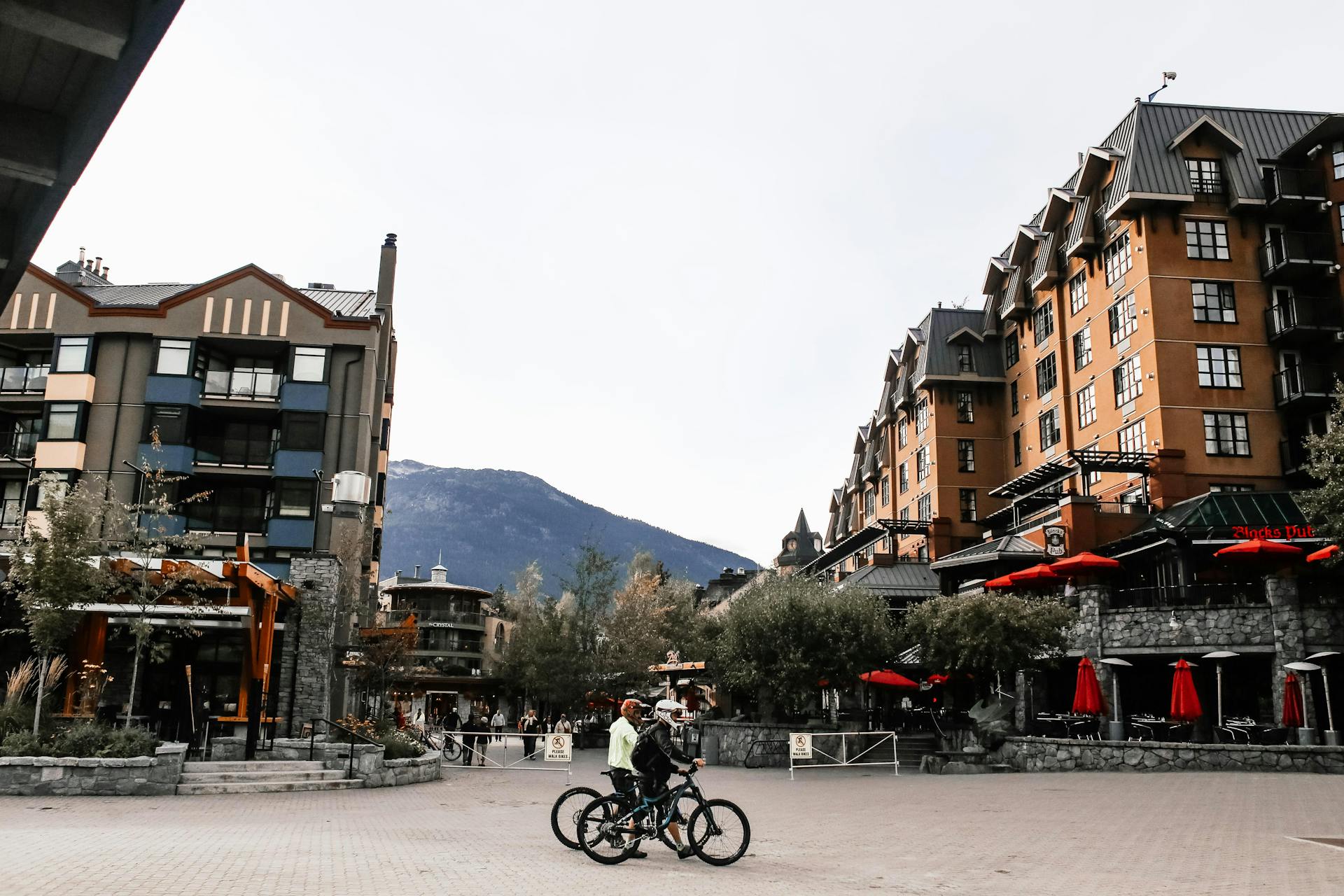
- Bustling village with shops and restaurants
March usually means spring skiing: sunny days, softer snow, and plenty of space on the slopes.
Day trips from Vancouver are easy to book, and lots of companies bundle in lift tickets and rentals.
Between runs, I grab lunch in the mountain restaurants or wander the pedestrian village for a snack.
Why March Is Ideal for Snow Sports
March is the sweet spot: deep snow, longer days, and fewer crowds than peak winter.
Daytime temperatures warm up, but the snow stays in great shape. I can ski or board in lighter gear and soak up the sun.
Why March Rocks:
- Deepest snowpack of the season
- Smaller crowds (especially midweek)
- Perfect for beginners and families
- More daylight for longer runs
Spring break brings some crowds, but weekdays stay pretty mellow. I’ve scored some solid deals on hotels and lift tickets by avoiding weekends.
Weather’s usually more predictable, too. Fewer storms, more bluebird days, and the snow stays soft and fun.
Urban Exploration and Cultural Experiences
March brings Vancouver’s indoor scene to life, with neighborhoods like Yaletown showing off their style. Markets, museums, and arts venues give you plenty to do when the weather turns iffy.
Granville Island Public Market Experiences
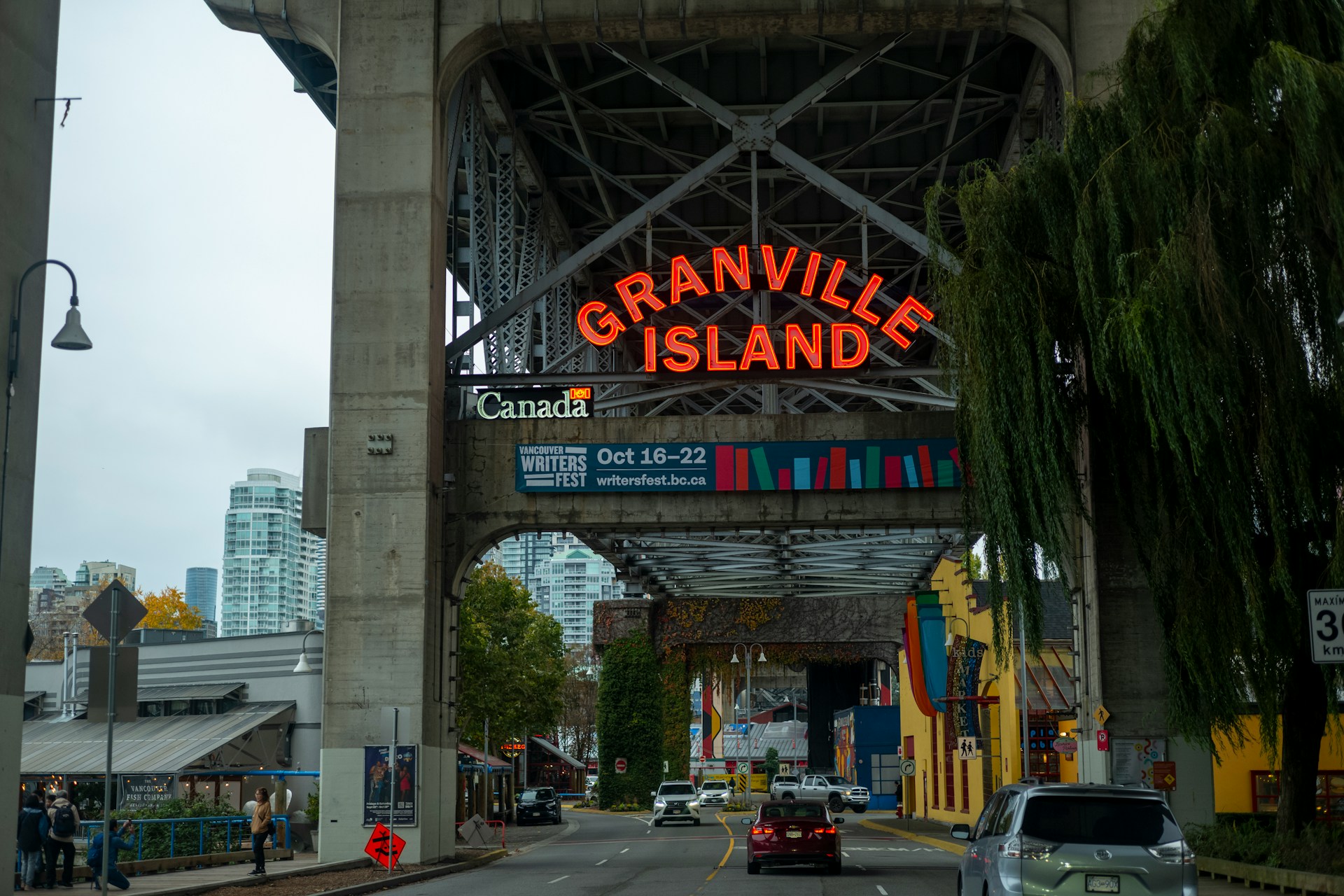
Granville Island Public Market is my go-to for a rainy March day. The covered market is a feast for the senses—fresh seafood, artisan breads, and local crafts everywhere you look.
My Picks:
- Oysters and smoked salmon from local fishmongers
- Fresh pastries and breads
- BC-made honey and preserves
- Handmade jewelry and pottery
The market opens at 9 AM daily. I like to go early for the best selection and to beat the crowds.
Beyond the main market, you’ll find artist studios and galleries. Watching glassblowers and potters at work is half the fun. There’s even live theater if you want to catch a show.
You can hop a little ferry from downtown, which gives you a quick tour of False Creek and city views along the way.
Exploring Yaletown and Kitsilano
Yaletown has this polished, urban vibe with its old warehouse buildings turned into boutiques and restaurants.
You’ll stroll past exposed brick facades from the 1920s. Now, they’re home to:
- Designer shops
- Home decor stores
- Upscale eateries
- Cool coffee spots
Kitsilano feels totally different—more beachy, laid-back, and a little bohemian. Fourth Avenue is packed with vintage shops and indie brands.
Kitsilano Faves:
- Morning walks on Kits Beach
- Shopping on West 4th
- Brunch at a local café
- Yoga studios and wellness shops
Both areas work well for March because you can duck inside if the weather turns, or just enjoy the local vibe.
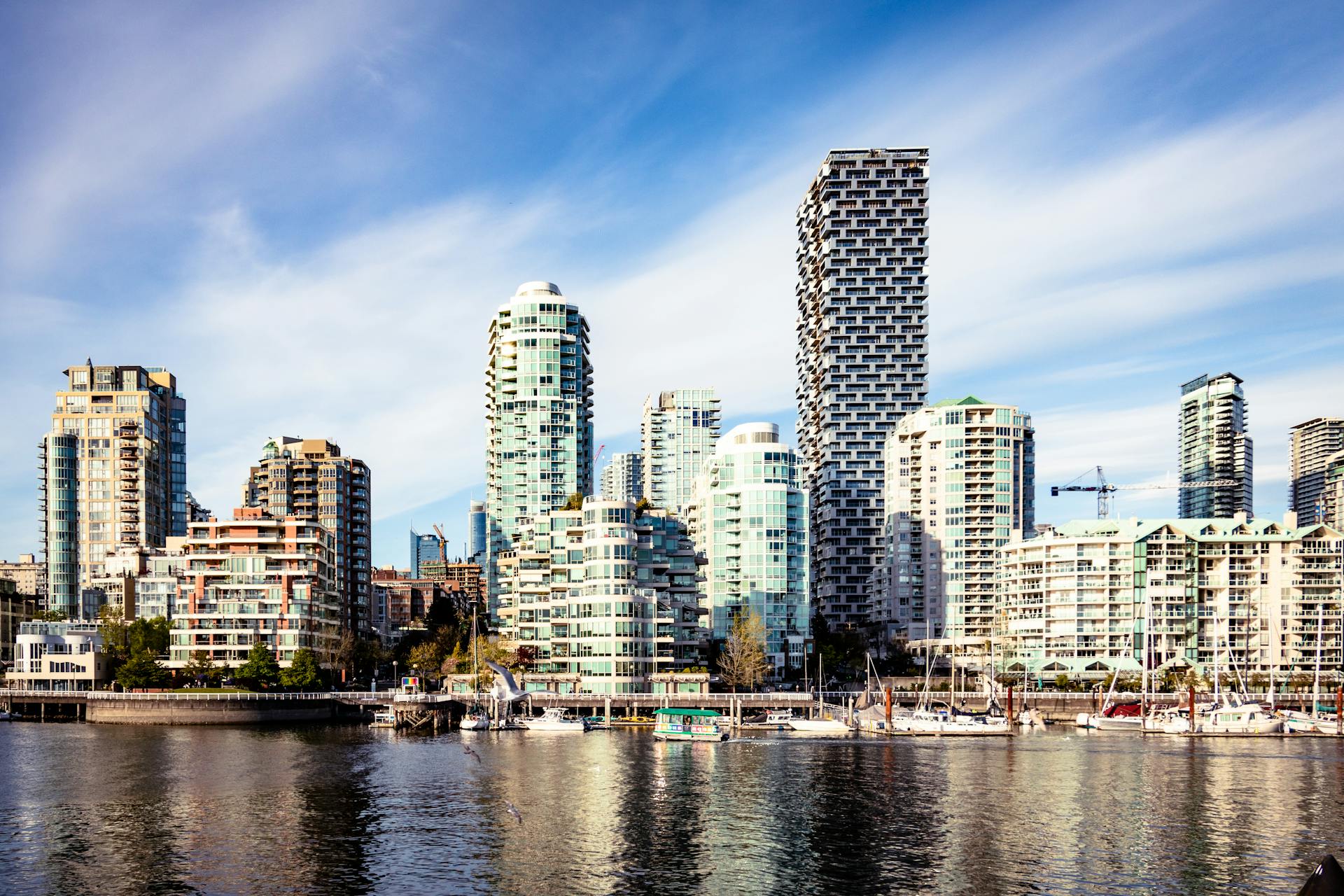
Art, Dance, and the Museum Scene
Vancouver’s museums and galleries are perfect for those unpredictable March days. The Vancouver Art Gallery downtown always has something new on display.
The Museum of Anthropology at UBC is a must for anyone interested in indigenous art. The Great Hall’s totem poles and carvings are seriously impressive.
March sometimes lines up with the Vancouver International Dance Festival. It draws performers from around the globe, and shows pop up in venues all over the city.
Cultural Hotspots:
- Modern art at the Vancouver Art Gallery
- First Nations artifacts at the Museum of Anthropology
- Local stories at the Museum of Vancouver
- Hands-on science at Science World
Museums often have discounted admission on certain days. I always check their websites for current exhibits and events before heading out.
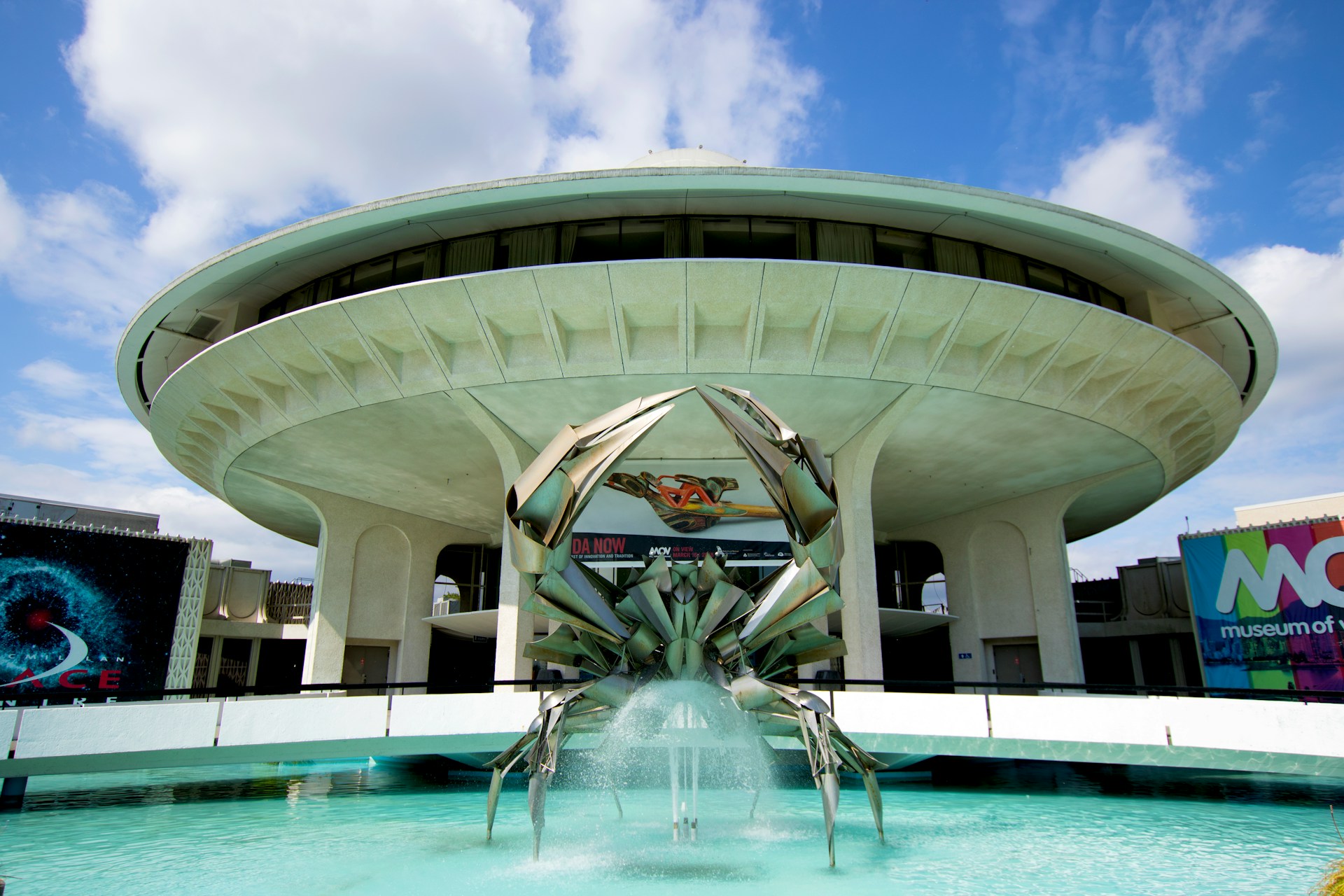
Outdoor Escapes: Parks, Trails, and Scenic Views
March turns Vancouver into an outdoor playground. Mild temps and early blooms make it easy to get out and explore.
Stanley Park’s Trail Network in March
Stanley Park is a March hiker’s dream, with 17 miles of trails winding through old-growth forest. The Seawall stays open year-round, offering unbeatable views of the mountains and ocean.
Interior trails like Beaver Lake Trail and Lost Lagoon Loop let you escape the city noise. March means fewer people and more peace.
I love the Prospect Point Trail for sweeping city views. The path takes you right up to Lions Gate Bridge through towering cedars and firs.
Trail Conditions in March:
- Mostly dry paths with little mud
- Comfy 50-60°F temps
- Crisp mountain views on clear days
- Cherry blossoms starting to pop in some spots
Stanley Park’s trail network connects easily, so you can make your walk as short or as long as you like.
Capilano Suspension Bridge and Lynn Canyon Park
Capilano Suspension Bridge always draws a crowd, but honestly, I lean toward Lynn Canyon Park for a more genuine wilderness vibe. Both spots let you cross thrilling suspension bridges above fast-moving rivers, but Lynn Canyon just feels more local.
You can wander into Lynn Canyon for free and check out its 160-foot suspension bridge. There are several great hiking trails here, like the Twin Falls Trail and the path to the 30 Foot Pool.
March brings cool, crisp air that makes the walkways comfortable—no sticky summer heat. I love hearing the roar of the river below, especially when winter snowmelt makes it extra dramatic.
Quick Comparison:
- Capilano: You’ll pay for admission, it’s touristy, and there are several bridges.
- Lynn Canyon: Free entry, popular with locals, and one main bridge.
The Lynn Canyon Ecology Centre has some fascinating displays about the coastal rainforest. I’ve always admired how both places highlight Vancouver’s knack for building bridges over deep, wild canyons.

Deep Cove and Quarry Rock Hikes
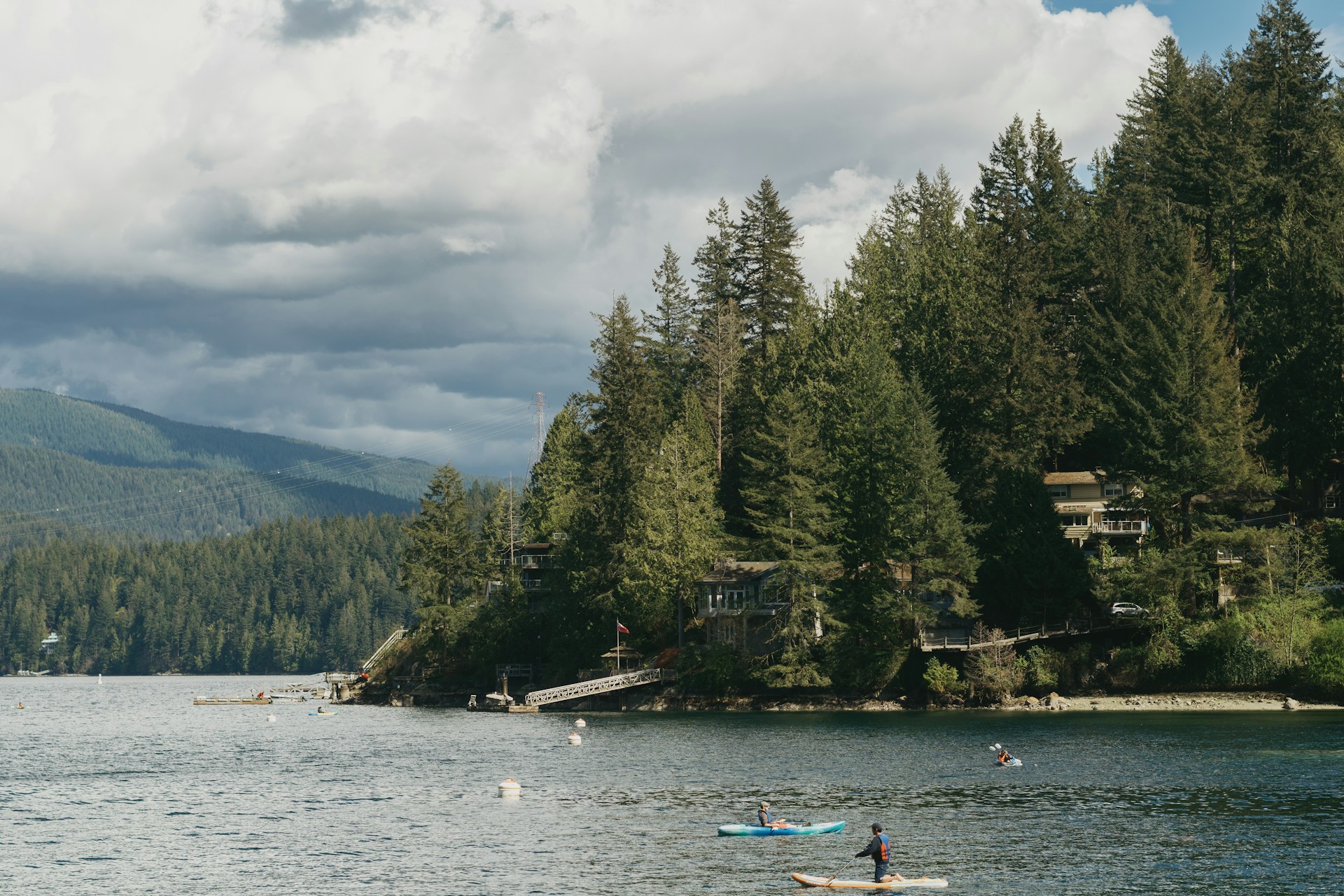
Deep Cove just nails that mix of hiking and waterside chill. The Quarry Rock Trail is a personal favorite—about 3.5 miles round trip, and the view at the top is absolutely worth the effort.
March is perfect for this hike. The uphill sections feel easier in the cool air, and you’ll climb 380 feet through dense, green forest before the trees open up.
At the summit, I always pause to snap a photo of Indian Arm stretching out between rugged mountains. The view covers Deep Cove’s marina and the peaks beyond.
Here’s What You’ll Find:
- Clear trail markers
- Some rocky patches—watch your step!
- Finishes in 1.5 to 2 hours
- Gorgeous photo ops at the top
After the hike, I usually wander over to Deep Cove’s waterfront cafes or browse the kayak rentals. It’s a classic March day trip from downtown—easy, scenic, and you can make it as relaxed or active as you want.
Day Trips and Quick Getaways from Vancouver
Thanks to its location, Vancouver makes it super easy to reach nearby adventures, especially during March’s gentle spring weather. You can get to mountain resorts, coastal islands, or small cities in under two hours from downtown.
Vancouver Island Adventure Options
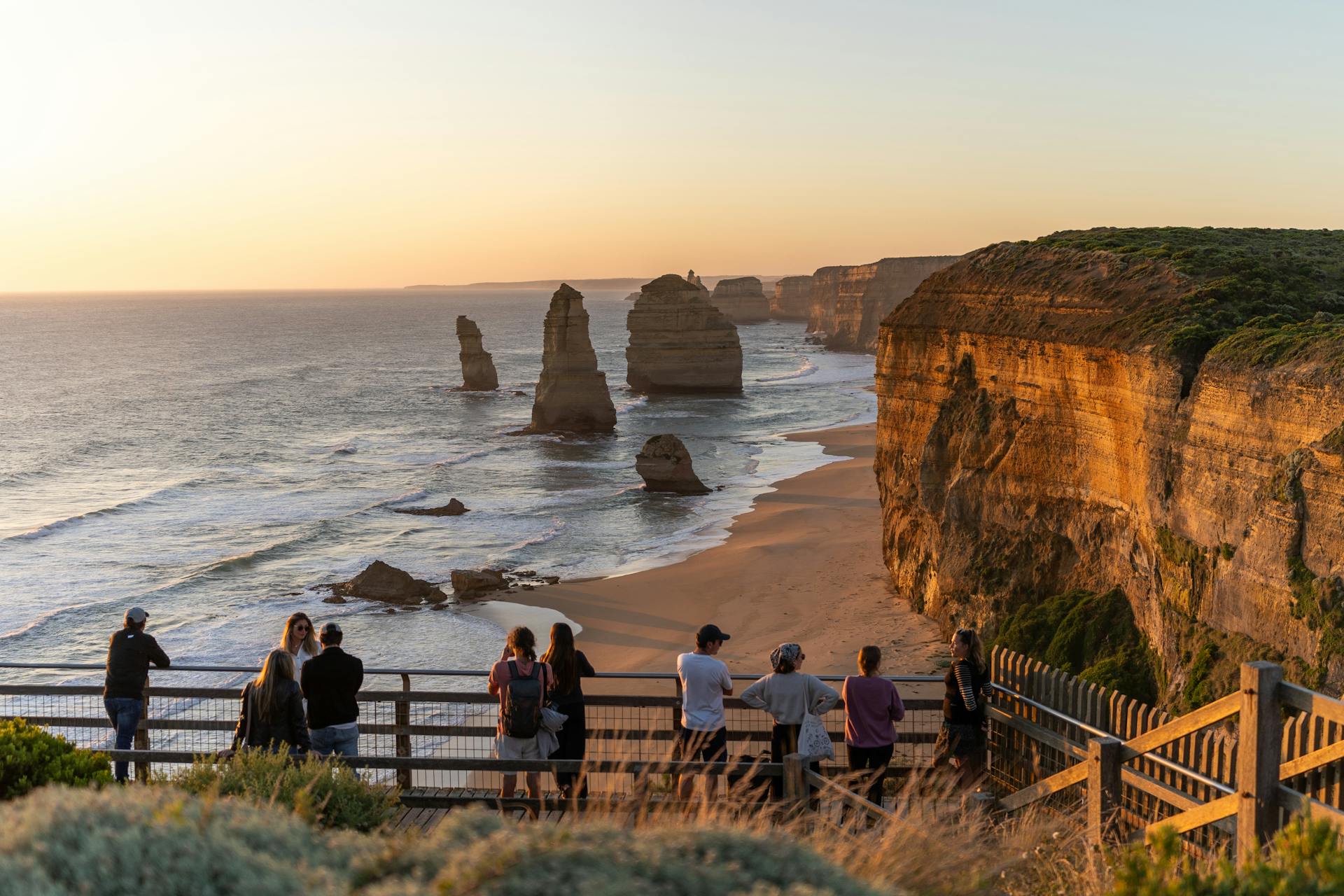
Victoria always comes to mind first for a Vancouver Island escape. You’ll spend about 3.5 hours traveling, including the scenic BC Ferries ride.
March brings gentle weather to Victoria, and the famous Butchart Gardens start showing off early blooms. It’s a great time to stroll without the summer crowds.
The Inner Harbour kicks off whale watching tours in March, with gray whales migrating through. If you’re hoping to spot wildlife, it’s a solid bet.
Tofino is another standout, though getting there takes most of a day with the drive and ferry. I’d definitely recommend staying overnight if you go.
March draws surfers to Long Beach for bigger waves, thanks to those spring storms. The best part? Fewer tourists, so the beaches feel wild and empty.
Other Noteworthy March Excursions
Whistler sits two hours north by car and delivers top-tier skiing and snowboarding in March. The village buzzes with spring events, and you can hit the slopes by day, then dive into nightlife after dark.
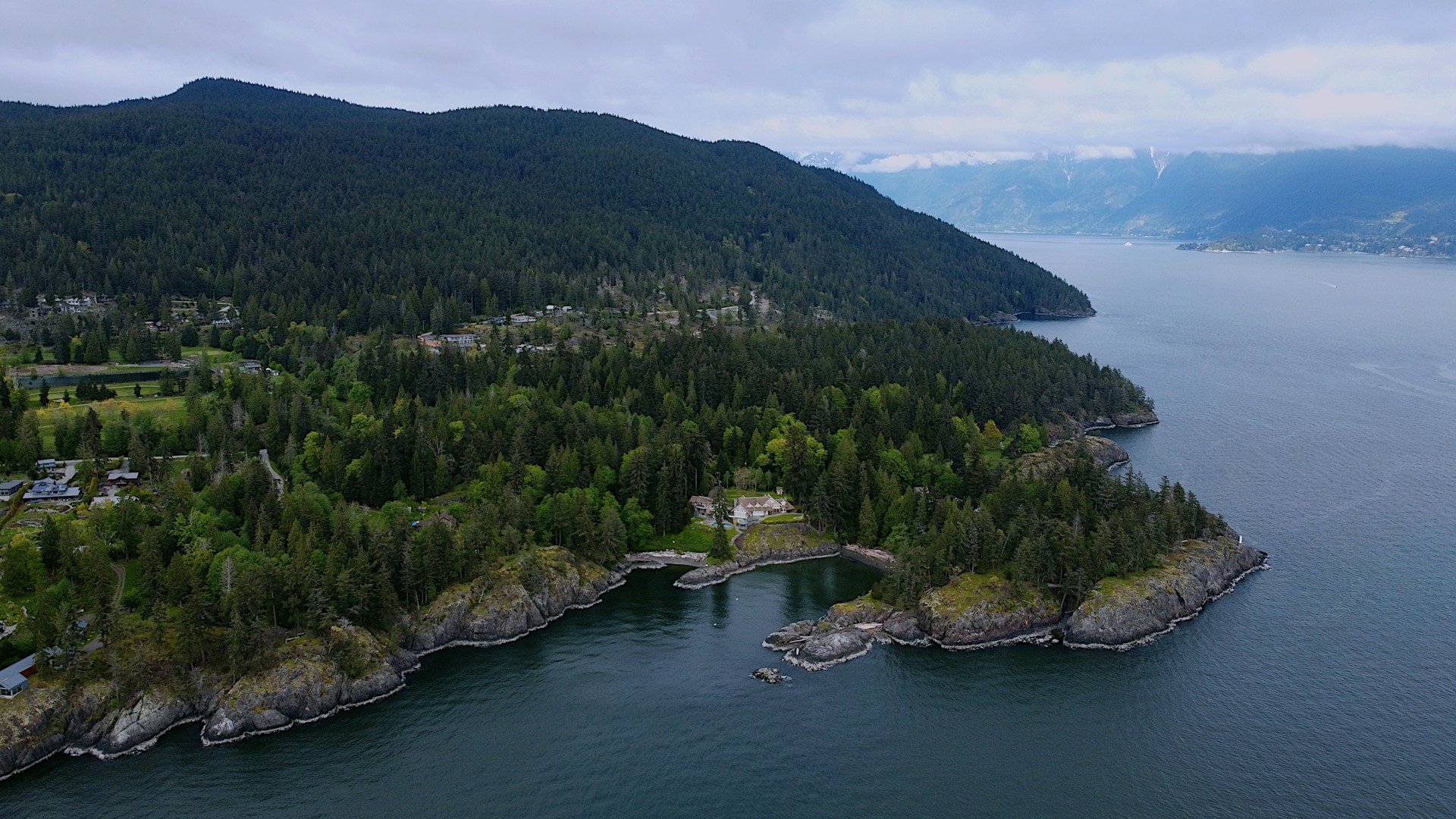
Bowen Island is just a 20-minute ferry hop from Horseshoe Bay. It’s small but packed with hiking trails and quirky local art galleries.
If you’re up for crossing the border, Bellingham, Washington is only about two hours away. It’s a college town with craft breweries and some really pretty waterfront walks.
Before heading out on any day trip, I like to stop by the Vancouver Lookout for a panoramic view. You can spot the mountains and map out your route right from downtown.
Tips for Planning March Day Trips
March weather? It’s all over the place. I always pack a rain jacket and toss in some warm layers, just in case the coastal breeze decides to turn chilly.
If you’re heading up to the mountains, don’t skimp on winter gear. Trust me, snow boots and insulated clothing make all the difference when you’re out there.
Ferries can get busy, especially on the Vancouver Island routes. I’ve learned to book my spot ahead of time—weekends fill up faster than you’d think.
Thinking about crossing into Washington? Double-check border wait times before you go. And don’t forget your ID—nothing ruins a day trip like realizing you left your passport at home.
Road conditions can surprise you. Coastal drives usually stay clear, but mountain roads might still demand snow tires or chains. It’s better to be safe than stuck!
