
March in Zagreb? It’s honestly something special—this city wakes up before most other European capitals even realize winter’s nearly over. While places like Vienna or Prague still feel a bit gray and chilly, Zagreb starts to stretch and yawn into spring with milder weather and those first, hopeful pops of color in the parks.
March turns Zagreb into Europe’s most inviting spring preview—fewer crowds, real local flavor, and a cultural scene that’s just starting to buzz again.
When I visited in March, I felt like I got a peek behind the curtain—locals filled the streets, not tourists. The cafes spilled out onto the sidewalks, and you could actually stroll up to major sights without elbowing through selfie sticks. It’s a refreshing kind of intimacy.
Festivals and events begin to pop up everywhere: light installations, live music, and the parks—especially Maksimir—start showing off their early colors. If you’re looking for a smart travel move, March means lower costs and the perfect base for hopping through Croatia or the rest of Europe as everything bursts into bloom.

March in Zagreb: Where Spring Begins
March really flips the switch for Zagreb. Winter fades, and suddenly you’re walking through a city that feels lighter and brighter.
The air’s softer, temperatures nudge up, and you’ll spot early blooms if you keep your eyes open.
Mild Weather and Seasonal Atmosphere
March kicks off spring for real. Temperatures start to climb, and you can feel the city shaking off its winter mood.
I’ve noticed the afternoons get comfortable pretty quickly, though mornings can still be crisp.
Rain? Sure, it happens, but it rarely ruins anyone’s plans. People just grab an umbrella and keep going.
Here’s how the weather usually unfolds:
- Early March: Still a bit chilly in the morning, but afternoons feel promising
- Mid-March: That warming trend you’ve been waiting for
- Late March: Full-on spring vibes most days
Tourists haven’t arrived in droves yet, so you get the best of both worlds—pleasant weather and space to breathe.
Cafés start dragging tables outside, and suddenly the squares and promenades fill with life again.

Early Blossoms and City Parks
If you love parks, March is when Zagreb’s green spaces start to wake up.
I always find the Botanical Garden a treat this time of year—flowers poke up through the soil, and the whole place feels like it’s holding its breath before exploding into color.
Trees bud, crocuses and snowdrops peek out, and the city’s parks feel alive again.
A few favorites for March strolls:
- Botanical Garden – Early spring flowers everywhere
- Maksimir Park – Huge, with winding paths and lakes
- Zrinjevac Park – Right in the center, always beautifully landscaped
Late March is usually the sweet spot if you want the best blooms and gentle weather for a picnic or a long walk.
Everywhere you look, Zagreb hints at the wild, lively months just around the corner.
Quieter Streets and Authentic Encounters
There’s something rare about Zagreb in March: a capital city that actually feels… local.
Locals fill the streets, and you can get a real sense of daily life without the usual tourist crush.
A City Without Crowds
Honestly, I love how peaceful Zagreb feels this time of year. No tour buses blocking the squares, no lines snaking out of every museum.
Walking through the neighborhoods, you can slow down and pay attention. Street cafes have seats open, and you’ll breeze through museum doors.
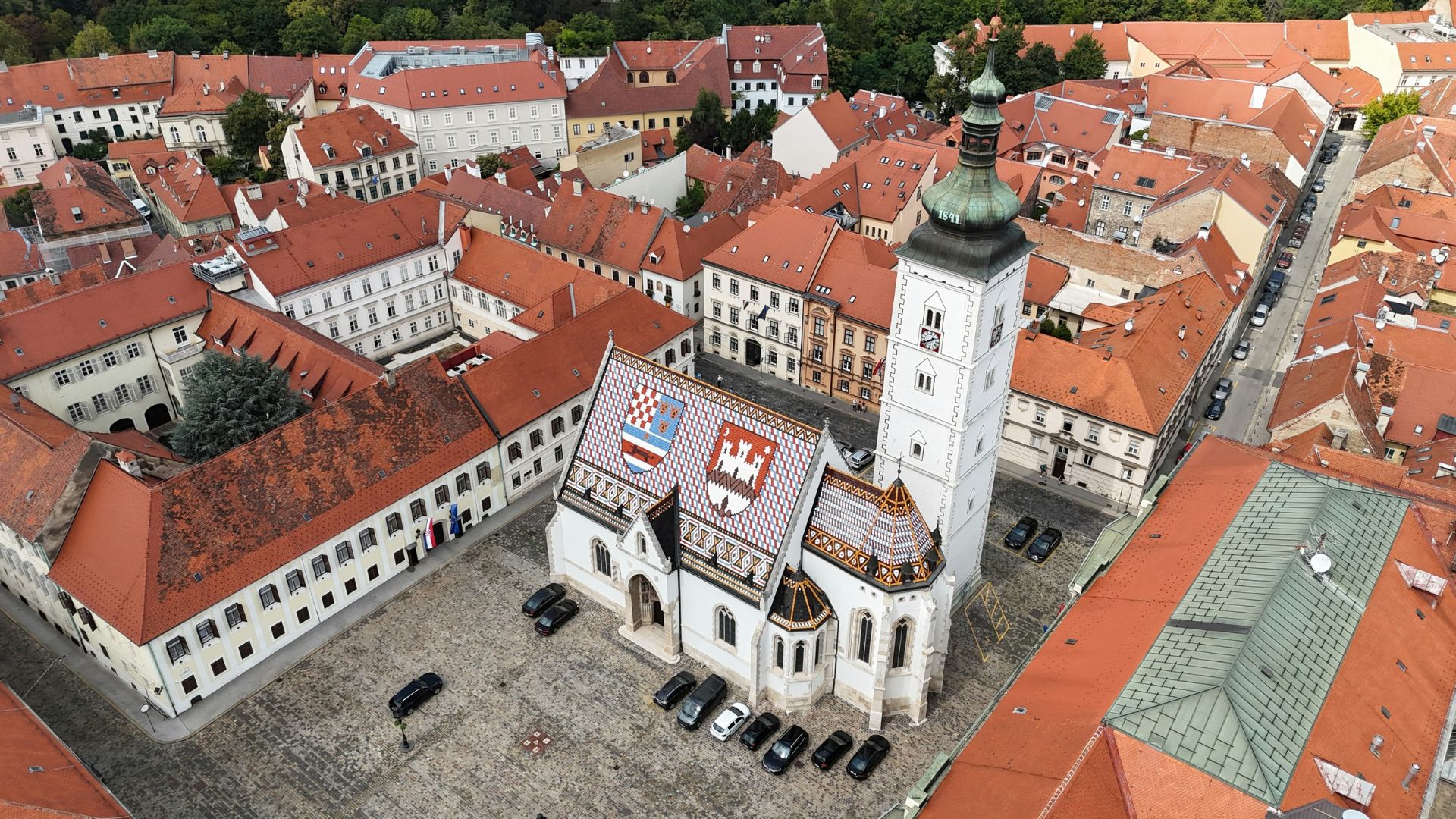
The Upper Town’s historic streets show off their medieval charm—no crowds, no waiting for the perfect photo of St. Mark’s Church or the Stone Gate.
Markets and shops cater to locals, not tourists. Shopkeepers actually have time to chat, which makes for some great conversations.
Slow Travel and Local Life
March lets you see Zagreb’s daily rhythms up close. People head to work, grab coffee, pick up bread, or just hang out in the parks as spring arrives.
You feel how Zagreb works as a real city, not a backdrop for someone else’s vacation.
Coffee culture is huge here. Locals linger over drinks, chat with friends, and read the paper—there’s no rush.
Hop on a tram, and you’ll ride alongside commuters and students, not tour groups.
Park Ribnjak turns into a neighborhood hangout—families bring their kids to feed ducks, and you get a glimpse of genuine community life.
Restaurant terraces fill with locals savoring the change in weather. You can pick up on real Croatian dining habits and even spot what’s in season.
Signature Events and Festivals That Shape Spring
March isn’t just about the weather—Zagreb kicks off spring with some pretty unique events.
Easter celebrations light up Ban Jelačić Square, and the Festival of Lights turns the city into a glowing work of art.
Easter Markets and Traditions
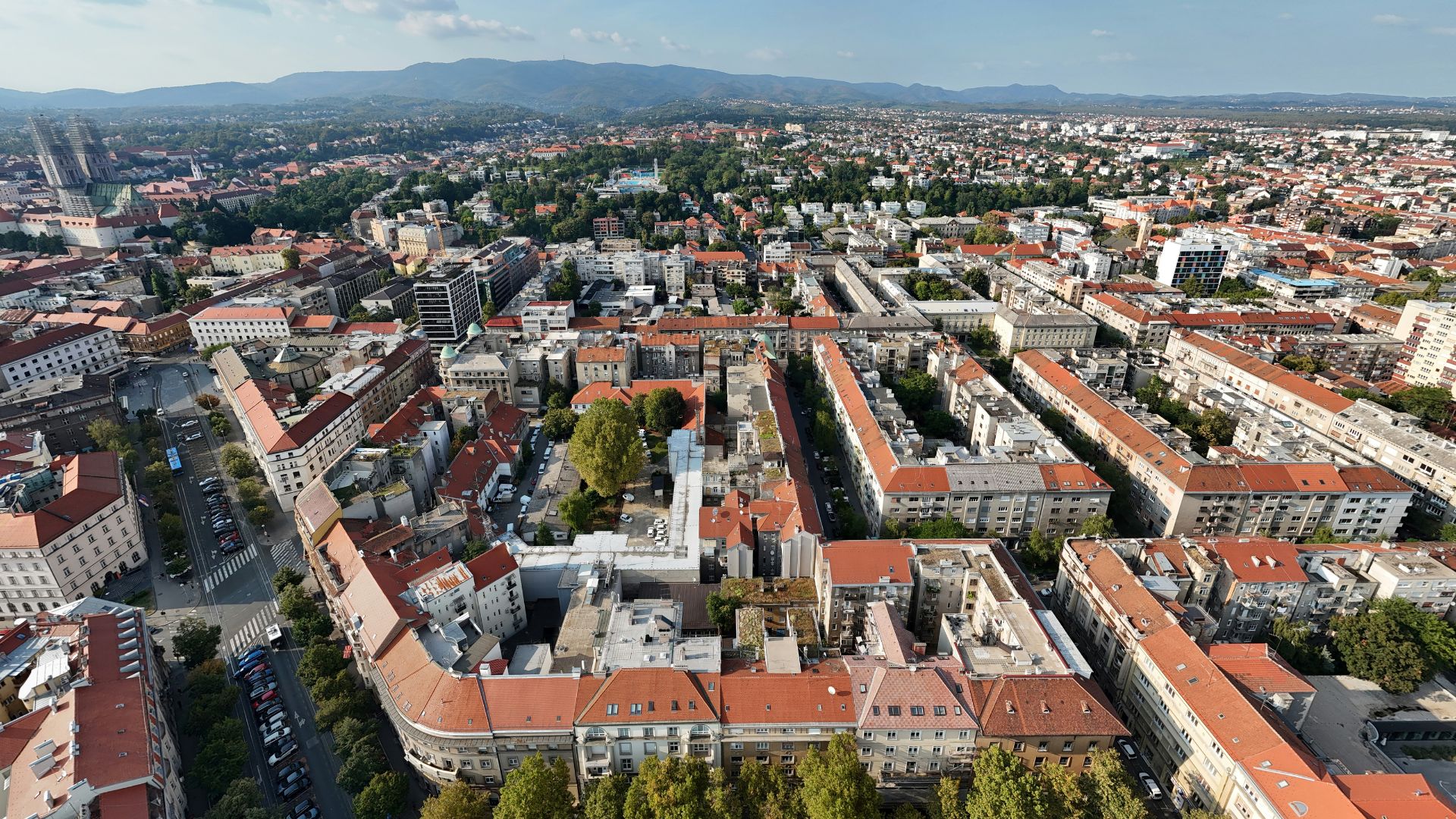
I’m always charmed by Zagreb’s Easter market in Ban Jelačić Square. Colorful stalls pop up, selling painted pisanice (those amazing Croatian Easter eggs).
You’ll find all sorts of traditional treats—I’d say don’t miss the pinca, a sweet, fragrant bread locals share at Easter.
A few Easter-time snacks you’ll spot:
- Pinca (sweet bread, so good with coffee)
- Brightly colored hard-boiled eggs
- Hearty ham and sausages
- Local cheeses
Churches nearby hold special services, and you might catch people dressed in traditional Croatian clothes. The market usually runs from Palm Sunday to Easter Monday, and the whole area feels festive.
March Festivals and Local Celebrations
The Festival of Lights is a must-see if you’re in town mid-March. It usually runs March 19–23, and wow, does it change the city.
More than 20 spots across Zagreb get decked out with light installations—historic buildings, parks, even hotels glow with color.
Artists from all over Europe come to create the displays, and every year brings something new.
This year, some installations celebrate the 1100th anniversary of the Kingdom of Croatia. You’ll see the Upper Town, King Tomislav Square, and the Art Pavilion all lit up.
The festival also supports environmental causes—there’s even a tie-in with Earth Hour on March 22.
Every night during the festival, the city feels magical. If you’re into photography or just want to wander and soak up the vibe, it’s perfect.
Seasonal Delights: Cafés, Culture, and Rooftop Appeal
March means outdoor dining is back, and rooftop bars start to reopen. The city’s café culture shifts—suddenly, everyone wants a seat in the sun.
Rooftop Bar Season
Rooftop bars? March is when they start to wake up.
Places like Sky Office Bar and the Hotel Dubrovnik terrace open their doors as soon as temperatures hit 50°F.
You’ll get sweeping views of those classic red roofs and the hills beyond.
Weather can be a little unpredictable, so I always check if there are heaters or blankets before heading out.
What to expect:
- Shorter hours (afternoons into early evening)
- Blankets on every chair (trust me, you’ll use them)
- Spring cocktails with fresh herbs and citrus
- Fewer people than in summer, which is honestly a plus
Menus often feature lighter, spring-inspired drinks, and the mood is relaxed—locals are just happy to be outside again.

Springtime Café Culture
Zagreb’s café scene shifts into high gear in March. Sidewalk tables pop up along Tkalčićeva Street and in Ban Jelačić Square.
Menus get a spring refresh—lighter pastries, fresh salads, and of course, classic Croatian coffee.
Notable changes:
- Outdoor seating stretches later into the evening
- Seasonal ingredients show up everywhere
- Pedestrian zones get busier, but still feel relaxed
- Some cafés open earlier to catch the morning sun
People-watching becomes an art form. Locals linger, chat, and soak up the atmosphere.
Most places offer blankets and sometimes even heaters, so you can stay comfortable even if a chilly breeze rolls in. It’s the perfect way to experience Zagreb’s social life.
Cultural Highlights for Spring Explorers
March is when Zagreb’s culture scene really comes alive. Museums, galleries, and outdoor art pop up all over the city.
The warmer weather makes it easy to wander from one creative spot to another.
Museum of Broken Relationships
If you see one museum in Zagreb, make it the Museum of Broken Relationships.
It’s quirky, moving, and honestly, a bit addictive. People from all over the world send in objects from failed relationships, each with its own story.
The museum sits in the Upper Town, and you’ll find everything from wedding dresses to love letters—even a single high heel.
Why it’s worth your time:
- Real stories, sometimes heartbreaking, sometimes hilarious
- New exhibits pop up regularly
- Small and intimate, perfect for a thoughtful afternoon
Each piece comes with a short story, and you never know what’s going to hit you hardest.
March is a great time to visit—no crowds, so you can take your time and really absorb the stories.

Art, Galleries, and Open-Air Exhibits
As soon as the weather warms up, Zagreb’s art scene spills outdoors.
Galleries host special March exhibitions, and street art is everywhere.
Don’t miss:
- Museum of Contemporary Art
- Croatian Association of Artists
- Lauba House galleries
The Festival of Lights turns the city itself into a gallery, but even outside those dates, you’ll find murals and installations all over.
I love wandering Tkalčićeva Street for smaller galleries and artist studios. Many places host opening nights in March as the calendar fills up.
Street art tours get more popular, too—perfect walking weather, and you’ll see a side of Zagreb most tourists miss.
Strategic Advantages: Travel Costs and European Itineraries
March is a smart time to visit if you’re watching your budget. Lower prices, fewer crowds, and Zagreb’s location makes it a great jumping-off point for the rest of Europe.
Affordable Flights and Stays
I’ve found March brings real savings. Hotels drop their rates by 30–40% compared to summer, and you can snag a budget room for about $25 a night. Mid-range hotels hover around $40–60.
Flights are cheaper too—usually 20–35% less than peak months. Direct flights from big European cities get more affordable, and you’ll have more options.
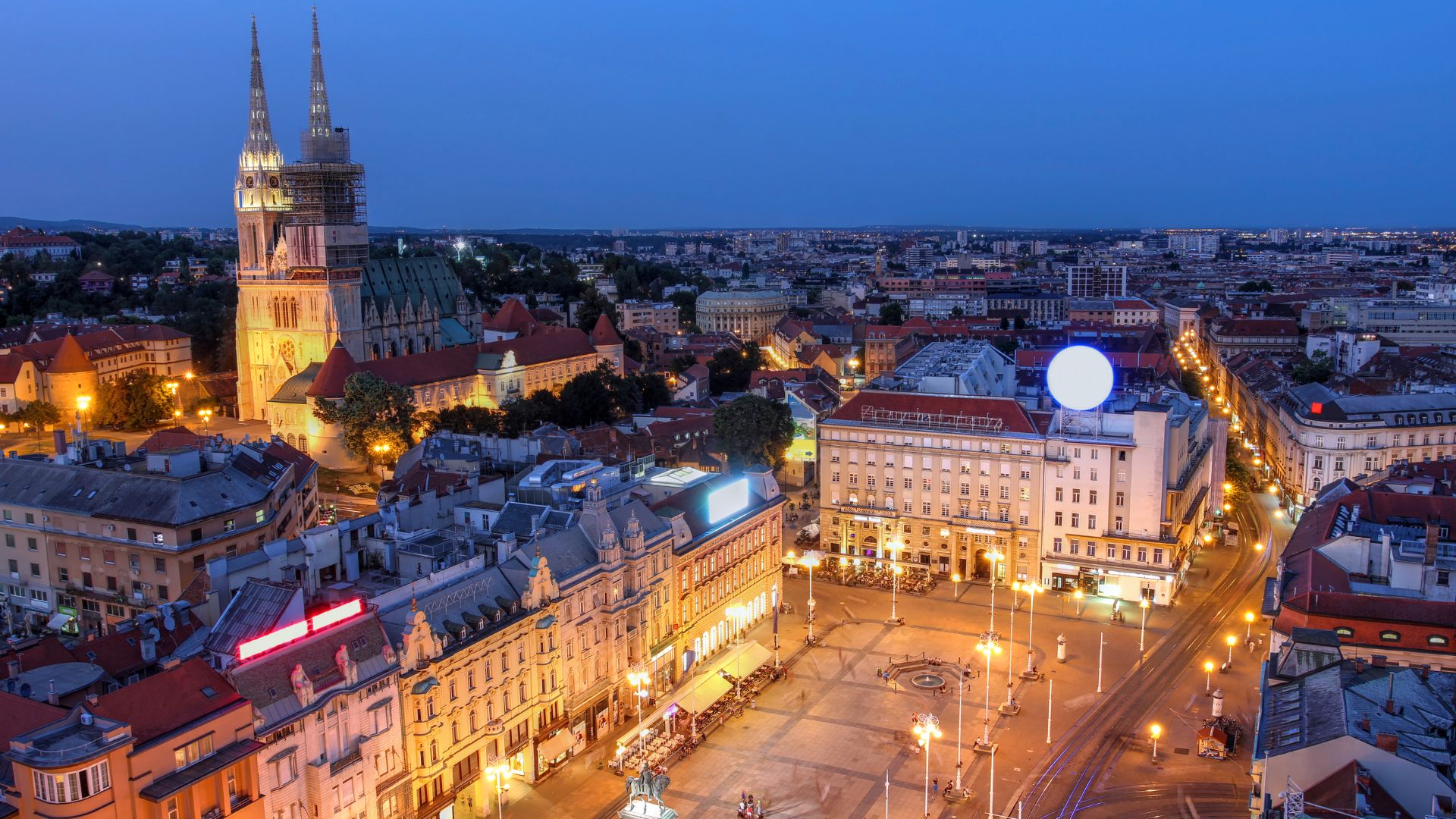
The weather’s mild enough for all the walking and sightseeing you want, but you won’t be jostling with tour groups at major sights like St. Mark’s Church or Zagreb Cathedral.
Restaurant reservations are easy, and local transportation stays affordable year-round. Honestly, you can walk most places, and March temperatures make it a pleasure.
Zagreb as the Start of a European Journey
Zagreb sits in a spot that makes it ridiculously easy to hop around Europe. Vienna? Just 5 hours away—by train or car, take your pick.
Budapest is even closer, only 4 hours. Honestly, it almost feels like cheating how quickly you can get to these iconic cities.
I always suggest starting your Central European adventures in Zagreb. Flights into the city usually run cheaper than those to other capitals nearby, and you can often score a deal if you keep an eye out.
The airport connects you to all the major European hubs, so getting in and out is a breeze.
Hop on a train, and you’ll reach Ljubljana in about 2.5 hours. If you’re itching to see Prague, you can get there through Vienna without much hassle.
Munich? That’s about 6 hours away, whether you’re driving or sticking with the train. Not exactly next door, but totally doable for a weekend.
If you’re wondering about the best time, I’d say March is a sweet spot. The weather starts to turn, and you won’t have to elbow your way through crowds.
Prices stay reasonable since most tourists haven’t shown up yet. That means you can stretch your travel budget—and maybe even treat yourself to a nicer meal or two.
