
Most travelers rush straight to Croatia’s coastline. They don’t realize they’re missing one of Europe’s most underrated capitals.
When I wandered through Zagreb, I found a city bursting with everything from medieval cobblestone streets glowing under gas lamps to quirky museums and a café culture that honestly rivals any in Europe.
Zagreb proves Croatia has way more going on than just its famous beaches. The city blends Central European elegance with Balkan warmth, creating an atmosphere that’s both cosmopolitan and refreshingly real.
You can explore centuries-old neighborhoods, discover world-class museums, and relax in lush green spaces. Zagreb offers experiences that connect you with Croatia’s true identity.
The capital stands as both a cultural destination and a gateway to the country beyond the coastline.
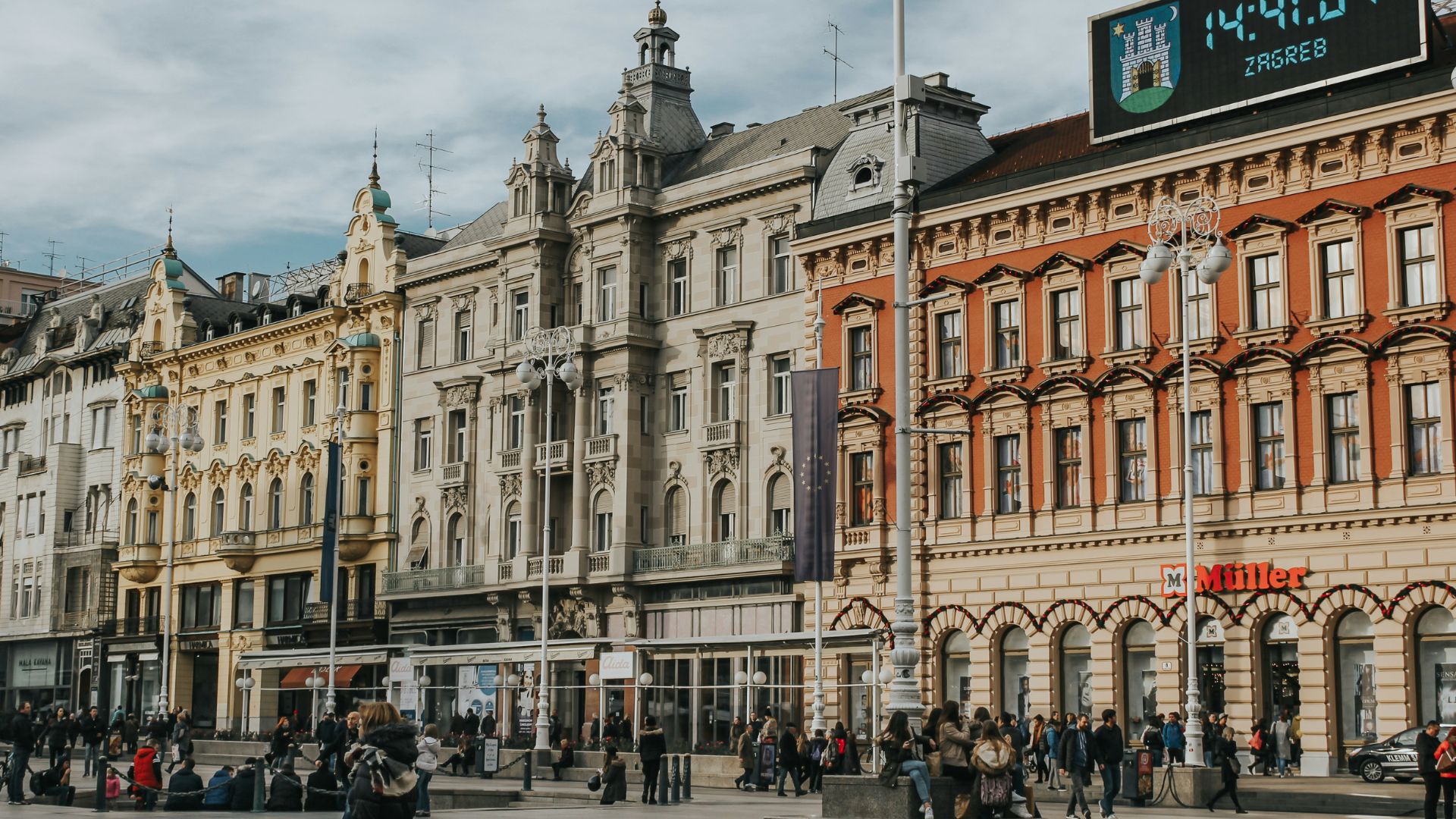
Cultural and Historical Landmarks
Zagreb’s old town unfolds 900 years of Central European history. Stone churches, medieval towers, and grand squares all sit within easy walking distance.
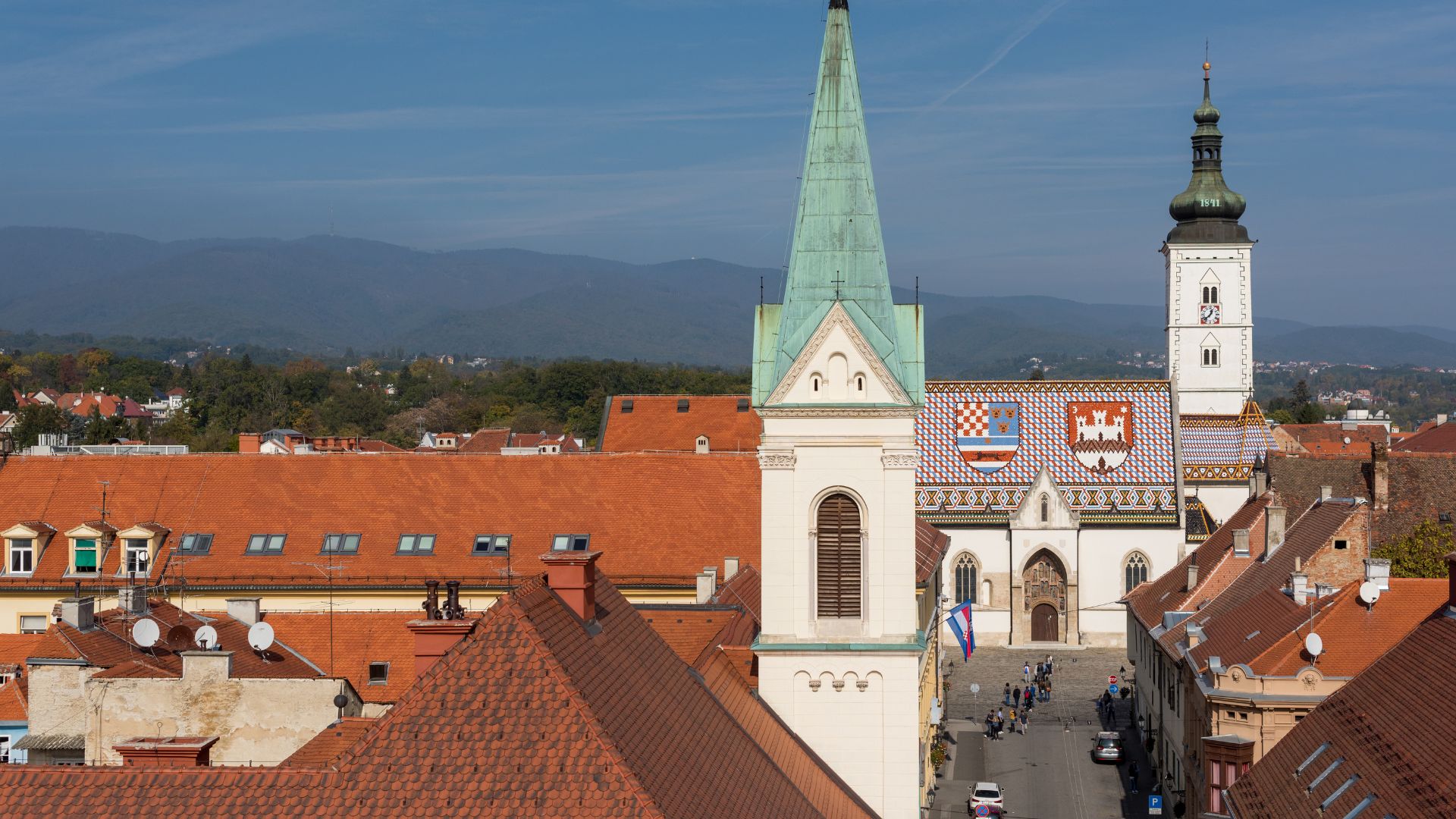
St. Mark’s Church and Gradec
St. Mark’s Church stands out as one of Zagreb’s most iconic sights. Its colorful tiled roof shows off the medieval coats of arms of Croatia, Dalmatia, and Slavonia on the left, and Zagreb’s city emblem on the right.
The church anchors Gradec, the medieval upper town dating back to the 13th century. This area once existed as a separate city, complete with its own walls and gates.
Builders finished the church in the 14th century. The Gothic portal on the south side features 15 statues, including Jesus, Mary, and St. Mark.
What you’ll find around Gradec:
- Winding medieval streets
- The Croatian Parliament
- Quaint museums and galleries
- Traditional restaurants tucked in old buildings
Gradec lets you step back in time. The narrow lanes and weathered buildings make it feel like modern life is miles away.
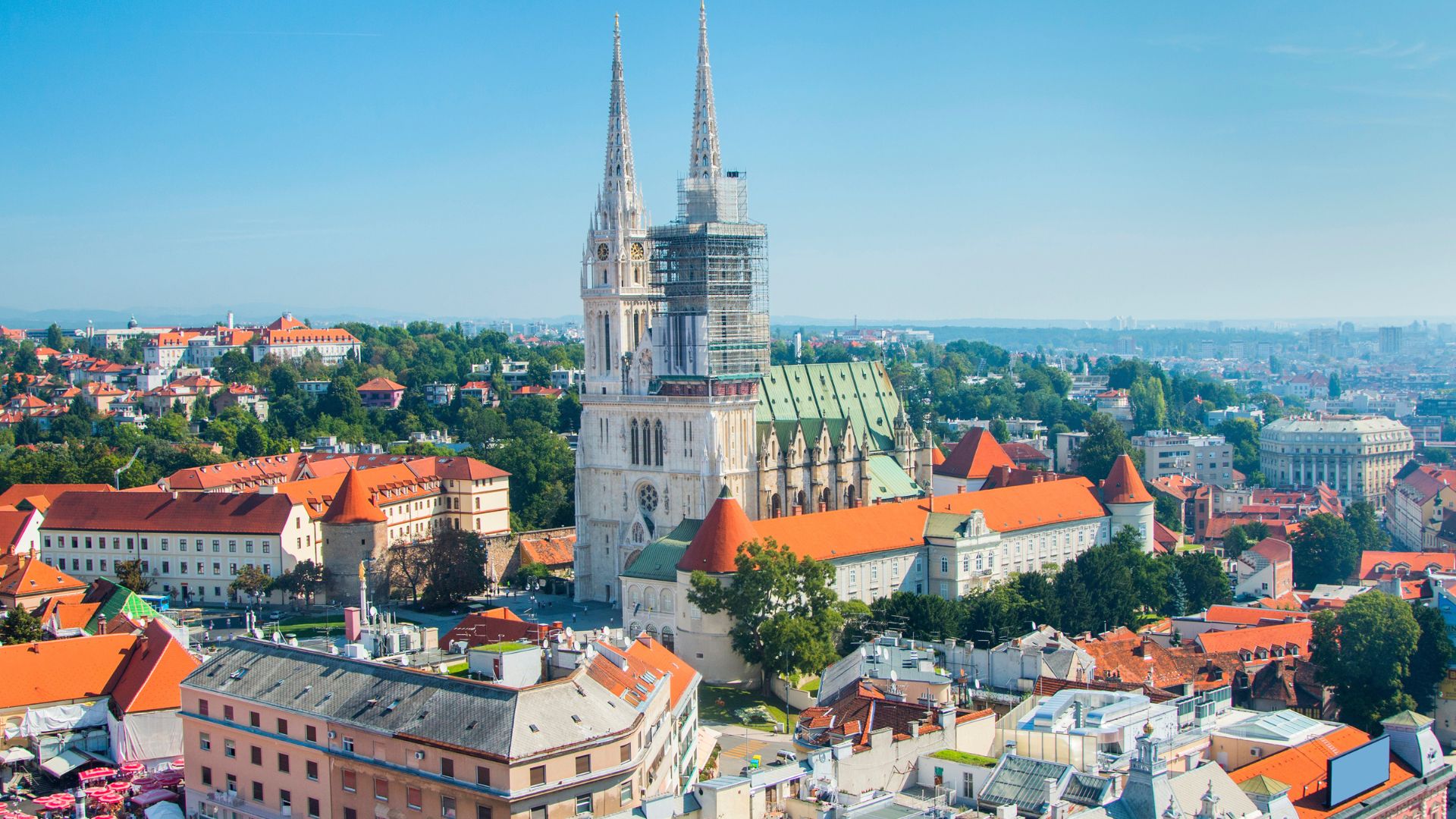
Zagreb Cathedral and Kaptol
Twin neo-Gothic spires of Zagreb Cathedral soar 105 meters above the city. You can’t really miss them from anywhere in the center.
The cathedral rises in Kaptol, the lower town that once stood apart from Gradec. These two areas finally merged in 1850.
The current cathedral dates from the late 1800s. An earthquake in 1880 damaged the original, so architects rebuilt it in the neo-Gothic style.
Inside, you’ll find the tomb of Cardinal Alojzije Stepinac, beatified by Pope John Paul II. The treasury hides centuries of religious artifacts.
Why visit the cathedral?
- Striking neo-Gothic design
- Historic religious art
- Views of the spires from all over town
- Sacred relics and ancient manuscripts
Around the cathedral, markets and cafes keep the area buzzing. It feels like a living historic center rather than just a tourist stop.
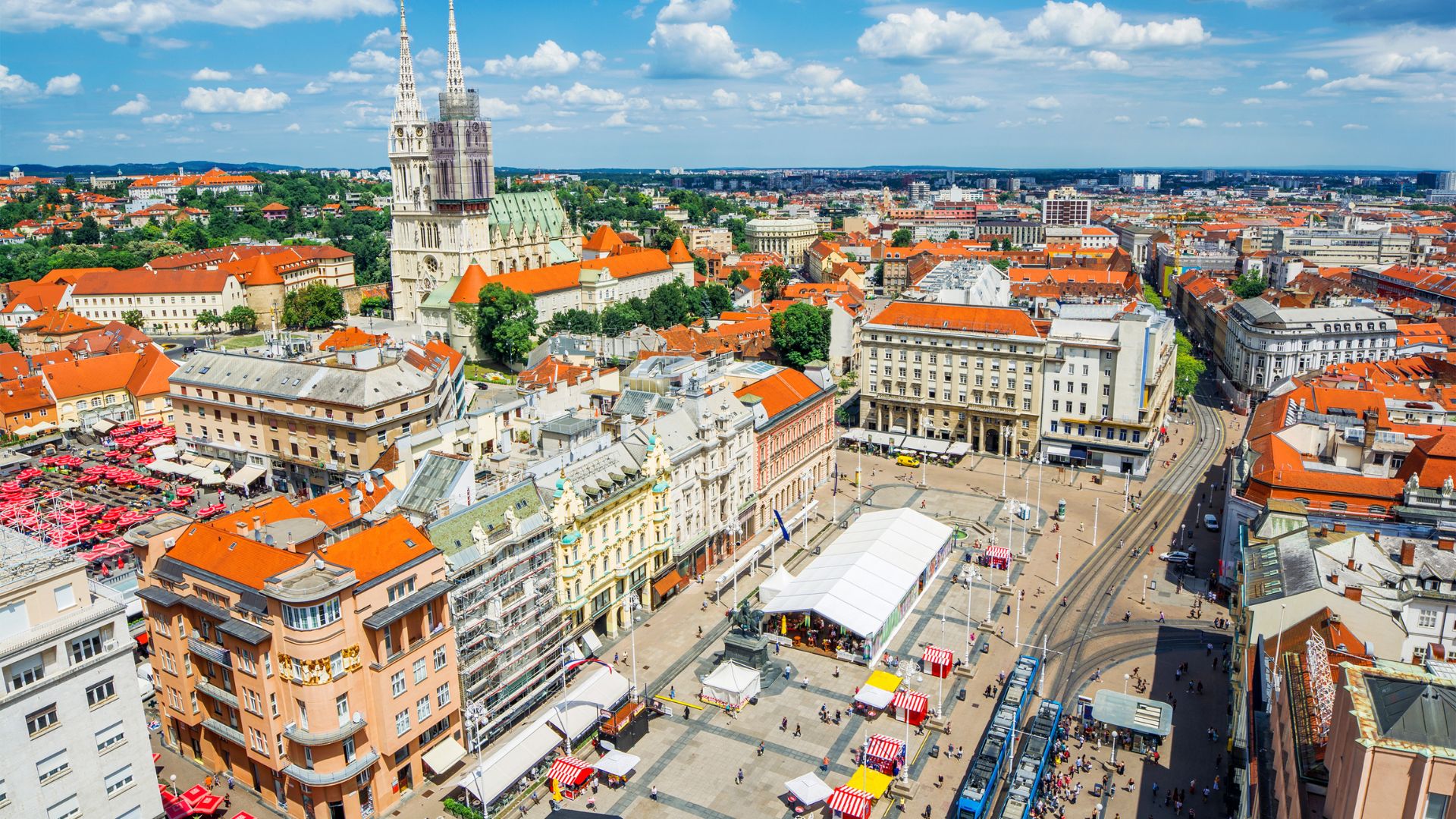
Ban Jelačić Square
Ban Jelačić Square pulses at the heart of Zagreb’s lower town. It’s where everyone seems to meet up, locals and visitors alike.
The square gets its name from Josip Jelačić, a 19th-century Croatian military hero. His bronze statue stands in the center, pointing south.
From here, you can head out in any direction—up to the old town, down the main shopping street Ilica, or into the modern city.
Why the square matters:
- Central meeting point
- Historic buildings on every side
- Direct links to major streets and districts
- Frequent events and lively markets
The mix of Austro-Hungarian architecture and newer buildings gives the square a unique vibe.
Lotrščak Tower and Funicular
Lotrščak Tower is the last remnant of Gradec’s old fortifications. Climb to the top for some of the best views of Zagreb’s red rooftops.
Every day at noon, the tower fires a cannon. This tradition started in 1877 to help people set their clocks.
The funicular railway connects the lower town with Gradec and the tower. Built in 1888, it’s one of the shortest funiculars anywhere—just 66 meters.
The ride takes 55 seconds and saves your legs from the steep climb up. The blue cars run every 10 minutes, all day.
Quick facts:
- Tower dates to the 13th century, funicular to 1888
- Tower offers 360-degree views
- Funicular operates daily, early morning to midnight
- Entry and ride cost just a small fee
These landmarks give you an easy way to dive into Zagreb’s medieval past—without sacrificing any modern comforts.
Vibrant Urban Life and Social Hotspots
Zagreb’s energy flows through lively streets packed with cafés, bustling markets, and grand boulevards. The city’s nightlife ranges from cozy bars to clubs that keep the party going until sunrise.
Tkalčićeva Street’s Café Culture
Tkalčićeva Street is Zagreb’s go-to pedestrian hangout. This colorful stretch brims with outdoor terraces where locals linger over coffee.
The street shifts with the day. Mornings mean quiet coffee rituals, afternoons buzz with business and gossip, and evenings turn Tkalčićeva into a lively dining and drinking spot.
Why Tkalčićeva stands out:
- 50+ cafés and restaurants in one place
- 19th-century historic facades
- Street performers and artists
- Top people-watching
People here don’t gulp their coffee—they savor it, catching up with friends or just soaking up the atmosphere.
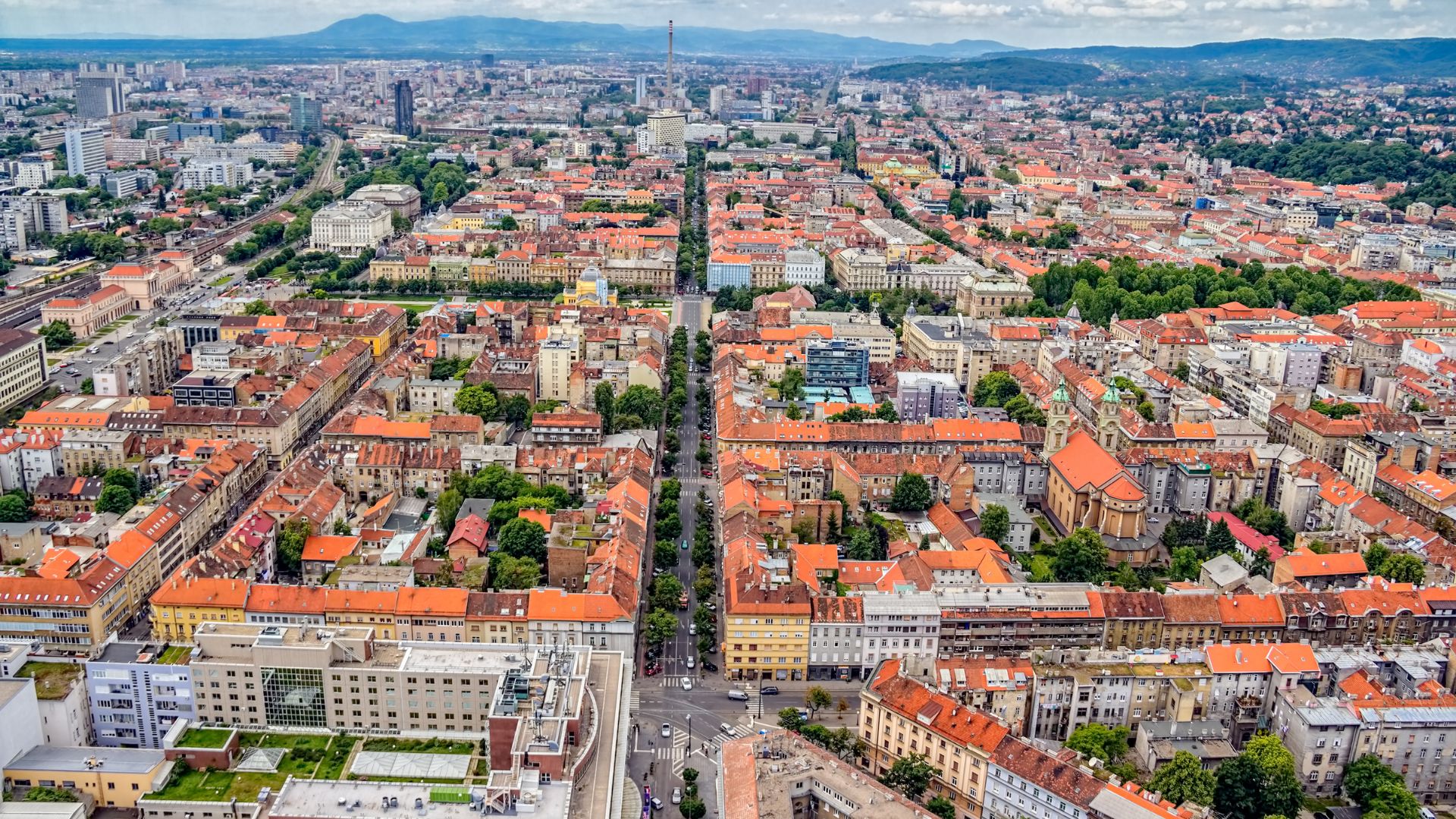
Dolac Market and Local Flavors
Dolac Market sits right in Zagreb’s center and serves as the city’s main farmers market. I loved wandering through the open-air stalls, which brim with fresh produce and local delicacies every day except Sunday.
The market runs on two levels. Upstairs, you’ll find fruits, veggies, and flowers under a sea of red umbrellas. Downstairs, vendors sell meats, cheeses, and prepared foods.
What to look for:
- Farm-fresh Croatian produce
- Traditional štrukli (cheese pastry)
- Local honey and homemade rakija
- Handmade crafts and souvenirs
Vendors—often in traditional dress—have sold their family goods here for generations. The market feels like the beating heart of Zagreb.
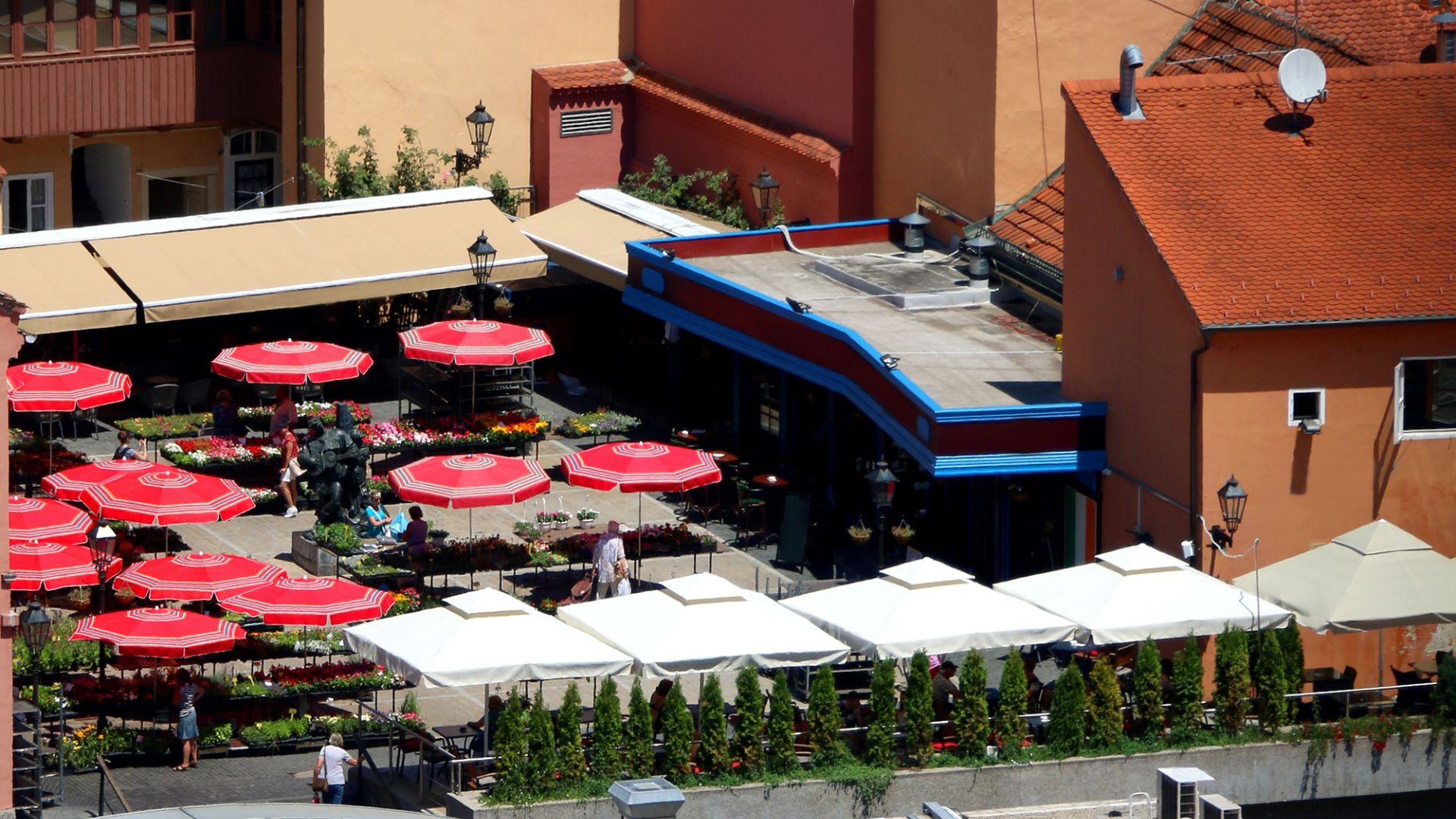
Lower Town’s Grand Boulevards
Lower Town shows off Zagreb’s 19th-century urban planning with its wide boulevards and elegant squares. Walking here, I got a sense of the city’s grander side.
The Green Horseshoe ties this area together, connecting parks like Zrinjevac, King Tomislav Square, and the Botanical Garden.
Lower Town highlights:
- Croatian National Theatre
- Art Pavilion
- Historic hotels and classic cafés
- Tree-lined paths for strolling
Cultural events and festivals often spill out onto these boulevards. The buildings here house museums, theaters, and government offices—it’s a sophisticated slice of the city.
Nightlife and Entertainment
Zagreb’s nightlife adapts to every taste and mood. I found everything from chill wine bars to high-energy dance clubs.
Where to go after dark:
- Tkalčićeva Street: Cocktails and late-night cafés
- Savska Street: Dance clubs and live music
- Jarun Lake: Summer beach bars and outdoor parties
- Industrial zones: Underground clubs and alternative scenes
The city really comes alive late, especially on weekends. Most places only get busy after 10 PM.
Zagreb also offers cultural nights out. The Croatian National Theatre hosts opera, ballet, and plays. Smaller venues feature jazz, comedy, and indie concerts.
Museums and Artistic Heritage
Zagreb boasts over 30 museums and galleries. You’ll find everything from classic art to quirky, one-of-a-kind exhibits.
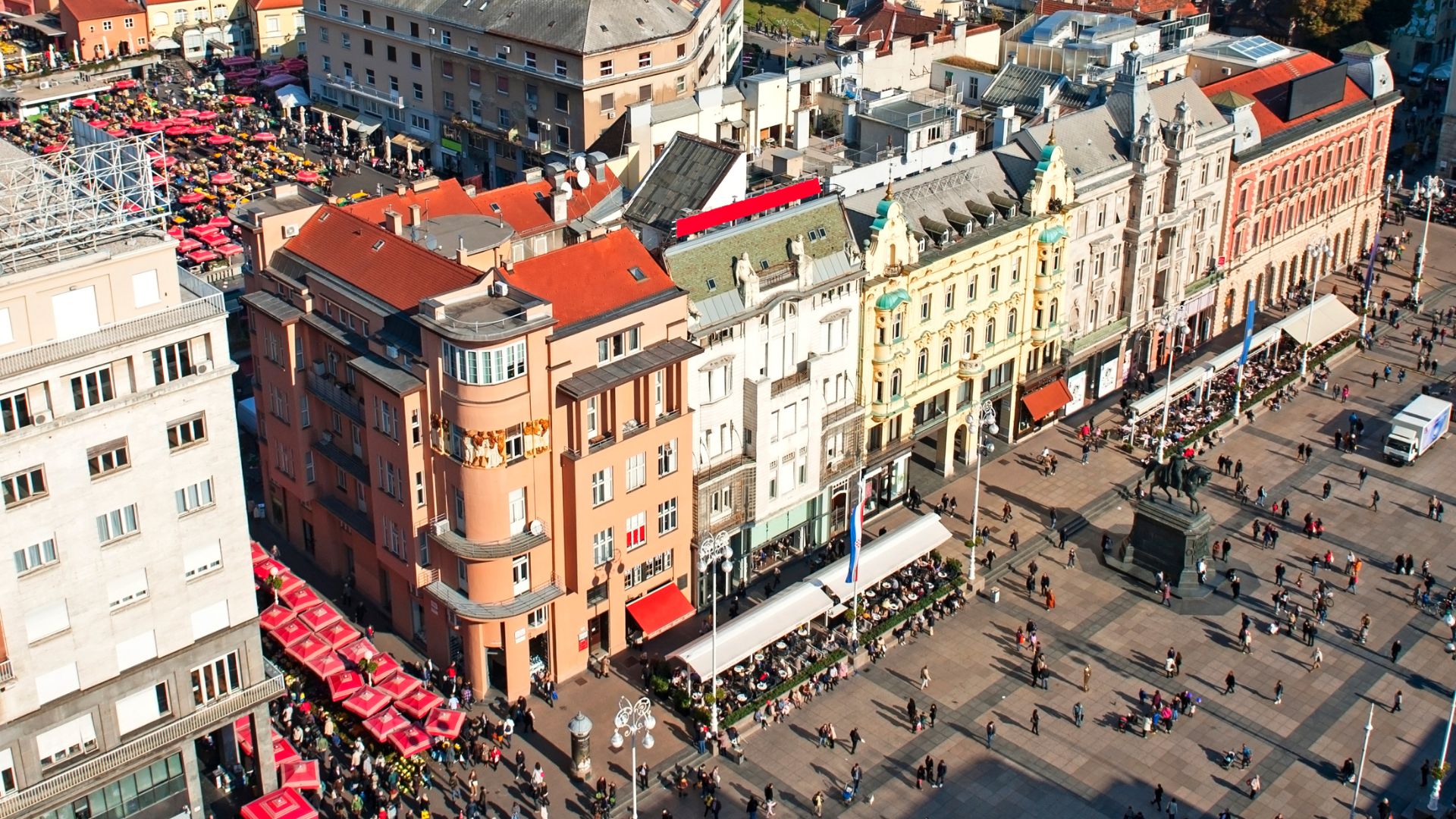
Museum of Broken Relationships
This place blew me away. The Museum of Broken Relationships turns heartbreak into art, displaying objects donated from failed relationships across the globe.
Each item comes with a story. I’ve seen wedding dresses, love letters, and even a toaster—each one capturing the universal pangs of loss and healing.
The museum snagged the Kenneth Hudson Award for its innovative concept. It started as a traveling show, but now calls Zagreb’s Upper Town home.
What makes it worth visiting:
- Real objects from real breakups
- Stories from all over the world
- Interactive and emotional
- Housed in a baroque palace
It proves art can come from even the toughest moments. I left feeling oddly comforted, knowing others have been there too.
Mimara Museum’s Art Collections
The Mimara Museum holds one of Croatia’s richest art collections. I wandered through rooms filled with 3,700 works spanning centuries and continents.
You’ll spot pieces by Monet, Renoir, and other legends. Ancient artifacts sit next to Renaissance paintings and Asian decorative arts.
What stands out:
- European paintings from the 14th-19th centuries
- Ancient glass, textiles, and ceramics
- Far Eastern sculptures
- Egyptian and Mesopotamian treasures
Ante Topić Mimara donated the whole collection to the city. Even the building—a 19th-century neo-Renaissance palace—is a work of art.
Honestly, I could have spent all day here. The sheer variety makes it feel like a trip through history.
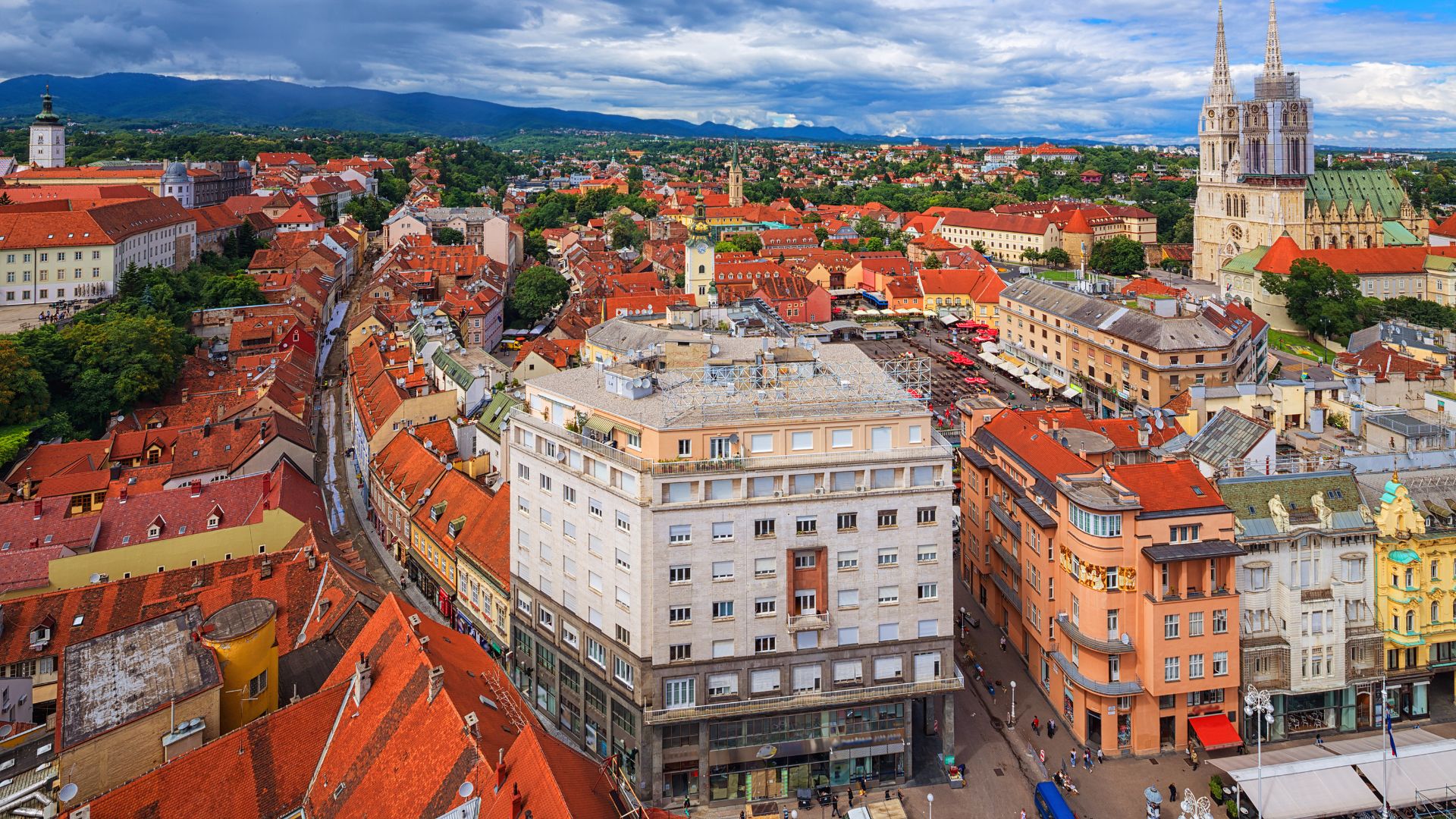
Croatian National Theatre
The Croatian National Theatre has been Zagreb’s cultural crown jewel since 1895. I’ve caught performances in this eye-catching yellow baroque building right in the center.
The theatre stages opera, ballet, and drama all year. Its programs spotlight both Croatian works and international classics, performed by top-notch artists.
What you’ll see:
- Traditional Croatian operas
- Classical ballet
- Modern drama
- Touring international shows
The building itself rivals any grand opera house in Europe. Inside, you’ll find ornate decorations and plush red seats.
If you’re in Zagreb, check their schedule. Even if you don’t know Croatian, opera and ballet speak their own language.
Green Spaces and Outdoor Experiences
Zagreb surprises with its parks, gardens, and outdoor hangouts. The city weaves green spaces through its neighborhoods, giving everyone a place to unwind.
Zrinjevac Park and Botanical Garden
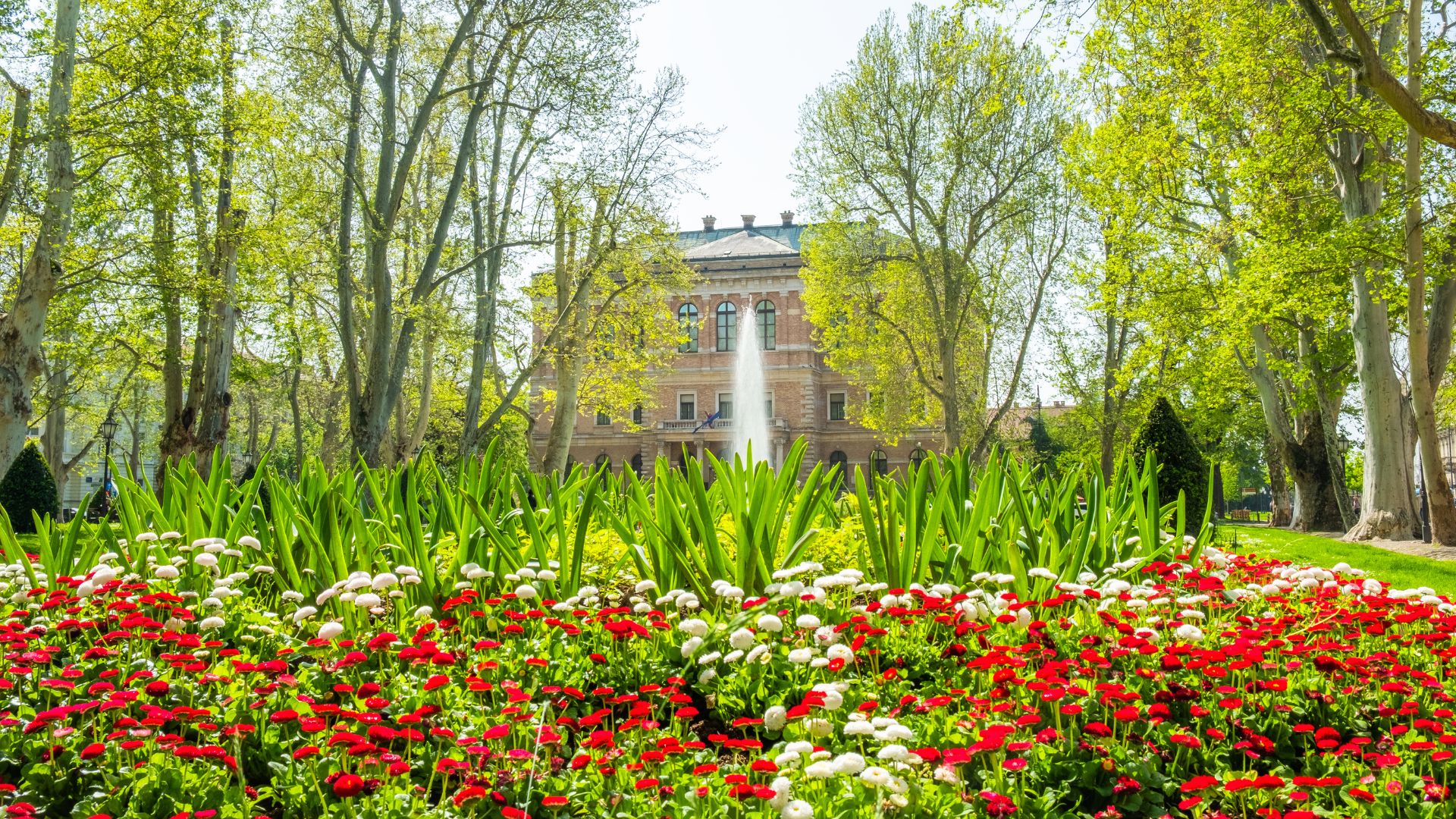
Zrinjevac Park lies at the center of the Green Horseshoe. Two ponds, a fountain, and a charming gazebo make it a favorite spot.
I loved strolling the tree-lined paths in the morning. The benches are perfect for people-watching.
The Zagreb Botanical Garden anchors the southwest corner. It stretches over 12 acres and boasts 10,000 plant species from around the globe.
The lily-pad lake, filled with turtles, is a highlight. A red footbridge crosses the water—bring your camera.
What you’ll find:
- Ornamental ponds
- Historic gazebo from the 1800s
- 10,000+ plant species
- Turtle-filled lake with a footbridge
- Free entry all year
The botanical garden opens daily from 9 AM to 7 PM in summer. Winter hours are shorter, closing at 3 PM.
Strossmayer Promenade
Locals call Strossmayer Promenade “Strossmartre” for its Parisian flair. This elevated walkway traces the old city walls.
The promenade gives you some of Zagreb’s best views. I could sit for hours, just watching the city below.
Leafy trees shade the path, making it a cool escape on hot days. Wooden benches pop up every few meters.
Gric Park waits at the promenade’s western end. This romantic little park has flower beds and a central fountain.
The park feels like a secret retreat. Couples often show up at sunset for the view.
On weekends, local artists display their work along the walls. Street musicians add a creative buzz to the scene.
Jarun Lake Adventures
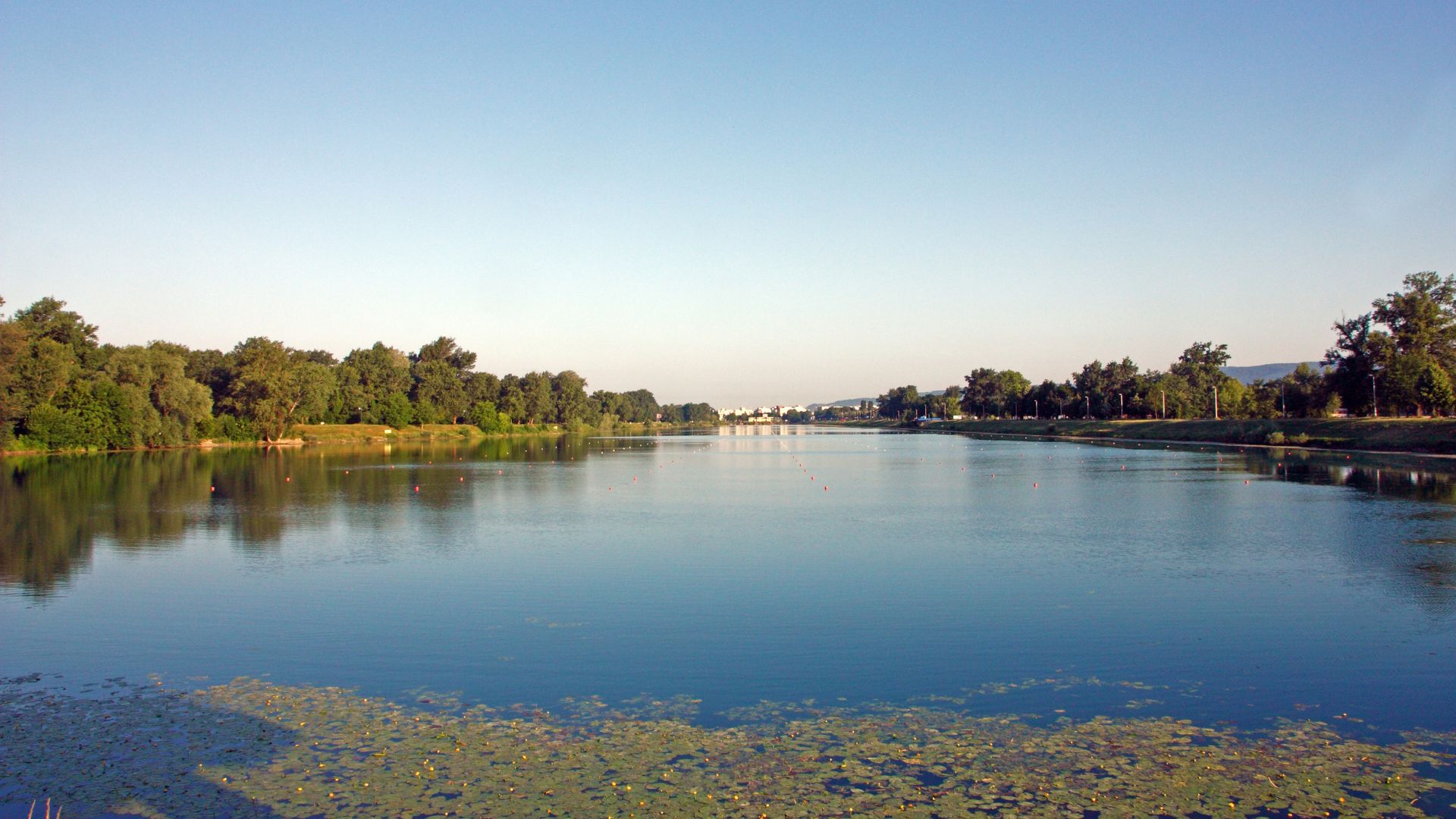
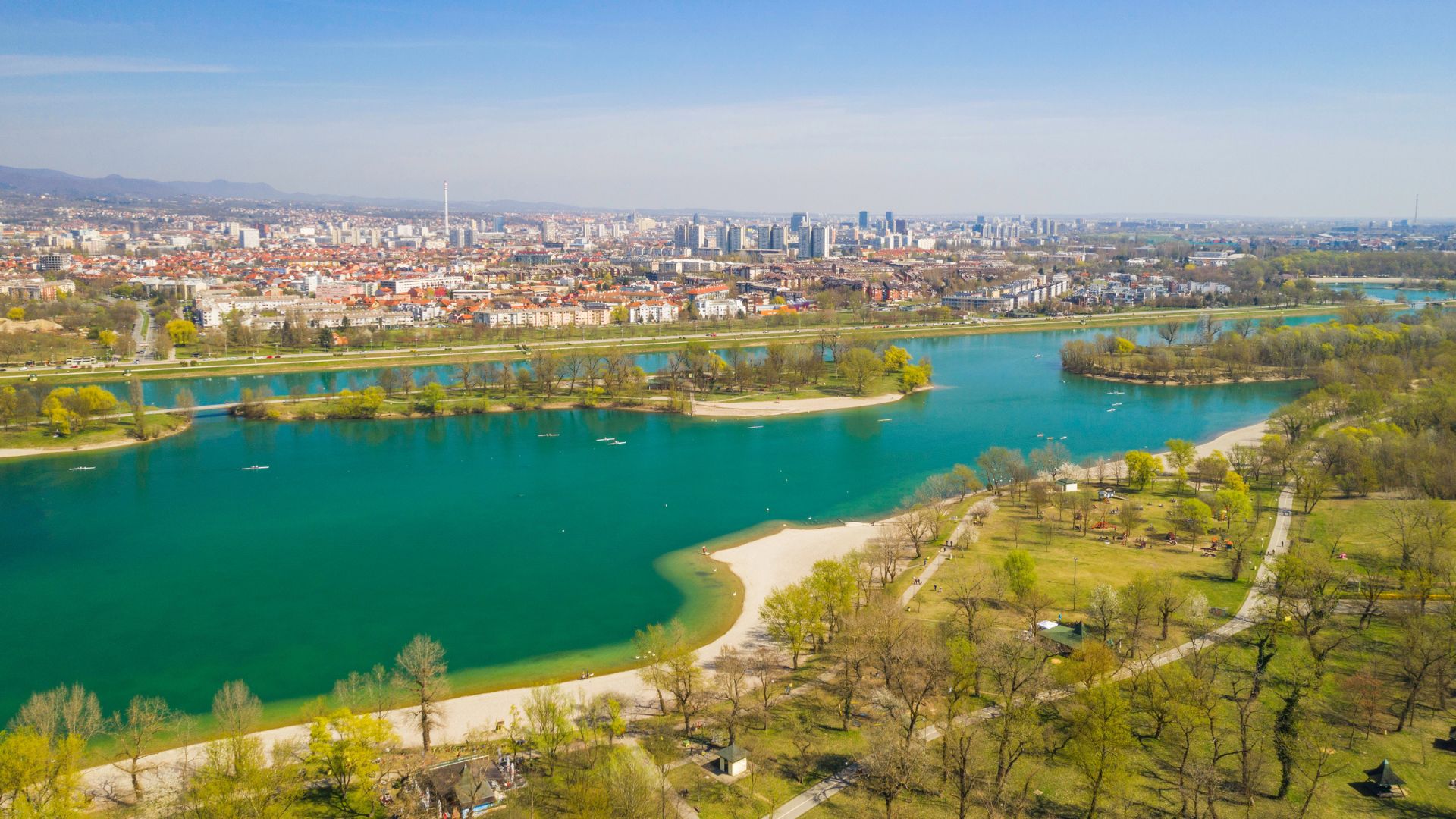
Jarun Lake sits southwest of Zagreb’s center, close to the Sava River. It’s an artificial lake that stretches for about 2 kilometers, and honestly, it’s a local favorite for good reason.
Paved paths loop all the way around, so you’ll spot joggers, cyclists, and rollerbladers zipping by at almost any hour. The terrain stays flat, which means you don’t have to be an athlete to join in—I’ve seen everyone from kids learning to ride bikes to folks just out for a stroll.
Beach Areas:
- Southeast shore: Pebble beach with sun loungers
- Northwest section: Sandy spots perfect for volleyball
- Loads of cafes and snack bars
- Changing rooms and showers nearby
In summer, the lake comes alive with rowing competitions and sailing lessons. You can rent water sports gear from April to October, and there always seems to be something happening on the water.
Families flock here on weekends, picnic baskets in tow, ready for barbecues and games. The park around the lake has playgrounds and big grassy areas where kids run wild.
I’ve noticed that Jarun draws a mix of people. Early mornings, you’ll catch the serious runners, but by afternoon, it’s all about families and friends soaking up the sun along the beaches.
Distinct Local Character and Culture
Zagreb feels like a different world compared to Croatia’s coast. The city pulses with its own inland traditions, from folk dances to hearty food and crafts you won’t see by the sea.
Croatian Traditions Beyond the Coast
You can’t miss the famous red-and-white checkerboard, or šahovnica, in Zagreb. It’s everywhere—sports jerseys, building walls, and even souvenirs. It’s a symbol that makes the city feel uniquely Croatian, but in a way that’s totally different from the coast.
Folk traditions here lean into mountain and plains heritage. The dances? They’re not what you’d see in Dalmatia—different costumes, different rhythms. If you get a chance, catch the Zagreb Folk Dance Ensemble; their performances really highlight what makes inland culture special.
Local cuisine takes its cues from the land, not the sea. Some favorites:
- Štrukli (cheese-filled pastry)
- Sarma (stuffed cabbage rolls)
- Pasticada (marinated beef)
These dishes use ingredients from local farms, and the flavors remind me of the city’s Austro-Hungarian past. It’s comfort food at its best.
Zagreb’s coffee culture is something else. Locals linger for hours in cafés, chatting and people-watching. It’s a slower, more relaxed vibe than the busy coastal resorts—honestly, it’s one of my favorite parts of the city.
If you’re into crafts, check out the local lacework, pottery, and embroidery. Markets and workshops across Zagreb sell these handmade pieces, each one telling a story passed down through generations.
Zagreb as a Gateway to Regional Discovery
Location-wise, Zagreb makes a fantastic base for exploring Croatia and even hopping into neighboring countries. The city sits right in the middle, with easy routes to the coast and beyond.
Connections to Pula and Split
Getting from Zagreb to the coast? Super simple. Direct buses head to Split every day, and the ride takes around five hours—scenery included.
If you’ve got time, try the train to Split. It winds through mountains and valleys, showing off rural Croatia in a way most visitors miss.
Travel Times from Zagreb:
- Split: About 5 hours by bus, 6 hours by train
- Pula: 3.5 hours by bus, 4 hours by car
Pula is a bit closer. The drive takes you through Istria’s rolling hills and vineyards. You can easily turn it into a day trip or a relaxed weekend.
A lot of travelers land in Zagreb before heading to the coast. The airport connects to major cities across Europe, so it’s a smart place to start your trip.
Inspiration from Prague and Ljubljana
Zagreb has this architectural vibe that reminds me of Prague and Ljubljana. All three cities share that Austro-Hungarian influence—you see it in the grand buildings and the way the old towns are laid out.
Walking through Zagreb’s Upper Town, I get flashbacks to Prague’s Old Town. Both have those winding cobblestone streets, baroque churches, and medieval gates that make you want to wander all day.
Ljubljana feels like Zagreb’s sibling. Both capitals sit along rivers, with castles perched above the city centers.
Common Features:
- Architecture: Austro-Hungarian baroque style
- Layout: Medieval old towns with castle views
- Culture: Central European café traditions
The café culture ties them all together. You can lose track of time in Zagreb’s coffee houses, just like in Prague or Ljubljana. It’s a tradition I never get tired of.
Esplanade Zagreb Hotel’s Historic Charm
The Esplanade Zagreb Hotel first opened its doors in 1925, welcoming passengers from the legendary Orient Express. Almost instantly, it became the spot everyone in Zagreb wanted to be seen.
There’s just something about the way the hotel holds onto its Art Deco elegance. Walk into the lobby and you’ll spot those original crystal chandeliers and marble floors—straight out of the roaring twenties.
Over the decades, kings, movie stars, and diplomats have all checked in here. Honestly, flipping through the guest book feels like peeking into a glamorous European history lesson.
These days, the Esplanade blends classic luxury with all the modern comforts travelers crave. For me, it’s the best example in Zagreb of honoring the past while embracing what’s next.
You’ll find the hotel right across from the main train station. I can’t think of a better spot to capture Zagreb’s spirit as a crossroads between east and west.
