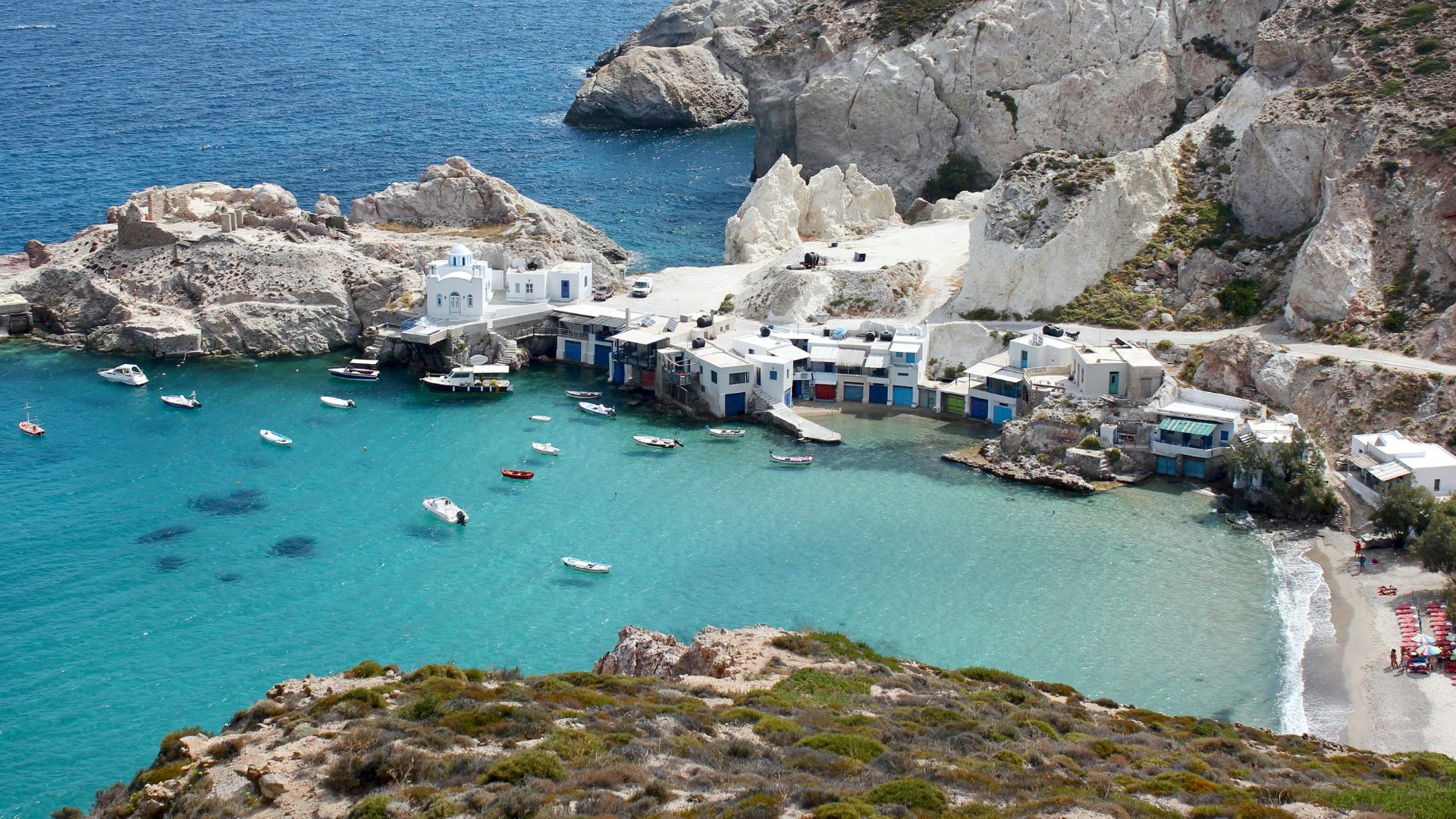
Milos is the Cycladic island that totally changed the way I see Greece, especially through my camera’s lens. Those blue doors against whitewashed walls, the fishing village of Klima bursting with color—almost every spot begs for a photo. The island’s volcanic landscapes, peaceful beaches, and the way the light shifts all day made me want to snap a picture every few minutes.
As I wandered around Milos, I felt this odd mix of excitement and calm. It’s like holding a postcard, but way better since I was actually there. The Cycladic scenery isn’t just beautiful; it almost seems to pulse with life, especially at sunrise or sunset.
Even the old boat houses seemed to invite me in, as if I belonged in the scene.
If you’re after adventure and inspiration, Milos has stories everywhere you look. It’s not just an island—it’s a living canvas where Greek beauty and culture really stand out.

Milos Through the Lens: Why It’s a Photographer’s Dream
Milos feels tailor-made for anyone who loves photography. Whether I stood on a volcanic cliff gazing at the blue sea or wandered through sunlit villages, the views almost demanded I pull out my camera.
The Spellbinding Light and Colors
Milos acts like a living canvas, honestly. The sunlight here just hits differently compared to the rest of Greece.
It bounces off whitewashed homes and volcanic rocks, turning everything into wild shades of blue, gold, and orange.
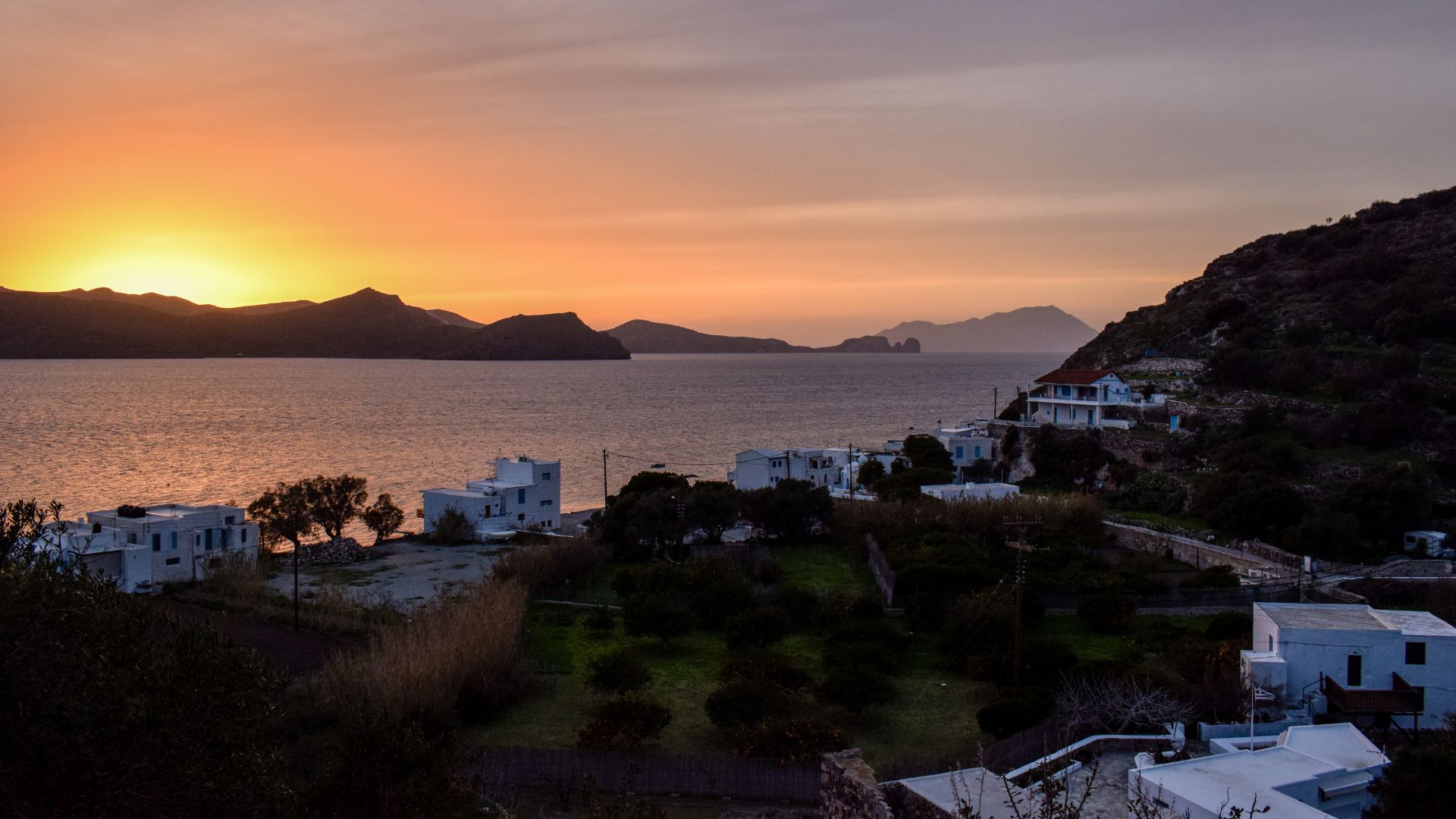
Sunrise and sunset take it up a notch. The cliffs and water reflect these pink and coral tones that honestly look like they belong in a painting. As a photographer, I get to play with so many kinds of light—long shadows in the morning, a soft golden glow before dusk, and deep blues once night rolls in.
The contrast between those stark volcanic rocks and the sea’s deep blue makes every color pop. I always keep my camera ready, because even a short stroll through a village or along the beach gives me new light to play with.
Iconic Beaches That Steal the Show
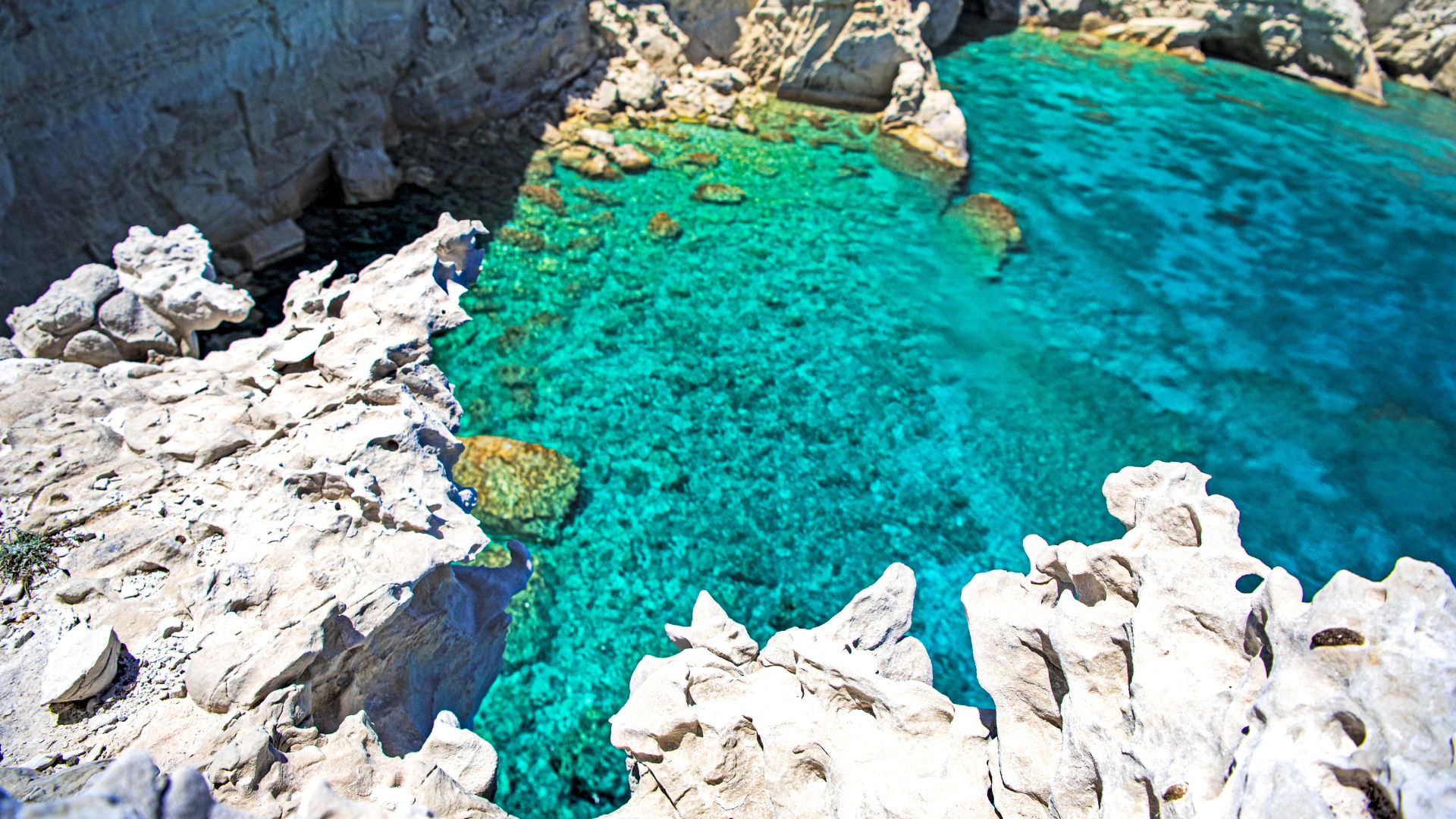
Milos offers over 90 beaches, each with its own vibe. Sarakiniko, for example, feels almost like another planet—smooth, white volcanic rocks that look surreal in photos. When the sun hits just right, the whole place looks sharp and dreamlike.
Best Beaches for Photography:
| Beach | Distinctive Features | Photo Tips |
|---|---|---|
| Sarakiniko | White rocks, blue water | Visit at sunrise for soft light |
| Firiplaka | Multicolored cliffs | Late afternoon for golden hues |
| Tsigrado | Dramatic cliffs, tavernas | Use a wide lens for sweeping shots |
I like to hit these beaches early, before crowds show up. That way, I catch untouched sand, glowing water, and perfect reflections.
Unforgettable Cliffside Villages
The villages of Milos perch on cliffs over the sea. Plaka, the capital, is one of my go-tos for photos. Tiny alleys, colorful doorways, and pink bougainvillea flowers seem to pop up everywhere.
From Plaka Castle, I catch sunset views as the sky turns orange over blue water.
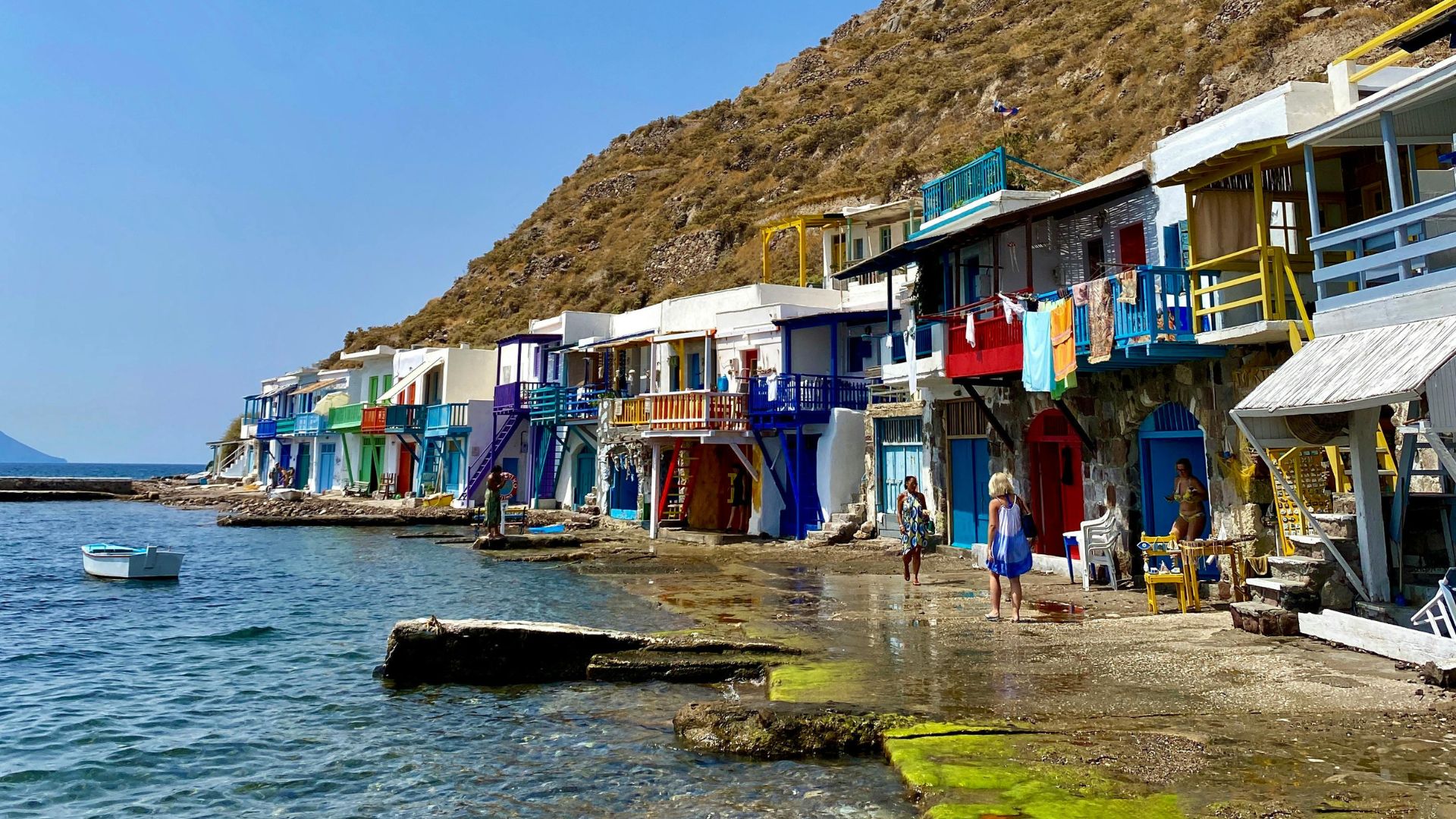
Klima stands out too. It’s famous for its syrmata—old fishermen’s houses with bright doors right on the water. These spots are perfect for close-ups or wide shots that take in the bay’s curve.
Walking these villages feels like stepping into a painting. Each corner, staircase, and balcony gives me a fresh frame, with that classic Cycladic charm everywhere I look.
Hidden Wonders and Unique Experiences on Milos
Milos kept surprising me with its deep traditions, secret spots, and laid-back villages that come alive after dark. It all felt real and untouched, especially when I wandered off the main roads.
Cultural Oddities and Local Customs
One moment that sticks with me was watching locals celebrate a summer saint’s day. I stumbled into a tiny festival in a fishing village, where neighbors brought homemade food, played music, and danced. People welcomed me right away, and I quickly realized how much pride they take in their roots.
Traditional homes called syrmata, once used to store boats, line the colorful shores in Klima and Mandrakia. Now, some have turned into cozy guesthouses or tavernas. I stopped to admire the hand-painted doors—each one a different color—and chatted with locals about how tourism has changed things, but not the sense of community.
The museums here are small but worth a visit. The Archaeological Museum in Plaka sits inside a neoclassical building and shows off marble statues and ancient finds. The Mining Museum near Adamas really caught my interest—it tells the story of how volcanic rocks and mining shaped both the land and the people.
Tip: Be polite in shops and bakeries. Say “Kalimera” (good morning) and you’ll usually get a warm smile.
Exploring Off-the-Beaten-Path Attractions
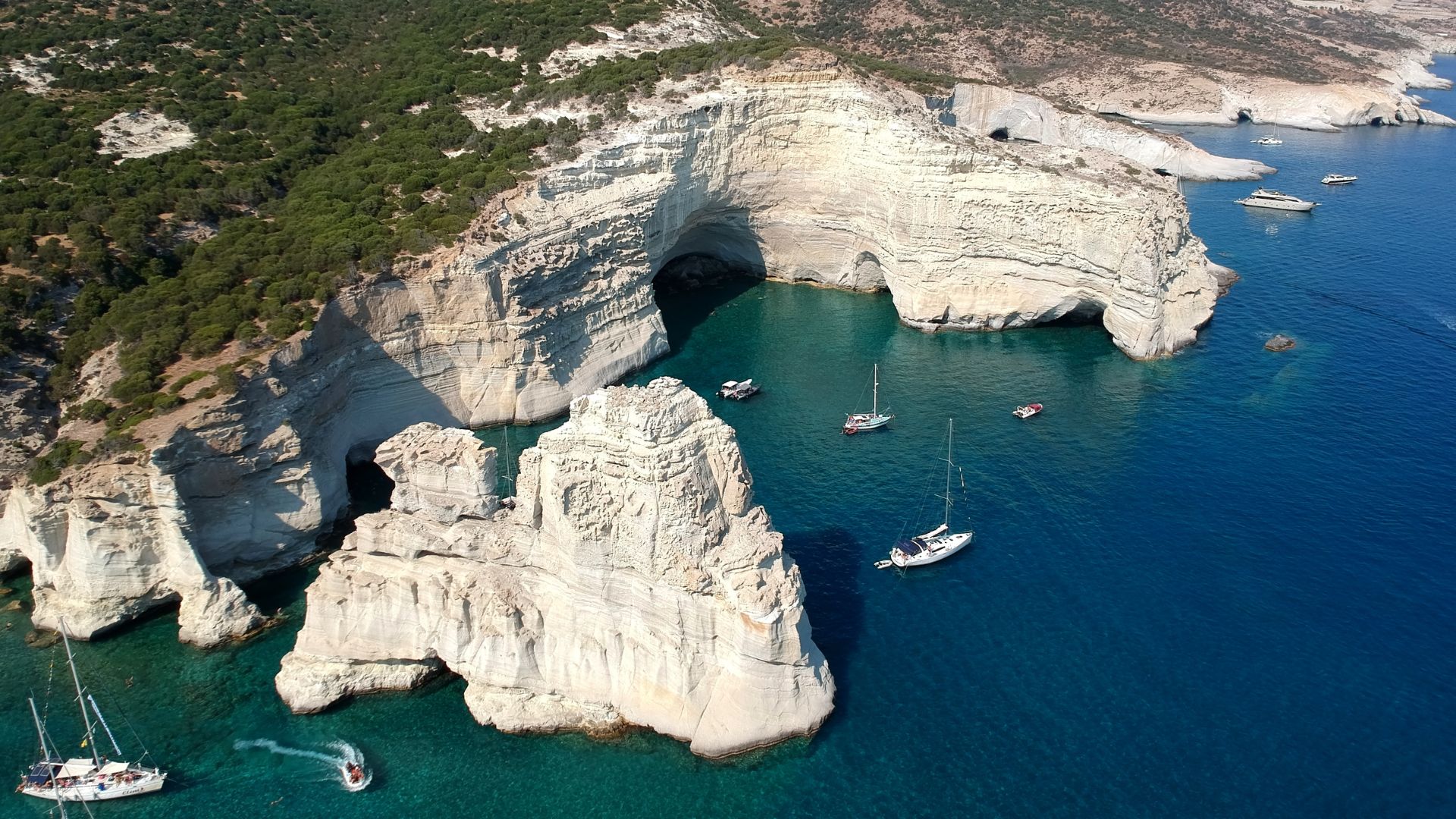
Milos hides coves and sea caves that most people never find on foot. I joined a kayaking tour from Kleftiko—no way to get there by land—and paddled into quiet caves where sunlight flickered on the rocks.
Hiking trails link up tiny chapels, ruins, and volcanic craters. One of my favorites is the path from Plaka to Klima at sunset. The trail winds past old windmills—some are now cute rentals—and gives you sweeping sea views.
For a little thrill, I checked out Papafragas Caves. There’s this narrow opening at the sea that looks like a secret tunnel. I barely saw anyone else while I was there.
The Catacombs of Milos are another spot—an early Christian burial site carved into volcanic rock. The underground passages felt cool and a bit eerie. You can snap photos in some spots, but I made sure to keep things quiet and respectful.
Must-See Table of Offbeat Sights:
| Attraction | Experience | Location |
|---|---|---|
| Papafragas Caves | Swim & explore sea caves | North coast |
| Milos Catacombs | Ancient Christian tombs | Near Tripiti |
| Kayak Kleftiko | Hidden coves by kayak | South coast |
Charming Towns and Nightlife Spots
Every town on Milos has its own personality. In Plaka, narrow alleys twist between white houses and balconies overflowing with flowers. Before dusk, I’d grab a pastry from the bakery and climb to the old Venetian Castle. The sunsets from up there are famous for a reason.
Pollonia is more chill, with waterfront cafés that are perfect for a slow lunch or a gelato. Families, couples, and solo travelers all hang out by the little harbor. I liked sitting there, watching fishing boats come in with their catch.
Adamas, the island’s main port, really wakes up after dark. The nightlife feels easygoing but fun—cozy bars, seaside tavernas, and sometimes live music where locals and visitors dance together.
If you want a drink, music, or just some people-watching, these are my favorites:
- Utopia Cafe (Plaka): Insane sunset views, cool crowd
- Akri Bar (Adamas): Cocktails with a sea breeze
- Opsidianos Art Cafe (Pollonia): Art, books, and tasty meze plates
Don’t rush—just wander. You’ll find Milos’s real spirit in moonlit alleys and quiet chats over local wine.

How Milos Became My Unexpected Cycladic Favorite
Milos surprised me in the best ways, standing apart from the more famous Cycladic islands with its wild beauty, peaceful villages, and endless variety. Its volcanic rocks, colorful cliffs, and easygoing vibe felt completely different from the big-name destinations.
Comparing Milos With Santorini, Sifnos, and Paros
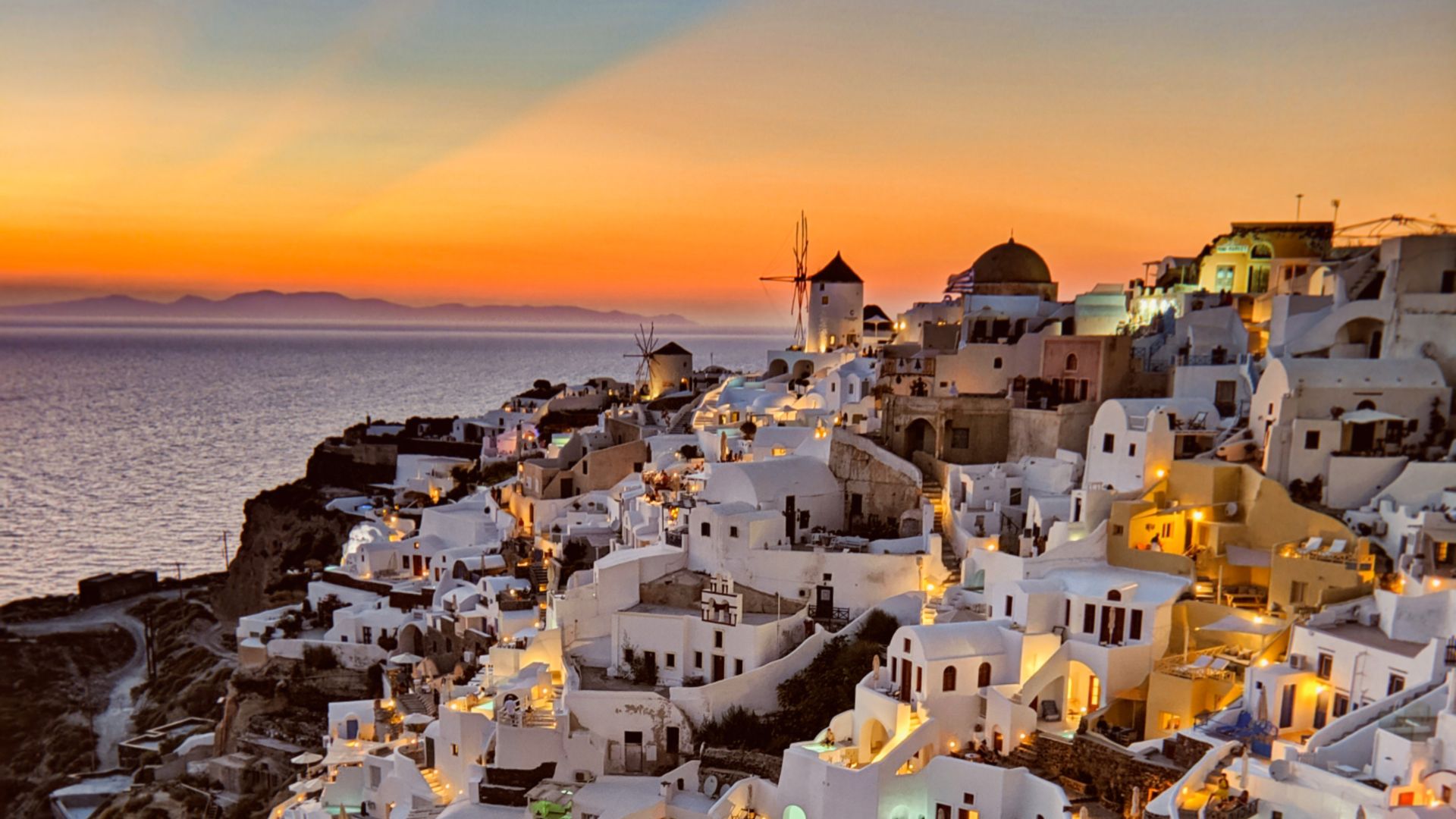
When I started planning my island-hopping, Santorini was at the top of my list. I mean, those sunset views and white houses are iconic. But wow, Santorini gets crowded—tour groups everywhere, hotels booked out fast. Even Paros, with its busy Naoussa harbor and water sports, felt a bit too “on the map” for me.
Sifnos charmed me with food and hiking, but Milos felt like a secret. Plaka village has that same Cycladic style but is so much quieter. Milos gives you beaches that look straight out of a sci-fi movie—Sarakiniko’s white rocks and blue water are unreal. I found rooms run by locals, not big resorts. Nightlife and restaurants are small and cozy, not packed. And for photographers, the way the light hits those cliffs and fishing houses? You just can’t beat it.
| Island | Best For | Downsides |
|---|---|---|
| Santorini | Sunsets, caldera views | Crowded, expensive |
| Paros | Watersports, nightlife | Tourist-heavy in summer |
| Sifnos | Food, hiking | Smaller variety of beaches |
| Milos | Unique beaches, quiet stays | Fewer big hotels, less nightlife |
Itinerary Ideas: Getting the Most Out of Your Stay
To see the best of Milos, I kept my days simple but mixed things up. I booked a small, family-run place in Adamas—close to the ferry but quiet at night. Each morning, I’d hit a new beach—Kleftiko’s sea caves by boat, Firiplaka for sunset, Sarakiniko for wild, lunar photos.
For dinner, I tried a different taverna every night. Local dishes like pitarakia (cheese pies) and fresh seafood in Klima or Tripiti were standouts. Most spots were small, had sea views, and I never waited long for a table. In the afternoons, I’d just wander villages like Pollonia, with its bougainvillea-draped streets. Every day felt relaxed, and I actually got to talk with locals—not just follow the crowds.
Here’s a quick itinerary for 3-4 days:
- Day 1: Arrive, settle in Adamas, explore Sarakiniko beach
- Day 2: Boat tour to Kleftiko and Sikia Cave
- Day 3: Visit Plaka, catch the sunset, eat at a traditional taverna
- Day 4: Chill in Pollonia or relax at Firiplaka beach
Milos has plenty of cozy places to stay, from studios to beach hotels. Book early, though—there aren’t as many big resorts as on other islands. For me, that smaller, personal feel was the best part.
The Ancient and Mythical Side of Milos
Walking around Milos, I couldn’t shake the feeling that every path hid stories and history. This isn’t just another beach spot—it’s a place shaped by gods, myths, and centuries of Greek life.
Legends, Gods, and Heroes of the Island
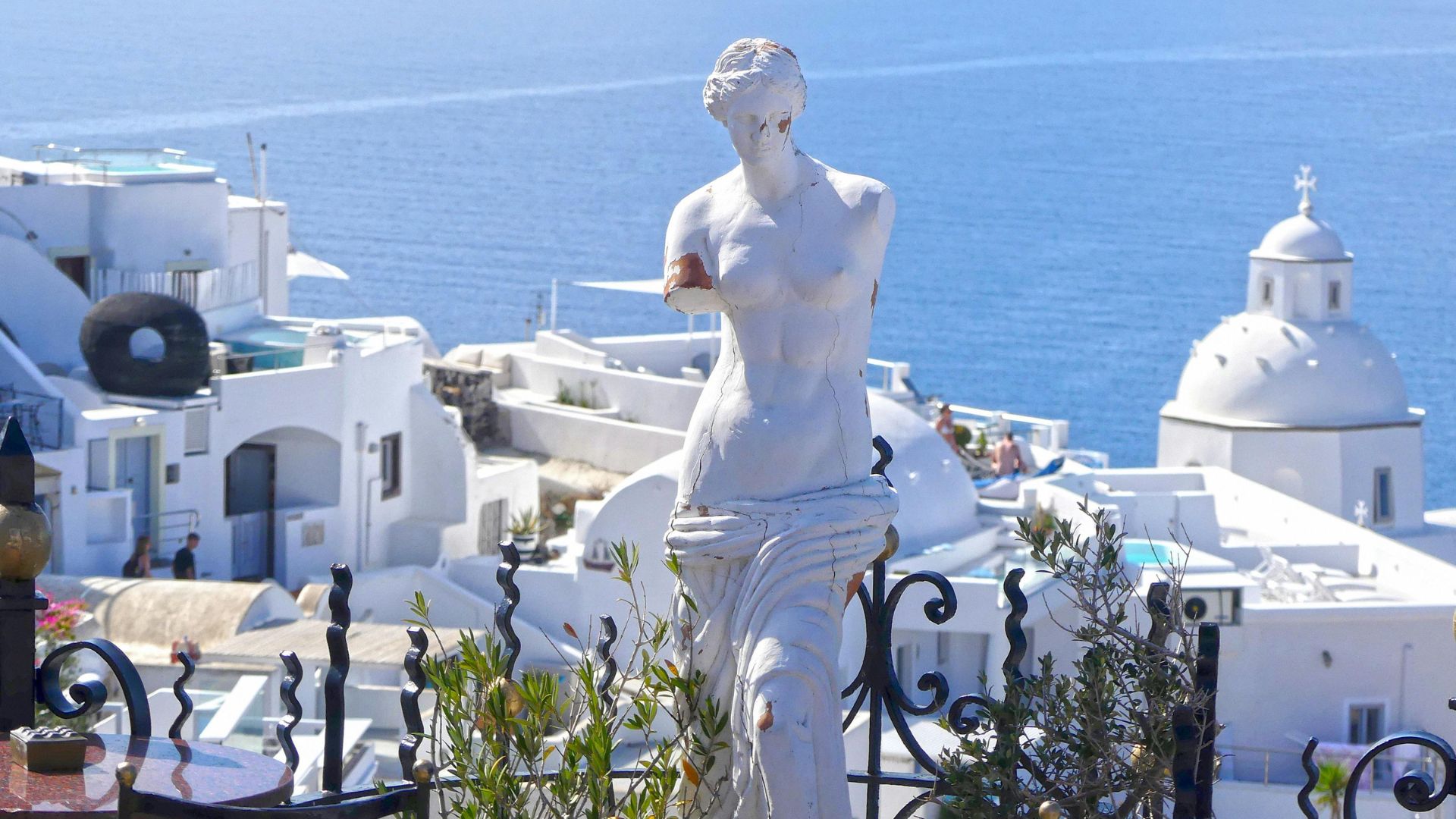
Milos is deeply tied to Greek mythology. Some say Aphrodite, goddess of love and beauty, was born here. That’s not just a random fact—her influence pops up everywhere, from statues to shop signs and souvenirs.
Here are a couple legendary links Milos is known for:
- Aphrodite of Milos (Venus de Milo): This famous statue was found here in 1820.
- Ancient myths: Milos shows up in stories about gods and heroes, adding a bit of magic to the landscape.
Locals love to share these tales. During my trip, I heard stories about ancient sailors, powerful gods, and lost treasures. It all makes exploring Milos feel even richer.
Archaeological Wonders and Museums
Milos has deep archaeological roots, going back to the Neolithic Age (about 7000 BC). I checked out the ancient town of Phylakopi on the north coast. The ruins show how early Cycladic life thrived here long before most other Greek islands.
I also visited the Archaeological Museum of Milos. It’s packed with artifacts—ceramics, tools, old carvings. Seeing pieces made from the volcanic stone that put Milos on the map was pretty eye-opening.
There’s so much history squeezed into this small island. The mix of myth and archaeology gives Milos a sense of depth and mystery that’s hard to find anywhere else.
Planning Your Picture-Perfect Escape to Milos
Getting to Milos and finding the right place to stay can seriously shape your trip—especially if you’re after those dreamy, postcard photos.
I picked up plenty of lessons about booking, staying safe, and navigating all the travel rules. Here’s what actually made my planning way less stressful.
Top Resorts, Hotels, and Holiday Accommodations
Milos offers all sorts of places to stay, from fancy resorts to cozy, family-run hotels.
I really appreciated the boutique spots owned by locals. Many of them show off those classic Cycladic designs and give you killer sea views.
Some of the best places even come with patios or balconies—just right for catching that famous Milos sunset with your camera.
Here’s a quick table of popular options:
| Accommodation | Type | Highlight |
|---|---|---|
| Melian Boutique Hotel | Resort/Hotel | Spa, private suites, sea views |
| Santa Maria Village | Hotel | Pool, close to Adamas port |
| Milos Breeze | Boutique Hotel | Minimalist design, stunning location |
| Seaside Studios | Apartments | Affordable, steps from the beach |
If you want quiet and some great photo ops, I’d suggest beachside spots in Pollonia or Plaka.
Book early if you’re coming in summer—rooms disappear fast!
Visitor Information and Entry Requirements
If you’re an EU traveler, getting into Greece is a breeze—no visa for short stays.
I just needed my passport and proof of onward travel.
If you’re coming from outside the EU or Schengen, check the Greek government website before you go. Entry rules change sometimes, and it’s better to know ahead.
Greece sometimes asks for travel health forms or COVID docs, especially during busy times. I kept both printed and digital copies, just in case.
The main port, Adamas, has tourist info centers. I grabbed maps and got some handy local tips there.
Most people speak English, but I found that learning a few Greek words (like “kalimera” for good morning) made a difference with locals.
Travel Booking, Insurance, and Safety Tips
I booked my ferry to Milos ahead of time—seats sell out fast in summer, and I didn’t want to risk it.
A few friends decided to fly into Athens first. Then they grabbed a domestic flight to Milos. That route saved them some time, although it cost a bit more.
If you’re watching your budget, ferries usually make more sense. I’d suggest checking a few different booking sites to compare times and prices.
I always get travel insurance. Honestly, it just helps me relax, knowing I’m covered if my camera gear gets damaged or my luggage vanishes.
There’s a small hospital in Plaka. But if something serious happens, you’ll have to head back to Athens.
Milos feels pretty safe, but you still need to use your head. I kept copies of my documents and never left valuables on the beach.
During crowded ferry rides, I stuck to a belt bag. That little habit let me enjoy the scenery instead of stressing about my stuff.