
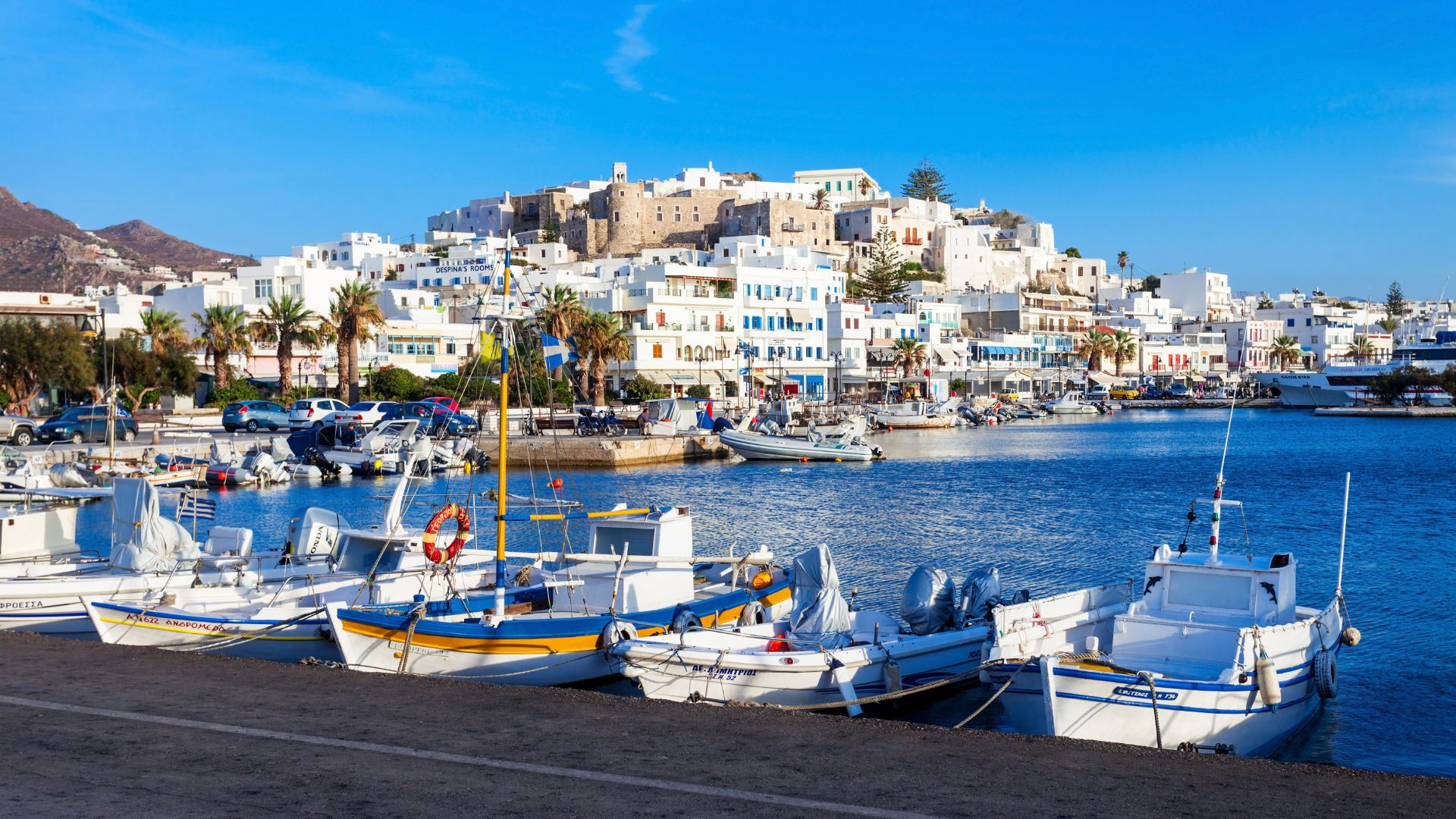
I always thought Naxos was just another stop along the Greek ferry routes, a place people passed through on the way to Santorini or Mykonos. That idea vanished the moment I stepped off the boat and saw the bright white buildings, the impressive Portara, and those sweeping mountain views—something about it all just felt different from the other islands.
Naxos surprised me by offering so much more than a quick layover—it’s a true destination with its own charm, history, and personality.
As I explored the island, I discovered relaxing beaches, winding old town streets, and local food that honestly ranked among the best I’d had in Greece.
There’s this real mix of quiet village life and lively culture here, making every day feel unique. If you’re planning a Greek island trip, don’t skip Naxos or treat it like just a transfer point—it might just end up being your favorite stop.

Why Naxos Is More Than Just a Ferry Stop
Naxos gives you more than a quick rest between ferry rides across the Aegean Sea. The island brings real surprises, from its stunning landscapes to warm hospitality.
It’s absolutely worth exploring on its own.
First Impressions Exceeding Expectations
When I first stepped off the ferry in Naxos, nothing matched what I’d expected. I figured it’d be a basic stopover, but the port felt welcoming, not rushed or chaotic.
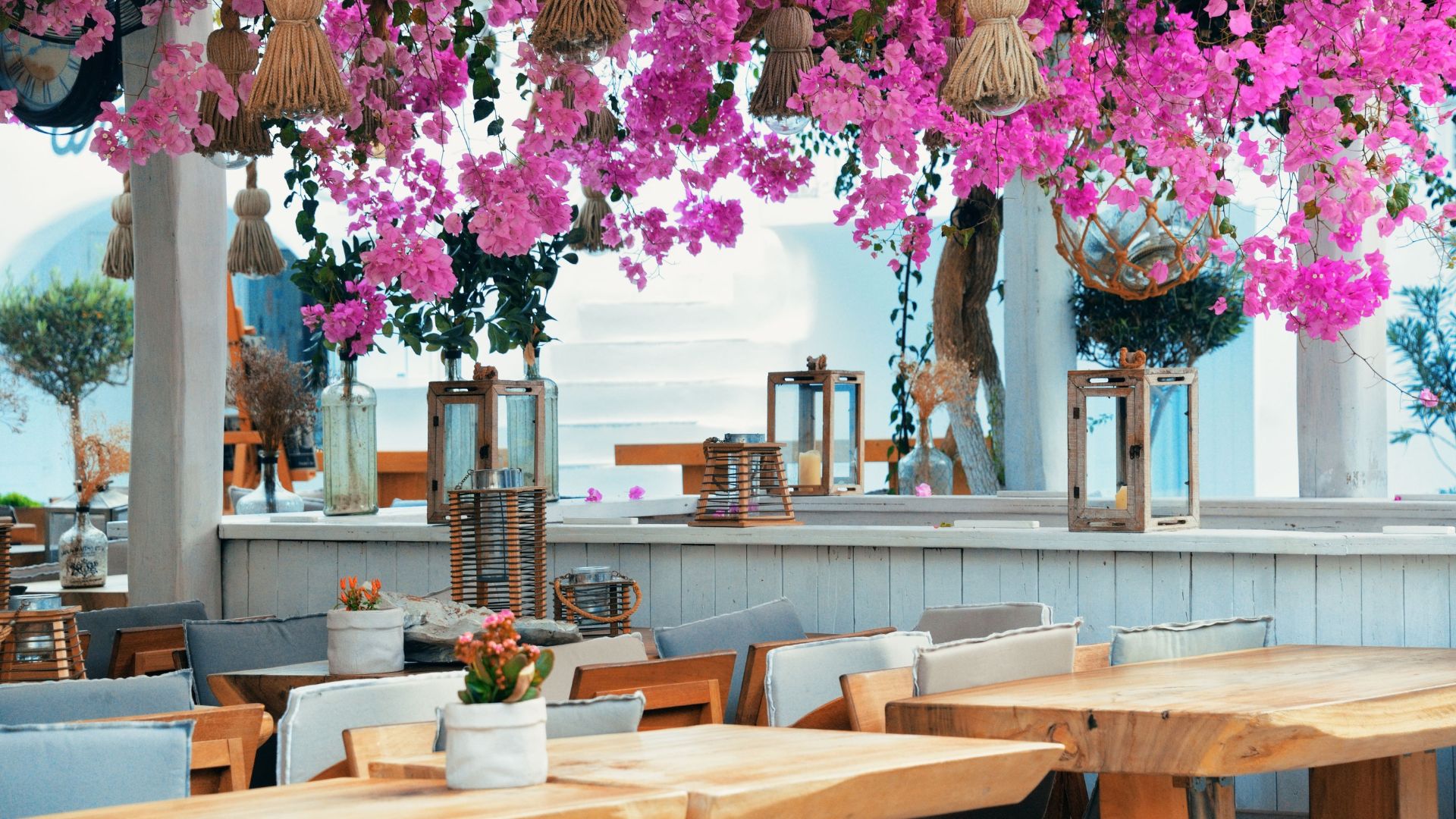
As I wandered through the old town, I found winding alleys packed with blooming bougainvillea, tiny bakeries, and locals greeting each other. I realized I’d landed somewhere special, not just another transit point.
The air smelled like sea salt and fresh bread. Even with a ferry ticket in my hand, I wanted to toss the schedule and see where Naxos would take me.
How Naxos Differs From Other Greek Islands
Naxos stands out compared to famous Greek islands like Santorini or Mykonos. It’s the biggest island in the Cyclades, with fertile valleys, high mountains, and surprisingly green landscapes.
While crowds squeeze onto beaches elsewhere, Naxos has long stretches of sand with actual space to breathe.
The villages here feel different too. Chalki and Apeiranthos are tucked into the mountains and feel like secret discoveries.
Local life keeps moving, not just for tourists. The food really shines—cheese, olive oil, and potatoes grown right on the island.
Naxos doesn’t try to polish itself just for visitors. I found old temples, Venetian castles, and lively evening gatherings in the main square, all mixed with real life and tradition.
The Unique Sense of Hospitality
What really set Naxos apart for me? The hospitality. It felt genuine, never forced.
Locals welcomed me into their cafes and shops for quick chats, offering directions or tips simply because they wanted me to enjoy their home.
At family-run tavernas, I felt like a guest, not just a customer. Homemade wine or a plate of local cheese often arrived with a smile, just to make the meal feel special.
The sense of community here is real. I watched kids play in the evening while elders swapped stories—a reminder that Greek island life can be both lively and relaxed.
This warmth made Naxos feel less like a temporary ferry stop and more like a place I actually belonged.
Planning the Perfect Arrival
Arriving in Naxos can feel a bit overwhelming if you don’t know what to expect. I learned that a little planning saves a lot of hassle, especially with ferries, tickets, and those first steps off the boat.
Choosing the Best Ferry Routes
Naxos sits right in the heart of the Cyclades, so ferries connect it easily with Athens and other islands like Santorini or Mykonos.
For me, the ferry from Athens’ Piraeus port worked best. Fast ferries get you there in about 3-4 hours, while regular ferries take 5-6 hours but give you a smoother ride and open-air decks.
Island-hopping is easy if you want to see more than one place. I always double-check ferry schedules since times change by season and day.
Sites like Ferryhopper and local travel agencies help compare times and prices.
Popular Ferry Routes:
| Route | Average Time | Notes |
|---|---|---|
| Athens (Piraeus) | 3-6 hrs | Multiple daily departures |
| Santorini | 2 hrs | Quick and scenic |
| Mykonos | 1-2 hrs | Frequent in summer |
Booking Tips for Smooth Travel
Booking ferries ahead of time in summer is a must. I usually grab tickets at least a few weeks early, especially if I want a certain date or seat type.
Online ticket options make it easy to compare schedules, classes, and prices.
One tip I learned: double-check the departure port in Athens (there’s also Rafina). Keep an eye on your email for schedule changes—Greek ferries sometimes shift times because of weather or maintenance.
Print your tickets or have a mobile version, since some terminals want a physical boarding pass.
If booking feels confusing, especially with island-hopping, I sometimes ask local travel agencies for help or package deals. They really know the quirks of ferry timetables and can recommend the most reliable routes.
Getting From the Port to Hidden Gems
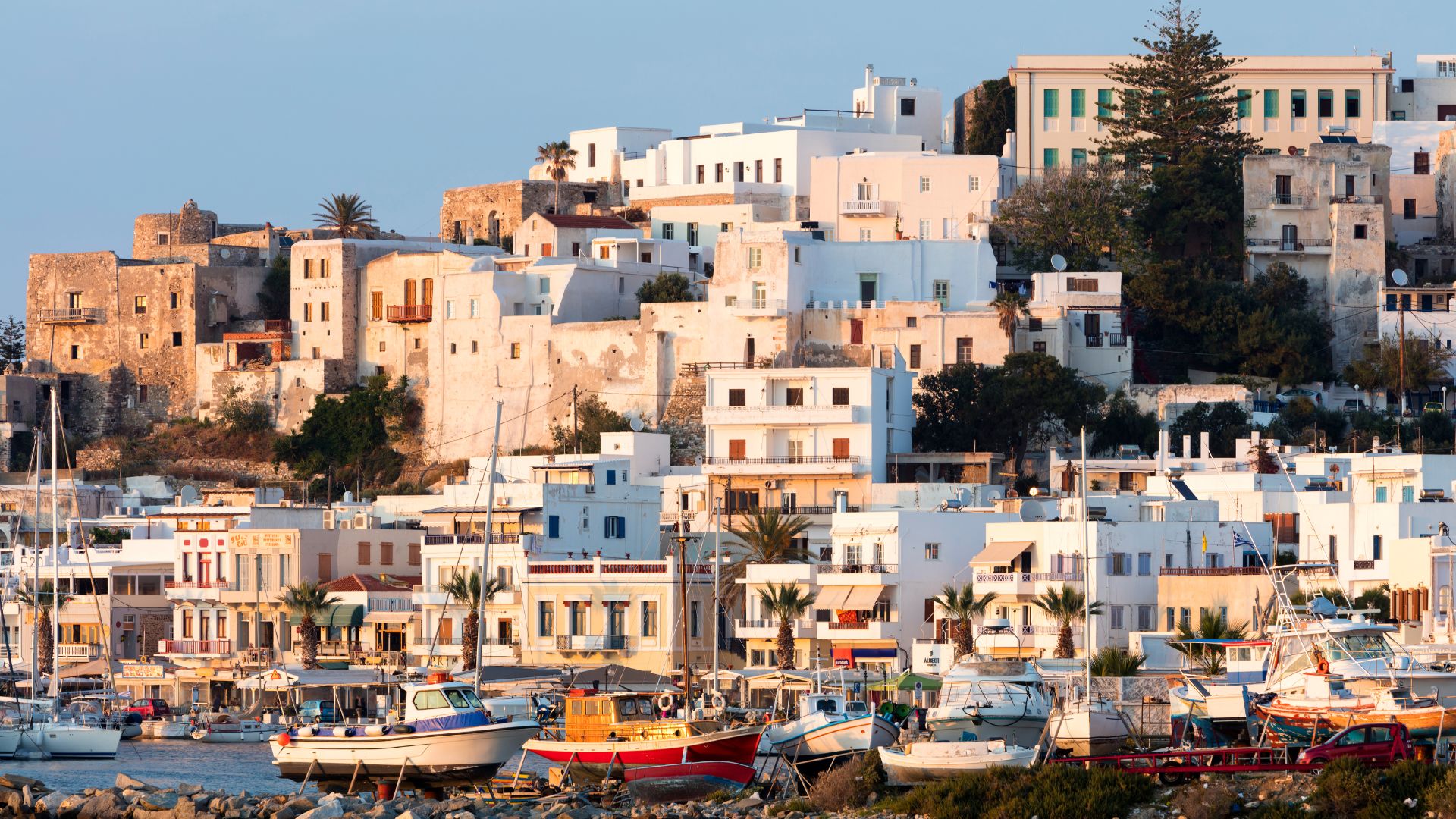
When I stepped off the ferry in Naxos Town (Chora), I noticed how easy it was to get my bearings. The main port sits right next to the old town, with taxis and buses waiting.
Local buses run often and reach beaches, mountain villages, and famous sites like the Temple of Apollo.
For my first visit, grabbing a taxi to my hotel was simple. Bus rides saved money and offered great views.
If I wanted to explore less touristy spots, I could rent a scooter or car near the port. Walking along the harbor, I saw everything from travel agencies offering excursions to bike rentals for day trips.
Having quick access to transport meant I could dive into Naxos’ hidden gems right away, turning what could’ve been just a ferry stop into something much more.
Chora: The Vibrant Heart of Naxos
Chora—also called Hora or Naxos Town—quickly became my favorite spot on the island. Twisting alleyways packed with local shops, ancient monuments, and sunset views over the port make this town full of character.
Strolling Through Old Town Alleyways
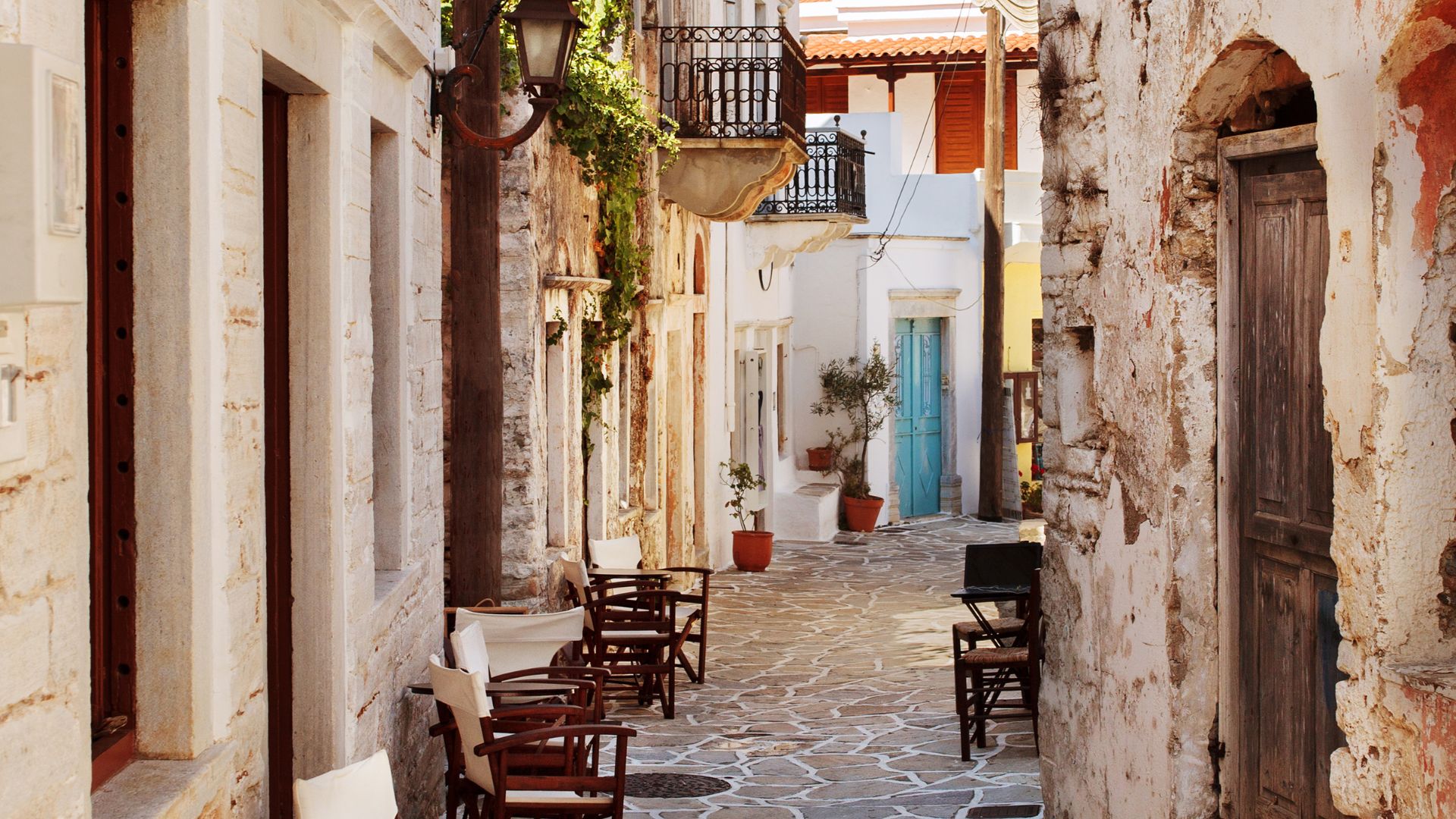
Wandering the maze-like streets of Chora’s Old Town felt like stepping into a living postcard. The narrow marble paths took me past whitewashed homes with bougainvillea, blue doors, and quiet courtyards.
I stumbled across quiet corners and galleries, with cats sunbathing everywhere. Shops sold olive oil, handmade crafts, and local cheeses.
Honestly, getting lost here is the best part. You’ll find beautiful views of the port and tavernas tucked away from the crowds.
Everything in Chora is within walking distance. Early evening is perfect for a stroll, when golden light bounces off the old stone walls.
Iconic Landmarks and Archaeological Sites
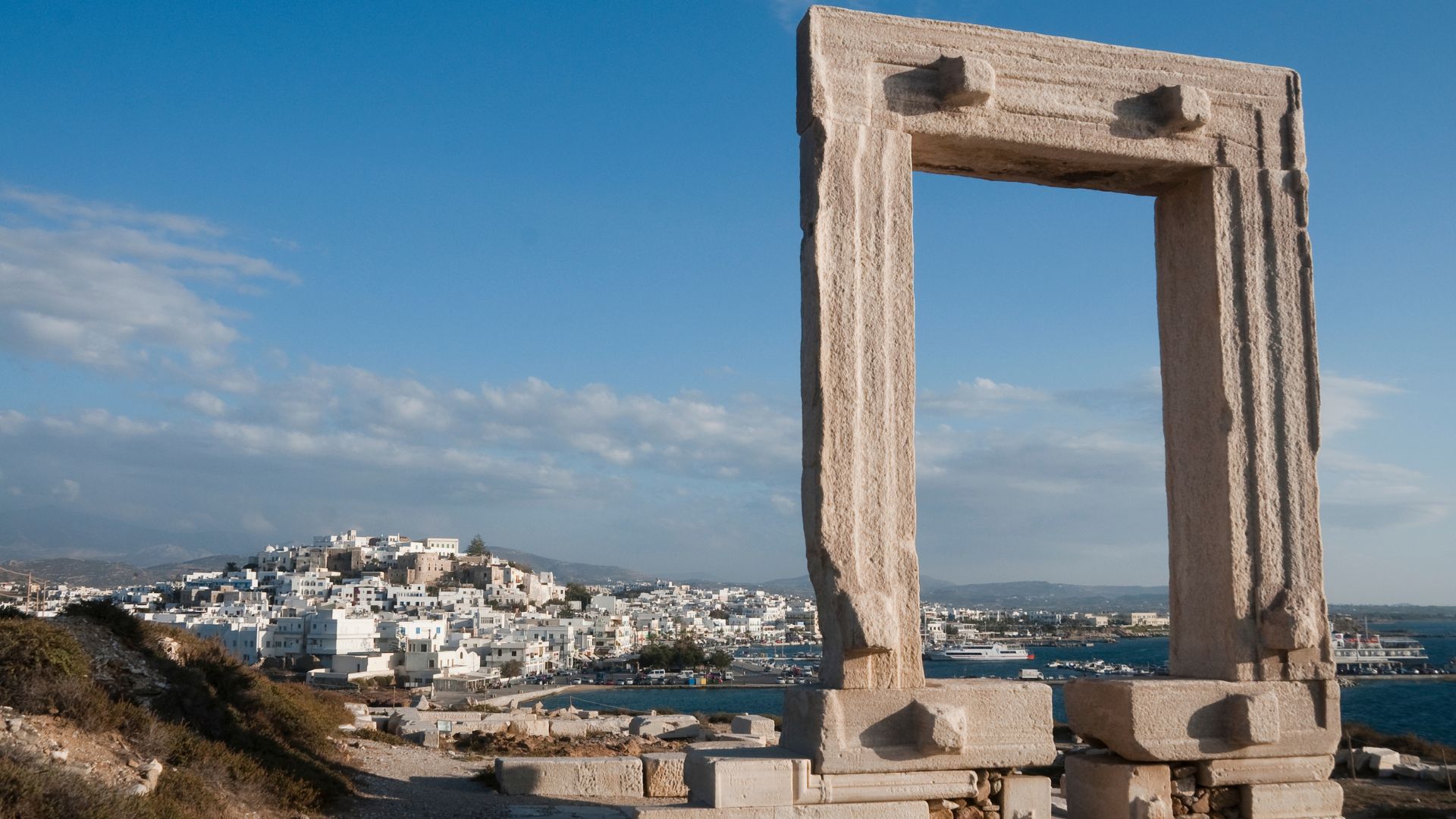
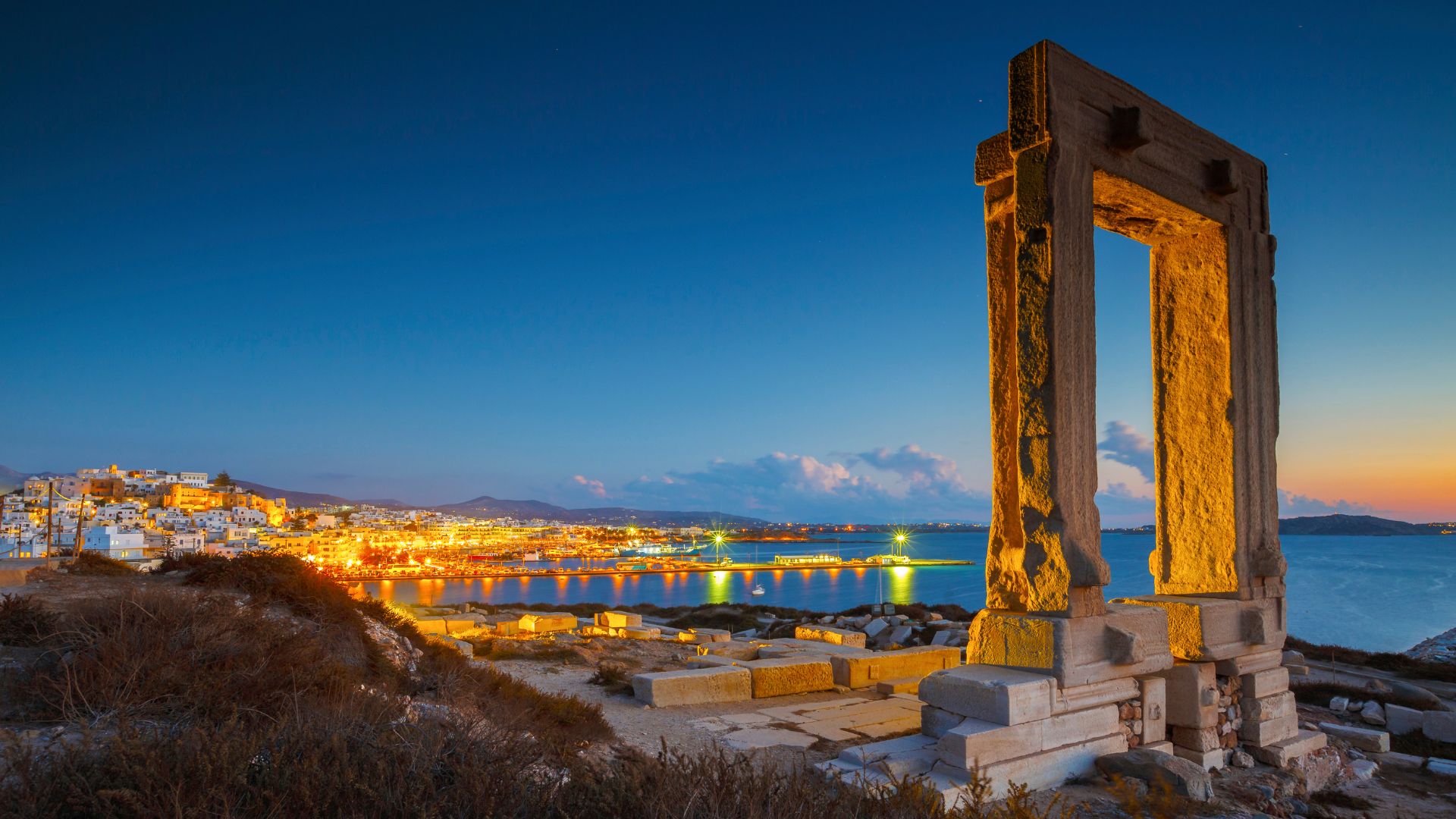
The Portara—the massive marble gate perched on a little islet—caught my eye right away. It’s the remains of an unfinished temple to Apollo and kind of reminded me of the Parthenon, but with waves and open sky all around.
Climbing up to the Venetian Castle (Kastro), I found layers of medieval and Cycladic history. The views from the top are just incredible, with the town and the Aegean Sea stretching out below.
Chora isn’t just pretty. Its archaeological sites tell the story of Naxos, from ancient Greece through the Venetian era.
Museum fans will find the Archaeological Museum of Naxos inside the castle, filled with ancient pottery and artifacts.
Tasting Greek Flavors in Chora
You can’t visit Chora without trying local Greek food. I grabbed a seat at seaside tavernas and ordered Greek salad with thick feta, juicy tomatoes, and the island’s potatoes.
Lots of places add capers or local olives for extra flavor.
For seafood, I went for grilled octopus and fresh fish, paired with ouzo or a cold local beer. After a long walk through the hot streets, the food just tasted better.
Evenings in Chora buzz with people sharing meze plates, sipping drinks, and enjoying live music. Dessert is a must—baklava with honey or a scoop of homemade fig ice cream always made the perfect finish.
Naxos Beaches and Outdoor Adventures
Naxos really surprised me with its wide, sandy beaches and so many ways to get outdoors. I found more than just beautiful views—the island offers safe swimming, great food by the water, and quiet coastal villages that are perfect for exploring.
Discovering the Island’s Best Beaches
I’d heard Naxos had some of the longest beaches in the Cyclades, but seeing them for myself was something else.
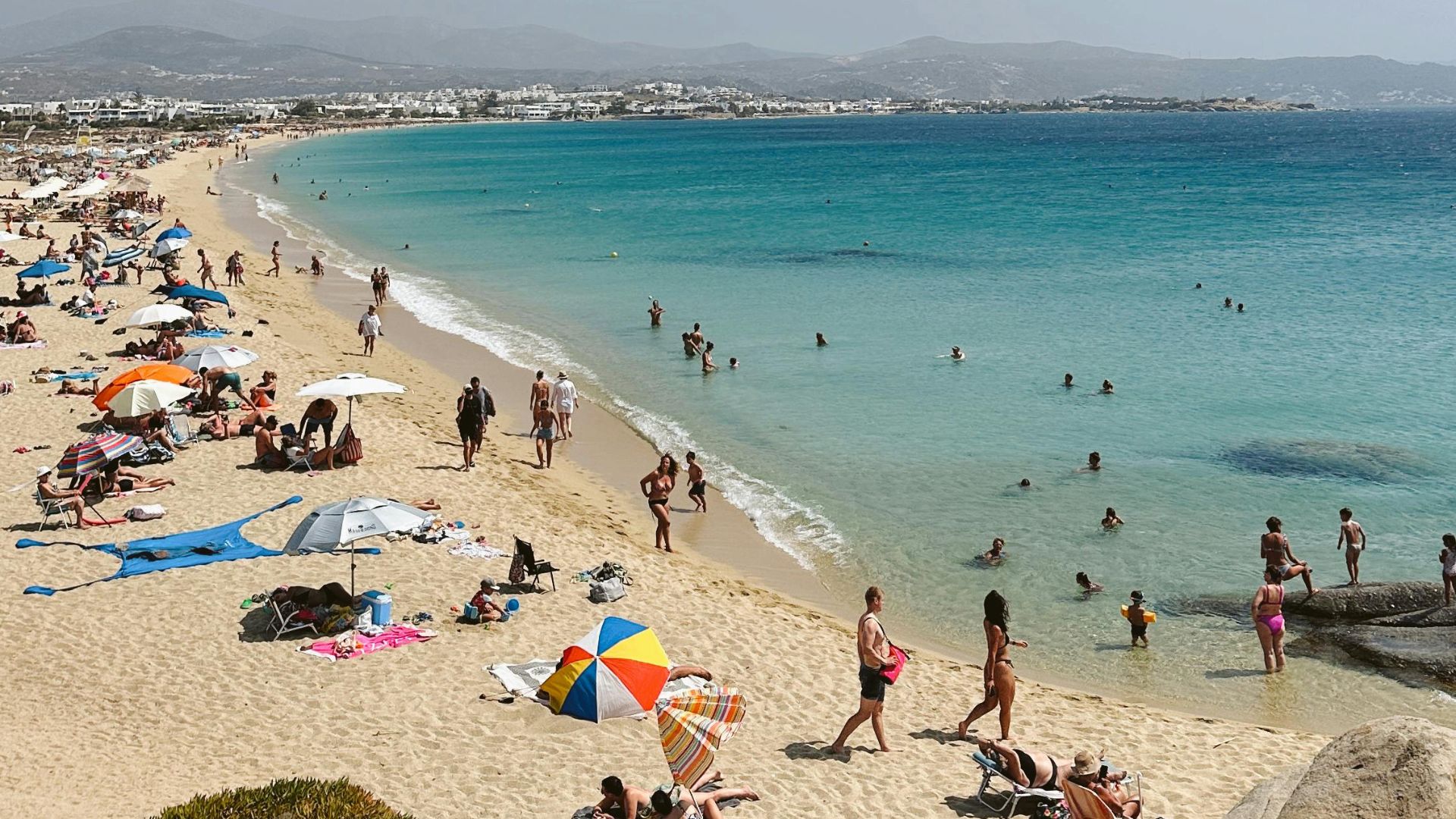
Agios Prokopios quickly became a favorite, with golden sand and clear water. Sunbeds lined the shore, but there was still plenty of space to spread out a towel.
Then I tried Agia Anna, a relaxed stretch with tavernas just steps from the water—ideal for a snack after swimming. For something quieter, Mikri Vigla felt remote and drew windsurfers as well as people seeking a peaceful spot.
No matter which beach I picked, the water always looked clean and safe.
Here’s a quick comparison of my favorites:
| Beach Name | Sand Quality | Facilities | Crowd Level |
|---|---|---|---|
| Agios Prokopios | Soft, golden | Sunbeds, cafes | Busy |
| Agia Anna | Fine, golden | Taverns, shops | Medium |
| Mikri Vigla | Soft, white | Windsurfing | Relaxed |
Swimming and Water Activities
Swimming in Naxos felt safe and refreshing, with gentle waves and barely any current at most beaches. I always look for clean water, and Naxos made that easy.
Snorkeling around the rocks at Plaka beach gave me clear views of small fish and shells. At Mikri Vigla, the breeze brought out kitesurfers, their bright sails flying across the sky.
If you want organized fun, outfitters along Agios Prokopios offer SUP rentals, kayaks, and beginner lessons.
Some hotels and beach bars have outdoor decks where you can rest or catch the sunset. I suggest arriving early to snag a good spot—especially in July and August when it gets busier.
Exploring Plaka and Seaside Villages
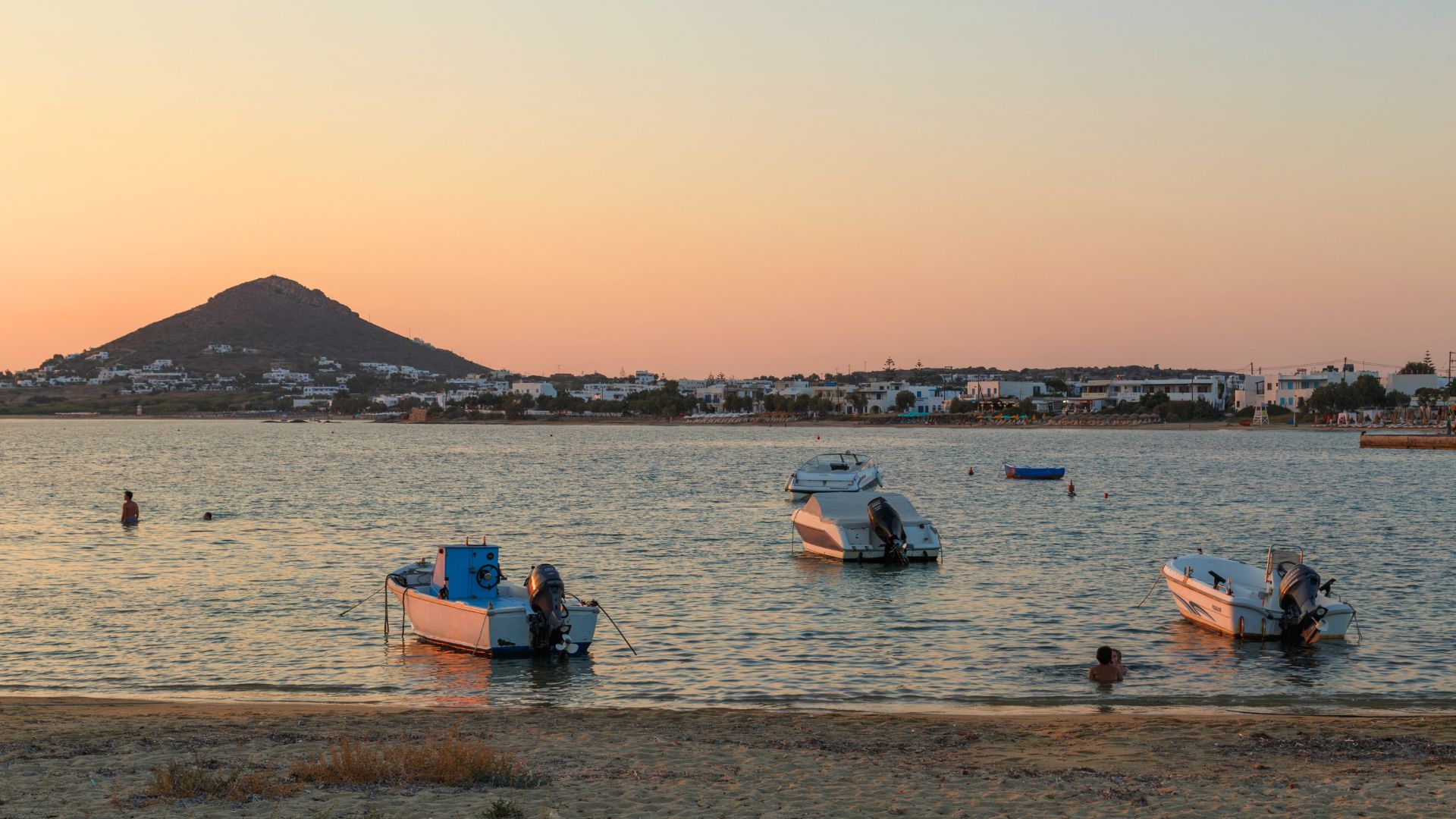
Plaka beach quickly became one of my favorite places on Naxos. The sand seems endless, and the area has a peaceful vibe I didn’t expect on such a popular island.
Small beach bars with shaded patios—outdoor decks overlooking the sea—make it easy to relax for hours.
One morning, I drove through coastal villages like Agios Arsenios and Vivlos. Many sit on low hills just inland, with views of fields and the water.
Sunset from a simple seaside café in Plaka made me feel lucky to have found this slower pace.
Here’s my quick list of tips for visiting these areas:
- Wear sandals you don’t mind getting sandy.
- Bring cash—small tavernas may not take cards.
- Stay a little later to watch the evening light wash over the sea.
Naxos Beyond the Coast: Villages, Culture, and Trails
I learned fast that Naxos isn’t just about its beaches. The island’s interior hides ancient footpaths, lively villages, and deep-rooted traditions that made me feel like I’d stepped back in time.
From hiking Fanari to joining Greek Easter festivities, there’s so much more to explore away from the water.
Hiking Ancient Trails and Scenic Routes
One of my favorite memories? Hiking in Naxos. I rented a scooter and zipped past olive groves and wildflowers, hoping to find some ancient trails.
Old paths cross the island, and villagers and shepherds once used them. Most are marked pretty well and give you great views of the mountain peaks and the Aegean Sea.
The trail up Mount Fanari, Naxos’s highest point, really stood out to me. The climb challenged me, but wow—the views from the top made it all worthwhile. I could see fields, villages, and the sea stretching out below.
On the way up, I passed the remains of Agios Andreas. This old fortress and church hint at just how deep the island’s history runs.
If you love walking, you’ll find trails that link villages and old chapels. I bumped into other travelers and even some locals, who happily shared their favorite routes.
Bring comfortable shoes, water, and something for the sun. Trust me, it gets hot out there.
Charming Villages Off the Beaten Path
Most people stick to the coast, but honestly, my favorite moments happened far from the crowds. Villages like Apeiranthos, Halki, and Filoti felt untouched by mass tourism.
Their stone houses and narrow alleys sat quiet in the afternoon sun. The small squares felt like a step back in time.
When I stayed in a traditional guesthouse, I finally slowed down and explored at my own pace. The only sounds were birds and distant bells, not traffic.
Local shops sold handmade goods, and I’d often find myself sipping coffee with villagers who treated me like an old friend.
Pedestrians rule most of these streets. Walking through, I’d spot fresh bread outside bakeries and see families gathering for meals.
Evenings brought a peaceful atmosphere. The smell of local food drifted through open windows, and the whole place just felt easy.
Experiencing Traditional Greek Life
Naxian hospitality? It blew me away. Locals gave directions before I even asked, and sometimes someone would just hand me a plate of homemade cheese or a glass of kitron, the local liqueur.
Staying in small guesthouses or family-run inns helped me really connect with this side of Greek life.
I lucked out and visited during Greek Easter. The celebrations mixed faith, food, and community in ways I’d never seen before.
Lanterns glowed at night, and the air filled with music and laughter. If you ever get the chance, joining a local festival is something you shouldn’t miss.
Life here moves at a slower pace. Local markets overflow with fresh produce, and every taverna has its own family recipes.
Evenings are for kicking back, often swapping stories with villagers about Naxos and its past. The sense of community made me feel right at home.
Island-Hopping From Naxos and Travel Recommendations
Island-hopping from Naxos surprised me—it’s actually pretty easy. Ferries run all the time to the neighboring islands, and each one has its own vibe.
Picking where to go and where to stay really depends on what you’re after. Want romance? Adventure? Or maybe just some family-friendly fun?
Perfect Pairings: Santorini, Paros & More
Naxos sits right in the heart of the Cyclades, so it’s the perfect base for quick trips to other islands. Ferries leave often, and honestly, the journey’s half the fun.
Paros and Santorini are the classics. Both are less than two hours away by ferry. Paros buzzes with lively towns and great beaches, while Santorini’s sunsets are as stunning as promised.
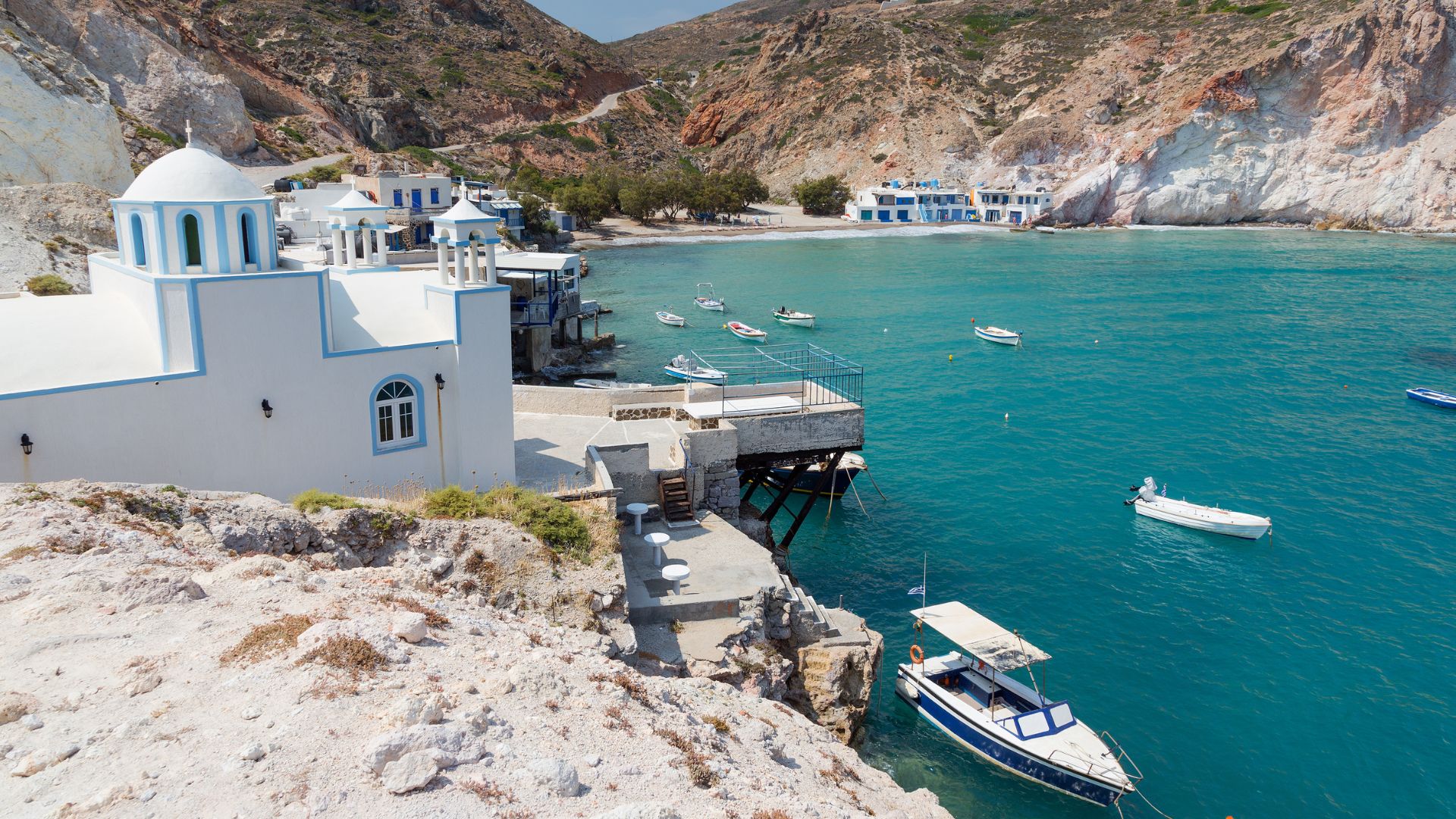
If you want something quieter, Milos has wild rock formations and turquoise water. Amorgos is peaceful and less touristy, which I loved.
You can also try Sifnos, Syros, or even Andros if you’re after a local feel or don’t mind a longer ferry ride. Lots of boats connect these islands, so you can easily plan a two- or three-island trip in a week.
| Island | Ferry Time (approx.) | Best For |
|---|---|---|
| Paros | 1 hour | Beaches, nightlife |
| Santorini | 2 hours | Views, romance, honeymoon |
| Milos | 3 hours | Coves, scenery, boat tours |
| Amorgos | 2 hours | Hiking, peace, dramatic coast |
| Sifnos | 3 hours | Villages, food, pottery |
Accommodation Hints for Honeymooners and Families
Where you stay on Naxos really depends on who you’re with. For a honeymoon or couples trip, I loved the boutique hotels along St George Beach and in the old town (Chora).
Many offer suites with sea views, private terraces, and breakfast delivered right to your room. Some smaller hotels even gave me package deals if I booked a few nights before heading to Santorini or Paros.
For families, I’d go for a relaxed beachfront hotel in Agios Prokopios or Agia Anna. The beaches are calm and shallow, and tavernas serve all the kid favorites.
Apartments and small family-run guesthouses are everywhere, and they’re usually cheaper than big hotels. Most have kitchenettes, which made snacking easy after a day out.
If I were island-hopping to places like Corfu, Rhodes, or Crete (especially Chania), I’d look for bigger resorts with pools and activities. But in Naxos, the charm really lives in the smaller, friendlier spots.
Booking ahead helps a lot in summer, especially if you’re planning something special like a honeymoon.
Travel Tips and What I’d Do Differently Next Time
When you’re island-hopping, timing really is everything. I figured out pretty quickly that you need to check the ferry schedules early—some routes, especially to places like Sifnos or Andros, only go once or twice a day.
I always try to book ferries and places to stay at the same time, especially during July and August. Rooms seem to disappear fast.
Packing light honestly saved me a ton of hassle. Dragging big suitcases on and off boats or through narrow streets just isn’t worth it.
Next time, I’ll probably stay at least three nights on each island. Trying to pack in too much made it tough to actually soak up the vibe.
If you’re heading to bigger islands like Naxos or Crete (Chania’s a favorite for this), I’d say rent a car or ATV. On the smaller islands, though, I got by just fine with buses and walking.
Travel insurance helped me relax a bit, since ferries can get delayed if the weather turns bad.
If I’d had more time, I would’ve added places like Lesvos (I keep hearing about Molyvos) or maybe spent a day in the Peloponnese before heading back to Athens.
There’s so much to see, but honestly, Naxos alone deserves at least a few full days. It’s got this great mix of history, nature, and that classic Greek island hospitality.