
Whenever Dartmoor pops into my mind, Widecombe-in-the-Moor and Postbridge are right there with it. These villages sit deep in Dartmoor National Park, wrapped in hills, ancient bridges, and quiet valleys.
They’ve got stories—some true, some legendary—that give them a personality you just can’t fake.
Widecombe-in-the-Moor is best known for its beautiful church, lovingly called the “Cathedral of the Moor,” and for local folklore and lively fairs. Postbridge, on the other hand, draws people in with its clapper bridge—a relic that instantly makes you wonder about ancient Dartmoor life.
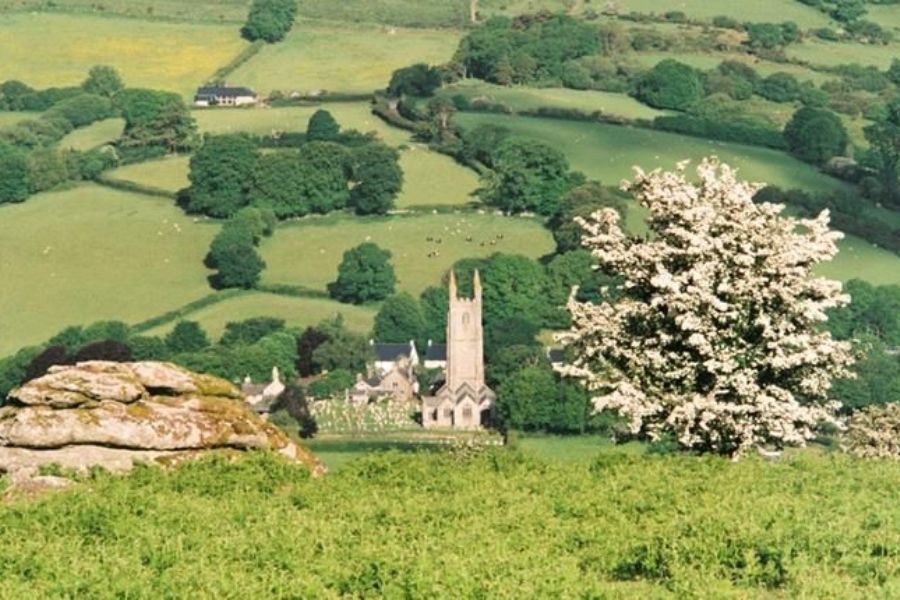
Whenever I wander these villages, I feel Dartmoor’s true spirit—peaceful, friendly, and a bit mysterious. Whether I’m ambling down narrow lanes or stretching my legs on the open moor, there’s always something new waiting around the corner.
Widecombe-in-the-Moor: Dartmoor’s Picturesque Village
Widecombe-in-the-Moor sits in a bowl of rolling hills, blending deep history with some of Dartmoor’s most iconic sights. Its fair, historic buildings, and stories keep the past alive while the village hums along in the present.
Village Green and Historic Architecture
The first thing I spot in Widecombe-in-the-Moor is the open village green. It’s really the beating heart of the place, where people gather, kids run wild, and summer events pop up without much warning.
Traditional thatched cottages and granite stone buildings line the lanes. Many of these homes have stood for centuries, built from the local stone that gives the village its unique look.
Shops, tearooms, and cozy inns cluster around the green. Most are family-run, which gives the whole village a homey, familiar feeling. I love how Widecombe has kept its old-world charm—it’s like stepping back in time, but with good coffee.
St Pancras Church: The Cathedral of the Moor
St Pancras Church towers over Widecombe-in-the-Moor, earning its nickname, the “Cathedral of the Moor.” I can’t help but admire the tall granite tower, visible from way out on the moor.
Built in the 14th century, the church owes its size to the wealth from medieval tin mining. Inside, stained-glass windows and detailed woodwork tell stories of the village’s long relationship with the church.

One wild bit of history: the Great Thunderstorm of 1638. Lightning hit the church, causing tragedy and sparking legends that people still whisper about. Now, the churchyard feels peaceful, with ancient gravestones and yew trees that add to the atmosphere.
Widecombe Fair and Local Traditions
Every September, Widecombe Fair brings the whole village—and plenty of visitors—together. It’s one of Devon’s oldest fairs, packed with livestock shows, craft stalls, music, and all sorts of competitions.
The parade is a highlight, with locals dressing up as characters from the folk song “Widecombe Fair.” The tale of “Uncle Tom Cobley and all” still gets sung during the event. All day long, people take in sheep shearing, crafts, and old-school games.
Food stalls serve up Devonshire treats, and the fair is a time for sharing stories about Widecombe’s colorful past. It’s a blend of fun and history you just don’t find everywhere.
Famous Residents and Folklore
Uncle Tom Cobley, the folk hero from the “Widecombe Fair” song, is the village’s most famous character. That song plays at nearly every event, and the story supposedly comes from real locals who once borrowed a horse for the fair.
Widecombe’s past is full of quirky residents and strange tales. Ghost stories and legends about mysterious Dartmoor creatures float around, especially in the pubs. Some families have lived here for generations and know every story by heart.
Books, guided walks, and local tours love to highlight Widecombe’s folklore. These tales add a little magic to every visit and help keep the village’s character alive.
Postbridge: A Gateway to the Heart of Dartmoor
Postbridge strikes me as both a historic treasure and a natural gem. The village is known for its ancient clapper bridge, traces of medieval and Bronze Age settlements, and easy access to Bellever Forest for woodland walks.
Postbridge Clapper Bridge and Its Story
The clapper bridge in Postbridge is a Dartmoor icon. Built from massive flat stones balanced on granite piers, it shows off early engineering skills. Most people agree it dates back to around the 13th century.
Villagers, travelers, and livestock have used the bridge to cross the River East Dart for centuries. Even now, people walk across those wide stone slabs, pausing for photos or just to take in the view.
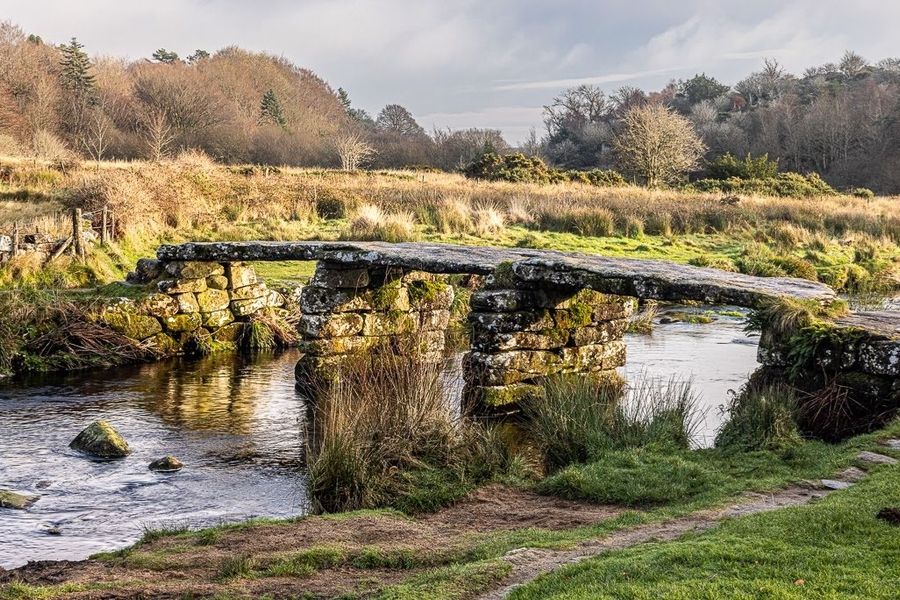
Here’s a quick summary:
| Feature | Details |
|---|---|
| Type | Clapper bridge |
| Built | 13th century (approx.) |
| Material | Granite slabs |
| River Crossed | East Dart |
The bridge makes Postbridge a key crossing on old Dartmoor routes.
Medieval and Bronze Age Heritage
Signs of both medieval and Bronze Age life dot the moor around Postbridge. You’ll spot ancient hut circles and burial mounds—cairns—scattered across the heather. These remains hint at early settlements, farming, and rituals from thousands of years ago.
Many sites sit close to the village, and you can walk to them without much fuss. The medieval village was smaller but used the same paths. Bronze Age field walls and huts help me picture what life looked like when the first farmers shaped Dartmoor.
If you’re planning to explore, grab a map or stop by the National Park Visitor Centre in the village for guides.
Bellever Forest and Nature Walks
Next to Postbridge, Bellever Forest sprawls out with trails and wildlife. Managed by Forestry England, it’s one of my favorite spots for easy walks, picnics, and animal-watching.
Marked trails start at the main car park and wind through conifer woods, open heath, and along the river. I’ve seen Dartmoor ponies, deer, and the occasional rare bird on my walks.
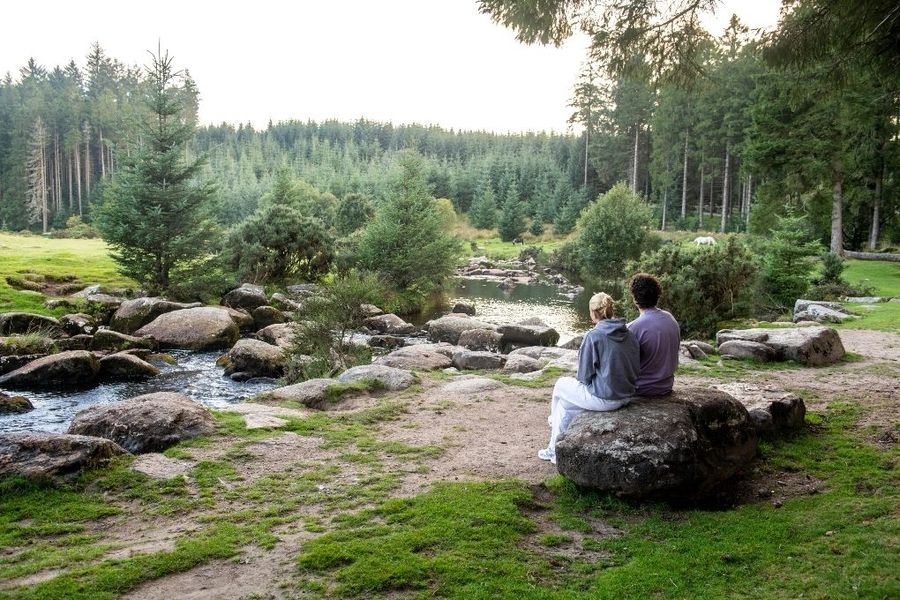
Bellever Tor is a popular destination within the forest, offering sweeping views across Dartmoor. You’ll find both short loops and longer hikes, so pick what fits your mood. The forest also hides plenty of Bronze Age sites, so even a casual stroll can turn into an adventure.
Exploring Dartmoor National Park’s Surroundings
Dartmoor National Park isn’t just about quiet villages. The wild landscapes, rivers, and wildlife create a playground for anyone who loves scenery and adventure. Honestly, there’s something beautiful in every direction.
Dramatic Granite Tors and Panoramic Views
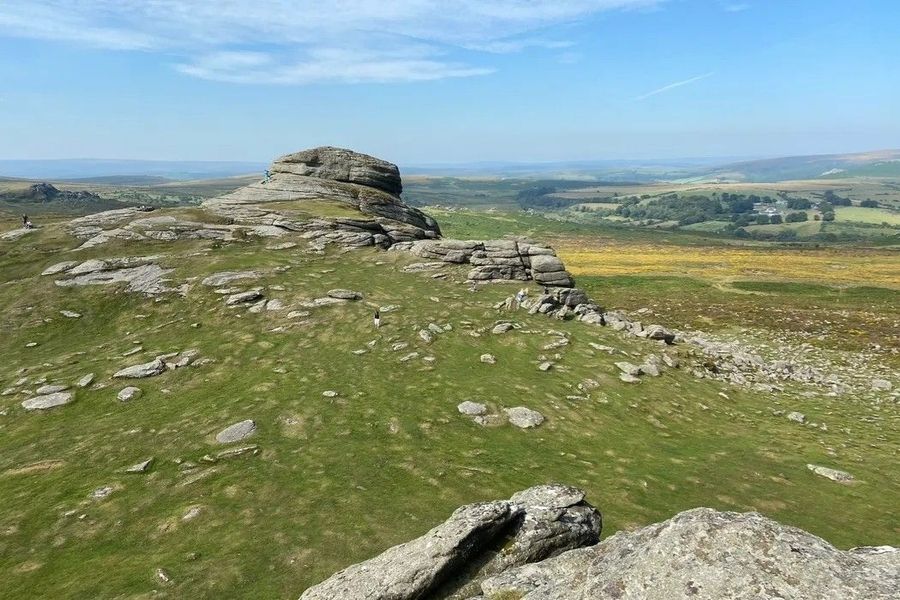
The granite tors always catch my eye when I’m in Dartmoor. These rocky outcrops rise above the moor, shaped by centuries of wind and rain. Haytor and Hound Tor are favorites for a reason—they’re easy to climb, and the views from the top are unreal.
From most tors, you can see for miles—rolling moorland, distant villages, and more tors dotting the horizon. I’ve lost track of how many picnics I’ve enjoyed with the world stretched out below me.
Many tors sit close to Widecombe-in-the-Moor and Postbridge. Each has its own walking trail, with maps available at local visitor centres. Whether you want a short stroll or a longer hike, there’s a path for every kind of day.
Dartmoor’s Rivers and Hidden Waterfalls
Dartmoor’s rivers, like the East Webburn and Dart, wind through the landscape, adding a peaceful soundtrack to any walk. I love following riverside trails, listening to birds and the gentle rush of water. Dartmeet, where the East and West Dart rivers join, is a spot I never skip.
Hidden in the woods, waterfalls like Canonteign Falls and Becky Falls wait to surprise you. Canonteign is the tallest around, plunging over 70 meters. Becky Falls feels different—rocky paths, shady pools, and a quieter vibe. Both are perfect for short walks, photos, or just sitting and soaking it all in.
Most river valleys are easy to reach, with bridges, stepping stones, and well-marked trails. Just watch your step—after rain, some paths get slippery.
Wildlife and Adventure Activities
Wildlife is everywhere in Dartmoor. Dartmoor ponies graze the open moor, and I often spot buzzards and skylarks overhead. In the woods or by the water, you might find otters, deer, or even bats at dusk.
If you’re after adventure, there’s plenty. Hiking, cycling, and horseback riding are all big here. Guided walks start from village centers, and pony trekking across the moor is a must-try. Kayaking and canoeing are possible on stretches of the Dart River.
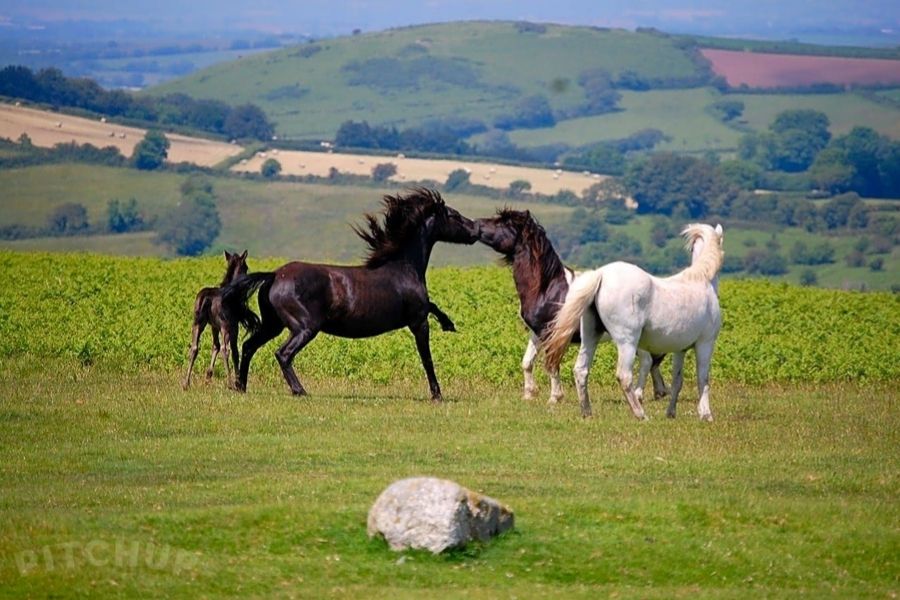
Most activities are family-friendly, with local places offering safety tips and gear. Whether I’m exploring on foot or by bike, Dartmoor always has something new to show me.
Historic Inns, Pubs, and Culinary Traditions
Dartmoor’s villages have always welcomed travelers with hearty food and drink. From ancient inns to local specialties, Widecombe-in-the-Moor and Postbridge serve up memorable meals rooted in tradition.
The Rugglestone Inn and Local Pubs
The pubs around Widecombe-in-the-Moor have real character. The Rugglestone Inn stands out for its stone walls, log fires, and laid-back charm. It sits beside a gentle stream, making it a peaceful spot to unwind.
Menu highlights include:
- Home-cooked food
- Fine cask ales
- Local ciders
The Old Inn is another favorite, with rustic beams and roaring fireplaces. Its big garden is perfect for sunny days. Both spots serve classic pub dishes—pies, roasts, ploughman’s lunches—often made with ingredients from Devon and the moor.
Devon Cream Tea and Regional Cuisine
Devon cream tea is a must. I never skip fresh scones with clotted cream and strawberry jam (cream first, of course). Village tea rooms and inns serve this treat all year.
Other local favorites include:
- West Country pasties
- Dartmoor lamb and beef
- Homemade chutneys and cheeses

Many inns feature seasonal specials, highlighting produce from Dartmoor farms. Desserts like fruit crumble or sticky toffee pudding round things off nicely.
The Warren House Inn: Moorland Landmark
The Warren House Inn in Postbridge is a Dartmoor legend. Built in the 19th century, its remote spot on the high moor makes it feel like a true escape. Inside, a log fire supposedly hasn’t gone out in over a hundred years.
Stone floors and simple wooden tables set the scene. The menu leans toward hearty stews and pies—just what you need after a long walk. Real ales and local ciders are always on tap, making it a perfect stop for anyone exploring Dartmoor’s wild side.
Nearby Dartmoor Landmarks and Villages
Dartmoor is packed with ancient sites, famous tors, and peaceful villages. Traveling around Widecombe-in-the-Moor and Postbridge, I stumble on places that showcase Dartmoor’s deep history and breathtaking scenery.
Grimspound and Other Bronze Age Sites
Grimspound stands out as one of Dartmoor’s most famous ancient sites. You’ll find this Bronze Age settlement tucked between Hameldown and Hookney Tor.
I love tracing the old stone walls and stumbling across the remains of 24 hut circles. It’s wild to think these ruins have sat here for about 3,000 years.
Prehistoric sites dot the moor in all directions. Stone rows, kistvaens (those ancient stone burial tombs), and standing stones pop up at places like Merrivale and Drizzlecombe.
These spots always get me wondering—how did people actually live on Dartmoor, way before towns or roads ever existed?
Hameldown itself makes a great destination for a gentle walk from Widecombe. The views seem to stretch on forever, and there’s history right beneath your boots.
Hound Tor, Haytor, and Scenic Walks
Hound Tor rises up as a massive granite outcrop, famous for its wild rocks and the legends swirling around it. Locals link the tor to tales like the Hound of the Baskervilles.
I usually take the short path up to the rocks for a view that never gets old, and I always make time to poke around the remains of a deserted medieval village nearby.
Haytor is probably Dartmoor’s most recognizable tor. Its twin rock peaks pull in walkers and climbers alike.
I follow winding paths out to Saddle Tor, and more often than not, I spot wild ponies grazing nearby.
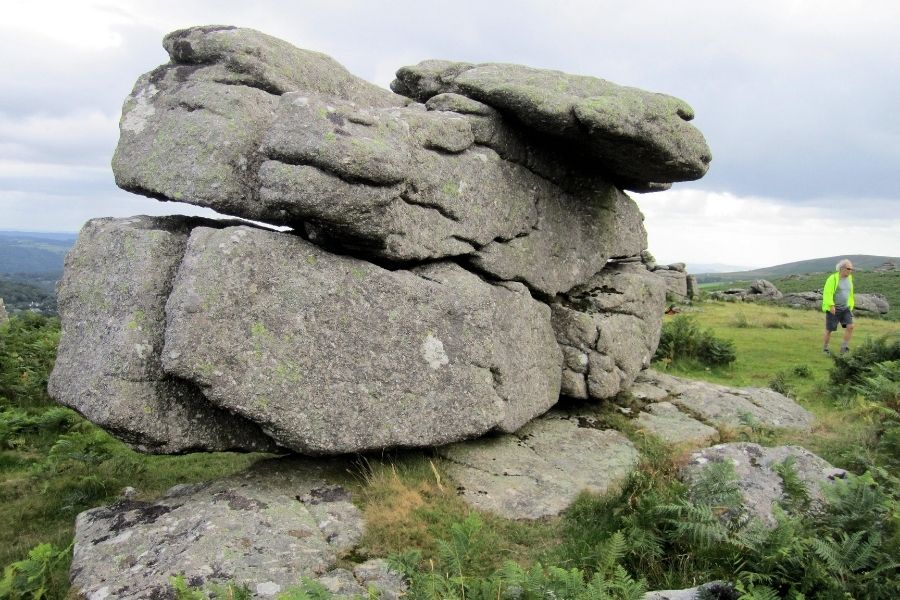
When I want a change of scenery, I’ll hike out to Honeybag Tor, Chinkwell Tor, or Bonehill Rocks. Each one shows off a different side of Dartmoor’s wild landscape.
| Tor Name | Features/Attractions |
|---|---|
| Hound Tor | Dramatic rocks, medieval village ruins |
| Haytor | Striking twin peaks, climbing, views |
| Bonehill Rocks | Lovely for picnics, easy rock scrambling |
Chagford, Bovey Tracey, and Devon’s Hidden Gems
Chagford buzzes with life for such a small town, and it’s not far from Grimspound. I always enjoy wandering its cafes, local shops, and galleries.
The River Teign runs right by, offering peaceful riverside walks and swimming spots if you’re feeling brave.
Bovey Tracey sits southeast of the moor and folks call it the “Gateway to the Moor.” The town’s craft centers and the quirky House of Marbles are worth a stop.
I usually start walks here to nearby tors like Pil Tor or Haytor. It’s a handy jumping-off point if you want to explore.
Dartmoor also hides away tiny hamlets like Blackslade, Dunstone, and Bonehill. They’re quiet, rarely crowded, and give you a real taste of rural Devon life.
Planning Your Visit: Routes, Walks, and Practical Information
Whenever I plan a trip to Widecombe-in-the-Moor or Postbridge, I find it helps to sort out routes, hikes, and day trips in advance.
Both villages offer scenic walking trails, simple transport links, well-kept conservation sites, and plenty of family-friendly attractions.
Two Moors Way and Popular Hiking Trails
The Two Moors Way winds through Dartmoor and Exmoor, covering moorland, river valleys, and peaceful lanes. I like following this route—especially the stretch between Widecombe-in-the-Moor and Postbridge.
That section really shows off Dartmoor’s granite tors and remote beauty.
If you’re after something shorter, local walks near Widecombe-in-the-Moor include plenty of circular routes, some starting right at the main car park.
Marked paths lead through farmland, up gentle hills, and along bridleways. Families can stick to easy options, while more experienced hikers can tackle the climbs to spots like Bonehill Rocks.
Trust me, bring good shoes and a map—Dartmoor weather can flip in a flash.
Nearby Towns and Transport Links
Getting to these remote villages is surprisingly straightforward by car, and some public buses connect the smaller towns too.
Princetown, Okehampton, and Exeter are the closest larger towns, with train stations and more frequent bus services.
If the coast is calling, Dartmouth and Salcombe are both within an hour’s drive. Parking in Widecombe is easy enough—there’s a main village car park (pay and display) and extra spots near Northway Bridge.
If you’re planning to see both villages, Postbridge is a breeze to reach on the B3212, and you can always combine your visit with stops at Princetown or Castle Drogo.
National Trust and Conservation
Widecombe-in-the-Moor and the surrounding area have strong ties with the National Trust, especially at nearby places like Castle Drogo.
Members get perks like free entry to certain properties, parking, and sometimes guided tours.
Much of Dartmoor is protected to keep its wildlife and cultural heritage safe. I always stick to marked trails and pay attention to local signs—protecting this landscape is everyone’s job.
Panels from the Moor Than Meets The Eye project in Widecombe share local history and conservation facts, so you’ll learn a thing or two while you walk. And honestly, that’s half the fun.
Family-Friendly Attractions
If you’re traveling with kids, you’ll want to stop by the House of Marbles near Bovey Tracey. It’s quirky, fun, and honestly, adults end up just as entertained as the little ones.
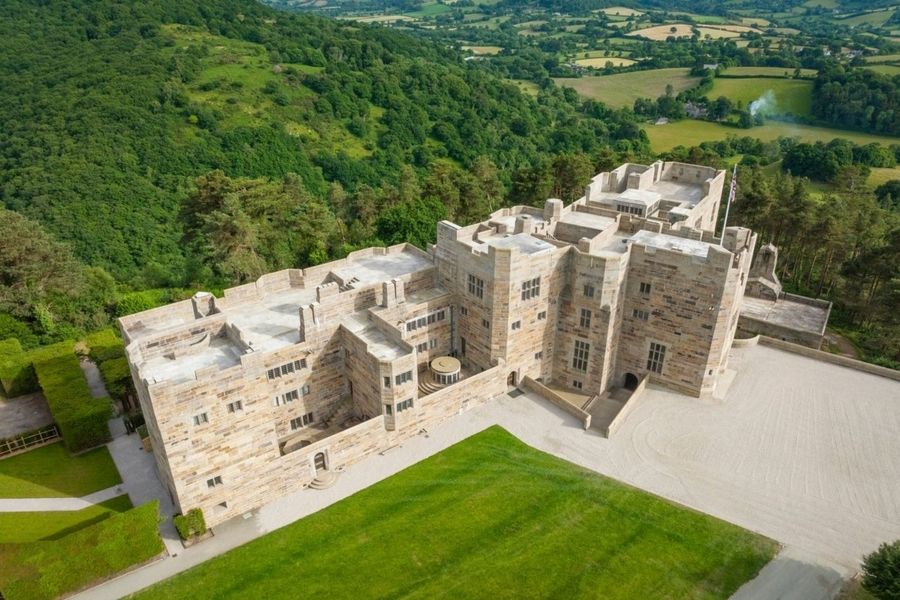
Castle Drogo is another spot I love, especially for its hands-on activities. There’s something about exploring a castle that brings out everyone’s inner adventurer.
Widecombe village feels like a step back in time. You’ll find cozy cafes, tiny shops, and panels that tell Dartmoor’s story in a way even kids can enjoy.
Kids always seem to light up when they spot Dartmoor ponies grazing nearby. There’s plenty of open space for them to run around, and a few of the shorter trails work just fine with a buggy.
It’s easy to find a good picnic spot here. If the weather turns, you can duck into one of the friendly visitor centers or check out an indoor exhibit—no one has to get bored or soggy.
