
When I first stepped foot in Maremma, I discovered a hidden side of Tuscany that few travelers know about. This wild region stretches along 250 kilometers of coastline. Here, vast beaches meet pine forests and untamed wilderness. The Natural Park of Maremma is truly an unspoiled paradise, offering a perfect escape from the crowded tourist spots that dominate other parts of Tuscany.
What makes Maremma truly special isn’t just its natural beauty but its living cultural heritage. During my visit, I was lucky enough to witness the Butteri, Tuscany’s traditional cowboys who have worked these lands for over 250 years. These skilled horsemen still maintain their centuries-old traditions, herding cattle and taming wild horses across the coastal plains.
Walking through the park from Alberese, I found myself surrounded by marshes, cultivated fields, and the iconic Umbrella Pines that dot the landscape. The contrast between mountains and sea creates a unique ecosystem unlike anywhere else in Italy.
It’s a side of Tuscany that shows its wild heartbeat, where nature and ancient traditions continue to thrive away from the usual tourist paths.
Natural Wonders of Maremma
Maremma’s wild landscapes blend coastlines, marshes, and mountains into a nature lover’s paradise. The region offers incredible biodiversity with protected areas where native plants and animals thrive away from urban development.
Uccellina Park: A Haven for Wildlife and Birdwatching
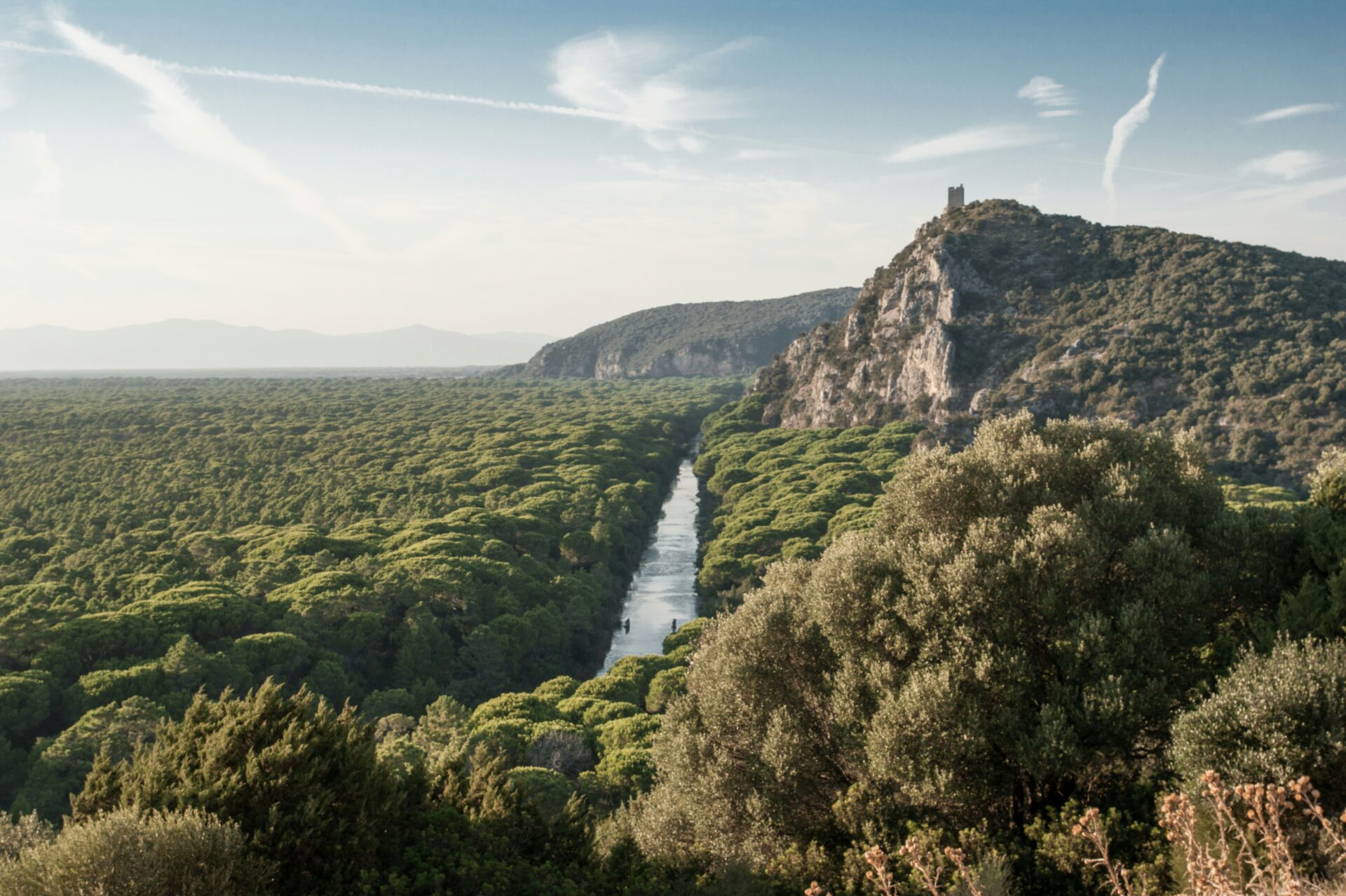
I discovered the Park of Maremma (also called Uccellina Park) during my Tuscan adventure and was immediately captivated by its untouched beauty. This protected nature reserve stretches across 25 kilometers of pristine beaches backed by lush marshlands and dense pine forests.
Walking the trails, I spotted ancient watch towers perched on rolling hills, silently telling stories of the region’s past. The diversity of ecosystems here is remarkable – from coastal dunes to Mediterranean scrubland.
What makes this park truly special is its wildlife. I saw wild boars, deer, and foxes during my hike. For birdwatchers, this is heaven! Herons, flamingos, and numerous migratory birds find sanctuary in these wetlands.
Best time to visit: Spring for wildflowers and active wildlife
Must-do activity: Take a guided horseback tour with local butteri (cowboys)
Monte Argentario: Coastal Beauty and Its Maritime Allure
Monte Argentario took my breath away with its dramatic peninsula jutting into the Tyrrhenian Sea. Once an island, it’s now connected to mainland Tuscany by three thin strips of land, creating a unique geographical feature called “tomboli.”
The crystal-clear waters surrounding Argentario offer some of the best swimming spots I’ve found in Italy. Hidden coves with pebbly beaches are perfect for a quiet afternoon away from crowds.
I hiked up to the summit for panoramic views that swept across to Giglio Island and the Tuscan Archipelago. The Mediterranean vegetation here is particularly lush, with fragrant pine trees and wild herbs scenting the air.
Local fishermen still practice traditional methods along these shores. I recommend trying the fresh seafood in Porto Santo Stefano, where the catch goes straight from boat to plate.

Monte Amiata: Exploring Ancient Volcanic Landscapes
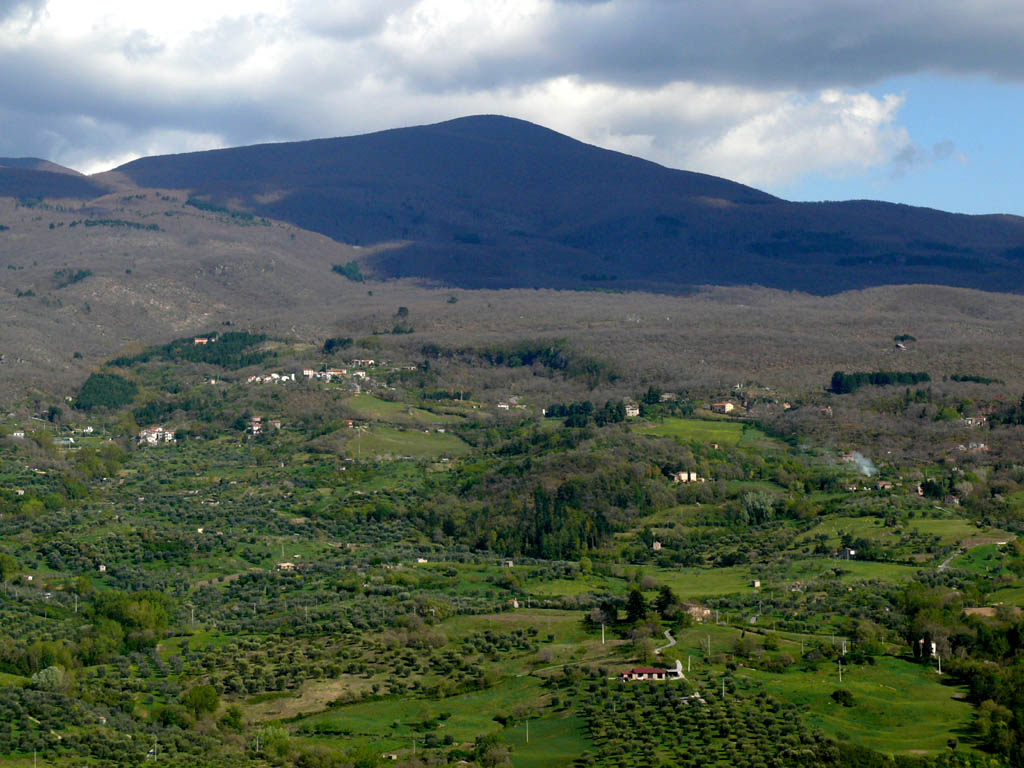
My journey to Monte Amiata revealed Tuscany’s volcanic heritage at its most impressive. As an extinct volcano reaching 1,738 meters, it dominates the southern Maremma skyline with its distinctive silhouette.
The mountain’s slopes are cloaked in one of Europe’s largest beech forests. Walking through these ancient woodlands felt magical, especially in autumn when the foliage turns brilliant shades of gold and crimson.
Natural hot springs bubble up around Amiata’s base, created by the dormant volcanic activity below. I soaked in the thermal waters at Bagni San Filippo, where calcium deposits form surreal white formations called “Il Fosso Bianco.”
Wildlife thrives here too. I spotted rare bird species and even glimpsed shy deer at dawn. The mountain’s diverse microclimates support an incredible variety of plants and fungi, making it a botanist’s dream.
The Pulse of Maremma: Culture, History, and Traditions
Maremma’s rich cultural tapestry weaves together centuries of diverse influences, from ancient Etruscan settlements to medieval fortress towns that still crown the rolling hills today.
Etruscan Echoes: Pitigliano, Sovana, and Sorano
Walking through Pitigliano is like stepping back in time. This stunning town, carved from volcanic tuff rock, earned the nickname “Little Jerusalem” due to its historic Jewish community. The ancient streets and synagogue tell stories of cultural coexistence that span centuries.
Nearby Sovana captivated me with its Etruscan necropolis. I wandered among tomb facades carved directly into rock faces, some dating back to the 7th century BCE. The Tomb of the Siren, with its detailed reliefs, offers a glimpse into Etruscan artistic sensibilities.
Sorano completes this magical triangle of tuff towns. Its imposing fortress, Rocca Aldobrandesca, stands as a testament to medieval military architecture. I spent hours exploring the network of underground passages and caves that honeycomb the town’s foundation.

Festivals: Celebrating the Heart of Southern Tuscany
Spring brings the Flower Festival in Pitigliano, where locals create intricate floral carpets along the streets. I joined visitors walking carefully around these ephemeral works of art, admiring the detailed patterns and symbolic imagery.
The Palio Marinaro in Porto Santo Stefano thrilled me with its four-oared rowing competition. Teams representing the town’s districts compete fiercely while spectators cheer from every available vantage point along the harbor.
Wine celebrations dominate autumn, with harvest festivals in nearly every town. I’ve sampled robust Morellino di Scansano directly from producers’ cellars while listening to traditional folk music. These festivals connect modern visitors to agricultural rhythms that have defined Maremma for generations.

The Fortress Towns: Guarding the Tuscan Countryside
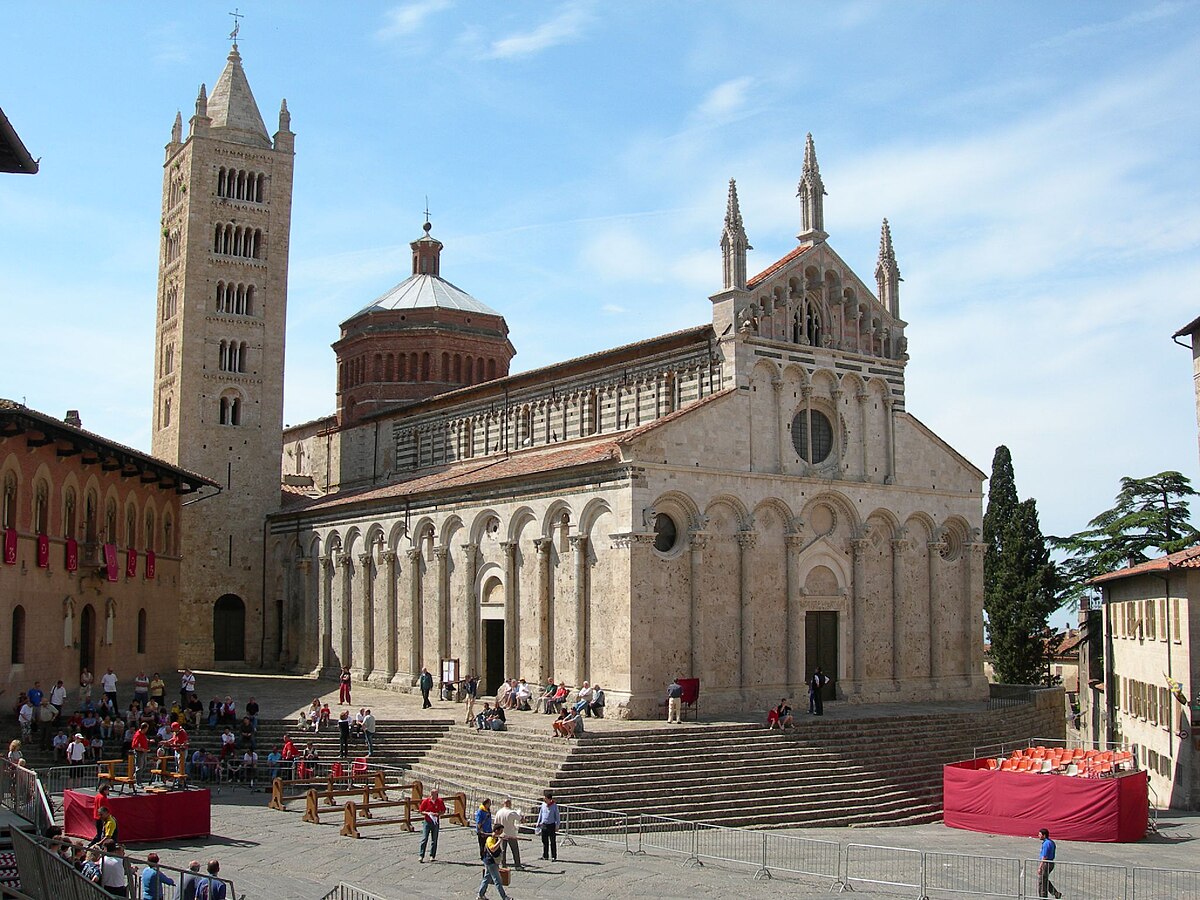
Massa Marittima’s imposing walls frame one of Tuscany’s most beautiful medieval squares. I stood before the asymmetrical façade of the Cathedral of San Cerbone, marveling at how this powerful civic and religious center emerged from what was once frontier territory.
Capalbio, the southernmost fortress in Tuscany, offers panoramic views from its perfectly preserved walls. Walking the complete circuit, I spotted the distant coastline and imagined centuries of lookouts scanning for approaching dangers.
Talamone’s compact fortress juts dramatically into the sea. Inside its stone walls, I discovered an excellent museum detailing Garibaldi’s stop here during his campaign to unify Italy. These strategic strongholds not only protected Maremma’s wealth but shaped its independent character that persists today.
Cowboys of the Tuscan Countryside: The Butteri Tradition
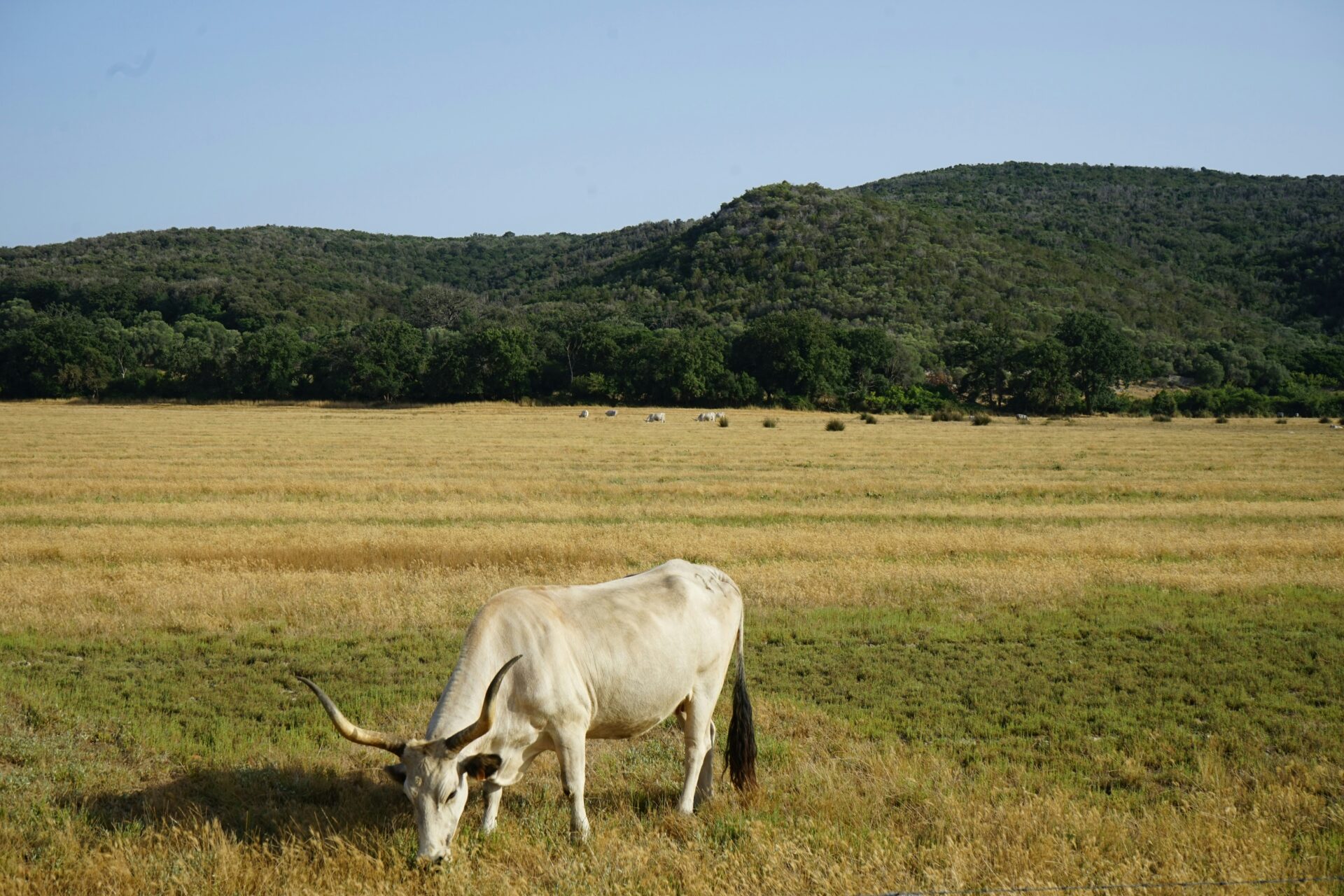
The rugged Maremma region of Tuscany is home to Italy’s legendary horsemen known as butteri—traditional cowboys who have herded cattle through these wild landscapes for centuries. Their distinctive traditions blend horsemanship, cattle management, and a deep connection to the land.
Life of a Buttero: Herding and Horse Riding
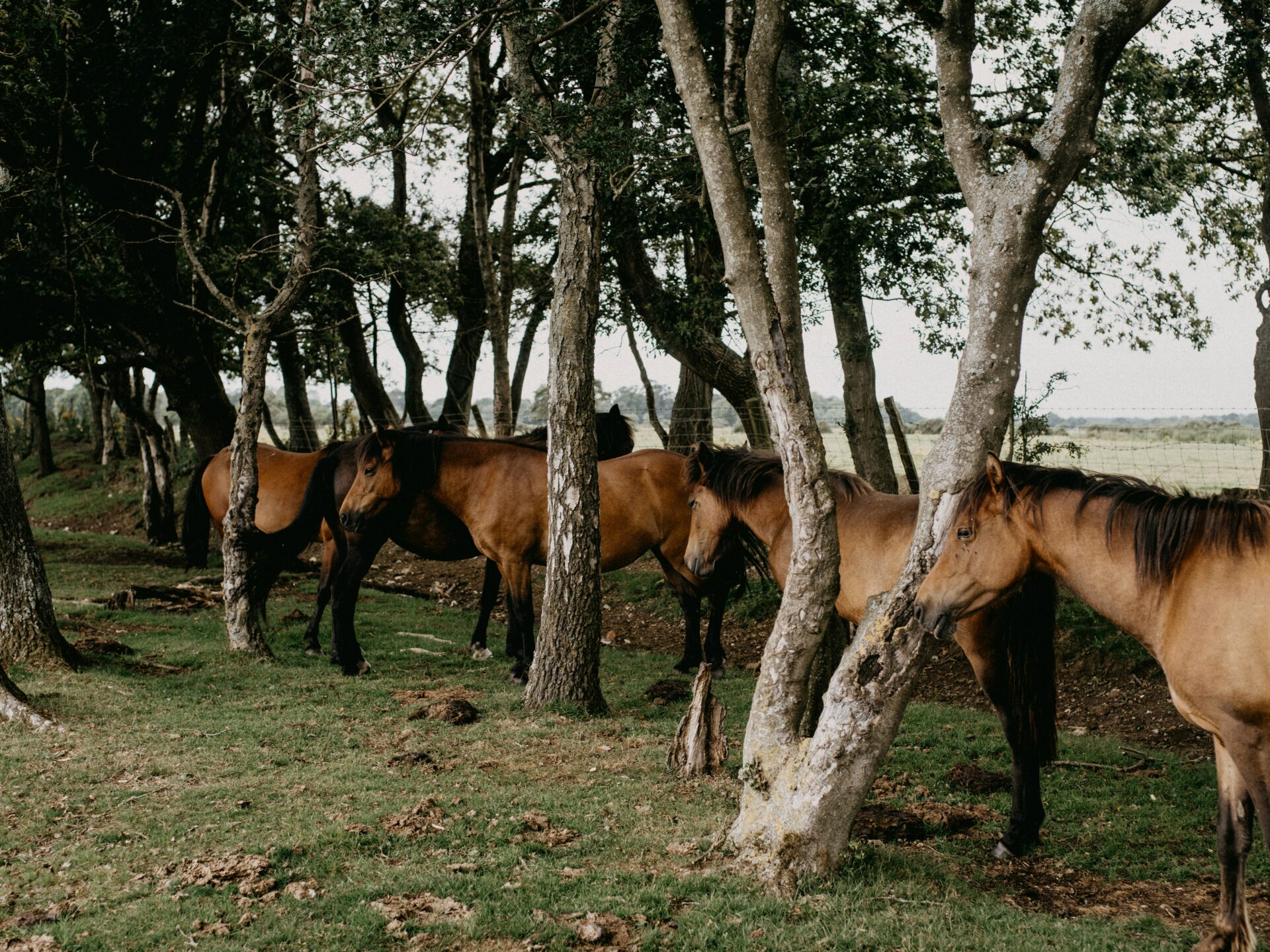
Walking through the coastal plains of Maremma, I spotted them in the distance—figures on horseback moving with remarkable grace. These butteri ride 365 days a year, regardless of weather conditions. They wear distinctive outfits: dark pants, leather chaps, and wide-brimmed hats that protect them from the elements.
Their horsemanship skills are incredible to witness. They ride Maremmano horses, a sturdy local breed perfectly adapted to the rough terrain. The connection between rider and horse appears almost telepathic as they guide white long-horned cattle through marshes and woodlands.
Daily life for these cowboys remains largely unchanged for generations. They rise before dawn, care for their horses, and head out to manage the herds. Their traditional tools include a unique hooked stick called a “mazzarella,” used for herding and managing the cattle.
The Butteri’s Role in Taming the Wild of Maremma
The butteri have played a crucial role in shaping this once-wild region. Before modern drainage systems, Maremma was a challenging mix of marshland and forests. These skilled horsemen helped transform it into productive farmland while preserving its natural character.
Their knowledge of the land is unmatched. During my visit, I watched as they navigated tricky terrain with ease, knowing exactly where firm ground could be found amid boggy areas. This intimate understanding of Maremma’s ecosystem has helped preserve traditional farming methods.
Local legends celebrate their skills. One famous story tells how Maremma’s butteri once challenged Buffalo Bill’s Wild West Show to a riding competition when they visited Italy in 1890—and won! This pride in tradition continues today as they work to preserve their heritage.
Tourism now offers a new purpose for these cowboys. Several working farms offer visitors opportunities to ride alongside butteri and learn cattle-driving techniques, ensuring this remarkable tradition survives for future generations.

Exploring Maremma’s Idyllic Country Life: Agriturismo and Sustainable Tourism
Maremma offers a refreshing approach to tourism that feels worlds away from the crowds of Florence or Siena. Here, the rhythm of life follows nature’s pace, with small-scale farms and eco-conscious retreats providing authentic experiences.
Agriturismo: Experiencing Farm Life in Tuscany
I discovered that agriturismo is the soul of Maremma’s countryside experience. These working farms welcome visitors to participate in daily rural activities while enjoying comfortable accommodations.
At sunrise, I joined farmers collecting fresh eggs and picking vegetables for breakfast.
Many agriturismi (the plural form) produce their own wine, olive oil, and cheese. During my stay, I learned to make pecorino cheese from a family who had passed down recipes for generations.
What makes these stays special is their commitment to organic practices. The farms I visited grow produce without chemicals, raise free-range animals, and serve food that travels just meters from field to table.
La Pescaia and Sustainable Retreats
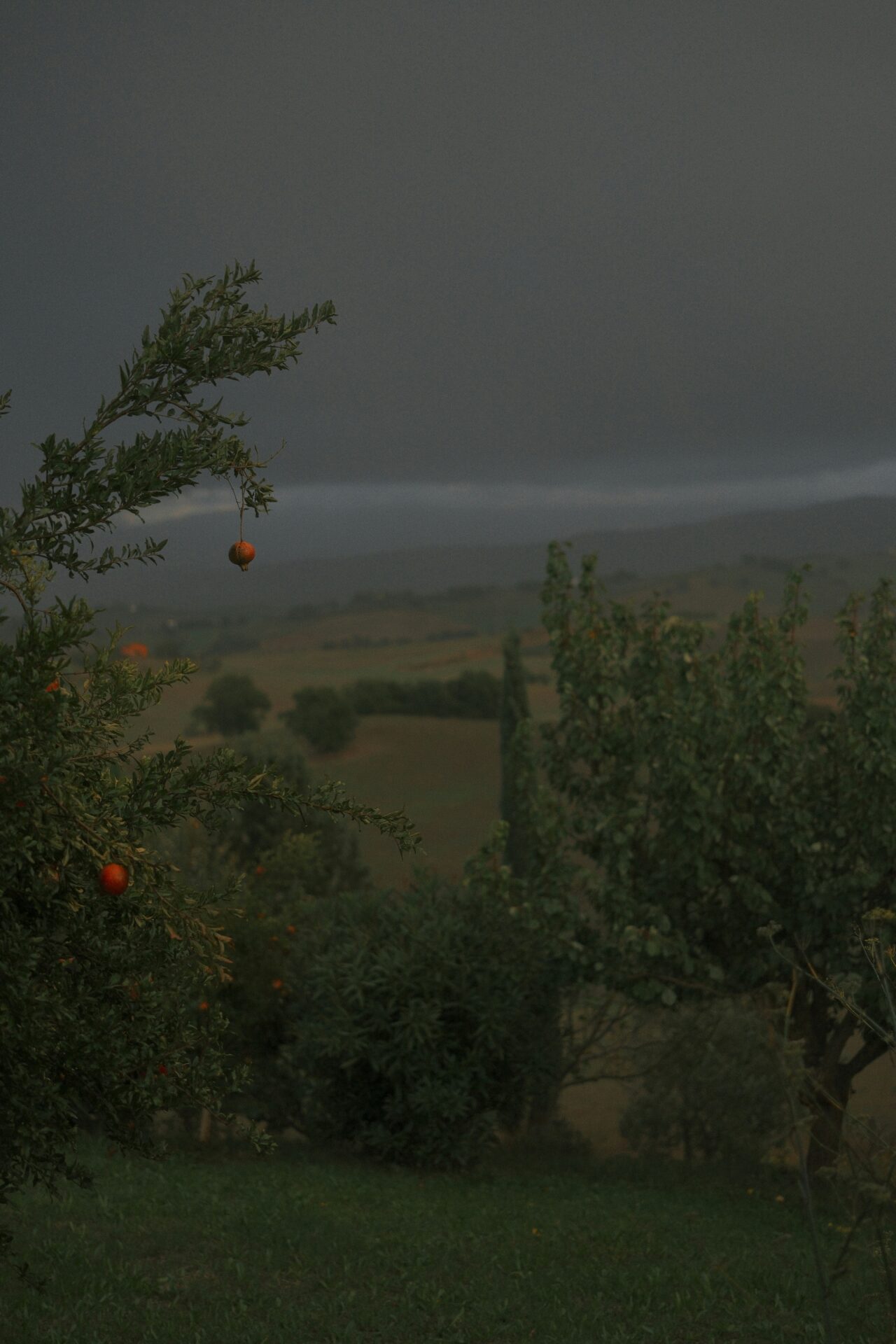
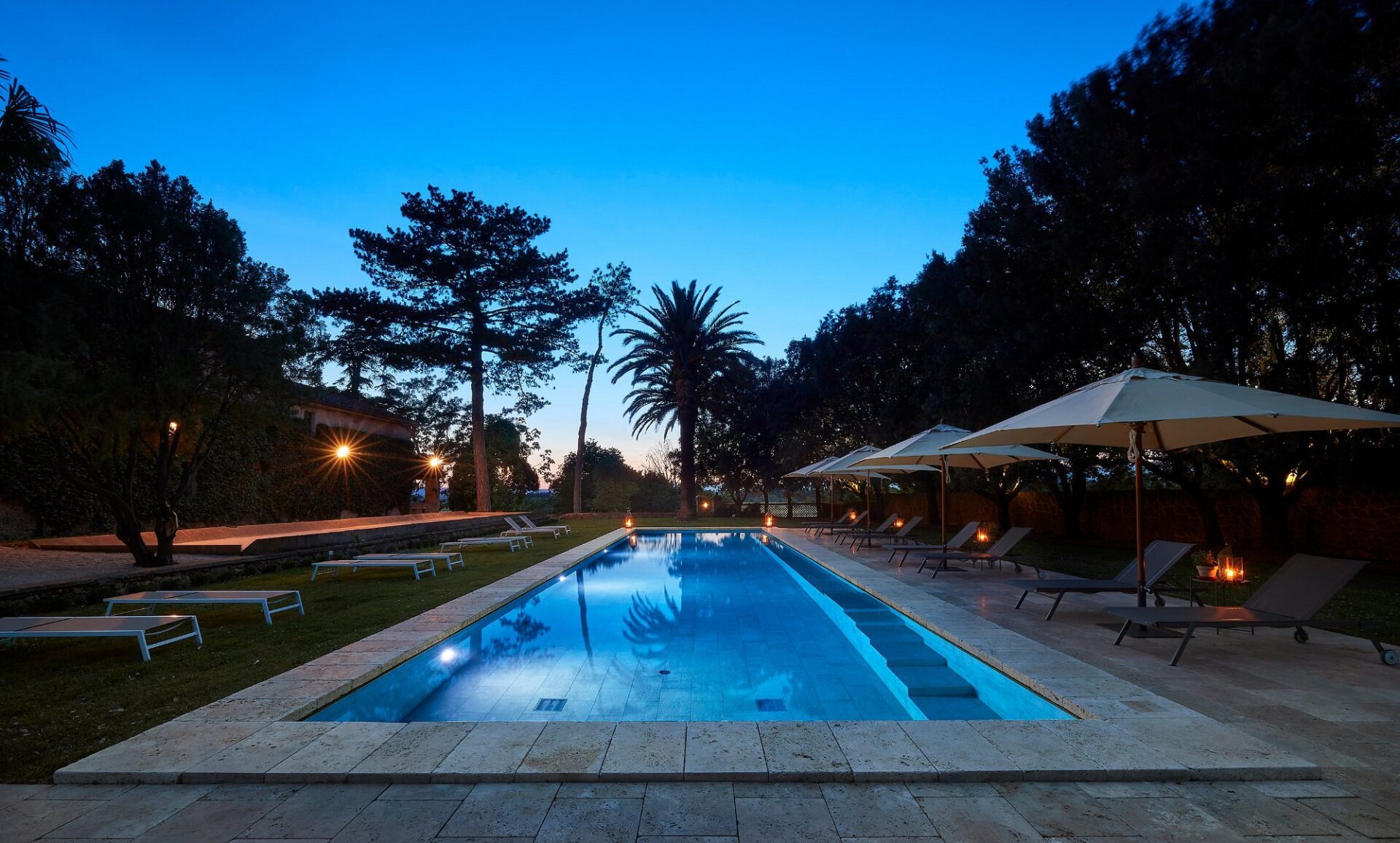
La Pescaia Resort exemplifies Maremma’s approach to sustainable luxury. This restored country estate uses solar power, harvests rainwater, and maintains its own organic gardens.
I spent mornings exploring their trails before cooling off in their natural swimming pool filtered by aquatic plants rather than chemicals.
The owners shared how they work with local craftspeople and farmers to source everything from furniture to meal ingredients. Their zero-waste kitchen transforms scraps into compost for their gardens.
Other eco-retreats in the region offer similar experiences with their own unique character. Some focus on horseback riding with the famous Butteri cowboys, while others specialize in wildlife viewing within the Maremma Nature Park’s diverse ecosystems.
Taste of the Land: Maremma’s Gastronomic Delights
Maremma offers a rich tapestry of flavors that tell the story of this wild Tuscan region. The local cuisine reflects the diverse landscape, from coastal treasures to inland game meats that have sustained the region for centuries.
Wines of Maremma: A Journey Through Montecucco and Bolgheri
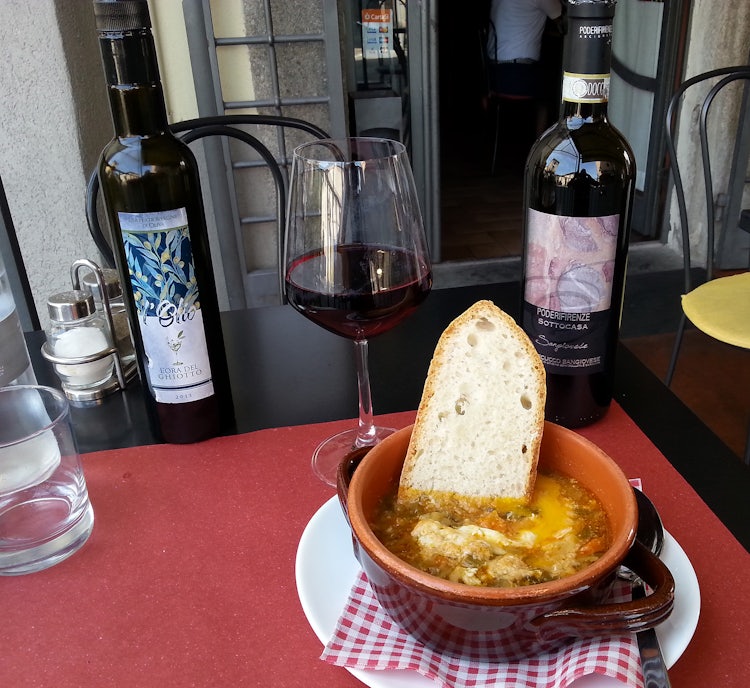
The first time I tasted a Montecucco red, I was amazed by its bold character that somehow captured the essence of Maremma’s rugged terrain. This wine region sits in the shadow of Monte Amiata, producing robust reds that have earned DOC and DOCG status.
Bolgheri represents the coastal side of Maremma’s wine story. The area has transformed from obscurity to fame in just a few decades.
I’ve spent countless afternoons touring these vineyards where sea breezes influence the grapes.
The “Super Tuscans” born here broke traditional rules and created something remarkable. These wines blend local Sangiovese with international varieties like Cabernet Sauvignon and Merlot. They’re perfect partners for the region’s hearty cuisine.
Local Products: From Honey to Olive Oil
Maremma’s countryside provides an incredible bounty beyond its wines. The local honey varies dramatically depending on what’s blooming. Chestnut, acacia, or wildflower varieties each tell a different story of the land.
Olive oil here deserves special mention. The groves scattered across the rolling hills produce oils with distinctive peppery finishes. I recommend visiting a local mill during pressing season. This way, you can taste the vibrant green oil when it’s freshest.
Wild boar appears in many traditional dishes. The strong flavor pairs perfectly with homemade pasta in dishes like tortelli maremmani. Local shepherds also produce exceptional sheep’s milk cheeses that have sustained butteri (cowboys) for generations.
Buffalo milk cheese offers a creamy alternative that showcases the region’s agricultural diversity. The mixture of sea and land influences creates a food culture unlike anywhere else in Tuscany.

