
One of the best things about Ordesa and Monte Perdido National Park? It’s the thrill of seeing some of Europe’s most incredible wildlife. For me, catching a glimpse of the mighty lammergeier soaring over the valleys or chamois leaping along those cliffs is what makes this place unforgettable.
Whenever I hit the trails, I can’t help but hope today will be the day I spot one of these rare creatures.
Walking through Ordesa’s green valleys and rocky plateaus, excitement just sneaks up on me. I keep my binoculars close, scanning the sky for the legendary bearded vulture with its nearly three-meter wingspan.
I also watch the steep slopes, hoping to catch chamois darting between rocks or grazing quietly.
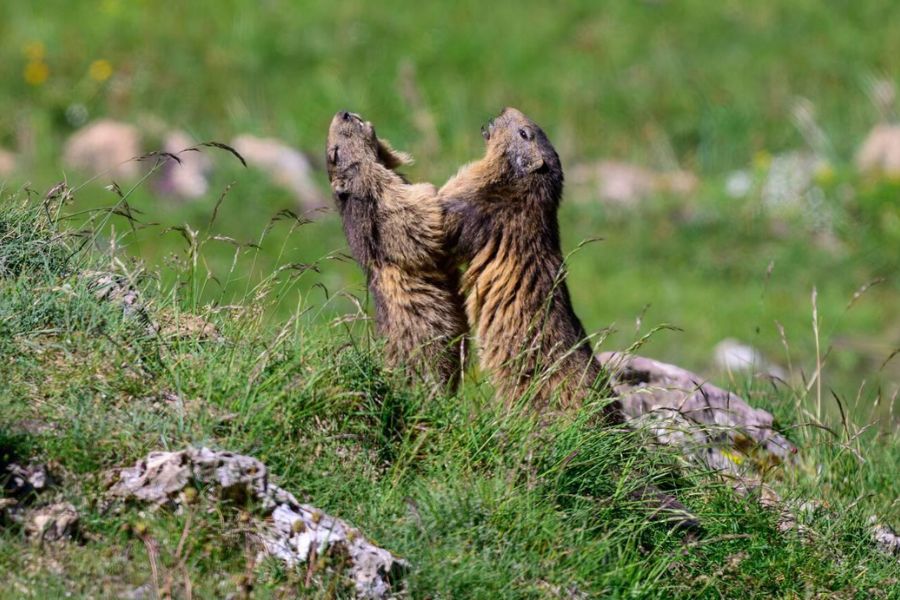
Every step brings a fresh chance for a wildlife encounter. The Pyrenees always seem to surprise, even if you’ve been hiking here before.
If you want to spot these animals, timing and patience matter a lot. Honestly, a little luck helps too.
Discovering Ordesa National Park: A Wildlife Enthusiast’s Paradise
Ordesa National Park sits right in the heart of the Spanish Pyrenees. Dramatic landscapes and rare animals turn every walk or bike ride into an adventure.
The region draws me into meadows, forests, and alpine valleys. It’s a place where I keep hoping for those wildlife encounters I’ve always dreamed about.
Exploring the High Pyrenees: Landscapes and Biodiversity
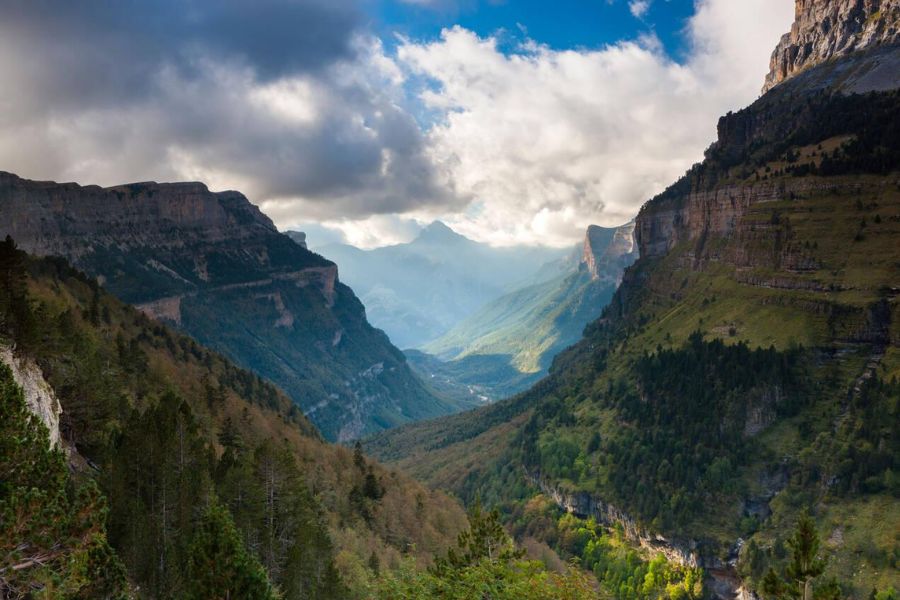
Every time I walk in Ordesa, I find something new—deep forests, wildflower meadows, rocky cliffs, and snowy peaks. The park’s quick elevation changes create different habitats right next to each other.
As I follow the trails, I pass native pine woods, rushing rivers, and those iconic green slopes of the Ordesa Valley. I usually plan my route to cross old glacier paths and squeeze through narrow gorges.
Villages like Torla are perfect starting points. They’ve got a certain charm, and the locals know these mountains well.
Red squirrels, wild boar, and roe deer pop up along the way. Sometimes, I even hear rumors of the rare brown bear.
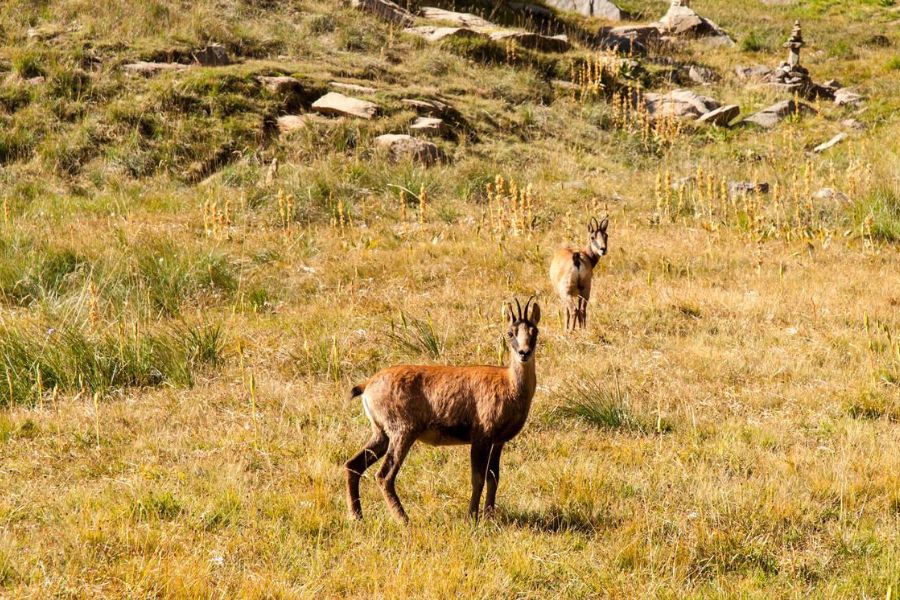
Plants grow everywhere, giving food and shelter to the animals that call this place home.
Unique Habitats of the Lammergeier and Chamois
The lammergeier, or bearded vulture, is probably Ordesa’s most spectacular bird. Its wings stretch over two meters, and it glides above the cliffs, searching for bones.
I find the best time to spot them is early morning, when they glide near the park’s steepest peaks.
Chamois, those nimble mountain goats, stick to high rocky slopes. At dawn or dusk, they sometimes feed in small groups.
I climb the higher trails and stop often, hoping to see the dark shapes of chamois hopping across the scree.
Both animals need open, quiet spaces. They avoid crowds, so I take quieter paths and pause often to listen and watch.
Best Time to Visit for Wildlife Spotting
Late spring to early summer is honestly my favorite time in Ordesa. Melting snow fills the waterfalls, and the valleys burst with green.
June and July bring long days and active wildlife. You can spot animals from marked trails or even while biking.
Autumn paints the forests with color. Chamois and lammergeier sightings are still possible, especially on crisp, clear mornings.
If you can, visit during the week. Fewer people means a better chance to spot shy animals.
Small villages nearby offer cozy places to stay. Local guides know the best wildlife spots, which gives you a real shot at a sighting.
I always check the weather and trail conditions before heading out. The mountains can change fast.
My Search for Lammergeiers: Moments of Awe in the Skies
The lammergeier—bearded vulture—captured my imagination long before I ever set foot in Ordesa. Watching these rare birds combines patience, sharp eyes, and a bit of luck.
Every glimpse feels like a jolt of excitement for anyone into wildlife watching or photography.
Identifying Lammergeiers: Behavior and Habitats
Lammergeiers stand out with their huge wingspan, nearly three meters. Their slim, wedge-shaped tails are hard to miss—especially when other vultures are around.
Late mornings and early afternoons seem best for spotting them. They ride warm air currents, scanning for bones.
These birds stick to the highest, most rugged corners of Ordesa, especially sunny cliffs. My search takes me along rocky trails and out to open viewpoints, eyes glued to the sky.
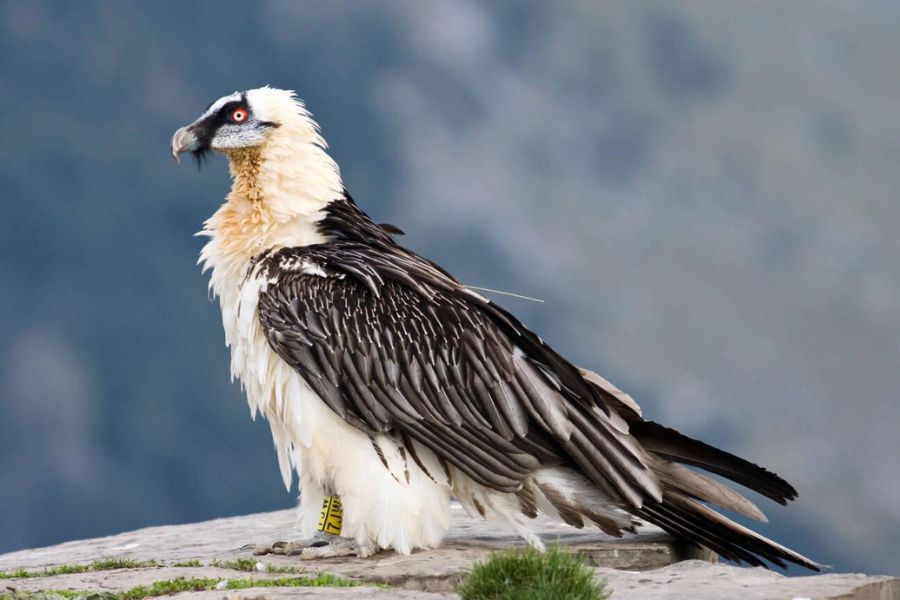
Unlike other scavengers, lammergeiers eat mostly bone. Watching one drop a bone onto rocks below is like seeing a strange, beautiful ritual.
You might confuse them with other big birds, but look for the creamy chest, rusty markings, and that quirky “beard” under the beak.
Photographing Majestic Vultures in Flight
Photographing lammergeiers tests my patience—and timing. Their slow, graceful circles above the valleys feel like a dance.
Early morning and late afternoon give the best light. The colors of their feathers and the landscape just pop.
I use a telephoto lens so I don’t disturb them. Lammergeiers keep their distance, so framing matters a lot.
I try to set up near cliffs with open skies. When the sun hits them right, the orange-stained body against the deep blue sky almost makes me forget to take the shot.
A few tips for bird photography in Ordesa:
- Use burst or continuous shooting mode
- Expect long waits—patience is key
- Bring extra memory cards and batteries
Conservation Efforts and Birdwatching Ethics
Lammergeiers are still rare in Spain. Their future really depends on solid protection.
In Ordesa, rangers and locals track nests, guard eggs, and fight the use of poisons that hurt birds. I joined a guided walk with a conservation group and learned how their work helps not just birds but the whole ecosystem.
One rule always comes up: watch and photograph from a distance. Getting too close stresses nesting birds and puts them at risk.
I stick to marked trails and respect all signs—not just for safety, but to help researchers and protect birdwatching for the future.
Ethical wildlife watching in Spain means leaving no trace. I pack out my trash, keep noise down, and don’t share sensitive locations online.

The wild Pyrenees deserve that respect, especially when you witness something as rare as a lammergeier in flight.
Chamois Encounters: Graceful Climbers of the Rugged Peaks
Seeing chamois in the Pyrenees is always special. These agile animals show up against steep cliffs and move so easily, it makes me rethink how wild Spain really is.
Where to Find Chamois in Ordesa
In Ordesa y Monte Perdido National Park, chamois—rebeco in Spain—prefer rocky slopes and alpine meadows.
I find the best spots by following trails like the Faja de Pelay or heading toward the Cola de Caballo waterfall. Early mornings and evenings are the best times to see them, usually grazing or bounding over rocks.
Here’s a quick table for the top chamois locations:
| Trail | Best Time | Typical Habitat |
|---|---|---|
| Faja de Pelay | Morning/Even. | Cliff edges, meadows |
| Pradera de Ordesa | Dusk | Forest edges, open slopes |
| Circo de Soaso | Afternoon | Rocky plateaus |
Binoculars help me scan distant ledges. I stay quiet and watch for movement—a flick of a tail or a herd silhouetted on the skyline.
The thrill never gets old, especially when I spot a young chamois leaping from rock to rock.
Observing Wildlife Safely and Respectfully
Respect comes first. I stick to marked paths and keep a safe distance, letting the chamois do their thing.
The park sets clear rules: no feeding, no approaching, no loud noises. Chamois get stressed easily, so I move slowly and talk quietly if I’m with friends.
A few essential tips for respectful wildlife watching:
- Use binoculars instead of moving closer.
- Avoid sudden movements and keep noise down.
- Stick to established trails so you don’t damage plants or startle animals.
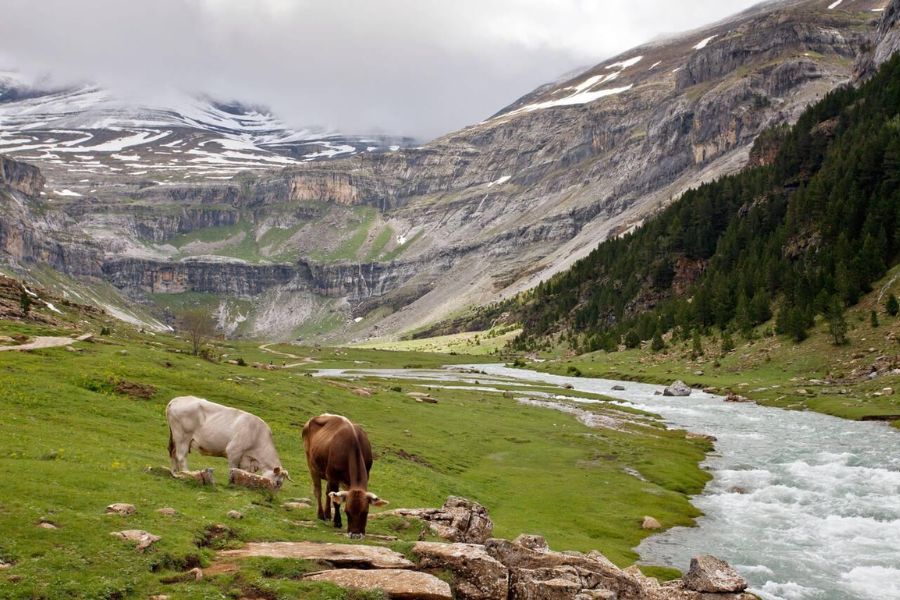
I always pack out my rubbish and never pick plants or leave food scraps. When I blend into the landscape and let nature lead, every sighting feels like a quiet reward.
Travel Tips for Wildlife Spotting Adventures in the Pyrenees
Hiking in the Spanish Pyrenees means you’ve got to be ready for wild weather and tricky paths. While searching for lammergeiers and chamois, I learned that being prepared—and talking to locals—makes a huge difference.
Essential Gear and Preparation
To spot rare wildlife, I always bring binoculars and a lightweight camera with a decent zoom. Good hiking boots with ankle support are non-negotiable—some trails get rough.
Weatherproof gear is a lifesaver, especially a rain jacket and quick-drying layers. The weather can flip fast up here.
A reusable water bottle is a must, since the hikes can be long and tiring. I keep snacks like nuts and energy bars handy, too.
Phone signal often drops, so I download maps and carry a small first aid kit. When I’m watching wildlife, I remind myself to stay quiet and move slowly. The shy animals need that.
If I’m staying longer or visiting villages, I check recent wildlife sightings online and chat with locals. They always know some secret spots.
Recommended Trails and Guided Tours
My favorite route starts in Torla and winds through pine forests up to the cliffs over Ordesa Valley. Faja de Pelay and Senda de los Cazadores are top trails for seeing lammergeiers overhead.
Mountain biking near Aínsa and Broto lets you cover more ground when time’s tight.
Guided tours work well for first-timers or anyone hoping for a better chance at sightings. Many tours in Huesca take small groups to quiet areas, far from the crowds.
Local guides know where chamois and rare vultures hang out. Some even include stops in nearby villages, so you can try local food and soak up the culture.
Planning your own trip is simple with hiking maps from tourist offices, especially around Ordesa y Monte Perdido. If I’m after rare sightings, I sometimes book a spot at a bird feeding station.
Weather Considerations in the High Pyrenees
Weather here changes fast. I’ve started under blue skies and ended up in sudden mist—or even snow—in early summer.
I always check the mountain forecast before heading out. A hat, sunscreen, and sunglasses are essentials—the sun can be brutal at altitude.
In May and June, mornings start cold but heat up by midday. Layers are the only way to go.
I avoid hiking after big rains, since trails get slippery and dangerous.
When biking or walking through different altitudes or passing villages, I stay flexible. Sometimes, I’ve waited out a storm in a cozy guesthouse and ended up learning more from the locals than I ever would’ve on the trail.
Flexibility with plans makes the adventure safer—and honestly, way more rewarding.
Cultural Flavors: Savoring Food and Local Life in Pyrenean Villages
After a day hiking among wildflowers and scanning the skyline for Lammergeiers, stepping into a Pyrenean village feels like entering another world.
Everything slows down, and the smells of home-cooked meals drift through the narrow, stone streets.
Traditional Pyrenean Cuisine and Wine Experiences
Dinner in these villages? It usually means hearty, rustic flavors.
I remember one night at a family-owned inn. Tapas showed up first—platters of local cheese, spicy chorizo, and crusty bread.
People here love lamb stews thick with root veggies. Mountain trout, grilled with herbs, often makes an appearance too.
Every now and then, I’d spot paella—rich with saffron, sometimes using game from these hills. On warmer days, meals might kick off with a bowl of gazpacho.
For drinks, I’d usually reach for a glass of regional red wine. Cold sangria always pairs nicely with the food.

Most restaurants here really care about their ingredients. They source them straight from nearby farms and valleys.
When I shared a table with locals, I realized meals aren’t just about what you eat. They’re gatherings, full of stories and laughter—sometimes, that’s the best part.
Sample Local Foods Table:
| Dish/Drink | Description |
|---|---|
| Tapas | Small plates: cheese, chorizo, olives |
| Paella | Saffron rice with meat or seafood |
| Gazpacho | Cold tomato soup |
| Sangria | Red wine punch with fruits |
Markets, Festivals, and Community Celebrations
Villages really burst into life on market days and local festivals.
In the main square, I spotted stalls loaded with honey, aged cheeses, and fresh veggies. Farmers waved, calling out to each other like old pals, and they handed out samples to visitors—me included.
Traditional music and folk dances filled the air at these celebrations. At one festival, I squeezed in at a long communal table, passing around classic dishes and sipping local wine.
Kids darted through the crowd, clutching sweets from the food stalls.
Some festivals celebrate ancient traditions, like blessing the mountain herds or marking the grape harvest in autumn. I have to say, joining these events made me feel way more connected to Pyrenean culture.
The whole vibe just made it so easy to meet people and feel right at home—even if I was miles away from where I grew up.