
A snowy winter trip always sounds expensive, right? But honestly, it doesn’t have to be. Most people skip winter getaways because they assume ski resorts and mountain towns are only for travelers with deep pockets. I’ve learned that with a few clever tricks and some flexibility, you can pull off a full snowy vacation for under $300—including transportation, a place to sleep, fun stuff to do, and food. Sounds wild, but it’s true.
You just need to know where to look and what to skip. Some winter destinations roll out free activities like ice skating on frozen lakes, hiking snowy trails, or joining in on holiday festivals. Plenty of spots have budget lodging that costs way less than the big-name resorts. When you ditch the luxury extras and focus on the actual experience, winter travel suddenly feels way more doable.
Let’s get into the details. Here’s how I plan a snowy trip without blowing my budget. I’ll share how I find cheap transportation, score affordable accommodations, and dig up free (or almost free) winter activities. If you want a winter wonderland and still have money left in your wallet, this is for you.
Key Takeaways
- You can totally plan a snowy vacation for under $300 by picking affordable destinations and traveling during off-peak times.
- Free or low-cost winter activities like hiking, ice skating, and winter festivals are often the most memorable parts of the trip.
- Making smart choices for transportation, lodging, and meals is what really keeps things affordable.
How to Plan a $300 Snowy Getaway
Planning a snowy trip for $300 means splitting up costs wisely between lodging, activities, and travel. Timing matters, too. I usually look for smaller resorts and places within driving distance to stretch my dollars.
Setting Your Budget Priorities
Before I book anything, I break my $300 budget into three main categories. Lodging usually eats up the biggest chunk—about $120 to $150 for two nights. That leaves $75 to $100 for lift tickets or activities, plus $50 to $80 for food and gas.
Here’s how my budget breakdown usually looks:
- Lodging: $120-150 (40-50%)
- Activities/Lift tickets: $75-100 (25-33%)
- Food and transportation: $50-80 (17-27%)
I always hunt for places with kitchens or at least a microwave. Making breakfast and packing lunches saves me a ton compared to eating out. If I need to rent gear, I factor in $40-60 per day at mountain shops.
Some resorts offer night skiing passes for as little as $19. That’s a killer deal if you want to get on the slopes without blowing your budget. I also check what’s included with the lodging—sometimes you get free ski shuttles or breakfast.
Best Times of Year for Savings
Early January through mid-February is my go-to window for cheap winter trips. Not many people travel after the holidays, so resorts and hotels drop their prices.
I steer clear of holiday weeks and three-day weekends. Presidents’ Day and Christmas through New Year’s? Way too expensive. If I can swing it, I visit Sunday through Thursday—just avoiding Friday and Saturday saves me $50-100 on lodging.
Late March and early April can work too, especially if there’s still good snow. Resorts start rolling out spring deals, but the conditions are often still solid. I try to book two or three months ahead since prices only go up the closer you get.
Choosing an Affordable Destination
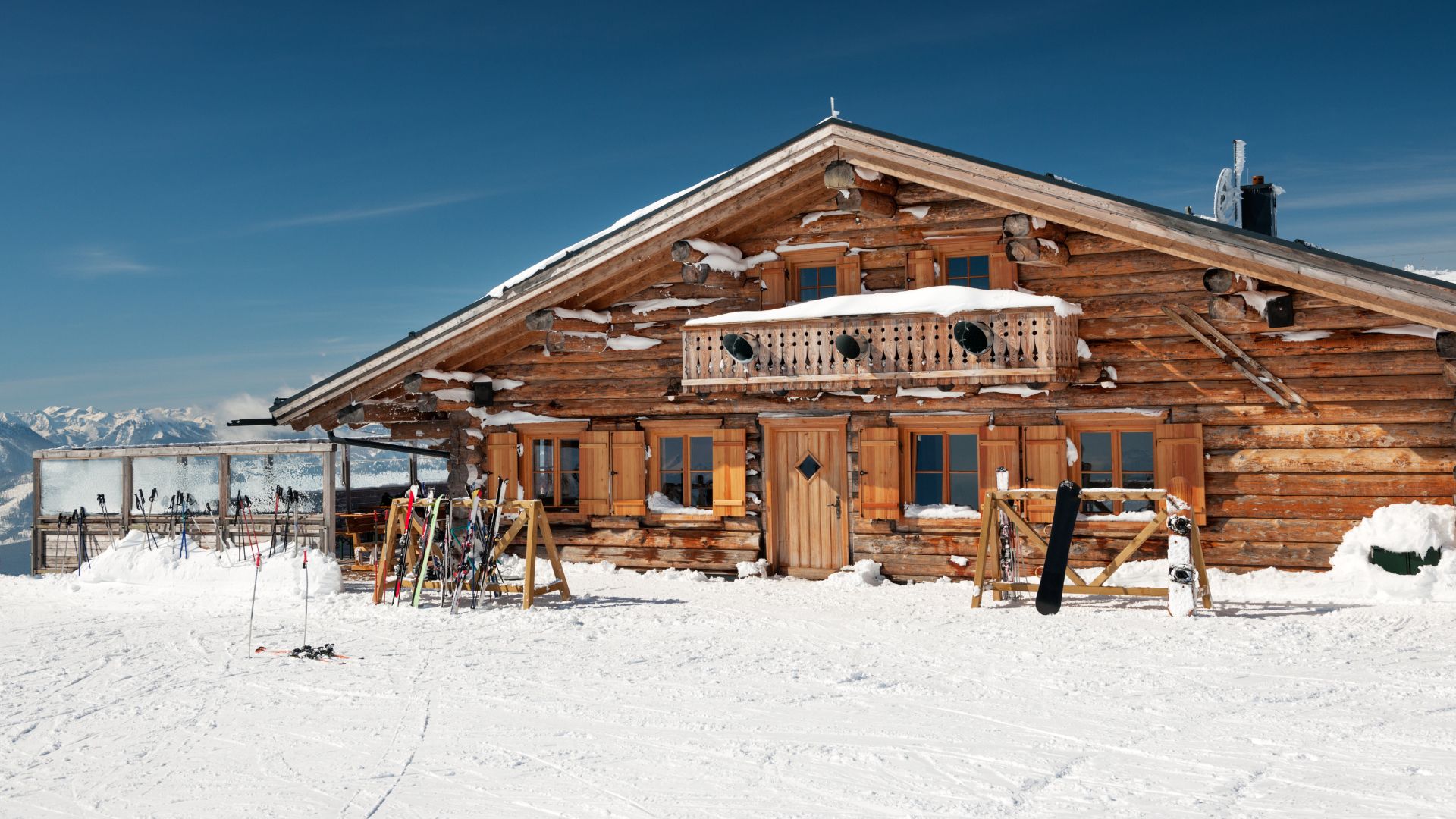
Skip the famous places like Aspen or Vail. Smaller, regional resorts cost way less. I stick to mountains within a four-hour drive to dodge pricey flights and save on gas.
I stay in towns 15-20 minutes away from the mountain base instead of right on the slopes. That alone saves me $100-200 per night. I don’t mind a short shuttle or drive if it means more money for fun.
Lesser-known resorts often have lift tickets starting at $30-60, while big-name mountains charge $150-200. I always check resort websites for beginner deals or midweek specials that bundle lodging and tickets.
Finding Low-Cost Transportation
Transportation can eat up your snow trip budget fast. I book early, compare travel options, and stay flexible with dates to keep costs in check.
Cheap Flight and Train Strategies
I usually start looking for flights 6-8 weeks out. Tuesday and Wednesday flights are often $50-100 cheaper than weekends. I use flight comparison tools and set up price alerts.
Budget airlines like Spirit, Frontier, and Allegiant sometimes fly to mountain towns for $39-79 each way. I pack light—baggage fees can add $30-60 per bag, but a personal item flies free.
Amtrak can be a fun, affordable way to reach snowy spots. I watch for their weekly deals and book off-peak times. Sometimes, train tickets to mountain towns cost less than driving, especially if you factor in gas and wear on your car. The California Zephyr and Empire Builder routes both hit major ski areas.

Using Buses and Rideshares
Greyhound and Megabus run to popular snow towns for $20-45 each way. Booking weeks ahead usually means the lowest fares. These buses often have free WiFi and power outlets.
Regional bus services connect cities to nearby ski resorts. I check resort websites for shuttle partnerships; some bundle bus tickets with lift passes for extra savings.
I use apps like BlaBlaCar or local Facebook groups to find rideshares to the mountains. Splitting gas with other travelers often brings my transportation cost down to $15-30 per person.
Driving and Carpool Options
I always calculate my driving costs before hitting the road. Gas, parking, and chain rentals add up fast. My car gets 28 miles per gallon, so a 300-mile trip runs about $35 in gas these days.
Carpooling with friends or family is a game-changer. We split fuel costs four ways, and I usually organize carpools through social media or ski club forums. Each person chips in $10-20, making it super affordable.
Instead of buying chains, I rent them for $15-25 per trip. Many mountain towns require chains or four-wheel drive in the winter. Sometimes, renting a fuel-efficient car for a longer trip is actually cheaper than driving my own.

Where to Stay: Budget Accommodation Options
Finding affordable places to sleep can save you hundreds. I love vacation rentals, hostels, and booking early to lock in the best deals.
Vacation Rentals and Affordable Hotels
Vacation rentals usually cost less than hotels if you split with friends or family. I look for spots with kitchens so I can cook meals. Airbnb and VRBO have cabins, condos, and apartments for $50-70 per night in a lot of snowy towns.
Budget hotel chains are a solid backup. I’ve found places near ski areas for $60-80 per night off-peak. Free breakfast is a nice bonus—cuts down on food costs. Motel 6, Super 8, and independent motels are usually cheaper than brand-name resorts.
If you stay just outside the main tourist zone, you’ll save even more. I’ve knocked $30-40 off per night by staying 15-20 minutes from the slopes. That short drive is worth it when you’re on a budget.
Hostels and Shared Lodging
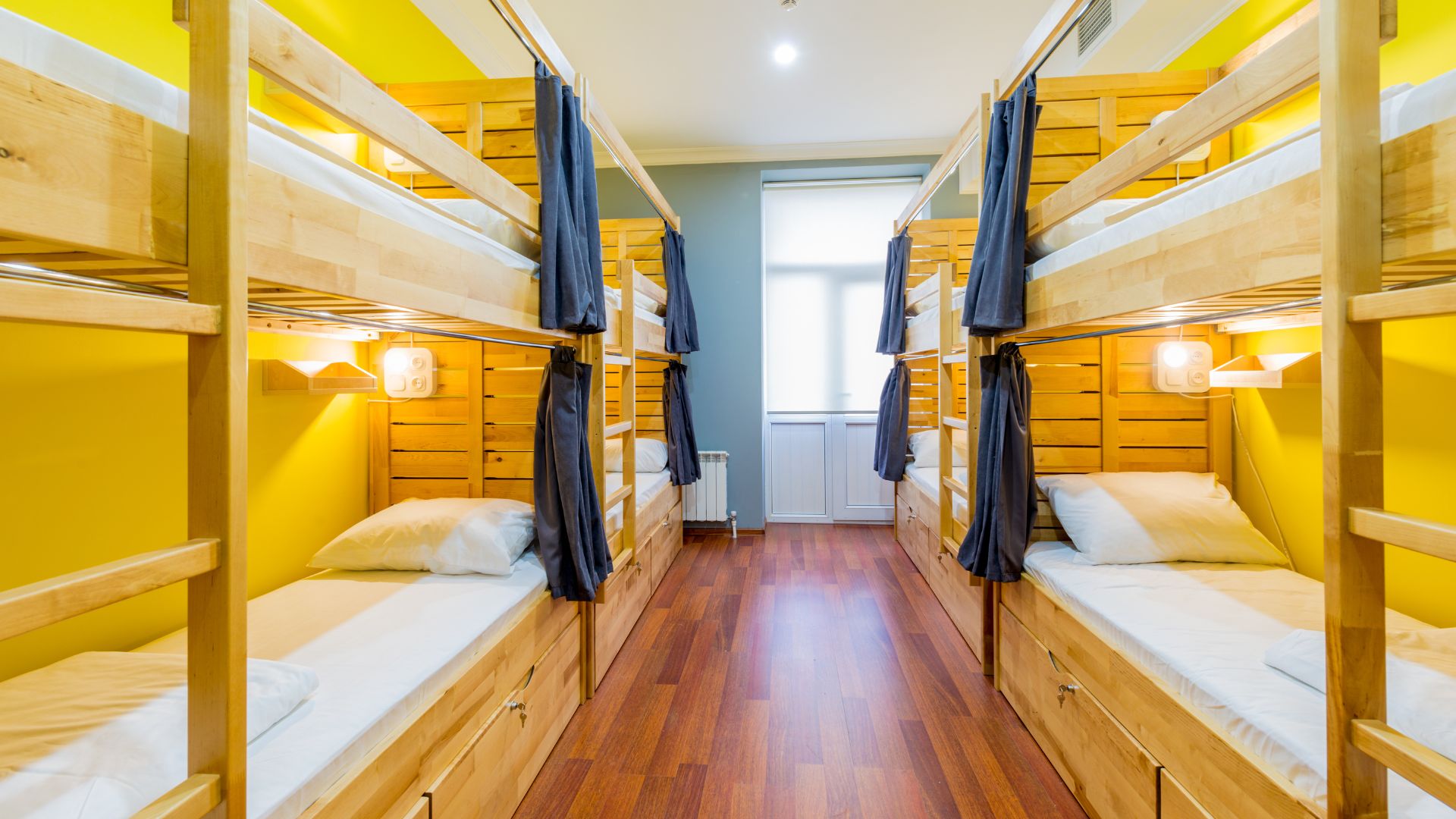
Hostels aren’t just for backpackers anymore. Lots of ski towns have hostels with private rooms for $40-60 per night or dorm beds for $25-35. I like that most have common kitchens and hangout spaces.
Some hostels offer family rooms for four people at $80-100 per night. That breaks down to $20-25 each, which fits easily into a $300 budget.
Booking Accommodation in Advance
I always book 4-6 weeks ahead. Winter spots fill up quickly, especially around holidays and weekends. Booking early means better rates.
I set price alerts and grab cancellable reservations so I can rebook if prices drop. Mid-week stays (Sunday through Thursday) are usually 20-30% cheaper than weekends.
Enjoying Winter Activities Without Breaking the Bank
Winter fun doesn’t have to cost a fortune. Some of my best memories come from free outdoor activities, discounted ski options, and creative alternatives that barely cost anything.
Free and Low-Cost Outdoor Fun
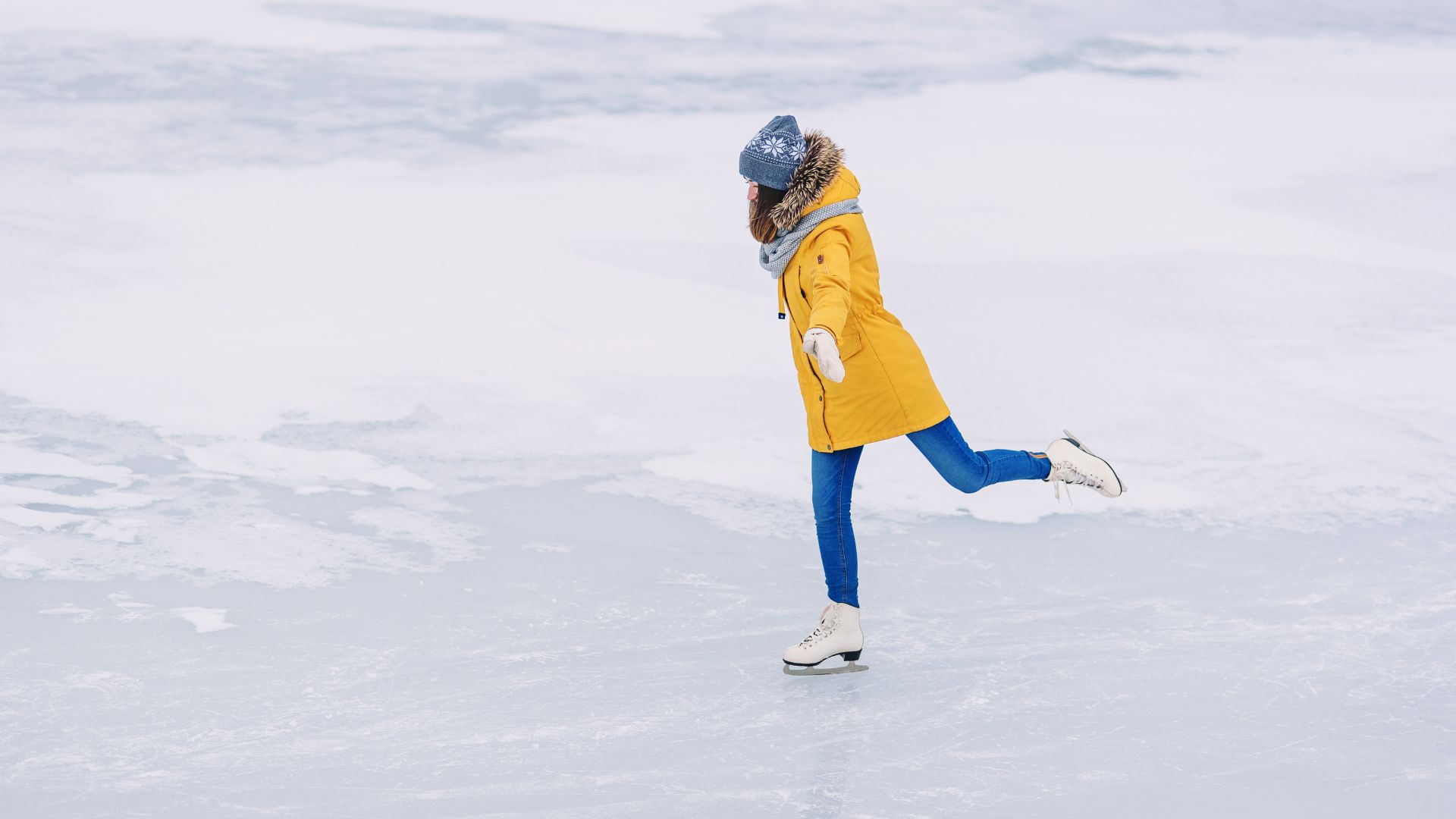
There’s so much you can do for free in winter. I always check out public parks and trails—sledding hills are open to everyone. Most cities have ice skating rinks for $5-10, with some offering free skate days.
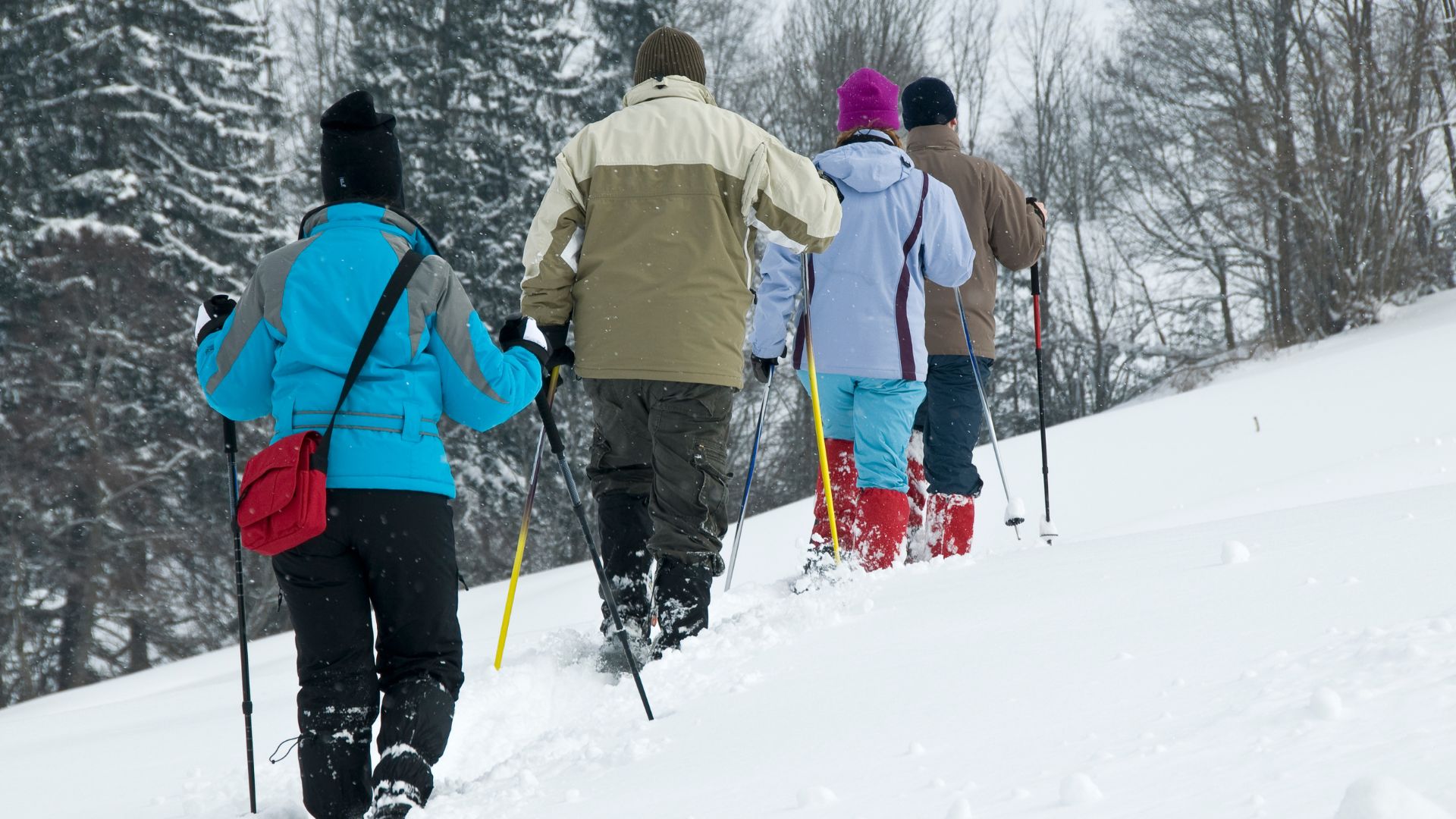
Snowshoeing on public lands doesn’t require a lift ticket. I can rent snowshoes for $15-20 per day, or find used ones for under $50. State and national forests offer free trail access year-round.
Building snowmen, snowball fights, and making snow angels? Totally free. Frozen lakes and waterfalls turn into natural art in winter—absolutely worth a visit. Many towns host free winter festivals with ice sculptures, lights, and markets. You don’t have to spend a dime to enjoy the vibe.
Affordable Skiing and Snowboarding
I stick with smaller local mountains for skiing. Places like Brighton in Utah or Cranmore in New Hampshire charge $50-70 for lift tickets, while luxury resorts ask for $150-200.
Midweek skiing is where you save big. Tuesday through Thursday, tickets can be 30-40% less than weekends. Night skiing is another hack—$25-35 for a few hours on the slopes.
I rent gear locally before heading to the mountain and save $20-30 per day. Multi-day passes drop the per-day price. Some resorts offer beginner packages that bundle lessons, rentals, and lift access for under $100.
Alternative Winter Experiences
Sometimes I skip the expensive stuff and go for unique winter experiences. Visiting a local Christmas tree farm is free, and cutting your own tree usually costs less than buying pre-cut. Plus, farms often hand out free hot cocoa and hayrides.
Winter wildlife watching is a hidden gem. Animals are easier to spot against the snow, and local nature centers often run free guided walks.
On super cold days, I duck into libraries for free programs and movies. Winter photography walks, geocaching in the snow, or checking out free museum days keep things fun without spending much.
Saving on Food, Gear, and Hidden Costs
Food, gear, and those sneaky surprise expenses can wreck your budget if you’re not careful. Planning ahead in these areas makes a huge difference.
Eating Well on a Tight Budget
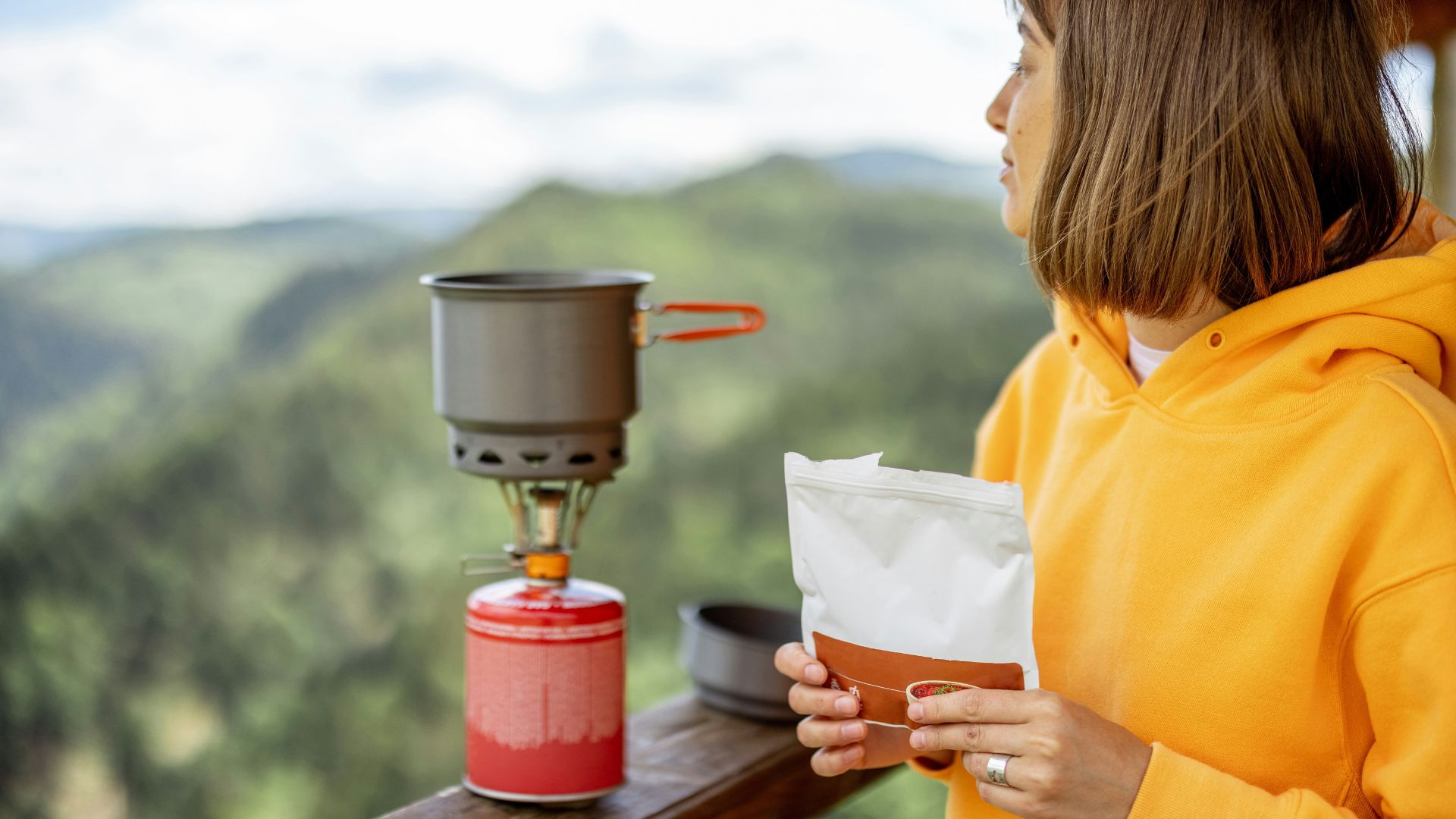
Mountain food prices are ridiculous—usually double or triple what you’d pay elsewhere. I pack a cooler with sandwich stuff, fruit, granola bars, and trail mix before I leave home.
If my place has a kitchen, I cook breakfast and dinner there. A $4 box of pancake mix feeds everyone, versus $15 per person at a restaurant. I always shop for groceries before I get to the resort—prices skyrocket in mountain towns.
Bring a reusable water bottle. Resorts charge $5 or more for bottled water. I also pack hot chocolate packets and just add hot water from any lodge or gas station.
For slope days, I make sandwiches the night before and toss them in my backpack. Add some chips and cookies from the grocery store, and lunch costs about $3 per person instead of $15-20 at the lodge.
Borrowing or Renting Winter Gear
Buying new snow gear for everyone is crazy expensive—$200-400 per person, easy. I borrow jackets, snow pants, and gloves from friends or family when I can.
Check local outdoor groups on social media—people often lend or swap winter clothing. Some areas have gear libraries where you can rent items for $10-20 per week.
For skis or snowboards, I rent from town rental shops instead of at the resort. Town shops charge $25-35 per day, while resorts ask for $50-70. If you only need gear for a day or two, this saves a lot.
Thrift stores and consignment shops are gold mines for base layers and fleece jackets. Used gear works just as well and costs a fraction of new stuff.
Avoiding Unexpected Expenses
Parking at ski resorts can easily set you back $30-50 per day. I usually hunt for free parking spots within walking distance, or just hop on a resort shuttle from a nearby town.
Resort locker rentals? They’re pricey—$15-25 a day. Instead, I stash my extra layers in the car and swing by if I need to warm up or swap gear.
Don’t forget to check if you’ll need tire chains or snow tires at your destination. I’ve rented chains for $20-30 before, which sure beats shelling out $100+ to buy them outright. Some mountain roads even require chains by law when the weather turns.
If you can, print your lift tickets and parking passes at home. Resorts sometimes tack on an extra $5-10 just to print them at the window. Always read those cancellation policies before you book anything—losing a deposit because of a storm or a last-minute change stings.
Frequently Asked Questions
Getting deals on winter trips and activities takes a bit of digging. Planning ahead helps, and there are plenty of snowy spots that don’t break the bank. Some hidden gems actually offer way better value than the big-name ski resorts.
If you’re after affordable winter fun, check out the Black Hills in South Dakota. I’ve found lodging there for under $60 a night in December. You get real snow, but none of those sky-high prices you see at popular ski towns.
New Mexico’s northern mountains near Taos are another good pick. Cabins usually run $70-$90 nightly in early December, which is a steal for that kind of scenery.
The Upper Peninsula in Michigan surprised me with its value. Marquette and Munising both have plenty of snow and hotel rooms for $50-$80 a night. It’s hard to beat that.
Skip the pricey lift tickets and try snowshoeing. If you already have snowshoes, it’s free. If not, rentals go for about $15-$25 a day.
The beaches around Tahoe look magical under a blanket of snow. I love walking along Sand Harbor or Kings Beach, and it doesn’t cost a thing.
Nevada Beach and Pope Beach both have free sledding hills. Bring a sled from home, or grab a cheap one locally for under $15.
Village areas in North and South Lake Tahoe put up free holiday lights every winter. Window shopping and strolling through these decorated streets is a simple pleasure.
I’ve noticed smaller mountain towns always beat the big resorts for price. Red River, New Mexico gives you that winter vibe with rooms around $80-$100 a night.
Leavenworth, Washington goes all out as a Bavarian winter village. The light displays are free, and I’ve snagged weekday stays for less than $90 a night.
The Pocono Mountains in Pennsylvania have classic winter activities, but without those Vermont or Colorado price tags. Cabins and hotels usually run $60-$100 a night.
Duluth, Minnesota sits right on Lake Superior and really delivers on dramatic winter scenery. Most hotels cost $70-$90 per night, and a lot of the best winter fun is free or cheap.
I always try to book a place with a kitchenette. Making a couple of meals ourselves saves a ton on food.
Traveling midweek is a game-changer—prices drop by 30-50% compared to weekends. I plan romantic winter trips for Tuesday through Thursday when I can.
Free or low-cost activities set the mood: winter hikes, scenic drives, or just watching snow fall from a cozy cabin. I bring hot chocolate and marshmallows from home for an easy treat.
Small mountain towns often host free holiday events in December. I check local visitor sites ahead of time to find Christmas markets, light displays, and community celebrations.
The Bighorn Mountains in Wyoming don’t get much hype, but the snow scenery there is incredible. Lodging in towns like Buffalo or Sheridan usually goes for $60-$80 a night.
Northern Idaho, especially around Sandpoint, offers beautiful winter views without the crowds. I’ve found cozy cabins for under $100 a night.
The White Mountains in New Hampshire, if you skip the big ski resorts, still give you that winter magic on a budget. Berlin and Gorham both have affordable stays.
West Virginia’s mountains fly under the radar, but they get plenty of snow. The Canaan Valley area is gorgeous and you can find lodging for $70-$90 per night.
I love hitting winter hiking trails—no fees, just fresh air and snow crunching under my boots. National forests and lots of state parks actually drop their entrance fees in the winter, which feels like a secret perk.
Snowmen? Snowball fights? Making snow angels? All free, all fun. I usually just grab a carrot, some buttons, and a hat from home to give my snowman a little personality.
Sometimes, cities surprise me with free outdoor ice skating rinks. I always check out local municipal parks and downtown squares; you never know when you’ll stumble across one.
Window shopping turns into a whole event when downtown areas put up their holiday lights. I wander through historic districts, soaking in the decorations and creative window displays—it’s festive, even if I’m not buying anything.
Free sledding hills are everywhere in snowy towns. Before my trip, I look up local parks with the best slopes and usually find a few favorites.
Wildlife watching gets way easier in winter. Animals stand out against the snow, and I always pack my binoculars to catch glimpses of deer, birds, or whatever else decides to make an appearance during my walks.
