
Travel in America’s shifting fast for 2026. More and more, people crave places that actually feel new—somewhere you can breathe, somewhere you’re not elbowing through crowds. These new hotspots bring genuine experiences, minus the classic tourist chaos.
Across the country, there are amazing destinations that blend natural beauty, local flavor, and activities you won’t find everywhere. Small towns in the South, Pacific Northwest gems—these spots are catching on, but you can still visit before everyone else does.
Here are ten places to put on your radar for 2026. You’ll also pick up a few tips on choosing the right destination and how to travel in a way that keeps these special places safe for the next wave of explorers.
1) West Palm Beach, Florida
Tripadvisor crowned West Palm Beach as the #1 Trending Destination in the U.S. for 2025. Visitor reviews and buzz have shot up lately.
What sets it apart? The walkable downtown. Back in the ‘90s, city planners decided to invest in the urban core and it totally changed the vibe. Now, you can stroll from art galleries to restaurants to the waterfront, all without hopping in a car.
You’ll stumble on cultural attractions like the Henry Morrison Flagler Museum, or hit the waterfront for beaches and water sports. Festivals happen all year, and the restaurant scene is buzzing.
Palm Beach County recently saw 9.5 million tourists, with most choosing West Palm Beach as their base. The city feels authentic, but you get all the modern perks—relaxation, urban energy, and plenty to do.
The weather’s reliably warm, so you can visit any time. Unlike some Florida spots that just offer beaches, West Palm Beach mixes it up with culture, food, and activities for all types of travelers.

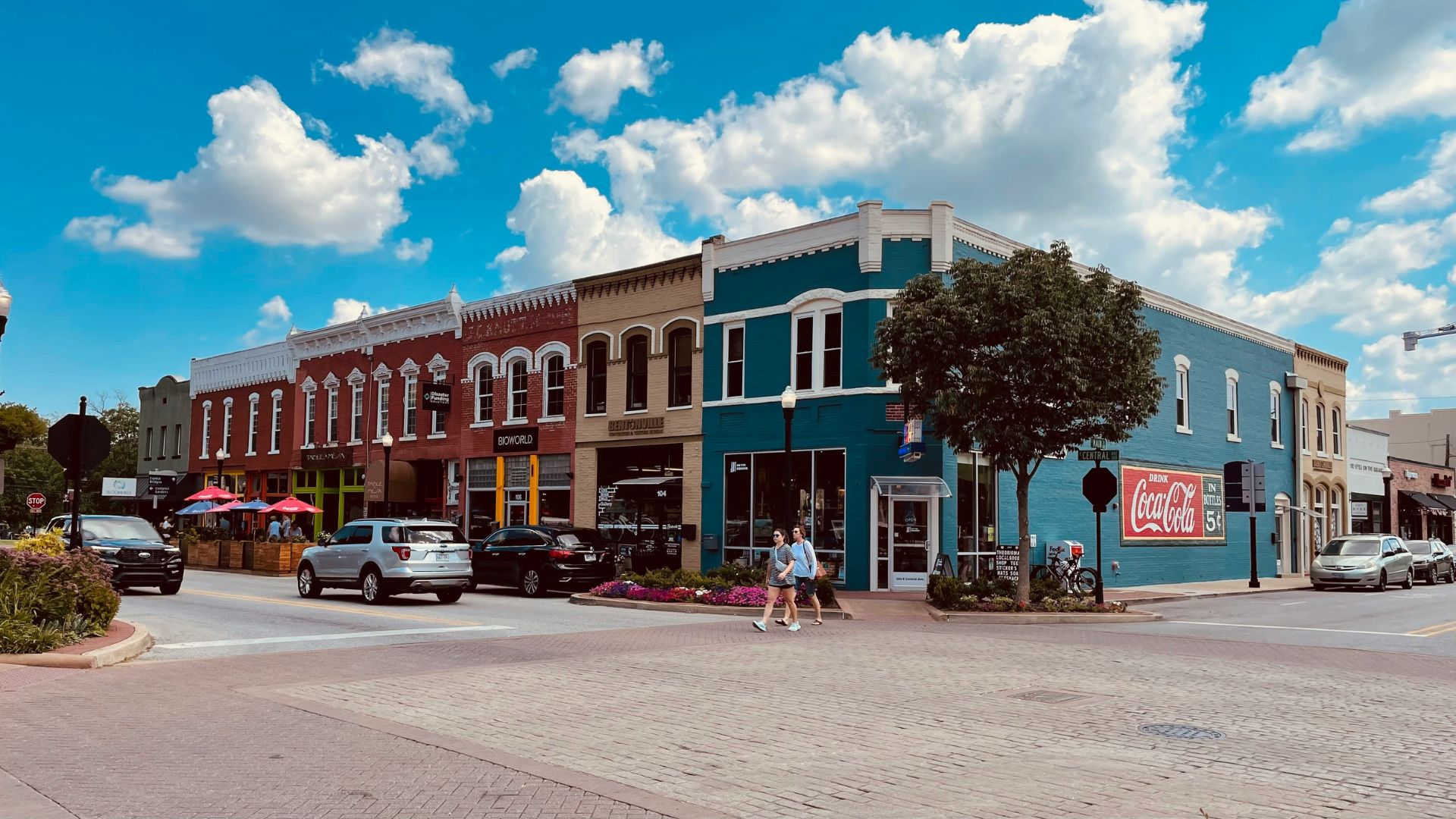
2) Bentonville, Arkansas
Bentonville’s becoming one of America’s most exciting travel destinations. Travel + Leisure and Condé Nast Traveler both put it on their “Best Places to Go” lists for 2026.
The Crystal Bridges Museum of American Art is the big draw. Tucked into the Ozarks, it’s a stunning spot for art and nature.
Outdoor lovers will find hundreds of mountain biking trails weaving through forests and hills. The city’s food scene? Surprisingly diverse—local restaurants have really stepped up.
Downtown is full of boutique shops, galleries, and public art. It’s easy to spend a day wandering, discovering something new around every corner.
Bentonville brings together arts, outdoor fun, and great eats in a small, walkable package. No wonder travel experts are calling it a must-visit for 2026.
3) Fredericksburg, Texas
Fredericksburg’s getting a lot of love as a Texas getaway. This Hill Country town mixes German heritage with cool, modern touches.
Main Street’s lined with boutiques, art galleries, and German restaurants. It’s the kind of place where you can lose track of time just browsing and sampling schnitzel.
Wine fans, take note: the area’s packed with vineyards and wineries. You can sip local wines and tour the rolling countryside.
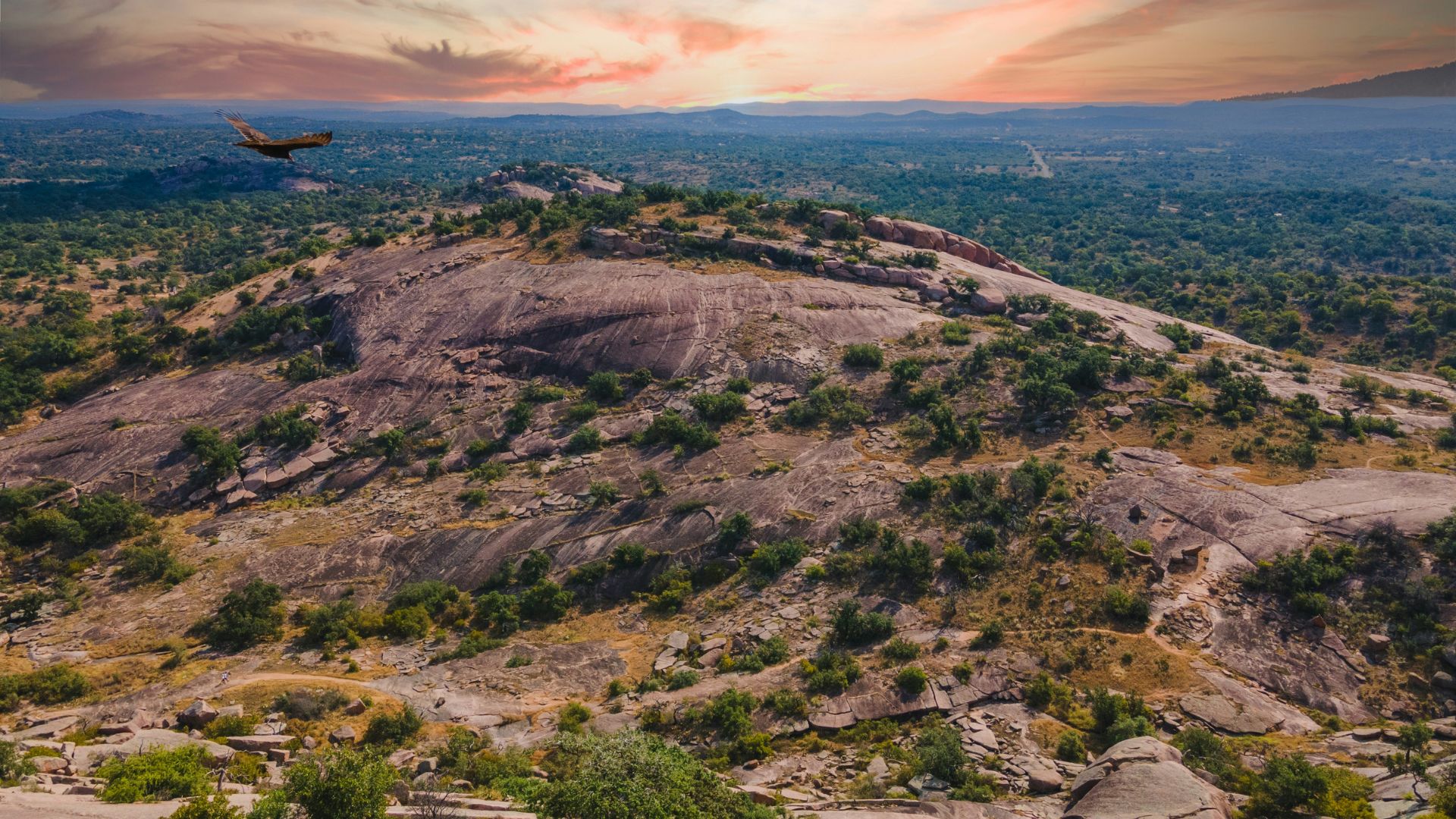
Enchanted Rock State Natural Area is just outside town, offering hiking and wide-open Hill Country views. History buffs can dive into museums that tell the story of Fredericksburg’s German roots.
The town keeps its 1846 charm but adds in all the modern comforts. You can visit for a day or linger for a weekend—food, wine, shopping, and nature make it a flexible pick.
4) Taos, New Mexico
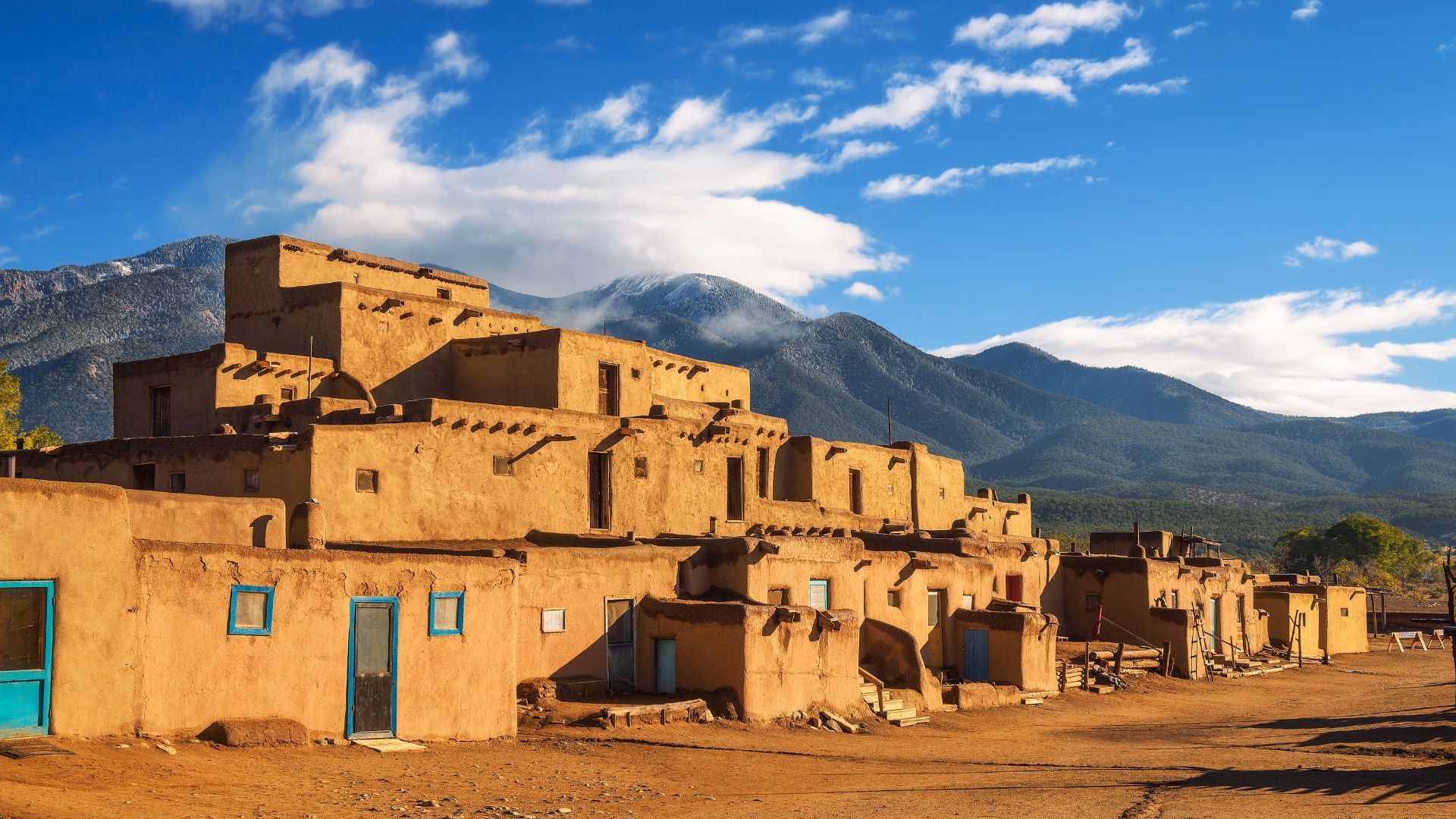
Taos sits up in the mountains of northern New Mexico, where art, history, and nature just seem to blend together. For over a thousand years, Native American communities have called this place home.
The Taos Pueblo is a must-see, with its ancient adobe buildings and stories that stretch back centuries. It’s one of the oldest communities in the country.
Artists and travelers come for the galleries, local shops, and cultural sites. In 2026, new boutique hotels and Native-led food experiences are popping up, giving you even more reasons to visit.
Love the outdoors? Taos has mountain trails and scenic drives that make you feel like you’ve left the modern world behind. Winter brings skiing, while summer is all about hiking and exploring.
Taos keeps a small-town vibe. You won’t deal with the crowds you find in Santa Fe or Albuquerque. If you’re chasing Indigenous art, historic sites, or just mountain views, Taos is the real Southwest.
5) Asheville, North Carolina
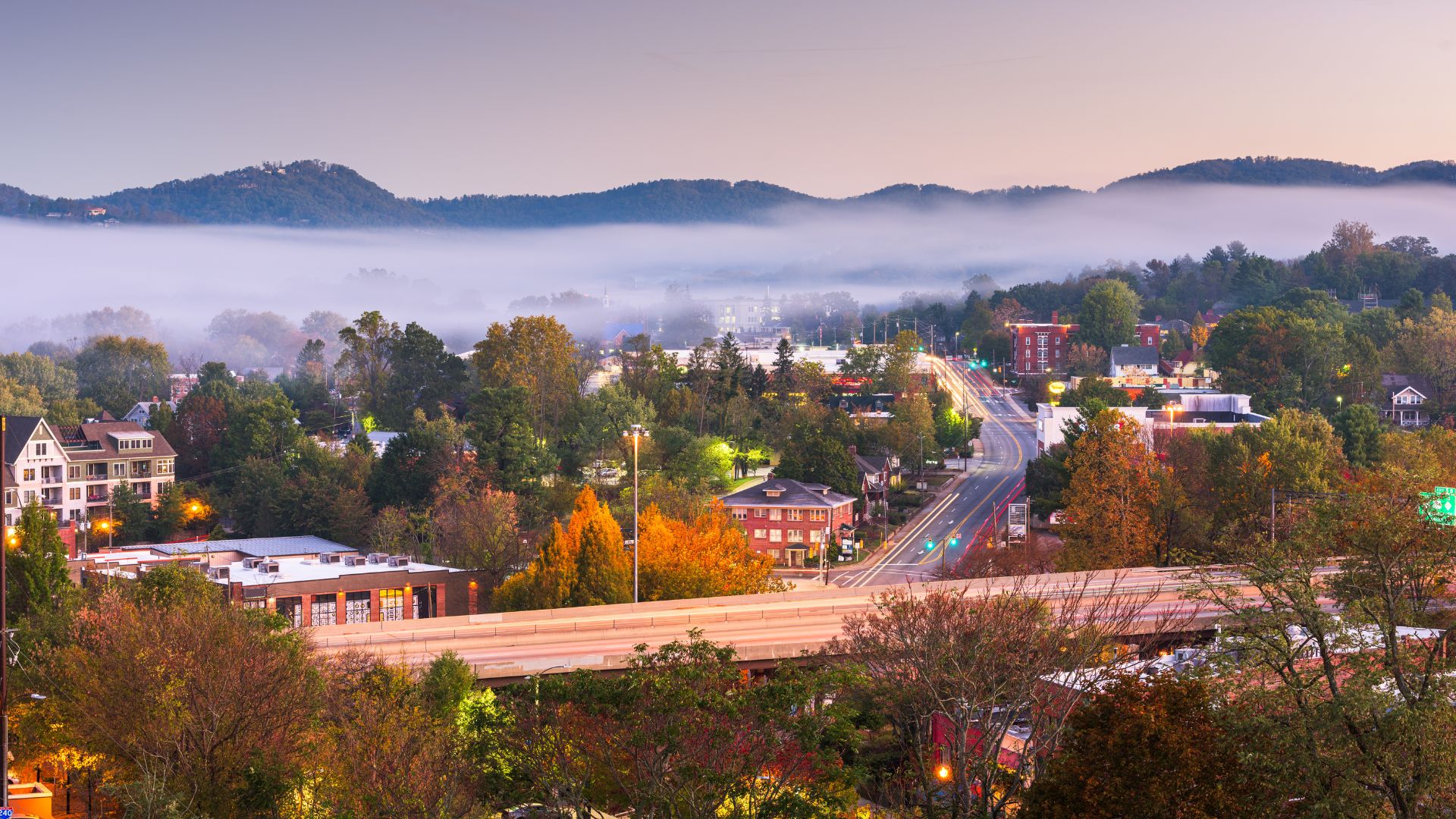
Asheville is tucked in the Blue Ridge Mountains and, honestly, it’s having a moment. Outdoor adventures, local art, and craft breweries keep people coming back.
The hiking here is top-notch. You can easily get from city streets to forest trails and mountain overlooks.
Downtown’s alive with restaurants, coffee shops, and—of course—breweries. Asheville’s food and beer scene is legendary in its own right.
After Hurricane Helene, the city bounced back. Local businesses rebuilt, and the community’s even stronger now.
Whether you want to explore outside or soak up local culture, Asheville delivers. It’s compact enough to walk but packed with enough to fill a long weekend.
6) Traverse City, Michigan
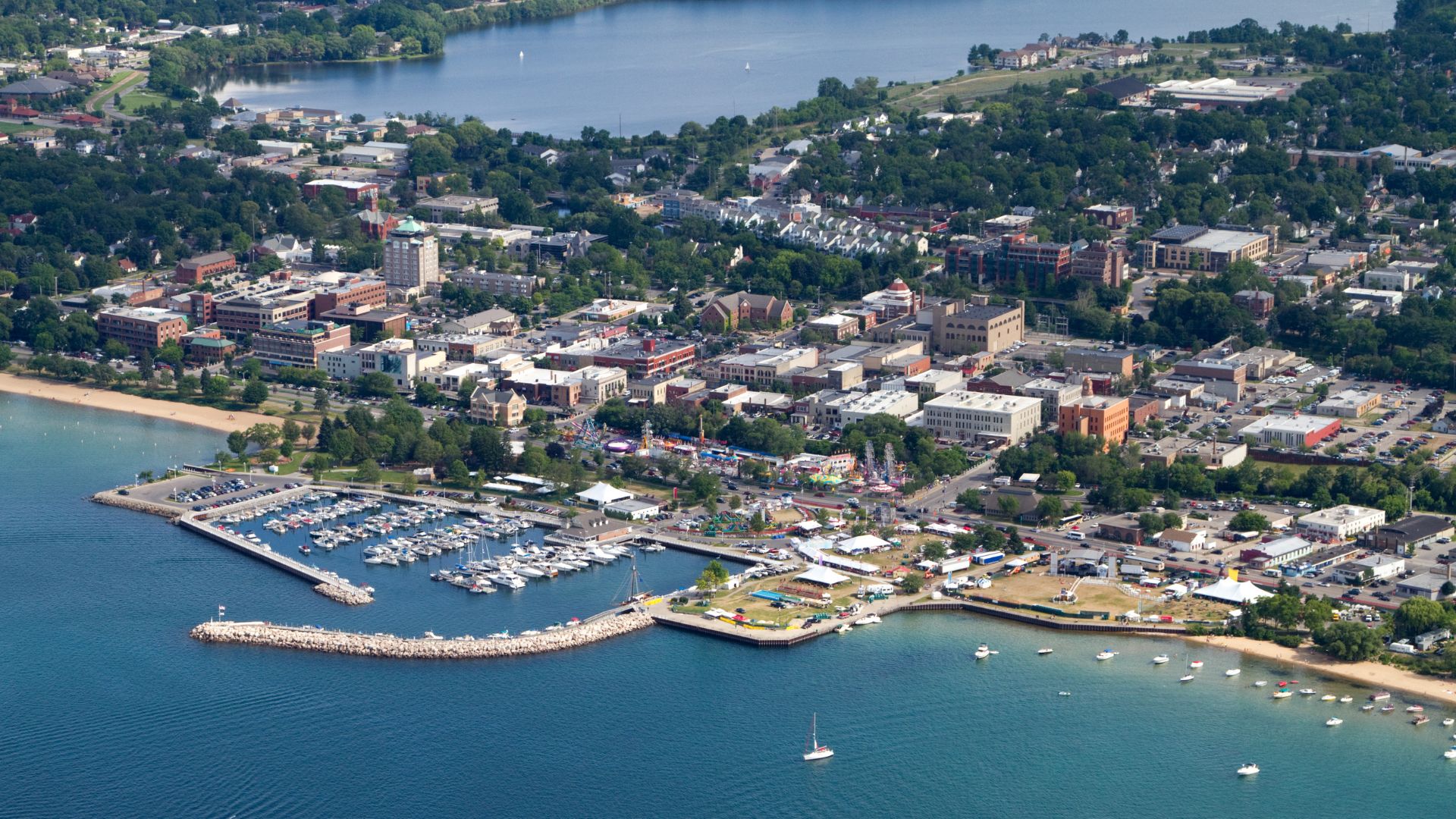
Traverse City hugs the shores of Grand Traverse Bay up in Northern Michigan. The Wall Street Journal put it on their “10 Best Places to Go in 2025,” right up there with Amsterdam and Maui.
You’ll find sandy beaches and clear Lake Michigan water. Cherry orchards and vineyards blanket the hills, and Sleeping Bear Dunes National Lakeshore has sand dunes that soar 450 feet high.
The food scene’s legit—local restaurants and wineries dot the area. Downtown’s full of shops and cafes, and CNN even called it one of the best places to visit in 2024.
Summer means beach days and water sports. Fall brings those famous Michigan colors. It works for families or couples looking for something quieter.
Traverse City gives you outdoor adventure and small-town charm, minus the tourist crush.
7) Boise, Idaho
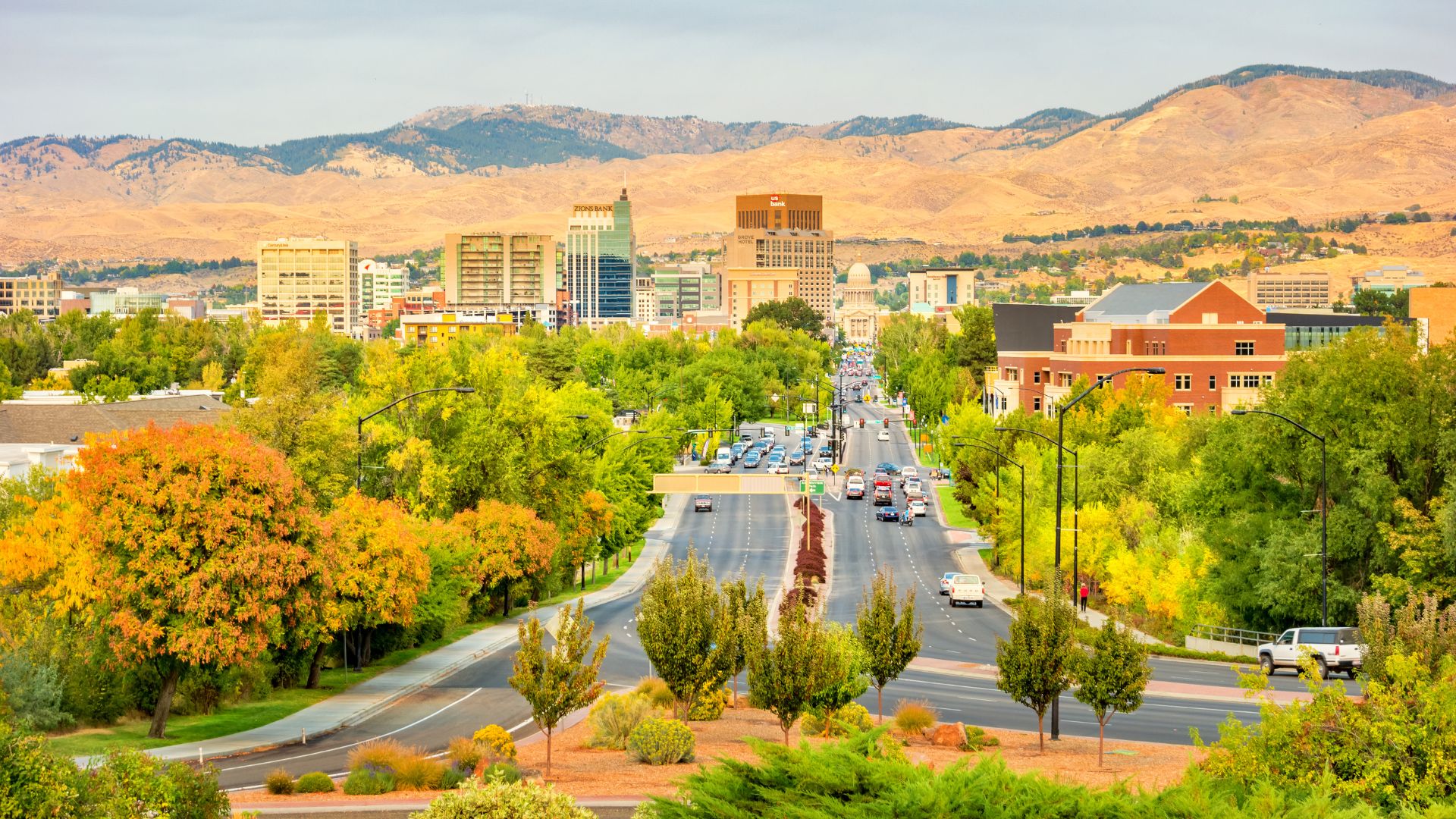
Boise made National Geographic’s top 25 travel destinations for 2025, and it’s only getting hotter. Idaho’s capital surprises a lot of people with its mix of outdoor fun and city energy.
The Boise River runs right through town, so you can hop on a hiking or biking trail straight from downtown. Spend your morning in the Foothills, then grab dinner in the city.
What really sets Boise apart? Its Basque culture. The Basque Block has authentic restaurants and cultural centers, and there are festivals and traditional foods year-round.
Day trips are easy—Shoshone Falls and the Sawtooth National Recreation Area are both close. You can switch from city to wilderness in no time.
Each season brings something different. Summers are green and lively, fall means colorful streets, and winter brings skiing nearby. Spring? The valley’s full of flowers.
Boise’s relaxed but never boring. Outdoor lovers and culture seekers both find plenty to do.
8) Olympia, Washington
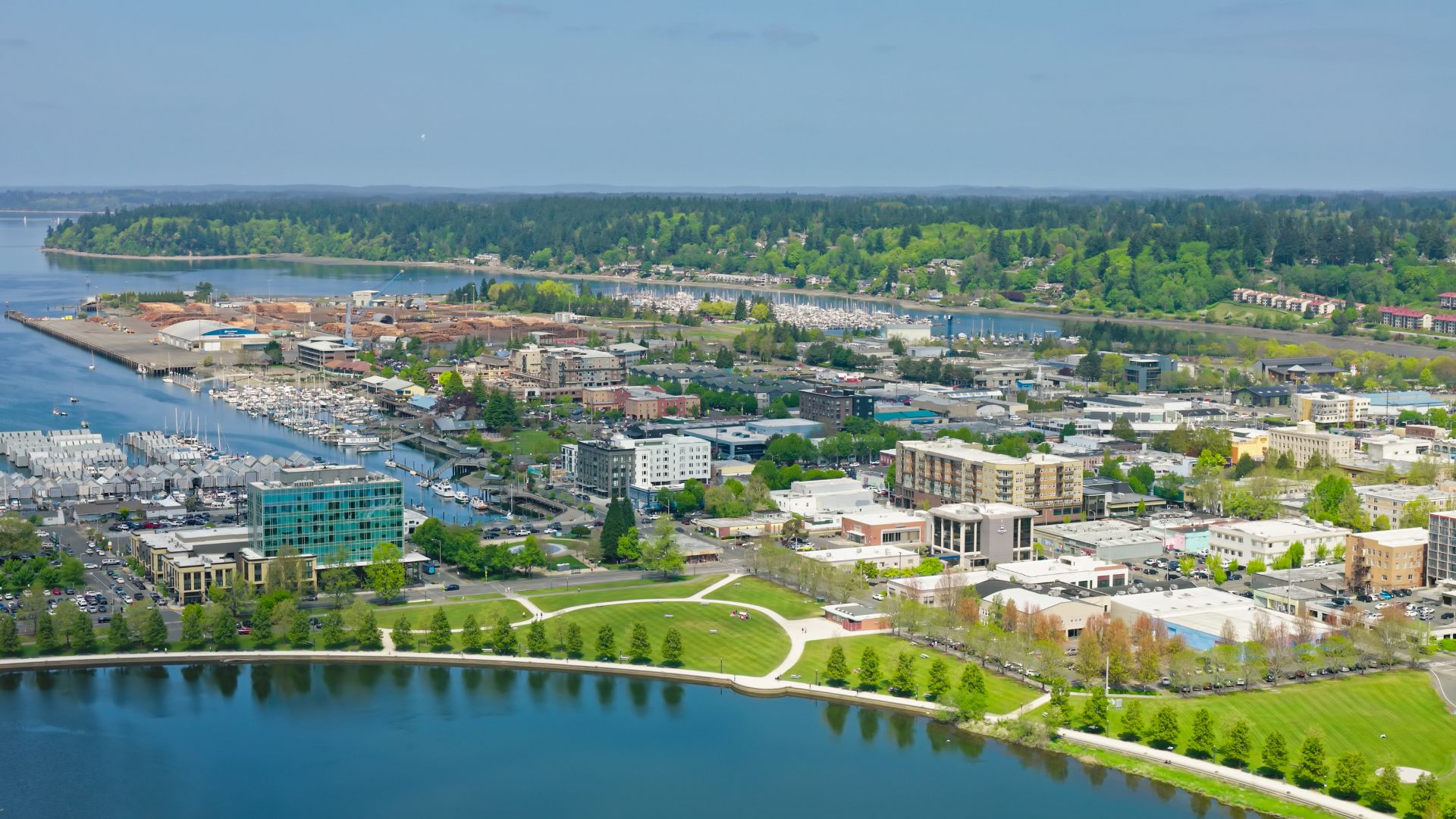
Olympia sits at the edge of Puget Sound, about an hour from Seattle. It’s Washington’s capital, but it feels a world away from the city crowds. Walkable streets, local breweries, and easy access to water and mountains make it special.
You get a nice mix of outdoor fun and culture. Wander the Capitol Campus, hit the farmers market, or kayak the inlets nearby. Downtown is all about independent shops and restaurants that showcase local flavors.
People are starting to notice Olympia for 2026. It still flies under the radar compared to Seattle or Portland, so you get fewer crowds and better prices. The Pacific Northwest vibe here feels authentic, not manufactured.
Quick trips to Olympic National Forest and Mount Rainier are easy from town. Spend your morning hiking, your afternoon on the waterfront, and maybe catch some live music or art in the evening.
Olympia’s ideal if you want adventure with a side of small-city charm.
9) Saugatuck, Michigan
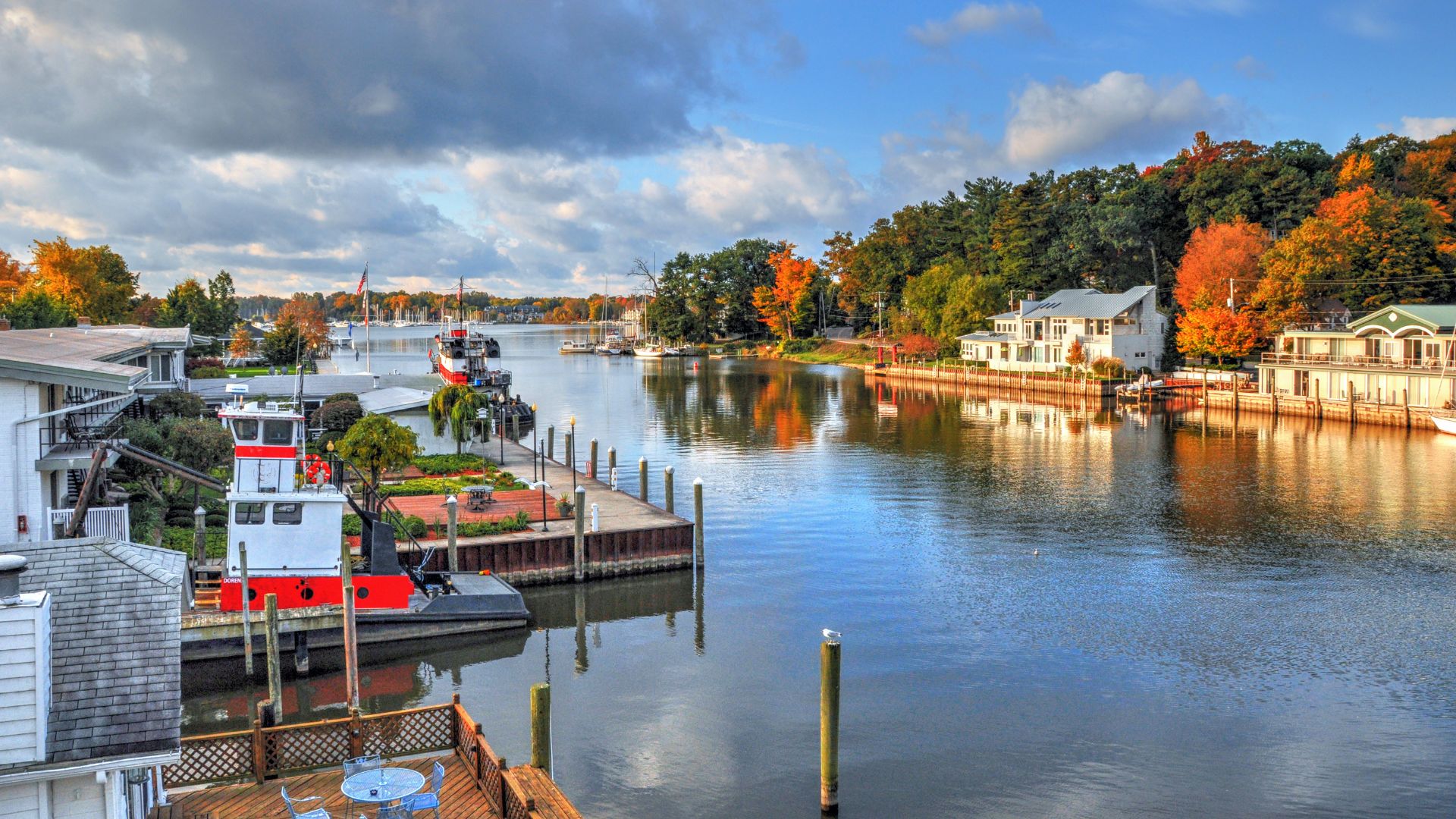
Saugatuck sits on Lake Michigan’s eastern shore and packs a punch for such a tiny village—just 865 residents, but you’d never know it from the vibe.
Oval Beach is one of the top beaches in the country, with fine white sand and clear, swimmable water. Climb Mount Baldhead for sweeping views, or wander the dunes on foot.
Saugatuck’s called the “Art Coast of Michigan” for a reason. Dozens of galleries and studios fill the town, and you’ll always find something creative going on.
The Kalamazoo River winds through, perfect for kayaking or boat tours. Local wineries add another layer—wine tasting with a lakeside view? Yes, please. It’s great for families, couples, or even solo travelers who want a peaceful getaway.
In winter, Saugatuck transforms into a cozy retreat with snowy streets and hot drinks in local cafes.
10) Bellingham, Washington
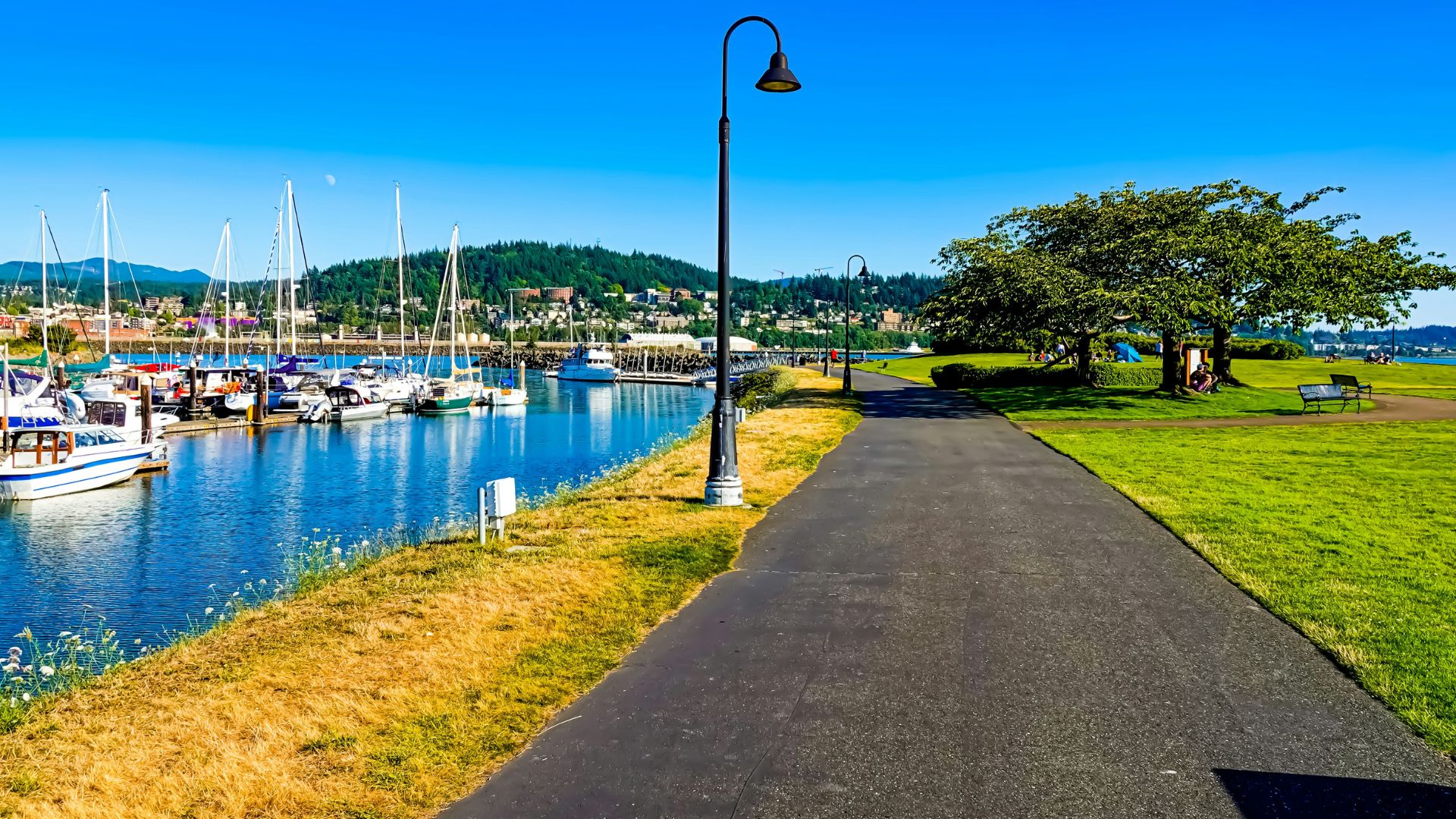
Bellingham sits way up in Washington’s northwest corner, squeezed between the mountains and the sea. It’s a small city with big outdoor appeal and none of the Seattle or Portland crowds.
Hiking trails, interurban paths, and waterfront parks are open year-round. Come summer, the weather’s just about perfect for festivals and exploring outside. Winter? The nearby mountains are ready for skiing.
Western Washington University brings youthful energy. You’ll find good food, breweries, and coffee shops everywhere you turn.
Bellingham is just 90 minutes north of Seattle, so it’s easy to reach. The setting is pure Pacific Northwest—forests, lakes, rivers, and ferries to nearby islands.
It’s the perfect base for exploring, with authentic local flavor and no tourist overload. Bellingham blends outdoor fun with the charm of a college town.
How to Choose Your Next Travel Hotspot
Finding the right place is all about matching your travel style with what’s on offer. If you keep an eye on current trends, you might just beat the crowds to the next big thing.
Factors to Consider When Selecting a Destination
Your budget really shapes where you can go—and what you’ll do once you get there. I’ve found that some emerging destinations come with way lower costs for food and lodging than those packed, well-known tourist cities.
Think about what you actually enjoy. Are you itching for hiking trails and outdoor adventures? Or do you get more excited about discovering local restaurants and museums? It helps to match a place’s strengths to what you love.
Key factors worth a look:
- Travel time from home (nobody loves a 12-hour layover)
- Season and weather during your trip
- Safety and accessibility for everyone in your group
- Local culture and language—will you feel out of your element, or is it part of the fun?
Who you travel with makes a difference. A spot that’s perfect for solo wanderers might not work for families with young kids. Some destinations feel made for couples wanting to unwind, while others buzz with nightlife for groups.
Double-check if you need special documentation. A few states or regions now require advance reservations for popular attractions, or limit visitors during peak times.
Travel Trends Influencing Emerging Hotspots
Social media drives destination popularity way faster than old-school travel guides ever did. I’ve watched places go from unknown to overbooked in just a few months after a viral post or video.
Younger travelers these days seem to pick quick weekend getaways to nearby spots instead of long international trips. That shift makes regional hotspots both appealing and easy to reach.
Here’s what’s trending:
- Smaller cities that offer real local flavor
- National and state parks seeing big crowds
- Food-focused trips with unique culinary scenes
- Sustainable, eco-friendly tourism choices
People care more about immersive experiences than just snapping photos at landmarks. Cooking classes, wine tastings, guided nature walks—these hands-on activities connect you to the place.
Remote work means some folks can stretch their trips and explore when it’s less busy. That spreads tourism out and makes new destinations more attractive.
Sustainable Travel Tips for New Destinations
When you explore America’s emerging hotspots, you can help set a positive example right from the start. Where you spend your money and how you move through these places—honestly, it shapes their future as travel destinations.
Supporting Local Communities Responsibly
Buy straight from local artisans and shop owners. Your dollars help families keep traditional crafts alive and support small businesses that make a place unique.
Pick locally-owned hotels, bed and breakfasts, or vacation rentals run by residents. More of your money stays in the community that way, instead of going to big chains.
Eat at independent restaurants that use ingredients from nearby farms. This supports local agriculture and cuts down on transportation impacts.
A few ways to show respect:
- Ask before taking photos of people or private spaces
- Learn a bit about local customs and history ahead of time
- Hire local guides—they always have the best stories
- Stick to posted signs and marked trails
Book tours and experiences run by locals instead of outside companies. Local guides know the real stories and keep tourism dollars in town.
Minimizing Your Environmental Impact
Pack reusable water bottles, coffee cups, and shopping bags. A lot of emerging spots don’t have great recycling, so less waste is better for everyone.
Walk, bike, or hop on public transit when you’re exploring downtown. You’ll see more, and it’s way better for the planet than driving everywhere.
Smart packing tips:
- Bring reef-safe sunscreen for water days
- Pack a small bag to carry out your trash on hikes
- Choose quick-dry clothes you can wash in a sink
Stick to marked paths when hiking or visiting nature spots. Stepping off trail can crush fragile ecosystems that take years to recover.
Turn off lights, adjust thermostats, and reuse towels at your hotel or rental. These small habits really add up when millions of travelers pitch in.
Frequently Asked Questions
Travelers planning for 2026 want to know which destinations deliver the best experiences without the crowds. Family-friendly options and spots that mix adventure with culture seem to be on everyone’s wish list.
West Palm Beach, Florida stands out as a coastal gem with cultural attractions and beaches—minus Miami’s crowds. Bentonville, Arkansas surprised me with its world-class art museums and mountain biking trails. Fredericksburg, Texas charms travelers with its German heritage and nearby wineries.
Taos, New Mexico offers artistic culture and outdoor fun, all in a relaxed setting. These places made the lists because they deliver quality experiences at lower costs than the usual hotspots.
Asheville, North Carolina keeps popping up for its mountain views, craft beer, and historic buildings. West Palm Beach is now a must-visit with its artsy district and waterfront scene. Bentonville draws visitors for the Crystal Bridges Museum and its growing food scene.
Travel trends show that 67% of travelers want less crowded places in 2026. These cities definitely fit the bill, while still offering a ton to see and do.
Fredericksburg, Texas keeps its hidden gem status with German heritage and wineries in the Texas Hill Country. Taos brings its UNESCO World Heritage pueblo and high-desert beauty. Bentonville surprises with a sophisticated art scene and endless outdoor adventures.
These spots offer rich experiences without the crowds or high prices of bigger cities. They’re affordable and packed with authentic local culture.
Taos, New Mexico gives you year-round adventure—skiing, hiking, and white-water rafting. Bentonville is a mountain biking hub with more than 300 miles of trails. Asheville opens up the Blue Ridge Mountains for hiking, waterfall hunting, and scenic drives.
West Palm Beach serves up water adventures like kayaking, paddleboarding, and diving. You get to enjoy nature without the chaos of the busiest national parks.
Taos stands out for its centuries-old pueblo and vibrant artist community. Bentonville gained cultural fame with the Crystal Bridges Museum of American Art, which is free to visit. Asheville makes the guides for its Art Deco buildings and the historic Biltmore Estate.
Fredericksburg keeps its German immigrant history alive with museums, festivals, and real-deal cuisine. These cultural touches make these places more than just another tourist stop.
West Palm Beach is really stepping up as a family favorite. The beaches are gorgeous, and it’s hard to beat a day at the local science center or the zoo.
Bentonville surprised me with its kid-friendly museums and endless bike trails. If you love being outside, there’s plenty of green space to explore.
Did you know about 32% of travelers are planning family trips in 2026? Multigenerational adventures are definitely on the rise.
Asheville has this vibrant, hands-on science museum that kids can’t get enough of. Plus, it’s surrounded by outdoor activities everyone in the family can enjoy.
Fredericksburg is a great pick if your crew loves history mixed with outdoor fun. There’s just something special about learning together while you wander through nature.
