
Traveling abroad for the first time can feel intimidating, but honestly, it doesn’t have to be. Some countries just make it so easy for Americans—no crazy paperwork, direct flights, and a sense that you won’t get lost in translation.
If you’re looking for the best places to go, I’d start with destinations that offer visa-free entry, lots of English speakers, and solid infrastructure. Whether you want to lounge on a Caribbean beach or wander cobblestone streets in Europe, there’s something for everyone. It’s all about finding that sweet spot between adventure and convenience, right? These countries let you dive into new cultures without a ton of hassle.
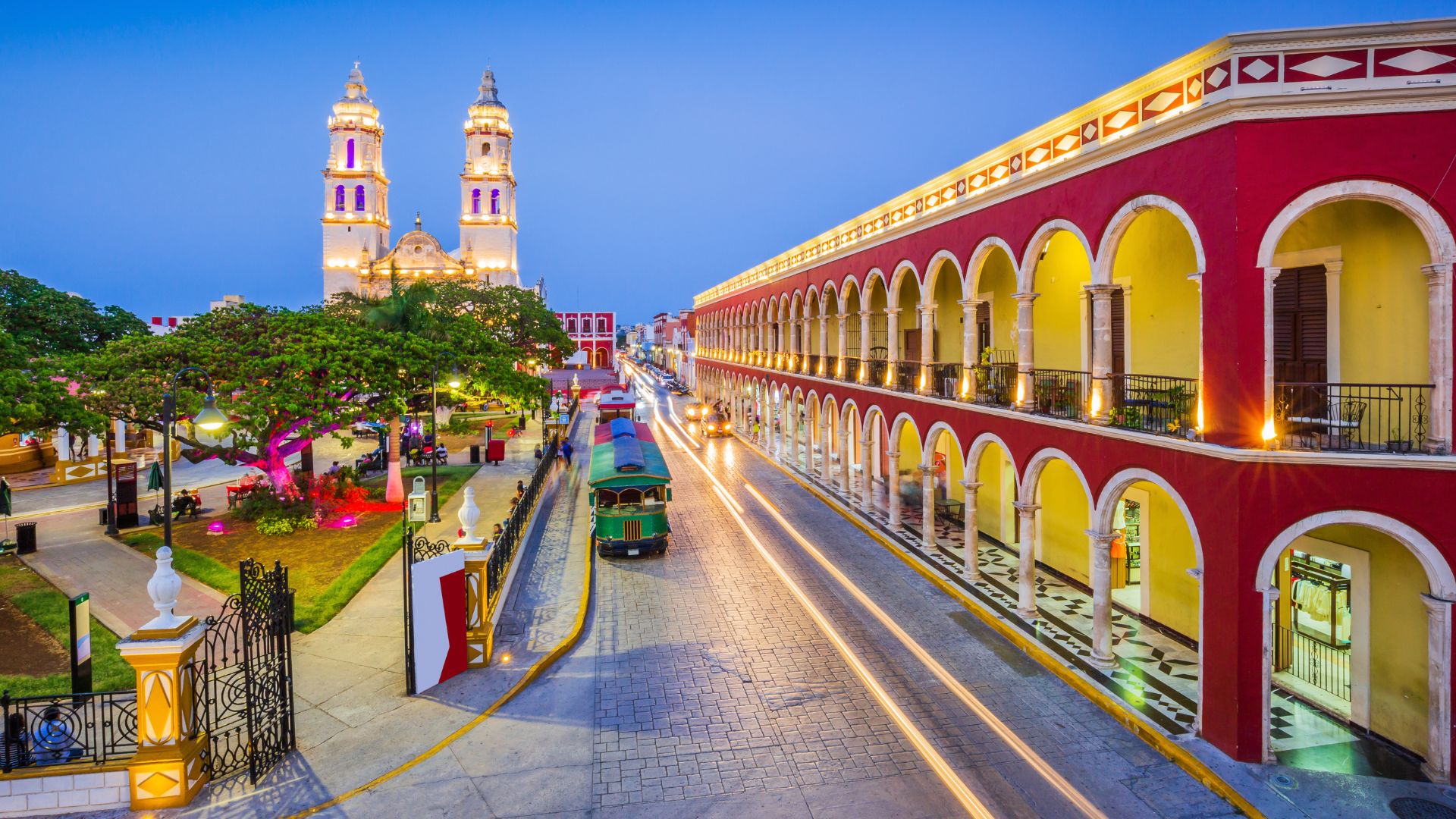
1) Mexico – visa-free for 180 days, direct flights from U.S.
Mexico might just be the easiest country for Americans to visit. You don’t need a visa, and you get up to 180 days for travel or business.
When you land in Mexico, you fill out a tourist card (FMM form). Flight attendants usually hand it out, or you can grab one at the border if you’re driving in.
An immigration officer decides how many days you get. Most people get the full 180, but sometimes it’s less, depending on your situation.
Direct flights from pretty much every big U.S. city make getting there a breeze. No layovers needed—you can hit the beaches, explore ancient ruins, or snack your way through colorful cities without much planning.
Just make sure your passport is valid for your whole stay. And don’t lose that FMM card—they’ll want it back when you leave.
2) Canada – easy border crossing, no visa needed for short visits
Canada is practically next door and super simple for Americans to visit. No visa required if you’re staying up to six months.
All you need is a valid U.S. passport. Double-check the expiration date before you go.
You can cross by car, train, bus, or just hop on a quick flight. Honestly, driving is often the cheapest and fastest option if you live up north. Border waits aren’t usually bad, but it can depend on the day.
No visa means no extra paperwork or approval process. Just pack, grab your passport, and go.
Canada’s so close, you can swing a weekend trip or stretch it out for a few weeks. Whether you’re into city life or wild national parks, the entry process couldn’t be easier.

3) Costa Rica – visa-free, English widely spoken, nature-focused
Costa Rica keeps things simple for Americans. No visa needed, and you can stay up to 90 days.
You get entry permission right at the airport. Easy.
Nestled between Nicaragua and Panama, Costa Rica has both Caribbean and Pacific coasts. Pretty cool, right?
English pops up everywhere, especially where tourists hang out. That makes getting around and ordering food way less stressful. Hotels and restaurants are up to international standards.
The country goes all-in on eco-tourism. Rainforests, beaches, monkeys—you name it. Tourism’s been booming here for decades, so the infrastructure’s solid.
Costa Rica ditched its military and put the money into education. It’s peaceful, democratic, and super welcoming.
Getting around is straightforward, and you don’t need to be a travel pro to have a great time.

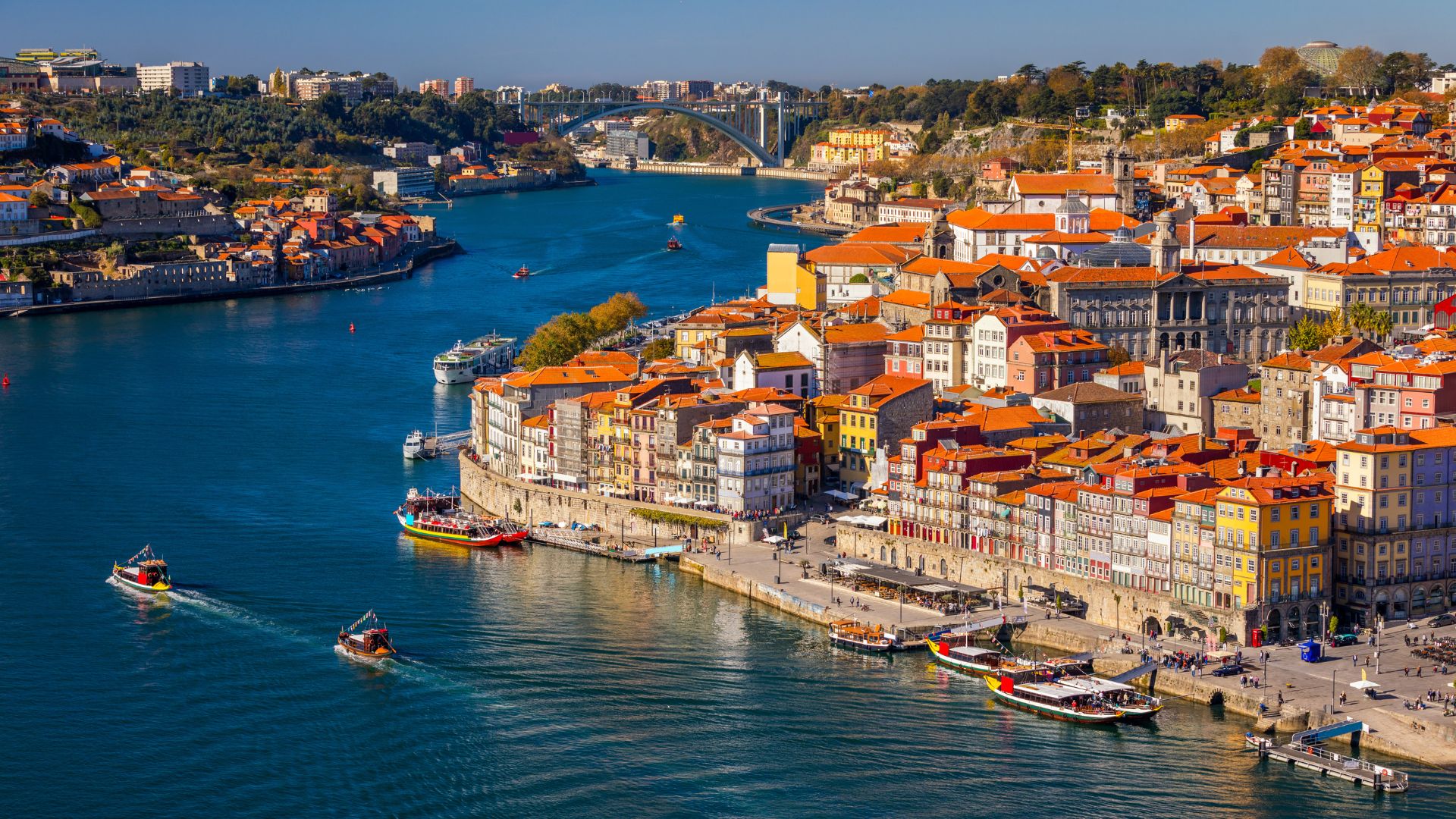
4) Portugal – visa-free, safe, English-friendly cities
Portugal lets Americans visit for up to 90 days without a visa. Just bring your passport and you’re set.
It’s one of Europe’s safest spots. Crime’s low, and tourists can wander around day or night without much worry.
English is everywhere in Lisbon and Porto. Hotel staff, restaurant servers, even younger locals—they often speak English really well. Asking for directions or help is no big deal.
Portugal sits right at Europe’s edge, so you can hop over to other countries easily. Flights to the rest of Europe are short and cheap.
Public transportation is a breeze. Lisbon’s got metros, buses, and trams; Porto’s got great transit too. No need to rent a car unless you want to explore the countryside.
Visa-free entry, safety, and all that English? It’s a no-brainer for Americans.
5) Jamaica – visa-free, direct flights, popular beach destination
Jamaica rolls out the welcome mat for Americans. No visa needed for tourist stays.
Just bring your passport and you’re good. Direct flights connect tons of U.S. cities to Montego Bay and Kingston. Most flights are just a couple of hours—so easy.
The beaches here are legendary. Think Negril’s Seven Mile Beach or Doctor’s Cave Beach in Montego Bay. But it’s not just sand and sea—there are waterfalls, mountains, and cool historic sites too.
Jamaica’s tourism scene is well-developed. All-inclusives, boutique hotels, you name it. English is the official language, so communication’s a breeze.
The vibe is laid-back and the weather’s warm year-round. You can chill by the water or get adventurous with snorkeling, hiking, or tasting local food.

6) Ireland – visa-free, English-speaking, rich culture
Ireland keeps it simple for Americans. No visa needed for up to 90 days.
Just flash your passport at the airport and you’re on your way. English is spoken everywhere, from Dublin to tiny villages.
You can dive into ancient castles, wander through historic sites, or catch live music in a cozy pub. There’s a real sense of history and tradition here—Gaelic sports, Irish dancing, and all that.
Ireland feels familiar in some ways, with sports like golf and rugby, but the food scene’s evolving fast. Traditional Irish dishes mix with modern twists.
Getting around is straightforward. Buses and trains link the cities, and you can rent a car to see the countryside. Just remember, they drive on the left!

7) Bahamas – visa-free, close to U.S., excellent resorts
The Bahamas is about as easy as it gets for Americans. No visa needed, and you can stay up to eight months. That’s almost a year!
It’s right off the Florida coast. Flights from Miami to Nassau are under an hour, and there are plenty of direct options from other cities too.
You’ll find all kinds of resorts—family-friendly, luxury, beachfront, you name it. Harbour Island is a personal favorite for laid-back charm.
Being so close means less time in transit and more time on the beach. No long-haul flights or complicated customs lines.
If you want an extra layer of safety, sign up for the Smart Traveler Enrollment Program. The Bahamas checks all the boxes for a hassle-free, sunny escape.

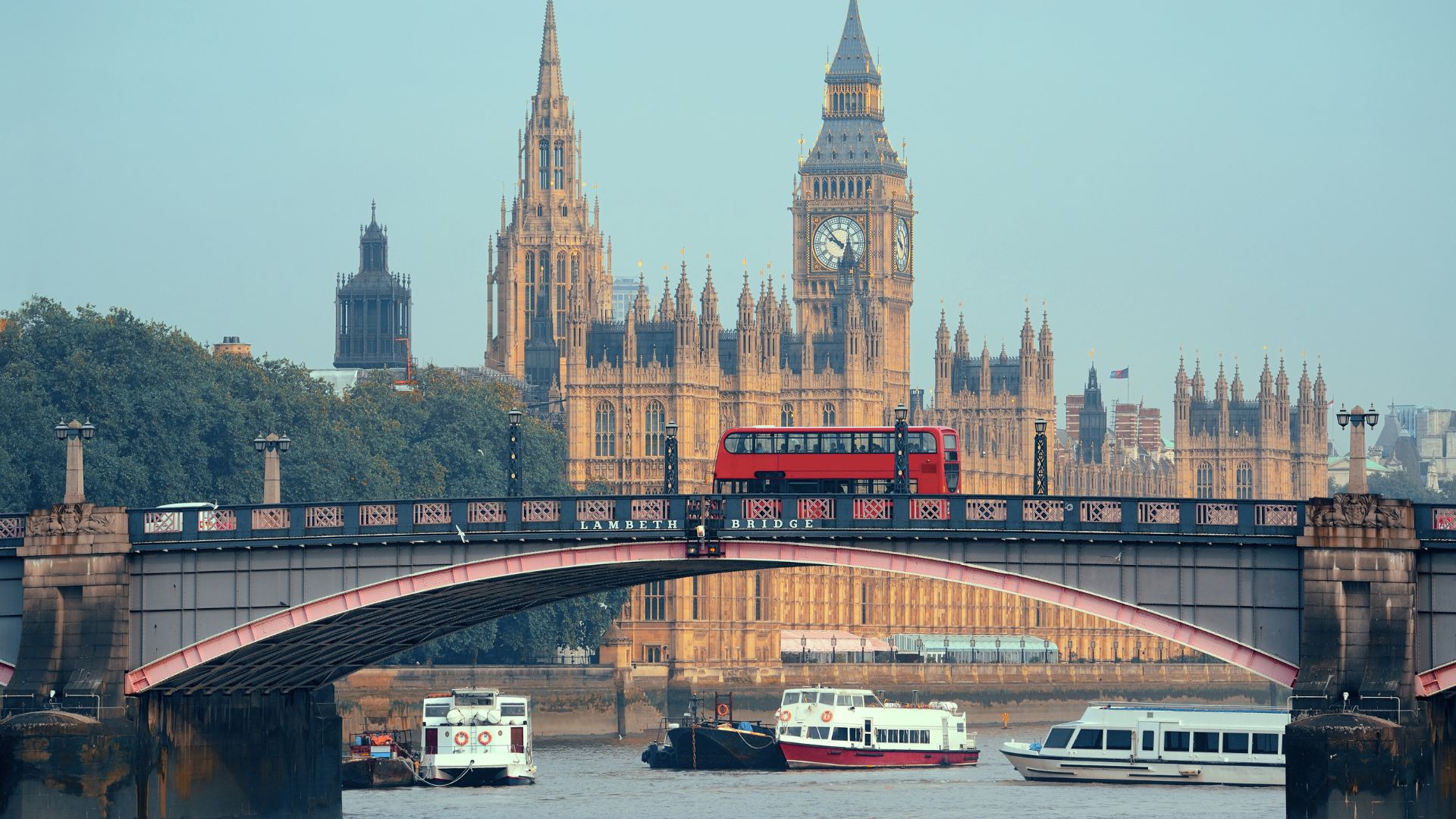
8) United Kingdom – visa-free, English language, historic sites
The UK makes it almost too easy for Americans. No visa for stays up to six months.
Language? Not a problem. English is everywhere—England, Scotland, Wales, and Northern Ireland.
You can lose yourself in history here. Think castles, cathedrals, and villages that look straight out of a movie. London’s got Big Ben and the Tower of London, but places like York and Edinburgh are just as magical.
Modern comforts are everywhere—reliable trains, comfy hotels, and plenty of familiar food. The museums and theaters are world-class.
From the wild Highlands to rolling English hills, every part of the UK has its own flavor. With a U.S. passport and a bit of curiosity, you’ll have access to it all.
9) Barbados – visa-free, welcoming locals, tropical vibe
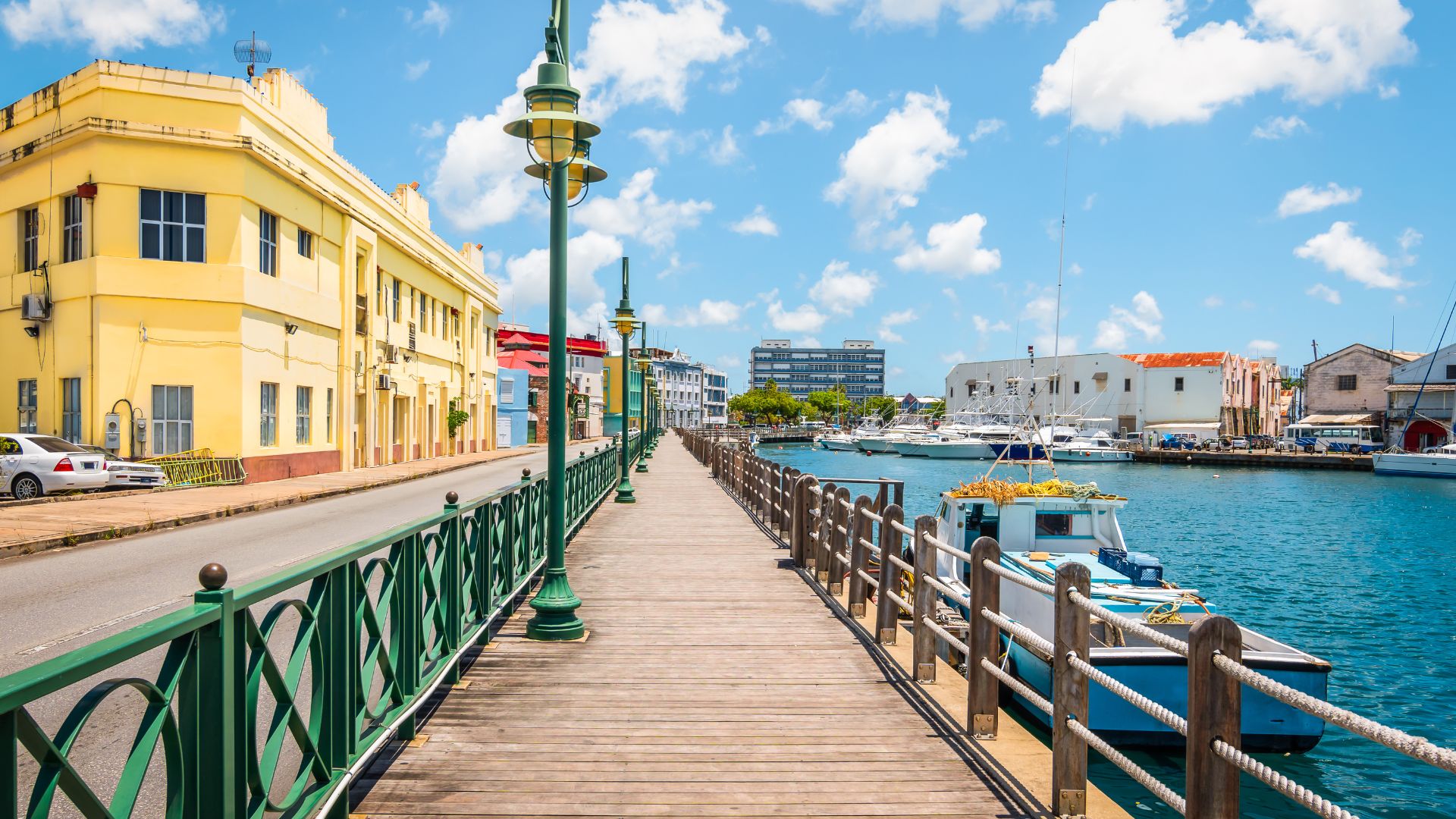
Barbados lets Americans in without a visa. You’ll get a stamp on arrival, and that’s it.
It’s tucked away in the eastern Caribbean, with amazing beaches and a lively culture. Colonial buildings, tasty food, and endless sunshine set the scene.
Locals here are famously friendly. The tourism infrastructure is solid, so you won’t have trouble finding your way or getting what you need. English is the official language, so there’s no language barrier.
Barbados is perfect for both relaxation and adventure. Spend your days on white sand beaches, try surfing or snorkeling, or wander through historic plantations. Don’t skip the rum or the local food—it’s part of the experience.
Easy entry and an English-speaking vibe make Barbados a top pick for a Caribbean getaway.
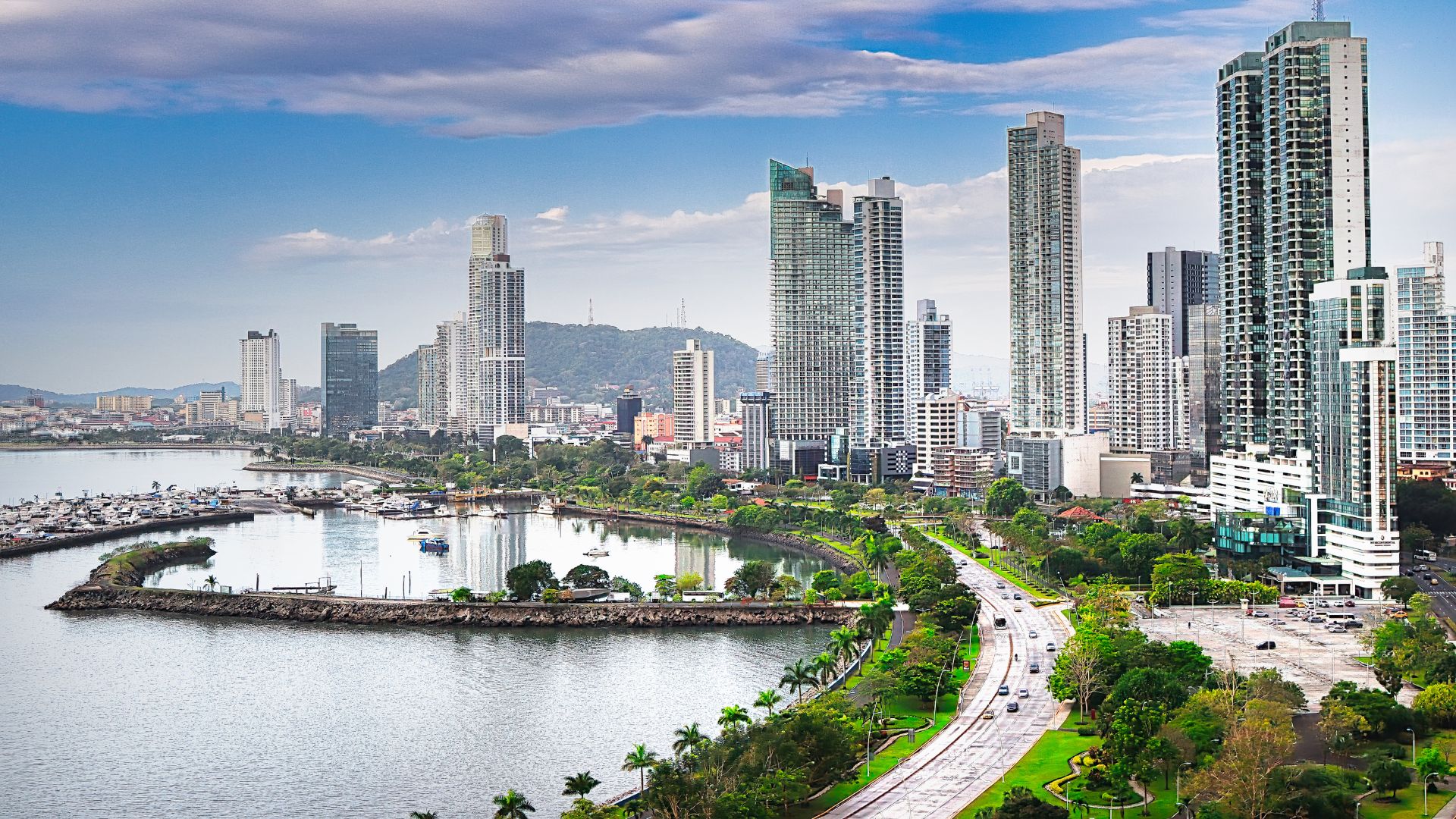
10) Panama – visa-free, modern infrastructure, easy logistics
Panama welcomes Americans for up to 180 days, no visa needed. Just bring a valid passport and you’re set.
The country’s infrastructure is surprisingly modern—Panama City’s metro is slick, highways are well-kept, and two major airports offer direct U.S. flights.
Panama acts as a major travel hub, so getting around is a cinch. Whether you’re in the city or heading for the coast, transport is straightforward.
English is spoken in most tourist spots and business areas. And the U.S. dollar is the official currency, so budgeting is a breeze.
You get a mix of city energy and natural beauty here—visit the Panama Canal, trek through rainforests, or hit the beaches on either coast. The services are reliable, making travel here refreshingly stress-free.
Essential Travel Tips for Americans
If you’re an American traveler, you’ll find that most beginner-friendly countries let you in without advance visas. Still, it’s smart to double-check the latest rules before you book your flights—requirements can change faster than you’d expect.
Your health prep and travel insurance choices can make or break the trip. I’ve learned that the hard way, trust me.
Visa and Entry Requirements
You won’t need a visa for short tourist trips to places like the UK, Ireland, Japan, or most of Europe. Those spots let Americans stay up to 90 days visa-free.
Canada and Mexico keep it easy, too. No paperwork headaches before you arrive.
Make sure your passport won’t expire soon—it usually needs to be valid for six months past your travel dates. Some countries get picky about this.
Common visa-free destinations for Americans:
- European Schengen Zone (90 days)
- United Kingdom (180 days)
- Japan (90 days)
- South Korea (90 days)
- Australia (90 days with ETA)
- New Zealand (90 days)
Australia and New Zealand want you to fill out an electronic travel authorization online before you fly. It takes about five minutes and costs less than $20.
I always stash copies of my passport and important docs in a separate bag, just in case.
Health and Safety Considerations
Book a doctor’s visit 4-6 weeks before you go abroad. Your doctor can tell you which vaccines you’ll need for your destination.
If you take prescription meds, bring enough for your whole trip—and then some. Keep them in the original bottles and pack them in your carry-on.
When I travel to countries where tap water isn’t safe—most of Asia, Africa, or parts of Latin America—I stick to bottled water. It’s worth checking the rules for your specific destination.
I always register with the State Department’s Smart Traveler Enrollment Program (STEP). It’s free and keeps you in the loop if there’s an emergency.
Travel Insurance Advice
Your regular health insurance probably won’t work overseas. Travel medical insurance usually runs $50-150 for a two-week trip and covers emergencies.
Trip cancellation insurance can save your wallet if you get sick or something comes up. It usually costs 4-10% of your trip price.
Key coverage to look for:
- Emergency medical care ($50,000 minimum)
- Emergency evacuation ($100,000 minimum)
- Trip cancellation and interruption
- Lost or delayed baggage
- 24/7 assistance hotline
I recommend buying insurance within two weeks of booking your trip for the best coverage. Don’t just skim the policy—read what’s excluded, too.
Understanding Local Cultures
Picking up basic customs and a few local phrases really helps you connect with people. I’ve found these small efforts make travel smoother—and way more fun.
Common Customs and Etiquette
Every country has its own quirks. In Japan, people bow when they greet you, and you’ll need to take off your shoes indoors. Don’t tip there—it’s actually rude.
Canada feels a lot like the U.S., but folks are a bit more reserved. You’ll hear “sorry” for just about anything.
In Ireland and Portugal, greetings matter. People expect a hello when you enter a shop and a goodbye when you leave. Meals move at a slower pace, and rushing is frowned upon.
Australia keeps things casual. People use first names and like honest conversations. Still, personal space and waiting your turn are important.
Key differences to remember:
- Tipping customs aren’t the same everywhere
- Personal space rules shift by country
- Meal times and speed vary
- Greetings can be formal or casual

Language Barriers and Helpful Phrases
English gets you far in places like Canada, Australia, New Zealand, and Ireland. No real language barrier there.
In other countries, learning a few phrases goes a long way. I always start with “hello,” “please,” “thank you,” and “excuse me” in the local language. Locals appreciate the effort—even if my accent is terrible.
Japan can be tricky outside big cities because less English is spoken. Signs usually have English, though. I download a translation app before I go, just to be safe.
In Spain and Portugal, you’ll get by with English in touristy areas, but rural spots need more language skills. Younger folks tend to know more English.
Essential phrases to learn:
- Hello and goodbye
- Please and thank you
- Where is the bathroom?
- How much does this cost?
- I don’t understand
Frequently Asked Questions
If you’re American, you’ve got a lot of options. Many countries don’t require a visa, and you’ll find plenty of places that are affordable, family-friendly, and safe for newbies.
Your U.S. passport opens doors to over 180 countries without advance visas. Mexico lets you stay for up to 180 days. You can visit Canada for short trips and even cross by car or train.
Costa Rica, Portugal, and Jamaica also welcome Americans without visa hassles. Most of Europe gives you 90 days in a 180-day window. The UK, Ireland, and Iceland don’t require visas for tourists, either.
Mexico tops the list for budget-friendly travel. Decent hotels run $30-50 a night, and you can eat for $5-10. Flights are cheap since it’s close.
Costa Rica costs a bit more but still offers good value. Portugal is one of Europe’s cheapest countries—your money goes further there than in France or Italy.
Canada is a no-brainer for families new to international travel. It’s close, familiar, and crossing the border is easy.
Costa Rica wins over families with its wildlife and adventure activities. English is common, and the tourist infrastructure is solid. Mexico’s beach resorts offer direct flights and plenty for kids to do, all without straying too far from home.
Portugal feels welcoming, safe, and easy to get around—even if you don’t speak Portuguese. English is common in Lisbon and Porto.
Canada is the simplest option for beginners. No language barrier, no big cultural surprises.
Costa Rica is great for those who want adventure but not headaches. The country is small and caters to English-speaking tourists. Jamaica’s all-inclusives make planning simple for first-timers.
Canada ranks high for safety. You won’t worry much about crime, and you can drink tap water everywhere.
Portugal keeps crime rates low and is known as one of Europe’s safest spots for travelers.
Costa Rica has a stable government and prioritizes visitor safety. They don’t even have a military, and they invest in education and the environment. As always, practice basic precautions, but these countries tend to be safer than most.
Portugal? Oh, it’s a gem for young travelers chasing adventure without burning through their savings. The medieval castles practically pull you in, and the nightlife buzzes with energy that just feels contagious.
I still remember the first time I wandered through those cobblestone streets, grabbing fresh seafood by the coast. Surf towns like Ericeira and the laid-back vibe in Lisbon keep drawing crowds of young people, and honestly, it’s easy to see why.
Costa Rica stands out if you crave wild nature and a bit of adrenaline. Here, you can zip-line through rainforests or chase waterfalls on a whim. Surfing the Pacific or spotting monkeys in the trees? It’s all part of the everyday magic.
Mexico sits right next door, but every visit feels like a new discovery. Ancient ruins rise out of the jungle, and colorful cities burst with music and street food. It’s a place where you can dive into a different culture, but you’re still just a short flight from home.
