
It seems like American travelers are craving something different for 2026. Crowded tourist hotspots just aren’t cutting it anymore.
More folks want real experiences in places that still feel fresh and, honestly, a little undiscovered.
That shift is opening up a world of lesser-known destinations. From wild Atlantic islands to tucked-away mountain villages in Eastern Europe, these places are finally getting some attention.
They give you a chance to wander before the mainstream crowds show up. If you’re tired of the same old beaches and city breaks, these spots might just be what you’re looking for.
You’ll find everything from volcanic lakes in the Caribbean to centuries-old villages in Asia. Each place brings something you just won’t get from your typical vacation.
These emerging destinations offer a way to travel deeper, skip the stress of overtourism, and maybe even come home with a better story.
1) Svaneti, Georgia
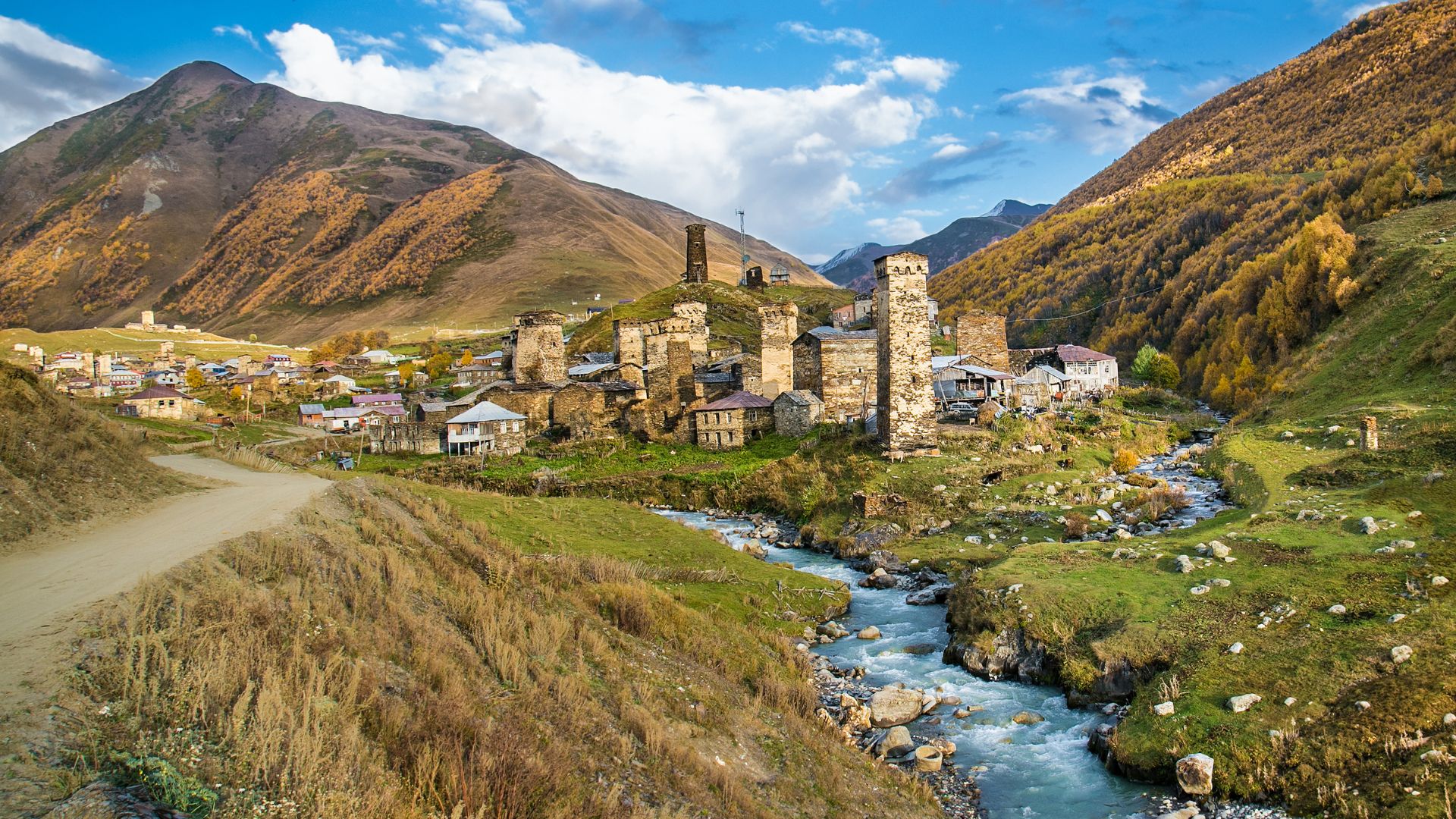
Svaneti sits way up in Georgia’s Caucasus Mountains, far off the usual tourist track. I still remember the first time I saw those medieval stone towers against the wild, alpine backdrop—it felt like stepping into another era.
You won’t run into the crowds you’d see in the Alps or Pyrenees. The region’s traditional culture has lasted thanks to its isolation.
Stone watchtowers pop up everywhere, standing guard over mountain peaks that include Georgia’s highest summits.
Mestia acts as the main hub, perfect for soaking up Svan culture and launching into hikes. Ushguli, one of Europe’s highest permanently inhabited villages, nabbed UNESCO status for its iconic tower-houses.
In August, you’ll see more hikers on the main trails, but it’s still easy to find quiet paths if you want solitude. Adventurers and hikers come here for mountain experiences without the tourist circus.
National Geographic even called Svaneti one of the world’s best travel spots in 2021. Now, Americans are finally catching on to this hidden corner of the Caucasus.
2) Dominica’s Boiling Lake
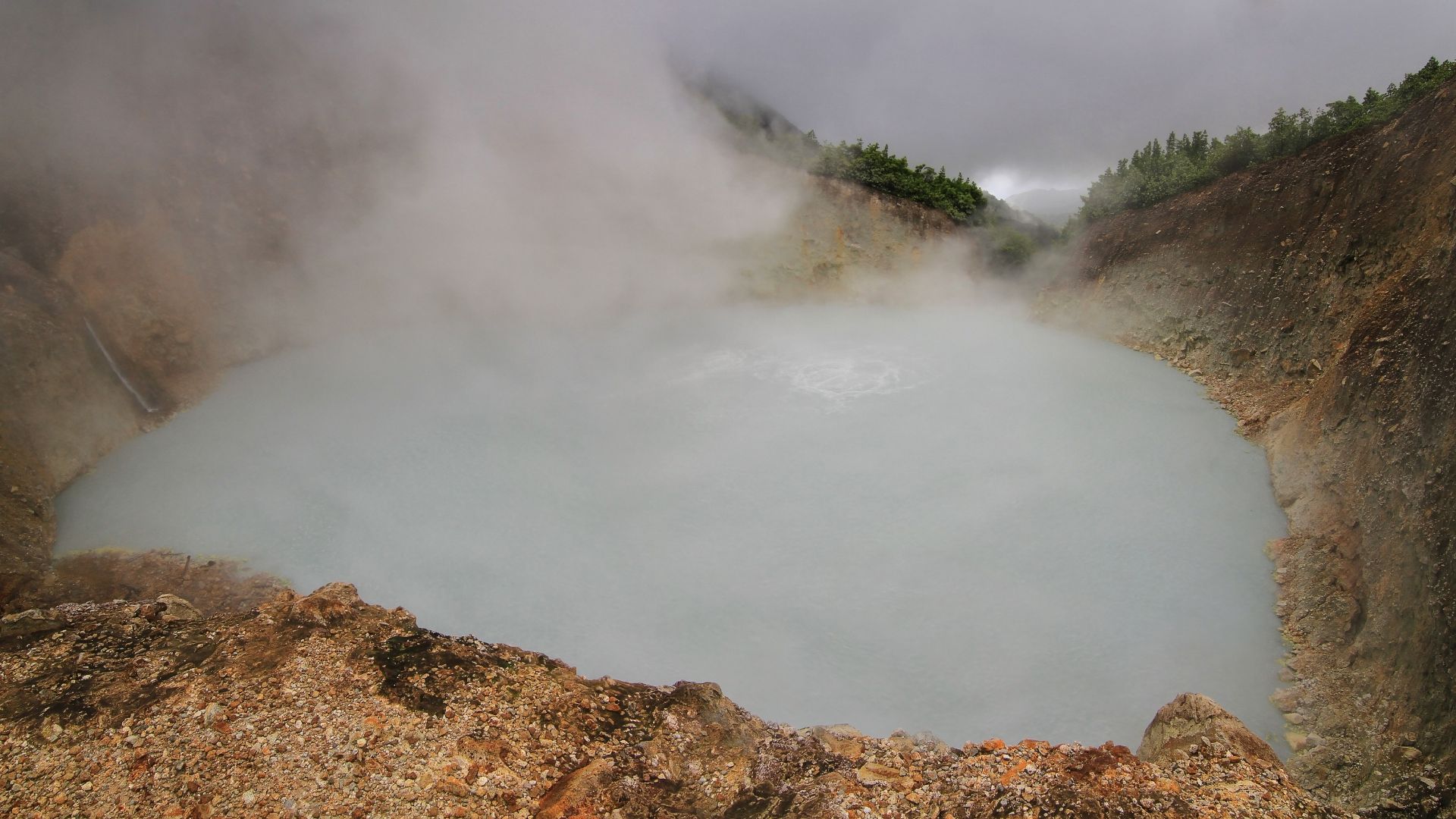
If you’re chasing adventure in the Caribbean, Dominica’s Boiling Lake is tough to beat. It sits in Morne Trois Pitons National Park, about 6.5 miles from the capital, Roseau.
This lake ranks as the world’s second-largest hot lake. It’s a swirling, grey-blue pool shrouded in vapor, stretching up to 250 feet across.
To get there, you’ll need to tackle a demanding six to eight-hour round-trip hike. The trail winds through dense rainforest and climbs some steep, muddy sections.
You’ll pass sulfur vents and the Valley of Desolation before reaching the lake. The water at the edge hits 85°C—nobody’s dared measure the center.
Dominica even put the lake on its national currency. The trek can be brutal, but the wild, volcanic scenery makes it worth every muddy step for adventure lovers.
3) Labuan Bajo, Indonesia
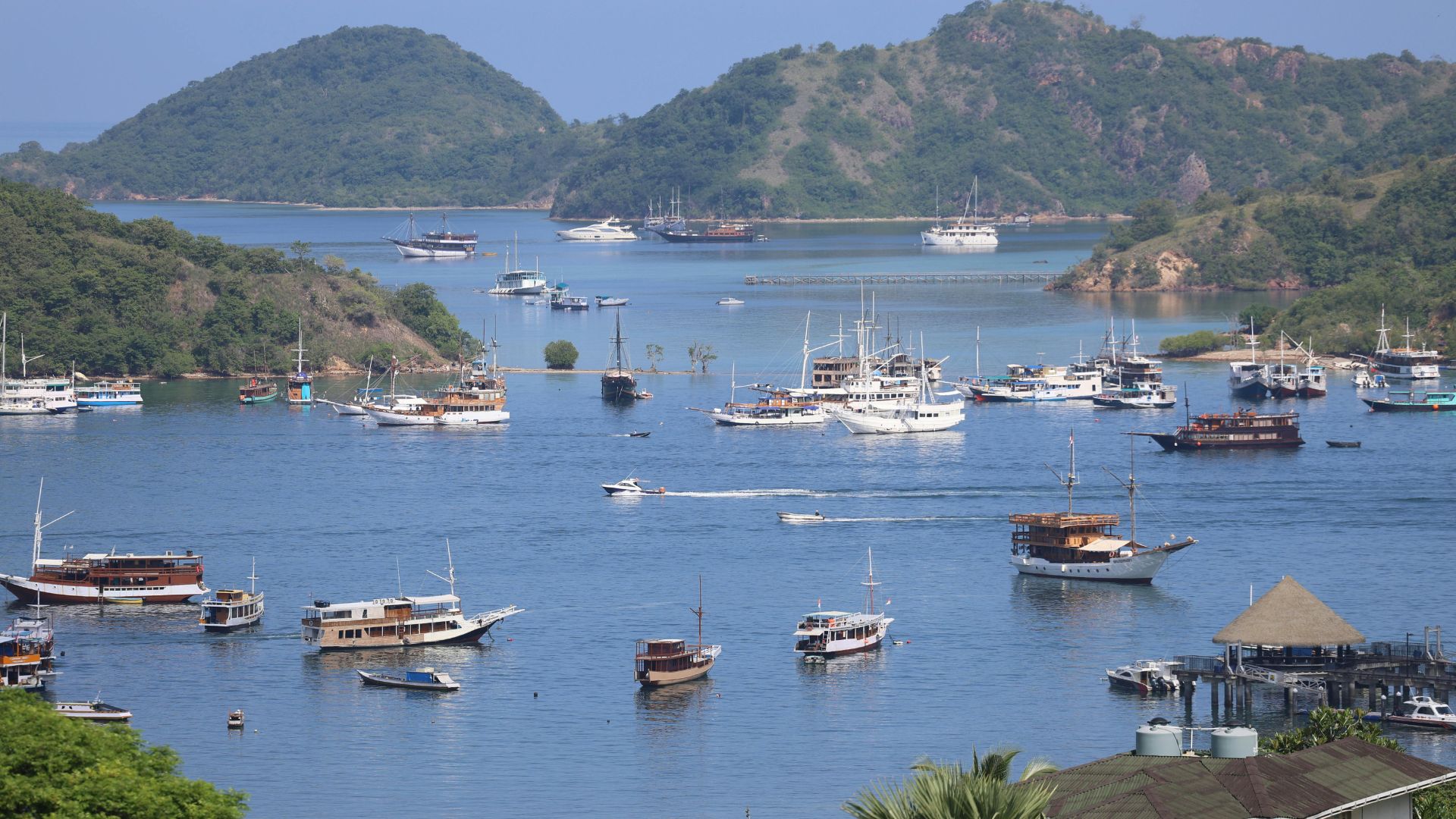
Labuan Bajo sits at the western tip of Flores Island, Indonesia. Not long ago, it was just a fishing village, but Condé Nast Traveller recently named it one of Asia’s top 10 spots for 2026.
This town opens the door to Komodo National Park. Where else can you see Komodo dragons in the wild? It’s a rare thrill.
Turquoise waters and pristine islands call out for exploring. I loved hopping between islands and diving with manta rays—marine life here is next level for underwater adventurers.
With new direct flights from Singapore, Labuan Bajo’s suddenly much easier to reach. Indonesia’s Tourism Ministry is pushing it as a quieter alternative to Bali.
The area blends natural beauty with genuine hospitality. You’ll find wild landscapes and a local vibe that’s still intact, even as tourism grows.
4) Timor-Leste, Asia
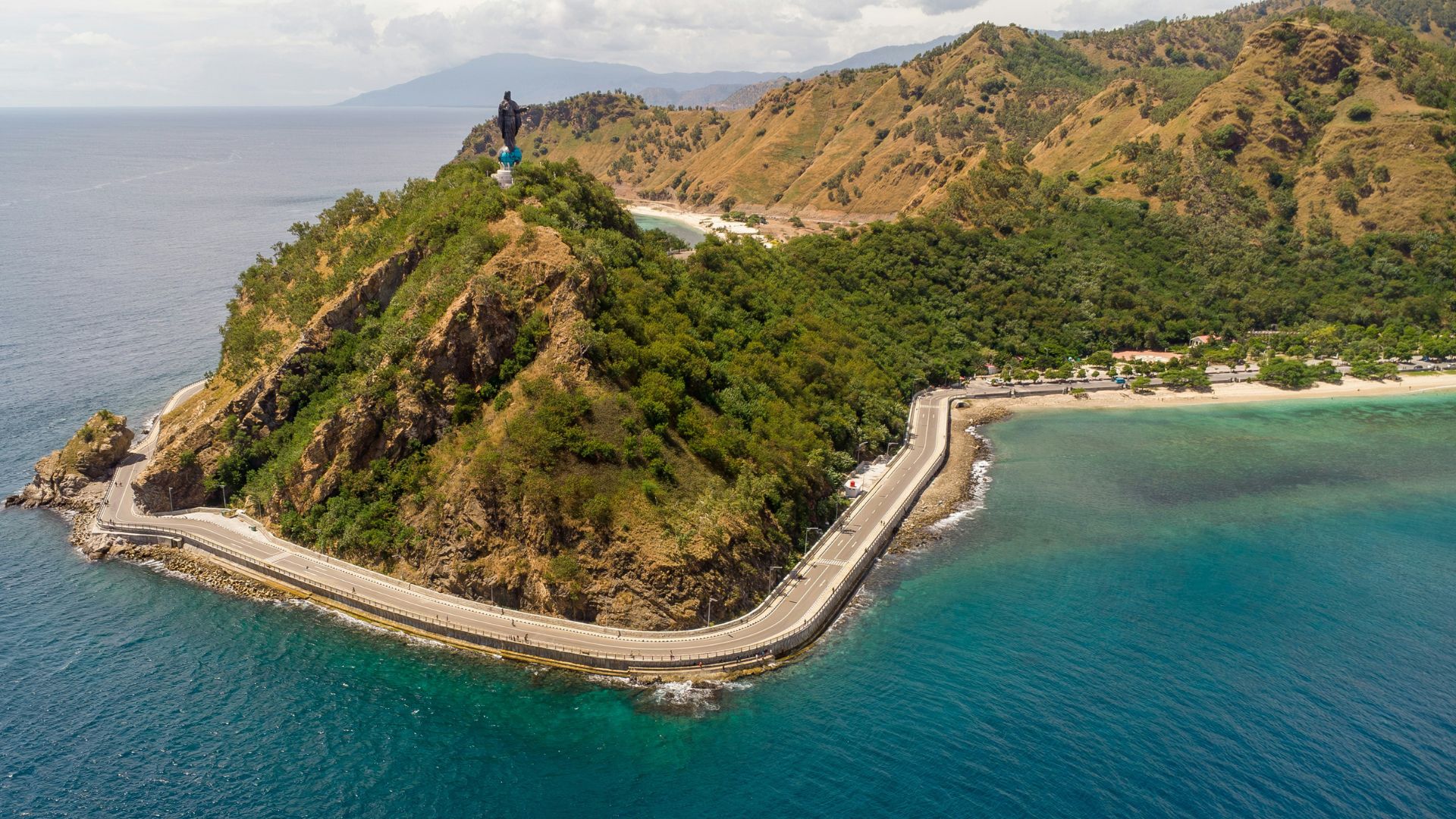
Timor-Leste claims the eastern half of Timor Island in Southeast Asia. Gaining independence in 2002, it’s one of the world’s newest countries.
Here, you’ll stumble onto untouched beaches and rugged mountains. It’s Asia’s least-visited country, so you can actually explore without crowds.
Dili, the capital, mixes lively markets and local art with Portuguese and Indonesian influences. Beyond the city, you can dive in coral-rich waters or hike through the highlands.
Oecusse, an enclave, gives you access to traditional rituals and ancient caves. Tutuala, out east, has cliff-lined coasts and rock carvings—plus some incredible diving.
Your visit supports a growing tourism industry. Locals greet visitors with warmth, but don’t expect typical tourist infrastructure. That’s part of the authentic experience.
5) Moldova, Europe
Moldova sits quietly between Romania and Ukraine. Most people can’t even find it on a map, but that’s starting to change.
The World Tourism Organization says Moldova saw a staggering 62% jump in visitors in early 2025 compared to 2019. That makes it Europe’s third fastest-rising destination.
You’ll get authentic experiences minus the crowds. Chisinau, the capital, offers Soviet-era architecture and cool modern cafes.
Just outside, you can wander the world’s largest wine cellar at Milestii Mici—55 kilometers of tunnels and over 1.5 million bottles. Moldova is still one of Europe’s least visited countries, so prices stay low and interactions feel real.
The wine regions steal the show, but you’ll also find monasteries, fortresses, and villages untouched by mass tourism.
Americans are finally adding Moldova to their Europe itineraries. Its unique history and location make it a fascinating detour from the usual circuit.
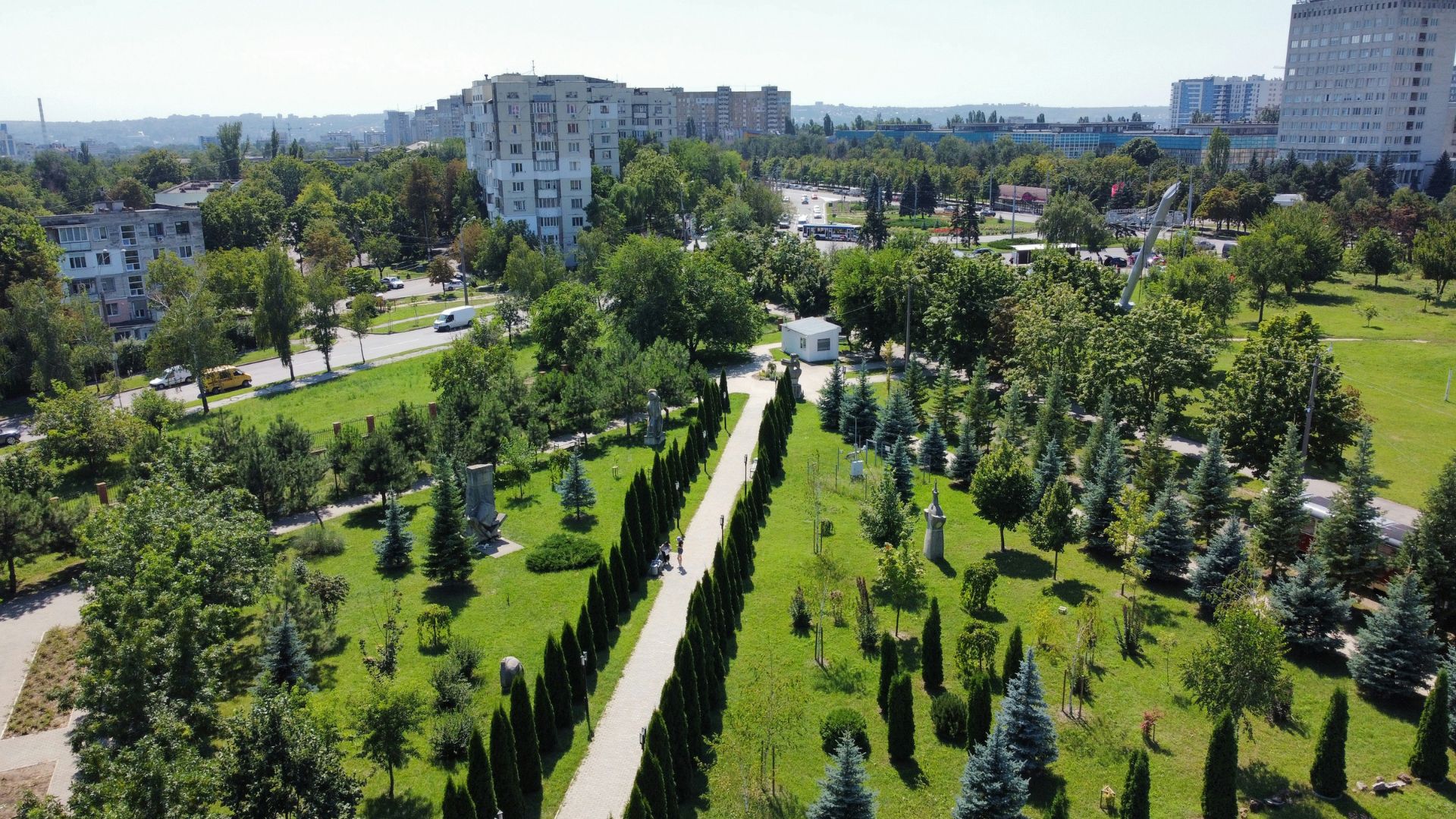
6) Unspoiled Villages in Turkey
Turkey’s remote villages offer a real break from places like Istanbul and Cappadocia. These peaceful settlements hide in mountain valleys, along quiet coasts, and across rural highlands.
You’ll spot stone houses and lively local markets. Families here still keep traditional crafts alive.
Most international travelers haven’t discovered these villages yet. You can wander ancient streets without bumping into tour groups.
Locals welcome you with genuine hospitality, not tourist sales pitches.
These villages showcase Turkey’s authentic culture and everyday life. Explore abandoned ruins, hike to hidden waterfalls, and try regional foods you won’t see in the cities.
More Americans are eyeing these spots for 2026. You’ll find unique stays in restored historic homes, plus beautiful landscapes with none of the usual crowds.
The slower pace is a treat. Spend days wandering, no packed schedule required.
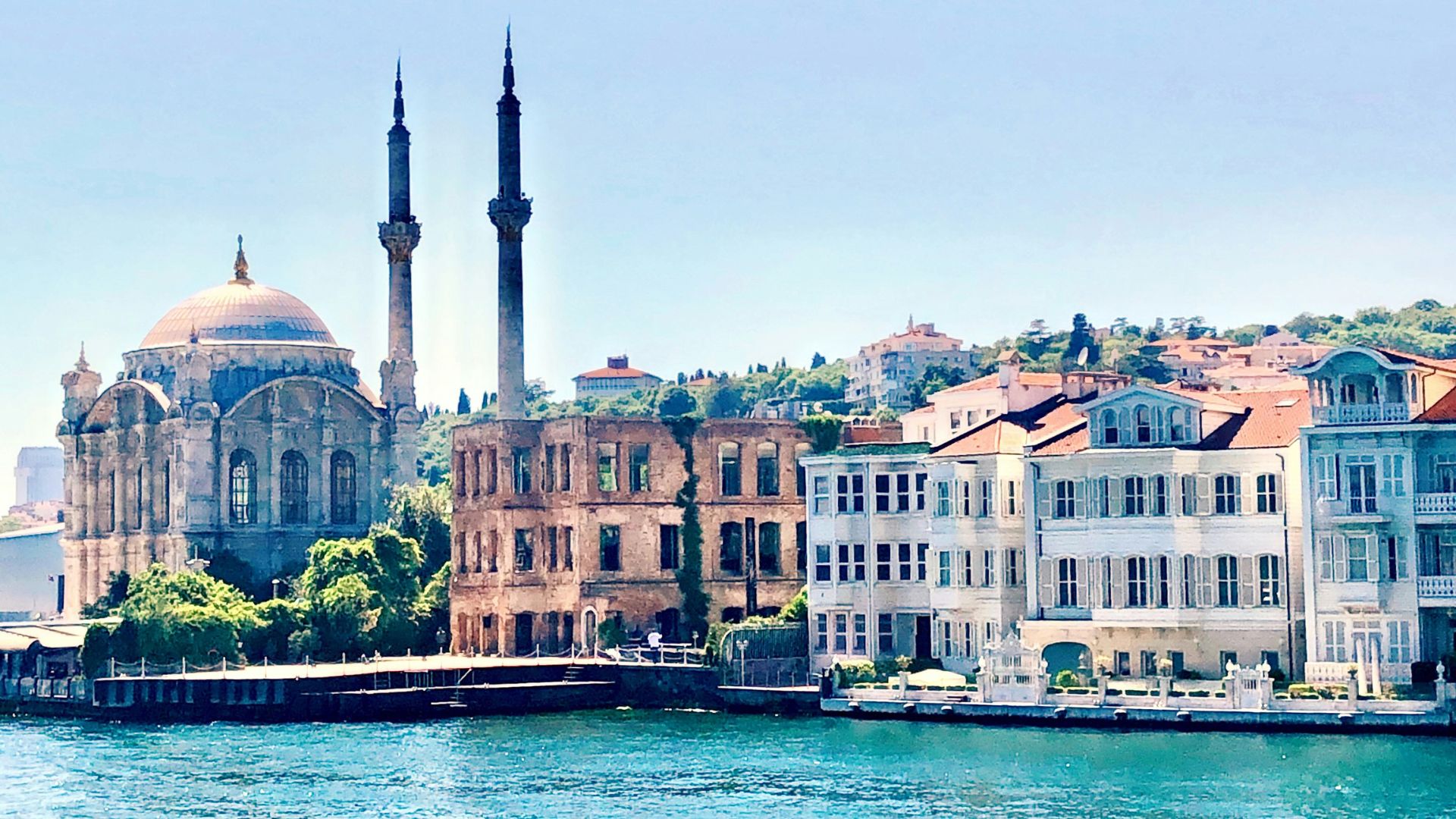
7) Hidden Trails in Greece
Greece has so much more than busy beaches and famous ruins. Quiet hiking paths snake through mountain villages and wild, untouched landscapes.
These lesser-known trails run through places where life hasn’t changed much. You’ll pass old stone houses and wave to shepherds tending their flocks.
Many of these hidden routes wind past ruins that never make the guidebooks. Some paths have been used by locals for generations.
The vibe feels way more authentic than the big tourist sites. You’ll eat at family-run tavernas—menus in Greek, prices for locals.
Reaching these trails takes some extra planning. You might need to dig deeper than the usual travel guides or ask locals for tips. The reward? Quiet paths and genuine moments with Greek culture.
Visiting these places helps support small communities. You get a richer perspective on Greece and help villages that don’t usually benefit from tourism.
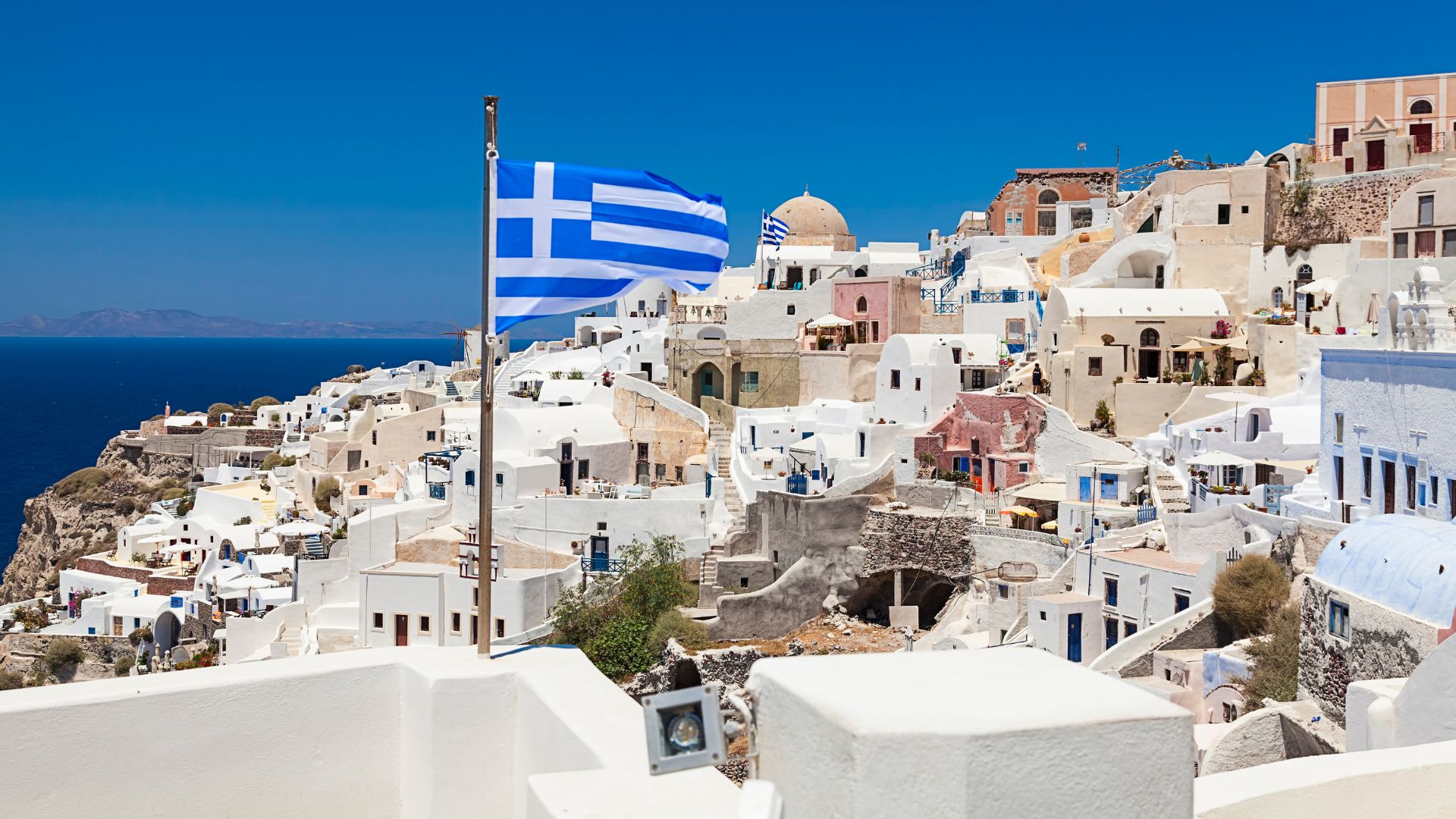
8) Komodo National Park, Indonesia
Komodo National Park stretches across the Lesser Sunda Islands, straddling two provinces. It covers about 2,000 square kilometers of protected land and sea.
There’s way more than just Komodo dragons here. The marine life is some of the richest on Earth, and most tourists haven’t even scratched the surface.
Several islands have hiking trails that let you escape the crowds. Pink sand beaches dot the shore—perfect for photos or just relaxing.
Americans are starting to catch on, choosing this spot over Indonesia’s busier islands. Conservation efforts keep the ecosystem thriving.
Exploring by boat is the way to go. You can hop between islands and snorkel in crystal-clear water.
It takes a bit more planning than a Bali trip, but that’s half the fun. Strict visitor guidelines help protect the park’s wildlife and wild beauty.
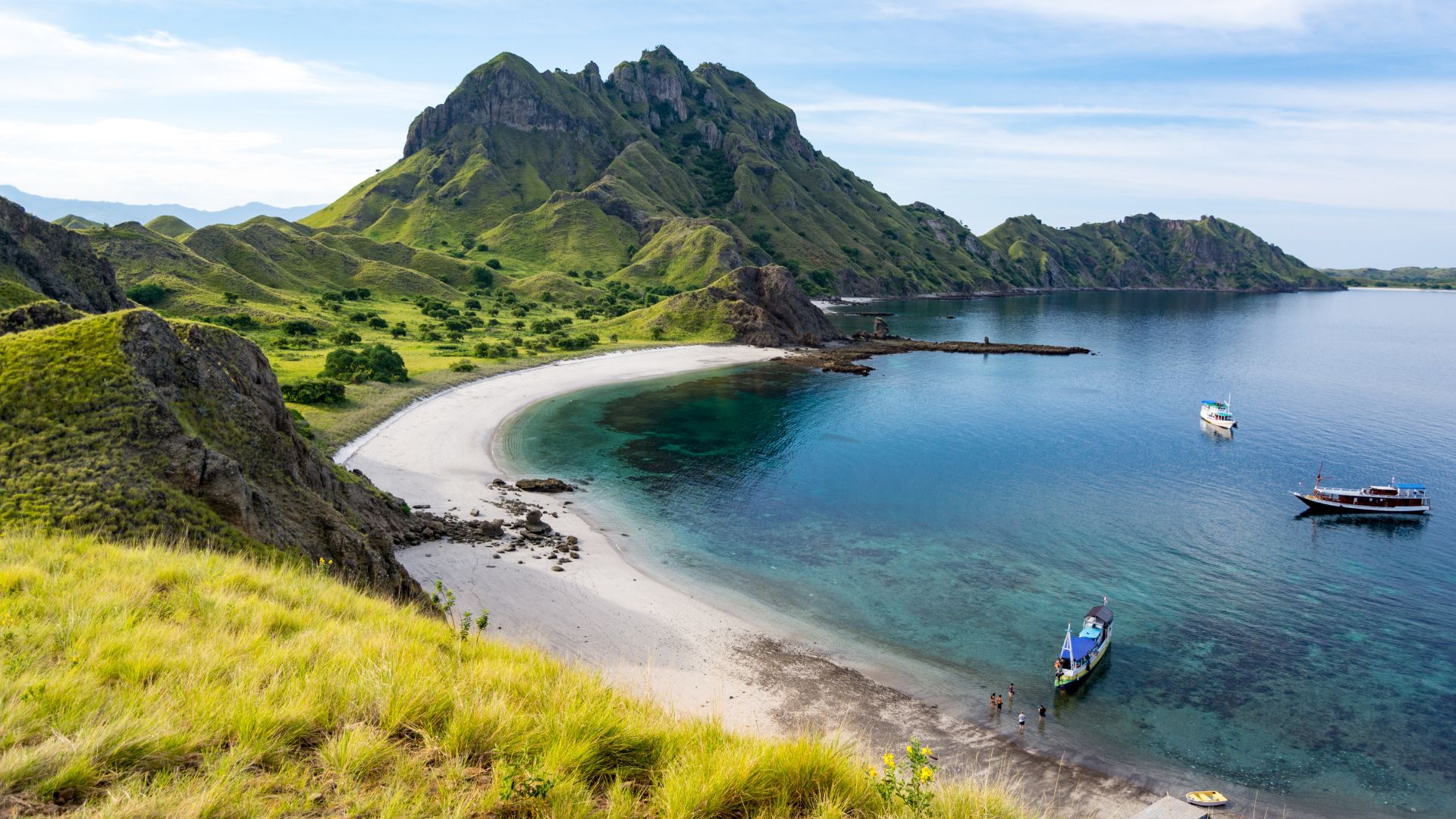
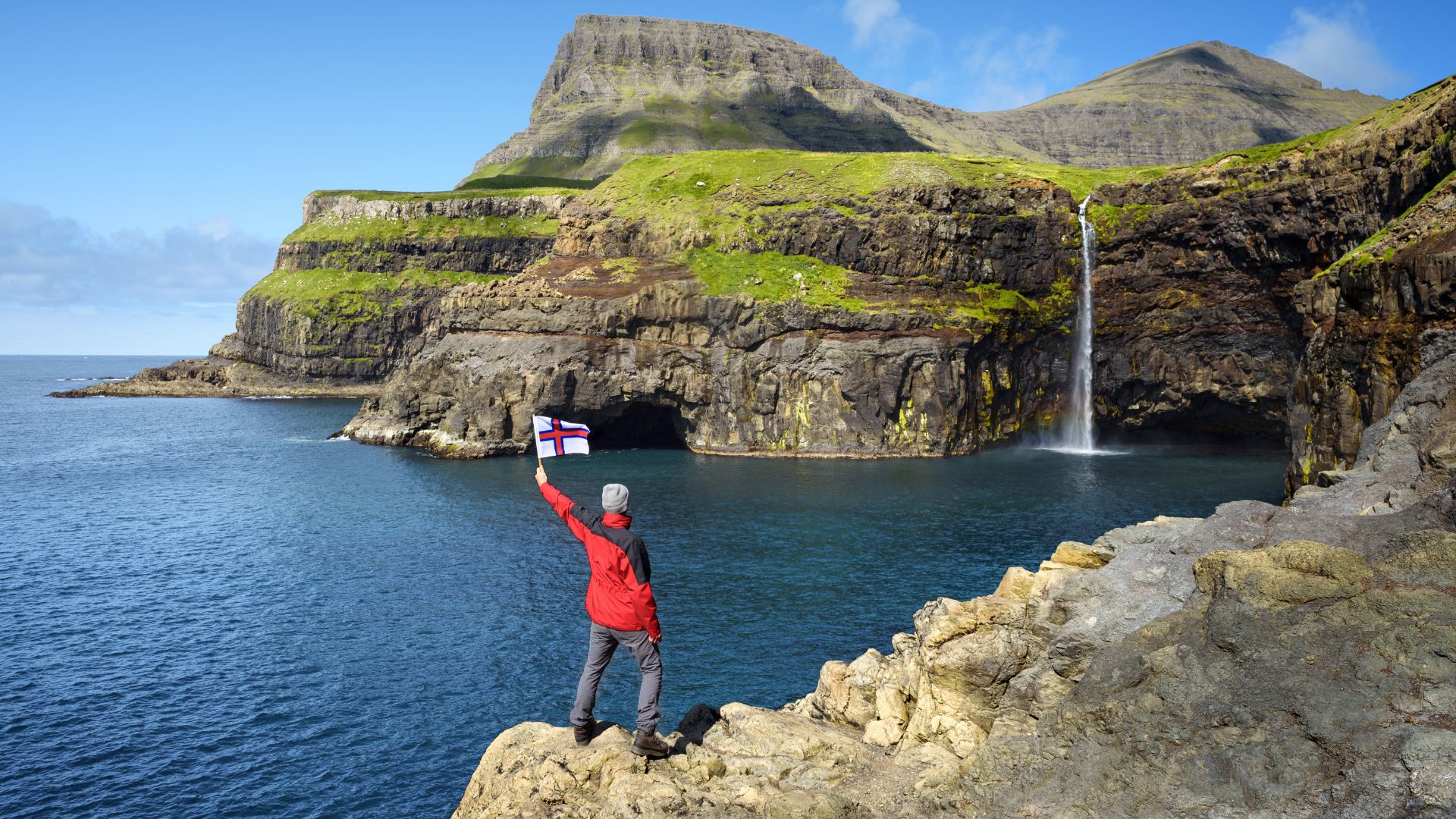
9) Faroe Islands
The Faroe Islands sit out in the North Atlantic, between Iceland and Norway. Eighteen islands, dramatic cliffs, and quiet villages—it feels like another world.
Tour buses? Not here. The islands get way fewer visitors than Iceland or Norway, which makes them perfect for travelers who want something real.
You’ll see steep cliffs, green valleys, and ocean views that go on forever. The hiking trails wind through untouched wilderness, and the fishing villages still hum with old traditions.
Recently, the islands introduced rental cars with audio guides that reveal secret spots as you drive. It adds a bit of mystery and fun to the trip.
Getting there takes some effort, but that’s part of the adventure. The remoteness is a big draw for anyone tired of overrun destinations.
The weather changes fast, so pack plenty of layers. What you get in return is raw, wild beauty—well worth the journey.
10) Azores, Portugal
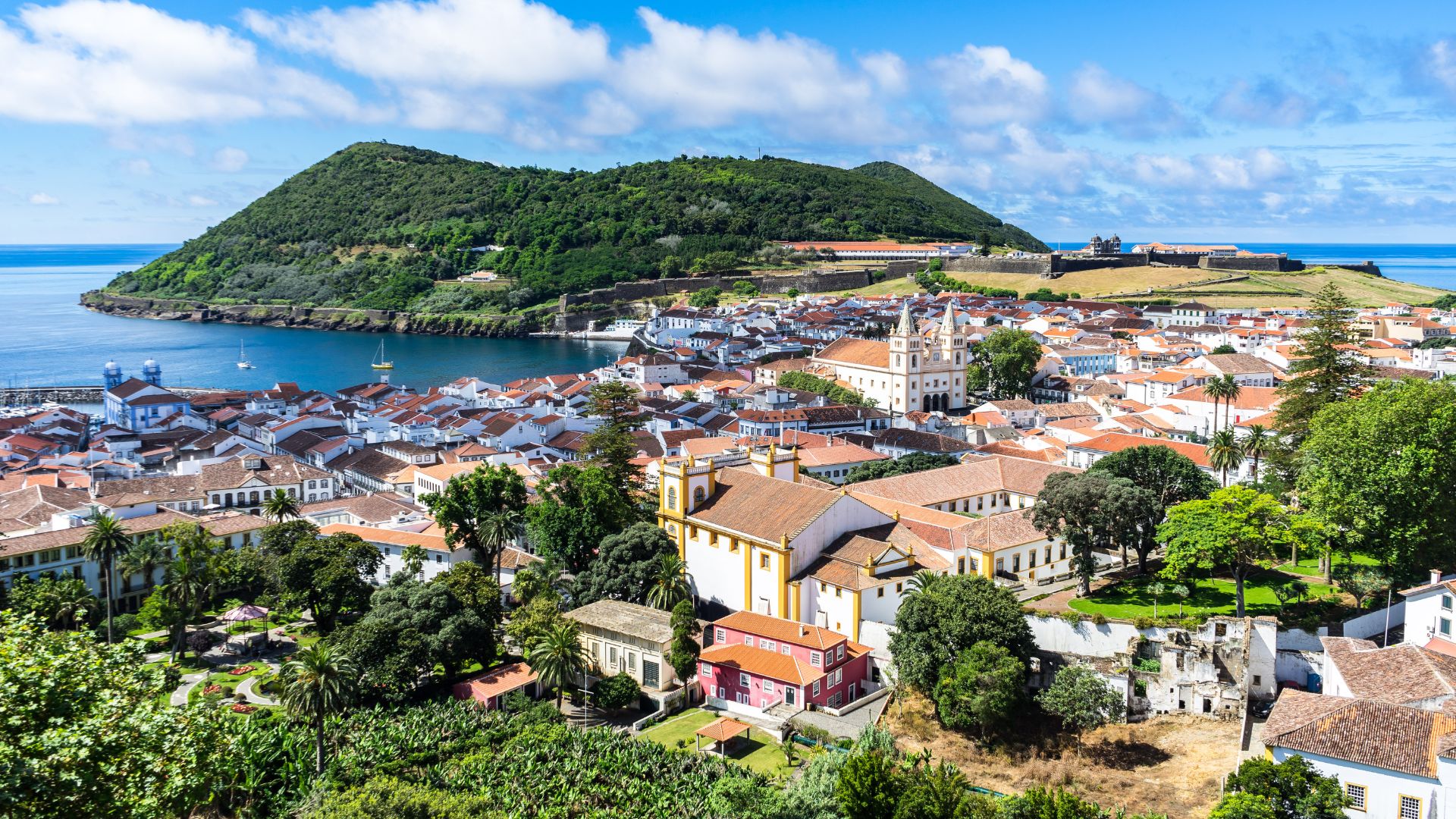
The Azores have quietly become one of Europe’s best-kept secrets. These Portuguese islands float out in the middle of the Atlantic, miles away from the usual tourist crowds.
I landed on nine volcanic islands with scenery that honestly feels otherworldly. The place is all about crater lakes, bubbling thermal springs, and hiking trails that wind through lush valleys.
Whale watching? That’s a big reason people come here. I also explored volcanic caves and swam in natural pools—talk about a wild swim.
The islands stay mellow, even in peak season. You can wander through villages, hike to hidden waterfalls, or soak in a hot spring without elbowing your way through crowds.
If you crave solitude, check out Flores, Corvo, Graciosa, and São Jorge. These islands feel especially remote—sometimes almost like you’ve got them to yourself.
Spring and fall bring even fewer visitors than summer. The volcanic landscape makes for some weird and wonderful sights, like the lake at Lagoa do Congro or those long, echoing lava tubes.
Getting here takes a flight, but honestly, that’s part of the charm. The distance has kept things authentic.
You’ll taste Portuguese culture blended with island life. From local cheeses to tiny traditional villages, not much has changed here in decades.
Why Off-the-Beaten-Path Destinations Are Captivating American Travelers
More and more Americans are skipping the obvious spots. They want to connect with local cultures, avoid overcrowded tourist spots, and get more bang for their travel buck.
1. Authentic Cultural Experiences
Let’s be real: staged attractions just don’t cut it anymore. Off-the-beaten-path places let you eat at family-run restaurants, browse local markets, and actually chat with people who live there.
These destinations haven’t changed for tourists. Traditions still happen for the community, not for Instagram.
You might stumble into a small-town festival or learn a craft from someone who’s been doing it for generations. That’s the good stuff.
Social media makes it easier to find these places. Now you can pick destinations where your money supports local guides, homestays, and shops instead of big hotel chains.
2. Escaping Crowds and Over-Tourism
Let’s face it: popular spots can get overwhelming. You wait in lines, fight for photo ops, and sometimes barely see the sights.
When you go off the main track, you finally get space. No crowds breathing down your neck, no rush. You can actually take it all in.
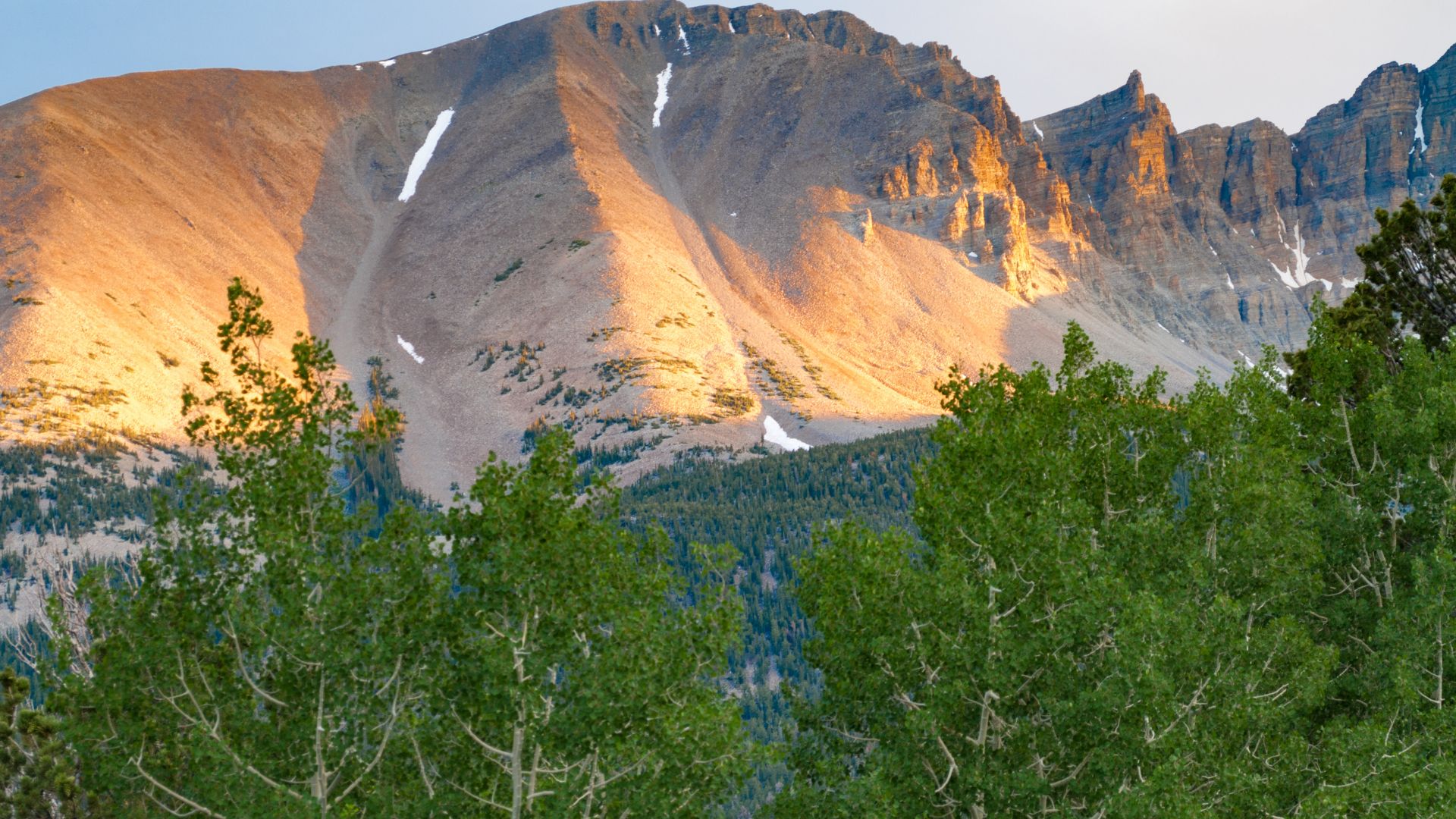
National parks like Great Basin in Nevada offer the same gorgeous views as the famous ones, but with way fewer people.
By spreading out, you help protect the environment. Over-tourism damages trails and strains resources. Visiting lesser-known areas helps balance things out.
3. Value and Accessibility
Your money stretches further in places most tourists skip. Hotels are cheaper, meals cost less, and sometimes you don’t even pay entrance fees.
You usually don’t have to plan months ahead. Sure, a few spots (like Havasu Falls) need permits, but most let you book last-minute and still score deals.
Remote work changes the game. Now you can stay longer, work from a cozy village, and save money on the basics. Solid internet in rural areas means you’re never really cut off.
Travel Planning Tips for Emerging Global Hotspots
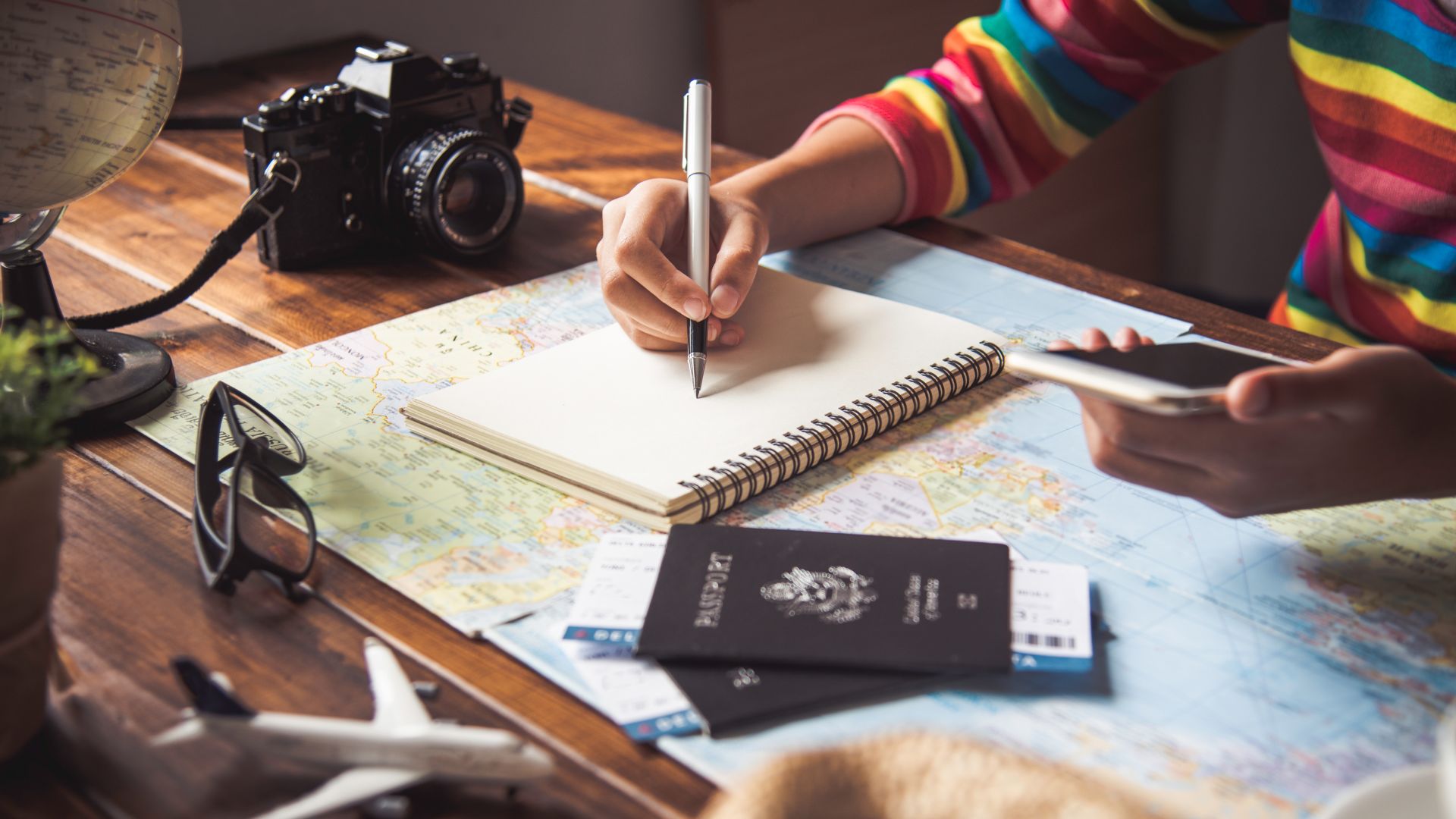
Traveling to lesser-known places takes a little more prep. I’ve learned you need to check weather, expect language barriers, and make choices that help—not hurt—the places you visit.
4. When to Visit
Always look up the local weather before you book. Some places have wild wet and dry seasons that can totally change your trip.
I like to email small hotels or local tourism boards for the real scoop. Big travel sites don’t always have the latest info for these under-the-radar spots.
Shoulder seasons (spring and fall) are often perfect. Fewer tourists, better prices, and the weather usually cooperates.
Watch out for local holidays or festivals. Sometimes everything closes, or prices jump. It pays to double-check.
5. Language and Culture Tips
Download an offline translation app before you go. Internet can be spotty in remote areas.
Learning a few basic phrases—hello, thank you, how much, where is—goes a long way.
Bring a pocket phrasebook, just in case your phone dies. It happens.
Read up on local customs and dress codes. What’s normal at home might be a big no-no somewhere else.
Sometimes, just pointing at a photo or map helps when words fail.
Hiring a local guide can make all the difference. They’ll help you connect and show you things you’d never find alone.
6. Traveling Responsibly
Choose local hotels and restaurants. Your money stays in the community and helps real families.
Don’t feed wildlife. It messes with their health and natural habits.
Stick to marked trails and don’t take “souvenirs” from nature. These places are fragile and need protection.
Ask before you snap photos of people—especially in small villages. Not everyone wants to be in your travel album.
Bring a reusable water bottle and bags to cut down on plastic. A lot of these places don’t have great waste systems.
Buy souvenirs from local artisans, not tourist shops. It supports traditional crafts and gives locals a fair wage.
Frequently Asked Questions
If you’re planning ahead for 2026, you probably want somewhere unique but still easy to reach. Here are some top questions (and answers!) about lesser-known destinations.
Svaneti, Georgia, is one of those wild, mountainous regions with medieval towers and hiking trails that hardly any Americans visit. You get authentic village life—no crowds, just stunning scenery.
Timor Leste is Asia’s newest country and still sees very few tourists. The diving is pristine, and the Portuguese colonial architecture feels untouched.
Moldova is another one. With its wine culture and super-affordable prices, it stays off most travelers’ radar. Only about 200,000 international visitors come each year, so you’ll really feel like you’ve discovered something.
Dominica’s Boiling Lake is a must if you love a challenge. The hike takes six to eight hours, leading you to an active volcanic lake—definitely not your typical Caribbean trip.
Labuan Bajo in Indonesia is known for Komodo dragons, but there’s more—pink sand beaches, diving, and traditional fishing villages that haven’t been taken over by tourism.
Svaneti’s remote setting in the Caucasus Mountains keeps its ancient customs and architecture alive. Family-run guesthouses offer true Georgian hospitality, untouched by mass tourism.
Travel publications are all about sustainable tourism these days. Their 2025 and 2026 picks focus on places balancing authentic culture with solid visitor infrastructure.
They highlight regions where tourism benefits locals, not just big corporations.
Secondary cities and natural areas show up often. There’s a clear move away from capital cities, with more focus on regional gems that offer similar experiences minus the crowds.
Labuan Bajo’s new airport and infrastructure upgrades are making it more accessible. It’s still affordable, but you get world-class diving and wildlife encounters.
Moldova’s wine scene is growing, with new tours and more English-speaking guides. Wine lovers will pay way less here than in France or Italy.
Dominica brands itself as “The Nature Island of the Caribbean.” It draws adventure travelers, not resort crowds, which is perfect if you want an active, eco-friendly vacation.
Timor Leste is nothing like Thailand or Vietnam. You’ll hear Portuguese and Tetum, see Catholic traditions, and get a glimpse of its recent independence story.
Svaneti rivals the Alps for mountain scenery, but with its own twist—UNESCO sites, ancient towers, and treks that cost a fraction of what you’d pay in Western Europe.
Moldova will surprise you with its layered history, Orthodox monasteries, and even underground wine cities. Tucked between Romania and Ukraine, it blends influences from both worlds.
Dominica shines in winter. From January through April, the island enters its dry season, so hiking to Boiling Lake feels like a real adventure without the sticky heat dragging you down.
The weather stays warm, but not so hot that you want to hide indoors. You can actually enjoy being outside, and the trails? They’re at their best.
Timor Leste kind of surprises people. January brings comfortable temperatures and not too much rain. The ocean calms down, and if you love diving or snorkeling, you’ll find the water clear and inviting.
You’ll probably spot more fish than people, which is honestly a win in my book.
Head to Georgia’s Svaneti region if you’re craving snow. January dumps a thick blanket over the mountains, turning the whole place into a winter sports playground.
Ski resorts here feel less crowded, and you don’t have to empty your wallet for lift tickets. It’s a hidden gem compared to the Alps, and honestly, I’d go back just for the views.
