
Travel’s shifting so quickly these days, isn’t it? What felt fresh last year already looks dated for 2026. Instead of those cookie-cutter itineraries and endless lines at tourist hotspots, more of us crave trips that reflect our personal interests, values, and relationships. I’ve watched this shift unfold, and honestly, it’s not just about the destination anymore—it’s about the why and the how behind every trip.
The old travel playbook? It’s just not cutting it. Generic sightseeing tours, predictable souvenir runs, and those bland vacation packages are making way for something far better. Technology, wellness priorities, and a hunger for authentic connections are reworking the entire experience.
So, here’s my take on 10 travel trends that are fading fast—and what’s actually working in 2026. If you’re ready for trips that feel personal, memorable, and genuinely meaningful, these are the changes you’ll want to know about.
Key Takeaways
- Travel in 2026 is all about personal expression and meaningful experiences—not just ticking off the usual tourist boxes.
- Tech and wellness are driving new, more intentional ways to plan trips and pick destinations.
- Group travel and celebration styles are evolving, with authenticity and deeper connections stealing the spotlight.
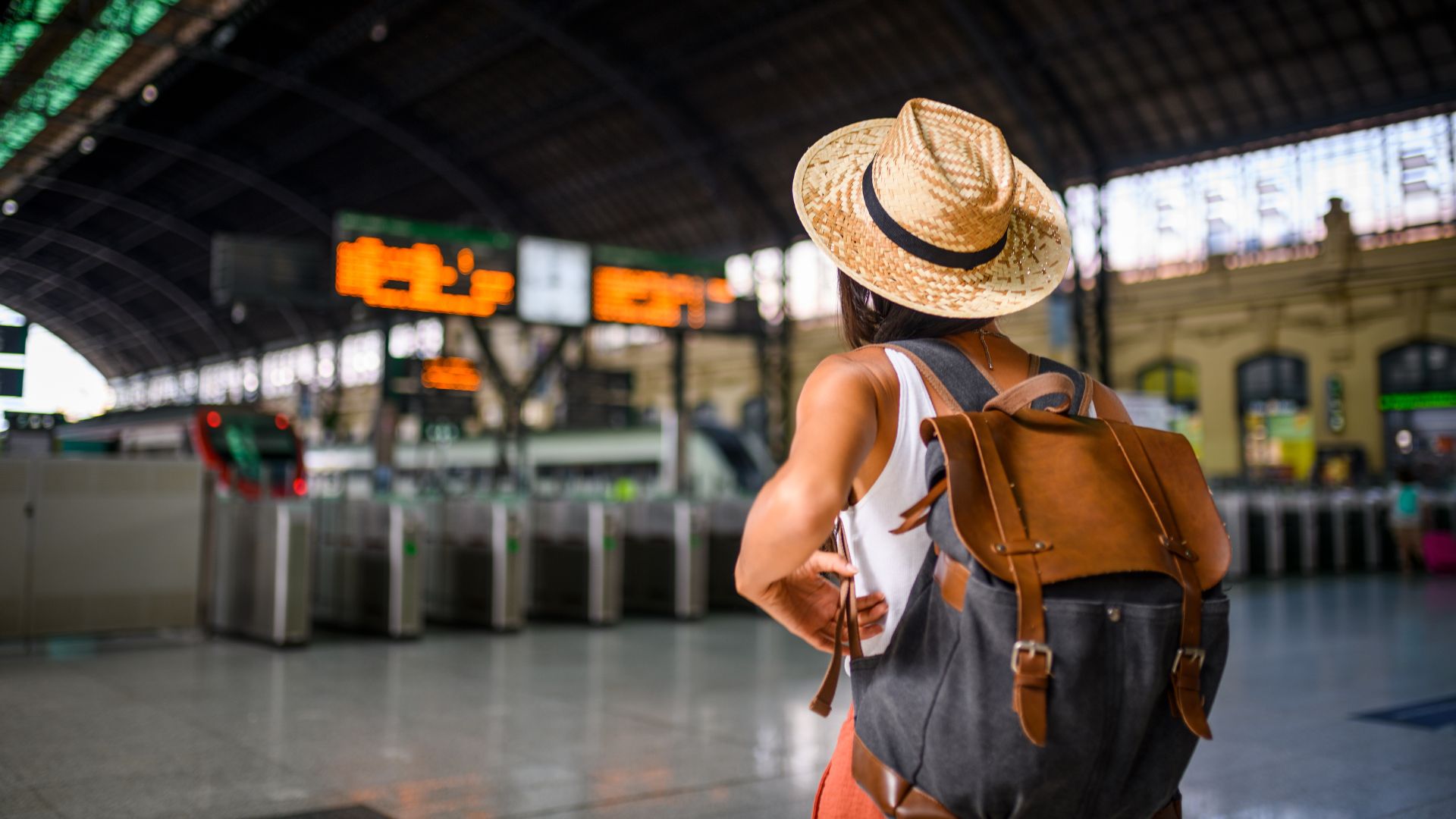
Old Travel Habits That Are Outdated in 2026
Travel is moving away from mass-market sameness. The old formula of packaged tours, generic hotels, and mega-cruises just doesn’t fit what people want anymore.
Cookie-Cutter Itineraries and Standardized Tours
People are ditching those pre-planned, whirlwind itineraries. I’ve noticed travelers want more than just a blur of famous landmarks.
Standardized tours cram in too much and leave little space for authentic experiences. It’s exhausting, honestly.
The new trend? Slow, intentional travel. Folks are spending more time in fewer places.
Neighborhoods beat tourist zones. Local markets win out over souvenir shops.
What’s replacing cookie-cutter tours:
- Self-designed itineraries that match real interests
- Longer stays in one spot
- Local guides over big-bus stops
- Schedules that leave room for spontaneous adventures
This shift feels like a reaction to years of surface-level travel. People want depth, not just breadth. They want trips that actually fit them—not what some tour company thinks is “worth seeing.”
Traditional Mega-Ship Cruises
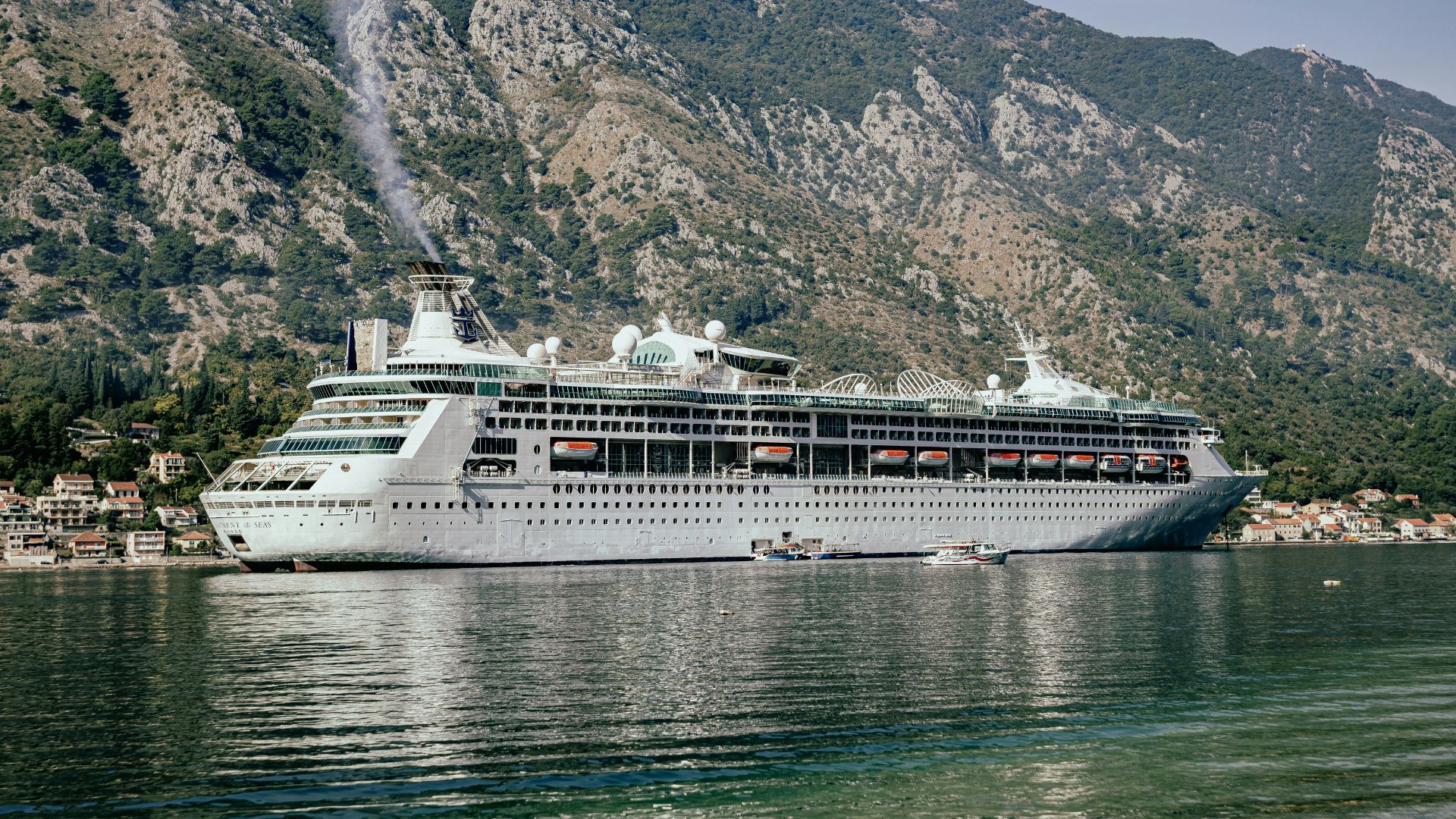
Those massive cruise ships packed with thousands of people? They’re losing their shine.
Crowds, impersonal vibes, and a disconnect from the places you visit—it’s just not appealing. I’ve watched smaller vessel travel pick up steam.
Expedition cruises with 100-200 guests feel more intimate. River cruises dock right in the heart of towns, not miles away in some industrial port.
Hotel brands at sea are shaking things up. Think boutique hotel service, destination-focused itineraries, and way more time in port.
People want to actually experience places—not just glimpse them from a crowded deck.
Conventional Group Tours and Big Bus Excursions
Big group tours lumbering through cities? They’re kind of a relic now.
I’ve seen how these tours focus on efficiency, not engagement. They separate travelers from the real life of a place.
Groups of 30-50 create noise and keep interactions shallow. The bus becomes a bubble.
Smaller groups of 6-12 are taking over. Walking tours led by locals offer genuine insider stories.
Many skip organized tours altogether. Apps and local tips help them explore at their own pace.
One-Size-Fits-All Hotel Stays
Chain hotels with the same bland rooms everywhere? Travelers are over it.
People are gravitating toward places with local character and unique experiences.
Independent hotels are thriving because they offer what chains simply can’t. Local design, regional food, staff who actually know the area—it all adds up.
Major booking sites now spotlight boutique and alternative stays. Travelers search for “locally owned” or “unique properties” instead of just brand names.
Popular alternatives to standard hotels:
- Locally-owned boutique hotels
- Historic buildings turned into stays
- Apartments in real neighborhoods
- Small guesthouses with local hosts
It’s not just about a bed for the night. People want their lodging to be part of the adventure. They’ll pay more for places with real character and a sense of connection.

Personalized, Purpose-Driven Experiences Rising
Travelers are moving past the bucket-list mentality. It’s less about collecting stamps and more about trips that matter.
Transformational Travel Over Ticking Off Destinations
There’s been a real shift in how people plan trips. Instead of racing through multiple cities, travelers now pick spots based on what they want to learn or how they want to grow.
Transformational travel is all about meaning. Think meditation retreats, cooking classes with locals, or helping out at wildlife sanctuaries.
A recent 2026 trends report found that over 29,000 travelers in 33 countries now want trips built around their own passions.
Popular transformational experiences:
- Wellness retreats with daily yoga and spa time
- Cultural immersion with local artisans
- Conservation work at animal sanctuaries
- Spiritual journeys to sacred places
The big difference? Intention. People ask, “What will I get out of this trip?” instead of, “How many places can I hit?”
Unique Villa Stays and Private Chalets
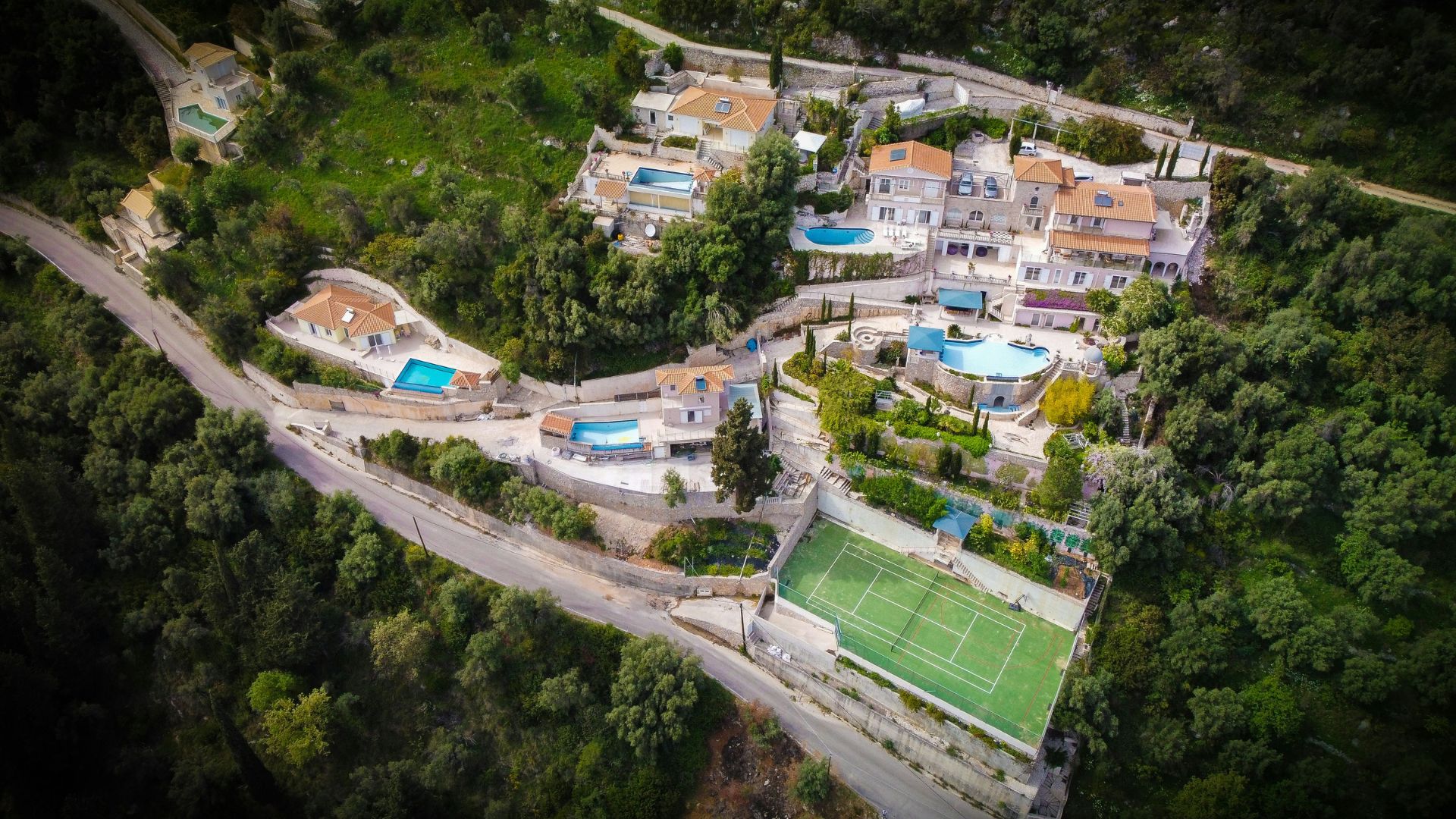
Villas and private chalets have become the go-to for travelers craving privacy and authenticity.
I’ve seen more people splurge on exclusive properties that let them customize every detail.
Private chalets in the mountains or villas by the sea give families and groups space to do their own thing.
SmartFlyer advisors report growing demand for homes with private chefs, local guides, and custom safaris.
These places come with perks hotels just can’t match. Private pools, kitchens stocked with local goodies, staff who focus only on you.
It’s not just about luxury—it’s about having a home base that feels like yours.
Long-Term and Immersive Retreats
Weekend getaways are losing ground. Longer stays are in.
Travelers are booking two weeks, a month, or more. They settle in and live like locals.
Remote work makes this possible. People work from rentals and explore at a slower pace.
Why longer stays work:
- You save money per night
- There’s time to find hidden gems
- You actually connect with locals
- You get a deeper feel for the culture
Families use this for educational trips. Professionals blend work and adventure. It’s all about going deeper, not just farther.
Next-Level Group and Celebration Travel Alternatives
Big group tours and cookie-cutter parties? Not so much anymore.
Travelers are choosing smaller, more meaningful gatherings. The focus is on intimate experiences—think real connection, custom touches, and luxury without the crowds.
Intimate Destination Weddings Redefining Group Travel
Couples are ditching huge weddings for destination celebrations with just 20-40 guests.
These weddings usually last three to five days. Guests get to bond over wine tastings, beach trips, or cooking classes.
It’s structured, but there’s still plenty of free time.
Why intimate destination weddings work:
- Total control over the vibe and activities
- Lower costs per guest—even at fancy spots
- You can rent entire villas or boutique hotels
- Real conversations with every guest
- Built-in honeymoon spot
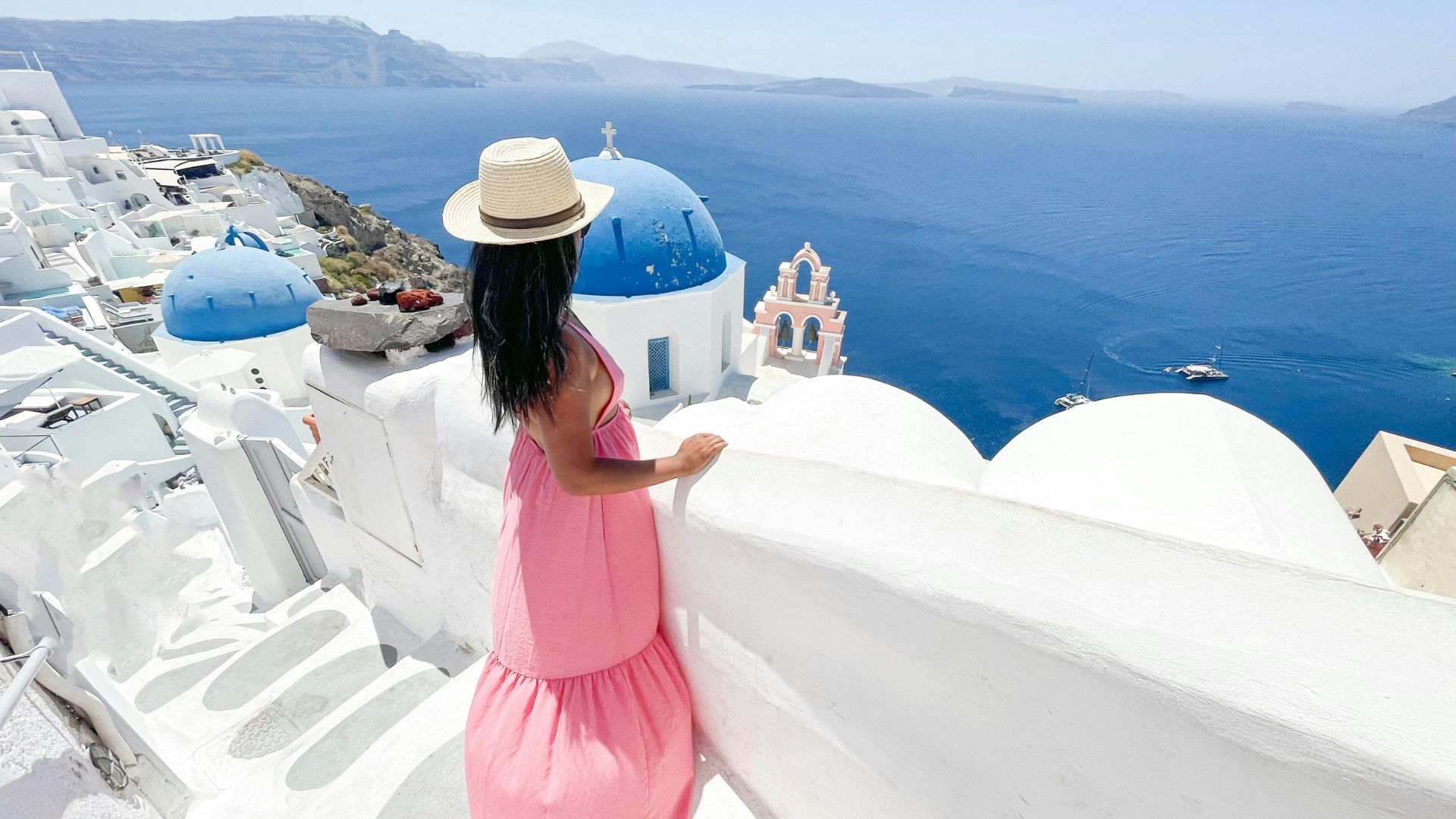
Coastal Mexico, Greek islands, and Italian countryside estates are hot picks. Couples often hire planners who get the micro-wedding thing and keep it personal.
Yacht Charters and Boutique Gatherings
Private yacht charters are taking over from big group cruises for celebrations and reunions.
I’ve noticed more small groups booking yachts for 8-12 people, heading out for week-long adventures.
You get privacy, flexibility, and no crowds. Your group sets the pace—no fighting for deck chairs or waiting in buffet lines.
Prices range from $15,000 to $50,000 per week, depending on where you go and boat size. Split among friends, it can rival luxury resorts but feels way more exclusive.
Boutique villas work the same way. Groups book entire homes in places like Provence, Tuscany, or Costa Rica. Private chefs, custom excursions, dedicated staff—it’s like having a resort all to yourself.
Personalized Small-Group Adventures
Travel companies now build custom trips for groups of 6-15, all based on shared interests.
I’ve seen photography expeditions, foodie tours, and wellness retreats where everything’s tailored to your crew.
These small-group adventures stand out because they’re flexible. The itinerary shifts to match the mood. Activities fit your skills and tastes. Even the lodging reflects your group’s style.
Popular personalized group themes:
- Food and wine deep dives
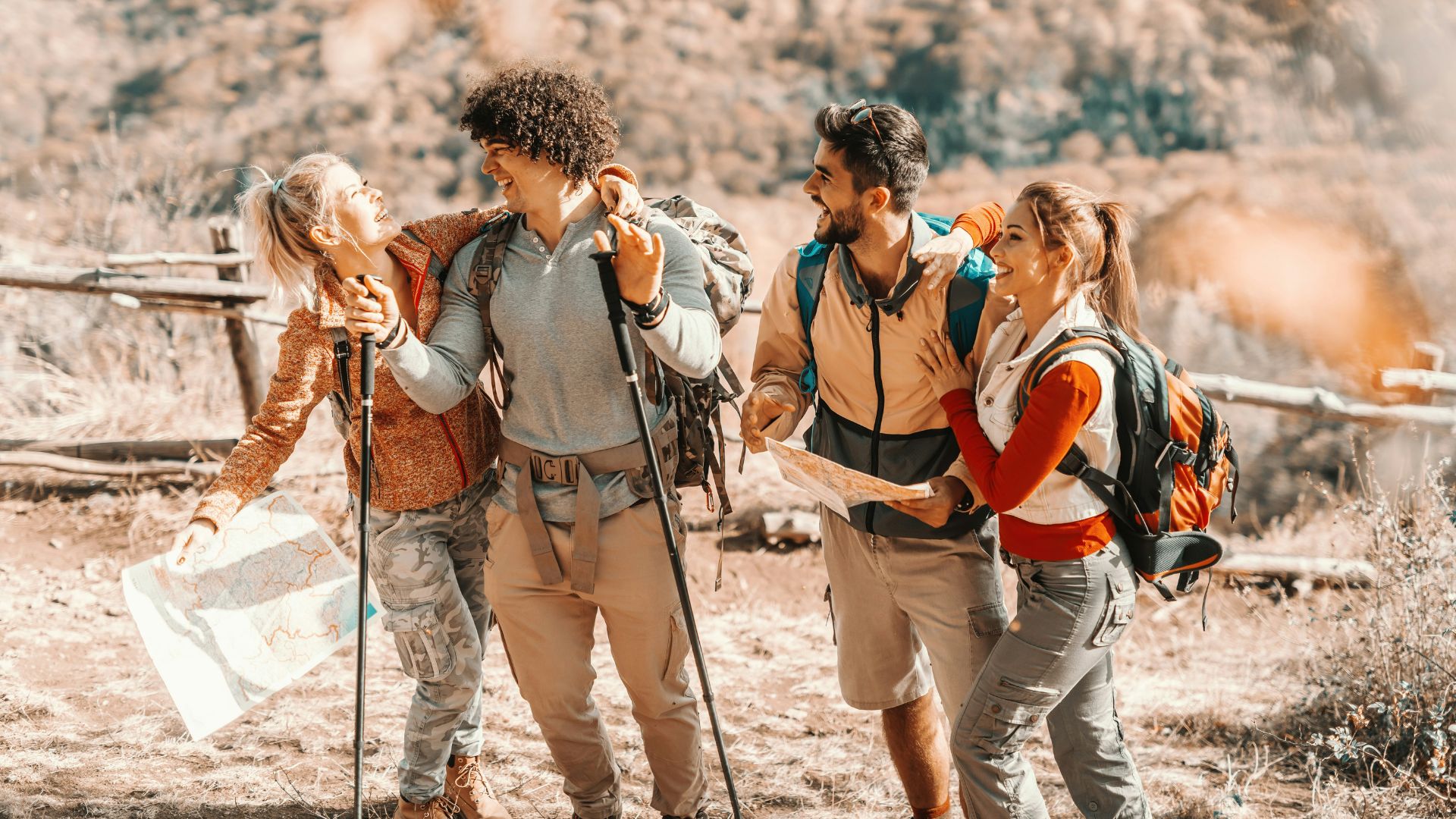
- Active adventures—hiking, cycling, kayaking
- Photography and creative workshops
- Yoga and wellness escapes
- Cultural journeys with local guides
Services like SmartFlyer connect you with advisors who build a trip just for your group. You really get what you pay for—experiences that actually fit you.
Cutting-Edge Ways to Reach and Experience New Places
Travelers are skipping crowded flights and tourist traps. The new focus? Personalized access and experiences that feel one-of-a-kind.
Rise of Boutique Air Operators and Private Aviation
Private aviation isn’t just for the ultra-rich anymore.
Boutique air operators now offer shared charter flights and membership deals.
These smaller airlines fly direct to airports big carriers ignore. You can reach remote spots without layovers or packed terminals.
Flexible schedules let you travel when you want—not when the airline says.
Prices have come down. Some services sell single seats on private planes, so you pay more than first class but get way better service and save hours.
Even big booking platforms like Expedia now list some private flights. It’s easier than ever to compare and decide if it’s worth the splurge.
Set-Jetting and Film-Inspired Destinations
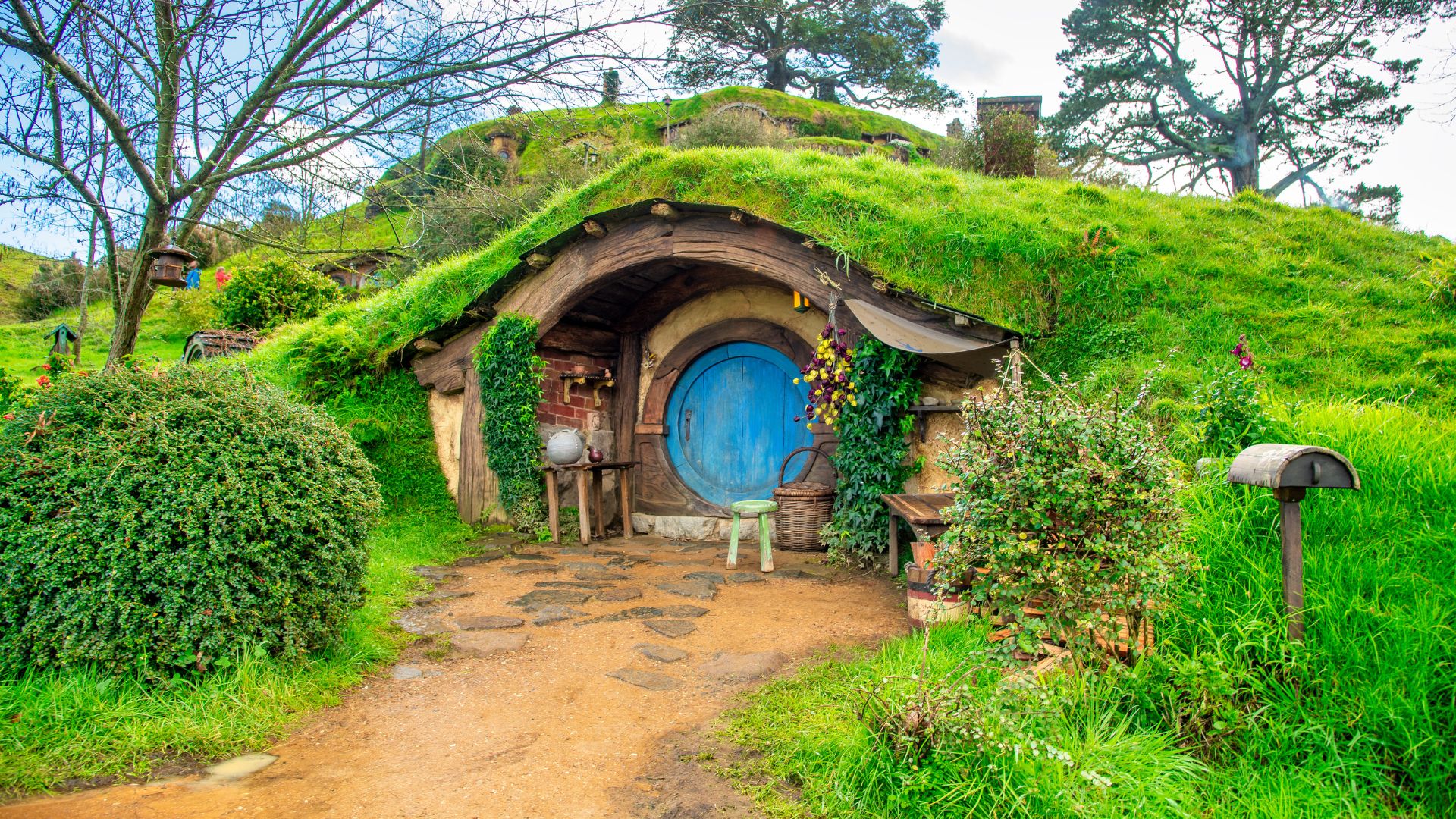
Set-jetting is the new thing—traveling to places where your favorite shows and movies were filmed.
It’s huge with the romantasy crowd. About 71% of travelers say they want to visit destinations inspired by romance and fantasy stories.
More people now plan trips around filming locations than traditional landmarks. They want to walk the castles, forests, and villages they saw on screen.
Tour operators are jumping in with themed tours, costume events, and even stays in famous film locations. Some places have maps showing every filming spot and behind-the-scenes tidbits.
Shifting Away From Oversaturated Hotspots
The most popular destinations are losing their appeal. Crowds are just unbearable.
Smart travelers now check visitor stats before booking. They hunt for lesser-known cities with similar vibes but fewer people.
If Venice is packed, why not try Ghent or Annecy? These under-the-radar spots have real local culture—without fighting through selfie sticks.
Timing helps, too. Traveling in shoulder season or hitting popular places at off-hours makes a big difference.
Some folks even use real-time crowd apps to dodge the worst times.
This trend boosts overlooked regions and gives you a way better trip.
Spotlight on Italy and Iconic Global Events
Italy’s taking center stage in 2026. The Winter Olympics in the Dolomites and Milan’s world-famous design festivals promise travelers a mix of sport, culture, and creativity you just can’t get from standard tourism.
Milan and the Dolomites on the World Stage
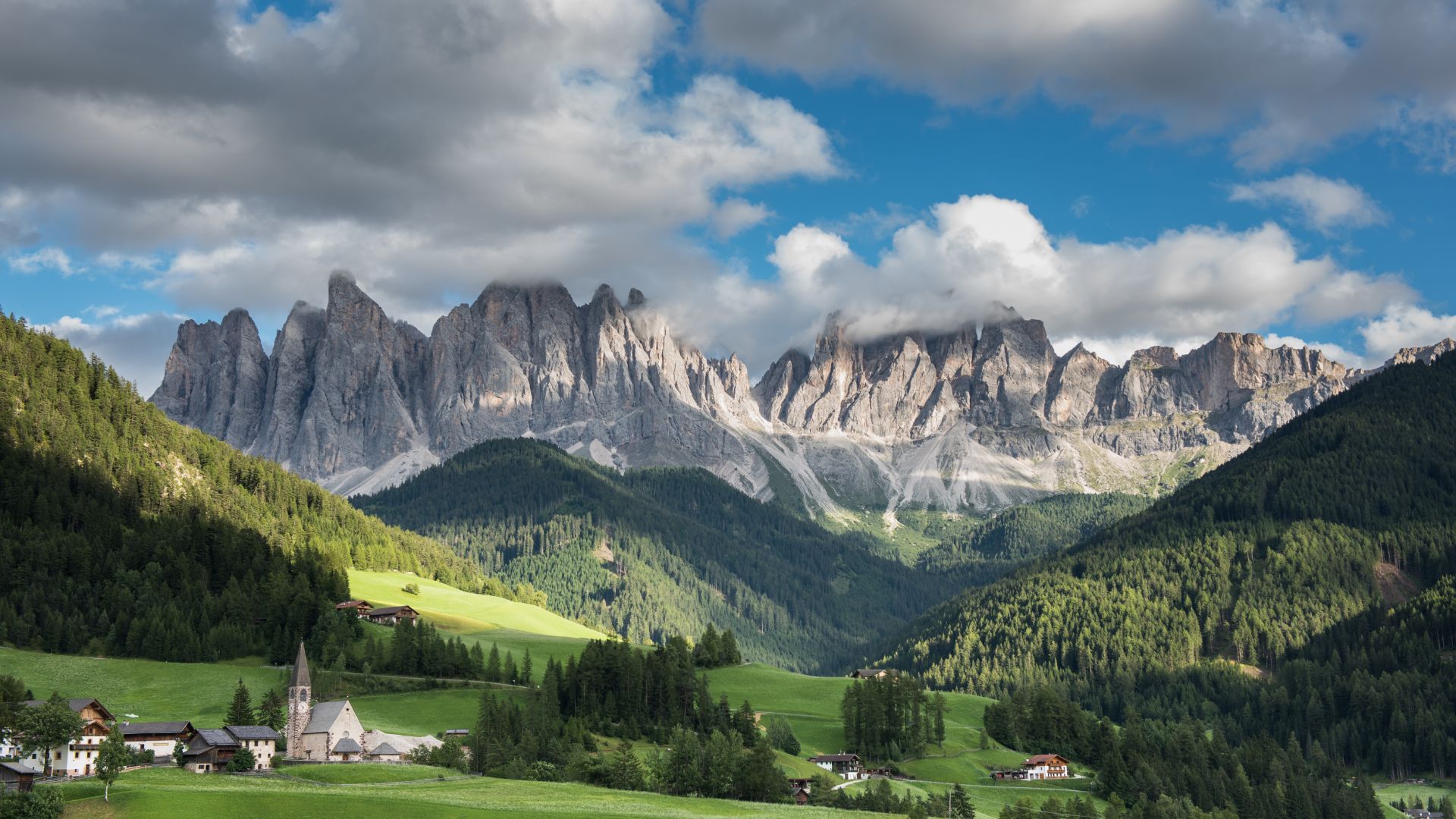
Milan and the Dolomites are about to steal the show as co-hosts of major 2026 events. Milan oozes Italian glamour and urban sophistication, while the Dolomites bring jaw-dropping mountain views and deep-rooted Alpine traditions.
It’s a pairing that just works. You can catch world-class design exhibitions in Milan, then hop over to mountain towns for a total change of pace outdoors.
Event-driven infrastructure upgrades have already made travel between these two regions way easier. Trains now zip straight from Milan to the mountains, cutting down travel time.
Hotels and venues? They’ve spruced up for international visitors, but somehow still keep that local flavor. I love how northern Italy feels more open and accessible than ever.
2026 Winter Olympics and Alpine Adventure
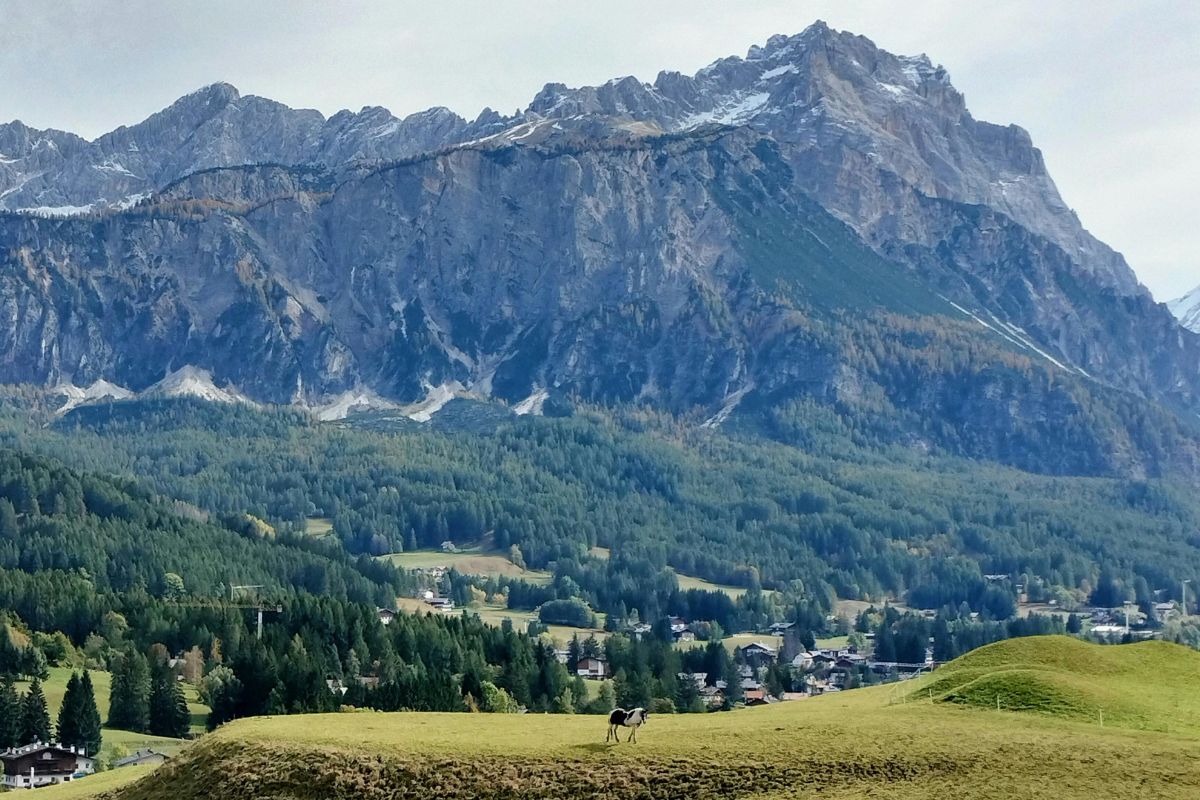
The 2026 Winter Olympics will light up Milan and Cortina d’Ampezzo from February 6-22. Cortina, nestled in the Dolomites, already has a legacy from its 1956 Winter Olympics.
You can soak up the Olympic buzz or just visit for the snow. The town offers skiing, snowboarding, and winter hiking—even if you skip the competitions.
The Dolomites aren’t just a winter wonderland, though. Summer brings hiking, rock climbing, and mountain biking. Local rifugios (mountain huts) serve up regional dishes with views you’ll remember forever.
Olympic upgrades—think new ski lifts, more places to stay, and better roads—make life easier for everyone, not just athletes.
Salone del Mobile and Milan Design Week
Salone del Mobile, Milan’s annual April furniture and design fair, is a must for design lovers. Milan Design Week spills out beyond the main halls, with installations, showrooms, and parties all over town.
The 2026 edition runs April 13-18. You’ll find cutting-edge furniture, lighting, and product design from global brands and up-and-coming talent.
The off-site Fuorisalone events transform whole neighborhoods into pop-up galleries. It’s a wild, creative scene.
Design Week draws over 300,000 visitors, but you don’t need an industry badge. Most exhibits and installations are free and open to all.
Italian craftsmanship sits alongside global innovation here. It’s a front-row seat to where design is heading next.
Cultural Experiences at Art Basel and Fondation Louis Vuitton
Art Basel’s editions—Basel, Miami, Hong Kong, Paris—pull together galleries, collectors, and artists for contemporary art experiences all year. Each fair feels like a temporary art capital.
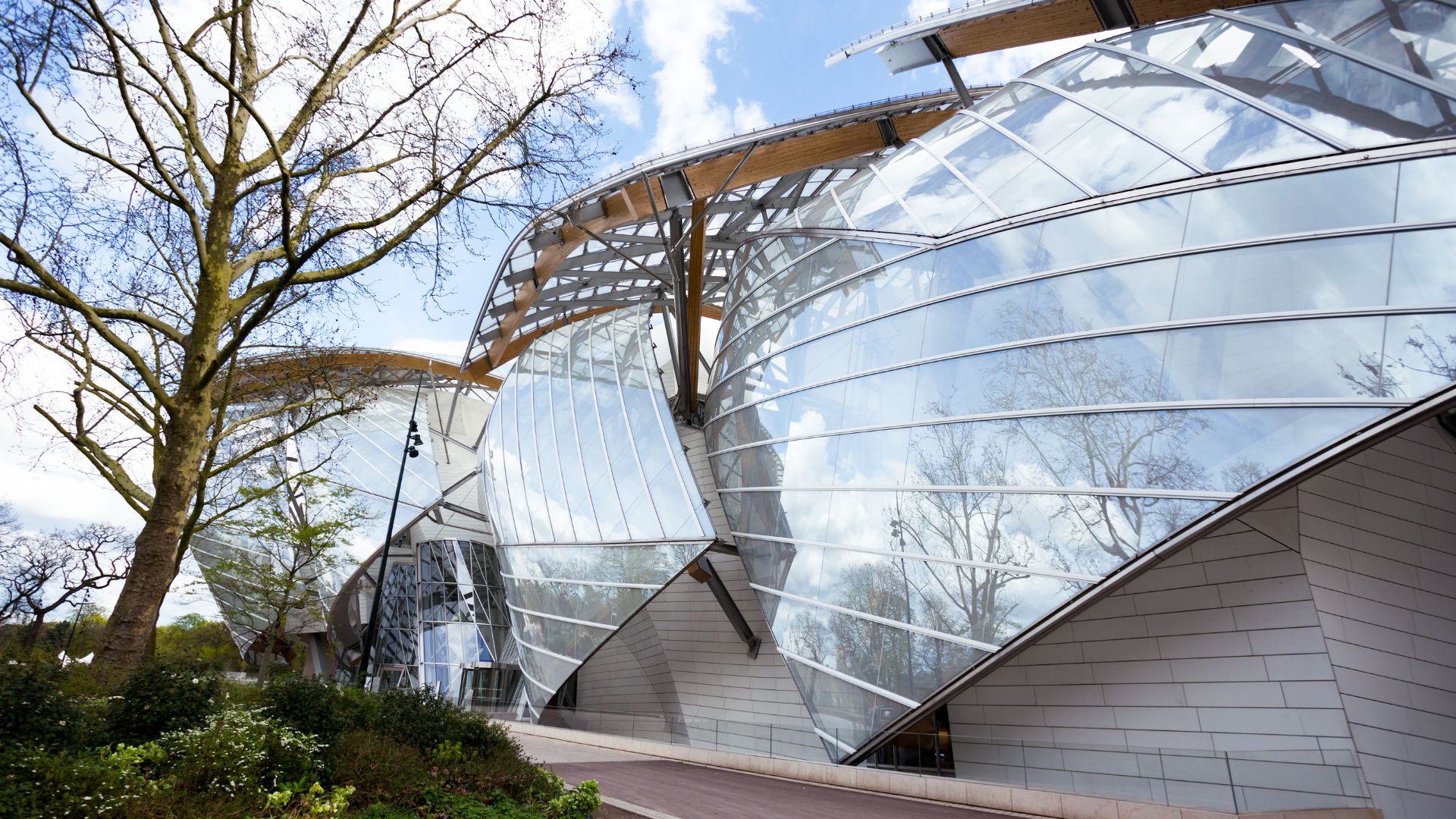
Fondation Louis Vuitton in Paris hosts major exhibitions in a Frank Gehry-designed building. The focus is on modern and contemporary art, and the shows rotate every few months.
I love planning trips around these art events instead of racing through the usual tourist lists. Art Basel Paris happens in October, which pairs nicely with fall travel in France.
These events give travel a sense of purpose. I can zero in on specific exhibitions and explore the cities around them.
The New Luxury: Brands, Design, and Next-Gen Stays
Luxury travel isn’t just about fancy hotels anymore. Big hotel brands are launching ships, and fashion houses are turning hotels into retail playgrounds.
Hotel Brands at Sea and Evolving Cruise Experiences
Hotel brands are taking their signature style to the water. Four Seasons, Ritz-Carlton, and Aman are all rolling out cruise ships that deliver five-star hotel service at sea.
Forget the mega-ships packed with thousands. The Four Seasons Yacht, for example, offers just 95 suites. Ritz-Carlton’s ships start at 250-square-foot suites, all with floor-to-ceiling windows.
Here’s the draw: you get luxury hotel service, but your view changes every day. No buffet lines or cheesy contests—think Michelin-level dining, personal butlers, and stops at exclusive ports.
Traditional cruises can feel cramped and rushed. These hotel-branded ships focus on space, privacy, and personalized experiences instead.
Fashion, Retail, and Hotel Capsule Collections
Luxury fashion brands are getting creative with hotels. Dior designed custom robes and slippers for Hotel Esencia in Mexico. Hermès decked out select hotels with branded amenities and furniture.
Some boutique hotels now offer curated wardrobes for guests to buy during their stay. Le Bristol Paris even has a shopping suite for private appointments with luxury brands.
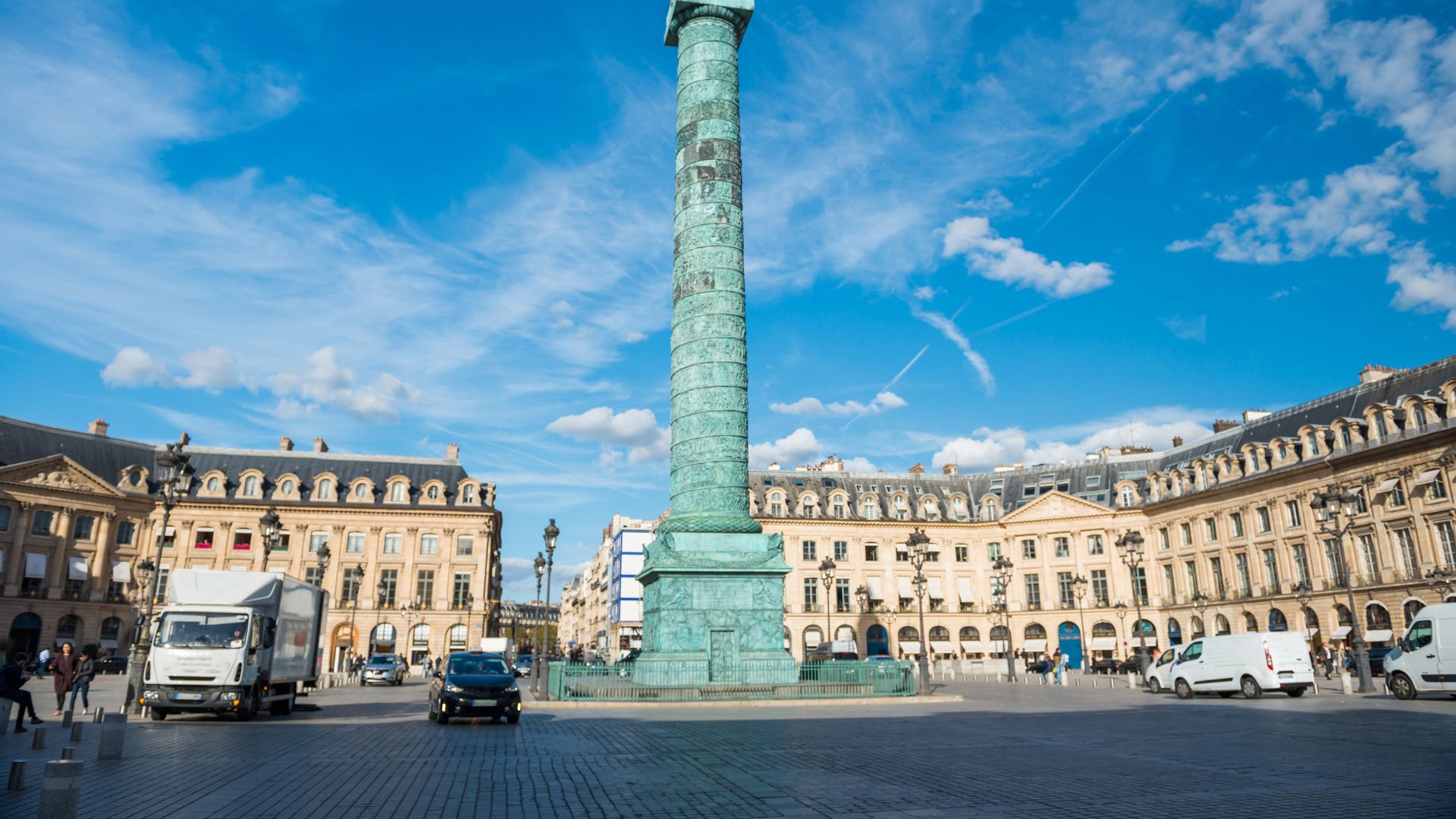
The Ritz Paris took it up a notch by opening boutiques inside the hotel. Guests can shop Chanel fragrances or custom luggage without leaving the lobby.
This trend makes sense—luxury travelers want easy access to high-end goods, and hotels are the perfect setting. You can try products in your room before buying, which feels more natural than a typical shopping trip.
Emergence of Seamless Brand-Driven Hospitality
Technology is quietly tying the whole luxury travel experience together. Hotels use AI to remember your preferences, so your room feels just right the second you walk in.
Some luxury groups have apps that do it all—book spa treatments, order room service, chat with the concierge, even check out—no awkward phone calls needed.
Digital keys let you breeze past the front desk. Brand loyalty programs now offer more than free nights; think early access to new properties, exclusive experiences, and perks with partner restaurants or shops.
The goal? Keep you in the brand’s orbit from start to finish.
Frequently Asked Questions
Travel in 2026 is about to look very different—think personalized experiences, smarter tech, and more thoughtful destination choices. Here are some of the questions I hear most, along with what I’ve noticed on the road.
Travelers are skipping the usual hotspots and heading to secondary cities or lesser-known regions. People want those authentic cultural experiences without the crowds.
Regional destinations with strong local vibes are topping travel wish lists. Lately, places featured in fantasy books and films are getting a lot of buzz—apparently, 71% of travelers are drawn to romance and fantasy-inspired spots.
Gateway flexibility is now the go-to money-saving strategy for Americans. Folks are flying into alternative airports and exploring nearby areas instead of just sticking to the classics.
Luxury travel is shifting away from just “stuff” and toward personal, meaningful experiences. The market’s still growing—67% of travel advisors expect more demand in 2026.
Wellness-focused stays are taking priority over traditional high-end perks. Around 80% of travelers are open to booking glow-cations with customized skin treatments and circadian lighting.
Personal space and authenticity matter most now. People want places that reflect their values and interests, not just generic five-star perks.
Smart home tech and AI-driven services are the new normal. I’ve seen that 77% of travelers are cool with booking robotic-enhanced homes, and over half would let a robot cook and clean for them.
Contactless check-ins and keyless entry aren’t just novelties anymore—they’re expected. Technology is even helping travelers recreate old memories, with 66% willing to use apps to find exact photo locations and revisit them.
AI is making travel deals vanish faster than ever. You have to act quickly when you spot a good price, since algorithms change rates in real time.
Slow travel and shoulder season trips are replacing frantic itineraries. Travelers are staying longer in fewer places to lower their environmental impact.
Foraging and nature-based activities are on the rise. About 69% of travelers would stay somewhere they can forage for meals from the local landscape.
Local sourcing and minimalist packing are becoming the norm. One in four travelers even wants robots quietly managing sustainability behind the scenes at their hotel.
Last-minute bookings are way up. Three out of four travelers say they’ll book a vacation just because they’ve worked hard and deserve it—no special occasion required.
Spiritual and astrological factors are starting to influence bookings. Nearly half of travelers would reconsider a trip if their horoscope warned them, and a similar number would change plans based on advice from a spiritual guide.
Flexibility is king now. Travelers use apps to find travel buddies and are more open to carpooling—84% are cool with sharing rides on vacation.
Tech-equipped properties with smart amenities? Travelers are all over them. I’ve seen more people searching for places with circadian lighting, soothing soundscapes that actually help you sleep, and those slick automated check-in systems that make everything easier.
Remote getaways are also getting a lot of love. Around 62% of folks want to stay somewhere isolated, maybe to test a relationship or just to see how they handle being away from it all. About 59% even prefer accommodations with intentional limits, like spotty Wi-Fi or almost no internet at all.
Places that cater to specific hobbies or passions are popping up everywhere. If you’re into fishing, birdwatching, or foraging, you’ll find more options than ever. In fact, 43% of travelers say they crave stays that let them connect with nature in a real way.
